

1. Search Result
Search Result
Results for "

humor

" in MedChemExpress (MCE) Product Catalog:

60

Inhibitors & Agonists

5

Biochemical Assay Reagents

9

Peptides

3

Inhibitory Antibodies

9

Natural
Products

3

Isotope-Labeled Compounds

6

Oligonucleotides

Cat. No. Product Name Target Research Areas Chemical Structure
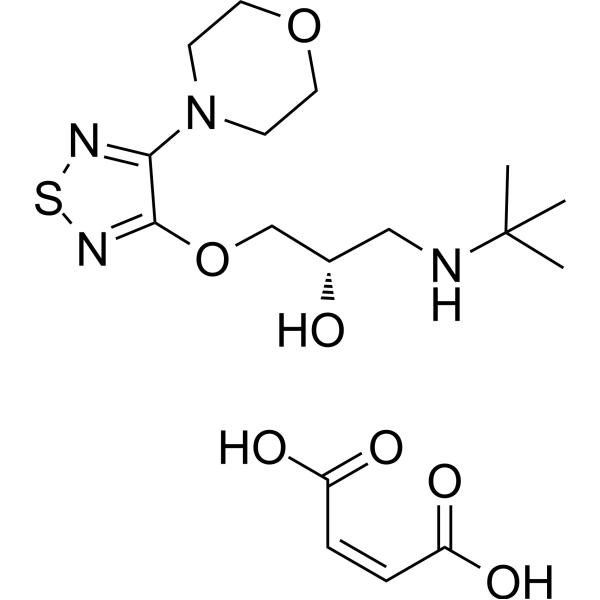
  • HY-17380
    (S)-Timolol maleate
    5 Publications Verification

    (S)-L-714,465 maleate; MK 950

    Adrenergic Receptor Cardiovascular Disease Neurological Disease Cancer
    (S)-Timolol Maleate (L-714,465 Maleate) is a non-cardioselective hydrophilic β-adrenoceptor blocker. (S)-Timolol Maleate is widely used as standard medication for intraocular pressure (glaucoma) by preventing the production of aqueous humor. (S)-Timolol Maleate can be used for hypertension, angina pectoris and myocardial infarction .
    (S)-Timolol maleate
  • HY-B1640
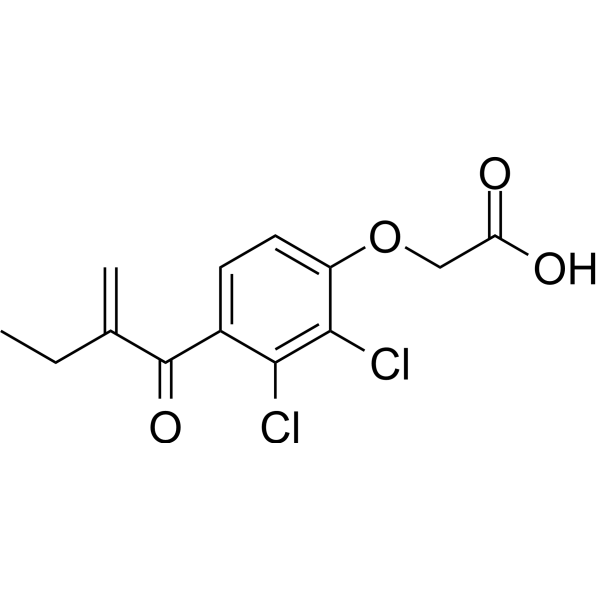
    Ethacrynic acid
    5+ Cited Publications

    Etacrynic acid

    Wnt Glutathione S-transferase NF-κB Calcium Channel NO Synthase Cardiovascular Disease Inflammation/Immunology Cancer
    Ethacrynic acid has anti-inflammatory and anticancer activity. Ethacrynic acid is an orally active diuretic. Ethacrynic acid is an inhibitor of glutathione S-transferase (GSTs) and Wnt signaling pathways. Ethacrynic acid is a radiosensitizer. Ethacrynic acid can inhibit airway smooth muscle (ASM) contraction in mice. Ethacrynic acid can increase the outflow of aqueous humor from the eye for the study of glaucoma .
    Ethacrynic acid
  • HY-101092
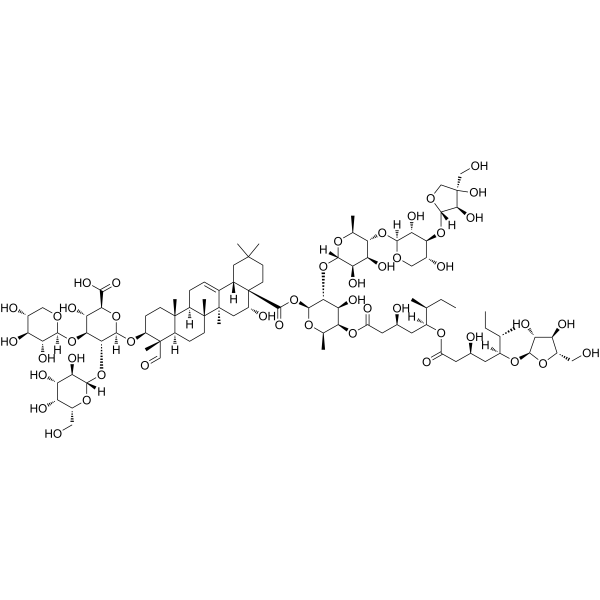
    QS-21-Api
    5+ Cited Publications

    Stimulon

    NOD-like Receptor (NLR) Inflammation/Immunology Cancer
    QS-21-Api, an immunostimulatory saponin, could be used as a potent vaccine adjuvant. QS-21-Api stimulates Th2 humoral and Th1 cell-mediated immune responses through action on antigen presenting cells (APCs) and T cells. QS-21-Api can activate the NLRP3 inflammasome with subsequent release of caspase-1 dependent cytokines, IL-1β and IL-18 .
    QS-21-Api
  • HY-12326A
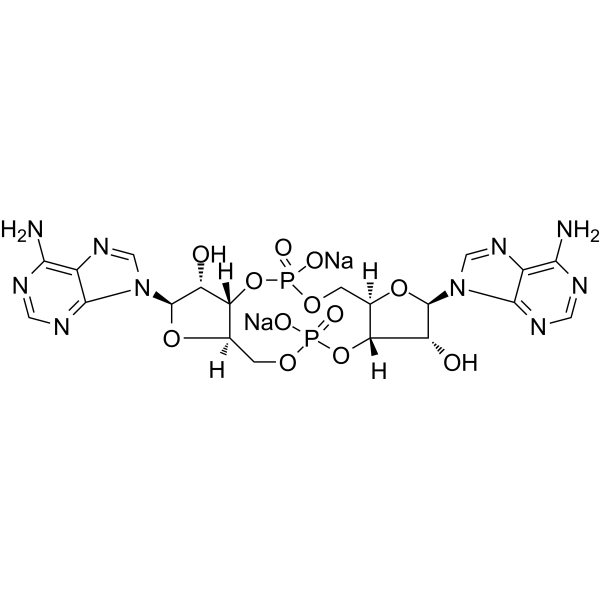
    c-di-AMP disodium
    Maximum Cited Publications
    16 Publications Verification

    Cyclic diadenylate disodium; Cyclic-di-AMP disodium

    STING Bacterial Endogenous Metabolite Inflammation/Immunology
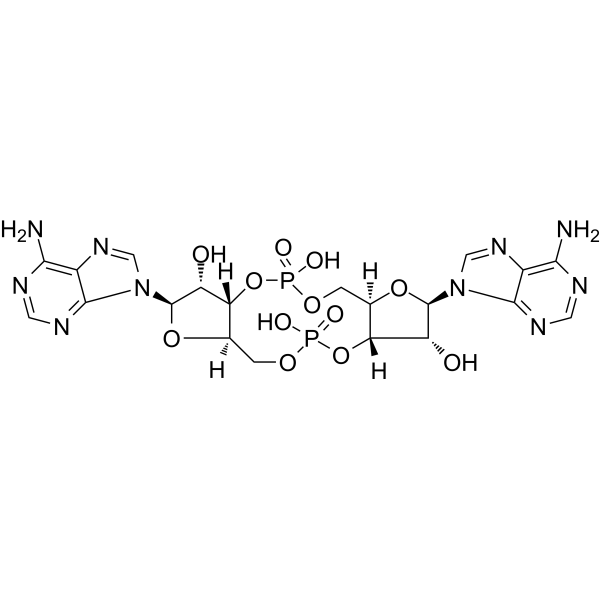
    c-di-AMP (Cyclic diadenylate) sodium is a STING agonist, which binds to the transmembrane protein STING thereby activating the TBK3-IRF3 signaling pathway, subsequently triggering the production of type I IFN and TNF. c-di-AMP sodium is also a bacterial second messenger, which regulates cell growth, survival, and virulence, primarily within Gram-positive bacteria, and also regulates host immune response. c-di-AMP sodium acts as a potent mucosal adjuvant stimulating both humoral and cellular responses .
    c-di-AMP disodium
  • HY-B0577
    Latanoprost
    4 Publications Verification

    PHXA41

    Prostaglandin Receptor Cardiovascular Disease Others
    Latanoprost (PHXA41) is a prostaglandin F2α analogue and can be used for glaucoma research. Latanoprost can effectively pass through cornea and be hydrolyzed by esterase to latanoprost acid. latanoprost acid is an F-prostaglandin (FP) receptor agonist, and can effectively reduce intraocular pressure (IOP) by increasing the outflow of aqueous humor through uvea .
    Latanoprost
  • HY-NP133A

    4-Hydroxy-3-nitrophenylacetyl-Keyhole Limpet Hemocyanin,Type II

    Biochemical Assay Reagents Inflammation/Immunology
    NP-KLH,Type II is a complex formed by 4-Hydroxy-3-nitrophenylacetyl (NP, a hapten) with Keyhole Limpet Hemocyanin (KLH, a carrier protein). NP-KLH,Type II can induce specific humoral immune responses and NP-specific antibodies production. NP-KLH,Type II can act as a specific antigen tool used for immunological experiments .
    NP-KLH,Type II
  • HY-12326

    Cyclic diadenylate; Cyclic-di-AMP

    STING Bacterial Endogenous Metabolite Inflammation/Immunology
    c-di-AMP (Cyclic diadenylate) is a STING agonist, which binds to the transmembrane protein STING thereby activating the TBK3-IRF3 signaling pathway, subsequently triggering the production of type I IFN and TNF. c-di-AMP (Cyclic diadenylate) is also a bacterial second messenger, which regulates cell growth, survival, and virulence, primarily within Gram-positive bacteria, and also regulates host immune response. c-di-AMP (Cyclic diadenylate) acts as a potent mucosal adjuvant stimulating both humoral and cellular responses .
    c-di-AMP
  • HY-12798
    Netarsudil
    1 Publications Verification

    AR-13324

    Monoamine Transporter ROCK Cardiovascular Disease Neurological Disease
    Netarsudil (AR-13324) is a competitive inhibitor of Rho-associated protein kinases (ROCK I and ROCK II) and a reversible inhibitor of the norepinephrine transporter (NET). Netarsudil reduces intraocular pressure by inhibiting ROCK, causing relaxation of trabecular meshwork cells and dilation of episcleral veins, thereby increasing the ease of aqueous humor outflow, while inhibiting NET to reduce aqueous humor production. Netarsudil is mainly used in the study of ocular hypertension and primary open-angle glaucoma .
    Netarsudil
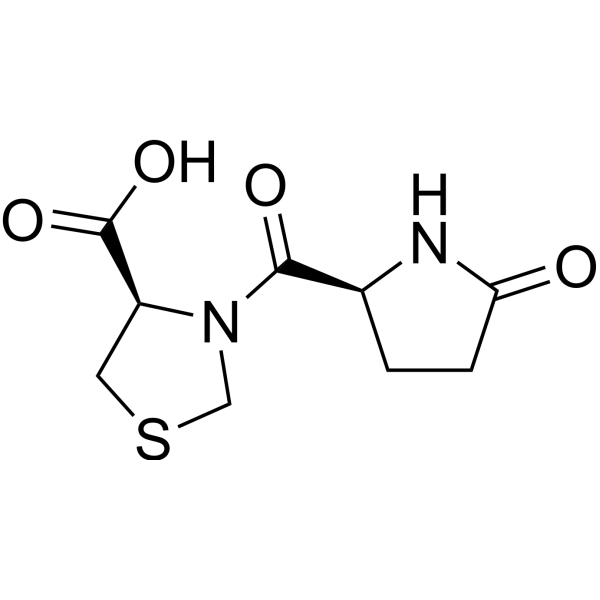
  • HY-B0944
    Pidotimod
    2 Publications Verification

    Bacterial Inflammation/Immunology
    Pidotimod is an orally active dipeptide immunostimulant with immunomodulatory properties on the adaptive and the innate immune responses. Pidotimod increases macrophage activity and humoral immune functions. Pidotimod can be used for the research of chronic bronchitis, chronic obstructive pulmonary disease (COPD), bronchiectasis, and chronic idiopathic urticaria,et al .
    Pidotimod
  • HY-12798B
    Netarsudil hydrochloride
    1 Publications Verification

    AR-13324 hydrochloride

    ROCK Cardiovascular Disease Neurological Disease
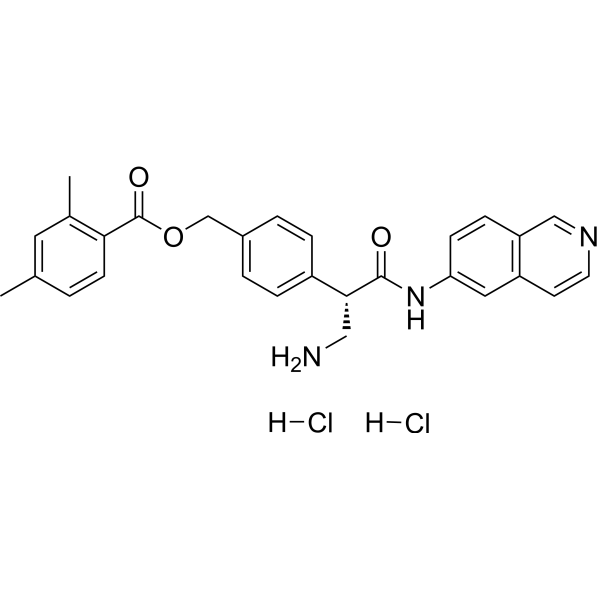
    Netarsudil (AR-13324) hydrochloride is a competitive inhibitor of Rho-associated protein kinases (ROCK I and ROCK II) and a reversible inhibitor of the norepinephrine transporter (NET). Netarsudil hydrochloride reduces intraocular pressure by inhibiting ROCK, causing relaxation of trabecular meshwork cells and dilation of episcleral veins, thereby increasing the ease of aqueous humor outflow, while inhibiting NET to reduce aqueous humor production. Netarsudil hydrochloride is mainly used in the study of ocular hypertension and primary open-angle glaucoma .
    Netarsudil hydrochloride
  • HY-134633

    EV 06 chloride; UNR 844 chloride

    Drug Intermediate Neurological Disease
    Alpha-lipoic acid choline ester (EV 06) chloride is choline ester of alpha-lipoic acid. Alpha-lipoic acid choline ester chloride reduces the disulfide bond level of lens proteins. Alpha-lipoic acid choline ester chloride improves lens elasticity. Alpha-lipoic acid choline ester chloride is hydrolyzed by ocular esterases to release alpha-lipoic acid and choline. Alpha-lipoic acid choline ester chloride is used for the research of presbyopia .
    Alpha-lipoic acid choline ester chloride
  • HY-106288

    PTHR Cancer
    Human PTHrP-(1-36) is a secretory form of PTHrP with anticalciuric effects. Human PTHrP-(1-36) enhances beta cell function and proliferation. Human PTHrP-(1-36) can be used in the research of humoral hypercalcemia of malignancy (HHM) and hyperparathyroidism .
    Human PTHrP-(1-36)
  • HY-19518

    NCX116; LBN

    Prostaglandin Receptor Neurological Disease
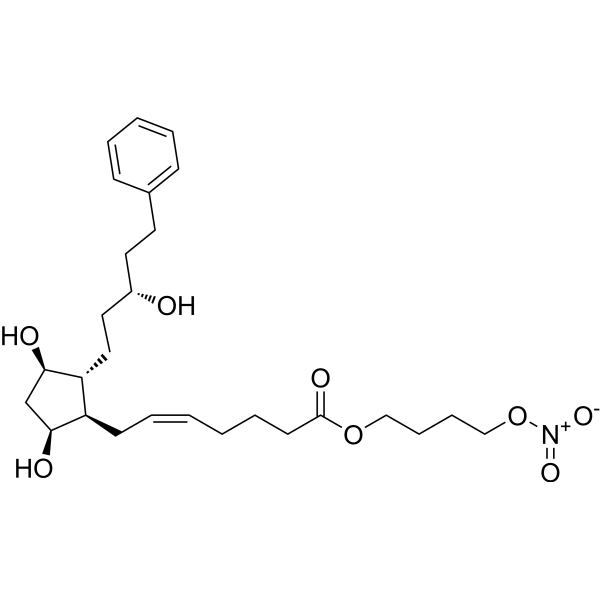
    Latanoprostene bunod (NCX116; LBN) is a nitric oxide-releasing prostaglandin F2α analog. Latanoprostene bunod is a prodrug that, upon instillation into the eye, is hydrolyzed by corneal esterases into two active metabolites: Latanoprost (HY-B0577) and NO. Latanoprost activates the prostaglandin FP receptor to increase the outflow of aqueous humor through the uveoscleral pathway. NO increases aqueous humor drainage through the trabecular meshwork pathway, achieving synergistic enhancement targeting the dual pathways of aqueous humor outflow. Latanoprostene bunod can be used in research related to open-angle glaucoma and ocular hypertension .
    Latanoprostene bunod
  • HY-12798A
    Netarsudil dimesylate
    1 Publications Verification

    AR-13324 dimesylate

    ROCK Cardiovascular Disease Neurological Disease
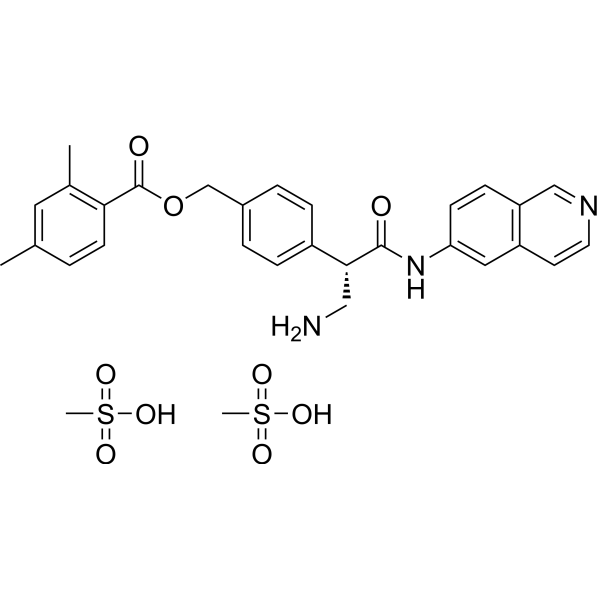
    Netarsudil (AR-13324) dimesylate is a competitive inhibitor of Rho-associated protein kinases (ROCK I and ROCK II) and a reversible inhibitor of the norepinephrine transporter (NET). Netarsudil dimesylate reduces intraocular pressure by inhibiting ROCK, causing relaxation of trabecular meshwork cells and dilation of episcleral veins, thereby increasing the ease of aqueous humor outflow, while inhibiting NET to reduce aqueous humor production. Netarsudil dimesylate is mainly used in the study of ocular hypertension and primary open-angle glaucoma .
    Netarsudil dimesylate
  • HY-P99845

    MEDI 4920; VIB 4920

    TNF Receptor Inflammation/Immunology
    Dazodalibep (MEDI 4920; VIB 4920) is a non-antibody fusion protein that targets CD40L. Dazodalibep inhibits the co-stimulatory signals between immune cells (such as T cells, B cells, and antigen-presenting cells), thereby enabling the inhibition of a broader range of cellular and humoral responses. Dazodalibep can be used for research on rheumatoid arthritis and Sjögren's syndrome .
    Dazodalibep
  • HY-N10424
    Brazilein
    2 Publications Verification

    Na+/K+ ATPase Apoptosis Interleukin Related NO Synthase Bacterial Parasite Cardiovascular Disease Infection Neurological Disease Inflammation/Immunology
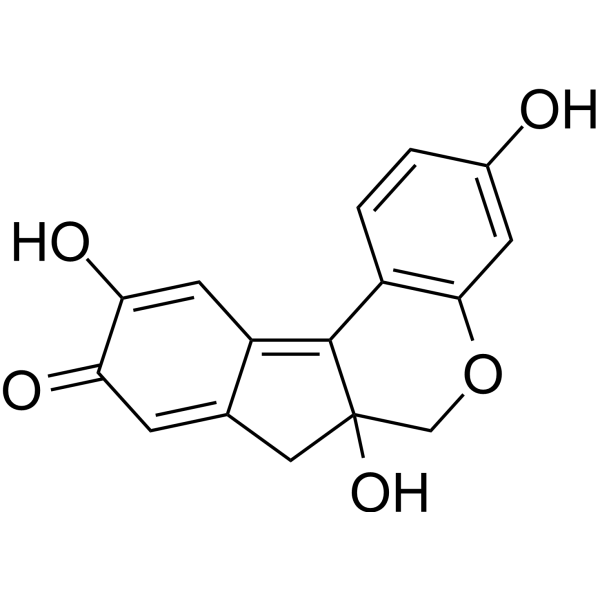
    Brazilein is a compound with anti-inflammatory and neuroprotective activities, with an IC50 of 500 μM against guinea pig Na +,K +-ATPase. Brazilein reduces iNOS mRNA expression, thereby inhibiting nitric oxide production in immune cells. Brazilein suppresses inflammatory responses by reducing the mRNA expression of TNF-α and IL-6, but has no effect on IL-1β expression. Brazilein reduces the cerebral infarction volume and improves the neurological function scores of rats with cerebral ischemia-reperfusion injury. Brazilein induces apoptosis of splenic lymphocytes in mice. Brazilein inhibits humoral immune responses in mice, and causes thymus and spleen atrophy as well as body weight loss in mice. Brazilein also possesses antimalarial and antibacterial activities. Brazilein is also a red dye. Brazilein can be used in studies related to the infection, nervous system, cardiovascular system and inflammatory diseases .
    Brazilein
  • HY-165613

    Dipalmitoyl-S-glyceryl-cysteine; S-[2,3-Bis(palmitoyloxy)propyl]cysteine

    Toll-like Receptor (TLR) Influenza Virus NF-κB Infection Inflammation/Immunology
    Pam2Cys (Dipalmitoyl-S-glyceryl-cysteine; S-[2,3-Bis(palmitoyloxy)propyl]cysteine) is a TLR2 agonist and immunostimulant. Pam2Cys binds to TLR2 to activate dendritic cells and trigger the TLR2-dependent NF-κB signaling pathway. Pam2Cys also induces dendritic cell maturation by upregulating the expression of cell surface MHC II molecules. Pam2Cys activates innate immune signaling pathways, drives pro-inflammatory and antimicrobial responses, enhances the expression of macrophage activation markers, increases phagocytic activity, induces the release of IL-12 and pro-inflammatory cytokines, and polarizes macrophages into a pro-inflammatory, antimicrobial phenotype without interfering with IL-10-induced macrophage polarization. Pam2Cys also serves as the lipid moiety in synthetic lipopeptide vaccines and possesses self-adjuvant properties. Pam2Cys enhances the immunogenicity of conjugated peptide segments and induces cellular and humoral immune responses. However, it does not activate CD4 T cells in mouse splenocyte cultures when used alone. Pam2Cys activates pulmonary TLR2 signaling pathways, triggers innate immune responses, recruits neutrophils and macrophages, induces the secretion of various cytokines, alleviates symptoms and damages associated with influenza A virus infection in mice without impairing adaptive immunity. Pam2Cys can be used in studies related to tuberculosis and influenza A virus infection .
    Pam2Cys
  • HY-137442
    Inupadenant
    1 Publications Verification

    EOS-850

    Adenosine Receptor Cancer
    Inupadenant is an orally active, highly selective A2A receptor antagonist. Inupadenant can not cross BBB. Inupadenant can enhance the humoral immune response and has anti-tumor activity .
    Inupadenant
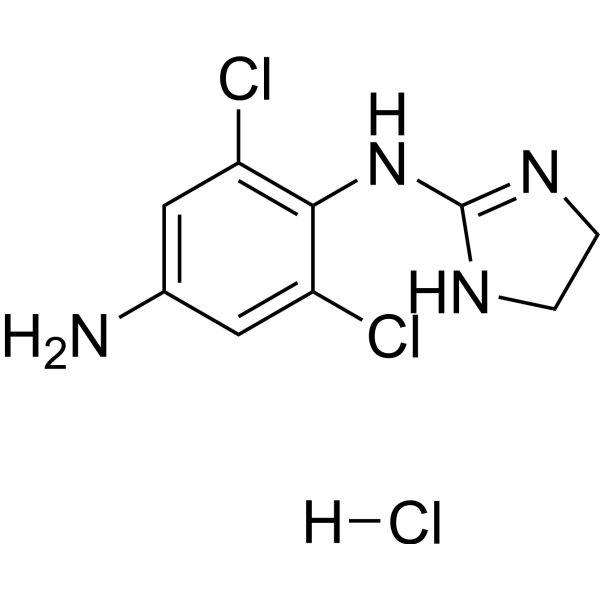
  • HY-12720A
    Apraclonidine hydrochloride
    3 Publications Verification

    ALO 2145

    Adrenergic Receptor Neurological Disease
    Apraclonidine hydrochloride (ALO 2145), a selective α2 and weak α1 receptor agonist activity, effectively lowers intraocular pressure (IOP) in human eyes. Apraclonidine hydrochloride is a topical ophthalmic solution and has the ability to elevate the eye lid .
    Apraclonidine hydrochloride
  • HY-108648A

    2-Methylthioadenosine diphosphate; 2-Methylthio-ADP

    P2Y Receptor Neurological Disease
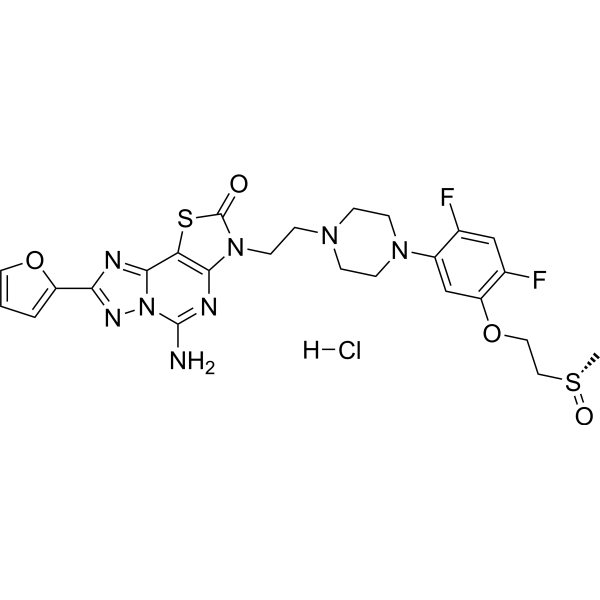
    2-MeSADP is a P2Y receptor agonist, with an EC50 of 5 nM for human P2Y12, EC50 values of 19 nM and 13 nM for human P2Y13, and an EC50 of 6.2 nM for mouse P2Y13. It shows slightly higher selectivity for P2Y12 over human P2Y13. 2-MeSADP triggers increases in intracellular calcium levels, Gi-mediated cAMP inhibition, adenylate cyclase inhibition and downstream signal transduction. 2-MeSADP can be used in research related to glaucoma .
    2-MeSADP
  • HY-153377

    Liposome SARS-CoV Bacterial Infection Inflammation/Immunology
    Lipid 14 is an ionizable amino lipid. Lipid 14 delivers mRNA into target cells, significantly enhancing the in vivo expression efficiency and immunogenicity of mRNA. Lipid 14 can be used to synthesize lipid nanoparticles (LNPs). Lipid 14 can be used for studies of SARS-CoV-2 and Yersinia pestis .
    Lipid 14
  • HY-12326B
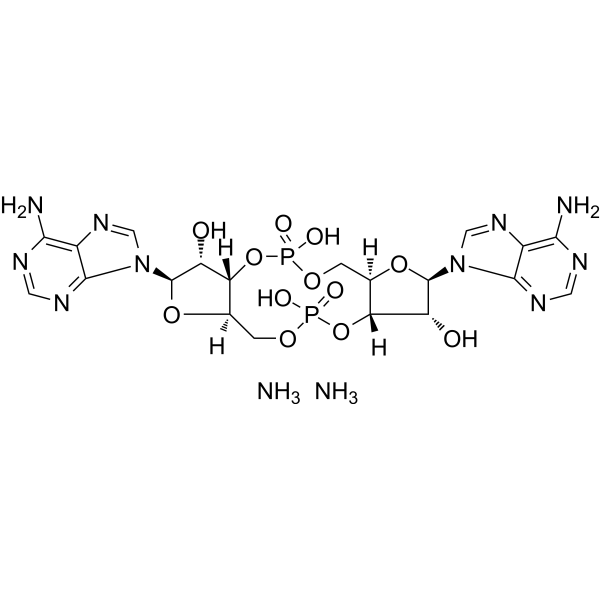
    c-di-AMP diammonium
    Maximum Cited Publications
    16 Publications Verification

    Cyclic diadenylate diammonium; Cyclic-di-AMP diammonium

    STING Bacterial Endogenous Metabolite Inflammation/Immunology
    c-di-AMP diammonium is a STING agonist, which binds to the transmembrane protein STING thereby activating the TBK3-IRF3 signaling pathway, subsequently triggering the production of type I IFN and TNF. c-di-AMP diammonium is also a bacterial second messenger, which regulates cell growth, survival, and virulence, primarily within Gram-positive bacteria, and also regulates host immune response. c-di-AMP diammonium acts as a potent mucosal adjuvant stimulating both humoral and cellular responses .
    c-di-AMP diammonium
  • HY-17380R

    (S)-L-714,465 maleate (Standard); MK 950 (Standard)

    Reference Standards Adrenergic Receptor Cardiovascular Disease Neurological Disease
    (S)-Timolol (maleate) (Standard) is the analytical standard of (S)-Timolol (maleate). This product is intended for research and analytical applications. (S)-Timolol Maleate (L-714,465 Maleate) is a non-cardioselective hydrophilic β-adrenoceptor blocker. (S)-Timolol Maleate is widely used as standard medication for intraocular pressure (glaucoma) by preventing the production of aqueous humor. (S)-Timolol Maleate can be used for hypertension, angina pectoris and myocardial infarction .
    (S)-Timolol maleate (Standard)
  • HY-P10427

    CXCR Dengue Virus Neurological Disease Inflammation/Immunology Cancer
    DV1 is a CXCR4 inhibitor with anti-proteolytic properties that specifically blocks the binding of SDF-1α to its receptor. DV1 inhibits the migration of breast cancer cells and enables the targeted delivery of avidin-PLGA nanoparticles to CXCR4-expressing cancer cells. DV1 not only effectively suppresses the progression of metastatic breast cancer in mouse models, but also preferentially accumulates in brain tumor tissues rather than normal brain tissues, showing potential for inhibiting intracranial tumor metastasis. As a humoral immune stimulant, DV1 induces the production of specific IgG, neutralizing antibodies and cellular immune responses, thereby providing the host with protection against lethal challenges. DV1 has been applied to studies on CXCR4-expressing cancers, glioblastoma, dengue fever and other related diseases .
    DV1
  • HY-128538

    ONO-9054

    Prostaglandin Receptor Neurological Disease
    Sepetaprost (ONO-9054) is a dual agonist of the prostaglandin E3 receptor and prostaglandin F receptor. Sepetaprost reduces intraocular pressure in animal models. Sepetaprost is applicable for research on ocular hypertension and open-angle glaucoma .
    Sepetaprost
  • HY-W145481A

    Carob galactomannan

    Sirtuin Inflammation/Immunology
    D-Galacto-D-mannan (Carob galactomannan) is an orally active Dectin-2 agonist. D-Galacto-D-mannan exerts antioxidant activity against hydroxyl radical generation. D-Galacto-D-mannan activates Dectin-2 to trigger downstream signaling pathways, promote the expression of immunoregulatory molecules, coordinate innate and adaptive immune responses, and inhibit excessive inflammatory responses by upregulating the expression of Sirtuin 1. When used as a vaccine adjuvant, D-Galacto-D-mannan induces cellular and humoral immune responses, promotes IFNγ secretion, increases antibody levels and virus neutralization titers, and elevates the levels of immunoglobulin G and A. D-Galacto-D-mannan can serve as an adjuvant for foot-and-mouth disease vaccines, enhance the vaccine-mediated ability of hosts to defend against viral infection in mice, and reduce local side effects at the inoculation site in pigs. D-Galacto-D-mannan can be used in the research of inflammatory and immune diseases, such as foot-and-mouth disease .
    D-Galacto-D-mannan
  • HY-116420

    ROCK Neurological Disease
    ROCK2-IN-8 (Compound 1) is an orally active ROCK2 inhibitor, with an IC50 of 7.2 nM. ROCK2-IN-8 can be used for the research of aqueous humor outflow in porcine eyes and myosin light chain phosphorylation .
    ROCK2-IN-8
  • HY-142998

    Liposome Interleukin Related IFNAR Infection Inflammation/Immunology
    Vaxfectin is a second-generation cationic lipid-based suspension that adjuvants effectively both pDNA and protein-based vaccines. Vaxfectin can boost the immune response against a range of pDNA-expressed pathogenic antigens in vivo. Vaxfectin can increase IgG titers and give rise to an IL-6 dependent enhancement of the humoral immune response without altering the Th1 type immune response. Vaxfectin can be studied for vaccine formulation .
    Vaxfectin
  • HY-P10427A

    CXCR Dengue Virus Infection
    DV1 TFA is a CXCR4 inhibitor with anti-proteolytic properties that specifically blocks the binding of SDF-1α to its receptor. DV1 TFA inhibits the migration of breast cancer cells and enables the targeted delivery of avidin-PLGA nanoparticles to CXCR4-expressing cancer cells. DV1 TFA not only effectively suppresses the progression of metastatic breast cancer in mouse models, but also preferentially accumulates in brain tumor tissues rather than normal brain tissues, showing potential for inhibiting intracranial tumor metastasis. As a humoral immune stimulant, DV1 TFA induces the production of specific IgG, neutralizing antibodies and cellular immune responses, thereby providing the host with protection against lethal challenges. DV1 TFA has been applied to studies on CXCR4-expressing cancers, glioblastoma, dengue fever and other related diseases .
    DV1 TFA
  • HY-W707056

    Biochemical Assay Reagents Others
    Latanoprost acid-d4 is used as the internal standard in the HPLC-MS/MS analysis to determine the level of Latanoprost acid (HY-113756A) in aqueous humor samples of eyes .
    Latanoprost acid-d4
  • HY-137442A
    Inupadenant hydrochloride
    1 Publications Verification

    EOS-850 hydrochloride

    Adenosine Receptor Cancer
    Inupadenant (EOS-850) hydrochloride is an orally active, highly selective A2A receptor antagonist. Inupadenant hydrochloride can not cross BBB. Inupadenant hydrochloride can enhance the humoral immune response and has anti-tumor activity .
    Inupadenant hydrochloride
  • HY-125301

    Endogenous Metabolite Inflammation/Immunology
    Thymoctonan (THF-γ2) is the immunomodulatory octapeptide, thymic humoral factor γ2. Thymoctonan has the half-life less than 6 min at 37 °C in blood from human, rat and mouse .
    Thymoctonan
  • HY-P3963

    ERK Inflammation/Immunology
    Thymus Factor (Thymulin) is a key factor responsible for the maturation of humoral immunological faculty . Thymulin is an inhibitor of ERK .
    Thymus Factor
  • HY-19518R

    NCX116 (Standard); LBN (Standard)

    Reference Standards Prostaglandin Receptor Neurological Disease
    Latanoprostene bunod (NCX116; LBN) (Standard) is the analytical standard of Latanoprostene bunod. This product is intended for research and analytical applications. Latanoprostene bunod is a nitric oxide-releasing prostaglandin F2α analog. Latanoprostene bunod is a prodrug that, upon instillation into the eye, is hydrolyzed by corneal esterases into two active metabolites: Latanoprost (HY-B0577) and NO. Latanoprost activates the prostaglandin FP receptor to increase the outflow of aqueous humor through the uveoscleral pathway. NO increases aqueous humor drainage through the trabecular meshwork pathway, achieving synergistic enhancement targeting the dual pathways of aqueous humor outflow. Latanoprostene bunod can be used in research related to open-angle glaucoma and ocular hypertension.
    Latanoprostene bunod (Standard)
  • HY-117272A

    Endogenous Metabolite Others
    (2R,3R)-2,3,4-Trihydroxybutanoic acid, also known as erythronic acid, is a naturally occurring organic acid found in the aqueous humor of the eye, as well as in urine, plasma, cerebrospinal fluid, and synovial fluid, prevalent in both healthy adults and children; it is produced through the oxidation of GlcNAc.
    (2R,3R)-2,3,4-Trihydroxybutanoic acid
  • HY-P4701

    Human PTHrP-(1-34)NH2

    PTHR Metabolic Disease
    pTH-Related Protein (1-34) amide (human, mouse, rat) (Human PTHrP-(1-34)NH2) is a N-terminal fragments of PTHrP. pTH-Related Protein (1-34) amide (human, mouse, rat) induces hypercalcemia, and can be used for research of humoral hypercalcaemia of malignancy .
    pTH-Related Protein (1-34) amide (human, mouse, rat)
  • HY-B0944R

    Reference Standards Bacterial Inflammation/Immunology
    Pidotimod (Standard) is the analytical standard of Pidotimod. This product is intended for research and analytical applications. Pidotimod is an orally active dipeptide immunostimulant with immunomodulatory properties on the adaptive and the innate immune responses. Pidotimod increases macrophage activity and humoral immune functions. Pidotimod can be used for the research of chronic bronchitis, chronic obstructive pulmonary disease (COPD), bronchiectasis, and chronic idiopathic urticaria,et al .
    Pidotimod (Standard)
  • HY-12720

    ALO 2145 free base

    Adrenergic Receptor Infection Neurological Disease
    Apraclonidine (ALO 2145 (free base)), a selective α2 and weak α1 receptor agonist activity, effectively low intraocular pressure (IOP) in human eyes. Apraclonidine hydrochloride is a topical ophthalmic solution .
    Apraclonidine
  • HY-16387

    VEGFR Others
    PF-00337210 is a potent and selective inhibitor of VEGFRs, designed for treating age-related macular degeneration via intravitreal injection. The formulation strategy focused on developing an ophthalmic solution that would precipitate upon injection into the vitreous, ensuring sustained drug delivery. Challenges included maintaining low dosing volumes, selecting safe excipients for intravitreal use, and addressing the drug's unique physicochemical properties. The final formulation, an isotonic solution in a citrate-buffered vehicle with NaCl, demonstrated stability, potency, and recovery through intravitreal dosing syringes. It formed a depot upon injection into vitreous humor, representing a novel nonpolymeric in situ-forming depot formulation for intravitreal drug delivery .
    PF 00337210
  • HY-N10681

    Euonine

    Others Others
    Evonimine (Euonine) is an alkaloid isolated from Tripterygium wilfordii Hook. Evonimine exhibits significant inhibition of humoral-mediated immunity using the haemolytic response as an indicator, and shows good anti-feeding activity against the lepidopteran Spodoptera littoralis .
    Evonimine
  • HY-N15301

    ROCK Myosin Others
    Nocarnickelamide B (Compound 2) is a linear peptide and ROCK1/2 inhibitor. Nocarnickelamide B exhibits dual inhibitory activity against ROCK1 and ROCK2 with IC50s of 14.9 μM and 21.9 μM, respectively. Nocarnickelamide B binds to the ATP-binding site. Nocarnickelamide B inhibits the activation of ROCK-regulated cytoskeletal contraction markers such as the myosin light chain. Nocarnickelamide B is potential for glaucoma reasearch .
    Nocarnickelamide B
  • HY-B1035C

    (R)-Bunolol hydrochloride

    Adrenergic Receptor Cardiovascular Disease
    ent-Levobunolol ((R)-Bunolol) hydrochloride is a competitive β-adrenergic receptor blocker. ent-Levobunolol hydrochloride inhibits the transmission of sympathetic nerve impulses, reduces the production of aqueous humor, and constricts blood vessels in the eye, thereby reducing intraocular pressure. ent-Levobunolol hydrochloride is promising for research of ocular hypertension diseases such as glaucoma .
    ent-Levobunolol hydrochloride
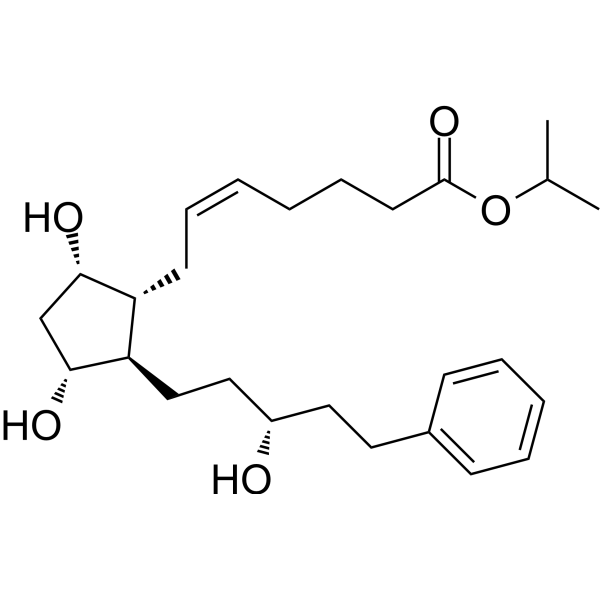
  • HY-106037

    Prostaglandin Receptor Others
    PGF2α-isopropyl ester is a Prostaglandin F2α (HY-12956) derivative, which is active in lowering the intraocular pressure (IOP) through increased uveoscleral outflow of aqueous humor. PGF2α-isopropyl ester causes side effects of conjunctival hyperemia and ocular irritation .
    PGF2α-isopropyl ester
  • HY-174765

    mRNA Inflammation/Immunology
    Human CCL18 mRNA encodes the human C-C motif chemokine ligand 18 (CCL18) protein, a cytokine that displays chemotactic activity for naive T cells, CD4+ and CD8+ T cells and nonactivated lymphocytes, but not for monocytes or granulocytes. CCL18 may play a role in both humoral and cell-mediated immunity responses.
    Human CCL18 mRNA
  • HY-17494S

    (Rac)-L-714,465 maleate; (Rac)-MK 950-d5

    Isotope-Labeled Compounds Adrenergic Receptor Cardiovascular Disease Neurological Disease
    rac Timolol-d5 (maleate) is a labelled racemic (S)-Timolol maleate. (S)-Timolol Maleate (L-714,465 Maleate) is a non-cardioselective hydrophilic β-adrenoceptor blocker. (S)-Timolol Maleate is widely used as standard medication for intraocular pressure (glaucoma) by preventing the production of aqueous humor. (S)-Timolol Maleate can be used for hypertension, angina pectoris and myocardial infarction .
    (Rac)-Timolol-d5 maleate
  • HY-17380S

    (S)-L-714,465-d9 maleate; MK 950-d9

    Isotope-Labeled Compounds Adrenergic Receptor Cardiovascular Disease Neurological Disease
    (S)-Timolol-d9 (maleate) is deuterium labeled (S)-Timolol (Maleate). (S)-Timolol Maleate (L-714,465 Maleate) is a non-cardioselective hydrophilic β-adrenoceptor blocker. (S)-Timolol Maleate is widely used as standard medication for intraocular pressure (glaucoma) by preventing the production of aqueous humor. (S)-Timolol Maleate can be used for hypertension, angina pectoris and myocardial infarction .
    (S)-Timolol-d9 maleate
  • HY-12720AR

    ALO 2145 (Standard)

    Reference Standards Adrenergic Receptor Neurological Disease
    Apraclonidine (hydrochloride) (Standard) is the analytical standard of Apraclonidine (hydrochloride). This product is intended for research and analytical applications. Apraclonidine hydrochloride (ALO 2145), a selective α2 and weak α1 receptor agonist activity, effectively lowers intraocular pressure (IOP) in human eyes. Apraclonidine hydrochloride is a topical ophthalmic solution and has the ability to elevate the eye lid .
    Apraclonidine hydrochloride (Standard)
  • HY-120214

    Syk RET Inflammation/Immunology
    TAS05567 is a potent, highly selective, ATP-competitive and orally active Syk inhibitor with an IC50 of 0.37 nM. In a panel of 192 kinases, TAS05567 only shows >70% inhibition of Syk and 4 other kinases (FLT3, JAK2, KDR and RET with IC50s of 10 nM, 4.8 nM, 600 nM and 29 nM, respectively). TAS05567 can be used for humoral immune-mediated inflammatory conditions such as autoimmune and allergic diseases .
    TAS05567
  • HY-159750

    Toll-like Receptor (TLR) Inflammation/Immunology
    M903 is a new type of mineral oil-based adjuvant, which belongs to water-in-oil-in-water (w/o/w) emulsion. It can enhance both cellular and humoral immunity against non-specific antigens, stimulate specific immunity against the antigens, delay the release of the antigens in the body, and improve the immunity of animals. It is applicable to various veterinary vaccines, including inactivated vaccines and genetically engineered subunit vaccines, such as pig vaccines for foot-and-mouth disease and blue ear disease.
    M903
  • HY-159744

    Toll-like Receptor (TLR) Inflammation/Immunology
    Liposomal adjuvant (M103) is mainly composed of phospholipids and prepared with highly purified immunostimulatory substances (polysaccharides), with a pH value of 6.2-6.8. This adjuvant is safe, non-toxic, and metabolizable. It can induce cellular and humoral immunity, has a sustained-release effect, and can prolong the residence time of antigens in the body. This adjuvant is suitable for various veterinary vaccines, including inactivated vaccines and genetically engineered subunit vaccines. It is recommended for use in rabies, porcine circovirus, , foot-and-mouth disease (FMD), and blue ear disease, etc.
    Liposomal adjuvant (M103)

Inquiry Online

Your information is safe with us. * Required Fields.

Salutation


Country or Region *

Applicant Name *


Organization Name *

Department *


Email Address *


Product Name *

Cat. No.


Requested quantity *

Phone Number *


Remarks

Inquiry Online

Inquiry Information

Product Name:
Cat. No.:
Quantity:
MCE Japan Authorized Agent:

