1. Search Result
Search Result
Results for "

hydroxylase

" in MedChemExpress (MCE) Product Catalog:

302

Inhibitors & Agonists

2

Screening Libraries

3

Biochemical Assay Reagents

14

Peptides

61

Natural
Products

32

Recombinant Proteins

17

Isotope-Labeled Compounds

26

Antibodies

6

Click Chemistry

1

Oligonucleotides

Cat. No. Product Name Target Research Areas Chemical Structure
  • HY-A0124A
    Sapropterin dihydrochloride
    2 Publications Verification

    (6R)-BH4 dihydrochloride; (6R)-Tetrahydro-L-biopterin dihydrochloride

    Endogenous Metabolite Infection Metabolic Disease Inflammation/Immunology
    Sapropterin ((6R)-BH4; (6R)-Tetrahydro-L-biopterin) dihydrochloride is an orally active phenylalanine hydroxylase (PAH) cofactor, which is effective in reducing blood phenylalanine concentrations. Sapropterin dihydrochloride can be used in study of phenylketonuria (PKU) phenylketonuria. Sapropterin dihydrochloride can aggravate experimental autoimmune encephalomyelitis (EAE) .
    Sapropterin dihydrochloride
  • HY-15849
    LP-533401
    5 Publications Verification

    Tryptophan Hydroxylase Cardiovascular Disease Metabolic Disease
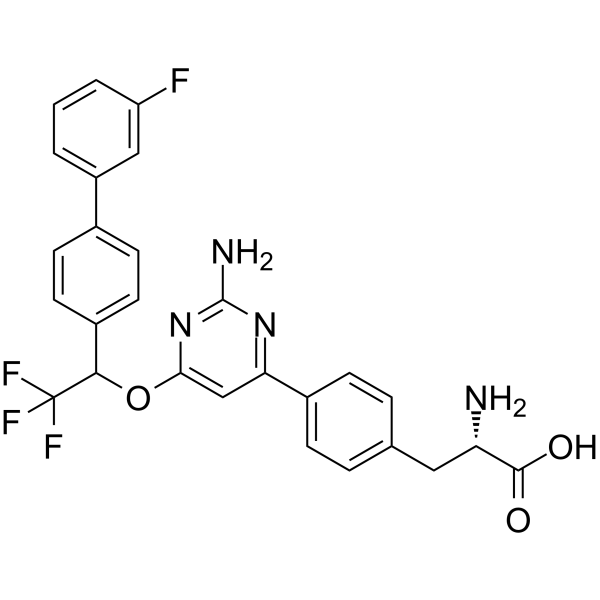
    LP-533401 is a Tryptophan hydroxylase 1 inhibitor that regulates serotonin production in the gut.
    LP-533401
  • HY-12347
    Ro 61-8048
    5 Publications Verification

    KMO Neurological Disease
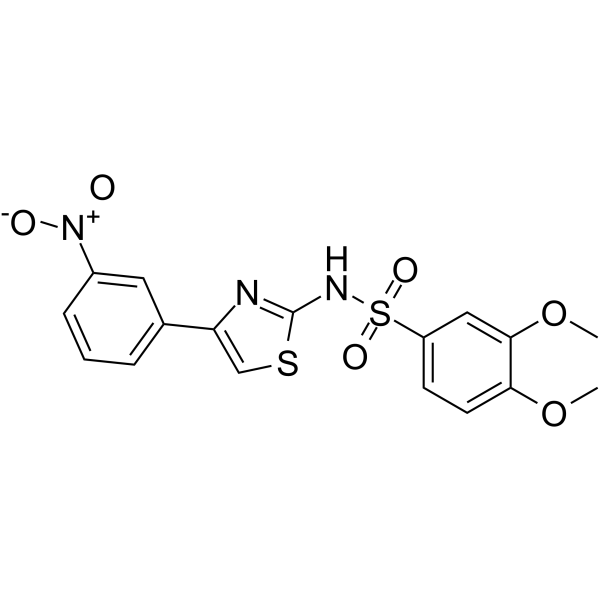
    Ro 61-8048 is an orally active and selective inhibitor of kynurenine 3-hydroxylase, with an IC50 of 37 nM. Ro 61-8048 provokes a significant increase of extracellular kynurenic acid concentrations .
    Ro 61-8048
  • HY-15468
    IOX2
    15+ Cited Publications

    HIF/HIF Prolyl-Hydroxylase Cancer
    IOX2, a chemical probe, is a specific prolyl hydroxylase-2 (PHD2) inhibitor with IC50 of 22 nM. IOX2 regulates platelet function and arterial thrombosis by upregulating HIF-1α expression and inhibiting ROS production. IOX2 can be used in the study of thrombotic diseases .
    IOX2
  • HY-121172
    1,4-DPCA
    1 Publications Verification

    HIF/HIF Prolyl-Hydroxylase Cancer
    1,4-DPCA, a potent prolyl-4-hydroxylase inhibitor, is a collagen hydroxylation inhibitor in human foreskin fibroblasts with an IC50 of 2.4 µM. 1,4-DPCA inhibits prolyl-4-hydroxylases α isoforms stabilizes HIF-1α protein. 1,4-DPCA also inhibits factor inhibiting HIF (FIH) with an IC50 of 60 μM .
    1,4-DPCA
  • HY-33549
    α-Methyl-p-tyrosine
    2 Publications Verification

    Tyrosine Hydroxylase Neurological Disease Cancer
    α-Methyl-p-tyrosine is a competitive inhibitor of tyrosine hydroxylase, which converts tyrosine into DOPA. α-Methyl-p-tyrosine is also an orally active inhibitor of catecholamine synthesis, inhibiting the hydroxylation of tyrosine into DOPA. α-Methyl-p-tyrosine can be used in research related to epilepsy, glaucoma, cancer, and other related diseases .
    α-Methyl-p-tyrosine
  • HY-109123

    TAK-935; OV935

    Cytochrome P450 Neurological Disease
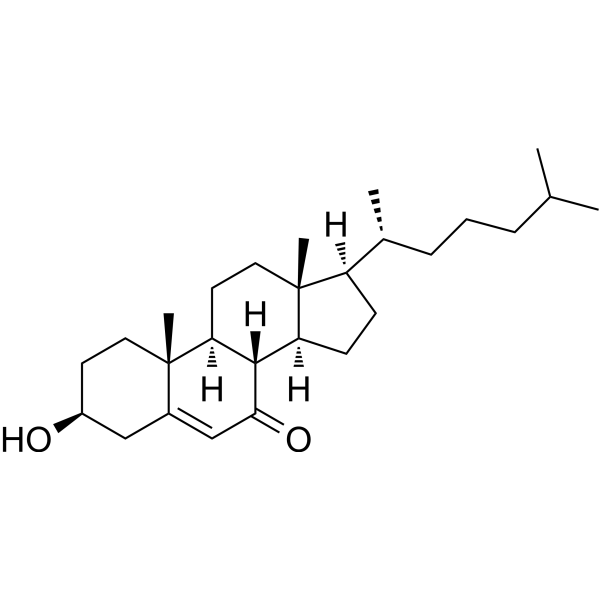
    Soticlestat (TAK-935; OV935) is a first-in-class, potent, selective, and orally active cholesterol 24-hydroxylase (CH24H) inhibitor. Soticlestat has the potential for epilepsy syndromes research .
    Soticlestat
  • HY-103227
    Desidustat
    2 Publications Verification

    ZYAN1

    HIF/HIF Prolyl-Hydroxylase Cardiovascular Disease
    Desidustat is an orally active HIF hydroxylase inhibitor. Desidustat can be used for the research of various disorders including anemia of different types and conditions associated with ischemia/hypoxia .
    Desidustat
  • HY-103068
    Diethyl-pythiDC
    4 Publications Verification

    MMP Cancer
    Diethyl-pythiDC is an inhibitor of collagen prolyl 4-hydroxylases (CP4Hs).
    Diethyl-pythiDC
  • HY-15849A
    LP-533401 hydrochloride
    5 Publications Verification

    Tryptophan Hydroxylase Cardiovascular Disease Metabolic Disease
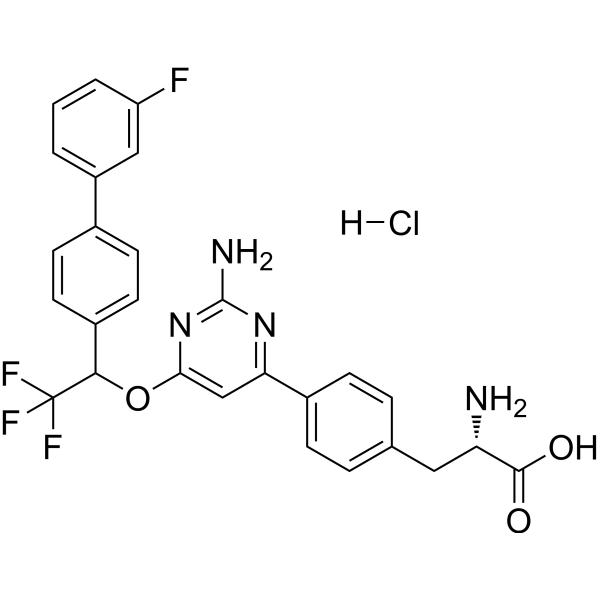
    LP-533401 hydrochloride is a tryptophan hydroxylase 1 inhibitor that regulates serotonin production in the gut.
    LP-533401 hydrochloride
  • HY-W019599

    L-PCPA

    5-HT Receptor Tryptophan Hydroxylase Neurological Disease
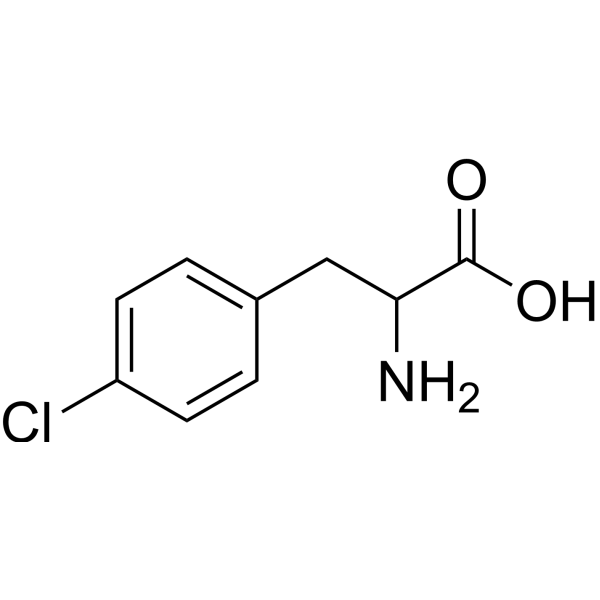
    4-Chloro-L-phenylalanine (L-PCPA) is a tryptophan hydroxylase inhibitor targeting TPH1 and TPH2, with the activity of blocking serotonin biosynthesis. 4-Chloro-L-phenylalanine reduces the levels of serotonin and its metabolites in the brain without impairing the survival of serotonergic neurons. 4-Chloro-L-phenylalanine enhances anhedonic, depression-like and anxiety-like behaviors in mice with depleted noradrenergic and dopaminergic neurons. 4-Chloro-L-phenylalanine acts as a decarboxylation substrate for aromatic L-amino acid decarboxylase from Bacillus atrophaeus. 4-Chloro-L-phenylalanine can be used in studies related to Parkinson's disease .
    4-Chloro-L-phenylalanine
  • HY-15641
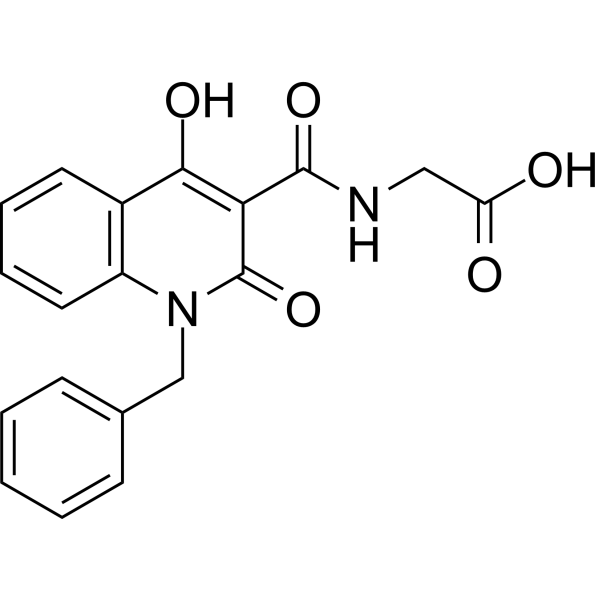
    FG-2216
    5+ Cited Publications

    IOX3; YM311

    HIF/HIF Prolyl-Hydroxylase Metabolic Disease
    FG-2216 (IOX3) is a potent and orally active inhibitor of HIF prolyl hydroxylase-2 (PHD2), with an IC50 of 3.9 μM. FG-2216 induces robust erythropoietin and modest fetal hemoglobin in vivo .
    FG-2216
  • HY-W008452
    H-Tyr(3-I)-OH
    1 Publications Verification

    Endogenous Metabolite Metabolic Disease
    H-Tyr(3-I)-OH is a potent and effective tyrosine hydroxylase inhibitor. H-Tyr(3-I)-OH is an intermediate in the production of thyroid hormones and has a role as a human or mouse metabolite .
    H-Tyr(3-I)-OH
  • HY-B0237

    DL-Aminoglutethimide

    Cytochrome P450 Neurological Disease Endocrinology Cancer
    Aminoglutethimide (DL-Aminoglutethimide) is an orally active anticonvulsant with various endocrine-related side effects. Aminoglutethimide blocks multiple steroid hormone synthesis pathways by inhibiting several cytochrome P-450-dependent hydroxylases, such as aromatase, cholesterol side-chain cleavage enzyme, 11-hydroxylase, and 18-hydroxylase, with IC50 values of 0.3, 3.5, 120, and 20 μM, respectively. Aminoglutethimide reduces cortisol levels. Aminoglutethimide can be used in research on Cushing's syndrome, breast cancer, and other conditions .
    Aminoglutethimide
  • HY-N1477

    Dencichin; ODAP

    HIF/HIF Prolyl-Hydroxylase Neurological Disease
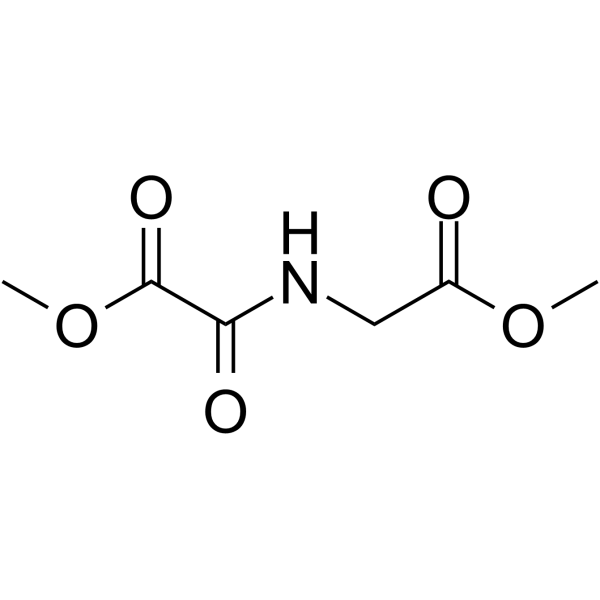
    Dencichin is a non-protein amino acid originally extracted from Panax notoginseng, and can inhibit HIF-prolyl hydroxylase-2 (PHD-2) activity.
    Dencichine
  • HY-B0873

    Environmental Pollutants Cytochrome P450 ROS Kinase Others
    Uniconazole, a plant growth retardant, is a potent inhibitor of abscisic acid (ABA) catabolism with an IC50 of 68 nM against ABA 8’-hydroxylase. Uniconazole is a potent competitive inhibitor of CYP707A3 activity with a Ki of 8 nM. Uniconazole evidently inhibits gibberellin biosynthesis, and brassinosteroid biosynthesis is also inhibited to some extent .
    Uniconazole
  • HY-13289A
    Nepicastat hydrochloride
    3 Publications Verification

    SYN-117 hydrochloride; RS-25560-197 hydrochloride

    Dopamine β-hydroxylase Cardiovascular Disease
    Nepicastat hydrochloride (SYN-117 hydrochloride) is a selective, potent, and orally active inhibitor of dopamine-beta-hydroxylase. Nepicastat hydrochloride produces concentration-dependent inhibition of bovine (IC50=8.5 nM) and human (IC50=9 nM) dopamine-beta-hydroxylase. Nepicastat hydrochloride can cross the blood-brain barrier (BBB) .
    Nepicastat hydrochloride
  • HY-13055A
    Telotristat ethyl
    4 Publications Verification

    LX1032; LX1606

    Tryptophan Hydroxylase Neurological Disease Cancer
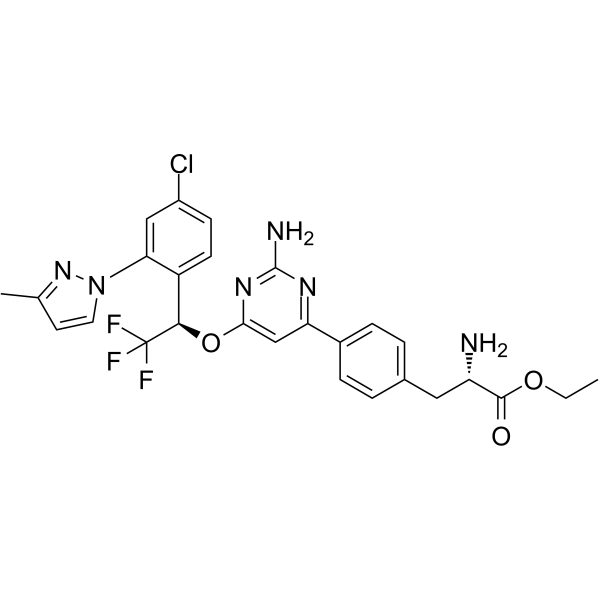
    Telotristat ethyl (LX1032) is a novel, orally-delivered inhibitor of tryptophan hydroxylase that reduces serotonin production.
    Telotristat ethyl
  • HY-13055B

    LP-778902

    Tryptophan Hydroxylase Neurological Disease Cancer
    Telotristat (LP-778902) is a potent tryptophan hydroxylase inhibitor with an in vivo IC50 of 0.028 μM.
    Telotristat
  • HY-13055
    Telotristat etiprate
    4 Publications Verification

    LX1606 Hippurate

    Tryptophan Hydroxylase Neurological Disease Cancer
    Telotristat etiprate (LX1606 Hippurate) is a novel, orally-delivered inhibitor of tryptophan hydroxylase that reduces serotonin production.
    Telotristat etiprate
  • HY-23460
    p-Ethynylphenylalanine
    1 Publications Verification

    4-Ethynyl-L-phenylalanine

    Tryptophan Hydroxylase Neurological Disease
    p-Ethynylphenylalanine (4-Ethynyl-L-phenylalanine) is a potent, selective, reversible and competitive inhibitor of tryptophan hydroxylase (TPH), with a Ki of 32.6 μM . p-Ethynylphenylalanine is a click chemistry reagent, it contains an Alkyne group and can undergo copper-catalyzed azide-alkyne cycloaddition (CuAAc) with molecules containing Azide groups.
    p-Ethynylphenylalanine
  • HY-W013407

    Tyrosine Hydroxylase Thyroid Hormone Receptor Neurological Disease
    α-Methyltyrosine methyl ester hydrochloride is an orally active and competitive tyrosine hydroxylase inhibitor. α-Methyltyrosine methyl ester hydrochloride can inhibit the conversion of tyrosine to dopamine. α-Methyltyrosine methyl ester hydrochloride causes kidney damage and urethral calculi in rats. α-Methyltyrosine methyl ester hydrochloride can be used as a tool for sympathetic nervous system research .
    α-Methyltyrosine methyl ester hydrochloride
  • HY-44809

    HIF/HIF Prolyl-Hydroxylase Bacterial Cardiovascular Disease Infection Inflammation/Immunology
    Izilendustat is a potent prolyl hydroxylase inhibitor. Izilendustat competitively inhibits HIFPH2 activity, blocks HIF-1α degradation, stabilizes HIF-1α and HIF-2α proteins, and upregulates downstream target gene expression. Izilendustat can reduce intestinal inflammation and damage, enhance the ability of phagocytes to clear pathogens, and improve ischemia-related pathological phenotypes. Izilendustat can be used for the research of inflammatory bowel disease, ischemic vascular disease and anemia .
    Izilendustat
  • HY-13041
    LX-1031
    1 Publications Verification

    Tryptophan Hydroxylase Neurological Disease
    LX-1031 is a potent, orally available tryptophan 5-hydroxylase (TPH) inhibitor that reduces serotonin (5-HT) synthesis peripherally.
    LX-1031
  • HY-41404

    2H-1,3-benzodioxole-5-carboxylic acid

    Cytochrome P450 Interleukin Related EGFR IGF-1R Infection Others Cancer
    Piperonylic acid is a natural molecule bearing a methylenedioxy function that closely mimics the structure of trans-cinnamic acid. Piperonylic Acid is a selective, mechanism-based inactivator of the trans-cinnamate 4-Hydroxylase. Piperonylic acid has anticancer, antioxidant and antibacterial activities .
    Piperonylic acid
  • HY-15183

    Collagen Cancer
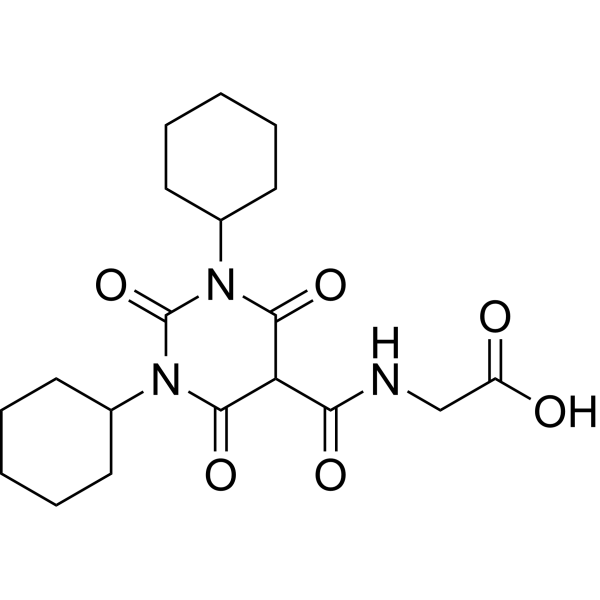
    Collagen proline hydroxylase inhibitor is a collagen proline hydroxylase inhibitor, which can be used as an anti-fibrotic agent .
    Collagen proline hydroxylase inhibitor
  • HY-129079A
    TFMB-(S)-2-HG
    2 Publications Verification

    DNA Methyltransferase Wnt β-catenin Endocrinology Cancer
    TFMB-(S)-2-HG is a potent TET2 inhibitor. TFMB-(S)-2-HG also inhibits the EglN prolyl hydroxylases. TFMB-(S)-2-HG downregulates Wnt3a, β-catenin (intranuclear) protein expression. TFMB-(S)-2-HG inhibits osteogenic differentiation of cells. TFMB-(S)-2-HG has the potential for the research of acute myeloid leukemia (AML) .
    TFMB-(S)-2-HG
  • HY-23460A
    p-Ethynylphenylalanine hydrochloride
    1 Publications Verification

    4-Ethynyl-L-phenylalanine hydrochloride

    Tryptophan Hydroxylase Neurological Disease
    p-Ethynylphenylalanine hydrochloride (4-Ethynyl-L-phenylalanine hydrochloride) is a potent, selective, reversible and competitive inhibitor of tryptophan hydroxylase (TPH), with a Ki of 32.6 μM . p-Ethynylphenylalanine (hydrochloride) is a click chemistry reagent, it contains an Alkyne group and can undergo copper-catalyzed azide-alkyne cycloaddition (CuAAc) with molecules containing Azide groups.
    p-Ethynylphenylalanine hydrochloride
  • HY-N2560

    Senecionan-11,16-dione, 12-hydroxy-; Aureine; Senecionin

    Others Metabolic Disease
    Senecionine (Senecionan-11,16-dione, 12-hydroxy-) is a pyrrolizidine alkaloid could be isolated from Senecio vulgaris. Senecionine decreases the activities of glutathione S-transferase, aminopyrine demethylase and arylhydrocarbon hydroxylase (AHH) .
    Senecionine
  • HY-149597

    Monoamine Oxidase Cancer
    Lysyl hydroxylase 2-IN-1 (compound 12) is a selective lysyl hydroxylase 2 (LH2) Inhibitor with an IC50 of ~300 nM. Lysyl hydroxylase 2-IN-1 demonstrates selectivity for LH2 over LH1 and LH3 .
    Lysyl hydroxylase 2-IN-1
  • HY-W677684

    Nuclear Hormone Receptor 4A/NR4A Others
    Nurr1 agonist 2 (Compound 7) is a Nurr1 agonist (EC50: 0.07 μM). Nurr1 agonist 2 binds to the recombinant Nurr1 ligand binding domain (LBD) with a Kd value of 0.14 μM. Nurr1 agonist 2 increases the Nurr1-regulated genes tyrosine hydroxylase (TH) and vesicular amino acid transporter 2 (VMAT2) mRNA expression .
    Nurr1 agonist 2
  • HY-10505
    Orteronel
    2 Publications Verification

    TAK-700

    Cytochrome P450 Cancer
    Orteronel (TAK-700) is a highly selective inhibitor of human 17,20-lyase (CYP17) with IC50 of 38 nM, and exhibits >1000-fold selectivity over other CYPs such as 11-hydroxylase and CYP3A4 .
    Orteronel
  • HY-W071686

    Biochemical Assay Reagents Others
    6-Methyltetrahydropterin (dihydrochloride) is a biochemical detection reagent that can be used in tyrosine hydroxylase activity assay .
    6-Methyltetrahydropterin dihydrochloride
  • HY-W092533

    Tryptophan Hydroxylase Neurological Disease
    6-Fluorotryptophan, a competitive inhibitor of tryptophan hydroxylase, produced a transient disruption of sleep in rats chronically implanted with EEG recording electrodes .
    6-Fluorotryptophan
  • HY-A0124AR

    (6R)-BH4 dihydrochloride (Standard); (6R)-Tetrahydro-L-biopterin dihydrochloride (Standard)

    Endogenous Metabolite Reference Standards Infection Metabolic Disease Inflammation/Immunology
    Sapropterin ((6R)-BH4; (6R)-Tetrahydro-L-biopterin) dihydrochloride (Standard) is the analytical standard of Sapropterin dihydrochloride (HY-A0124A) . This product is intended for research and analytical applications. Sapropterin dihydrochloride is an orally active phenylalanine hydroxylase (PAH) cofactor, which is effective in reducing blood phenylalanine concentrations. Sapropterin dihydrochloride can be used in study of phenylketonuria (PKU) phenylketonuria. Sapropterin dihydrochloride can aggravate experimental autoimmune encephalomyelitis (EAE) .
    Sapropterin dihydrochloride (Standard)
  • HY-103070

    MMP Inflammation/Immunology
    PythiDC is a selective collagen prolyl 4-hydroxylase (CP4H1) inhibitor with an IC50 value of 4.0 μM. PythiDC can be used as a CP4H probe and also can be used for the development of a new class of antifibrotic and antimetastatic agents .
    PythiDC
  • HY-116893

    HIF/HIF Prolyl-Hydroxylase MOFs Cancer
    Diethyl bipy55'DC is an inhibitor of collagen proline 4-hydroxylases (CP4Hs) with antifibrotic and anti-metastatic activities. Diethyl bipy55'DC can inhibit CP4H activity in cultured cells at concentrations that do not cause iron deficiency .
    Diethyl bipy55'DC
  • HY-144309

    Cytochrome P450 Neurological Disease
    Cholesterol 24-hydroxylase-IN-1 (compound 17) is a potent, orally active, and highly selective cholesterol 24-hydroxylase (CH24H or CYP46A1) inhibitor (IC50=8.5 nM). Cholesterol 24-hydroxylase-IN-1 can cross blood-brain barrier .
    Cholesterol 24-hydroxylase-IN-1
  • HY-123468

    Cyclic GMP-AMP Synthase PKA ERK Tyrosine Hydroxylase Calcium Channel Cardiovascular Disease Metabolic Disease
    HA-1004 is a selective inhibitor of PKA, which can inhibit lipolysis and induce vascular relaxation. HA-1004 is also a dual inhibitor of cyclic GMP-dependent protein kinase and cyclic AMP-dependent protein, and is involved in smooth muscle, second messenger, cyclic AMP and cyclic GMP regulation mechanisms. HA-1004 is an antagonist for calcium, that can be used as a vasodilator to inhibit the contraction of rabbit aortic strips, or to antagonize ERK and tyrosine hydroxylase (TH) phosphorylation in morphine abstinence rat models .
    HA-1004
  • HY-157014

    Tryptophan Hydroxylase Cancer
    TPT-004 is a selective and oraly active tryptophan hydroxylases (TPH) inhibitor with IC50s of 77 nM and 16 nM for TPH1 and TPH2, repsectively. TPT-004 exhibits exceptional selectivity for TPH1 compared with other members of the AAAH family. TPT-004 shows efficacy peripheral serotonin attenuation and colorectal tumor growth in mice[1][2].
    TPT-004
  • HY-137391

    Estrogen Receptor/ERR Metabolic Disease
    2-Bromoestradiol is a estrogen 2-hydroxylase inhibitor. 2-Bromoestradiol decreases irreversible binding of radiolabeled estradiol metabolite(s) to microsomal proteins .
    2-Bromoestradiol
  • HY-119351

    HIF/HIF Prolyl-Hydroxylase Others
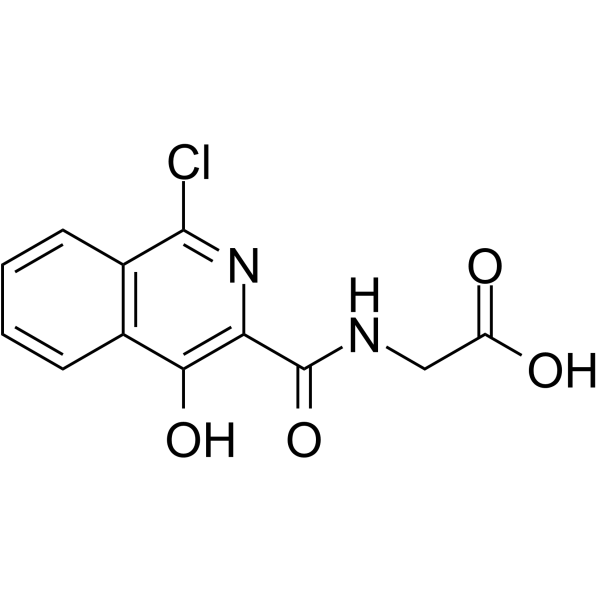
    BNS is a cell penetrant, potent and selective PHD2 (prolyl-hydroxylase 2) inhibitor .
    BNS
  • HY-112441

    HIF/HIF Prolyl-Hydroxylase Cardiovascular Disease
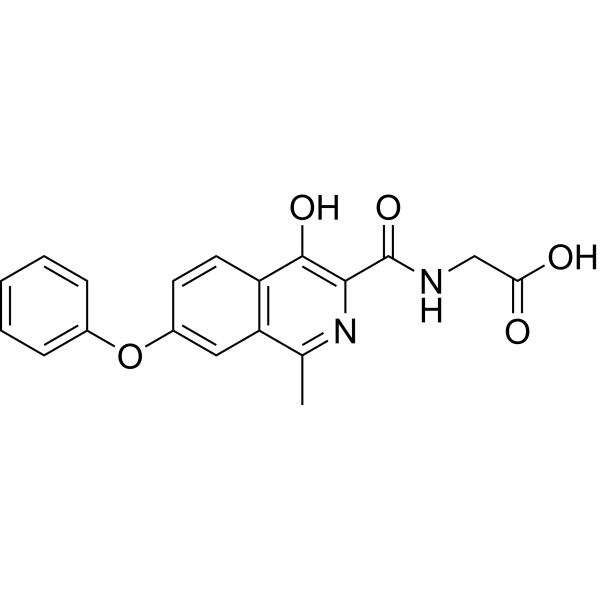
    Prolyl Hydroxylase inhibitor 1 (Compound 15i) is an orally active hypoxia inducible factor (HIF)-prolyl hydroxylase (PHD) inhibitor with an IC50 of 62.23 nM . Antianemia agent .
    Prolyl Hydroxylase inhibitor 1
  • HY-125796

    Dopamine β-hydroxylase Neurological Disease
    U-14624 is a potent and orally active dopamine beta-hydroxylase inhibitor. U-14624 suppresses the activities of aminopyrine N-demethylase, aniline hydroxylase and p-nitroanisole O-demethylase enzymes .
    U-14624
  • HY-129502

    P-23924C

    HIF/HIF Prolyl-Hydroxylase Others
    Fibrostatin C (P-23924C) is an orally active prolyl hydroxylase inhibitor that also inhibits collagen biosynthesis. Fibrostatin C also increases the number of cytoplasmic granules immunoreactive with antibodies to collagen I or III. Fibrostatin C inhibits the secretion of type I collagen in Tenon's capsule fibroblasts. Fibrostatin C is promising for research of the wound fibrotic response in the wound of glaucoma filtering surgery .
    Fibrostatin C
  • HY-E70279

    Phytanoyl-Coenzyme A

    Biochemical Assay Reagents Metabolic Disease
    Phytanoyl-CoA is a coenzyme A derivative of phytanic acid that can serve as a substrate to be catalyzed by phytanoyl-CoA 2-hydroxylase (PAHX) into 2-hydroxyphytanoyl-CoA .
    Phytanoyl-CoA
  • HY-13289

    SYN117; RS-25560-197

    Dopamine β-hydroxylase Cardiovascular Disease
    Nepicastat (SYN117) is a selective, potent, and orally active inhibitor of dopamine-beta-hydroxylase. Nepicastat (SYN117) produces concentration-dependent inhibition of bovine (IC50=8.5 nM) and human (IC50=9 nM) dopamine-beta-hydroxylase. Nepicastat (SYN117) can cross the blood-brain barrier (BBB) .
    Nepicastat
  • HY-N3550

    Others Cancer
    Catalponol is a naphthoquinone derivative. Catalponol enhances dopamine biosynthesis by inducing tyrosine hydroxylase activity. Catalponol also increases the levels of cAMP and tyrosine hydroxylase phosphorylation in PC12 cells .
    Catalponol
  • HY-141625

    HIF/HIF Prolyl-Hydroxylase Others
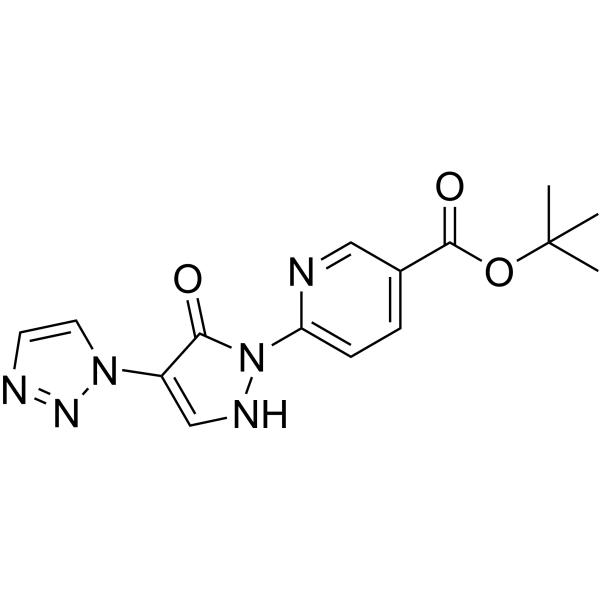
    TRC160334 is a hypoxia-inducible factor (HIF) hydroxylase inhibitor. TRC160334 can be used for the research of ischemia/reperfusion injury .
    TRC160334
  • HY-15641R

    IOX3 (Standard); YM311 (Standard)

    HIF/HIF Prolyl-Hydroxylase Reference Standards Metabolic Disease
    FG-2216 (Standard) is the analytical standard of FG-2216. This product is intended for research and analytical applications. FG-2216 (IOX3) is a potent and orally active inhibitor of HIF prolyl hydroxylase-2 (PHD2), with an IC50 of 3.9 μM. FG-2216 induces robust erythropoietin and modest fetal hemoglobin in vivo .
    FG-2216 (Standard)

Inquiry Online

Your information is safe with us. * Required Fields.

Salutation


Country or Region *

Applicant Name *


Organization Name *

Department *


Email Address *


Product Name *

Cat. No.


Requested quantity *

Phone Number *


Remarks

Inquiry Online

Inquiry Information

Product Name:
Cat. No.:
Quantity:
MCE Japan Authorized Agent:

