Search Result
Results for "
insect growth
" in MedChemExpress (MCE) Product Catalog:
1
Biochemical Assay Reagents
6
Isotope-Labeled Compounds
| Cat. No. |
Product Name |
Target |
Research Areas |
Chemical Structure |
-
- HY-N3014
-
|
|
Notch
Apoptosis
Parasite
|
Infection
Cancer
|
|
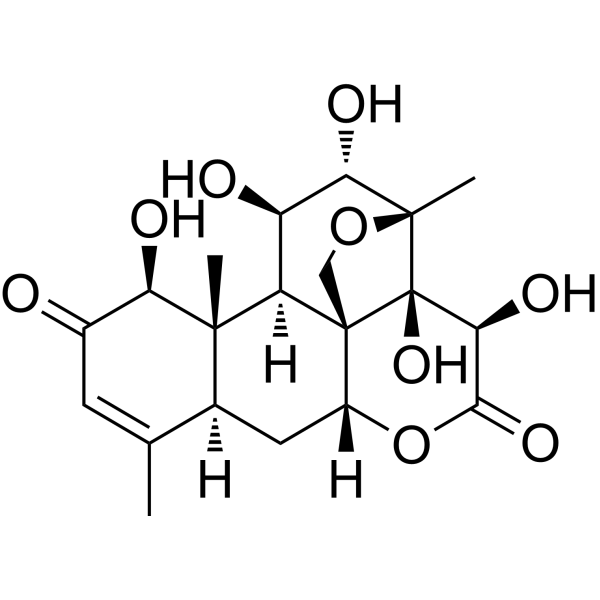
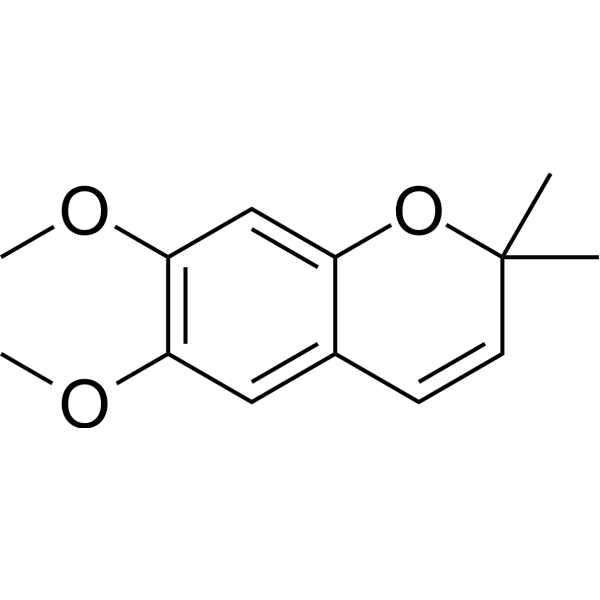
Bruceine D is a Notch inhibitor with anti-cancer activity and induces apoptosis in several human cancer cells. Bruceine D is an effective botanical insect antifeedant with outstanding systemic properties, causing potent pest growth inhibitory activity . Bruceine D has strong anthelmintic activity against D. intermedius with an EC50 value of 0.57 mg/L .
|
-
-
- HY-B1161
-
Methoprene
Maximum Cited Publications
15 Publications Verification
ZR-515
|
Environmental Pollutants
Insecticide
|
Others
|
|
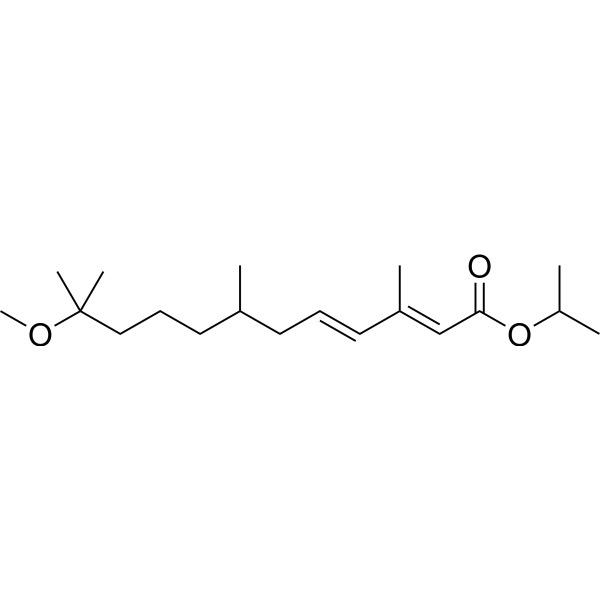
Methoprene, an insect juvenile growth hormone mimic, is a growth-regulating insecticide that manifests its toxicity to target organisms by acting as a juvenile hormone agonist .
|
-
-
- HY-W017423
-
-
-
- HY-Y1110H
-
|
Magnogene, suitable for insect cell culture
|
Environmental Pollutants
Biochemical Assay Reagents
|
Others
|
|
Magnesium chloride anhydrous, suitable for insect cell culture is an inorganic salt and cell culture medium component that can be used to prepare Tris buffer. Magnesium chloride anhydrous, suitable for insect cell culture is a component of Hunter's Thrips medium, which supports the in vitro culture of western flower thrip embryonic cells, and promotes the adhesion of tissue fragments/cells as well as the growth of fibroblast-like and epithelial-like cells .
|
-
-
- HY-117386
-
|
|
Environmental Pollutants
Insecticide
|
Infection
|
|
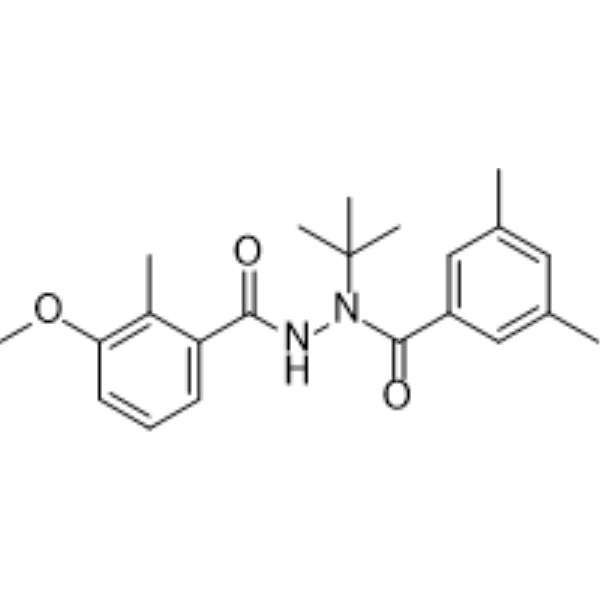
Methoxyfenozide is an orally active insecticide belonging to the diacylhydrazine and non-steroidal ecdysone agonist classes, which can interfere with the growth and development of insects. Methoxyfenozide has ovicidal and insecticidal activities against phytophagous pests .
|
-
-
- HY-B2031
-
-
-
- HY-B1331
-
|
Cyromazin; CGA-72662
|
Environmental Pollutants
Endogenous Metabolite
Parasite
|
Neurological Disease
Metabolic Disease
|
|
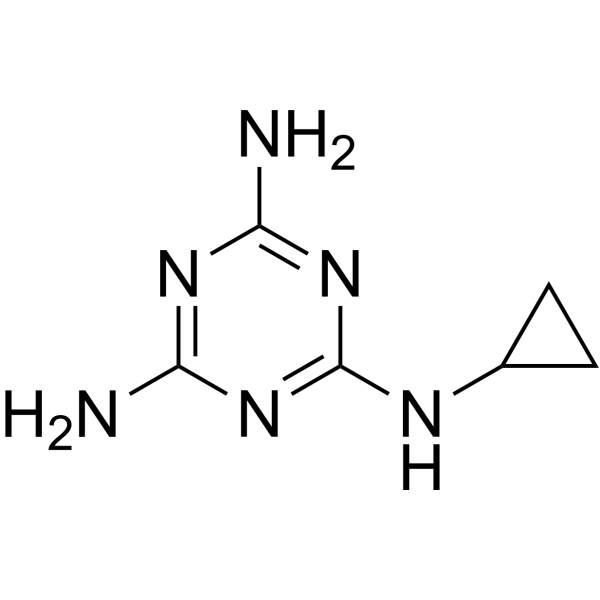
Cyromazine (CGA-72662) is a triazine insect growth regulator used as an insecticide and an acaricide. It is a cyclopropyl derivative of melamine. Cyromazine works by affecting the nervous system of the immature larval stages of certain insects. Cyromazine reduced the number of germ cells by interfering with the Ecdysone (HY-N0179) signaling pathway. Cyromazine induces renal toxicity attenuated and restored by green tea extract in rats .
|
-
-
- HY-17519
-
-
-
- HY-W089845
-
|
|
Environmental Pollutants
Fungal
Sex Pheromone
|
Infection
Endocrinology
|
|
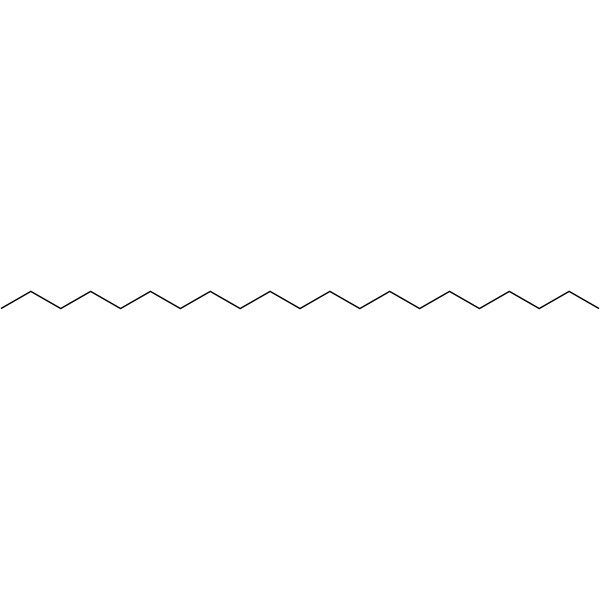
Heneicosane is a royal-specific pheromone of insects (such as subterranean termites) and is an identification signal for queens and kings in termites. Heneicosane mediates royal recognition and the maintenance of social division of labor by being sensed by worker ants and triggering vibrations and antennal behaviors. Heneicosane can exert anti-inflammatory, analgesic and antipyretic activities by inhibiting the release of inflammatory mediators (such as prostaglandins and cytokines). At the same time, Heneicosane can also inhibit the mycelial growth of aflatoxin-producing fungi and inhibit the production of aflatoxin. Heneicosane can be used in insect chemical ecology research to analyze the regulatory mechanism of termite social behavior, and is also a potential target for new anti-inflammatory drugs .
|
-
-
- HY-N7400
-
|
|
NOD-like Receptor (NLR)
Caspase
Insecticide
|
Inflammation/Immunology
|
|
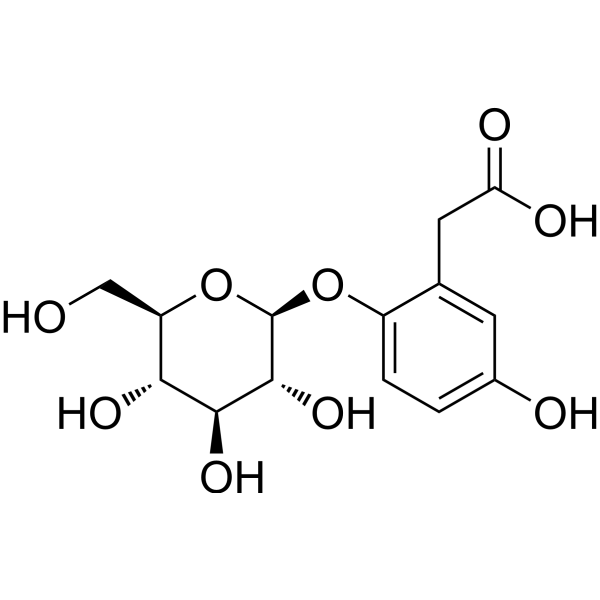
Phaseoloidin is an orally active multi-target inhibitor. Phaseoloidin inhibits the activation of the NLRP3 inflammasome and blocks the caspase-11-GSDMD pyroptosis axis. Phaseoloidin reduces the expression of collagen-degrading enzymes to maintain the integrity of cartilage matrix. Phaseoloidin activates the AMPK/mTOR pathway to enhance autophagic function. Phaseoloidin exerts adverse effects on the growth and development of Manduca sexta and Spodoptera littoralis larvae, inhibits larval growth, and thereby helps Nicotiana attenuata defend against lepidopteran herbivorous insects. Phaseoloidin is applicable to research related to acute gouty arthritis and pulmonary fibrosis .
|
-
-
- HY-N7719
-
-
-
- HY-15130
-
|
|
Endogenous Metabolite
|
Metabolic Disease
|
|
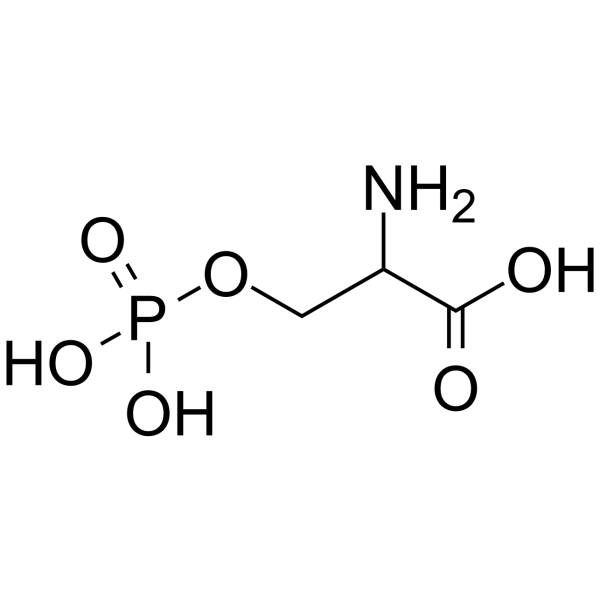
DL-O-Phosphoserine is a normal metabolite in human biofluids and is a mixture of phosphoserine with two stereochemical structures (D-type and L-type O-phospho-serine). O-phospho-L-serine is a competitive inhibitor of serine racemase and phagocytosis. O-phospho-L-serine inhibits the enzymatic reaction by competing with the active site of serine racemase, thereby affecting the production of D-serine. O-phospho-L-serine also mimics the phosphatidylserine head group, binds to the phosphatidylserine receptor, interferes with phagocytic signal transduction, and partially blocks the phagocytosis of apoptotic cells by cells. O-phospho-L-serin can be used in the research of retinal regeneration, bone repair, and insect growth and development .
|
-
-
- HY-N7592
-
|
|
Others
|
Others
|
|
Arjunetin, isolated from Terminalia arjuna, is an insect feeding-deterrent and growth inhibitor .
|
-
-
- HY-N4294
-
|
|
FXR
Insecticide
|
Infection
Metabolic Disease
Inflammation/Immunology
|
|
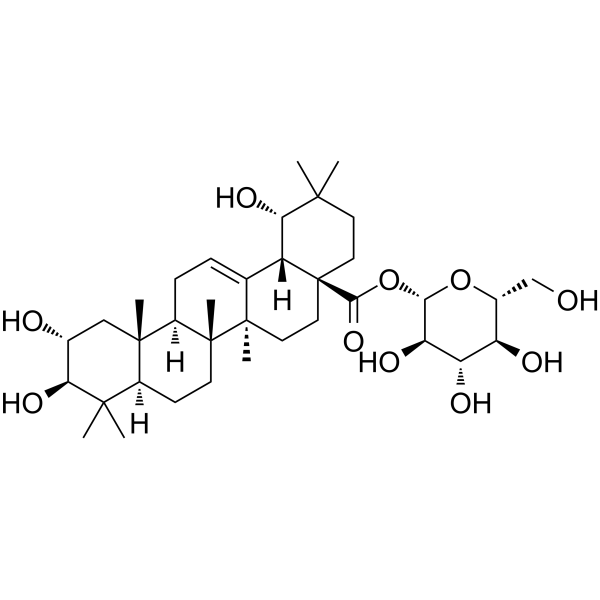
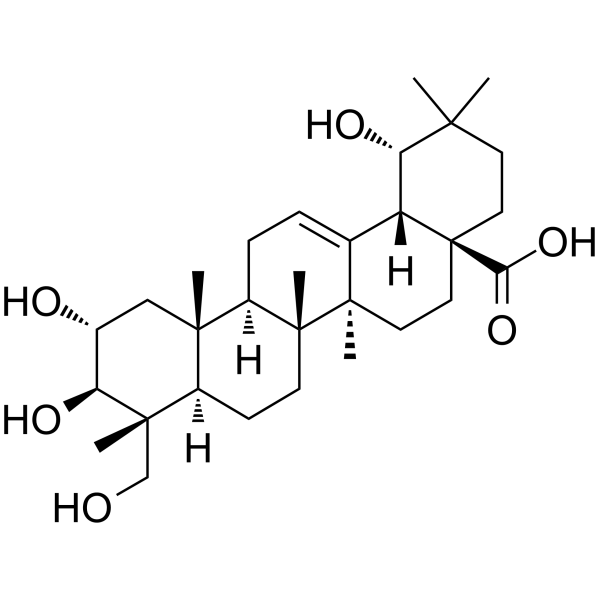
Arjungenin, a pentacyclic triterpenoid compound, is a FXR agonist. Arjungenin can improve insulin sensitivity by regulating the function of fat cells. Arjungenin exhibits moderate free radical scavenging activity. Arjungenin has growth inhibitory activity against the insect Spilarctia obliqua. Arjungenin has significant antiviral activity against a series of viruses such as chikungunya Virus (CHIKV) .
|
-
-
- HY-113890
-
|
RH-0345
|
Environmental Pollutants
|
Others
|
|
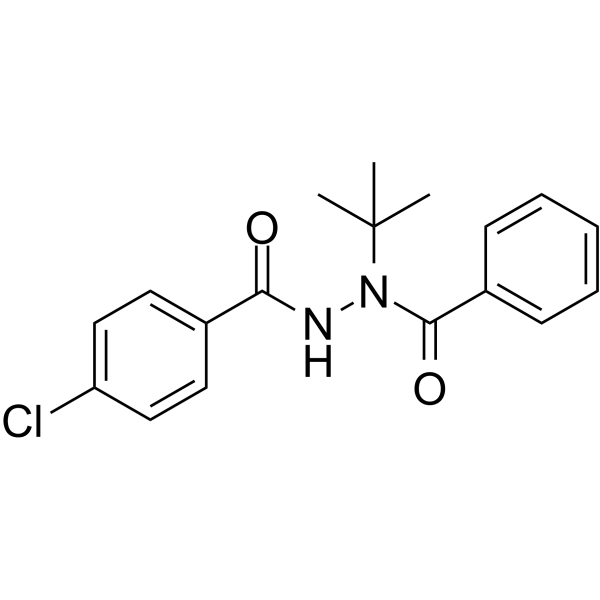
Halofenozide (RH-0345) is an ecdysteroid agonist. RH-0345 belongs to a new group of insect growth regulators (IGRs) with a benzoylhydrazine structure that mimic the action of the natural insect molting hormone 20-hydroxyecdysone .
|
-
-
- HY-B1848
-
-
-
- HY-121263
-
|
|
Insecticide
|
Cancer
|
|
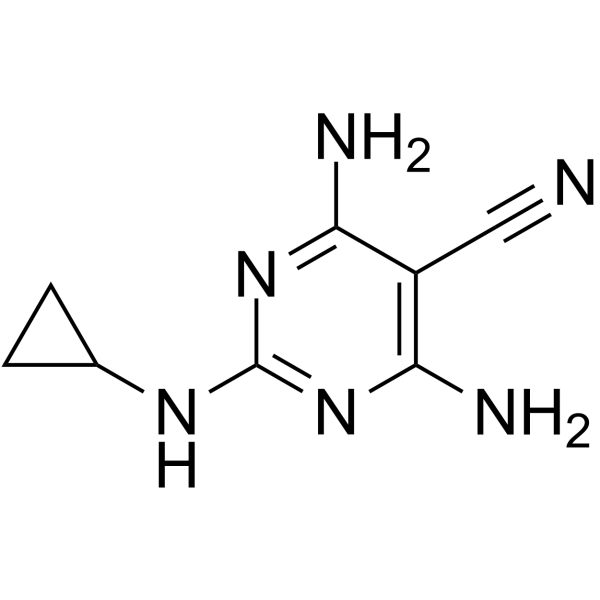
Dicyclanil is an insect growth regulator compound with a similar chemical structure to cyromazine .
|
-
-
- HY-B2049
-
|
|
Environmental Pollutants
Insecticide
|
Infection
|
|
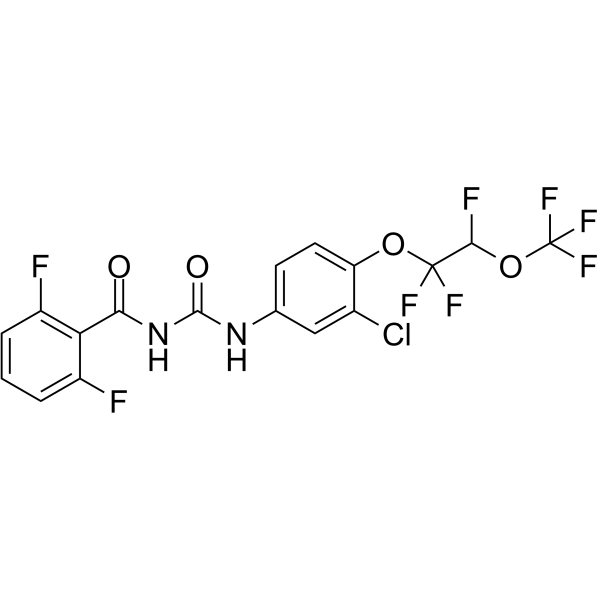
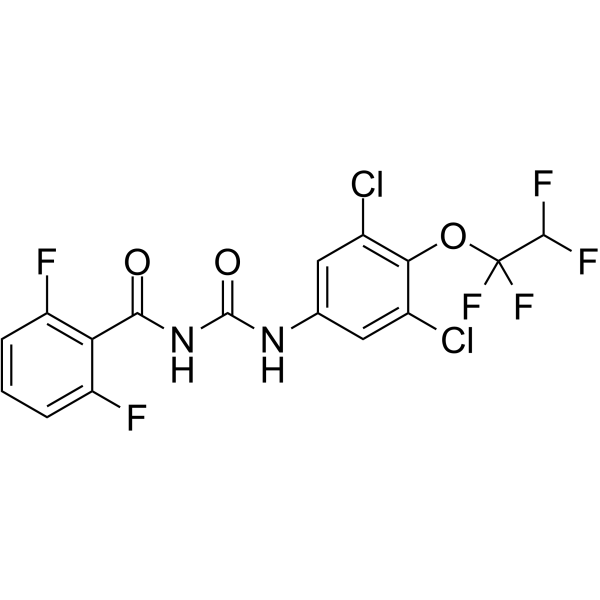
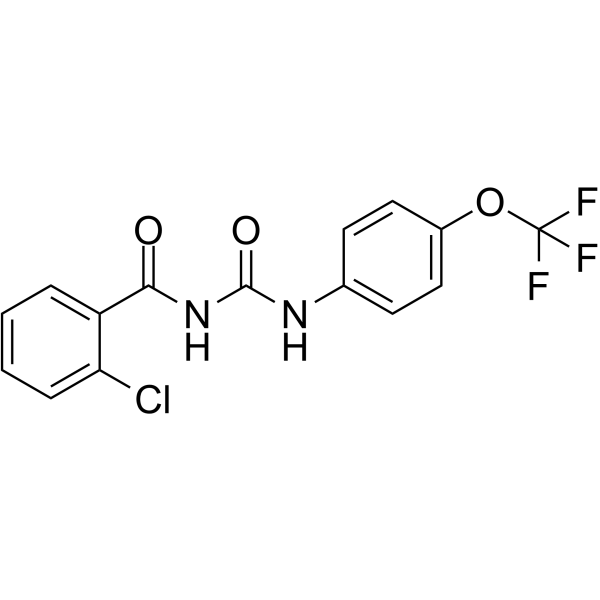
Triflumuron is a potent chitin synthesis inhibitor. Triflumuron shows the efficacy in emergence inhibition (EI) against Culex quinquefasciatus and Aedes albopictus, with EI50 values of 5.28 and 1.59 μg/L, respectively. Triflumuron can be used as an insecticide. Triflumuron represents a potential tool for the control of disease vectors in public health .
|
-
-
- HY-N12851
-
|
(E)-4-Oxo-2-hexenal
|
Bacterial
Apoptosis
|
Infection
|
|
4-OHE ((E)-4-Oxo-2-hexenal) is a mutagen formed by omega-3 lipid peroxidation. 4-OHE reacts with deoxyguanosine, deoxycytidine and 5-methyldeoxycytidine to form covalent adducts. 4-OHE induces apoptosis and exhibits genotoxicity. 4-OHE inhibits the growth of Gram-positive and Gram-negative bacteria, which correlates with its electrophilic reactivity towards nucleophilic biomolecules. 4-OHE is a chemical defense component of Dolycoris baccarum (sloe bug), and acts as a deterrent and toxin against insect predators .
|
-
-
- HY-N7267
-
|
|
Others
|
Endocrinology
|
|
31-Norlanostenol is a triterpenic compound isolated from the latex of Euphorbia officinarum. 31-Norlanostenol can act as efficient insect growth regulator on S. frugiperda and Tenebrio molitor .
|
-
-
- HY-N7719R
-
|
|
Endogenous Metabolite
Reference Standards
Bacterial
Fungal
Parasite
Apoptosis
Reactive Oxygen Species (ROS)
Caspase
HSV
|
Infection
Inflammation/Immunology
Cancer
|
|
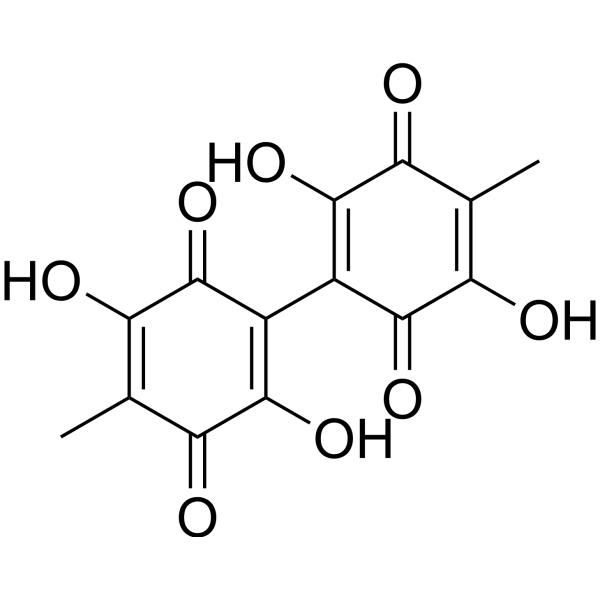
Oosporein (Standard) is the analytical standard of Oosporein (HY-N7719). This product is intended for research and analytical applications. Oosporein is a microbial metabolite and a red crystalline toxin produced by various fungi. Oosporein can promote the reproduction of fungi in host bodies by inhibiting insect immunity, and possesses multiple activities such as antibacterial, antiviral (HSV), and insecticidal effects. Oosporein can inhibit plant growth. In addition, Oosporein can also induce apoptosis, cell membrane damage, oxidative stress, and mitochondrial damage. Oosporein has certain antitumor activity .
|
-
-
- HY-117386S
-
|
|
Isotope-Labeled Compounds
Insecticide
|
Infection
|
|
Methoxyfenozide-d9 is the deuterium labeled Methoxyfenozide (HY-117386). Methoxyfenozide is an orally active insecticide belonging to the diacylhydrazine and non-steroidal ecdysone agonist classes, which can interfere with the growth and development of insects. Methoxyfenozide has ovicidal and insecticidal activities against phytophagous pests .
|
-
-
- HY-B1161R
-
|
ZR-515 (Standard)
|
Insecticide
Reference Standards
|
Others
|
|
Methoprene (Standard) is the analytical standard of Methoprene. This product is intended for research and analytical applications. Methoprene, an insect juvenile growth hormone mimic, is a growth-regulating insecticide that manifests its toxicity to target organisms by acting as a juvenile hormone agonist .
|
-
-
- HY-118565
-
|
|
Endogenous Metabolite
Bacterial
|
Infection
|
|
Rhizocarpic acid (Compound 2) is a secondary metabolite of lichen. Rhizocarpic acid effectively inhibits the growth of bacteria, such as Bacillus subtilis and Staphylococcus aureus, as well as murine myeloma NS-1 cells. Rhizocarpic acid is an antioxidant and an insect antifeedant with an ED50 of 71 μmol/g dry weight against neonate larvae of the Egyptian cotton leaf worm Spodoptera littoralis .
|
-
-
- HY-W750355
-
|
|
Insecticide
|
Infection
|
|
Azadirachtin D is an insect growth regulator targeting ecdysone receptor (EcR) in insects. Azadirachtin D blocks the 20-hydroxyecdysone signaling pathway, leading to developmental arrest or death in insects. Azadirachtin D is promising for research of agricultural pests .
|
-
-
- HY-118730
-
|
Andalin; DU 319722; A 1335
|
Insecticide
|
Infection
|
|
Flucycloxuron (Andalin) is an insect growth regulator (IGR), and a chitin synthesis inhibitor .
|
-
-
- HY-149864
-
|
|
Insecticide
|
Others
|
|
Insecticidal agent 3 is a multichitinase inhibitors, belongs to insect growth regulators (IGRs),with Kis of 0.8μM, 11.9 μM, and 2.3 μM for Of ChtI, Of ChtII, and Of Chi-h, respectively. Insecticidal agent 3 exhibits insecticidal activity against two lepidopteran pests by interfering with normal insect growth and molting .
|
-
-
- HY-118730R
-
|
Andalin (Standard); DU 319722 (Standard); A 1335 (Standard)
|
Insecticide
Reference Standards
|
Infection
|
|
Flucycloxuron (Standard) is the analytical standard of Flucycloxuron. This product is intended for research and analytical applications. Flucycloxuron (Andalin) is an insect growth regulator (IGR) .
|
-
-
- HY-N3694
-
|
Desacetyl nimbin
|
Others
|
Others
|
|
Deacetylnimbin is a limonoid isolated from Azadirachta indica. Deacetylnimbin can be used as a plant metabolite, a food repellent and as a growth regulator for insects such as S. litura, P. ricini and O. fscovittata .
|
-
-
- HY-113890R
-
|
RH-0345 (Standard)
|
Others
Reference Standards
|
Others
|
|
Halofenozide (Standard) is the analytical standard of Halofenozide. This product is intended for research and analytical applications. Halofenozide (RH-0345) is an ecdysteroid agonist. RH-0345 belongs to a new group of insect growth regulators (IGRs) with a benzoylhydrazine structure that mimic the action of the natural insect molting hormone 20-hydroxyecdysone .
|
-
-
- HY-W017423R
-
|
|
Reference Standards
Cholinesterase (ChE)
|
Neurological Disease
|
|
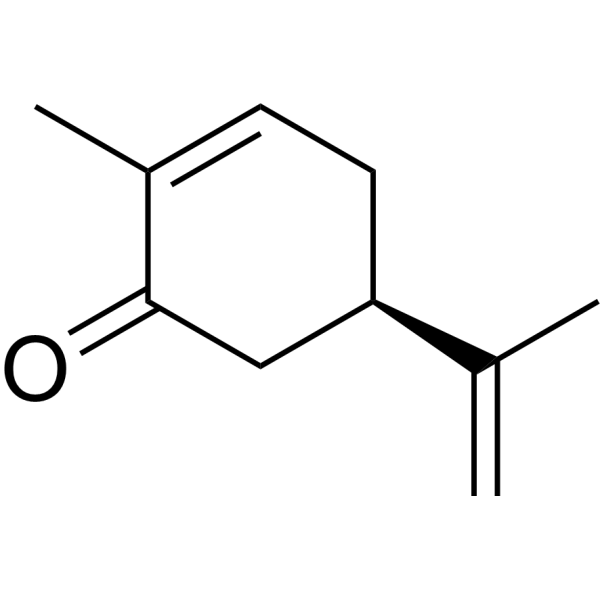
(-)-Carvone (Standard) is the analytical standard of (-)-Carvone. This product is intended for research and analytical applications. (-)-Carvone is an insect neurotoxin and a irreversible acetylcholinesterase (AChE) inhibitor. (-)-Carvone can be used as a bird repellent, inhibits larval growth, decreases pupatation rate, and increases mortality of larvae .
|
-
-
- HY-B1331R
-
|
Cyromazin (Standard); CGA-72662 (Standard)
|
Reference Standards
Endogenous Metabolite
Parasite
|
Neurological Disease
Metabolic Disease
|
|
Cyromazine (Standard) is the analytical standard of Cyromazine. This product is intended for research and analytical applications. Cyromazine (CGA-72662) is a triazine insect growth regulator used as an insecticide and an acaricide. It is a cyclopropyl derivative of melamine. Cyromazine works by affecting the nervous system of the immature larval stages of certain insects. Cyromazine reduced the number of germ cells by interfering with the Ecdysone (HY-N0179) signaling pathway. Cyromazine induces renal toxicity attenuated and restored by green tea extract in rats .
|
-
-
- HY-B1848R
-
|
|
Reference Standards
Insecticide
|
Others
|
Hexaflumuron (Standard) is the analytical standard of Hexaflumuron. This product is intended for research and analytical applications. Hexaflumuron is an insect growth regulator (IGR) that inhibits chitin synthesis during insect molting .
|
-
-
- HY-N16479
-
|
|
Insecticide
|
Infection
|
|
Azadirachtin I is an insecticide targeting insect growth and development-related pathways (e.g., ecdysone signaling pathway, chitin synthesis pathway). Azadirachtin I inhibits chitin synthesis and disrupting intestinal function by interfering with the growth and development processes of insect larvae such as molting and pupation, increasing insect mortality and reducing adult fecundity. Azadirachtin I is promising for research of agricultural pests, such as Lepidoptera, Coleoptera .
|
-
-
- HY-B1331S
-
|
|
Endogenous Metabolite
|
Neurological Disease
|
|
Cyromazine-d4 is the deuterium labeled Cyromazine. Cyromazine is a triazine insect growth regulator used as an insecticide and an acaricide. It is a cyclopropyl derivative of melamine. Cyromazine works by affecting the nervous system of the immature larval stages of certain insects.
|
-
-
- HY-W097200
-
|
N,N′-Dibenzylurea
|
Epoxide Hydrolase
|
Others
|
|
1,3-Dibenzylurea is an insect growth regulator and a mouse soluble epoxide hydrolase (MsEH) inhibitor .
|
-
-
- HY-B1331S1
-
|
Cyromazin-13C3; CGA-72662-13C3
|
Isotope-Labeled Compounds
Endogenous Metabolite
|
Neurological Disease
|
|
Cyromazine- 13C3 is the 13C3 labeled Cyromazine. Cyromazine is a triazine insect growth regulator used as an insecticide and an acaricide. It is a cyclopropyl derivative of melamine. Cyromazine works by affecting the nervous system of the immature larval stages of certain insects.
|
-
-
- HY-W721291
-
|
|
Insecticide
|
Infection
|
|
Penfluron is an insect-growth regulator with chitin-inhibiting activities. Penfluron inhibits the total haemocyte count (THC) of Dysdercus koenigii .
|
-
-
- HY-B1161S
-
|
ZR-515-d7
|
Isotope-Labeled Compounds
|
Others
|
|
Methoprene-d7 is the deuterium labeled Methoprene . Methoprene, an insect juvenile growth hormone mimic, is a growth-regulating insecticide that manifests its toxicity to target organisms by acting as a juvenile hormone agonist .
|
-
-
- HY-121263R
-
|
|
Insecticide
Reference Standards
|
Cancer
|
|
Dicyclanil (Standard) is the analytical standard of Dicyclanil. This product is intended for research and analytical applications. Dicyclanil is an insect growth regulator compound with a similar chemical structure to cyromazine .
|
-
-
- HY-N7592R
-
|
|
Reference Standards
Others
|
Others
|
|
Arjunetin (Standard) is the analytical standard of Arjunetin. This product is intended for research and analytical applications. Arjunetin, isolated from Terminalia arjuna, is an insect feeding-deterrent and growth inhibitor .
|
-
-
- HY-109564R
-
|
|
Drug Metabolite
Reference Standards
|
Cancer
|
|
Arjungenin (Standard) is the analytical standard of Arjungenin. This product is intended for research and analytical applications. Arjungenin, a triterpene isolated from Terminalia arjuna, is an insect feeding-deterrent and growth inhibitor .
|
-
-
- HY-157016
-
|
|
Insecticide
|
Others
|
|
OfChi-h-IN-1 is a potent OfChi-h inhibitor with a Ki value of 0.33 μM. OfChi-h-IN-1 dramatically inhibit the growth and development of Ostrinia nubilalis larvae, and it shows higher insecticidal activity than Hexaflumuron (HY-B1848). OfChi-h-IN-1 serves as novel candidates for insect growth regulator .
|
-
-
- HY-N15444
-
|
|
Fungal
|
Infection
Inflammation/Immunology
|
|
Bullatenone is a volatile bioactive compound that can be found in Lophomyrtus bullata. It has insect - repellent, anti - ulcer, anti - UV, and antifungal activities. Bullatenone can inhibit the growth of fungi such as Candida albicans and Cladosporium resinae. Bullatenone can be used in the research of diseases such as inflammation and infections .
|
-
-
- HY-W750404
-
|
|
Isotope-Labeled Compounds
Cholinesterase (ChE)
|
Neurological Disease
|
|
(-)-Carvone-d4 is the deuterium labeled (-)-Carvone (HY-W017423). (-)-Carvone is an insect neurotoxin and a irreversible acetylcholinesterase (AChE) inhibitor. (-)-Carvone can be used as a bird repellent, inhibits larval growth, decreases pupatation rate, and increases mortality of larvae .
|
-
-
- HY-117386R
-
|
|
Reference Standards
Insecticide
|
Infection
|
|
Methoxyfenozide (Standard) is the analytical standard of Methoxyfenozide (HY-117386). This product is intended for research and analytical applications. Methoxyfenozide is an orally active insecticide belonging to the diacylhydrazine and non-steroidal ecdysone agonist classes, which can interfere with the growth and development of insects. Methoxyfenozide has ovicidal and insecticidal activities against phytophagous pests.
|
-
-
- HY-P10390
-
|
|
Parasite
|
Infection
|
|
Insecticidal agent 11 (compound Q6) is a potent insect growth regulator (IGR)-based insecticide. Insecticidal agent 11 shows high insecticidal activity against Diploptera punctata by inhibiting juvenile hormone (JH) biosynthesis. Insecticidal agent 11 also exhibits insecticidal activity against Plutella xylostella .
|
-
-
- HY-W040235
-
|
|
Endogenous Metabolite
|
Others
|
|
Fluazuron is an insect growth regulator with activity against larvae of Amblyomma sculptum. Fluazuron exhibits 100% efficacy by interfering with the molting process. Fluazuron has shown rapid absorption and slow metabolism in experiments. The use of Fluazuron offers a potential preventive measure for the control of Brazilian spotted fever. The results of Fluazuron offer good prospects for the development of feed products containing FLU to control ticks in free-living capybaras .
|
-
-
- HY-W089845R
-
|
|
Reference Standards
Sex Pheromone
Fungal
|
Infection
Endocrinology
|
|
Heneicosane (Standard) is the analytical standard of Heneicosane (HY-W089845). This product is intended for research and analytical applications. Heneicosane is a royal-specific pheromone of insects (such as subterranean termites) and is an identification signal for queens and kings in termites. Heneicosane mediates royal recognition and the maintenance of social division of labor by being sensed by worker ants and triggering vibrations and antennal behaviors. Heneicosane can exert anti-inflammatory, analgesic and antipyretic activities by inhibiting the release of inflammatory mediators (such as prostaglandins and cytokines). At the same time, Heneicosane can also inhibit the mycelial growth of aflatoxin-producing fungi and inhibit the production of aflatoxin. Heneicosane can be used in insect chemical ecology research to analyze the regulatory mechanism of termite social behavior, and is also a potential target for new anti-inflammatory drugs .
|
-
-
- HY-W089845S
-
|
|
Isotope-Labeled Compounds
Sex Pheromone
Fungal
|
Infection
Endocrinology
|
|
Heneicosane-d44 is the deuterium labeled Heneicosane (HY-W089845). Heneicosane is a royal-specific pheromone of insects (such as subterranean termites) and is an identification signal for queens and kings in termites. Heneicosane mediates royal recognition and the maintenance of social division of labor by being sensed by worker ants and triggering vibrations and antennal behaviors. Heneicosane can exert anti-inflammatory, analgesic and antipyretic activities by inhibiting the release of inflammatory mediators (such as prostaglandins and cytokines). At the same time, Heneicosane can also inhibit the mycelial growth of aflatoxin-producing fungi and inhibit the production of aflatoxin. Heneicosane can be used in insect chemical ecology research to analyze the regulatory mechanism of termite social behavior, and is also a potential target for new anti-inflammatory drugs .
|
-
- HY-N4294R
-
|
|
Reference Standards
FXR
Insecticide
|
Infection
Metabolic Disease
Inflammation/Immunology
|
|
Arjungenin (Standard) is the analytical standard of Arjungenin. This product is intended for research and analytical applications. Arjungenin, a pentacyclic triterpenoid compound, is a FXR agonist. Arjungenin can improve insulin sensitivity by regulating the function of fat cells. Arjungenin exhibits moderate free radical scavenging activity. Arjungenin has growth inhibitory activity against the insect Spilarctia obliqua. Arjungenin has significant antiviral activity against a series of viruses such as chikungunya Virus (CHIKV).
|
-
- HY-118989
-
|
|
Insecticide
Endogenous Metabolite
|
Infection
|
|
Ajugalactone is a phytoecdysteroid found in plants of the Ajuga genus. Ajugalactone shows both ecdysone (HY-N0179) agonist activity and anti‑ponasterone A (HY-N1534) antagonist activity. Ajugalactone significantly disrupts insect molting and developmental processes. Ajugalactone acts as an insect growth regulator that interferes with insect molting. Ajugalactone induces complete mortality in first‑instar larvae of the greenhouse whitefly. Ajugalactone can be used for research on insect‑plant interactions and insect growth regulation .
|
-
- HY-183675
-
|
|
Insecticide
|
Infection
|
|
SfUAP-IN-1 is an inhibitor of SfUAP (UDP-N-acetylglucosamine pyrophosphorylase from Spodoptera frugiperda) with an IC50 value of 108 nM. As a growth and development inhibitor, SfUAP-IN-1 impairs larval growth and development of Plutella xylostella (diamondback moth), Spodoptera frugiperda (fall armyworm) and Spodoptera litura (tobacco cutworm). SfUAP-IN-1 can be used in research on green pesticides targeting insect UAP .
|
-
- HY-W072994
-
|
|
Fungal
Insecticide
|
Infection
|
|
Copper naphthenate is an organocopper compound with the properties of a fungicide, preservative, oil-borne protectant, and toxicant. Copper naphthenate increases serum and urine copper levels in exposed populations, causes skin irritation, and induces intraperitoneal toxicity in rats. Copper naphthenate inhibits the growth of decay fungi and molds on moso bamboo, kills the free-living stages of Ichthyophthirius multifiliis, and controls wood-boring insects and termites .
|
-
- HY-B2049R
-
|
|
Insecticide
Reference Standards
|
Infection
|
|
Triflumuron (Standard) is the analytical standard of Triflumuron. This product is intended for research and analytical applications. Triflumuron is a potent chitin synthesis inhibitor. Triflumuron shows the efficacy in emergence inhibition (EI) against Culex quinquefasciatus and Aedes albopictus, with EI50 values of 5.28 and 1.59 μg/L, respectively. Triflumuron can be used as an insecticide. Triflumuron represents a potential tool for the control of disease vectors in public health .
|
-
- HY-171722
-
|
Asc-C9
|
Insecticide
PGC-1α
|
Infection
Cancer
|
|
Ascr#10 (Asc-C9) is an orally active thermogenesis inducer and insecticide that can be obtained from Monochamus alternatus. Ascr#10 binds to the insect adipokinetic hormone (AKH) receptor (Ka=272 µM) and stimulates mitochondrial biogenesis via the PGC1α-UCP4 axis. Consequently, Ascr#10 induces UCP4-mediated uncoupled respiration, reduces the ATP/ADP ratio and accelerates lipid mobilization, thereby driving the thermogenesis process. Ascr#10 delays pupation and exerts specific chemotaxis toward dispersive fourth-stage pinewood nematode LIV larvae. Ascr#10 promotes cold acclimation of Monochamus alternatus larvae through metabolic inhibition and cryoprotectant accumulation, enhancing their survival rate under cold stress. Ascr#10 also induces browning of white adipose tissue and activates brown adipose tissue in mice, thereby helping the body resist cold and tumor growth. Ascr#10 can be widely applied to research related to pine wilt disease, lung tumors and cold stress .
|
-
| Cat. No. |
Product Name |
Type |
-
- HY-Y1110H
-
|
Magnogene, suitable for insect cell culture
|
Biochemical Assay Reagents
|
|
Magnesium chloride anhydrous, suitable for insect cell culture is an inorganic salt and cell culture medium component that can be used to prepare Tris buffer. Magnesium chloride anhydrous, suitable for insect cell culture is a component of Hunter's Thrips medium, which supports the in vitro culture of western flower thrip embryonic cells, and promotes the adhesion of tissue fragments/cells as well as the growth of fibroblast-like and epithelial-like cells .
|
| Cat. No. |
Product Name |
Target |
Research Area |
-
- HY-P10390
-
|
|
Parasite
|
Infection
|
|
Insecticidal agent 11 (compound Q6) is a potent insect growth regulator (IGR)-based insecticide. Insecticidal agent 11 shows high insecticidal activity against Diploptera punctata by inhibiting juvenile hormone (JH) biosynthesis. Insecticidal agent 11 also exhibits insecticidal activity against Plutella xylostella .
|
| Cat. No. |
Product Name |
Category |
Target |
Chemical Structure |
-
- HY-N3014
-
-
-
- HY-W017423
-
-
-
- HY-B1331
-
-
-
- HY-W089845
-
|
|
Infection
Structural Classification
Natural Products
other families
Classification of Application Fields
Plants
Disease Research Fields
Source Classification
|
Environmental Pollutants
Fungal
Sex Pheromone
|
|
Heneicosane is a royal-specific pheromone of insects (such as subterranean termites) and is an identification signal for queens and kings in termites. Heneicosane mediates royal recognition and the maintenance of social division of labor by being sensed by worker ants and triggering vibrations and antennal behaviors. Heneicosane can exert anti-inflammatory, analgesic and antipyretic activities by inhibiting the release of inflammatory mediators (such as prostaglandins and cytokines). At the same time, Heneicosane can also inhibit the mycelial growth of aflatoxin-producing fungi and inhibit the production of aflatoxin. Heneicosane can be used in insect chemical ecology research to analyze the regulatory mechanism of termite social behavior, and is also a potential target for new anti-inflammatory drugs .
|
-
-
- HY-N7400
-
-
-
- HY-N7719
-
-
-
- HY-15130
-
|
|
Microorganisms
Classification of Application Fields
Ketones, Aldehydes, Acids
Metabolic Disease
Endogenous metabolite
Disease Research Fields
Source Classification
|
Endogenous Metabolite
|
|
DL-O-Phosphoserine is a normal metabolite in human biofluids and is a mixture of phosphoserine with two stereochemical structures (D-type and L-type O-phospho-serine). O-phospho-L-serine is a competitive inhibitor of serine racemase and phagocytosis. O-phospho-L-serine inhibits the enzymatic reaction by competing with the active site of serine racemase, thereby affecting the production of D-serine. O-phospho-L-serine also mimics the phosphatidylserine head group, binds to the phosphatidylserine receptor, interferes with phagocytic signal transduction, and partially blocks the phagocytosis of apoptotic cells by cells. O-phospho-L-serin can be used in the research of retinal regeneration, bone repair, and insect growth and development .
|
-
-
- HY-N7592
-
-
-
- HY-N4294
-
-
-
- HY-N12851
-
|
(E)-4-Oxo-2-hexenal
|
Structural Classification
Animals
Ketones, Aldehydes, Acids
Source Classification
|
Bacterial
Apoptosis
|
|
4-OHE ((E)-4-Oxo-2-hexenal) is a mutagen formed by omega-3 lipid peroxidation. 4-OHE reacts with deoxyguanosine, deoxycytidine and 5-methyldeoxycytidine to form covalent adducts. 4-OHE induces apoptosis and exhibits genotoxicity. 4-OHE inhibits the growth of Gram-positive and Gram-negative bacteria, which correlates with its electrophilic reactivity towards nucleophilic biomolecules. 4-OHE is a chemical defense component of Dolycoris baccarum (sloe bug), and acts as a deterrent and toxin against insect predators .
|
-
-
- HY-N7267
-
-
-
- HY-N7719R
-
-
-
- HY-118565
-
-
-
- HY-W750355
-
-
-
- HY-N3694
-
-
-
- HY-W017423R
-
-
-
- HY-B1331R
-
|
Cyromazin (Standard); CGA-72662 (Standard)
|
Structural Classification
Natural Products
Endogenous metabolite
Source Classification
|
Reference Standards
Endogenous Metabolite
Parasite
|
|
Cyromazine (Standard) is the analytical standard of Cyromazine. This product is intended for research and analytical applications. Cyromazine (CGA-72662) is a triazine insect growth regulator used as an insecticide and an acaricide. It is a cyclopropyl derivative of melamine. Cyromazine works by affecting the nervous system of the immature larval stages of certain insects. Cyromazine reduced the number of germ cells by interfering with the Ecdysone (HY-N0179) signaling pathway. Cyromazine induces renal toxicity attenuated and restored by green tea extract in rats .
|
-
-
- HY-N16479
-
-
-
- HY-N7592R
-
-
-
- HY-109564R
-
-
-
- HY-N15444
-
-
-
- HY-W089845R
-
|
|
Structural Classification
Natural Products
other families
Plants
Source Classification
|
Reference Standards
Sex Pheromone
Fungal
|
|
Heneicosane (Standard) is the analytical standard of Heneicosane (HY-W089845). This product is intended for research and analytical applications. Heneicosane is a royal-specific pheromone of insects (such as subterranean termites) and is an identification signal for queens and kings in termites. Heneicosane mediates royal recognition and the maintenance of social division of labor by being sensed by worker ants and triggering vibrations and antennal behaviors. Heneicosane can exert anti-inflammatory, analgesic and antipyretic activities by inhibiting the release of inflammatory mediators (such as prostaglandins and cytokines). At the same time, Heneicosane can also inhibit the mycelial growth of aflatoxin-producing fungi and inhibit the production of aflatoxin. Heneicosane can be used in insect chemical ecology research to analyze the regulatory mechanism of termite social behavior, and is also a potential target for new anti-inflammatory drugs .
|
-
-
- HY-N4294R
-
|
|
Triterpenes
Terpenoids
Combretaceae
Terminalia chebula Retz.
Plants
Source Classification
|
Reference Standards
FXR
Insecticide
|
|
Arjungenin (Standard) is the analytical standard of Arjungenin. This product is intended for research and analytical applications. Arjungenin, a pentacyclic triterpenoid compound, is a FXR agonist. Arjungenin can improve insulin sensitivity by regulating the function of fat cells. Arjungenin exhibits moderate free radical scavenging activity. Arjungenin has growth inhibitory activity against the insect Spilarctia obliqua. Arjungenin has significant antiviral activity against a series of viruses such as chikungunya Virus (CHIKV).
|
-
-
- HY-118989
-
-
| Cat. No. |
Product Name |
Chemical Structure |
-
- HY-117386S
-
|
|
|
Methoxyfenozide-d9 is the deuterium labeled Methoxyfenozide (HY-117386). Methoxyfenozide is an orally active insecticide belonging to the diacylhydrazine and non-steroidal ecdysone agonist classes, which can interfere with the growth and development of insects. Methoxyfenozide has ovicidal and insecticidal activities against phytophagous pests .
|
-
-
- HY-B1331S
-
|
|
|
Cyromazine-d4 is the deuterium labeled Cyromazine. Cyromazine is a triazine insect growth regulator used as an insecticide and an acaricide. It is a cyclopropyl derivative of melamine. Cyromazine works by affecting the nervous system of the immature larval stages of certain insects.
|
-
-
- HY-B1331S1
-
|
|
|
Cyromazine- 13C3 is the 13C3 labeled Cyromazine. Cyromazine is a triazine insect growth regulator used as an insecticide and an acaricide. It is a cyclopropyl derivative of melamine. Cyromazine works by affecting the nervous system of the immature larval stages of certain insects.
|
-
-
- HY-B1161S
-
|
|
|
Methoprene-d7 is the deuterium labeled Methoprene . Methoprene, an insect juvenile growth hormone mimic, is a growth-regulating insecticide that manifests its toxicity to target organisms by acting as a juvenile hormone agonist .
|
-
-
- HY-W750404
-
|
|
|
(-)-Carvone-d4 is the deuterium labeled (-)-Carvone (HY-W017423). (-)-Carvone is an insect neurotoxin and a irreversible acetylcholinesterase (AChE) inhibitor. (-)-Carvone can be used as a bird repellent, inhibits larval growth, decreases pupatation rate, and increases mortality of larvae .
|
-
-
- HY-W089845S
-
|
|
|
Heneicosane-d44 is the deuterium labeled Heneicosane (HY-W089845). Heneicosane is a royal-specific pheromone of insects (such as subterranean termites) and is an identification signal for queens and kings in termites. Heneicosane mediates royal recognition and the maintenance of social division of labor by being sensed by worker ants and triggering vibrations and antennal behaviors. Heneicosane can exert anti-inflammatory, analgesic and antipyretic activities by inhibiting the release of inflammatory mediators (such as prostaglandins and cytokines). At the same time, Heneicosane can also inhibit the mycelial growth of aflatoxin-producing fungi and inhibit the production of aflatoxin. Heneicosane can be used in insect chemical ecology research to analyze the regulatory mechanism of termite social behavior, and is also a potential target for new anti-inflammatory drugs .
|
-
Your information is safe with us. * Required Fields.
Inquiry Information
- Product Name:
- Cat. No.:
- Quantity:
- MCE Japan Authorized Agent:

