From 11:00 pm to 12:00 pm EST ( 8:00 pm to 9:00 pm PST ) on January 6th, the website will be under maintenance. We are sorry for the inconvenience. Please arrange your schedule properly.
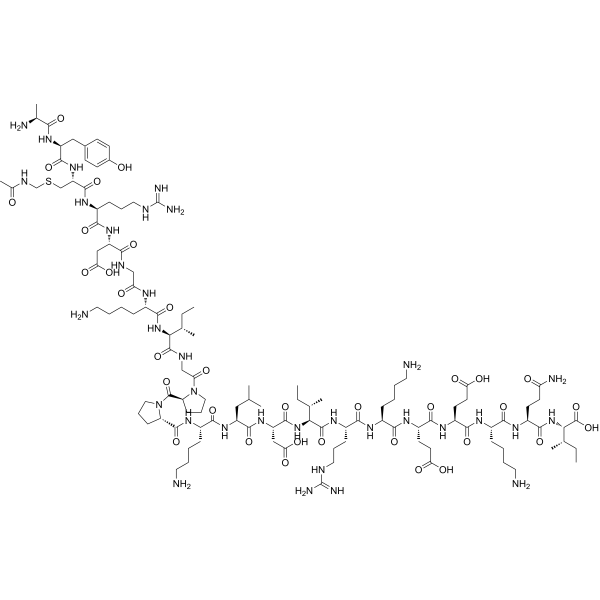
IFN-γ Antagonist 1 (AYCRDGKIGPPKLDIRKEEKQI) is an interferon-γ (IFN-γ) antagonist. IFN-γ Antagonist 1 inhibits IFN-γ-induced HLR/DR antigen expression in cells. IFN-γ Antagonist 1 can be used in researches of diseases with abnormal immune regulation .
Anti-TSHR Antibody (K1-70) is an anti-TSHR monoclonal antibody. Anti-TSHR Antibody (K1-70) incorporates a single-chain variable fragment into a chimeric antigen receptor to redirect T cells to TSHR-expressing cells. Anti-TSHR Antibody (K1-70) shows antitumor activity with no apparent toxicity. Anti-TSHR Antibody (K1-70) can be used for the research of differentiated thyroid cancer (DTC) .
Zinc acetate acts as an immune response modulator. Zinc acetate enhances the expression of HSP-70 mRNA. Zinc acetate restores the proliferation and cytokine production capacities of splenocytes. Zinc acetate reduces the Apoptosis level of splenocytes in endotoxemic mice. Zinc acetate increases plasma zinc levels and improves survival rates in mice with LPS-induced lethal endotoxemia. Zinc acetate induces rapid death of prostate cancer cell lines in vitro. Zinc acetate inhibits the growth of prostate cancer xenografts in SCID mice. Zinc acetate can be used in endotoxemia research .
IFN-γ Antagonist 1 (AYCRDGKIGPPKLDIRKEEKQI) acetate is an interferon-γ (IFN-γ) antagonist. IFN-γ Antagonist 1 acetate inhibits IFN-γ-induced HLR/DR antigen expression in cells. IFN-γ Antagonist 1 acetate can be used in researches of diseases with abnormal immune regulation .
Ezabenlimab (BI-754091) is an anti-PD-1 mAb with binding constant Kd value of 6 nM (CHO cells). Ezabenlimab blocks the interaction of PD-1 with PD-L1 and PD-L2. Ezabenlimab increases interferon-γ secretion in T cells, and inhibits tumor growth in vivo .
MG-T-19 is an effective TIM-3 inhibitor that can suppress the interaction of TIM-3 with PtdSer, CEACAM1, and Gal-9. MG-T-19 can increase the production of tumor necrosis factor-α (TNF-α) and interferon-γ (IFN-γ) in peripheral blood mononuclear cells (PBMCs) from healthy donors, and enhance the ability of PBMCs to inhibit the proliferation of Kasumi-1 cells (an acute myelogenous leukemia cell line) .
Anti-IFNγ Antibody (B133.5) is a kind of mouse IgG1 chimeric antibody inhibitor, targeting to human IFNγ. Anti-IFNγ Antibody (B133.5) can neutralize human IFNγ (interferon gamma). Anti-IFNγ Antibody (B133.5) can be used for the research of immunology .
Pivaloyloxymethyl chloride is an intermediate. Pivaloyloxymethyl chloride can be used in the synthesis of Compound 8b. Compound 8b can stimulate the production of interferon gamma .
Anti-Mouse IFNγR/CD119 Antibody (GR-20) is a rat-derived IgG2a κ type antibody inhibitor, targeting to mouse IFNγR/CD119.Anti-Mouse IFNγR/CD119 Antibody (GR-20) reacts with the mouse IFNγR (interferon gamma receptor) α chain also known as CD119 and IFNγ receptor 1. Anti-Mouse IFNγR/CD119 Antibody (GR-20) blocks the binding of IFNγ to CD119 therefore inhibiting IFNγ signaling. Anti-Mouse IFNγR/CD119 Antibody (GR-20) can be used for the researches of cancer, infection, inflammation and immunology, such as melanoma and C. trachomatis infected genital tract inflammation .
(E/Z)-CCR-11 (Comp 12) is a selective CD38 inhibitor, with an IC50 of 20.8 μM against CD38 cyclase. (E/Z)-CCR-11 promotes increases in cellular NAD+ levels and interferon γ .
Influenza NP (311-325) is a biologically active peptide derived from the influenza virus nucleoprotein (NP). The NP protein is an MHC class II restricted epitope that elicits host immune responses during viral infection. Influenza NP (311-325) elicits the most potent interferon gamma (IFN-γ) production without stimulating CD8 T cells in mice.
RTDLDSLRTYTL is an Alpha (v) beta (6) integrin (avb6) inhibitor with high affinity and specificity. RTDLDSLRTYTL binds to avb6 integrin, a peptide sequence that activates cytotoxicity and cytokine production in T cells, such as interferon-gamma. RTDLDSLRTYTL is designed through a chimeric T cell antigen receptor (CAR) so that T cells can be redirected to specifically recognize and attack tumor cells. RTDLDSLRTYTL can be used in the research of cancer immunotherapy and targeted drug development .
KRN7000 analog 1 exhibits good Th1-biased immune response through induction of interferon-γ (IFN-γ) and reduction of interleukin-4 (IL-4). KRN7000 analog 1 is potential as an antitumor agent and vaccine adjuvant .
ZM522 is a CD73 inhibitor with an IC50 value of 0.56 μM. ZM522 effectively increases the levels of interferon-γ (INF-γ) and enhances immune activity by regulating the activation status of T cells. ZM522 holds promise for research in the fields of immunology and cancer therapy .
HPK1-IN-43 (compound 9f) is a HPK1 kinase inhibitor with the IC50 value of 0.32 nM. HPK1-IN-43 inhibits the phosphorylation of the downstream protein SLP-76 and enhances the secretion of interleukin-2 (IL-2) and interferon-γ (IFN-γ). HPK1-IN-43 can be used in cancer research .
Human IFNG mRNA encodes the human interferon gamma (IFNG) protein, a member of the type II interferon class. IFNG is secreted by cells of both the innate and adaptive immune systems. The active protein is a homodimer that binds to the interferon gamma receptor which triggers a cellular response to viral and microbial infections.
NBI-6024, an altered peptide ligand (APL), is an epitope recognized by inflammatory interferon-gamma-producing T helper lymphocytes in type 1 diabetic patients .
PD-1/PD-L1-IN 6 (compound A13) is a potent PD-1/PD-L1 interaction inhibitor, with an IC50 of 132.8 nM. PD-1/PD-L1-IN 6 exhibits outstanding immunoregulatory activity. PD-1/PD-L1-IN 6 significantly elevates interferon-γ secretion in a Hep3B/OS-8/hPD-L1 and CD3 T cell co-culture model, without significant toxic effect. PD-1/PD-L1-IN 6 restores the immune response in a T cell-tumor co-culture model .
20-Deoxyingenol 3-angelate (DI3A) increases degranulation and interferon-gamma secretion of NK cells. 20-Deoxyingenol 3-angelate enhances NK cell tumoricidal activity .
Human TGFB1 mRNA encodes the human transforming growth factor beta 1 (TGFB1) protein, a secreted ligand of the TGF-beta superfamily. TGFB1 can regulate cell proliferation, differentiation and growth, and also play a role in modulating expression and activation of other growth factors including interferon gamma and tumor necrosis factor alpha.
Bis-5,5-Nortrachelogenin is isolated from active extract of root of Wikstroemia indica. Bis-5,5-Nortrachelogenin inhibits nitric oxide (NO) production in a lipopolysaccharide (LPS) and recombinant mouse interferon-γ(IFN-γ) activated murine macrophage-like cell line, RAW 264.7 with an IC50 value of 48.6 mM .
BTN3A1 ligand-1 (Compound 26b) is a triazole-containing aryl/acyloxyalkyl phosphonate prodrug. BTN3A1 ligand-1 can stimulate T cell proliferation (EC50 : 0.49 nM) and interferon γ secretion. BTN3A1 ligand-1 has certain plasma stability and can be used in related immunotherapy research .
Anti-Mouse IFNγRα/CD119 Antibody (2E2) is an Armenian hamster-derived IgG type antibody inhibitor, targeting to mouse IFNγRα/CD119. Anti-Mouse IFNγRα/CD119 Antibody (2E2) reacts with the mouse IFNγR (interferon gamma receptor) α chain also known as CD119 and IFNγ receptor 1. Anti-Mouse IFNγRα/CD119 Antibody (2E2) is a non-neutralizing antibody and does not block the binding of IFNγ to the receptor. Anti-Mouse IFNγRα/CD119 Antibody (2E2) can be used for detections of western blot, flow cytometry and immunoprecipitation .
MOR102 is a fully human IgG4 monoclonal antibody and an ICAM-1 inhibitor, lacking cross-reactivity with ICAM-2 and ICAM-3.MOR102 binds to the LFA-1 binding site within ICAM-1 domain 1, blocks ICAM-1/LFA-1 interaction, binds human keratinocytes with increased binding to interferon-γ-stimulated keratinocytes. MOR102 inhibits lymphocyte adhesion, reduces lymphocyte proliferation, prevents local T-cell activation, reduces inflammatory infiltrate, restores orthokeratotic differentiation, and reduces epidermal thickness. MOR102 can be used for the research of psoriasis .
RTDLDSLRTYTL TFA is an Alpha (v) beta (6) integrin (avb6) inhibitor with high affinity and specificity. RTDLDSLRTYTL TFA binds to avb6 integrin, a peptide sequence that activates cytotoxicity and cytokine production in T cells, such as interferon-gamma. RTDLDSLRTYTL TFA is designed through a chimeric T cell antigen receptor (CAR) so that T cells can be redirected to specifically recognize and attack tumor cells. RTDLDSLRTYTL TFA can be used in the research of cancer immunotherapy and targeted drug development .
OSE-279 is a high-affinity humanized monoclonal bivalent antibody targeting PD-1, the recommended isotype control is HY-P99003. OSE-279 blocks PD-1 ligand binding, inhibits PDL1-induced SHP1 phosphorylation, restores T cell activation, and promotes reactivation of primary T cell effector functions. OSE-279 binds hFcRn receptor, predicts long half-life, induces CD4 and CD8 T cell proliferation, and promotes interleukin 2 and interferon gamma secretion. OSE-279 can be used for the research of advanced malignancies, colon cancer, hepatocarcinoma, mesothelioma .
Tolododekin alfa (ANK-101) is a drug conjugate that anchors and combines IL-12 with Aluminum Hydroxide (HY-B1521). Tolododekin alfa promotes the recruitment of effector CD8 + T cells to tumor sites, enhances the production of γ-interferon, upregulates the expression of PD-L1, and induces sustained pro-inflammatory gene expression in mouse tumor models. Tolododekin alfa can be used for research related to advanced solid tumors .
HuMax-IL15 is a human IgG1 monoclonal antibody against IL-15. HuMax-IL15 is applicable to the research of rheumatoid arthritis. The recommended isotype control is human IgG1 kappa (HY-P99001) .
Pivaloyloxymethyl chloride is an intermediate. Pivaloyloxymethyl chloride can be used in the synthesis of Compound 8b. Compound 8b can stimulate the production of interferon gamma .
IFN-γ Antagonist 1 (AYCRDGKIGPPKLDIRKEEKQI) is an interferon-γ (IFN-γ) antagonist. IFN-γ Antagonist 1 inhibits IFN-γ-induced HLR/DR antigen expression in cells. IFN-γ Antagonist 1 can be used in researches of diseases with abnormal immune regulation .
IFN-γ Antagonist 1 (AYCRDGKIGPPKLDIRKEEKQI) acetate is an interferon-γ (IFN-γ) antagonist. IFN-γ Antagonist 1 acetate inhibits IFN-γ-induced HLR/DR antigen expression in cells. IFN-γ Antagonist 1 acetate can be used in researches of diseases with abnormal immune regulation .
IT9302 is a synthetic IL-10 agonist with the activity of inducing tolerogenic dendritic cells. IT9302 is able to mimic multiple effects of IL-10, including downregulating the antigen presentation machinery and increasing the sensitivity of tumor cells to natural killer cell-mediated lysis. IT9302 can also hinder the response of human monocytes to differentiation factors and reduce the antigen presentation and co-stimulatory capacity of dendritic cells. Dendritic cells treated with IT9302 showed a weakened ability to stimulate T cell proliferation and interferon-γ production. IT9302 exerts its effects through mechanisms that are partially different from IL-10, involving STAT3 inactivation and regulation of the NF-κB intracellular pathway. IT9302-treated dendritic cells showed enhanced expression of membrane-bound TGF-β, associated with the effective induction of foxp3+ regulatory T cells .
Influenza NP (311-325) is a biologically active peptide derived from the influenza virus nucleoprotein (NP). The NP protein is an MHC class II restricted epitope that elicits host immune responses during viral infection. Influenza NP (311-325) elicits the most potent interferon gamma (IFN-γ) production without stimulating CD8 T cells in mice.
RTDLDSLRTYTL is an Alpha (v) beta (6) integrin (avb6) inhibitor with high affinity and specificity. RTDLDSLRTYTL binds to avb6 integrin, a peptide sequence that activates cytotoxicity and cytokine production in T cells, such as interferon-gamma. RTDLDSLRTYTL is designed through a chimeric T cell antigen receptor (CAR) so that T cells can be redirected to specifically recognize and attack tumor cells. RTDLDSLRTYTL can be used in the research of cancer immunotherapy and targeted drug development .
NBI-6024, an altered peptide ligand (APL), is an epitope recognized by inflammatory interferon-gamma-producing T helper lymphocytes in type 1 diabetic patients .
RTDLDSLRTYTL TFA is an Alpha (v) beta (6) integrin (avb6) inhibitor with high affinity and specificity. RTDLDSLRTYTL TFA binds to avb6 integrin, a peptide sequence that activates cytotoxicity and cytokine production in T cells, such as interferon-gamma. RTDLDSLRTYTL TFA is designed through a chimeric T cell antigen receptor (CAR) so that T cells can be redirected to specifically recognize and attack tumor cells. RTDLDSLRTYTL TFA can be used in the research of cancer immunotherapy and targeted drug development .
MCE HOLO Mouse Interferon-γ (IFN-γ) Detection Kit is a homogeneous luminescence-based assay used for the quantitative detection of mouse IFN-γ concentrations in biological samples such as buffer solutions, cell culture supernatants, or serum.
MCE HOLO Human Interferon-γ (IFN-γ) Detection Kit is a homogeneous luminescence-based assay used for the quantitative detection of human IFN-γ concentrations in biological samples such as buffer solutions, cell culture supernatants, or serum.
Anti-TSHR Antibody (K1-70) is an anti-TSHR monoclonal antibody. Anti-TSHR Antibody (K1-70) incorporates a single-chain variable fragment into a chimeric antigen receptor to redirect T cells to TSHR-expressing cells. Anti-TSHR Antibody (K1-70) shows antitumor activity with no apparent toxicity. Anti-TSHR Antibody (K1-70) can be used for the research of differentiated thyroid cancer (DTC) .
Ezabenlimab (BI-754091) is an anti-PD-1 mAb with binding constant Kd value of 6 nM (CHO cells). Ezabenlimab blocks the interaction of PD-1 with PD-L1 and PD-L2. Ezabenlimab increases interferon-γ secretion in T cells, and inhibits tumor growth in vivo .
Anti-IFNγ Antibody (B133.5) is a kind of mouse IgG1 chimeric antibody inhibitor, targeting to human IFNγ. Anti-IFNγ Antibody (B133.5) can neutralize human IFNγ (interferon gamma). Anti-IFNγ Antibody (B133.5) can be used for the research of immunology .
Anti-Mouse IFNγR/CD119 Antibody (GR-20) is a rat-derived IgG2a κ type antibody inhibitor, targeting to mouse IFNγR/CD119.Anti-Mouse IFNγR/CD119 Antibody (GR-20) reacts with the mouse IFNγR (interferon gamma receptor) α chain also known as CD119 and IFNγ receptor 1. Anti-Mouse IFNγR/CD119 Antibody (GR-20) blocks the binding of IFNγ to CD119 therefore inhibiting IFNγ signaling. Anti-Mouse IFNγR/CD119 Antibody (GR-20) can be used for the researches of cancer, infection, inflammation and immunology, such as melanoma and C. trachomatis infected genital tract inflammation .
Anti-Mouse IFNγRα/CD119 Antibody (2E2) is an Armenian hamster-derived IgG type antibody inhibitor, targeting to mouse IFNγRα/CD119. Anti-Mouse IFNγRα/CD119 Antibody (2E2) reacts with the mouse IFNγR (interferon gamma receptor) α chain also known as CD119 and IFNγ receptor 1. Anti-Mouse IFNγRα/CD119 Antibody (2E2) is a non-neutralizing antibody and does not block the binding of IFNγ to the receptor. Anti-Mouse IFNγRα/CD119 Antibody (2E2) can be used for detections of western blot, flow cytometry and immunoprecipitation .
MOR102 is a fully human IgG4 monoclonal antibody and an ICAM-1 inhibitor, lacking cross-reactivity with ICAM-2 and ICAM-3.MOR102 binds to the LFA-1 binding site within ICAM-1 domain 1, blocks ICAM-1/LFA-1 interaction, binds human keratinocytes with increased binding to interferon-γ-stimulated keratinocytes. MOR102 inhibits lymphocyte adhesion, reduces lymphocyte proliferation, prevents local T-cell activation, reduces inflammatory infiltrate, restores orthokeratotic differentiation, and reduces epidermal thickness. MOR102 can be used for the research of psoriasis .
OSE-279 is a high-affinity humanized monoclonal bivalent antibody targeting PD-1, the recommended isotype control is HY-P99003. OSE-279 blocks PD-1 ligand binding, inhibits PDL1-induced SHP1 phosphorylation, restores T cell activation, and promotes reactivation of primary T cell effector functions. OSE-279 binds hFcRn receptor, predicts long half-life, induces CD4 and CD8 T cell proliferation, and promotes interleukin 2 and interferon gamma secretion. OSE-279 can be used for the research of advanced malignancies, colon cancer, hepatocarcinoma, mesothelioma .
Tolododekin alfa (ANK-101) is a drug conjugate that anchors and combines IL-12 with Aluminum Hydroxide (HY-B1521). Tolododekin alfa promotes the recruitment of effector CD8 + T cells to tumor sites, enhances the production of γ-interferon, upregulates the expression of PD-L1, and induces sustained pro-inflammatory gene expression in mouse tumor models. Tolododekin alfa can be used for research related to advanced solid tumors .
HuMax-IL15 is a human IgG1 monoclonal antibody against IL-15. HuMax-IL15 is applicable to the research of rheumatoid arthritis. The recommended isotype control is human IgG1 kappa (HY-P99001) .
20-Deoxyingenol 3-angelate (DI3A) increases degranulation and interferon-gamma secretion of NK cells. 20-Deoxyingenol 3-angelate enhances NK cell tumoricidal activity .
Bis-5,5-Nortrachelogenin is isolated from active extract of root of Wikstroemia indica. Bis-5,5-Nortrachelogenin inhibits nitric oxide (NO) production in a lipopolysaccharide (LPS) and recombinant mouse interferon-γ(IFN-γ) activated murine macrophage-like cell line, RAW 264.7 with an IC50 value of 48.6 mM .
IFN-gamma (Interferon-gamma) is a type II interferon produced by immune cells such as T cells and NK cells, which can significantly activate antibacterial, antiviral and anti-tumor responses. Its main JAK-STAT signaling pathway is triggered by interaction with the receptor IFNGR1, affecting gene regulation. IFN-gamma Protein, Feline is the recombinant IFN-gamma protein, expressed by E. coli , with tag free.
IFN-gamma Protein is a dimeric soluble cytokine. It exerts antibacterial, antiviral and antitumor effects through JAK-STAT, mTOR, MAPK and PI3K/AKT signaling pathways. IFN-gamma Protein, Human (HEK293, His-Avi) is the recombinant human-derived IFN-gamma protein, expressed by HEK293 , with C-His, C-Avi labeled tag.
IFN-gamma Protein is a dimeric soluble cytokine. It exerts antibacterial, antiviral and antitumor effects through JAK-STAT, mTOR, MAPK and PI3K/AKT signaling pathways. IFN-gamma Protein, Human (Biotinylated, HEK293, His-Avi) is the recombinant human-derived IFN-gamma protein, expressed by HEK293 , with C-Avi, C-His labeled tag.
IFN-gamma (interferon-gamma) is a type II interferon produced by immune cells such as T cells and NK cells, and plays a key role in activating antibacterial, antiviral, and antitumor responses. Through the JAK-STAT pathway, its interaction with the receptor IFNGR1 triggers gene regulation. IFN-gamma Protein, Canine is the recombinant canine-derived IFN-gamma protein, expressed by E. coli , with tag free.
IFN-gamma (interferon-gamma) is a type II interferon produced by immune cells such as T cells and NK cells. It plays a key role in antibacterial, antiviral and anti-tumor responses by activating effector immune cells and enhancing antigen presentation. effect. Its main signaling pathway involves the JAK-STAT pathway that interacts with its receptor IFNGR1, affecting gene regulation. IFN-gamma Protein, Pig is the recombinant Pig-derived IFN-gamma protein, expressed by E. coli , with tag free.
IFN-gamma (interferon-gamma) is a type II interferon produced by T cells and NK cells, which can significantly activate antibacterial, antiviral and antitumor responses. It acts through the JAK-STAT pathway and its receptor IFNGR1 to affect gene regulation. IFN-gamma Protein, Sheep (His) is the recombinant sheep-derived IFN-gamma protein, expressed by E. coli , with N-6*His labeled tag.
IFN-gamma Protein, human activates STAT signaling pathway and affects gene regulation. IFN-gamma Protein, human activates effector immune cells and enhances antigen presentation. IFN-gamma Protein, human also regulates the hematopoietic stem cells development. IFN-gamma Protein, human is the recombinant human-derived IFN-gamma Protein, expressed by E. coli.
IFN-gamma Protein is a cytokine belonging to the interferon family, secreted by activated immune cells such as T cells and NK cells. IFN-gamma Protein plays a key role in the immune system, exerting activities including regulating immune responses, antiviral effects, and antitumor effects. IFN-gamma Protein, Mouse is a recombinant IFN-gamma protein expressed by E. coli without any tag.
IFN-gamma is a type II interferon family cytokine that participates in antiviral, antibacterial, and antitumor responses. IFN-gamma Protein, Mouse (HEK293) is the recombinant mouse-derived IFN-gamma protein, expressed by HEK293 , with tag free.
IFN-gamma is a type II interferon family cytokine that participates in antiviral, antibacterial, and antitumor responses. IFN-gamma Protein, Mouse (HEK293, His) is the recombinant mouse-derived IFN-gamma protein, expressed by HEK293 , with C-6*His labeled tag.
IFN-gamma Protein is a dimeric soluble cytokine. It exerts antibacterial, antiviral and antitumor effects through JAK-STAT, mTOR, MAPK and PI3K/AKT signaling pathways. GMP IFN-gamma Protein, Human is the recombinant human-derived IFN-gamma protein, expressed by E. coli , with tag free.
IFN-gamma Protein is a dimeric soluble cytokine. It exerts antibacterial, antiviral and antitumor effects through JAK-STAT, mTOR, MAPK and PI3K/AKT signaling pathways. Animal-Free IFN-gamma Protein, Human (His) is the recombinant human-derived animal-FreeIFN-gamma protein, expressed by E. coli , with C-His labeled tag. This product is for cell culture use only.
IFN-gamma is a cytokine. IFN-gamma can exert anticancer effects by activating p53 and p21, leading to cell cycle arrest, and/or by activating IRF-1 and Caspase-1, leading to pyroptosis, and by activating IRF-1, Caspase-8, cytochrome c release from mitochondria, Caspase cascades, and inhibiting PARP, leading to intrinsic apoptotic signaling. IFN-gamma can induce fusion of human monocytes to form multinucleated giant cells and activate monocytes, increasing their ability to produce hydrogen peroxide, acid phosphatase, and plasminogen activator. IFN-gamma can enhance the sensitivity of human macrophages to lysis mediated by extracellular ATP. IFN-gamma upregulates the transcription and expression of TNF-α by inhibiting the expression of IL-10 and relieving the feedback inhibition of IL-10 on TNF-α. IFN-gamma Protein, Human (HEK293) is a recombinant interferon-gamma protein expressed in HEK293 cells without a tag.
IL-18 Protein, Rat possesses immunoregulatory activities, including the stimulation of interferon (IFN)-γ production by T helper 1 (Th1) and natural killer cells, as well as other activities that promote inflammation.
IFN-gamma is a type II interferon family cytokine that participates in antiviral, antibacterial, and antitumor responses. Animal-Free IFN-gamma Protein, Mouse (His) is the recombinant mouse-derived animal-FreeIFN-gamma protein, expressed by E. coli , with C-His labeled tag. This product is for cell culture use only.
IFN-gamma Protein is a cytokine belonging to the interferon family, secreted by activated immune cells such as T cells and NK cells. IFN-gamma Protein plays a key role in the immune system, exerting activities including regulating immune responses, antiviral effects, and antitumor effects. GMP IFN-gamma Protein, Human (HEK293) is a recombinant GMP-grade IFN-gamma protein expressed by HEK293, untagged but glycosylated.
IFN-gamma is a type II interferon family cytokine that participates in antiviral, antibacterial, and antitumor responses. IFN-gamma Protein, Mouse (HEK293, Fc) is the recombinant mouse-derived IFN-gamma protein, expressed by HEK293 , with C-hFc labeled tag.
IFN-gamma (interferon-gamma) is a type II interferon produced by immune cells such as T cells and NK cells. It plays a key role in antibacterial, antiviral and anti-tumor responses by activating effector immune cells and enhancing antigen presentation. effect. Its main signaling pathway involves the JAK-STAT pathway that interacts with its receptor IFNGR1, affecting gene regulation. Animal-Free IFN-gamma Protein, Pig (His) is the recombinant pig-derived animal-FreeIFN-gamma protein, expressed by E. coli , with C-His labeled tag. This product is for cell culture use only.
IFN-gamma (interferon-gamma) is a type II interferon produced by T cells and NK cells, which can significantly activate antibacterial, antiviral and antitumor responses.It acts through the JAK-STAT pathway and its receptor IFNGR1 to affect gene regulation.IFN-gamma Protein, Rat (HEK293, Fc) is the recombinant rat-derived IFN-gamma protein, expressed by HEK293 , with C-hFc labeled tag.
IFN-gamma is a type II interferon derived from immune cells such as T cells and NK cells that crucially activates antibacterial, antiviral and antitumor responses through the JAK-STAT pathway and its receptor IFNGR1 .Binding opens the intracellular domain of IFNGR1, activating downstream components (JAK2, JAK1, STAT1), leading to STAT1 activation, nuclear translocation, and transcription of IFNG-regulated genes. IFN-gamma Protein, Ferret (HEK293, His) is the recombinant IFN-gamma protein, expressed by HEK293 , with C-His labeled tag.
IFN-gamma R2, one of the subunit of IFN-gamma receptor, is a receptor for IFN-gamma. IFN-gamma R2 is the signal-transducing chain of the IFN-gamma receptor. IFN-gamma R2 forms the functional receptor with IFN-gamma R1. Upon binding with IFN-gamma, IFN-gamma R2 and IFN-gamma R1 oligomerize and transphosphorylate. Then, the downstream signaling components JAK1 and JAK2 are phosphorylated and activated, and STAT1 is phosphorylated. Phosphorylated STAT1 translocates to the nucleus, where it regulates the expression of IFN-responsive genes (e.g. CD54). IFN-gamma R2 Protein, Mouse (HEK293, His) is a recombinant mouse IFN-gamma R2 (M1-V243) with C-terminal His tag, which is produced in HEK293 cells.
IFN-gamma R1 (CD119), one of the subunit of IFN-gamma receptor, is a receptor for IFN-gamma. IFN-gamma R1 forms the functional receptor with IFN-gamma R2. Upon binding with IFN-gamma, IFN-gamma R1 and IFN-gamma R2 oligomerize and transphosphorylate. Then, JAK1 and JAK2 are phosphorylated and activated, and STAT1 is recruited to the receptor complex. Phosphorylated STAT1 translocates to the nucleus, where it regulates the expression of IFN-responsive genes (e.g. CD54). IFN-gamma R1/CD119 Protein, Human (HEK293, hFc) is a recombinant human IFN-gamma R1 (E18-G245) with C-terminal hFc tag, which is produced in HEK293 cells.
IFN-gamma R1 (CD119), one of the subunit of IFN-gamma receptor, is a receptor for IFN-gamma. IFN-gamma R1 forms the functional receptor with IFN-gamma R2. Upon binding with IFN-gamma, IFN-gamma R1 and IFN-gamma R2 oligomerize and transphosphorylate. Then, JAK1 and JAK2 are phosphorylated and activated, and STAT1 is recruited to the receptor complex. Phosphorylated STAT1 translocates to the nucleus, where it regulates the expression of IFN-responsive genes (e.g. CD54). IFN-gamma R1/CD119 Protein, Mouse (HEK293, Fc) is a recombinant mouse IFN-gamma R1 (A26-D253) with C-terminal hFc tag, which is produced in HEK293 cells.
IFN-gamma R1/CD119 Protein, Cynomolgus (HEK293, hFc) is the recombinant cynomolgus-derived IFN-gamma R1/CD119 protein, expressed by HEK293, with C-hFc tag.
IFN-gamma R1 (CD119), one of the subunit of IFN-gamma receptor, is a receptor for IFN-gamma. IFN-gamma R1 forms the functional receptor with IFN-gamma R2. Upon binding with IFN-gamma, IFN-gamma R1 and IFN-gamma R2 oligomerize and transphosphorylate. Then, JAK1 and JAK2 are phosphorylated and activated, and STAT1 is recruited to the receptor complex. Phosphorylated STAT1 translocates to the nucleus, where it regulates the expression of IFN-responsive genes (e.g. CD54). IFN-gamma R1/CD119 Protein, Mouse (HEK293, His) is a recombinant mouse IFN-gamma R1 with C-terminal 6*His tag, which is produced in HEK293 cells.
IFN-gamma R1 (CD119), one of the subunit of IFN-gamma receptor, is a receptor for IFN-gamma. IFN-gamma R1 forms the functional receptor with IFN-gamma R2. Upon binding with IFN-gamma, IFN-gamma R1 and IFN-gamma R2 oligomerize and transphosphorylate. Then, JAK1 and JAK2 are phosphorylated and activated, and STAT1 is recruited to the receptor complex. Phosphorylated STAT1 translocates to the nucleus, where it regulates the expression of IFN-responsive genes (e.g. CD54). IFN-gamma R1/CD119 Protein, Rat (HEK293, Fc) is a recombinant mouse IFN-gamma R1 (M1-S241) with C-terminal hFc tag, which is produced in HEK293 cells.
IFN-gamma R1 (CD119), one of the subunit of IFN-gamma receptor, is a receptor for IFN-gamma. IFN-gamma R1 forms the functional receptor with IFN-gamma R2. Upon binding with IFN-gamma, IFN-gamma R1 and IFN-gamma R2 oligomerize and transphosphorylate. Then, JAK1 and JAK2 are phosphorylated and activated, and STAT1 is recruited to the receptor complex. Phosphorylated STAT1 translocates to the nucleus, where it regulates the expression of IFN-responsive genes (e.g. CD54). IFN-gamma R1/CD119 Protein, Human (228a.a, HEK293, His) is a recombinant human IFN-gamma R1 (E18-G245) with C-terminal 6*His tag, which is produced in HEK293 cells.
IFN-gamma R1 (CD119), one of the subunit of IFN-gamma receptor, is a receptor for IFN-gamma. IFN-gamma R1 forms the functional receptor with IFN-gamma R2. Upon binding with IFN-gamma,IFN-gamma R1 and IFN-gamma R2 oligomerize and transphosphorylate. Then, JAK1 and JAK2 are phosphorylated and activated, and STAT1 is recruited to the receptor complex. Phosphorylated STAT1 translocates to the nucleus, where it regulates the expression of IFN-responsive genes (e.g. CD54). IFN-gamma R1/CD119 Protein, Human (HEK293, His, solution) is a recombinant human IFN-gamma R1 (E18-G245) with C-terminal 6*His tag, which is produced in HEK293 cells.
IFN-γ R1/CD119 is an important receptor subunit of interferon γ/INFG that activates effector immune cells and enhances antigen presentation, contributing to antibacterial, antiviral, and antitumor responses. It cooperates with IFNGR2 to form a functional receptor. IFN-gamma R1/CD119 Protein, Human (HEK293, His-Flag) is the recombinant human-derived IFN-gamma R1/CD119 protein, expressed by HEK293 , with C-6*His, C-Flag labeled tag.
The CXCL9 protein is part of the intercrine alpha family of chemokines critical for cell-to-cell communication and immune responses. In this family, CXCL9 may play a key role in regulating inflammatory processes and influencing cellular interactions. Animal-Free MIG/CXCL9 Protein, Pig (His) is the recombinant pig-derived animal-Free CXCL9 protein, expressed by E. coli , with N-His labeled tag.This product is for cell culture use only.
CXCL9, also known as MIG, is one member of the ELR-negative CXC chemokine subfamily, and can be induced by IFN-γ. CXCL9 binds to its receptor CXCR3 and can recruit CXCR3+ cells, such as effector T cells, regulatory T cells (Tregs) and CD8+ cytotoxic T cells. CXCL9 is involved in immunoregulatory and inflammatory processes, but it also play a key role in tumor growth, angiogenesis, and metastasis. MIG/CXCL9 Protein, Mouse (HEK293, His) is produced in HEK293 cells with six C-Terminal His-tags.
Human IFNG mRNA encodes the human interferon gamma (IFNG) protein, a member of the type II interferon class. IFNG is secreted by cells of both the innate and adaptive immune systems. The active protein is a homodimer that binds to the interferon gamma receptor which triggers a cellular response to viral and microbial infections.
Human TGFB1 mRNA encodes the human transforming growth factor beta 1 (TGFB1) protein, a secreted ligand of the TGF-beta superfamily. TGFB1 can regulate cell proliferation, differentiation and growth, and also play a role in modulating expression and activation of other growth factors including interferon gamma and tumor necrosis factor alpha.
Inquiry Online
Your information is safe with us. * Required Fields.
Western blot analysis of extracts from THP-1(lane 2(20μg), Jurkat (lane 3(20μg) and NIH3T3(lane 4(20μg) using FOXO1A (HY-P80132) Rabbit mAb. Proteins were transferred
to a PVDF membrane and blocked with 5% non-fat milk in TBST for 2 hour at room temperature. The primary antibody (1/1000) and Loading control antibody (Beta Actin, HY-P80438, 1/10000) was
used in 5% non-fat milk in TBST at 4°C overnight. Goat Anti-Mouse/Rabbit IgG-HRP Secondary Antibody (1/10000) was used for 1 hour at room temperature.
Western blot analysis of extracts from THP-1(lane 2(20μg), Jurkat (lane 3(20μg) and NIH3T3(lane 4(20μg) using FOXO1A (HY-P80132) Rabbit mAb. Proteins were transferred
to a PVDF membrane and blocked with 5% non-fat milk in TBST for 2 hour at room temperature. The primary antibody (1/1000) and Loading control antibody (Beta Actin, HY-P80438, 1/10000) was
used in 5% non-fat milk in TBST at 4°C overnight. Goat Anti-Mouse/Rabbit IgG-HRP Secondary Antibody (1/10000) was used for 1 hour at room temperature.
Western blot analysis of extracts from THP-1(lane 2(20μg), Jurkat (lane 3(20μg) and NIH3T3(lane 4(20μg) using FOXO1A (HY-P80132) Rabbit mAb. Proteins were transferred
to a PVDF membrane and blocked with 5% non-fat milk in TBST for 2 hour at room temperature. The primary antibody (1/1000) and Loading control antibody (Beta Actin, HY-P80438, 1/10000) was
used in 5% non-fat milk in TBST at 4°C overnight. Goat Anti-Mouse/Rabbit IgG-HRP Secondary Antibody (1/10000) was used for 1 hour at room temperature.
Western blot analysis of extracts from THP-1(lane 2(20μg), Jurkat (lane 3(20μg) and NIH3T3(lane 4(20μg) using FOXO1A (HY-P80132) Rabbit mAb. Proteins were transferred
to a PVDF membrane and blocked with 5% non-fat milk in TBST for 2 hour at room temperature. The primary antibody (1/1000) and Loading control antibody (Beta Actin, HY-P80438, 1/10000) was
MedchemExpress Validation 03
Western blot analysis of extracts from THP-1(lane 2(20μg), Jurkat (lane 3(20μg) and NIH3T3(lane 4(20μg) using FOXO1A (HY-P80132) Rabbit mAb. Proteins were transferred
MedchemExpress Validation 04
Western blot analysis of extracts from THP-1(lane 2(20μg), Jurkat (lane 3(20μg) and NIH3T3(lane 4(20μg) using FOXO1A (HY-P80132) Rabbit mAb. Proteins were transferred
to a PVDF membrane and blocked with 5% non-fat milk in TBST for 2 hour at room temperature. The primary antibody (1/1000) and Loading control antibody (Beta Actin, HY-P80438, 1/10000) was
used in 5% non-fat milk in TBST at 4°C overnight. Goat Anti-Mouse/Rabbit IgG-HRP Secondary Antibody (1/10000) was used for 1 hour at room temperature.
MedchemExpress Validation
Western blot analysis of extracts from THP-1(lane 2(20μg), Jurkat (lane 3(20μg) and NIH3T3(lane 4(20μg) using FOXO1A (HY-P80132) Rabbit mAb. Proteins were transferred
to a PVDF membrane and blocked with 5% non-fat milk in TBST for 2 hour at room temperature. The primary antibody (1/1000) and Loading control antibody (Beta Actin, HY-P80438, 1/10000) was
used in 5% non-fat milk in TBST at 4°C overnight. Goat Anti-Mouse/Rabbit IgG-HRP Secondary Antibody (1/10000) was used for 1 hour at room temperature.
Western blot analysis of extracts from THP-1(lane 2(20μg), Jurkat (lane 3(20μg) and NIH3T3(lane 4(20μg) using FOXO1A (HY-P80132) Rabbit mAb. Proteins were transferred
to a PVDF membrane and blocked with 5% non-fat milk in TBST for 2 hour at room temperature. The primary antibody (1/1000) and Loading control antibody (Beta Actin, HY-P80438, 1/10000) was
used in 5% non-fat milk in TBST at 4°C overnight. Goat Anti-Mouse/Rabbit IgG-HRP Secondary Antibody (1/10000) was used for 1 hour at room temperature.
MedchemExpress Validation
Western blot analysis of extracts from THP-1(lane 2(20μg), Jurkat (lane 3(20μg) and NIH3T3(lane 4(20μg) using FOXO1A (HY-P80132) Rabbit mAb. Proteins were transferred
to a PVDF membrane and blocked with 5% non-fat milk in TBST for 2 hour at room temperature. The primary antibody (1/1000) and Loading control antibody (Beta Actin, HY-P80438, 1/10000) was
used in 5% non-fat milk in TBST at 4°C overnight. Goat Anti-Mouse/Rabbit IgG-HRP Secondary Antibody (1/10000) was used for 1 hour at room temperature.
MedchemExpress Validation
Western blot analysis of extracts from THP-1(lane 2(20μg), Jurkat (lane 3(20μg) and NIH3T3(lane 4(20μg) using FOXO1A (HY-P80132) Rabbit mAb. Proteins were transferred
to a PVDF membrane and blocked with 5% non-fat milk in TBST for 2 hour at room temperature. The primary antibody (1/1000) and Loading control antibody (Beta Actin, HY-P80438, 1/10000) was
used in 5% non-fat milk in TBST at 4°C overnight. Goat Anti-Mouse/Rabbit IgG-HRP Secondary Antibody (1/10000) was used for 1 hour at room temperature.
MedchemExpress Validation
Western blot analysis of extracts from THP-1(lane 2(20μg), Jurkat (lane 3(20μg) and NIH3T3(lane 4(20μg) using FOXO1A (HY-P80132) Rabbit mAb. Proteins were transferred
to a PVDF membrane and blocked with 5% non-fat milk in TBST for 2 hour at room temperature. The primary antibody (1/1000) and Loading control antibody (Beta Actin, HY-P80438, 1/10000) was
used in 5% non-fat milk in TBST at 4°C overnight. Goat Anti-Mouse/Rabbit IgG-HRP Secondary Antibody (1/10000) was used for 1 hour at room temperature.
MedchemExpress Validation
Western blot analysis of extracts from THP-1(lane 2(20μg), Jurkat (lane 3(20μg) and NIH3T3(lane 4(20μg) using FOXO1A (HY-P80132) Rabbit mAb. Proteins were transferred
to a PVDF membrane and blocked with 5% non-fat milk in TBST for 2 hour at room temperature. The primary antibody (1/1000) and Loading control antibody (Beta Actin, HY-P80438, 1/10000) was
used in 5% non-fat milk in TBST at 4°C overnight. Goat Anti-Mouse/Rabbit IgG-HRP Secondary Antibody (1/10000) was used for 1 hour at room temperature.
MedchemExpress Validation
Western blot analysis of extracts from THP-1(lane 2(20μg), Jurkat (lane 3(20μg) and NIH3T3(lane 4(20μg) using FOXO1A (HY-P80132) Rabbit mAb. Proteins were transferred
to a PVDF membrane and blocked with 5% non-fat milk in TBST for 2 hour at room temperature. The primary antibody (1/1000) and Loading control antibody (Beta Actin, HY-P80438, 1/10000) was
used in 5% non-fat milk in TBST at 4°C overnight. Goat Anti-Mouse/Rabbit IgG-HRP Secondary Antibody (1/10000) was used for 1 hour at room temperature.
MedchemExpress Validation
Western blot analysis of extracts from THP-1(lane 2(20μg), Jurkat (lane 3(20μg) and NIH3T3(lane 4(20μg) using FOXO1A (HY-P80132) Rabbit mAb. Proteins were transferred
to a PVDF membrane and blocked with 5% non-fat milk in TBST for 2 hour at room temperature. The primary antibody (1/1000) and Loading control antibody (Beta Actin, HY-P80438, 1/10000) was
used in 5% non-fat milk in TBST at 4°C overnight. Goat Anti-Mouse/Rabbit IgG-HRP Secondary Antibody (1/10000) was used for 1 hour at room temperature.
MedChemExpress values your privacy and your trust is important to us. We use cookies to enhance your website experience. Some cookies are necessary to run the website.
Privacy and Cookie Policy

