

1. Search Result
Search Result
Results for "

lipid absorption

" in MedChemExpress (MCE) Product Catalog:

53

Inhibitors & Agonists

13

Fluorescent Dye

9

Biochemical Assay Reagents

9

Natural
Products

2

Isotope-Labeled Compounds

1

Click Chemistry

15

Oligonucleotides

Cat. No. Product Name Target Research Areas Chemical Structure
  • HY-W090090
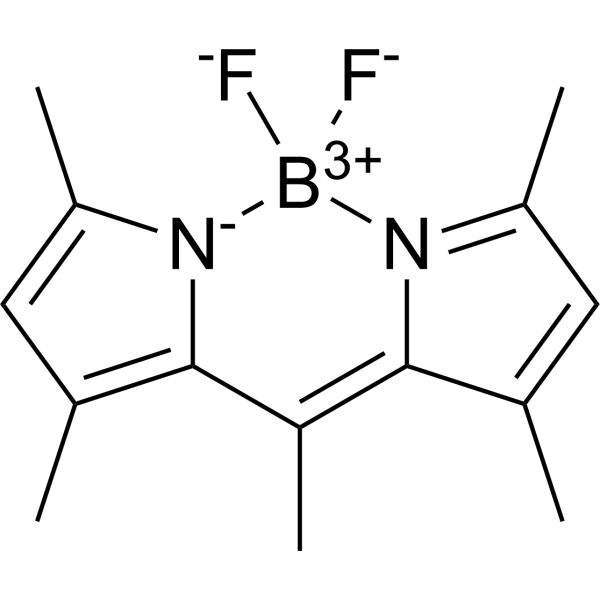
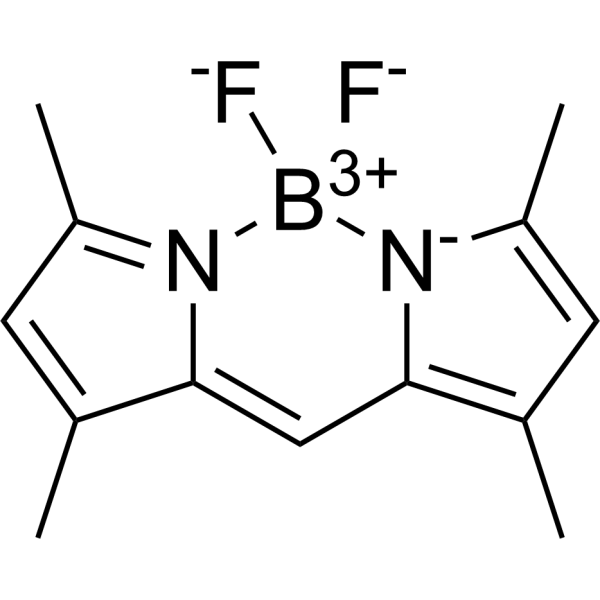
    BODIPY 493/503
    Maximum Cited Publications
    104 Publications Verification

    Pyrromethene 546

    Fluorescent Dye Others
    BODIPY493/503 is a BODIPY dye. BODIPY dye is a small molecule dye with strong ultraviolet absorption ability, its fluorescence peak is relatively sharp, and the quantum yield is high. They are relatively insensitive to the polarity and pH of the environment and are relatively stable under different physiological conditions. Due to its structural asymmetry, BODIPY derives a variety of structural products. BODIPY lipid droplet dyes can well pass through the cell membrane into the cell, and localize the neutral lipids in the cell to specifically stain the lipid droplets, which can be used for labeling of live cells and fixed cells . Maximum excitation/emission wavelength: 493/503 nm .
    BODIPY 493/503
  • HY-N0644
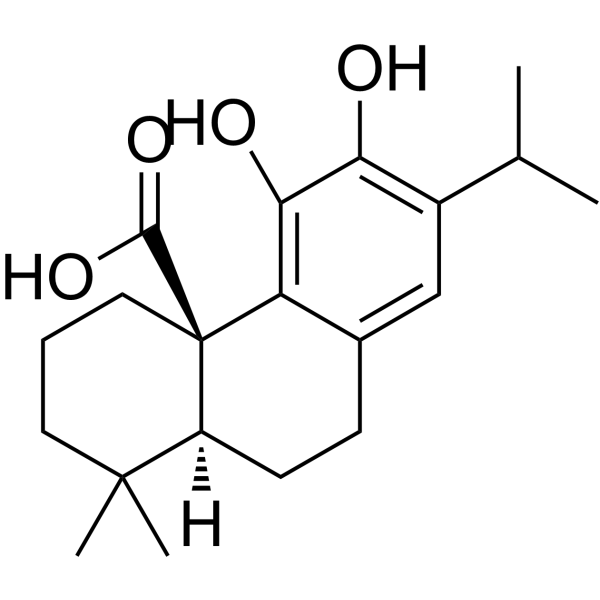
    Carnosic acid
    5+ Cited Publications

    Apoptosis Bacterial Inflammation/Immunology Cancer
    Carnosic acid is an orally active lipid absorption inhibitor. Carnosic acid has demonstrated inhibition of oxidative stress and inflammation, suppression of cell proliferation, and antibacterial activity.
    Carnosic acid
  • HY-D1168
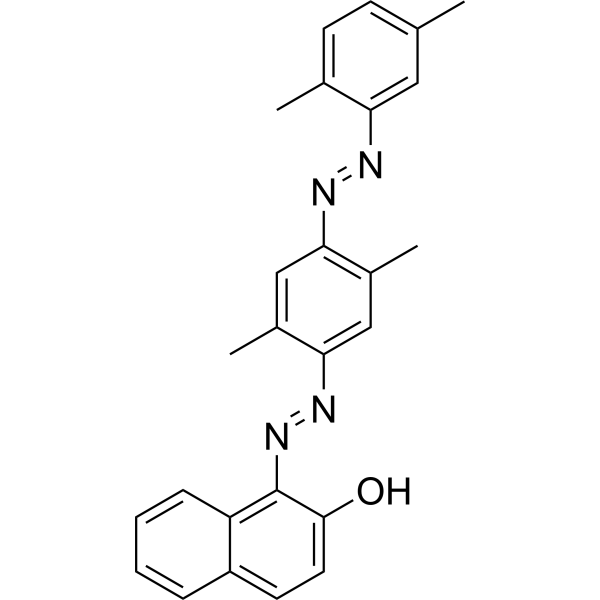
    Oil Red O
    10+ Cited Publications

    Environmental Pollutants Fluorescent Dye Metabolic Disease
    Oil Red O is a fat-soluble diazol dye, with a maximum absorption at 518 nm. Oil Red O stains neutral lipids and cholesteryl esters but not biological membranes. Oil Red O can be used for detecting and quantifying hepatic steatosis in mouse liver biopsies. Oil Red O staining efficiently helps to visualize the radical changes that occur in tissues as metabolic disease occurs and progresses .
    Oil Red O
  • HY-125854
    Phosphatidylcholines, egg
    2 Publications Verification

    Liposome Cholinesterase (ChE) Monoamine Oxidase Apoptosis Neurological Disease Metabolic Disease Inflammation/Immunology
    Phosphatidylcholines, egg are a type of phosphatidylcholine that can be isolated and extracted from eggs, primarily present in egg yolks. As a major phospholipid component of cell membranes, Phosphatidylcholines, egg play a key role in providing nutrition and protection to the body. Phosphatidylcholines, egg can inhibit oxidative stress and neurotoxicity, exerting neuroprotective effects. Additionally, Phosphatidylcholines, egg can suppress the lymphatic absorption of cholesterol in the intestine and are also used in research on intestinal lipid absorption .
    Phosphatidylcholines, egg
  • HY-D1237
    BODIPY 505/515
    2 Publications Verification

    Fluorescent Dye Metabolic Disease
    BODIPY505/515 is a BODIPY dye. BODIPY dye is a small molecule dye with strong ultraviolet absorption ability, its fluorescence peak is relatively sharp, and the quantum yield is high. They are relatively insensitive to the polarity and pH of the environment and are relatively stable under different physiological conditions. Due to its structural asymmetry, BODIPY derives a variety of structural products. BODIPY lipid droplet dyes can well pass through the cell membrane into the cell, and localize the neutral lipids in the cell to specifically stain the lipid droplets, which can be used for labeling of live cells and fixed cells . Maximum excitation/emission wavelength: 505/515 nm .
    BODIPY 505/515
  • HY-D1614
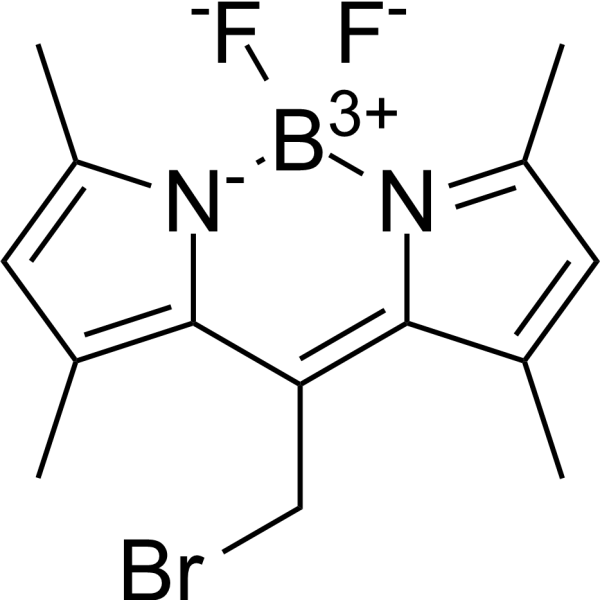
    BODIPY 493/503 methyl bromide
    15+ Cited Publications

    Fluorescent Dye Others
    BODIPY493/503 methyl bromide is a BODIPY dye. BODIPY dye is a small molecule dye with strong ultraviolet absorption ability, its fluorescence peak is relatively sharp, and the quantum yield is high. They are relatively insensitive to the polarity and pH of the environment and are relatively stable under different physiological conditions. Due to its structural asymmetry, BODIPY derives a variety of structural products. BODIPY lipid droplet dyes can well pass through the cell membrane into the cell, and localize the neutral lipids in the cell to specifically stain the lipid droplets, which can be used for labeling of live cells and fixed cells . Maximum excitation/emission wavelength: 493/503 nm .
    BODIPY 493/503 methyl bromide
  • HY-Y1422

    Alkaline lipase

    Environmental Pollutants Lipase Metabolic Disease
    Triacylglycerol lipase is an enzyme catalyzing the hydrolysis of triacylglycerol. Triacylglycerol lipase promotes fat decomposition, providing energy and lipid precursors for cells. Triacylglycerol lipase is used in the research of metabolic diseases such as diabetes and obesity .
    Triacylglycerol lipase
  • HY-D1106

    Fluorescent Dye Cancer
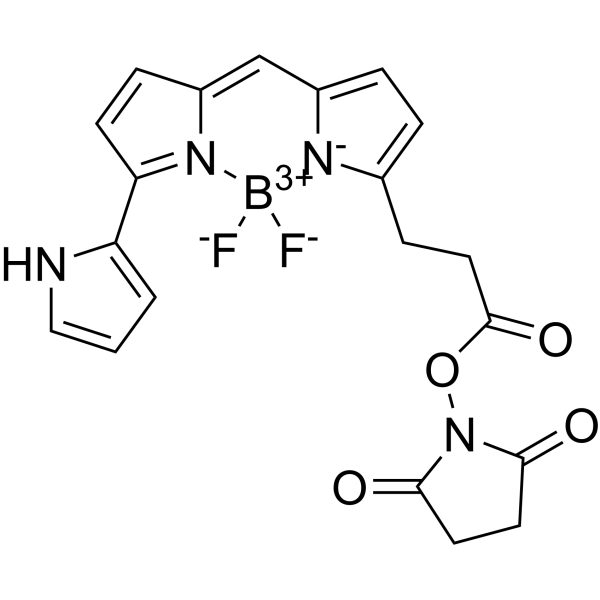
    BODIPY dye is a small molecule dye with strong ultraviolet absorption ability, its fluorescence peak is relatively sharp, and the quantum yield is high. They are relatively insensitive to the polarity and pH of the environment and are relatively stable under different physiological conditions . Due to its structural asymmetry, BODIPY derives a variety of structural products. BODIPY lipid droplet dyes can well pass through the cell membrane into the cell, and localize the neutral lipids in the cell to specifically stain the lipid droplets, which can be used for labeling of live cells and fixed cells .
    Py-BODIPY-NHS ester
  • HY-N7103

    Environmental Pollutants Endogenous Metabolite Others
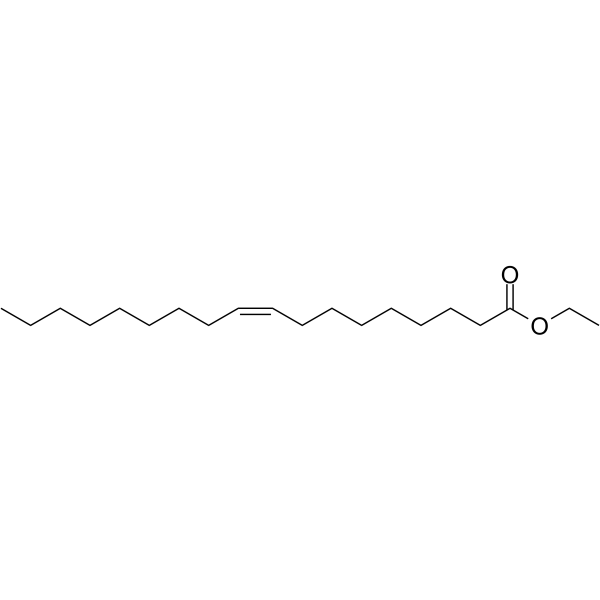
    Ethyl oleate is an orally active fatty acid ester formed from the condensation of oleic acid and ethanol. Ethyl oleate is the main fatty acid ethyl ester in the blood after alcohol ingestion. Ethyl oleate has no obvious toxicity to rats and its absorption, distribution and excretionare similar to triacylglycerol. Ethyl oleate can accelerate the drying process of certain foods and can also be used as a liquid lipid component in nanostructured lipid carriers .
    Ethyl oleate
  • HY-138226
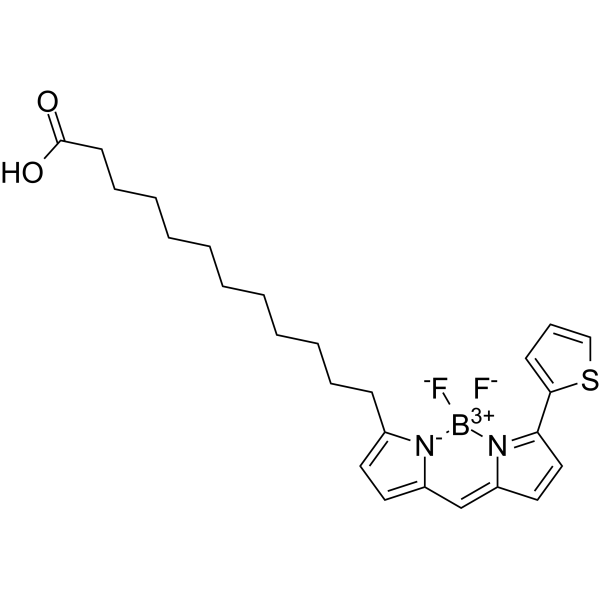
    BODIPY 558/568 C12
    4 Publications Verification

    Fluorescent Dye Others
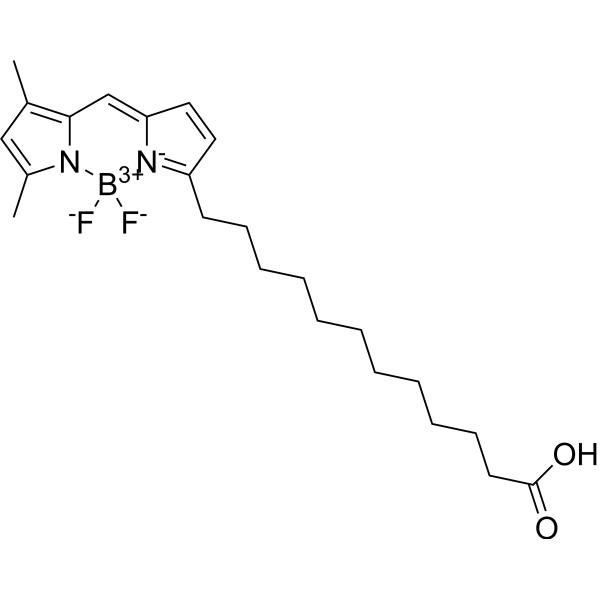
    BODIPY 558/568 C12 is a BODIPY dye. BODIPY dye is a small molecule dye with strong ultraviolet absorption ability, its fluorescence peak is relatively sharp, and the quantum yield is high. They are relatively insensitive to the polarity and pH of the environment and are relatively stable under different physiological conditions. Due to its structural asymmetry, BODIPY derives a variety of structural products. BODIPY lipid droplet dyes can well pass through the cell membrane into the cell, and localize the neutral lipids in the cell to specifically stain the lipid droplets, which can be used for labeling of live cells and fixed cells . Maximum excitation/emission wavelength: 558/568 nm .
    BODIPY 558/568 C12
  • HY-DY1004

    Fluorescent Dye Others
    BODIPY 493/503 (solution) is a BODIPY dye. BODIPY dye is a small molecule dye with strong ultraviolet absorption ability, its fluorescence peak is relatively sharp, and the quantum yield is high. They are relatively insensitive to the polarity and pH of the environment and are relatively stable under different physiological conditions. Due to its structural asymmetry, BODIPY derives a variety of structural products. BODIPY lipid droplet dyes can well pass through the cell membrane into the cell, and localize the neutral lipids in the cell to specifically stain the lipid droplets, which can be used for labeling of live cells and fixed cells . Maximum excitation/emission wavelength: 493/503 nm.
    Solvent and concentration: DMSO: 5 mM.
    BODIPY 493/503 (solution)
  • HY-42680

    D-(-)-Tagatose

    Endogenous Metabolite Metabolic Disease Inflammation/Immunology Cancer
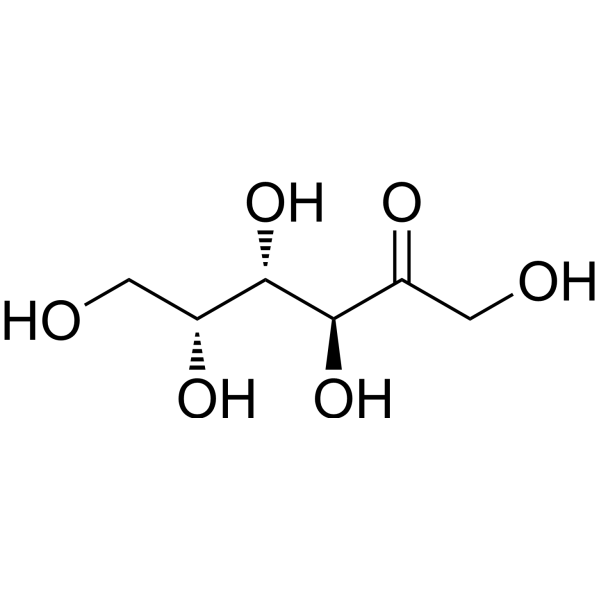
    D-Tagatose (D-(-)-Tagatose) is a natural low-calorie rare sugar. D-Tagatose inhibits the activities of sucrase, maltase and intestinal disaccharidases, reduces the digestion of sucrose and starch, and blocks the absorption of sucrose, maltose and glucose. D-Tagatose promotes glucokinase activity and inhibits glycogen phosphorylase activity via tagatose-1-phosphate, regulates the synthesis and decomposition of hepatic glycogen, reduces postprandial and fasting blood glucose levels, and improves hyperinsulinemia. D-Tagatose regulates lipid profiles, stimulates GLP-1 secretion, and exhibits prebiotic effects. D-Tagatose is a bulking sweetener. D-Tagatose can be used in research related to diabetes, hyperlipidemia, dental caries, atherosclerosis and type 2 diabetes .
    D-Tagatose
  • HY-D1570

    Fluorescent Dye Others
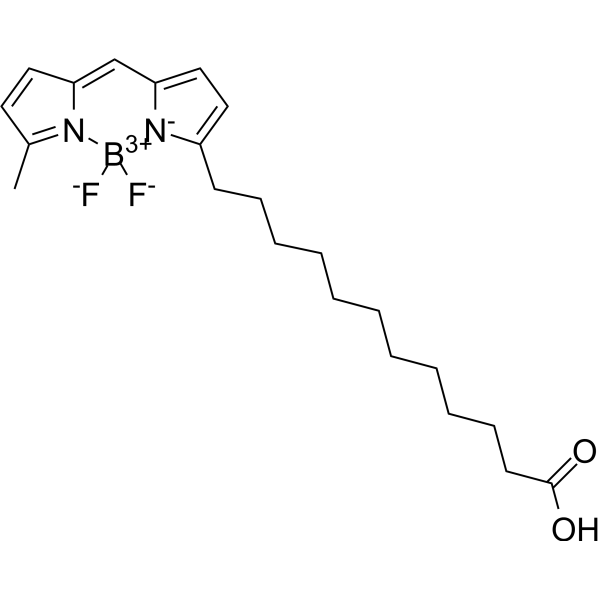
    BODIPYFL C12 is a BODIPY dye. BODIPY dye is a small molecule dye with strong ultraviolet absorption ability, its fluorescence peak is relatively sharp, and the quantum yield is high. They are relatively insensitive to the polarity and pH of the environment and are relatively stable under different physiological conditions. Due to its structural asymmetry, BODIPY derives a variety of structural products. BODIPY lipid droplet dyes can well pass through the cell membrane into the cell, and localize the neutral lipids in the cell to specifically stain the lipid droplets, which can be used for labeling of live cells and fixed cells . Maximum excitation/emission wavelength: 480/508 nm .
    BODIPY FL C12
  • HY-D1617
    BODIPY 500/510 C1, C12
    2 Publications Verification

    Fluorescent Dye Others
    BODIPY 500/510 C1, C12 is a BODIPY dye. BODIPY dye is a small molecule dye with strong ultraviolet absorption ability, its fluorescence peak is relatively sharp, and the quantum yield is high. They are relatively insensitive to the polarity and pH of the environment and are relatively stable under different physiological conditions. Due to its structural asymmetry, BODIPY derives a variety of structural products. BODIPY lipid droplet dyes can well pass through the cell membrane into the cell, and localize the neutral lipids in the cell to specifically stain the lipid droplets, which can be used for labeling of live cells and fixed cells . Maximum excitation/emission wavelength: 500/510 nm . Protect from light, stored at -20°C.
    BODIPY 500/510 C1, C12
  • HY-W011426

    Propan-2-yl hexadecanoate

    Environmental Pollutants Biochemical Assay Reagents Liposome Others
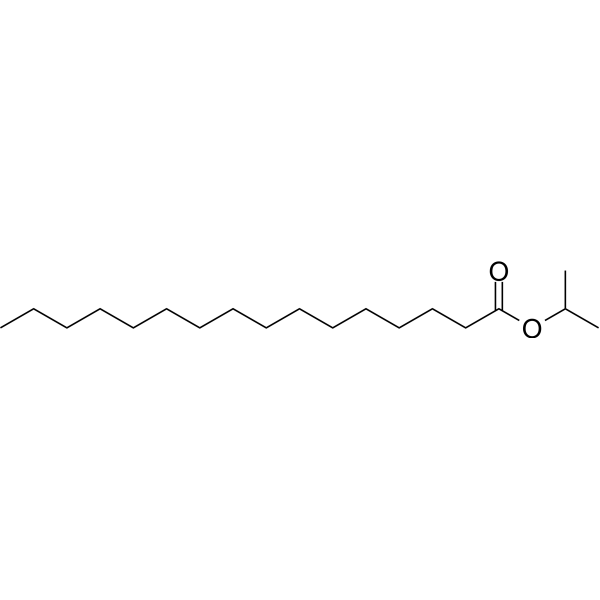
    Isopropyl palmitate is an fatty acid ester. Isopropyl palmitate can be used for design and characterization of bioactive bilayer films. The bilayer membrane not only has the ability to scavenge free radicals and inhibit lipid peroxidation, but also can inhibit the growth of known foodborne pathogens. Isopropyl palmitate can be used as an excipient, such as lubricant, oily carrier, solvent, controlled-release transdermal film. Pharmaceutical excipients, or pharmaceutical auxiliaries, refer to other chemical substances used in the pharmaceutical process other than pharmaceutical ingredients. Pharmaceutical excipients generally refer to inactive ingredients in pharmaceutical preparations, which can improve the stability, solubility and processability of pharmaceutical preparations. Pharmaceutical excipients also affect the absorption, distribution, metabolism, and elimination (ADME) processes of co-administered drugs .
    Isopropyl palmitate
  • HY-30216

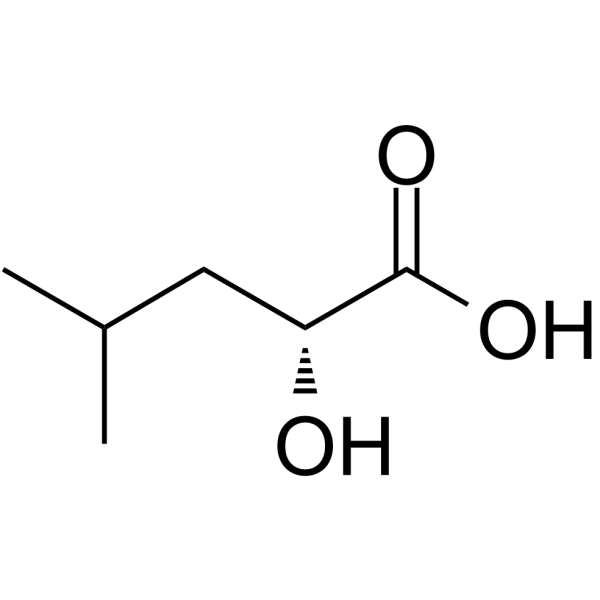
    D-α-Hydroxyisocaproic acid

    Amino Acid Derivatives Endogenous Metabolite Metabolic Disease
    (R)-Leucic acid (D-α-Hydroxyisocaproic acid) is an orally active D-isomer of the α-hydroxy analogue of Leucine (HY-N0486). (R)-Leucic acid is a metabolite of Lactobacillus and can promote intestinal fatty acid absorption by upregulating CD36 expression. (R)-Leucic acid can be used to study microbe-host interactions and the regulation of lipid metabolism by probiotics .
    (R)-Leucic acid
  • HY-N5139
    Lecithins, egg
    1 Publications Verification

    Lecithins, egg yolk; Belovo PL 85

    Cholinesterase (ChE) Angiotensin-converting Enzyme (ACE) Bacterial Infection Neurological Disease Metabolic Disease Inflammation/Immunology
    Lecithins, egg (Lecithins, egg yolk; Belovo PL 85) is an orally active natural phospholipid mixture extracted from egg yolks . Lecithins, egg inhibits the activities of acetylcholinesterase (AChE) and angiotensin-converting enzyme (ACE). Lecithins, egg exhibits antibacterial, antioxidant and anti-inflammatory activities, and helps delay cellular senescence. Lecithins, egg enhances nerve conduction, improves memory and cognitive function, and exerts positive effects on delaying neurodegenerative diseases. Lecithins, egg promotes lipid absorption and alleviates diarrhea. Lecithins, egg acts as a high-efficiency drug carrier for the preparation of targeted drug delivery systems such as liposomes .
    Lecithins, egg
  • HY-W440915

    Liposome Inflammation/Immunology
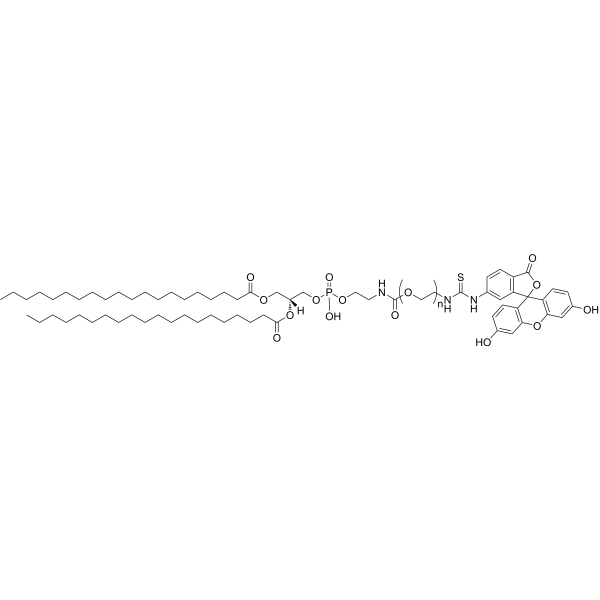
    DSPE-PEG2000-FITC is a PEG lipid conjugated with fluorescein. FITC is a green dye with a peak absorption at 494 nm and a maximum emission at 520 nm, which is used for staining biological samples or nanoparticles. DSPE-PEG2000-FITC spontaneously forms lipid bilayers or micelles in water and can be used to prepare liposomes for delivering substances such as mRNA vaccines .
    DSPE-PEG2000-FITC
  • HY-DY1061

    Fluorescent Dye Others
    BODIPY 558/568 C12 (solution) is a BODIPY dye. BODIPY dye is a small molecule dye with strong ultraviolet absorption ability, its fluorescence peak is relatively sharp, and the quantum yield is high. They are relatively insensitive to the polarity and pH of the environment and are relatively stable under different physiological conditions. Due to its structural asymmetry, BODIPY derives a variety of structural products. BODIPY lipid droplet dyes can well pass through the cell membrane into the cell, and localize the neutral lipids in the cell to specifically stain the lipid droplets, which can be used for labeling of live cells and fixed cells . Maximum excitation/emission wavelength: 558/568 nm .
    Solvent and concentration: DMSO: 2 mM
    BODIPY 558/568 C12 (solution)
  • HY-W440908

    Liposome Others
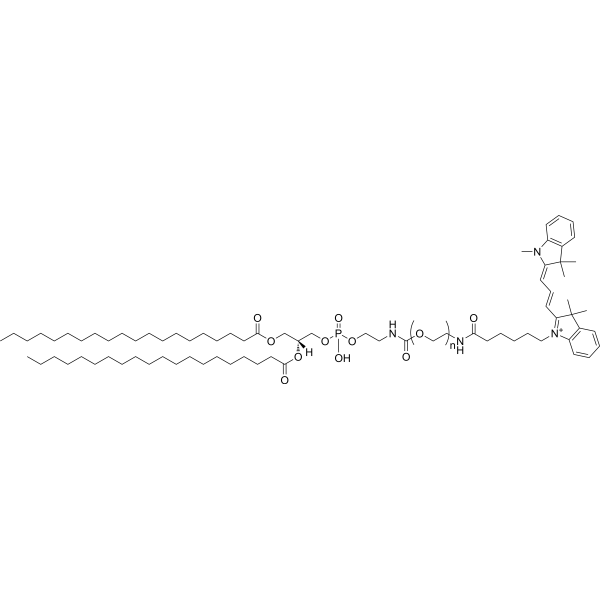
    DSPE-PEG2000-Cy3 is a PEG lipid conjugated with a fluorophore. The Cy3 fluorophore is commonly used in applications such as immunolabeling, nucleic acid labeling, fluorescence microscopy and flow cytometry. The absorption wavelength of the Cy3 fluorophore peaks at 548-552 nm, while its emission wavelength reaches a maximum at 562-570 nm .
    DSPE-PEG2000-Cy3
  • HY-139337

    Fluorescent Dye Others
    SMCy5.5 is a SMCy dye (ex. 638 nm; em. 705 nm). The high brightness of SMCy5.5 allows for effective tracking and imaging of lipid droplet exchange between adipocytes. SMCy5.5 can be used for lipid droplet labeling studies .
    SMCy5.5
  • HY-B2119

    Tauroglycocholic acid sodium salt

    Biochemical Assay Reagents Metabolic Disease
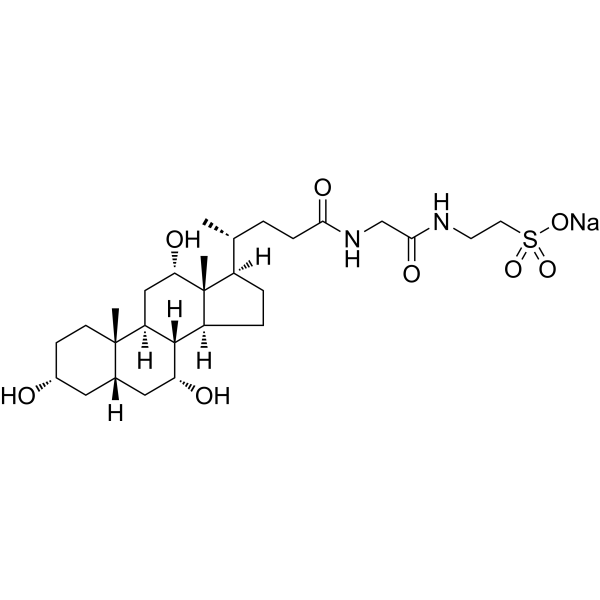
    Sodium tauroglycocholate (Tauroglycocholic acid sodium salt) is a multifunctional surfactant and penetration enhancer that can serve as a cholegraphic contrast agent. In organic solvents, Sodium tauroglycocholate embeds and stabilizes invertase by forming reverse micelles, and prolongs its active lifespan. In terms of transdermal absorption, Sodium tauroglycocholate effectively regulates the flux of aminophylline through snake slough by binding to keratin filaments, disrupting keratinocytes and altering lipid components of the stratum corneum. It exhibits rapid penetration characteristics without lag time at a concentration of 100 μg/mL. Sodium tauroglycocholate does not interfere with the hepatic uptake of Gd-EOB-DTPA by the bile acid transport system in rat hepatocytes .
    Sodium tauroglycocholate
  • HY-N15777

    Biochemical Assay Reagents Metabolic Disease
    Tauro-3α,6α,7α,12α-tetrahydroxy bile acid sodium is a type of bile acid, belonging to biomolecules synthesized by the liver using cholesterol as a raw material. Bile acids play a critical role in the digestion and absorption of lipids in the small intestine .
    Tauro-3α,6α,7α,12α-tetrahydroxy bile acid sodium
  • HY-N7103R

    Reference Standards Endogenous Metabolite Others
    Ethyl oleate (Standard) is the analytical standard of Ethyl oleate. This product is intended for research and analytical applications. Ethyl oleate is an orally active fatty acid ester formed from the condensation of oleic acid and ethanol. Ethyl oleate is the main fatty acid ethyl ester in the blood after alcohol ingestion. Ethyl oleate has no obvious toxicity to rats and its absorption, distribution and excretionare similar to triacylglycerol. Ethyl oleate can accelerate the drying process of certain foods and can also be used as a liquid lipid component in nanostructured lipid carriers .
    Ethyl oleate (Standard)
  • HY-W440939

    Liposome Others
    Stearic acid-PEG3400-FITC is a PEG lipid which forms micelles in water and can be used for drug delivery applications. The FITC fluorescent can be easily traced by miscroscopy. FITC is a green dye with peak absorption at 494 nm and maximum emission at 520 nm and can be used for staining biological samples or nanoparticles. FITC can be easily traced by fluorescence microscopy.
    Stearic acid-PEG3400-FITC
  • HY-N15385

    Lipase Metabolic Disease
    Hericenone D, an orally active pancreatic lipase inhibitor, can be found in Hericium erinaceus. Hericenone D reduces lipid absorption and stimulates nerve growth factor NGF gene expression. Hericenone D can be used for the research of menopausal obesity .
    Hericenone D
  • HY-131999

    Lipase Metabolic Disease
    3,4,5-Trihydroxycinnamic acid decyl ester is an excellent inhibitor of lipid absorption and accumulation, with anti-obesity properties. 3,4,5-Trihydroxycinnamic acid decyl ester is a pancreatic lipase inhibitor, with an EC50 of approximately 0.9 μM .
    3,4,5-Trihydroxycinnamic acid decyl ester
  • HY-164722

    Liposome Others
    DSPE-PEG8000-OH is a hydroxy-terminated phospholipid PEG polymer. The hydrophobic tails that allows the encapsulation and aggregation of other hydrophobic drugs, and the hydroxy-terminated can be further reacted. DSPE-PEG8000-OH can prepare liposomes or lipid nanoparticles, which can be used in drug delivery and promoting drug absorption research .
    DSPE-PEG8000-OH
  • HY-401721

    Biochemical Assay Reagents Others
    5-CNAC is an orally active enhancer of absorption, with no pharmacological activity on its own. 5-CNAC can significantly enhance the absorption efficiency of the drug (such as Salmon calcitonin (HY-P0090)) when administered together with it in the gastrointestinal tract. 5-CNAC binds reversibly and non-covalently to peptide drugs, protecting them from degradation by gastrointestinal enzymes, increasing their lipid solubility, promoting passive transcellular absorption, and not damaging the integrity of the intestinal epithelium. 5-CNAC can be used in the research of adjuvants for orally administered peptide agents .
    5-CNAC
  • HY-127055

    Apolipoprotein Metabolic Disease Endocrinology
    Tiadenol is an absorbable hypolipidemic agent. Tiadenol can effectively reduce triglycerides and decrease the level of apolipoprotein E in very low-density lipoproteins in hyperlipoproteinemia. Tiadenol causes hepatomegaly in rats and affects their hepatic lipid levels, cholesterol synthesis and absorption at high doses. Tiadenol can be used in the research of endocrine and metabolic diseases such as hyperlipidemia .
    Tiadenol
  • HY-N13198

    Endogenous Metabolite Metabolic Disease
    4-(4-Hydroxyphenyl)-2-butanone 4'-O-β-D-(2-O-galloyl-6-O-cinnamoyl)glucopyranoside is a pancreatic lipase inhibitor, with an IC50 value of 2.91 μM. 4-(4-Hydroxyphenyl)-2-butanone 4'-O-β-D-(2-O-galloyl-6-O-cinnamoyl)glucopyranoside can effectively reduce lipid absorption and regulate obesity-related metabolic disorders, making it useful for research on obesity .
    4-(4-Hydroxyphenyl)-2-butanone 4'-O-β-D-(2-O-galloyl-6-O-cinnamoyl)glucopyranoside
  • HY-163286

    Fluorescent Dye Ferroptosis Others
    BODIQPy-TPA is a lipophilic probes, which induces ferroptosis in B16 and HepG2 cells upon light irradiation through lipid peroxidation. BODIQPy-TPA reveals a maximum absorption wavelength of 488 nm and a maximum emission wavelength above 640 nm .
    BODIQPy-TPA
  • HY-163287

    Fluorescent Dye Others
    QPy-TPA is a lipopjilc probes, which induces non-ferroptotic cell death and lipid dynamic regularion in B16 and HepG2 cells upon light irradiation. QPy-TPA reveals a maximum absorption wavelength of 400 nm and a maximum emission wavelength of 590 nm .
    QPy-TPA
  • HY-W440921

    Liposome Others
    DSPE-PEG5000-Rhodamine is a phospholipid polyPEG with red fluorescent. The polymer can form lipid bilayer and be used to prepare nanoparticles or liposomes for targeted drug delivery. Rhodamine has maximum absorption at 570 nm and emission around 595 nm and can be easily traced using an imaging technique.
    DSPE-PEG5000-Rhodamine
  • HY-W440920

    Liposome Others
    DSPE-PEG3400-Rhodamine is a phospholipid polyPEG with red fluorescent. The polymer can form lipid bilayer and be used to prepare nanoparticles or liposomes for targeted drug delivery. Rhodamine has maximum absorption at 570 nm and emission around 595 nm and can be easily traced using an imaging technique.
    DSPE-PEG3400-Rhodamine
  • HY-123666

    Bay o 2752

    Acyltransferase Cardiovascular Disease
    Bay-02752 (Bay o 2752) is a lipid-lowering agent. Bay-02752 inhibits acyl-CoA activity in liver microsomes (IC50 = 0.95 μg/mL). Bay-02752 inhibits intestinal cholesterol absorption in rats. Bay-02752 inhibits gallstone formation in hamsters .
    Bay-02752
  • HY-W440919

    Liposome Others
    DSPE-PEG2000-Rhodamine is a dye functionalized phospholipid. The amphiphilic polymer can form lipid bilayer in water and be used to encapsulate therapeutic agents, such as liposomal anticancer drug or mRNA vaccine. Rhodamine has maximum absorption at 570 nm and emission around 595 nm and can be easily traced using an imaging technique.
    DSPE-PEG2000-Rhodamine
  • HY-164720

    Liposome Others
    DSPE-PEG4000-OH is a hydroxy-terminated phospholipid PEG polymer. The hydrophobic tails that allows the encapsulation and aggregation of other hydrophobic drugs, and the hydroxy-terminated can be further reacted. DSPE-PEG4000-OH can prepare liposomes or lipid nanoparticles, which can be used in drug delivery and promoting drug absorption research .
    DSPE-PEG4000-OH
  • HY-W440940

    Liposome Others
    Stearic acid-PEG5000-FITC is a PEG lipid which forms micelles in water and can be used for drug delivery applications. The FITC fluorescent can be easily traced by miscroscopy. FITC is a green dye with peak absorption at 494 nm and maximum emission at 520 nm and can be used for staining biological samples or nanoparticles. FITC can be easily traced by fluorescence microscopy.
    Stearic acid-PEG5000-FITC
  • HY-164723

    Liposome Others
    DSPE-PEG10000-OH is a hydroxy-terminated phospholipid PEG polymer. The hydrophobic tails that allows the encapsulation and aggregation of other hydrophobic drugs, and the hydroxy-terminated can be further reacted. DSPE-PEG10000-OH can prepare liposomes or lipid nanoparticles, which can be used in drug delivery and promoting drug absorption research .
    DSPE-PEG10000-OH
  • HY-30216R

    D-α-Hydroxyisocaproic acid (Standard)

    Reference Standards Amino Acid Derivatives Endogenous Metabolite Metabolic Disease
    (R)-Leucic acid (Standard) is the analytical standard of (R)-Leucic acid (HY-30216). This product is intended for research and analytical applications. (R)-Leucic acid (D-α-Hydroxyisocaproic acid) is the D-isomer of the α-hydroxy analogue of Leucine (HY-N0486). (R)-Leucic acid is a metabolite of Lactobacillus and can promote intestinal fatty acid absorption by upregulating CD36 expression. (R)-Leucic acid can be used to study microbe-host interactions and the regulation of lipid metabolism by probiotics.
    (R)-Leucic acid (Standard)
  • HY-W012618R

    Drug Intermediate Reference Standards Others
    Isopropyl palmitate (Standard) is the analytical standard of Isopropyl palmitate. This product is intended for research and analytical applications. Isopropyl palmitate is an fatty acid ester. Isopropyl palmitate can be used for design and characterization of bioactive bilayer films. The bilayer membrane not only has the ability to scavenge free radicals and inhibit lipid peroxidation, but also can inhibit the growth of known foodborne pathogens. Isopropyl palmitate can be used as an excipient, such as lubricant, oily carrier, solvent, controlled-release transdermal film. Pharmaceutical excipients, or pharmaceutical auxiliaries, refer to other chemical substances used in the pharmaceutical process other than pharmaceutical ingredients. Pharmaceutical excipients generally refer to inactive ingredients in pharmaceutical preparations, which can improve the stability, solubility and processability of pharmaceutical preparations. Pharmaceutical excipients also affect the absorption, distribution, metabolism, and elimination (ADME) processes of co-administered drugs .
    1-Phenyl-1-propanol (Standard)
  • HY-42680R

    D-(-)-Tagatose (Standard)

    Reference Standards Endogenous Metabolite Cardiovascular Disease Metabolic Disease Cancer
    D-Tagatose (Standard) is the analytical standard of D-Tagatose (HY-42680). This product is intended for research and analytical applications. D-Tagatose (D-(-)-Tagatose) is a natural low-calorie rare sugar. D-Tagatose inhibits the activities of sucrase, maltase and intestinal disaccharidases, reduces the digestion of sucrose and starch, and blocks the absorption of sucrose, maltose and glucose. D-Tagatose promotes glucokinase activity and inhibits glycogen phosphorylase activity via tagatose-1-phosphate, regulates the synthesis and decomposition of hepatic glycogen, reduces postprandial and fasting blood glucose levels, and improves hyperinsulinemia. D-Tagatose regulates lipid profiles, stimulates GLP-1 secretion, and exhibits prebiotic effects. D-Tagatose is a bulking sweetener. D-Tagatose can be used in research related to diabetes, hyperlipidemia, dental caries, atherosclerosis and type 2 diabetes.
    D-Tagatose (Standard)
  • HY-42680S1

    D-(-)-Tagatose-13C-1

    Isotope-Labeled Compounds Endogenous Metabolite Cardiovascular Disease Metabolic Disease Cancer
    D-Tagatose- 13C-1 is the 13C labeled D-Tagatose (HY-42680). D-Tagatose (D-(-)-Tagatose) is a natural low-calorie rare sugar. D-Tagatose inhibits the activities of sucrase, maltase and intestinal disaccharidases, reduces the digestion of sucrose and starch, and blocks the absorption of sucrose, maltose and glucose. D-Tagatose promotes glucokinase activity and inhibits glycogen phosphorylase activity via tagatose-1-phosphate, regulates the synthesis and decomposition of hepatic glycogen, reduces postprandial and fasting blood glucose levels, and improves hyperinsulinemia. D-Tagatose regulates lipid profiles, stimulates GLP-1 secretion, and exhibits prebiotic effects. D-Tagatose is a bulking sweetener. D-Tagatose can be used in research related to diabetes, hyperlipidemia, dental caries, atherosclerosis and type 2 diabetes.
    D-Tagatose-13C-1
  • HY-W011426R

    Propan-2-yl hexadecanoate (Standard)

    Biochemical Assay Reagents Liposome Reference Standards Others
    Isopropyl palmitate (Standard) is the analytical standard of Isopropyl palmitate. This product is intended for research and analytical applications. Isopropyl palmitate is an fatty acid ester. Isopropyl palmitate can be used for design and characterization of bioactive bilayer films. The bilayer membrane not only has the ability to scavenge free radicals and inhibit lipid peroxidation, but also can inhibit the growth of known foodborne pathogens. Isopropyl palmitate can be used as an excipient, such as lubricant, oily carrier, solvent, controlled-release transdermal film. Pharmaceutical excipients, or pharmaceutical auxiliaries, refer to other chemical substances used in the pharmaceutical process other than pharmaceutical ingredients. Pharmaceutical excipients generally refer to inactive ingredients in pharmaceutical preparations, which can improve the stability, solubility and processability of pharmaceutical preparations. Pharmaceutical excipients also affect the absorption, distribution, metabolism, and elimination (ADME) processes of co-administered drugs .
    Isopropyl palmitate (Standard)
  • HY-42680S

    D-(-)-Tagatose-13C

    Isotope-Labeled Compounds Endogenous Metabolite Cardiovascular Disease Metabolic Disease Cancer
    D-Tagatose- 13C is the 13C labeled D-Tagatose (HY-42680). D-Tagatose (D-(-)-Tagatose) is a natural low-calorie rare sugar. D-Tagatose inhibits the activities of sucrase, maltase and intestinal disaccharidases, reduces the digestion of sucrose and starch, and blocks the absorption of sucrose, maltose and glucose. D-Tagatose promotes glucokinase activity and inhibits glycogen phosphorylase activity via tagatose-1-phosphate, regulates the synthesis and decomposition of hepatic glycogen, reduces postprandial and fasting blood glucose levels, and improves hyperinsulinemia. D-Tagatose regulates lipid profiles, stimulates GLP-1 secretion, and exhibits prebiotic effects. D-Tagatose is a bulking sweetener. D-Tagatose can be used in research related to diabetes, hyperlipidemia, dental caries, atherosclerosis and type 2 diabetes.
    D-Tagatose-13C
  • HY-119449

    Zanchol

    Others Inflammation/Immunology
    Florantyrone (Zanchol) is a bile-promoting agent. Florantyrone increases the volume of bile rather than the content of bile acids. Zanchol can stimulate the synthesis of cholesterol in the liver, significantly raising the plasma cholesterol level, increasing the weight of the liver, but has no significant effect on the synthesis of cholesterol in the intestine. Florantyrone can be used in research on biliary motility disorders .
    Florantyrone
  • HY-182262

    Lipase Metabolic Disease
    Ro 20-0083 is an orally active pancreatic lipase inhibitor. Ro 20-0083 inhibits hPancreatic lipase activity, reduces lipid absorption and de novo fatty acid synthesis. Ro 20-0083 decreases food intake in Zucker rats. Ro 20-0083 can be used in obesity-related research .
    Ro 20-0083
  • HY-P2992A

    Biochemical Assay Reagents Metabolic Disease
    Inorganic Pyrophosphatase, Bacillus stearothermophilus (EC 3.6.1.1) catalyzes the conversion of one molecule of pyrophosphate to two phosphate ions. The functionality of Inorganic Pyrophosphatase, Bacillus stearothermophilus (EC 3.6.1.1) plays a critical role in lipid metabolism (including lipid synthesis and degradation), calcium absorption and bone formation, and DNA synthesis,as well as other biochemical transformations.
    Inorganic Pyrophosphatase, Bacillus stearothermophilus
  • HY-156957

    Biochemical Assay Reagents Others
    5-CNAC disodium is an orally active enhancer of absorption, with no pharmacological activity on its own. 5-CNAC disodium can significantly enhance the absorption efficiency of the drug (such as Salmon calcitonin (HY-P0090)) when administered together with it in the gastrointestinal tract. 5-CNAC disodium binds reversibly and non-covalently to peptide drugs, protecting them from degradation by gastrointestinal enzymes, increasing their lipid solubility, promoting passive transcellular absorption, and not damaging the integrity of the intestinal epithelium. 5-CNAC disodium can be used in the research of adjuvants for orally administered peptide agents .
    5-CNAC disodium

Inquiry Online

Your information is safe with us. * Required Fields.

Salutation


Country or Region *

Applicant Name *


Organization Name *

Department *


Email Address *


Product Name *

Cat. No.


Requested quantity *

Phone Number *


Remarks

Inquiry Online

Inquiry Information

Product Name:
Cat. No.:
Quantity:
MCE Japan Authorized Agent:

