

1. Search Result
Search Result
Results for "

long-term memory

" in MedChemExpress (MCE) Product Catalog:

28

Inhibitors & Agonists

9

Peptides

3

Natural
Products

1

Oligonucleotides

Cat. No. Product Name Target Research Areas Chemical Structure
  • HY-116673

    Histone Acetyltransferase Neurological Disease
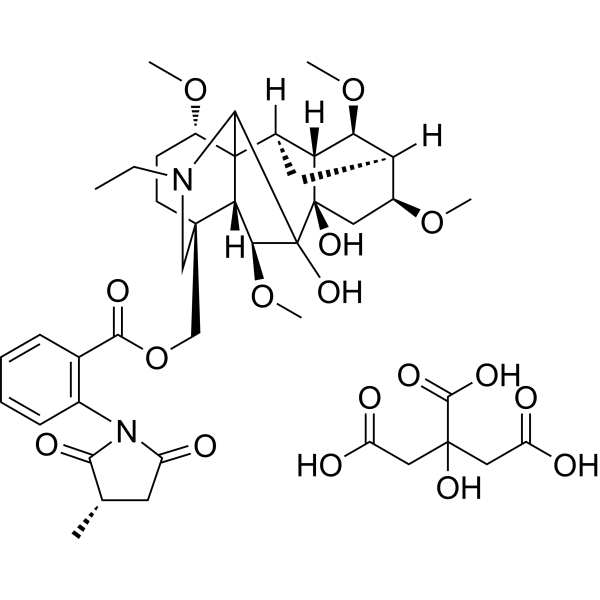
    TTK21 is an activator of the histone acetyltransferases CBP/p300. TTK21 passes the blood–brain barrier, induces no toxicity, and reaches different parts of the brain when conjugated to glucose-based carbon nanosphere (CSP). TTK21 has beneficial implications for the brain functions of neurogenesis and long-term memory .CSP-TTK21 can ameliorate Aβ-impaired long-term potentiation (LTP). CSP-TTK21 may enhance the transcription of genes that promote synaptic health and cognitive function . CSP-TTK21 is orally effective and leads to improvements in motor functions, histone acetylation dynamics in a spinal injury rat model .
    TTK21
  • HY-P5912

    iGluR Calcium Channel Neurological Disease
    GluN1 (356-385) is a polypeptide targeting NMDAR GluN1. GluN1 (356-385) induces the production of autoantibodies, which reduce the density of cell surface NMDAR clusters, impair long-term potentiation, and decrease NMDAR-mediated Ca 2+ influx. As an immunogen, GluN1 (356-385) induces symptoms similar to anti-NMDAR encephalitis, including memory loss, in mice. GluN1 (356-385) can be used to establish a mouse model that mimics the pathogenesis of anti-NMDAR encephalitis. GluN1 (356-385) is applicable to research related to anti-NMDAR encephalitis .
    GluN1(356-385)
  • HY-P10638

    CaMK Cardiovascular Disease Neurological Disease
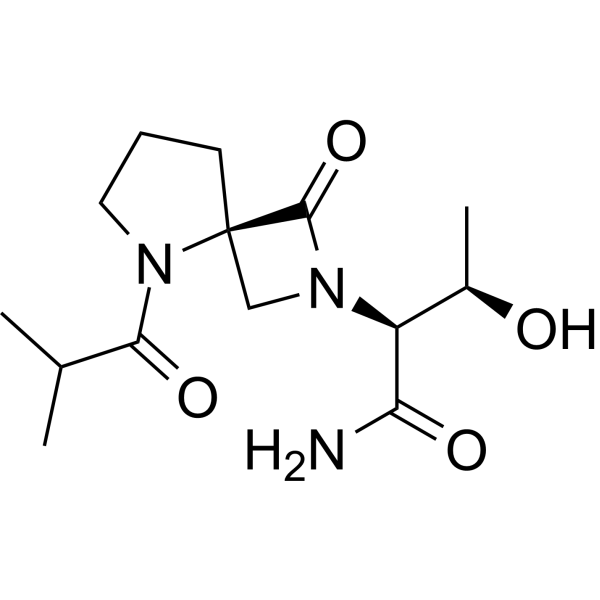
    TAT-CN21 is a potent CaMKII inhibitor with an IC50 of 77.2 nM. TAT-CN21 inhibits both calcium/calmodulin-dependent and autonomously activated CaMKII, blocks glutamate-induced translocation of CaMK IIα, and reverses the enhanced phosphorylation of CaMKII at Thr286 following excitotoxic injury. TAT-CN21 shows application potential in studies related to ischemic stroke by reducing neuronal excitotoxicity and exacerbating pre-existing long-term neuronal death prior to injury. TAT-CN21 improves definitive behaviors in rats with residual nerve injury without altering indicators such as mechanical/thermal hyperalgesia or spatial memory. TAT-CN21 can also be used in studies related to neuropathic pain .
    TAT-CN21
  • HY-175188

    BPN-0027490

    Myosin Neurological Disease
    MT-110 (BPN-0027490) is a non-muscle myosin NMIIB-selective inhibitor with high brain penetration and favorable safety profile. MT-110 specifically disrupts NMIIB-dependent actin dynamics in dendritic spines, while it exerts no significant adverse effects on cardiac myosin II and cardiac functions (such as cardiac output and heart rate) at tested concentrations. A single administration of MT-110 produces long-lasting (sustained for several weeks) blockade of methamphetamine motivation associated with environmental cues. MT-110 exhibits extremely high specificity, with no interference with cocaine motivation, hippocampus-dependent memory, fear memory, or locomotor and anxiety-like behaviors. MT-110 serves as a valuable tool compound for investigating the mechanisms of methamphetamine use disorder .
    MT-110
  • HY-107111

    mAChR Neurological Disease
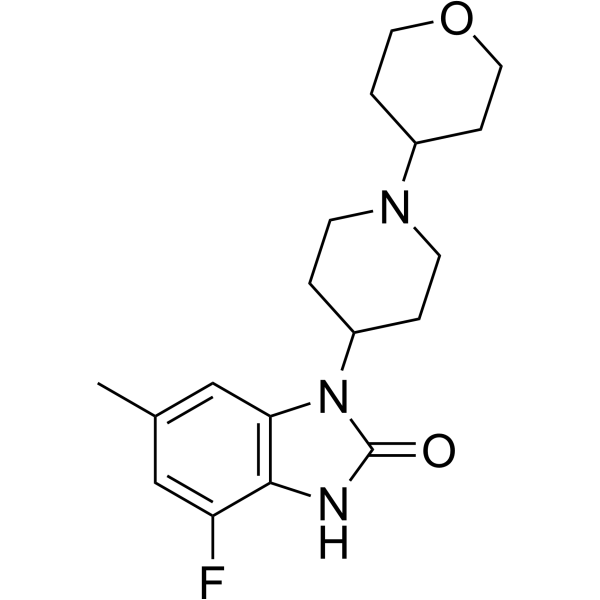
    GSK1034702 is an orally active and allosteric agonist of M1 mAChR (pEC50=8.1) that can cross the blood-brain barrier. GSK1034702 activates the Gq/11 protein-mediated signaling pathway, enhancing neuronal firing and long-term potentiation (LTP) in the CA1 region of the hippocampus. GSK1034702 can modulate hippocampal function, improve memory encoding in the nicotine withdrawal cognitive dysfunction model, and show pro-cognitive effects in rodents. GSK1034702 can be used for the study of the mechanisms of cognitive impairment diseases such as Alzheimer's disease, and has certain peripheral M receptor activation-related side effects (such as gastrointestinal reactions) .
    GSK1034702
  • HY-P5883

    tatM2NX

    TRP Channel Cardiovascular Disease Neurological Disease
    TAT-M2NX (tatM2NX) is a selective inhibitor targeting human TRPM2 channels and exerts inhibitory effects on ischemic stroke. TAT-M2NX reduces H2O2-induced calcium influx via TRPM2 channels. After traumatic brain injury in mice, TAT-M2NX preserves hippocampal long-term potentiation, improves memory function, and reduces infarct volume after middle cerebral artery occlusion, but it shows no effect on female mice. TAT-M2NX can be used in studies related to traumatic brain injury and ischemic stroke .
    TAT-M2NX
  • HY-101955A

    (2R,6R)-HNK hydrochloride

    Drug Metabolite Neurological Disease
    (2R,6R)-Hydroxynorketamine ((2R,6R)-HNK) hydrochloride is an active ketamine metabolite with no NMDAR binding activity. (2R,6R)-Hydroxynorketamine hydrochloride rescues impaired dorsal hippocampal long-term potentiation and restores robust long-term potentiation in the hippocampal SC-CA1 pathway. (2R,6R)-Hydroxynorketamine hydrochloride can be used for research on depression .
    (2R,6R)-Hydroxynorketamine hydrochloride
  • HY-N2125

    5-HT Receptor iGluR Caspase Interleukin Related TNF Receptor SOD NF-κB Neurological Disease Inflammation/Immunology
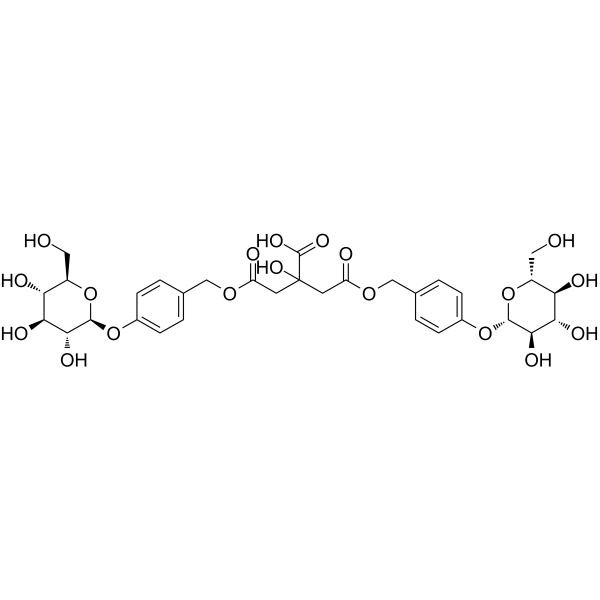
    Parishin C is a brain-penetrant major bioactive component found in Gastrodia elata Blume. Parishin C is a 5-HT1A receptor agonist with an EC50 of 34 nM. Parishin C has antipsychotic and neuroprotective effects. Parishin C protects against Aβ-induced long-term potentiation damage and NMDA receptor current impairment. Parishin C reduces oxidative stress, pro-inflammatory cytokine levels, caspase activity, brain water content, and cerebral infarct volume; increases antioxidant enzyme activity and BDNF levels; improves nerve function and histopathological brain damage. Parishin C attenuates phencyclidine-induced immobility time increases, sociability deficits, and visual recognition memory impairment. Parishin C can be used for the research of ischemic stroke, Alzheimer's disease, and schizophrenia-like psychosis .
    Parishin C
  • HY-164288

    TDI-006570

    Cyclic GMP-AMP Synthase STING Neurological Disease Inflammation/Immunology
    TDI-6570 (TDI-006570) is a blood-brain barrier-permeable, orally active cGAS inhibitor with an IC50 of 1.64 μM. TDI-6570 exhibits high gastrointestinal absorption and a long brain half-life in mice, and shows no toxicity to primary neurons. By inhibiting the cGAS-STING-IFN signaling pathway, TDI-6570 reduces STING levels and the activation of TBK1, blocks double-stranded DNA-induced cGAS activation and downstream interferon-stimulated gene expression, thereby reducing tau protein spread and improving synaptic loss. TDI-6570 reverses memory deficits, increases the amplitude of long-term potentiation, enhances the MEF2C transcriptional network, restores PSD-95 and vGAT punctate structures, and significantly improves cognitive resilience. TDI-6570 can be applied to the research of Alzheimer's disease, Parkinson's disease, systemic lupus erythematosus, as well as various central nervous system and autoimmune diseases .
    TDI-6570
  • HY-110120
    DSR-6434
    1 Publications Verification

    Toll-like Receptor (TLR) Cancer
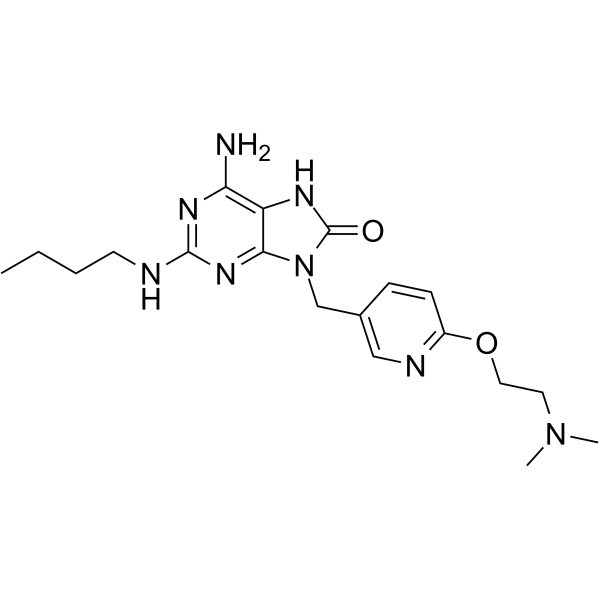
    DSR-6434 is a potent and selective Toll-like receptor 7 (TLR7) agonist, with EC50s of 7.2 nM and 4.6 nM for human and mice TLR7, respectively. DSR-6434 has a strong antitumor effect .
    DSR-6434
  • HY-P2259
    TAT-GluA2 3Y
    2 Publications Verification

    iGluR HIV Integrase Adenosine Receptor Cardiovascular Disease Neurological Disease
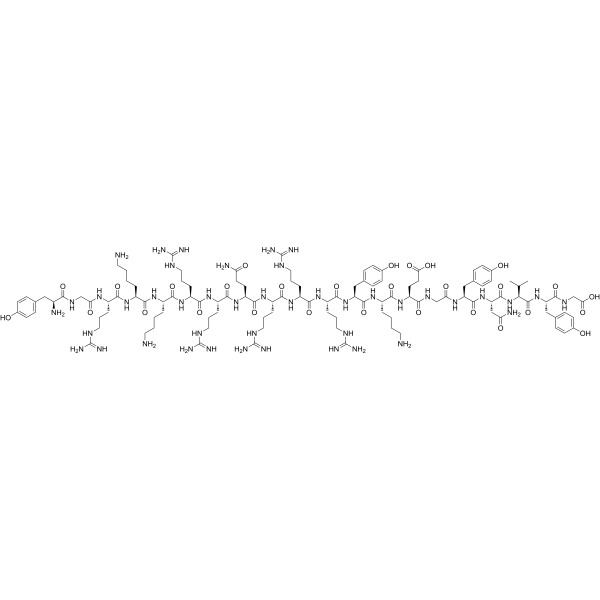
    TAT-GluA2 3Y is a blood-brain barrier-permeable AMPA receptor inhibitory peptide that crosses cell membranes via the HIV-1 TAT protein domain. TAT-GluA2 3Y blocks the endocytosis of AMPA receptors, including the internalization of GluA1/GluA2 subunits, by disrupting interactions with the AP2, Brag2 and Syt3-GluA2 complexes, while also inhibiting long-term depression. TAT-GluA2 3Y blocks hypoxia-mediated AMPAR internalization, alleviates A1R-induced persistent synaptic inhibition, and reduces cerebral ischemic volume, neurological deficits and spatial memory deficits. TAT-GluA2 3Y blocks the effect of NLRP3 deficiency on fear generalization, inhibits amphetamine-induced behavioral/neurochemical sensitization, weakens the unconditioned stimulus-conditioned stimulus association of morphine, and promotes the extinction of morphine CPP. TAT-GluA2 3Y can be used in studies related to fear generalization, ischemic stroke, hypoxia, drug addiction and opioid addiction .
    TAT-GluA2 3Y
  • HY-135525

    Dopamine Receptor Adrenergic Receptor Neurological Disease Inflammation/Immunology
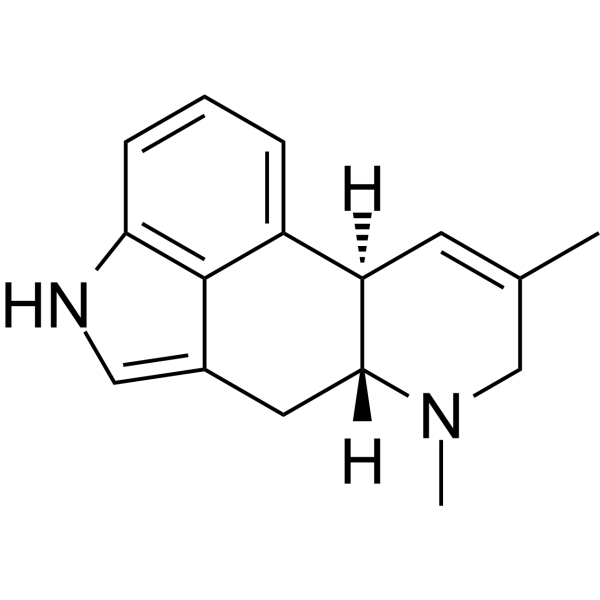
    Agroclavine acts as an agonist of the D1-dopamine receptor and α1-adrenergic receptor. Agroclavine enhances the sensitivity of the brain to magnetic fields; it impairs spatial memory without affecting hippocampal long-term potentiation (LTP). Agroclavine exerts bidirectional regulatory effects on immune activity: it enhances NK cell activity with low toxicity under normal conditions, while it inhibits NK cell activity and exhibits significant cardiac and hepatic toxicity under stress conditions. Agroclavine can be used for research on neuroelectrophysiology, learning and memory, and immunoregulation .
    Agroclavine
  • HY-13976A

    Drug Derivative Neurological Disease
    PRL-8-53 is an orally active, blood-brain barrier-permeable benzoate derivative with potent spasmolytic activity and central nervous system regulatory activity. PRL-8-53 acts on dopamine, serotonin and cholinergic-related targets, enhances dopamine activity, partially inhibits serotonin function and elicits cholinergic responses, thereby maintaining neurotransmitter balance in the central nervous system. PRL-8-53 improves learning ability, short-term memory and long-term memory in animals. PRL-8-53 can be used in central nervous system-related research .
    PRL-8-53
  • HY-174641

    mRNA Inflammation/Immunology
    Human IL12B mRNA encodes the human interleukin 12B (IL12B) protein, a subunit of interleukin 12, is a cytokine that acts on T and natural killer cells, and has a broad array of biological activities. IL12B has been found to be important for sustaining a sufficient number of memory/effector Th1 cells to mediate long-term protection to an intracellular pathogen.
    Human IL12B mRNA
  • HY-P1426

    Potassium Channel Neurological Disease
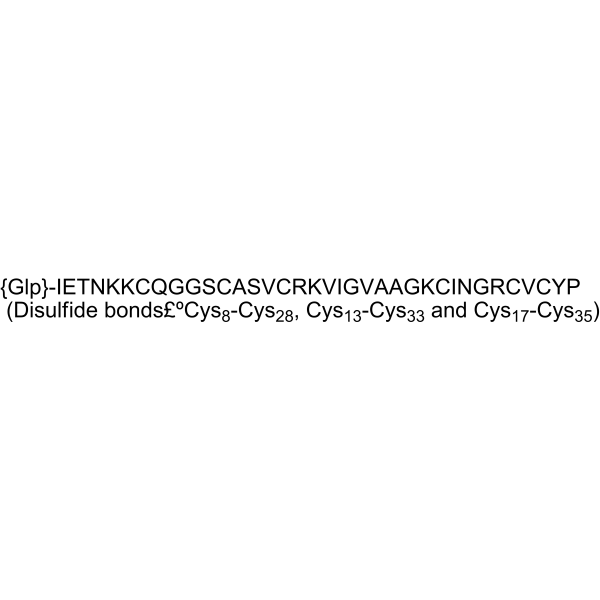
    AmmTX3 is a peptide toxin identified from the venom of the scorpion Androctonus mauretanicus. AmmTX3 is a highly specific blocker of Kv4 channels, which selectively and almost completely blocks transient A-type K + currents with a Ki of 131 nM. AmmTX3 induces epileptiform behaviors and causes death in mice receiving intracerebroventricular injection. AmmTX3 increases the excitability of dentate gyrus granule cells, reduces GABAergic inhibition, enhances and stabilizes the EPSP-spike component of long-term potentiation, and impairs reference memory. AmmTX3 can be used in research related to pain, epilepsy, and autism spectrum disorder .
    AmmTX3
  • HY-21995

    5-HT Receptor Dopamine Receptor Neurological Disease
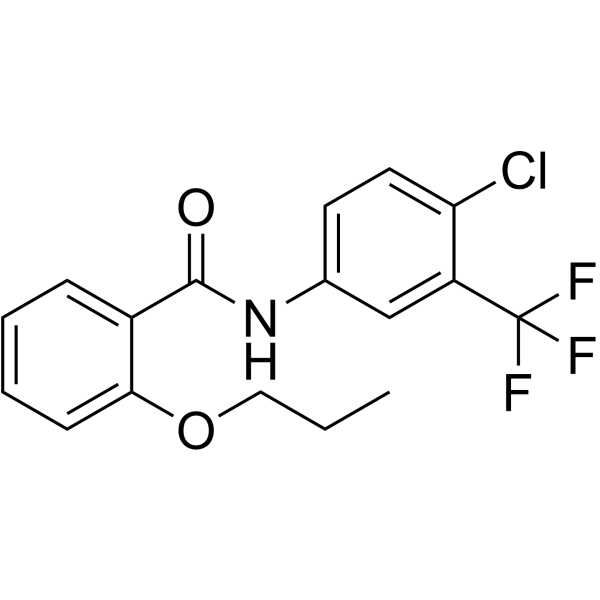
    BGC20-761 is a selecvtive 5-HT6 and dopamine receptor antagonist (human receptor Ki values: 5-HT6 (20 nM), 5-HT2A (69 nM), D2 (140 nM). BGC20-761, can enhance long-term memory. BGC20-761 has potential utility as an antipsychotic agent .
    BGC20-761
  • HY-P11092

    Endogenous Metabolite Neurological Disease
    TLQP-62 (mouse,rat) is a secreted C-terminal peptide that can be derived from protein VGF. TLQP-62 activates the BDNF-TrkB signaling pathway, inducing acute, transient phosphorylation of TrkB receptor and downstream CREB (Ser133) phosphorylation. TLQP-62 demonstrates excellent efficacy in promoting long-term fear memory formationin wild-type mice and reversing memory impairment in VGF heterozygous knock-out mice. TLQP-62 can be used for the study of memory-related neurological disorders (e.g., Alzheimer’s disease, frontotemporal dementia) .
    TLQP-62 (mouse,rat)
  • HY-156104

    PROTACs CaMK Neurological Disease
    CaMKIIα-PHOTAC is a photochemically targeted chimera (PHOTAC) targeting Ca2+/calmodulin-dependent protein kinase II α (CaMKIIα). Molecules such as PHOTAC can catalyze the ubiquitination and degradation of target proteins through the endogenous proteasome under specific wavelengths of light. CaMKIIα-PHOTAC reduces synaptic function under light conditions, and it attenuates the intensity of evoked field excitatory postsynaptic potentials in the mouse hippocampus in response to physiological stimuli. CaMKIIα-PHOTAC plays a critical role in maintaining long-term potentiation and memory capacity in subcellular dendritic domains .
    CaMKIIα-PHOTAC
  • HY-107111A

    Cholinesterase (ChE) mAChR Neurological Disease
    GSK1034702 hydrochloride is an orally active and allosteric agonist of M1 mAChR (pEC50=8.1) that can cross the blood-brain barrier. GSK1034702 hydrochloride activates the Gq/11 protein-mediated signaling pathway, enhancing neuronal firing and long-term potentiation (LTP) in the CA1 region of the hippocampus. GSK1034702 hydrochloride can modulate hippocampal function, improve memory encoding in the nicotine withdrawal cognitive dysfunction model, and show pro-cognitive effects in rodents. GSK1034702 hydrochloride can be used for the study of the mechanisms of cognitive impairment diseases such as Alzheimer's disease, and has certain peripheral M receptor activation-related side effects (such as gastrointestinal reactions) .
    GSK1034702 hydrochloride
  • HY-P1426A

    Potassium Channel Neurological Disease
    AmmTX3 TFA is a peptide toxin identified from the venom of the scorpion Androctonus mauretanicus. AmmTX3 TFA is a highly specific blocker of Kv4 channels, which selectively and almost completely blocks transient A-type K + currents with a Ki of 131 nM. AmmTX3 TFA induces epileptiform behaviors and causes death in mice receiving intracerebroventricular injection. AmmTX3 TFA increases the excitability of dentate gyrus granule cells, reduces GABAergic inhibition, enhances and stabilizes the EPSP-spike component of long-term potentiation, and impairs reference memory. AmmTX3 TFA can be used in research related to pain, epilepsy, and autism spectrum disorder .
    AmmTX3 TFA
  • HY-116488

    nAChR Neurological Disease
    IND8 is a α7 nAChR activator and cognitive enhancer. IND8 mediates cognitive enhancement by activating α7 nAChR . IND8 improves spatial working memory, episodic short-term memory and spatial long-term memory in amnesic mice induced by Scopolamine (HY-N0296). IND8 improves memory function in mice with delayed natural memory decline. IND8 can be used in research related to Alzheimer's disease .
    IND8
  • HY-N2125R

    Reference Standards 5-HT Receptor iGluR Caspase Interleukin Related TNF Receptor SOD NF-κB Neurological Disease Inflammation/Immunology
    Parishin C (Standard) is the analytical standard of Parishin C (HY-N2125). This product is intended for research and analytical applications. Parishin C is a brain-penetrant major bioactive component found in Gastrodia elata Blume. Parishin C is a 5-HT1A receptor agonist with an EC50 of 34 nM. Parishin C has antipsychotic and neuroprotective effects. Parishin C protects against Aβ-induced long-term potentiation damage and NMDA receptor current impairment. Parishin C reduces oxidative stress, pro-inflammatory cytokine levels, caspase activity, brain water content, and cerebral infarct volume; increases antioxidant enzyme activity and BDNF levels; improves nerve function and histopathological brain damage. Parishin C attenuates phencyclidine-induced immobility time increases, sociability deficits, and visual recognition memory impairment. Parishin C can be used for the research of ischemic stroke, Alzheimer's disease, and schizophrenia-like psychosis .
    Parishin C (Standard)
  • HY-P1399A

    Myr-Pep2m TFA

    PKC Neurological Disease
    Pep2m, myristoylated TFA (Myr-Pep2m TFA) is a cell-permeable peptide. Pep2m, myristoylated TFA can disrupt the protein kinase ζ (PKMζ) downstream targets, N-ethylmaleimide-sensitive factor/glutamate receptor subunit 2 (NSF/GluR2) interactions. PKMζ is an autonomously active isozyme of protein kinase C (PKC) .
    Pep2m, myristoylated TFA
  • HY-P1399

    Myr-Pep2m

    PKC Neurological Disease
    Pep2m, myristoylated (Myr-Pep2m) is a cell-permeable peptide. Pep2m, myristoylated can disrupt the protein kinase ζ (PKMζ) downstream targets, N-ethylmaleimide-sensitive factor/glutamate receptor subunit 2 (NSF/GluR2) interactions. PKMζ is an autonomously active isozyme of protein kinase C (PKC) .
    Pep2m, myristoylated
  • HY-103477

    Monoamine Oxidase Neurological Disease
    MAO-B-IN-51 (Compound 8f) is a selective, blood-brain-barrier permeable, orally active MAO-B inhibitor with an IC50 of 48.9 nM (MDS). MAO-B-IN-51 enhances long-term memory .
    MAO-B-IN-51
  • HY-W754293

    V0191; DMAE pidolate; DMAE PCA

    mAChR Neurological Disease
    Deanol pidolate (V0191; DMAE pidolate) is an orally active pro-cholinergic agent that improves cognitive symptoms by increasing the release of acetylcholine (Ach) and avoids the typical side effects of cholinesterase inhibitors. Deanol pidolate can alleviate the harmful effects of scopolamine on long-term memory and restore to baseline levels more quickly. Deanol pidolate can be used in research on Alzheimer's disease .
    Deanol pidolate
  • HY-181865

    Cholinesterase (ChE) Drug Intermediate Neurological Disease
    BuChE-IN-22 is a pseudo-irreversible butyrylcholinesterase (BuChE) inhibitor, with IC50 values of 4 nM and 157 nM against hBuChE and hAChE, respectively. It also acts as a prodrug of 7-hydroxysertraline. BuChE-IN-22 releases 7-hydroxysertraline during BuChE inhibition. BuChE-IN-22 completely reverses Aβ25-35-induced short-term and long-term memory impairments in a mouse model of Alzheimer's disease. BuChE-IN-22 can be used in research related to Alzheimer's disease .
    BuChE-IN-22
  • HY-107111R

    Reference Standards mAChR Neurological Disease
    GSK1034702 (Standard) is the analytical standard of GSK1034702 (HY-107111). This product is intended for research and analytical applications. GSK1034702 is an orally active and allosteric agonist of M1 mAChR (pEC50=8.1) that can cross the blood-brain barrier. GSK1034702 activates the Gq/11 protein-mediated signaling pathway, enhancing neuronal firing and long-term potentiation (LTP) in the CA1 region of the hippocampus. GSK1034702 can modulate hippocampal function, improve memory encoding in the nicotine withdrawal cognitive dysfunction model, and show pro-cognitive effects in rodents. GSK1034702 can be used for the study of the mechanisms of cognitive impairment diseases such as Alzheimer's disease, and has certain peripheral M receptor activation-related side effects (such as gastrointestinal reactions) .
    GSK1034702 (Standard)

Inquiry Online

Your information is safe with us. * Required Fields.

Salutation


Country or Region *

Applicant Name *


Organization Name *

Department *


Email Address *


Product Name *

Cat. No.


Requested quantity *

Phone Number *


Remarks

Inquiry Online

Inquiry Information

Product Name:
Cat. No.:
Quantity:
MCE Japan Authorized Agent:

