
Search Result
Results for "
membrane-disrupting
" in MedChemExpress (MCE) Product Catalog:
4
Isotope-Labeled Compounds
| Cat. No. |
Product Name |
Target |
Research Areas |
Chemical Structure |
-
- HY-170430
-
|
|
Molecular Glues
E1/E2/E3 Enzyme
|
Cancer
|
|
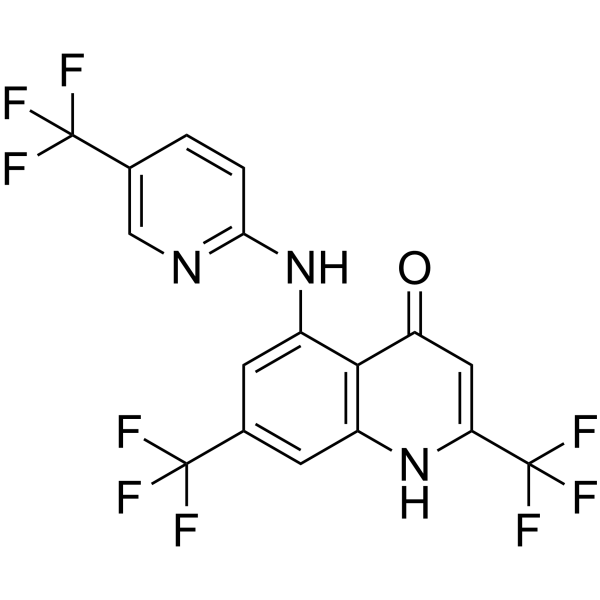
HGC652 is a molecular glue degrader targeting TRIM21 with a TRIM21-dependent nuclear membrane disruption effect. HGC652 binds to the PRY-SPRY domain of TRIM21 with high affinity (Ka=0.061 μM), mediates the interaction between TRIM21 and NUP98, and redirects E3 ligase activity. By triggering the polyubiquitination and proteasomal degradation of nucleoporins (such as NUP155 and GLE1), HGC652 disrupts nuclear membrane integrity, alters nuclear morphology, induces genomic instability, and thereby induces cancer cell death .
|
-
-
- HY-B1597
-
|
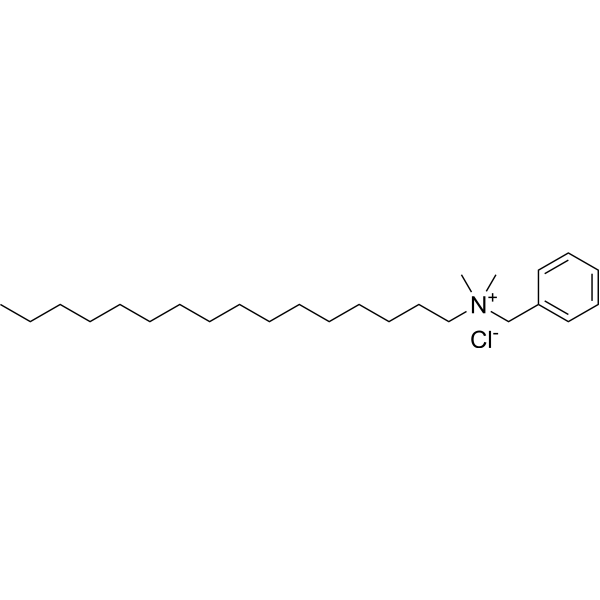
Benzyldimethylhexadecylammonium chloride
|
Bacterial
|
Infection
Inflammation/Immunology
|
|
Cetalkonium chloride is an ammonium antiseptic agent used in many topical agents for infections of mouth, throat and eye. Cetalkonium chloride acts as anti-inflammatory amphiphilic agent. Cetalkonium chloride is a cationic surfactant, that improves the precorneal residence time and bioavailability of drugs. Cetalkonium chloride interacts with the negative charges on the bacterial cell membrane, disrupts the integrity of the cell membrane, causes leakage of cell contents and ultimately leading to bacterial death .
|
-
-
- HY-W590549
-
|
DODAC
|
Liposome
|
Cancer
|
|
Dioleyldimethylammonium chloride (DODAC) is a positively charged lipid promoter with membrane-disrupting activity, which is often formulated into cationic liposomes with dioleoylphosphatidylethanolamine. Dioleyldimethylammonium chloride is used in gene transfection research; through electrostatic interactions, it effectively promotes the binding of programmable fusion vesicles to cells and induces membrane disruption. Dioleyldimethylammonium chloride is also applied in studies on L1210 leukemia and LS180 human colon cancer .
|
-
-
- HY-N1136
-
|
|
Bacterial
|
Infection
|
|
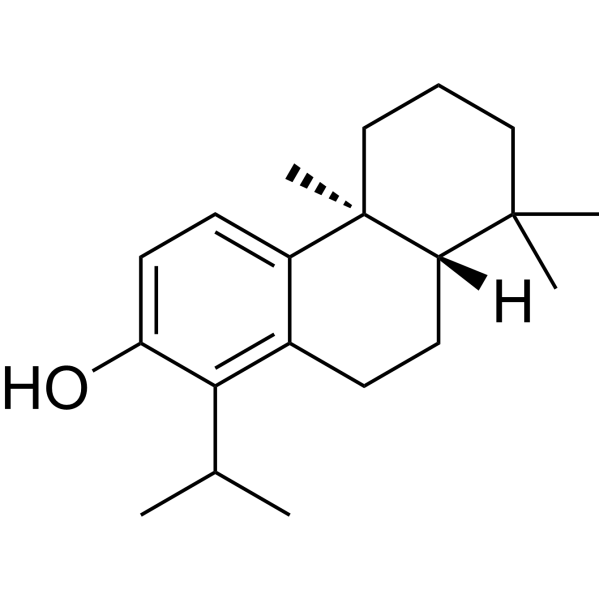
(+)-Totarol is a diterpenoid membrane-disrupting agent and membrane structure regulator found in plants of the genus Podocarpus spp. (+)-Totarol inserts into phospholipid model membranes, disrupts phospholipid packing, and impairs the functional integrity of membranes. (+)-Totarol exhibits antibacterial activity against a variety of bacterial species and β-lactam-resistant strains, and its action is associated with changes in membrane physical properties. (+)-Totarol can be used in studies related to bacterial infections .
|
-
-
- HY-A0248B
-
|
|
Antibiotic
Bacterial
|
Infection
|
|
Polymyxin B2 is a polypeptide antibiotic that has antibacterial activity, particularly against gram-negative bacteria. Polymyxin B2 kills the bacteria by binding to lipopolysaccharide molecules on the bacterial cell membrane, disrupting the integrity of the cell membrane and causing the cell contents to leak. Polymyxin B2 can be used in antibiotic development and treatment of drug-resistant strains .
|
-
-
- HY-P5640
-
|
|
Bacterial
Parasite
|
Infection
|
|
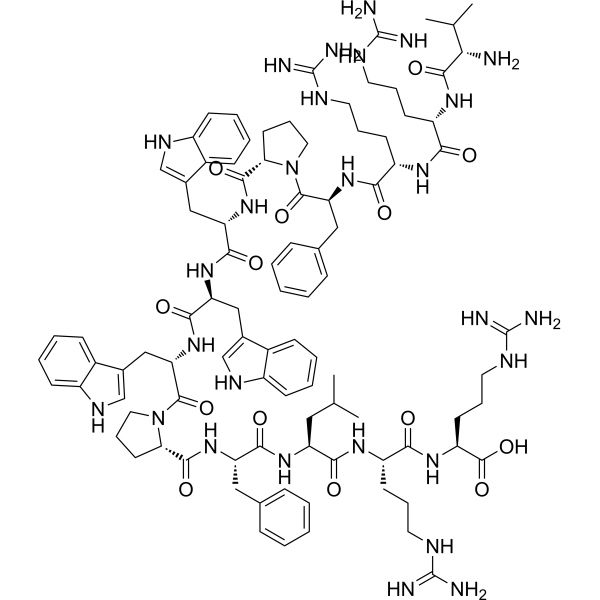
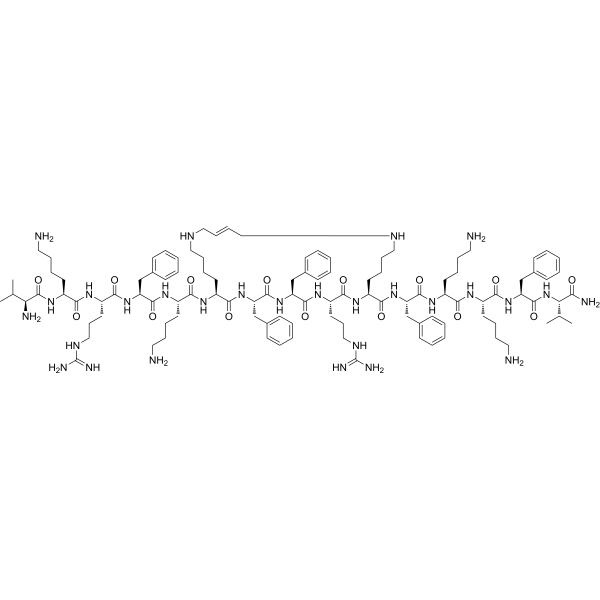
Tritrpticin is a porcine-derived antimicrobial peptide with properties such as membrane disruption and hemolysis. Tritrpticin disrupts the cell membranes of bacteria, fungi and Jurkat T cell leukemia cells and induces their death. Tritrpticin also enhances the efficacy of Metronidazole (HY-B0318) against *Trichomonas vaginalis*, reduces plasma endotoxin and inflammatory cytokine levels, restricts bacterial growth in blood and visceral tissues, decreases the mortality rate of septic shock in rats and enhances the therapeutic effect of ertapenem. Tritrpticin exhibits selective cytotoxicity against Jurkat T cell leukemia cells, while showing low toxicity to normal peripheral blood mononuclear cells and red blood cells, and can serve as a template for antimicrobial peptide design. Tritrpticin can be applied to research related to bacterial infections, fungal infections, trichomoniasis, septic shock and leukemia .
|
-
-
- HY-N11546
-
|
|
Cytochrome P450
Bacterial
Fungal
|
Infection
Cancer
|
|
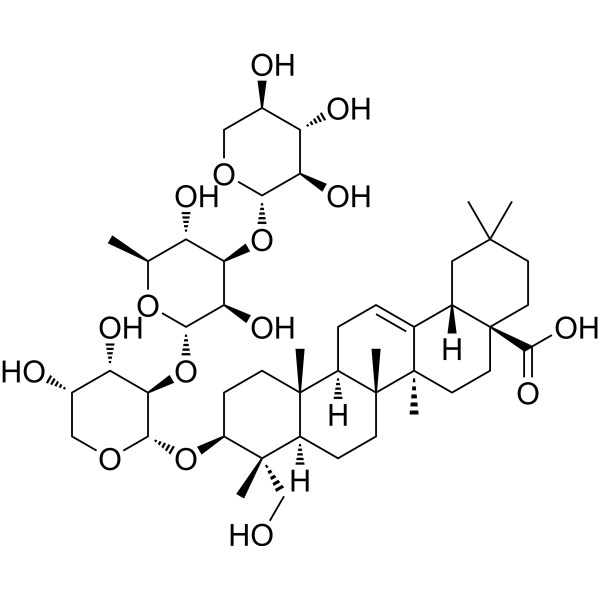
Sapindoside B is a substance with hepatoprotective activity, and also acts as a cytochrome P-450 (cytochrome P-450) inhibitor, antibacterial agent and membrane-disrupting agent. Sapindoside B reversibly inhibits the content of cytochrome P-450 in liver microsomes, suppresses the phenobarbital-induced increase in enzyme content, reduces the production of active metabolites mediated by cytochrome P-450, and alleviates hepatotoxic injury. Sapindoside B binds to Cutibacterium acnes lipase, reduces lipase activity, inhibits biofilm formation, and decreases bacterial adhesion. Sapindoside B exhibits cytotoxicity against human cancer, liver cancer, leukemia and glioblastoma cells. Sapindoside B inhibits mycelial growth of phytopathogenic fungal strains, possesses antibacterial activity against dermatophytes, and also has hemolytic/membrane-lytic activity. Sapindoside B can be used in research related to liver injury, Cutibacterium acnes biofilm-associated infections, gastric cancer, carcinoma, promyelocytic leukemia, glioblastoma, apple scab and grape gray mold .
|
-
-
- HY-N16375
-
|
|
Drug Metabolite
Fungal
ATP Synthase
|
Infection
|
|
(3R,6S)-Bassiatin (Compound 5) is an enantiomer of the fungal metabolite Bassiatin (HY-165143). Bassianin is a compound isolated from fungi that has the activity of inhibiting erythrocyte membrane ATPase and causing cell lysis. Its inhibitory effect on ATPase may be due to membrane disruption .
|
-
-
- HY-P3350
-
|
|
Bacterial
|
Infection
|
|
LS-BF1 is a stable and low toxic cationic antimicrobial peptide. LS-BF1 displays broad spectrum of antibacterial activity, including the challenging ESKAPE pathogens, by cell membrane disruptive mechanism. LS-BF1 shows good in vivo efficacy for elimination of bacteria in a mouse infection model[1].
|
-
-
- HY-151567
-
|
|
Bacterial
|
Infection
|
|
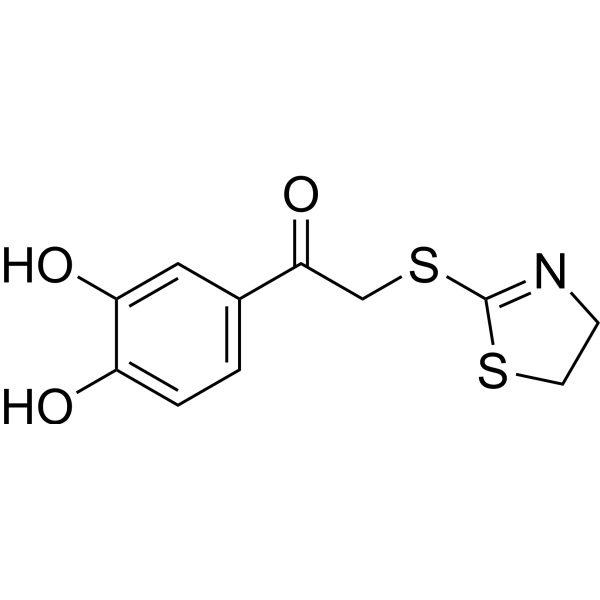
Antibacterial agent 123 (compound 111) is a potent membrane-disrupting agent to combat antibiotic-resistant Gram-positive bacteria .
|
-
-
- HY-178476
-
|
|
Bacterial
Reactive Oxygen Species (ROS)
|
Infection
|
|
Anti-MRSA agent 36 (Compound III13) is an antibacterial agent with strong anti MRSA activity (MIC = 1 μg/mL). Anti-MRSA agent 36 targets phosphatidylglycerol (PG) on bacterial membranes, disrupting membrane integrity, leading to DNA leakage and increased ROS. Anti-MRSA agent 36 has advantages such as low cytotoxicity, low hemolysis, difficulty in inducing drug resistance, and good plasma stability. Anti-MRSA agent 36 can be used for the study of skin abscess and systemic infection models .
|
-
-
- HY-178504
-
|
|
Bacterial
|
Infection
|
|
Lug-15 is a rapid bactericidal agent. Lug-15 exhibits strong antibacterial activity against both Gram-positive and Gram-negative bacteria, including drug-resistant strains. Lug-15 rapidly kills bacteria primarily through membrane disruption and had a very low propensity to induce bacterial resistance. Lug-15 demonstrates low hemolytic toxicity and significant therapeutic potential in various infection models. Lug-15 can be used for research on combating infections caused by multi-drug resistant bacteria .
|
-
-
- HY-165143
-
|
|
Fungal
|
Others
|
|
Bassianin is a compound isolated from fungi that has the activity of inhibiting erythrocyte membrane ATPase and causing cell lysis. Its inhibitory effect on ATPase may be due to membrane disruption.
|
-
-
- HY-W711089
-
|
MC-4379-d3-1
|
Isotope-Labeled Compounds
Herbicide
|
Others
|
|
Bifenox-d3-1 (Modown-d3; MC-4379-d3) is the deuterium labeled Bifenox (HY-136513). Bifenox (Modown; MC-4379) is a potent herbicide. Bifenox increases the ROS production. Bifenox causes cellular membrane disruption, inhibition of photosynthesis .
|
-
-
- HY-A0248C
-
|
|
Antibiotic
Bacterial
|
Infection
|
|
Polymyxin B2 Sulfate is a polypeptide antibiotic that has antibacterial activity, particularly against gram-negative bacteria. Polymyxin B2 Sulfate kills the bacteria by binding to lipopolysaccharide molecules on the bacterial cell membrane, disrupting the integrity of the cell membrane and causing the cell contents to leak. Polymyxin B2 Sulfate can be used in antibiotic development and treatment of drug-resistant strains .
|
-
-
- HY-151278
-
|
|
SARS-CoV
|
Infection
|
|
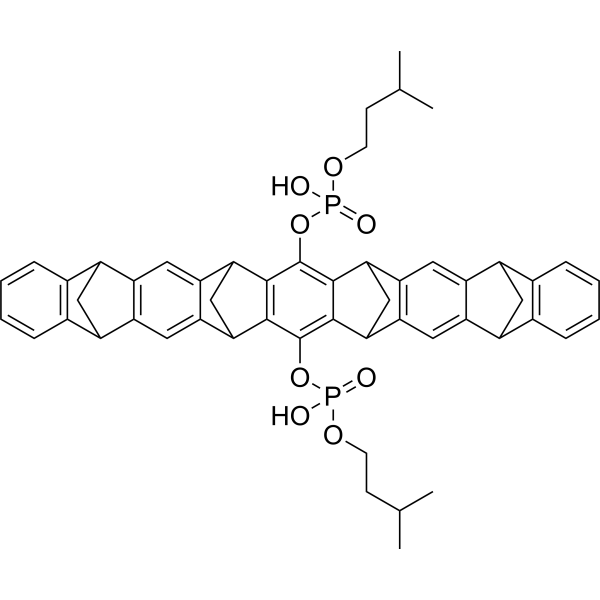
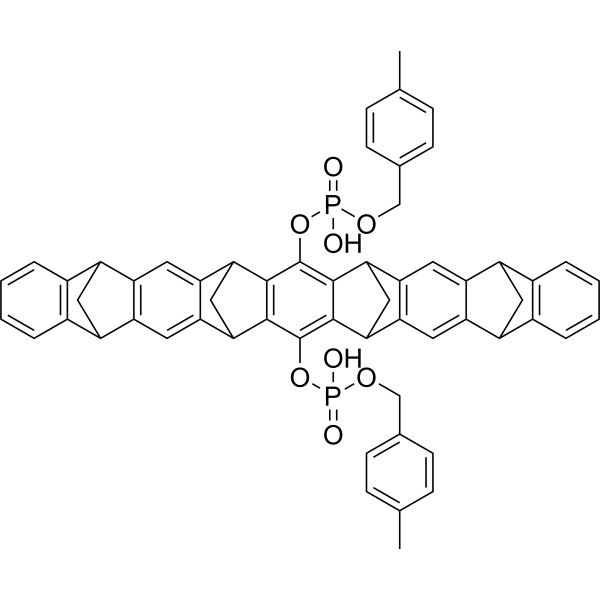
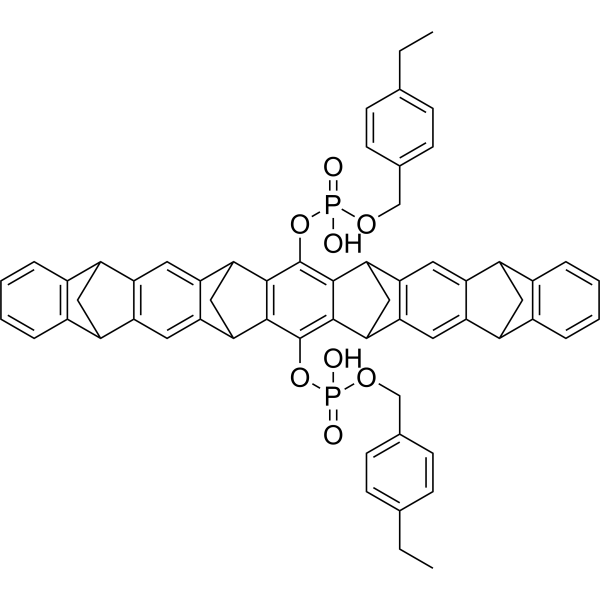
SARS-CoV-2-IN-30 is a two-armed diphosphate ester with benzene system and molecular tweezers. SARS-CoV-2-IN-30 exhibits antiviral activity with IC50s of 0.6 μM and 6.9 μM against SARS-CoV-2 activity and the spike pseudoparticle transduction, respectively. SARS-CoV-2-IN-30 induces liposomal membrane disruption with an EC50 value of 6.9 μM .
|
-
-
- HY-151269
-
|
|
SARS-CoV
|
Infection
|
|
SARS-CoV-2-IN-23 is a two-armed diphosphate ester and medium length molecular tweezers. SARS-CoV-2-IN-23 exhibits antiviral activity with IC50s of 8.2 μM and 2.6 μM against SARS-CoV-2 activity and the spike pseudoparticle transduction, respectively. SARS-CoV-2-IN-23 induces liposomal membrane disruption with an EC50 value of 4.4 μM .
|
-
-
- HY-151276
-
|
|
SARS-CoV
|
Infection
|
|
SARS-CoV-2-IN-29 is a two-armed diphosphate ester with benzene system and molecular tweezers. SARS-CoV-2-IN-29 exhibits antiviral activity with IC50s of 1.5 μM and 1.6 μM against SARS-CoV-2 activity and the spike pseudoparticle transduction, respectively. SARS-CoV-2-IN-29 induces liposomal membrane disruption with an EC50 value of 3.0 μM .
|
-
-
- HY-B1597R
-
|
Benzyldimethylhexadecylammonium chloride (Standard)
|
Reference Standards
Bacterial
|
Infection
Inflammation/Immunology
|
|
Cetalkonium (chloride) (Standard) is the analytical standard of Cetalkonium (chloride). This product is intended for research and analytical applications. Cetalkonium chloride is an ammonium antiseptic agent used in many topical agents for infections of mouth, throat and eye. Cetalkonium chloride acts as anti-inflammatory amphiphilic agent. Cetalkonium chloride is a cationic surfactant, that improves the precorneal residence time and bioavailability of drugs. Cetalkonium chloride interacts with the negative charges on the bacterial cell membrane, disrupts the integrity of the cell membrane, causes leakage of cell contents and ultimately leading to bacterial death .
|
-
-
- HY-151269A
-
|
|
SARS-CoV
|
Infection
|
|
SARS-CoV-2-IN-23 disodium is a two-armed diphosphate ester and medium length molecular tweezers. SARS-CoV-2-IN-23 disodium exhibits antiviral activity with IC50s of 8.2 μM and 2.6 μM against SARS-CoV-2 activity and the spike pseudoparticle transduction, respectively. SARS-CoV-2-IN-23 disodium induces liposomal membrane disruption with an EC50 value of 4.4 μM .
|
-
-
- HY-151274
-
|
|
SARS-CoV
|
Infection
|
|
SARS-CoV-2-IN-28 is a two-armed diphosphate ester with C7 alkyl and molecular tweezers with extended length. SARS-CoV-2-IN-28 exhibits antiviral activity with IC50s of 0.4 μM and 1.0 μM against SARS-CoV-2 activity and the spike pseudoparticle transduction, respectively. SARS-CoV-2-IN-28 induces liposomal membrane disruption with an EC50 value of 4.4 μM .
|
-
-
- HY-151276A
-
|
|
SARS-CoV
|
Infection
|
|
SARS-CoV-2-IN-29 disodium is a two-armed diphosphate ester with benzene system and molecular tweezers. SARS-CoV-2-IN-29 disodium exhibits antiviral activity with IC50s of 1.5 μM and 1.6 μM against SARS-CoV-2 activity and the spike pseudoparticle transduction, respectively. SARS-CoV-2-IN-29 disodium induces liposomal membrane disruption with an EC50 value of 3.0 μM .
|
-
-
- HY-151274A
-
|
|
SARS-CoV
|
Infection
|
|
SARS-CoV-2-IN-28 disodium is a two-armed diphosphate ester with C7 alkyl and molecular tweezers with extended length. SARS-CoV-2-IN-28 disodium exhibits antiviral activity with IC50s of 0.4 μM and 1.0 μM against SARS-CoV-2 activity and the spike pseudoparticle transduction, respectively. SARS-CoV-2-IN-28 disodium induces liposomal membrane disruption with an EC50 value of 4.4 μM .
|
-
-
- HY-151271
-
|
|
SARS-CoV
|
Infection
|
|
SARS-CoV-2-IN-27 is a two-armed diphosphate ester with C6 alkyl and molecular tweezers with extended length. SARS-CoV-2-IN-27 exhibits antiviral activity with IC50s of 1.0 μM and 1.7 μM against SARS-CoV-2 activity and the spike pseudoparticle transduction, respectively. SARS-CoV-2-IN-27 induces liposomal membrane disruption with an EC50 value of 6.5 μM .
|
-
-
- HY-151271A
-
|
|
SARS-CoV
|
Infection
|
|
SARS-CoV-2-IN-27 disodium is a two-armed diphosphate ester with C6 alkyl and molecular tweezers with extended length. SARS-CoV-2-IN-27 disodium exhibits antiviral activity with IC50s of 1.0 μM and 1.7 μM against SARS-CoV-2 activity and the spike pseudoparticle transduction, respectively. SARS-CoV-2-IN-27 disodium induces liposomal membrane disruption with an EC50 value of 6.5 μM .
|
-
-
- HY-151278A
-
|
|
SARS-CoV
|
Infection
|
|
SARS-CoV-2-IN-30 disodium is a two-armed diphosphate ester with benzene system and molecular tweezers. SARS-CoV-2-IN-30 disodium exhibits antiviral activity with IC50s of 0.6 μM and 6.9 μM against SARS-CoV-2 activity and the spike pseudoparticle transduction, respectively. SARS-CoV-2-IN-30 disodium induces liposomal membrane disruption with an EC50 value of 6.9 μM .
|
-
-
- HY-B0847S1
-
|
|
Fungal
Reactive Oxygen Species (ROS)
|
Infection
|
|
Propiconazole-d3 (nitrate) is the deuterium labeled Propiconazole nitrate. Propiconazole is a broad-spectrum triazole fungicide that inhibits the conversion of lanosterol to ergosterol, leading to fungal cell membrane disruption. Propiconazole inhibits S. cerevisiae, but not rat liver, microsomal cytochrome P450 (IC50s=0.04 and >200 µM, respectively). Propiconazole inhibits the growth of T. deformans and R. stolonifer (ED50s=0.073 and 4.6 µg/mL, respectively). Propiconazole increases production of reactive oxygen species (ROS).
|
-
-
- HY-B0847S
-
|
|
Isotope-Labeled Compounds
Fungal
Reactive Oxygen Species (ROS)
|
Infection
|
|
Propiconazole-d7 is the deuterium labeled Propiconazole. Propiconazole is a broad-spectrum triazole fungicide that inhibits the conversion of lanosterol to ergosterol, leading to fungal cell membrane disruption. Propiconazole inhibits S. cerevisiae, but not rat liver, microsomal cytochrome P450 (IC50s=0.04 and >200 μM, respectively). Propiconazole inhibits the growth of T. deformans and R. stolonifer (ED50s=0.073 and 4.6 μg/mL, respectively). Propiconazole increases production of reactive oxygen species (ROS) .
|
-
-
- HY-P10669
-
|
|
Caspase
Apoptosis
|
Cancer
|
|
NDI-Lyso is a lysosome-targeted anticancer agent that induces the formation of rigid long fibers in cancer cell lysosomes through an enzyme-instructed self-assembly (EISA) mechanism catalyzed by cathepsin B. This process triggers lysosomal swelling, membrane permeabilization (LMP), and membrane disruption, ultimately leading to cancer cell apoptosis via a non-classical caspase-independent pathway. NDI-Lyso exhibits significant selective anticancer activity in various cancer cell lines and drug-resistant cancer cells (IC50 ~10 μM) while showing low toxicity to normal cells (IC50 > 60 μM) .
|
-
-
- HY-170991
-
|
|
Bacterial
Reactive Oxygen Species (ROS)
|
Infection
|
|
C12-rrw-NH2 (Compound Lip7) is an antibacterial agent against gram-positive bacteria, especially against Methicillin (HY-121544)-resistant Staphylococcus aureus (MRSA). C12-rrw-NH2 induces bacterial death via depolarizing the bacterial cytoplasmic membrane, disrupting the integrity of the bacterial membrane, leading to leakage of nucleic acid and protein and promoting the generation of Reactive Oxygen Species. C12-rrw-NH2 is potential to be used for research of developing high-stability antimicrobial peptides .
|
-
-
- HY-175295A
-
|
|
Bacterial
Reactive Oxygen Species (ROS)
|
Infection
|
|
Anti-MRSA agent 33 iodide is an anti-Methicillin (HY-121544)-resistant Staphylococcus aureus (MRSA) agent, with MIC values of 2-4 μg/mL. Anti-MRSA agent 33 iodide demonstrates effective biofilm eradication and minimal cytotoxicity toward mammalian cells. Anti-MRSA agent 33 iodide specifically binds to phosphatidylglycerol (PG) on bacterial membranes, leading to membrane disruption, excessive production of ROS, and metabolic collapse, ultimately resulting in bacterial cell death. Anti-MRSA agent 33 iodide reduces bacterial load in a murine skin infection model .
|
-
-
- HY-178988
-
|
|
Bacterial
|
Infection
|
|
Antibacterial agent 299 (Compound P5) is a highly effective antibacterial agent against Xanthomonas oryzae pv. oryzae (Xoo), with an EC₅₀ value of 6.9 μg/mL. Antibacterial agent 299 integrates into bacterial membranes, disrupts membrane structure, inhibits biofilm formation, and thus exerts antibacterial effects. Antibacterial agent 299 also shows inhibitory activity against Xanthomonas oryzae pv. oryzicola (Xoc) (EC₅₀ = 32.5 ± 3.0 μg/mL), but its activity against Xanthomonas axonopodis pv. citri (Xac) is weaker. Antibacterial agent 299 demonstrated excellent control efficacy in a rice bacterial blight (BLB) model. Antibacterial agent 299 can be used for BLB research .
|
-
-
- HY-P11601
-
|
|
Biochemical Assay Reagents
|
Cancer
|
|
MAF-10L is a membrane-disrupting agent, a cationic amphipathic Mastoparan AF derivative with enhanced α-helicity. MAF-10L preferentially interacts with DOPS lipids in cancer cell membranes, disrupting cancer cell membranes to trigger membrane leakage. MAF-10L can be used for the research of cancer .
|
-
-
- HY-W077245
-
|
BCDMH
|
Environmental Pollutants
Bacterial
|
Others
|
|
Bromochloro-5,5-dimethylhydantoin is a bactericidal agent and membrane-disrupting agent. Bromochloro-5,5-dimethylhydantoin disrupts bacterial cell membranes, alters membrane structure and permeability, and induces leakage of soluble proteins and ions from bacterial cells. Bromochloro-5,5-dimethylhydoin exhibits bactericidal activity against bacteria .
|
-
-
- HY-N19777
-
|
|
Fungal
|
Infection
|
|
Glochidioboside, a neolignan glucoside found in Sambucus williamsii, is an antifungal agent. Glochidioboside induces membrane depolarization, membrane permeabilization, and pore formation on fungal membranes. Glochidioboside exerts an antifungal activity through a membrane-disruptive mechanism .
|
-
-
- HY-P11600
-
|
|
Bacterial
Reactive Oxygen Species (ROS)
Interleukin Related
DNA/RNA Synthesis
|
Infection
|
|
SGNLTKYWKKIWKPGIKKWIK is a thymidylate kinase (TMK)-targeting antimicrobial peptide with a KD value of 4.721 μM. SGNLTKYWKKIWKPGIKKWIK exerts antimicrobial effects through multiple mechanisms, including membrane disruption, induction of ROS, and DNA binding. SGNLTKYWKKIWKPGIKKWIK shows remarkable activity against Gram-negative bacteria, possesses good biocompatibility, and rarely induces drug resistance. SGNLTKYWKKIWKPGIKKWIK can be used for research on Gram-negative bacterial infections .
|
-
-
- HY-W724344
-
|
Benzyldimethylhexadecylammonium-d5 chloride
|
Isotope-Labeled Compounds
Bacterial
|
Infection
Inflammation/Immunology
|
|
Cetalkonium-d5 chloride (Benzyldimethylhexadecylammonium-d5 chloride) is the deuterium labeled Cetalkonium chloride (HY-B1597). Cetalkonium chloride is an ammonium antiseptic agent used in many topical agents for infections of mouth, throat and eye. Cetalkonium chloride acts as anti-inflammatory amphiphilic agent. Cetalkonium chloride is a cationic surfactant, that improves the precorneal residence time and bioavailability of drugs. Cetalkonium chloride interacts with the negative charges on the bacterial cell membrane, disrupts the integrity of the cell membrane, causes leakage of cell contents and ultimately leading to bacterial death .
|
-
-
- HY-134505
-
|
|
Ras
Phospholipase
ERK
Akt
|
Cancer
|
|
Avicin G is a sphingomyelinase inhibitor and plasma membrane disruptor. Avicin G inhibits the enzymatic activities of neutral sphingomyelinases (SMPD2/3) and acid sphingomyelinase (SMPD1), elevates intracellular sphingomyelin levels, and alters the distribution of sphingomyelin. Avicin G interferes with the lateral segregation of GTP- and GDP-bound H-Ras, inhibits the signal output of oncogenic K-Ras and H-Ras, reduces the phosphorylation of ERK and Akt, increases lysosomal pH, and inhibits the endocytic recycling of epidermal growth factor receptor. Avicin G can be used in research related to pancreatic ductal adenocarcinoma and non-small cell lung cancer .
|
-
-
- HY-182798
-
|
|
Bacterial
Reactive Oxygen Species (ROS)
|
Infection
|
|
Antibacterial agent 337 is an antibacterial agent. Antibacterial agent 337 specifically interacts with PG in bacterial cell membranes, triggering membrane disruption, membrane depolarization, increased permeability, cytoplasmic leakage, ROS accumulation and rapid bacterial death. Antibacterial agent 337 inhibits biofilm formation and disrupts mature biofilms. Antibacterial agent 337 exhibits potent in vivo antibacterial efficacy in a mouse model of Staphylococcus aureus skin abscess. Antibacterial agent 337 can be used in studies of Gram-positive bacterial infections, including methicillin-resistant Staphylococcus aureus infections, vancomycin-resistant Enterococcus faecalis infections and bacterial biofilm infections .
|
-
| Cat. No. |
Product Name |
Target |
Research Area |
-
- HY-A0248B
-
|
|
Antibiotic
Bacterial
|
Infection
|
|
Polymyxin B2 is a polypeptide antibiotic that has antibacterial activity, particularly against gram-negative bacteria. Polymyxin B2 kills the bacteria by binding to lipopolysaccharide molecules on the bacterial cell membrane, disrupting the integrity of the cell membrane and causing the cell contents to leak. Polymyxin B2 can be used in antibiotic development and treatment of drug-resistant strains .
|
-
- HY-P5640
-
|
|
Bacterial
Parasite
|
Infection
|
|
Tritrpticin is a porcine-derived antimicrobial peptide with properties such as membrane disruption and hemolysis. Tritrpticin disrupts the cell membranes of bacteria, fungi and Jurkat T cell leukemia cells and induces their death. Tritrpticin also enhances the efficacy of Metronidazole (HY-B0318) against *Trichomonas vaginalis*, reduces plasma endotoxin and inflammatory cytokine levels, restricts bacterial growth in blood and visceral tissues, decreases the mortality rate of septic shock in rats and enhances the therapeutic effect of ertapenem. Tritrpticin exhibits selective cytotoxicity against Jurkat T cell leukemia cells, while showing low toxicity to normal peripheral blood mononuclear cells and red blood cells, and can serve as a template for antimicrobial peptide design. Tritrpticin can be applied to research related to bacterial infections, fungal infections, trichomoniasis, septic shock and leukemia .
|
-
- HY-P3350
-
|
|
Bacterial
|
Infection
|
|
LS-BF1 is a stable and low toxic cationic antimicrobial peptide. LS-BF1 displays broad spectrum of antibacterial activity, including the challenging ESKAPE pathogens, by cell membrane disruptive mechanism. LS-BF1 shows good in vivo efficacy for elimination of bacteria in a mouse infection model[1].
|
-
- HY-P10669
-
|
|
Caspase
Apoptosis
|
Cancer
|
|
NDI-Lyso is a lysosome-targeted anticancer agent that induces the formation of rigid long fibers in cancer cell lysosomes through an enzyme-instructed self-assembly (EISA) mechanism catalyzed by cathepsin B. This process triggers lysosomal swelling, membrane permeabilization (LMP), and membrane disruption, ultimately leading to cancer cell apoptosis via a non-classical caspase-independent pathway. NDI-Lyso exhibits significant selective anticancer activity in various cancer cell lines and drug-resistant cancer cells (IC50 ~10 μM) while showing low toxicity to normal cells (IC50 > 60 μM) .
|
-
- HY-P11601
-
|
|
Biochemical Assay Reagents
|
Cancer
|
|
MAF-10L is a membrane-disrupting agent, a cationic amphipathic Mastoparan AF derivative with enhanced α-helicity. MAF-10L preferentially interacts with DOPS lipids in cancer cell membranes, disrupting cancer cell membranes to trigger membrane leakage. MAF-10L can be used for the research of cancer .
|
-
- HY-P11600
-
|
|
Bacterial
Reactive Oxygen Species (ROS)
Interleukin Related
DNA/RNA Synthesis
|
Infection
|
|
SGNLTKYWKKIWKPGIKKWIK is a thymidylate kinase (TMK)-targeting antimicrobial peptide with a KD value of 4.721 μM. SGNLTKYWKKIWKPGIKKWIK exerts antimicrobial effects through multiple mechanisms, including membrane disruption, induction of ROS, and DNA binding. SGNLTKYWKKIWKPGIKKWIK shows remarkable activity against Gram-negative bacteria, possesses good biocompatibility, and rarely induces drug resistance. SGNLTKYWKKIWKPGIKKWIK can be used for research on Gram-negative bacterial infections .
|
| Cat. No. |
Product Name |
Category |
Target |
Chemical Structure |
-
- HY-N1136
-
|
|
Infection
Animals
Classification of Application Fields
Terpenoids
Diterpenoids
Disease Research Fields
Source Classification
|
Bacterial
|
|
(+)-Totarol is a diterpenoid membrane-disrupting agent and membrane structure regulator found in plants of the genus Podocarpus spp. (+)-Totarol inserts into phospholipid model membranes, disrupts phospholipid packing, and impairs the functional integrity of membranes. (+)-Totarol exhibits antibacterial activity against a variety of bacterial species and β-lactam-resistant strains, and its action is associated with changes in membrane physical properties. (+)-Totarol can be used in studies related to bacterial infections .
|
-
-
- HY-N11546
-
|
|
Structural Classification
Eleutherococcus sieboldianus Makino
Terpenoids
Diterpenoids
Plants
Araliaceae
Source Classification
|
Cytochrome P450
Bacterial
Fungal
|
|
Sapindoside B is a substance with hepatoprotective activity, and also acts as a cytochrome P-450 (cytochrome P-450) inhibitor, antibacterial agent and membrane-disrupting agent. Sapindoside B reversibly inhibits the content of cytochrome P-450 in liver microsomes, suppresses the phenobarbital-induced increase in enzyme content, reduces the production of active metabolites mediated by cytochrome P-450, and alleviates hepatotoxic injury. Sapindoside B binds to Cutibacterium acnes lipase, reduces lipase activity, inhibits biofilm formation, and decreases bacterial adhesion. Sapindoside B exhibits cytotoxicity against human cancer, liver cancer, leukemia and glioblastoma cells. Sapindoside B inhibits mycelial growth of phytopathogenic fungal strains, possesses antibacterial activity against dermatophytes, and also has hemolytic/membrane-lytic activity. Sapindoside B can be used in research related to liver injury, Cutibacterium acnes biofilm-associated infections, gastric cancer, carcinoma, promyelocytic leukemia, glioblastoma, apple scab and grape gray mold .
|
-
-
- HY-N16375
-
-
-
- HY-N19777
-
-
-
- HY-134505
-
|
|
Structural Classification
Acacia victoriae Benth.
Terpenoids
Plants
Pentacyclic Triterpenoids
Fabaceae
Source Classification
|
Ras
Phospholipase
ERK
Akt
|
|
Avicin G is a sphingomyelinase inhibitor and plasma membrane disruptor. Avicin G inhibits the enzymatic activities of neutral sphingomyelinases (SMPD2/3) and acid sphingomyelinase (SMPD1), elevates intracellular sphingomyelin levels, and alters the distribution of sphingomyelin. Avicin G interferes with the lateral segregation of GTP- and GDP-bound H-Ras, inhibits the signal output of oncogenic K-Ras and H-Ras, reduces the phosphorylation of ERK and Akt, increases lysosomal pH, and inhibits the endocytic recycling of epidermal growth factor receptor. Avicin G can be used in research related to pancreatic ductal adenocarcinoma and non-small cell lung cancer .
|
-
| Cat. No. |
Product Name |
Chemical Structure |
-
- HY-W711089
-
|
|
|
Bifenox-d3-1 (Modown-d3; MC-4379-d3) is the deuterium labeled Bifenox (HY-136513). Bifenox (Modown; MC-4379) is a potent herbicide. Bifenox increases the ROS production. Bifenox causes cellular membrane disruption, inhibition of photosynthesis .
|
-
-
- HY-B0847S1
-
|
|
|
Propiconazole-d3 (nitrate) is the deuterium labeled Propiconazole nitrate. Propiconazole is a broad-spectrum triazole fungicide that inhibits the conversion of lanosterol to ergosterol, leading to fungal cell membrane disruption. Propiconazole inhibits S. cerevisiae, but not rat liver, microsomal cytochrome P450 (IC50s=0.04 and >200 µM, respectively). Propiconazole inhibits the growth of T. deformans and R. stolonifer (ED50s=0.073 and 4.6 µg/mL, respectively). Propiconazole increases production of reactive oxygen species (ROS).
|
-
-
- HY-B0847S
-
|
|
|
Propiconazole-d7 is the deuterium labeled Propiconazole. Propiconazole is a broad-spectrum triazole fungicide that inhibits the conversion of lanosterol to ergosterol, leading to fungal cell membrane disruption. Propiconazole inhibits S. cerevisiae, but not rat liver, microsomal cytochrome P450 (IC50s=0.04 and >200 μM, respectively). Propiconazole inhibits the growth of T. deformans and R. stolonifer (ED50s=0.073 and 4.6 μg/mL, respectively). Propiconazole increases production of reactive oxygen species (ROS) .
|
-
-
- HY-W724344
-
|
|
|
Cetalkonium-d5 chloride (Benzyldimethylhexadecylammonium-d5 chloride) is the deuterium labeled Cetalkonium chloride (HY-B1597). Cetalkonium chloride is an ammonium antiseptic agent used in many topical agents for infections of mouth, throat and eye. Cetalkonium chloride acts as anti-inflammatory amphiphilic agent. Cetalkonium chloride is a cationic surfactant, that improves the precorneal residence time and bioavailability of drugs. Cetalkonium chloride interacts with the negative charges on the bacterial cell membrane, disrupts the integrity of the cell membrane, causes leakage of cell contents and ultimately leading to bacterial death .
|
-
| Cat. No. |
Product Name |
|
Classification |
-
- HY-W590549
-
|
DODAC
|
|
Cationic Lipids
|
|
Dioleyldimethylammonium chloride (DODAC) is a positively charged lipid promoter with membrane-disrupting activity, which is often formulated into cationic liposomes with dioleoylphosphatidylethanolamine. Dioleyldimethylammonium chloride is used in gene transfection research; through electrostatic interactions, it effectively promotes the binding of programmable fusion vesicles to cells and induces membrane disruption. Dioleyldimethylammonium chloride is also applied in studies on L1210 leukemia and LS180 human colon cancer .
|
Your information is safe with us. * Required Fields.
Inquiry Information
- Product Name:
- Cat. No.:
- Quantity:
- MCE Japan Authorized Agent:

