
1. Search Result
Search Result
Results for "

microglia activation

" in MedChemExpress (MCE) Product Catalog:

51

Inhibitors & Agonists

2

Biochemical Assay Reagents

10

Peptides

2

Inhibitory Antibodies

12

Natural
Products

3

Isotope-Labeled Compounds

1

Oligonucleotides

Targets Recommended:
Cat. No. Product Name Target Research Areas Chemical Structure
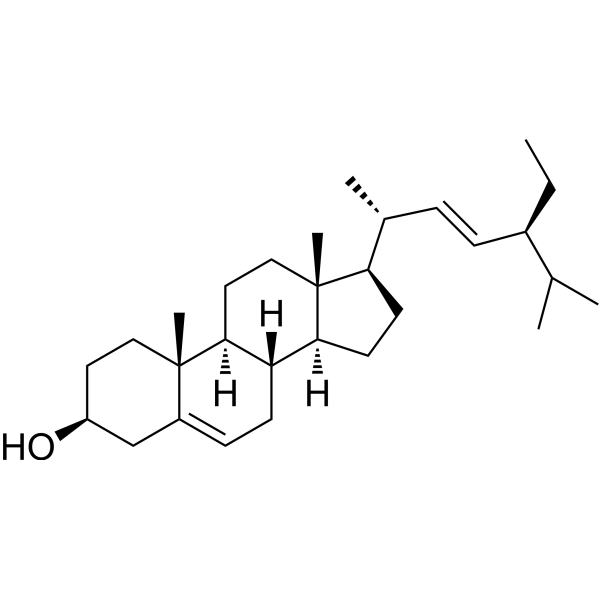
  • HY-N0131
    Stigmasterol
    10+ Cited Publications

    MMP Endogenous Metabolite Neurological Disease Inflammation/Immunology
    Stigmasterol is an orally acitve, immunomodulatory agent with anti-inflammatory and neuroprotective effect, as well as able to cross the blood-brain barrier. Stigmasterol activates AMPK, which in turn inhibits NF-κB and NLRP3 signaling pathways, reduces microglia-mediated neuroinflammation, and alleviates cognitive impairment and Alzheimer's disease. Stigmasterol regulates M1/M2 polarization of microglia through the TLR4/ NF-κB pathway, thereby reducing neuropathic pain. Stigmasterol can be used for neurodegenerative diseases, inflammatory diseases, and pain management, among others .
    Stigmasterol
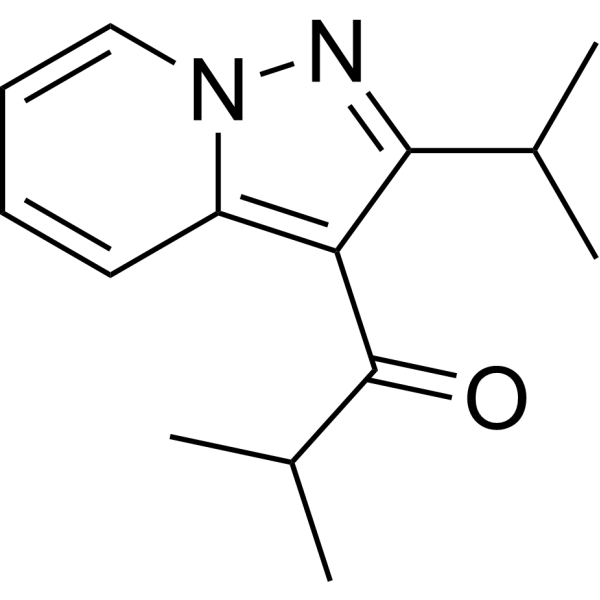
  • HY-B0763
    Ibudilast
    5+ Cited Publications

    KC-404; AV-411; MN-166

    Phosphodiesterase (PDE) Inflammation/Immunology Cancer
    Ibudilast (KC-404; AV-411; MN-166) is a cyclic AMP phosphodiesterase (PDE) inhibitor. Ibudilast has platelet anti-aggregatory effects. Ibudilast can be used for the research of asthma for its inhibitory effects on tracheal smooth muscle contractility. Ibudilast may be a useful neuroprotective and anti-dementia agent counteracting neurotoxicity in activated microglia .
    Ibudilast
  • HY-P991220

    TREM receptor Neurological Disease
    AL002 is a humanized monoclonal IgG1 antibody and a blood-brain barrier-permeable TREM2 modulator. AL002 binds to TREM2 on the surface of microglia, promotes TREM2 clustering and the formation of the TREM2-DAP12 complex, activates the TREM2 signaling pathway and PI3K cascade, and induces TREM2 internalization and degradation. AL002 is applicable to research related to Alzheimer's disease .
    AL002
  • HY-N2909

    NF-κB RIP kinase Mixed Lineage Kinase Cardiovascular Disease Neurological Disease Inflammation/Immunology
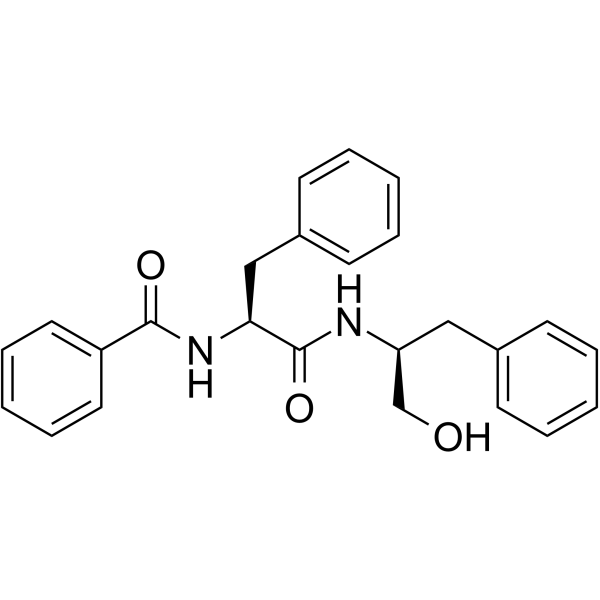
    Aurantiamide is a non-covalent, orally active, blood-brain-permeable GRPR selective antagonist with anti-inflammatory and neuroprotective effects. Aurantiamide reduces inflammation and oxidative stress in renal tissue by inhibiting GRPR-mediated renal necrosis pathways (such as RIPK3/MLKL signaling) and NF-κB inflammatory pathways, exerting anti-acute kidney injury and endothelial function activities. Aurantiamide also inhibits the M1 polarization of microglia and inhibits NLRP3 activation, thereby improving AD mouse models. Aurantiamide has in vivo inhibitory efficacy in acute kidney injury models such as ischemia/reperfusion, sepsis, and hypertension models .
    Aurantiamide
  • HY-P1241
    BAM(8-22)
    1 Publications Verification

    Mas-related G-protein-coupled Receptor (MRGPR) Neurological Disease Inflammation/Immunology
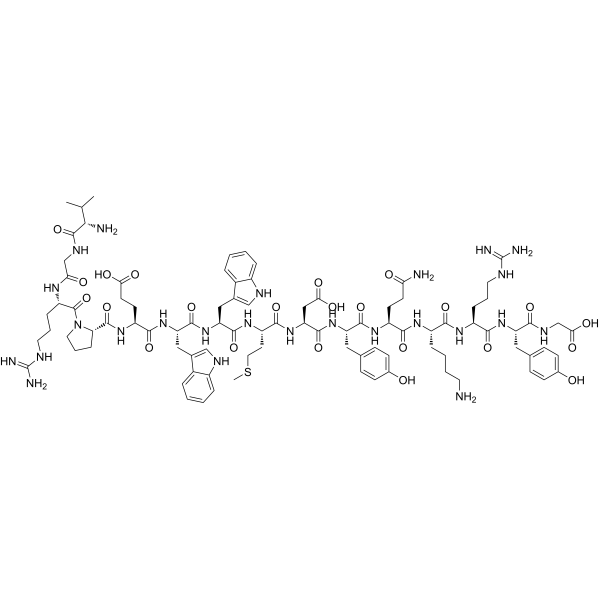
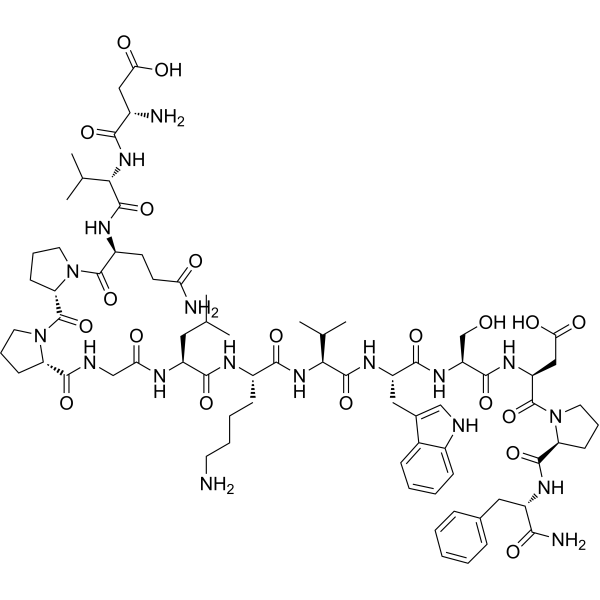
    BAM(8-22), a proteolytically cleaved product of proenkephalin A and sensory neuron-specific receptor (SNSR) agonist, is a potent activator of Mas-related G-protein-coupled receptors (Mrgprs), MrgprC11 and hMrgprX1. BAM(8-22) induces scratching in mice in an Mrgpr-dependent manner. In addition, BAM(8-22) has an analgesic effect and can also inhibit the activation of microglia .
    BAM(8-22)
  • HY-P990043

    VGL101

    Ser/Thr Kinase TREM receptor Inflammation/Immunology
    Iluzanebart is a human monoclonal IgG1 antibody and is the agonist antibody for human TREM2 (hTREM2). Iluzanebart improves the survival and function of microglia by activating the TREM2 signaling pathway to compensate for the loss of CSF1R function. Iluzanebart can be used for research of adult-onset leukoencephalopathy associated with CSF1R (colony stimulating factor 1 receptor) (CSF1R-ALSP) .
    Iluzanebart
  • HY-NP0204

    ELOVL Apoptosis NOD-like Receptor (NLR) Caspase Tau Protein Neurological Disease Inflammation/Immunology
    Mouse Serum Albumin is most abundant protein in plasma, which leaks into the brain parenchyma when the blood-brain barrier (BBB) is impaired. Mouse Serum Albumin induces astrocytes to A1 phenotype to remarkably increase levels of Elovl1. Mouse Serum Albumin promotes VLSFAs secretion and causes neuronal lippoapoptosis through endoplasmic reticulum stress response pathway. MSA-activated microglia triggeres remarkable tau phosphorylation at multiple sites (Ser202/Thr205) through NLRP3 inflammasome pathway. Mouse Serum Albumin decreases the spatial learning and memory abilities in mice. Mouse Serum Albumin can be used for the study of neurodegenerative diseases like Alzheimer’s disease (AD) and frontotemporal dementia (FTD) .
    Mouse Serum Albumin
  • HY-174378

    TREM receptor Neurological Disease
    TREM2 agonist-4 (Compound 4a) is a TREM2 agonist with a Kd value of 45.9 μM. TREM2 agonist-4 can activate downstream signaling pathways of TREM2 and enhance the phagocytic function of microglia. TREM2 agonist-4 can be used in the research of neurodegenerative diseases such as Alzheimer's disease .
    TREM2 agonist-4
  • HY-134353B

    Adenosine 5'-β-thiodiphosphate trilithium

    P2Y Receptor NF-κB Interleukin Related Caspase Neurological Disease Inflammation/Immunology Cancer
    ADP-β-S (Adenosine 5'-(β-thiodiphosphate)) trilithium is a non-hydrolyzable ADP analog and a P2Y12 receptor agonist. ADP-β-S trilithium activates the P2Y12 receptor in microglia, thereby triggering downstream inflammatory signaling pathways. ADP-β-S trilithium activates P2Y purinergic receptors in rat pancreatic β cells and enhances glucose-induced insulin secretion. ADP-β-S trilithium can be used in the research of diseases such as inflammation and diabetes .
    ADP-β-S trilithium
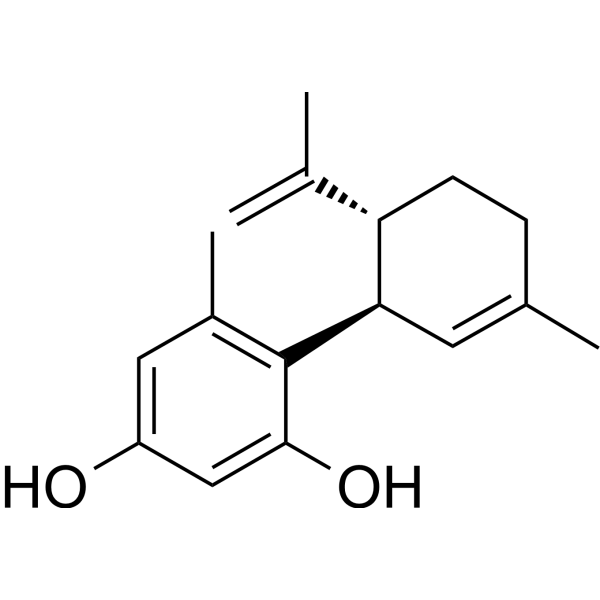
  • HY-107541
    O-1602
    1 Publications Verification

    GPR55 Neurological Disease
    O-1602 is an agonist of GPR55 (G protein-coupled receptor 55). O-1602 reduces the number and activation of hippocampal microglia induced by METH (methamphetamine). O-1602 decreases the expression levels of NLRP3 inflammasome proteins, including NLRP3, ASC and Caspase-1 .
    O-1602
  • HY-P6442

    Chemerin Receptor Syk ERK Src p38 MAPK P-selectin Cardiovascular Disease Neurological Disease Inflammation/Immunology
    Chemerin15 is an anti-inflammatory peptide derived from Chemerin. Chemerin15 binds to ChemR23. Chemerin15 inhibits TNFα-induced activation of Syk, ERK and Src kinases. Chemerin15 increases the expression of p-p38 mRNA and protein. Chemerin15 mediates phagocytosis, resolution of inflammation, CD62L shedding and downregulation of PSGL-1 expression in macrophages and microglia. Chemerin15 inhibits neutrophil-mediated vascular inflammation and myocardial ischemia-reperfusion injury via ChemR23. Chemerin15 enhances microglial phagocytosis, thereby alleviating cerebral ischemia-reperfusion injury .
    Chemerin15
  • HY-N2896

    Reactive Oxygen Species (ROS) Apoptosis Fungal Bacterial NF-κB SOD AMPK mTOR Notch Toll-like Receptor (TLR) Wnt MyD88 Sirtuin Infection Neurological Disease Inflammation/Immunology Cancer
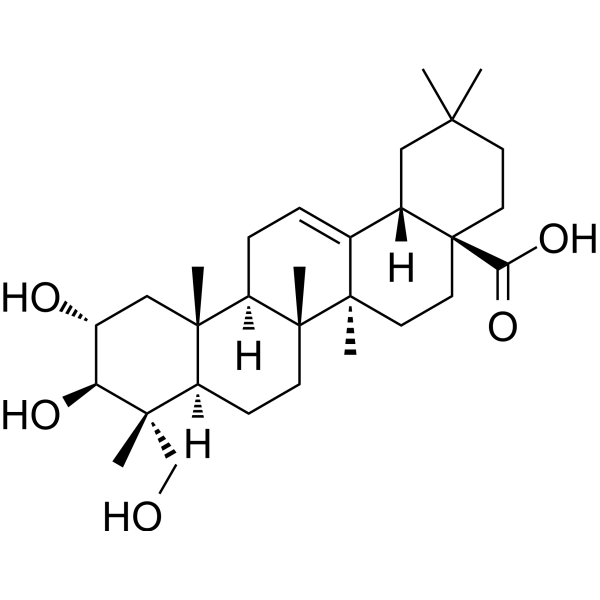
    Arjunolic acid is an orally active, multifunctional bioactive compound. Arjunolic acid exhibits free radical scavenging activity, as well as fungal and bacterial activities. Arjunolic acid induces apoptosis (Apoptosis) in various cancer cells. Arjunolic acid protects hepatocytes against induced oxidative stress and apoptosis by reducing reactive oxygen species and inhibiting NF-κB activation. Arjunolic acid regulates pancreatic dysfunction in type 2 diabetic rats by blocking the activation of the TLR-4/MyD88 and canonical Wnt pathways. Arjunolic acid inhibits neuroinflammation and ameliorates depressive behaviors via the SIRT1/AMPK/Notch1 signaling pathway in microglia. Arjunolic acid improves Crohn's disease-like colitis by restoring gut microbiota composition and inhibiting TLR4 signaling. Arjunolic acid suppresses osteosarcoma progression by inhibiting Wnt3a-mediated M2 polarization of macrophages. Arjunolic acid ameliorates diabetic retinopathy via the autophagy pathway regulated by AMPK/mTOR/HO-1. Arjunolic acid is applicable to research related to type 2 diabetes, organ toxicity, depression, Crohn's disease, osteosarcoma, diabetic retinopathy, and testicular dysfunction .
    Arjunolic acid
  • HY-121035

    7-Bromoindirubin-3-Oxime

    CDK GSK-3 Neurological Disease
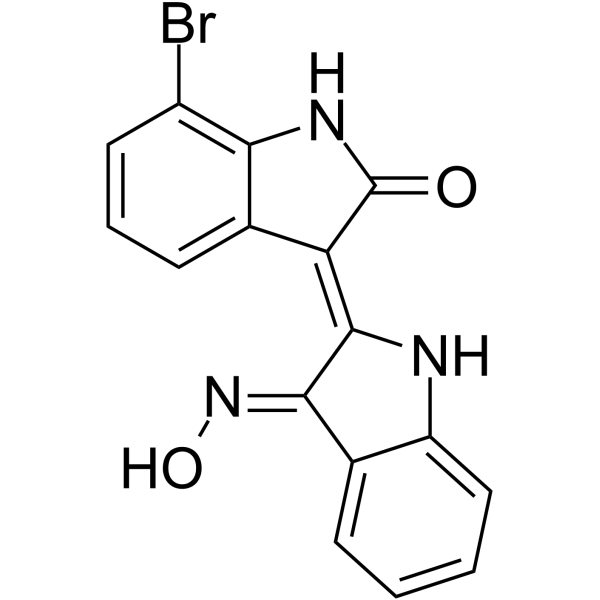
    7BIO (7-Bromoindirubin-3-Oxime) is the derivate of indirubin. 7BIO (7-Bromoindirubin-3-Oxime) has inhibitory effects against cyclin-dependent kinase-5 (CDK5) and glycogen synthase kinase-3β (GSK3β). 7BIO (7-Bromoindirubin-3-Oxime) inhibits Aβ oligomer-induced neuroinflammation, synaptic impairments, tau hyper-phosphorylation, activation of astrocytes and microglia, and attenuates Aβ oligomer-induced cognitive impairments in mice [1].
    7BIO
  • HY-W041892
    Dimethyl itaconate
    1 Publications Verification

    Reactive Oxygen Species (ROS) Infection Neurological Disease Inflammation/Immunology
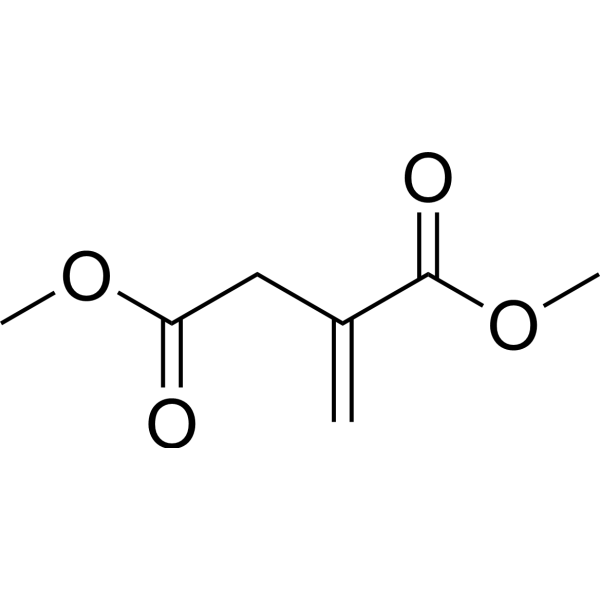
    Dimethyl itaconate induces innate immune memory (trained immunity), and exhibits immunomodulatory property. Dimethyl itaconate inhibits the activation of microglia, reduces the neuroinflammation and synaptic structural damage. Dimethyl itaconate regulates the composition of intestinal flora .
    Dimethyl itaconate
  • HY-P5762

    PNX-14

    GnRH Receptor Neurological Disease
    Phoenixin-14 (PNX-14) is one of the endogenous active isoform, and generates anxiolytic effect via the activation of the AHA GnRH system in mice. Phoenixin-14 inhibits ischemia/reperfusion-induced cytotoxicity in microglia .
    Phoenixin-14
  • HY-107581
    MK-1903
    1 Publications Verification

    GPR109A MMP Metabolic Disease Inflammation/Immunology
    MK-1903 is an orally active full agonist of GPR109a/HCAR2, with an EC50 of 12.9 nM. MK-1903 activates antilipolytic and vasodilatory pathways, reduces plasma free fatty acid levels, and induces skin flushing. MK-1903 stimulates the expression of HCAR2 protein and regulates the inflammatory response of microglia. MK-1903 prevents the enhanced firing activity of spinal nociceptive neurons. MK-1903 triggers the release of MMP-9 and the formation of NET. MK-1903 can be used in the research of dyslipidemia and neuroinflammation-based central nervous system diseases .
    MK-1903
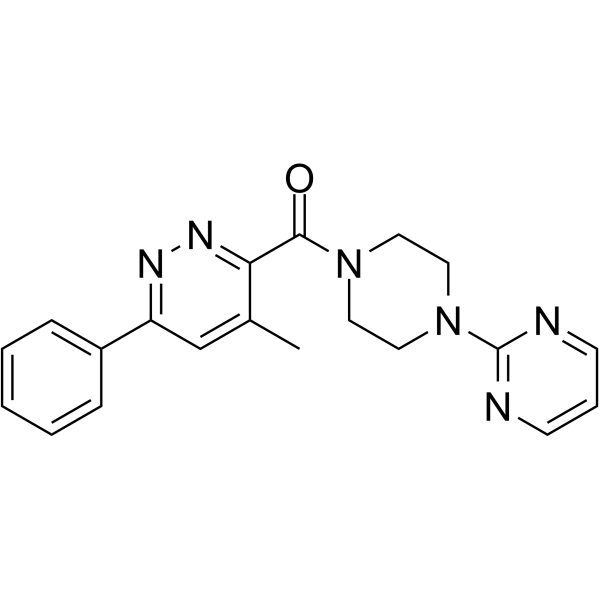
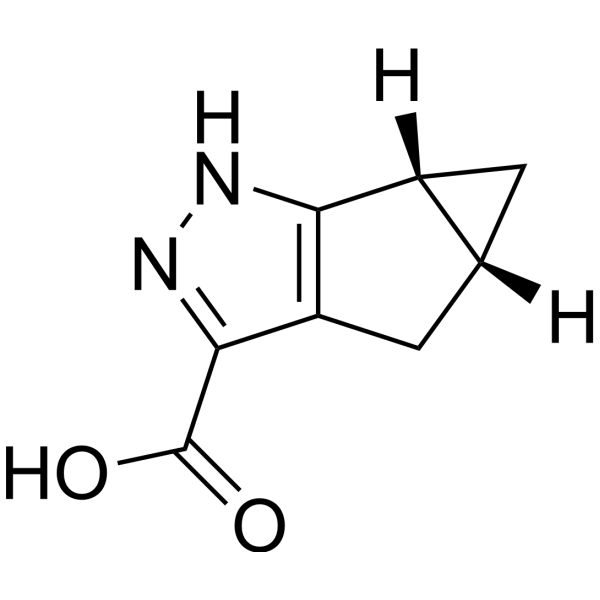
  • HY-146086

    Keap1-Nrf2 Reactive Oxygen Species (ROS) Neurological Disease Inflammation/Immunology
    Nrf2 activator-4 (Compound 20a) is a highly potent, orally active Nrf2 activator with an EC50 of 0.63 µM. Nrf2 activator-4 suppresses reactive oxygen species against oxidative stress in microglia. Nrf2 activator-4 effectively recovers the learning and memory impairment in a scopolamine-induced mouse model .
    Nrf2 activator-4
  • HY-P5345

    Apoptosis Antibiotic Caspase Mitochondrial Metabolism Cardiovascular Disease Infection Neurological Disease Metabolic Disease
    KLA peptide is a naturally occurring Antibiotic peptide that is nontoxic outside of cells but is toxic when it enters into the interior of targeted cells. KLA peptide can induce cell Apoptosis by disrupting mitochondrial membranes and activating Caspase. MG1-KLA, formed by the coupling of KLA peptide with MG1, can selectively induce apoptosis in pro-inflammatory microglia. KLA peptide can be used for the research of liver fibrosis. KLA peptide can be used for the research of neonatal hypoxic-ischemic encephalopathy.
    KLA peptide
  • HY-101318
    β-Funaltrexamine hydrochloride
    2 Publications Verification

    β-FNA hydrochloride

    Opioid Receptor p38 MAPK STAT NF-κB NO Synthase Toll-like Receptor (TLR) Cardiovascular Disease Neurological Disease
    β-Funaltrexamine (β-FNA) hydrochloride is a blood-brain barrier-permeable, selective and irreversible μ-opioid receptor antagonist with immunomodulatory, anti-inflammatory and neuroprotective activities. β-Funaltrexamine hydrochloride inhibits p38 MAPK and TLR4 signaling by blocking μ-opioid receptors, and reduces the transcriptional activities of NF-κB, AP-1, CREB and Stat. Furthermore, β-Funaltrexamine hydrochloride inhibits iNOS activation and pro-inflammatory microglial polarization, converting microglia to an anti-inflammatory phenotype, thereby downregulating neuroinflammation and ameliorating neuronal degeneration. β-Funaltrexamine hydrochloride is widely applicable to research related to stroke, cerebral ischemia/reperfusion injury and neurodegenerative diseases .
    β-Funaltrexamine hydrochloride
  • HY-W097625

    Toll-like Receptor (TLR) MyD88 p38 MAPK NF-κB Heme Oxygenase (HO) Neurological Disease Inflammation/Immunology Cancer
    6-Methoxyflavone is an orally active methoxyflavone. 6-Methoxyflavone suppresses neuroinflammation in microglia through the inhibition of TLR4/MyD88/p38 MAPK/NF-κB dependent pathways and the activation of HO-1/NQO-1 signaling. 6-Methoxyflavone induces S-phase arrest through the CCNA2/CDK2/p21CIP1 signaling pathway in HeLa cells. 6-Methoxyflavone inhibits NFAT Translocation into the nucleus and suppresses T cell activation. 6-Methoxyflavone partially restores chronic ethanol-induced behavioral deficits in mice. 6-Methoxyflavone antagonizes chronic constriction injury and diabetes associated neuropathic nociception expression. 6-Methoxyflavone can be used for the study of cancer, inflammation and neurological diseases .
    6-Methoxyflavone
  • HY-101860
    GIBH-130
    3 Publications Verification

    Interleukin Related Neurological Disease
    GIBH-130 is an effective inhibitor of neuroinflammation. GIBH-130 significantly suppresses the IL-1β secretion by activated microglia (IC50=3.4 nM).
    GIBH-130
  • HY-146765

    NOD-like Receptor (NLR) Neurological Disease Inflammation/Immunology
    AMS-17 is a potent NLRP3 inhibitor, inhibiting microglia activation in vitro and in vivo. AMS-17 also inhibits cytokines such as caspase-1, TNF-α, IL-1β and inducible nitric oxide synthase (iNOS) in N9 cells. AMS-17 can be used for researching inflammation-associated neurological disorders, such as vascular dementia (VaD) .
    AMS-17
  • HY-129724

    ACTH-(11-13); Lys-Pro-Val; H-Lys-Pro-Val-OH

    Melanocortin Receptor Bacterial NF-κB Apoptosis Interleukin Related Infection Neurological Disease Metabolic Disease Inflammation/Immunology
    α-MSH (11-13) (ACTH-(11-13)) is a C-terminal tripeptide of α-MSH that can cross the blood-brain barrier. α-MSH (11-13) exhibits antipyretic, anti-inflammatory, and antibacterial activities. α-MSH (11-13) also exerts neuroprotective effects after traumatic brain injury by inhibiting excessive activation of microglia and reducing neuronal apoptosis. α-MSH (11-13) can be used in research related to traumatic brain injury, fever, and bacterial infections .
    α-MSH (11-13)
  • HY-N10782

    Apoptosis COX TNF Receptor p38 MAPK Neurological Disease Inflammation/Immunology Cancer
    Balanophonin is an anti-inflammatory and anti-cancer agent. Balanophonin inhibits microglial activation and neurodegeneration via inhibiting activated microglia-induced apoptosis .
    Balanophonin
  • HY-W709413

    NF-κB TNF Receptor Interleukin Related Pregnane X Receptor (PXR) Constitutive Androstane Receptor Cytochrome P450 Neurological Disease
    Panaxytriol is an active component of ginseng. Panaxytriol inhibits the nuclear translocation of NF-κB, thereby reducing the production of pro-inflammatory factors (such as TNF-α, IL-1β, IL-6) and nitric oxide (NO) induced by LPS (HY-D1056). Panaxytriol upregulates CYP3A4 by activating the nuclear receptor PXR/CAR. Panaxytriol improves motor dysfunction in a mouse model of brain inflammation. Panaxytriol can be used in the research of neurodegenerative diseases (such as Alzheimer's disease) .
    Panaxytriol
  • HY-N6261

    Others Inflammation/Immunology
    Epimagnolin B is a bisepoxylignan isolated from Magnolia fargesii, with anti-inflammatory activity and antiallergic effects. Epimagnolin B inhibits NO production in LPS-activated microglia. Epimagnolin B exhibited antiallergic effects .
    Epimagnolin B
  • HY-134353A

    Adenosine 5'-(β-thiodiphosphate) trisodium

    PGE synthase Cardiovascular Disease
    ADP-β-S (Adenosine 5'-(β-thiodiphosphate)) trilithium is a non-hydrolyzable ADP analog and a P2Y12 receptor agonist. ADP-β-S trilithium activates the P2Y12 receptor in microglia, thereby triggering downstream inflammatory signaling pathways. ADP-β-S trilithium activates P2Y purinergic receptors in rat pancreatic β cells and enhances glucose-induced insulin secretion. ADP-β-S trilithium can be used in the research of diseases such as inflammation and diabetes .
    ADP-β-S trisodium
  • HY-162607

    STAT Inflammation/Immunology
    STAT3-IN-28 (compound 18) is a STAT3 inhibitor. STAT3-IN-28 can inhibit the activation of microglia and has anti-neuroinflammatory effects. STAT3-IN-28 can cross the blood-brain barrier .
    STAT3-IN-28
  • HY-N10458

    NF-κB Inflammation/Immunology
    Asperbisabolane L, a sesquiterpenoid, exerts the anti-inflammatory activity by inhibiting the NF-κB-activated pathway. Asperbisabolane L inhibits the translocation of NF-κB from cytoplasm to the nucleus. Asperbisabolane L also inhibits NO production in LPS-activated BV-2 microglia cells .
    Asperbisabolane L
  • HY-N7018

    Others Inflammation/Immunology
    20-Hydroxyganoderic Acid G is a lanostane triterpenoid obtained from the EtOH extract of fruiting bodies of the Ganoderma curtisii. 20-Hydroxyganoderic Acid G inhibits BV-2 microglia cells activated by LPS with an IC50 of 21.33 μM. 20-Hydroxyganoderic Acid G has therapeutic potential in the agent discovery of nerve inflammation diseases associated with microglia activated by LPS .
    20-Hydroxyganoderic Acid G
  • HY-N0859B

    NO Synthase Neurological Disease
    Schisanchinin D is an NO release inhibitor found in the fruits of Schisandra chinensis. Schisanchinin D can inhibit the release of nitric oxide (NO) by lipopolysaccharide (LPS)-activated microglia in primary murine BV2 microglia cells. Schisanchinin D is promising for research of neurodegenerative diseases such as Alzheimer's disease (AD) .
    Schisanchinin D
  • HY-123506

    Src Neurological Disease Inflammation/Immunology
    Fenlean, a natural squamosamide derivative, is a Src tyrosine kinase inhibitor. Fenlean can inhibit over-activated microglia and protect dopaminergic neurons. Fenlean can attenuate neuroinflammation in Parkinson's disease models .
    Fenlean
  • HY-157430

    Epigenetic Reader Domain Neurological Disease
    BET-IN-21 (compound 16) is a blood-brain barrier-permeable extra terminal domain (BET) inhibitor with the Ki of 230 nM. BET-IN-21 inhibits microglia activation and has ameliorative effects on experimental autoimmune encephalomyelitis mice .
    BET-IN-21
  • HY-P1241A

    Mas-related G-protein-coupled Receptor (MRGPR) Neurological Disease Inflammation/Immunology
    BAM(8-22) TFA, a proteolytically cleaved product of proenkephalin A and sensory neuron-specific receptor (SNSR) agonist, is a potent activator of Mas-related G-protein-coupled receptors (Mrgprs), MrgprC11 and hMrgprX1. BAM(8-22) TFA induces scratching in mice in an Mrgpr-dependent manner. In addition, BAM(8-22) TFA has an analgesic effect and can also inhibit the activation of microglia .
    BAM(8-22) TFA
  • HY-B0763S1

    Isotope-Labeled Compounds Phosphodiesterase (PDE) Inflammation/Immunology Cancer
    Ibudilast-d7 is the deuterium labeled Ibudilast. Ibudilast (KC-404; AV-411; MN-166) is a cyclic AMP phosphodiesterase (PDE) inhibitor. Ibudilast has platelet anti-aggregatory effects. Ibudilast can be used for the research of asthma for its inhibitory effects on tracheal smooth muscle contractility. Ibudilast may be a useful neuroprotective and anti-dementia agent counteracting neurotoxicity in activated microglia .
    Ibudilast-d7
  • HY-B0763R

    KC-404 (Standard); AV-411 (Standard); MN-166 (Standard)

    Reference Standards Phosphodiesterase (PDE) Inflammation/Immunology Cancer
    Ibudilast (Standard) is the analytical standard of Ibudilast. This product is intended for research and analytical applications. Ibudilast (KC-404; AV-411; MN-166) is a cyclic AMP phosphodiesterase (PDE) inhibitor. Ibudilast has platelet anti-aggregatory effects. Ibudilast can be used for the research of asthma for its inhibitory effects on tracheal smooth muscle contractility. Ibudilast may be a useful neuroprotective and anti-dementia agent counteracting neurotoxicity in activated microglia .
    Ibudilast (Standard)
  • HY-B0763S

    Isotope-Labeled Compounds Phosphodiesterase (PDE) Inflammation/Immunology Cancer
    Ibudilast-d3 (KC-404-d3) is the deuterium labeled Ibudilast. Ibudilast (KC-404) is a cyclic AMP phosphodiesterase (PDE) inhibitor. Ibudilast has platelet anti-aggregatory effects. Ibudilast can be used for the research of asthma for its inhibitory effects on tracheal smooth muscle contractility. Ibudilast may be a useful neuroprotective and anti-dementia agent counteracting neurotoxicity in activated microglia .
    Ibudilast-d3
  • HY-107541R

    GPR55 Reference Standards Neurological Disease
    O-1602 (Standard) is the analytical standard of O-1602. This product is intended for research and analytical applications. O-1602 is an agonist of GPR55 (G protein-coupled receptor 55). O-1602 reduces the number and activation of hippocampal microglia induced by METH (methamphetamine). O-1602 decreases the expression levels of NLRP3 inflammasome proteins, including NLRP3, ASC and Caspase-1 .
    O-1602 (Standard)
  • HY-B0763S2

    KC-404-d7-1; AV-411-d7-1; MN-166-d7-1

    Phosphodiesterase (PDE) Inflammation/Immunology
    Ibudilast-d7-1 is the deuterium labeled Ibudilast . Ibudilast (KC-404;AV-411;MN-166) is a cyclic AMP phosphodiesterase (PDE) inhibitor. Ibudilast has platelet anti-aggregatory effects. Ibudilast can be used for the research of asthma for its inhibitory effects on tracheal smooth muscle contractility. Ibudilast may be a useful neuroprotective and anti-dementia agent counteracting neurotoxicity in activated microglia .
    Ibudilast-d7-1
  • HY-P10824

    Amyloid-β Neurological Disease
    RI-OR2-TAT is a brain-penetrant inhibitor of β-Amyloid oligomerization, which is produced by adding the HIV protein transduction domain TAT to RI-OR2. RI-OR2-TAT binds to Aβ42 fibrils with a Kd value of 58-125 nM. RI-OR2-TAT reduces aggregation and plaque levels, reduces activation of microglia and oxidative damage, and increases the number of young neurons in the dentate gyrus .
    RI-OR2-TAT
  • HY-173334

    Monoamine Oxidase Interleukin Related TNF Receptor Neurological Disease
    hMAO-B-IN-11 (Compound 12) is a selective and reversible inhibitor of human monoamine oxidase B (hMAO-B) with an IC50 of 0.11 µM. hMAO-B-IN-11 acts through competitive binding to the hMAO-B active site, preventing oxidative deamination of monoamines and reducing hydrogen peroxide production. hMAO-B-IN-11 also inhibits pro-inflammatory mediators (NO, TNF-α, IL-1β) in activated microglia, hMAO-B-IN-11 is promising for research of neurodegenerative diseases like Parkinson’s and Alzheimer’s .
    hMAO-B-IN-11
  • HY-171031

    GSK-3 Apoptosis Caspase Bcl-2 Family Reactive Oxygen Species (ROS) Neurological Disease
    TFGF-18 is a GSK-3β inhibitor (IC50: 0.59 μM). TFGF-18 inhibits LPS-induced microglia activation and proinflammatory mediators release via inhibiting GSK-3β and downstream p65/NF-κB signaling. TFGF-18 inhibits neuronal apoptosis and oxidative stress, inhibits expressions of Bax, caspase3 and cleaved-caspase3 and increases the expression of Bcl-2. TFGF-18 has neuroprotection effect, inhibit neuroinflammation and attenuates cognitive impairment .
    TFGF-18
  • HY-181818

    Keap1-Nrf2 NO Synthase TNF Receptor Interleukin Related Neurological Disease Inflammation/Immunology
    4,5-Dehydro-6-oxoallosecurinine is a Keap1-Nrf2 pathway activator. 4,5-Dehydro-6-oxoallosecurinine promotes the nuclear translocation of Keap1-Nrf2, and induces the expression of antioxidant and cytoprotective genes. 4,5-Dehydro-6-oxoallosecurinine reduces the production of NO, and decreases the levels of iNOS, TNF-α, IL-6 and IL-1β in LPS-stimulated microglia. 4,5-Dehydro-6-oxoallosecurinine can be used for the research of neurodegenerative diseases .
    4,5-Dehydro-6-oxoallosecurinine
  • HY-101860R

    Reference Standards Interleukin Related Neurological Disease
    GIBH-130 (Standard) is the analytical standard of GIBH-130 (HY-101860). This product is intended for research and analytical applications. GIBH-130 is an effective inhibitor of neuroinflammation. GIBH-130 significantly suppresses the IL-1β secretion by activated microglia (IC50=3.4 nM).
    GIBH-130 (Standard)
  • HY-N13729

    NO Synthase Cardiovascular Disease Neurological Disease
    Stephalonine P is a hasubanan-type alkaloid anti-inflammatory agent with neuroprotective effects against neuroinflammation. Stephalonine P regulates post-ischemic inflammatory responses by inhibiting NO production in LPS-activated BV2 microglia (IC50=34.01 μM), thereby reducing microglial activation and neuronal damage. Stephalonine P can be isolated from the whole plant of Stephania japonica. Stephalonine P can be used in research on stroke and other neuroinflammation-related diseases .
    Stephalonine P
  • HY-P5345A

    Apoptosis Antibiotic Caspase Mitochondrial Metabolism Cardiovascular Disease Infection Neurological Disease Metabolic Disease
    KLA peptide acetate is a naturally occurring Antibiotic peptide that is nontoxic outside of cells but is toxic when it enters into the interior of targeted cells. KLA peptide acetate can induce cell Apoptosis by disrupting mitochondrial membranes and activating Caspase. MG1-KLA acetate, formed by the coupling of KLA peptide acetate with MG1, can selectively induce apoptosis in pro-inflammatory microglia. KLA peptide acetate can be used for the research of liver fibrosis. KLA peptide acetate can be used for the research of neonatal hypoxic-ischemic encephalopathy .
    KLA peptide acetate
  • HY-160938

    β-FNA

    Opioid Receptor STAT NF-κB Toll-like Receptor (TLR) NO Synthase p38 MAPK Cardiovascular Disease Neurological Disease
    β-Funaltrexamine (β-FNA) is a blood-brain barrier-permeable, selective and irreversible μ-opioid receptor antagonist with immunomodulatory, anti-inflammatory and neuroprotective activities. β-Funaltrexamine inhibits p38 MAPK and TLR4 signaling by blocking μ-opioid receptors, and reduces the transcriptional activities of NF-κB, AP-1, CREB and Stat. Furthermore, β-Funaltrexamine inhibits iNOS activation and pro-inflammatory microglial polarization, converting microglia to an anti-inflammatory phenotype, thereby downregulating neuroinflammation and ameliorating neuronal degeneration. β-Funaltrexamine is widely applicable to research related to stroke, cerebral ischemia/reperfusion injury and neurodegenerative diseases .
    β-Funaltrexamine
  • HY-183352

    Cholinesterase (ChE) Toll-like Receptor (TLR) p38 MAPK Interleukin Related Complement System Neurological Disease
    BuChE-IN-23 is an orally active, blood-brain barrier permeable butyrylcholinesterase (eqBuChE) inhibitor with an IC50 of 15.59 μM and a Ki of 29.33 μM. BuChE-IN-23 exhibits an IC50 of 38.65 μM against hBuChE and shows selectivity for butyrylcholinesterase over acetylcholinesterase. BuChE-IN-23 inhibits LPS (HY-D1056)-induced nitric oxide production, attenuates hippocampal glial cell activation and neuroinflammation, suppresses the TLR4/p38 MAPK signaling pathway, and regulates the IL-1β/C3-mediated microglia-astrocyte inflammatory axis. BuChE-IN-23 can be used for the research of Alzheimer's disease .
    BuChE-IN-23
  • HY-107581R

    Reference Standards GPR109A MMP Metabolic Disease Inflammation/Immunology
    MK-1903 (Standard) is the analytical standard of MK-1903 (HY-107581). This product is intended for research and analytical applications. MK-1903 is an orally active full agonist of GPR109a/HCAR2, with an EC50 of 12.9 nM. MK-1903 activates antilipolytic and vasodilatory pathways, reduces plasma free fatty acid levels, and induces skin flushing. MK-1903 stimulates the expression of HCAR2 protein and regulates the inflammatory response of microglia. MK-1903 prevents the enhanced firing activity of spinal nociceptive neurons. MK-1903 triggers the release of MMP-9 and the formation of NET. MK-1903 can be used in the research of dyslipidemia and neuroinflammation-based central nervous system diseases.
    MK-1903 (Standard)
  • HY-W097625R

    Toll-like Receptor (TLR) MyD88 p38 MAPK NF-κB Heme Oxygenase (HO) Reference Standards PERK Neurological Disease Metabolic Disease Inflammation/Immunology Cancer
    6-Methoxyflavone (Standard) is the analytical standard of 6-Methoxyflavone (HY-W097625). This product is intended for research and analytical applications. 6-Methoxyflavone is an orally active methoxyflavone. 6-Methoxyflavone suppresses neuroinflammation in microglia through the inhibition of TLR4/MyD88/p38 MAPK/NF-κB dependent pathways and the activation of HO-1/NQO-1 signaling. 6-Methoxyflavone induces S-phase arrest through the CCNA2/CDK2/p21CIP1 signaling pathway and activates the PERK/EIF2a/ATF4/CHOP pathway in HeLa cells. 6-Methoxyflavone acts as a Flumazenil (HY-B0009)-insensitive positive allosteric modulator at human recombinant α1β2γ2L and α2β2γ2L GABAα receptors. 6-Methoxyflavone inhibits NFAT Translocation into the nucleus and suppresses T cell activation. 6-Methoxyflavone partially restores chronic ethanol-induced behavioral deficits in mice. 6-Methoxyflavone antagonizes chronic constriction injury and diabetes associated neuropathic nociception expression. 6-Methoxyflavone can be used for the study of cancer, inflammation and neurological diseases .
    6-Methoxyflavone (Standard)

Inquiry Online

Your information is safe with us. * Required Fields.

Salutation


Country or Region *

Applicant Name *


Organization Name *

Department *


Email Address *


Product Name *

Cat. No.


Requested quantity *

Phone Number *


Remarks

Inquiry Online

Inquiry Information

Product Name:
Cat. No.:
Quantity:
MCE Japan Authorized Agent:

