


Search Result
Results for "
monocytic cells
" in MedChemExpress (MCE) Product Catalog:
1
Biochemical Assay Reagents
| Cat. No. |
Product Name |
Target |
Research Areas |
Chemical Structure |
-
- HY-19619
-
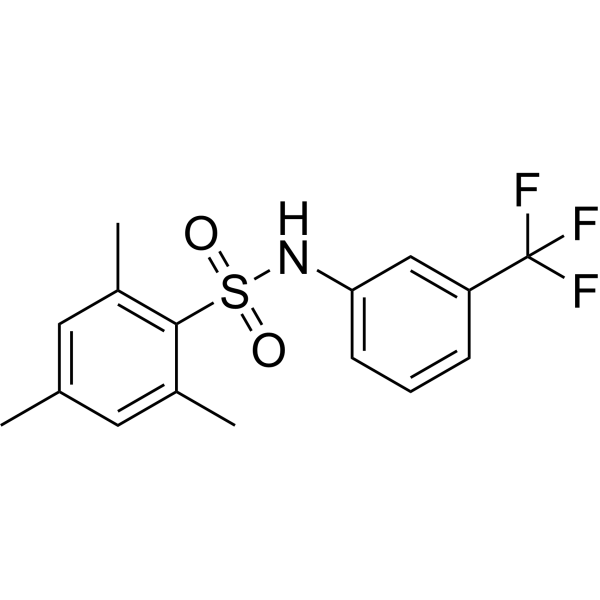
m-3M3FBS
Maximum Cited Publications
8 Publications Verification
|
Phospholipase
Apoptosis
|
Cancer
|
|
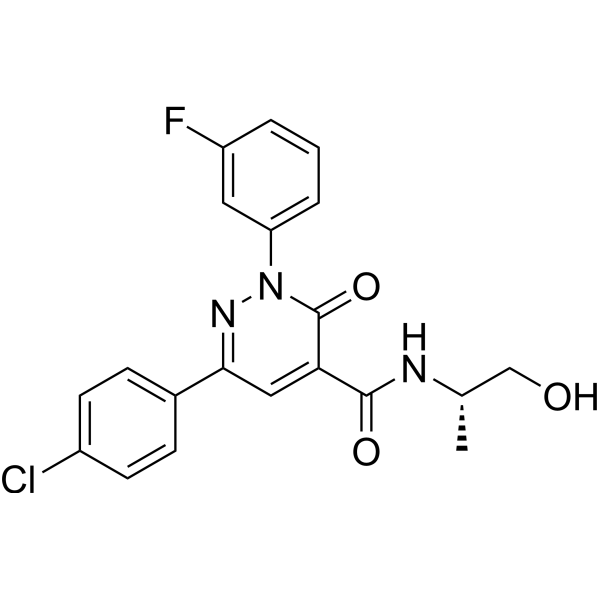
m-3M3FBS is a potent phospholipase C (PLC) activator. m-3M3FBS stimulates superoxide generation in human neutrophils, upregulates intracellular calcium concentration, and stimulates inositol phosphate generation in various cell lines. m-3M3FBS induces monocytic leukemia cell apoptosis .
|
-
-
- HY-113308
-
|
|
Calcium Channel
Ferroptosis
PI3K
Akt
HBV
Reactive Oxygen Species (ROS)
|
Cardiovascular Disease
Infection
Inflammation/Immunology
|
|
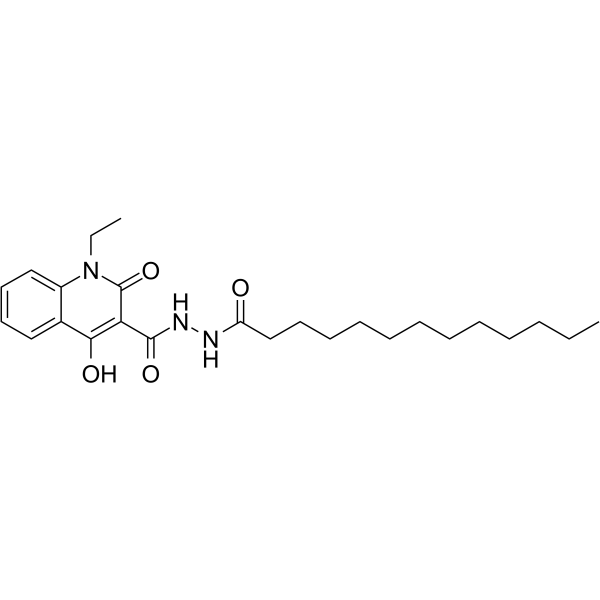
Taurolithocholic acid is an orally active bile acid and antiviral agent. Taurolithocholic acid upregulates FADS2 by activating the TGR5-PI3K/AKT-SREBP2 signaling axis, inhibits SFTSV-induced ferroptosis (Ferroptosis), viral replication and viral entry of HBV/HDV, while reducing the release of IL-1β, lipid ROS and LDH. While exerting antiviral protective effects, Taurolithocholic acid also stimulates the recycling of hepatocellular membrane transporters, impairs canalicular bile acid secretion function, and induces hepatocyte cholestasis, apoptosis and acute hepatocellular injury. Taurolithocholic acid serves as an experimental model compound for hepatocellular cholestasis. At concentrations ≤200 μM, Taurolithocholic acid shows no cytotoxicity and does not activate the interferon pathway. Taurolithocholic acid not only protects mice from lethal SFTSV infection but also is suitable for studies related to severe fever with thrombocytopenia syndrome and cholestasis .
|
-
-
- HY-N7038A
-
|
PHA-P
|
Others
|
Inflammation/Immunology
|
|
Phytohemagglutinin P (PHA-P) is a mitogen known to selectively stimulate cells of hematogenous or lymphoid monocytic origin .
|
-
-
- HY-175603
-
|
|
Amine N-methyltransferase
|
Cancer
|
|
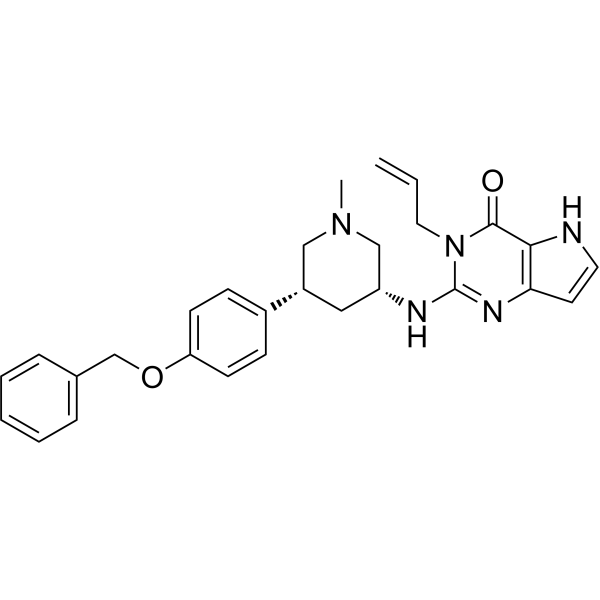
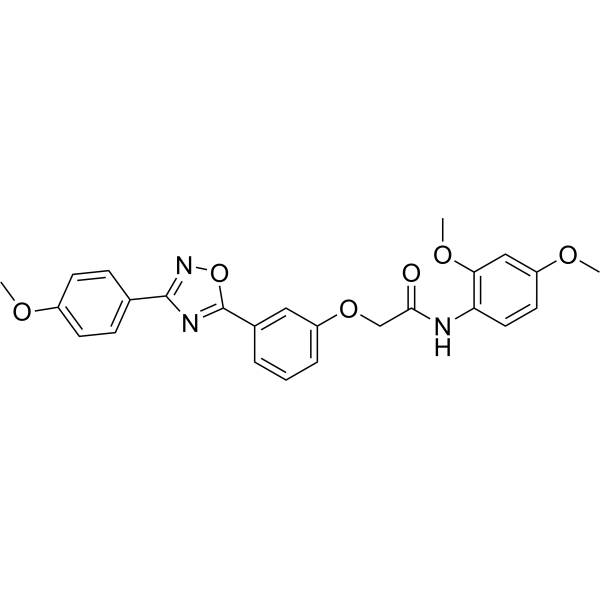
NCGC00685960 is a Nicotinamide N-methyltransferase (NNMT) inhibitor with an IC50 <10 nM. NCGC00685960 has potent antitumor activity. NCGC00685960 increases H3K27 trimethylation levels in ovarian cancer cells and inhibits α-SMA expression in NNMT-expressing ovarian fibroblasts. NCGC00685960 reduces 1-MNA levels, reverses SAM and H3K27 hypomethylation and significantly impairs collagen contractility in cancer-associated fibroblasts (CAFs). NCGC00685960 can be used for cancers research, such as ovarian cancer, breast cancer, colon cancer .
|
-
-
- HY-P2036A
-
|
|
Toll-like Receptor (TLR)
MMP
HSV
Antibiotic
|
Infection
|
|
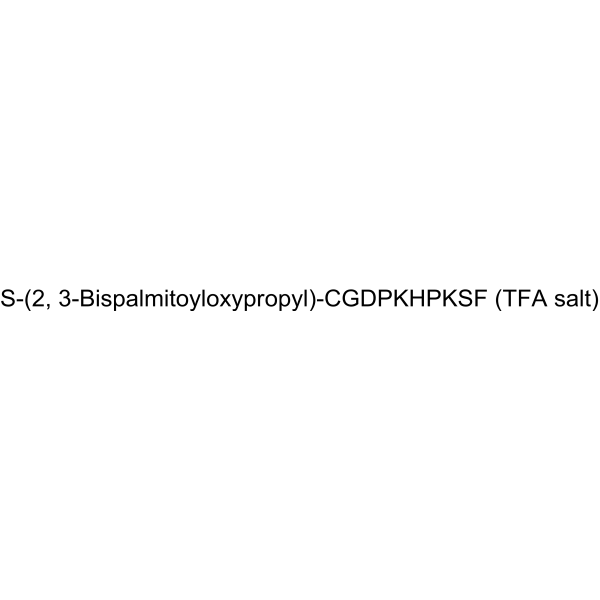
FSL-1 TFA, a bacterial-derived toll-like receptor 2/6 (TLR2/6) agonist, enhances resistance to experimental HSV-2 infection . FSL-1 TFA induces MMP-9 production through TLR2 and NF-κB/AP-1 signaling pathways in monocytic THP-1 cells .
|
-
-
- HY-111449
-
BAY-218
2 Publications Verification
AHR antagonist 1
|
Aryl Hydrocarbon Receptor
|
Inflammation/Immunology
Cancer
|
|
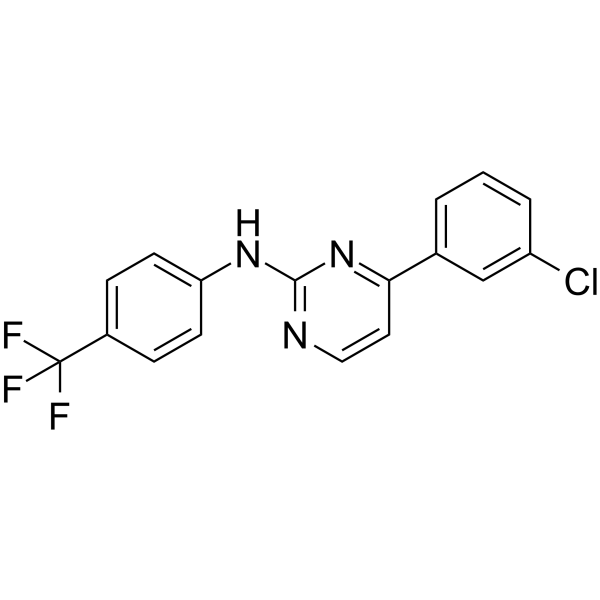
BAY-218 (AHR antagonist 1) is an aryl hydrocarbon receptor (AHR) antagonist. BAY-218 has AHR inhibitory activity with an IC50 of 39.9 nM in in U87 glioblastoma cells. BAY-218 can be used for the research of cancer or conditions with dysregulated immune responses .
|
-
-
- HY-173011
-
|
|
PROTACs
Cyclophilin
HIV
HCV
|
Infection
|
|
RJS308 is a selective Cyclophilin A (CypA) PROTAC degrader. RJS308 induces ubiquitin-dependent CypA degradation by recruiting the VHL E3 ligase complex, and forms a ternary complex with CypA and VHL/elongin C/elongin B. RJS308 exhibits anti-HIV-1 and anti-HCV activities. RJS308 can be used in studies related to viral infections .
|
-
-
- HY-P11072
-
|
|
Toll-like Receptor (TLR)
Interleukin Related
TNF Receptor
|
Inflammation/Immunology
|
|
IRF5-CPP5 is a cytosolic peptide that selectively targeting human IRF5 wirh a Kd of 0.53 μM. IRF5-CPP5 disrupts IRF5 homodimerization and inhibits its nuclear translocation without altering IRF5 phosphorylation levels. IRF5-CPP5 inhibits proinflammatory cytokine (IL-6, IL-1β, TNF-α) production. IRF5-CPP5 can be used for the research of systemic lupus erythematosus .
|
-
-
- HY-168654
-
|
|
Wee1
|
Cancer
|
|
WEE1 degrader 1 (Compound 10) is a CRBN-dependent molecular glue degrader of WEE1 and casein kinase 1α (CK1α) with sub-2 nM DC50 values for both targets. WEE1 degrader 1 can be used for the research of acute lymphoblastic leukemia, acute monocytic leukemia, acute promyelocytic leukemia, colorectal adenocarcinoma, diffuse large b cell lymphoma .
|
-
-
- HY-W014605
-
|
Diphencyprone
|
Interleukin Related
Apoptosis
p38 MAPK
IRE1
|
Inflammation/Immunology
Cancer
|
|
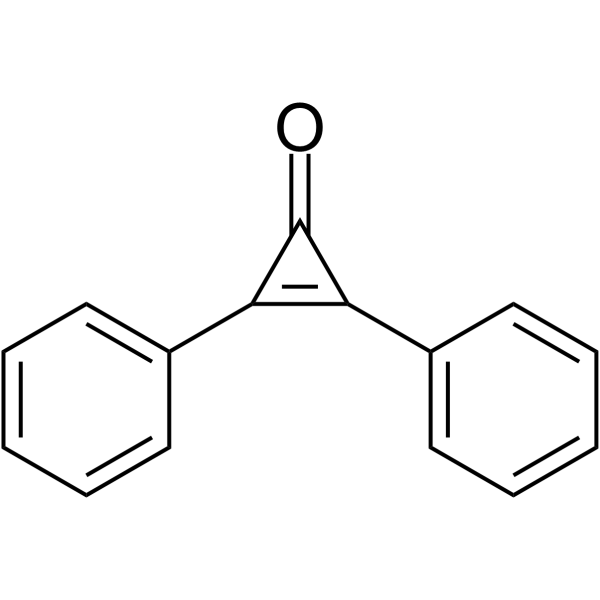
Diphenylcyclopropenone (Diphencyprone) is a potent hapten acting as a topical immunomodulatory agent, which induces an allergic contact dermatitis. Diphenylcyclopropenone induces an increase of cell-surface thiols in cells of a human monocytic cell line, THP-1. Diphenylcyclopropenone acts on the autoreactive T-lymphocytes within the follicular milieu to induce Apoptosis. Diphenylcyclopropenone can be used for alopecia areata research .
|
-
-
- HY-155175
-
|
|
Tim3
IFNAR
|
Cancer
|
|
TIM-3-IN-2 is a TIM-3 inhibitor. TIM-3-IN-2 blocks the interactions of TIM-3 with PtdSer, CEACAM1 and Gal-9, and inhibits the immunosuppressive function of TIM-3. TIM-3-IN-2 restores IFNγ release from peripheral blood mononuclear cells. TIM-3-IN-2 inhibits the proliferation of acute myeloid leukemia cells. TIM-3-IN-2 can be used for the research of acute myeloid leukemia .
|
-
-
- HY-P11178
-
|
|
Apoptosis
SARS-CoV
|
Infection
Metabolic Disease
Inflammation/Immunology
|
|
Corisin is a pro-apoptotic small peptide produced by Staphylococcus species. Corisin binds to serum albumin to target organs such as the lungs and kidneys, induces cellular senescence, apoptosis and epithelial-mesenchymal transition, and accelerates the progression of organ fibrosis including pulmonary fibrosis and diabetic renal fibrosis. Corisin levels are closely associated with coronavirus disease 2019 (COVID-19), diabetic chronic kidney disease (CKD), non-diabetic CKD, and idiopathic pulmonary fibrosis (IPF) .
|
-
-
- HY-141539
-
|
|
Histone Methyltransferase
Akt
|
Cancer
|
|
SETDB1-TTD-IN-1 is a SETDB1 methyltransferase activator and SETDB1-TTD competitive inhibitor (Kd of 88 nM), and selectivity for SETDB1-TTD over other tudor and bromodomain proteins. SETDB1-TTD-IN-1 stimulates methyltransferase activity via increased catalytic activity, promotes Akt1 Lys64 methylation, Akt1 Thr308 phosphorylation and activation. SETDB1-TTD-IN-1 prevents SETDB1-TTD-histone H3 peptide association, induces global gene expression changes, exhibits cellular target engagement, and acts as a tool compound for SETDB1-TTD function exploration. SETDB1-TTD-IN-1 can be used for the research of breast cancer .
|
-
-
- HY-159779
-
|
|
PROTACs
Nuclear Hormone Receptor 4A/NR4A
|
Inflammation/Immunology
Cancer
|
|
NR-V04 is a selective NR4A1 PROTAC degrader. NR-V04 forms a ternary complex with NR4A1 and the VHL E3 ligase, mediates proteasome-dependent degradation of NR4A1. NR-V04 induces tumor-infiltrating B cells and effector memory CD8 + T cells and reduces monocytic myeloid-derived suppressor cells in tumor microenvironments. NR-V04 can be used for the research of melanoma and colon cancer .
|
-
-
- HY-135750
-
VAF347
3 Publications Verification
|
Aryl Hydrocarbon Receptor
|
Inflammation/Immunology
|
|
VAF347 is a cell permeable and highly affinity aryl hydrocarbon receptor (AhR) agonist and induces AhR signaling. VAF347 inhibits the development of CD14 +CD11b + monocytes from granulo-monocytic (GM stage) precursors. VAF347 has anti-inflammatory effects .
|
-
-
- HY-139410
-
|
|
c-Fms
|
Inflammation/Immunology
|
|
Sodium caseinates is a kind of sodium salts of major milk proteins, which act as protein-based biopolymers and innate immune system activators. Sodium caseinates induce granulopoiesis, activation and differentiation, promote the production of M-CSF, and increase serum levels of G-CSF and GM-CSF. Sodium caseinates inhibit the proliferation and reduce the viability of leukemia macrophage-like cells, thereby significantly improving the survival rate of mice inoculated with leukemia cells. Sodium caseinates can serve as carriers for probiotics in edible films and exhibit anti-Listeria activity. Sodium caseinates effectively protect vitamin A from degradation, enhance its stability, bioaccessibility and bioavailability, and regulate protein digestibility when complexed with vitamin A. Sodium caseinates can be applied to research related to acute monocytic leukemia and vitamin A deficiency .
|
-
-
- HY-162608
-
|
|
PROTACs
JAK
STAT
|
Cancer
|
|
PROTAC JAK1 degrader 1 is a JAK1 PROTAC degrader with a DC50 of 214 nM and an IC50 of 5.2 nM. PROTAC JAK1 degrader 1 inhibits the downstream JAK-STAT signaling pathway by degrading JAK1. PROTAC JAK1 degrader 1 exhibits antiproliferative activity in cells. PROTAC JAK1 degrader 1 can be used for research on leukemia .
|
-
-
- HY-P4122
-
|
|
HIV
|
Others
|
|
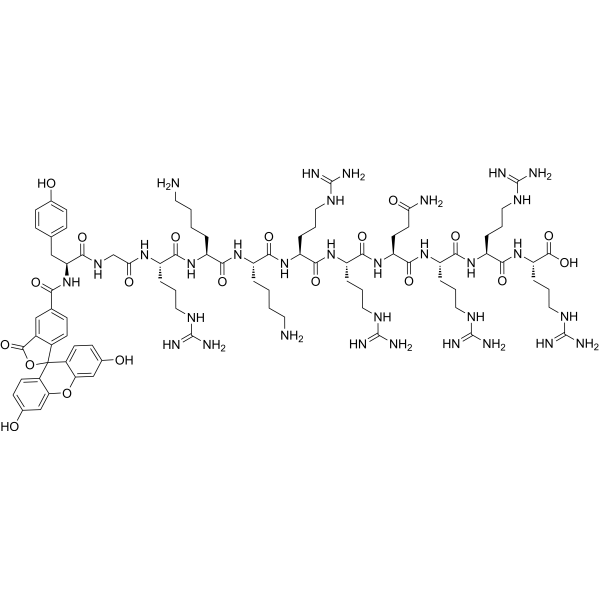
TAT (47-57), FAM-labeled is a 5(6)-Carboxyfluorescein (HY-15940)-labeled TAT (HY-P0281). TAT (YGRKKRRQRRR) is derived from the transactivator of transcription (TAT) of human immunodeficiency virus-1 (HIV-1) and is a cell-penetrating peptide .
|
-
-
- HY-145726
-
|
|
TNF Receptor
|
Cardiovascular Disease
Inflammation/Immunology
|
|
ISIS 104838 is an antisense oligonucleotide targeting TNF-α. ISIS 104838 specifically binds to human TNF-α mRNA via Watson-Crick base pairing to form a DNA:RNA hybrid duplex, thereby recruiting the ubiquitously expressed intracellular enzyme RNase H to degrade the target mRNA and inhibit TNF-α protein synthesis at the transcriptional level. ISIS 104838 induces moderate, self-limiting thrombocytopenia in cynomolgus monkeys. ISIS 104838 can be used for the study of inflammatory diseases .
|
-
-
- HY-171692
-
|
|
Cyclic GMP-AMP Synthase
IFNAR
STING
|
Infection
|
|
G3-YSD is a cGAS agonist. G3-YSD directly interacts with cGAS to enhance its enzymatic activity, promote the conversion of ATP and GTP into cGAMP, and trigger STING-dependent IFN-α/β secretion. G3-YSD acts as a viral mimic to replace actual viral DNA . G3-YSD is applicable to research related to long COVID and type 1 human immunodeficiency virus infection .
|
-
-
- HY-P990650
-
|
|
TREM receptor
|
Cancer
|
|
PY159 is a humanized antibody targeting TREM1/CD354. PY159 reprograms immunosuppressive intratumoral myeloid cells towards an inflammatory, anti-tumor phenotype, promotes anti-tumor immune responses, upregulates monocyte activation markers, and induces proinflammatory cytokines. PY159 can be used for the research of platinum-resistant ovarian cancer, advanced solid tumors, and advanced refractory solid tumors .
|
-
-
- HY-N3514
-
|
|
Others
|
Cancer
|
|
Kuwanon E is a flavonoid isolated from Morus alba, cytotoxic to human monocytic leukemic cell lines, and reduces the level of IL-1β .
|
-
-
- HY-164548
-
|
|
HSP
Apoptosis
PI3K
Akt
NF-κB
|
Inflammation/Immunology
Cancer
|
|
WK88-1 is an apoptosis inducer and Hsp90 client protein inhibitor with antiproliferative and immunomodulatory activities. WK88-1 inhibits signaling pathways such as PI3K/Akt and NF-κB, and induces mitochondrial dysfunction and cell cycle arrest. WK88-1 effectively suppresses cancer cell migration and invasion, and reverses various EGFR mutations and resistance to Gefitinib (HY-50895). WK88-1 also regulates the differentiation of monocytes and dendritic cells, blocks the expression of multiple chemokines, inhibits immune cell migration and M1 marker transcription, and restores impaired endocytic activity. WK88-1 has been used in studies of breast cancer, non-small cell lung cancer with various EGFR mutations or Met amplification, and atherosclerosis and other related diseases .
|
-
-
- HY-N8390
-
|
|
Others
|
Cancer
|
|
3-Epidehydropachymic acid, a lanostane triterpenoid, shows totoxicity effect against human acute monocytic leukemia cell line THP-1 (IC50=52.51 μM) .
|
-
-
- HY-119337
-
|
|
Ser/Thr Protease
|
Infection
|
|
CE-2072 is an inhibitor of serine proteases neutrophil elastase and proteinase-3. CE-2072 inhibits HIV-1 production and p24 production in response to IL-18 or NaCl in infected U1 monocytic cells, reduces virus replication in infected peripheral blood mononuclear cells and blocks infection of permissive HeLa cells. CE-2072 suppresses activation of the HIV-1-inducing transcription factor NF-kB in U1 cells. CE-2072 is promising for research of HIV-1-related disease .
|
-
-
- HY-147609
-
|
|
c-Fms
|
Cancer
|
|
CSF1R-IN-8 (Compound 22) is a CSF-1R inhibitor with an IC50 of 0.012 μM .
|
-
-
- HY-147611
-
|
|
c-Fms
|
Cancer
|
|
CSF1R-IN-10 (Compound 48) is a CSF-1R inhibitor with an IC50 of 0.005 μM .
|
-
-
- HY-76293
-
I2906
1 Publications Verification
|
Bacterial
|
Infection
|
|
I2906 is an orally active isocitrate lyase (ICL) inhibitor with a Mycobacterium tuberculosis IC50 of 134.3 μg/mL. I2906 inhibits the growth of Mycobacterium tuberculosis. I2906 can be used for the research of tuberculosis .
|
-
-
- HY-14926B
-
|
(S)-(-)-Nadifloxacin arginine; WCK 771 arginine
|
Bacterial
|
Infection
|
|
Levonadifloxacin ((S)-(-)-Nadifloxacin; WCK 771) arginine is a broad-spectrum antistaphylococcal agent. Levonadifloxacin arginine has antimicrobial activity against methicillin-sensitive Staphylococcus aureus (MSSA) and methicillin-resistant Staphylococcus aureus and reduces phagocytosis of MRSA and MSSA strains by monocytic THP-1 cells .
|
-
-
- HY-121996
-
|
PGE2 ethanolamide
|
Prostaglandin Receptor
COX
|
Inflammation/Immunology
|
|
Prostaglandin E2 Ethanolamide (PGE2-EA), an analog of PGE2, can be formed enzymatically following COX-2 oxygenation of endocannabinoids. Prostaglandin E2 Ethanolamide (PGE2-EA) could modulate the production of the proinflammatory cytokine TNF-α in human blood and human monocytic cells .
|
-
-
- HY-147610
-
|
|
c-Fms
|
Cancer
|
|
CSF1R-IN-9 (Compound 46) is a CSF-1R inhibitor with an IC50 of 0.028 μM .
|
-
-
- HY-19619R
-
|
|
Phospholipase
Apoptosis
|
Cancer
|
|
m-3M3FBS (Standard) is the analytical standard of m-3M3FBS. This product is intended for research and analytical applications. m-3M3FBS is a potent phospholipase C (PLC) activator. m-3M3FBS stimulates superoxide generation in human neutrophils, upregulates intracellular calcium concentration, and stimulates inositol phosphate generation in various cell lines. m-3M3FBS induces monocytic leukemia cell apoptosis .
|
-
-
- HY-162237
-
|
|
RIP kinase
|
Inflammation/Immunology
|
|
RIPK1-IN-13 (compound 28) is a selective inhibitor for receptor-interacting serine/threonine-protein kinase 1 (RIPK1), the inhibitory activity is measured by ADP-Glo Kinase Assay with a pKi of 7.66. RIPK1-IN-13 inhibits human leukaemia cells U937 with a pIC50 of 7.2 .
|
-
-
- HY-W409652
-
|
|
CDK
EGFR
HDAC
|
Cancer
|
|
CLK1/4-IN-2 is a selective CLK1/4 inhibitor, with an IC50 of 7 nM against CLK1 and an IC50 of 2.3 nM against CLK4. CLK1/4-IN-2 induces protein depletion in cancer cells and exhibits anticancer activity. CLK1/4-IN-2 can be used in research related to breast cancer, monocytic leukemia, bladder cancer, mammary adenocarcinoma and hepatocellular carcinoma .
|
-
-
- HY-181898
-
|
|
PROTACs
IRAK
|
Inflammation/Immunology
|
|
PROTAC IRAK3 degrader-2 (Compound 17) is a IRAK3 PROTAC degrader with a DC50 ≤ 50 nM. It promotes ubiquitination and degradation of IRAK3, and is applicable to the research of immune diseases .
|
-
-
- HY-P992108
-
|
RELAX10
|
RXFP Receptor
Akt
NO Synthase
VEGFR
|
Cardiovascular Disease
|
|
Efadirelaxin alfa (RELAX10) is a highly selective agonist of relaxin/insulin-like family peptide receptor RXFP1. After subcutaneous administration in animal experiments, Efadirelaxin alfa exhibits a significantly prolonged terminal half-life (7 days in mice, 3.75 days in rats), and shows no activity against related receptors such as RXFP2 and RXFP3. Efadirelaxin alfa has significant anti-cardiac hypertrophy and anti-fibrotic effects. Efadirelaxin alfa effectively attenuates and reverses cardiac hypertrophy and collagen deposition by regulating the TGF-β1/Smad2 and AKT/eNOS signaling pathways. Efadirelaxin alfa improves cardiac systolic function without causing fluctuations in blood pressure or heart rate, demonstrating favorable safety. Efadirelaxin alfa is currently mainly used in studies related to heart failure .
|
-
-
- HY-P992389
-
|
|
LILRB
|
Cancer
|
|
IO-202 is a high-affinity LILRB4/ILT3 binder and myeloid checkpoint inhibitor. IO-202 blocks APOE binding and LILRB4 activation to reverse T-cell suppression and enhance T-cell cytotoxicity, while eliminating LILRB4-high-expressing leukemic blasts via ADCC and ADCP mechanisms. IO-202 promotes dendritic cell maturation and antigen presentation, reshapes the phenotype of tumor-associated macrophages, and reduces myeloid-derived suppressor cells. IO-202 is widely applicable to research on relapsed/refractory acute myeloid leukemia (AML), chronic myelomonocytic leukemia (CMML), and solid tumors .
|
-
-
- HY-181916
-
|
|
Toll-like Receptor (TLR)
PD-1/PD-L1
|
Inflammation/Immunology
Cancer
|
|
BXY-14 is a TLR2 agonist and vaccine adjuvant. BXY-14 significantly downregulates the expression of intratumoral PD-L1 in mouse models. BXY-14 acts as a vaccine adjuvant to induce antibody responses. BXY-14 exhibits synergistic efficacy when combined with the anti-PD-L1 monoclonal antibody Atezolizumab (HY-P9904) in mouse models of melanoma, and prolongs overall survival. BXY-14 is applicable to research related to melanoma .
|
-
-
- HY-182034
-
|
|
Toll-like Receptor (TLR)
Interleukin Related
TNF Receptor
|
Inflammation/Immunology
|
|
GAP214 is a monosaccharide lipid A analogue and TLR4/MD-2 complex modulator.GAP214 binds to the TLR4/MD-2 complex via hydrophobic interactions, salt bridges, and hydrogen bonds, induces dimerization of the complex to initiate intracellular signaling cascades.GAP214 functions as an immunostimulant and vaccine adjuvant, enhances antigen-specific IgG antibody production in a mouse model .
|
-
-
- HY-W207224
-
|
|
MAP4K
|
Cardiovascular Disease
Inflammation/Immunology
|
|
F1386-0303 is a highly selective MAP4K4 inhibitor with an IC50 of 34 nM against human targets. F1386-0303 exerts cardiomyocyte protective and function-preserving effects through mechanisms such as alleviating oxidative stress, inhibiting caspases, and maintaining mitochondrial membrane potential, while it does not interfere with the activity of Doxorubicin (HY-15142A) in cancer cells. F1386-0303 is rapidly cleared and has no bioavailability in mice, but it is well-suited as a tool compound for target validation. F1386-0303 can be applied to studies related to cardiac ischemia-reperfusion injury, Doxorubicin-induced cardiotoxicity, myocardial infarction and other related conditions .
|
-
-
- HY-P991896
-
|
AT14-012
|
Transmembrane Glycoprotein
|
Inflammation/Immunology
Cancer
|
|
AT1412 is a CD9-binding antibody. AT1412 binds to the tetraspanin protein CD9 and modulates CD9 function by enhancing T cell adhesion to endothelial cells (HUVECs) and transendothelial migration. AT1412 binds to B-ALL cell lines but not to T-ALL. AT1412 induces antibody-dependent cellular cytotoxicity in B-ALL cell lines. AT1412 binds to melanoma cells, B-ALL, gastric cancer, colorectal cancer, and pancreatic cancer cells [1] .
|
-
| Cat. No. |
Product Name |
Type |
-
- HY-139410
-
|
|
Biochemical Assay Reagents
|
|
Sodium caseinates is a kind of sodium salts of major milk proteins, which act as protein-based biopolymers and innate immune system activators. Sodium caseinates induce granulopoiesis, activation and differentiation, promote the production of M-CSF, and increase serum levels of G-CSF and GM-CSF. Sodium caseinates inhibit the proliferation and reduce the viability of leukemia macrophage-like cells, thereby significantly improving the survival rate of mice inoculated with leukemia cells. Sodium caseinates can serve as carriers for probiotics in edible films and exhibit anti-Listeria activity. Sodium caseinates effectively protect vitamin A from degradation, enhance its stability, bioaccessibility and bioavailability, and regulate protein digestibility when complexed with vitamin A. Sodium caseinates can be applied to research related to acute monocytic leukemia and vitamin A deficiency .
|
| Cat. No. |
Product Name |
Target |
Research Area |
-
- HY-P2036A
-
|
|
Toll-like Receptor (TLR)
MMP
HSV
Antibiotic
|
Infection
|
|
FSL-1 TFA, a bacterial-derived toll-like receptor 2/6 (TLR2/6) agonist, enhances resistance to experimental HSV-2 infection . FSL-1 TFA induces MMP-9 production through TLR2 and NF-κB/AP-1 signaling pathways in monocytic THP-1 cells .
|
-
- HY-P11072
-
|
|
Toll-like Receptor (TLR)
Interleukin Related
TNF Receptor
|
Inflammation/Immunology
|
|
IRF5-CPP5 is a cytosolic peptide that selectively targeting human IRF5 wirh a Kd of 0.53 μM. IRF5-CPP5 disrupts IRF5 homodimerization and inhibits its nuclear translocation without altering IRF5 phosphorylation levels. IRF5-CPP5 inhibits proinflammatory cytokine (IL-6, IL-1β, TNF-α) production. IRF5-CPP5 can be used for the research of systemic lupus erythematosus .
|
-
- HY-P11178
-
|
|
Apoptosis
SARS-CoV
|
Infection
Metabolic Disease
Inflammation/Immunology
|
|
Corisin is a pro-apoptotic small peptide produced by Staphylococcus species. Corisin binds to serum albumin to target organs such as the lungs and kidneys, induces cellular senescence, apoptosis and epithelial-mesenchymal transition, and accelerates the progression of organ fibrosis including pulmonary fibrosis and diabetic renal fibrosis. Corisin levels are closely associated with coronavirus disease 2019 (COVID-19), diabetic chronic kidney disease (CKD), non-diabetic CKD, and idiopathic pulmonary fibrosis (IPF) .
|
-
- HY-P4122
-
|
|
HIV
|
Others
|
|
TAT (47-57), FAM-labeled is a 5(6)-Carboxyfluorescein (HY-15940)-labeled TAT (HY-P0281). TAT (YGRKKRRQRRR) is derived from the transactivator of transcription (TAT) of human immunodeficiency virus-1 (HIV-1) and is a cell-penetrating peptide .
|
| Cat. No. |
Product Name |
Target |
Research Area |
Image |
-
- HY-P990650
-
|
|
TREM receptor
|
Cancer
|
|
PY159 is a humanized antibody targeting TREM1/CD354. PY159 reprograms immunosuppressive intratumoral myeloid cells towards an inflammatory, anti-tumor phenotype, promotes anti-tumor immune responses, upregulates monocyte activation markers, and induces proinflammatory cytokines. PY159 can be used for the research of platinum-resistant ovarian cancer, advanced solid tumors, and advanced refractory solid tumors .
|
-
(5)
-
- HY-P992108
-
|
RELAX10
|
RXFP Receptor
Akt
NO Synthase
VEGFR
|
Cardiovascular Disease
|
|
Efadirelaxin alfa (RELAX10) is a highly selective agonist of relaxin/insulin-like family peptide receptor RXFP1. After subcutaneous administration in animal experiments, Efadirelaxin alfa exhibits a significantly prolonged terminal half-life (7 days in mice, 3.75 days in rats), and shows no activity against related receptors such as RXFP2 and RXFP3. Efadirelaxin alfa has significant anti-cardiac hypertrophy and anti-fibrotic effects. Efadirelaxin alfa effectively attenuates and reverses cardiac hypertrophy and collagen deposition by regulating the TGF-β1/Smad2 and AKT/eNOS signaling pathways. Efadirelaxin alfa improves cardiac systolic function without causing fluctuations in blood pressure or heart rate, demonstrating favorable safety. Efadirelaxin alfa is currently mainly used in studies related to heart failure .
|
-
(5)
-
- HY-P992389
-
|
|
LILRB
|
Cancer
|
|
IO-202 is a high-affinity LILRB4/ILT3 binder and myeloid checkpoint inhibitor. IO-202 blocks APOE binding and LILRB4 activation to reverse T-cell suppression and enhance T-cell cytotoxicity, while eliminating LILRB4-high-expressing leukemic blasts via ADCC and ADCP mechanisms. IO-202 promotes dendritic cell maturation and antigen presentation, reshapes the phenotype of tumor-associated macrophages, and reduces myeloid-derived suppressor cells. IO-202 is widely applicable to research on relapsed/refractory acute myeloid leukemia (AML), chronic myelomonocytic leukemia (CMML), and solid tumors .
|
-
(5)
-
- HY-P991896
-
|
AT14-012
|
Transmembrane Glycoprotein
|
Inflammation/Immunology
Cancer
|
|
AT1412 is a CD9-binding antibody. AT1412 binds to the tetraspanin protein CD9 and modulates CD9 function by enhancing T cell adhesion to endothelial cells (HUVECs) and transendothelial migration. AT1412 binds to B-ALL cell lines but not to T-ALL. AT1412 induces antibody-dependent cellular cytotoxicity in B-ALL cell lines. AT1412 binds to melanoma cells, B-ALL, gastric cancer, colorectal cancer, and pancreatic cancer cells [1] .
|
-
(5)
| Cat. No. |
Product Name |
Category |
Target |
Chemical Structure |
| Cat. No. |
Product Name |
|
Classification |
-
- HY-145726
-
|
|
|
Antisense Oligonucleotides
|
|
ISIS 104838 is an antisense oligonucleotide targeting TNF-α. ISIS 104838 specifically binds to human TNF-α mRNA via Watson-Crick base pairing to form a DNA:RNA hybrid duplex, thereby recruiting the ubiquitously expressed intracellular enzyme RNase H to degrade the target mRNA and inhibit TNF-α protein synthesis at the transcriptional level. ISIS 104838 induces moderate, self-limiting thrombocytopenia in cynomolgus monkeys. ISIS 104838 can be used for the study of inflammatory diseases .
|
-
- HY-171692
-
|
|
|
CpG ODNs
|
|
G3-YSD is a cGAS agonist. G3-YSD directly interacts with cGAS to enhance its enzymatic activity, promote the conversion of ATP and GTP into cGAMP, and trigger STING-dependent IFN-α/β secretion. G3-YSD acts as a viral mimic to replace actual viral DNA . G3-YSD is applicable to research related to long COVID and type 1 human immunodeficiency virus infection .
|
Your information is safe with us. * Required Fields.
Inquiry Information
- Product Name:
- Cat. No.:
- Quantity:
- MCE Japan Authorized Agent:

