


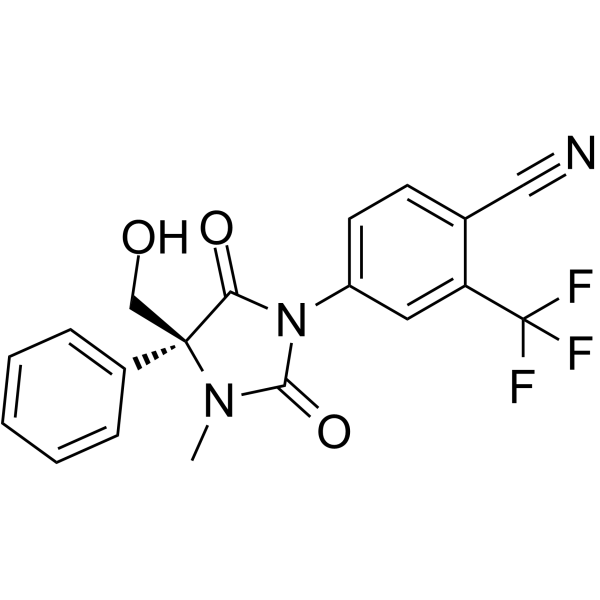
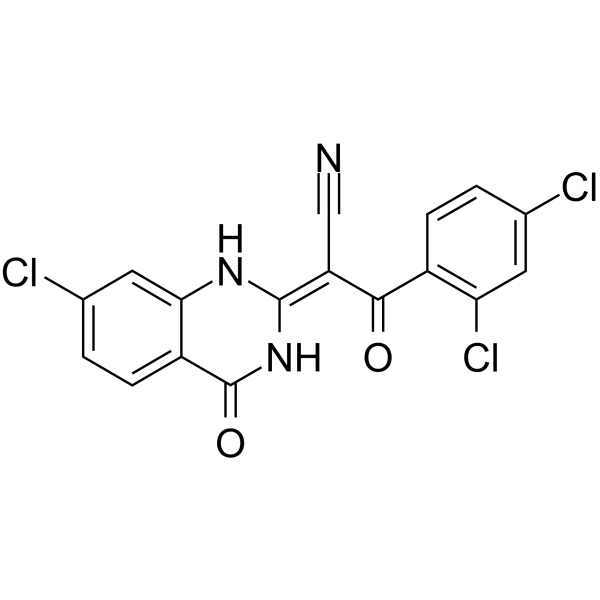
1. Search Result
Search Result
Results for "

motor

" in MedChemExpress (MCE) Product Catalog:

268

Inhibitors & Agonists

3

Screening Libraries

1

Fluorescent Dye

1

Biochemical Assay Reagents

20

Peptides

3

Inhibitory Antibodies

19

Natural
Products

11

Recombinant Proteins

19

Isotope-Labeled Compounds

6

Antibodies

3

Click Chemistry

7

Oligonucleotides

Cat. No. Product Name Target Research Areas Chemical Structure
  • HY-109101
    Risdiplam
    5+ Cited Publications

    RG7916; RO7034067

    DNA/RNA Synthesis Neurological Disease
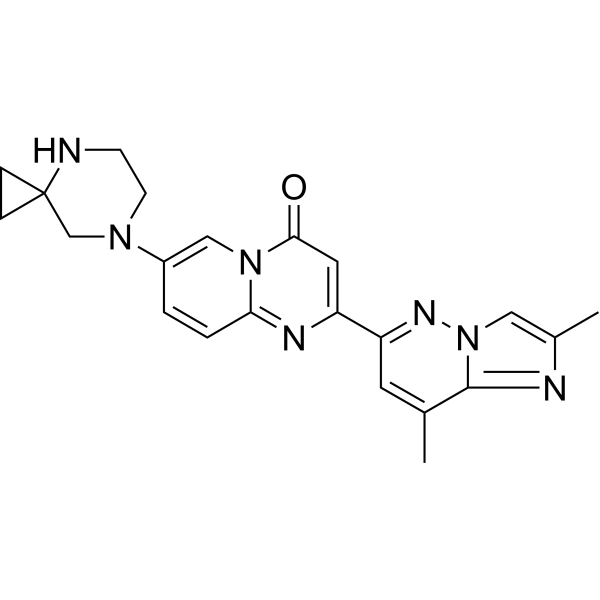
    Risdiplam (RG7916) is an orally administered, centrally and peripherally distributed SMN2 pre-mRNA splicing modifier that increases survival motor neuron (SMN) protein levels .
    Risdiplam
  • HY-14149
    Cisapride
    2 Publications Verification

    R 51619; (±)-Cisaprid

    5-HT Receptor Potassium Channel Neurological Disease
    Cisapride (R 51619) is an orally active 5-HT4 receptor agonist with an EC50 value of 140 nM. Cisapride is a hERG blocker with an IC50 value of 9.4 nM. Cisapride is a gastroprokinetic agent that stimulates gastrointestinal motor activity .
    Cisapride
  • HY-19620
    Branaplam
    10+ Cited Publications

    LMI070; NVS-SM1

    DNA/RNA Synthesis Potassium Channel Cancer
    Branaplam (LMI070; NVS-SM1) is a highly potent, selective and orally active survival motor neuron-2 (SMN2) splicing modulator with an EC50 of 20 nM for SMN. Branaplam inhibits human-ether-a-go-go-related gene (hERG) with an IC50 of 6.3 μM. Branaplam elevates full-length SMN protein and extends survival in a severe spinal muscular atrophy (SMA) mouse model .
    Branaplam
  • HY-B0411
    Domperidone
    5+ Cited Publications

    R33812

    Dopamine Receptor Neurological Disease
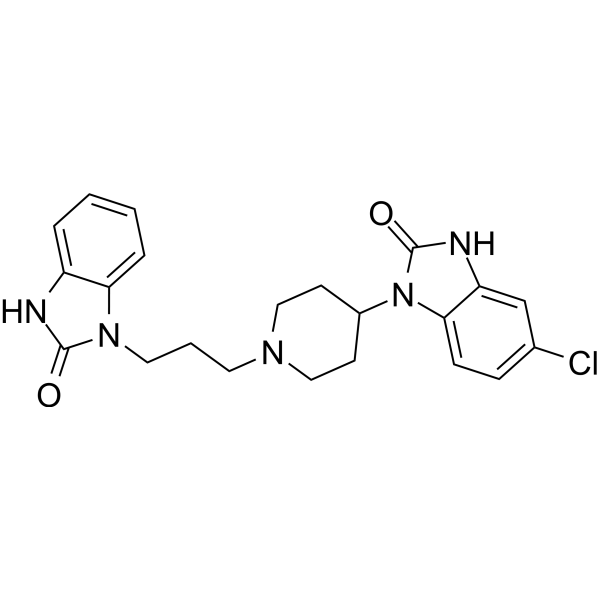
    Domperidone (R33812) is an orally active and selective dopamine-2 receptor antagonist. Domperidone acts as an antiemetic and a prokinetic agent through its effects on the chemoreceptor trigger zone and motor function of the stomach and small intestine .
    Domperidone
  • HY-106443A
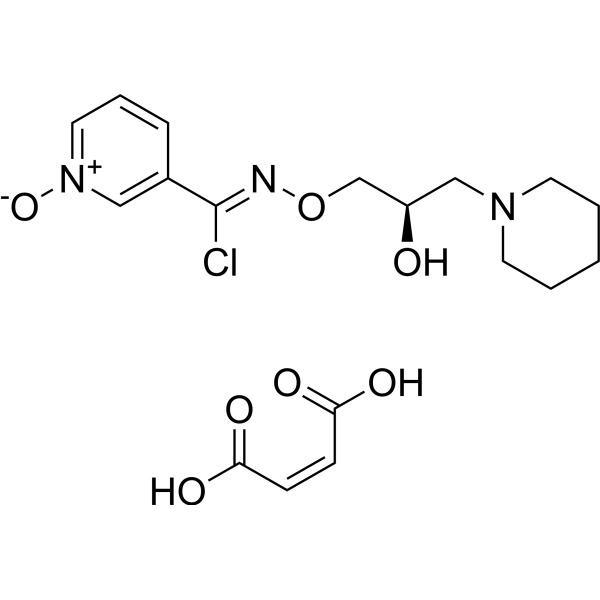
    Arimoclomol maleate
    5 Publications Verification

    BRX-220

    HSP Neurological Disease Metabolic Disease Inflammation/Immunology
    Arimoclomol maleate (BRX-220) is an orally active co-inducer of heat shock proteins (HSP) . Arimoclomol protects motor neurons by enhancing Hsp expression, thus directly affecting protein aggregation and clearance of misfolded assemblies via the proteasome-ubiquitin system .Arimoclomol maleate can be used for the study of Niemann–Pick disease type C.
    Arimoclomol maleate
  • HY-14896
    Opicapone
    3 Publications Verification

    BIA 9-1067

    COMT Neurological Disease
    Opicapone (BIA 9-1067) is a potent third-generation catechol-O-methyltransferase (COMT) inhibitor for the research of Parkinson's disease and motor fluctuations. Opicapone decreases the ATP content of the cells with an IC50 of 98 μM .
    Opicapone
  • HY-122632
    Ciliobrevin D
    4 Publications Verification

    Hedgehog Cancer
    Ciliobrevin D is a cell-permeable, reversible and specific inhibitor of AAA+ ATPase motor cytoplasmic dynein. Ciliobrevin D inhibits Hedgehog (Hh) signaling and primary cilia formation. Ciliobrevin D inhibits dynein-dependent microtubule gliding and ATPase activity in vitro .
    Ciliobrevin D
  • HY-110125
    ML-193
    1 Publications Verification

    CID 1261822

    GPR55 Neurological Disease
    ML-193 (CID 1261822) is a potent and selective antagonist of GPR55, with an IC50 of 221 nM. ML-193 shows more than 27-fold selectivity for GPR55 over GPR35, CB1 and CB2. ML-193 can improve the motor and the sensorimotor deficits of Parkinson’s disease (PD) rats .
    ML-193
  • HY-12501A
    ITI-214
    3 Publications Verification

    Phosphodiesterase (PDE) Neurological Disease
    ITI-214 is a potent, CNS-active, orally bioavailable PDE1 inhibitor (Ki of 58 pM) with excellent selectivity against other PDE family members and against a panel of enzymes, receptors, transporters and ion channels. ITI-214 inhibits recombinant full-length human PDE1A, PDE1B and PDE1C with Kis of 33 pM, 380 pM and 35 pM, respectively. ITI-214 shows efficacy in various animal models of motor and cognitive functions .
    ITI-214
  • HY-106443
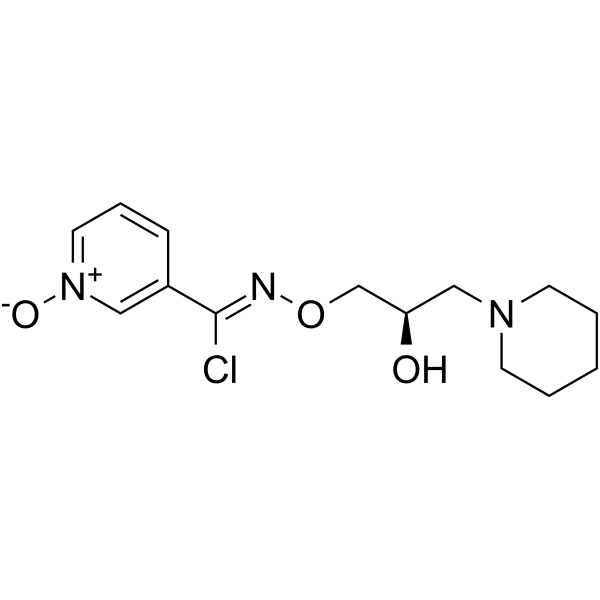
    Arimoclomol
    5 Publications Verification

    BRX-220 free base

    HSP Neurological Disease Metabolic Disease Inflammation/Immunology
    Arimoclomol (BRX-220 free base) is an orally active co-inducer of heat shock proteins (HSP). Arimoclomol protects motor neurons by enhancing Hsp expression, thus directly affecting protein aggregation and clearance of misfolded assemblies via the proteasome-ubiquitin system.Arimoclomol can be used for the study of Niemann–Pick disease type C. Arimoclomol can cross the blood-brain barrier and can be used in research on Niemann-Pick disease type C .
    Arimoclomol
  • HY-18100A
    PRE-084 hydrochloride
    10+ Cited Publications

    Sigma Receptor Akt NO Synthase Cardiovascular Disease Neurological Disease
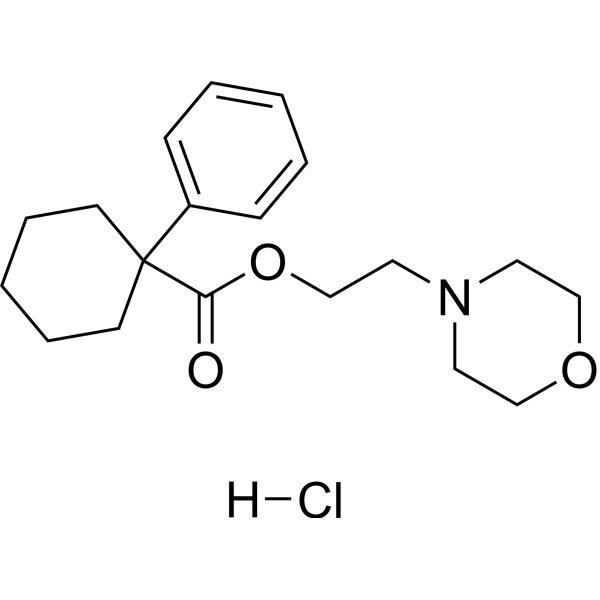
    PRE-084 hydrochloride is a highly selective σ1 receptor (S1R) agonist, with an IC50 of 44 nM. PRE-084 hydrochloride exhibits good neuroprotective effects, can improve motor function and motor neuron survival in mice. PRE-084 hydrochloride also can ameliorate myocardial ischemia-reperfusion injury in rats by activating the Akt-eNOS pathway .
    PRE-084 hydrochloride
  • HY-10299
    GSK-923295
    35+ Cited Publications

    Kinesin Apoptosis Cancer
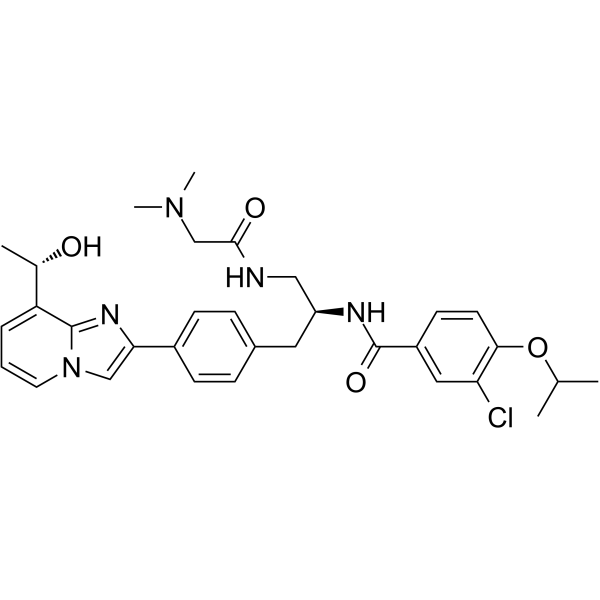
    GSK-923295 is a special, allosteric inhibitor of centromere-associated protein-E (CENP-E) kinesin motor ATPase activity, with Ki of 3.2±0.2 nM and 1.6± 0.1 nM for human and canine, respectively.
    GSK-923295
  • HY-76201
    Dexrazoxane hydrochloride
    15+ Cited Publications

    ICRF-187 hydrochloride; ADR-529 hydrochloride; NSC-169780 hydrochloride

    Apoptosis Ferroptosis Cardiovascular Disease Neurological Disease Inflammation/Immunology Cancer
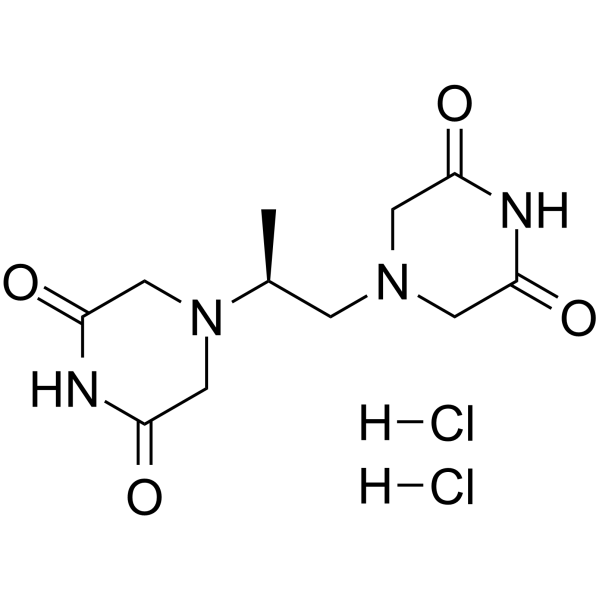
    Dexrazoxane hydrochloride (ICRF-187 hydrochloride) is a heart protectant that can help preserve ovarian function and fertility. Dexrazoxane hydrochloride has antioxidant and anti-inflammatory properties, can cross the blood-brain barrier, improves motor function disorders, and offers neuroprotective effects, making it useful in the study of neurodegenerative diseases .
    Dexrazoxane hydrochloride
  • HY-103112B

    5-HT Receptor Neurological Disease
    SB 243213 is an orally active, selective and high-affinity 5-HT2C receptor antagonist with a pKi of 9.37 and a pKb of 9.8 for human 5-HT2C receptor. SB 243213 shows greater than a 100-fold selectivity over a wide range of neurotransmitter receptors, enzymes and ion channels. SB 243213 has improved anxiolytic profile and has the potential for schizophrenia and motor disorders .
    SB 243213
  • HY-19620A
    Branaplam hydrochloride
    10+ Cited Publications

    LMI070 hydrochloride; NVS-SM1 hydrochloride

    DNA/RNA Synthesis Potassium Channel Cancer
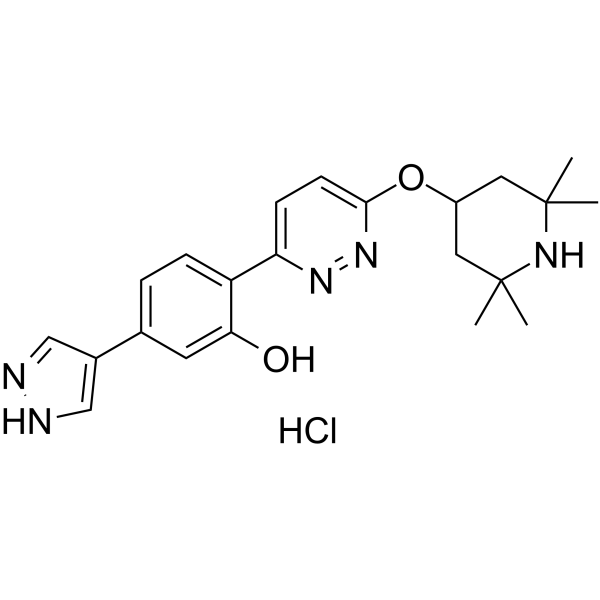
    Branaplam (LMI070; NVS-SM1) hydrochloride is a highly potent, selective and orally active survival motor neuron-2 (SMN2) splicing modulator with an EC50 of 20 nM for SMN. Branaplam hydrochloride inhibits human-ether-a-go-go-related gene (hERG) with an IC50 of 6.3 μM. Branaplam hydrochloride elevates full-length SMN protein and extends survival in a severe spinal muscular atrophy (SMA) mouse model .
    Branaplam hydrochloride
  • HY-115467
    MitoBloCK-10
    2 Publications Verification

    HSP Metabolic Disease
    MitoBloCK-10 (MB-10) is the first small molecule modulator to attenuate protein-associated motor (PAM) complex activity. MitoBloCK-10 (MB-10) inhibits Tim44 (C-terminal domain) binding to the precursor and to Hsp70 .
    MitoBloCK-10
  • HY-16062

    Kinesin Cancer
    ARQ 621 is an allosteric, potent and selective inhibitor of Eg5, a microtubule-based ATPase motor protein involved in cell division. Anti-tumor activity . ARQ 621 is a kinesin inhibitor . ARQ 621 is a click chemistry reagent, it contains an Alkyne group and can undergo copper-catalyzed azide-alkyne cycloaddition (CuAAc) with molecules containing Azide groups.
    ARQ 621
  • HY-P991127

    DNTH103

    Complement System Inflammation/Immunology
    Claseprubart (DNTH103) is an inhibitor targeting C1s of the complement system and an inhibitor of the C1 component of the complement cascade. Claseprubart is in phase 2 clinical evaluation. Claseprubart has application potential in research related to multifocal motor neuropathy and generalized myasthenia gravis .
    Claseprubart
  • HY-106443B
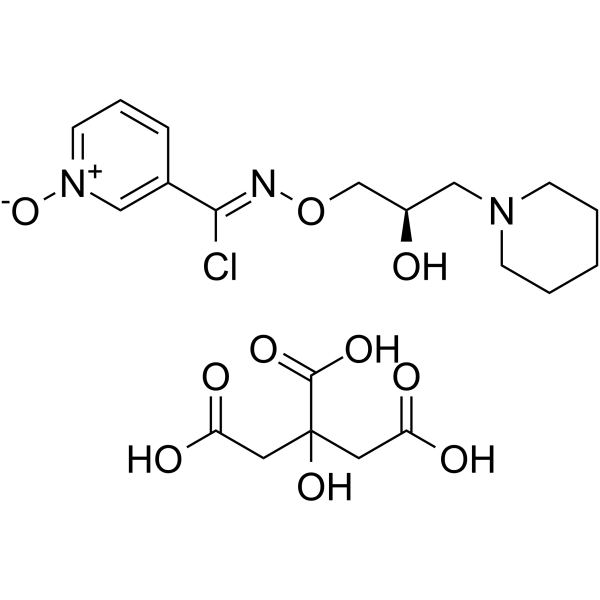
    Arimoclomol citrate
    5 Publications Verification

    BRX-220 citrate

    HSP Neurological Disease Metabolic Disease Inflammation/Immunology
    Arimoclomol citrate (BRX-220 citrate) is an orally active co-inducer of heat shock proteins (HSP) . Arimoclomol citrate protects motor neurons by enhancing Hsp expression, thus directly affecting protein aggregation and clearance of misfolded assemblies via the proteasome-ubiquitin system . Arimoclomol citrate can be used for the study of Niemann–Pick disease type C.
    Arimoclomol citrate
  • HY-B1808

    Histamine Receptor Infection
    Triprolidine is an orally active H1R Antagonist antagonist. Triprolidine has the function of spinal cord motor and sensory block. Triprolidine can be used for the research of allergic rhinitis .
    Triprolidine
  • HY-B1301

    Histamine Receptor Neurological Disease Inflammation/Immunology
    Triprolidine hydrochloride monohydrate, a first-generation antihistamine, is an oral active histamine H1 antagonist. Triprolidine hydrochloride monohydrate can be used for the research of allergic rhinitis. Triprolidine hydrochloride monohydrate exhibits spinal motor and sensory block in rats .
    Triprolidine hydrochloride monohydrate
  • HY-P4058

    CGRP free acid

    CGRP Receptor Neurological Disease
    Calcitonin gene-related peptide (CGRP) free acid is a 37-amino acid neuropeptide, which represents the deamidated form of α-CGRP (human) (HY-P1071). Calcitonin gene-related peptide free acid is produced in the central and peripheral nervous systems of rats, and localizes to specific sensory, integrative and motor neuron systems, including those involved in nociception/thermoreception, feeding behavior, olfaction and visceral motor functions .
    Calcitonin gene-related peptide free acid
  • HY-15857
    CW-069
    1 Publications Verification

    Kinesin Cancer
    CW-069 is an allosteric inhibitor of microtubule motor protein HSET with an IC50 of 75 μM.
    CW-069
  • HY-101770
    BTB-1
    1 Publications Verification

    Kinesin Microtubule/Tubulin Cancer
    BTB-1 is a potent, selective and reversible mitotic motor protein Kif18A inhibitor with an IC50 of 1.69 μM.
    BTB-1
  • HY-B1430

    Butyl 4-aminobenzoate

    Calcium Channel Sodium Channel Potassium Channel Neurological Disease
    Butamben (Butyl 4-aminobenzoate) results in long-lasting relief from pain, without impairing motor function or other sensory functions .
    Butamben
  • HY-B1808A

    Histamine Receptor Neurological Disease Inflammation/Immunology
    Triprolidine hydrochloride is an orally active histamine H1 antagonist. Triprolidine hydrochloride has the function of spinal cord motor and sensory block. Triprolidine hydrochloride can be used for the research of allergic rhinitis .
    Triprolidine hydrochloride
  • HY-135869
    Mito-apocynin (C11)
    3 Publications Verification

    Mitochondrial Metabolism Neurological Disease
    Mito-apocynin (C11), an orally active mitochondria-targeted triphenylphosphonium (TPP)-based compound, is synthesized by conjugating the Apocynin moiety with a TPP + cation. Mito-apocynin (C11) selectively targets mitochondria, and shows neuroprotective effect. Mito-apocynin (C11) prevents hyposmia and corrects deficits in motor function .
    Mito-apocynin (C11)
  • HY-149127

    ASC-JM17; ALZ-003

    Keap1-Nrf2 Androgen Receptor HSP Mitophagy Metabolic Disease
    Rosolutamide (ASC-JM17), a curcumin analog, is an orally active, potent Nrf1 and Nrf2 activator. Rosolutamide activates Nrf1, Nrf2 and heat shock factor 1 (Hsf1), thereby activating the expression of proteasome subunits, antioxidant enzymes and molecular chaperones. Rosolutamide degrades the polyglutamine (polyQ) androgen receptor (AR) via the ubiquitin-proteasome pathway and improves motor function in mouse models of spinal and bulbar muscular atrophy (SBMA). Rosolutamide improves mitochondrial function and promotes autophagy, decreases mutant protein aggregates, and attenuates intracellular/mitochondrial reactive oxygen species (ROS) levels .
    Rosolutamide
  • HY-105056

    Ro 16-6028

    GABA Receptor Neurological Disease
    Bretazenil (Ro 16-6028) is a partial agonist at the gamma-aminobutyric acid A (GABAA) receptor-linked benzodiazepine site. Bretazenil is potent benzodiazepine examined, exhibiting an IC50 (concentration at which half-maximal inhibition of specific [35S]TBPS binding occurs) of 6.1 nM. Bretazenil shows an EC50 of 10 nM for recombinant α1β1γ2. Anticonvulsant effects .
    Bretazenil
  • HY-B1376
    Methsuximide
    1 Publications Verification

    Mesuximide; Celontin

    Calcium Channel Neurological Disease
    Methsuximide is an anticonvulsant agent. Methsuximide is effective in petit mal, psychomotor and focal motor attacks .
    Methsuximide
  • HY-148867

    Dopamine Receptor Neurological Disease
    UCM-1306 is a potent and orally active human dopamine D1 receptor allosteric modulator (PAM). UCM-1306 increases the endogenous dopamine (DA) maximal effect both in human and mouse D1 receptors. UCM-1306 is not only for improving motor symptoms but also for addressing the key comorbid cognitive impairment associated with long-term Parkinson’s disease (PD) .
    UCM-1306
  • HY-111520

    DNA/RNA Synthesis Neurological Disease
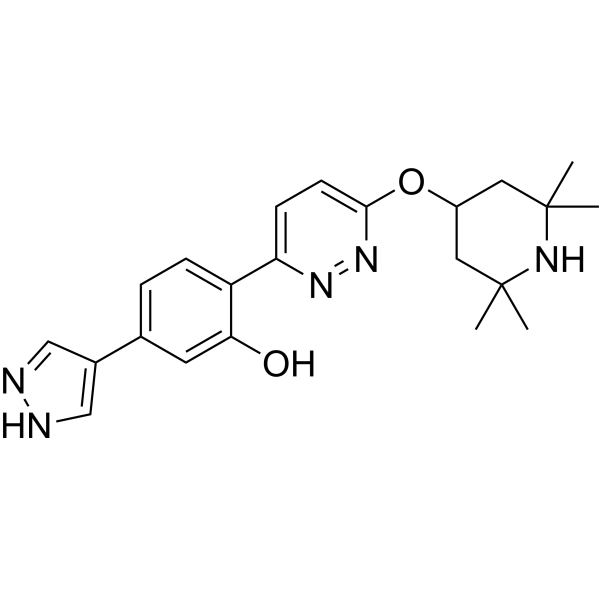
    NVS-SM2 is a potent, orally active and brain-penetrant SMN2 splicing enhancer with an EC50 of 2 nM for SMN. NVS-SM2 enhances U1-pre-mRNA association. NVS-SM2 promotes exon 7 inclusion and restores normal survival motor neuron (SMN) protein expression. NVS-SM2 can be used for spinal muscular atrophy (SMA) research .
    NVS-SM2
  • HY-145016

    Potassium Channel Neurological Disease
    HN37 as a potent and chemically stable antiepileptic agent candidate, with an EC50 of 37 nM for KCNQ2 . HN37 is a click chemistry reagent, it contains an Alkyne group and can undergo copper-catalyzed azide-alkyne cycloaddition (CuAAc) with molecules containing Azide groups.
    HN37
  • HY-19530

    Kinesin Cancer
    PF-2771 is a potent and selective centromere protein E (CENP-E) inhibitor, inhibiting CENP-E motor activity with an IC50 of 16.1 nM; PF-2771 is used as an anticancer agent.
    PF-2771
  • HY-41076
    Ca2+ channel agonist 1
    1 Publications Verification

    Calcium Channel CDK Neurological Disease
    Ca 2+ channel agonist 1 is an agonist of N-type Ca 2+ channel and an inhibitor of Cdk2, with EC50s of 14.23 μM and 3.34 μM, respectively, and is used as a potential treatment for motor nerve terminal dysfunction.
    Ca2+ channel agonist 1
  • HY-124713

    DNA/RNA Synthesis Neurological Disease
    ML372 inhibits survival motor neuron (SMN) protein ubiquitination, increases SMN protein stability without affecting mRNA expression. ML372 improves spinal muscular atrophy (SMA) in mice. ML372 is brain penetrant and has a reasonable exposure and half-life in vivo .
    ML372
  • HY-117731

    Sigma Receptor Neurological Disease
    UKH-1114 is a selective TMEM97 (a sigma-2 receptor) agonist with a Ki values of 1279 and 46 nM for σ1R and σ2R/TMEM97, respectively. UKH-1114 exhibits exceptional selectivity with negligible affinity for over 50 other receptors and channels. UKH-1114 effectively relieves spared nerve injury (SNI)-induced mechanical hypersensitivity with a long-lasting duration and without motor impairment. UKH-1114 can be used for neuropathic pain research .
    UKH-1114
  • HY-W392413

    Drug Derivative Reactive Oxygen Species (ROS) Cardiovascular Disease Neurological Disease Metabolic Disease Inflammation/Immunology
    Glutathione monoethyl ester is a glutathione derivative that can be transported into cells and hydrolyzed into glutathione. Glutathione monoethyl ester downregulates the gene expression of TEN1 and CTC1 while upregulating TERT expression. Glutathione monoethyl ester enhances telomerase activity, promotes proliferation and differentiation in aged bone marrow stromal cells, while elevating glutathione levels and reducing oxidative stress, protein aggregation and cell death in motor neuronal cells. Glutathione monoethyl ester confers broad multi-organ protection against cerebral ischemia, renal injury, liver damage, and pancreatitis. Glutathione monoethyl ester can be used for the research of amyotrophic lateral sclerosis, stroke, acute renal failure, liver injury, and acute pancreatitis .
    Glutathione monoethyl ester
  • HY-12788

    Phosphodiesterase (PDE) Neurological Disease
    PF-04449613 is a selective PDE9A inhibitor with an IC50 of 22 nM[1]. PF-04449613 improved motor learning ability in a mouse model[2].
    PF-04449613
  • HY-109101S
    Risdiplam-d4
    1 Publications Verification

    DNA/RNA Synthesis Neurological Disease
    Risdiplam-d4 is deuterium labeled Risdiplam. Risdiplam (RG7916) is an orally administered, centrally and peripherally distributed SMN2 pre-mRNA splicing modifier that increases survival motor neuron (SMN) protein levels .
    Risdiplam-d4
  • HY-B0411A
    Domperidone monomaleate
    5+ Cited Publications

    R33812 monomaleate

    Dopamine Receptor Neurological Disease
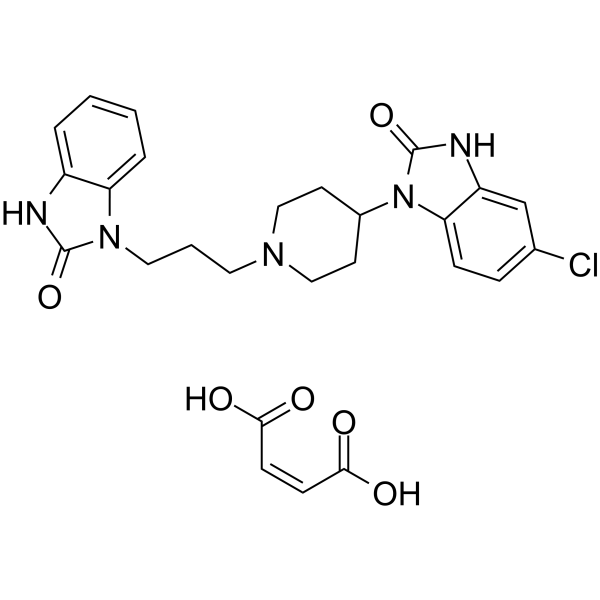
    Domperidone (R33812) monomaleate is an orally active and selective dopamine-2 receptor antagonist. Domperidone monomaleate acts as an antiemetic and a prokinetic agent through its effects on the chemoreceptor trigger zone and motor function of the stomach and small intestine .
    Domperidone monomaleate
  • HY-119902

    Insecticide Infection
    Bistrifluron is a benzoylphenylurea compound and orally active insecticide with activity against termites. At a concentration of 5,000 ppm, Bistrifluron acts as a bait toxicant against workers of the Formosan subterranean termite (Coptotermes formosanus), and also inhibits the grooming behavior of termites and impairs their motor ability prematurely .
    Bistrifluron
  • HY-P1297

    CRFR Neurological Disease
    CRF(6-33)(human) is a CRF binding protein (CRF-BP) ligand inhibitor. CRF(6-33)(human) competitively binds the CRF-BP but not the post-synaptic CRF receptors. CRF(6-33)(human) has anti-obesity effect .
    CRF(6-33)(human)
  • HY-W611371

    TRP Channel iGluR Neurological Disease
    FP802 is an orally active potent TwinF interface inhibitor that disrupts and detoxifies the NMDAR/TRPM4 death complex. FP802 exerts powerful neuroprotective effects in the 5xFAD mouse model of Alzheimer’s disease (AD) by preventing cognitive decline, preserving neuronal structural integrity, reducing amyloid-β plaque formation, and mitigating mitochondrial pathology . FP802 stops loss of motor neurons, reduces serum neurofilament light chain (NfL) levels, improves motor performance, and extends life in a mouse model of amyotrophic lateral sclerosis (ALS). FP802 can be used for AD and ALS research .
    FP802
  • HY-116561

    Drug Derivative Neurological Disease
    Adamantylmethamphetamine hydrochloride is a psychotic compound. Adamantylmethamphetamine hydrochloride has effects on hexobarbital sleeping time, spontaneous motor activity, and the potentiation of metrazole and antifatigue activity .
    Adamantylmethamphetamine hydrochloride
  • HY-12501

    Phosphodiesterase (PDE) Neurological Disease
    ITI-214 free base is a potent, CNS-active, orally bioavailable PDE1 inhibitor (Ki of 58 pM) with excellent selectivity against other PDE family members and against a panel of enzymes, receptors, transporters and ion channels. ITI-214 free base inhibits recombinant full-length human PDE1A, PDE1B and PDE1C with Kis of 33 pM, 380 pM and 35 pM, respectively. ITI-214 free base shows efficacy in various animal models of motor and cognitive functions .
    ITI-214 free base
  • HY-103112

    5-HT Receptor Neurological Disease
    SB 243213 hydrochloride is an orally active, selective and high-affinity 5-HT2C receptor antagonist with a pKi of 9.37 and a pKb of 9.8 for human 5-HT2C receptor. SB 243213 hydrochloride shows greater than a 100-fold selectivity over a wide range of neurotransmitter receptors, enzymes and ion channels. SB 243213 hydrochloride has improved anxiolytic profile and has the potential for schizophrenia and motor disorders .
    SB 243213 hydrochloride
  • HY-18100

    Sigma Receptor Akt NO Synthase Cardiovascular Disease Neurological Disease
    PRE-084 is a highly selective σ1 receptor (S1R) agonist, with an IC50 of 44 nM. PRE-084 exhibits good neuroprotective effects, can improve motor function and motor neuron survival in mice. PRE-084 also can ameliorate myocardial ischemia-reperfusion injury in rats by activating the Akt-eNOS pathway .
    PRE-084
  • HY-W129456

    Biochemical Assay Reagents Neurological Disease
    Isaxonine acts as a modifier of the surface pH of the bilayer . Isaxonine accelerates the rate of peripheral nerve regeneration, stimulate axonal sprouting and promote motor and sensory function recovery . Isaxonine is a neurotrophic agent .
    Isaxonine
  • HY-14408

    Adenosine Receptor Neurological Disease
    Lu AA47070 is a phosphonooxymethylene prodrug of a potent and selective Adenosine A2A receptor antagonist. Lu AA47070 reverses the motor and motivational effects produced by dopamine D2 receptor blockade .
    Lu AA47070

Inquiry Online

Your information is safe with us. * Required Fields.

Salutation


Country or Region *

Applicant Name *


Organization Name *

Department *


Email Address *


Product Name *

Cat. No.


Requested quantity *

Phone Number *


Remarks

Inquiry Online

Inquiry Information

Product Name:
Cat. No.:
Quantity:
MCE Japan Authorized Agent:

