
1. Search Result
Search Result
Pathways Recommended: Neuronal Signaling
Results for "

neuronal proliferation

" in MedChemExpress (MCE) Product Catalog:

24

Inhibitors & Agonists

1

Screening Libraries

4

Peptides

6

Natural
Products

Cat. No. Product Name Target Research Areas Chemical Structure
  • HY-P0221
    PACAP (1-38), human, ovine, rat
    5 Publications Verification

    Pituitary Adenylate Cyclase Activating Polypeptide 38

    PACAP Receptor ERK EGFR Reactive Oxygen Species (ROS) Calcium Channel Infection Neurological Disease
    PACAP (1-38), human, ovine, rat is a PAC1 receptor agonist. PACAP (1-38), human, ovine, rat binds to PACAP type I receptor, PACAP type II receptor VIP1, and PACAP type II receptor VIP2 with IC50s of 4 nM, 2 nM, and 1 nM, respectively. PACAP (1-38), human, ovine, rat increases the α-secretase activity. PACAP (1-38), human, ovine, rat elevates cytosolic Ca 2+, increases proliferation and increases phosphorylation of extracellular regulates kinase (ERK) and the epidermal growth factor receptor (EGFR). PACAP (1-38), human, ovine, rat demonstrates potent, efficacious, and sustained stimulatory effects on sympathetic neuronal NPY and catecholamine production. PACAP (1-38), human, ovine, rat can be used for neurotrophic and neuroprotective research .
    PACAP (1-38), human, ovine, rat
  • HY-121802
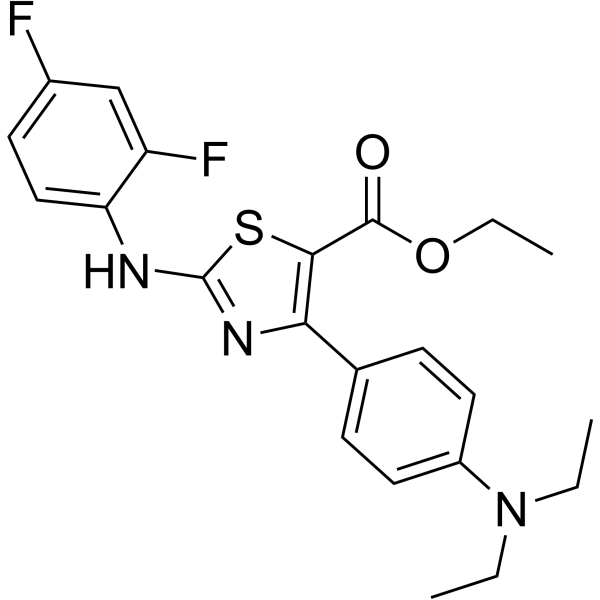
    Dynarrestin
    4 Publications Verification

    Hedgehog Cancer
    Dynarrestin is a aminothiazole inhibitor of cytoplasmic dyneins 1 and 2. Dynarrestin rapidly and reversibly inhibits dynein 1-driven microtubule gliding in vitro plus a range of dynein 1- and 2-dependent processes in cells without affecting ATP hydrolysis and interfering with ciliogenesis. Dynarrestin suppresses hedgehog (Hh)-dependent proliferation of neuronal precursors and tumor cells .
    Dynarrestin
  • HY-151527
    PI3K/Akt/CREB activator 1
    4 Publications Verification

    Akt PI3K Epigenetic Reader Domain Neurological Disease
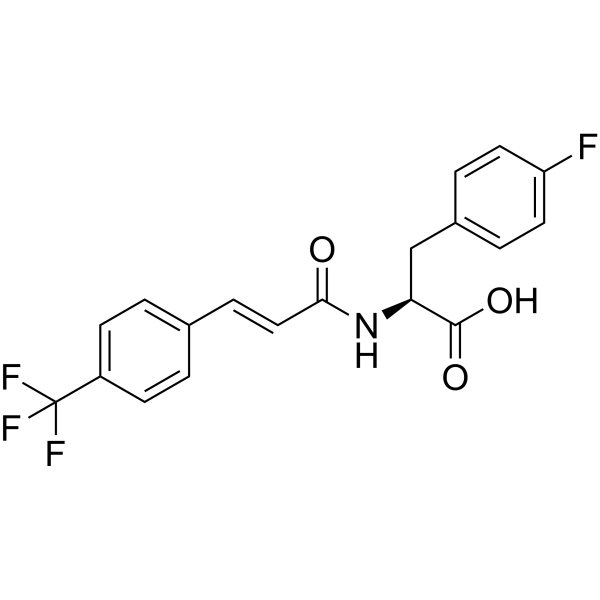
    PI3K/Akt/CREB activator 1 (compound AE-18) is a potent, orally active PI3K/Akt/CREB activator. PI3K/Akt/CREB activator 1 promotes neuronal proliferation, induced differentiation of Neuro-2a cells into a neuron-like morphology, and accelerated the establishment of axon-dendrite polarization of primary hippocampal neurons through upregulating brain-derived neurotrophic factor via the PI3K/Akt/CREB pathway. PI3K/Akt/CREB activator 1 can be used in research of vascular dementia (VaD) .
    PI3K/Akt/CREB activator 1
  • HY-B0603

    Smo Glucocorticoid Receptor Infection Inflammation/Immunology Endocrinology
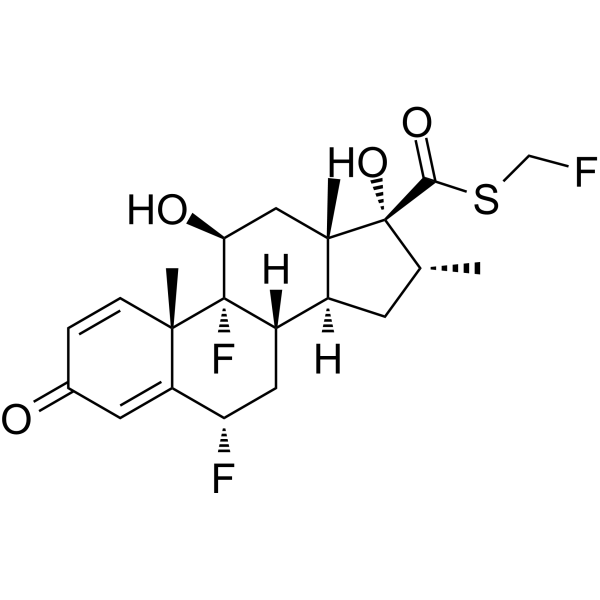
    Fluticasone is an inhaled corticosteroid used for respiratory research. Fluticasone is a Smo agonist with an IC50 value of 99 nM. Fluticasone activates Hedgehog signaling and promotes the proliferation of primary neuronal stem or precursor cells .
    Fluticasone
  • HY-W040045
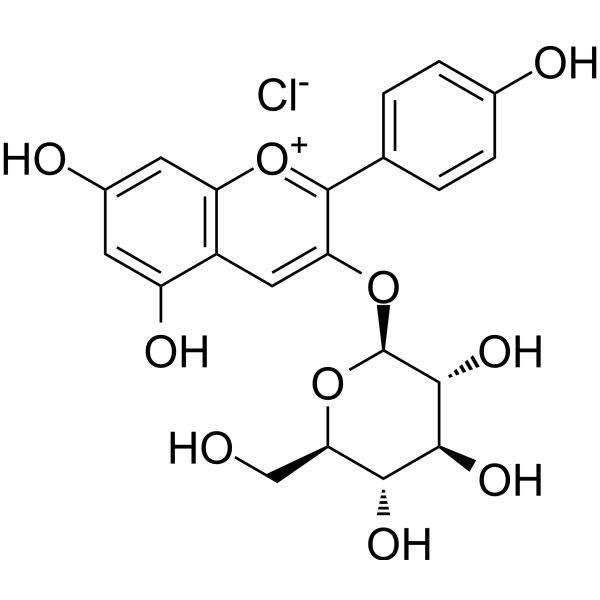
    Callistephin chloride
    1 Publications Verification

    Pelargonidin-3-O-glucoside chloride

    Reactive Oxygen Species (ROS) COX NO Synthase p38 MAPK TNF Receptor Apoptosis Neurological Disease Metabolic Disease Inflammation/Immunology Cancer
    Callistephin (Pelargonidin 3-O-glucoside) chloride is an anthocyanin. Callistephin chloride regulates the expression of inflammatory (reducing iNOS/TNF-α/COX-2) and apoptosis-related proteins by inhibiting p38 phosphorylation, and enhances the protective effect of Isoflurane (HY-A0134) on microglial cell damage. Callistephin chloride significantly reduces ROS levels, eliminates DPPH free radicals, protects retinal pigment epithelial cells, and inhibits lipid peroxidation. Callistephin chloride can alleviate glutamate excitotoxicity, reduce neuronal apoptosis, and protect cerebellar granule neurons. Callistephin chloride can inhibit the proliferation and metastasis of breast cancer cells by inducing apoptosis .
    Callistephin chloride
  • HY-N7675

    NF-κB TGF-beta/Smad Syk Cardiovascular Disease Neurological Disease Metabolic Disease
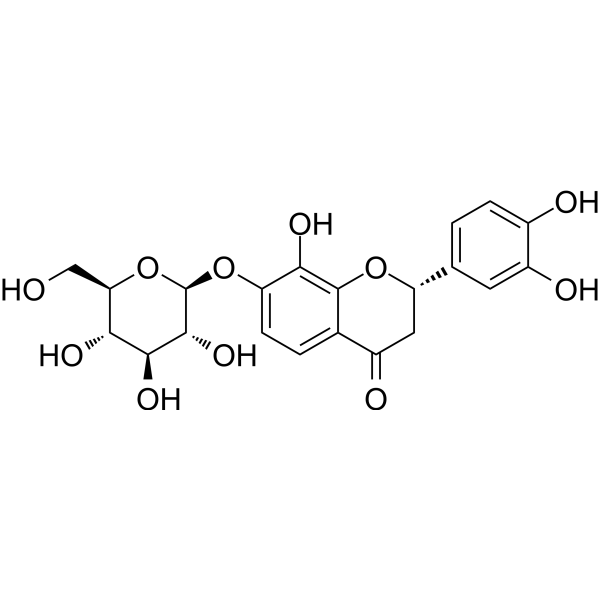
    Flavanomarein is a substance with cytoprotective, anti-inflammatory and antioxidant activities, with a Ka of 3.064e-5 M against human Syk. Flavanomarein enhances the phosphorylation level of AKT, regulates the expression of PKC-δ, P85α, PKC-β1, Sirt1, Bcl-2 and ICAD, and inhibits the nuclear translocation of NF-κB p65. Flavanomarein regulates EMT marker proteins, promotes the proliferation of HK-2 cells, and protects neuronal cells from 6-OHDA-induced neurotoxic damage. Flavanomarein can be used in studies related to Parkinson's disease and diabetic nephropathy.
    Flavanomarein
  • HY-19820A
    NSC45586 sodium
    1 Publications Verification

    Akt Ser/Thr Protease Apoptosis MMP Cardiovascular Disease Neurological Disease Inflammation/Immunology
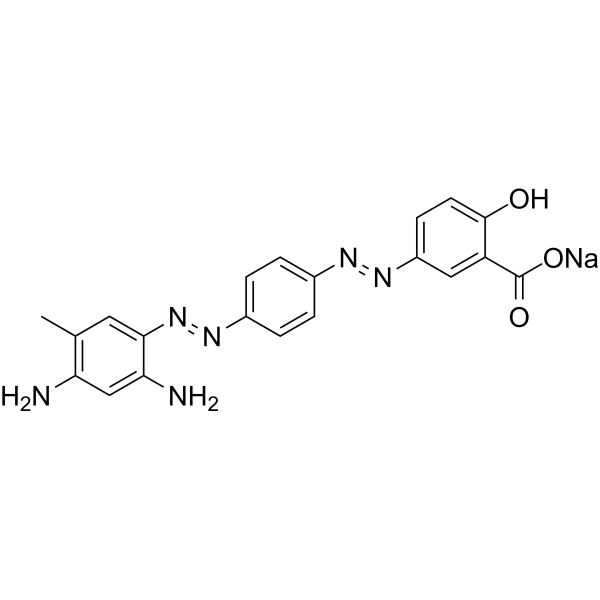
    NSC45586 sodium is an inhibitor of PHLPP. NSC45586 sodium targets the PP2C phosphatase domains of PHLPP1 and PHLPP2, blocks the phosphatase activity of PHLPP, increases the expression level of FOXO1 in the nucleus, and reduces the protein expression of PHLPP1. NSC45586 sodium activates the AKT survival signaling pathway, enhances IGF-1-induced AKT activation, and inhibits the phosphorylation of AKT/ERK under basal conditions. NSC45586 sodium reduces staurosporine-induced neuronal death, preserves notochord cell morphology and KRT19 expression, inhibits cell apoptosis (apoptosis), improves the viability and proliferation of nucleus pulposus cells, upregulates the expression of ACAN/SOX9, and downregulates the expression of MMP13. NSC45586 sodium binds tightly to bovine serum albumin (bovine serum albumin), and exerts a more significant effect on nucleus pulposus in male individuals. NSC45586 sodium can be used in studies related to global cerebral ischemia and intervertebral disc degeneration .
    NSC45586 sodium
  • HY-B1941
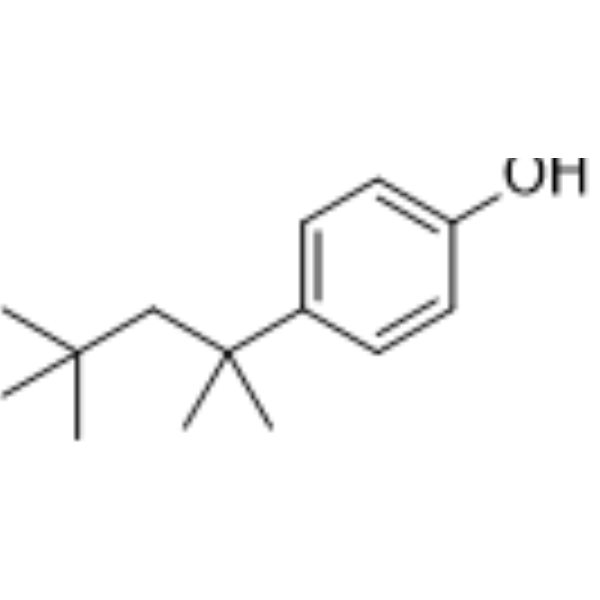
    4-tert-Octylphenol
    2 Publications Verification

    Endogenous Metabolite Apoptosis DNA/RNA Synthesis Neurological Disease Metabolic Disease Inflammation/Immunology Endocrinology
    4-tert-Octylphenol, a endocrine-disrupting chemical, is an estrogenic agent. 4-tert-Octylphenol is also a biodegradation product of non-ionic surfactants alkylphenol polyethoxylates. 4-tert-Octylphenol induces apoptosis in neuronal progenitor cells in offspring mouse brain. 4-tert-Octylphenol reduces bromodeoxyuridine (BrdU), mitotic marker Ki67, and phospho-histone H3 (p-Histone-H3), resulting in a reduction of neuronal progenitor proliferation. 4-tert-Octylphenol disrupts brain development and behavior in mice, which is promising for reserch of immune response, neuro-related diseases and ethology .
    4-tert-Octylphenol
  • HY-116461

    CID2440433

    GPR55 Neurological Disease
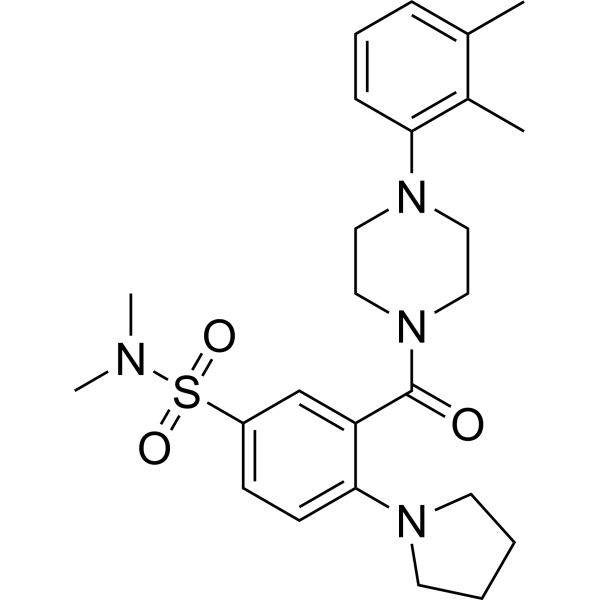
    ML-184 (CID244033) is a selective GPR55 agonist with an EC50 of 250 nM, more than 100-fold selectivity for GPR55 over GPR35, CB1, and CB2. ML-184 induces ERK1/2 phosphorylation and PKCβII translocation to the plasma membrane via activation of GPR55. ML-184 (CID2440433) increases the proliferation of neural stem cells and promotes neuronal differentiation in vitro .
    ML-184
  • HY-159838

    EI‐1071

    c-Fms Amyloid-β Neurological Disease Cancer
    Enrupatinib (EI‐1071) is a potent, orally active, CNS-penetrant and selective CSF1R inhibitor. Enrupatinib inhibits macrophage proliferation and osteoclast differentiation in vitro. Enrupatinib preserves microglia distal to plaques. Enrupatinib mitigates Alzheimer's disease (AD)-related pathologies by reducing neuroinflammation, preserving neuronal integrity, lowering disease-associated microglia gene expression, and enhancing cognitive function in 5xFAD and J20 mouse models. Enrupatinib reduces tumor-associated macrophage infiltration and enhances antitumor activity of anti-PD-1 antibody in murine colorectal cancer and breast cancer models. Enrupatinib can be used for the research of AD, colorectal cancer, and breast cancer .
    Enrupatinib
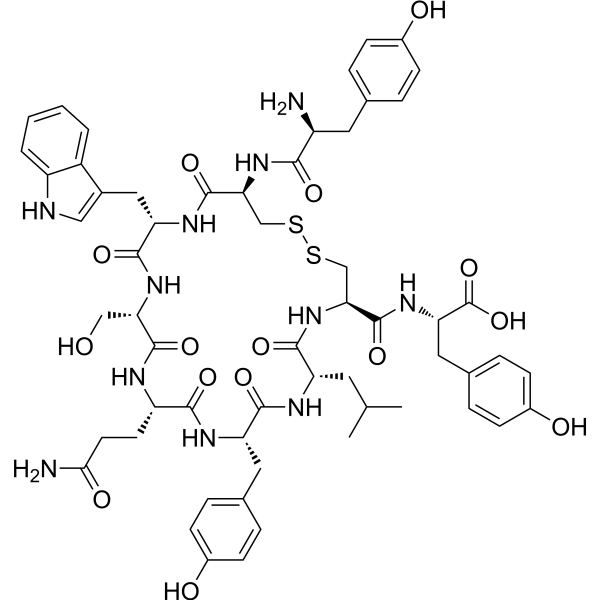
  • HY-P2612

    TNF Receptor RANKL/RANK Apoptosis Inflammation/Immunology
    WP9QY is an inhibitor targeting TNFα and RANKL, which blocks the TNFα-TNFR1 interaction and inhibits TNFα-mediated apoptosis, cytotoxicity and bone destruction. WP9QY inhibits osteoclastogenesis and promotes osteoblast differentiation, induces chondrocyte proliferation and glycosaminoglycan production, and synergizes with TGF-β3 to promote chondrogenesis. WP9QY effectively repairs full-thickness articular cartilage defects in rabbits via intra-articular injection, and inhibits methylmercury-induced reduction of NeuN-positive cells in mouse brain slices. WP9QY can be applied to the research of diseases related to methylmercury-induced neuronal death, cartilage injury, osteoarthritis and bone loss .
    WP9QY
  • HY-W392413

    Drug Derivative Reactive Oxygen Species (ROS) Cardiovascular Disease Neurological Disease Metabolic Disease Inflammation/Immunology
    Glutathione monoethyl ester is a glutathione derivative that can be transported into cells and hydrolyzed into glutathione. Glutathione monoethyl ester downregulates the gene expression of TEN1 and CTC1 while upregulating TERT expression. Glutathione monoethyl ester enhances telomerase activity, promotes proliferation and differentiation in aged bone marrow stromal cells, while elevating glutathione levels and reducing oxidative stress, protein aggregation and cell death in motor neuronal cells. Glutathione monoethyl ester confers broad multi-organ protection against cerebral ischemia, renal injury, liver damage, and pancreatitis. Glutathione monoethyl ester can be used for the research of amyotrophic lateral sclerosis, stroke, acute renal failure, liver injury, and acute pancreatitis .
    Glutathione monoethyl ester
  • HY-165035

    Glucocerebrosides; Gaucher cerebroside; GluCers (gaucher's spleen)

    Endogenous Metabolite Neurological Disease Metabolic Disease
    Glucosylceramides are sphingolipid molecules found in both neuronal and non-neuronal mammalian tissues, as well as in low quantities across various plant species. Elevated levels of glucosylceramides provide cellular protection and prepare certain cells for proliferation; however, they have also been linked to obesity-induced insulin resistance in mice and to neuronal deficits observed in neuronopathic Gaucher disease .
    Glucosylceramide (gaucher's spleen)
  • HY-13906

    (+)-Largazole

    HDAC Neurological Disease Cancer
    Largazole ((+)-Largazole) is a potent, selective, orally active and brain-penetrant class I HDAC inhibitor found in marine cyanobacteria. Largazole shows an IC50 of 0.07 nM for HDAC2. Largazole releases its active form Largazole thiol (HY-170890) after hydrolysis. Largazole has a strong inhibitory effect on SF-268, SF-295 and SH-SY5Y cells, with IC50 values of 62, 68 and 102 nM respectively Largazole can upregulate the tumor suppressor gene Pax6 to inhibit the proliferation, invasion and colony formation of glioblastoma cells. Largazole can significantly upregulated brain-derived neurotrophic factor BDNF, neuronal transcription factor Pax6, and μ-opioid receptor gene Oprm1. Largazole exerts antitumor and neuroprotective effects. Largazole can be used for researches of Glioblastoma and Alzheimer’s disease .
    Largazole
  • HY-P11322

    Amino Acid Derivatives Neurological Disease
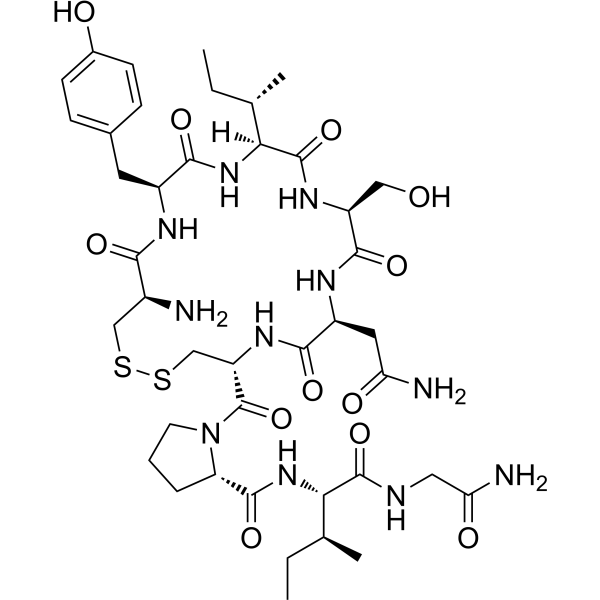
    NHIP peptide is a peptide segment containing 20 amino acids located in the nucleus of the cell. NHIP is highly expressed in neuronal derived cells such as LUHMES cells. NHIP peptide can promote the proliferation of 293T cells. NHIP peptide regulates gene networks related to neural development and autism spectrum disorder (ASD) .
    NHIP peptide
  • HY-W040045R

    Pelargonidin-3-O-glucoside chloride (Standard)

    Reference Standards Reactive Oxygen Species (ROS) COX NO Synthase p38 MAPK Apoptosis TNF Receptor Neurological Disease Inflammation/Immunology Cancer
    Callistephin (Pelargonidin 3-O-glucoside) chloride (Standard) is the analytical standard of Callistephin chloride (HY-W040045). This product is intended for research and analytical applications. Callistephin chloride is an anthocyanin. Callistephin chloride regulates the expression of inflammatory (reducing iNOS/TNF-α/COX-2) and apoptosis-related proteins by inhibiting p38 phosphorylation, and enhances the protective effect of Isoflurane (HY-A0134) on microglial cell damage. Callistephin chloride significantly reduces ROS levels, eliminates DPPH free radicals, protects retinal pigment epithelial cells, and inhibits lipid peroxidation. Callistephin chloride can alleviate glutamate excitotoxicity, reduce neuronal apoptosis, and protect cerebellar granule neurons. Callistephin chloride can inhibit the proliferation and metastasis of breast cancer cells by inducing apoptosis.
    Callistephin chloride (Standard)
  • HY-145858

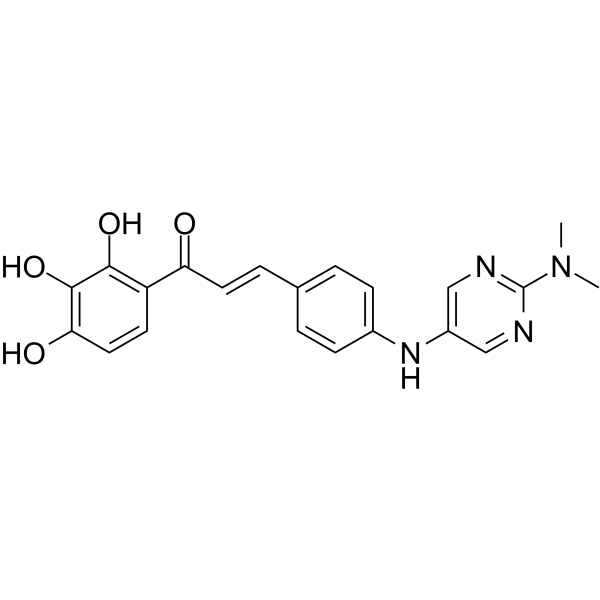
    Ferroptosis Cancer
    Chalcones A-N-5 is a trihydroxy chalcone derivative compound. Chalcones A-N-5 doesn’t show cytotoxicity at the concentration lower than 100 µM (with IC50 > 1 mM), but has a significant effect on promoting cell proliferation. Chalcones A-N-5 potentially promotes neuronal cell growth in the damaged brain tissue. Chalcones A-N-5 also inhibits ferroptosis induced by RSL or erastin and reduces the lipid peroxidation levels induced by Aβ1-42 protein aggregation. Chalcones A-N-5 is a promising molecular skeleton candidate for further development of lead compound for in vivo test to research AD .
    Chalcones A-N-5
  • HY-B0603R

    Reference Standards Smo Glucocorticoid Receptor Infection Inflammation/Immunology Endocrinology
    Fluticasone (Standard) is the analytical standard of Fluticasone. This product is intended for research and analytical applications. Fluticasone is an inhaled corticosteroid used for respiratory research. Fluticasone is a Smo agonist with an IC50 value of 99 nM. Fluticasone activates Hedgehog signaling and promotes the proliferation of primary neuronal stem or precursor cells .
    Fluticasone (Standard)
  • HY-E70837

    JNK Cancer
    JNK2 is a neuronal-specific isoform of JNK. JNK2 deficiency leads to reduced c-Jun degradation, thereby augmenting c-Jun levels and cellular proliferation. JNK2 Recombinant Human Active Protein Kinase is a recombinant JNK2 protein that can be used to study JNK2-related functions .
    JNK2 Recombinant Human Active Protein Kinase
  • HY-B1941R

    Reference Standards Endogenous Metabolite Apoptosis DNA/RNA Synthesis Neurological Disease Metabolic Disease Inflammation/Immunology Endocrinology
    4-tert-Octylphenol (Standard) is the analytical standard of 4-tert-Octylphenol. This product is intended for research and analytical applications. 4-tert-Octylphenol, a endocrine-disrupting chemical, is an estrogenic agent. 4-tert-Octylphenol is also a biodegradation product of non-ionic surfactants alkylphenol polyethoxylates. 4-tert-Octylphenol induces apoptosis in neuronal progenitor cells in offspring mouse brain. 4-tert-Octylphenol reduces bromodeoxyuridine (BrdU), mitotic marker Ki67, and phospho-histone H3 (p-Histone-H3), resulting in a reduction of neuronal progenitor proliferation. 4-tert-Octylphenol disrupts brain development and behavior in mice, which is promising for reserch of immune response, neuro-related diseases and ethology .
    4-tert-Octylphenol (Standard)
  • HY-W339834

    Acyltransferase Endogenous Metabolite Liposome Others
    1-Stearoyl-sn-glycerol 3-phosphate sodium is a bioactive phospholipid that plays a crucial role in modulating cellular processes such as motility, proliferation, invasion, survival, and growth factor production, primarily through its interaction with G protein-coupled receptors (GPCRs). Typically found at low concentrations in plasma (~100nM), this compound is synthesized during the formation of membrane phospholipids and is derived from various cell types, including activated platelets, epithelial cells, leukocytes, neuronal cells, and tumor cells. Its unique structure includes stearic acid at the sn-1 position alongside a hydroxyl group at the sn-2 position.
    1-Stearoyl-sn-glycerol 3-phosphate sodium
  • HY-P0221A

    Pituitary Adenylate Cyclase Activating Polypeptide 38 TFA

    PACAP Receptor ERK EGFR Reactive Oxygen Species (ROS) Calcium Channel Neurological Disease
    PACAP (1-38), human, ovine, rat TFA is a PAC1 receptor agonist. PACAP (1-38), human, ovine, rat TFA binds to PACAP type I receptor, PACAP type II receptor VIP1, and PACAP type II receptor VIP2 with IC50s of 4 nM, 2 nM, and 1 nM, respectively. PACAP (1-38), human, ovine, rat TFA increases the α-secretase activity. PACAP (1-38), human, ovine, rat TFA elevates cytosolic Ca 2+, increases proliferation and increases phosphorylation of extracellular regulates kinase (ERK) and the epidermal growth factor receptor (EGFR). PACAP (1-38), human, ovine, rat TFA demonstrates potent, efficacious, and sustained stimulatory effects on sympathetic neuronal NPY and catecholamine production. PACAP (1-38), human, ovine, rat TFA can be used for neurotrophic and neuroprotective research .
    PACAP (1-38), human, ovine, rat TFA
  • HY-138185

    SF 2738A

    Bacterial Apoptosis Cancer
    Collismycin A is a bacterial metabolite originally isolated from Streptomyces that has diverse biological activities, including antibacterial, antiproliferative, and neuroprotective properties. It is active against a variety of bacteria (MICs=6.25 and 100 μg/mL) and fungi (MICs=12.5-100 μg/mL). It inhibits proliferation of A549 lung, HCT116 colon, and HeLa cervical cancer cells (IC50s=0.3, 0.6, and 0.3 μM, respectively) and NIH373 fibroblasts (IC50=56.6 μM) but not MDA-MD-231 breast cancer cells (IC50=>100 μM). Collismycin A forms a complex with Fe(II) and Fe(III) at a 2:1 ratio, and the addition of iron ions inhibits the antiproliferative effect of collismycin A on HeLa cells, an effect that does not occur with the addition of zinc, manganese, copper, or magnesium ions.3 Collismycin A (1 μM) prevents apoptosis in the brain region of zebrafish larvae in a model of neuronal cell death induced by all-trans retinoic acid.
    Collismycin A
  • HY-181672

    PI3K Akt ERK Epigenetic Reader Domain Neurological Disease
    PI3K/AKT/ERK/CREB activator 1 is an orally active PI3K/AKT/ERK/CREB pathway activator. PI3K/AKT/ERK/CREB activator 1 maintains neuronal survival and function, promotes neuronal proliferation, restores the viability of damaged neurons, and facilitates synapse formation. PI3K/AKT/ERK/CREB activator 1 alleviates neuroinflammation by reducing the levels of pro-inflammatory cytokines, preserves synaptic ultrastructure and restores spatial memory in Alzheimer's disease models. PI3K/AKT/ERK/CREB activator 1 can be used in research related to Alzheimer's disease .
    PI3K/AKT/ERK/CREB activator 1

Inquiry Online

Your information is safe with us. * Required Fields.

Salutation


Country or Region *

Applicant Name *


Organization Name *

Department *


Email Address *


Product Name *

Cat. No.


Requested quantity *

Phone Number *


Remarks

Inquiry Online

Inquiry Information

Product Name:
Cat. No.:
Quantity:
MCE Japan Authorized Agent:

