






85 Results for "

niger

" in MedChemExpress (MCE) Product Catalog:
Products (85)

85 Results for "niger" in MCE Product Catalog:

9
9 Publications Verification
Cat. No.: HY-13005
CAS No.: 53185-12-9
Pureté:  98.97%
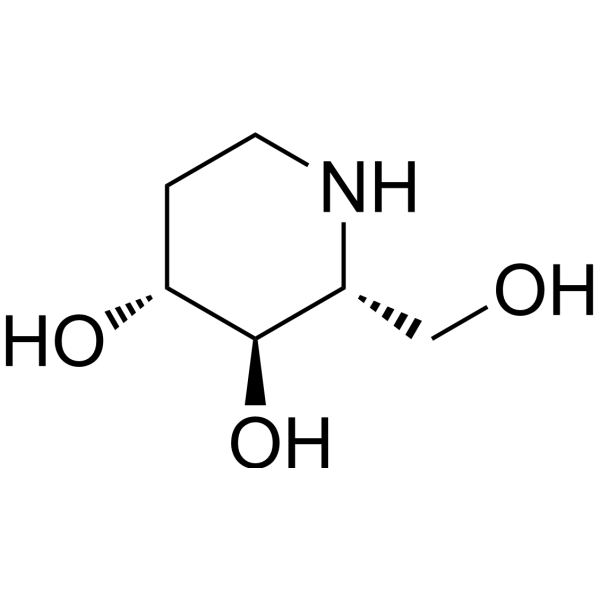
Synonyms: D-Fagomine
Fagomine is a mild glycosidase inhibitor. The Ki of the iminosugar Fagomine is 4.8 μM, 39 μM, and 70 μM for Amyloglucosidase (A.niger), β-Glucosidase (bovine), and Isomaltase (yeast), respectively.
7
7 Cited Publications
Cat. No.: HY-P2902
CAS No.: 9001-37-0
Target:  

Endogenous Metabolite

Domaines de recherche:  

Cancer

Glucose oxidase is used in the food and beverage industry as a preservative and stabilizer and is commonly derived from the fungus Aspergillus niger. Glucose oxidase can react with intracellular glucose and oxygen (O2) to produce hydrogen peroxide (H2O2) and gluconic acid, which can cut off the nutrition source of cancer cells and consequently inhibit their proliferation .
4
4 Cited Publications
Cat. No.: HY-135849
CAS No.: 9001-05-2
Domaines de recherche:  

Cancer

Catalase, Aspergillus niger is a key enzyme in the metabolism of H2O2 and reactive oxygen species (ROS), and its expression and localization is markedly altered in tumors . Free oxygen radical scavenger.
1
1 Cited Publications
Cat. No.: HY-P2996
CAS No.: 9029-27-0
Target:  

Others

Domaines de recherche:  

Others

NAD(P)H-Nitrate reductase is isolated from Aspergillus niger that catalyses the reduction of nitrate to nitrite via a two-electron transfer. In plants, the electron donor for Nitrate reductase is NADPH is NADH:Nitrate reductase and a bispecific NAD(P)H: Nitrate reductase .
1
1 Cited Publications
Cat. No.: HY-N6783
CAS No.: 11052-72-5
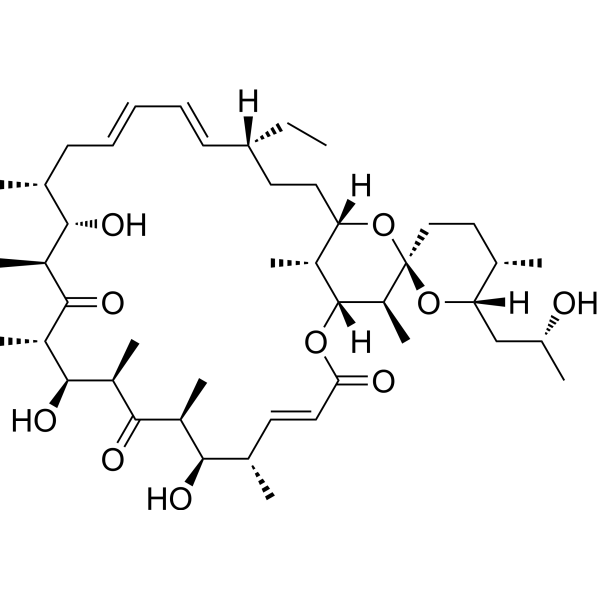
Oligomycin C is a macrolide antibiotic produced by Streptomyces strains. Oligomycin C exhibits a strong activity against Aspergillus niger, Alternaria alternata, Botrytis cinerea and Phytophthora capsici but no activity toward bacteria .
Cat. No.: HY-W012530
CAS No.: 156-06-9
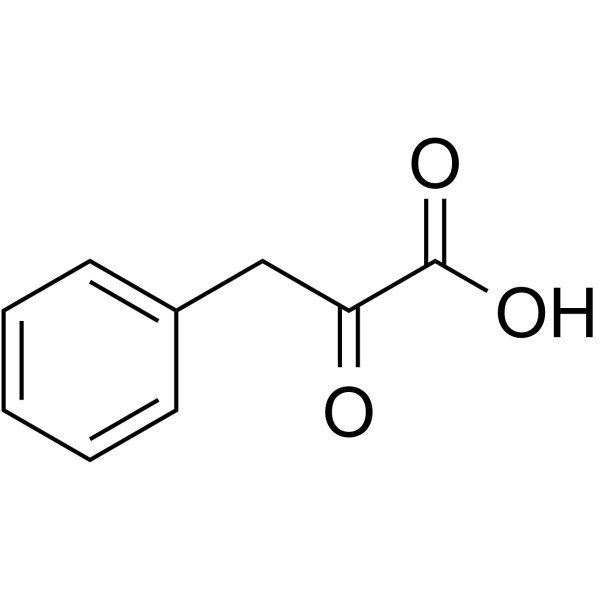
Phenylpyruvic acid is a precursor of the antifungal compound phenyllactic acid. Phenylpyruvic acid can improve the antifungal activity of eight lactic acid bacterial strains through the addition into a dedined growth medium. Phenylpyruvic acid demonstrates improved inhibitory activity against fungal bread contaminants Aspergillus niger and Penicillium roqueforti. Phenylpyruvic acid affects enzyme activity of the pentose phosphate pathway involved in the oxidative phase in rat brain homogenates. Phenylpyruvic acid can reduce glucose-6-phosphate dehydrogenase activity .
Cat. No.: HY-P2857
CAS No.: 9032-08-0
Synonyms: Amyloglucosidase, Aspergillus niger
Amyloglucosidase, Aspergillus niger (Amyloglucosidase, Aspergillus niger) is a starch-hydrolyzing enzyme with high catalytic efficiency towards soluble starch and raw starch. Amyloglucosidase, Aspergillus niger hydrolyzes α-1,4 and α-1,6 glycosidic linkages in starch and similar substrates, and primarily releases β-glucose molecules from the non-reducing ends. Amyloglucosidase, Aspergillus niger participates in glycogen metabolism and is associated with type II glycogen storage disease. Amyloglucosidase, Aspergillus niger converts starch into glucose, and is applicable to the industrial production of high-fructose syrup, ethanol and other fermented products .
Cat. No.: HY-126386
CAS No.: 9032-75-1
Synonyms: EC 3.2.1.15
Domaines de recherche:  

Others

Pectinase (EC 3.2.1.15) is a mixed enzymes that hydrolyze pectic substances, it mostly presents in microorganisms and higher plants. Pectinase is involved in the metabolism of the cell wall as well as in the growth of the cell, senescence, ripening of fruits, pathogenesis and abscission process .
Cat. No.: HY-N3097
CAS No.: 18836-52-7
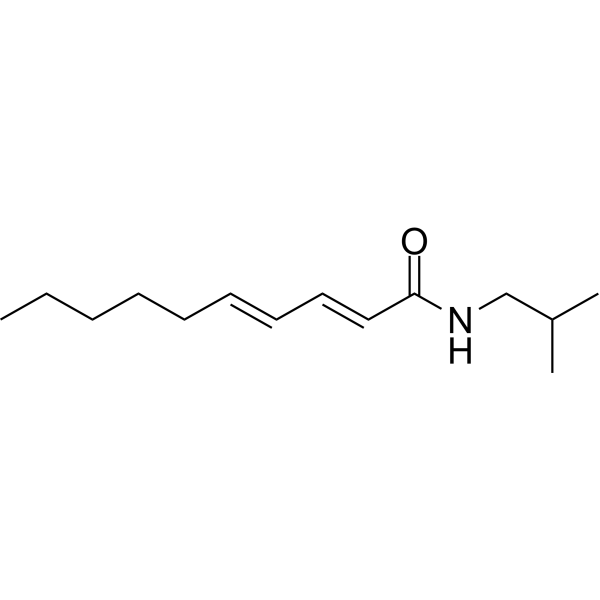
Pellitorine is a bioactive natural amide compound. Pellitorine can competitively antagonize the activation of TRPV1 by Capsaicin (HY-10448), thereby reducing pain signal transmission. Pellitorine improves cognitive dysfunction by upregulating the BDNF-ERK1/2-CREB and Nrf2-HO-1 pathways. Pellitorine exerts anti-inflammatory and anti-sepsis effects by inhibiting the release of high mobility group protein B1 (HMGB1) and the expression of RAGE/TLR4. Pellitorine exerts its antithrombotic effect by prolonging the clotting time, inhibiting the activity of clotting factors and thrombin. Pellitorine inhibits lipid peroxidation and resists ferroptosis by upregulating GPX4 and DHODH. Pellitorine kills Aedes aegypti mosquito larvae by inhibiting V-type H⁺-ATPase and aquaporin 4 (AaAQP4). Pellitorine exhibits anti-cancer activity (e.g., leukemia and breast cancer) and has inhibitory effects on certain bacteria .
Cat. No.: HY-W004305
CAS No.: 629-80-1
Synonyms: Palmitaldehyde
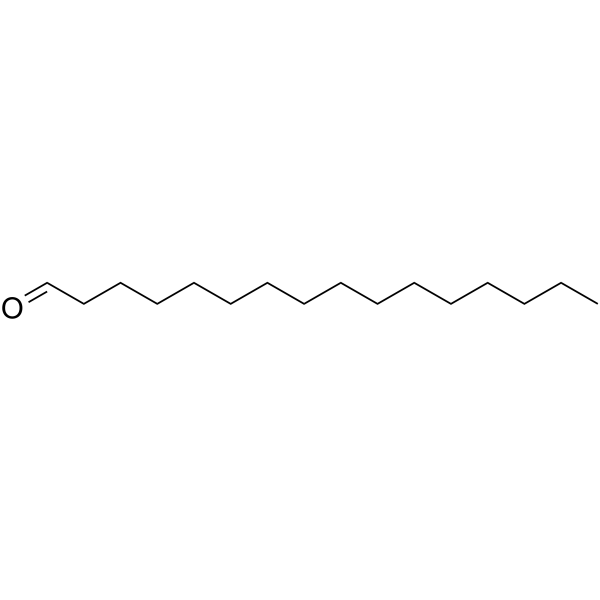
Hexadecanal (Palmitaldehyde) , a volatile long-chain aliphatic aldehyde, is emitted from human feces, skin, and breath. The receptor for hexadecanal(OR37B) is highly conserved across mammals. Hexadecanal may exert its effects by modulating functional connectivity between the brain substrates of social appraisal and the brain substrates of aggressive execution. Also, Hexadecanal is confirmed to be highly deterrent to the ant Lasius niger. Hexadecanal is promising for the research of startle responses and aggression
Cat. No.: HY-W047709
CAS No.: 140-07-8
Synonyms: THEED; THEEN
Domaines de recherche:  

Infection Cancer

N,N,N',N'-Tetrakis(2-hydroxyethyl)ethylenediamine (THEED; THEEN) is a tetrapodal pentadentate chelating ligand that functions as a chelator to form stable complexes with metal ions. N,N,N',N'-Tetrakis(2-hydroxyethyl)ethylenediamine serves as a versatile building block for organic synthesis, a reagent for metal extraction, and an auxiliary for catalytic reactions. N,N,N',N'-Tetrakis(2-hydroxyethyl)ethylenediamine-derived metal complexes exhibit antibacterial, antifungal, and anticancer activities. N,N,N',N'-Tetrakis(2-hydroxyethyl)ethylenediamine and its metal complexes can be used for research related to breast cancer, leukemia, various bacterial and fungal infections .
Cat. No.: HY-P3173
CAS No.: 9075-68-7
Synonyms: R-enzyme
Domaines de recherche:  

Others

Pullulanase (R-enzyme) is a key starch debranching enzyme that specifically hydrolyzes α-1,6-glycosidic linkages in polysaccharides such as amylopectin and pullulan, facilitating the efficient degradation of starch into fermentable sugars .
Cat. No.: HY-N6723
CAS No.: 116355-84-1
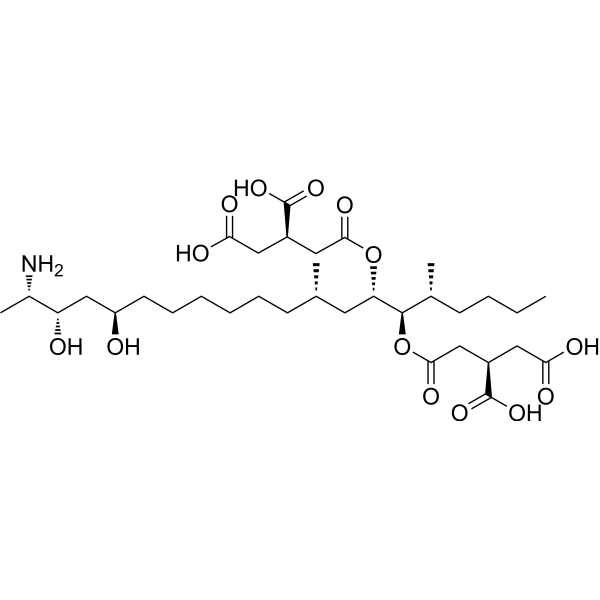
Fumonisin B2 is a selective ceramide synthase inhibitor and carcinogenic mycotoxin with toxicity comparable to that of Fumonisin B1 (HY-N6719). Fumonisin B2 inhibits de novo sphingolipid biosynthesis by blocking the amide bond formation between fatty acids and dihydrosphingosine, which leads to a massive intracellular accumulation of free dihydrosphingosine, altered sphingosine levels, subsequent inhibition of cell proliferation, and induction of cell death. Fumonisin B2 is used to investigate the pathogenesis of diseases associated with Fusarium verticillioides contamination, including equine leukoencephalomalacia, porcine pulmonary edema syndrome, human esophageal cancer, and rat hepatocellular carcinoma .
Cat. No.: HY-W014410
CAS No.: 526-99-8
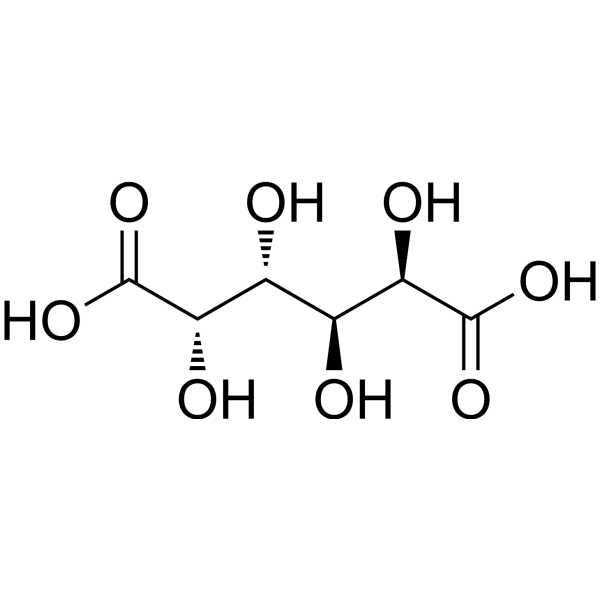
Mucic acid is an aldonic acid that can be prepared from pectin. Mucic acid increases the expression level of Runx2, promotes osteoblast differentiation, and upregulates osteogenic differentiation marker genes. Mucic acid can be used to prepare platform compounds, polymers, polymer materials and metal-organic frameworks. Mucic acid is applicable to the research of bone-related defects .
Cat. No.: HY-P2871
CAS No.: 9025-35-8
Synonyms: EC 3.2.1.22
Target:  

Endogenous Metabolite

Domaines de recherche:  

Others

α-Galactosidase, Aspergillus niger (EC 3.2.1.22), that is, α-galactosidase, is a glycoside hydrolase that widely exists in animals, plants and microorganisms, and is often used in biochemical research. α-Galactosidase catalyzes the hydrolysis of α-1,6-linked terminal galactose residues, including galactooligosaccharides, galactomannans, and galactolipids. Catalyzes many catabolic processes including cleavage of glycoproteins, glycolipids and polysaccharides .
Cat. No.: HY-P2124
CAS No.: 20829-55-4
Target:  

Antibiotic Bacterial

Domaines de recherche:  

Infection

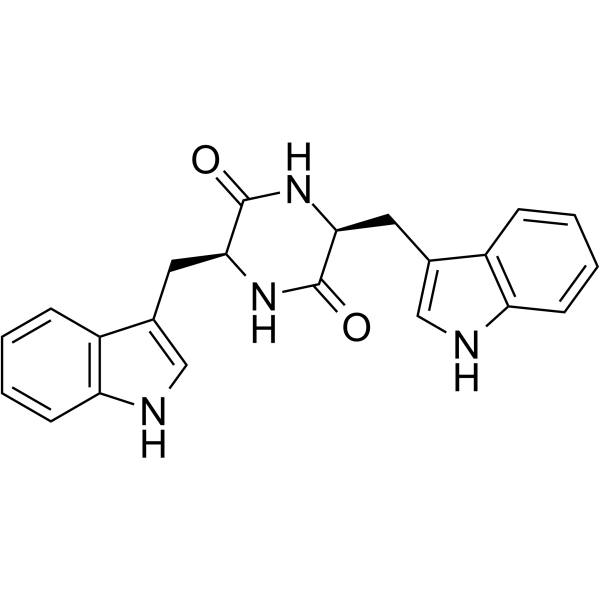
Cyclo(L-Trp-L-Trp) is an antibiotic, and shows antimicrobial activity. Cyclo(L-Trp-L-Trp) can inhibit A. baumannii, as well as Candida albicans, Bacillus subtilis, Micrococcus luteus, Saccharomyces cerevisiae, Aspergillus niger, Staphylococcus aureus. Cyclo(L-Trp-L-Trp) can be used in microbial infection research .
Cat. No.: HY-N6027
CAS No.: 59787-61-0
Target:  

Fungal Bacterial

Domaines de recherche:  

Infection

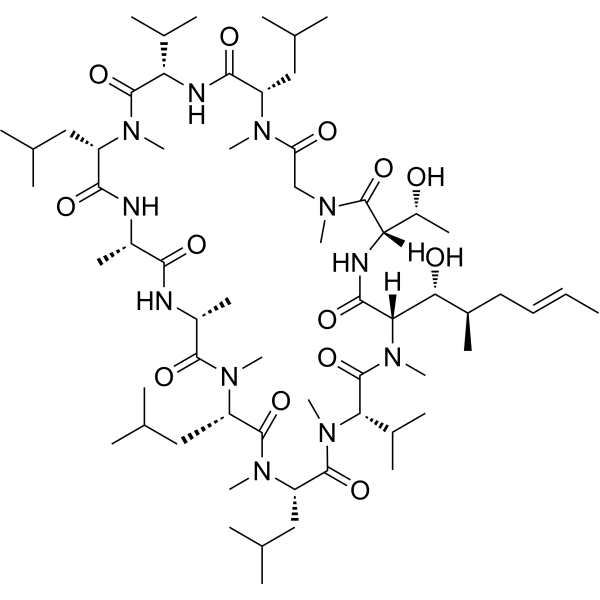
Cyclosporin C is a fungal metabolite that has been found in T. inflatum and has diverse biological activities, including antifungal, antiviral, and immunosuppressant properties. Cyclosporin C shows no activity against bacteria or yeasts .
Cat. No.: HY-E70222
CAS No.: 9001-89-2
Target:  

Others

Domaines de recherche:  

Others

Phytase, from Aspergillus niger degrades phytic acid into inositol and phosphate. Phytase, from Aspergillus niger phytase treatment can minimize the anti-nutritional effect of phytic acid .
Cat. No.: HY-134635
CAS No.: 1080-12-2
Pureté:  99.98%
Target:  

Bacterial Fungal HIV CDK

Domaines de recherche:  

Infection Cancer

Dehydrozingerone is a ginger-derived component and cyclin D1 inhibitor that downregulates cyclin D1 expression and induces cell cycle G1 phase arrest. Dehydrozingerone reduces the proliferative capacity of castration-resistant prostate cancer cells under in vitro conditions. Dehydrozingerone reduces subcutaneous tumor growth by inhibiting cell proliferation and angiogenesis. Dehydrozingerone exerts antibacterial and antifungal activities via its α,β-unsaturated carbonyl conjugated system. Dehydrozingerone can be used in studies related to castration-resistant prostate cancer, bacterial infections, and food spoilage fungal infections .
Cat. No.: HY-E70332
Target:  

Endogenous Metabolite

Domaines de recherche:  

Others

Lipase, Aspergillus niger is a biocatalyst and a key enzyme in new biocatalyst technology. Enzyme engineering focuses on enhancing enzyme reaction kinetics, substrate selectivity, and activity under harsh conditions such as low or high pH. By introducing stimulus responsiveness to these enzyme modifications, dynamic control of activity is also possible .

