


1. Search Result
Search Result
Pathways Recommended: Vitamin D Related/Nuclear Receptor
Results for "

nuclear localization

" in MedChemExpress (MCE) Product Catalog:

48

Inhibitors & Agonists

3

Fluorescent Dye

17

Peptides

2

MCE Kits

1

Inhibitory Antibodies

6

Natural
Products

2

Isotope-Labeled Compounds

5

Oligonucleotides

Cat. No. Product Name Target Research Areas Chemical Structure
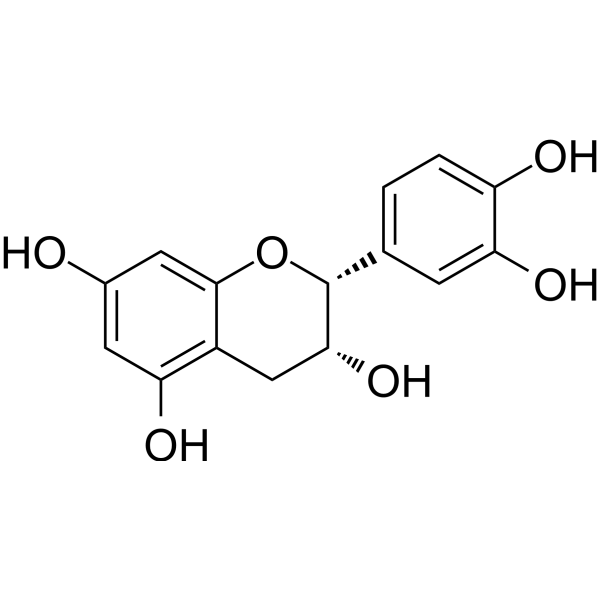
  • HY-N0001
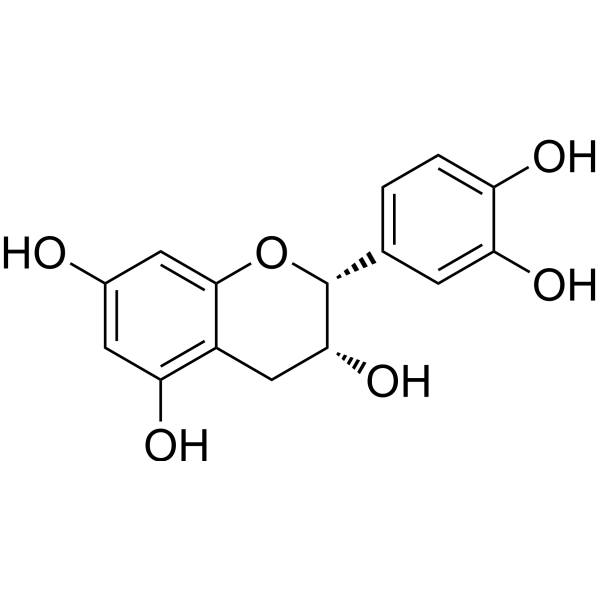
    (-)-Epicatechin
    10+ Cited Publications

    (-)-Epicatechol; Epicatechin; epi-Catechin

    COX Ferroptosis Endogenous Metabolite Inflammation/Immunology Cancer
    (-)-Epicatechin inhibits cyclooxygenase-1 (COX-1) with an IC50 of 3.2 μM. (-)-Epicatechin inhibits the IL-1β-induced expression of iNOS by blocking the nuclear localization of the p65 subunit of NF-κB.
    (-)-Epicatechin
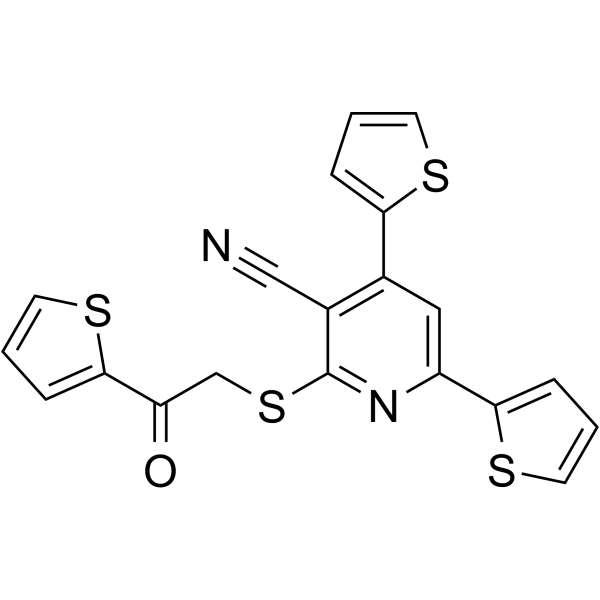
  • HY-12276
    MALT1 inhibitor MI-2
    5+ Cited Publications

    MALT1 Cancer
    MALT1 inhibitor MI-2 is a MALT1 inhibitor (IC50=5.84 μM). MALT1 inhibitor MI-2 binds directly to MALT1, irreversibly suppresses protease function and is accompanied by NF-κB reporter activity suppression, c-REL nuclear localization inhibition, and NF-κB target gene downregulation. MALT1 inhibitor MI-2 shows nontoxic to animals .
    MALT1 inhibitor MI-2
  • HY-19979
    RCM-1
    5+ Cited Publications

    DNA/RNA Synthesis Cancer
    RCM-1 is a forkhead box M1 (FOXM1) inhibitor with an EC50 of 0.72 μM in U2OS cells. RCM-1 blocks the nuclear localization and increased the proteasomal degradation of FOXM1. RCM-1 can be used for asthma and other chronic airway diseases research .
    RCM-1
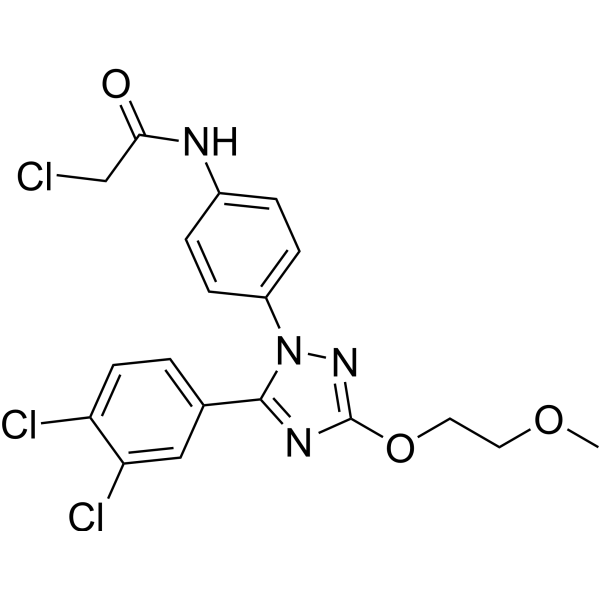
  • HY-170316

    Ras Cancer
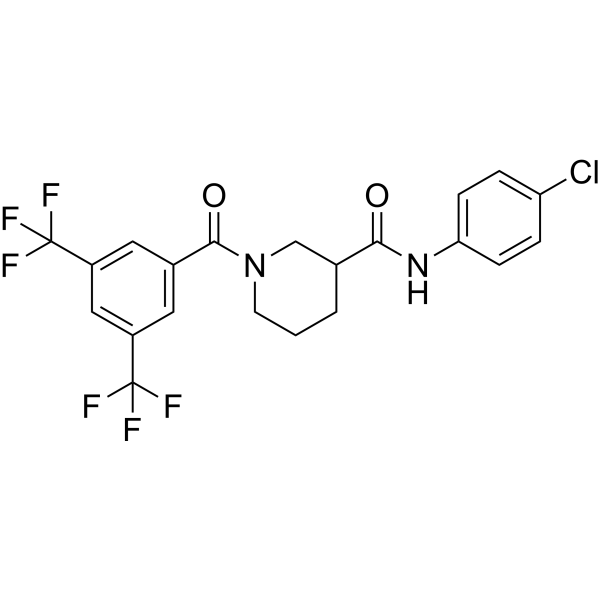
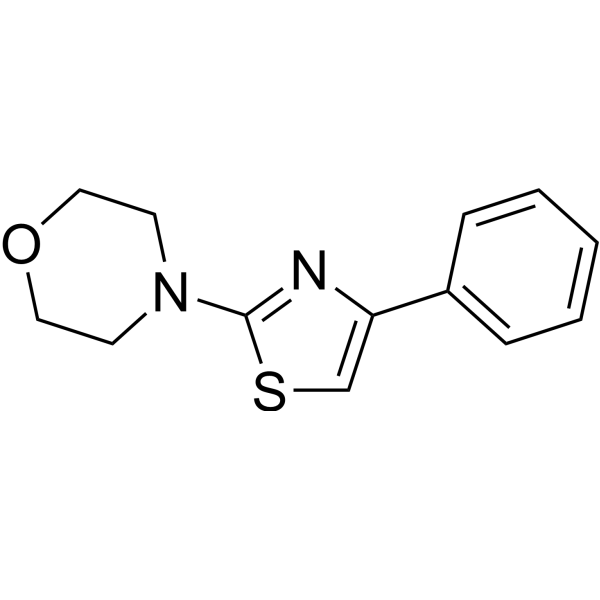
    Ibetazol is a Importin β1 (KPNB1) inhibitor and nucleocytoplasmic transport disruptor. Ibetazol binds covalently to Cys585 of Importin β1, blocks both Importin β1-mediated direct transport and Importin α-dependent nuclear import processes, without affecting transport mediated by other nucleocytoplasmic transport proteins. Ibetazol induces cytoplasmic accumulation of Importin α1, and inhibits nuclear import of substrates carrying nuclear localization signals (NLS), including the NLS-cMyc reporter gene, RelA/p65 and SREBP1. Ibetazol triggers spindle malformation and chromosome misalignment by disrupting the mitotic function of Importin β1. Ibetazol inhibits the proliferation of cells expressing wild-type Importin β1. Ibetazol has a high activity-cytotoxicity window, lacks intrinsic fluorescence, and acts rapidly on nucleocytoplasmic transport processes. Ibetazol serves as a tool compound for investigating nuclear import processes specifically mediated by Importin β1 .
    Ibetazol
  • HY-N6747

    c-Myc Autophagy Cancer
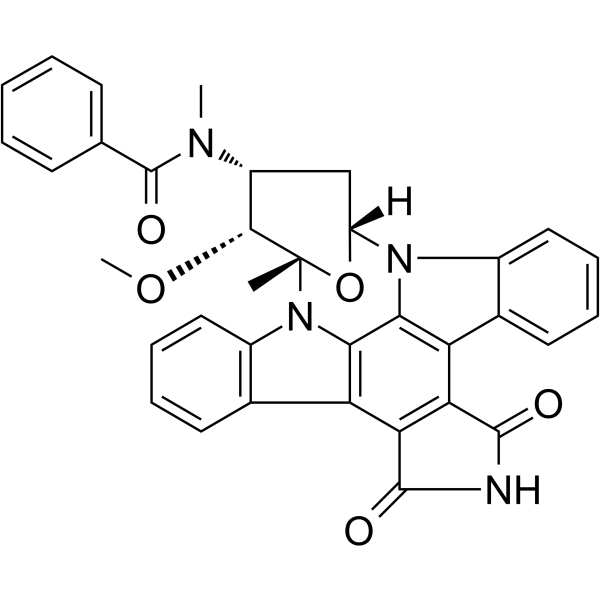
    Stauprimide is a staurosporine analog that promotes embryonic stem cell (ESC) differentiation. Stauprimide is a non-broad spectrum inhibitor that binds to the MYC transcription factor NME2 and blocks its nuclear localization in ESCs, which results in down-regulation of MYC transcription .
    Stauprimide
  • HY-P1876
    NLS (PKKKRKV)
    3 Publications Verification

    DNA/RNA Synthesis Cancer
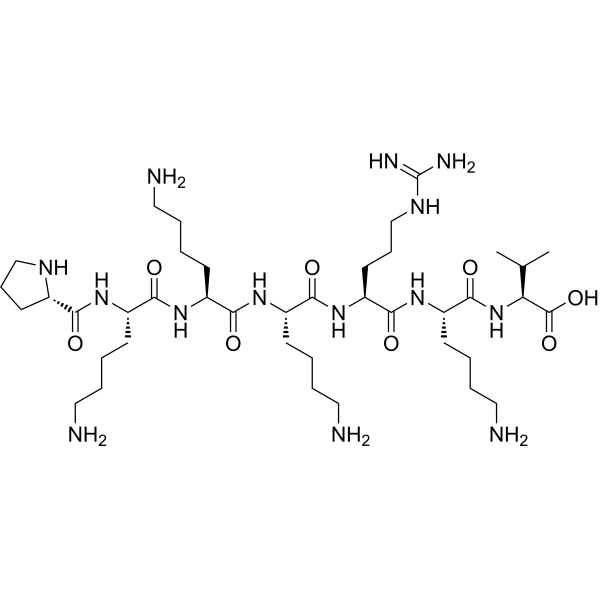
    NLS (PKKKRKV) is a nuclear localization signal (NLS) derived from the SV40 large T antigen, which mediates the binding of karyophilic proteins to importin α. NLS (PKKKRKV) serves as a method to enhance nuclear entry in the field of gene transfer research .
    NLS (PKKKRKV)
  • HY-P4121

    Potassium Channel Inflammation/Immunology Cancer
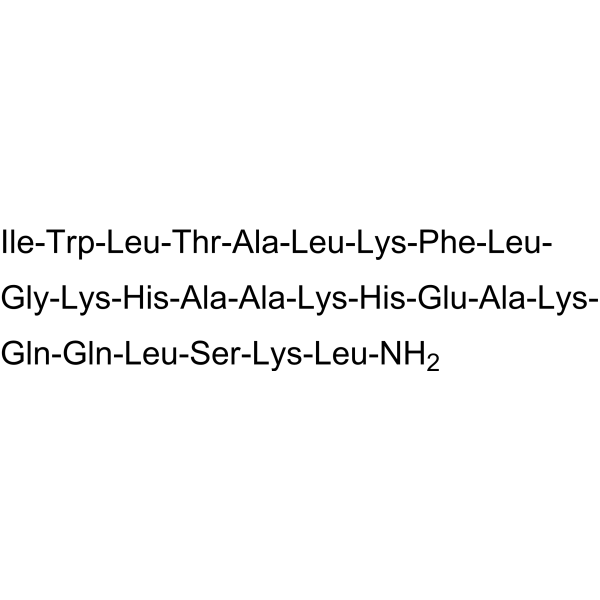
    L17E is an attenuated cationic amphiphilic lytic (ACAL) peptide that can be used to deliver a variety of macromolecules, including proteins, antibodies, and DNA nanostructures. L17E inserts and cleaves the membrane structure through electrostatic interaction, enabling intracellular escape. The efficiency of L17E-mediated delivery is strongly correlated with the expression level of KCNN4 (the gene encoding the calcium-activated potassium channel KCa3.1). L17E also promotes the cellular uptake of macromolecules by inducing micropinocytosis. L17E can be further optimized and improved through dimerization strategies and in combination with other delivery systems, such as nuclear localization signal peptides and cell membrane-coated nanoparticles .
    L17E
  • HY-120855
    CCG-100602
    2 Publications Verification

    Ras Cardiovascular Disease
    CCG-100602 is a specific inhibitor of myocardin-related transcription factor A/serum response factor (MRTF-A/SRF) signaling. CCG-100602 specifically block MRTF-A nuclear localization and thus inhibit the fibrogenic transcription factor SRF .
    CCG-100602
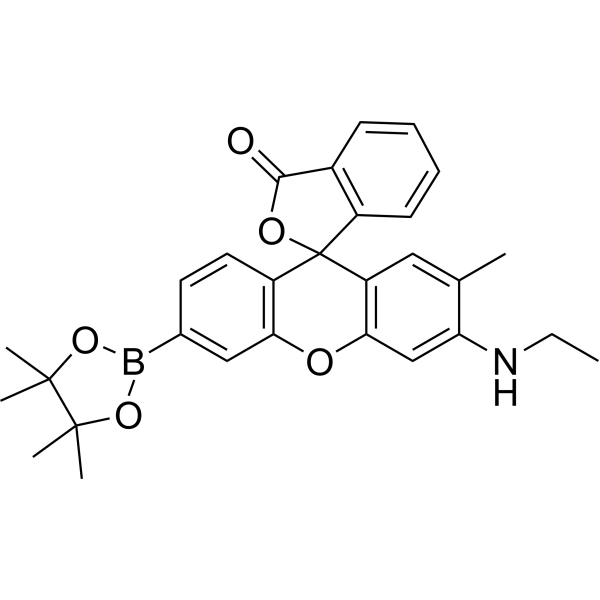
  • HY-101859
    NucPE1
    5 Publications Verification

    Nuc-H2O2 Probe

    Reactive Oxygen Species (ROS) Others
    NucPE1 (Nuc-H2O2 Probe) is a nuclear-localized fluorescent hydrogen peroxide that is specifically localized to cellular nuclei without appended targeting moieties.
    NucPE1
  • HY-156214

    AP1867-PEG2-JQ1; AP-PEG2-JQ1

    Epigenetic Reader Domain Others
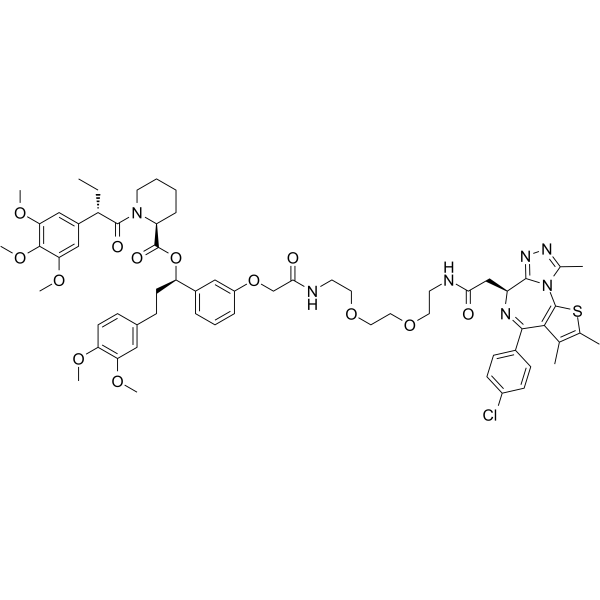
    NICE-01 (AP1867-PEG2-JQ1; AP-PEG2-JQ1) is a bifunctional compound that bind to proteins in separate cellular compartments that can induce nuclear import of cytosolic cargoes, using nuclear-localized bromodomain-containing protein 4 (BRD4) as a “carrier” for co-import and nuclear trapping of cytosolic proteins .
    NICE-01
  • HY-P1876B
    NLS (PKKKRKV) hydrochloride
    3 Publications Verification

    DNA/RNA Synthesis Cancer
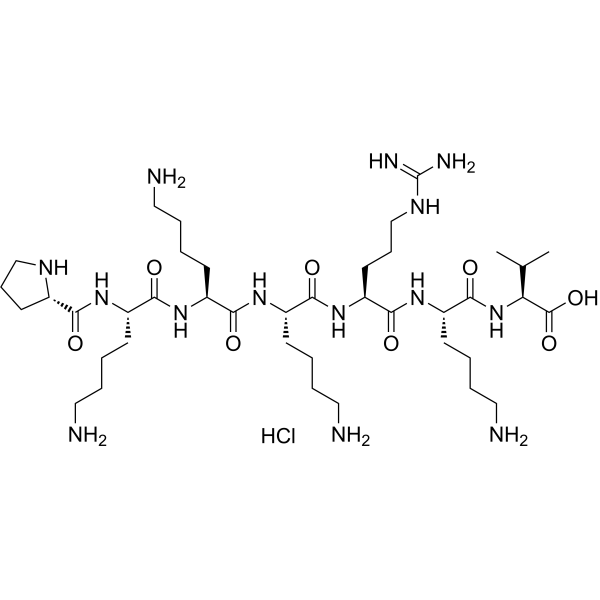
    NLS (PKKKRKV) hydrochloride is the hydrochloride form of NLS (PKKKRKV) (HY-P1876). NLS (PKKKRKV) is a nuclear localization signal (NLS) derived from the simian virus 40 large tumor antigen (SV40 large T antigen), that mediates binding of the karyophilic protein to importin α. NLS (PKKKRKV) can function as a method to enhance nuclear entry in the field of gene transfer research .
    NLS (PKKKRKV) hydrochloride
  • HY-125218

    ITK7

    PARP Cancer
    PARP11 inhibitor ITK7 (ITK7) is a potent and selective PARP11 inhibitor. PARP11 inhibitor ITK7 can potently inhibit PARP11 with an IC50 value of 14 nM. PARP11 inhibitor ITK7 can be used for the research of cellular localization .
    PARP11 inhibitor ITK7
  • HY-P4076

    HIV DNA Alkylator/Crosslinker Infection
    MPG peptides, Pβ is an amphipathic cell-penetrating peptide. MPG peptides, Pβ consists of three components: the hydrophobic fusion sequence (GALFLGFLGAAGSTMGA) of HIV glycoprotein 41, a spacer domain (WSQP), and the nuclear localization signal (KKKRKV) of the large T antigen of Simian virus 40. MPG peptides, Pβ can form stable non-covalent complexes with nucleic acids (including DNA) through electrostatic interactions and improve their intracellular delivery. MPG peptides, Pβ can be used in studies of HIV-1-related immune responses .
    MPG peptides, Pβ
  • HY-N0412

    PERK JNK TNF Receptor Interleukin Related Neurological Disease Inflammation/Immunology
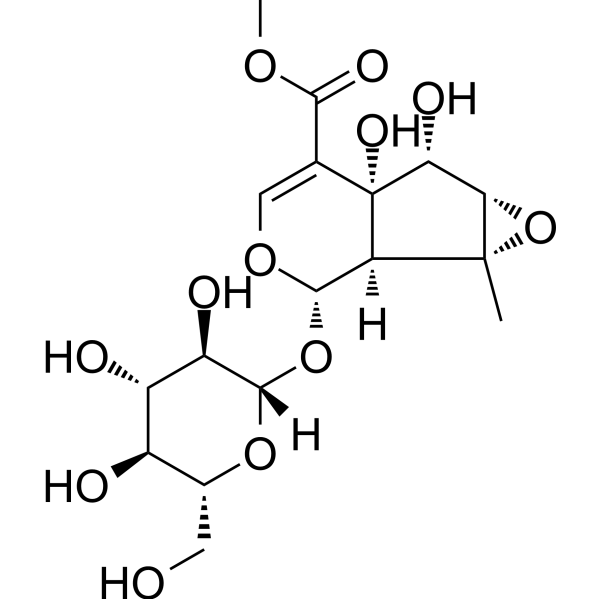
    Sesamoside is an orally active anti-inflammatory, anti-hypoxic and analgesic agent. Sesamoside inhibits the phosphorylation of ERK and JNK, downregulates NLRP3 expression, restricts the nuclear localization of P65, regulates AKR1B1 expression, and reduces the expression of TRPV1 gene in the spinal cord. Sesamoside reduces the production of TNF-α, IL-6, IL-1β, iNOS and NO, restores cellular metabolism and organ function, and alleviates cold and mechanical hyperalgesia. Sesamoside can be used in research related to septic shock, high-altitude pulmonary edema and neuropathic pain .
    Sesamoside
  • HY-168016

    PROTACs YAP Cancer
    PROTAC YAP degrader-1 is a VHL-recruiting PROTAC degrader (DC50=8.2 μM) and antiproliferative agent that targets YAP. PROTAC YAP degrader-1 recruits the E3 ligase VHL and binds to VHL to form a ternary complex containing YAP. PROTAC YAP degrader-1 inhibits the nuclear localization of YAP in cancer cells, reduces YAP/TEAD-mediated transcription, and induces TAZ protein degradation. PROTAC YAP degrader-1 reduces the oncogenic activity of YAP and exerts antiproliferative effects in the Huh7 xenograft mouse model. PROTAC YAP degrader-1 can be used for the research of hepatocellular carcinoma and mesothelioma .
    PROTAC YAP degrader-1
  • HY-N3847

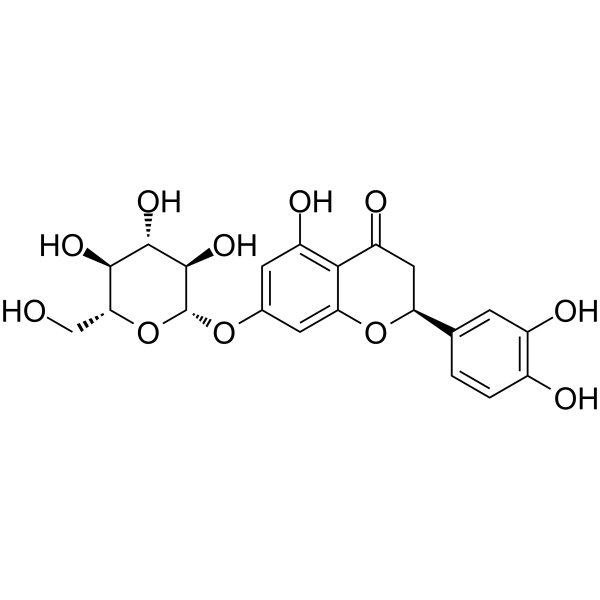
    Eriodictyol 7-O-β-D-glucoside

    Keap1-Nrf2 Neurological Disease
    Eriodictyol-7-O-glucoside (Eriodictyol 7-O-β-D-glucoside), a flavonoid, is an Nrf2 activator. Eriodictyol-7-O-glucoside exhibits significant scavenging effects on both hydroxyl radicals and superoxide anions, with IC50 values of 0.28 mM and 0.30 mM, respectively. Eriodictyol-7-O-glucoside increases the nuclear localization of Nrf2 and induces the expression of the Nrf2/ARE-dependent genes. Eriodictyol-7-O-glucoside provides protection against oxygen and glucose deprivation (OGD)-induced oxidative insult. Eriodictyol-7-O-glucoside demonstrates neuroprotective efficacy in a rat model of focal cerebral ischemia (MCAO). Eriodictyol-7-O-glucoside can be used for the study of stroke .
    Eriodictyol-7-O-glucoside
  • HY-N0001R
    (-)-Epicatechin (Standard)
    10+ Cited Publications

    (-)-Epicatechol(Standard); Epicatechin(Standard); epi-Catechin (Standard)

    Reference Standards COX Ferroptosis Endogenous Metabolite Inflammation/Immunology Cancer
    (-)-Epicatechin (Standard) is the analytical standard of (-)-Epicatechin. This product is intended for research and analytical applications. (-)-Epicatechin inhibits cyclooxygenase-1 (COX-1) with an IC50 of 3.2 μM. (-)-Epicatechin inhibits the IL-1β-induced expression of iNOS by blocking the nuclear localization of the p65 subunit of NF-κB.
    (-)-Epicatechin (Standard)
  • HY-117669

    Androgen Receptor Cancer
    VPC-14228 is an inhibitor that selectively targets androgen receptor DNA binding domain (AR-DBD). VPC-14228 inhibits the interaction between AR and DNA, thereby blocking AR-mediated transcriptional activation. VPC-14228 does not rely on nuclear localization inhibition, but rather inhibits the activity of full-length AR and splice variant AR-V7 by interfering with AR binding to chromatin. And VPC-14228 has high selectivity for other nuclear receptors such as ER and PR. VPC-14228 can be used in the study of prostate cancer [2].
    VPC-14228
  • HY-161409

    Androgen Receptor Apoptosis Cancer
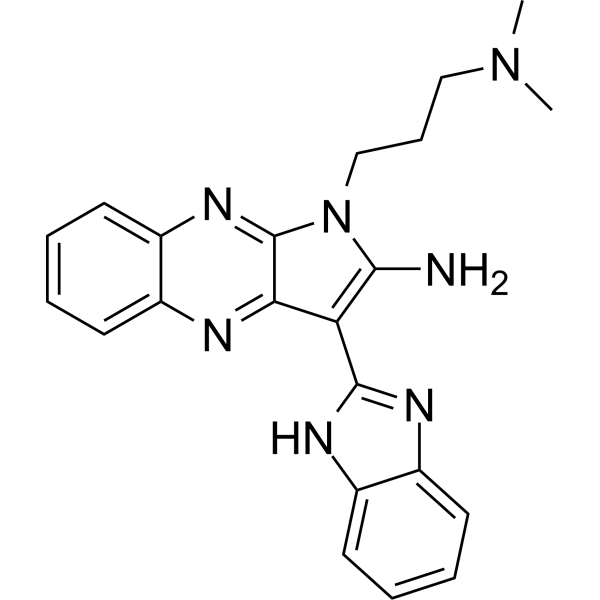
    SC912 is an AR-V7 inhibitor (IC50 = 0.36 μM). SC912 possesses safety, potency and selectivity. SC912 binds directly to AR-FL and AR-V7 proteins, inhibites nuclear localization and chromatin binding capabilities. SC912 exerts anticancer activity through inhibition of proliferation, induction of cell cycle arrest and apoptosis .
    SC912
  • HY-121607
    INI-43
    1 Publications Verification

    AP-1 Apoptosis Cancer
    INI-43 is an inhibitor of Kpnβ1, interfering with the nuclear localization of Kpnβ1 and known Kpnβ1 cargo proteins, NFAT, NFκB, AP-1, and NFY. INI-43 can inhibit the proliferation of cancer cells, cause G2-M cell cycle arrest in cancer cells, and induce the intrinsic apoptosis pathway .
    INI-43
  • HY-135700

    Calcineurin Ras HMG-CoA Reductase (HMGCR) Metabolic Disease Inflammation/Immunology
    Mevalonolactone is an intermediate metabolite in the eukaryotic mevalonate pathway, serving as the stable δ-lactone form of mevalonate with oral activity. Mevalonolactone exhibits binding affinity for ZNF384 (Ka = 12.6 μM) and inhibitory activity against aconitase (aconitase). Mevalonolactone promotes the nuclear localization of ZNF384 and enhances its binding to the GGPPS promoter. Mevalonolactone induces insulin resistance, disrupts glucose and lipid metabolism, enhances the isoprenylation of K-Ras, and inhibits the activation of the insulin signaling pathway. Mevalonolactone inhibits polypeptide synthesis of HMG-CoA reductase in isolated rat hepatocytes, promotes its degradation, and reduces its enzymatic activity. Mevalonolactone impairs mitochondrial function in rat brains. Mevalonolactone promotes the development of metabolically unhealthy obesity. Mevalonolactone can be used in research related to metabolically abnormal obesity, mevalonic aciduria, HMGCR-related limb-girdle myopathy, and statin-induced myopathy .
    Mevalonolactone
  • HY-W012985

    ATP Synthase Apoptosis Metabolic Disease Cancer
    Methyl pyruvate is a methyl ester derivative of pyruvic acid. Methyl pyruvate induces insulin release and membrane depolarization. Methyl pyruvate rescues proteasome damage and nuclear localization of TdP-43 caused by overexpression of σ1RE102Q by enhancing ATP synthesis. Methyl pyruvate selectively protects normal lung fibroblasts from cell death induced by Irinotecan (HY-16562). Methyl pyruvate promotes apoptosis and necrosis in cancer cells and downregulates angiogenesis and cell cycle pathways. Methyl pyruvate is an effective substrate for dihydrodihydrogen dehydrogenase.
    Methyl pyruvate
  • HY-P10600A

    Ras Others
    BIMAX2 acetate is a high affinity nuclear localization signal (NLS) peptide. BIMAX2 acetate can mimic the activity of the classical nuclear localization signal (cNLS) and competitively bind to importin α, thereby inhibiting the binding of cNLS-cargo proteins to importin α. BIMAX2 acetate can be used to study the role of RBBP4 in regulating nuclear import efficiency and cell senescence .
    BIMAX2 acetate
  • HY-111299

    Apoptosis Cancer
    Psammaplysene A, a brominated tyrosine derivative, can promote the nuclear localization of FOXO1, leading to cell cycle arrest and apoptosis, and can be used in cancer research .
    Psammaplysene A
  • HY-P11208C

    GABA Receptor Inflammation/Immunology
    mNLS-CPP-WSTF TFA is the trifluoroacetate salt of mNLS-CPP-WSTF (HY-P11208). mNLS-CPP-WSTF is a nuclear localization signal (NLS)-cell-penetrating peptide based on the mouse WSTF sequence. mNLS-CPP-WSTF significantly inhibits the GABARAP-WSTF interaction, WSTF degradation and inflammatory gene expression. mNLS-CPP-WSTF effectively attenuates chronic inflammation, liver fibrosis and cartilage damage in metabolic-dysfunction-associated steatohepatitis (MASH) and osteoarthritis (OA) mice model. mNLS-CPP-WSTF is promising for research of chronic inflammatory diseases such as MASH and OA .
    mNLS-CPP-WSTF TFA
  • HY-P11208

    GABA Receptor Inflammation/Immunology
    mNLS-CPP-WSTF is a nuclear localization signal (NLS)-cell-penetrating peptide based on the mouse WSTF sequence. mNLS-CPP-WSTF significantly inhibits the GABARAP-WSTF interaction, WSTF degradation and inflammatory gene expression. mNLS-CPP-WSTF effectively attenuates chronic inflammation, liver fibrosis and cartilage damage in metabolic-dysfunction-associated steatohepatitis (MASH) and osteoarthritis (OA) mice model. mNLS-CPP-WSTF is promising for research of chronic inflammatory diseases such as MASH and OA .
    mNLS-CPP-WSTF
  • HY-174132

    CRM1 Inflammation/Immunology
    CW8001 is a covalent XPO1 (Exportin-1) inhibitor with an EC50 value of 1 nM for inhibiting T cell activation. CW8001 prevents nuclear localization of NFAT transcription factors, suppressing expression of inflammatory cytokines like IL-2. CW8001 is promising for research of T cell-driven immune diseases such as graft-versus-host disease (GVHD) .
    CW8001
  • HY-175496

    Ceramidase Inflammation/Immunology
    Acid Ceramidase-IN-3 is a acid ceramidase (aCDase) inhibitor. Acid Ceramidase-IN-3 inhibits the enzymatic activity of aCDase with a pIC 50 of 8.5 in enzymatic assays and 6.8 in A375 melanoma cellular assays. Acid Ceramidase-IN-3 promotes HSC inactivation, as measured by a dose-dependent reduction in COL1A1 and ACTA2. Acid Ceramidase-IN-3 inhibits aCDase activity in HSCs, promotes HSC inactivation and suppresses YAP/TAZ nuclear localization. Acid Ceramidase-IN-3 increases Dynein/Kinesin (NDE1, NDEL1. KIF3B, KIF15) while decreases several proteins involved with signaling pathway (SARM1, RGAP1, PDGF-D,PDGFR-B). Acid Ceramidase-IN-3 can be used for the study of fibrotic diseases .
    Acid Ceramidase-IN-3
  • HY-P10600

    Ras Others
    BIMAX2 is a high affinity nuclear localization signal (NLS) peptide. BIMAX2 can mimic the activity of the classical nuclear localization signal (cNLS) and competitively bind to importin α, thereby inhibiting the binding of cNLS-cargo proteins to importin α. BIMAX2 can be used to study the role of RBBP4 in regulating nuclear import efficiency and cell senescence .
    BIMAX2
  • HY-174794

    mRNA Others
    The Cas9-T2A-GFP mRNA encodes a Cas9 nuclease gene with two nuclear localization signals (NLS) and a green fluorescent protein (GFP), which could be used in genome engineering experiments.
    Cas9-T2A-GFP mRNA
  • HY-P1876A

    DNA/RNA Synthesis Cancer
    NLS (PKKKRKV) TFA is the TFA form of NLS (PKKKRKV) (HY-P1876). NLS (PKKKRKV) is a nuclear localization signal (NLS) derived from the simian virus 40 large tumor antigen (SV40 large T antigen), that mediates binding of the karyophilic protein to importin α. NLS (PKKKRKV) can function as a method to enhance nuclear entry in the field of gene transfer research .
    NLS (PKKKRKV) TFA
  • HY-174793

    mRNA Others
    The Cas9-T2A-GFP mRNA encodes a Cas9 nuclease gene with two nuclear localization signals (NLS) and a green fluorescent protein (GFP), which could be used in genome engineering experiments. The incorporation of N1-Methylpseudo-UTP can reduce the immunogenicity of the resulting mRNA.
    Cas9-T2A-GFP mRNA (N1-Methylpseudo-UTP)
  • HY-170983

    FKBP Cancer
    MC-25B is a specific FKBP12 PROTAC degrader. MC-25B degrades FKBP12 with a DC50 of 0.35 μM and a Dmax of 89%. MC-25B facilitates the degradation of nuclear-localized FKBP12 through a DCAF16-dependent mechanism. (Pink: FKBP12 ligand (HY-170988); Blue: E3 ligase ligand HY-170986); Black: linker (HY-128844); FKBP12 ligand+ linker (HY-170987)) .
    MC-25B
  • HY-174499

    mRNA Others
    Cas9 Nickase D10A mRNA expresses a version of the Streptococcus pyogenes SF370 Cas9 protein (CRISPR Associated Protein 9) that contains a D10A amino acid substitution. This mRNA also contains a C-terminal nuclear localization signal followed by a HA tag.Cas9 functions as part of the CRISPR (clustered regularly interspaced short palindromic repeats) genome editing system. In the CRISPR system, an RNA guide sequence targets the site of interest and the Cas9 protein is employed to perform the DNA cleavage. While wild-type Cas9 creates a double-stranded break at the target site, Cas9 nickase creates a single-stranded break. This favors homology-directed repair and decreases the occurrence of non-homologous end joining.
    Cas9 Nickase D10A mRNA (5moU)
  • HY-P3657A

    Fluorescent Dye Cancer
    Biotin-KKKRKV acetate is the biotinylated KKKRKV acetate. KKKRKV is a nuclear localization signal (NLS) peptide derived from simian virus 40 .
    Biotin-KKKRKV acetate
  • HY-174792

    mRNA Others
    The Cre-T2A-GFP mRNA is a capped and polyadenylated messenger RNA encoding a Cre recombinase with a nuclear localization sequence (NLS) and a green fluorescent protein (GFP).
    Cre-T2A-GFP mRNA
  • HY-155972A

    CRM1 Apoptosis Cancer
    CRM1-IN-2 (Compound KL2) is a noncovalent CRM1 inhibitor. CRM1-IN-2 localizes CRM1 in the nuclear periphery, depletes nuclear CRM1, and inhibits CRM1-mediated nuclear export. CRM1-IN-2 inhibits growth of colorectal cancer cells, and induces apoptosis .
    CRM1-IN-2
  • HY-155524

    Apoptosis Cancer
    Anticancer agent 134 (compound 6a) is a environment-sensitive fluorescent probe and an apoptosis inducer, making a distinction between the tumor and normal tissues. Anticancer agent 134 localizes to the nuclear bodies in tumor slices .
    Anticancer agent 134
  • HY-170814

    G-quadruplex Cancer
    G-quadruplex ligand 3 (Compound 16) is a G-quadruplex ligand with anticancer effects that chelate iron. G-quadruplex ligand 3 stabilizes G-quadruplexes in human leukemia Jurkat cells. G-quadruplex ligand 3 localizes in the cell nucleus, serving as a fluorescent nuclear tracer for the labile iron pool .
    G-quadruplex ligand 3
  • HY-N0001S2

    (-)-Epicatechol-13C3; Epicatechin-13C3; epi-Catechin-13C3

    Isotope-Labeled Compounds Ferroptosis Endogenous Metabolite COX Inflammation/Immunology Cancer
    (-)-Epicatechin- 13C3 ((-)-Epicatechol- 13C3) is 13C labeled (-)-Epicatechin. (-)-Epicatechin inhibits cyclooxygenase-1 (COX-1) with an IC50 of 3.2 μM. (-)-Epicatechin inhibits the IL-1β-induced expression of iNOS by blocking the nuclear localization of the p65 subunit of NF-κB.
    (-)-Epicatechin-13C3
  • HY-N0001S

    Isotope-Labeled Compounds COX Endogenous Metabolite Ferroptosis Inflammation/Immunology Cancer
    (±)-Epicatechin- 13C3 is the 13C labeled (±)-Epicatechin. (-)-Epicatechin (HY-N0001) inhibits cyclooxygenase-1 (COX-1) with an IC50 of 3.2 μM. (-)-Epicatechin inhibits the IL-1β-induced expression of iNOS by blocking the nuclear localization of the p65 subunit of NF-κB .
    (±)-Epicatechin-13C3
  • HY-P990140

    MHC Inflammation/Immunology
    Anti-Rat β-2-Microglobulin Antibody (4C9) is an anti-rat β-2-Microglobulin IgG1 monoclonal antibody. Anti-Rat β-2-Microglobulin Antibody (4C9) reduces pJNK nuclear translocation and restore SMAD nuclear localization. Anti-Rat β-2-Microglobulin Antibody (4C9) is often used in immunoprecipitation experiments .
    Anti-Rat β-2-Microglobulin Antibody (4C9)
  • HY-403733B

    Androgen Receptor Prostaglandin Receptor Cancer
    (+)-JJ-450 is a non-competitive antagonist targeting the androgen receptor (AR) that inhibits AR nuclear localization and transcriptional activity in the absence of androgen. (+)-JJ-450 is less active than (-)-JJ-450 (HY-403733A) in inhibiting prostate-specific antigen (PSA) expression in LN95 cells, possibly because (+)-JJ-450 targets the ligand binding domain (LBD) of AR. (+)-JJ-450 inhibits the transcriptional activity of AR and its splice variants (e.g., ARv7) by promoting the degradation of unliganded AR in the nucleus and reducing the binding of AR to androgen response elements (AREs). (+)-JJ-450 can be used in castration-resistant prostate cancer (CRPC) studies that are resistant to enzalutamide (MDV3100) (HY-70003) .
    (+)-JJ-450
  • HY-182566

    HIV Infection
    ITI-367 is a HIV-1 inhibitor that targets the nuclear localization signal 1 (NLS-1) of HIV-1 matrix protein and the interaction between HIV-1 pre-integration complex (PIC) and importin-β. ITI-367 inhibits HIV-1 replication at the pre-integration stage, reduces the formation of 2-LTR circles, and sequesters viral DNA in the cytoplasm. ITI-367 can be used for the research of HIV infection .
    ITI-367
  • HY-101859R

    Nuc-H2O2 Probe (Standard)

    Reference Standards Reactive Oxygen Species (ROS) Others
    NucPE1 (Standard) (Nuc-H2O2 Probe (Standard)) is the analytical standard of NucPE1 (HY-101859). This product is intended for research and analytical applications. NucPE1 (Nuc-H2O2 Probe) is a nuclear-localized fluorescent hydrogen peroxide that is specifically localized to cellular nuclei without appended targeting moieties.
    NucPE1 (Standard)
  • HY-174791

    mRNA Others
    The Cre-T2A-GFP mRNA is a capped and polyadenylated messenger RNA encoding a Cre recombinase with a nuclear localization sequence (NLS) and a green fluorescent protein (GFP). The incorporation of N1-Methylpseudo-UTP can reduce the immunogenicity of the resulting mRNA.
    Cre-T2A-GFP mRNA (N1-Methylpseudo-UTP)
  • HY-D3195

    Fluorescent Dye Bacterial Infection
    CDr15 is a deep-red fluorescent probe (Ex=733 nm) that can selectively intercalate into and label bacterial extracellular DNA (eDNA). CDr15 exhibits extremely high specificity for biofilm imaging and cannot effectively bind to mammalian nuclear DNA. CDr15 enables real-time visualization of the microcolony structure and developmental process of three-dimensional *Pseudomonas aeruginosa* biofilms, and accurately localizes biofilm-forming regions of microorganisms in a mouse corneal infection model. With low background interference signals, CDr15 serves as an ideal diagnostic tool for research fields including bacterial biofilms and corneal infections .
    CDr15
  • HY-N19791

    NF-κB Fungal Interleukin Related Infection Cancer
    6-Methoxymellein, a phytoalexin, is a NF-κB inhibitor. 6-Methoxymellein reduces nuclear localization and DNA binding activity of NF-κB p65 and p50 subunits. 6-Methoxymellein decreases mRNA transcription and secretion of IL-6 and IL-8. 6-Methoxymellein reduces the proportion of CD44 +/CD24 breast cancer cells, decreases expression of c-Myc, Sox-2 and Oct4, inhibits proliferation and migration of breast cancer cells, and reduces mammosphere growth. 6-Methoxymellein inhibits fungal growth of Trichophyton rubrum and Botrytis cinerea, and inhibits Trichophyton rubrum biofilm formation via hyphal disintegration. 6-Methoxymellein can be used for the research of breast cancer, tinea corporis, and carrot post-harvest storage rot .
    6-Methoxymellein

Inquiry Online

Your information is safe with us. * Required Fields.

Salutation


Country or Region *

Applicant Name *


Organization Name *

Department *


Email Address *


Product Name *

Cat. No.


Requested quantity *

Phone Number *


Remarks

Inquiry Online

Inquiry Information

Product Name:
Cat. No.:
Quantity:
MCE Japan Authorized Agent:

