

59 Results for "

obstructive airway

" in MedChemExpress (MCE) Product Catalog:
Products (59)

59 Results for "obstructive airway" in MCE Product Catalog:

13
13 Publications Verification
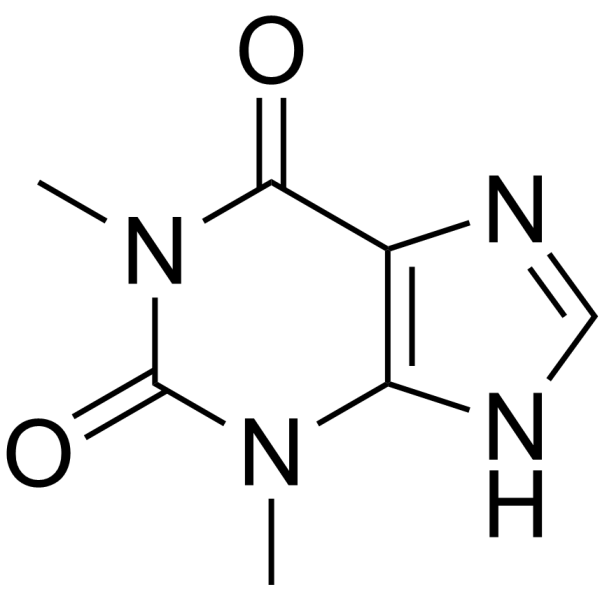
Cat. No.: HY-B0809
CAS No.: 58-55-9
Synonyms: 1,3-Dimethylxanthine; Theo-24
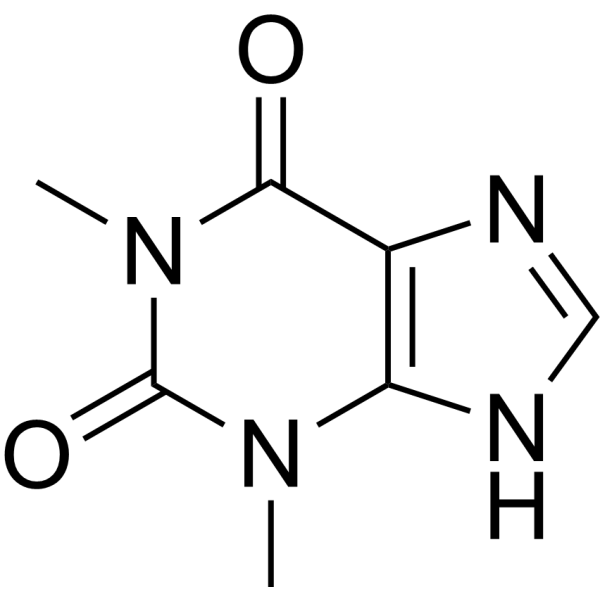
Theophylline (1,3-Dimethylxanthine) is a potent phosphodiesterase (PDE) inhibitor, adenosine receptor antagonist, and histone deacetylase (HDAC) activator. Theophylline (1,3-Dimethylxanthine) inhibits PDE3 activity to relax airway smooth muscle. Theophylline (1,3-Dimethylxanthine) has anti-inflammatory activity by increase IL-10 and inhibit NF-κB into the nucleus. Theophylline (1,3-Dimethylxanthine) induces apoptosis. Theophylline (1,3-Dimethylxanthine) can be used for asthma and chronic obstructive pulmonary disease (COPD) research .
loading...
    loading...
11
11 Cited Publications
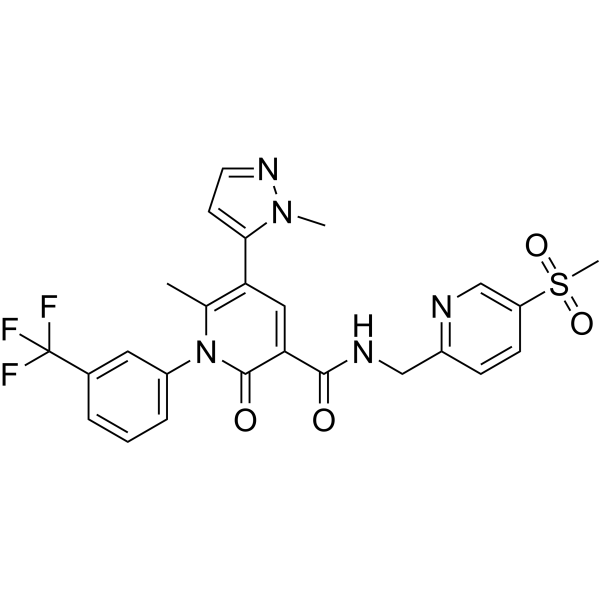
Cat. No.: HY-15651
CAS No.: 848141-11-7
Purity:  99.87%
Synonyms: AZD9668
Alvelestat (AZD9668) is an orally active, selective inhibitor of neutrophil elastase. Alvelestat reduces elastase activity, myeloperoxidase release, neutrophil recruitment and activation, and calcium phosphate precipitation; promotes smooth muscle cell colonization and collagen deposition; and inhibits the formation of neutrophil extracellular traps (NETs) as well as NET-derived neutrophil elastase activity. Alvelestat restores endothelial dysfunction, regulates antioxidant factors, improves the expression of endothelial tight junctions, reduces vascular leakage, and accelerates wound healing. Alvelestat prevents pulmonary hemorrhage, matrix protein degradation, airspace enlargement, and small airway wall remodeling; and alleviates cigarette-induced inflammatory responses. Alvelestat inhibits the growth of abdominal aortic aneurysms exacerbated by Porphyromonas gingivalis. Alvelestat can be used in research related to chronic obstructive pulmonary disease, abdominal aortic aneurysm, radiation-induced skin injury, and bronchiectasis .
loading...
    loading...
11
11 Cited Publications
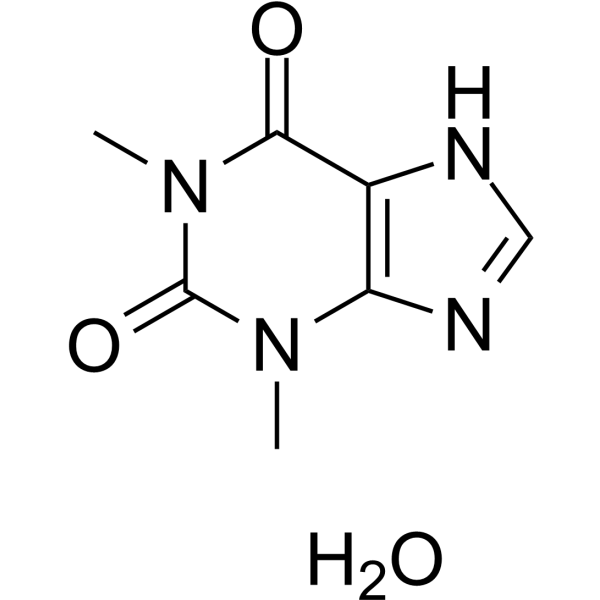
Cat. No.: HY-B0809A
CAS No.: 5967-84-0
Synonyms: 1,3-Dimethylxanthine monohydrate; Theo-24 monohydrate
Theophylline (1,3-Dimethylxanthine) monohydrate is a potent phosphodiesterase (PDE) inhibitor, adenosine receptor antagonist, and histone deacetylase (HDAC) activator. Theophylline (1,3-Dimethylxanthine) monohydrate inhibits PDE3 activity to relax airway smooth muscle. Theophylline (1,3-Dimethylxanthine) monohydrate has anti-inflammatory activity by increase IL-10 and inhibit NF-κB into the nucleus. Theophylline (1,3-Dimethylxanthine) monohydrate induces apoptosis. Theophylline (1,3-Dimethylxanthine) monohydrate can be used for asthma and chronic obstructive pulmonary disease (COPD) research .
loading...
    loading...
6
6 Cited Publications
Cat. No.: HY-B0010
CAS No.: 43229-80-7
Synonyms: (±)Formoterol fumarate
Target:  

Adrenergic Receptor

Research Areas:  

Inflammation/Immunology

Formoterol fumarate ((±)Formoterol fumarate) is a selective β2-adrenoceptor agonist. Formoterol fumarate is at least as β2-adrenoceptor selective as Salbutamol (HY-B1037) and Terbutaline (HY-B0802A). Formoterol fumarate abolishs the contraction induced by Acetylcholine in bronchioles. Formoterol fumarate can be used for the research of chronic obstructive pulmonary disease and bronchial asthma .
loading...
    loading...
2
2 Cited Publications
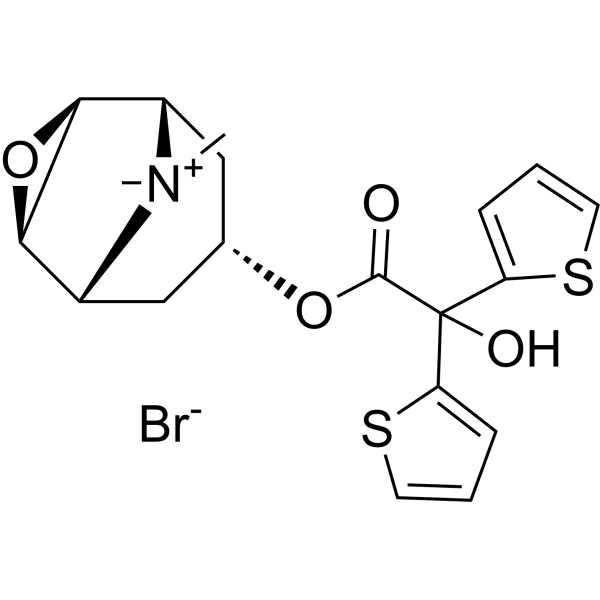
Cat. No.: HY-17360
CAS No.: 136310-93-5
Synonyms: BA679 BR
Target:  

mAChR

Research Areas:  

Inflammation/Immunology

Tiotropium bromide (BA-679 BR) is a long-acting anticholinergic bronchodilator. Tiotropium bromide blocks the action of acetylcholine at muscarinic M1, M2, and M3 receptors, prevents bronchoconstriction, and dilates bronchial airways. Tiotropium bromide is applicable to research related to chronic obstructive pulmonary disease and asthma .
loading...
    loading...
2
2 Cited Publications
Cat. No.: HY-B0460
CAS No.: 411207-31-3
Synonyms: BA-679 BR monohydrate
Target:  

mAChR

Research Areas:  

Inflammation/Immunology

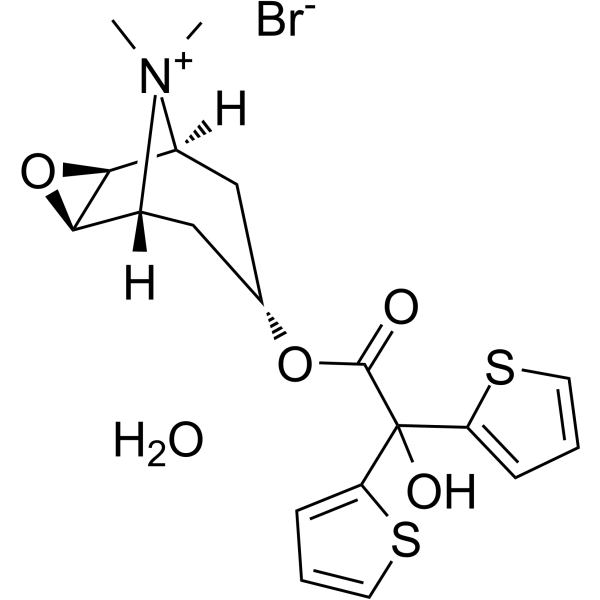
Tiotropium bromide monohydrate (BA-679 BR monohydrate) is a long-acting anticholinergic bronchodilator. Tiotropium bromide monohydrate blocks the action of acetylcholine at muscarinic M1, M2, and M3 receptors, prevents bronchoconstriction, and dilates bronchial airways. Tiotropium bromide monohydrate is applicable to research related to chronic obstructive pulmonary disease and asthma .
loading...
    loading...
2
2 Cited Publications
Cat. No.: HY-W011733
CAS No.: 56776-01-3
Synonyms: C-78
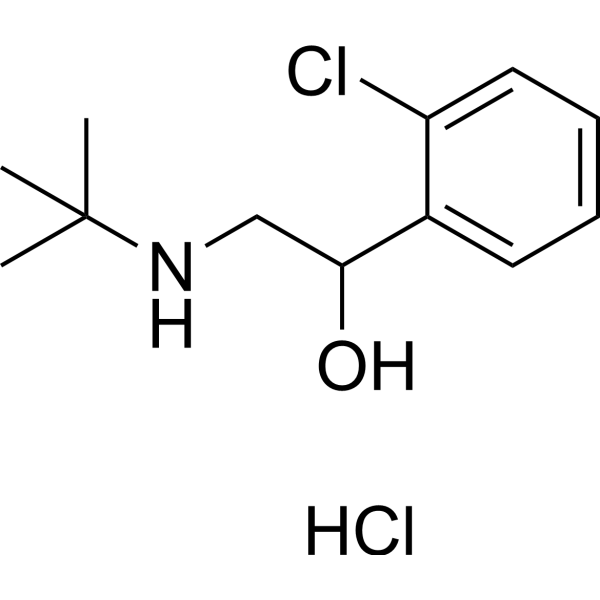
Tulobuterol hydrochloride (C-78) is a long-acting β2-adrenoceptor agonist, which reduces the frequency of exacerbations of chronic obstructive pulmonary disease and bronchial asthma. Tulobuterol hydrochloride is also a sympathomimetic agent used as a transdermal patch, increases normal diaphragm muscle strength . Tulobuterol hydrochloride inhibit rhinovirus replication and modulate airway inflammation .
loading...
    loading...
1
1 Cited Publications
Cat. No.: HY-148096
CAS No.: 1637532-68-3
Purity:  99.81%
Target:  

STAT

Research Areas:  

Inflammation/Immunology Cancer

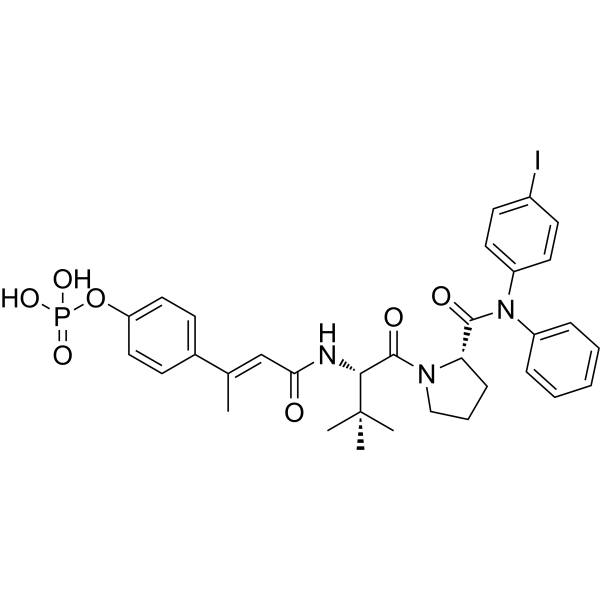
STAT6-IN-1 (Compound 19a) is a STAT6 inhibitor with a high affinity for the SH2 domain of STAT6 (IC50=0.028 µM). STAT6-IN-1 can be used in studies of allergic lung disease, allergic rhinitis, chronic obstructive pulmonary disease or cancer .
loading...
    loading...
1
1 Cited Publications
Cat. No.: HY-P99673
CAS No.: 2226742-52-3
Synonyms: REGN-3500; SAR-440340

Research Areas:  

Inflammation/Immunology

Itepekimab (REGN-3500) is an IgG4 monoclonal antibody against IL-33. Itepekimab reduced airway inflammation and related tissue damage in preliminary clinical studies. Itepekimab has potential effects in asthma, chronic obstructive pulmonary disease (COPD), and atopic dermatitis (AD) .
loading...
    loading...
1
1 Cited Publications
Cat. No.: HY-B0010B
CAS No.: 73573-87-2
Synonyms: (±)Formoterol
Target:  

Adrenergic Receptor

Research Areas:  

Inflammation/Immunology

Formoterol ((±)Formoterol) is a selective β2-adrenoceptor agonist. Formoterol is at least as β2-adrenoceptor selective as Salbutamol (HY-B1037) and Terbutaline (HY-B0802A). Formoterol abolishs the contraction induced by Acetylcholine in bronchioles. Formoterol can be used for the research of chronic obstructive pulmonary disease and bronchial asthma .
loading...
    loading...
Cat. No.: HY-B0976
CAS No.: 13392-18-2
Synonyms: Th-1165; Phenoterol
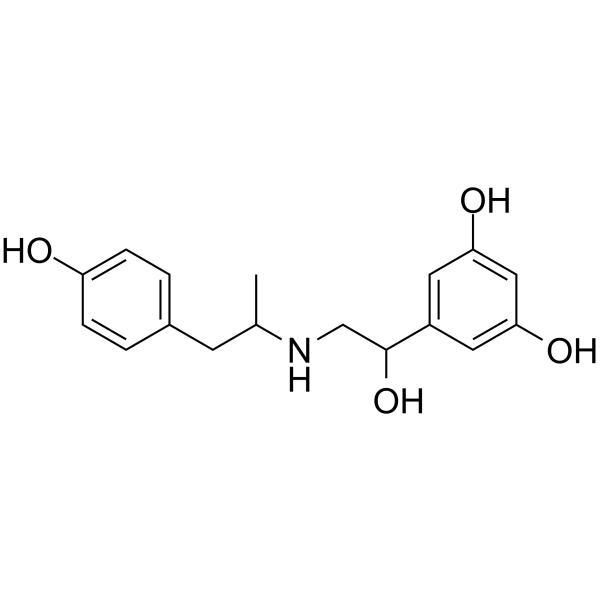
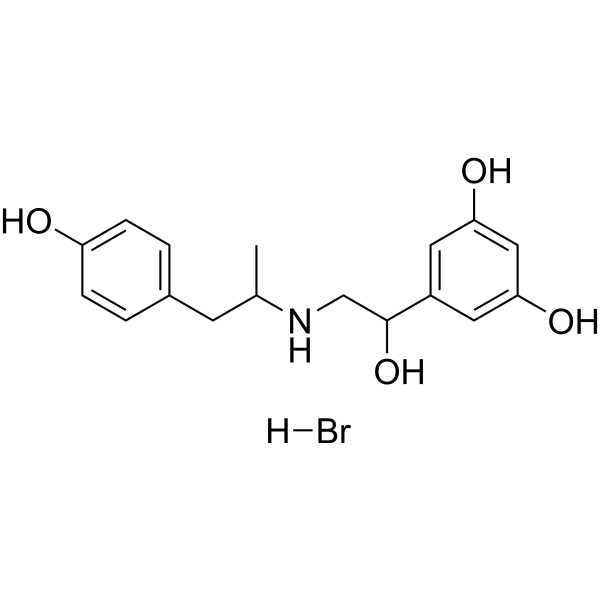
Fenoterol (Th-1165), a sympathomimetic agent, is a selective and orally active β2-adrenoceptor agonist. Fenoterol is an effective bronchodilator and can be used for bronchospasm associated with asthma, bronchitis and other obstructive airway diseases research .
loading...
    loading...
Cat. No.: HY-B0976A
CAS No.: 1944-12-3
Synonyms: Th-1165a; Phenoterol hydrobromide
Fenoterol hydrobromide (Th-1165a), a sympathomimetic agent, is a selective and orally active β2-adrenoceptor agonist. Fenoterol hydrobromide is an effective bronchodilator and can be used for bronchospasm associated with asthma, bronchitis and other obstructive airway diseases research .
loading...
    loading...
Cat. No.: HY-P99244
CAS No.: 1007106-86-6
Synonyms: ILV 094
Fezakinumab (ILV 094) is an anti-IL-22 monoclonal antibody. Fezakinumab inhibits IL-22 signal transduction, and regulates the JAK1/STAT3 pathway as well as apoptotic proteins. Fezakinumab alleviates airway remodeling, alveolar enlargement and inflammatory cell infiltration in lung tissues. Fezakinumab reduces the levels of neutrophils, lymphocytes, eosinophils and macrophages in lung tissues. Fezakinumab can be used in the research of chronic obstructive pulmonary disease and skin diseases .
loading...
    loading...
Cat. No.: HY-19393
CAS No.: 444659-43-2
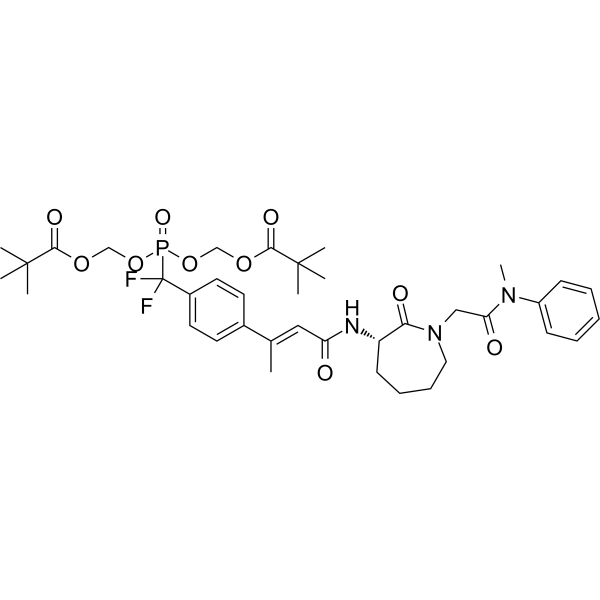
SCH 351591 is a highly selective, orally active PDE4 inhibitor, with IC50 values of 58 nM and 153 nM in humans and rats, respectively. SCH 351591 effectively inhibits pathological processes such as cytokine production, eosinophilia, airway hyperresponsiveness and bronchospasm. SCH 351591 also induces microvascular injury, activates mast cells and endothelial cells, and causes increases in serum histamine and various inflammatory factors, leading to early vascular damage. SCH 351591 has been widely used in studies related to asthma, chronic obstructive pulmonary disease and drug-induced vascular injury .
loading...
    loading...
Cat. No.: HY-17360S1
CAS No.: 1126775-44-7
Synonyms: BA679 BR-d6
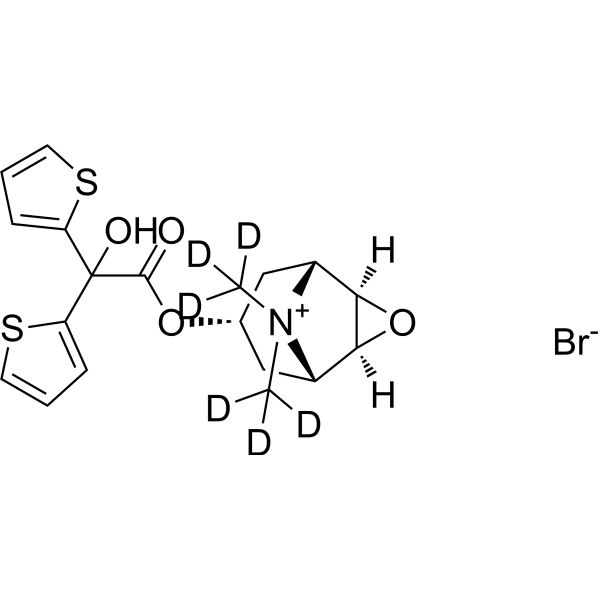
Tiotropium-d6 (bromide) is deuterium labeled Tiotropium (Bromide). Tiotropium bromide (BA-679 BR) is a long-acting anticholinergic bronchodilator. Tiotropium bromide blocks the action of acetylcholine at muscarinic M1, M2, and M3 receptors, prevents bronchoconstriction, and dilates bronchial airways. Tiotropium bromide is applicable to research related to chronic obstructive pulmonary disease and asthma .
loading...
    loading...
Cat. No.: HY-148092
CAS No.: 1637532-77-4
Purity:  98.87%
Target:  

STAT

Research Areas:  

Inflammation/Immunology Cancer

PM-43I is a potent STAT6 inhibitor and can reduce STAT6 phosphorylation level. PM-43I can be used in allergic lung disease, allergic rhinitis, chronic pulmonary obstructive disease and cancer research [1].
loading...
    loading...
Cat. No.: HY-12093A
CAS No.: 1258003-93-8
Target:  

Drug Isomer MMP Cadherin

Research Areas:  

Inflammation/Immunology

(R)-MMP408 is an isomer of MMP408 (HY-12093). MMP408 is an orally active MMP-12 inhibitor (IC50=2.0 nM for hMMP-12) that effectively interferes with the epithelial-mesenchymal transition (EMT) process. MMP408 significantly upregulates the expression of E-cadherin in nasal epithelial cells, while inhibiting mesenchymal markers such as vimentin, α-smooth muscle actin and fibronectin, thereby reversing the EMT phenotype. MMP408 is used in studies of airway remodeling-related diseases, including chronic rhinosinusitis with nasal polyps, chronic obstructive pulmonary disease (COPD) and asthma .
loading...
    loading...
Cat. No.: HY-12463A
CAS No.: 147568-66-9
Target:  

Adrenergic Receptor

Research Areas:  

Inflammation/Immunology

Carmoterol is a highly potent and selective long-acting β2-adrenergic receptor agonist with a pEC50 of 10.19. Carmoterol shows 53-fold higher affinity for β2-adrenergic receptors than for β1-adrenergic receptors. Carmoterol stimulates cyclic adenosine monophosphate accumulation, induces airway smooth muscle relaxation, inhibits bronchoconstriction, reduces thromboxane B2 release, and prolongs survival time. Carmoterol can be used in research related to asthma and chronic obstructive pulmonary disease (COPD) .
loading...
    loading...
Cat. No.: HY-B0809R
CAS No.: 58-55-9
Synonyms: 1,3-Dimethylxanthine(Standard); Theo-24 (Standard)
Theophylline (Standard) is the analytical standard of Theophylline. This product is intended for research and analytical applications. Theophylline (1,3-Dimethylxanthine) is a potent phosphodiesterase (PDE) inhibitor, adenosine receptor antagonist, and histone deacetylase (HDAC) activator. Theophylline (1,3-Dimethylxanthine) inhibits PDE3 activity to relax airway smooth muscle. Theophylline (1,3-Dimethylxanthine) has anti-inflammatory activity by increase IL-10 and inhibit NF-κB into the nucleus. Theophylline (1,3-Dimethylxanthine) induces apoptosis. Theophylline (1,3-Dimethylxanthine) can be used for asthma and chronic obstructive pulmonary disease (COPD) research .
loading...
    loading...
Cat. No.: HY-B0010S
CAS No.: 1020719-45-2
Synonyms: (±)Formoterol-d6
Formoterol-d6 ((±)Formoterol-d6) is the d6-labeled Formoterol (HY-B0010B). Formoterol is a selective β2-adrenoceptor agonist. Formoterol is at least as β2-adrenoceptor selective as Salbutamol (HY-B1067) and Terbutaline (HY-B0802A). Formoterol abolishs the contraction induced by Acetylcholine in bronchioles. Formoterol can be used for the research of chronic obstructive pulmonary disease and bronchial asthma .
loading...
    loading...

