14 Results for "

oligodendrocyte precursor cells

" in MedChemExpress (MCE) Product Catalog:
Products (14)

14 Results for "oligodendrocyte precursor cells" in MCE Product Catalog:

12
12 Publications Verification
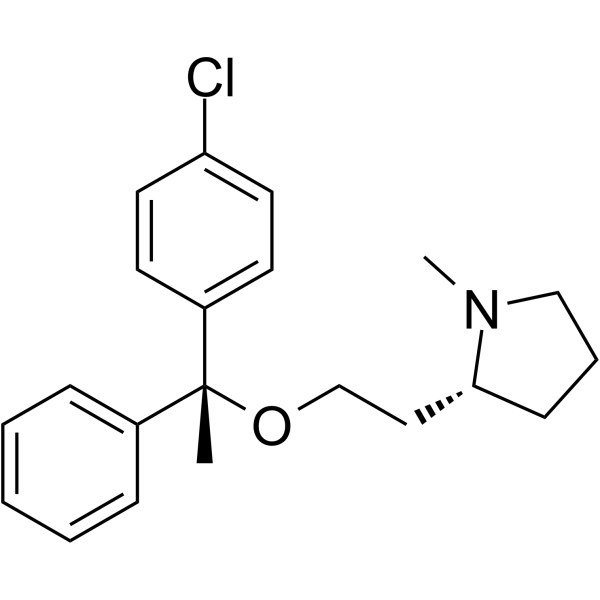
Cat. No.: HY-B0298
CAS No.: 15686-51-8
Synonyms: HS-592; Meclastine
Clemastine (HS-592; Meclastine) is an orally active, blood-brain barrier-permeable H1 histamine receptor (H1 histamine receptor) antagonist with potent antiallergic effects. Clemastine also antagonizes muscarinic acetylcholine receptors (mAChR), particularly the M1 and M4 subtypes. In addition to antihistamine effects, Clemastine exhibits multiple pharmacological activities, especially in promoting central nervous system remyelination, activating autophagy and pyroptosis, exerting anti-apoptotic and neuroprotective effects, and suppressing inflammation .
loading...
    loading...
3
3 Cited Publications
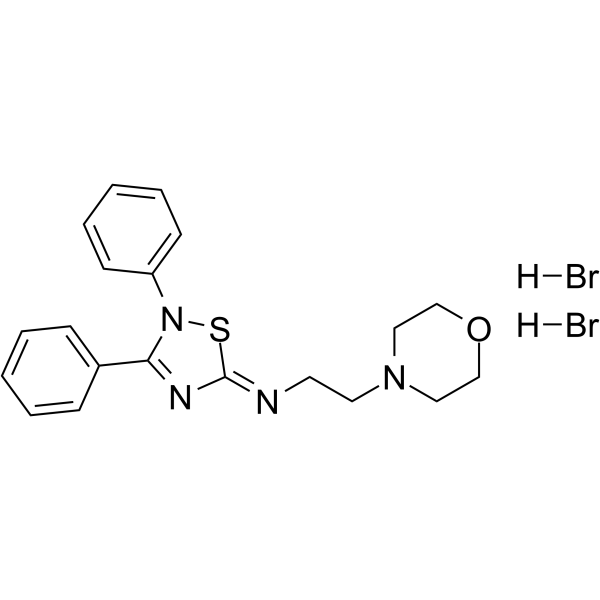
Cat. No.: HY-128879A
CAS No.: 1281681-33-1
Purity:  98.01%
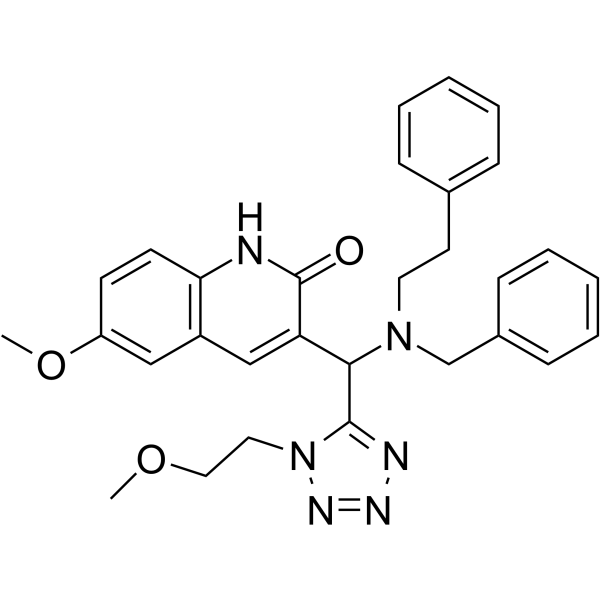
VP3.15 dihydrobromide is a highly potent, orally bioavailable, and CNS-penetrant PDE7-GSK3 dual inhibitor, with IC50 values of 1.59 μM and 0.88 μM against PDE7 and GSK3, respectively . VP3.15 dihydrobromide elevates intracellular cAMP levels, suppresses immune responses, enhances remyelination, limits excessive tau phosphorylation, and alleviates neuroinflammation and neuronal loss. VP3.15 dihydrobromide promotes oligodendrocyte precursor cell differentiation, improves in vivo remyelination, inhibits autoimmune encephalomyelitis, and mitigates germinal matrix-intraventricular hemorrhage-related brain injury, cerebral atrophy, ventricular enlargement, and cognitive impairment. VP3.15 dihydrobromide can be used in research related to multiple sclerosis and germinal matrix-intraventricular hemorrhage .
loading...
    loading...
3
3 Cited Publications
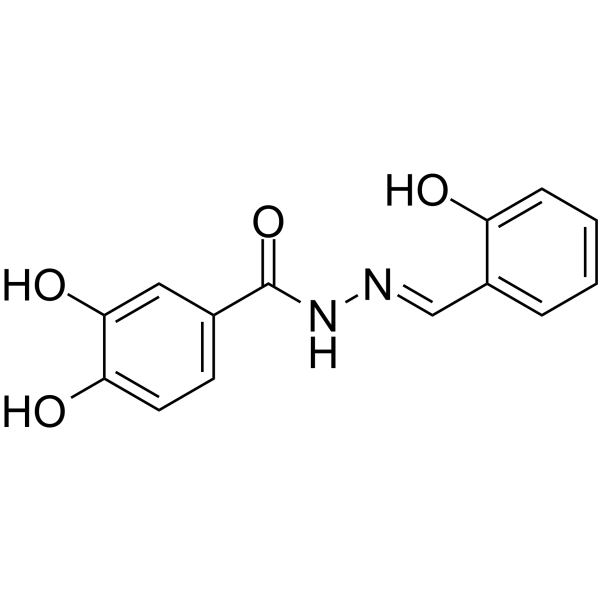
Cat. No.: HY-135474
CAS No.: 304481-60-5
Purity:  99.67%
Research Areas:  

Others

KM91104 is a cell-permeable V-ATPase a3-b2 inhibitor (IC50 = 2.3 µM). KM91104 reduces the metabolic activity, cell proliferation capacity and V-ATPase subunit protein expression levels of primary human hepatic stellate cells, increases intracellular ATP levels and decreases cytoplasmic pH. KM91104 reduces TLR4 expression on the surface of oligodendrocyte precursor cells, blocks the ENV-TLR4 interaction, and reverses oligodendrocyte myelination defects induced by ENV protein .
loading...
    loading...
1
1 Cited Publications
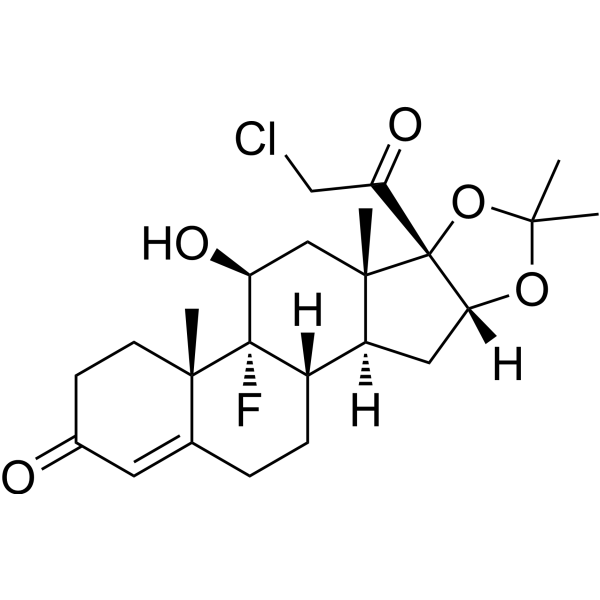
Cat. No.: HY-B0877
CAS No.: 3093-35-4
Synonyms: SQ-18566
Halcinonide (SQ-18566) is an orally active Smoothened (Smo) agonist. Halcinonide activates the Hedgehog signaling pathway by binding to Smo and promoting its internalization and expression, thereby activating Gli transcription factors. Halcinonide not only stimulates cell proliferation, increases the expression of cyclin D2/CDK6 and inhibits the degradation of caspase-3, but also suppresses Bcl-2/Bax-mediated apoptosis, oxidative stress and inflammatory responses. Halcinonide activates RxRγ to upregulate the expression of myelin genes, thereby reducing cerebral infarction and improving behavioral deficits. Halcinonide has been used in studies related to multiple sclerosis and ischemic stroke .
loading...
    loading...
Cat. No.: HY-W674241
CAS No.: 85734-98-1
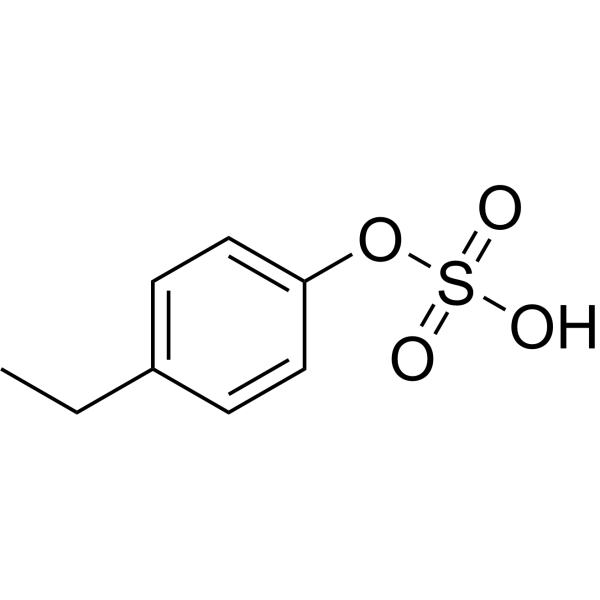
4-Ethylphenyl sulfate is an orally active and brain-penetrant gut microbial metabolite. 4-Ethylphenyl sulfate downregulates Bcl2 expression, upregulates Bax expression, and induces cancer cell apoptosis via the endogenous apoptotic pathway. 4-Ethylphenyl sulfate induces G2/M cell cycle arrest and reactive oxygen species (ROS) production. 4-Ethylphenyl sulfate impairs oligodendrocyte maturation, reduces oligodendrocyte-neuron interactions, decreases axonal myelination levels, and shifts the oligodendrocyte population toward immature precursor cells. 4-Ethylphenyl sulfate alters brain region-specific neural activity and functional connectivity in mice, and correlates with anxiety-like behaviors in mice .
loading...
    loading...
Cat. No.: HY-135749
CAS No.: 1361200-34-1
Target:  

IGF-1R

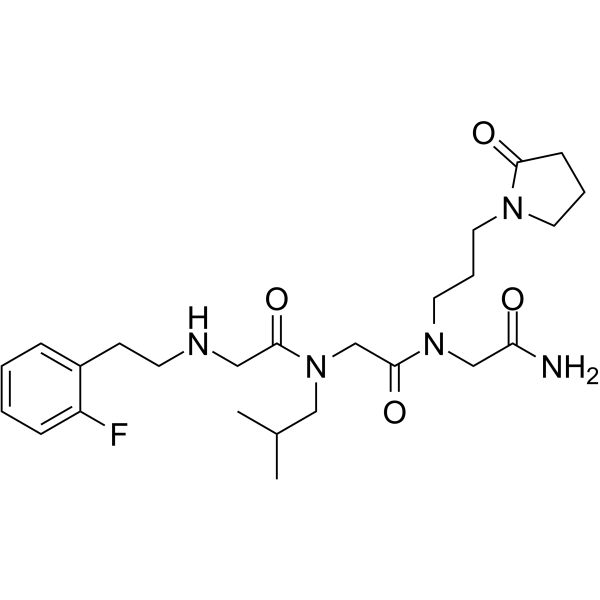
BN201 promotes neuronal differentiation, the differentiation of precursor cells to mature oligodendrocytes (EC50 of 6.3 μM) in vitro, and the myelination of new axons (EC50 of 16.6 μM). BN201 is able to cross the blood-brain barrier by active transport and activate pathways (IGF-1 pathway) associated with the response to stress and neuron survival. BN201 has potently neuroprotective effects .
loading...
    loading...
Cat. No.: HY-112411
CAS No.: 216163-53-0
Purity:  98.35%
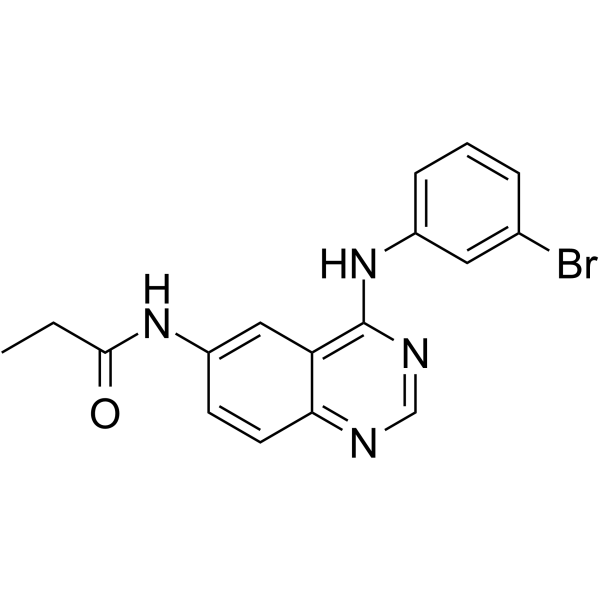
PD 174265 is a highly selective, reversible EGFR/ErbB2 tyrosine kinase inhibitor (IC50=0.45 nM) and cell differentiation inducer. By blocking receptor autophosphorylation and the downstream ERK signaling pathway (with an IC50 of 0.45 μM for full-length ERK), PD 174265 effectively inhibits tumor growth and exhibits antitumor activity without obvious toxicity in in vivo models. PD 174265 drives oligodendrocyte precursor cells to switch from a proliferative state to a differentiated state, significantly upregulates the expression of myelin proteins such as CNP, PLP and MBP, and induces neurite branching. PD 174265 shows no inhibitory effect on other kinases including insulin, PDGF and basic FGF receptors, and serves as a crucial tool molecule for investigating the treatment of human epidermoid carcinoma and the mechanism of myelin repair in multiple sclerosis .
loading...
    loading...
Cat. No.: HY-106000
CAS No.: 720691-69-0
Purity:  99.09%
Target:  

Histamine Receptor

Research Areas:  

Neurological Disease

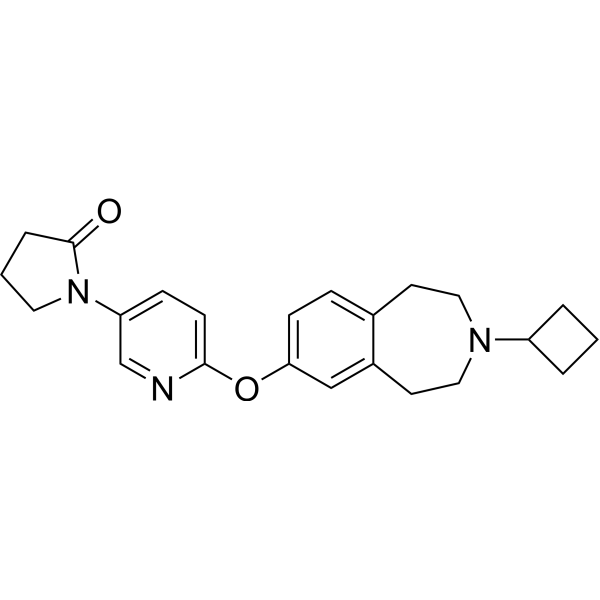
GSK239512 is a blood-brain barrier-permeable, orally active H3 receptor antagonist, with a human pKi ranging from <5.5 to 9.92 and a murine pKi ranging from 9.44 to 9.83. GSK239512 modulates cholinergic and monoaminergic neurotransmission, blocks the inhibitory feedback of H3 receptors, and increases the release of pro-cognitive neurotransmitters. GSK239512 induces oligodendrocyte precursor cell differentiation and restores myelin gene expression at the cellular level. GSK239512 reverses Scopolamine (HY-N0296)-induced memory deficits and improves recognition memory in animal models. GSK239512 can be used in research related to Alzheimer's disease, chronic traumatic encephalopathy, relapsing-remitting multiple sclerosis, and schizophrenia .
loading...
    loading...
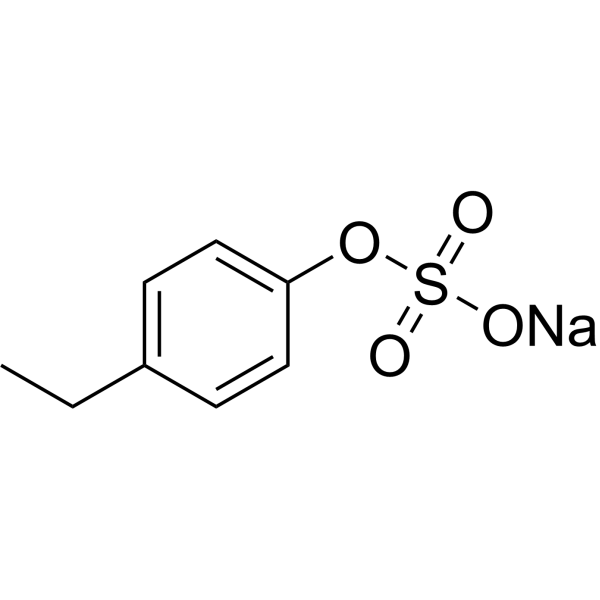
Cat. No.: HY-W674241A
4-Ethylphenyl sulfate sodium is an orally active and brain-penetrant gut microbial metabolite. 4-Ethylphenyl sulfate sodium downregulates Bcl2 expression, upregulates Bax expression, and induces cancer cell apoptosis via the endogenous apoptotic pathway. 4-Ethylphenyl sulfate sodium induces G2/M cell cycle arrest and reactive oxygen species (ROS) production. 4-Ethylphenyl sulfate sodium impairs oligodendrocyte maturation, reduces oligodendrocyte-neuron interactions, decreases axonal myelination levels, and shifts the oligodendrocyte population toward immature precursor cells. 4-Ethylphenyl sulfate sodium alters brain region-specific neural activity and functional connectivity in mice, and correlates with anxiety-like behaviors in mice .
loading...
    loading...
Cat. No.: HY-128128
CAS No.: 570365-12-7
Purity:  99.00%
ASN04421891 is a GPR17 agonist with nanomolar EC50 and high specificity. ASN04421891 promotes oligodendrocyte precursor cell maturation to mature myelinating oligodendrocytes. ASN04421891 can be used for the research of cerebral ischaemia, cardiac ischaemia, renal ischaemia, cerebral trauma, multiple sclerosis, schizophrenia, depression, alzheimer's disease, alzheimer-like dementia, parkinson's disease, huntington's chorea, amyotrophic lateral sclerosis (ALS), neuroinflammatory disorders .
loading...
    loading...
Cat. No.: HY-182600
CAS No.: 2370980-52-0
KLK6-IN-1 is a reversible small‑molecule inhibitor of KLK6, KLK1, and plasmin. KLK6-IN-1 shows IC50 values of 1.57 μM (KLK6), 5.1 μM (KLK1), 7.4 μM (plasmin), and Ki values of 0.8 μM (KLK6), 2.4 μM (KLK1), 1.3 μM (plasmin). KLK6-IN-1 is highly selective for KLK6 and its proteolytic network. KLK6-IN-1 induces oligodendrocyte differentiation by promoting oligodendrocyte precursor cell maturation. KLK6-IN-1 can be used for the research of multiple sclerosis .
loading...
    loading...
Cat. No.: HY-179606
CAS No.: 2877694-62-5
RWT9996 is a GPR17 antagonist. RWT9996 inhibits GPR17-mediated signal transduction processes, including G protein activation and β-arrestin-2 recruitment. RWT9996 inhibits MDL-29951 (HY-16312)-mediated phosphorylation of ERK1/2, phosphorylation of CREB, and accumulation of inositol phosphate (IP1) in oligodendrocyte precursor cells in vitro. RWT9996 can be used in studies related to demyelinating diseases .
loading...
    loading...
Cat. No.: HY-184986
CAS No.: 2901868-37-7
PIPE-791 is an orally active, blood-brain barrier-permeable selective antagonist of LPAR1. PIPE-791 inhibits LPA-induced calcium mobilization, collagen expression, histamine release, and the activation of fibroblasts, microglia and macrophages. PIPE-791 induces oligodendrocyte precursor cell differentiation, myelination and remyelination, and increases the number of microglia in the retina of normotensive rats. PIPE-791 protects mature oligodendrocytes from cytokine-induced death, reduces the levels of pulmonary fibrosis markers and alleviates neuroinflammation in preclinical models. PIPE-791 can be used in the research of glaucoma, neuroinflammatory diseases, chronic osteoarthritis pain, idiopathic pulmonary fibrosis and multiple sclerosis .
loading...
    loading...
Cat. No.: HY-W338819
CAS No.: 25122-41-2
Clobetasol is a glucocorticoid and Smoothened agonist that can cross the blood-brain barrier. Clobetasol induces Smo-dependent activation of the Shh signaling pathway and nuclear translocation of Gli1. Clobetasol promotes remyelination and reduces myelin loss in lesions of neuromyelitis optica (NMO). Clobetasol may cause adrenal suppression, cushingoid appearance, and local adverse reactions including dysgeusia, xerostomia, and gastroesophageal burning. Clobetasol can be used in research related to neurodegenerative diseases, oral lichen planus, mucous membrane pemphigoid, and neuromyelitis optica .
loading...
    loading...
  • 1

