
1. Search Result
Search Result
Results for "

onset

" in MedChemExpress (MCE) Product Catalog:

108

Inhibitors & Agonists

2

Screening Libraries

1

Biochemical Assay Reagents

6

Peptides

5

Inhibitory Antibodies

10

Natural
Products

10

Isotope-Labeled Compounds

1

Antibodies

2

Click Chemistry

2

Oligonucleotides

Cat. No. Product Name Target Research Areas Chemical Structure
  • HY-12956
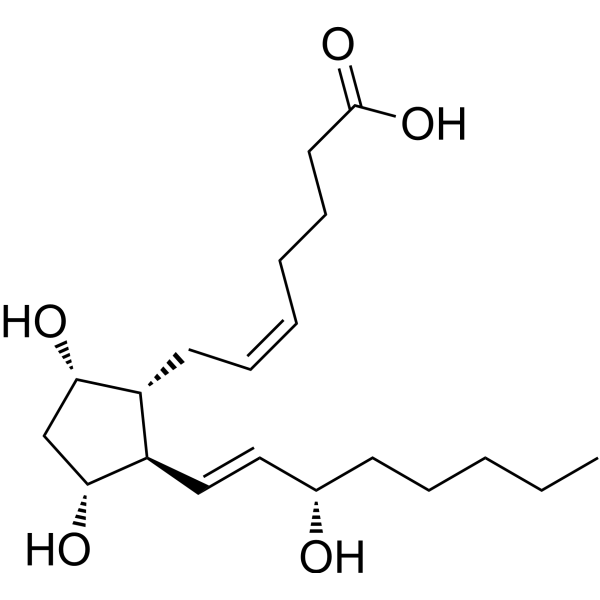
    Dinoprost
    Maximum Cited Publications
    9 Publications Verification

    Prostaglandin F2α; PGF2α

    Prostaglandin Receptor Endogenous Metabolite Autophagy Apoptosis Endocrinology
    Dinoprost (Prostaglandin F2α) is an orally active, potent prostaglandin F (PGF) receptor (FP receptor) agonist. Dinoprost is a luteolytic hormone produced locally in the endometrial luminal epithelium and corpus luteum (CL). Dinoprost plays a key role in the onset and progression of labour .
    Dinoprost
  • HY-A0014
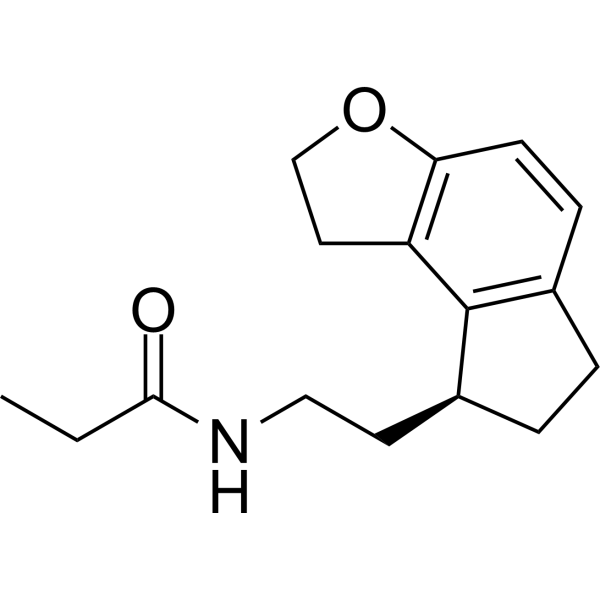
    Ramelteon
    10+ Cited Publications

    TAK-375

    Melatonin Receptor Neurological Disease Endocrinology Cancer
    Ramelteon is a potent, highly selective, and orally active agonist of MT1/MT2 with Ki values of 14 and 112 pM, respectively. Ramelteon has the potential for the research of insomnia. Ramelteon consistently reduces sleep onset after long-term treatment, with no next-morning residual effects or rebound insomnia or withdrawal symptoms upon discontinuation .
    Ramelteon
  • HY-168374
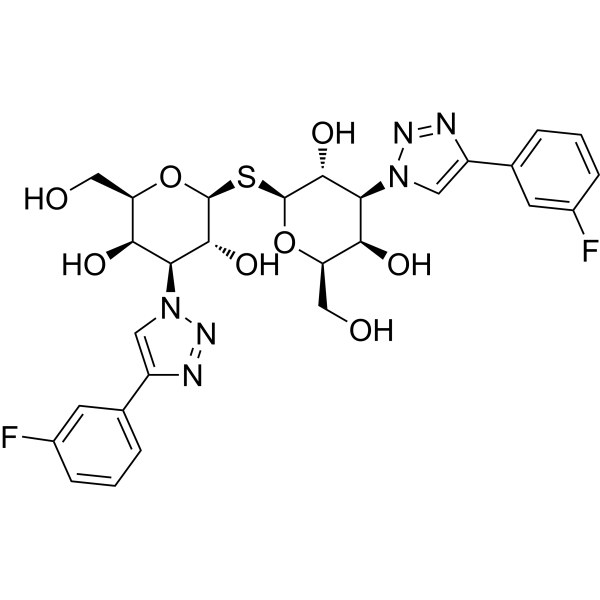
    DSPE-PEG2000-Mannose
    1 Publications Verification

    Biochemical Assay Reagents Liposome Small Interfering RNA (siRNA) Cancer
    DSPE-PEG 2000-Mannose is a mannose-containing lipid. DSPE-PEG 2000-Mannose is used to prepare mannose-conjugated Liposome (Man-lipo) for siRNA delivery. Mannose-modified liposomes encapsulating IDO siRNA (Man-lipo-siIDO) preferentially knock down IDO expression in the draining lymph nodes and spleens of melanoma-bearing mice. Man-lipo-siIDO delays the onset time of melanoma and reduces tumor volume .
    DSPE-PEG2000-Mannose
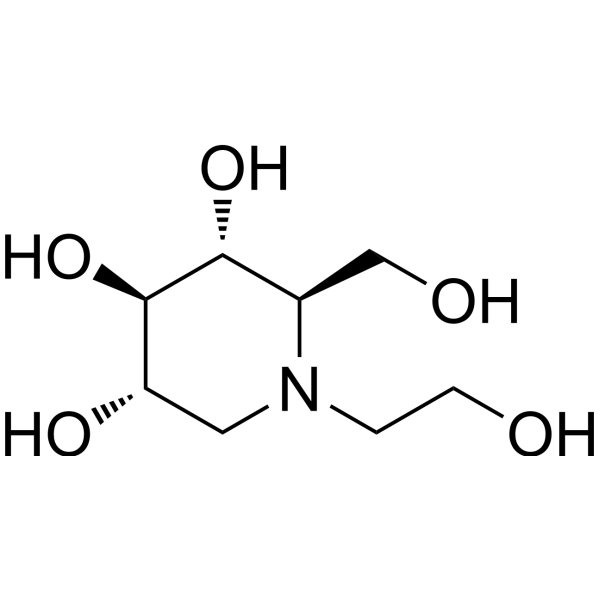
  • HY-B0481
    Miglitol
    2 Publications Verification

    BAY1099; BAY-m1099

    Glycosidase AMPK Reactive Oxygen Species (ROS) Metabolic Disease
    Miglitol (BAY-m1099) is an orally active antidiabetic compound that inhibits the breakdown of glycoconjugates into glucose. Miglitol inhibits glycoside hydrolase enzymes called α-glucosidases. Miglitol inhibits oxidative stress-induced apoptosis and mitochondrial ROS over-production in endothelial cells by enhancement of AMP-activated protein kinase. Dietary supplementation with Miglitol from pre-onset stage in OLETF rats delays the onset and development of diabetes and preserves the insulin secretory function of pancreatic islets .
    Miglitol
  • HY-108786

    ENB-0040

    Phosphatase Metabolic Disease
    Asfotase alfa (ENB-0040) is a bone-targeted genetically engineered glycoprotein. Asfotase alfa increases the survival rate, bone mineralization and bone length and prevents mineralization defects of the feet, rib cage, lower limbs, jaw bones in Akp2 / knockout mice. Asfotase alfa can be used for the research of perinatal, infantile, and juvenile-onset hypophosphatasia (HPP) .
    Asfotase alfa
  • HY-14905

    Tri-O-acetyl uridine

    Drug Derivative Neurological Disease
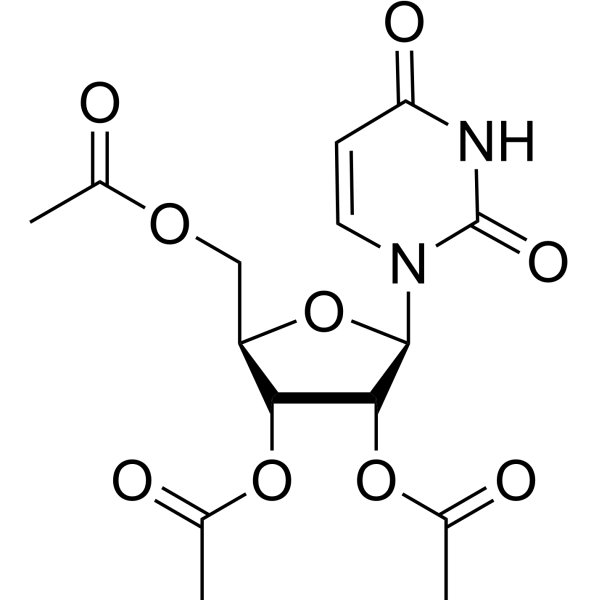
    Uridine triacetate (Tri-O-acetyl uridine) is an orally active proagent of Uridine (HY-B1449). Uridine triacetate is quickly absorbed in the gut, and is rapidly deacetylated in the circulation to yield free uridine. Uridine triacetate is used for the research of 5-fluorouracil (5-FU) and capecitabine toxicity, or early-onset cardiac or central nervous system (CNS) .
    Uridine triacetate
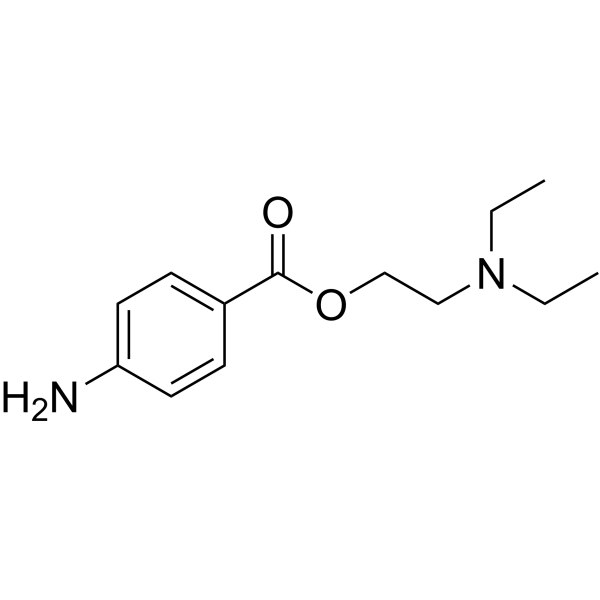
  • HY-B0546
    Procaine
    2 Publications Verification

    Histone Demethylase DNA/RNA Synthesis Bacterial Neurological Disease Cancer
    Procaine is a DNA-demethylating agent. Procaine acts through multiple targets and has a slow onset and a short duration of action .
    Procaine
  • HY-135484

    Biochemical Assay Reagents Metabolic Disease
    NDSB-195 is protein stabilizer that enhances the dynamics of the β4-α2 loop of ubiquitin. NDSB-195 stabilizes Saccharomyces cerevisiae ubiquitin against guanidium chloride denaturation, increasing the onset temperature of heat denaturation in the presence of the denaturant .
    NDSB-195
  • HY-148417

    Serotonin Transporter Neurological Disease
    ZZL-7 is a fast-onset antidepressant agent. ZZL-7 works by disrupting the interaction between the serotonin transporter (SERT) and neuronal nitric oxide synthase (nNOS) in the dorsal raphe nucleus (DRN). ZZL-7 can cross the blood-brain barrier readily. ZZL-7 can be used for the research of major depressive disorder (MDD) .
    ZZL-7
  • HY-P990043

    VGL101

    Ser/Thr Kinase TREM receptor Inflammation/Immunology
    Iluzanebart is a human monoclonal IgG1 antibody and is the agonist antibody for human TREM2 (hTREM2). Iluzanebart improves the survival and function of microglia by activating the TREM2 signaling pathway to compensate for the loss of CSF1R function. Iluzanebart can be used for research of adult-onset leukoencephalopathy associated with CSF1R (colony stimulating factor 1 receptor) (CSF1R-ALSP) .
    Iluzanebart
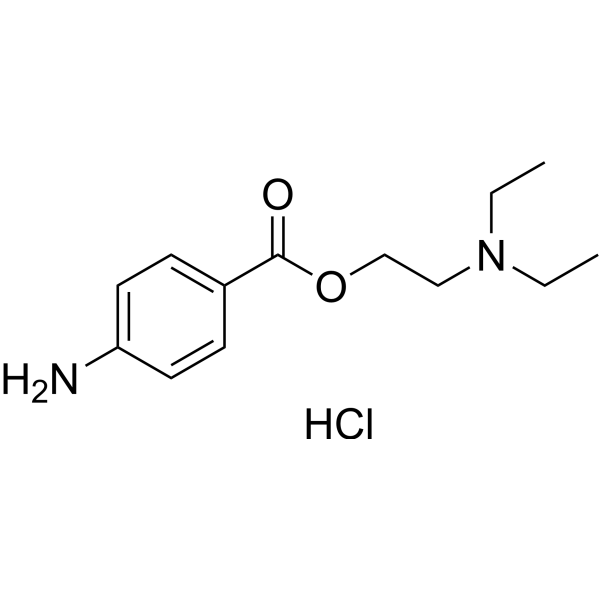
  • HY-B0546A
    Procaine hydrochloride
    2 Publications Verification

    Histone Demethylase DNA/RNA Synthesis Bacterial Neurological Disease Cancer
    Procaine hydrochloride is a DNA-demethylating agent. Procaine hydrochloride acts through multiple targets and has a slow onset and a short duration of action .
    Procaine hydrochloride
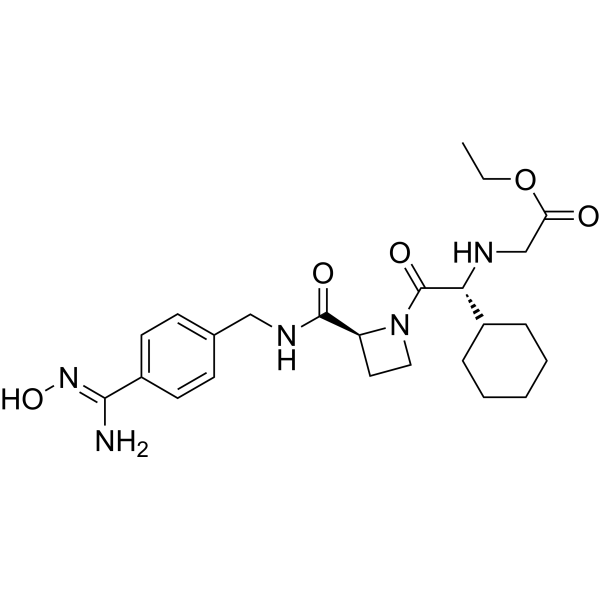
  • HY-10787
    Ximelagatran
    1 Publications Verification

    H 376/95

    Thrombin Cardiovascular Disease
    Ximelagatran (H 376/95) is an orally active thrombin inhibitor that selectively and competitively inhibits both free and clot-bound thrombin. Ximelagatran is an anticoagulant agent with a rapid onset of anticoagulant effect, predictable, dose-dependent pharmcokinetics and pharmacodynamics .
    Ximelagatran
  • HY-109555

    HMR 1964

    Insulin Receptor Metabolic Disease Inflammation/Immunology
    Insulin glulisine (HMR 1964) is a rapid-acting insulin analog whose pharmacokinetic and pharmacodynamic properties mimic physiological insulin secretion in humans, with a rapid onset of action. Insulin glulisine controls hyperglycemia. Insulin glulisine is applicable to research related to type 1 diabetes and type 2 diabetes .
    Insulin glulisine
  • HY-B1470

    R-1929

    Dopamine Receptor Adrenergic Receptor Neurological Disease
    Azaperone is an antagonist of dopamine D2 receptor (Dopamine D2 Receptor) and α-adrenergic receptor (AR). Azaperone reduces vasomotor tone, mean arterial pressure, hematocrit, hemoglobin concentration, and etorphine-induced duration; induces transient tachycardia followed by bradycardia, splenic uptake of red blood cells, and sedation; alters animal behaviors; and produces sedation with distinct onset and duration in foals. Azaperone is used for sedation and tranquilization in various animals to reduce stress and aggressive behaviors, and serves as a preanesthetic agent .
    Azaperone
  • HY-108882B
    DNase I RNase & Protease free
    Maximum Cited Publications
    29 Publications Verification

    DNA/RNA Synthesis Inflammation/Immunology
    DNase I is an enzyme that degrades DNA. DNase I is mainly produced by digestive system organs, such as the pancreas and parotid gland. Three types of DNase I are known in mammals: pancreatic type, parotid type, and pancreatico-parotid type. DNase I plays a key role in the cleavage of extracellular DNA, and is critical for limiting inflammatory responses and maintaining homeostasis. DNase I is responsible for digesting extracellular nucleoproteins, which may be essential for preventing autoimmune responses. Decreased DNase I activity may be associated with the onset and progression of systemic lupus erythematosus (SLE). DNase I (RNase & Protease free) is a molecular biology-grade DNase I purified by chromatography to remove RNase and protease .
    DNase I RNase & Protease free
  • HY-Y0378

    (R)-Leucine

    Endogenous Metabolite Neurological Disease
    D-Leucine is a more potent anti-seizure agent than L-leucine. D-leucine potently terminates seizures even after the onset of seizure activity. D-leucine, but not L-leucine, reduces long-term potentiation but had no effect on basal synaptic transmission in vitro .
    D-Leucine
  • HY-12956A
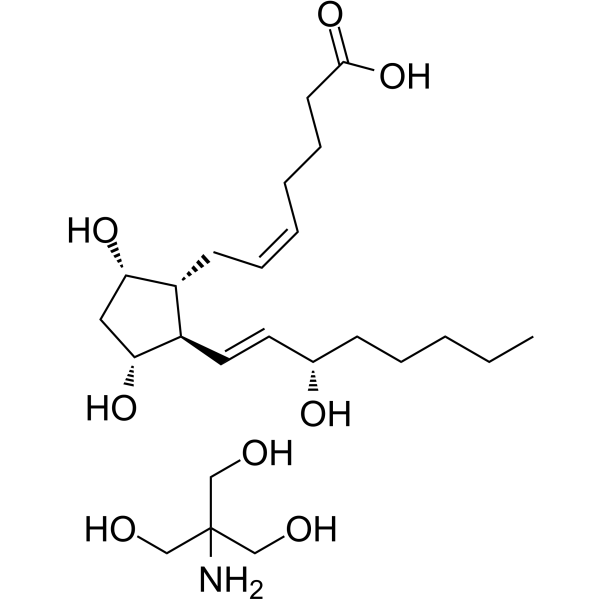
    Dinoprost tromethamine salt
    Maximum Cited Publications
    9 Publications Verification

    Prostaglandin F2α tromethamine salt; PGF2α THAM; Prostaglandin F2α THAM

    Prostaglandin Receptor Endogenous Metabolite Autophagy Apoptosis Endocrinology
    Dinoprost tromethamine salt (Prostaglandin F2α tromethamine salt) is an orally active, potent prostaglandin F (PGF) receptor (FP receptor) agonist. Dinoprost tromethamine salt is a luteolytic hormone produced locally in the endometrial luminal epithelium and corpus luteum (CL). Dinoprost tromethamine salt plays a key role in the onset and progression of labour .
    Dinoprost tromethamine salt
  • HY-176136

    Orphan Nuclear Receptor Metabolic Disease
    HNF4 agonist 1 is a HNF4 agonist. HNF4 agonist 1 activates HNF4α and HNF4γ with EC50 values of 6 nM and 17 nM, respectively. HNF4 agonist 1 can be used in studies related to maturity-onset diabetes of the young type 1 (mody-1) .
    HNF4 agonist 1
  • HY-12956S

    Prostaglandin F2a-d4; PGF2α-d4

    Isotope-Labeled Compounds Prostaglandin Receptor Endogenous Metabolite Autophagy Apoptosis Endocrinology
    Dinoprost-d4 is the deuterium labeled Dinoprost. Dinoprost (Prostaglandin F2α) is an orally active, potent prostaglandin F (PGF) receptor (FP receptor) agonist. Dinoprost is a luteolytic hormone produced locally in the endometrial luminal epithelium and corpus luteum (CL). Dinoprost plays a key role in the onset and progression of labour .
    Dinoprost-d4
  • HY-136528

    Deubiquitinase Apoptosis Cancer
    RA-9 is a potent and selective proteasome-associated deubiquitinating enzymes (DUBs) inhibitor with favorable toxicity profile and anticancer activity. RA-9 blocks ubiquitin-dependent protein degradation without impacting 20S proteasome proteolytic activity. RA-9 selectively induces onset of apoptosis in ovarian cancer cell lines and primary cultures derived from donors. RA-9 induces endoplasmic reticulum (ER)-stress responses in ovarian cancer cells .
    RA-9
  • HY-108506
    Licarbazepine
    1 Publications Verification

    BIA 2-005; GP 47779

    Sodium Channel Neurological Disease
    Licarbazepine (BIA 2-005; GP 47779) is a voltage-gated sodium channel blocker with anticonvulsant and mood-stabilizing effects .
    Licarbazepine
  • HY-112705

    Potassium Channel Neurological Disease Metabolic Disease
    VU0529331 is a homomeric GIRK channel activator, with an EC50 value of 5.1 μM for human GIRK2 and an EC50 value of 22.3 μM for GIRK4. VU0529331 serves as a starting point for the development of non-GIRK1/X channel probes and also acts as a tool for studying homomeric GIRK channels. VU0529331 is applicable to research related to addiction, primary aldosteronism and delayed-onset obesity .
    VU0529331
  • HY-W203683

    PFNA; Heptadecafluorononanoic acid

    PPAR PERK Metabolic Disease
    Perfluorononanoic acid (PFNA) is an orally active PPARα activator. Perfluorononanoic acid activates PPARα-mediated gene expression, including upregulating target genes associated with lipid metabolism and triglyceride storage. Perfluorononanoic acid exhibits certain developmental and reproductive toxicity. Perfluorononanoic acid causes hepatomegaly in pregnant mice, induces high postnatal mortality in neonatal mice, and leads to dose-dependent delays in eye-opening time and puberty onset in mouse offspring .
    Perfluorononanoic acid
  • HY-105077A

    INN 00835 diTFA

    5-HT Receptor Neurological Disease
    Nemifitide diTFA (INN 00835 diTFA) is a synthetic pentapeptide antidepressant with a potential for rapid onset of action . Nemifitide diTFA is a peptide analog of melanocyte-inhibiting factor (MIF) . Nemifitide diTFA can cross the blood-brain barrier .
    Nemifitide diTFA
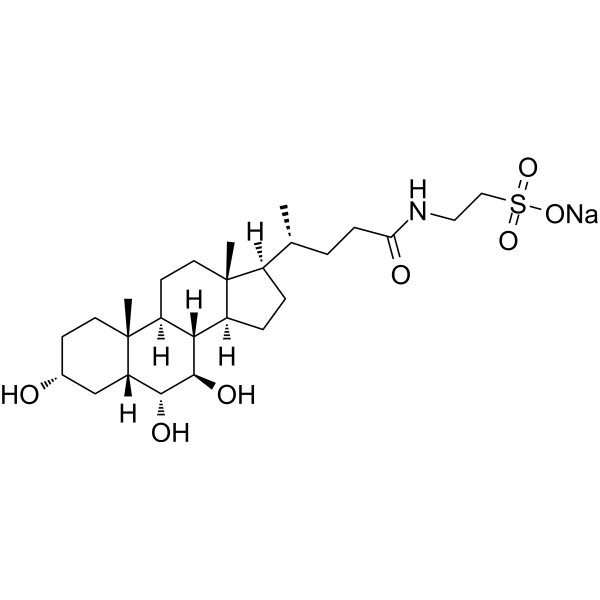
  • HY-136066
    Tauro-ω-muricholic acid sodium
    1 Publications Verification

    TωMCA sodium

    Endogenous Metabolite Metabolic Disease
    Tauro-ω-muricholic acid sodium (TωMCA sodium) is a bile acid released by the liver and an analog of tauro-α-muricholic acid. Tauro-ω-muricholic acid sodium is investigated as a potential marker in plasma for early-onset neonatal sepsis (EOS) and cholestasis studies
    Tauro-ω-muricholic acid sodium
  • HY-101059

    GABA Receptor Neurological Disease
    FGIN 1-27, an indoleacetamide, is a specific peripheral benzodiazepine receptor (PBR) ligand with a Ki of 5.0 nM. FGIN 1-27 can penetrate the blood brain barrier (BBB). FGIN 1-27 inhibits the onset of Isoniazid-induced convulsions .
    FGIN 1-27
  • HY-108519

    ROCK Neurological Disease
    AS1892802 is a potent, orally active, and highly selective inhibitor of ROCK. The onset of antinociceptive effect of AS1892802 is as fast as those of Tramadol and Diclofenac. AS1892802 did not induce gastric irritation or abnormal behavior. AS1892802 is an attractive analgesic profile for the research of severe osteoarthritis pain .
    AS1892802
  • HY-A0014S1

    TAK-375-d3

    Melatonin Receptor Others
    Ramelteon-d3 (TAK-375-d3) is a deuterium-labelled Ramelteon (HY-A0014). Ramelteon is a potent, highly selective, and orally active agonist of MT1/MT2 with Ki values of 14 and 112 pM, respectively. Ramelteon has the potential for the research of insomnia. Ramelteon consistently reduces sleep onset after long-term treatment, with no next-morning residual effects or rebound insomnia or withdrawal symptoms upon discontinuation.
    Ramelteon-d3
  • HY-W014134

    p-Amidinophenylmethylsulfonylfluoride hydrochloride

    Ser/Thr Protease Inflammation/Immunology
    p-APMSF (p-Amidinophenylmethylsulfonylfluoride) hydrochloride is a serine protease and trypsin inhibitor with the characteristic of rapid onset of action. p-APMSF hydrochloride reduces the enzymatic hydrolysis of recombinant human G-CSF in rat pulmonary mucosa. Combined intratracheal treatment with p-APMSF hydrochloride and Laureth-9 significantly enhances its absorption efficiency in rat lungs. Following intranasal administration, p-APMSF hydrochloride does not increase the concentration of recombinant human G-CSF in rat plasma, nor does it alter the effect of G-CSF on inducing an increase in total white blood cell count .
    p-APMSF hydrochloride
  • HY-P10019

    NLY01

    GCGR Neurological Disease Inflammation/Immunology
    Pegsebrenatide (NLY01) is a blood-brain barrier-penetrant GLP-1R agonist. Pegsebrenatide alleviates retinal inflammation and neuronal death secondary to ocular hypertension . Pegsebrenatide significantly delays onset and reduces disease severity in experimental autoimmune encephalomyelitis . Pegsebrenatide inhibits the formation of A1 reactive astrocytes in nerve cells and reduces the loss of retinal ganglion cells and dopaminergic neurons. Pegsebrenatide exerts neuroprotective effects in a mouse model of Parkinson's disease by directly preventing microglia-mediated conversion of astrocytes to the A1 neurotoxic phenotype. Pegsebrenatide can be used for research on glaucoma, Parkinson's disease, and multiple sclerosis .
    Pegsebrenatide
  • HY-111817

    Parasite Infection
    ACT-451840 is an orally active, potent and low-toxicity compound, showing activity against sensitive and resistant plasmodium falciparum strains. ACT-451840 targets all asexual blood stages of the parasite, has a rapid onset of action. ACT-451840 behaves in a way similar to artemisinin derivatives, with very rapid onset of action and elimination of parasite. ACT-451840 can be used for the research of malarial .
    ACT-451840
  • HY-B0546AR

    Reference Standards Histone Demethylase DNA/RNA Synthesis Bacterial Neurological Disease Cancer
    Procaine (hydrochloride) (Standard) is the analytical standard of Procaine (hydrochloride). This product is intended for research and analytical applications. Procaine hydrochloride is a DNA-demethylating agent. Procaine hydrochloride acts through multiple targets and has a slow onset and a short duration of action .
    Procaine hydrochloride (Standard)
  • HY-145578

    X842

    Drug Intermediate Proton Pump Metabolic Disease
    Linaprazan glurate (X842) is an orally atcive prodrug of Linaprazan (HY-100412) with a potent and prolonged inhibitory effect on gastric acid secretion. Linaprazan glurate is rapidly transformed by enzymatic cleavage into its active metabolite, linaprazan. Linaprazan glurate is a potassium-competitive acid blocker. Linaprazan glurate selectively inhibites acid formation from gastric H⁺/K⁺-ATPase in a potassium-dependent manner (IC50 = 436.2 nM). Linaprazan glurate can be used for the studies of erosive esophagitis (EE) .
    Linaprazan glurate
  • HY-111996

    Potassium Channel Neurological Disease Inflammation/Immunology
    Kv3 activator-1 is a Kv3 family voltage-gated potassium channel activator. Kv3 activator-1 reverses mechanical hyperalgesia in rat models of neuropathic and inflammatory pain, with rapid onset and long-lasting, dose-related effects. Kv3 activator-1 can be used for the research of pain .
    Kv3 activator-1
  • HY-Y0378S

    (R)-Leucine-d10

    Isotope-Labeled Compounds Endogenous Metabolite Neurological Disease
    D-Leucine-d10 is the deuterium labeled D-Leucine. D-Leucine is a more potent anti-seizure agent than L-leucine. D-leucine potently terminates seizures even after the onset of seizure activity. D-leucine, but not L-leucine, reduces long-term potentiation but had no effect on basal synaptic transmission in vitro .
    D-Leucine-d10
  • HY-110174

    α-synuclein Neurological Disease
    NAB2 is a neuroprotectant that targets the small GTPase Rab1a. NAB2 selectively binds to the GDP-bound form of Rab1a and protects multiple cell types from α-synuclein toxicity by increasing Rab1a expression. Rab1a regulates ER-to-Golgi trafficking and mediates endosomal trafficking events of the E3 ubiquitin ligase Rsp5/Nedd4. NAB2 stimulates ubiquitination of related proteins in a Nedd4-dependent manner and rescues α-synuclein-associated trafficking defects associated with early-onset Parkinson's disease .
    NAB2
  • HY-113048A
    Erythronic acid potassium
    1 Publications Verification

    Endogenous Metabolite Metabolic Disease
    Erythronic acid potassium is an endogenous metabolite of carbohydrates that can be used in the study of metabolism-related diseases. It plays a key role in the onset and improvement of hyperuricemia and is related to mitochondrial dysfunction in transaldolase deficiency .
    Erythronic acid potassium
  • HY-P2378

    Endogenous Metabolite Cardiovascular Disease
    Neuromedin U-25 human is the active form of neuromedin U in human. Neuromedin U-25 human inhibits glucose-stimulated insulin secretion, which leads to early-onset obesity. Neuromedin U-25 serves as vasoconstrictor in human vascular beds .
    Neuromedin U-25 (human)
  • HY-A0014S

    TAK-375-d5

    Isotope-Labeled Compounds Melatonin Receptor Neurological Disease Endocrinology Cancer
    Ramelteon-d5 is deuterium labeled Ramelteon. Ramelteon is a potent, highly selective, and orally active agonist of MT1/MT2 with Ki values of 14 and 112 pM, respectively. Ramelteon has the potential for the research of insomnia. Ramelteon consistently reduces sleep onset after long-term treatment, with no next-morning residual effects or rebound insomnia or withdrawal symptoms upon discontinuation .
    Ramelteon-d5
  • HY-179505

    YAP Cancer
    OPN-9652 is a potent, orally active, and covalent TEAD inhibitor (MSTO-211H TEAD IC50 = 0.005 µM) targeting the central palmitate binding pocket of TEADs. OPN-9652 reduces TEAD-dependent reporter activity and expression of TEAD targets (CTGF and CYR61). OPN-9652 resensitizes drug-tolerant SOX10 KO cells to BRAFi + MAPKi. OPN-9652 delays the onset of tumor resistance to BRAFi + MEKi from minimal residual disease (MRD) in a BRAF mutant A375 xenograft mouse model. OPN-9652 can be used for melanoma research .
    OPN-9652
  • HY-113048

    Endogenous Metabolite Metabolic Disease
    Erythronic acid is an endogenous metabolite of carbohydrates that can be used in the study of metabolism-related diseases. It plays a key role in the onset and improvement of hyperuricemia and is related to mitochondrial dysfunction in transaldolase deficiency .
    Erythronic acid
  • HY-112528

    GP-NPEA

    Endogenous Metabolite Metabolic Disease
    Glycerophospho-N-palmitoyl ethanolamine (GP-NPEA) is a metabolic precursor of palmitoyl ethanolamide PEA (HY-157829). Glycerophospho-N-palmitoyl ethanolamine decreases in the cortex of CUMS rats, which may be related to a disorder in the endocannabinoid system arising after the onset of depression .
    Glycerophospho-N-palmitoyl ethanolamine
  • HY-145486

    20:4 Lyso PA

    Liposome Neurological Disease
    1-Arachidonoyl-sn-glycerol 3-phosphate ammonium (20:4 Lyso PA) is a phospholipid and an LPA derived from arachidonic acid. The concentration of 1-Arachidonoyl-sn-glycerol 3-phosphate ammonium in plasma is significantly correlated with the age of onset of cocaine use and the duration of abstinence. 1-Arachidonoyl-sn-glycerol 3-phosphate ammonium can be used in the research of biomarkers for cocaine use disorder (CUD) .
    1-Arachidonoyl-sn-glycerol 3-phosphate ammonium
  • HY-108506R

    BIA 2-005 (Standard); GP 47779 (Standard)

    Reference Standards Sodium Channel Neurological Disease
    Licarbazepine (Standard) is the analytical standard of Licarbazepine. This product is intended for research and analytical applications. Licarbazepine (BIA 2-005; GP 47779) is a voltage-gated sodium channel blocker with anticonvulsant and mood-stabilizing effects .
    Licarbazepine (Standard)
  • HY-178150

    Wee1 Cancer
    WEE1-IN-14 (Compound 14) is a selective WEE1 inhibitor (IC50: 0.5 nM in L-RB-FEP calculations, 1.0 nM in ADP-Glo kinase assay). Inhibition of Wee1 in cancer cells disrupts the G2-M checkpoint, removes the regulatory controls on the cell cycle, and leads to early onset of mitotic failure followed by apoptosis of tumor cells. Therefore, WEE1-IN-14 is a useful tool for studying cancer biology .
    WEE1-IN-14
  • HY-175184

    Histone Demethylase Infection
    LSD1-IN-44 (Compound 19) is a LSD1 inhibitor with an IC50 of 0.02  μM for LSD1-CoREST enzymatic complex. LSD1-IN-44 has significant antischistosomal activity against transformed schistosomula (NTS) and Schistosoma mansoni adult worms while showing a delayed onset of action towards juvenile forms. LSD1-IN-44 has no significant toxicity to human cells. LSD1-IN-44 can be used for schistosomiasis research .
    LSD1-IN-44
  • HY-B1470S

    R-1929-d4

    Isotope-Labeled Compounds Dopamine Receptor Adrenergic Receptor Neurological Disease
    Azaperone-d4 (R-1929-d4) is the deuterium labeled Azaperone (HY-B1470). Azaperone is an antagonist of dopamine D2 receptor (Dopamine D2 Receptor) and α-adrenergic receptor (AR). Azaperone reduces vasomotor tone, mean arterial pressure, hematocrit, hemoglobin concentration, and etorphine-induced duration; induces transient tachycardia followed by bradycardia, splenic uptake of red blood cells, and sedation; alters animal behaviors; and produces sedation with distinct onset and duration in foals. Azaperone is used for sedation and tranquilization in various animals to reduce stress and aggressive behaviors, and serves as a preanesthetic agent.
    Azaperone-d4
  • HY-152014S

    Isotope-Labeled Compounds Endogenous Metabolite Neurological Disease
    Stearoylcarnitine-d3-1 (hydrochloride) is deuterium labeled Stearoylcarnitine. Stearoylcarnitine, a fatty ester lipid molecule, is a human endogenous metabolite. Stearoylcarnitine acts as a metabolomics biomarker for early-onset-preeclampsia and late-onset-preeclampsia .
    Stearoylcarnitine-d3-1 hydrochloride
  • HY-129423

    Neurokinin Receptor Others
    Telmapitant is an orally active NK1R antagonist. Telmapitant has antiemetic effect and can be used for the research of delayed onset emesis .
    Telmapitant
  • HY-19905

    Adrenergic Receptor Others
    GW-597901 is a compound with bronchodilator activity that has a stronger bronchodilator effect than salbutamol in a human lung reperfusion model, but with a slightly slower onset of action.
    GW-597901

Inquiry Online

Your information is safe with us. * Required Fields.

Salutation


Country or Region *

Applicant Name *


Organization Name *

Department *


Email Address *


Product Name *

Cat. No.


Requested quantity *

Phone Number *


Remarks

Inquiry Online

Inquiry Information

Product Name:
Cat. No.:
Quantity:
MCE Japan Authorized Agent:

