1. Search Result
Search Result
Results for "

output

" in MedChemExpress (MCE) Product Catalog:

106

Inhibitors & Agonists

6

Fluorescent Dye

3

Biochemical Assay Reagents

7

Peptides

1

Inhibitory Antibodies

7

Natural
Products

9

Isotope-Labeled Compounds

2

Antibodies

3

Oligonucleotides

Cat. No. Product Name Target Research Areas Chemical Structure
  • HY-D0711
    Indocyanine green
    40+ Cited Publications

    Foxgreen; IC Green; Cardiogreen

    Fluorescent Dye Cancer
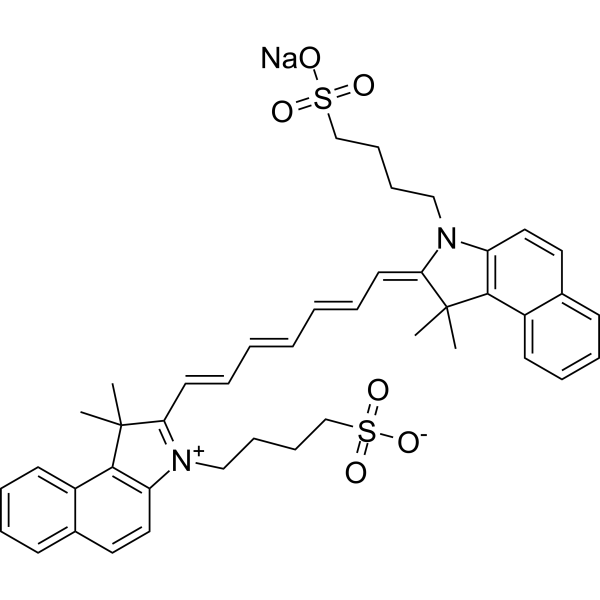
    Indocyanine green (Foxgreen) is a low toxicic fluorescent agent that has been widely used in medical diagnostics, such as determining cardiac output, hepatic function, and liver blood flow, and for ophthalmic angiography (Ex/Em = 785/813 nm) .
    Indocyanine green
  • HY-12591A
    D-Luciferin
    Maximum Cited Publications
    110 Publications Verification

    D-(-)-Luciferin; Firefly luciferin; Beetle Luciferin

    Fluorescent Dye Others
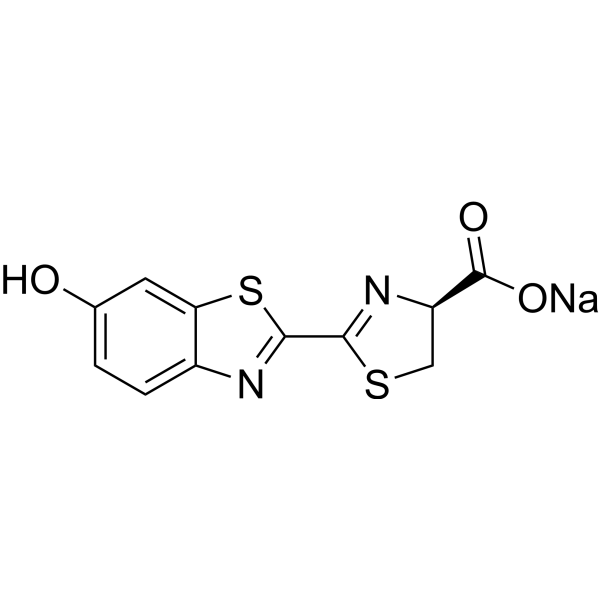
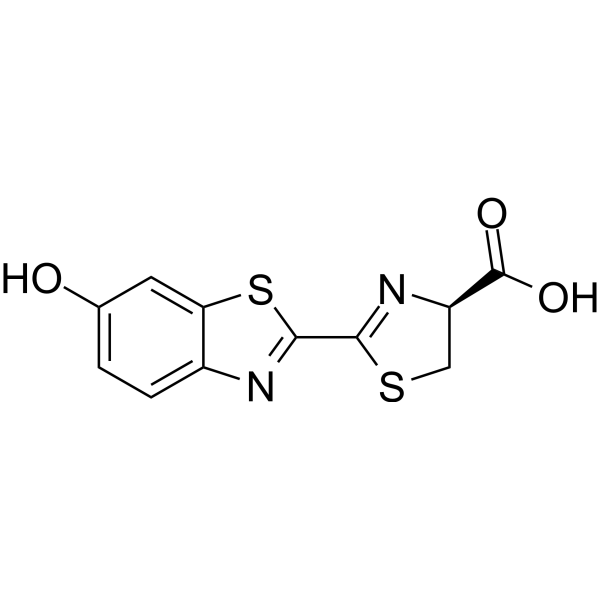
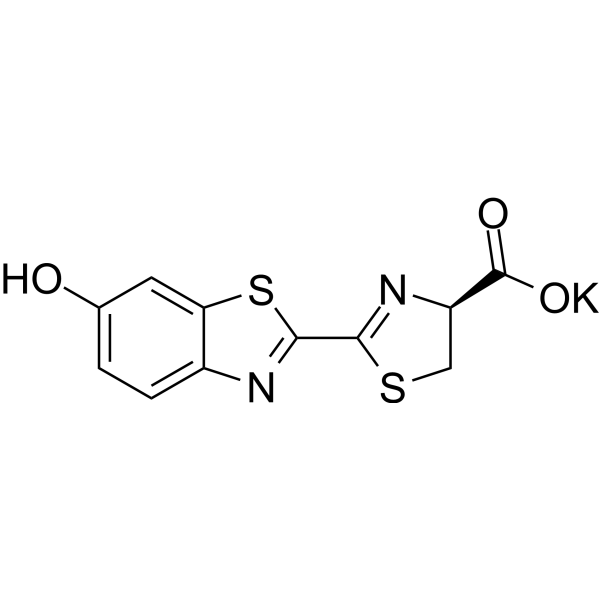
    D-luciferin is the natural substrate of the enzyme luciferase (Luc) that catalyzes the production of the typical yellowgreen light of fireflies. The 560 nm chemiluminescence from this reaction peaks within seconds, with light output that is proportional to luciferase concentration when the substrate luciferin is present in excess. The luciferase (luc) gene is a popular reporter gene for research and agent screening. Chemiluminescent techniques are virtually background-free, making the luc reporter gene ideal for detecting low-level gene expression. As little as 0.02 pg of luciferase can be reliably measured in a standard scintillation counter. In addition to its role as a reporter of gene expression, luciferase is commonly used in an extremely sensitive assay for ATP . We of er the firefly luciferase (HY-P1004A), luciferin free acid (HY-12591A), as well as its water-soluble sodium salts (HY-12591) and potassium salts (HY-12591B) .
    D-Luciferin
  • HY-153356

    Molecular Glues Apoptosis Inflammation/Immunology Cancer
    MRT-2359 is an orally active and selective GSPT1 molecular glue degrader, with a DC50 of 5 nM. MRT-2359 induces CRBN/GSPT1 ternary complex formation to drive CRBN- and degron-dependent proteasomal GSPT1 degradation, with selectivity for wild-type GSPT1 over the GSPT1G575N mutant. MRT-2359 disrupts protein translation, induces ribosome stalling, downregulates MYC family proteins and their transcriptional output, reduces proliferation, and induces apoptosis in cancer cells. MRT-2359 can be used for the research of non-small cell lung cancer (NSCLC), small cell lung cancer (SCLC), neuroendocrine lung cancer, high grade neuroendocrine cancers, diffuse large B-cell lymphoma, prostate cancer, and MYC-driven solid tumors .
    MRT-2359
  • HY-N2024
    Maltose
    1 Publications Verification

    Endogenous Metabolite Glycosidase Metabolic Disease
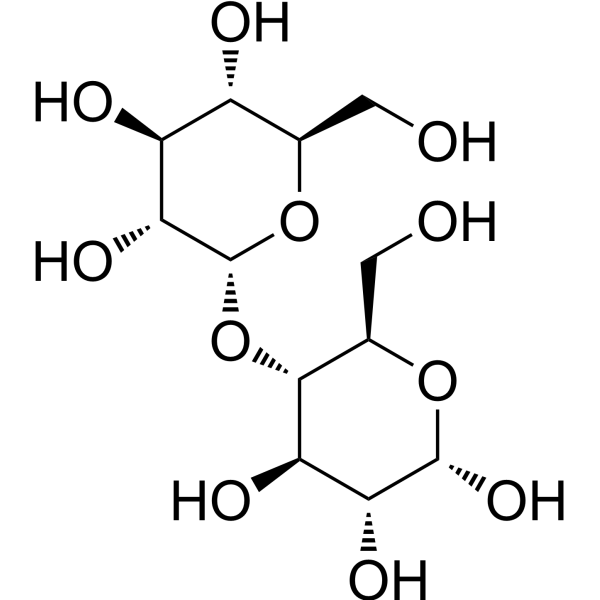
    Maltose is a disaccharide composed of two glucose molecules linked together. Maltose is an endogenous metabolic product in plants, yeast, or bacteria, and it participates in carbon source storage and metabolism. Maltose is a key core metabolite and main transport form in the temporary starch degradation, carbon output, and subsequent sucrose synthesis metabolism of the night chloroplast. In X. dendrorhous, maltose can act as a sugar donor and is converted into isomaltulose by α-glucosidase). Maltose can act as a osmotic agent, supporting continuous capillary ultrafiltration and preventing severe metabolic disorders .
    Maltose
  • HY-B1108
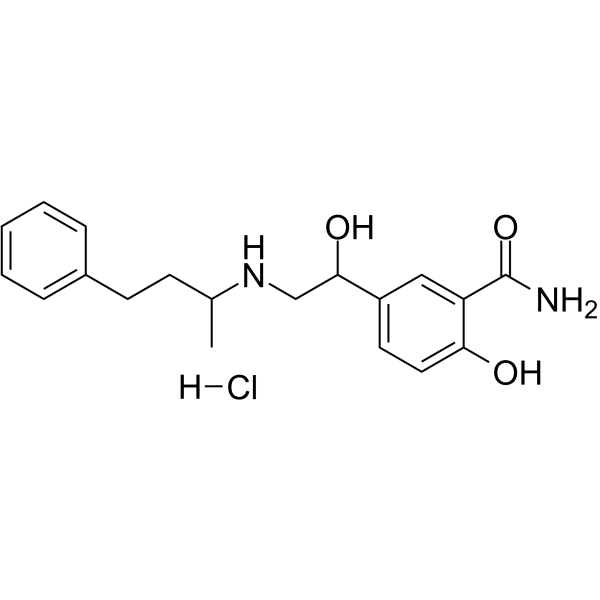
    Labetalol hydrochloride
    5 Publications Verification

    AH-5158 hydrochloride; Sch-15719W

    Adrenergic Receptor Cardiovascular Disease Inflammation/Immunology Endocrinology
    Labetalol (AH5158) hydrochloride is an orally available, selective α1-adrenergic recepto and non-selective β-adrenergic receptor competitive antagonist. Labetalol hydrochloride is an antihypertensive molecule that partially crosses the blood-brain barrier and has little effect on cardiac output. Labetalol hydrochloride can be used in the study of cardiovascular diseases, such as hypertension during pregnancy .
    Labetalol hydrochloride
  • HY-15746
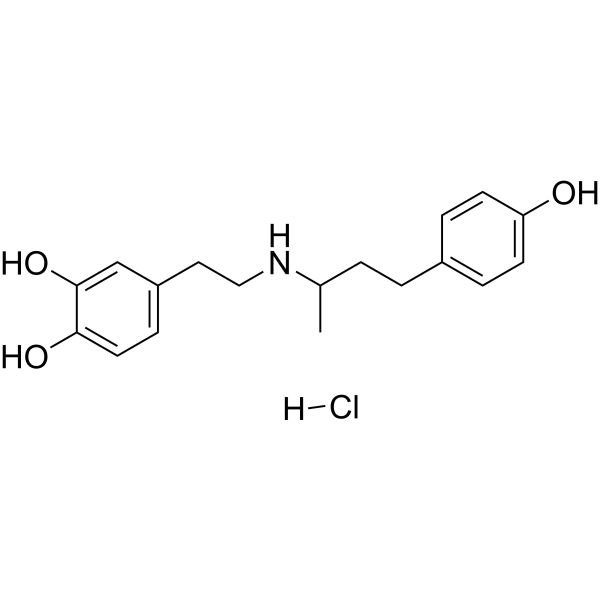
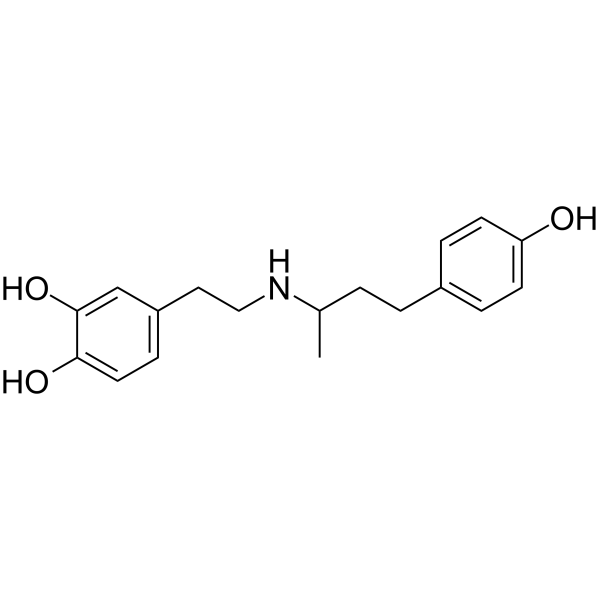
    Dobutamine hydrochloride
    5 Publications Verification

    Adrenergic Receptor Cardiovascular Disease Endocrinology Cancer
    Dobutamine hydrochloride is a synthetic catecholamine that acts on α1-AR, β1-AR, β2-AR (α-1, β-1 andβ-2 adrenoceptors). Dobutamine hydrochloride is a selective β1-AR agonist, relatively weak activity at α1-AR and β2-AR. Dobutamine hydrochloride can increase cardiac output and correct hypoperfusion .
    Dobutamine hydrochloride
  • HY-121383
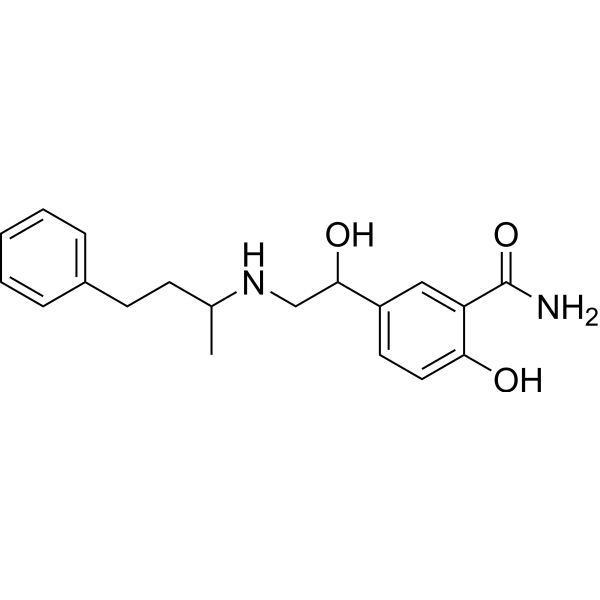
    Labetalol
    5 Publications Verification

    AH5158; Sch-15719W free base

    Adrenergic Receptor Cardiovascular Disease Inflammation/Immunology Endocrinology
    Labetalol (AH5158) is an orally available, selective α1-adrenergic recepto and non-selective β-adrenergic receptor competitive antagonist. Labetalol is an antihypertensive molecule that partially crosses the blood-brain barrier and has little effect on cardiac output. Labetalol can be used in the study of cardiovascular diseases, such as hypertension during pregnancy .
    Labetalol
  • HY-12717
    Phentolamine
    5+ Cited Publications

    Adrenergic Receptor Cardiovascular Disease Endocrinology
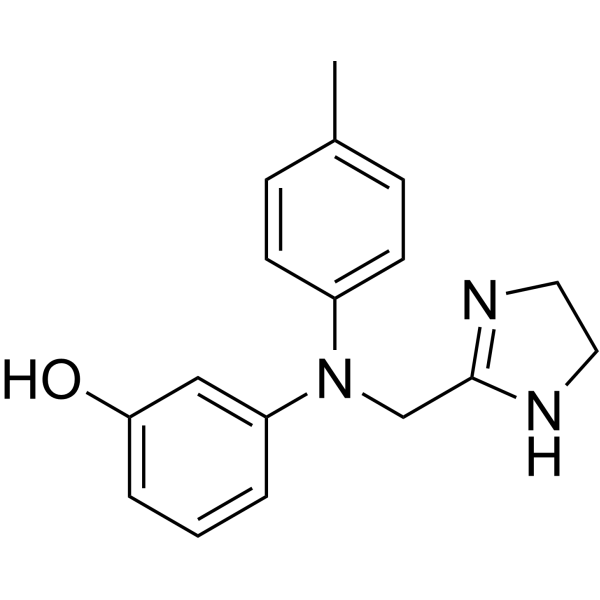
    Phentolamine is an orally active, selective α1 and α2 Adrenergic receptor antagonist. Phentolamine antagonizes the vasodilatory effect of Cromakalim (HY-110011) on isolated circumflex coronary artery segments in dogs. Phentolamine reduces systemic vascular resistance and increases cardiac output. Phentolamine improves erectile dysfunction. Phentolamine can be used for the research of erectile dysfunction .
    Phentolamine
  • HY-N2024A
    Maltose monohydrate
    1 Publications Verification

    Endogenous Metabolite Glycosidase Metabolic Disease
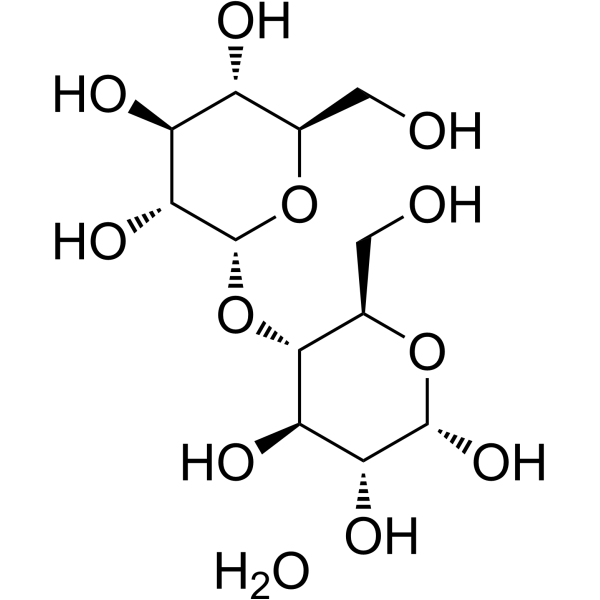
    Maltose monohydrate is a disaccharide composed of two glucose molecules linked together. Maltose monohydrate is an endogenous metabolic product in plants, yeast, or bacteria, and it participates in carbon source storage and metabolism. Maltose monohydrate is a key core metabolite and main transport form in the temporary starch degradation, carbon output, and subsequent sucrose synthesis metabolism of the night chloroplast. In X. dendrorhous, maltose can act as a sugar donor and is converted into isomaltulose by α-glucosidase. Maltose monohydrate can act as a osmotic agent, supporting continuous capillary ultrafiltration and preventing severe metabolic disorders .
    Maltose monohydrate
  • HY-12376
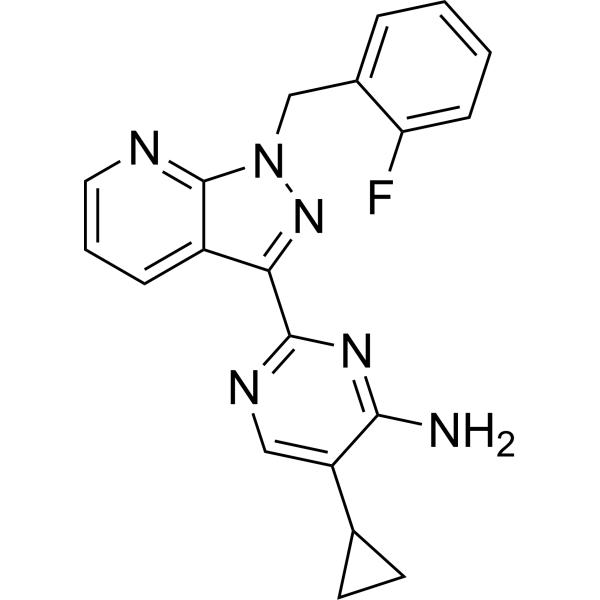
    BAY 41-2272
    3 Publications Verification

    Guanylate Cyclase Cardiovascular Disease Inflammation/Immunology
    BAY 41-2272 is an orally active and soluble guanylate cyclases (sGC) activator, which increases sGC activity by 400-fold in synergy with NO. BAY 41-2272 potently unloaded the heart, increased cardiac output, thus can be used for cardiovascular diseases research .
    BAY 41-2272
  • HY-171658

    PROTACs Ser/Thr Kinase TNF Receptor Toll-like Receptor (TLR) NF-κB p38 MAPK Inflammation/Immunology Cancer
    R1-ICR-5 is a highly selective RIPK1 PROTAC degrader. Mediated by VHL, R1-ICR-5 induces the degradation of RIPK1, which in turn dysregulates the TNFR1 and TLR3/4 signaling hubs, enhances the signaling outputs of NF-κB, MAPK and IFN, and simultaneously promotes RIPK3 activation and necroptosis (necroptosis). R1-ICR-5 can be used in the research of triple-negative breast cancer and skin inflammation .
    R1-ICR-5
  • HY-N2024AS1

    Isotope-Labeled Compounds Endogenous Metabolite Glycosidase Metabolic Disease
    Maltose monohydrate- 13C12 is the 13C labeled isotope of Maltose monohydrate. Maltose monohydrate is a disaccharide composed of two glucose molecules linked together. Maltose monohydrate is an endogenous metabolic product in plants, yeast, or bacteria, and it participates in carbon source storage and metabolism. Maltose monohydrate is a key core metabolite and main transport form in the temporary starch degradation, carbon output, and subsequent sucrose synthesis metabolism of the night chloroplast. In X. dendrorhous, maltose can act as a sugar donor and is converted into isomaltulose by α-glucosidase. Maltose monohydrate can act as a osmotic agent, supporting continuous capillary ultrafiltration and preventing severe metabolic disorders.
    Maltose-13C12 monohydrate
  • HY-15746A
    Dobutamine
    5 Publications Verification

    Adrenergic Receptor Cardiovascular Disease Endocrinology Cancer
    Dobutamine is a synthetic catecholamine that acts on α1-AR, β1-AR, β2-AR (α-1, β-1 andβ-2 adrenoceptors). Dobutamine is a selective β1-AR agonist, relatively weak activity at α1-AR and β2-AR. Dobutamine can increase cardiac output and correct hypoperfusion .
    Dobutamine
  • HY-175188

    BPN-0027490

    Myosin Neurological Disease
    MT-110 (BPN-0027490) is a non-muscle myosin NMIIB-selective inhibitor with high brain penetration and favorable safety profile. MT-110 specifically disrupts NMIIB-dependent actin dynamics in dendritic spines, while it exerts no significant adverse effects on cardiac myosin II and cardiac functions (such as cardiac output and heart rate) at tested concentrations. A single administration of MT-110 produces long-lasting (sustained for several weeks) blockade of methamphetamine motivation associated with environmental cues. MT-110 exhibits extremely high specificity, with no interference with cocaine motivation, hippocampus-dependent memory, fear memory, or locomotor and anxiety-like behaviors. MT-110 serves as a valuable tool compound for investigating the mechanisms of methamphetamine use disorder .
    MT-110
  • HY-B1073

    Parasite Infection
    Morantel tartrate is an anthelmintic agent. Sustained-release three-layer composite tablets of Morantel tartrate are administered orally and release after exposure to rumen fluid. Morantel tartrate reduces the fecal egg output and worm burden of gastrointestinal nematodes in Hereford calves. Morantel tartrate is used in research related to gastrointestinal nematode infections .
    Morantel tartrate
  • HY-P2221
    Glepaglutide
    1 Publications Verification

    ZP1848

    GCGR Inflammation/Immunology
    Glepaglutide (ZP1848), a long-acting GLP-2 analogue, is a potent GLP-2R agonist. Glepaglutide reduces faecal output and increases intestinal absorption. Glepaglutide alleviates small intestinal inflammation. Glepaglutide can be used in the research of inflammatory bowel disease (IBD) and Crohn’s disease .
    Glepaglutide
  • HY-12717A
    Phentolamine hydrochloride
    5+ Cited Publications

    Adrenergic Receptor Cardiovascular Disease Endocrinology
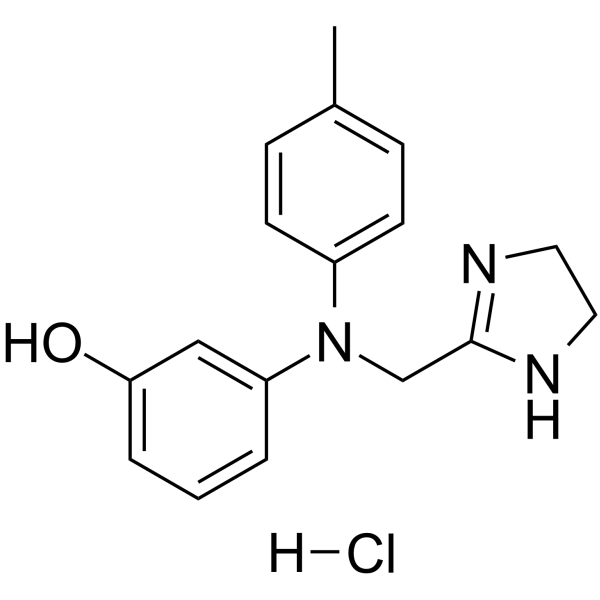
    Phentolamine hydrochloride is an orally active, selective α1 and α2 Adrenergic receptor antagonist. Phentolamine hydrochloride antagonizes the vasodilatory effect of Cromakalim (HY-110011) on isolated circumflex coronary artery segments in dogs. Phentolamine hydrochloride reduces systemic vascular resistance and increases cardiac output. Phentolamine hydrochloride improves erectile dysfunction. Phentolamine hydrochloride can be used for the research of erectile dysfunction .
    Phentolamine hydrochloride
  • HY-107969

    Dopamine Receptor COX NO Synthase Neurological Disease Cancer
    Haloperidol decanoate is a depot preparation of haloperidol, a commonly used butyrophenone derivative with antipsychotic activity. Haloperidol decanoate can increase the striatal D2 receptor in rat. Haloperidol decanoate can improve conditions of psychoses (mainly schizophrenia). Haloperidol decanoate can lead to increased accumulation of the dopamine metabolites homo-vanillic acid. Haloperidol decanoate can reduce intestinal transport, increase gastric emptying and reduce acid output in rat model .
    Haloperidol decanoate
  • HY-101327A

    Corwin hemifumarate; ICI 118587 hemifumarate

    Adrenergic Receptor Cardiovascular Disease Neurological Disease Metabolic Disease
    Xamoterol (Corwin; ICI 118587) hemifumarate is an orally active and selective β1-adrenoceptor partial agonist. Xamoterol hemifumarate acts as agonist at low sympathetic tone, antagonist at high sympathetic tone, with context-dependent cardiovascular effects including modulated heart rate, blood pressure, and cardiac output. Xamoterol hemifumarate can be used for the research of heart failure, postural hypotension, and ischemic heart disease .
    Xamoterol hemifumarate
  • HY-B0984
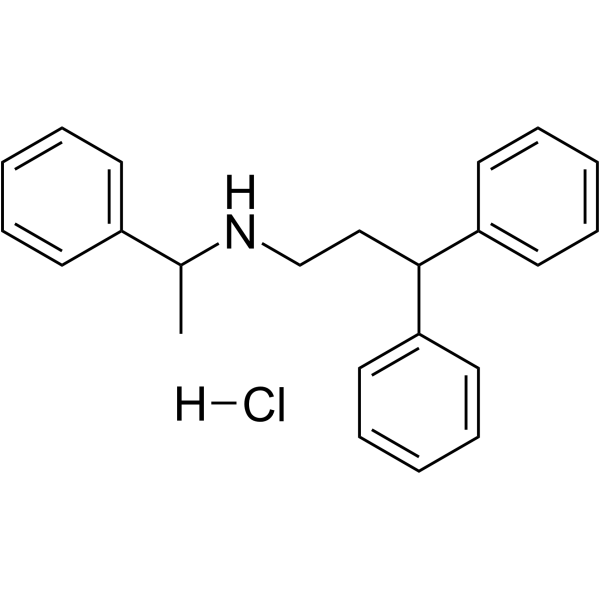
    Fendiline hydrochloride
    3 Publications Verification

    Calcium Channel Ras STING Autophagy Infection Cardiovascular Disease Cancer
    Fendiline hydrochloride, a diphenylalkylamine type of antianginal agent, is an L-type calcium channel blocker (IC50 of 17 µM). Fendiline hydrochloride is also a selective K-Ras inhibitor, and has no effect on H-Ras and N-Ras. Fendiline hydrochloride inhibits K-Ras plasma membrane localization (IC50 of 9.64 μM), inhibits K-Ras signal output and blocks the proliferation of pancreatic, colon, lung, and endometrial cancer cell lines expressing oncogenic mutant K-Ras. Fendiline hydrochloride is a STING agonist and is able to inhibit the growth of multiple refractory cold tumors (MC38, CT26 and B16F10) .
    Fendiline hydrochloride
  • HY-D0711R

    Foxgreen (Standard); IC Green (Standard); Cardiogreen (Standard)

    Fluorescent Dye Reference Standards Others
    Indocyanine green (Standard) is the analytical standard of Indocyanine green. This product is intended for research and analytical applications. Indocyanine green (Foxgreen) is a low toxicic fluorescent agent that has been widely used in medical diagnostics, such as determining cardiac output, hepatic function, and liver blood flow, and for ophthalmic angiography .
    Indocyanine green (Standard)
  • HY-P2221B
    Glepaglutide acetate
    1 Publications Verification

    ZP1848 acetate

    GCGR Inflammation/Immunology
    Glepaglutide (ZP1848) acetate, a long-acting GLP-2 analogue, is a potent GLP-2R agonist. Glepaglutide acetate reduces faecal output and increases intestinal absorption. Glepaglutide acetate alleviates small intestinal inflammation. Glepaglutide acetate can be used in the research of inflammatory bowel disease (IBD) and Crohn’s disease .
    Glepaglutide acetate
  • HY-B0984A
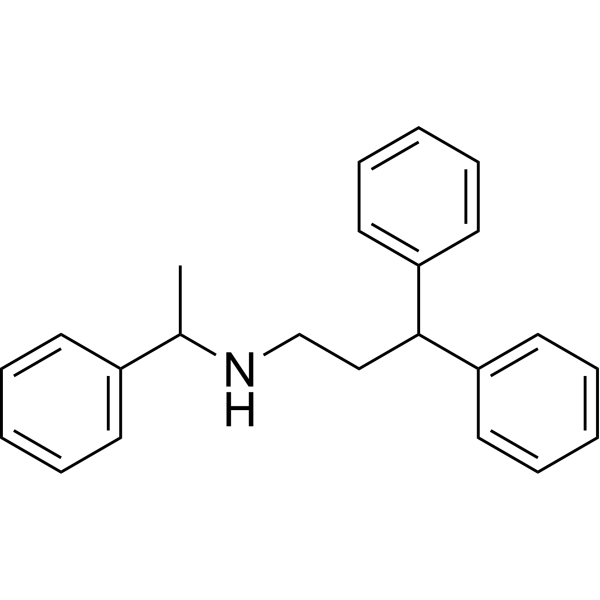
    Fendiline
    3 Publications Verification

    Calcium Channel Ras STING Autophagy Infection Cardiovascular Disease Cancer
    Fendiline, a diphenylalkylamine type of antianginal agent, is an L-type calcium channel blocker (IC50 of 17 µM). Fendiline is also a selective K-Ras inhibitor, and has no effect on H-Ras and N-Ras. Fendiline inhibits K-Ras plasma membrane localization (IC50 of 9.64 μM), inhibits K-Ras signal output and blocks the proliferation of pancreatic, colon, lung, and endometrial cancer cell lines expressing oncogenic mutant K-Ras. Fendiline is a STING agonist and is able to inhibit the growth of multiple refractory cold tumors (MC38, CT26 and B16F10) .
    Fendiline
  • HY-B1953
    Thiacloprid
    1 Publications Verification

    Environmental Pollutants Insecticide nAChR Infection
    Thiacloprid is an orally active neurotoxic insecticide and also a nAChR agonist. Thiacloprid reduces the viability of healthy cells, depletes reduced glutathione, and increases MDA levels, thereby inducing cytotoxicity and oxidative stress damage. In practical applications, Thiacloprid has lower acute toxicity to honeybees than other compounds of the same class such as Imidacloprid (HY-B0838), but it still significantly impairs the learning and memory function, immune capacity and survival status of honeybees. Thiacloprid induces intestinal microbial dysbiosis and reduces survival rate in middle-aged honeybees, increases the risk of premature collapse in bumblebee colonies, and significantly decreases the final colony weight and reproductive output. Thiacloprid is used in broad-spectrum agricultural pest control, often alone or in combination with Deltamethrin (HY-B1971), and meets the pest management needs of various crops including potatoes, cabbages, various fruits and vegetables, and nuts .
    Thiacloprid
  • HY-17539

    CRM1 Cancer
    PKT-276, an analogue of PKT-185, is an oral bioavailable and selective inhibitor of nuclear output (SINE). PKT-276 is also a CRM1 antagonist that irreversibly binds to and blocks the function of CRM1 .
    KPT-276
  • HY-106690

    Centhaquine; PMZ-2010

    Adrenergic Receptor Cardiovascular Disease Inflammation/Immunology
    Centhaquine (Centhaquin; PMZ-2010) is a novel agent has the potential for treatment of haemorrhagic shock. Centhaquine (Centhaquin; PMZ-2010) can augment cardiac output, reduce systemic vascular resistance in haemorrhagic models .
    Centhaquin
  • HY-A0144A

    Adrenergic Receptor AMPK Akt Cardiovascular Disease
    Etilefrine hydrochloride is a sympathetic nerve agonist and AMPK activator that selectively targets α1/β1 adrenergic receptors. Etilefrine hydrochloride stimulates α1 adrenergic receptors, leading to contraction of vascular smooth muscle and increased peripheral resistance. Etilefrine hydrochloride also stimulates β1 receptors to enhance myocardial contractility and increase heart rate, thereby increasing blood pressure and improving cardiac output. Etilefrine hydrochloride also bidirectionally regulates the AMPK/Akt pathway and modulates the phosphorylation levels. Etilefrine hydrochloride can be used in cardiovascular research, such as postural hypotension, chylothorax, and improving low cardiac output .
    Etilefrine hydrochloride
  • HY-A0144

    Adrenergic Receptor AMPK Akt Cardiovascular Disease
    Etilefrine is a sympathetic nerve agonist and AMPK activator that selectively targets α1/β1 adrenergic receptors. Etilefrine stimulates α1 adrenergic receptors, leading to contraction of vascular smooth muscle and increased peripheral resistance. Etilefrine also stimulates β1 receptors to enhance myocardial contractility and increase heart rate, thereby increasing blood pressure and improving cardiac output. Etilefrine also bidirectionally regulates the AMPK/Akt pathway and modulates the phosphorylation levels. Etilefrine can be used in cardiovascular research, such as postural hypotension, chylothorax, and improving low cardiac output .
    Etilefrine
  • HY-N2024R

    Reference Standards Endogenous Metabolite Glycosidase Metabolic Disease
    Maltose (Standard) is the analytical standard of Maltose. This product is intended for research and analytical applications. Maltose is a disaccharide composed of two glucose molecules linked together. Maltose is an endogenous metabolic product in plants, yeast, or bacteria, and it participates in carbon source storage and metabolism. Maltose is a key core metabolite and main transport form in the temporary starch degradation, carbon output, and subsequent sucrose synthesis metabolism of the night chloroplast. In X. dendrorhous, maltose can act as a sugar donor and is converted into isomaltulose by α-glucosidase (α-Glucosidase). Maltose can act as a osmotic agent, supporting continuous capillary ultrafiltration and preventing severe metabolic disorders.
    Maltose (Standard)
  • HY-112841

    3-(10′-Phenothiazinyl)propane-1-sulfonate sodium; SPTZ sodium

    Fluorescent Dye Cancer
    PTZ-343 is a potent enhancer of Luminol (HY-15922). PTZ-343 greatly increases the light output of the peroxidase-catalyzed luminol chemiluminescent oxidation reaction (>80%) .
    PTZ-343
  • HY-128129
    UT-B-IN-1
    1 Publications Verification

    Urea Transporter Metabolic Disease
    UT-B-IN-1 (UTBINH-14) is a reversible, competitive and selective urea transporter-B (UT-B) inhibitor with IC50 values of 10 and 25 nM for human and mouse UT-B, respectively. UT-B-IN-1 shows low toxicity and high selectivity for UT-B over UT-A isoforms. UT-B-IN-1 increases urine output and reduces urine osmolality of mice. UT-B-IN-1 can be used for diuretic mechanism research .
    UT-B-IN-1
  • HY-P1368
    Stressin I
    1 Publications Verification

    Cyclo(31-34)[DPhe12,Nle21,38,Glu31,Lys34]Ac-hCRF(4-41)

    CRFR Endocrinology
    Stressin I (Cyclo(31-34)[DPhe12,Nle21,38,Glu31,Lys34]Ac-hCRF(4-41)) is a potent CRF1 receptor-selective agonist with a Ki of 1.7 nM. Stressin I induces increases in adrenocorticotropic hormone (ACTH) levels in rats .
    Stressin I
  • HY-B1108R
    Labetalol hydrochloride (Standard)
    4 Publications Verification

    AH-5158 hydrochloride(Standard); Sch-15719W (Standard)

    Reference Standards Adrenergic Receptor Cardiovascular Disease Inflammation/Immunology Endocrinology
    Labetalol hydrochloride (Standard) is the analytical standard of Labetalol hydrochloride (HY-B1108). This product is intended for research and analytical applications. Labetalol (AH5158) hydrochloride is an orally available, selective α1-adrenergic recepto and non-selective β-adrenergic receptor competitive antagonist. Labetalol hydrochloride is an antihypertensive molecule that partially crosses the blood-brain barrier and has little effect on cardiac output. Labetalol hydrochloride can be used in the study of cardiovascular diseases, such as hypertension during pregnancy .
    Labetalol hydrochloride (Standard)
  • HY-B0984R

    Calcium Channel Ras STING Autophagy Reference Standards Infection Cardiovascular Disease Cancer
    Fendiline (hydrochloride) (Standard) is the analytical standard of Fendiline (hydrochloride). This product is intended for research and analytical applications. Fendiline hydrochloride, a diphenylalkylamine type of antianginal agent, is an L-type calcium channel blocker (IC50 of 17 µM). Fendiline hydrochloride is also a selective K-Ras inhibitor, and has no effect on H-Ras and N-Ras. Fendiline hydrochloride inhibits K-Ras plasma membrane localization (IC50 of 9.64 μM), inhibits K-Ras signal output and blocks the proliferation of pancreatic, colon, lung, and endometrial cancer cell lines expressing oncogenic mutant K-Ras. Fendiline hydrochloride is a STING agonist and is able to inhibit the growth of multiple refractory cold tumors (MC38, CT26 and B16F10) .
    Fendiline hydrochloride (Standard)
  • HY-P1368A
    Stressin I TFA
    1 Publications Verification

    Cyclo(31-34)[DPhe12,Nle21,38,Glu31,Lys34]Ac-hCRF(4-41) TFA

    CRFR Endocrinology
    Stressin I (Cyclo(31-34)[DPhe12,Nle21,38,Glu31,Lys34]Ac-hCRF(4-41)) TFA is a potent CRF1 receptor selective agonist, Ki is 1.7 nM. Stressin I induces an increase in adrenocorticotropic hormone (ACTH) levels in rats .
    Stressin I TFA
  • HY-N2024AS

    Isotope-Labeled Compounds Endogenous Metabolite Glycosidase Metabolic Disease
    Maltose monohydrate-d14 is the deuterium labeled Maltose monohydrate. Maltose monohydrate is a disaccharide composed of two glucose molecules linked together. Maltose monohydrate is an endogenous metabolic product in plants, yeast, or bacteria, and it participates in carbon source storage and metabolism. Maltose monohydrate is a key core metabolite and main transport form in the temporary starch degradation, carbon output, and subsequent sucrose synthesis metabolism of the night chloroplast. In X. dendrorhous, maltose can act as a sugar donor and is converted into isomaltulose by α-glucosidase. Maltose monohydrate can act as a osmotic agent, supporting continuous capillary ultrafiltration and preventing severe metabolic disorders.
    Maltose monohydrate-d14
  • HY-P99027

    LAG525; IMP701; Hu5A8

    LAG-3 Cancer
    Ieramilimab (LAG525; IMP701) is a humanized IgG4 monoclonal antibody that binds to LAG-3, resulting in inhibition of LAG-3 interaction with MHC-II molecules. Ieramilimab restores T-cell and NK-cell-mediated antileukemic immunity by reducing exhaustion and augmenting cytokine output and cytotoxicity. Ieramilimab increases the infiltration of cytotoxic T lymphocytes and reduces baseline densities of regulatory T cells (Tregs) and ADAM10-expressing tumor cells. Ieramilimab can be used for the study of various malignancies including melanoma, RCC, and advanced solid tumors .
    Ieramilimab
  • HY-N2024B

    Endogenous Metabolite Glycosidase Metabolic Disease
    Maltose solution, 20% in H2O is a 20% aqueous maltose solution. Maltose is a disaccharide composed of two glucose molecules linked together. Maltose is an endogenous metabolic product in plants, yeast, or bacteria, and it participates in carbon source storage and metabolism. Maltose is a key core metabolite and main transport form in the temporary starch degradation, carbon output, and subsequent sucrose synthesis metabolism of the night chloroplast. In X. dendrorhous, maltose can act as a sugar donor and is converted into isomaltulose by α-glucosidase. Maltose can act as a osmotic agent, supporting continuous capillary ultrafiltration and preventing severe metabolic disorders .
    Maltose solution, 20% in H2O
  • HY-148610

    Others Metabolic Disease
    LDH-IN-2, a salicylic acid derivative, is an inhibitor of glycolate oxidase (GO). LDH-IN-2 decreases oxalate output in hyperoxaluric hepatocytes. LDH-IN-2 can be used for research of primary hyperoxaluria type 1 (PH1) .
    LDH-IN-2
  • HY-DY1027

    Fluorescent Dye Cancer
    Indocyanine green (Foxgreen) (solution) is a low toxicic fluorescent agent that has been widely used in medical diagnostics, such as determining cardiac output, hepatic function, and liver blood flow, and for ophthalmic angiography (Ex/Em = 785/813 nm) .
    Solvent and concentration: DMSO: 10 mM
    Indocyanine green (solution)
  • HY-18402

    Drug Derivative Cardiovascular Disease
    2-(Methylthio)benzothiazole is a derivative of 2-Mercaptobenzothiazole (HY-W017113). 2-(Methylthio)benzothiazole reduces heart rate, causes pericardial edema and deformity, delays cardiac maturation, decreases stroke volume and cardiac output, and leads to vascular structural defects in zebrafish larvae .
    2-(Methylthio)benzothiazole
  • HY-121383R

    AH5158 (Standard); Sch-15719W free base (Standard)

    Reference Standards Adrenergic Receptor Cardiovascular Disease Inflammation/Immunology Endocrinology
    Labetalol (Standard) is the analytical standard of Labetalol. This product is intended for research and analytical applications. Labetalol (AH5158) is an orally available, selective α1-adrenergic recepto and non-selective β-adrenergic receptor competitive antagonist. Labetalol is an antihypertensive molecule that partially crosses the blood-brain barrier and has little effect on cardiac output. Labetalol can be used in the study of cardiovascular diseases, such as hypertension during pregnancy .
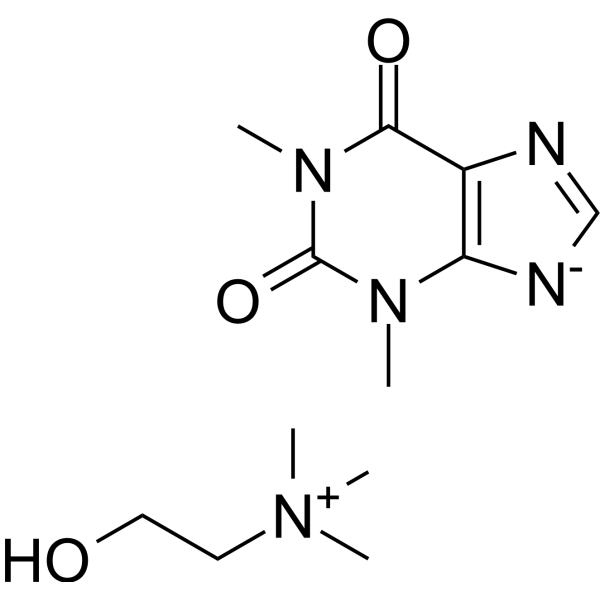
    Labetalol (Standard)
  • HY-148600

    Aquaporin NO Synthase Metabolic Disease Inflammation/Immunology
    HTS13286 is a novel AQP9 inhibitor. HTS13286 prevents the LPS-induced increase of NO. HTS13286 reduces glucose output. HTS13286 can be used in the research of endotoxin shock .
    HTS13286
  • HY-133036

    Apelin Receptor (APJ) Cardiovascular Disease
    APJ receptor agonist 1, a biphenyl acid derivative, is a potent APJ receptor (APJ-R) agonist (EC50s 0.093 and 0.12 nM for human and rat APJ-R, respectively). APJ receptor agonist 1 displays in vitro potency to apelin-13, the endogenous peptidic ligand for the APJ receptor. APJ receptor agonist 1 has the potential for the research of heart failure .
    APJ receptor agonist 1
  • HY-106690R

    Others Cardiovascular Disease Inflammation/Immunology
    Centhaquin (Standard) is the analytical standard of Centhaquin. This product is intended for research and analytical applications. Centhaquine (Centhaquin; PMZ-2010) is a novel agent has the potential for treatment of haemorrhagic shock. Centhaquine (Centhaquin; PMZ-2010) can augment cardiac output, reduce systemic vascular resistance in haemorrhagic models .
    Centhaquin (Standard)
  • HY-167741

    nAChR Cardiovascular Disease Neurological Disease
    Chlorisondamine is a nicotinic antagonist that acts as a ganglionic blocker and has been utilized to evaluate the neurogenic contributions to blood pressure and sympathetic vasomotor tone in animal models. Chlorisondamine has demonstrated antihypertensive properties, primarily being assessed through its effects on blood pressure, cardiac output, and heart rate in various experimental settings, particularly in mice.
    Chlorisondamine
  • HY-105762A

    Etamiphylline camsylate

    Adrenergic Receptor Cardiovascular Disease
    Etamiphyllin camsylate (Etamiphylline camsylate) is a cardiac stimulant with oral activity that increases cardiac output without increasing heart rate. Etamiphyllin camsylate is also a respiratory stimulant used for respiratory failure, as Etamiphyllin camsylate relaxes the smooth muscles of the bronchi and bronchioles, thereby opening up the airways to relieve chronic obstructive pulmonary disease .
    Etamiphyllin camsylate
  • HY-177509

    Cholecystokinin Receptor Metabolic Disease
    BBL454 (Compound 43) is a Cholecystokinin 2B (CCK2B) receptor agonist. BBL454 induces hyperactivity and improves memory in rat models while it has weak activity on the peripheral CCK2 receptor and no anxiogenic activity. BBL454 increases gastric acid output in anesthetised rat models. BBL454 can be used for diabetes research .
    BBL454
  • HY-P10337

    GCGR GLP Receptor Metabolic Disease Endocrinology
    OXM-7 is a dual agonist of GLP-1R (EC50=0.024 nM) and GCGR (EC50=0.082 nM). OXM-7 can enhance glucose-stimulated insulin secretion and hepatic glucose output. OXM-7 lowers blood glucose levels. OXM-7 improves lipid metabolism .
    OXM-7
  • HY-108614

    Phosphorylase Metabolic Disease
    GPi688 is a potent and orally active glycogen phosphorylase (GPa) inhibitor with IC50s of 19 nM, 61 nM and 12 nM for human liver GPa, rat liver GPa and human skeletal muscle GPa, respectively . GPi688 can inhibit glucagons-mediated glucose output in rat primary hepatocytes. GPi688 can be used for researching glucagon-mediated hyperglycaemia .
    GPi688

Inquiry Online

Your information is safe with us. * Required Fields.

Salutation


Country or Region *

Applicant Name *


Organization Name *

Department *


Email Address *


Product Name *

Cat. No.


Requested quantity *

Phone Number *


Remarks

Inquiry Online

Inquiry Information

Product Name:
Cat. No.:
Quantity:
MCE Japan Authorized Agent:

