
1. Search Result
Search Result
Results for "

patient-derived

" in MedChemExpress (MCE) Product Catalog:

82

Inhibitors & Agonists

1

Fluorescent Dyes

2

Peptides

18

Inhibitory Antibodies

1

Natural
Products

1

Isotope-Labeled Compounds

2

Oligonucleotides

Cat. No. Product Name Target Research Areas Chemical Structure
  • HY-132283
    PF-9363
    4 Publications Verification

    CTx-648

    Histone Acetyltransferase Cancer
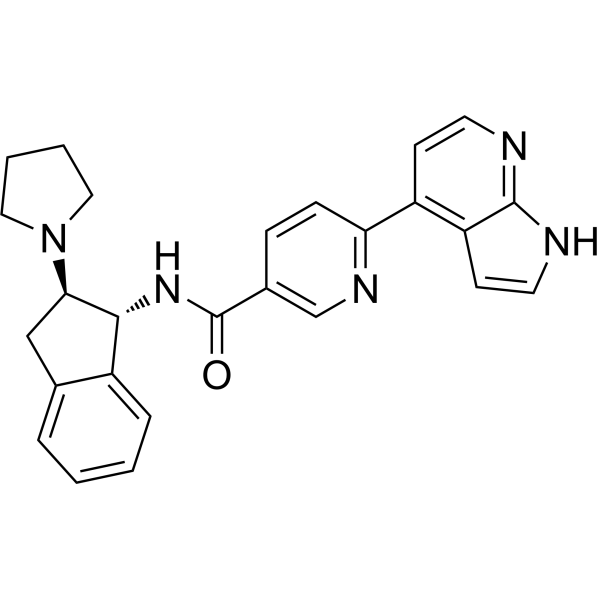
    PF-9363 (CTx-648) is a first-in-class potent and high selective KAT6A/KAT6B inhibitor. PF-9363 can be used for the research of cancer .
    PF-9363
  • HY-P3371

    DS-7300a; MABX-9001a; I-DXd

    Antibody-Drug Conjugates (ADCs) Topoisomerase Apoptosis Cancer
    Ifinatamab deruxtecan (DS-7300a) is a B7-H3-targeting Antibody-drug conjugate (ADC), which is composed of a humanized anti-B7-H3 monoclonal antibody, an enzymatically cleavable peptide-based linker, and Exatecan derivative (DXd) (HY-13631D). Ifinatamab deruxtecan is a DNA Topoisomerase I inhibitor. Ifinatamab deruxtecan induces Apoptosis. DS-7300a exerts potent antitumor activities against B7-H3-expressing tumors. against rhabdomyosarcoma, endometrial adenocarcinoma and lung adenocarcinoma. Ifinatamab deruxtecan does not exert direct immunomodulatory effects
    Ifinatamab deruxtecan
  • HY-173158

    PROTACs Histone Acetyltransferase Cancer
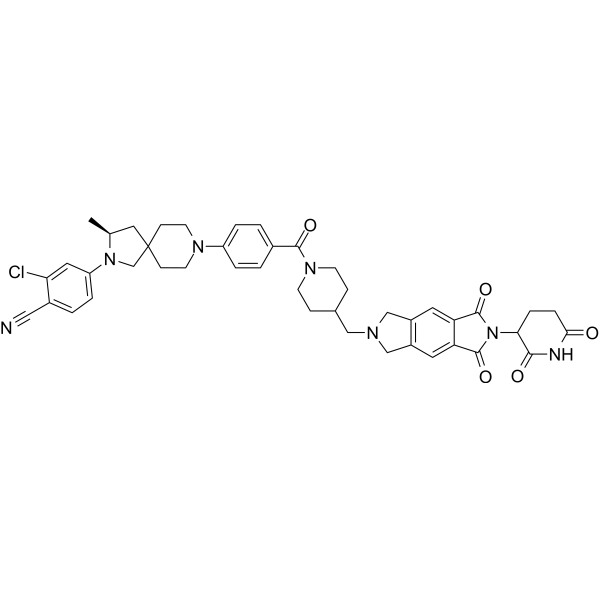
    AUR1545 is a selective KAT2A/KAT2B ((GCN5/PCAF)) PROTAC degrader that induces monocyte differentiation and inhibits the growth of acute myeloid leukemia cells. AUR1545 inhibits cell growth, induces epithelial differentiation and suppresses tumor growth in small cell lung cancer models. AUR1545 inhibits cell growth and induces differentiation in neuroendocrine prostate cancer cells and primary patient-derived organoids. AUR1545 is applicable to research related to acute myeloid leukemia, small cell lung cancer and neuroendocrine prostate cancer .
    AUR1545
  • HY-128586
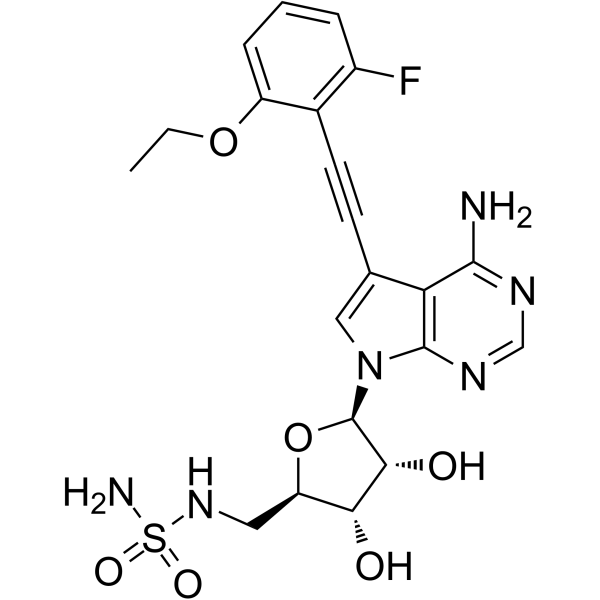
    TAS4464
    5+ Cited Publications

    Apoptosis Carbonic Anhydrase NEDD8-activating Enzyme Cancer
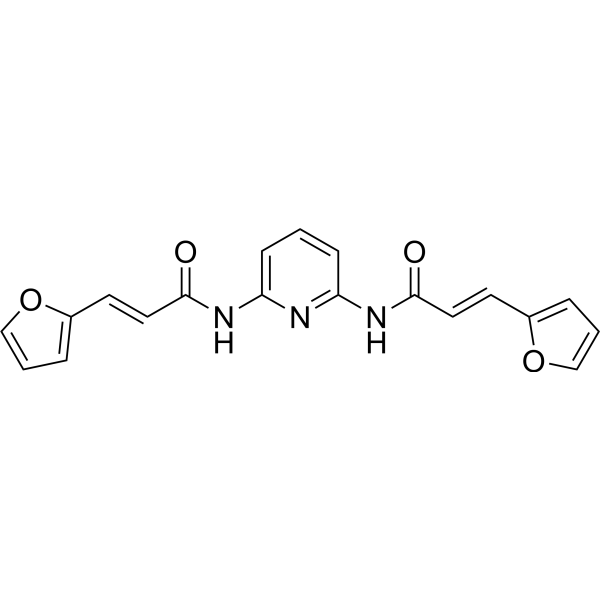
    TAS4464 is a long-acting, highly selective covalent inhibitor targeting NEDD8-activating enzyme (NAE) (IC50=0.955 nM), and also inhibits CAII with an IC50 of 0.73 μM, which is less potent than MLN4924 (HY-70062). The IC50 values of TAS4464 against other E1 enzymes UAE and SAE are 449 nM and 1280 nM, respectively. TAS4464 targets NEDD8 in an ATP-dependent manner to inhibit NAE, blocks the neddylation pathway, causes accumulation of CRL ubiquitin ligase substrates (such as CDT1, p27, phosphorylated IκBα), and further induces tumor cell apoptosis. TAS4464 exhibits antiproliferative and cytotoxic effects, and has broad-spectrum antitumor activity against various hematologic and solid tumor cell lines as well as patient-derived tumor cells. TAS4464 has a wide selcetive window, without obvious toxicity. TAS4464 can be used in the research of hematologic malignancies (leukemia, lymphoma, multiple myeloma, etc.) and solid tumors (small cell lung cancer, colorectal cancer, sarcoma, endometrial cancer, ovarian cancer, etc.) .
    TAS4464
  • HY-155033

    Stearoyl-CoA Desaturase (SCD) DNA/RNA Synthesis Apoptosis Autophagy mTOR Influenza Virus Metabolic Disease Inflammation/Immunology Cancer
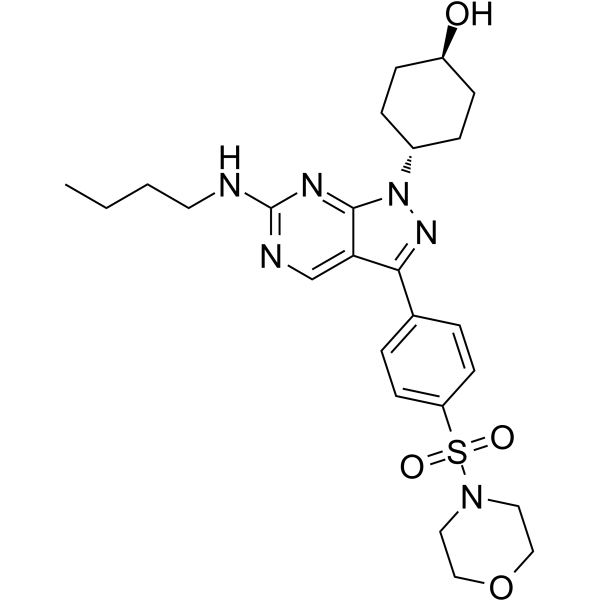
    SSI-4 is an orally active stearoyl-CoA desaturase (SCD1) inhibitor with an EC50 of 1.9 nM against mouse SCD1. SSI-4 blocks the conversion of saturated fatty acids to monounsaturated fatty acids, reducing the production of oleic acid and palmitoleic acid. SSI-4 induces lipid peroxidation, endoplasmic reticulum stress, DNA damage and activates apoptotic mechanisms. SSI-4 inhibits mTORC1 activity, suppresses B cell proliferation and antibody production, and induces autophagy. SSI-4 is applicable to research on cancers such as acute myeloid leukemia and renal cell carcinoma, as well as influenza infections .
    SSI-4
  • HY-147165
    VT02956
    1 Publications Verification

    Ser/Thr Kinase Large Tumor Suppressor (LATS) Cancer
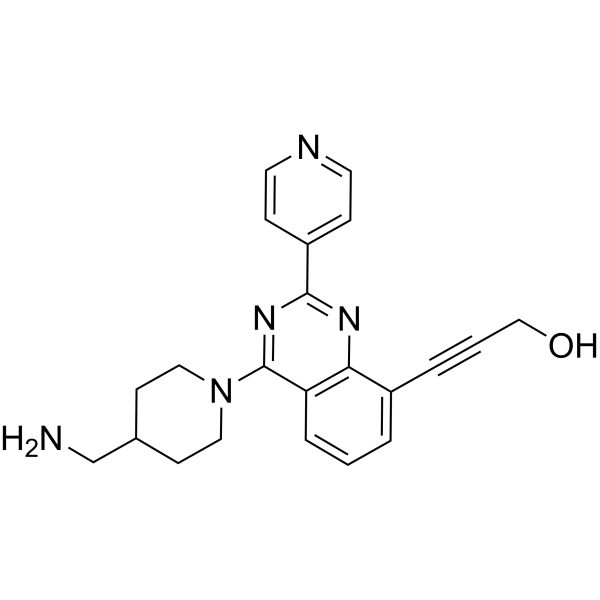
    VT02956 is a LATS inhibitor (IC50: 0.76 nM for LATS1, 0.52 nM for LATS2). VT02956 targets the Hippo pathway. VT02956 inhibits ESR1 expression and growth of ER+ breast cancer cell lines and patient-derived tumor organoids . VT02956 is a click chemistry reagent, it contains an Alkyne group and can undergo copper-catalyzed azide-alkyne cycloaddition (CuAAc) with molecules containing Azide groups.
    VT02956
  • HY-P99011
    Cibisatamab
    2 Publications Verification

    CD3 Cancer
    Cibisatamab, a T cell bispecific antibody, binds Carcino-Embryonic Antigen (CEA) on cancer cells and CD3 on T cells. Cibisatamab triggers T cell killing of cancer cell lines expressing moderate to high levels of CEA at the cell surface. Cibisatamab can be used for colorectal cancer research .
    Cibisatamab
  • HY-P990715

    INBRX-109

    TNF Receptor Cancer
    Ozekibart (INBRX-109) is a DR5 agonist and antitumor agent with a human DR5 IC50 of 0.17 nmol/L and human DR5 Ka of 0.11 nmol/L. Ozekibart can be used for the research of unresectable/metastatic chondrosarcoma .
    Ozekibart
  • HY-128350
    FGTI-2734
    1 Publications Verification

    Farnesyl Transferase Cancer
    FGTI-2734 is a RAS C-terminal mimetic dual farnesyl transferase (FT) and geranylgeranyl transferase-1 (GGT-1) inhibitor with IC50s of 250 nM and 520 nM for FT and GGT-1, respectively. FGTI-2734 can prevent membrane localization of KRAS, hence solving KRAS resistance problem and thwarting mutant KRAS patient-derived pancreatic tumors .
    FGTI-2734
  • HY-P99268

    SAR 256212; MM 121; Anti-Human ERBB3/ErbB 3 Recombinant Antibody

    EGFR Apoptosis Cancer
    Seribantumab (MM 121) is a fully human IgG2 monoclonal antibody that targets HER3. Seribantumab blocks the activation of epidermal growth factor receptor (ErbB) family members and its downstream signal. Seribantumab inhibits neuregulin 1 (NRG1) fusion-dependent tumorigenesis in vitro and in vivo in breast, lung and ovarian patient-derived cancer models .
    Seribantumab
  • HY-141606

    BAY 94-9343

    Microtubule/Tubulin Antibody-Drug Conjugates (ADCs) Cancer
    Anetumab ravtansine (BAY 94-9343) is a selective and highly potent antibody-drug conjugate (ADC) to target maytansinoid tubulin. Anetumab ravtansine consists of a human anti-mesothelin antibody conjugated to the maytansinoid tubulin inhibitor DM4. Anetumab ravtansine shows antitumor efficacy correlated with the amount of mesothelin expressed in patient-derived xenograft tumor models .
    Anetumab ravtansine
  • HY-112816
    MA242
    1 Publications Verification

    MDM-2/p53 Apoptosis Cancer
    MA242 is a specific dual inhibitor of MDM2 and NFAT1. MA242 directly binds both MDM2 and NFAT1 with high affinity, induces their protein degradation, and inhibits NFAT1-mediated transcription of MDM2. MA242 induces apoptosis in pancreatic cancer cell lines regardless of p53 status .
    MA242
  • HY-P99828

    PF-06523435; hu24

    ADC Antibody RET PERK ROR Cancer
    Cofetuzumab (PF-06523435) is a humanized IgG1-κ monoclonal antibody targeting PTK7. The expression system of Cofetuzumab is typically CHO (Chinese hamster ovary) cells. Cofetuzumab downregulates PTK7 expression, modulates its downstream signaling pathways, and inhibits tumor sphere formation of ovarian cancer cells. Cofetuzumab can be used to synthesize the ADC molecule Cofetuzumab pelidotin (HY-P99829). Cofetuzumab is applicable to the research of tumors such as ovarian cancer .
    Cofetuzumab
  • HY-P991155

    JNJ-79635322; JNJ-5322

    CD3 TNF Receptor Cancer
    Ramantamig (JNJ-79635322) is a humanized monoclonal antibody targeting human CD3ε, GPRC5D, and TNFRSF17 (BCMA). Ramantamig binds to BCMA and GPRC5D on multiple myeloma cells, binds to CD3ε on T cells, forms immunological synapses, and enables T-cell-mediated cytotoxicity. Ramantamig activates T cells concomitantly with inducing myeloma cell cytotoxicity, with no nonspecific T-cell activation in the absence of target myeloma cells. Ramantamig carries mutations to reduce interaction with Fc receptors and disrupt protein A binding of monomeric and homodimerized chains. Ramantamig can be used for the research of multiple myeloma .
    Ramantamig
  • HY-128350A
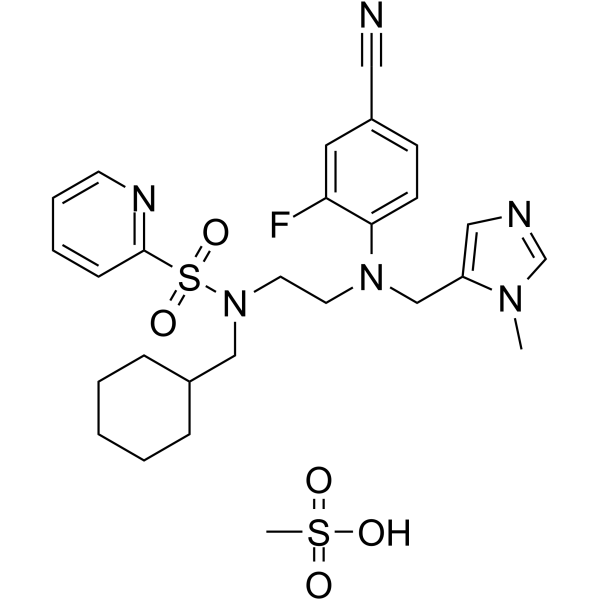
    FGTI-2734 mesylate
    1 Publications Verification

    Farnesyl Transferase γ-Glutamyl Transferase (GGT) Cancer
    FGTI-2734 mesylate is a RAS C-terminal mimetic dual farnesyl transferase (FT) and geranylgeranyl transferase-1 (GGT) inhibitor with IC50s of 250 nM and 520 nM for FT and GGT, respectively. FGTI-2734 mesylate can prevent membrane localization of KRAS, hence solving KRAS resistance problem and thwarting mutant KRAS patient-derived pancreatic tumors .
    FGTI-2734 mesylate
  • HY-150072

    PKA Cancer
    DS89002333 is an orally active and potent PRKACA inhibitor, with an IC50 of 0.3 nM. DS89002333 shows good anti-tumor activity in an FL-HCC patient-derived xenograft model (expressing the DNAJB1-PRKACA fusion gene). DS89002333 can be used in study of fibrolamellar hepatocellular carcinoma (FL-HCC) .
    DS89002333
  • HY-P99623

    MGD006; S80880

    CD3 Cancer
    Flotetuzumab (MGD006; S80880) is an investigational CD123/CD3 bispecific dual-affinity retargeting antibody (DART) molecule. Flotetuzumab reactivates T cells by simultaneously binding to CD123 in target cells and CD3 in effector T cells, leading to T-cell-mediated cytotoxicity in target cells. Flotetuzumab shows inhibitory effect on a mouse model of patient-derived xenograft (PDX) in acute myeloid leukemia (AML) .
    Flotetuzumab
  • HY-P991128

    NI-006; ALXN2220

    Transthyretin (TTR) Cardiovascular Disease Neurological Disease
    Cliramitug (NI-006; ALXN2220) is a monoclonal antibody that targets human transthyretin (TTR). Cliramitug binds to TTR and inhibits its amyloidogenic process, exerting amyloid formation-inhibiting activity. Cliramitug can be used in the research of transthyretin amyloidosis-related diseases, such as certain neurological and cardiovascular diseases .
    Cliramitug
  • HY-108894

    Ferroptosis Reactive Oxygen Species (ROS) Cardiovascular Disease Inflammation/Immunology Cancer
    Ferumoxytol is an FDA-approved ultrasmall superparamagnetic iron oxide preparation and iron replacement agent that exerts selective activity against leukemia cells with low ferroportin expression. Ferumoxytol increases intracellular iron levels, induces reactive oxygen species (ROS) production via the Fenton reaction, and triggers oxidative stress and cell death. Ferumoxytol reduces disease burden in mouse models and patient-derived leukemia models. As an MRI contrast agent, Ferumoxytol enables imaging of vascular lesions, tumors and lymph nodes. Ferumoxytol can be used in research related to acute myeloid leukemia and blast-phase chronic myeloid leukemia .
    Ferumoxytol
  • HY-128586A
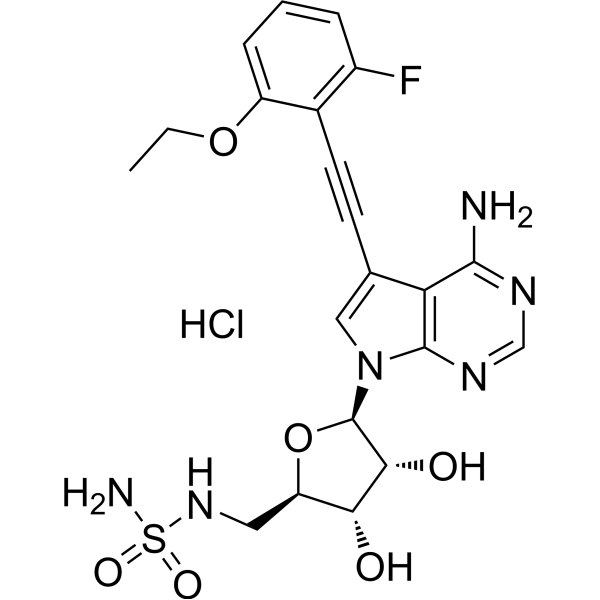
    TAS4464 hydrochloride
    5+ Cited Publications

    NEDD8-activating Enzyme Carbonic Anhydrase Apoptosis Cancer
    TAS4464 hydrochloride is a long-acting, highly selective covalent inhibitor targeting NEDD8-activating enzyme (NAE) (IC50=0.955 nM), and also inhibits CAII with an IC50 of 0.73 μM, which is less potent than MLN4924 (HY-70062). The IC50 values of TAS4464 hydrochloride against other E1 enzymes UAE and SAE are 449 nM and 1280 nM, respectively. TAS4464 hydrochloride targets NEDD8 in an ATP-dependent manner to inhibit NAE, blocks the neddylation pathway, causes accumulation of CRL ubiquitin ligase substrates (such as CDT1, p27, phosphorylated IκBα), and further induces tumor cell apoptosis. TAS4464 hydrochloride exhibits antiproliferative and cytotoxic effects, and has broad-spectrum antitumor activity against various hematologic and solid tumor cell lines as well as patient-derived tumor cells. TAS4464 hydrochloride has a wide therapeutic window, without obvious toxicity. TAS4464 hydrochloride can be used in the research of hematologic malignancies (leukemia, lymphoma, multiple myeloma, etc.) and solid tumors (small cell lung cancer, colorectal cancer, sarcoma, endometrial cancer, ovarian cancer, etc.) .
    TAS4464 hydrochloride
  • HY-153967
    BLU0588
    2 Publications Verification

    PKA Cancer
    BLU0588 is an orally active, potent and selective PRKACA (protein kinase cAMP-activated catalytic subunit alpha) kinase inhibitor, with an IC50 of 1 nM and dissociation constant (Kd) of 4 nM. BLU0588 can be used for fibrolamellar carcinoma (FLC) research .
    BLU0588
  • HY-156483
    TT-012
    2 Publications Verification

    Microphthalmia Associated Transcription Factor (MITF) Cancer
    TT-012 is a MITF inhibitor with a human MITF IC50 of 13.1 nM and a human MITF Kd value of 15.5 nM. TT-012 reduces mRNA levels of MITF downstream genes linked to melanosome biogenesis, cell survival, and proliferation, and upregulates cell cycle-inhibiting genes. TT-012 can be used for the research of melanoma[1][2][3].
    TT-012
  • HY-179078

    OLIG2 Apoptosis Caspase PARP Neurological Disease Cancer
    CT-179 is a brain-penetrant and orally active OLIG2 inhibitor with a human IC50 of 1250 nM. CT-179 disrupts OLIG2 dimerization, phosphorylation, and DNA binding, blocking OLIG2-driven transcription. CT-179 induces G2/M phase arrest and increases G0 population. CT-179 induces apoptosis by reducing anti-apoptotic proteins and increasing cleaved caspase-3 and cleaved PARP. CT-179 can be used for the research of subgroup medulloblastoma .
    CT-179
  • HY-403538

    Zinc Finger Protein Cancer
    iZMYND8-34 is a ZMYND8 inhibitor with an IC50 of 0.66 μM. iZMYND8-34 inhibits the binding of H3K4me1–H3K14ac peptide to the ZMYND8 protein. iZMYND8-34 inhibits ZMYND8’s histone recognition. iZMYND8-34 blocks neuroendocrine prostate cancer development .
    iZMYND8-34
  • HY-173320

    Hsp-targeting Chimeras Wee1 HSP Cancer
    HEMTAC WEE1 degrader-1 is a HSP90-mediated targeting chimera (HEMTAC) degrader of WEE1 (HSP90 enzyme inhibitory activity is IC50: 16.76 nM). HEMTAC WEE1 degrader-1 promotes the ubiquitination and degradation of WEE1. HEMTAC WEE1 degrader-1 blocks the G2/M cell cycle. HEMTAC WEE1 degrader-1 has anticancer activity in acute myeloid leukemia (AML) patient-derived xenograft (PDX) models. HEMTAC WEE1 degrader-1 can be used in AML research. (Pink: HSP90 binder; Blue: WEE1 ligand; Black: linker) .
    HEMTAC WEE1 degrader-1
  • HY-132941

    PROTACs Epigenetic Reader Domain c-Myc Apoptosis Cancer
    CFT-2718 is a selective CRBN-dependent BRD4 PROTAC degrader. CFT-2718 mediates rapid, selective BRD4 degradation, reduces total and phosphorylated Ser2 RPB1 levels, and reduces MYC protein levels. CFT-2718 can inhibit cancer cells proliferation and induce apoptosis. CFT-2718 reduces growth of lung cancer and pancreatic patient-derived xenograft models. CFT-2718 can be used for the research of cancer, such as small-cell lung cancer and pancreatic cancer .
    CFT-2718
  • HY-159834

    SLC-D011

    DNA/RNA Synthesis Others
    Progerinin (SLC-D011) is an orally active progerin-lamin A binding inhibitor. Progerinin selectively binds to the C-terminal region of progerin, disrupting its interaction with lamin A and promoting progerin degradation while sparing wild-type lamin A, B, and C. Progerinin ameliorates nuclear deformation, increases H3K9me3 levels, and reduces progerin expression in HGPS patient-derived fibroblasts. Progerinin extends lifespan in Lmna G609G/G609G mice and Lmna G609G/+ mice, improves body weight, hair morphology, cardiac function, and histological phenotypes. Progerinin can be used for the study of Hutchinson-Gilford progeria syndrome (HGPS) .
    Progerinin
  • HY-162713

    EGFR PI3K PPAR Cancer
    MTX-531 is an oral drug that inhibits EGFR (with an IC50 of 14.7 nM) and PI3K (with IC50 values of 6.4, 233, 8.3, and 1.1 nM for PI3Kα, PI3Kβ, PI3Kγ, and PI3Kδ respectively), and it has anti-tumor effects. MTX-531 also acts as a weak agonist of PPARγ, with an IC50 of 2.5 µM, helping to alleviate hyperglycemia induced by PI3K inhibitors .
    MTX-531
  • HY-157231A

    PERK Cancer
    HC-5404-Fu is an orally active PERK inhibitor with an IC50 of 0.001 μM against human PERK. HC-5404-Fu blocks PERK activation induced by VEGFR-TKI and disrupts the adaptive stress response triggered by VEGFR-TKI. HC-5404-Fu enhances anti-angiogenic effects by inhibiting newly formed and mature tumor blood vessels in renal cell carcinoma models. HC-5404-Fu can be used in research related to renal cell carcinoma .
    HC-5404-Fu
  • HY-170329

    PROTACs Androgen Receptor Apoptosis Cancer
    PROTAC AR Degrader-8 is the PROTAC degrader for androgen receptor (AR) that degrades AR-FL with DC50s of 0.018 μM and 0.14 μM in 22Rv1 cell and LNCaP cell, degrades AR-V7 with DC50 of 0.026 μM in 22Rv1 cell. PROTAC AR Degrader-8 inhibits the proliferation of cancer cell 22Rv1 and LNCaP with IC50 values of 0.038 μM and 1.11 μM. PROTAC AR Degrader-8 arrests cell cycle at G2/M phase, induces apoptosis in 22Rv1 cell. PROTAC AR Degrader-8 exhibits anticancer efficacy in mouse and zebrafish model. PROTAC AR Degrader-8 can be used for the research of prostate cancer, castration-resistant prostate cancer .
    PROTAC AR Degrader-8
  • HY-141878

    RIBOTAC DNA/RNA Synthesis Neurological Disease
    di-Ellipticine-RIBOTAC is a RNase recruiting chimera (RIBOTAC) degrader, capable of specifically binding and degrading expanded G4C2 RNA repeat (r(G4C2) exp). di-Ellipticine-RIBOTAC selectively binds the three-dimensional (3D) structure formed by r(G4C2) exp and that recruits an endogenous ribonuclease (RNase) to cleave r(G4C2) exp. di-Ellipticine-RIBOTAC selectively degrades the mutant chromosome 9 open reading frame 72 (C9orf72) allele and reduces quantities of toxic dipeptide repeat proteins (DPRs) translated from r(G4C2) exp. di-Ellipticine-RIBOTAC significantly improves the pathological phenotype of amyotrophic lateral sclerosis/ frontotemporal dementia (c9ALS/FTD) in cells and mouse models. di-Ellipticine-RIBOTAC can be used for the study of amyotrophic lateral sclerosis (ALS) and frontotemporal dementia (FTD) .
    di-Ellipticine-RIBOTAC
  • HY-117548
    UNC1062
    2 Publications Verification

    TAM Receptor Apoptosis p38 MAPK ERK PI3K Akt JAK STAT Cardiovascular Disease Cancer
    UNC1062 is a highly selective tyrosine kinase (MERTK) inhibitor with an IC50 of 1.1 nM (Morrison Ki = 0.33 nM). UNC1062 exhibits good selectivity for the TAM family (TYRO3 IC50 = 60 nM, AXL IC50 = 85 nM). UNC1062 exhibits significant anti-proliferative effects and induces apoptosis in various cancer models (such as melanoma, gastric cancer, and acute myeloid leukemia). UNC1062 inhibits multiple pathways, including MAPK/ERK, PI3K/AKT and JAK/STAT and affects the motility of head and neck squamous cell carcinoma (HNSCC) cells through the RhoA signaling pathway. UNC1062 inhibits macrophage efferocytosis, and it suitable for research on atherosclerosis .
    UNC1062
  • HY-P99215

    Anti-EGFL7; RG 7414

    VEGFR Cancer
    Parsatuzumab (Anti-EGFL7; RG 7414) is a humanized monoclonal antibody, acts as an immunomodulator and binds to EGFL7. Parsatuzumab selectively blocks the interaction between EGFL7 and endothelial cells, potentially inhibiting vascular regrowth and reducing vascular endothelial growth factor (VEGF) inhibition .
    Parsatuzumab
  • HY-144670
    ALDH3A1-IN-1
    1 Publications Verification

    Aldehyde Dehydrogenase (ALDH) Cancer
    ALDH3A1-IN-1 (Compound 18) is a potent inhibitor of ALDH3A1 with an IC50 of 1.61 μM. ALDH3A1-IN-1 is more potent than DEAB against patient-derived primary prostate tumor epithelial cells, as single agents or in combination research with docetaxel .
    ALDH3A1-IN-1
  • HY-P990947

    AZD9592 Antibody

    ADC Antibody EGFR Cancer
    Tilatamig (AZD9592 Antibody) is a human antibody of the Ig (G1-κ_G1-λ2) subtype that targets EGFR/MET. Tilatamig conjugates with the Top1 inhibitor AZ14170133 (HY-145399) to form the antibody-drug conjugate (ADC) Tilatamig samrotecan (HY-171124) (AZD9592). Tilatamig accurately targets NSCLC models including EGFR-mutant, EGFR-wildtype, and EGFR tyrosine kinase inhibitor-treated ones, and its activity correlates with high expression of EGFR, c-MET and SLFN11. Tilatamig is available for in vivo anti-tumor studies in patient-derived xenograft models of non-small cell lung cancer (NSCLC) and head and neck squamous cell carcinoma (HNSCC) .
    Tilatamig
  • HY-P990953

    Gen1047

    CD3 Cancer
    Zubotamig (Gen1047) is an CD3E/VTCN1-targeting Ig(G1 -κ_G1 -λ2) type chimeric human antibody. The recommed isotype control is Human IgG1 kappa, Isotype Control (HY-P99001). Zubotamig induces T-cell mediated cytotoxicity of B7H4-positive tumor cells, triggers T-cell activation, and induces cytokine release from T cells in the presence of B7H4-expressing tumor cells. Zubotamig demonstrates antitumor activity in mouse patient-derived xenograft (PDX) models. Zubotamig can be used for the research of solid cancers (including breast, ovarian and lung cancer) .
    Zubotamig
  • HY-175785

    Estrogen Receptor/ERR Aryl Hydrocarbon Receptor Apoptosis MDM-2/p53 Cancer
    X15695 is selective and orally active estrogen receptor (ERα) degrader. X15695 is an aryl hydrocarbon receptor (AHR) ligand. X15695 enables AHR to form a complex with the ERα, promoting its proteasomal degradation. X15695 inhibits the breast cancer cells proliferation, promotes cell cycle block and induces apoptosis. X15695 can be used for the study of breast cancer .
    X15695
  • HY-162930

    PROTACs METTL3 Cancer
    PROTAC METTL3 degrader 1 is a VHL-based PROTAC METTL3 degrader (DC50: 220 nM in MOLM-13 cells). PROTAC METTL3 degrader 1 inhibits METTL3/14 complex with an IC50 value of 341 nM. PROTAC METTL3 degrader 1 can be used for the research of acute myeloid leukemia and gastric cancer .
    PROTAC METTL3 degrader 1
  • HY-103702

    Proton Pump DNA/RNA Synthesis Apoptosis Inflammation/Immunology Cancer
    TIP48/49-IN-1 is an orally active, specific RUVBL1/2 (TIP48/49) ATPase inhibitor with an IC50 of 59 nM against purified RUVBL1/2. TIP48/49-IN-1 inhibits the DNA replication process, leading to S-phase arrest. TIP48/49-IN-1 induces apoptosis. TIP48/49-IN-1 can be used for the research of non-small cell lung cancer (NSCLC) cells .
    TIP48/49-IN-1
  • HY-179219S

    DNA/RNA Synthesis Cancer
    RTx-303 is an orally active, selective DNA polymerase θ (Polθ) inhibitor (IC50 = 5.1 nM). RTx-303 exhibits significantly high cellular potency and strongly potentiates PARPi in BRCA1/2 mutant cells and patient-derived xenograft models. RTx-303 can be used for the study of BRCA2-mutated breast cancer .
    RTx-303
  • HY-175212

    PDGFR Cancer
    PDGFRA-IN-1 (Compound 4p) is a Platelet-derived growth factor receptor A (PDGFRA) inhibitor with an IC50 of 1.25  μM. PDGFRA-IN-1 has a significant anticancer activity and potently kills cancer cells including primary patient-derived glioma cells .
    PDGFRA-IN-1
  • HY-178061

    ERK RET Cancer
    APS03118 is an orally active, potent and selective rearranged during transfection (RET) inhibitor. APS03118 broadly inhibits RET fusions and mutations (including G810, V804, L730, and Y806 variants), with IC50 values predominantly below 1 nM (0.095 nM for WT; ranging from 0.00438 to 5.72 nM for mutants), and demonstrates marked superiority against RET G810 mutations. APS03118 inhibits the entire RET signaling pathway (including RET, Shc, and ERK1/2), with >20-fold selectivity over most off-target kinases (except FLT3 and YES). APS03118 induces complete tumor regression in KIF5B-RET and CCDC6-RET V804 M patient derived xenografts (PDXs) and significantly prolongs survival in an intracranial CCDC6-RET metastasis mice model. APS03118 can be used for selective RET inhibitor (SRI)-resistant, RET-driven cancer research .
    APS03118
  • HY-Q66655

    DNA/RNA Synthesis Reactive Oxygen Species (ROS) Neurological Disease Cancer
    YRDC-IN-1 is a blood-brain barrier-permeable YRDC inhibitor. YRDC is a key enzyme that catalyzes the formation of N 6-threonylcarbamoyladenosine at position 37 of tRNA (t 6A37). YRDC-IN-1 selectively inhibits the translation of ANN codon-enriched FABP7, thereby reducing lipid droplet formation, increasing ROS, and reversing the acquired resistance of GBM to Temozolomide (TMZ) (HY-17364). YRDC-IN-1 can be used for the research of glioblastoma .
    YRDC-IN-1
  • HY-P10775A

    MMP Cancer
    BT1769 acetate is a conjugate and antitumor agent targeting MT1-MMP, with a Kd value of 3.35 nM against human targets. BT1769 acetate exhibits favorable pharmacokinetic properties. BT1769 acetate specifically binds to MT1-MMP via its bicyclic peptide component, delivering the cytotoxic agent MMAE (HY-15162) to antigen-expressing cells. It effectively inhibits tumor growth, induces complete responses, and significantly prolongs event-free survival in osteosarcoma patient-derived xenograft models. BT1769 acetate shows extremely low activity in Ewing sarcoma models and can be used in osteosarcoma-related research .
    BT1769 acetate
  • HY-129108

    (9Z)-UAB-30

    Oct3/4 Microtubule/Tubulin E1/E2/E3 Enzyme Proteasome Neurological Disease Cancer
    9-cis-UAB30 is a rexinoid agonist. 9-cis-UAB30 significantly decreases the proliferation, viability, and motility of both patient-derived xenografts (PDXs). 9-cis-UAB30 induced cell-cycle arrest as demonstrated by the significant increase in the percentage of cells in G1 and a decrease in the percentage of cells in S phase by downregulating SKP2 and/or 20S proteasome activity, which leads to increased p27kip1 protein stability. 9-cis-UAB30 downregulates the abundance of stem cell marker mRNAs (Oct4, Nanog, Sox2, nestin) and upregulates the abundance of differentiation marker mRNAs (β3-tubulin, NSE, HOXC9, GAP43). 9-cis-UAB30 has no adverse effects on the central nervous system and cardiovascular system at the tested dose. 9-cis-UAB30 can be used for the study of neuroblastoma, cutaneous T-cell lymphomas, and breast cancer .
    9-cis-UAB30
  • HY-131374

    CXCR Cancer
    TN14003 is a CXCR4 inhibitor. TN14003 has antitumor activity .
    TN14003
  • HY-112816A

    MDM-2/p53 Apoptosis Cancer
    MA242 free base is a specific dual inhibitor of MDM2 and NFAT1. MA242 free base directly binds both MDM2 and NFAT1 with high affinity, induces their protein degradation, and inhibits NFAT1-mediated transcription of MDM2. MA242 free base induces apoptosis in pancreatic cancer cell lines regardless of p53 status .
    MA242 free base
  • HY-178944

    Phosphatase Apoptosis Caspase Cancer
    CDC25-IN-1 (Compound D11b) is a potent inhibitor of cell division cycle 25 (CDC25) phosphatase. CDC25-IN-1 exerts strong inhibitory effects on leukemia and colorectal cancer cells. CDC25-IN-1 blocks CDC25 mediated CDK1 Tyr15 dephosphorylation, delays G2/M progression, and induces caspase-dependent apoptosis with DNA damage. CDC25-IN-1 can be used for researches of leukemia and colorectal cancer .
    CDC25-IN-1
  • HY-149556

    EGFR PI3K Cancer
    MTX-241F is a selective small molecule inhibitor targeting EGFR and PI3 kinase family members. MTX-241F is able to penetrate the blood-brain barrier and control tumor growth over the long term. MTX-241F exhibits radiosensitizing activity in patient-derived DIPG neurospheres and may be used in the study of diffuse intrinsic pontine glioma (DIPG) .
    MTX-241F
  • HY-N10365

    Autophagy Neurological Disease
    6-(1-Hydroxyethyl)-5,6-dihydrochelerythrine, a alkaloid, significantly perturbates the features of cellular organelles including early endosomes, mitochondria and autophagosomes (Parkinson’s Disease patient-derived olfactory cells) .
    6-(1-Hydroxyethyl)-5,6-dihydrochelerythrine

Inquiry Online

Your information is safe with us. * Required Fields.

Salutation


Country or Region *

Applicant Name *


Organization Name *

Department *


Email Address *


Product Name *

Cat. No.


Requested quantity *

Phone Number *


Remarks

Inquiry Online

Inquiry Information

Product Name:
Cat. No.:
Quantity:
MCE Japan Authorized Agent:

