Search Result
Results for "
peptide coupling
" in MedChemExpress (MCE) Product Catalog:
20
Biochemical Assay Reagents
| Cat. No. |
Product Name |
Target |
Research Areas |
Chemical Structure |
-
- HY-Y1703
-
|
|
Biochemical Assay Reagents
|
Others
|
|
HATU is a third-generation uronium salt peptide coupling reagent. HATU increases the rate of peptide coupling reactions, activates amino acids, promotes peptide bond formation in both solution-phase and solid-phase synthesis, and also facilitates peptide assembly, fragment coupling, and linear peptide cyclization. HATU can promote the N-acylation of chitosan to generate amide-linked cationic derivatives with a controllable degree of substitution. HATU is commonly used in amine acylation reactions .
|
-
-
- HY-Z0275
-
|
|
Biochemical Assay Reagents
Bacterial
|
Infection
|
|
HOAT is a peptide bond-forming reagent. HOAT is utilized to affect formation of peptide bonds by coupling carboxylic acids with amines. HOAt is not mutagenic in the bacterial reverse mutation test .
|
-
-
- HY-79880
-
|
1,1'-Carbonyldiimidazole
|
MOFs
|
Others
|
|
N,N'-Carbonyldiimidazole (1,1'-Carbonyldiimidazole) is a highly reactive carboxylating reagent that can activate hydroxyl groups to form reactive carbonyl groups. N,N'-Carbonyldiimidazole can be used as a coupling agent and a peptide synthesis reagent .
|
-
-
- HY-43869
-
|
PSMA-617 Ligand-Linker Conjugate
|
ADC Linker
|
Cancer
|
|
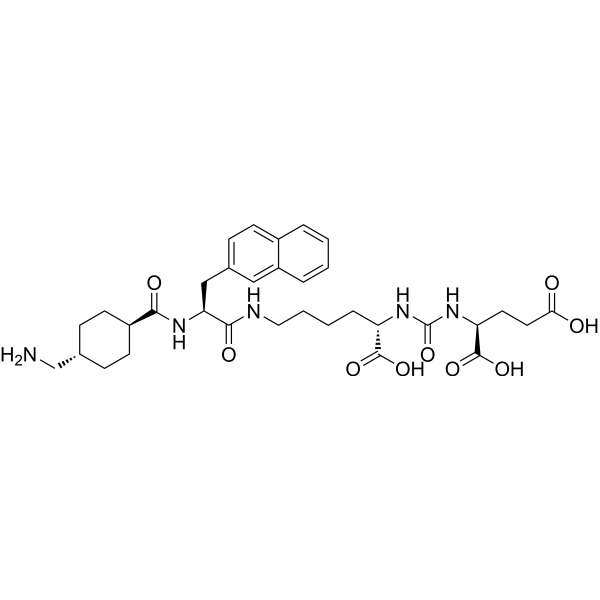
Vipivotide tetraxetan Ligand-Linker Conjugate (PSMA-617 Ligand-Linker Conjugate) is a complex composed of pharmacophore group Glutamate-urea-Lysine peptide coupling linker, which can be used to synthesize Vipivotide tetraxetan (PSMA-617). Glutamate-urea-Lysine selectively binds to prostate-specific membrane antigen (PSMA) .
|
-
-
- HY-100138
-
|
|
Radionuclide-Drug Conjugates (RDCs)
ADC Linker
|
Cancer
|
|
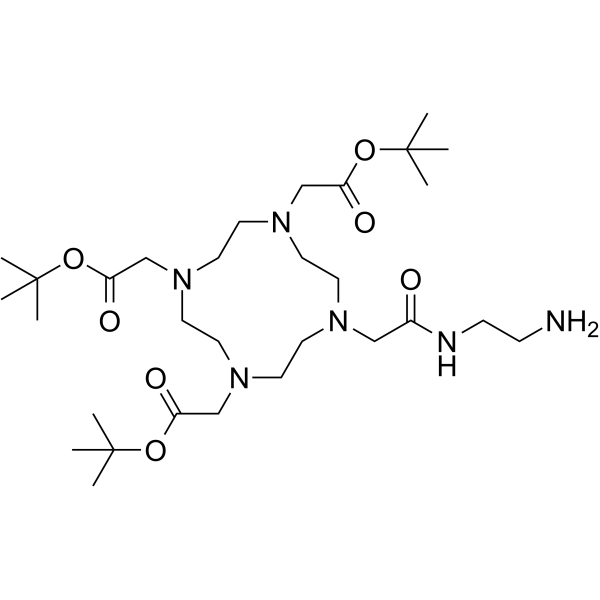
2-Aminoethyl-mono-amide-DOTA-tris(tBu ester) is a metal chelator precursor containing a DOTA macrocyclic structure. DOTA can form highly stable complexes with metal ions (such as 68Ga, 177Lu) through four nitrogen atoms and four carboxylic acid groups to mediate targeted delivery of radionuclides. The tert-butyl ester group (tBu ester) of 2-Aminoethyl-mono-amide-DOTA-tris(tBu ester) also protects the carboxylic acid group during synthesis, and forms a free carboxyl group after deprotection reaction for coupling with targeting molecules (such as antibodies, peptides). 2-Aminoethyl-mono-amide-DOTA-tris(tBu ester) may be combined with tumor pre-targeting systems through bioorthogonal reactions (such as reverse electron demand Diels-Alder reaction) to study radioactive imaging or therapy of tumor tissues, and is mainly used in tumor pre-targeting research in the field of nuclear medicine .
|
-
-
- HY-Y1666
-
|
|
Biochemical Assay Reagents
|
Others
|
|
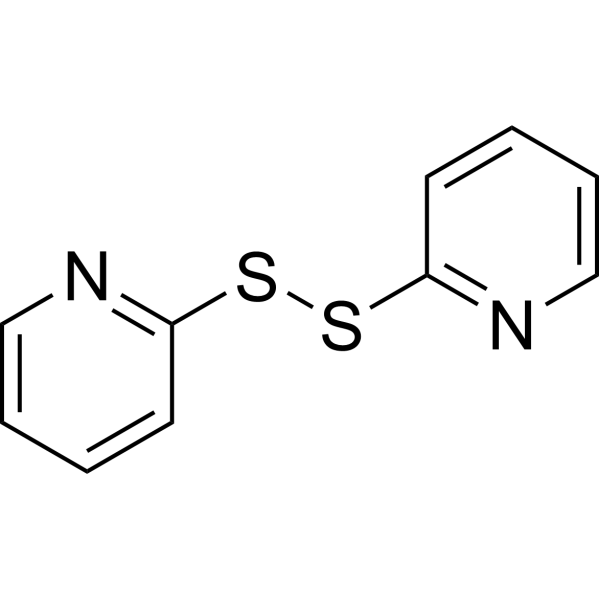
2,2′-Dipyridyl disulfide is a useful reagent for the determination of sulfhydryl groups. 2,2′-Dipyridyl disulfide is a common reagent in peptide chemistry, often used in oxidation–reduction condensations to form peptide bonds or in coupling reactions to form disulfide-linked heterodimers .
|
-
-
- HY-41456
-
|
|
Biochemical Assay Reagents
|
Others
|
|
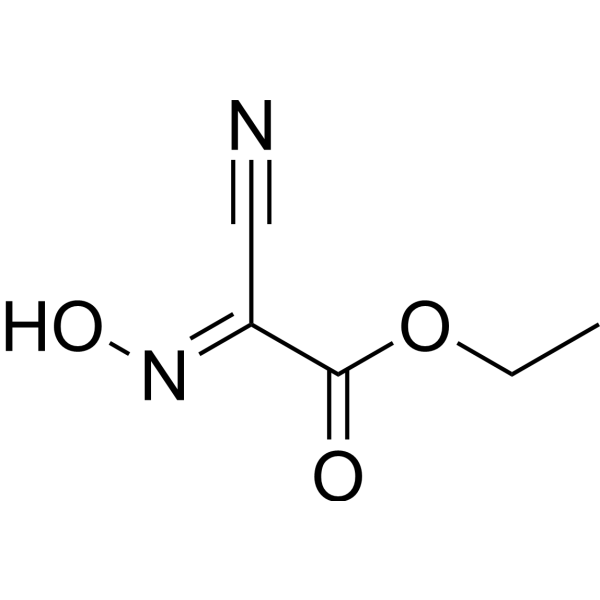
Ethyl 2-cyano-2-(hydroxyimino) acetate (Oxyma) is a peptide coupling additive. Ethyl 2-cyano-2-(hydroxyimino) acetate suppresses racemization during peptide coupling and improves the coupling efficiency of both solution-phase and solid-phase peptide synthesis .
|
-
-
- HY-Y0912
-
|
N-HBTU
|
Biochemical Assay Reagents
|
Inflammation/Immunology
|
|
HBTU (N-HBTU) is a guanidinium-based peptide coupling reagent and immunological sensitizer. HBTU can be used in combination with bases such as DIPEA (HY-130142) to complete coupling reactions, with HOBt and TMU as by-products. HBTU is a standard reagent in automated solid-phase peptide synthesis, particularly for the Fmoc/tBu strategy, which effectively promotes coupling steps, but it is not suitable for sterically hindered amino acids or dipeptide derivatives. HBTU can induce rhinitis, dermatitis, bronchial asthma and severe allergic reactions. HBTU can be used to study the pathogenesis of allergic reactions, occupational rhinitis, allergic contact dermatitis and bronchial asthma .
|
-
-
- HY-W008558
-
|
|
Amino Acid Derivatives
|
Others
|
|
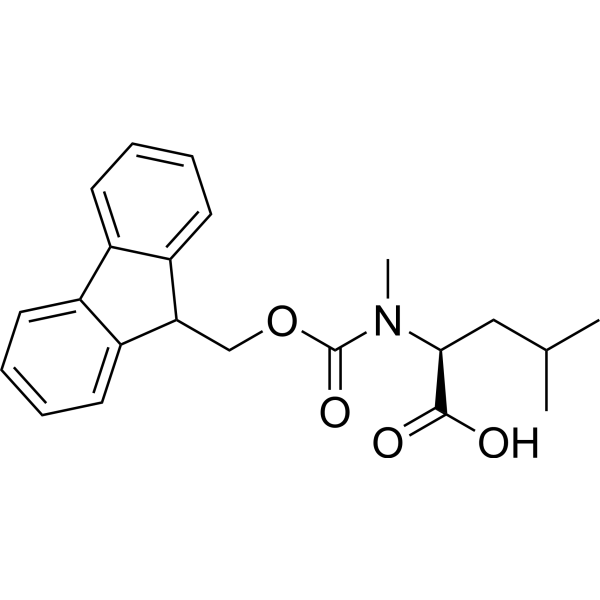
Fmoc-N-Me-Leu-OH is an N-Fmoc-N-methyl amino acid that can be used in peptide coupling reactions. Fmoc-N-Me-Leu-OH is primarily used as a standard building block in solid-phase peptide synthesis (SPPS) to introduce N-methylleucine residues into peptide chains, thereby enhancing the enzymatic stability, altering conformational flexibility, and modifying the biological activity of the target peptide .
|
-
-
- HY-D0177
-
|
Benzotriazole-1-yl-oxytripyrrolidinophosphonium hexafluorophosphate
|
Biochemical Assay Reagents
|
Others
|
|
(Benzotriazol-1-yloxy)tripyrrolidinophosphonium hexafluorophosphate (Benzotriazole-1-yl-oxytripyrrolidinophosphonium hexafluorophosphate) is a peptide coupling reagent and BOP analog. (Benzotriazol-1-yloxy)tripyrrolidinophosphonium hexafluorophosphate promotes the reaction of amino and carboxyl groups to form peptide bonds. (Benzotriazol-1-yloxy)tripyrrolidinophosphonium hexafluorophosphate can be used in the synthesis of peptide compounds .
|
-
-
- HY-168940B
-
|
|
Drug Intermediate
|
Cancer
|
|
NH2-PEG2000-COOH is a heterofunctional polyethylene glycol with one amino terminal group and one carboxyl terminal group. NH2-PEG2000-COOH reacts with N-succinimidyl-6-maleimidohexanoate to introduce a maleimide terminal group, followed by conjugation with thiolated RGD peptide via a thiol-maleimide coupling reaction to synthesize RGD-PEG-COOH. NH2-PEG2000-COOH can be used in cancer research .
|
-
-
- HY-147168
-
|
|
Biochemical Assay Reagents
|
Others
|
|
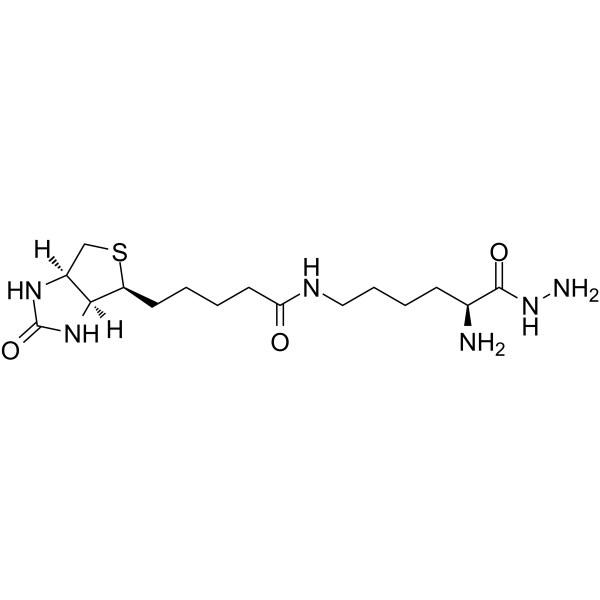
Biocytin hydrazide is a long-chain biotin-containing hydrazide, serving as a biotin-derived active coupling reagent, selective labeling agent and biotinylating reagent. Biocytin hydrazide targets aldehyde, carboxyl, amino and guanidino groups to biotinylate glycoconjugates, K99 lectin, peptides and proteins through its hydrazide moiety, and achieves nonradioactive detection of sialic acid- and galactose-containing glycoconjugates via the avidin–biotin system .
|
-
-
- HY-Y0973
-
|
|
Biochemical Assay Reagents
Drug Intermediate
|
Others
|
|
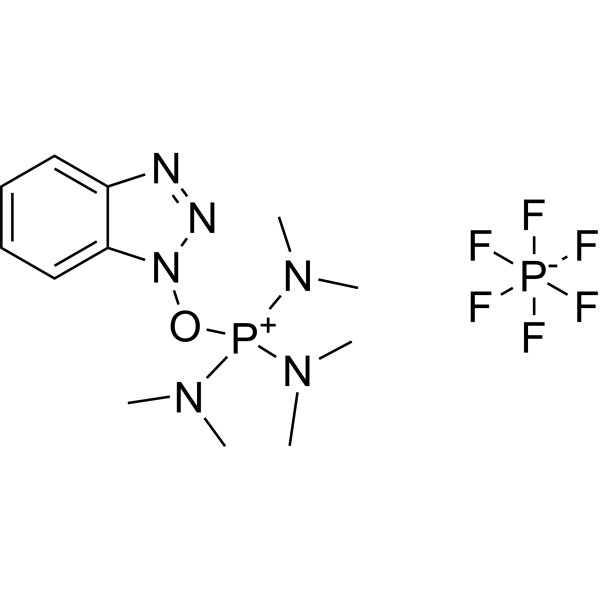
BOP hexafluorophosphate is a phosphonium-type condensing agent. BOP hexafluorophosphate activates the carboxylic acid component to form a highly reactive O-benzotriazole ester (active ester) intermediate, which then reacts with the amino component to form an amide bond (peptide bond). BOP hexafluorophosphate is applicable to solid-phase polypeptide synthesis and nucleoside modification .
|
-
-
- HY-107783
-
|
|
Biochemical Assay Reagents
|
Others
|
|
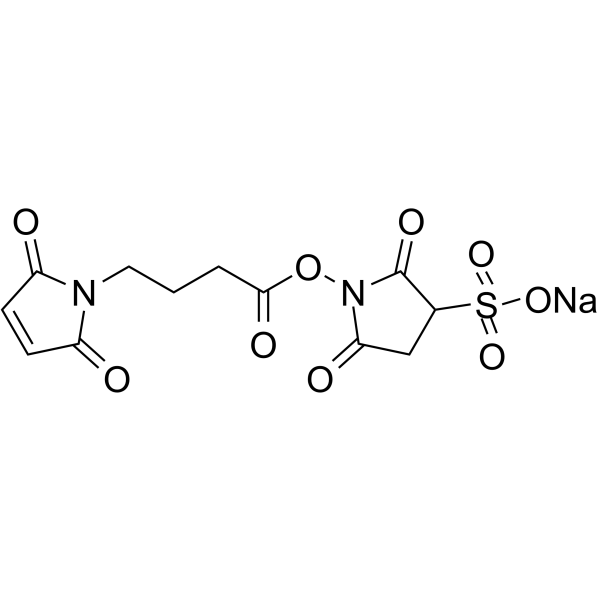
Sulfo-GMBS is a crosslinker widely used in chemical modification and coupling reactions of proteins and peptides. Among amine-thiol crosslinkers, Sulfo-GMBS generates the largest number of crosslinks and covers most of the crosslinks identified by AMAS and GMBS .
|
-
-
- HY-W011412
-
|
|
Biochemical Assay Reagents
|
Others
|
|
TSTU is used as a coupling reagent in peptide chemistry. TSTU can convert carboxylic acids into the corresponding N-hydroxysuccinimidyl (NHS) esters. TSTU can be applied to the attachment of labels to peptides, proteins, etc .
|
-
-
- HY-W010986
-
|
|
Drug Intermediate
|
Others
|
|
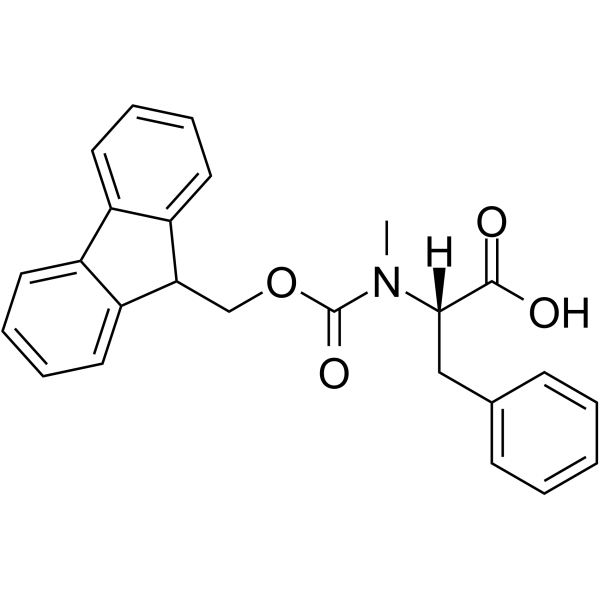
Fmoc-N-Me-Phe-OH is an N-methylated amino acid that can be used for the synthesis of some active compounds .
|
-
-
- HY-P5345
-
|
|
Apoptosis
Antibiotic
Caspase
Mitochondrial Metabolism
|
Cardiovascular Disease
Infection
Neurological Disease
Metabolic Disease
|
|
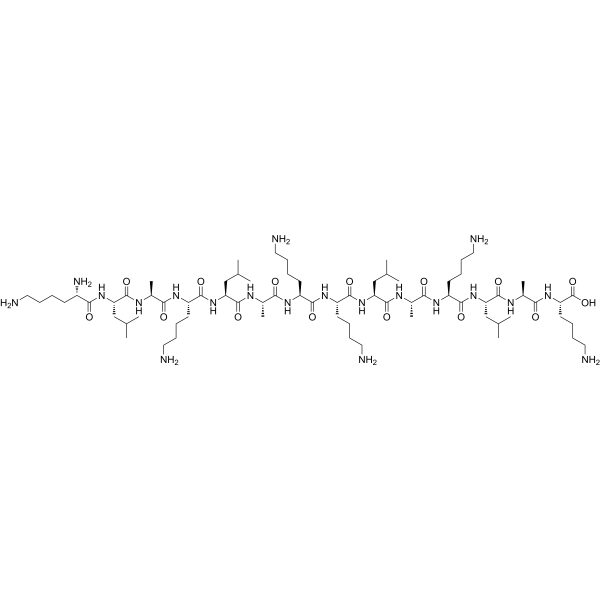
KLA peptide is a naturally occurring Antibiotic peptide that is nontoxic outside of cells but is toxic when it enters into the interior of targeted cells. KLA peptide can induce cell Apoptosis by disrupting mitochondrial membranes and activating Caspase. MG1-KLA, formed by the coupling of KLA peptide with MG1, can selectively induce apoptosis in pro-inflammatory microglia. KLA peptide can be used for the research of liver fibrosis. KLA peptide can be used for the research of neonatal hypoxic-ischemic encephalopathy.
|
-
-
- HY-W024615
-
|
3-(3-Methyl-3H-diazirin-3-yl)propanoic acid
|
Drug Intermediate
Biochemical Assay Reagents
|
Others
|
|
Me-diazirine-cooh (3-(3-Methyl-3H-diazirin-3-yl) propanoic acid) is a molecular building block containing an aliphatic diazirine ring. Me-diazirine-cooh undergoes orthogonal coupling in solid-phase peptide synthesis to introduce the Diazirine group into collagen-mimetic peptides. Me-diazirine-cooh is used to construct the photoaffinity probe P1 .
|
-
-
- HY-W441014B
-
|
|
Biochemical Assay Reagents
|
Others
|
|
DSPE-PEG20000-NHS ammonium is one of the most commonly used reactive phospholipids for coupling antibodies, proteins, peptides or other substrates to the surface of liposomes and other lipid PEG nanoparticles .
|
-
-
- HY-151782
-
|
|
ADC Linker
|
Others
|
|
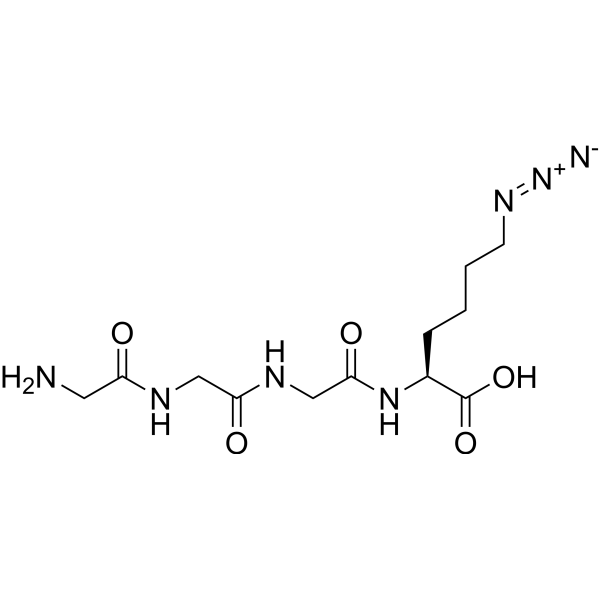
The azide function is widely used for coupling to alkyne-containing fragments via the renowned Click reaction. Polyglycine fragments containing up to 7 glycines are reported to bind to surfaces and have potential application in nanotechnology constructs: constructs of Gly7-NHCH2-fragment containing peptides bind on mica surface in aqueous solution . It contains an azide group and can undergo copper-catalyzed azide-alkyne cycloaddition (CuAAc) with molecules containing alkyne groups. It can also undergo ring strain-promoted alkyne-azide cycloaddition (SPAAC) with molecules containing DBCO or BCN groups.
|
-
-
- HY-W441014A
-
|
|
Biochemical Assay Reagents
|
Others
|
|
DSPE-PEG10000-NHS ammonium is one of the most commonly used reactive phospholipids for coupling antibodies, proteins, peptides or other substrates to the surface of liposomes and other lipid PEG nanoparticles .
|
-
-
- HY-W283556
-
|
|
Biochemical Assay Reagents
|
Cancer
|
|
DO2A-tert-butyl ester is a bifunctional chelator (BFC) that can be used for the coupling of peptides and radionuclides. DO2A-tert-butyl ester can be used in the development of radionuclide imaging tracers .
|
-
-
- HY-174358D
-
|
|
Biochemical Assay Reagents
|
Others
|
|
HOOC-PEG10000-COOH has two active carboxyl groups at both ends, which can selectively react with the amino groups in peptide coupling agents. HOOC-PEG10000-COOH is a good cross-linking agent for PEGylation of proteins and peptides, nanoparticles and surface modification .
|
-
-
- HY-79880R
-
|
1,1'-Carbonyldiimidazole (Standard)
|
Biochemical Assay Reagents
Reference Standards
|
Others
|
|
N,N'-Carbonyldiimidazole (Standard) (1,1'-Carbonyldiimidazole (Standard)) is the analytical standard of N,N'-Carbonyldiimidazole (HY-79880). This product is intended for research and analytical applications. N,N'-Carbonyldiimidazole (1,1'-Carbonyldiimidazole) is a highly reactive carboxylating reagent that can activate hydroxyl groups to form reactive carbonyl groups. N,N'-Carbonyldiimidazole can be used as a coupling agent and a peptide synthesis reagent .
|
-
-
- HY-118112
-
|
|
Biochemical Assay Reagents
|
Others
|
|
4-N-Maleimidobenzoicacid-NHS is a PEG linker that finds utility in bioconjugation endeavors and protein labeling ventures. Specifically designed for selective reaction with thiol groups, the maleimide group establishes covalent linkages, thereby facilitating the coupling of proteins, peptides, or diverse molecules to thiol-bearing biomolecules. The NHS ester is able to react specifically and efficiently with primary amines (e.g. the side chain of lysine residues or aminosilane-coated surfaces) at neutral or slightly basic conditions to form a covalent bond.
|
-
-
- HY-148031
-
|
|
ADC Linker
|
Others
|
|
MC-Ala-Ala-Asn-PAB-PNP is a peptide, can be used to synthesize specifically activated micromolecular target coupling body .
|
-
-
- HY-120286
-
|
|
Drug Intermediate
|
Others
|
|
K-13 is a cyclic peptide compound synthesized by a specific organozinc reagent. Its synthesis process involves intermolecular and intramolecular Negishi cross-coupling reactions and is one of the shortest routes reported for the synthesis of such cyclic peptides.
|
-
-
- HY-174358A
-
|
|
Biochemical Assay Reagents
|
Others
|
|
HOOC-PEG2000-COOH has two active carboxyl groups at both ends, which can selectively react with the amino groups in peptide coupling agents. HOOC-PEG2000-COOH is a good cross-linking agent for PEGylation of proteins and peptides, nanoparticles and surface modification .
|
-
-
- HY-174358E
-
|
|
Biochemical Assay Reagents
|
Others
|
|
HOOC-PEG20000-COOH has two active carboxyl groups at both ends, which can selectively react with the amino groups in peptide coupling agents. HOOC-PEG20000-COOH is a good cross-linking agent for PEGylation of proteins and peptides, nanoparticles and surface modification .
|
-
-
- HY-149117
-
|
|
Fluorescent Dye
|
Others
|
|
AF430 NHS ester is an AF 430 maleimide is a derivative of the yellow fluorescent dye AF 430. AF430 has an excitation wavelength of 425 nm and an emission wavelength of 542 nm. AF430 NHS ester can be uesd for the labeling of amino-groups in peptides, proteins, and oligonucleotides. To achieve specific coupling of dye labels and biomolecules .
|
-
-
- HY-130282
-
|
|
Bacterial
|
Infection
|
|
Ianthelliformisamine C ditrifluoroacetate is an antibiotic enhancer with activity against resistant Gram-negative bacteria. Ianthelliformisamine C ditrifluoroacetate has been shown to improve the efficacy of doxycycline against Pseudomonas aeruginosa. Ianthelliformisamine C ditrifluoroacetate was prepared using peptide coupling, resulting in high chemical yields of 27 to 91%. Ianthelliformisamine C ditrifluoroacetate exhibits its mechanism of action by inducing ATP efflux and causing membrane depolarization in bacterial cells.
|
-
-
- HY-P10306
-
|
|
Bacterial
|
Infection
|
|
Cys-LL37 is a biomaterial with antimicrobial properties developed by covalently fixing to the surface of titanium. Cys-LL37 uses a flexible hydrophilic polyethylene glycol spacer and selective n-terminal coupling LL37, a surface peptide layer that kills bacteria on contact is formed. Cys-LL37 can be used in research to develop new antimicrobial biomaterials .
|
-
-
- HY-174961C
-
|
Fmoc-NH-PEG5000-Mal
|
Biochemical Assay Reagents
|
Others
|
|
Fmoc-PEG5000-Maleimide (Fmoc-NH-PEG5000-Mal) is a PEG derivative with an Fmoc protecting group and a Maleimide (HY-W007324) reactive group. Fmoc is a commonly used amino protecting group that protects the amino group from unwanted reactions until it is removed for a specific coupling reaction. Maleimide forms a stable thioether bond with sulfhydryl (-SH) groups. PEG modification can improve solubility and stability and reduce the immunogenicity of proteins and peptides .
|
-
-
- HY-174961
-
|
Fmoc-NH-PEG1000-Mal
|
Biochemical Assay Reagents
|
Others
|
|
Fmoc-PEG1000-Maleimide (Fmoc-NH-PEG1000-Mal) is a PEG derivative with an Fmoc protecting group and a Maleimide (HY-W007324) reactive group. Fmoc is a commonly used amino protecting group that protects the amino group from unwanted reactions until it is removed for a specific coupling reaction. Maleimide forms a stable thioether bond with sulfhydryl (-SH) groups. PEG modification can improve solubility and stability and reduce the immunogenicity of proteins and peptides .
|
-
-
- HY-D2747
-
|
|
Fluorescent Dye
|
Others
|
|
BP Fluor 405 acid is a water-soluble, blue-fluorescent dye that is often used in multi-color applications, including flow cytometry and super-resolution microscopy using STORM. Its excitation is ideally suited for the 407 nm spectral line of the krypton laser or the 408 nm violet laser diode. BP Fluor 405 conjugates are pH-insensitive from pH 4 to pH 10.
The carboxylic acid of BP Fluor 405 is a reagent of choice for the preparation of custom activated esters that often are not commercially available. Examples of such activated esters include sulfo-NHS, TFP (2,3,5,6-Tetrafluorophenol), and STP (4-Sulfo-2,3,5,6-Tetrafluorophenol, Sodium Salt). Another common application for the non-activated carboxylic acid is peptide modification during solid phase synthesis, which usually requires in-situ activation with peptide coupling regents, e.g. HATU. BP Fluor 405 acid is also often used for control experiments, and for calibration.
|
-
-
- HY-W441014C
-
|
|
Biochemical Assay Reagents
|
Others
|
|
DSPE-PEG40000-NHS ammonium is one of the most commonly used reactive phospholipids for coupling antibodies, proteins, peptides or other substrates to the surface of liposomes and other lipid PEG nanoparticles .
|
-
-
- HY-P5345A
-
|
|
Apoptosis
Antibiotic
Caspase
Mitochondrial Metabolism
|
Cardiovascular Disease
Infection
Neurological Disease
Metabolic Disease
|
|
KLA peptide acetate is a naturally occurring Antibiotic peptide that is nontoxic outside of cells but is toxic when it enters into the interior of targeted cells. KLA peptide acetate can induce cell Apoptosis by disrupting mitochondrial membranes and activating Caspase. MG1-KLA acetate, formed by the coupling of KLA peptide acetate with MG1, can selectively induce apoptosis in pro-inflammatory microglia. KLA peptide acetate can be used for the research of liver fibrosis. KLA peptide acetate can be used for the research of neonatal hypoxic-ischemic encephalopathy .
|
-
-
- HY-174358C
-
|
|
Biochemical Assay Reagents
|
Others
|
|
HOOC-PEG5000-COOH has two active carboxyl groups at both ends, which can selectively react with the amino groups in peptide coupling agents. HOOC-PEG5000-COOH is a good cross-linking agent for PEGylation of proteins and peptides, nanoparticles and surface modification .
|
-
-
- HY-174358
-
|
|
Biochemical Assay Reagents
|
Others
|
|
HOOC-PEG1000-COOH has two active carboxyl groups at both ends, which can selectively react with the amino groups in peptide coupling agents. HOOC-PEG1000-COOH is a good cross-linking agent for PEGylation of proteins and peptides, nanoparticles and surface modification .
|
-
-
- HY-174358H
-
|
|
Biochemical Assay Reagents
|
Others
|
|
HOOC-PEG40000-COOH has two active carboxyl groups at both ends, which can selectively react with the amino groups in peptide coupling agents. HOOC-PEG40000-COOH is a good cross-linking agent for PEGylation of proteins and peptides, nanoparticles and surface modification .
|
-
-
- HY-174358B
-
|
|
Biochemical Assay Reagents
|
Others
|
|
HOOC-PEG3400-COOH has two active carboxyl groups at both ends, which can selectively react with the amino groups in peptide coupling agents. HOOC-PEG3400-COOH is a good cross-linking agent for PEGylation of proteins and peptides, nanoparticles and surface modification .
|
-
-
- HY-D3049
-
|
|
Fluorescent Dye
|
Others
|
|
5(6)-carbonylated rhodamine 110 NHS ester is a reactive ester fluorescent reagent based on 5(6)-carbonylated rhodamine 110. NHS ester is a highly reactive ester capable of covalently coupling with primary amine groups in molecules such as proteins, peptides, amino sugars, and nucleic acids to form stable amide bonds (Ex/Em = 502/527 nm).
|
-
-
- HY-D3050
-
|
|
Fluorescent Dye
|
Others
|
|
5(6)-carbonylated rhodamine 110 X NHS ester is a reactive ester fluorescent reagent based on 5(6)-carbonylated rhodamine 110 X. NHS ester is a highly reactive ester capable of covalently coupling with primary amine groups in molecules such as proteins, peptides, amino sugars, and nucleic acids to form stable amide bonds (Ex/Em = 496/522 nm).
|
-
-
- HY-D3053
-
|
|
Fluorescent Dye
|
Others
|
|
5(6)-Rhodamine 6G NHS ester is a reactive ester fluorescent reagent based on Rhodamine 6G (HY-D0309). NHS ester is a highly reactive ester capable of covalently coupling with primary amine groups in molecules such as proteins, peptides, amino sugars, and nucleic acids to form stable amide bonds (Ex/Em = 526/547 nm).
|
-
-
- HY-120925
-
|
|
Opioid Receptor
Arrestin
|
Neurological Disease
|
|
TRV0109101 is a μ-opioid peptide receptor (MOPR) selective agonist (KD = 70 nM) with blood-brain barrier permeability. TRV0109101 selectively promotes G protein signaling pathway coupling while reducing the recruitment of β-arrestin. TRV0109101 inhibits opioid-induced mechanical hyperalgesia and induces antinociceptive tolerance. TRV0109101 is applicable for pain-related research .
|
-
-
- HY-P5423D
-
|
|
Exosomes
|
Others
|
|
Ahx-GALA-Cys is a GALA peptide (HY-P5423) derivative with an N-terminal 6-aminohexanoic acid (Ahx) linker and a C-terminal cysteine residue. Ahx-GALA-Cys possesses strong covalent coupling capacity, which can be used to conjugate fluorophores and targeting ligands for investigating the surface functionalization of small extracellular vesicles (sEV) and lysosomal escape .
|
-
-
- HY-174961B
-
|
Fmoc-NH-PEG3400-Mal
|
Biochemical Assay Reagents
|
Others
|
|
Fmoc-PEG3400-Maleimide (Fmoc-NH-PEG3400-Mal) is a PEG derivative with an Fmoc protecting group and a Maleimide (HY-W007324) reactive group. Fmoc is a commonly used amino protecting group that protects the amino group from unwanted reactions until it is removed for a specific coupling reaction. Maleimide forms a stable thioether bond with sulfhydryl (-SH) groups. PEG modification can improve solubility and stability and reduce the immunogenicity of proteins and peptides .
|
-
-
- HY-174961A
-
|
Fmoc-NH-PEG2000-Mal
|
Biochemical Assay Reagents
|
Others
|
|
Fmoc-PEG2000-Maleimide (Fmoc-NH-PEG2000-Mal) is a PEG derivative with an Fmoc protecting group and a Maleimide (HY-W007324) reactive group. Fmoc is a commonly used amino protecting group that protects the amino group from unwanted reactions until it is removed for a specific coupling reaction. Maleimide forms a stable thioether bond with sulfhydryl (-SH) groups. PEG modification can improve solubility and stability and reduce the immunogenicity of proteins and peptides .
|
-
-
- HY-108010
-
|
|
Amyloid-β
|
Neurological Disease
|
|
Aftobetin is a non-invasive molecular probe used for the early diagnosis of Alzheimer's disease (AD). Aftobetin can specifically bind to the aggregated β-amyloid peptide (Aβ) in the lens of the eye, enabling the early diagnosis of AD through a rapid and painless detection method .
|
-
-
- HY-100138R
-
|
|
Radionuclide-Drug Conjugates (RDCs)
ADC Linker
Reference Standards
|
Cancer
|
|
2-Aminoethyl-mono-amide-DOTA-tris(tBu ester) (Standard) is the analytical standard of 2-Aminoethyl-mono-amide-DOTA-tris(tBu ester) (HY-100138). This product is intended for research and analytical applications. 2-Aminoethyl-mono-amide-DOTA-tris(tBu ester) is a metal chelator precursor containing a DOTA macrocyclic structure. DOTA can form highly stable complexes with metal ions (such as 68Ga, 177Lu) through four nitrogen atoms and four carboxylic acid groups to mediate targeted delivery of radionuclides. The tert-butyl ester group (tBu ester) of 2-Aminoethyl-mono-amide-DOTA-tris(tBu ester) also protects the carboxylic acid group during synthesis, and forms a free carboxyl group after deprotection reaction for coupling with targeting molecules (such as antibodies, peptides). 2-Aminoethyl-mono-amide-DOTA-tris(tBu ester) may be combined with tumor pre-targeting systems through bioorthogonal reactions (such as reverse electron demand Diels-Alder reaction) to study radioactive imaging or therapy of tumor tissues, and is mainly used in tumor pre-targeting research in the field of nuclear medicine .
|
-
| Cat. No. |
Product Name |
Type |
-
- HY-149117
-
|
|
Fluorescent Dyes
|
|
AF430 NHS ester is an AF 430 maleimide is a derivative of the yellow fluorescent dye AF 430. AF430 has an excitation wavelength of 425 nm and an emission wavelength of 542 nm. AF430 NHS ester can be uesd for the labeling of amino-groups in peptides, proteins, and oligonucleotides. To achieve specific coupling of dye labels and biomolecules .
|
-
- HY-D2747
-
|
|
Fluorescent Dyes
|
|
BP Fluor 405 acid is a water-soluble, blue-fluorescent dye that is often used in multi-color applications, including flow cytometry and super-resolution microscopy using STORM. Its excitation is ideally suited for the 407 nm spectral line of the krypton laser or the 408 nm violet laser diode. BP Fluor 405 conjugates are pH-insensitive from pH 4 to pH 10.
The carboxylic acid of BP Fluor 405 is a reagent of choice for the preparation of custom activated esters that often are not commercially available. Examples of such activated esters include sulfo-NHS, TFP (2,3,5,6-Tetrafluorophenol), and STP (4-Sulfo-2,3,5,6-Tetrafluorophenol, Sodium Salt). Another common application for the non-activated carboxylic acid is peptide modification during solid phase synthesis, which usually requires in-situ activation with peptide coupling regents, e.g. HATU. BP Fluor 405 acid is also often used for control experiments, and for calibration.
|
-
- HY-D3049
-
|
|
Fluorescent Dyes
|
|
5(6)-carbonylated rhodamine 110 NHS ester is a reactive ester fluorescent reagent based on 5(6)-carbonylated rhodamine 110. NHS ester is a highly reactive ester capable of covalently coupling with primary amine groups in molecules such as proteins, peptides, amino sugars, and nucleic acids to form stable amide bonds (Ex/Em = 502/527 nm).
|
-
- HY-D3050
-
|
|
Fluorescent Dyes
|
|
5(6)-carbonylated rhodamine 110 X NHS ester is a reactive ester fluorescent reagent based on 5(6)-carbonylated rhodamine 110 X. NHS ester is a highly reactive ester capable of covalently coupling with primary amine groups in molecules such as proteins, peptides, amino sugars, and nucleic acids to form stable amide bonds (Ex/Em = 496/522 nm).
|
-
- HY-D3053
-
|
|
Fluorescent Dyes
|
|
5(6)-Rhodamine 6G NHS ester is a reactive ester fluorescent reagent based on Rhodamine 6G (HY-D0309). NHS ester is a highly reactive ester capable of covalently coupling with primary amine groups in molecules such as proteins, peptides, amino sugars, and nucleic acids to form stable amide bonds (Ex/Em = 526/547 nm).
|
| Cat. No. |
Product Name |
Type |
-
- HY-41456
-
|
|
Biochemical Assay Reagents
|
|
Ethyl 2-cyano-2-(hydroxyimino) acetate (Oxyma) is a peptide coupling additive. Ethyl 2-cyano-2-(hydroxyimino) acetate suppresses racemization during peptide coupling and improves the coupling efficiency of both solution-phase and solid-phase peptide synthesis .
|
-
- HY-D0177
-
|
Benzotriazole-1-yl-oxytripyrrolidinophosphonium hexafluorophosphate
|
Biochemical Assay Reagents
|
|
(Benzotriazol-1-yloxy)tripyrrolidinophosphonium hexafluorophosphate (Benzotriazole-1-yl-oxytripyrrolidinophosphonium hexafluorophosphate) is a peptide coupling reagent and BOP analog. (Benzotriazol-1-yloxy)tripyrrolidinophosphonium hexafluorophosphate promotes the reaction of amino and carboxyl groups to form peptide bonds. (Benzotriazol-1-yloxy)tripyrrolidinophosphonium hexafluorophosphate can be used in the synthesis of peptide compounds .
|
-
- HY-168940B
-
|
|
Biochemical Assay Reagents
|
|
NH2-PEG2000-COOH is a heterofunctional polyethylene glycol with one amino terminal group and one carboxyl terminal group. NH2-PEG2000-COOH reacts with N-succinimidyl-6-maleimidohexanoate to introduce a maleimide terminal group, followed by conjugation with thiolated RGD peptide via a thiol-maleimide coupling reaction to synthesize RGD-PEG-COOH. NH2-PEG2000-COOH can be used in cancer research .
|
-
- HY-Y0973
-
|
|
Biochemical Assay Reagents
|
|
BOP hexafluorophosphate is a phosphonium-type condensing agent. BOP hexafluorophosphate activates the carboxylic acid component to form a highly reactive O-benzotriazole ester (active ester) intermediate, which then reacts with the amino component to form an amide bond (peptide bond). BOP hexafluorophosphate is applicable to solid-phase polypeptide synthesis and nucleoside modification .
|
-
- HY-W011412
-
|
|
Biochemical Assay Reagents
|
|
TSTU is used as a coupling reagent in peptide chemistry. TSTU can convert carboxylic acids into the corresponding N-hydroxysuccinimidyl (NHS) esters. TSTU can be applied to the attachment of labels to peptides, proteins, etc .
|
-
- HY-W441014B
-
|
|
Biochemical Assay Reagents
|
|
DSPE-PEG20000-NHS ammonium is one of the most commonly used reactive phospholipids for coupling antibodies, proteins, peptides or other substrates to the surface of liposomes and other lipid PEG nanoparticles .
|
-
- HY-W441014A
-
|
|
Biochemical Assay Reagents
|
|
DSPE-PEG10000-NHS ammonium is one of the most commonly used reactive phospholipids for coupling antibodies, proteins, peptides or other substrates to the surface of liposomes and other lipid PEG nanoparticles .
|
-
- HY-W283556
-
|
|
Biochemical Assay Reagents
|
|
DO2A-tert-butyl ester is a bifunctional chelator (BFC) that can be used for the coupling of peptides and radionuclides. DO2A-tert-butyl ester can be used in the development of radionuclide imaging tracers .
|
-
- HY-174358D
-
|
|
Biochemical Assay Reagents
|
|
HOOC-PEG10000-COOH has two active carboxyl groups at both ends, which can selectively react with the amino groups in peptide coupling agents. HOOC-PEG10000-COOH is a good cross-linking agent for PEGylation of proteins and peptides, nanoparticles and surface modification .
|
-
- HY-174358A
-
|
|
Biochemical Assay Reagents
|
|
HOOC-PEG2000-COOH has two active carboxyl groups at both ends, which can selectively react with the amino groups in peptide coupling agents. HOOC-PEG2000-COOH is a good cross-linking agent for PEGylation of proteins and peptides, nanoparticles and surface modification .
|
-
- HY-174358E
-
|
|
Biochemical Assay Reagents
|
|
HOOC-PEG20000-COOH has two active carboxyl groups at both ends, which can selectively react with the amino groups in peptide coupling agents. HOOC-PEG20000-COOH is a good cross-linking agent for PEGylation of proteins and peptides, nanoparticles and surface modification .
|
-
- HY-174961C
-
|
Fmoc-NH-PEG5000-Mal
|
Biochemical Assay Reagents
|
|
Fmoc-PEG5000-Maleimide (Fmoc-NH-PEG5000-Mal) is a PEG derivative with an Fmoc protecting group and a Maleimide (HY-W007324) reactive group. Fmoc is a commonly used amino protecting group that protects the amino group from unwanted reactions until it is removed for a specific coupling reaction. Maleimide forms a stable thioether bond with sulfhydryl (-SH) groups. PEG modification can improve solubility and stability and reduce the immunogenicity of proteins and peptides .
|
-
- HY-174961
-
|
Fmoc-NH-PEG1000-Mal
|
Biochemical Assay Reagents
|
|
Fmoc-PEG1000-Maleimide (Fmoc-NH-PEG1000-Mal) is a PEG derivative with an Fmoc protecting group and a Maleimide (HY-W007324) reactive group. Fmoc is a commonly used amino protecting group that protects the amino group from unwanted reactions until it is removed for a specific coupling reaction. Maleimide forms a stable thioether bond with sulfhydryl (-SH) groups. PEG modification can improve solubility and stability and reduce the immunogenicity of proteins and peptides .
|
-
- HY-W441014C
-
|
|
Biochemical Assay Reagents
|
|
DSPE-PEG40000-NHS ammonium is one of the most commonly used reactive phospholipids for coupling antibodies, proteins, peptides or other substrates to the surface of liposomes and other lipid PEG nanoparticles .
|
-
- HY-174358C
-
|
|
Biochemical Assay Reagents
|
|
HOOC-PEG5000-COOH has two active carboxyl groups at both ends, which can selectively react with the amino groups in peptide coupling agents. HOOC-PEG5000-COOH is a good cross-linking agent for PEGylation of proteins and peptides, nanoparticles and surface modification .
|
-
- HY-174358
-
|
|
Biochemical Assay Reagents
|
|
HOOC-PEG1000-COOH has two active carboxyl groups at both ends, which can selectively react with the amino groups in peptide coupling agents. HOOC-PEG1000-COOH is a good cross-linking agent for PEGylation of proteins and peptides, nanoparticles and surface modification .
|
-
- HY-174358H
-
|
|
Biochemical Assay Reagents
|
|
HOOC-PEG40000-COOH has two active carboxyl groups at both ends, which can selectively react with the amino groups in peptide coupling agents. HOOC-PEG40000-COOH is a good cross-linking agent for PEGylation of proteins and peptides, nanoparticles and surface modification .
|
-
- HY-174358B
-
|
|
Biochemical Assay Reagents
|
|
HOOC-PEG3400-COOH has two active carboxyl groups at both ends, which can selectively react with the amino groups in peptide coupling agents. HOOC-PEG3400-COOH is a good cross-linking agent for PEGylation of proteins and peptides, nanoparticles and surface modification .
|
-
- HY-174961B
-
|
Fmoc-NH-PEG3400-Mal
|
Biochemical Assay Reagents
|
|
Fmoc-PEG3400-Maleimide (Fmoc-NH-PEG3400-Mal) is a PEG derivative with an Fmoc protecting group and a Maleimide (HY-W007324) reactive group. Fmoc is a commonly used amino protecting group that protects the amino group from unwanted reactions until it is removed for a specific coupling reaction. Maleimide forms a stable thioether bond with sulfhydryl (-SH) groups. PEG modification can improve solubility and stability and reduce the immunogenicity of proteins and peptides .
|
-
- HY-174961A
-
|
Fmoc-NH-PEG2000-Mal
|
Biochemical Assay Reagents
|
|
Fmoc-PEG2000-Maleimide (Fmoc-NH-PEG2000-Mal) is a PEG derivative with an Fmoc protecting group and a Maleimide (HY-W007324) reactive group. Fmoc is a commonly used amino protecting group that protects the amino group from unwanted reactions until it is removed for a specific coupling reaction. Maleimide forms a stable thioether bond with sulfhydryl (-SH) groups. PEG modification can improve solubility and stability and reduce the immunogenicity of proteins and peptides .
|
| Cat. No. |
Product Name |
Target |
Research Area |
-
- HY-P5345
-
|
|
Apoptosis
Antibiotic
Caspase
Mitochondrial Metabolism
|
Cardiovascular Disease
Infection
Neurological Disease
Metabolic Disease
|
|
KLA peptide is a naturally occurring Antibiotic peptide that is nontoxic outside of cells but is toxic when it enters into the interior of targeted cells. KLA peptide can induce cell Apoptosis by disrupting mitochondrial membranes and activating Caspase. MG1-KLA, formed by the coupling of KLA peptide with MG1, can selectively induce apoptosis in pro-inflammatory microglia. KLA peptide can be used for the research of liver fibrosis. KLA peptide can be used for the research of neonatal hypoxic-ischemic encephalopathy.
|
-
- HY-P11023
-
|
|
Peptides
|
Metabolic Disease
Inflammation/Immunology
Cancer
|
|
E16-uPA24 is a chimeric peptide targeting urokinase-type plasminogen activator receptor (uPAR). E16-uPA24 modifies senescent cells surface with polyglutamic acid, promoting immune cell-mediated responses through glutamate recognition. E16-uPA24 induces immune clearance of senescent cells and restores tissue homeostasis by enhancing immune cells recruitment and directly coupling senescent cells and immune cells. E16-uPA24 can be used for tissue degeneration, chronic inflammatory disease and age-related tumorigenesis research .
|
-
- HY-148031
-
|
|
ADC Linker
|
Others
|
|
MC-Ala-Ala-Asn-PAB-PNP is a peptide, can be used to synthesize specifically activated micromolecular target coupling body .
|
-
- HY-78824
-
|
|
Peptides
|
Others
|
|
Glycine, N-[(1,1-dimethylethoxy)carbonyl]thio-L-phenylalanyl-, methyl ester (compound 3b) is a polypeptide compound containing sulfamide, can be used to synthesis peptide-agent coupling compounds .
|
-
- HY-P10306
-
|
|
Bacterial
|
Infection
|
|
Cys-LL37 is a biomaterial with antimicrobial properties developed by covalently fixing to the surface of titanium. Cys-LL37 uses a flexible hydrophilic polyethylene glycol spacer and selective n-terminal coupling LL37, a surface peptide layer that kills bacteria on contact is formed. Cys-LL37 can be used in research to develop new antimicrobial biomaterials .
|
-
- HY-P11662
-
|
|
Peptides
|
Cancer
|
|
NLS peptide is a nuclear localization signal peptide, a short amino acid sequence that can be recognized by nuclear transport machinery (such as the Importin protein complex). NLS peptide can directionally transport the molecules or nanoparticles linked to it into the nucleus, and the N-terminal Cys terminus can be used for subsequent coupling. NLS peptide can be used to construct nucleus-specific imaging probes and nucleus-targeted nanoparticles
|
-
- HY-P5345A
-
|
|
Apoptosis
Antibiotic
Caspase
Mitochondrial Metabolism
|
Cardiovascular Disease
Infection
Neurological Disease
Metabolic Disease
|
|
KLA peptide acetate is a naturally occurring Antibiotic peptide that is nontoxic outside of cells but is toxic when it enters into the interior of targeted cells. KLA peptide acetate can induce cell Apoptosis by disrupting mitochondrial membranes and activating Caspase. MG1-KLA acetate, formed by the coupling of KLA peptide acetate with MG1, can selectively induce apoptosis in pro-inflammatory microglia. KLA peptide acetate can be used for the research of liver fibrosis. KLA peptide acetate can be used for the research of neonatal hypoxic-ischemic encephalopathy .
|
-
- HY-P1876D
-
|
|
Peptides
|
Others
|
|
Cys-NLS is a cysteine-containing nuclear localization signal peptide derived from the simian virus 40 large T antigen, which enhances nuclear import. Cys-NLS can undergo a coupling reaction through the common backbone of Cys .
|
-
- HY-P5423D
-
|
|
Exosomes
|
Others
|
|
Ahx-GALA-Cys is a GALA peptide (HY-P5423) derivative with an N-terminal 6-aminohexanoic acid (Ahx) linker and a C-terminal cysteine residue. Ahx-GALA-Cys possesses strong covalent coupling capacity, which can be used to conjugate fluorophores and targeting ligands for investigating the surface functionalization of small extracellular vesicles (sEV) and lysosomal escape .
|
| Cat. No. |
Product Name |
Category |
Target |
Chemical Structure |
| Cat. No. |
Product Name |
|
Classification |
-
- HY-151782
-
|
|
|
Azide
|
|
The azide function is widely used for coupling to alkyne-containing fragments via the renowned Click reaction. Polyglycine fragments containing up to 7 glycines are reported to bind to surfaces and have potential application in nanotechnology constructs: constructs of Gly7-NHCH2-fragment containing peptides bind on mica surface in aqueous solution . It contains an azide group and can undergo copper-catalyzed azide-alkyne cycloaddition (CuAAc) with molecules containing alkyne groups. It can also undergo ring strain-promoted alkyne-azide cycloaddition (SPAAC) with molecules containing DBCO or BCN groups.
|
| Cat. No. |
Product Name |
|
Classification |
-
- HY-W441014B
-
|
|
|
Pegylated Lipids
|
|
DSPE-PEG20000-NHS ammonium is one of the most commonly used reactive phospholipids for coupling antibodies, proteins, peptides or other substrates to the surface of liposomes and other lipid PEG nanoparticles .
|
-
- HY-W441014A
-
|
|
|
Pegylated Lipids
|
|
DSPE-PEG10000-NHS ammonium is one of the most commonly used reactive phospholipids for coupling antibodies, proteins, peptides or other substrates to the surface of liposomes and other lipid PEG nanoparticles .
|
-
- HY-W441014C
-
|
|
|
Pegylated Lipids
|
|
DSPE-PEG40000-NHS ammonium is one of the most commonly used reactive phospholipids for coupling antibodies, proteins, peptides or other substrates to the surface of liposomes and other lipid PEG nanoparticles .
|
Your information is safe with us. * Required Fields.
Inquiry Information
- Product Name:
- Cat. No.:
- Quantity:
- MCE Japan Authorized Agent:

