
Search Result
Results for "
phase transition
" in MedChemExpress (MCE) Product Catalog:
9
Biochemical Assay Reagents
1
Isotope-Labeled Compounds
| Cat. No. |
Product Name |
Target |
Research Areas |
Chemical Structure |
-
- HY-10358
-
|
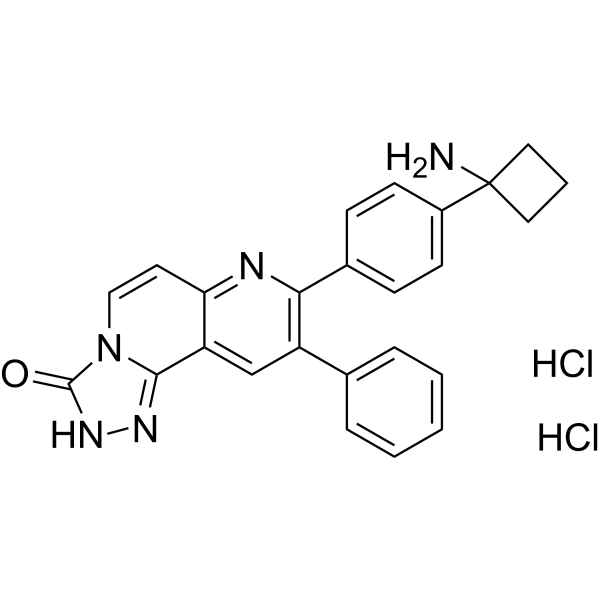
MK-2206 (2HCl)
|
Bcl-2 Family
Apoptosis
mTOR
Akt
GSK-3
|
Cardiovascular Disease
Inflammation/Immunology
Cancer
|
|
MK-2206 dihydrochloride (MK-2206 2HCl) is an orally active pan-AKT inhibitor, with IC50 values of 8 nM, 12 nM and 65 nM against AKT1, AKT2 and AKT3, respectively. MK-2206 dihydrochloride inhibits the Akt/mTOR signaling pathway and reduces the levels of downstream GSK3β and Mcl-1 via proteasomal degradation. MK-2206 dihydrochloride induces G1-phase cell cycle arrest, apoptosis, epithelial-mesenchymal transition, fibroblast activation and extracellular matrix deposition. MK-2206 dihydrochloride causes transient hyperglycemia and hyperinsulinemia in animals. MK-2206 dihydrochloride can be used in research related to solid tumors, renal fibrosis and hypercholesterolemia .
|
-
-
- HY-15244
-
|
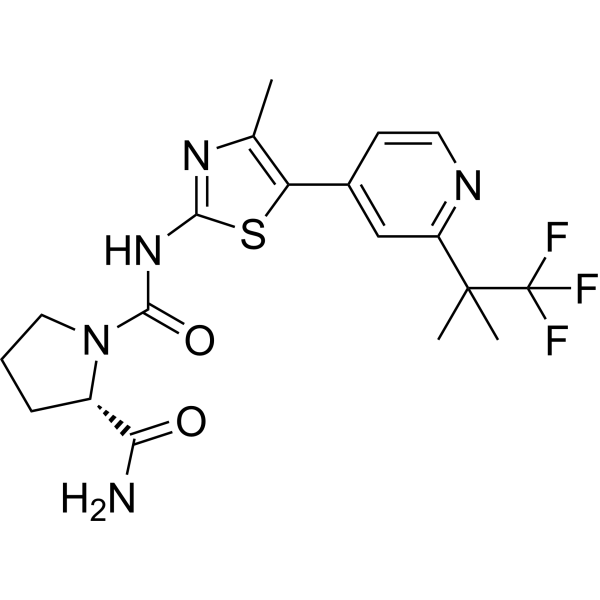
BYL-719
|
PI3K
Apoptosis
|
Cancer
|
|
Alpelisib (BYL-719) is an orally active PI3Kα-selective inhibitor that blocks the conversion of PIP2 to PIP3, thereby inhibiting pathways including PI3K/AKT/mTOR, MAPK/ERK, Notch and JAK-STAT. Alpelisib also induces apoptosis, G0/G1 phase arrest and senescence; it significantly inhibits the proliferation, self-renewal, stemness and epithelial-mesenchymal transition (EMT) of tumor cells, reduces cancer stem cell populations and decreases the expression of stem cell markers. Alpelisib not only enhances the sensitivity to Eribulin (HY-13442) and exerts a synergistic effect with Paclitaxel (HY-B0015), but may also induce drug resistance by upregulating the SGK3/GSK3β/β-catenin signaling pathway. Alpelisib can be applied to research related to breast cancer, gastric cancer and lipomas associated with PTEN hamartoma tumor syndrome .
|
-
-
- HY-13650
-
|
E 7070
|
Molecular Glues
Carbonic Anhydrase
|
Cancer
|
|
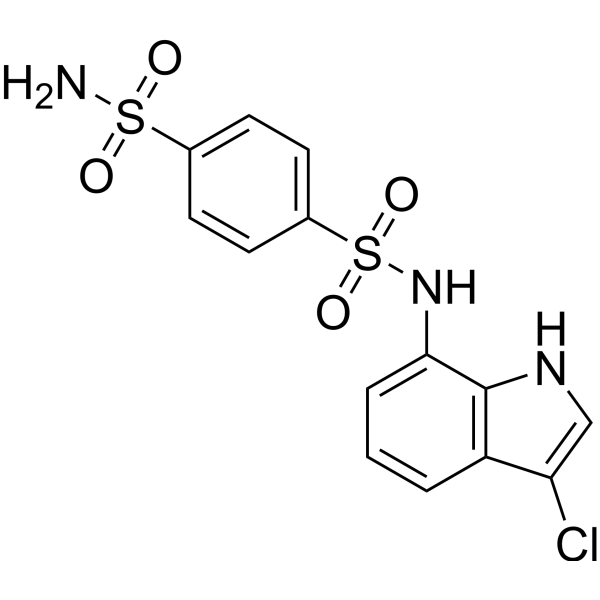
Indisulam (E 7070) is a carbonic anhydrase inhibitor with anticancer activity. Indisulam (E 7070) is a sulfonamide agent that targets the G1 phase of the cell cycle. Indisulam (E 7070) causes a blockade in the G1/S transition through inhibition of the activation of both CDK2 and cyclin E. Indisulam (E 7070) targets splicing by inducing RBM39 degradation via recruitment to DCAF15 .
|
-
-
- HY-108232
-
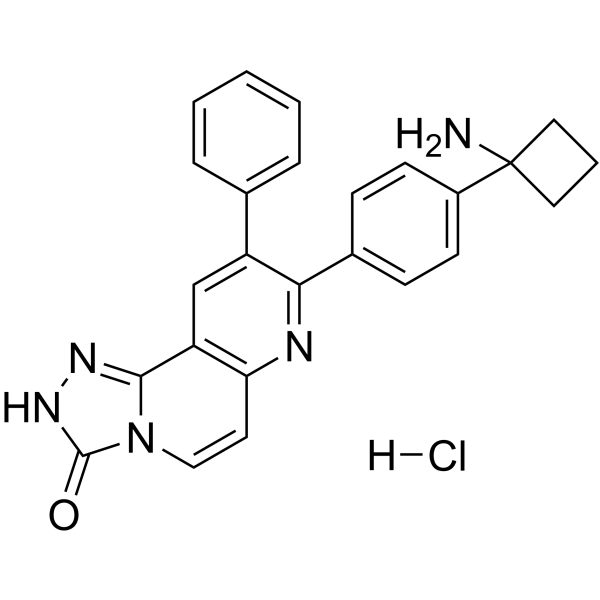
MK-2206
Maximum Cited Publications
462 Publications Verification
|
Bcl-2 Family
Apoptosis
mTOR
Akt
GSK-3
|
Metabolic Disease
Inflammation/Immunology
Cancer
|
|
MK-2206 is an orally active pan-AKT inhibitor, with IC50 values of 8 nM, 12 nM and 65 nM against AKT1, AKT2 and AKT3, respectively. MK-2206 inhibits the Akt/mTOR signaling pathway and reduces the levels of downstream GSK3β and Mcl-1 via proteasomal degradation. MK-2206 induces G1-phase cell cycle arrest, apoptosis, epithelial-mesenchymal transition, fibroblast activation and extracellular matrix deposition. MK-2206 causes transient hyperglycemia and hyperinsulinemia in animals. MK-2206 can be used in research related to solid tumors, renal fibrosis and hypercholesterolemia .
|
-
-
- HY-13817
-
|
|
Deubiquitinase
Autophagy
Apoptosis
|
Cardiovascular Disease
Neurological Disease
Endocrinology
Cancer
|
|
IU1 is a selective, reversible USP14 inhibitor with an IC50 of 4-5 μM. IU1 binds USP14’s catalytic cleft to block deubiquitinase activity. IU1 induces calpain-dependent Tau cleavage, causes ATP deficits, reduces E1~Ub thioester levels and 26S proteasome assembly. IU1 enhances 26S proteasome chymotrypsin-like activity, modulates LC3B-dependent autophagy flux, reduces cancer cell proliferation and migration, and blocks G0/G1 to S phase cell cycle transition in follicular thyroid cancer cells. IU1 activates autophagy-lysosomal and ubiquitin-proteasome pathways, triggers apoptosis, and reduces cervical cancer cell growth. IU1 enhances degradation of proteasome substrates linked to neurodegenerative disease, accelerates oxidized protein degradation, and increases oxidative stress resistance. IU1 can be used for the research of Alzheimer’s disease, follicular thyroid cancer, ischemic stroke, cervical cancer, and neurodegenerative disease .
|
-
-
- HY-N0837
-
|
NSC17821; NSC23880
|
PI3K
Akt
mTOR
Autophagy
Apoptosis
|
Neurological Disease
Metabolic Disease
Inflammation/Immunology
Cancer
|
|
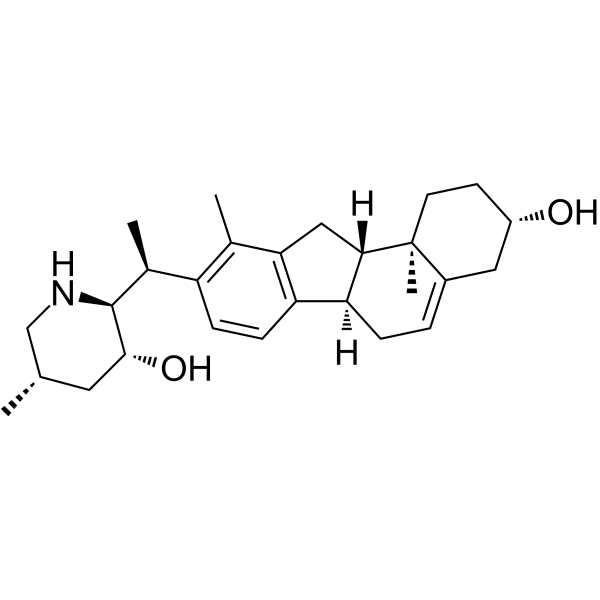
Veratramine (NSC17821; NSC23880) is an orally active inhibitor of the PI3K/Akt/mTOR signaling pathway and a SIGMAR1 modulator. Veratramine induces autophagic apoptosis of tumor cells, arrests the cell cycle at the G0/G1 phase, and inhibits epithelial-mesenchymal transition (EMT)-related proteins to reduce tumor migration. Veratramine reduces spinal cord and sciatic nerve pathological damage in a neuropathy model by inhibiting SIGMAR1 binding to NMDAR and phosphorylation of NMDAR Ser896. Veratramine has anti-tumor proliferation, apoptosis induction, anti-inflammatory and neuroprotective activities, and can be used in the study of cancers such as liver cancer and osteosarcoma, as well as diabetic peripheral neuropathy .
|
-
-
- HY-15244A
-
|
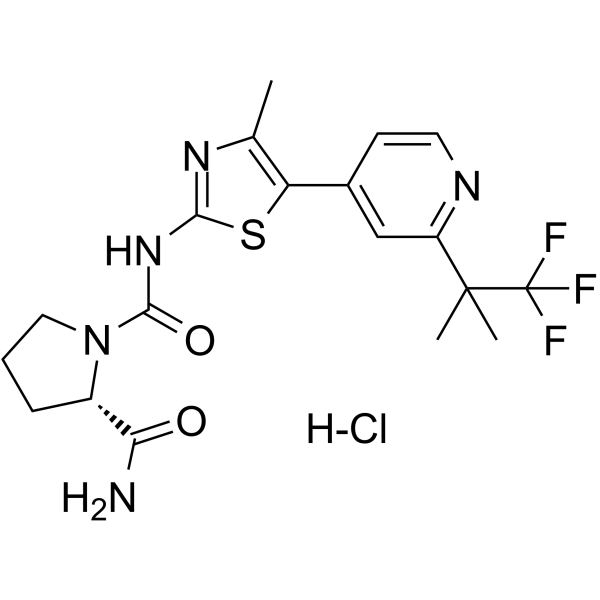
BYL-719 hydrochloride
|
PI3K
Apoptosis
|
Cancer
|
|
Alpelisib (BYL-719) hydrochloride is an orally active PI3Kα-selective inhibitor that blocks the conversion of PIP2 to PIP3, thereby inhibiting pathways including PI3K/AKT/mTOR, MAPK/ERK, Notch and JAK-STAT. Alpelisib hydrochloride also induces apoptosis, G0/G1 phase arrest and senescence; it significantly inhibits the proliferation, self-renewal, stemness and epithelial-mesenchymal transition (EMT) of tumor cells, reduces cancer stem cell populations and decreases the expression of stem cell markers. Alpelisib hydrochloride not only enhances the sensitivity to Eribulin (HY-13442) and exerts a synergistic effect with Paclitaxel (HY-B0015), but may also induce drug resistance by upregulating the SGK3/GSK3β/β-catenin signaling pathway. Alpelisib hydrochloride can be applied to research related to breast cancer, gastric cancer and lipomas associated with PTEN hamartoma tumor syndrome .
|
-
-
- HY-W094846
-
|
n-Tetradecane
|
Environmental Pollutants
Biochemical Assay Reagents
|
Others
|
|
Tetradecane (n-Tetradecane) is a low-temperature phase change material with a phase change temperature of 5°C and a latent heat of phase change of 220 J/g. Tetradecane undergoes solid-liquid phase transition around 5°C, and achieves temperature regulation by absorbing or releasing latent heat .
|
-
-
- HY-104013
-
|
|
CDK
Apoptosis
|
Cancer
|
|
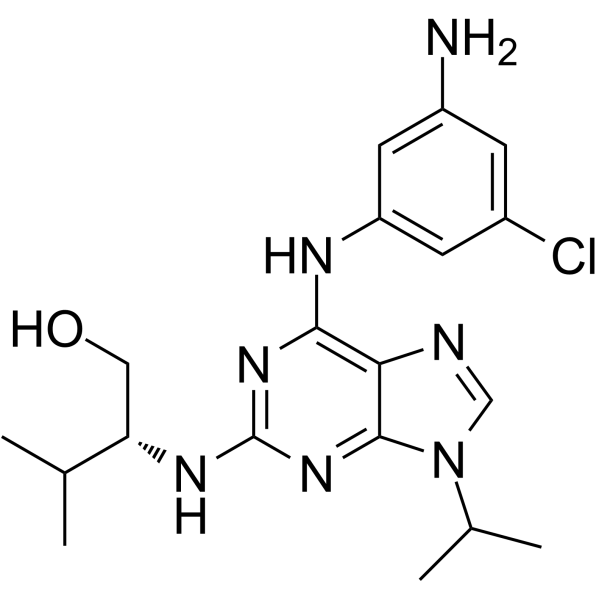
Aminopurvalanol A is a potent, selective, and cell permeable inhibitor of Cyclins/Cdk complexes. Aminopurvalanol A preferentially targets the G2/M-phase transition inhibiting cancer cell differentiation. Aminopurvalanol A causes the inhibition of sperm fertilizing ability via the inhibition of physiological capacitation-dependent actin polymerization .
|
-
-
- HY-156829I
-
|
|
Biochemical Assay Reagents
|
Others
|
|
PLGA-PEG-PLGA (hydrogel) (LA:GA 3:1) (15% solution) is a biodegradable thermosensitive hydrogel product that can undergo phase transition at a specific temperature. PLGA-PEG-PLGA (hydrogel) (LA:GA 3:1) (15% solution) can be widely used in drug delivery systems, tissue engineering, wound dressings, and biosensors . The gelation temperature varies with the concentration; the higher the concentration, the lower the gelation temperature.
|
-
-
- HY-156829B
-
|
|
Biochemical Assay Reagents
|
Others
|
|
PLGA-PEG-PLGA (hydrogel) (LA:GA 7:1) is a biodegradable thermosensitive hydrogel product that can undergo phase transition at a specific temperature. PLGA-PEG-PLGA (hydrogel) (LA:GA 7:1) can be widely used in drug delivery systems, tissue engineering, wound dressings, and biosensors. The gelation temperature varies with concentration. The gelation temperature varies with the concentration; the higher the concentration, the lower the gelation temperature .
|
-
-
- HY-P1726
-
|
|
Melanocortin Receptor
|
Neurological Disease
Metabolic Disease
Inflammation/Immunology
Cancer
|
|
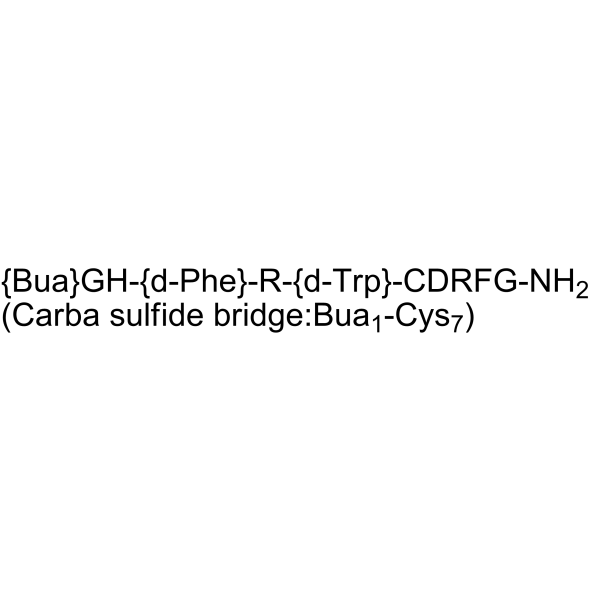
MSG606 is a selective melanocortin 1 receptor (MC1R) antagonist. MSG606 can abolish the neuroprotective effects of BMS-470539 (HY-15616) (MC1R agonist). MSG606 can inhibit cancer cell proliferation and transition from the G1 to the S phase. MSG606 can delay pain hypersensitivity and reduce cholesterol levels. MSG606 can be used for the researches of cancer, inflammation, neurological and metabolic disease, such as breast cancer and subarachnoid hemorrhage (SAH) .
|
-
-
- HY-142980
-
|
Dioleoylphosphatidylglycerol
|
Liposome
|
Inflammation/Immunology
|
|
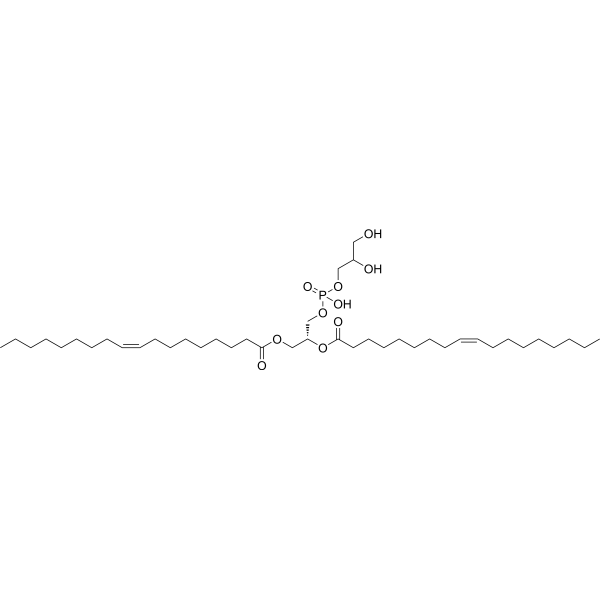
DOPG (Dioleoylphosphatidylglycerol) is a negatively charged phosphatidylglycerol phospholipid. DOPG is abundant in prokaryotic cell membranes and mitochondria, and has a low phase transition temperature and a tendency to form stable vesicles. DOPG inhibits the production of inflammatory mediators in macrophages in response to heat shock protein B4 (HSPB4)-activated toll-like receptor 2 (TLR2). DOPG is applicable to studies of membrane biology, drug-membrane interactions (especially in systems targeting negatively charged membranes), construction of drug delivery carriers, as well as research on sterile corneal inflammation and wound healing promotion .
|
-
-
- HY-153803
-
|
|
PROTACs
Molecular Glues
Btk
|
Cancer
|
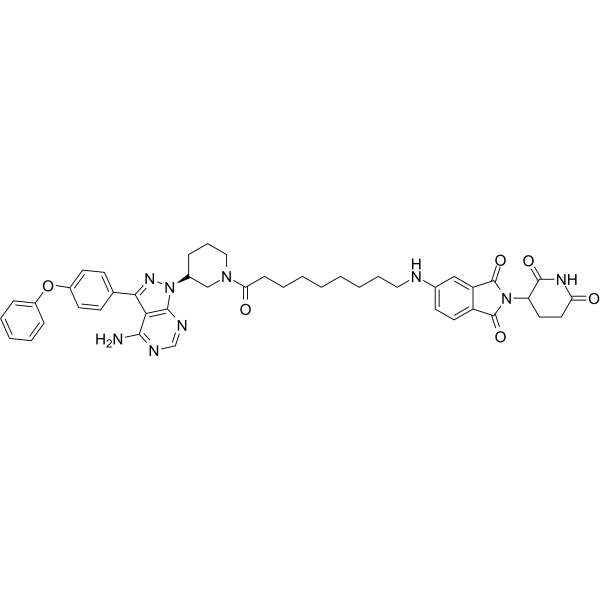
GBD-9 is a degrader based on the E3 ubiquitin ligase CRBN that targets BTK and the G1 to S phase transition protein GSPT1. GBD-9 has both PROTAC and molecular glue properties by inducing ubiquitination and proteasomal degradation of target proteins. GBD-9 can efficiently degrade wild-type and mutant BTK (such as C481S mutation) and GSPT1. GBD-9 significantly inhibits tumor cell proliferation by inducing G1 phase arrest in cancer cells, downregulating anti-apoptotic proteins (BCL-2, MCL-1) and activating Caspase-3 to induce apoptosis. GBD-9 is mainly used in the research of hematological tumors such as diffuse large B-cell lymphoma (DLBCL) and acute myeloid leukemia (AML) .
GBD-9 is composed of E3 ubiquitin ligase ligand (pink part) 5-Aminothalidomide (HY-W023573), target protein ligand (blue part) Btk Inhibitor: IBT6A (HY-13036A), and PROTAC linker (black part) Nonanoic acid (HY-N7057).
|
-
-
- HY-145539
-
|
|
Liposome
|
Others
|
|
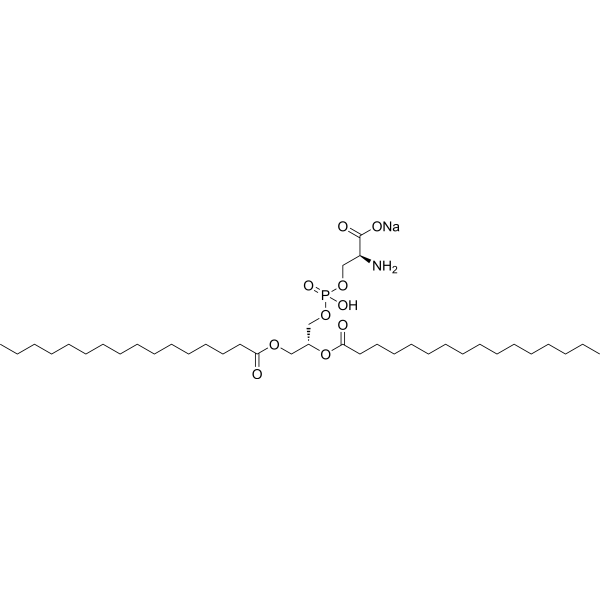
1,2-Dipalmitoyl-sn-glycero-3-PS sodium is a phosphatidylserine phospholipid. 1,2-Dipalmitoyl-sn-glycero-3-PS sodium is used for the preparation of phospholipid bilayers .
|
-
-
- HY-N1196
-
|
|
NF-κB
|
Inflammation/Immunology
|
|
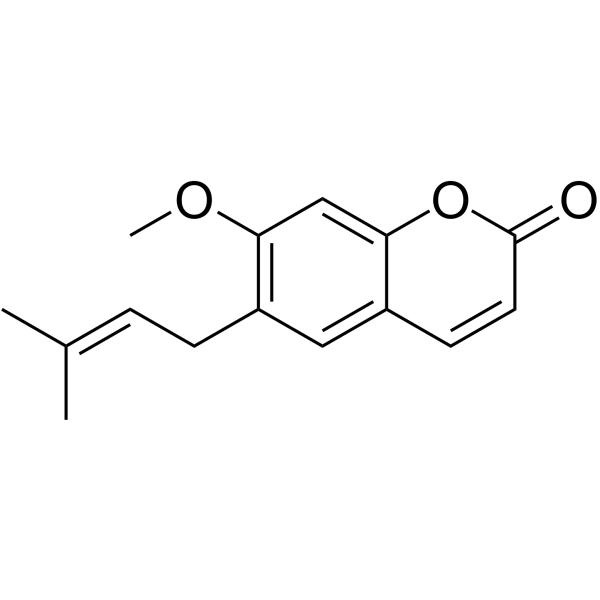
Suberosin, isolated from Plumbago zeylanica, exhibits anti-inflammatory and anticoagulant activity. Suberosin suppresses PHA-induced PBMC proliferation and arrested cell cycle progression from the G1 transition to the S phase through the modulation of the transcription factors NF-AT and NF-κB .
|
-
-
- HY-156829J
-
|
|
Biochemical Assay Reagents
|
Others
|
|
PLGA-PEG-PLGA (hydrogel) (LA:GA 3:1) (20% solution) is a biodegradable thermosensitive hydrogel product that can undergo phase transition at a specific temperature. PLGA-PEG-PLGA (hydrogel) (LA:GA 3:1) (20% solution) can be widely used in drug delivery systems, tissue engineering, wound dressings, and biosensors. The gelation temperature varies with the concentration; the higher the concentration, the lower the gelation temperature .
|
-
-
- HY-103333
-
|
N-Vanillylarachidonamide
|
TRP Channel
Cannabinoid Receptor
CD74
Akt
Orexin Receptor (OX Receptor)
|
Neurological Disease
Inflammation/Immunology
|
|
Arvanil (N-Vanillylarachidonamide) is a mixed agonist of CB1 and TRPV1 receptors. Arvanil downregulates CD25, HLA-DR, CD134/OX40, blocks G1/S phase transition, and induces phosphorylation of Akt. Arvanil does not induce apoptosis in cells. Arvanil inhibits lymphocyte activation and ameliorates autoimmune encephalomyelitis. Arvanil can be used in research related to Huntington's disease, vomiting, and multiple sclerosis .
|
-
-
- HY-N0885
-
|
Telobufotoxin; Telocinobufogenin
|
JAK
STAT
mTOR
PI3K
Akt
Polo-like Kinase (PLK)
Na+/K+ ATPase
Apoptosis
Bacterial
|
Infection
Cardiovascular Disease
Neurological Disease
Inflammation/Immunology
Cancer
|
|
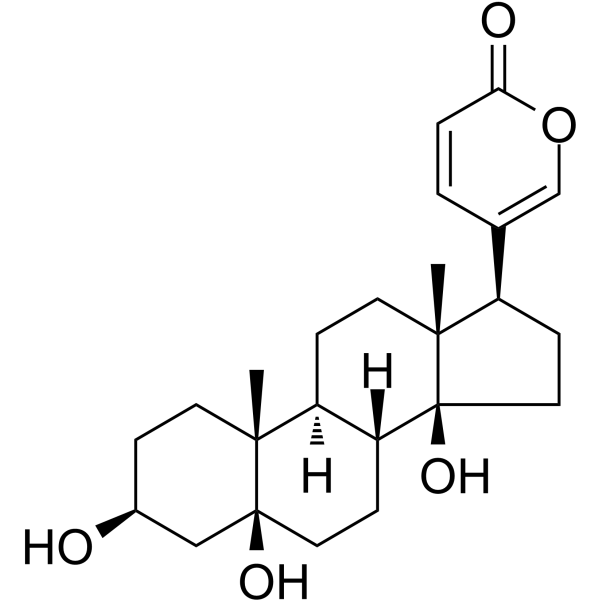
Telocinobufagin (Telobufotoxin; Telocinobufogenin) is an orally active bufadienolide with potential anti-tumor effects. Telocinobufagin exerts its anti-cancer effects on non-small cell carcinoma, osteosarcoma, thyroid cancer, breast cancer and head and neck squamous cell carcinoma by inhibiting the STAT3, JAK2/STAT3, LARP1-mTOR, PI3K/Akt/Snail and PLK1 pathways, and can also induce tumor cell apoptosis. Telocinobufagin enhances the Th1 immune response and protects against Salmonella typhimurium infection. Telocinobufagin has a strong cardiac-stimulating effect by inhibiting the activity of Na +/K +-ATPase, and it can promote renal fibrosis. Telocinobufagin demonstrates non-opioid analgesic effects in various acute pain models .
|
-
-
- HY-170405
-
|
|
PROTACs
mTOR
|
Cancer
|
|
YB-3-17 is a bifunctional molecule, that inhibits mTOR (IC50=0.22 nM) or degrades G1 to S phase transition 1 gene (GSPT1, DC50=5 nM) in a PROTAC mechanism. YB-3-17 exhibits antiproliferative activity in multi glioblastoma cell lines with IC50 of nanomolare levels. YB-3-17 exhibits antitumor efficacy in mouse models . (Pink: ligand for target protein (HY-170407); Black: linker (HY-A0102); Blue: ligand for E3 ligase Cereblon (HY-14658))
|
-
-
- HY-201330
-
|
RGT-419B
|
CDK
|
Cancer
|
|
GDC-4198 (RGT-419B) is an orally active CDK4/2 inhibitor with desired degrees of selectivity against kinases such as CDK6, CDK9 and GSK3β. GDC-4198 inhibits the activity of cyclin-CDK complexes, blocks phosphorylation of the retinoblastoma protein (pRb), arresting the cell cycle transition from G1 to S phase. GDC-4198 is promising for research of cancers, such as breast cancer (especially hormone receptor-positive, HER2-negative type), lung cancer, and colorectal cancer .
|
-
-
- HY-N0837R
-
|
NSC17821 (Standard); NSC23880 (Standard)
|
Reference Standards
PI3K
Akt
mTOR
Autophagy
Apoptosis
|
Neurological Disease
Metabolic Disease
Cancer
|
|
Veratramine (NSC17821; NSC23880) (Standard) is the analytical standard of Veratramine (HY-N0837). This product is intended for research and analytical applications. Veratramine (NSC17821; NSC23880) is an orally active inhibitor of the PI3K/Akt/mTOR signaling pathway and a SIGMAR1 modulator. Veratramine induces autophagic apoptosis of tumor cells, arrests the cell cycle at the G0/G1 phase, and inhibits epithelial-mesenchymal transition (EMT)-related proteins to reduce tumor migration. Veratramine reduces spinal cord and sciatic nerve pathological damage in a neuropathy model by inhibiting SIGMAR1 binding to NMDAR and phosphorylation of NMDAR Ser896. Veratramine has anti-tumor proliferation, apoptosis induction, anti-inflammatory and neuroprotective activities, and can be used in the study of cancers such as liver cancer and osteosarcoma, as well as diabetic peripheral neuropathy .
|
-
-
- HY-176128
-
|
|
PROTACs
Androgen Receptor
Apoptosis
PARP
Caspase
|
Cancer
|
|
BWA-6047 is an oral active PROTAC degrader targeting AR/AR-V7 and GSPT1 with DC50 values of 3.7, 3.0 and 1.2 nM in 22Rv1 cells. BWA-6047 suppresses the expression of AR downstream target genes and and transcriptional activity. BWA-6047 inhibits cancer cells proliferation, causes G1 phase cell cycle arrest and induces apoptosis. BWA-6047 increases cleaved-PARP-1 and cleaved-caspase-3 levels. BWA-6047 reduces growth of LNCaP xenograft tumors in mice models without obvious toxicity. BWA-6047 can be used for the research of prostate cancer .
|
-
-
- HY-W094846S
-
|
n-Tetradecane-d30
|
Isotope-Labeled Compounds
|
Others
|
|
Tetradecane-d30 (n-Tetradecane-d30) is the deuterium labeled Tetradecane (HY-W094846). Tetradecane (n-Tetradecane) is a low-temperature phase change material with a phase change temperature of 5°C and a latent heat of phase change of 220 J/g. Tetradecane undergoes solid-liquid phase transition around 5°C, and achieves temperature regulation by absorbing or releasing latent heat .
|
-
-
- HY-W250300
-
|
Ethylene glycol monododecyl ether
|
Biochemical Assay Reagents
|
Others
|
|
2-(Dodecyloxy) ethanol (Ethylene glycol monododecyl ether) is a nonionic ether monohydroxy C12 surfactant with a fragrance-like odor similar to jasmone and gardenia. 2-(Dodecyloxy) ethanol acts as a phase transition inducer and micelle-forming agent. 2-(Dodecyloxy) ethanol also serves as a skin penetration enhancer .
|
-
-
- HY-175810
-
|
|
Molecular Glues
|
Cancer
|
|
GSPT1 degrader-8 is a potent and orally active G1 to S phase transition 1 (GSPT1) molecular glue degrader. GSPT1 degrader-8 induces GSPT1 degradation and inhibits tumor growth. GSPT1 degrader-8 can be used for the research of cancer, such as breast cancer .
|
-
-
- HY-156829H
-
|
|
Biochemical Assay Reagents
|
Others
|
|
PLGA-PEG-PLGA (hydrogel) (LA:GA 7:1) (20% solution) is a biodegradable thermosensitive hydrogel product that can undergo phase transition at a specific temperature. PLGA-PEG-PLGA (hydrogel) (LA:GA 7:1) (20% solution) can be widely used in drug delivery systems, tissue engineering, wound dressings, and biosensors. The gelation temperature varies with concentration. The gelation temperature varies with the concentration; the higher the concentration, the lower the gelation temperature .
|
-
-
- HY-10357
-
|
|
Akt
mTOR
Apoptosis
GSK-3
Bcl-2 Family
|
Metabolic Disease
Inflammation/Immunology
Cancer
|
|
MK-2206 free base is an orally active pan-AKT inhibitor, with IC50 values of 8 nM, 12 nM and 65 nM against AKT1, AKT2 and AKT3, respectively. MK-2206 free base inhibits the Akt/mTOR signaling pathway and reduces the levels of downstream GSK3β and Mcl-1 via proteasomal degradation. MK-2206 free base induces G1-phase cell cycle arrest, apoptosis, epithelial-mesenchymal transition, fibroblast activation and extracellular matrix deposition. MK-2206 free base causes transient hyperglycemia and hyperinsulinemia in animals. MK-2206 free base can be used in research related to solid tumors, renal fibrosis and hypercholesterolemia .
|
-
-
- HY-179427
-
|
|
Histone Methyltransferase
Apoptosis
Reactive Oxygen Species (ROS)
|
Cancer
|
|
NSD2/H3K36me2 modulator-1 is an orally active NSD2/H3K36me2 modulator. NSD2/H3K36me2 modulator-1 competitively binds to the SAM pocket of NSD2, potently inhibits NSD2 expression and suppresses H3K36me2 methylation. NSD2/H3K36me2 modulator-1 reverses epithelial-mesenchymal transition (EMT), inhibits cell migration, and induces G0/G1 phase arrest and apoptosis. NSD2/H3K36me2 modulator-1 induces decreased Mitochondrial membrane potential (MMP) and subsequent Reactive oxygen species (ROS) generation. NSD2/H3K36me2 modulator-1 can be used to research the NSD2-targeting epigenetic anticancer strategies for hepatocellular carcinoma (HCC) .
|
-
-
- HY-114338B
-
|
SHR-6390 isethionate
|
CDK
|
Cancer
|
|
Dalpiciclib (isethionate) is a CDK4/6 inhibitor. Dalpiciclib (isethionate) inhibits the kinase activity of CDK4 and CDK6, thereby blocking the G1-to-S phase transition of the cell cycle and suppressing abnormal cell proliferation. Dalpiciclib (isethionate) can be used for the study of breast cancer .
|
-
-
- HY-159609
-
|
|
Molecular Glues
|
Cancer
|
|
GSPT1 degrader-9 (Compound F) is a cereblon-based molecular glue degrader for G1 to S phase transition protein 1 (GSPT1) that degrades GSPT1 with a rate of 95% (1 μM) GSPT1 and 86% (0.1 μM). GSPT1 degrader-9 inhibits the cell viability of HL-60 with an IC50 of 9.2 nM .
|
-
-
- HY-177724
-
|
|
Molecular Glues
|
Cancer
|
|
GSPT1 degrader-11 is a CRBN-dependent G1 to S phase transition 1 (GSPT1) molecular glue degrader (DC50 = 67.7 nM, Dmax = 97%). GSPT1 degrader-11 can inhibit MDA-MB-231 CRBN-WT cells proliferation (IC50 = 2.07 μM). GSPT1 degrader-11 can be used for the research of cancer .
|
-
-
- HY-159610
-
|
|
Molecular Glues
|
Cancer
|
|
GSPT1 degrader-10 (compound A) is a cereblon-based molecular glue degrader of GSPT1 with more than 95% degradation. GSPT1 degrader-8 inhibits cell viability in HL-60 cells with an IC50 of 10 nM .
|
-
-
- HY-E70678
-
|
|
CDK
|
Cancer
|
|
CDK3 is a major player driving retinoblastoma (Rb) phosphorylation during the G0/G1 transition and in the early G1 phase of the cell cycle. CDK3 interacts with various transcription factors involved in cell proliferation, differentiation, and transformation driven by the EGFR/Ras signaling pathway. CDK3/CycE1 Recombinant Human Active Protein Kinase is an ortholog of CDK3 .
|
-
-
- HY-13650R
-
|
E 7070 (Standard)
|
Molecular Glues
Carbonic Anhydrase
Reference Standards
|
Cancer
|
|
Indisulam (Standard) is the analytical standard of Indisulam. This product is intended for research and analytical applications. Indisulam (E 7070) is a carbonic anhydrase inhibitor with anticancer activity. Indisulam (E 7070) is a sulfonamide agent that targets the G1 phase of the cell cycle. Indisulam (E 7070) causes a blockade in the G1/S transition through inhibition of the activation of both CDK2 and cyclin E. Indisulam (E 7070) targets splicing by inducing RBM39 degradation via recruitment to DCAF15 .
|
-
-
- HY-177766
-
|
|
Molecular Glues
Apoptosis
|
Cancer
|
|
GSPT1 degrader-17 (Compound 9q) is a potent and selective cereblon-based molecular glue degrader that targets G1 to S phase transition 1 (GSPT1). GSPT1 degrader-17 degrades GSPT1 in U937 cells with a DC50 of 35 nM and Dmax of 81.65%. GSPT1 degrader-17 has a strong inhibitory effect on U937, MOLT-4 and MV4-11 cells with IC50 values of 0.019, 0.006 and 0.027 μM. GSPT1 degrader-17 can induce cells apoptosis and G0/G1 phase arrest. GSPT1 degrader-17 can be used for the research of cancer, such as acute myeloid leukemia .
|
-
-
- HY-177765
-
|
|
Molecular Glues
|
Cancer
|
|
GSPT1 degrader-16 (Compound Lib-B-18J) is a potent and selective cereblon-based molecular glue degrader that targets G1 to S phase transition 1 (GSPT1). GSPT1 degrader-16 shows inhibitory effect to RS4;11, Molt4, and MM.1S cells with IC50 values of 0.002, 0.26 and 0.37 μM. GSPT1 degrader-16 can be used for the research of cancer, such as acute lymphoblastic leukemi .
|
-
-
- HY-P1726A
-
|
|
Melanocortin Receptor
|
Neurological Disease
Metabolic Disease
Inflammation/Immunology
Cancer
|
|
MSG606 TFA is a selective melanocortin 1 receptor (MC1R) antagonist. MSG606 TFA can abolish the neuroprotective effects of BMS-470539 (HY-15616) (MC1R agonist). MSG606 TFA can inhibit cancer cell proliferation and transition from the G1 to the S phase. MSG606 TFA can delay pain hypersensitivity and reduce cholesterol levels. MSG606 TFA can be used for the researches of cancer, inflammation, neurological and metabolic disease, such as breast cancer and subarachnoid hemorrhage (SAH) .
|
-
-
- HY-168210
-
|
|
Fungal
Cytochrome P450
|
Infection
|
|
Antifungal agent 122 (compound 201) is a potent and broad-spectrum antifungal agent. Antifungal agent 122 prevents fungal phase transition and the formation of fungal biofilm. Antifungal agent 122 inhibits CYP3A4-M and CYP3A4-T enzyme activity with IC50 values of 2.11, 4.53 µM. Antifungal agent 122 shows no cytotoxicity .
|
-
-
- HY-W590535
-
|
1,2-DNPC;
1,2-Dinonadecanoyl-sn-glycero-3-phosphocholine
|
Liposome
|
Cancer
|
|
19:0 PC is a saturated phospholipid that has been used as a standard for the quantification of phosphatidylcholines in human synovial fluid. It has also been used to study dynamics of lipid bilayer phase transition.
|
-
-
- HY-W094846R
-
|
n-Tetradecane (Standard)
|
Biochemical Assay Reagents
Reference Standards
|
Others
|
|
Tetradecane (n-Tetradecane) Standard is the analytical standard of Tetradecane (HY-W094846). This product is intended for research and analytical applications. Tetradecane (n-Tetradecane) is a low-temperature phase change material with a phase change temperature of 5°C and a latent heat of phase change of 220 J/g. Tetradecane undergoes solid-liquid phase transition around 5°C, and achieves temperature regulation by absorbing or releasing latent heat.
|
-
-
- HY-171458
-
|
|
Fluorescent Dye
|
Others
|
|
U-104067 can be used as a molecular probe to observe and to quantitate a variety of physical phenomena, such as transfer into lipid membranes, partitioning between surface phases, and partitioning between lipid carriers and target membranes. U-104067 is a sensitive reporter of the tilt/ripple phase transition, monitored by its fluorescence anisotropy and quantum yield changes .
|
-
-
- HY-W127423
-
|
|
Biochemical Assay Reagents
|
Others
|
|
Methyl (+/-)-2-hydroxystearateis a hydroxylated fatty acid methyl ester that broadens phase transitions in dimyristoylphosphatidylcholine (DMPC) lipid membranes. It has been used in the synthesis of lipid-nucleotide conjugated anti-HIV agents to increase the cleavage of phosphodiester bonds and the number of released intracellular nucleotides.
|
-
-
- HY-146750
-
|
|
HDAC
Apoptosis
|
Cancer
|
|
HDAC-IN-37 is a potent HDAC inhibitor with IC50s of 0.0551 μM, 1.24 μM, 0.948 μM and 34.2 μM for HDAC1, HDAC3, HDAC8 and HDAC6, respectively. HDAC-IN-37 induces histone acetylation in a slow-off manner. HDAC-IN-37 prevents cell transition from G1 phase to S phase and induces early cell apoptosis .
|
-
-
- HY-E70677
-
|
|
CDK
|
Cancer
|
|
CDK3 is a major player driving retinoblastoma (Rb) phosphorylation during the G0/G1 transition and in the early G1 phase of the cell cycle. CDK3 interacts with various transcription factors involved in cell proliferation, differentiation, and transformation driven by the EGFR/Ras signaling pathway. CDK3/CycC Recombinant Human Active Protein Kinase is an ortholog of CDK3 .
|
-
-
- HY-E70680
-
|
|
CDK
|
Cancer
|
|
CDK3 is a major player driving retinoblastoma (Rb) phosphorylation during the G0/G1 transition and in the early G1 phase of the cell cycle. CDK3 interacts with various transcription factors involved in cell proliferation, differentiation, and transformation driven by the EGFR/Ras signaling pathway. CDK3/CycO Recombinant Human Active Protein Kinase is an ortholog of CDK3 .
|
-
-
- HY-156829E
-
|
|
Biochemical Assay Reagents
|
Others
|
|
PLGA-PEG-PLGA (hydrogel) (LA:GA 7:1) (15% solution) is a biodegradable thermosensitive hydrogel product that can undergo phase transition at a specific temperature. PLGA-PEG-PLGA (hydrogel) (LA:GA 7:1) (15% solution) can be widely used in drug delivery systems, tissue engineering, wound dressings, and biosensors. The gelation temperature varies with concentration. The gelation temperature varies with the concentration; the higher the concentration, the lower the gelation temperature .
|
-
-
- HY-179049
-
|
|
EGFR
Microtubule/Tubulin
Akt
ERK
Autophagy
Atg8/LC3
p62
Ferroptosis
Reactive Oxygen Species (ROS)
|
Cancer
|
|
EGFR/tubulin-IN-1 (Compound 26) is a dual-target inhibitor of EGFR and tubulin. EGFR/tubulin-IN-1 significantly reduces the levels of p-EGFR, p-AKT, and p-ERK in cells, disrupting the microtubule structure of the cells. EGFR/tubulin-IN-1 significantly inhibits the proliferation of H1975 cells and significantly blocks the cells in the G2/M phase. EGFR/tubulin-IN-1 induces the expression of autophagy markers LC3B-II and Beclin-1, while down-regulating the expression of p62. EGFR/tubulin-IN-1 induces ferroptosis, with increased ROS content and depletion of glutathione (GSH). EGFR/tubulin-IN-1 inhibits epithelial-mesenchymal transition (EMT) and tumor metastasis. EGFR/tubulin-IN-1 has a significant tumor-suppressing effect in the H1975 transplanted tumor nude mouse model. EGFR/tubulin-IN-1 can be used for the study of non-small cell lung cancer .
|
-
-
- HY-104013R
-
|
|
Reference Standards
CDK
Apoptosis
|
Cancer
|
|
Aminopurvalanol A (Standard) is the analytical standard of Aminopurvalanol A (HY-104013). This product is intended for research and analytical applications. Aminopurvalanol A is a potent, selective, and cell permeable inhibitor of Cyclins/Cdk complexes. Aminopurvalanol A preferentially targets the G2/M-phase transition inhibiting cancer cell differentiation. Aminopurvalanol A causes the inhibition of sperm fertilizing ability via the inhibition of physiological capacitation-dependent actin polymerization .
|
-
-
- HY-E70679
-
|
|
CDK
|
Cancer
|
|
CDK3 is a major player driving retinoblastoma (Rb) phosphorylation during the G0/G1 transition and in the early G1 phase of the cell cycle. CDK3 interacts with various transcription factors involved in cell proliferation, differentiation, and transformation driven by the EGFR/Ras signaling pathway. CDK3/CycE2 Recombinant Human Active Protein Kinase is an ortholog of CDK3 .
|
-
- HY-10358R
-
|
MK-2206 (2HCl) (Standard)
|
Organoid
Reference Standards
Akt
Autophagy
Apoptosis
|
Cardiovascular Disease
Inflammation/Immunology
Cancer
|
|
MK-2206 dihydrochloride (MK-2206 2HCl) (Standard) is the analytical standard of MK-2206 dihydrochloride (HY-10358). This product is intended for research and analytical applications. MK-2206 dihydrochloride is an orally active pan-AKT inhibitor, with IC50 values of 8 nM, 12 nM and 65 nM against AKT1, AKT2 and AKT3, respectively. MK-2206 dihydrochloride inhibits the Akt/mTOR signaling pathway and reduces the levels of downstream GSK3β and Mcl-1 via proteasomal degradation. MK-2206 dihydrochloride induces G1-phase cell cycle arrest, apoptosis, epithelial-mesenchymal transition, fibroblast activation and extracellular matrix deposition. MK-2206 dihydrochloride causes transient hyperglycemia and hyperinsulinemia in animals. MK-2206 dihydrochloride can be used in research related to solid tumors, renal fibrosis and hypercholesterolemia .
|
-
- HY-164184
-
|
|
Apoptosis
Caspase
HSP
Early 2 Factor (E2F)
DNA/RNA Synthesis
|
Cancer
|
|
Ly101-4B is an apoptosis inducer and multi-target inhibitor with antiproliferative, antitumor and cycytotoxic effects. Ly101-4B reduces HSF1 expression, inhibits microRNA-214 synthesis, downregulates HSP27, HSP70 and HSP90 expression, while suppressing E2F-dependent transcriptional activity and downregulating its target genes. Ly101-4B induces caspase 3/7-mediated apoptosis by reducing DNA synthesis, inhibiting the cell cycle and G1/S phase transition, without affecting RNA synthesis or inducing necrosis. Ly101-4B is selective for pancreatic ductal adenocarcinoma cells with different genotypes and varying degrees of E2F dependence. Ly101-4B can be used in research related to epithelial ovarian cancer and pancreatic ductal adenocarcinoma .
|
-
- HY-145539A
-
|
|
Liposome
|
Others
|
|
1,2-Dipalmitoyl-sn-glycero-3-PS is a phosphatidylserine phospholipid. 1,2-Dipalmitoyl-sn-glycero-3-PS is used for the preparation of phospholipid bilayers .
|
-
- HY-182071
-
|
|
Drug Derivative
Apoptosis
CDK
ASK1
|
Cancer
|
|
MG16 is a prodrug of 10-Methoxycamptothecin (HY-N0446). MG16 downregulates CDK6 and upregulates ASK1. MG16 induces cell cycle arrest and Apoptosis. MG16 exhibits anticancer activity against Lewis lung carcinoma, small cell lung cancer, and non-small cell lung cancer .
|
-
| Cat. No. |
Product Name |
Type |
-
- HY-156829I
-
|
|
Biochemical Assay Reagents
|
|
PLGA-PEG-PLGA (hydrogel) (LA:GA 3:1) (15% solution) is a biodegradable thermosensitive hydrogel product that can undergo phase transition at a specific temperature. PLGA-PEG-PLGA (hydrogel) (LA:GA 3:1) (15% solution) can be widely used in drug delivery systems, tissue engineering, wound dressings, and biosensors . The gelation temperature varies with the concentration; the higher the concentration, the lower the gelation temperature.
|
-
- HY-156829B
-
|
|
Biochemical Assay Reagents
|
|
PLGA-PEG-PLGA (hydrogel) (LA:GA 7:1) is a biodegradable thermosensitive hydrogel product that can undergo phase transition at a specific temperature. PLGA-PEG-PLGA (hydrogel) (LA:GA 7:1) can be widely used in drug delivery systems, tissue engineering, wound dressings, and biosensors. The gelation temperature varies with concentration. The gelation temperature varies with the concentration; the higher the concentration, the lower the gelation temperature .
|
-
- HY-142980
-
|
Dioleoylphosphatidylglycerol
|
Biochemical Assay Reagents
|
|
DOPG (Dioleoylphosphatidylglycerol) is a negatively charged phosphatidylglycerol phospholipid. DOPG is abundant in prokaryotic cell membranes and mitochondria, and has a low phase transition temperature and a tendency to form stable vesicles. DOPG inhibits the production of inflammatory mediators in macrophages in response to heat shock protein B4 (HSPB4)-activated toll-like receptor 2 (TLR2). DOPG is applicable to studies of membrane biology, drug-membrane interactions (especially in systems targeting negatively charged membranes), construction of drug delivery carriers, as well as research on sterile corneal inflammation and wound healing promotion .
|
-
- HY-145539
-
|
|
Biochemical Assay Reagents
|
|
1,2-Dipalmitoyl-sn-glycero-3-PS sodium is a phosphatidylserine phospholipid. 1,2-Dipalmitoyl-sn-glycero-3-PS sodium is used for the preparation of phospholipid bilayers .
|
-
- HY-156829J
-
|
|
Biochemical Assay Reagents
|
|
PLGA-PEG-PLGA (hydrogel) (LA:GA 3:1) (20% solution) is a biodegradable thermosensitive hydrogel product that can undergo phase transition at a specific temperature. PLGA-PEG-PLGA (hydrogel) (LA:GA 3:1) (20% solution) can be widely used in drug delivery systems, tissue engineering, wound dressings, and biosensors. The gelation temperature varies with the concentration; the higher the concentration, the lower the gelation temperature .
|
-
- HY-W250300
-
|
Ethylene glycol monododecyl ether
|
Biochemical Assay Reagents
|
|
2-(Dodecyloxy) ethanol (Ethylene glycol monododecyl ether) is a nonionic ether monohydroxy C12 surfactant with a fragrance-like odor similar to jasmone and gardenia. 2-(Dodecyloxy) ethanol acts as a phase transition inducer and micelle-forming agent. 2-(Dodecyloxy) ethanol also serves as a skin penetration enhancer .
|
-
- HY-156829H
-
|
|
Biochemical Assay Reagents
|
|
PLGA-PEG-PLGA (hydrogel) (LA:GA 7:1) (20% solution) is a biodegradable thermosensitive hydrogel product that can undergo phase transition at a specific temperature. PLGA-PEG-PLGA (hydrogel) (LA:GA 7:1) (20% solution) can be widely used in drug delivery systems, tissue engineering, wound dressings, and biosensors. The gelation temperature varies with concentration. The gelation temperature varies with the concentration; the higher the concentration, the lower the gelation temperature .
|
-
- HY-W127423
-
|
|
Biochemical Assay Reagents
|
|
Methyl (+/-)-2-hydroxystearateis a hydroxylated fatty acid methyl ester that broadens phase transitions in dimyristoylphosphatidylcholine (DMPC) lipid membranes. It has been used in the synthesis of lipid-nucleotide conjugated anti-HIV agents to increase the cleavage of phosphodiester bonds and the number of released intracellular nucleotides.
|
-
- HY-156829E
-
|
|
Biochemical Assay Reagents
|
|
PLGA-PEG-PLGA (hydrogel) (LA:GA 7:1) (15% solution) is a biodegradable thermosensitive hydrogel product that can undergo phase transition at a specific temperature. PLGA-PEG-PLGA (hydrogel) (LA:GA 7:1) (15% solution) can be widely used in drug delivery systems, tissue engineering, wound dressings, and biosensors. The gelation temperature varies with concentration. The gelation temperature varies with the concentration; the higher the concentration, the lower the gelation temperature .
|
| Cat. No. |
Product Name |
Target |
Research Area |
-
- HY-P1726
-
|
|
Melanocortin Receptor
|
Neurological Disease
Metabolic Disease
Inflammation/Immunology
Cancer
|
|
MSG606 is a selective melanocortin 1 receptor (MC1R) antagonist. MSG606 can abolish the neuroprotective effects of BMS-470539 (HY-15616) (MC1R agonist). MSG606 can inhibit cancer cell proliferation and transition from the G1 to the S phase. MSG606 can delay pain hypersensitivity and reduce cholesterol levels. MSG606 can be used for the researches of cancer, inflammation, neurological and metabolic disease, such as breast cancer and subarachnoid hemorrhage (SAH) .
|
-
- HY-P1726A
-
|
|
Melanocortin Receptor
|
Neurological Disease
Metabolic Disease
Inflammation/Immunology
Cancer
|
|
MSG606 TFA is a selective melanocortin 1 receptor (MC1R) antagonist. MSG606 TFA can abolish the neuroprotective effects of BMS-470539 (HY-15616) (MC1R agonist). MSG606 TFA can inhibit cancer cell proliferation and transition from the G1 to the S phase. MSG606 TFA can delay pain hypersensitivity and reduce cholesterol levels. MSG606 TFA can be used for the researches of cancer, inflammation, neurological and metabolic disease, such as breast cancer and subarachnoid hemorrhage (SAH) .
|
-
- HY-K6504
-
|
|
|
MCE Human iPSC/ESC Cortical Brain Organoid Maturation Medium is a ready-to-use culture system specifically formulated for the long-term maintenance and maturation of cortical brain organoids. It serves as a seamless transition from the induction phase and supports the continued growth and functional development of the organoids. Upon switching PSC-derived cortical brain organoids to this medium, organoid viability and structural stability are markedly enhanced, enabling a robust and extended culture period of up to 180 d.
|
| Cat. No. |
Product Name |
Category |
Target |
Chemical Structure |
-
- HY-N0837
-
|
NSC17821; NSC23880
|
Alkaloids
Piperidine Alkaloids
Structural Classification
other families
Classification of Application Fields
Plants
Disease Research Fields
Source Classification
Cancer
|
PI3K
Akt
mTOR
Autophagy
Apoptosis
|
|
Veratramine (NSC17821; NSC23880) is an orally active inhibitor of the PI3K/Akt/mTOR signaling pathway and a SIGMAR1 modulator. Veratramine induces autophagic apoptosis of tumor cells, arrests the cell cycle at the G0/G1 phase, and inhibits epithelial-mesenchymal transition (EMT)-related proteins to reduce tumor migration. Veratramine reduces spinal cord and sciatic nerve pathological damage in a neuropathy model by inhibiting SIGMAR1 binding to NMDAR and phosphorylation of NMDAR Ser896. Veratramine has anti-tumor proliferation, apoptosis induction, anti-inflammatory and neuroprotective activities, and can be used in the study of cancers such as liver cancer and osteosarcoma, as well as diabetic peripheral neuropathy .
|
-
-
- HY-N1196
-
-
-
- HY-N0885
-
-
-
- HY-N0837R
-
|
NSC17821 (Standard); NSC23880 (Standard)
|
Alkaloids
Piperidine Alkaloids
Structural Classification
other families
Plants
Source Classification
|
Reference Standards
PI3K
Akt
mTOR
Autophagy
Apoptosis
|
|
Veratramine (NSC17821; NSC23880) (Standard) is the analytical standard of Veratramine (HY-N0837). This product is intended for research and analytical applications. Veratramine (NSC17821; NSC23880) is an orally active inhibitor of the PI3K/Akt/mTOR signaling pathway and a SIGMAR1 modulator. Veratramine induces autophagic apoptosis of tumor cells, arrests the cell cycle at the G0/G1 phase, and inhibits epithelial-mesenchymal transition (EMT)-related proteins to reduce tumor migration. Veratramine reduces spinal cord and sciatic nerve pathological damage in a neuropathy model by inhibiting SIGMAR1 binding to NMDAR and phosphorylation of NMDAR Ser896. Veratramine has anti-tumor proliferation, apoptosis induction, anti-inflammatory and neuroprotective activities, and can be used in the study of cancers such as liver cancer and osteosarcoma, as well as diabetic peripheral neuropathy .
|
-
| Cat. No. |
Product Name |
Chemical Structure |
-
- HY-W094846S
-
|
|
|
Tetradecane-d30 (n-Tetradecane-d30) is the deuterium labeled Tetradecane (HY-W094846). Tetradecane (n-Tetradecane) is a low-temperature phase change material with a phase change temperature of 5°C and a latent heat of phase change of 220 J/g. Tetradecane undergoes solid-liquid phase transition around 5°C, and achieves temperature regulation by absorbing or releasing latent heat .
|
-
| Cat. No. |
Compare |
Product Name |
Application |
Reactivity |
Image |
Compare Products
|
| Products |
|
| Cat. No. |
|
| Host |
|
| Reactivity |
|
| Application |
|
Dilution Ratio |
|
| Molecular Weight |
|
| Conjugation |
|
| Clonality |
|
| Immunogen |
|
| Appearance |
|
| Isotype |
|
| Gene ID |
|
| SwissProt ID |
|
| Purity |
|
| Formulation |
|
| Free Sample |
Yes
No
|
| Size |
* This product has been "discontinued".
Optimized version of product available:
|
| Cat. No. |
Product Name |
|
Classification |
-
- HY-156829B
-
|
|
|
Polymers
|
|
PLGA-PEG-PLGA (hydrogel) (LA:GA 7:1) is a biodegradable thermosensitive hydrogel product that can undergo phase transition at a specific temperature. PLGA-PEG-PLGA (hydrogel) (LA:GA 7:1) can be widely used in drug delivery systems, tissue engineering, wound dressings, and biosensors. The gelation temperature varies with concentration. The gelation temperature varies with the concentration; the higher the concentration, the lower the gelation temperature .
|
-
- HY-142980
-
|
Dioleoylphosphatidylglycerol
|
|
Phospholipids
|
|
DOPG (Dioleoylphosphatidylglycerol) is a negatively charged phosphatidylglycerol phospholipid. DOPG is abundant in prokaryotic cell membranes and mitochondria, and has a low phase transition temperature and a tendency to form stable vesicles. DOPG inhibits the production of inflammatory mediators in macrophages in response to heat shock protein B4 (HSPB4)-activated toll-like receptor 2 (TLR2). DOPG is applicable to studies of membrane biology, drug-membrane interactions (especially in systems targeting negatively charged membranes), construction of drug delivery carriers, as well as research on sterile corneal inflammation and wound healing promotion .
|
-
- HY-145539
-
|
|
|
Phospholipids
|
|
1,2-Dipalmitoyl-sn-glycero-3-PS sodium is a phosphatidylserine phospholipid. 1,2-Dipalmitoyl-sn-glycero-3-PS sodium is used for the preparation of phospholipid bilayers .
|
-
- HY-156829J
-
|
|
|
Polymers
|
|
PLGA-PEG-PLGA (hydrogel) (LA:GA 3:1) (20% solution) is a biodegradable thermosensitive hydrogel product that can undergo phase transition at a specific temperature. PLGA-PEG-PLGA (hydrogel) (LA:GA 3:1) (20% solution) can be widely used in drug delivery systems, tissue engineering, wound dressings, and biosensors. The gelation temperature varies with the concentration; the higher the concentration, the lower the gelation temperature .
|
-
- HY-156829H
-
|
|
|
Polymers
|
|
PLGA-PEG-PLGA (hydrogel) (LA:GA 7:1) (20% solution) is a biodegradable thermosensitive hydrogel product that can undergo phase transition at a specific temperature. PLGA-PEG-PLGA (hydrogel) (LA:GA 7:1) (20% solution) can be widely used in drug delivery systems, tissue engineering, wound dressings, and biosensors. The gelation temperature varies with concentration. The gelation temperature varies with the concentration; the higher the concentration, the lower the gelation temperature .
|
-
- HY-W590535
-
|
1,2-DNPC;
1,2-Dinonadecanoyl-sn-glycero-3-phosphocholine
|
|
Phospholipids
|
|
19:0 PC is a saturated phospholipid that has been used as a standard for the quantification of phosphatidylcholines in human synovial fluid. It has also been used to study dynamics of lipid bilayer phase transition.
|
-
- HY-156829E
-
|
|
|
Polymers
|
|
PLGA-PEG-PLGA (hydrogel) (LA:GA 7:1) (15% solution) is a biodegradable thermosensitive hydrogel product that can undergo phase transition at a specific temperature. PLGA-PEG-PLGA (hydrogel) (LA:GA 7:1) (15% solution) can be widely used in drug delivery systems, tissue engineering, wound dressings, and biosensors. The gelation temperature varies with concentration. The gelation temperature varies with the concentration; the higher the concentration, the lower the gelation temperature .
|
Your information is safe with us. * Required Fields.
Inquiry Information
- Product Name:
- Cat. No.:
- Quantity:
- MCE Japan Authorized Agent:

