



63 Results for "

phospholipase D

" in MedChemExpress (MCE) Product Catalog:
Products (63)

63 Results for "phospholipase D" in MCE Product Catalog:

8
8 Publications Verification
Cat. No.: HY-70072
CAS No.: 83373-60-8
Target:  

Phospholipase

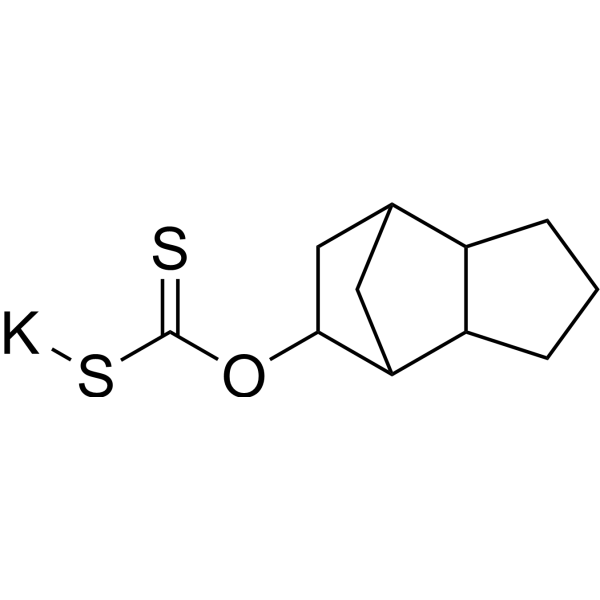
D609, an antitumoural xanthate, is a specific and competitive phosphatidyl choline-specific phospholipase C (PC-PLC) inhibitor with a Ki of 6.4 μM. D609 is an antioxidative protector and has antiviral and anti-inflammatory activity .
loading...
    loading...
7
7 Cited Publications
Cat. No.: HY-115768
CAS No.: 94724-12-6
Purity:  99.98%
Synonyms: Poly-p-methoxyphenethylmethylamine
Target:  

Phospholipase

Research Areas:  

Neurological Disease Cancer

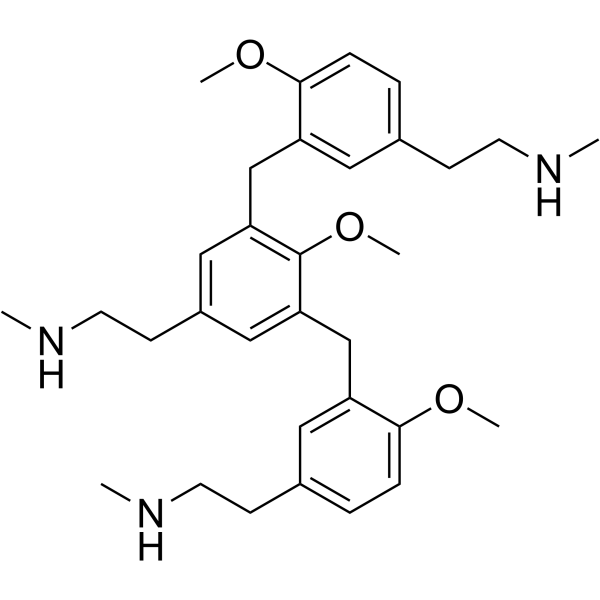
Compound 48/80 (Poly-p-methoxyphenethylmethylamine) is widely used in animal and tissue models as a "selective" mast cell activator. Compound 48/80 acts at the mast cell membrane to stimulate trimeric G-proteins and induces degranulation via phospholipase C and D pathways .
loading...
    loading...
5
5 Cited Publications
Cat. No.: HY-12807
CAS No.: 939055-18-2
Purity:  98.00%
Synonyms: 5-Fluoro-2-indolyl deschlorohalopemide
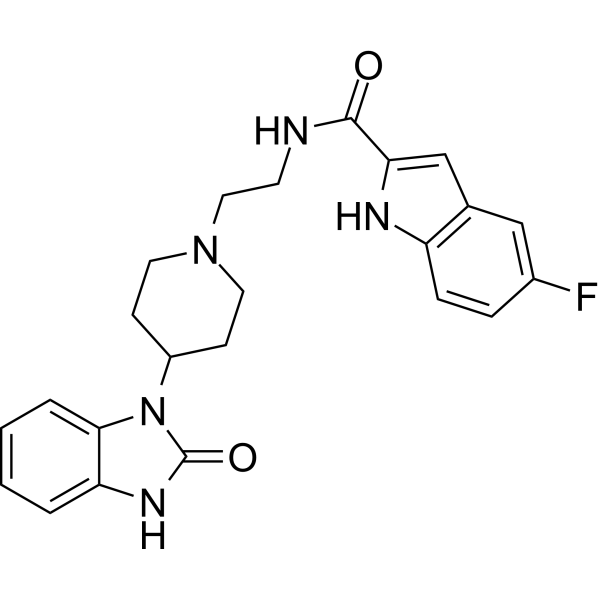
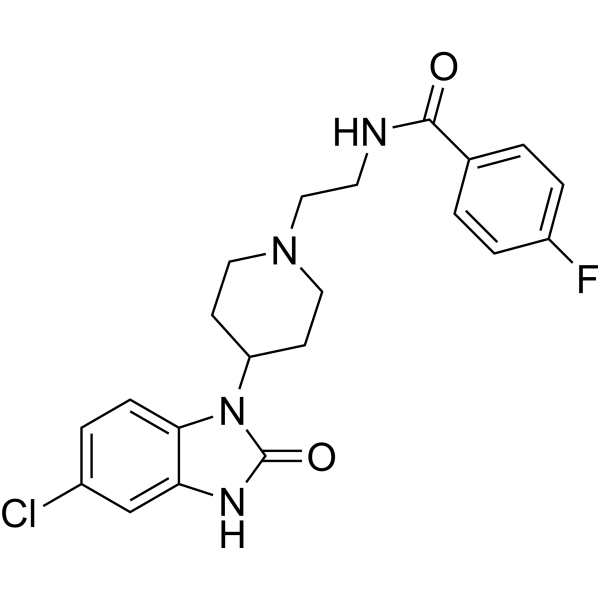
FIPI is a phospholipase D (PLD) inhibitor with an IC50 for PLD1 and PLD2 of about 25 nM. FIPI regulates cytoskeletal recombination, cell diffusion and chemotaxis. FIPI can be used in cancer research. In addition, FIPI can enhance the secretion and aggregation of platelet dense particles, inhibit thrombosis, reduce ischemic stroke infarct volume and improve nerve function .
loading...
    loading...
3
3 Cited Publications
Cat. No.: HY-131181
CAS No.: 2393840-15-6
Purity:  99.73%
Target:  

Phospholipase

Research Areas:  

Neurological Disease

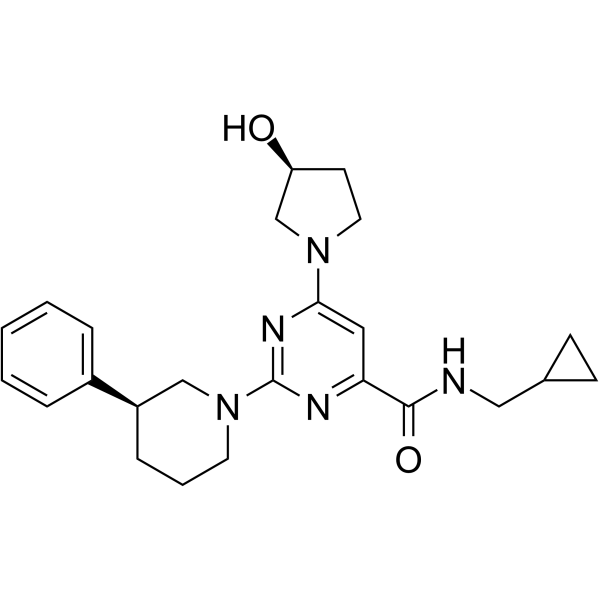
LEI-401 is a first-in-class, selective, and CNS-active NAPE-PLD (N-acylphosphatidylethanolamine phospholipase D) inhibitor, with an IC50 of 27 nM. LEI-401 modulates emotional behavior in mice .
loading...
    loading...
1
1 Cited Publications
Cat. No.: HY-W019838
CAS No.: 764-22-7
Synonyms: Sphinganine (d18:0)
D-Erythro-dihydrosphingosin directly inhibits cytosolic phospholipase A2α (cPLA2α) activity.
loading...
    loading...
1
1 Cited Publications
Cat. No.: HY-119093
CAS No.: 59831-65-1
Purity:  99.65%
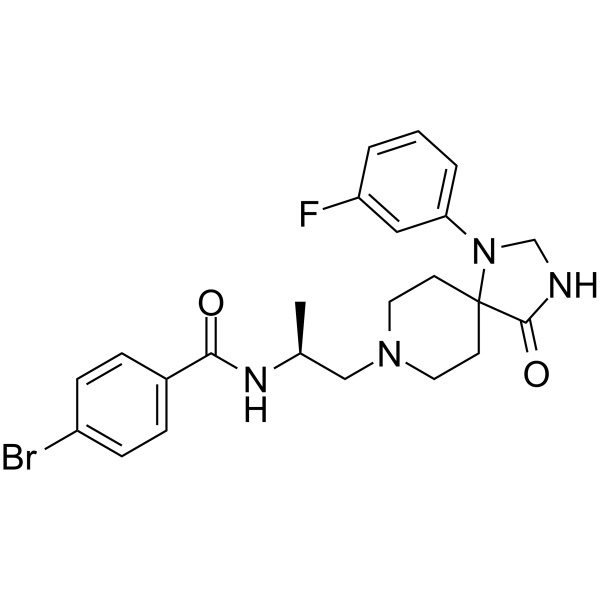
Halopemide is a potent phospholipase D (PLD) inhibitor, with IC50s of 220 and 310 nM for human PLD1 and PLD2, respectively. Halopemid is a dopamine receptors antagonist, and acts a psychotropic agent .
loading...
    loading...
1
1 Cited Publications
Cat. No.: HY-116874
CAS No.: 74115-08-5
Purity:  98.66%
Target:  

Dopamine Receptor

Research Areas:  

Neurological Disease

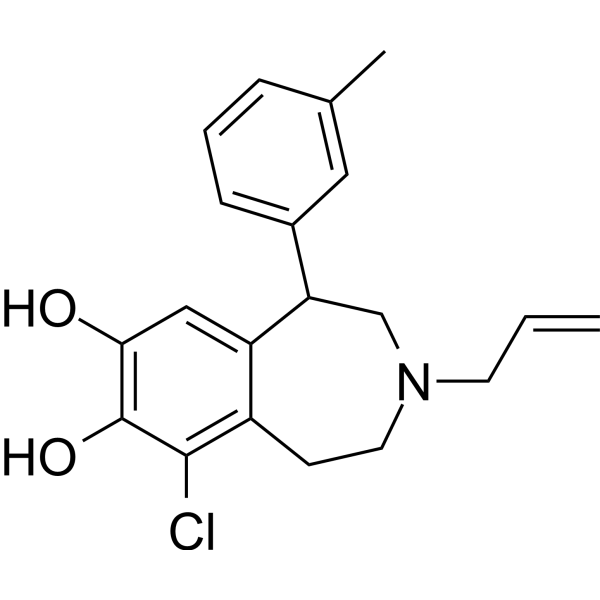
SKF 83822 is an atypical agonist of dopamine D1 receptor. SKF 83822 activates adenylyl cyclase (AC), but not phospholipase C (PLC). SKF 83822 is also proved to stimulate AC via cAMP production. SKF 83822 can be used for research of schizophrenia .
loading...
    loading...
1
1 Cited Publications
Cat. No.: HY-101293
CAS No.: 1246303-14-9
Purity:  98.06%
Synonyms: CID-53361951; ML-270
VU0359595 (CID-53361951; ML-270) is a potent and selective pharmacological phospholipase D1 (PLD1) inhibitor with an IC50 of 3.7 nM. VU0359595 is >1700-fold selective for PLD1 over PLD2 (IC50 of 6.4 μM). VU0359595 can be used for the research of cancer, diabetes, neurodegenerative and inflammatory diseases .
loading...
    loading...
1
1 Cited Publications
Cat. No.: HY-150135B
CAS No.: 141611-11-2
Purity:  98.00%
Synonyms: Inositol 1,4,5-trisphosphate tripotassium; Ins(1,4,5)-P3 tripotassium
Target:  

Calcium Channel

Research Areas:  

Neurological Disease

D-myo-Inositol 1,4,5-trisphosphate tripotassium, a second messenger, elicits Ca 2+ mobilization. D-myo-Inositol 1,4,5-trisphosphate tripotassium inhibits the binding of phosphoinositide-specific phospholipase C-delta 1 (PLC-delta 1) to bilayer membranes composed of phosphatidylcholine (PC) and phosphatidylinositol 4,5-bisphosphate (PIP2) .
loading...
    loading...
Cat. No.: HY-P2812
CAS No.: 9001-87-0
Synonyms: PLD
Phospholipase D, Streptomyces chromofuscus (PLD) is an enzyme of the phospholipase superfamily, which widely exists in bacteria, yeast, plants, animals and viruses, and is often used in biochemical research. Phospholipase D can catalyze the hydrolysis of phosphodiester bonds in glycerophospholipids to produce phosphatidic acid and soluble choline. Phospholipase D is involved in a variety of disease-related processes, including diabetes, atherogenesis, obesity, tumorigenesis, immune response, and neuroendocrine function .
loading...
    loading...
Cat. No.: HY-W039315
CAS No.: 41107-82-8
2,5-Anhydro-D-mannitol, 97% is an antimetabolic fructose analogue. 2,5-Anhydro-D-mannitol, 97% depletes intracellular ATP, reduces oxygen consumption, regulates substrate oxidation, increases phosphomonoester levels, decreases inorganic phosphate levels, and promotes the release of intracellular calcium from intracellular calcium stores via phospholipase C-dependent activity in hepatocytes .
loading...
    loading...
Cat. No.: HY-108612
CAS No.: 1130067-06-9
Purity:  98.55%
Synonyms: CAY10593
Target:  

Phospholipase

Research Areas:  

Cancer

VU0155069 (CAY10593), is a selective phospholipase D1 (PLD1) inhibitor with an IC50 value of 46 nM in vitro. VU0155069 (CAY10593) strongly inhibits the invasive migration of several cancer cell lines in transwell assays .
loading...
    loading...
Cat. No.: HY-11059
CAS No.: 393569-31-8
Purity:  99.47%
Target:  

Phospholipase

Research Areas:  

Inflammation/Immunology

KH064, a D-tyrosine derivative, is an orally active, potent secretory phospholipase A2 (sPLA2) inhibitor with an IC50 of 29 nM for human nonpancreatic secretory PLA2 isoform IIa (hnpsPLA2-IIa). KH064 has anti-inflammatory activity .
loading...
    loading...
Cat. No.: HY-P2812A
CAS No.: 9001-87-0
Target:  

Phospholipase

Research Areas:  

Cardiovascular Disease Cancer

Phospholipase D, peanut is a phospholipase D (EC 3.1.4.4) of the PLD superfamily found in peanuts, acting as a phosphodiesterase and signaling enzyme with activity toward phosphatidylcholine. Phospholipase D hydrolyzes phosphatidylcholine to phosphatidic acid and choline, and catalyzes transphosphatidylation reactions. Phospholipase D can be used for the research of myocardial disease, ischemic heart disease, congestive heart failure, diabetic cardiomyopathy, cardiac hypertrophy, vascular abnormalities, breast cancer, gastric cancer, renal cancer, colorectal cancer .
loading...
    loading...
Cat. No.: HY-P4821
CAS No.: 83139-29-1
Research Areas:  

Metabolic Disease Cancer

PTH (1-34) amide human is a type 1 PTH/PTHrP receptor agonist. PTH (1-34) amide human activates adenylate cyclase and phospholipase C pathways, thereby mediating mineral ion homeostasis and bone metabolism regulation. PTH (1-34) amide human increases serum calcium, decreases serum phosphorus, regulates renal excretion, while inducing the inhibition of endogenous PTH (1-84) and the increase of 1,25-dihydroxyvitamin D2 and bone resorption. PTH (1-34) amide human stimulates phosphatidylcholine hydrolysis via phospholipase D mediation, and its hypercalcemic effect is inhibited by human PTH-(7-84). PTH (1-34) amide human can be used in the research of diseases related to humoral hypercalcemia of malignancy .
loading...
    loading...
Cat. No.: HY-P1341
CAS No.: 343268-91-7
Synonyms: Orexin A (17-33) (human, mouse, rat, bovine)
OXA (17-33) (Orexin A (17-33) (human, mouse, rat, bovine)) is the shortest active orexin peptide that selectively targets OX1 (EC50=8.29 nM), with 23-fold selectivity for the OX1 receptor over the OX2 receptor. The activity of OXA (17-33) depends on the Tyr17, Leu20, Asn25, His26 residues and the spatial conformation of the α-helix. OXA (17-33) activates signaling pathways involving inositol-1,4,5-trisphosphate receptor (IP3R), phospholipase D (PL-D) and choline-Sigma-1R, thereby increasing the cytoplasmic Ca 2+ level in nucleus accumbens neurons, an effect that is blocked by Sigma-1R antagonists. OXA (17-33) serves as an important biological probe for investigating the function of the OX1 receptor. OXA (17-33) can be modified via incorporation of mixed disulfide bonds of homocysteine and cysteamine, and is widely used in studies related to insomnia and narcolepsy .
loading...
    loading...
Cat. No.: HY-116273
CAS No.: 1426916-00-8
Purity:  99.46%
Target:  

Phospholipase

Research Areas:  

Cancer

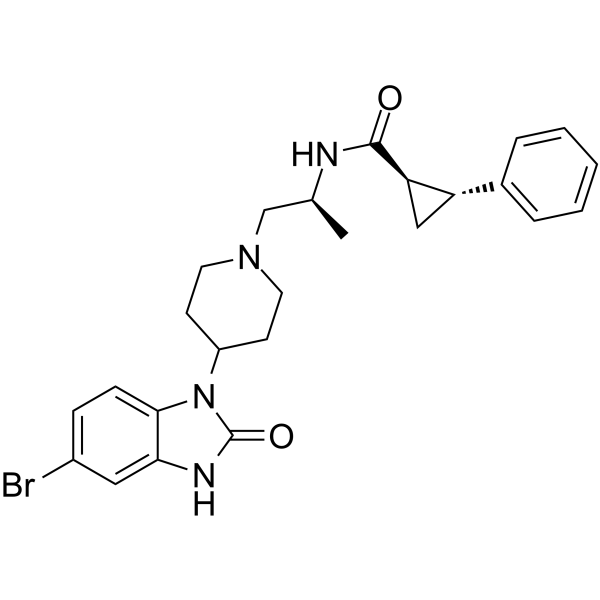
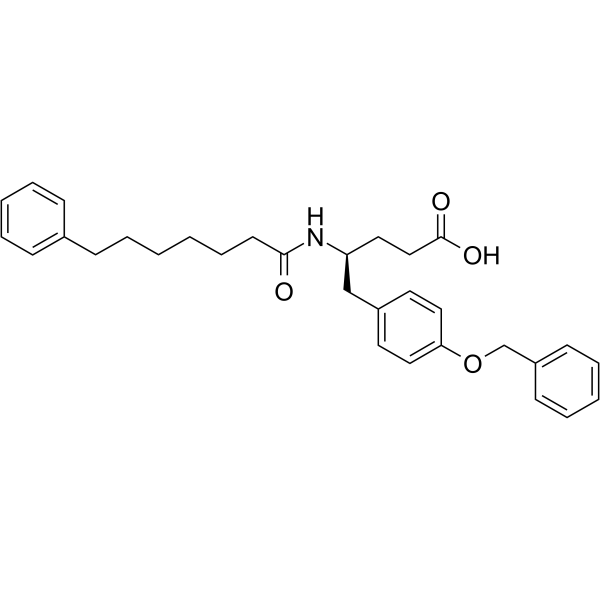
ML299 is a selective allosteric modulator and a dual inhibitor of phospholipases D1 and D2 (IC50 values are 6 and 12 nM, respectively). ML299 decreases invasive migration in U87-MG glioblastoma cells .
loading...
    loading...
Cat. No.: HY-W019838S
CAS No.: 1246304-35-7
Synonyms: Sphinganine (d18:0)-d7
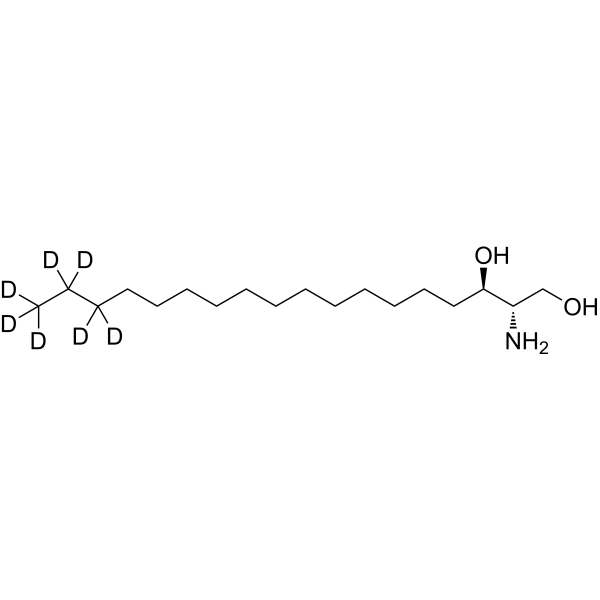
D-Erythro-dihydrosphingosine-d7 is the deuterium labeled D-Erythro-dihydrosphingosine. D-Erythro-dihydrosphingosin directly inhibits cytosolic phospholipase A2α (cPLA2α) activity.
loading...
    loading...
Cat. No.: HY-P2812B
CAS No.: 9001-87-0
Target:  

Phospholipase

Research Areas:  

Cardiovascular Disease Cancer

Phospholipase D, cabbage is a phospholipase D of the PLD superfamily found in cabbage, acting as a phosphodiesterase and signaling enzyme with activity toward phosphatidylcholine. Phospholipase D hydrolyzes phosphatidylcholine to phosphatidic acid and choline, and catalyzes transphosphatidylation reactions. Phospholipase D can be used for the research of myocardial disease, ischemic heart disease, congestive heart failure, diabetic cardiomyopathy, cardiac hypertrophy, vascular abnormalities, breast cancer, gastric cancer, renal cancer, colorectal cancer .
loading...
    loading...
Cat. No.: HY-103097
CAS No.: 106392-48-7
Purity:  98.00%
Target:  

Phospholipase

Research Areas:  

Others

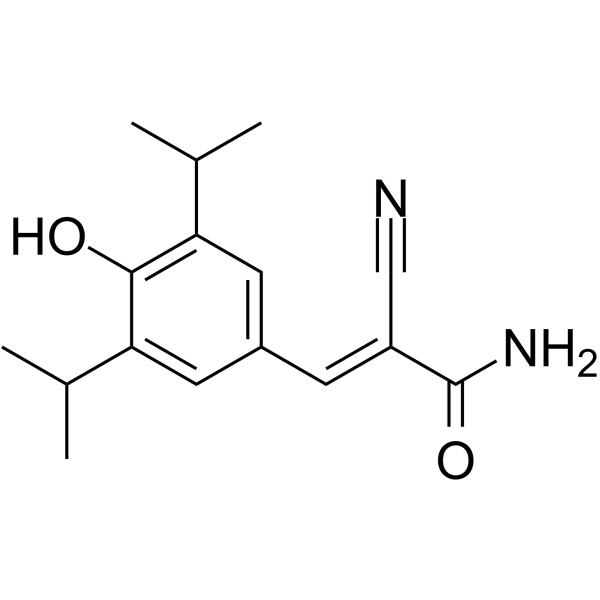
ST271 is a potent inhibitor of protein tyrosine kinase (PTK), inhibits phospholipase D activation stimulated by fMet-Leu-Phe and PAF, with IC50s of 6.7 and 9 μM, respectively.
loading...
    loading...

