
1. Search Result
Search Result
Results for "

pneumonia model

" in MedChemExpress (MCE) Product Catalog:

29

Inhibitors & Agonists

8

Peptides

1

Inhibitory Antibodies

2

Natural
Products

Cat. No. Product Name Target Research Areas Chemical Structure
  • HY-P1717
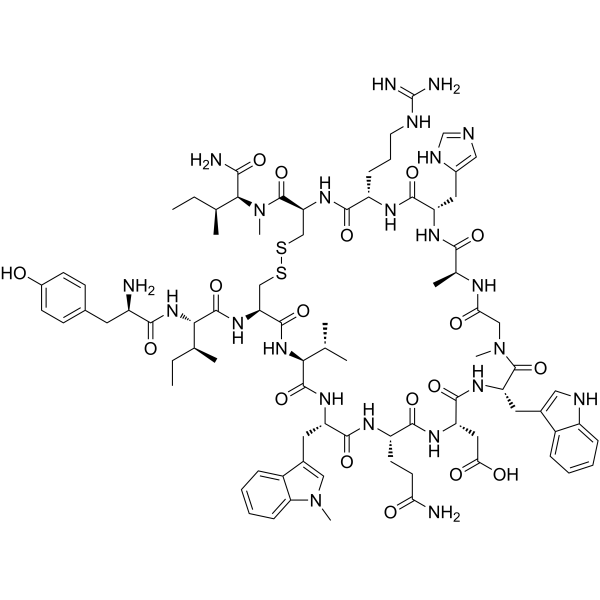
    AMY-101
    Maximum Cited Publications
    7 Publications Verification

    Cp40

    Complement System SARS-CoV Inflammation/Immunology
    AMY-101 (Cp40), a peptidic inhibitor of the central complement component C3 (KD = 0.5 nM), inhibits naturally occurring periodontitis in non-human primates (NHPs). AMY-101 (Cp40) exhibits a favorable anti-inflammatory activity in models with COVID-19 severe pneumonia with systemic hyper inflammation .
    AMY-101
  • HY-103251

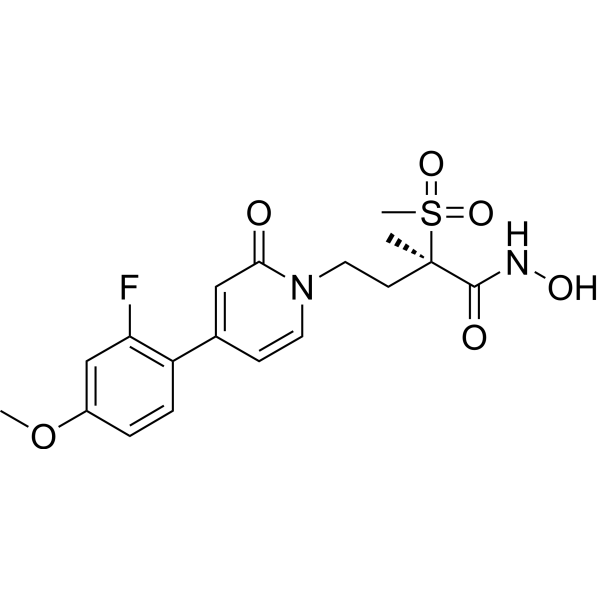
    LpxC-4

    Antibiotic Bacterial Infection
    PF-5081090 (LpxC-4) is a potent LpxC inhibitor, is a rapidly bactericidal with broad-spectrum activity. PF-5081090 serves as a regulator of lipid A biosynthesis in Gram-negative pathogens .
    PF-5081090
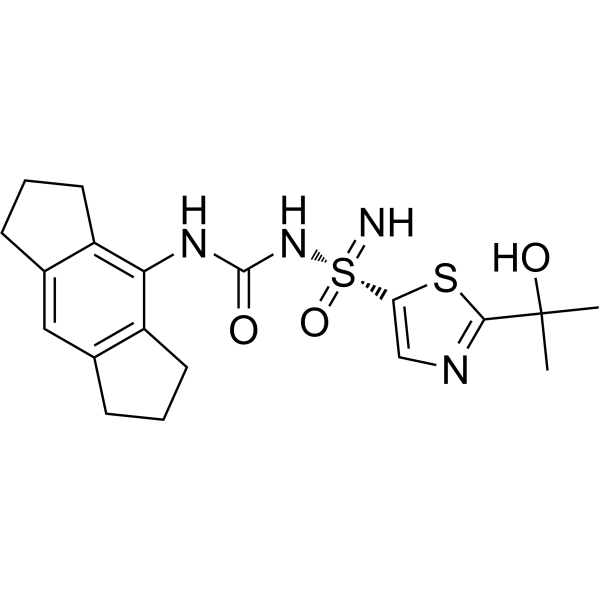
  • HY-155876

    NLRP3 antagonist 2

    NOD-like Receptor (NLR) Infection Inflammation/Immunology
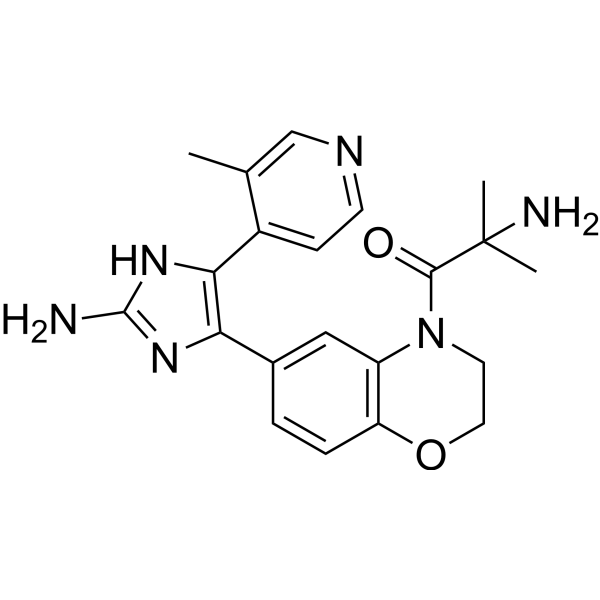
    NVP-DFV890 is an orally administered, selective NLRP3 inhibitor. NVP-DFV890 directly binds to NLRP3, blocks maturation of pro-inflammatory cytokines IL-1β and IL-18, and inhibits pyroptotic cell death. NVP-DFV890 acts as an inducer of viral clearance, promoting earlier clearance of SARS-CoV-2. NVP-DFV890 can be used for the research of COVID-19 pneumonia and coronavirus-associated acute respiratory distress syndrome (CARDS) .
    NVP-DFV890
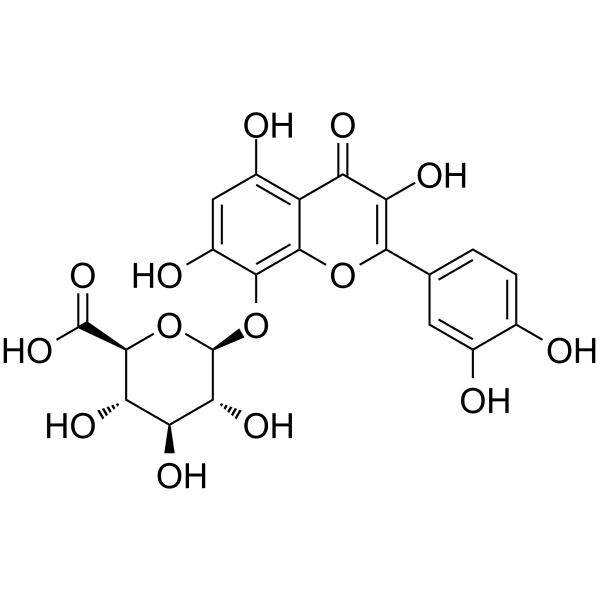
  • HY-N7368

    Adenosine Deaminase Bacterial Caspase Infection Neurological Disease Inflammation/Immunology Cancer
    Hibifolin is a flavonol glycoside that can be isolated from Helicteres isora. Hibifolin is an inhibitor of adenosine deaminase (ADA) (Ki = 49.92 μM). Hibifolin protects neurons against β-amyloid-induced neurotoxicity. Hibifolin possesses a potent protective activity against cell death induced by aggregated Aβ. Hibifolin can abolish Aβ-induced caspase-3 and caspase-7 activation. Hibifolin induces Akt phosphorylation in cortical neurons. Hibifolin is also a natural sortase A (SrtA) inhibitor (IC50 = 31.2 μM) through direct binding to SrtA protein. Hibifolin attenuates the pathogenic behavior of Staphylococcus aureus including adhesion, invasion, and biofilm formation. Hibifolin improves the survival of pneumonia induced by Staphylococcus aureus in mouse model and alleviates pathological damage. Hibifolin shows a synergistic antibacterial effect with Cefotaxime (HY-A0088A) .
    Hibifolin
  • HY-P1717B
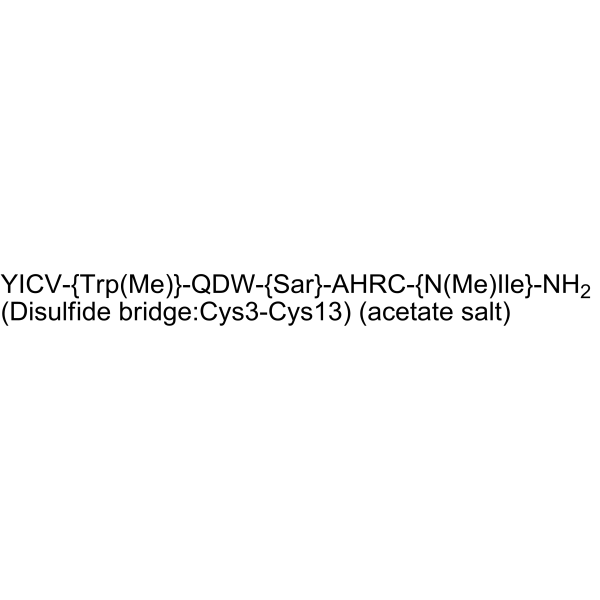
    AMY-101 acetate
    Maximum Cited Publications
    7 Publications Verification

    Cp40 acetate

    Complement System SARS-CoV Inflammation/Immunology
    AMY-101 acetate (Cp40 acetate), a peptidic inhibitor of the central complement component C3 (KD = 0.5 nM), inhibits naturally occurring periodontitis in non-human primates (NHPs). AMY-101 acetate (Cp40 acetate) exhibits a favorable anti-inflammatory activity in models with COVID-19 severe pneumonia with systemic hyper inflammation .
    AMY-101 acetate
  • HY-P1717A
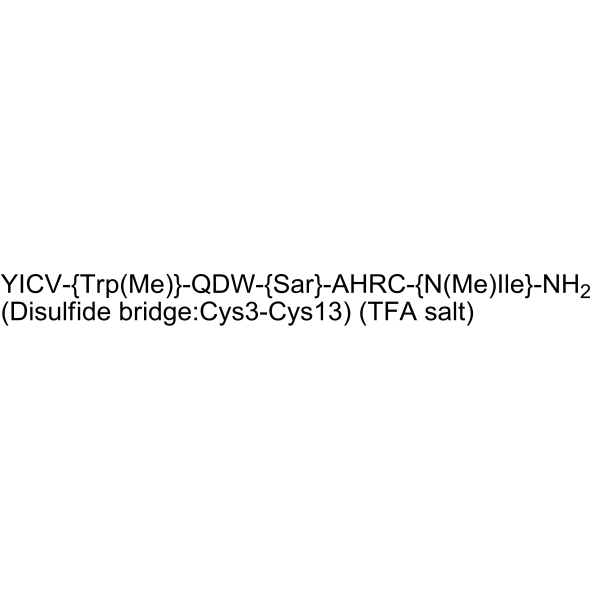
    AMY-101 TFA
    Maximum Cited Publications
    7 Publications Verification

    Cp40 TFA

    Complement System SARS-CoV Inflammation/Immunology
    AMY-101 TFA (Cp40 TFA), a peptidic inhibitor of the central complement component C3 (KD = 0.5 nM), inhibits naturally occurring periodontitis in non-human primates (NHPs). AMY-101 (Cp40) exhibits a favorable anti-inflammatory activity in models with COVID-19 severe pneumonia with systemic hyper inflammation .
    AMY-101 TFA
  • HY-P99583

    MEDI4893

    Bacterial Infection Inflammation/Immunology
    Suvratoxumab (MEDI4893) is a long-acting, high-affinity human anti-α-toxin monoclonal antibody (IgG1κ type). Suvratoxumab potently neutralizes α-toxin, a key S. aureus virulence factor. Suvratoxumab improves survival and reduces lung injury in an immunocompromised mice model of pneumonia. Suvratoxumab also enhances the antibacterial activity of Vancomycin (HY-B0671) or Linezolid (HY-10394) .
    Suvratoxumab
  • HY-P2460

    Bacterial Fungal Interleukin Related TNF Receptor Infection Inflammation/Immunology
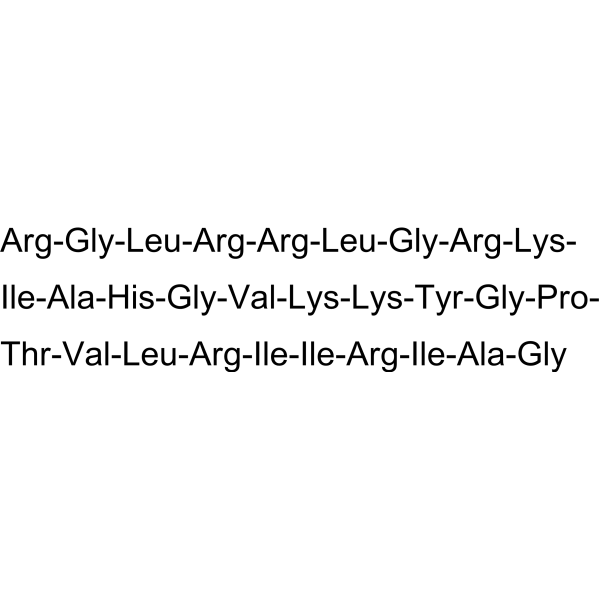
    SMAP‑29 is a cathelicidin antimicrobial peptide with LPS‑binding and anti‑inflammatory properties. SMAP‑29 exerts broad‑spectrum antimicrobial activity against bacteria, fungi and multidrug‑resistant isolates. SMAP‑29 kills pathogens by permeabilizing bacterial membranes, inducing depolarization and cell lysis, and also inhibits inflammatory cytokines while reducing lethality in septic shock and pneumonia models. SMAP-29 can be used for research on bacterial infections, drug-resistant infections, septic shock .
    SMAP-29
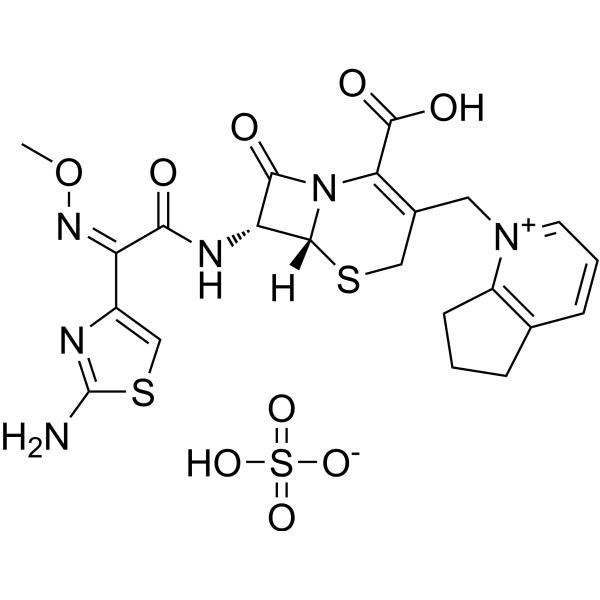
  • HY-B1824
    Cefpirome sulfate
    1 Publications Verification

    HR-810 sulfate

    Bacterial Antibiotic Infection
    Cefpirome (HR-810) sulfate is a cephalosporin antibiotic that can cross cell membranes and the blood-brain barrier. Cefpirome sulfate binds to penicillin-binding proteins with high affinity, thereby inhibiting bacterial cell wall synthesis. Cefpirome sulfate exhibits bactericidal and growth-inhibitory activities against Gram-negative bacteria, Gram-positive bacteria, and susceptible anaerobic bacteria (including some β-lactamase-producing strains) .
    Cefpirome sulfate
  • HY-157536

    Bacterial Infection Inflammation/Immunology
    SMT-738 is a bacterial bactericide. SMT-738 targets the small molecules responsible for lipoprotein transport in Enterobacteriaceae, causing abnormal lipoprotein localization and bacterial cell death. SMT-738 inhibits the growth of E. coli and K. pneumoniae. SMT-738 reduces bacterial loads in mouse models of urinary tract infection, bloodstream infection, and pulmonary infection caused by Enterobacterales. SMT-738 can be used in the research of Enterobacteriaceae infections, urinary tract infections, bloodstream infections, and pneumonia .
    SMT-738
  • HY-P10559

    Bacterial Infection
    (RXR)4XB is a cell-penetrating peptide, that binds the phosphorodiamidate morpholino oligomers (PMOs), forms peptide-conjugated PMOs (PPMOs), and improves the delivery of PMO into bacterial cells. (RXR)4XB-PMO conjugate prevents the formation of biofilms, inhibits Pseudomonas aeruginosa with MIC50 of 0.5 to 16 μM, and reduces the bacterial burden in mouse acute pneumonia models .
    (RXR)4XB
  • HY-108062

    Beta-lactamase Bacterial Infection
    BLI-489 is a beta-lactamase inhibitor. BLI-489 combined with Piperacillin (HY-B1923) inhibits infection caused by class A (including ultra-broad spectrum β-lactamase), Class C (AmpC) and Class D β-lactamase expressing pathogens .
    BLI-489
  • HY-P10559A

    Bacterial Infection
    (RXR)4XB TFA is a cell-penetrating peptide, that binds the phosphorodiamidate morpholino oligomers (PMOs), forms peptide-conjugated PMOs (PPMOs), and improves the delivery of PMO into bacterial cells. (RXR)4XB TFA-PMO conjugate prevents the formation of biofilms, inhibits Pseudomonas aeruginosa with MIC50 of 0.5 to 16 μM, and reduces the bacterial burden in mouse acute pneumonia models .
    (RXR)4XB TFA
  • HY-103251R

    LpxC-4 (Standard)

    Reference Standards Antibiotic Bacterial Infection
    Cefalonium (dihydrate) (Standard) is the analytical standard of Cefalonium (dihydrate). This product is intended for research and analytical applications. Cefalonium dihydrate is a cephalosporin antibiotic. Cefalonium (dihydrate) is effective against Staphylococcus aureus. Cefalonium (dihydrate) has anti-inflammatory and antibacterial activities .
    PF-5081090 (Standard)
  • HY-174980

    Bacterial Infection
    KPC-2-IN-3 (Compound 3b) is a KPC-2 inhibitor with IC50 of 0.533  μM and Kiof 0.194  μM. KPC-2-IN-3 has an antimicrobial activity against carbapenem-resistant K. pneumonia K47-25 and reduces bacterial count with a postantibiotic effect in synergy with Meropenem (HY-13678). KPC-2-IN-3 significantly reduces lung bacterial load in a murine pneumonia model .
    KPC-2-IN-3
  • HY-163984

    Bacterial Infection
    Antibacterial agent 240 (compound 62-7c) is an antibacterial agent that can target multidrug-resistant (MDR) MRSA strains. Antibacterial agent 240 showed high biosafety and potent anti-infection activity in mouse pneumonia and mouse wound models of MRSA infection .
    Antibacterial agent 240
  • HY-11046A

    Endogenous Metabolite Inflammation/Immunology
    KRP-109 is a neutrophil elastase (NE) inhibitor with activity in reducing lung inflammation. KRP-109 improves survival in mouse models and reduces the number of neutrophils and inflammation in the alveolar walls. KRP-109 significantly reduced cell and neutrophil counts in bronchoalveolar lavage fluid, as well as cytokine levels such as interleukin 1β and macrophage inflammatory protein 2. KRP-109 can be used in the research of severe pneumonia .
    KRP-109
  • HY-165603

    Liposome VEGFR FGFR Cardiovascular Disease Inflammation/Immunology Cancer
    Si5-N14 is a key component of siloxane-incorporated lipid nanoparticles (SiLNP), possessing pro-vascular repair and anti-tumor activities. In the transgenic GFP mouse model, Si5-N14 can mediate CRISPR-Cas9 editing. In the Lewis lung carcinoma (LLC) tumor-bearing mouse model, Si5-N14 can knock out the expression of Vascular Endothelial Growth Factor Receptor 2 (VEGFR2) to exert an anti-tumor effect. In a mouse model of lung injury induced by viral infection, the delivery of Fibroblast Growth Factor-2 (FGF-2) mRNA via Si5-N14 can promote vascular repair, increase blood oxygen levels, and improve lung function. Si5-N14 shows promise for research in the fields of oncology, pneumonia, and cardiovascular diseases .
    Si5-N14
  • HY-113718

    Bacterial Topoisomerase DNA/RNA Synthesis Infection
    DS21412020 is a fluoroquinolone antibacterial agent. DS21412020 inhibits bacterial DNA gyrase (GyrA) and topoisomerase IV, leading to DNA breaks. DS21412020 exhibits significant activity against Gram-positive bacteria such as Staphylococcus aureus (MIC = 0.006 μg/mL), Streptococcus pneumoniae (MIC = 0.05 μg/mL), and Methicillin (HY-121544)-resistant Staphylococcus aureus (MIC = 0.2 μg/mL), and Gram-negative bacteria such as Escherichia coli (MIC = 0.006 μg/mL) and Pseudomonas aeruginosa (MIC = 0.78 μg/mL). DS21412020 significantly reduces bacterial load in mouse pneumonia and MRSA infection models. DS21412020 can be used in the development of next-generation quinolone antibiotics .
    DS21412020
  • HY-P11242

    Bacterial NF-κB p38 MAPK JNK ERK TNF Receptor Interleukin Related Infection
    Cm-CATH2 is an antimicrobial peptide discovered from Chelonia mydas. Cm-CATH2 has a potent, broad-spectrum and rapid bactericidal ability by rapidly destroying the integrity of bacterial cell membranes. It shows strong activity against Gram-positive bacteria (such as VREF, Staphylococcus aureus), Gram-negative bacteria (such as Escherichia coli, Klebsiella pneumoniae), and fungi (such as Candida albicans) with MICs ranges from 1.17 to 18.75 μg/mL. Cm-CATH2 is also effective against various aquatic pathogenic bacteria. Cm-CATH2 not only inhibits biofilm formation but can also remove the formed biofilms. Cm-CATH2 has immunomodulatory functions and chemotactic effects on immune cells, and can inhibit the production of pro-inflammatory cytokines by macrophages stimulated by LPS (HY-D1056). Cm-CATH2 prevents the activation of NF-κB by inhibiting the degradation of IκBα, and also inhibits the phosphorylation of MAPK signaling pathways (p38, JNK, ERK). Cm-CATH2 demonstrates strong anti-infective ability in mouse peritonitis models and pneumonia models .
    Cm-CATH2
  • HY-N7368R

    Reference Standards Adenosine Deaminase Bacterial Caspase Neurological Disease Inflammation/Immunology Cancer
    Hibifolin (Standard) is the analytical standard of Hibifolin. This product is intended for research and analytical applications. Hibifolin is a flavonol glycoside that can be isolated from Helicteres isora. Hibifolin is an inhibitor of adenosine deaminase (ADA) (Ki = 49.92 μM). Hibifolin protects neurons against β-amyloid-induced neurotoxicity. Hibifolin possesses a potent protective activity against cell death induced by aggregated Aβ. Hibifolin can abolish Aβ-induced caspase-3 and caspase-7 activation. Hibifolin induces Akt phosphorylation in cortical neurons. Hibifolin is also a natural sortase A (SrtA) inhibitor (IC50 = 31.2 μM) through direct binding to SrtA protein. Hibifolin attenuates the pathogenic behavior of Staphylococcus aureus including adhesion, invasion, and biofilm formation. Hibifolin improves the survival of pneumonia induced by Staphylococcus aureus in mouse model and alleviates pathological damage. Hibifolin shows a synergistic antibacterial effect with Cefotaxime (HY-A0088A) .
    Hibifolin (Standard)
  • HY-182417

    Bacterial Topoisomerase Infection
    PD 0305970 is an orally active bacterial gyrase and topoisomerase inhibitor. PD 0305970 shows exceptional activity against gram-positive and fastidious organisms and more modest activity against gram-negative species. PD 0305970 shows low spontaneous resistance frequencies. PD 0305970 shows antibacterial efficacy in murine streptococcal sepsis and pneumococcal pneumonia models. PD 0305970 can be used for the research of bacterial infection .
    PD 0305970
  • HY-182022

    Bacterial Reactive Oxygen Species (ROS) Drug Derivative DNA/RNA Synthesis Infection
    ZLWH-67 is a β-Carboline derivative and Antibacterial agent. ZLWH-67 inhibits DNA synthesis, suppresses biofilm formation, and increases reactive oxygen species (ROS) levels. ZLWH-67 exhibits potent in vitro antibacterial activity against MRSA (MIC = 0.5-4 μg/mL), S. epidermidis (MIC = 4 μg/mL), E. faecalis (MIC = 4-8 μg/mL), and S. pneumoniae (MIC = 16 μg/mL). ZLWH-67 displays anti-MRSA effects in murine skin and pneumonia infection models .
    ZLWH-67
  • HY-P11616

    Bacterial TNF Receptor Infection
    WK2 is an antibacterial agent. WK2 reduces serum TNF-α production induced by Bacterial infection. WK2 reduces wound size and promotes tissue repair in a skin wound infection model. WK2 exerts anti-inflammatory effects in a pneumonia model. WK2 can be used for research on infectious diseases such as pneumonia caused by bacterial infection .
    WK2
  • HY-108062R

    Reference Standards Beta-lactamase Bacterial Infection
    BLI-489 (Standard) is the analytical standard of BLI-489 (HY-108062). This product is intended for research and analytical applications. BLI-489 is a beta-lactamase inhibitor. BLI-489 combined with Piperacillin (HY-B1923) inhibits infection caused by class A (including ultra-broad spectrum β-lactamase), Class C (AmpC) and Class D β-lactamase expressing pathogens .
    BLI-489 (Standard)
  • HY-113500A

    HXA3

    Lipoxygenase Inflammation/Immunology
    Hepoxilin A3 (HXA3) is a neutrophil chemo-attractant, synthesized by activating the PLA2-12-LOX pathway. Hepoxilin A3 can guide neutrophils to cross the epithelial barrier and migrate to the infection site (such as the alveolar cavity). The level of Hepoxilin A3 increases synchronously with neutrophil infiltration in mouse models. Hepoxilin A3 can be used to study inflammatory diseases (such as pneumonia, cystic fibrosis) .
    Hepoxilin A3
  • HY-179719

    Bacterial Drug Intermediate Infection
    Anti-MRSA agent 41 (Compound 3d) is a prodrug of Mupirocin (HY-B0958), being a cholesterol disulfide conjugate of Mupirocin. Anti-MRSA agent 41 shows no antibacterial activity or cytotoxicity in vitro. Anti-MRSA agent 41 demonstrates strong anti-MRSA infection efficacy in systemic bacteremia and pneumonia mouse models. Anti-MRSA agent 41 can be used in antibiotic resistance research .
    Anti-MRSA agent 41
  • HY-11046

    Elastase Inflammation/Immunology
    KRP-109 is a neutrophil elastase (NE) inhibitor with activity in reducing lung inflammation. KRP-109 improves survival in mouse models and reduces the number of neutrophils and inflammation in the alveolar walls. KRP-109 significantly reduced cell and neutrophil counts in bronchoalveolar lavage fluid, as well as cytokine levels such as interleukin 1β and macrophage inflammatory protein 2. KRP-109 can be used in the research of severe pneumonia .
    AX-9657
  • HY-107044

    Bacterial Topoisomerase Infection
    DK 507k is an orally active 8-methoxyquinolone Antibacterial agent. DK 507k targets DNA gyrase subunit A (GyrA) and modulates the function of GyrA. DK 507k inhibits the growth of various Gram-positive and Gram-negative bacteria, including Pseudomonas aeruginosa and Methicillin (HY-121544)-resistant Staphylococcus aureus. DK 507k eliminates Penicillin-tolerant Streptococcus pneumoniae from the lungs of mice. DK 507k can be used in research related to sepsis and *Streptococcus pneumoniae* pneumonia .
    DK 507k

Inquiry Online

Your information is safe with us. * Required Fields.

Salutation


Country or Region *

Applicant Name *


Organization Name *

Department *


Email Address *


Product Name *

Cat. No.


Requested quantity *

Phone Number *


Remarks

Inquiry Online

Inquiry Information

Product Name:
Cat. No.:
Quantity:
MCE Japan Authorized Agent:

