
1. Search Result
Search Result
Results for "

polymorphonuclear

" in MedChemExpress (MCE) Product Catalog:

57

Inhibitors & Agonists

1

Fluorescent Dye

5

Peptides

11

Natural
Products

1

Recombinant Proteins

2

Isotope-Labeled Compounds

1

Antibodies

Cat. No. Product Name Target Research Areas Chemical Structure
  • HY-129905
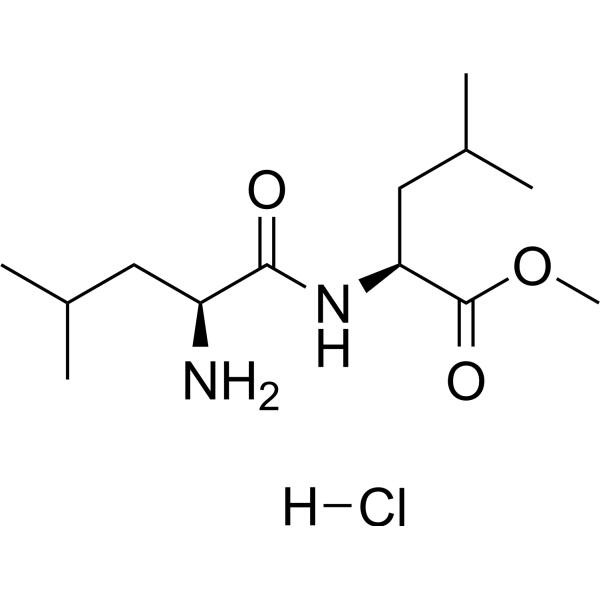
    L-Leucyl-L-Leucine methyl ester hydrochloride
    Maximum Cited Publications
    18 Publications Verification

    LLOMe hydrochloride; Leu-Leu methyl ester hydrochloride; H-Leu-Leu-OMe hydrochloride

    Endogenous Metabolite Inflammation/Immunology
    L-Leucyl-L-Leucine methyl ester (LLOMe) hydrochloride, a dipeptide condensation product of L-leucine methyl ester generated by human monocytes or polymorphonuclear leukocytes, selectively eliminates lymphocytes with cytotoxic potential. L-Leucyl-L-Leucine methyl ester hydrochloride also can induce endolysosomal pathway stress .
    L-Leucyl-L-Leucine methyl ester hydrochloride
  • HY-129905A
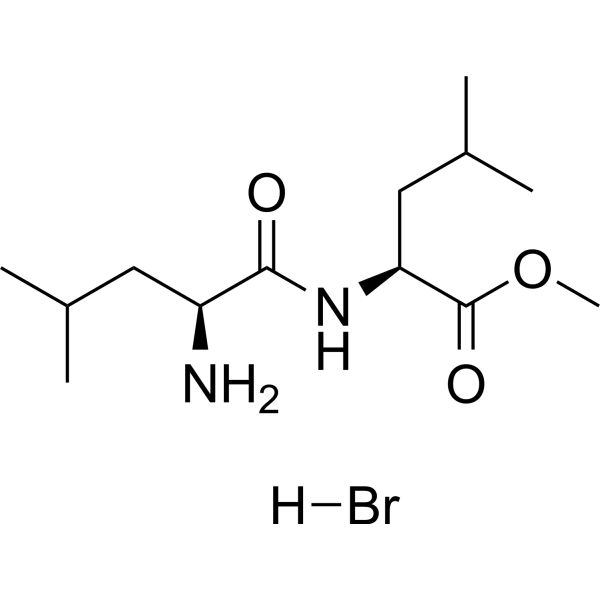
    L-Leucyl-L-Leucine methyl ester hydrobromide
    Maximum Cited Publications
    18 Publications Verification

    LLOMe hydrobromide; Leu-Leu methyl ester hydrobromide; H-Leu-Leu-OMe hydrobromide

    Endogenous Metabolite Inflammation/Immunology
    L-Leucyl-L-Leucine methyl ester (LLOMe) hydrobromide, a dipeptide condensation product of L-leucine methyl ester generated by human monocytes or polymorphonuclear leukocytes, selectively eliminates lymphocytes with cytotoxic potential. L-Leucyl-L-Leucine methyl ester hydrobromide also can induce endolysosomal pathway stress .
    L-Leucyl-L-Leucine methyl ester hydrobromide
  • HY-P1645
    Papain
    10+ Cited Publications

    Cathepsin Cardiovascular Disease Inflammation/Immunology
    Papain is a cysteine protease of the peptidase C1 family. Papain enhances red cell agglutination by anti-D and anti-A, and increases red cell sensitivity to K cell-mediated lysis in ADCC assays. Papain can induce pulmonary emphysema. Papain can be used for the researches of Rh haemolytic disease of the newborn and pulmonary emphysema .
    Papain
  • HY-114041
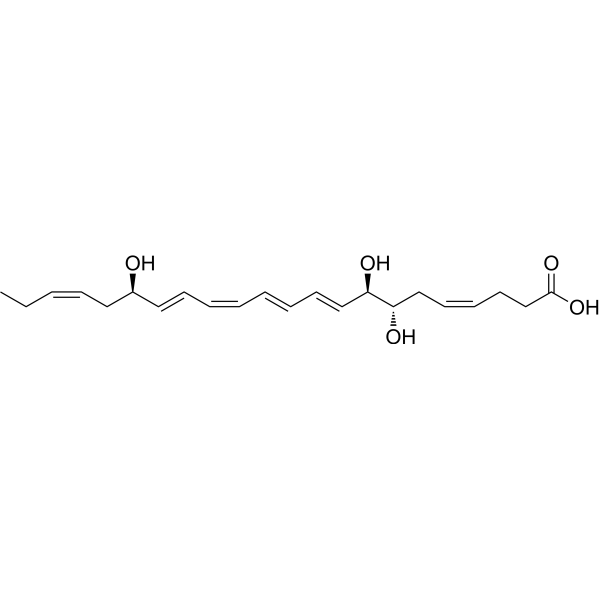
    Resolvin E1
    2 Publications Verification

    RvE1

    Endogenous Metabolite Inflammation/Immunology
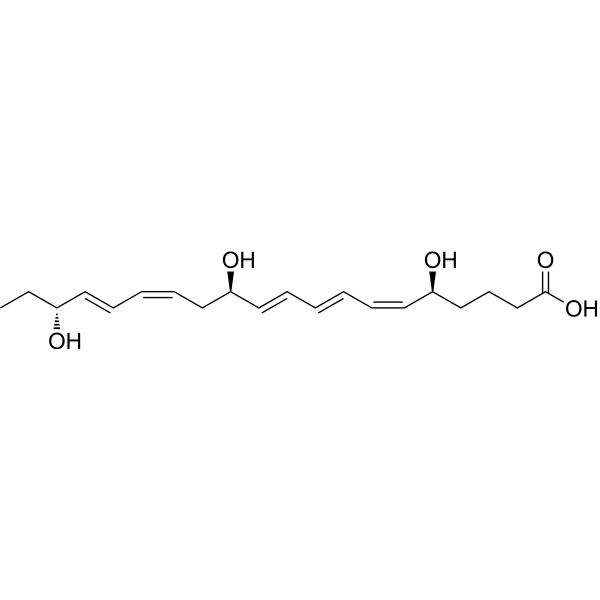
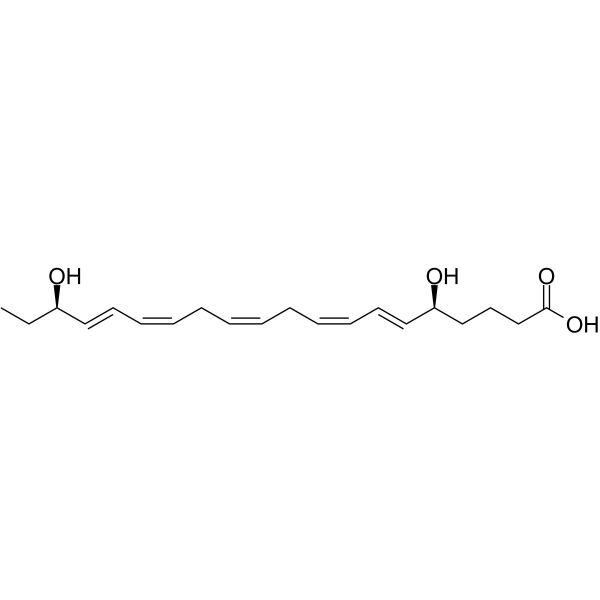
    Resolvin E1 (RvE1), a potent endogenous pro-resolving mediator of inflammation, is derived from omega-3 fatty acid eicosapentaenoic acid (EPA). Resolvin E1 is endogenously biosynthesized from EPA in the presence of Aspirin during the spontaneous resolution phase of acute inflammation, where specific cell-cell interactions occur. Resolvin E1 possesses unique counterregulatory actions that inhibit polymorphonuclear leukocyte (PMN) transendothelial migration. Resolvin E1 also acts as a potent inhibitor of leukocyte infiltration, dendritic cell migration, and IL-12 production .
    Resolvin E1
  • HY-P0172
    ATI-2341
    4 Publications Verification

    CXCR Inflammation/Immunology Endocrinology Cancer
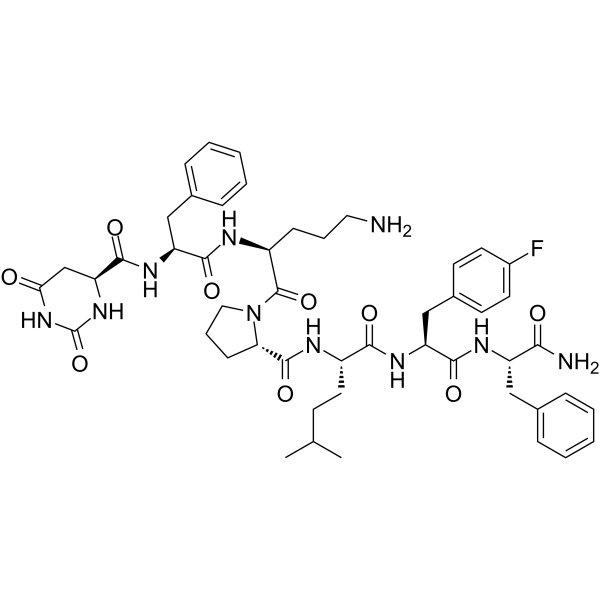
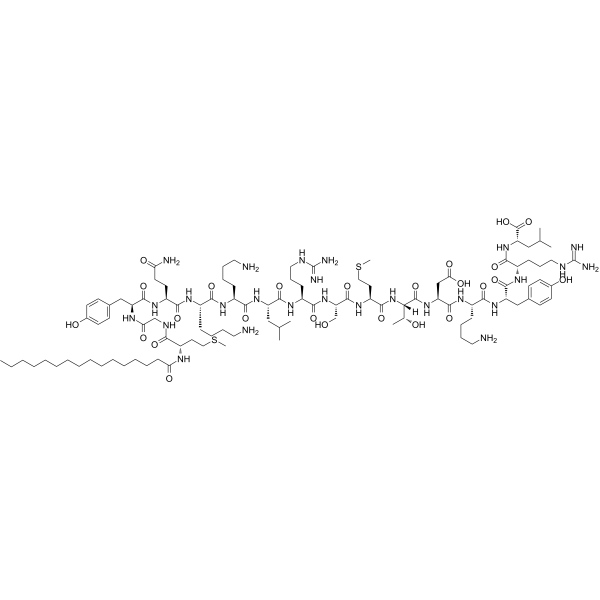
    ATI-2341 is a potent and functionally selective allosteric agonist of C-X-C chemokine receptor type 4 (CXCR4), which functions as a biased ligand, favoring Gαi activation over Gα13. ATI-2341 activates the inhibitory heterotrimeric G protein (Gi) to promote inhibition of cAMP production and induce calcium mobilization. ATI-2341 is a potent and efficacious mobilizer of bone marrow polymorphonuclear neutrophils (PMNs) and hematopoietic stem and progenitor cells (HSPCs) .
    ATI-2341
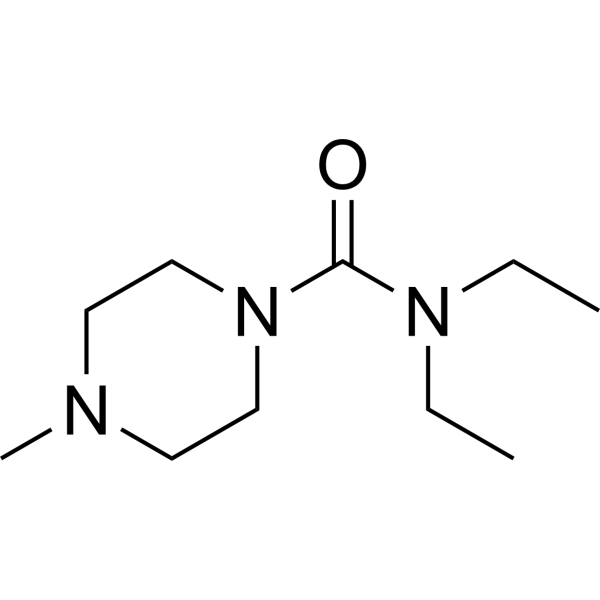
  • HY-12642
    Diethylcarbamazine citrate
    1 Publications Verification

    Parasite Bacterial TNF Receptor Interleukin Related Infection Metabolic Disease Inflammation/Immunology
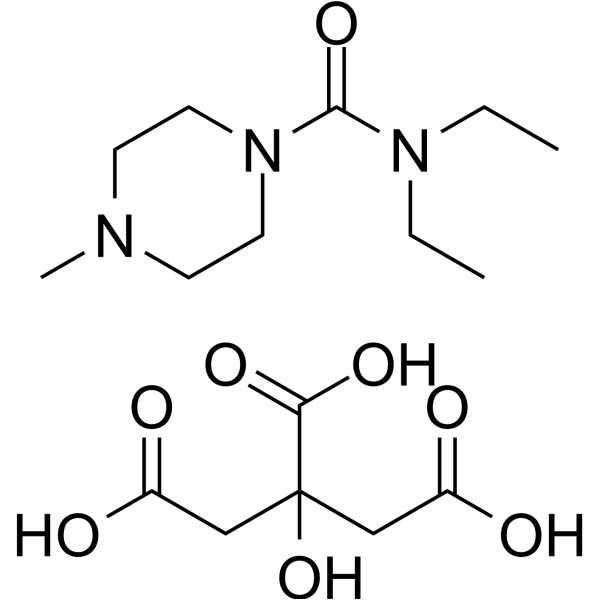
    Diethylcarbamazine citrate is an orally active microfilaricidal agent used originally in onchocerciasis and lymphatic filiariasis. Diethylcarbamazine citrate reduces eosinophil trafficking to the lung tissue and exerts anti-allergic effects. Diethylcarbamazine citrate reduces serum levels of leptin, TNF-α, IL-6, MCP-1, glucose, insulin, and triglycerides, and ameliorates insulin resistance without altering body, liver, or adipose tissue weights. Diethylcarbamazine citrate enhances reactive oxygen intermediate expression by polymorphonuclear neutrophils, increases lymphocyte proliferation, and inhibits actinomycetoma lesion development. Diethylcarbamazine citrate can be used for the researches of bronchial asthma, insulin resistance and infection .
    Diethylcarbamazine citrate
  • HY-W016733

    H-D-Cit-OH

    Endogenous Metabolite Cardiovascular Disease
    D-Citrulline (H-D-Cit-OH) is a stereoisomer of L-citrulline (HY-N0391). D-Citrulline significantly attenuates polymorphonuclear leukocyte (PMN)-induced cardiac contractile dysfunction in the isolated perfused rat heart subjected to ischemia/reperfusion via a non-NO-mediated mechanism .
    D-Citrulline
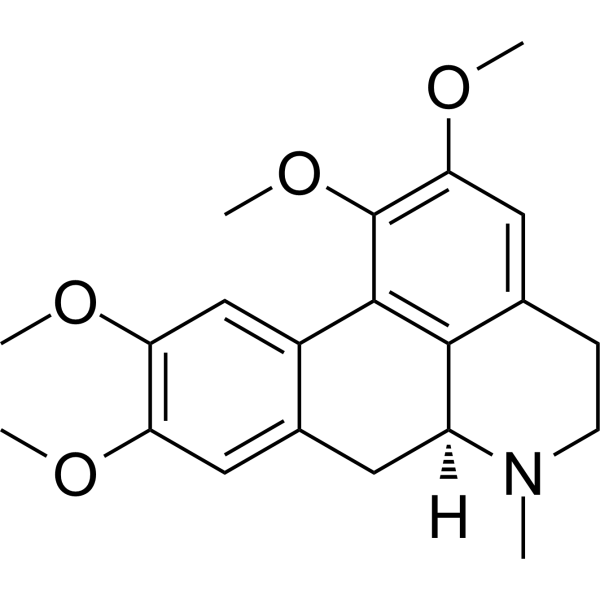
  • HY-N3945

    O,O-Dimethylisoboldine; S-(+)-Glaucine; NSC 34396

    Phosphodiesterase (PDE) Calcium Channel MMP NF-κB Inflammation/Immunology Cancer
    Glaucine (O,O-Dimethylisoboldine) is an alkaloid extracted from Glaucium flavum that possesses various activities, including cough relief, bronchodilation, anti-inflammatory effects, analgesia, antipyretic properties, and anticancer effects. Glaucine acts as a selective and orally active inhibitor of phosphodiesterase 4 (PDE4), with a Ki of 3.4 µM in human bronchial tissues and polymorphonuclear leukocytes. Glaucine induces relaxation of human isolated bronchi by antagonizing calcium channels. Additionally, Glaucine inhibits the activation of NF-κB, leading to a reduction in the expression of the MMP-9 gene, thereby suppressing the migration and invasion of breast cancer cells. Therefore, Glaucine holds potential for research in asthma and breast cancer .
    Glaucine
  • HY-P0172A
    ATI-2341 TFA
    4 Publications Verification

    CXCR Inflammation/Immunology Endocrinology Cancer
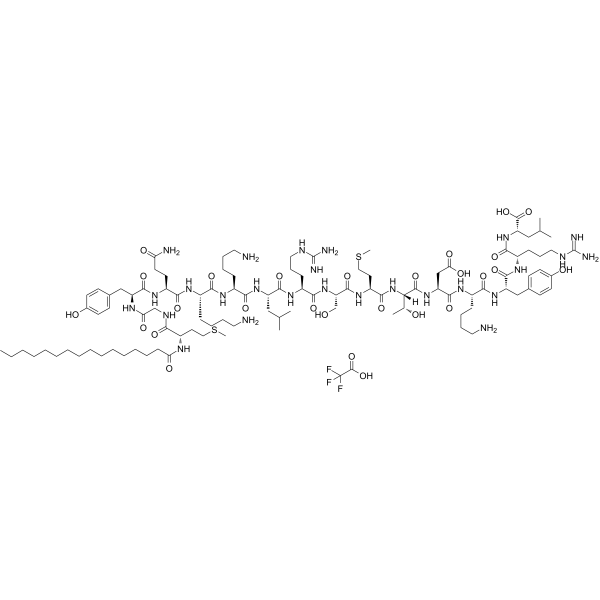
    ATI-2341 is a potent and functionally selective allosteric agonist of C-X-C chemokine receptor type 4 (CXCR4), which functions as a biased ligand, favoring Gαi activation over Gα13. ATI-2341 activates the inhibitory heterotrimeric G protein (Gi) to promote inhibition of cAMP production and induce calcium mobilization. ATI-2341 is a potent and efficacious mobilizer of bone marrow polymorphonuclear neutrophils (PMNs) and hematopoietic stem and progenitor cells (HSPCs) .
    ATI-2341 TFA
  • HY-103445

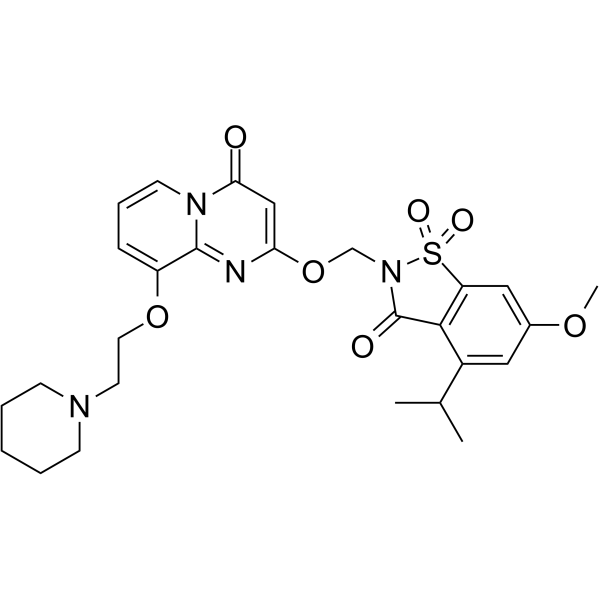
    Elastase Cardiovascular Disease
    SSR69071 is a potent, orally active and selective inhibitor of neutrophil elastase. SSR69071 reduces myocardial infarct size following ischemia-reperfusion injury . SSR69071 displays a higher affinity for human elastase (Ki=0.0168 nM) than for rat (Ki=3 nM), mouse (Ki=1.8 nM), and rabbit (Ki= 58 nM) elastases .
    SSR69071
  • HY-105028

    CP-66248

    COX Lipoxygenase Potassium Channel MMP Inflammation/Immunology
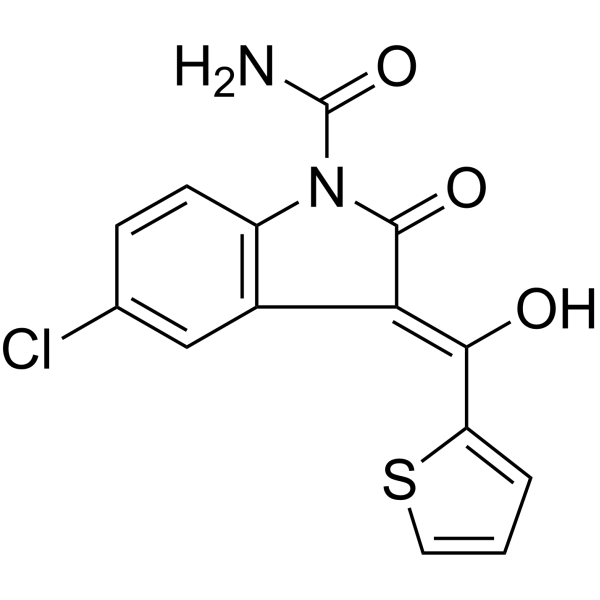
    Tenidap (CP-66248) is an orally active dual inhibitor of 5-LOX and COX with anti-inflammatory and immunomodulatory properties. Tenidap downregulates the expression of IL-1 receptors in chondrocytes, reduces the release of pro-inflammatory cytokines such as IL-1, IL-6 and TNF-α, and inhibits MMP production and cartilage degradation. Tenidap also blocks bone resorption and leukocyte adhesion to vascular endothelium, interferes with ion and pH changes associated with mouse sperm capacitation, and selectively enhances the activity of hKir2.3 channels (EC50=1.3 μM). Tenidap is applicable to research related to rheumatoid arthritis .
    Tenidap
  • HY-12927

    CXCR Inflammation/Immunology
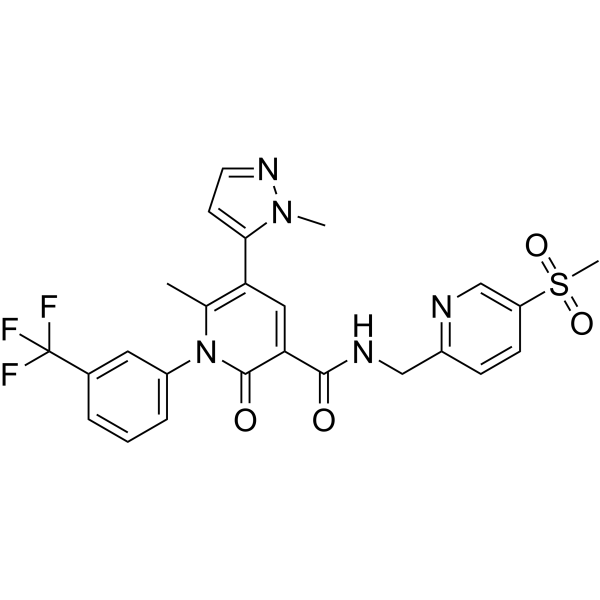
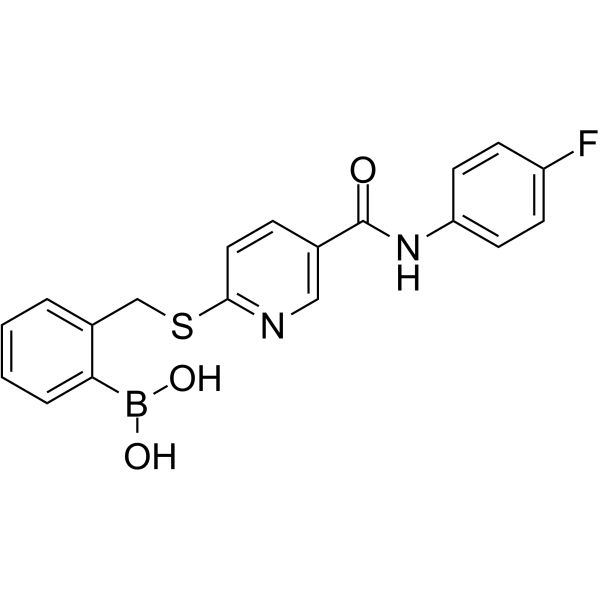
    SX-517 is a dual CXCR2/1 antagonist, containing boronic acid. SX-517 inhibits CXCL1-induced Ca 2+ flux (IC50=38 nM), and antagonizes CXCL8-induced [(35)S]GTPγS binding (IC50=60 nM) and ERK1/2 phosphorylation. SX-517 has significant ability for inflammation suppression, in both humanized polymorphonuclear (PMN) cells and in murine model .
    SX-517
  • HY-12642A
    Diethylcarbamazine
    1 Publications Verification

    Parasite Bacterial TNF Receptor Interleukin Related Infection Metabolic Disease Inflammation/Immunology
    Diethylcarbamazine is an orally active microfilaricidal agent used originally in onchocerciasis and lymphatic filiariasis. Diethylcarbamazine reduces eosinophil trafficking to the lung tissue and exerts anti-allergic effects. Diethylcarbamazine reduces serum levels of leptin, TNF-α, IL-6, MCP-1, glucose, insulin, and triglycerides, and ameliorates insulin resistance without altering body, liver, or adipose tissue weights. Diethylcarbamazine enhances reactive oxygen intermediate expression by polymorphonuclear neutrophils, increases lymphocyte proliferation, and inhibits actinomycetoma lesion development. Diethylcarbamazine can be used for the researches of bronchial asthma, insulin resistance and infection .
    Diethylcarbamazine
  • HY-148141
    JPE-1375
    4 Publications Verification

    Complement System Inflammation/Immunology
    JPE-1375 is a complement C5a receptor 1 (C5aR1) antagonist. JPE-1375 effectively inhibits polymorphonuclear leukocyte mobilization (EC50=6.9 μM) and reduces TNF levels (EC50=4.5 μM) in mice. JPE-1375 can be used in studies of autoimmune and inflammatory diseases .
    JPE-1375
  • HY-106200

    Lipoxygenase Inflammation/Immunology
    CJ-13,610, a nonredox-type 5-LO inhibitor, dose dependently suppresses 5-LO product formation in ionophore A23187-stimulated PMNL in the absence of exogenous AA with an IC50 of about 70 nM . PMNL: polymorphonuclear leukocytes; AA: arachidonic acid
    CJ-13,610
  • HY-170747A

    Bacterial Infection Inflammation/Immunology
    9-tert-Butyldoxycycline hydrochloride exhibits immunomodulatory activity, alters the polarization states polymorphonuclear neutrophils, and ameliorates the inflammatory response in ischemia-reperfusion injury model. 9-tert-Butyldoxycycline hydrochloride is the ligand for ‘Tet-On’ switch system .
    9-tert-Butyldoxycycline hydrochloride
  • HY-P10738

    Formyl Peptide Receptor (FPR) Infection
    N-Formyl-MMYALF is a potent mitochondrial N-formyl peptide (mtFP) that has the activity of depleting calcium ions in the endoplasmic reticulum. N-Formyl-MMYALF can inhibit the FPR-1-mediated chemotactic response of polymorphonuclear leukocytes (PMNs) to bacterial peptides .
    N-Formyl-MMYALF
  • HY-125527A
    17(R)-Resolvin D1
    1 Publications Verification

    17(R)-RvD1; AT-RvD1

    TRP Channel Inflammation/Immunology
    17R-Resolvin D1 (17R-RvD1; AT-RvD1) is an aspirin-triggered epimer of Resolvin D1, which exhibits anti-inflammatory activity in mice and human PMNs cells . 17R-Resolvin D1 specificially inhibits TRPV3 with an IC50 of 398 nM and exhibits peripheral anti-nociceptive efficacy .
    17(R)-Resolvin D1
  • HY-120314

    Apoptosis Caspase Endogenous Metabolite Inflammation/Immunology
    GEA 3162 is an orally active compound that acts as a NO/ONOO⁻ donor. GEA 3162 significantly inhibits the activation of human polymorphonuclear leukocytes (PMNs) through the cGMP pathway, inhibits the release of inflammatory mediators, and exerts anti-inflammatory and protective effects. GEA 3162 induces apoptosis of neutrophils and bone marrow cells by activating caspase-2/3/8/9 through the ONOO⁻ pathway. GEA 3162 has a bidirectional effect in the rat gastric ulcer model: at low doses, it significantly reduces gastric mucosal damage, while at high doses, it aggravates the ulcer area. GEA 3162 can be used for research on inflammatory conditions such as gastric ulcers .
    GEA 3162
  • HY-114041S

    RvE1-d4

    Isotope-Labeled Compounds Endogenous Metabolite Inflammation/Immunology
    Resolvin E1-d4 (RvE1-d4) is deuterium labeled Resolvin E1. Resolvin E1 (RvE1), a potent endogenous pro-resolving mediator of inflammation, is derived from omega-3 fatty acid eicosapentaenoic acid (EPA). Resolvin E1 is endogenously biosynthesized from EPA in the presence of Aspirin during the spontaneous resolution phase of acute inflammation, where specific cell-cell interactions occur. Resolvin E1 possesses unique counterregulatory actions that inhibit polymorphonuclear leukocyte (PMN) transendothelial migration. Resolvin E1 also acts as a potent inhibitor of leukocyte infiltration, dendritic cell migration, and IL-12 production .
    Resolvin E1-d4
  • HY-19443

    Histamine Receptor Lipoxygenase Inflammation/Immunology
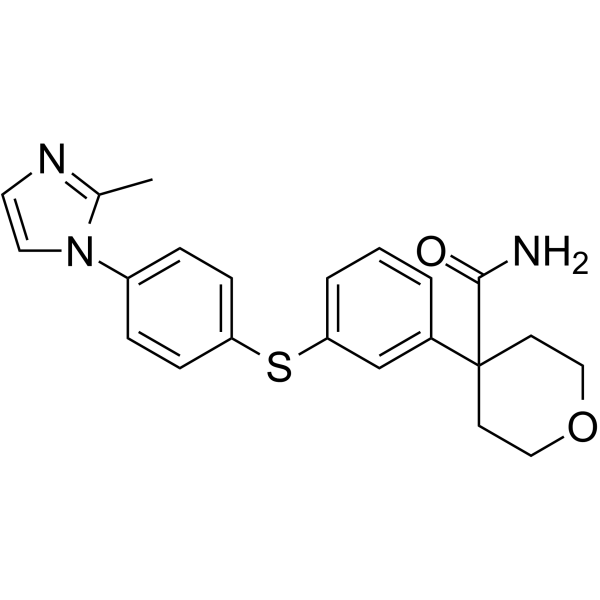
    UCB-35440 is an orally active histamine H1 receptor antagonist and 5-lipoxygenase inhibitor. UCB-35440 inhibits LTB4 formation in human whole blood and reduces polymorphonuclear cell infiltration in mouse models. UCB-35440 inhibits histamine-stimulated bronchoconstriction and reduces skin inflammation in guinea pigs. UCB-35440 can be used for research on asthma and skin inflammation .
    UCB-35440
  • HY-N9970

    Others Inflammation/Immunology
    Apigenin 7-O-β-D-glucuronide ethyl ester is a flavonoid glucuronate ester that can be isolated from Scutellaria regeliana. Apigenin 7-O-β-D-glucuronide ethyl ester possesses anti-inflammatory activity on the release of β-glucuronidase from rat polymorphonuclear leukocytes (PNMs) induced by platelet activating-factor. Apigenin 7-O-β-D-glucuronide ethyl ester can be used for anti-inflammatory research .
    Apigenin 7-O-β-D-glucuronide ethyl ester
  • HY-114041S1

    RvE1-d4-1

    Isotope-Labeled Compounds Endogenous Metabolite Inflammation/Immunology
    Resolvin E1-d4-1 is the deuterium labeled Resolvin E1. Resolvin E1 (RvE1), a potent endogenous pro-resolving mediator of inflammation, is derived from omega-3 fatty acid eicosapentaenoic acid (EPA). Resolvin E1 is endogenously biosynthesized from EPA in the presence of Aspirin during the spontaneous resolution phase of acute inflammation, where specific cell-cell interactions occur. Resolvin E1 possesses unique counterregulatory actions that inhibit polymorphonuclear leukocyte (PMN) transendothelial migration. Resolvin E1 also acts as a potent inhibitor of leukocyte infiltration, dendritic cell migration, and IL-12 production .
    Resolvin E1-d4-1
  • HY-P4126

    Elastase Others
    Suc-Ala-Ala-Pro-Val-AMC is a fluorescent substrate for elastase. Suc-Ala-Ala-Pro-Val-AMC can be hydrolyzed by these elastases to release the fluorescent substance 7-amino-4-methylcoumarin. Suc-Ala-Ala-Pro-Val-AMC is used for in vitro elastase activity assays and can also be applied in studies related to chronic wounds .
    Suc-Ala-Ala-Pro-Val-AMC
  • HY-106899

    Platelet-activating Factor Receptor (PAFR) Cardiovascular Disease
    MK 287 is a potent, selective and orally active antagonist of platelet-activating factor receptor (PAFR). MK 287 can inhibit [3H]C18-PAF binding to human platelet, polymorphonuclear leukocyte (PMN) and lung membranes with K1 values of 6.1, 3.2, and 5.49 nM, respectively. MK 287 can inhibit PAF-induced aggregation of platelets in plasma or gel-filtered platelets and elastase release from PMNs with ED50 values of 56, 1.5 and 4.4 nM. MK 287 can be used for the research of cardiovascular disease, such as thrombosis .
    MK 287
  • HY-170747

    Bacterial Infection Inflammation/Immunology
    9-tert-Butyldoxycycline exhibits immunomodulatory activity, alters the polarization states polymorphonuclear neutrophils, and ameliorates the inflammatory response in ischemia-reperfusion injury model. 9-tert-Butyldoxycycline is the ligand for ‘Tet-On’ switch system .
    9-tert-Butyldoxycycline
  • HY-N17236

    β-glucuronidase Influenza Virus RSV Infection
    Foryshiyanine A is a triterpenoid alkaloid. Foryshiyanine A possesses anti-inflammatory activity, inhibiting the release of β-glucuronidase from rat polymorphonuclear leukocytes. Foryshiyanine A exhibits antiviral activity, with an EC50 of 4.5 μM against respiratory syncytial virus (RSV) and an IC50 of 7.3 μM against influenza A virus (H1N1). Foryshiyanine A reduces viral load by disrupting viral replication and entry. Foryshiyanine A may be used for the researches of inflammation and infection .
    Forsyshiyanine A
  • HY-N3945R

    O,O-Dimethylisoboldine (Standard); S-(+)-Glaucine (Standard); NSC 34396 (Standard)

    Reference Standards Phosphodiesterase (PDE) Calcium Channel Adrenergic Receptor Dopamine Receptor Influenza Virus Infection Inflammation/Immunology
    Glaucine (Standard) is the analytical standard of Glaucine. This product is intended for research and analytical applications. Glaucine (O,O-Dimethylisoboldine) is an alkaloid isolated from Glaucium flavum with antitussive, bronchodilation and anti-inflammatory properties. Glaucine is a selective and orally active phosphodiesterase 4 (PDE4) inhibitor with Kis of 3.4 μM in human bronchus and polymorphonuclear leukocytes. Glaucine is also a non-selective α-adrenoceptor antagonist, a Ca2+ entry blocker, and a weak dopamine D1 and D2 receptor antagonist. Glaucine has antioxidative and antiviral activities .
    Glaucine (Standard)
  • HY-113484

    LTB5

    Leukotriene Receptor Cancer
    Leukotriene B5 (LTB5) is a leukotriene with diverse biological activities. It is a metabolite of eicosapentaenoic acid formed through the 5-lipoxygenase (5-LO) pathway. LTB5 increases contraction of bullfrog lung strips ex vivo in a concentration-dependent manner. In vivo, LTB5 (100 nM) reduces tumor volume in mice injected with Tm1 murine melanoma cells. LTB5 also elicits chemokinesis and lysosomal enzyme release from polymorphonuclear leukocytes (PMNLs) 20- to 30-fold less, and induces platelet aggregation 8-fold less, potently than LTB4.
    Leukotriene B5
  • HY-120876

    Beta-lactamase Elastase Inflammation/Immunology
    L-680833 is a monocyclic β-lactam inhibitor of human polymorphonuclear leukocyte elastase (PMNE) inhibitor. L-680833 can be used for the study of PMNE-damaged tissue diseases .
    L-680833
  • HY-105933

    Lipoxygenase COX Leukotriene Receptor Inflammation/Immunology
    L-652343 is a dual cyclooxygenase/lipoxygenase inhibitor. L-652343 can inhibit the production of LTB4 in isolated human polymorphonuclear leukocytes treated with Calcimycin (HY-N6687) (IC50: 1.4 μM), but it is inactive in whole blood. L-652343 can be used in the research of inflammatory and immune diseases .
    L-652343
  • HY-115390

    Leukotriene Receptor Cardiovascular Disease Inflammation/Immunology
    14,15-Dehydro Leukotriene B4 (Compound 4) is a LTB4 receptor antagonist. 14,15-Dehydro Leukotriene B4 also has a higher binding affinity for BLT1 with a Ki value of 27 nM and BLT2 with a Ki value of 473 nM. 14,15-Dehydro Leukotriene B4 inhibits LTB4-induced release of lysozymes from rat polymorphonuclear leukoctyes with an IC50 value of 1 µM .
    14,15-Dehydro Leukotriene B4
  • HY-106899A

    (rel)-L-680573

    Platelet-activating Factor Receptor (PAFR) Others
    (rel)-MK 287 ((rel)-L-680573) is a relative configuration of MK 287. MK 287 is a potent, selective and orally active antagonist of platelet-activating factor receptor (PAFR). MK 287 can inhibit [3H]C18-PAF binding to human platelet, polymorphonuclear leukocyte (PMN) and lung membranes with K1 values of 6.1, 3.2, and 5.49 nM, respectively. MK 287 can inhibit PAF-induced aggregation of platelets in plasma or gel-filtered platelets and elastase release from PMNs with ED50 values of 56, 1.5 and 4.4 nM. MK 287 can be used for the research of cardiovascular disease, such as thrombosis .
    (rel)-MK 287
  • HY-N11934

    Reactive Oxygen Species (ROS) Inflammation/Immunology Cancer
    Piperkadsin A is a potent inhibitor of ROS. Piperkadsin inhibits PMA-induced ROS production in human polymorphonuclear neutrophils with an IC50 of 4.3 μM .
    Piperkadsin A
  • HY-112553

    Lipoxygenase Inflammation/Immunology
    HZ52 is a potent, reversible 5-lipoxygenase inhibitor, blocking leukotriene synthesis with an IC50 of 0.7 μM in intact human polymorphonuclear leukocytes .
    HZ52
  • HY-118261

    Elastase Inflammation/Immunology
    L 659286 is an inhibitor of human polymorphonuclear leukocyte elastase (PMN elastase) (Ki=0.4 μM). Intratracheal injection of L 659286 can induce lung injury in hamsters.
    L 659286
  • HY-105176A

    (R)-BIRM-270

    Leukotriene Receptor Inflammation/Immunology
    (R)-Ontazolast ((R)-BIRM-270) is a potent inhibitor of leukotriene biosynthesis, effectively blocking the release of arachidonic acid and demonstrating an impressive IC50 value of 0.001 microM in human polymorphonuclear leukocytes.
    (R)-Ontazolast
  • HY-N2247A

    Platelet-activating Factor Receptor (PAFR) Metabolic Disease
    (+)-Guaiacin is a compound extracted of the bark of Machilus wangchiana Chun. (Lauraceae). (+)-Guaiacin shows potent in vitro activities against the release of β-glucuronidase in rat polymorphonuclear leukocytes (PMNs) induced by platelet-activating factor (PAF) .
    (+)-Guaiacin
  • HY-101579

    COX Lipoxygenase Phospholipase Inflammation/Immunology
    LY 178002 is a potent inhibitor of 5-lipoxygenase (5-LPO), phospholipase A2, with IC50 of 0.6 μM for 5-lipoxygenase, inhibits cellular production of LTB4 by human polymorphonuclear leukocytes, and shows relatively weak inhibition on cyclooxygenase.
    LY 178002
  • HY-167715

    Histamine Receptor Phosphodiesterase (PDE) Inflammation/Immunology
    Traxanox is an orally available diuretic that enhances phagocytosis of yeast granules by mouse peritoneal macrophages and rat peritoneal polymorphonuclear leukocytes in vitro. Traxanox inhibits IgE-mediated histamine release and cyclic AMP phosphodiesterase activity.Traxanox exhibits anti-inflammatory activity, as it inhibits the anaphylactoid reaction and reduces pleural fluid accumulation in experimental models of inflammation. Traxanox also demonstrates a synergistic effect when combined with hydrocortisone or indomethacin in suppressing adjuvant arthritis in rats.
    Traxanox
  • HY-N14970

    Parasite Bacterial Infection Cancer
    Hexacyclinol has moderate anti-Gram-positive bacteria activity, 4-40 μg/mL can inhibit the production of oxidants by polymorphonuclear neutrophils (PMNL) stimulated by zymosan. Hexacyclinol inhibits the growth of L-930 and K 562 cells with IC50s of 1.4 μg/mL and 0.4 μg/mL, respectively, and the IC50 of HeLa cells is 10 μg/mL. Hexacyclinol also has an anti-Plasmodium effect, and its IC50 for Plasmodium falciparum is 2.4 μg/mL .
    Hexacyclinol
  • HY-134123

    LXB4 methyl ester

    Drug Intermediate Leukotriene Receptor Metabolic Disease
    Lipoxin B4 (LXB4) methyl ester is a lipid soluble prodrug form of the transcellular metabolite LXB4. LXB4 is a positional isomer of LXA4 produced by the metabolism of 15-HETE or 15-HpETE by human leukocytes. At a concentration of 100 nM, LXB4 inhibits polymorphonuclear leukocyte (PMN) migration stimulated by leukotriene B4 (LTB4; Item No. 20110) and inhibits LTB4-induced adhesion of PMNs with an IC50 value of 0.3 nM.
    Lipoxin B4 methyl ester
  • HY-118652

    ω-3 6-keto PGF2α

    Prostaglandin Receptor Metabolic Disease
    Δ17-6-keto Prostaglandin F1α (Δ17-6-keto PGF1α) is a cyclooxygenase (COX) product of eicosapentaenoic acid (EPA) in various tissues such as seminal vesicles, lung, Polymorphonuclear leukocytes, and ocular tissues. Δ17-6-keto PGF1α and other 3-series COX products from EPA, such as PGF3α, PGE3, and thromboxane B3, may be involved in the reduced incidence of glaucoma in patients on a marine-rich (EPA-rich) diet.
    Δ17-6-keto Prostaglandin F1α
  • HY-120314A

    Apoptosis Caspase Endogenous Metabolite Inflammation/Immunology
    GEA 3162 hydrochloride is an orally active compound that acts as a NO/ONOO⁻ donor. GEA 3162 hydrochloride significantly inhibits the activation of human polymorphonuclear leukocytes (PMNs) through the cGMP pathway, inhibits the release of inflammatory mediators, and exerts anti-inflammatory and protective effects. GEA 3162 hydrochloride induces apoptosis of neutrophils and bone marrow cells by activating caspase-2/3/8/9 through the ONOO⁻ pathway. GEA 3162 hydrochloride has a bidirectional effect in the rat gastric ulcer model: at low doses, it significantly reduces gastric mucosal damage, while at high doses, it aggravates the ulcer area. GEA 3162 hydrochloride can be used for research on inflammatory conditions such as gastric ulcers .
    GEA 3162 hydrochloride
  • HY-117811

    L-680574

    Platelet-activating Factor Receptor (PAFR) Cardiovascular Disease
    (R,R)-MK 287 (L-680574) is a tetrahydrofuran derivative that potently inhibits the binding of [3H]C18-PAF to human platelets, polymorphonuclear leukocytes (PMNs), and lung membranes with Ki values of 6.1, 3.2, and 5.49 nM, respectively. (R,R)-MK 287 potently and selectively inhibits PAF-induced platelet aggregation (ED50=56 nM) and elastase release from PMNs (ED50=4.4 nM). (R,R)-MK 287 inhibits PAF-induced lethality in mice (ED50=0.8 mg/kg, po) and PAF-induced bronchospasm in guinea pigs (ED50=0.18 mg/kg) .
    (R,R)-MK 287
  • HY-12642AR

    Reference Standards Parasite Bacterial TNF Receptor Interleukin Related Infection Metabolic Disease Inflammation/Immunology
    Diethylcarbamazine (Standard) is the analytical standard of Diethylcarbamazine (HY-12642A). This product is intended for research and analytical applications. Diethylcarbamazine is an orally active microfilaricidal agent used originally in onchocerciasis and lymphatic filiariasis. Diethylcarbamazine reduces eosinophil trafficking to the lung tissue and exerts anti-allergic effects. Diethylcarbamazine reduces serum levels of leptin, TNF-α, IL-6, MCP-1, glucose, insulin, and triglycerides, and ameliorates insulin resistance without altering body, liver, or adipose tissue weights. Diethylcarbamazine enhances reactive oxygen intermediate expression by polymorphonuclear neutrophils, increases lymphocyte proliferation, and inhibits actinomycetoma lesion development. Diethylcarbamazine can be used for the researches of bronchial asthma, insulin resistance and infection .
    Diethylcarbamazine (Standard)
  • HY-12642R

    Reference Standards Parasite Bacterial TNF Receptor Interleukin Related Infection Metabolic Disease Inflammation/Immunology
    Diethylcarbamazine citrate (Standard) is the analytical standard of Diethylcarbamazine citrate (HY-12642). This product is intended for research and analytical applications. Diethylcarbamazine citrate is an orally active microfilaricidal agent used originally in onchocerciasis and lymphatic filiariasis. Diethylcarbamazine citrate reduces eosinophil trafficking to the lung tissue and exerts anti-allergic effects. Diethylcarbamazine citrate reduces serum levels of leptin, TNF-α, IL-6, MCP-1, glucose, insulin, and triglycerides, and ameliorates insulin resistance without altering body, liver, or adipose tissue weights. Diethylcarbamazine citrate enhances reactive oxygen intermediate expression by polymorphonuclear neutrophils, increases lymphocyte proliferation, and inhibits actinomycetoma lesion development. Diethylcarbamazine citrate can be used for the researches of bronchial asthma, insulin resistance and infection .
    Diethylcarbamazine citrate (Standard)
  • HY-106987

    NO Synthase Cardiovascular Disease Inflammation/Immunology
    SP/W-5186 is a nitric oxide (NO) donor agent containing a cysteine structure. SP/W-5186 can improve cardiac function, reduce myocardial damage, protect vascular endothelial function and inhibit inflammation and oxidative stress. SP/W-5186 has the ability to inhibit oxidative damage induced by peroxynitrite (ONOO⁻). SP/W-5186 can be used in the research of myocardial ischemia-reperfusion injury .
    SP/W 5186
  • HY-106200R

    Reference Standards Lipoxygenase Inflammation/Immunology
    CJ-13,610 (Standard) is the analytical standard of CJ-13,610 (HY-106200). This product is intended for research and analytical applications. CJ-13,610, a nonredox-type 5-LO inhibitor, dose dependently suppresses 5-LO product formation in ionophore A23187-stimulated PMNL in the absence of exogenous AA with an IC50 of about 70 nM . PMNL: polymorphonuclear leukocytes; AA: arachidonic acid
    CJ-13,610 (Standard)
  • HY-121683A

    (E/Z)-16:1 Aldehyde

    Apoptosis Reactive Oxygen Species (ROS) Metabolic Disease
    2-Hexadecenal, a long-chain fatty aldehyde, is a byproduct of sphingolipid metabolism, involved in cytoskeletal reorganization, DNA damage, and apoptosis. 2-Hexadecenal regulates ROS production and induces apoptosis in polymorphonuclear leucocytes.
    2-Hexadecenal

Inquiry Online

Your information is safe with us. * Required Fields.

Salutation


Country or Region *

Applicant Name *


Organization Name *

Department *


Email Address *


Product Name *

Cat. No.


Requested quantity *

Phone Number *


Remarks

Inquiry Online

Inquiry Information

Product Name:
Cat. No.:
Quantity:
MCE Japan Authorized Agent:

