
1. Search Result
Search Result
Results for "

preclinical study

" in MedChemExpress (MCE) Product Catalog:

31

Inhibitors & Agonists

33

Screening Libraries

3

Fluorescent Dyes

1

Peptides

2

Inhibitory Antibodies

1

Isotope-Labeled Compounds

1

Oligonucleotides

Cat. No. Product Name Target Research Areas Chemical Structure
  • HY-156654
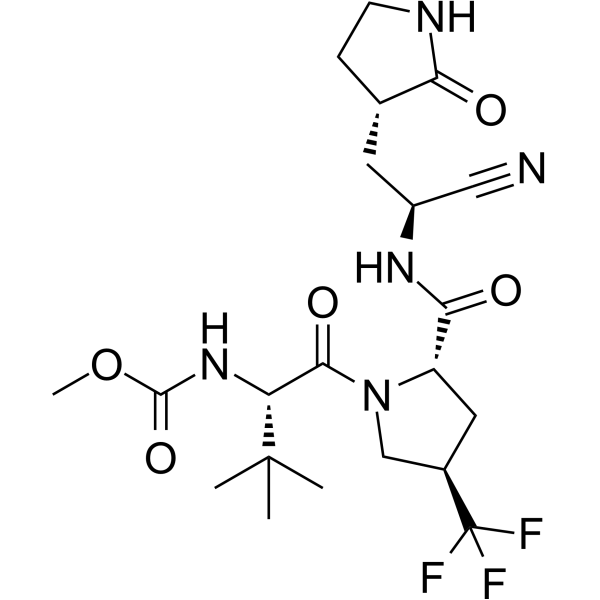
    Ibuzatrelvir
    1 Publications Verification

    PF-07817883

    SARS-CoV Virus Protease Infection
    Ibuzatrelvir (PF-07817883), a second-generation, orally bioavailable, is SARS-CoV-2 main protease (M pro and 3CL pro) inhibitor with improved metabolic stability. Ibuzatrelvir has demonstrated pan-human coronavirus antiviral activity and off-target selectivity profile in vitro and in preclinical animal studies. Ibuzatrelvir is well tolerated with a safety profile similar to placebo and prevents viral infection and transmission. Ibuzatrelvir can be used to inhibit COVID-19 .
    Ibuzatrelvir
  • HY-164992
    Trastuzumab vedotin
    2 Publications Verification

    MRG002; Trastuzumab MMAE

    Antibody-Drug Conjugates (ADCs) EGFR Microtubule/Tubulin Cancer
    Trastuzumab vedotin (MRG002; Trastuzumab MMAE) is an antibody-drug conjugate and cytotoxin targeting HER2, with a Kd of 7.50E-11 M for human HER2. After binding to HER2, Trastuzumab vedotin undergoes internalization and lysosomal trafficking, delivering a cytotoxic payload to HER2-expressing cells and inducing tumor regression in in vivo xenograft models with HER2-expressing tumors. The anti-tumor activity of Trastuzumab vedotin is enhanced when used in combination with anti-PD-1 antibodies, and it exhibits preclinical anti-tumor activity in drug-resistant breast cancer, gastric cancer, and urothelial carcinoma PDX models. Trastuzumab vedotin has low antibody-dependent cellular cytotoxicity activity and can be used in studies related to HER2-positive breast cancer, HER2-positive gastric cancer, and unresectable locally advanced or metastatic HER2-positive urothelial carcinoma .
    Trastuzumab vedotin
  • HY-P990083

    AT-1501

    TNF Receptor Inflammation/Immunology
    Tegoprubart (AT-1501) is a CD40 ligand inhibitor (EC50=100 ng/mL) and immunosuppressant that selectively inhibits the CD40 ligand, a co-stimulatory molecule involved in T cell activation. Tegoprubart suppresses immune rejection, prevents rejection in animal transplantation models, and reduces cell-mediated and antibody-mediated immune responses to create a more immunotolerant environment. Tegoprubart preserves renal function when combined with Mycophenolate (HY-B0421) and Corticosteroids, and maintains graft function in preclinical studies. Tegoprubart is applicable to research related to kidney transplantation and kidney transplant rejection .
    Tegoprubart
  • HY-13631J

    (1R,9R)-DX8951f

    Drug Derivative Topoisomerase Apoptosis Cancer
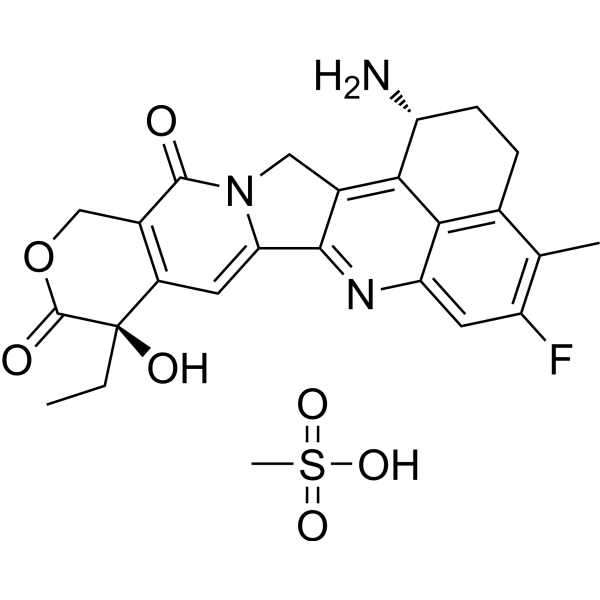
    (1R,9R)-Exatecan mesylate ((1R,9R)-DX8951f) is a non-prodrug camptothecin derivative and a potent topoisomerase I inhibitor (IC50=0.975 μg/mL in mice and 0.82 μg/mL in humans). (1R,9R)-Exatecan mesylate blocks enzyme activity and induces apoptosis by stabilizing the enzyme-DNA cleavable complex. (1R,9R)-Exatecan mesylate not only effectively inhibits the proliferation of various malignant tumor cells and tumor growth, but also circumvents P-glycoprotein-mediated multidrug resistance. (1R,9R)-Exatecan mesylate is widely used in preclinical studies of multiple cancers including pancreatic cancer, lung cancer, breast cancer, and leukemia . The low-activity isomer of (1R,9R)-Exatecan mesylate is (1S,9R)-Exatecan mesylate (HY-13631I).
    (1R,9R)-Exatecan mesylate
  • HY-13631I

    (1S,9R)-DX8951f

    Drug Derivative Topoisomerase Apoptosis Cancer
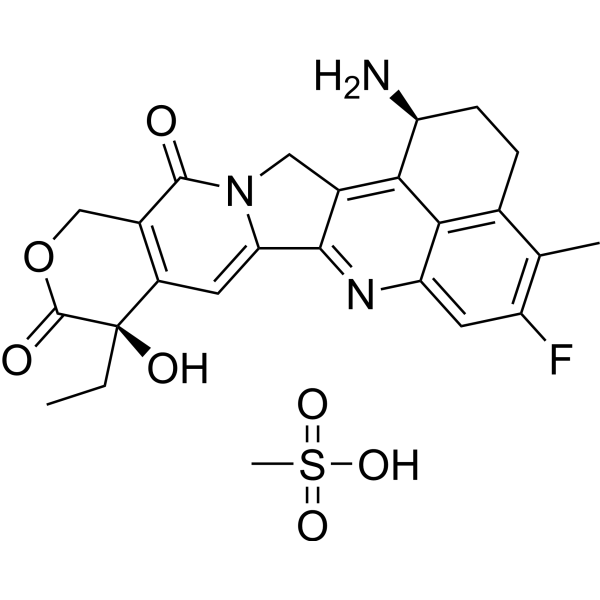
    (1S,9R)-Exatecan mesylate ((1S,9R)-DX8951f) is a non-prodrug camptothecin derivative and a topoisomerase I inhibitor (IC50=0.975 μg/mL in mice and 0.82 μg/mL in humans). (1S,9R)-Exatecan mesylate blocks enzyme activity and induces apoptosis by stabilizing the enzyme-DNA cleavable complex. (1S,9R)-Exatecan mesylate not only effectively inhibits the proliferation of various malignant tumor cells and tumor growth, but also circumvents P-glycoprotein-mediated multidrug resistance. (1S,9R)-Exatecan mesylate is widely used in preclinical studies of various cancers such as pancreatic cancer, lung cancer, breast cancer, and leukemia .
    The chiral isomer of (1S,9R)-Exatecan mesylate is (1R,9R)-Exatecan mesylate (HY-13631J).
    (1S,9R)-Exatecan mesylate
  • HY-114196

    ZGN-1061

    MetAP Metabolic Disease
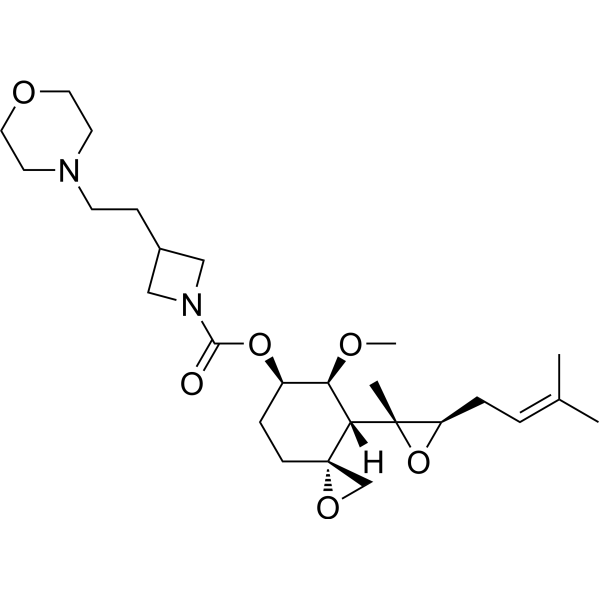
    Aclimostat (ZGN-1061) is a potent inhibitor of the MetAP2 enzyme and displays favorable efficacy and safety in preclinical studies. ZGN-1061 produced similar efficacy as beloranib for weight loss, improvements in metabolic parameters in a mouse model of obesity and insulin resistance, and concordant changes in gene transcription in HepG2 cells .
    Aclimostat
  • HY-P10943

    Fluorescent Dye Inflammation/Immunology Cancer
    APO-15 is a phosphatidylserine-binding fluorescent probe and apoptosis imaging reagent. APO-15 exhibits high chemical stability under proteolytic and oxidative conditions, enables quantification and imaging of drug-induced apoptosis in preclinical mouse models, and is applicable to fixed tissue samples and multiple in vivo administration routes (Ex = 488 nm; Em = 525 nm). APO-15 can be used in studies related to acute lung injury and breast cancer .
    APO-15
  • HY-18060

    TC-5619

    nAChR Neurological Disease
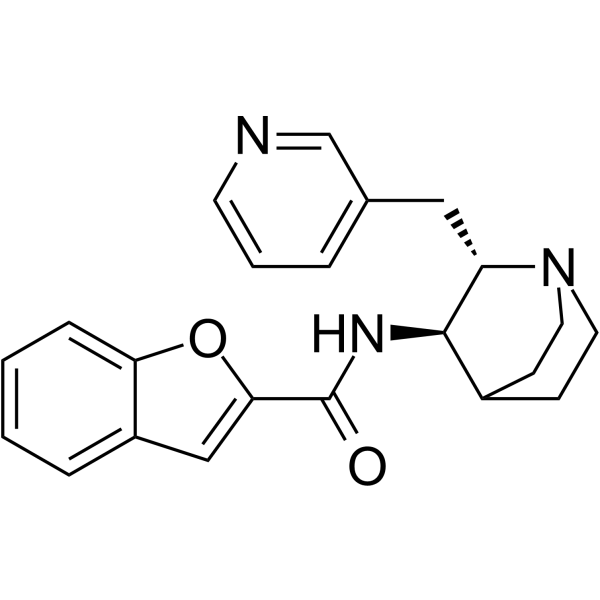
    Bradanicline (TC-5619) is an orally active agonist of α7 nAChR with moderate blood-brain barrier penetration. Bradanicline exhibits high affinity and subtype selectivity for human α7 nAChR. Bradanicline possesses antitussive activity that depends on sustained receptor binding and activation. Bradanicline requires systemic administration to dose-dependently inhibit cough induced by citric acid, bradykinin and inhaled nicotine. Bradanicline is well tolerated in preclinical studies and is widely used in research related to chronic refractory cough .
    Bradanicline
  • HY-W011168

    Nucleoside Antimetabolite/Analog DNA/RNA Synthesis Inflammation/Immunology Cancer
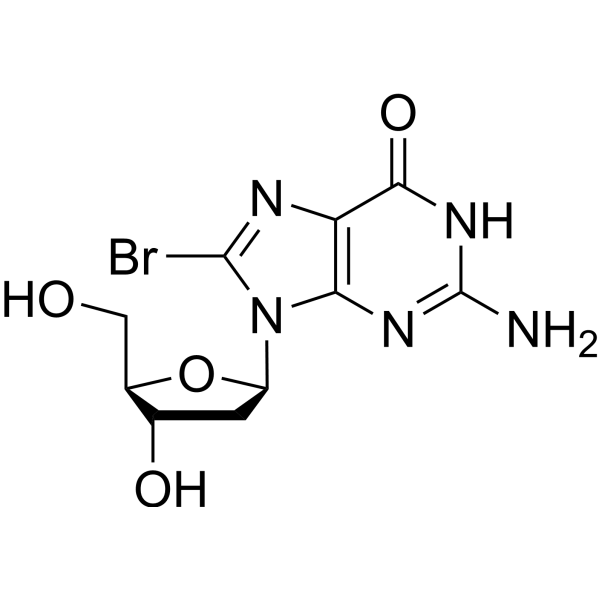
    8-Bromo-2'-deoxyguanosine is an inflammation-related DNA halogenated adduct and an early biomarker of inflammation-induced oxidative tissue damage. The formation of 8-Bromo-2'-deoxyguanosine precedes that of oxidative and nitrative products, and it can be generated via the MPO-H2O2-Cl --Br - system. 8-Bromo-2'-deoxyguanosine serves as the immunogen for preparing the monoclonal antibody mAb8B3, which can be used to detect early DNA modifications in preclinical models; its urinary level also increases significantly in inflammatory disease models. 8-Bromo-2'-deoxyguanosine can also be produced in the dermis of UV-B irradiated mice, and the extract of Coprinus comatus significantly reduces its level. 8-Bromo-2'-deoxyguanosine finds applications in studies related to inflammatory diseases, diabetes, hepatocellular carcinoma, and UV-B induced skin inflammation .
    8-Bromo-2'-deoxyguanosine
  • HY-16632

    γ-secretase Amyloid-β Metabolic Disease
    ELND 006 (Compound 30) is a metabolically stable γ-secretase inhibitor designed to selectively inhibit amyloid beta (Aβ) generation while sparing Notch signaling. It was developed through a synthetic strategy emphasizing diversity and chirality. ELND 006, along with its analog ELND007 (Compound 34), progressed into human clinical trials. In preclinical studies, both compounds demonstrated effective reduction of Aβ levels in vitro and in vivo. Comparisons with other γ-secretase inhibitors like Semagacestat, Begacestat, and Avagacestat underscored their potency and specificity in lowering Aβ levels in cerebrospinal fluid (CSF) of healthy human volunteers, suggesting potential therapeutic efficacy in Alzheimer's disease .
    ELND 006
  • HY-105998

    5-HT Receptor Neurological Disease
    AVN-211 (CD-008-0173) is a selective and orally active 5HT6R antagonist with an IC50 of 2.34 nM and a Ki of 1.09 nM. AVN-211 exhibits 5K-fold higher 5HT6R selectivity over other 65 receptors, enzymes, and ion channels. AVN-211 significantly improves cognitive and anxiety behaviors in various AD animal models, and has good safety profiles. AVN-211 can be used for the study of Alzheimer's dementia .
    AVN-211
  • HY-145285

    Apelin Receptor (APJ) Cardiovascular Disease
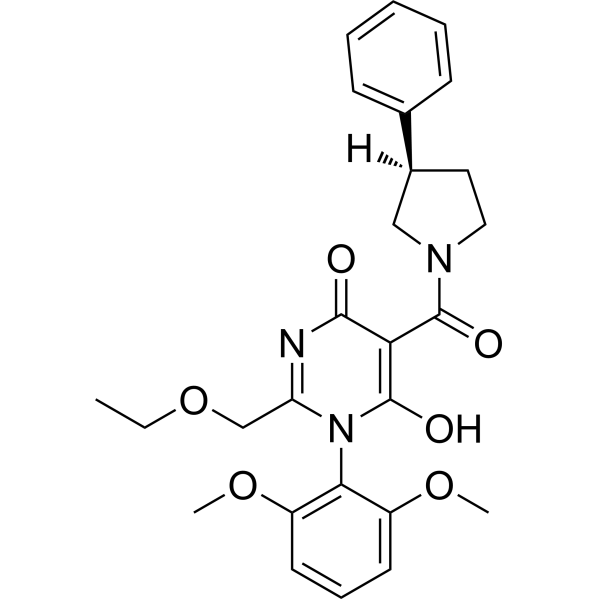
    APJ receptor agonist 5 (compound 3) is a potent and orally active agonist of apelin receptor (APJ) with an EC50 of 0.4 nM. APJ receptor agonist 5 displays excellent pharmacokinetic profiles in the rodent heart failure (HF) model. APJ receptor agonist 5 also shows an acceptable safety profile in preclinical toxicology studies. APJ receptor agonist 5 leads to improved cardiac function and can be used for researching the HF disease .
    APJ receptor agonist 5
  • HY-163683

    Radionuclide-Drug Conjugates (RDCs) PSMA Cancer
    EB-PSMA-617 is a modified form of PSMA-617 that has enhanced pharmacokinetic properties by conjugating it to Evans Blue (EB) to extend its circulation half-life to improve prostate tumor uptake and radiotherapy efficacy. In preclinical studies using PC3-PIP-loaded mice, EB-PSMA-617 demonstrated prolonged blood half-life, increased accumulation in PSMA-positive tumors, and successful tumor elimination with lower radioactivity .
    EB-PSMA-617
  • HY-117799

    5-HT Receptor Endocrinology
    LY426965 is a potent arylpiperazine compound known for its role as a full antagonist of the serotonin 1A receptor, lacking partial agonist activity. It is identified as a selective 5-HT1A antagonist, showing promise in preclinical studies for treating conditions associated with serotonin dysregulation, such as smoking cessation and depression-related disorders .
    LY-426965
  • HY-117799A

    5-HT Receptor Endocrinology
    LY-426965 hydrochloride is a potent arylpiperazine compound known for its role as a full antagonist of the serotonin 1A receptor, lacking partial agonist activity. It is identified as a selective 5-HT1A antagonist, showing promise in preclinical studies for treating conditions associated with serotonin dysregulation, such as smoking cessation and depression-related disorders .
    LY-426965 hydrochloride
  • HY-123582

    Opioid Receptor Neurological Disease
    CP-866,087 is a novel, potent and selective μ-opioid receptor antagonist with activity to inhibit opioid effects. CP-866,087 has shown promising preclinical efficacy data in disease models associated with alcohol consumption. CP-866,087 has also been used to study female sexual dysfunction .
    CP-866,087
  • HY-145284

    Apelin Receptor (APJ) Cardiovascular Disease
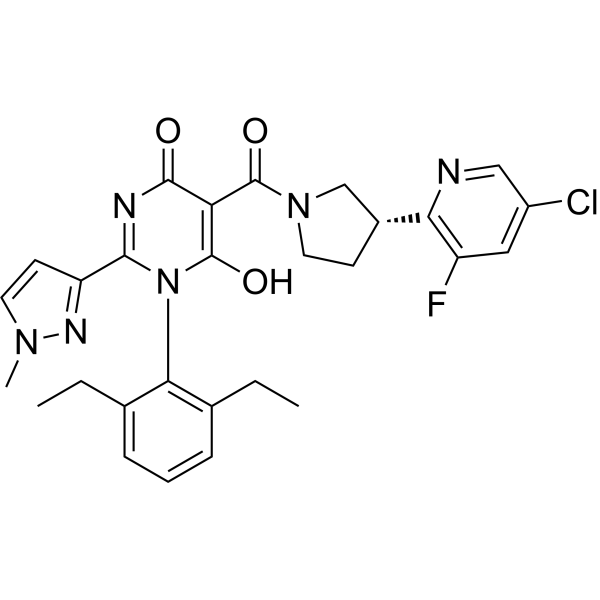
    APJ receptor agonist 4 is a potent and orally active agonist of apelin receptor (APJ) with EC50 and Ki of 0.06 nM and 0.07 nM respectively. APJ receptor agonist 4 displays excellent pharmacokinetic profiles in the rodent heart failure (HF) model. APJ receptor agonist 4 also shows an acceptable safety profile in preclinical toxicology studies. APJ receptor agonist 4 leads to improved cardiac function and can be used for researching the HF disease .
    APJ receptor agonist 4
  • HY-18060A

    TC-5619 hydrochloride

    nAChR Neurological Disease
    Bradanicline (TC-5619) tosylate is an orally active agonist of α7 nAChR with moderate blood-brain barrier penetration. Bradanicline hydrochloride exhibits high affinity and subtype selectivity for human α7 nAChR. Bradanicline hydrochloride possesses antitussive activity that depends on sustained receptor binding and activation. Bradanicline hydrochloride requires systemic administration to dose-dependently inhibit cough induced by citric acid, bradykinin and inhaled nicotine. Bradanicline hydrochloride is well tolerated in preclinical studies and is widely used in research related to chronic refractory cough .
    Bradanicline hydrochloride
  • HY-16469

    Akt Cancer
    SR13668 is a potent indole analog derived from indole-3-carbinol (I3C), known for its natural anticancer properties but limited by poor metabolic characteristics. Developed to enhance I3C's anticancer efficacy, SR13668 effectively inhibits growth factor-stimulated Akt activation. It demonstrates strong oral anticancer activity across different cancer types in preclinical studies, showing promise in clinical development due to its favorable safety profile and potent therapeutic effects .
    SR 13668
  • HY-16633

    γ-secretase Amyloid-β Metabolic Disease
    ELND 007 (Compound 34) is a metabolically stable γ-secretase inhibitor designed to selectively inhibit amyloid beta (Aβ) generation while minimizing Notch inhibition. Developed alongside ELND 006 (Compound 30), it underwent human clinical trials following a synthetic strategy emphasizing diversity and chirality. In preclinical studies, ELND 007 showed promising in vitro and in vivo characteristics, effectively reducing Aβ levels. Comparative studies with other γ-secretase inhibitors like Semagacestat, Begacestat, and Avagacestat highlighted its efficacy in lowering Aβ production, particularly demonstrated by reduced Aβ levels in the cerebrospinal fluid (CSF) of healthy human volunteers, suggesting potential therapeutic benefit for Alzheimer's disease .
    ELND 007
  • HY-12191

    Histamine Receptor Metabolic Disease
    A-331440 is a potent and selective histamine H3 receptor antagonist that regulates neurotransmitter release by inhibiting presynaptic H3 receptors. In preclinical studies involving mice on a high-fat diet, A-331440 demonstrated dose-dependent effects on weight reduction and fat loss. At 5 mg/kg, it effectively decreased body weight comparable to dexfenfluramine, while at 15 mg/kg, it significantly reduced body fat and improved insulin tolerance, similar to mice on a low-fat diet. These findings suggest that A-331440 holds promise as an antiobesity agent by modulating histaminergic pathways involved in food intake and metabolic regulation .
    A-331440
  • HY-12193

    Histamine Receptor Others
    A-349821 is a histamine H3 receptor antagonist characterized as a radioligand ([3H]-A-349821) for in vivo receptor occupancy assessment. In rats, [3H]-A-349821 penetrated the brain, showing higher levels in the cortex compared to the cerebellum, indicating selective H3 receptor binding. Its cortical occupancy was saturable, correlating with in vitro binding data. Inhibition studies with ABT-239 and other H3 antagonists showed dose-dependent reductions in receptor occupancy, matching blood levels associated with cognitive efficacy in preclinical models. [3H]-A-349821 thus serves as a valid tracer for H3 receptor occupancy, aiding in the development and clinical interpretation of H3 receptor antagonists .
    A-349821
  • HY-W767399

    Isotope-Labeled Compounds DNA/RNA Synthesis Nucleoside Antimetabolite/Analog Cancer
    8-Bromo-2'-deoxyguanosine- 13C, 15N2 is the 13C- and 15N-labeled 8-Bromo-2'-deoxyguanosine (HY-W011168). 8-Bromo-2'-deoxyguanosine is an inflammation-related DNA halogenated adduct and an early biomarker of inflammation-induced oxidative tissue damage. The formation of 8-Bromo-2'-deoxyguanosine precedes that of oxidative and nitrative products, and it can be generated via the MPO-H2O2-Cl --Br - system. 8-Bromo-2'-deoxyguanosine serves as the immunogen for preparing the monoclonal antibody mAb8B3, which can be used to detect early DNA modifications in preclinical models; its urinary level also increases significantly in inflammatory disease models. 8-Bromo-2'-deoxyguanosine can also be produced in the dermis of UV-B irradiated mice, and the extract of Coprinus comatus significantly reduces its level. 8-Bromo-2'-deoxyguanosine finds applications in studies related to inflammatory diseases, diabetes, hepatocellular carcinoma, and UV-B induced skin inflammation .
    8-Bromo-2'-deoxyguanosine-13C,15N2
  • HY-P992167

    Claudin Cancer
    AB011 is a recombinant humanized anti-CLDN18.2 IgG1 monoclonal antibody. AB011 exhibits synergistic effects with cytotoxic compounds in preclinical studies. AB011 can be used for research on advanced gastric/gastroesophageal junction adenocarcinoma and advanced pancreatic cancer .
    AB011
  • HY-123238

    CDK Cancer
    AG-024104 is a CDK inhibitor with Ki values of 2.3 nM (CDK1/cyclinB), 1.8 nM (CDK2/cyclinA), and 0.67 nM (CDK4/cyclinD). AG-024104 functionally inhibits kinase activity of CDK1/cyclinB, CDK2/cyclinA, and CDK4/cyclinD. AG-024104 serves as a negative control for peripheral leukocyte toxicity studies in preclinical development .
    AG-024104
  • HY-18060B

    TC-5619 tosylate

    nAChR Inflammation/Immunology
    Bradanicline (TC-5619) tosylate is an orally active agonist of α7 nAChR with moderate blood-brain barrier penetration. Bradanicline tosylate exhibits high affinity and subtype selectivity for human α7 nAChR. Bradanicline tosylate possesses antitussive activity that depends on sustained receptor binding and activation. Bradanicline tosylate requires systemic administration to dose-dependently inhibit cough induced by citric acid, bradykinin and inhaled nicotine. Bradanicline tosylate is well tolerated in preclinical studies and is widely used in research related to chronic refractory cough .
    Bradanicline tosylate
  • HY-178271

    Drug Intermediate Cancer
    P-SCN-Bn-NOTA is a metal chelator and molecular imaging probe precursor that allows radiolabeling with Ga-68. P-SCN-Bn-NOTA can be conjugated to CD70-specific molecules B3, B6, ABDB3 and ABDB6 to form NOTA-labeled derivatives. P-SCN-Bn-NOTA is applicable for preclinical PET/CT imaging of CD70-expressing tumors in NCG mouse PDX models. P-SCN-Bn-NOTA can be used in studies related to CD70-positive tumors .
    P-SCN-Bn-NOTA
  • HY-116880

    Bacterial DNA/RNA Synthesis Infection
    DS-2969b is an orally active GyrB inhibitor with antibacterial activity. DS-2969b is is active against Clostridium difficile infection (MIC90: 0.06 μg/mL), which is 2-, 16-, and 32-fold lower than those of Fidaxomicin (HY-17580), Metronidazole (HY-B0318), and Vancomycin (HY-B0671), respectively. DS-2969b inhibits the supercoiling activity of C. difficile DNA gyrase. DS-2969b also exhibits activity against other Gram-positive anaerobes, including strict and facultative anaerobes. DS-2969b is safe and well tolerated in preclinical toxicology studies .
    DS-2969b
  • HY-181286

    Cytochrome P450 Infection
    ETX1975-3 is an orally active inhibitor and bactericide targeting the bd cytochrome oxidase of Mycobacterium tuberculosis. ETX1975-3 disrupts electron transfer between the b-heme centers of the target enzyme, and in combination with Q203 (HY-101040), exerts bactericidal activity against both replicating and non-replicating Mycobacterium tuberculosis, and reduces bacterial loads in acute mouse models. ETX1975-3 retains activity against clinical isolates of multidrug-resistant/extensively drug-resistant Mycobacterium tuberculosis and non-tuberculous mycobacteria, while possessing favorable preclinical ADMET properties. ETX1975-3 can be used in studies related to tuberculosis and non-tuberculous mycobacterial infections .
    ETX1975-3
  • HY-D3197

    Fluorescent Dye Inflammation/Immunology
    CDg16 is a selective fluorescent dye targeting SLC18B1 (λabsem=458/544 nm) that is actively transported into lysosomal vesicles of activated macrophages independent of the endocytic pathway. CDg16 enables highly specific vesicle localization in live cells. CDg16 exhibits no cytotoxicity and accurately distinguishes activated M1 and M2 subsets from different origins. CDg16 shows low background staining in non-activated cells and normal organs, making it suitable for time-lapse imaging. In preclinical animal models of inflammatory sites, atherosclerotic plaques and liver inflammation, CDg16 allows visualization of activated macrophages. CDg16 can be used to study inflammation-related diseases and atherosclerosis .
    CDg16
  • HY-D3186

    Fluorescent Dye Glycosidase Cancer
    HMRef-βGal is a fluorescent probe and a substrate responsive to β-galactosidase (β-galactosidase) (Ex/Em=498 nm/505-600 nm). After being cleaved by β-galactosidase, HMRef-βGal triggers significant fluorescence enhancement via intramolecular spirocyclic function regulation. HMRef-βGal generates bright fluorescence in cancer cells with elevated β-galactosidase activity, enabling visualization of tiny peritoneal metastases in mouse models. HMRef-βGal exhibits low in vitro cytotoxicity and low acute in vivo toxicity in mice. HMRef-βGal can be used for preclinical fluorescence-guided diagnosis and cytoreductive surgery of peritoneal metastases, including compatibility with real-time naked-eye detection and endoscopic imaging, as well as for studies related to peritoneal metastases of ovarian cancer .
    HMRef-βGal

Inquiry Online

Your information is safe with us. * Required Fields.

Salutation


Country or Region *

Applicant Name *


Organization Name *

Department *


Email Address *


Product Name *

Cat. No.


Requested quantity *

Phone Number *


Remarks

Inquiry Online

Inquiry Information

Product Name:
Cat. No.:
Quantity:
MCE Japan Authorized Agent:

