1. Search Result
Search Result
Results for "

preferentially

" in MedChemExpress (MCE) Product Catalog:

175

Inhibitors & Agonists

8

Fluorescent Dye

7

Biochemical Assay Reagents

21

Peptides

2

MCE Kits

9

Inhibitory Antibodies

11

Natural
Products

2

Recombinant Proteins

3

Isotope-Labeled Compounds

3

Click Chemistry

4

Oligonucleotides

1

GMP Molecules

Cat. No. Product Name Target Research Areas Chemical Structure
  • HY-13067
    Celastrol
    Maximum Cited Publications
    61 Publications Verification

    Tripterine; Tripterin

    Proteasome Autophagy Mitophagy Apoptosis Endogenous Metabolite Antibiotic Bacterial Nuclear Hormone Receptor 4A/NR4A Infection Inflammation/Immunology Cancer
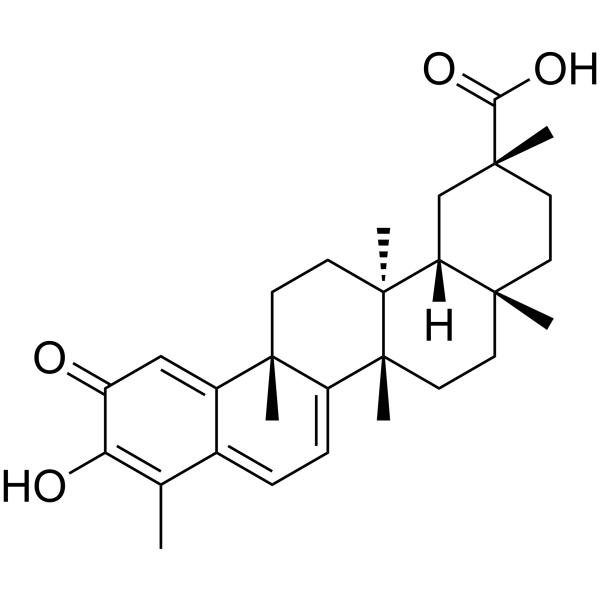
    Celastrol (Tripterine;Tripterin) is a proteasome inhibitor which potently and preferentially inhibits the chymotrypsin-like activity of a purified 20S proteasome with IC50 of 2.5 μM. In addition, Celastrol is also an antibiotic with potent antimicrobial activity against standard and clinical methicillin-resistant Staphylococcus aureus (MRSA) strains, inducing oxidative stress and inhibiting DNA synthesis by binding to P5CDH .
    Celastrol
  • HY-153390

    Histone Methyltransferase Cancer
    AMG 193 is an orally active MTA-cooperative PRMT5 inhibitor with antitumor activity. AMG 193, when complexed with MTA, preferentially inhibits the growth of MTAP-deficient tumor cells by inhibiting PRMT5 (IC50=0.107 μM), thereby protecting normal cells with wild-type MTAP .
    AMG-193
  • HY-12650
    Mirogabalin
    5 Publications Verification

    DS5565

    Calcium Channel Neurological Disease
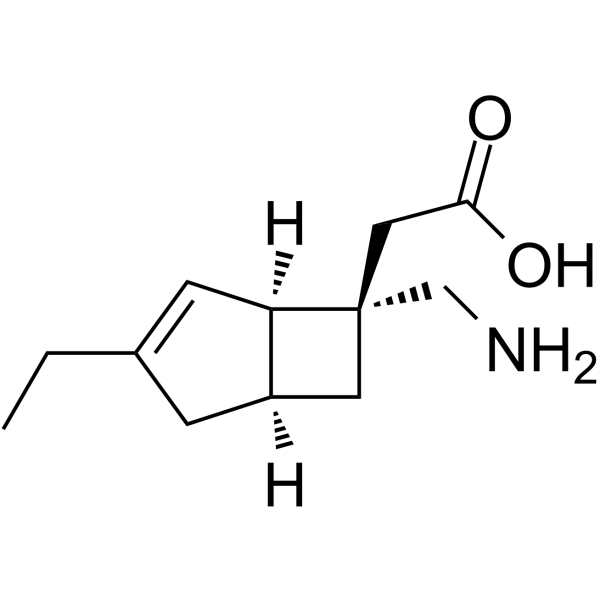
    Mirogabalin (DS-5565) is a novel, preferentially selective α2δ-1 ligand characterized by high potency and selectivity to the α2δ-1 subunit of voltage-sensitive calcium channel complexes in the CNS.
    Mirogabalin
  • HY-N1919
    Ajmalicine
    2 Publications Verification

    Raubasine

    Adrenergic Receptor Cholinesterase (ChE) Neurological Disease Endocrinology
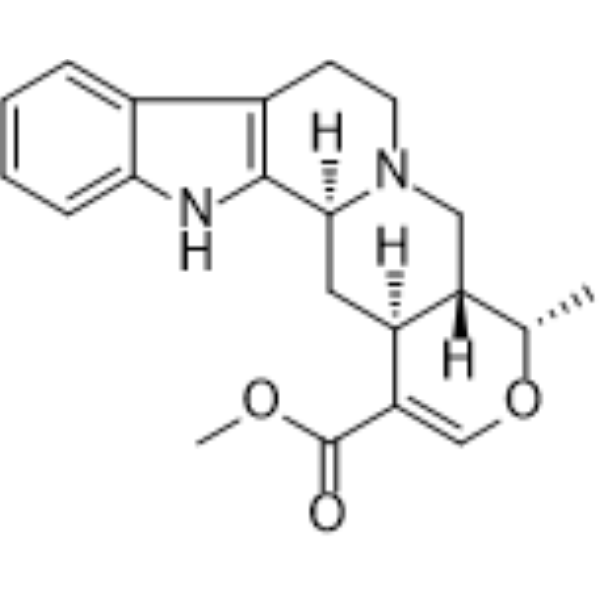
    Ajmalicine (Raubasine) is a potent adrenolytic agent which preferentially blocks α1-adrenoceptor. Ajmalicine is an reversible but non-competitive nicotine receptor full inhibitor, with an IC50 of 72.3 μM. Ajmalicine also can be used as anti-hypertensive, and serpentine, with sedative activity .
    Ajmalicine
  • HY-168374
    DSPE-PEG2000-Mannose
    1 Publications Verification

    Biochemical Assay Reagents Liposome Small Interfering RNA (siRNA) Cancer
    DSPE-PEG 2000-Mannose is a mannose-containing lipid. DSPE-PEG 2000-Mannose is used to prepare mannose-conjugated Liposome (Man-lipo) for siRNA delivery. Mannose-modified liposomes encapsulating IDO siRNA (Man-lipo-siIDO) preferentially knock down IDO expression in the draining lymph nodes and spleens of melanoma-bearing mice. Man-lipo-siIDO delays the onset time of melanoma and reduces tumor volume .
    DSPE-PEG2000-Mannose
  • HY-101254
    Luzindole
    15+ Cited Publications

    N-0774

    Melatonin Receptor Neurological Disease
    Luzindole (N-0774) is a selective melatonin receptor antagonist. Luzindole preferentially targets MT2 (Mel1b) over MT1 (Mel1a) with Ki values of 10.2 and 158 nM for human MT2 and MT1, respectively. Luzindole suppresses experimental autoimmune encephalomyelitis (EAE), and exerts antidepressant-like activity .
    Luzindole
  • HY-110188
    BiP inducer X
    5+ Cited Publications

    Apoptosis Neurological Disease
    BiP inducer X, a selective inducer of immunoglobulin heavy chain binding protein (BiP)/GRP78, is an effective ER (endoplasmic reticulum) stress inhibitor. BiP inducer X preferentially induces BiP with slight inductions of GRP94, calreticulin, and C/EBP homologous protein. BiP inducer X protects neurons from ER stress .
    BiP inducer X
  • HY-148792

    PRAX-562

    Sodium Channel Neurological Disease
    Relutrigine (PRAX-562) is an orally active inhibitor of persistent sodium channel. Relutrigine potently and preferentially inhibits persistent INa induced by ATX-II (Nav 1.5 activator) or the SCN8A mutation N1768D with IC50 values of 141 nM and 75 nM, respectively. Relutrigine exhibits potent use-dependent block and reduces neuronal intrinsic excitability. Relutrigine has effective anticonvulsant activity .
    Relutrigine
  • HY-13640

    GS-9219; VDC-1101

    Nucleoside Antimetabolite/Analog Cancer
    Rabacfosadine (GS-9219), a novel proagent of the nucleotide analogue PMEG, is designed as a cytotoxic agent that preferentially targets lymphoid cells.
    Rabacfosadine
  • HY-13299
    MK-8033
    3 Publications Verification

    c-Met/HGFR Cancer
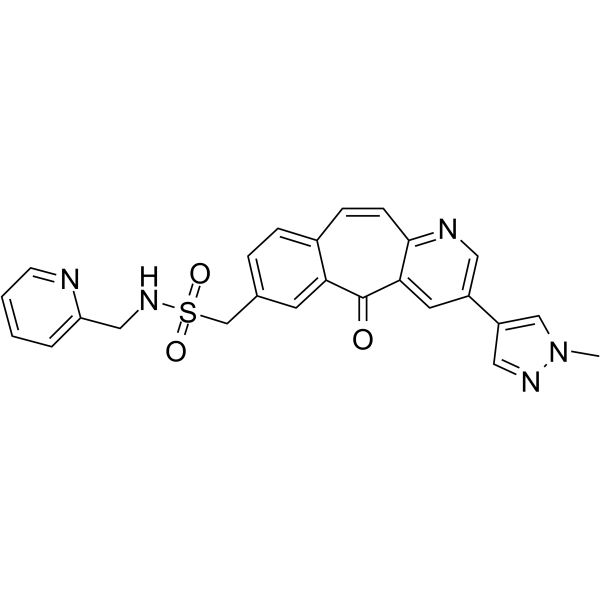
    MK-8033 is an orally active ATP competitive c-Met/Ron dual inhibitor (IC50s: 1 nM (c-Met),7 nM (Ron)), with preferential binding to the activated kinase conformation. MK-8033 can be used in the research of cancers, such as breast and bladder cancers, non-small cell lung cancers (NSCLCs) .
    MK-8033
  • HY-16688
    RU 24969
    1 Publications Verification

    5-HT Receptor Neurological Disease
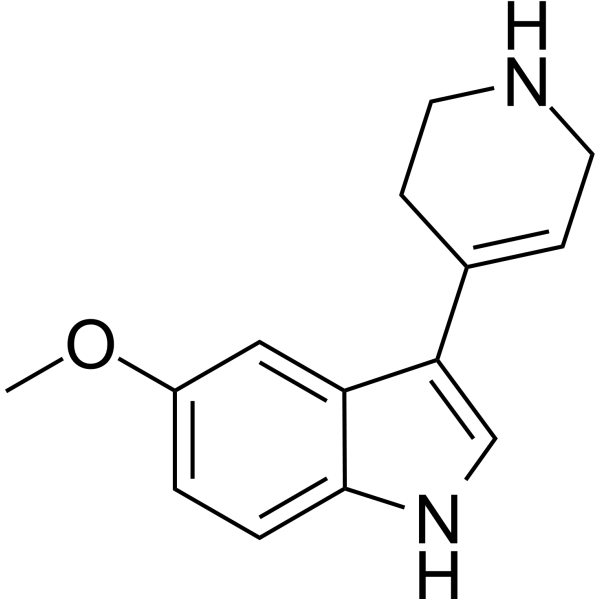
    RU 24969 is a preferential 5-HT1B agonist, with a Ki of 0.38 nM, but also displays appreciable affinity for the 5-HT1A receptor (Ki=2.5 nM), and has low affinity for other receptor sites in the brain. RU 24969 could decrease fluid consumption and increase forward locomotion .
    RU 24969
  • HY-P0270

    Magainin II

    Bacterial Antibiotic Fungal Infection
    Magainin 2 (Magainin II) is an antimicrobial peptide (AMP) isolated from the skin of the African clawed frog Xenopus laevis. Magainin 2 displays antibiotic activity against numerous gram-negative and gram-positive bacteria. Magainin 2 also is active against protozoa . Magainin 2 exerts its cytotoxicity effects by preferential interactions with anionic phospholipids abundant in bacterial membranes .
    Magainin 2
  • HY-16271
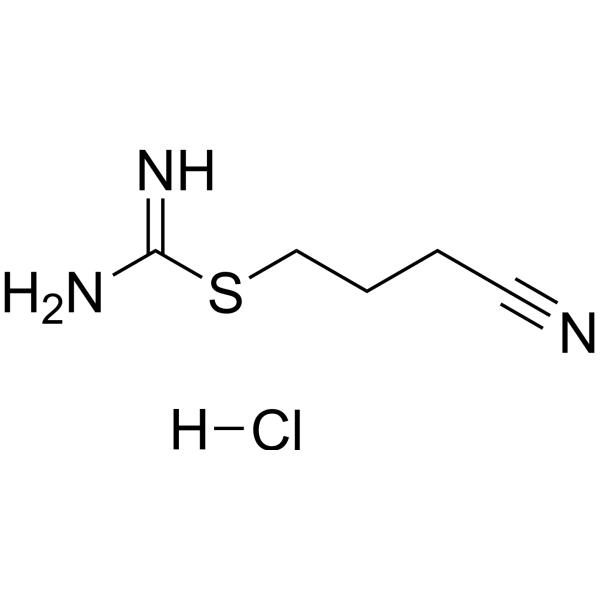
    Kevetrin hydrochloride
    4 Publications Verification

    4-Isothioureidobutyronitrile hydrochloride; thioureidobutyronitrile hydrochloride; thioureido butyronitrile hydrochloride

    MDM-2/p53 Apoptosis Cancer
    Kevetrin hydrochloride is a potent activator of p53, induces apoptosis in TP53 wild-type and mutant acute myeloid leukemia cells. Kevetrin a preferential cytotoxic activity against blast cells .
    Kevetrin hydrochloride
  • HY-W394903

    Drug Metabolite JAK Inflammation/Immunology
    GS-829845 is a is a major, active metabolite of Filgotinib (HY-18300). GS-829845 is a JAK1 preferential inhibitor but is approximately 10-fold less potent than the parent and with a longer half-life .
    GS-829845
  • HY-13297
    PYZD-4409
    2 Publications Verification

    E1/E2/E3 Enzyme Cancer
    PYZD-4409 is a specific inhibitor of the ubiquitin-activating enzyme UBA1 with an IC50 of 20 μM (cell-free enzymatic assay). PYZD-4409 induces cell death in malignant cells and preferentially inhibits the clonogenic growth of primary acute myeloid leukemia cells .
    PYZD-4409
  • HY-12509

    iGluR Neurological Disease
    PEPA is an AMPA receptor allosteric potentiator. PEPA shows preferential action of PEPA on the flop form of AMPA receptors. PEPA is a more potent suppressor of desensitization of receptors containing GluR3 and GluR4 as opposed to those containing GluR1. PEPA has antianxiety effects .
    PEPA
  • HY-104013
    Aminopurvalanol A
    1 Publications Verification

    CDK Apoptosis Cancer
    Aminopurvalanol A is a potent, selective, and cell permeable inhibitor of Cyclins/Cdk complexes. Aminopurvalanol A preferentially targets the G2/M-phase transition inhibiting cancer cell differentiation. Aminopurvalanol A causes the inhibition of sperm fertilizing ability via the inhibition of physiological capacitation-dependent actin polymerization .
    Aminopurvalanol A
  • HY-B0619
    Zaltoprofen
    2 Publications Verification

    CN100

    COX Inflammation/Immunology
    Zaltoprofen (CN100), a non-steroidal anti-inflammatory drug (NSAID), is a preferential and orally active COX-2 inhibitor, with IC50s of 1.3 and 0.34 μM for COX-1 and COX-2, respectively. Zaltoprofen exhibits powerful anti-inflammatory effects as well as an analgesic action on inflammatory pain .
    Zaltoprofen
  • HY-175674

    NF-κB Toll-like Receptor (TLR) GLUT Inflammation/Immunology
    NGI-235 is an STT3A-selective oligosaccharyltransferase complex OST-A inhibitor. NGI-235 preferentially inhibits OST-A catalytic activity, impairing N-glycosylation of OST-A substrates. NGI-235 causes the hypoglycosylation of both TLR4, GLUT1 and inhibits NF-κB signaling. NGI-235 can be used for the research of inflammation .
    NGI-235
  • HY-126020
    Bractoppin
    3 Publications Verification

    DNA/RNA Synthesis RAD51 Cancer
    Bractoppin is a potent and selective agent-like inhibitor of phosphopeptide recognition by the human BRCA1 tandem(t) BRCT domain (binding IC50: 74 nM). Bractoppin diminishes BRCA1 recruitment to DNA breaks, in turn suppressing damage-induced G2 arrest and assembly of the recombinase, RAD51. Bractoppin preferentially inhibits BRCA1 tBRCT-dependent steps in the DNA damage response .
    Bractoppin
  • HY-P10646

    Biochemical Assay Reagents Neurological Disease
    Muscle homing peptide M12 can preferentially bind to surface protein of muscle cells. Muscle homing peptide M12 mediates enhanced cellular uptake of nanoparticles (NPs) in myoblasts in vitro. Muscle homing peptide M12 is covalently conjugated to PLGA-PEG NPs via the N-terminal α-amino groups of peptides using the N-hydroxysuccinimide ester reaction .
    Muscle homing peptide M12
  • HY-N2003
    D-Tetrahydropalmatine
    1 Publications Verification

    Dopamine Receptor Metabolic Disease
    D-Tetrahydropalmatine is an isoquinoline alkaloid, mainly in the genus Corydalis . D-Tetrahydropalmatine is a dopamine (DA) receptor antagonist with preferential affinity toward the D1 receptors . D-Tetrahydropalmatine is a potent organic cation transporter 1 (OCT1) inhibitor .
    D-Tetrahydropalmatine
  • HY-E70199

    APN/CD13

    Aminopeptidase Cardiovascular Disease
    Aminopeptidase N (rat) (APN/CD13) is a Zn 2+-dependent membrane-bound exopeptidase that preferentially degrades proteins and peptides with N-terminal neutral amino acids. Aminopeptidase N (rat) is inhibited by angiotensin IV and participates in the regulation of angiotensin IV half-life in the rat striatum .
    Aminopeptidase N (rat)
  • HY-P1858A

    CRFR Cardiovascular Disease Neurological Disease Endocrinology
    Urocortin III, mouse TFA is a corticotropin-releasing factor (CRF)-related peptide. Urocortin III preferentially binds and activates CRF-R2 . Urocortin III (Ucn3) is a known component of the behavioral stress response system. Urocortin III and CRF-R2 in the medial amygdala regulate complex social dynamics .
    Urocortin III, mouse TFA
  • HY-75800
    Lomibuvir
    2 Publications Verification

    VX-222

    DNA/RNA Synthesis HCV Infection
    Lomibuvir (VX-222), a selective, non-nucleoside polymerase inhibitor, targets thumb pocket 2 of the HCV NS5B polymerase (RdRp) with a Kd of 17 nM. Lomibuvir inhibits the 1b/Con1 HCV subgenomic replicon with an EC50 of 5.2 nM. Lomibuvir preferentially inhibits elongative RNA synthesis rather than de novo-initiated RNA synthesis .
    Lomibuvir
  • HY-118250
    GSK2245035
    2 Publications Verification

    Toll-like Receptor (TLR) IFNAR TNF Receptor Inflammation/Immunology
    GSK2245035 is a highly potent and selective intranasal Toll-Like receptor 7 (TLR7) agonist with preferential Type-1 interferon (IFN)-stimulating properties. GSK2245035 has pEC50s of 9.3 and 6.5 for IFNα and TFNα. GSK2245035 effectively suppresses allergen-induced Th2 cytokine production in human peripheral blood cell cultures. GSK2245035 is used for asthma .
    GSK2245035
  • HY-13067R

    Tripterine (Standard); Tripterin (Standard)

    Reference Standards Proteasome Autophagy Mitophagy Apoptosis Endogenous Metabolite Inflammation/Immunology Cancer
    Celastrol (Standard) is the analytical standard of Celastrol. This product is intended for research and analytical applications. Celastrol (Tripterine;Tripterin) is a proteasome inhibitor which potently and preferentially inhibits the chymotrypsin-like activity of a purified 20S proteasome with IC50 of 2.5 μM.
    Celastrol (Standard)
  • HY-156857

    Liposome Inflammation/Immunology Cancer
    PPZ-A10 is an ionizable cationic lipid. PPZ-A10 preferentially delivers mRNA to liver and spleen immune cells. Pi-LNPs containing PPZ-A10 can effectively deliver mRNA/siRNA to solid tumors .
    PPZ-A10
  • HY-145657

    BQQ

    Biochemical Assay Reagents Others
    Benzoquinoquinoxaline (BQQ) is a heterocyclic compound with an aminoalkyl side chain. Benzoquinoquinoxaline preferentially binds to DNA triplex structures, intercalates between the bases, thus, stabilising the triplex conformation. Conjugation of Benzoquinoquinoxaline to 1,10-phenanthroline specifically binds and cleaves double strand DNA at the site of formation of a triplex structure .
    Benzoquinoquinoxaline
  • HY-P1858

    CRFR Cardiovascular Disease Neurological Disease Endocrinology
    Urocortin III, mouse is a corticotropin-releasing factor (CRF)-related peptide. Urocortin III preferentially binds and activates CRF-R2 . Urocortin III (Ucn3) is a known component of the behavioral stress response system. Urocortin III and CRF-R2 in the medial amygdala regulate complex social dynamics .
    Urocortin III, mouse
  • HY-136569

    Phosphodiesterase (PDE) Neurological Disease
    DSR-141562 is a novel, orally active, and selective brain-penetrant phosphodiesterase 1 (PDE1) inhibitor. DSR-141562 shows preferential selectivity for human PDE1B with an IC50 of 43.9 nM, and the IC50 values for human PDE1A and 1C are 97.6 and 431.8 nM, respectively. DSR-141562 can be used for the study of positive symptoms, negative symptoms and cognitive impairments associated with schizophrenia .
    DSR-141562
  • HY-10118
    Filibuvir
    4 Publications Verification

    HCV DNA/RNA Synthesis Infection
    Filibuvir is an orally active, selective non-nucleoside inhibitor of the HCV nonstructural 5B protein (NS5B) RNA-dependent RNA polymerase (RdRp). Filibuvir binds noncovalently in the thumb II allosteric pocket of NS5B. Filibuvir inhibits genotype 1a and 1b replicons with EC50s of 59 nM for both isoforms, respectively . Filibuvir preferentially inhibits elongative RNA synthesis and potently decreases viral RNA accumulation .
    Filibuvir
  • HY-W013718

    Biochemical Assay Reagents Others
    TTHA is an aminopolycarboxylic acid chelating agent with preferential affinity for lighter (lower atomic number) rare earth element (REE) ions. TTHA binds to REE ions through chelation as the primary coordination mechanism .
    TTHA
  • HY-147773

    Ceramidase Inflammation/Immunology
    NAAA-IN-1 (Compound 1) is a potent and selective inhibitor of NAAA with an IC50 of 7 nM. NAAA is a cysteine amidase which preferentially hydrolyzes the endogenous biolipids palmitoylethanolamide (PEA) and oleoylethanolamide (OEA). NAAA-IN-1 has the potential for the research of inflammation and pain .
    NAAA-IN-1
  • HY-128855

    mAChR Neurological Disease
    Talsaclidine is a muscarinic agonist with preferential neuron-stimulating properties. Talsaclidine is a full agonist at the M1 subtype, and as a partial agonist at the M2 and M3 subtypes . Talsaclidine is a click chemistry reagent, it contains an Alkyne group and can undergo copper-catalyzed azide-alkyne cycloaddition (CuAAc) with molecules containing Azide groups.
    Talsaclidine
  • HY-130354
    Dibutyryl-cGMP sodium
    2 Publications Verification

    Bt2cGMP sodium

    Potassium Channel Cardiovascular Disease
    Dibutyryl-cGMP sodium (Bt2cGMP sodium) is a cell-permeable cGMP analogue. Dibutyryl-cGMP sodium preferentially activates cGMP-dependent protein kinase (PKG). Dibutyryl-cGMP sodium inhibits the release of [ 3H]-arachidonic acid from γ thrombin-stimulated human platelets. Dibutyryl-cGMP sodium induces peripheral antinociception via activation of ATP-sensitive K + channels .
    Dibutyryl-cGMP sodium
  • HY-140696C

    mPEG20000-Hydroxy; Polyethylene glycol monomethyl ether 20000

    PROTAC Linkers Cancer
    m-PEG20000-OH can be used as a macroinitiator to participate in the synthesis of amphiphilic block copolymers. Nanoscale micelles can be prepared by using amphiphilic block copolymers to deliver active drugs. Paclitaxel (HY-B0015), a hydrophobic anticancer agent encapsulated in micelles, has stronger activity in killing cancer cells than free Paclitaxel. And it preferentially accumulates in tumor tissue with only limited distribution in healthy organs.
    m-PEG20000-OH
  • HY-13730

    N-Methylmitomycin C; NSC-56410; U-14743

    DNA Alkylator/Crosslinker Cancer
    Porfiromycin (N-Methylmitomycin C) is a bioreductive alkylating agent that preferentially kill hypoxic tumor cells relative to other aerobic counterparts .
    Porfiromycin
  • HY-107713

    iGluR Neurological Disease
    PPDA is a subtype-selective NMDA receptor antagonist that preferentially binds to NR2C/NR2D containing receptors .
    PPDA
  • HY-P3035

    G Protein-coupled Receptor Kinase (GRK) Neurological Disease
    Corazonin is a highly conserved neuropeptide hormone of wide-spread occurrence in insects, serves a central regulator of caste identity and behavior in social insects. Corazonin is also preferentially expressed in workers and/or foragers from other social insect species .
    Corazonin
  • HY-147775

    Ceramidase Inflammation/Immunology
    NAAA-IN-3 (Compound 17a) is a potent and selective inhibitor of NAAA with an IC50 of 50 nM. NAAA is a cysteine amidase which preferentially hydrolyzes the endogenous biolipids palmitoylethanolamide (PEA) and oleoylethanolamide (OEA). NAAA-IN-3 has the potential for the research of inflammation and pain .
    NAAA-IN-3
  • HY-113592
    ERK-IN-4
    1 Publications Verification

    ERK Cancer
    ERK-IN-4 is an ERK inhibitor binds preferentially to ERK2 with a Kd of 5 μM. ERK-IN-4 specificity inhibits ERK Rsk-1 and Elk-1 phosphorylation. ERK-IN-4 has little effect on ERK protein phosphorylation by its upstream activator MEK1/2 .
    ERK-IN-4
  • HY-162866

    Autophagy Metabolic Disease
    CXM102 is an autophagy activator. CXM102 can induce autophagy in aged BMSCs, leading to the rejuvenation of BMSCs and preferential differentiation into osteoblasts. CXM102 promotes the nuclear translocation of transcription factor EB (TFEB) and the formation of osteoblasts. CXM102 can stimulate bone synthesis metabolism in middle-aged male mice, reduce bone marrow adipocytes, delay bone loss, lower serum inflammation levels, decrease organ fibrosis, and extend the lifespan of the mice .
    CXM102
  • HY-137843

    DNA/RNA Synthesis Cancer
    NSC 80467, a DNA damaging agent, selectively inhibits survivin. NSC 80467 preferentially inhibits DNA synthesis and results in induction of γH2AX and pKAP1, two markers of DNA damage .
    NSC 80467
  • HY-153737

    Liposome Others
    113-N16B is an ionizable cationic lipid used for the generation of lipid nanoparticles (LNPs). 113-N16B delivers mRNA preferentially to pulmonary endothelial cells.
    113-N16B
  • HY-U00030

    mAChR Neurological Disease
    Rispenzepine is a novel antimuscarinic compound with a preferential action at M1, and M3 receptor subtypes.
    Rispenzepine
  • HY-13640A

    GS-9219 succinate; VDC-1101 succinate

    Nucleoside Antimetabolite/Analog Cancer
    Rabacfosadine (GS-9219) succinate, a novel proagent of the nucleotide analogue PMEG, is designed as a cytotoxic agent that preferentially targets lymphoid cells .
    Rabacfosadine succinate
  • HY-123956

    IRAK Inflammation/Immunology
    HG-12-6 is a type II inhibitor of IRAK4. HG-12-6 shows preferential binding to unphosphorylated inactive IRAK4 with an IC50 of 165 nM. HG-12-6 can modulate IRAK4 activity in autoimmunity and inflammation .
    HG-12-6
  • HY-146420

    HSP Cardiovascular Disease Cancer
    GRP78-IN-2 (Compound FL5) is a GRP78 (Glucose Regulated Protein 78 kDa) inhibitor. GRP78-IN-2 preferentially targeting cell surface GRP78 and shows potent antiangiogenic and anticancer activities without affecting other normal cells .
    GRP78-IN-2
  • HY-137858

    Gly-Arg-4-NA hydrochloride; GR-pNA hydrochloride; GR p-itoailide hydrochloride

    Fluorescent Dye Others
    H-Gly-Arg-pNA hydrochloride (GR-pNA hydrochloride) is a colorimetric substrate for thrombin. H-Gly-Arg-pNA is preferentially bound by thrombin and cleaves the Gly-Arg (GR) peptide sequence, releasing p-nitroaniline (pNA) that can be detected colorimetrically at 405 nm. H-Gly-Arg-pNA hydrochloride is used as a fluorescent dye to measure thrombin activity .
    H-Gly-Arg-pNA hydrochloride

Inquiry Online

Your information is safe with us. * Required Fields.

Salutation


Country or Region *

Applicant Name *


Organization Name *

Department *


Email Address *


Product Name *

Cat. No.


Requested quantity *

Phone Number *


Remarks

Inquiry Online

Inquiry Information

Product Name:
Cat. No.:
Quantity:
MCE Japan Authorized Agent:

