1. Search Result
Search Result
Results for "

pro-apoptotic effects

" in MedChemExpress (MCE) Product Catalog:

60

Inhibitors & Agonists

1

Biochemical Assay Reagents

2

Peptides

18

Natural
Products

7

Isotope-Labeled Compounds

Cat. No. Product Name Target Research Areas Chemical Structure
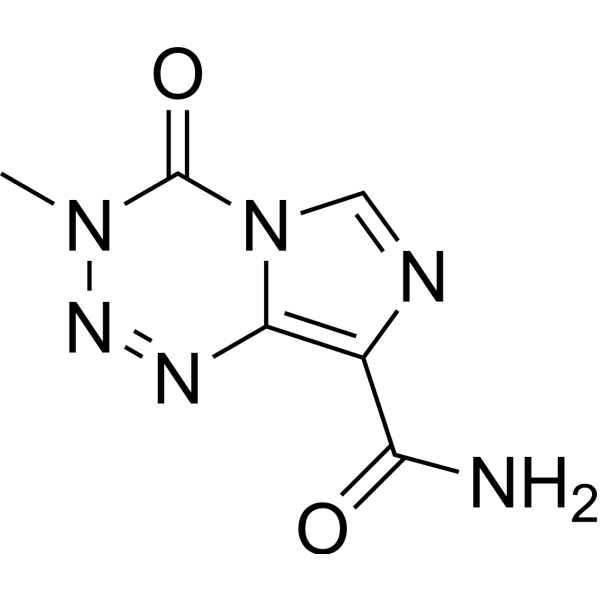
  • HY-17364
    Temozolomide
    Maximum Cited Publications
    189 Publications Verification

    NSC 362856; CCRG 81045; TMZ

    DNA Alkylator/Crosslinker Autophagy Apoptosis Cancer
    Temozolomide (NSC 362856) is an oral active DNA alkylating agent that crosses the blood-brain barrier. Temozolomide is also a proautophagic and proapoptotic agent. Temozolomide is effective against tumor cells that are characterized by low levels of O6-alkylguanine DNA alkyltransferase (OGAT) and a functional mismatch repair system. Temozolomide has antitumor and antiangiogenic effects .
    Temozolomide
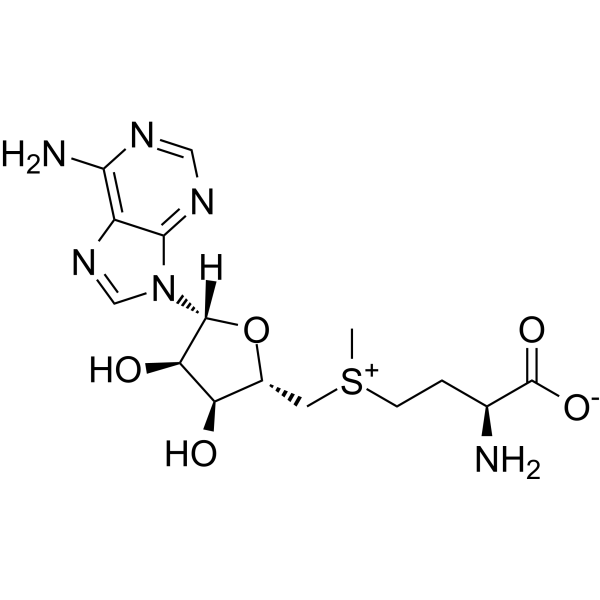
  • HY-B0617
    S-Adenosyl-L-methionine
    20+ Cited Publications

    S-Adenosyl methionine; Ademetionine; AdoMet

    Endogenous Metabolite Apoptosis Neurological Disease Inflammation/Immunology Cancer
    S-Adenosyl-L-methionine (S-Adenosyl methionine) is an orally active methyl group donor. S-Adenosyl-L-methionine is a dietary supplement with potent antidepressant effects. S-Adenosyl-L-methionine also has anti‑proliferative, pro‑apoptotic and anti‑metastatic roles in cancers. S-Adenosyl-L-methionine has the potential for, cancer, liver disease and osteoarthritis research .
    S-Adenosyl-L-methionine
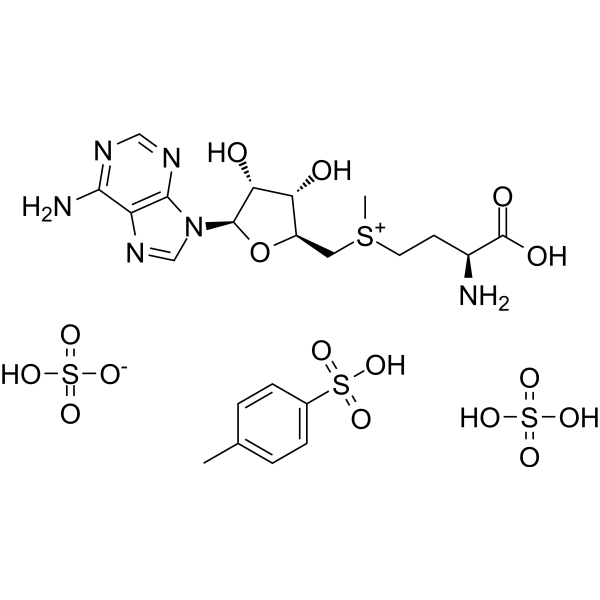
  • HY-W017770

    Ademetionine disulfate tosylate; S-Adenosyl methionine disulfate tosylate; AdoMet disulfate tosylate

    Endogenous Metabolite Apoptosis Neurological Disease Inflammation/Immunology Cancer
    S-Adenosyl-L-methionine (Ademetionine) disulfate tosylate is the disulfate tosylate form of S-Adenosyl-L-methionine (HY-B0617). S-Adenosyl-L-methionine disulfate tosylate is an orally active methyl group donor. S-Adenosyl-L-methionine disulfate tosylate is a dietary supplement with potent antidepressant effects. S-Adenosyl-L-methionine disulfate tosylate also has anti‑proliferative, pro‑apoptotic and anti‑metastatic roles in cancers. S-Adenosyl-L-methionine disulfate tosylate has the potential for, cancer, liver disease and osteoarthritis research .
    S-Adenosyl-L-methionine disulfate tosylate
  • HY-110078
    Eeyarestatin I
    10+ Cited Publications

    p97 Apoptosis Cancer
    Eeyarestatin I, a potent endoplasmic reticulum-associated protein degradation (ERAD) inhibitor, is a potent protein translocation inhibitor. Eeyarestatin I inhibits Sec61 translocon. Eeyarestatin I targets the p97-associated deubiquitinating process (PAD) and inhibits atx3-dependent deubiquitination. Eeyarestatin I interferes at a step prior to proteasomal degradation. Eeyarestatin I induces cell death via the proapoptotic protein NOXA and has anticancer effects .
    Eeyarestatin I
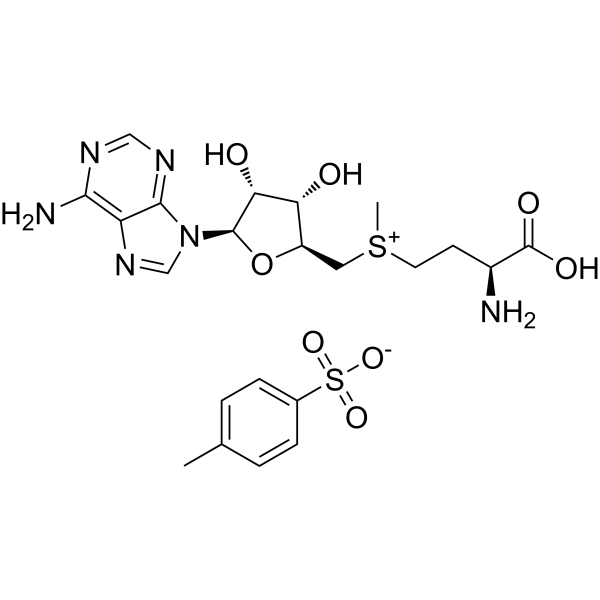
  • HY-B0617A
    S-Adenosyl-L-methionine tosylate
    15+ Cited Publications

    S-Adenosyl methionine tosylate; Ademetionine tosylate; AdoMet tosylate

    Endogenous Metabolite Apoptosis Neurological Disease Inflammation/Immunology Cancer
    S-Adenosyl-L-methionine (S-Adenosyl methionine) tosylate is an orally active methyl group donor. S-Adenosyl-L-methionine tosylate is a dietary supplement with potent antidepressant effects. S-Adenosyl-L-methionine tosylate also has anti‑proliferative, pro‑apoptotic and anti‑metastatic roles in cancers. S-Adenosyl-L-methionine tosylate has the potential for, cancer, liver disease and osteoarthritis research .
    S-Adenosyl-L-methionine tosylate
  • HY-W050044
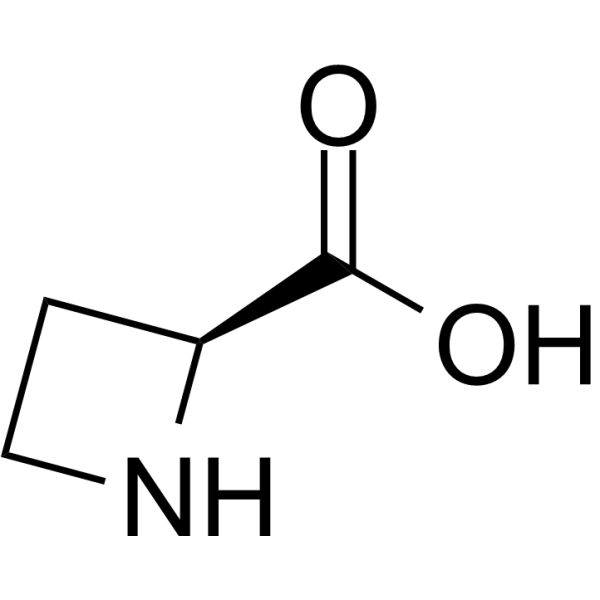
    L-Azetidine-2-carboxylic acid
    1 Publications Verification

    Endogenous Metabolite PERK Atg8/LC3 Autophagy Bcl-2 Family Apoptosis Eukaryotic Initiation Factor (eIF) ATF6 Cardiovascular Disease Neurological Disease Metabolic Disease Endocrinology Cancer
    L-Azetidine-2-carboxylic acid is a proline analog. L-Azetidine-2-carboxylic acid upregulates the lipid autophagy marker LC3-II via activation of the PERK pathway. L-Azetidine-2-carboxylic acid increases pro-apoptotic BAX protein. L-Azetidine-2-carboxylic acid induces ATF6 cleavage and upregulates phosphorylated eIF2α levels. L-Azetidine-2-carboxylic acid induces ER stress, inducing protein misfolding and aggregation. L-Azetidine-2-carboxylic acid shows teratogenic, pro-inflammatory and pro-apoptotic effects .
    L-Azetidine-2-carboxylic acid
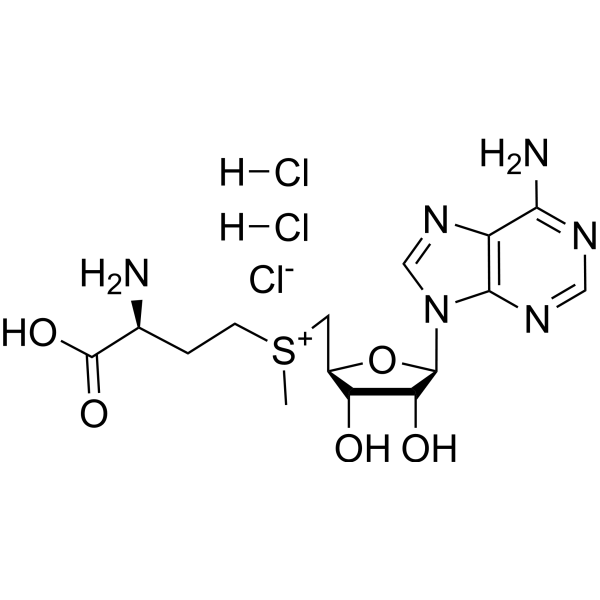
  • HY-14614A

    S-Adenosyl methionine chloride dihydrochloride; Ademetionine chloride dihydrochloride; AdoMet chloride dihydrochloride

    Endogenous Metabolite Apoptosis Neurological Disease Inflammation/Immunology Cancer
    S-Adenosyl-L-methionine (S-Adenosyl methionine) chloride dihydrochloride is an orally active methyl group donor. S-Adenosyl-L-methionine chloride dihydrochloride is a dietary supplement with potent antidepressant effects. S-Adenosyl-L-methionine chloride dihydrochloride also has anti‑proliferative, pro‑apoptotic and anti‑metastatic roles in cancers. S-Adenosyl-L-methionine chloride dihydrochloride has the potential for, cancer, liver disease and osteoarthritis research .
    S-Adenosyl-L-methionine chloride dihydrochloride
  • HY-B0617S

    S-Adenosyl methionine-d3; Ademetionine-d3; AdoMet-d3

    Isotope-Labeled Compounds Endogenous Metabolite Apoptosis Neurological Disease Inflammation/Immunology Cancer
    S-Adenosyl-L-methionine-d3 (S-Adenosyl methionine-d3) is the deuterated product of S-Adenosyl-L-methionine (HY-B0617). S-Adenosyl-L-methionine (S-Adenosyl methionine) is an orally active methyl group donor. S-Adenosyl-L-methionine is a dietary supplement with potent antidepressant effects. S-Adenosyl-L-methionine also has anti‑proliferative, pro‑apoptotic and anti‑metastatic roles in cancers. S-Adenosyl-L-methionine has the potential for, cancer, liver disease and osteoarthritis research .
    S-Adenosyl-L-methionine-d3
  • HY-B1816
    Zaprinast
    3 Publications Verification

    M&B 22948

    Phosphodiesterase (PDE) GPR35 Cardiovascular Disease Neurological Disease Endocrinology
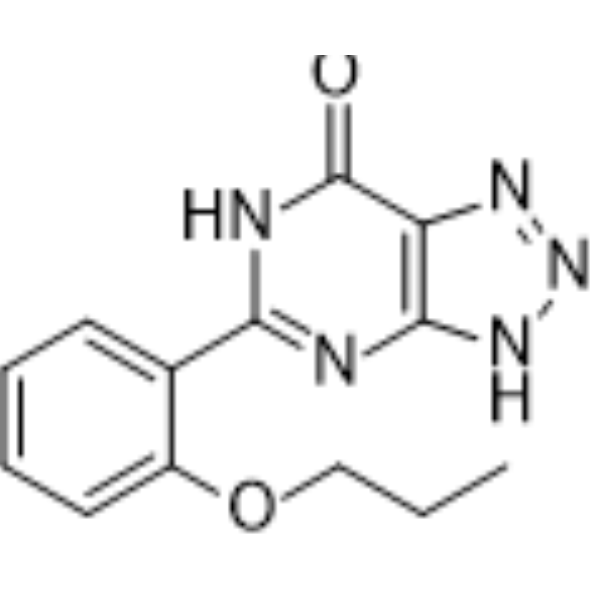
    Zaprinast (M&B 22948) is a selective inhibitor of cGMP-selective Phosphodiesterase (PDE5). Zaprinast causes a significant increase in cGMP levels in myocytes. Zaprinast is a G protein-coupled receptor 35 (GPR35) agonist which activates rat GPR35 strongly and activates human GPR35 moderately. Zaprinast reduces vessel remodeling through antiproliferative and proapoptotic effects .
    Zaprinast
  • HY-W011404
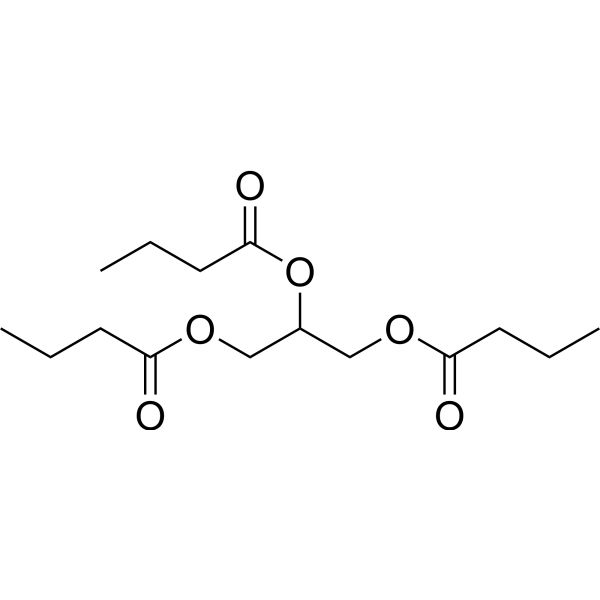
    Tributyrin
    1 Publications Verification

    Glyceryl tributyrate

    Apoptosis TNF Receptor Interleukin Related Metabolic Disease Cancer
    Tributyrin (Glyceryl tributyrate), a neutral short-chain fatty acid triglyceride, is a stable and rapidly absorbed proagent of Butyric Acid. Tributyrin diffuses through biological membranes and is metabolized by intracellular lipases, releasing effective butyrate directly into the cell in vivo. Tributyrin has potent antiproliferative, proapoptotic and differentiation-inducing effects .
    Tributyrin
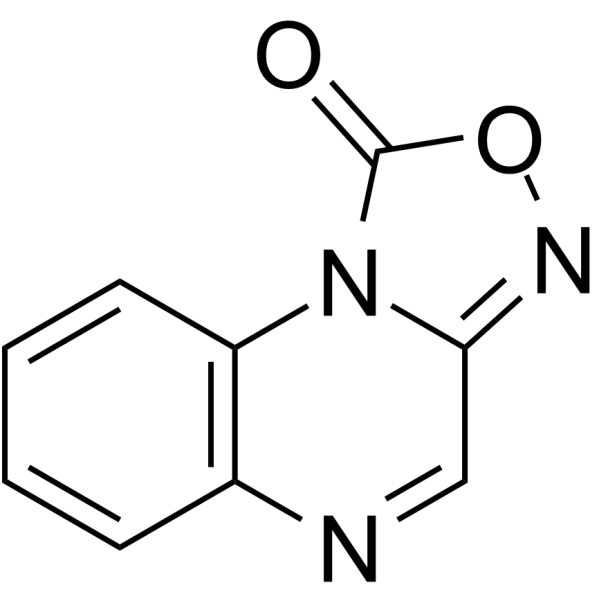
  • HY-101255
    ODQ
    10+ Cited Publications

    Guanylate Cyclase Apoptosis Cancer
    ODQ is a potent and selective soluble guanylyl cyclase (sGC, nitric oxide-activated enzyme) inhibitor. ODQ enhances the pro-apoptotic effects of Cisplatin in human mesothelioma cells .
    ODQ
  • HY-14993
    SCH79797
    5 Publications Verification

    Protease Activated Receptor (PAR) Apoptosis Cardiovascular Disease
    SCH79797 is a highly potent, selective nonpeptide protease activated receptor 1 (PAR1) antagonist. SCH79797 inhibits binding of a high-affinity thrombin receptor-activating peptide to PAR1 with an IC50 of 70 nM and a Ki of 35 nM. SCH79797 inhibits thrombin-induced platelet aggregation with an IC50 of 3 μM. SCH79797 has antiproliferative and pro-apoptotic effects, and limits myocardial ischemia/reperfusion injury in rat hearts. SCH79797 also potently prevents PAR1 activation in vascular smooth muscle cells, endothelial cells, and astrocytes .
    SCH79797
  • HY-N0060B
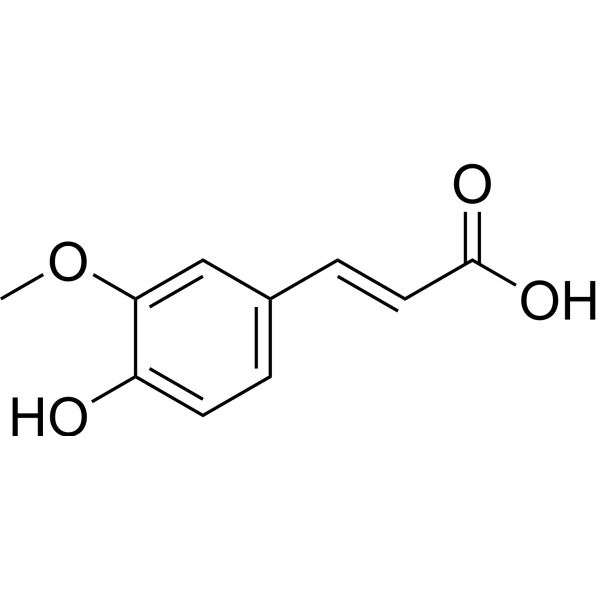
    (E)-Ferulic acid
    1 Publications Verification

    (E)-Coniferic acid

    β-catenin Bcl-2 Family Ferroptosis Endogenous Metabolite Cancer
    (E)-Ferulic acid is an isomer of ferulic acid, an aromatic compound abundant in plant cell walls. (E)-Ferulic acid causes phosphorylation of β-catenin (β-catenin), leading to proteasome degradation, increasing the expression of pro-apoptotic factor Bax and reducing pro-apoptotic factor Expression of the survival factor survivin. (E)-Ferulic acid can effectively remove reactive oxygen species (ROS) and inhibit lipid peroxidation. (E)-Ferulic acid exerts antiproliferative and antimigratory effects in the human lung cancer cell line H1299.
    (E)-Ferulic acid
  • HY-10447

    EM-1421

    Survivin COX TNF Receptor Apoptosis Infection Inflammation/Immunology Cancer
    Terameprocol is an inhibitor targeting the Sp1 transcription factor, which can selectively inhibit the transcription of Sp1-dependent genes. Terameprocol exerts its effects by inhibiting Sp1-mediated gene transcription, such as reducing the expression of genes like CDC2, survivin and HMGB1, thereby arresting the cell cycle, inducing apoptosis, and suppressing the inflammatory response. Terameprocol exhibits anti-proliferative, pro-apoptotic, and anti-inflammatory activities and is currently mainly used in the research of diseases such as cancer and pulmonary arterial hypertension[1][2][3].
    Terameprocol
  • HY-108052
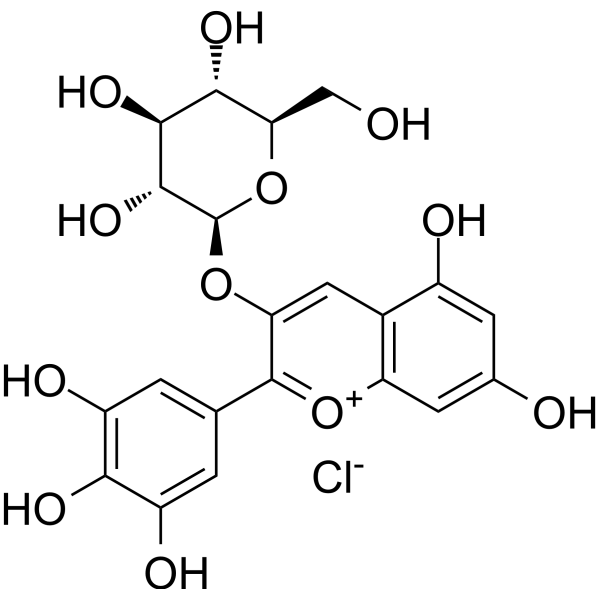
    Delphinidin 3-glucoside chloride
    1 Publications Verification

    Delphinidin 3-O-glucoside chloride; Delphinidin 3-O-β-glucoside chloride

    EGFR Apoptosis Akt Cardiovascular Disease Cancer
    Delphinidin 3-glucoside chloride (Delphinidin 3-O-glucoside chloride) is an active anthocyanin found in Hibiscus sabdariffa extract. Delphinidin 3-glucoside chloride induces a pro-apoptotic effect in B cell chronic lymphocytic leukaemia (B CLL) . Delphinidin 3-glucoside chloride exerts phytoestrogen activity by binding to ERβ, with an IC50 of 9.7 μM . Delphinidin-3-O-glucoside chloride inhibits EGFR with an IC50 of 2.37 µM . Delphinidin 3-glucoside chloride exhibits antitumor effects through pAKT/IRF1/HOTAIR pathway. Delphinidin 3-glucoside chloride exhibits efficacy against oxidative stress, inhibits platelet activation and endothelial dysfunction .
    Delphinidin 3-glucoside chloride
  • HY-109185
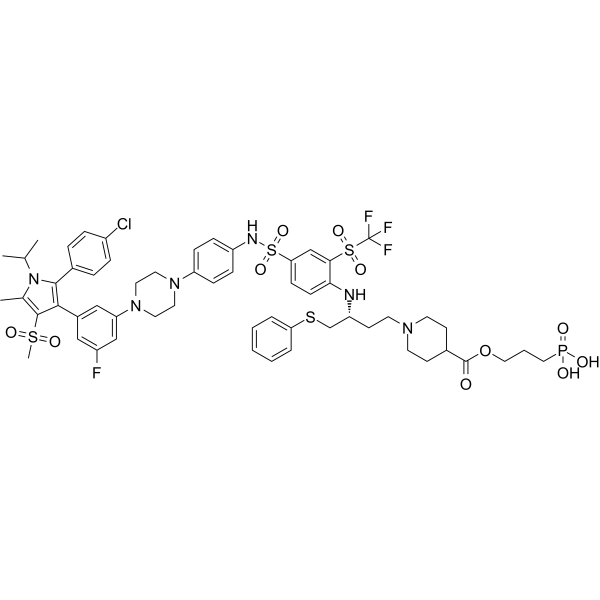
    Pelcitoclax
    1 Publications Verification

    APG-1252

    Bcl-2 Family Apoptosis Cancer
    Pelcitoclax (APG-1252) is a potent Bcl-2/Bcl-xl inhibitor with antineoplastic and pro-apoptotic effects .
    Pelcitoclax
  • HY-14658A

    (S)-(-)-Thalidomide

    Molecular Glues Ligands for E3 Ligase Autophagy Apoptosis Metabolic Disease Inflammation/Immunology
    (S)-Thalidomide ((S)-(-)-Thalidomide) is the S-enantiomer of Thalidomide. (S)-Thalidomide has immunomodulatory, anti-inflammatory, antiangiogenic and pro-apoptotic effects . (S)-Thalidomide induces teratogenic effects by binding to cereblon (CRBN) .
    (S)-Thalidomide
  • HY-B0617S2

    S-Adenosyl methionine-13C dihydrochloride; Ademetionine-13C dihydrochloride; AdoMet-13C dihydrochloride

    Isotope-Labeled Compounds Endogenous Metabolite Apoptosis Neurological Disease Inflammation/Immunology Cancer
    S-Adenosyl-L-methionine- 13C (S-Adenosyl methionine- 13C) dihydrochloride is the 13C labeled S-Adenosyl-L-methionine (HY-B0617). S-Adenosyl-L-methionine (S-Adenosyl methionine) is an orally active methyl group donor. S-Adenosyl-L-methionine is a dietary supplement with potent antidepressant effects. S-Adenosyl-L-methionine also has anti‑proliferative, pro‑apoptotic and anti‑metastatic roles in cancers. S-Adenosyl-L-methionine has the potential for, cancer, liver disease and osteoarthritis research .
    S-Adenosyl-L-methionine-13C dihydrochloride
  • HY-14994
    SCH79797 dihydrochloride
    5 Publications Verification

    Protease Activated Receptor (PAR) Apoptosis Cardiovascular Disease
    SCH79797 dihydrochloride is a highly potent, selective nonpeptide protease activated receptor 1 (PAR1) antagonist. SCH79797 dihydrochloride inhibits binding of a high-affinity thrombin receptor-activating peptide to PAR1 with an IC50 of 70 nM and a Ki of 35 nM. SCH79797 dihydrochloride inhibits thrombin-induced platelet aggregation with an IC50 of 3 μM. SCH79797 dihydrochloride has antiproliferative and pro-apoptotic effects, and limits myocardial ischemia/reperfusion injury in rat hearts. SCH79797 dihydrochloride also potently prevents PAR1 activation in vascular smooth muscle cells, endothelial cells, and astrocytes .
    SCH79797 dihydrochloride
  • HY-B0515
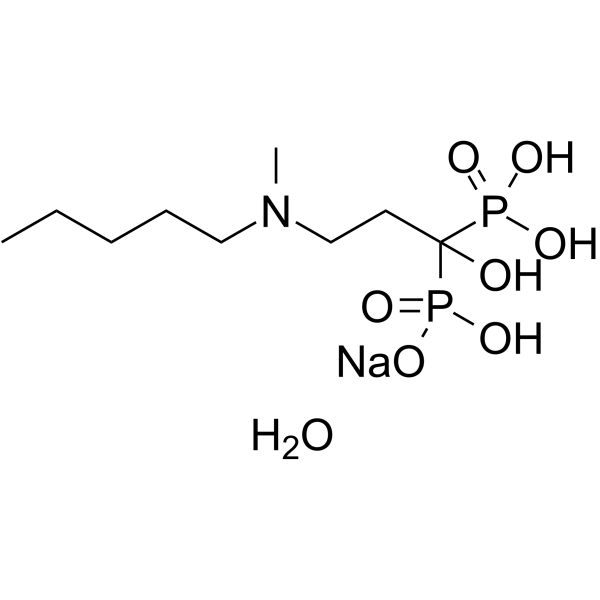
    Ibandronate Sodium Monohydrate
    1 Publications Verification

    BM-210955; RPR-102289A

    Apoptosis Metabolic Disease Cancer
    Ibandronate Sodium Monohydrate (BM-210955; RPR-102289A) is an orally active, selective inhibitor of farnesyl pyrophosphate synthase (FPP synthase). Ibandronate Sodium Monohydrate can block the mevalonate pathway to inhibit the isoprenylation modification of small GTPases (such as RAS, RHO family proteins), induce tumor cell apoptosis and inhibit bone resorption. Ibandronate Sodium Monohydrate inhibits tumor cell proliferation (such as ER + breast cancer cells), promotes the expression of the pro-apoptotic gene FAS, and can produce synergistic anti-tumor effects with anti-estrogen compounds. Ibandronate Sodium Monohydrate is used in the study of osteoporosis and bone metastatic tumors (such as breast cancer bone metastasis) .
    Ibandronate Sodium Monohydrate
  • HY-108491
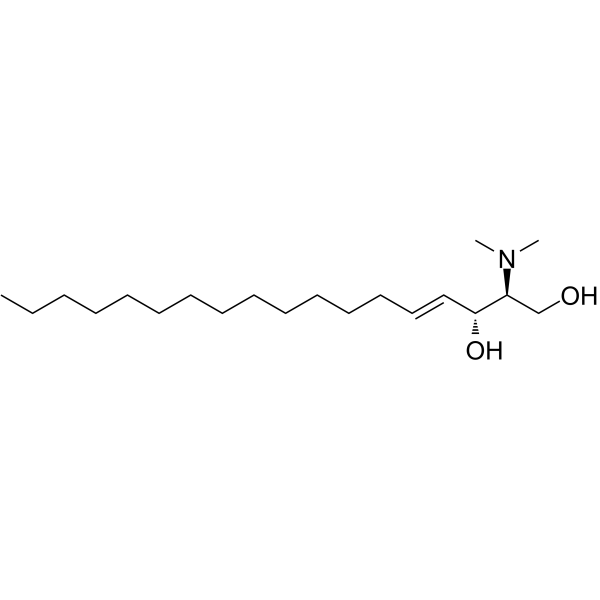
    N,N-Dimethylsphingosine
    1 Publications Verification

    SphK Apoptosis Cancer
    N,N-Dimethylsphingosine is a sphingosine kinase inhibitor. N,N-Dimethylsphingosine binds competitively to sphingosine kinase and blocks the conversion of sphingosine to sphingosine-1-phosphate. N,N-Dimethylsphingosine inhibits sphingosine-1-phosphate release and aggregation of platelets, and also exerts pro-apoptotic effects by resetting ceramide/sphingosine-1-phosphate homeostasis. N,N-Dimethylsphingosine can be used in cancer-related research .
    N,N-Dimethylsphingosine
  • HY-100155

    Sigma Receptor Apoptosis Autophagy Cancer
    4-IBP is a selective σ₁ receptor agonist with high affinity for the σ₁ receptor (Ki =1.7 nM) and moderate affinity for the σ₂ receptor (Ki = 25.2 nM). 4-IBP can make cancer cells more sensitive to the cytotoxic effects of pro-apoptotic and pro-autophagic compounds. 4-IBP significantly reduces the migration ability of a variety of cancer cells. 4-IBP is mainly used in glioblastoma, non-small cell lung cancer and prostate cancer research .
    4-IBP
  • HY-114275

    Fungal Parasite Apoptosis Infection Cardiovascular Disease Cancer
    Justicidin B is a potent anticancer lignan and proapoptotic agent. Justicidin B is also a bone resorption inhibitor, and has strong antiviral, fungicidal, antiprotozoal effects. Justicidin B significantly inhibits platelet aggregation .
    Justicidin B
  • HY-129524
    Ethylene dimethanesulfonate
    1 Publications Verification

    Apoptosis Inflammation/Immunology
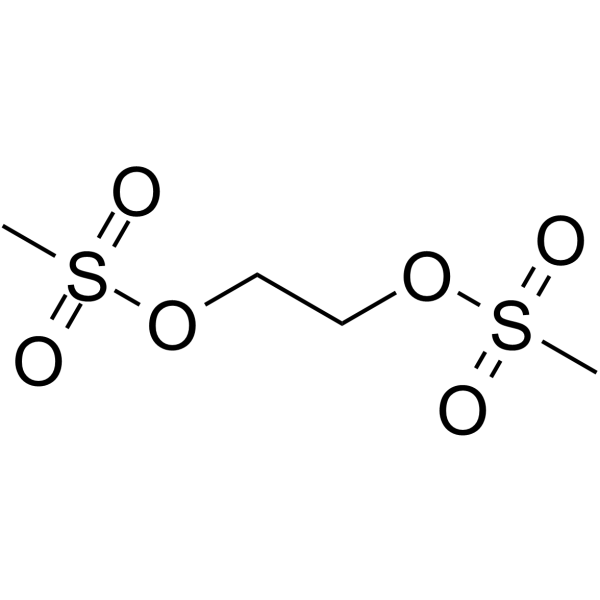
    Ethylene dimethane sulfonate is a mild alkylating, non-volatile methanesulfonic diester of ethylene glycol. Ethylene dimethanesulfonate has selective pro-apoptotic effects on LCs .
    Ethylene dimethanesulfonate
  • HY-14614D
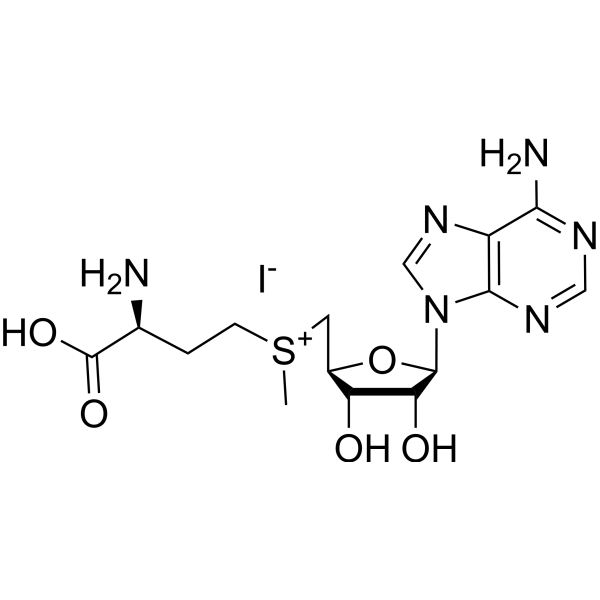
    S-Adenosyl-L-methionine iodide
    15+ Cited Publications

    S-Adenosyl methionine iodide; Ademetionine iodide; AdoMet iodide

    Endogenous Metabolite Apoptosis Neurological Disease Inflammation/Immunology Cancer
    S-Adenosyl-L-methionine (S-Adenosyl methionine) iodide is an orally active methyl group donor. S-Adenosyl-L-methionine iodide is a dietary supplement with potent antidepressant effects. S-Adenosyl-L-methionine iodide also has anti‑proliferative, pro‑apoptotic and anti‑metastatic roles in cancers. S-Adenosyl-L-methionine iodide has the potential for, cancer, liver disease and osteoarthritis research .
    S-Adenosyl-L-methionine iodide
  • HY-17364S

    DNA Alkylator/Crosslinker Autophagy Apoptosis Cancer
    Temozolomide-d3 is the deuterium labeled Temozolomide. Temozolomide (NSC 362856) is an oral active DNA alkylating agent that crosses the blood-brain barrier. Temozolomide is also a proautophagic and proapoptotic agent. Temozolomide is effective against tumor cells that are characterized by low levels of O6-alkylguanine DNA alkyltransferase (OGAT) and a functional mismatch repair system. Temozolomide has antitumor and antiangiogenic effects .
    Temozolomide-d3
  • HY-N10544

    (+)-δ-Cadinene

    Bacterial Parasite Fungal Apoptosis Infection Cancer
    δ-Cadinene ((+)-δ-Cadinene) is a sesquiterpene in essential oils. δ-Cadinene shows antiproliferative and pro-apoptotic effects on human ovary cancer (OVCAR-3) cells. δ-Cadinene has trichomonacidal, antimicrobial, antifungal and anticancer properties .
    δ-Cadinene
  • HY-B0515B
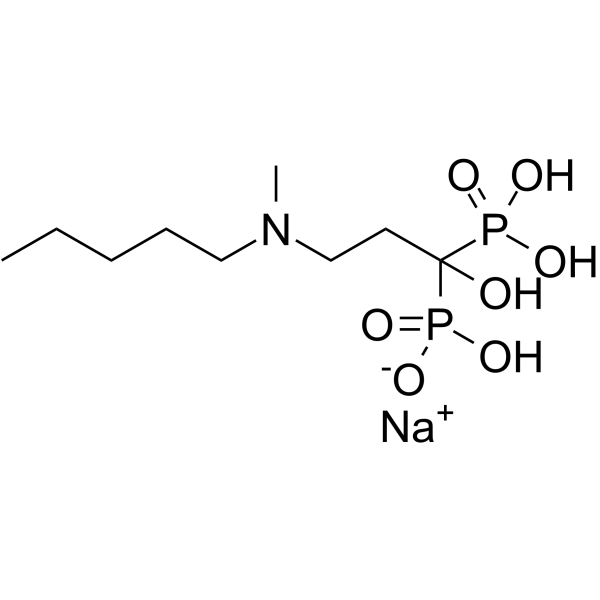
    Ibandronate Sodium
    1 Publications Verification

    Apoptosis Metabolic Disease Cancer
    Ibandronate Sodium is an orally active, selective inhibitor of farnesyl pyrophosphate synthase (FPP synthase). Ibandronate Sodium can block the mevalonate pathway to inhibit the isoprenylation modification of small GTPases (such as RAS, RHO family proteins), induce tumor cell apoptosis and inhibit bone resorption. Ibandronate Sodium inhibits tumor cell proliferation (such as ER+ breast cancer cells), promotes the expression of the pro-apoptotic gene FAS, and can produce synergistic anti-tumor effects with anti-estrogen compounds. Ibandronate Sodium is used in the study of osteoporosis and bone metastatic tumors (such as breast cancer bone metastasis) .
    Ibandronate Sodium
  • HY-B0617AR

    S-Adenosyl methionine tosylate (Standard); Ademetionine tosylate (Standard); AdoMet tosylate (Standard)

    Reference Standards Endogenous Metabolite Apoptosis Neurological Disease Inflammation/Immunology Cancer
    S-Adenosyl-L-methionine tosylate (Standard) (S-Adenosyl methionine tosylate (Standard)) is the analytical standard of S-Adenosyl-L-methionine tosylate (HY-B0617A). This product is intended for research and analytical applications. S-Adenosyl-L-methionine (S-Adenosyl methionine) tosylate is an orally active methyl group donor. S-Adenosyl-L-methionine tosylate is a dietary supplement with potent antidepressant effects. S-Adenosyl-L-methionine tosylate also has anti‑proliferative, pro‑apoptotic and anti‑metastatic roles in cancers. S-Adenosyl-L-methionine tosylate has the potential for, cancer, liver disease and osteoarthritis research .
    S-Adenosyl-L-methionine tosylate (Standard)
  • HY-N0060BS

    (E)-Coniferic acid-d3

    β-catenin Bcl-2 Family Ferroptosis Endogenous Metabolite Cancer
    (E)-Ferulic acid-d3 is the deuterium labeled (E)-Ferulic acid. (E)-Ferulic acid is a isomer of Ferulic acid which is an aromatic compound, abundant in plant cell walls. (E)-Ferulic acid causes the phosphorylation of β-catenin, resulting in proteasomal degradation of β-catenin and increases the expression of pro-apoptotic factor Bax and decreases the expression of pro-survival factor survivin. (E)-Ferulic acid shows a potent ability to remove reactive oxygen species (ROS) and inhibits lipid peroxidation. (E)-Ferulic acid exerts both anti-proliferation and anti-migration effects in the human lung cancer cell line H1299 .
    (E)-Ferulic acid-d3
  • HY-15519

    IAP FLT3 Cancer
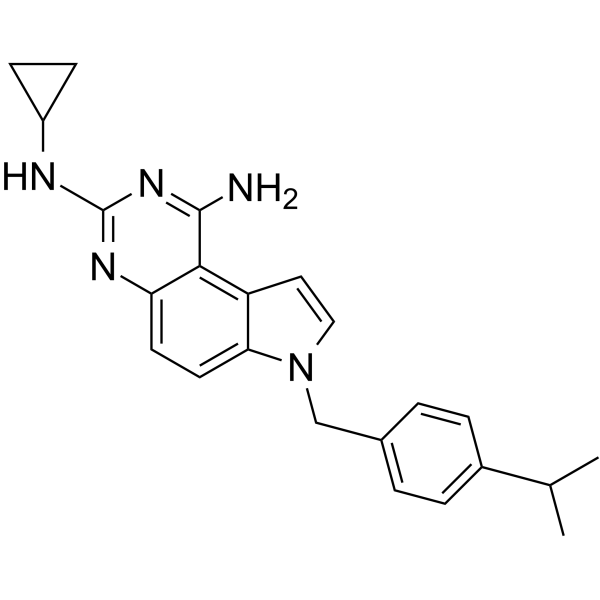
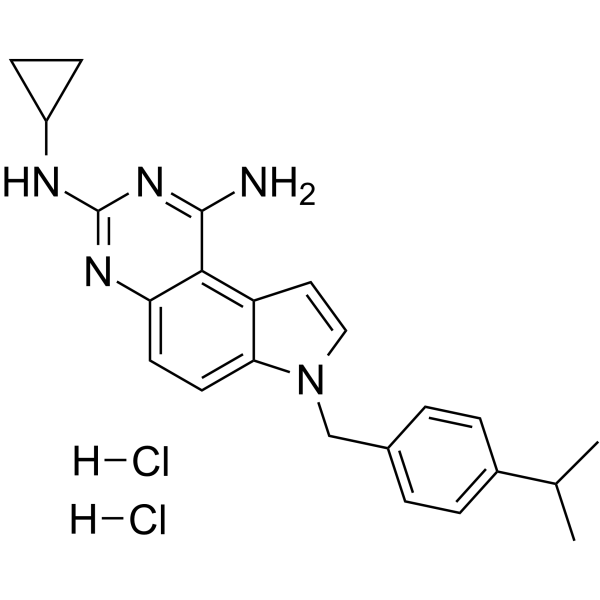
    LBW242, a 3-mer and Smac mimetic, is a potent and orally active proapoptotic IAP inhibitor. LBW242 shows effects on mutant FLT3-expressing cells. LBW242 has activity against multiple myeloma, and potentiates TRAIL- and anticancer agent-mediated cell death of ovarian cancer cells .
    LBW242
  • HY-B0617B

    S-Adenosyl methionine 1,4-butanedisulfonate; Ademetionine 1,4-butanedisulfonate; AdoMet 1,4-butanedisulfonate

    Endogenous Metabolite Apoptosis Neurological Disease Inflammation/Immunology Cancer
    S-Adenosyl-L-methionine (S-Adenosyl methionine) 1,4-butanedisulfonate is an orally active methyl group donor. S-Adenosyl-L-methionine 1,4-butanedisulfonate is a dietary supplement with potent antidepressant effects. S-Adenosyl-L-methionine 1,4-butanedisulfonate also has anti‑proliferative, pro‑apoptotic and anti‑metastatic roles in cancers. S-Adenosyl-L-methionine 1,4-butanedisulfonate has the potential for, cancer, liver disease and osteoarthritis research .
    S-Adenosyl-L-methionine 1,4-butanedisulfonate
  • HY-178462

    HSP DNA/RNA Synthesis Cancer
    Hsp70/FoxM1-IN-1 (Compound 7d) is a potent heat shock protein 70 (Hsp70) and Forkhead box M1 (FoxM1) dual inhibitor. Hsp70/FoxM1-IN-1 demonstrates significant antiproliferative and pro-apoptotic effects in multiple solid tumor models (e.g., breast, colorectal cancer), particularly for tumors co-overexpressing Hsp70/FoxM1 .
    Hsp70/FoxM1-IN-1
  • HY-N3360

    Apoptosis Cancer
    Lupalbigenin is a natural compound with anti-metastatic and pro-apoptotic effects .
    Lupalbigenin
  • HY-N0060BR

    (E)-Coniferic acid (Standard)

    Reference Standards β-catenin Bcl-2 Family Ferroptosis Endogenous Metabolite Cancer
    (E)-Ferulic acid (Standard) is the analytical standard of (E)-Ferulic acid. This product is intended for research and analytical applications. (E)-Ferulic acid is an isomer of ferulic acid, an aromatic compound abundant in plant cell walls. (E)-Ferulic acid causes phosphorylation of β-catenin (β-catenin), leading to proteasome degradation, increasing the expression of pro-apoptotic factor Bax and reducing pro-apoptotic factor Expression of the survival factor survivin. (E)-Ferulic acid can effectively remove reactive oxygen species (ROS) and inhibit lipid peroxidation. (E)-Ferulic acid exerts antiproliferative and antimigratory effects in the human lung cancer cell line H1299.
    (E)-Ferulic acid (Standard)
  • HY-W050044R

    Reference Standards Endogenous Metabolite PERK Atg8/LC3 Autophagy Bcl-2 Family Apoptosis Eukaryotic Initiation Factor (eIF) ATF6 Cardiovascular Disease Neurological Disease Metabolic Disease Endocrinology Cancer
    L-Azetidine-2-carboxylic acid is a proline analog. L-Azetidine-2-carboxylic acid upregulates the lipid autophagy marker LC3-II via activation of the PERK pathway. L-Azetidine-2-carboxylic acid increases pro-apoptotic BAX protein. L-Azetidine-2-carboxylic acid induces ATF6 cleavage and upregulates phosphorylated eIF2α levels. L-Azetidine-2-carboxylic acid induces ER stress, inducing protein misfolding and aggregation. L-Azetidine-2-carboxylic acid shows teratogenic, pro-inflammatory and pro-apoptotic effects .
    L-Azetidine-2-carboxylic acid (Standard)
  • HY-150964S

    S-Adenosyl methionine-d3 methylbenzenesulfonate; Ademetionine-d3 methylbenzenesulfonate; AdoMet-d3 methylbenzenesulfonate

    Isotope-Labeled Compounds Endogenous Metabolite Apoptosis Neurological Disease Inflammation/Immunology Cancer
    S-Adenosyl-L-methionine-d3 (S-Adenosyl methionine-d3) methylbenzenesulfonate is the deuterium labeled S-Adenosyl-L-methionine methylbenzenesulfonate . S-Adenosyl-L-methionine (S-Adenosyl methionine) is an orally active methyl group donor. S-Adenosyl-L-methionine is a dietary supplement with potent antidepressant effects. S-Adenosyl-L-methionine also has anti‑proliferative, pro‑apoptotic and anti‑metastatic roles in cancers. S-Adenosyl-L-methionine has the potential for, cancer, liver disease and osteoarthritis research .
    S-Adenosyl-L-methionine-d3 methylbenzenesulfonate
  • HY-14993R

    Protease Activated Receptor (PAR) Apoptosis Cardiovascular Disease
    SCH79797 (Standard) is the analytical standard of SCH79797. This product is intended for research and analytical applications. SCH79797 is a highly potent, selective nonpeptide protease activated receptor 1 (PAR1) antagonist. SCH79797 inhibits binding of a high-affinity thrombin receptor-activating peptide to PAR1 with an IC50 of 70 nM and a Ki of 35 nM. SCH79797 inhibits thrombin-induced platelet aggregation with an IC50 of 3 μM. SCH79797 has antiproliferative and pro-apoptotic effects, and limits myocardial ischemia/reperfusion injury in rat hearts. SCH79797 also potently prevents PAR1 activation in vascular smooth muscle cells, endothelial cells, and astrocytes .
    SCH79797 (Standard)
  • HY-P10786

    Transmembrane Glycoprotein Cancer
    LinTT1 peptide is a tumor-penetrating peptide with the amino acid sequence AKRGARST. LinTT1 peptide targets peritoneal carcinoma (PC) by binding to the p32 (gC1qR) receptor. It can conjugate with iron oxide nanoworms (NWs) to form a nanocarrier. This nanocarrier is taken up by peritoneal carcinoma cells in vitro and enters the mitochondria; it also exhibits significant tumor targeting and penetration effects in mice. Moreover, LinTT1-functionalized nanocarriers, combined with the pro-apoptotic peptide [D(KLAKLAK)2], show significant tumor suppression in a mouse peritoneal tumor model. LinTT1 peptide holds promise as a delivery carrier for peritoneal cancer research .
    LinTT1 peptide
  • HY-108052R

    Delphinidin 3-O-glucoside chloride (Standard); Delphinidin 3-O-β-glucoside chloride (Standard)

    Reference Standards EGFR Apoptosis Akt Cardiovascular Disease Cancer
    Delphinidin 3-glucoside (chloride) (Standard) is the analytical standard of Delphinidin 3-glucoside (chloride). This product is intended for research and analytical applications. Delphinidin 3-glucoside chloride (Delphinidin 3-O-glucoside chloride) is an active anthocyanin found in Hibiscus sabdariffa extract. Delphinidin 3-glucoside chloride induces a pro-apoptotic effect in B cell chronic lymphocytic leukaemia (B CLL) . Delphinidin 3-glucoside chloride exerts phytoestrogen activity by binding to ERβ, with an IC50 of 9.7 μM . Delphinidin-3-O-glucoside chloride inhibits EGFR with an IC50 of 2.37 µM . Delphinidin 3-glucoside chloride exhibits antitumor effects through pAKT/IRF1/HOTAIR pathway. Delphinidin 3-glucoside chloride exhibits efficacy against oxidative stress, inhibits platelet activation and endothelial dysfunction .
    Delphinidin 3-glucoside chloride (Standard)
  • HY-178474

    DNA/RNA Synthesis Apoptosis Cancer
    WRN inhibitor 20 (Compound 14c) is a WRN degradation agent. WRN inhibitor 20 exhibits strong degradation activity in various cells, such as HCT-116 (DC50 = 1.7 µM), SW-48 (DC50 = 3.0 µM), and SW-480 (DC50 = 5.9 µM) cells. WRN inhibitor 20 exhibits potent anti proliferative, pro apoptotic, migration inhibiting, and DNA damage inducing effects in MSI-H cells. WRN inhibitor 20 can be used for research on cancer .
    WRN-IN-20
  • HY-W011404R

    Glyceryl tributyrate (Standard)

    Apoptosis Reference Standards TNF Receptor Interleukin Related Metabolic Disease Cancer
    Tributyrin (Glyceryl tributyrate), a neutral short-chain fatty acid triglyceride, is a stable and rapidly absorbed proagent of Butyric Acid. Tributyrin diffuses through biological membranes and is metabolized by intracellular lipases, releasing effective butyrate directly into the cell in vivo. Tributyrin has potent antiproliferative, proapoptotic and differentiation-inducing effects .
    Tributyrin (Standard)
  • HY-17364R

    NSC 362856 (Standard); CCRG 81045 (Standard); TMZ (Standard)

    Reference Standards DNA Alkylator/Crosslinker Autophagy Apoptosis Cancer
    Temozolomide (Standard) is the analytical standard of Temozolomide. This product is intended for research and analytical applications. Temozolomide (NSC 362856) is an oral active DNA alkylating agent that crosses the blood-brain barrier. Temozolomide is also a proautophagic and proapoptotic agent. Temozolomide is effective against tumor cells that are characterized by low levels of O6-alkylguanine DNA alkyltransferase (OGAT) and a functional mismatch repair system. Temozolomide has antitumor and antiangiogenic effects .
    Temozolomide (Standard)
  • HY-101255R

    Reference Standards Guanylate Cyclase Apoptosis Cancer
    ODQ (Standard) is the analytical standard of ODQ. This product is intended for research and analytical applications. ODQ is a potent and selective soluble guanylyl cyclase (sGC, nitric oxide-activated enzyme) inhibitor. ODQ enhances the pro-apoptotic effects of Cisplatin in human mesothelioma cells .
    ODQ (Standard)
  • HY-N7144AR

    Reference Standards TRP Channel PKC PKA Neurological Disease
    Citronellyl acetate (Standard) is the analytical standard of Citronellyl acetate (HY-N7144A). This product is intended for research and analytical applications. Citronellyl acetate is a monoterpene product of the secondary metabolism of plants, with antinociceptive activity. Citronellyl acetate exhibits pro-apoptotic activity in human hepatoma cells. Citronellyl acetate shows fungicidal, larvicidal, bactericidal and repelling/insecticidal effects .
    Citronellyl acetate (Standard)
  • HY-170787

    EGFR Apoptosis Bcl-2 Family Caspase Cancer
    TZEP7 is an EGFR kinase inhibitior in cancer cells. TZEP7 exhibits cytotoxic effects against cancer cell lines and induces apoptosis. TZEP7 demonstrates downregulation of antiapoptotic Bcl-2, upregulation of pro-apoptotic Bax, and increases caspase levels. TZEP7 is promising for research of anticancer agent .
    TZEP7
  • HY-122047

    Autophagy Cancer
    SW063058 is an autophagy inducer that specifically disrupts the binding of Beclin 1 to Bcl-2 while leaving the interaction between Bcl-2 and pro-apoptotic members like Bax and BIM unaffected. By inhibiting the negative regulatory effects of Bcl-2 on Beclin 1, which is crucial for the initiation of autophagy, SW063058 promotes autophagic activity without triggering cytotoxicity, apoptosis, or other forms of cell death in vitro.
    SW063058
  • HY-14994R

    Protease Activated Receptor (PAR) Apoptosis Cardiovascular Disease
    SCH79797 (dihydrochloride) (Standard) is the analytical standard of SCH79797 (dihydrochloride). This product is intended for research and analytical applications. SCH79797 dihydrochloride is a highly potent, selective nonpeptide protease activated receptor 1 (PAR1) antagonist. SCH79797 dihydrochloride inhibits binding of a high-affinity thrombin receptor-activating peptide to PAR1 with an IC50 of 70 nM and a Ki of 35 nM. SCH79797 dihydrochloride inhibits thrombin-induced platelet aggregation with an IC50 of 3 μM. SCH79797 dihydrochloride has antiproliferative and pro-apoptotic effects, and limits myocardial ischemia/reperfusion injury in rat hearts. SCH79797 dihydrochloride also potently prevents PAR1 activation in vascular smooth muscle cells, endothelial cells, and astrocytes .
    SCH79797 dihydrochloride (Standard)
  • HY-B0515R

    BM-210955 (Standard); RPR-102289A (Standard)

    Reference Standards Apoptosis Cancer
    Ibandronate Sodium Monohydrate (BM-210955; RPR-102289A) (Standard) is the analytical standard of Ibandronate Sodium Monohydrate (HY-B0515). This product is intended for research and analytical applications. Ibandronate Sodium Monohydrate (BM-210955; RPR-102289A) is an orally active, selective inhibitor of farnesyl pyrophosphate synthase (FPP synthase). Ibandronate Sodium Monohydrate can block the mevalonate pathway to inhibit the isoprenylation modification of small GTPases (such as RAS, RHO family proteins), induce tumor cell apoptosis and inhibit bone resorption. Ibandronate Sodium Monohydrate inhibits tumor cell proliferation (such as ER + breast cancer cells), promotes the expression of the pro-apoptotic gene FAS, and can produce synergistic anti-tumor effects with anti-estrogen compounds. Ibandronate Sodium Monohydrate is used in the study of osteoporosis and bone metastatic tumors (such as breast cancer bone metastasis) .
    Ibandronate Sodium Monohydrate (Standard)
  • HY-113382R

    1-Methylhydantoin (Standard)

    Reference Standards Endogenous Metabolite Others
    Delphinidin 3-glucoside (chloride) (Standard) is the analytical standard of Delphinidin 3-glucoside (chloride). This product is intended for research and analytical applications. Delphinidin 3-glucoside chloride (Delphinidin 3-O-glucoside chloride) is an active anthocyanin found in Hibiscus sabdariffa extract. Delphinidin 3-glucoside chloride induces a pro-apoptotic effect in B cell chronic lymphocytic leukaemia (B CLL) . Delphinidin 3-glucoside chloride exerts phytoestrogen activity by binding to ERβ, with an IC50 of 9.7 μM . Delphinidin-3-O-glucoside chloride inhibits EGFR with an IC50 of 2.37 µM . Delphinidin 3-glucoside chloride exhibits antitumor effects through pAKT/IRF1/HOTAIR pathway. Delphinidin 3-glucoside chloride exhibits efficacy against oxidative stress, inhibits platelet activation and endothelial dysfunction .
    N-Methylhydantoin (Standard)

Inquiry Online

Your information is safe with us. * Required Fields.

Salutation


Country or Region *

Applicant Name *


Organization Name *

Department *


Email Address *


Product Name *

Cat. No.


Requested quantity *

Phone Number *


Remarks

Inquiry Online

Inquiry Information

Product Name:
Cat. No.:
Quantity:
MCE Japan Authorized Agent:

