Search Result
Results for "
rRNA,
" in MedChemExpress (MCE) Product Catalog:
13
Isotope-Labeled Compounds
| Cat. No. |
Product Name |
Target |
Research Areas |
Chemical Structure |
-
- HY-13323
-
CX-5461
Maximum Cited Publications
66 Publications Verification
|
DNA/RNA Synthesis
|
Cancer
|
|
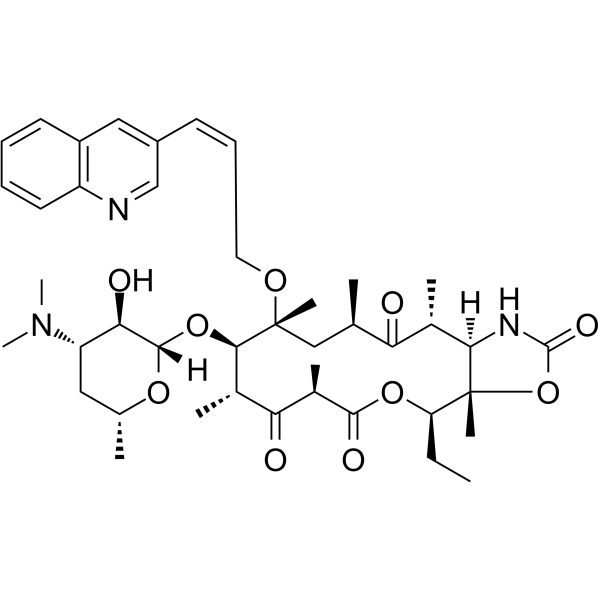
CX-5461 is a potent and oral rRNA synthesis inhibitor. It inhibits RNA polymerase I-driven transcription of rRNA with IC50s of 142, 113, and 54 nM in HCT-116, A375, and MIA PaCa-2 cells, respectively .
|
-
-
- HY-W011793
-
4-Thiouridine
Maximum Cited Publications
6 Publications Verification
|
Nucleoside Antimetabolite/Analog
|
Others
|
|
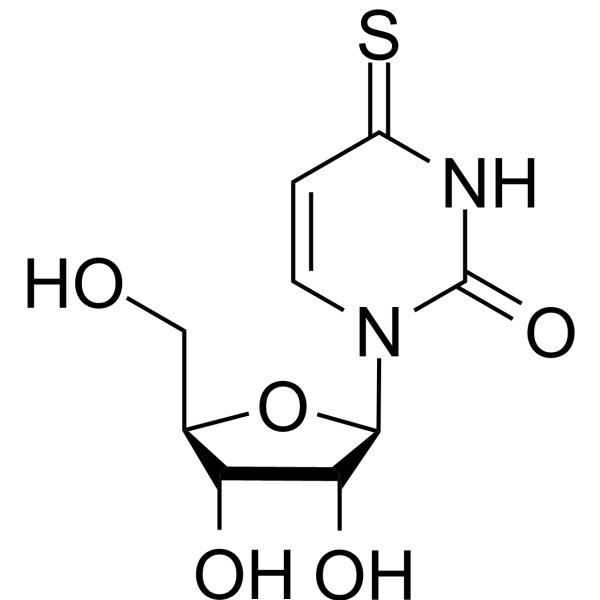
4-Thiouridine is a ribonucleoside analog, it is widely used in RNA analysis and (m)RNA labeling. 4-Thiouridine inhibits rRNA synthesis and causes a nucleolar stress response .
|
-
-
- HY-B1455
-
|
|
Bacterial
Antibiotic
Parasite
|
Infection
Cancer
|
|
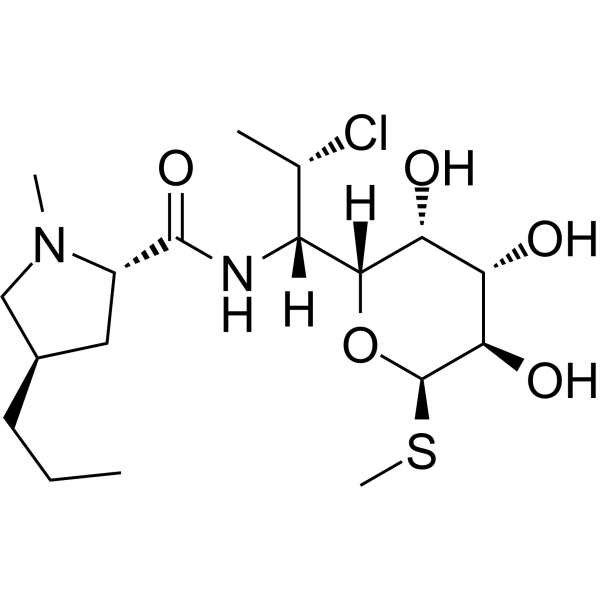
Clindamycin is an orally active and broad-spectrum bacteriostatic lincosamide antibiotic. Clindamycin can inhibit bacterial protein synthesis, possessing the ability to suppress the expression of virulence factors in Staphylococcus aureus at sub-inhibitory concentrations (sub-MICs). Clindamycin resistance results from enzymatic methylation of the antibiotic binding site in the 50S ribosomal subunit (23S rRNA). Clindamycin decreases the production of Panton-Valentine leucocidin (PVL), toxic-shock-staphylococcal toxin (TSST-1) or alpha-haemolysin (Hla). Clindamycin also can be used for researching malaria .
|
-
-
- HY-14855
-
|
TR 700; Torezolid; DA-7157
|
Bacterial
Antibiotic
|
Infection
|
|
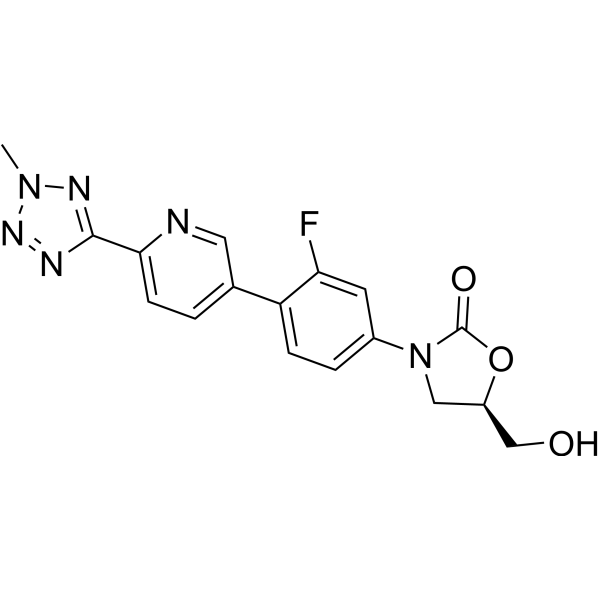
Tedizolid (TR 700; Torezolid; DA-7157) is a novel oxazolidinone, acting through inhibition of bacterial protein synthesis by binding to 23S ribosomal RNA (rRNA) of the 50S subunit of the ribosome.
|
-
-
- HY-113061
-
|
|
Endogenous Metabolite
Nucleoside Antimetabolite/Analog
DNA/RNA Synthesis
|
Cancer
|
|
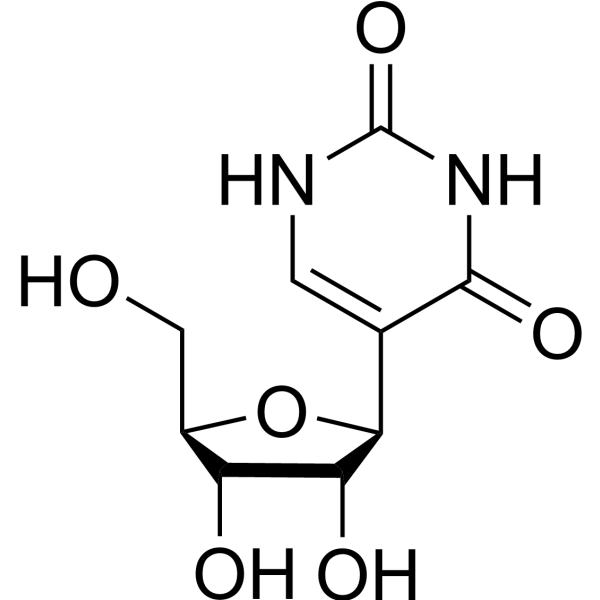
Pseudouridine is an isomer of uridine and the most abundant modified nucleoside in non-coding RNA. It fine-tunes and stabilizes regional structures in rRNA and tRNA, maintaining their functions in mRNA decoding, ribosome assembly, processing, and translation.
Pseudouridine-modified tRNA fragments can inhibit aberrant protein synthesis and hold promise for research on myelodysplastic syndrome (MDS)-related leukemia. .
|
-
-
- HY-W019670
-
-
-
- HY-W008091
-
|
|
DNA/RNA Synthesis
Endogenous Metabolite
|
Cancer
|
|
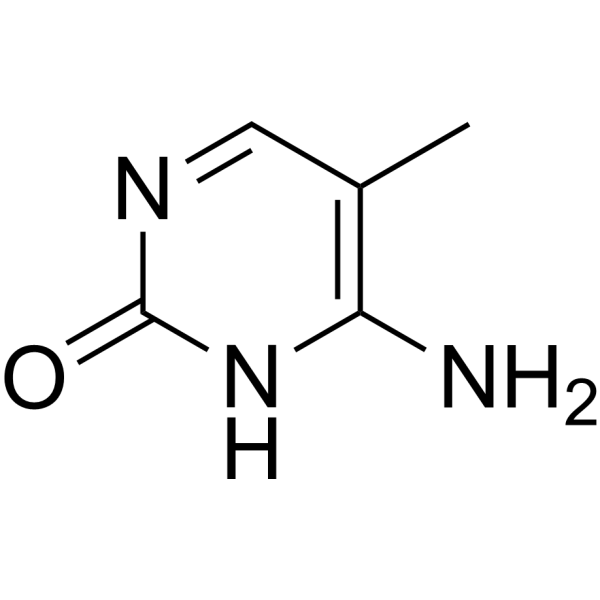
5-Methylcytosine is a well-characterized DNA modification in prokaryotes and eukaryotes. 5-Methylcytosine forms symmetrical methylation on CpG dinucleotides in DNA, stabilizes tRNA/rRNA structure in RNA, and affects mRNA translation. 5-Methylcytosine can be oxidized to generate 5hmC, 5fC, and 5caC. 5-Methylcytosine can be used in epigenetics, developmental biology, and the study of diseases such as colorectal cancer and hepatocellular carcinoma .
|
-
-
- HY-111647
-
|
|
Nucleoside Antimetabolite/Analog
Endogenous Metabolite
|
Others
|
|
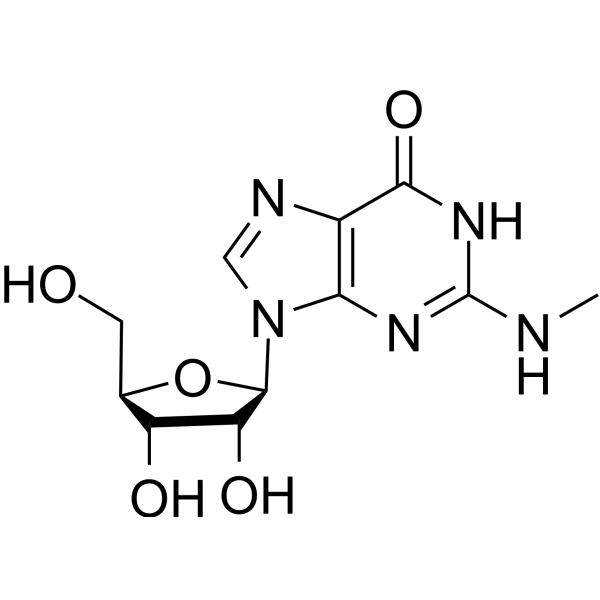
N2-Methylguanosine is a commonly modified nucleoside in rRNA and tRNA, with specific distributions in both E. coli rRNA and eukaryotic tRNA. N2-Methylguanosine can be found in urine. N2-Methylguanosine affects the structure and stability of RNA .
|
-
-
- HY-W009444
-
|
|
Endogenous Metabolite
|
Others
|
|
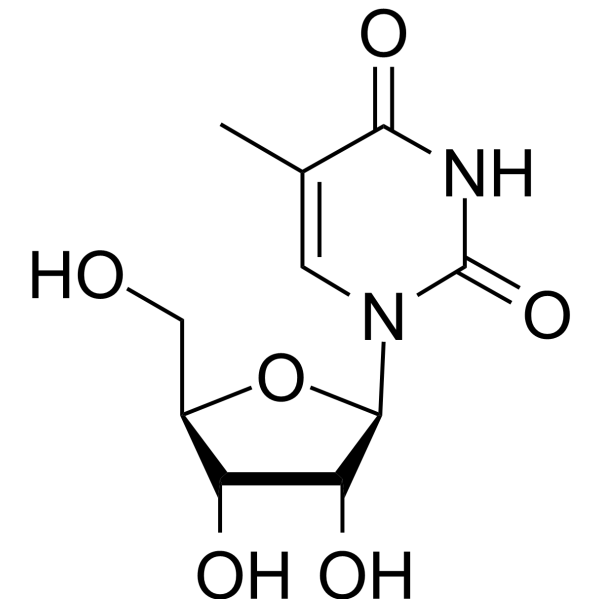
5-Methyluridine (m 5U) is an RNA modified nucleotide generated by RNA methyltransferases (such as TrmA and RumA), which mainly targets specific uracil sites in RNA molecules such as the T arm of tRNA and rRNA. 5-Methyluridine relies on enzyme recognition of RNA secondary/tertiary structures (such as the T loop of tRNA or the specific stem-loop structure of rRNA) and participates in physiological processes such as translation accuracy and ribosome function by stabilizing RNA folding or regulating base pairing .
|
-
-
- HY-13323A
-
|
|
DNA/RNA Synthesis
|
Cancer
|
|
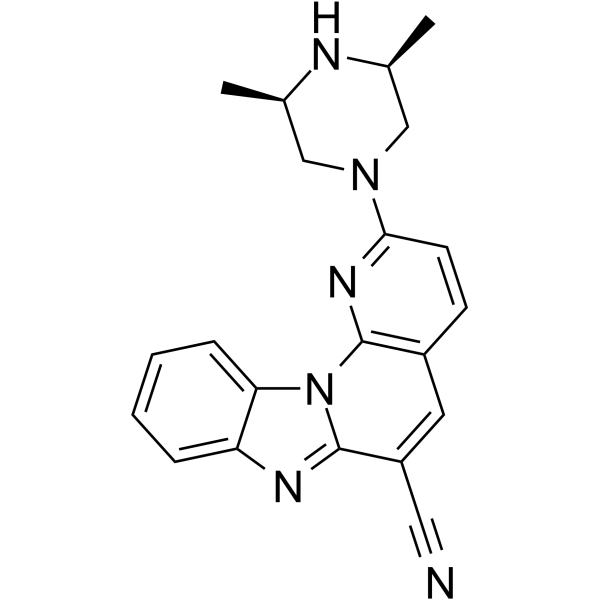
CX-5461 dihydrochloride is a potent and orally bioavailable inhibitor of Pol I-mediated rRNA synthesis, with IC50s of 142 nM in HCT-116, 113 nM in A375, and 54 nM in MIA PaCa-2 cells, and shows little or no effect on Pol II (IC50 ≥25 μM).
|
-
-
- HY-113138
-
|
N3-Methyluridine
|
Endogenous Metabolite
|
Metabolic Disease
|
|
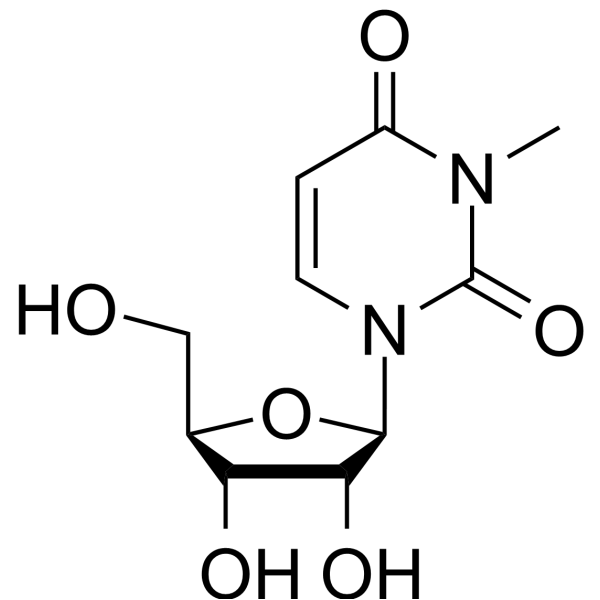
3-Methyluridine (m 3U; N3-Methyluridine) is a methylated nucleotide present in ribosomal RNA (rRNA), mainly targeting specific base sites of RNA molecules such as 23S rRNA. 3-Methyluridine can introduce a methyl group at the N3 position of uracil, affecting the secondary structure stability and base pairing ability of RNA, and regulating ribosome function. For example, it affects ribosomal subunit binding and tRNA interaction. 3-Methyluridine is often used as a key raw material for the synthesis of modified nucleotides, and is used to construct RNA oligonucleotides containing methylation modifications to study the effects of RNA methylation on gene expression and drug resistance .
|
-
-
- HY-113225
-
|
GTP
|
Endogenous Metabolite
DNA/RNA Synthesis
Apoptosis
Mitosis
|
Cancer
|
|
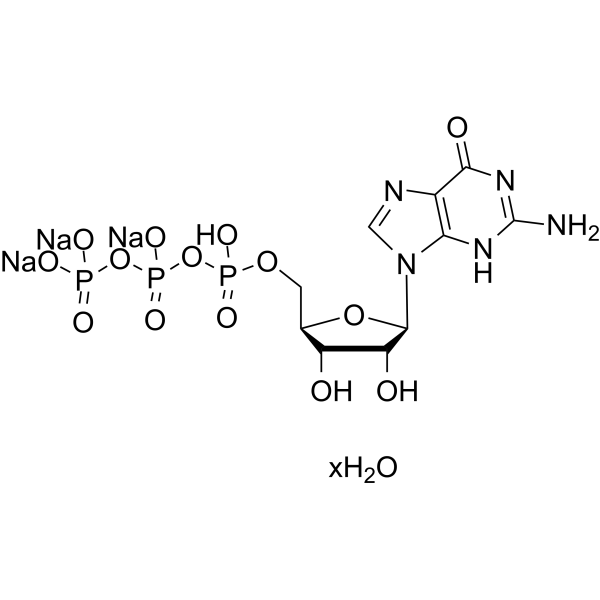
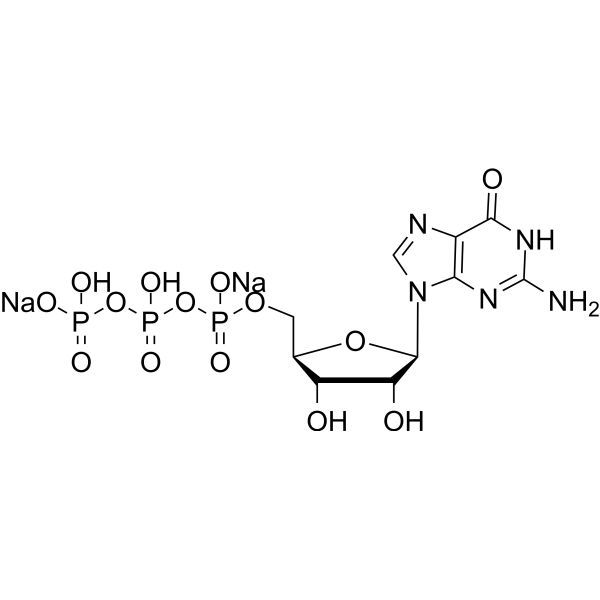
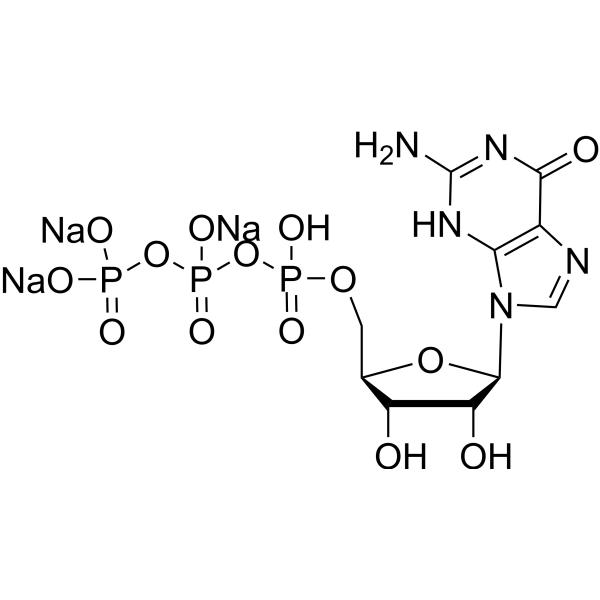
Guanosine triphosphate (GTP) is a critical nucleotide and regulator of cellular metabolism. Guanosine triphosphate promotes ribosomal DNA localization, pre-rRNA transcription and ribosome biogenesis by binding to RNA polymerase I and GPN proteins (GPN1/3). Guanosine triphosphate links MYC-dependent ribosome biogenesis to nucleotide sufficiency, acts as a metabolic gatekeeper supporting protein synthesis, DNA/RNA synthesis and cellular signal transduction, while also participating in the physiological activities of pancreatic β-cells and serving as an oxidative substrate for reactive oxygen species. In small cell lung cancer with high MYC expression, Guanosine triphosphate accumulates through the IMPDH-driven synthetic pathway, thereby affecting apoptosis and mitotic processes. Guanosine triphosphate is used in the research of small cell lung cancer, hepatoblastoma and cellular metabolism .
|
-
-
- HY-W753593
-
-
-
- HY-118723
-
|
|
DNA/RNA Synthesis
|
Cancer
|
|
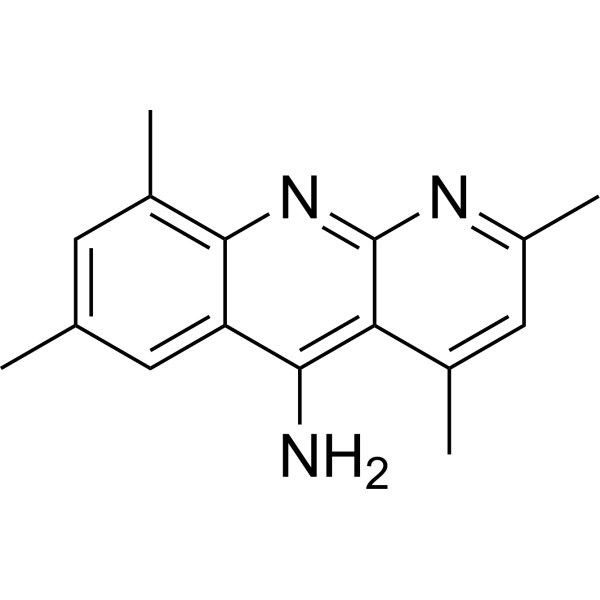
BMH-22, a benzonaphthyridin, is a RNA polymerase I (Pol I) transcription inhibitor independent of p53 function. BMH-22 causes reorganization of nucleolar marker proteins consistent with segregation of the nucleolus. BMH-22 destabilizes RPA194 in a proteasome-dependent manner and inhibits nascent rRNA synthesis and expression of the 45S rRNA precursor. BMH-22 shows potent anticancer activity across many tumor types .
|
-
-
- HY-N11857
-
|
|
Antibiotic
Bacterial
|
Infection
|
|
Gentamicin C2 is an aminoglycoside antibiotic with broad-spectrum bactericidal activity, selectively binding to the bacterial 16S rRNA A-site. Gentamicin C2 interferes with protein synthesis initiation and translation fidelity to exert bactericidal effects. Gentamicin C2 can be used for the research of bacterial infections .
|
-
-
- HY-113061R
-
|
|
Reference Standards
Endogenous Metabolite
Nucleoside Antimetabolite/Analog
DNA/RNA Synthesis
|
Others
|
|
Pseudouridine (Standard) is the analytical standard of Pseudouridine. This product is intended for research and analytical applications. Pseudouridine is an isomer of the nucleoside uridine, and the most abundant modified nucleoside in non-coding RNAs. Pseudouridine in rRNA and tRNA can fine-tune and stabilize the regional structure and help maintain their functions in mRNA decoding, ribosome assembly, processing and translation [4].
|
-
-
- HY-B0956A
-
|
Aminosidine
|
Bacterial
Parasite
Endogenous Metabolite
|
Infection
|
|
Paromomycin (Aminosidine) is an orally active broad-spectrum aminoglycoside aminocyclitol. Paromomycin is produced by Streptomyces riomosus var. Paromomycinus. Paromomycin binding induces local conformational changes in the 16S rRNA A-site. Paromomycin exhibits inhibitory activity against C. parvum. Paromomycin can be used in research related to leishmaniasis, amoebiasis and cryptosporidiosis .
|
-
-
- HY-W008091S
-
|
|
DNA/RNA Synthesis
Endogenous Metabolite
Isotope-Labeled Compounds
|
Cancer
|
|
5-Methylcytosine-d4 is the deuterium labeled 5-Methylcytosine (HY-W008091). 5-Methylcytosine is a well-characterized DNA modification in prokaryotes and eukaryotes. 5-Methylcytosine forms symmetrical methylation on CpG dinucleotides in DNA, stabilizes tRNA/rRNA structure in RNA, and affects mRNA translation. 5-Methylcytosine can be oxidized to generate 5hmC, 5fC, and 5caC. 5-Methylcytosine can be used in epigenetics, developmental biology, and the study of diseases such as colorectal cancer and hepatocellular carcinoma .
|
-
-
- HY-W019670R
-
-
-
- HY-113225S2
-
|
GTP-13C dilithium
|
Isotope-Labeled Compounds
Endogenous Metabolite
Mitosis
Apoptosis
DNA/RNA Synthesis
|
Infection
Cancer
|
|
Guanosine triphosphate- 13C (GTP- 13C) dilithium is 13C-labeled Guanosine triphosphate (HY-113225). Guanosine triphosphate (GTP) is a critical nucleotide and regulator of cellular metabolism. Guanosine triphosphate promotes ribosomal DNA localization, pre-rRNA transcription and ribosome biogenesis by binding to RNA polymerase I and GPN proteins (GPN1/3). Guanosine triphosphate links MYC-dependent ribosome biogenesis to nucleotide sufficiency, acts as a metabolic gatekeeper supporting protein synthesis, DNA/RNA synthesis and cellular signal transduction, while also participating in the physiological activities of pancreatic β-cells and serving as an oxidative substrate for reactive oxygen species. In small cell lung cancer with high MYC expression, Guanosine triphosphate accumulates through the IMPDH-driven synthetic pathway, thereby affecting apoptosis and mitotic processes. Guanosine triphosphate is used in the research of small cell lung cancer, hepatoblastoma and cellular metabolism .
|
-
-
- HY-113225S3
-
|
GTP-15N5 dilithium
|
Isotope-Labeled Compounds
Endogenous Metabolite
Mitosis
Apoptosis
DNA/RNA Synthesis
|
Infection
Cancer
|
|
Guanosine triphosphate- 15N5 (GTP- 15N5) dilithium is 15N labeled Guanosine triphosphate (HY-113225). Guanosine triphosphate dilithium (GTP) is a critical nucleotide and regulator of cellular metabolism. Guanosine triphosphate dilithium promotes ribosomal DNA localization, pre-rRNA transcription and ribosome biogenesis by binding to RNA polymerase I and GPN proteins (GPN1/3). Guanosine triphosphate dilithium links MYC-dependent ribosome biogenesis to nucleotide sufficiency, acts as a metabolic gatekeeper supporting protein synthesis, DNA/RNA synthesis and cellular signal transduction, while also participating in the physiological activities of pancreatic β-cells and serving as an oxidative substrate for reactive oxygen species. In small cell lung cancer with high MYC expression, Guanosine triphosphate dilithium accumulates through the IMPDH-driven synthetic pathway, thereby affecting apoptosis and mitotic processes. Guanosine triphosphate dilithium is used in the research of small cell lung cancer, hepatoblastoma and cellular metabolism .
|
-
-
- HY-113225S5
-
|
GTP-13C10 dilithium
|
Isotope-Labeled Compounds
Endogenous Metabolite
Mitosis
Apoptosis
DNA/RNA Synthesis
|
Infection
Cancer
|
|
Guanosine triphosphate- 13C10 (GTP- 13C10) dilithium is 13C-labeled Guanosine triphosphate (HY-113225). Guanosine triphosphate dilithium (GTP) is a critical nucleotide and regulator of cellular metabolism. Guanosine triphosphate dilithium promotes ribosomal DNA localization, pre-rRNA transcription and ribosome biogenesis by binding to RNA polymerase I and GPN proteins (GPN1/3). Guanosine triphosphate dilithium links MYC-dependent ribosome biogenesis to nucleotide sufficiency, acts as a metabolic gatekeeper supporting protein synthesis, DNA/RNA synthesis and cellular signal transduction, while also participating in the physiological activities of pancreatic β-cells and serving as an oxidative substrate for reactive oxygen species. In small cell lung cancer with high MYC expression, Guanosine triphosphate dilithium accumulates through the IMPDH-driven synthetic pathway, thereby affecting apoptosis and mitotic processes. Guanosine triphosphate dilithium is used in the research of small cell lung cancer, hepatoblastoma and cellular metabolism .
|
-
-
- HY-N7118
-
|
|
Bacterial
Antibiotic
|
Infection
Cancer
|
|
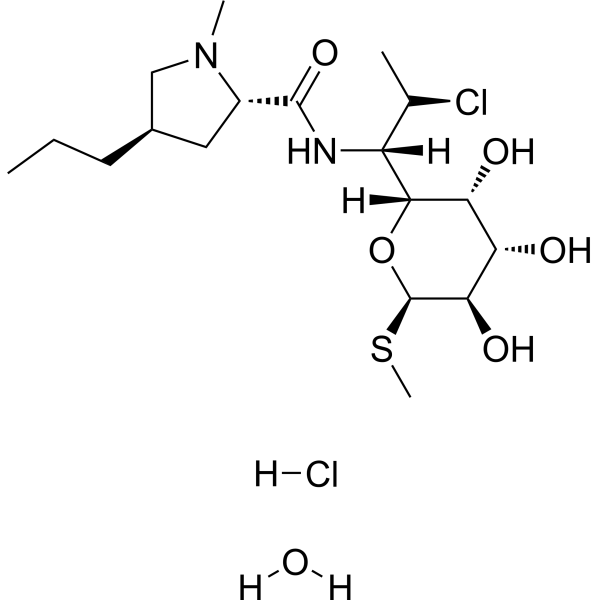
Clindamycin hydrochloride monohydrate is an oral protein synthesis inhibitory agent that has the ability to suppress the expression of virulence factors in Staphylococcus aureus at sub-inhibitory concentrations (sub-MICs). Clindamycin hydrochloride monohydrate resistance results from enzymatic methylation of the antibiotic binding site in the 50S ribosomal subunit (23S rRNA). Clindamycin hydrochloride monohydrate decreases the production of Panton-Valentine leucocidin (PVL), toxic-shock-staphylococcal toxin (TSST-1) or alpha-haemolysin (Hla) .
|
-
-
- HY-W008091R
-
|
|
Reference Standards
DNA/RNA Synthesis
Endogenous Metabolite
|
Cancer
|
|
5-Methylcytosine (Standard) is the analytical standard of 5-Methylcytosine (HY-W008091). This product is intended for research and analytical applications. 5-Methylcytosine is a well-characterized DNA modification in prokaryotes and eukaryotes. 5-Methylcytosine forms symmetrical methylation on CpG dinucleotides in DNA, stabilizes tRNA/rRNA structure in RNA, and affects mRNA translation. 5-Methylcytosine can be oxidized to generate 5hmC, 5fC, and 5caC. 5-Methylcytosine can be used in epigenetics, developmental biology, and the study of diseases such as colorectal cancer and hepatocellular carcinoma .
|
-
-
- HY-B1455S1
-
|
|
Isotope-Labeled Compounds
Bacterial
Antibiotic
Parasite
|
Infection
|
|
Clindamycin- 13C,d3 is the 13C- and deuterium labeled Clindamycin. Clindamycin is an orally active and broad-spectrum bacteriostatic lincosamide antibiotic. Clindamycin can inhibit bacterial protein synthesis, possessing the ability to suppress the expression of virulence factors in Staphylococcus aureus at sub-inhibitory concentrations (sub-MICs). Clindamycin resistance results from enzymatic methylation of the antibiotic binding site in the 50S ribosomal subunit (23S rRNA). Clindamycin decreases the production of Panton-Valentine leucocidin (PVL), toxic-shock-staphylococcal toxin (TSST-1) or alpha-haemolysin (Hla). Clindamycin also can be used for researching malaria .
|
-
-
- HY-W008091A
-
|
|
DNA/RNA Synthesis
Endogenous Metabolite
|
Cancer
|
|
5-Methylcytosine hydrochloride is a well-characterized DNA modification in prokaryotes and eukaryotes. 5-Methylcytosine hydrochloride forms symmetrical methylation on CpG dinucleotides in DNA, stabilizes tRNA/rRNA structure in RNA, and affects mRNA translation. 5-Methylcytosine hydrochloride can be oxidized to generate 5hmC, 5fC, and 5caC. 5-Methylcytosine hydrochloride can be used in epigenetics, developmental biology, and the study of diseases such as colorectal cancer and hepatocellular carcinoma .
|
-
-
- HY-13323R
-
|
|
Reference Standards
DNA/RNA Synthesis
|
Cancer
|
|
CX-5461 (Standard) is the analytical standard of CX-5461. This product is intended for research and analytical applications. CX-5461 is a potent and oral rRNA synthesis inhibitor. It inhibits RNA polymerase I-driven transcription of rRNA with IC50s of 142, 113, and 54 nM in HCT-116, A375, and MIA PaCa-2 cells, respectively .
|
-
-
- HY-W011793R
-
-
-
- HY-122588A
-
|
|
Antibiotic
|
Cardiovascular Disease
Metabolic Disease
|
|
Negamycin (hydrochloride) is a dipeptide antibiotic. Negamycin (hydrochloride) can restore dystrophin expression in skeletal and cardiac muscles in mdx Duchenne muscular dystrophy (DMD) murine model. Negamycin (hydrochloride) can bind to a partial sequence of the eukaryotic rRNA-decoding A-site. Negamycin (hydrochloride) can be studied in DMD research .
|
-
-
- HY-W768571
-
|
|
Isotope-Labeled Compounds
Nucleoside Antimetabolite/Analog
DNA/RNA Synthesis
Endogenous Metabolite
|
Cancer
|
|
Pseudouridine- 13C, 15N2 is the 13C- and 15N-labeled Pseudouridine (HY-113061). Pseudouridine is an isomer of uridine and the most abundant modified nucleoside in non-coding RNA. It fine-tunes and stabilizes regional structures in rRNA and tRNA, maintaining their functions in mRNA decoding, ribosome assembly, processing, and translation. Pseudouridine-modified tRNA fragments can inhibit aberrant protein synthesis and hold promise for research on myelodysplastic syndrome (MDS)-related leukemia. .
|
-
-
- HY-B1455S
-
|
|
Bacterial
Antibiotic
Parasite
|
Infection
|
|
Clindamycin-d3 (hydrochloride) is the deuterium labeled Clindamycin. Clindamycin is an orally active and broad-spectrum bacteriostatic lincosamide antibiotic. Clindamycin can inhibit bacterial protein synthesis, possessing the ability to suppress the expression of virulence factors in Staphylococcus aureus at sub-inhibitory concentrations (sub-MICs). Clindamycin resistance results from enzymatic methylation of the antibiotic binding site in the 50S ribosomal subunit (23S rRNA). Clindamycin decreases the production of Panton-Valentine leucocidin (PVL), toxic-shock-staphylococcal toxin (TSST-1) or alpha-haemolysin (Hla). Clindamycin also can be used for researching malaria .
|
-
-
- HY-113225S1
-
|
GTP-13C10,15N5 tetraammonium
|
Endogenous Metabolite
Mitosis
Apoptosis
DNA/RNA Synthesis
|
Cancer
|
|
Guanosine triphosphate- 13C10, 15N5 tetraammonium is the 13C and 15N labeled Guanosine triphosphate tetraammonium. Guanosine triphosphate tetraammonium (GTP) is a critical nucleotide and regulator of cellular metabolism. Guanosine triphosphate tetraammonium promotes ribosomal DNA localization, pre-rRNA transcription and ribosome biogenesis by binding to RNA polymerase I and GPN proteins (GPN1/3). Guanosine triphosphate tetraammonium links MYC-dependent ribosome biogenesis to nucleotide sufficiency, acts as a metabolic gatekeeper supporting protein synthesis, DNA/RNA synthesis and cellular signal transduction, while also participating in the physiological activities of pancreatic β-cells and serving as an oxidative substrate for reactive oxygen species. In small cell lung cancer with high MYC expression, Guanosine triphosphate tetraammonium accumulates through the IMPDH-driven synthetic pathway, thereby affecting apoptosis and mitotic processes. Guanosine triphosphate tetraammonium is used in the research of small cell lung cancer, hepatoblastoma and cellular metabolism .
|
-
-
- HY-113225S4
-
|
GTP-15N5,d14 dilithium
|
Isotope-Labeled Compounds
Endogenous Metabolite
Mitosis
Apoptosis
DNA/RNA Synthesis
|
Infection
Cancer
|
|
Guanosine triphosphate- 15N5,d14 (GTP- 15N5,d14) dilithium is deuterium and 15N labeled Guanosine triphosphate (HY-113225). Guanosine triphosphate dilithium (GTP) is a critical nucleotide and regulator of cellular metabolism. Guanosine triphosphate dilithium promotes ribosomal DNA localization, pre-rRNA transcription and ribosome biogenesis by binding to RNA polymerase I and GPN proteins (GPN1/3). Guanosine triphosphate dilithium links MYC-dependent ribosome biogenesis to nucleotide sufficiency, acts as a metabolic gatekeeper supporting protein synthesis, DNA/RNA synthesis and cellular signal transduction, while also participating in the physiological activities of pancreatic β-cells and serving as an oxidative substrate for reactive oxygen species. In small cell lung cancer with high MYC expression, Guanosine triphosphate dilithium accumulates through the IMPDH-driven synthetic pathway, thereby affecting apoptosis and mitotic processes. Guanosine triphosphate dilithium is used in the research of small cell lung cancer, hepatoblastoma and cellular metabolism .
|
-
-
- HY-18408
-
|
FAI
|
Biochemical Assay Reagents
|
Others
|
|
5S rRNA modificator is a suitable electrophile for 2’-hydroxyl acylation on structured RNA molecules, yielding accurate structural information comparable to that obtained with existing probes; 5S rRNA RNA modification.
|
-
-
- HY-148910
-
|
|
Antibiotic
|
Infection
|
|
Paromamine is an antibiotic that recognizes ribosomal RNA (rRNA) components .
|
-
-
- HY-111647S1
-
-
-
- HY-129057
-
|
|
HCV
|
Infection
|
|
2',5-Difluoro-2'-deoxycytidine, compound 13, has potent anti-HCV activity and toxicity to ribosomal RNA (rRNA) .
|
-
-
- HY-111647R
-
|
|
Reference Standards
Nucleoside Antimetabolite/Analog
Endogenous Metabolite
|
Others
|
|
N2-Methylguanosine (Standard) is the analytical standard of N2-Methylguanosine (HY-111647). This product is intended for research and analytical applications. N2-Methylguanosine is a commonly modified nucleoside in rRNA and tRNA, with specific distributions in both E. coli rRNA and eukaryotic tRNA. N2-Methylguanosine can be found in urine. N2-Methylguanosine affects the structure and stability of RNA .
|
-
-
- HY-119132
-
|
|
Bacterial
|
Infection
|
|
RWJ-416457 is an orally active antibacterial agent targeting 23S rRNA ribosome. RWJ-416457 is promising for research of Gram-positive bacterial infections .
|
-
-
- HY-135189
-
|
|
Others
|
Others
|
|
6-Aminophenanthridine inhibits the protein folding activity of the ribosome (PFAR). 6-Aminophenanthridine competitively occludes the protein substrates from binding to rRNA and thereby inhibits PFAR .
|
-
-
- HY-14855R
-
|
TR 700 (Standard); Torezolid (Standard); DA-7157 (Standard)
|
Reference Standards
Bacterial
Antibiotic
|
Infection
|
|
Tedizolid (Standard) is the analytical standard of Tedizolid. This product is intended for research and analytical applications. Tedizolid (TR 700; Torezolid; DA-7157) is a novel oxazolidinone, acting through inhibition of bacterial protein synthesis by binding to 23S ribosomal RNA (rRNA) of the 50S subunit of the ribosome.
|
-
-
- HY-14855S
-
|
TR 700-13C,d3; Torezolid-13C,d3; DA-7157-13C,d3
|
Isotope-Labeled Compounds
Bacterial
Antibiotic
|
Infection
|
|
Tedizolid- 13C,d3 is the 13C- and deuterium labeled Tedizolid. Tedizolid (TR 700; Torezolid; DA-7157) is a novel oxazolidinone, acting through inhibition of bacterial protein synthesis by binding to 23S ribosomal RNA (rRNA) of the 50S subunit of the ribosome.
|
-
-
- HY-113061S
-
-
-
- HY-Z15868
-
|
|
Nucleoside Antimetabolite/Analog
|
Infection
|
|
5-Hydroxycytidine is the RNA modified nucleoside that can be found in the 23S rRNA of bacteria E. coli. 5-Hydroxycytidine modifies at the C2501 site, exhibits a higher modification level in stationary cells. 5-Hydroxycytidine exhibits a higher modification level in radiation resistant Radius than in E. coli .
|
-
-
- HY-146463
-
|
|
DNA/RNA Synthesis
Bacterial
|
Infection
|
|
NusB-IN-1 (Compound 22r) is a potent, orally active bacterial rRNA synthesis inhibitor. NusB-IN-1 shows antimicrobial activity against MRSA and VRSA . NusB-IN-1 is a click chemistry reagent, it contains an Alkyne group and can undergo copper-catalyzed azide-alkyne cycloaddition (CuAAc) with molecules containing Azide groups.
|
-
-
- HY-175228
-
|
|
RNA MTase
Bacterial
|
Infection
|
|
RNA MTase-IN-1 (Compound 47) is a RNA methyltransferase (RNA MTase) inhibitor with an IC50 of 68 μM for 16S rRNA (m 1A1408) methyltransferase (NpmA). RNA MTase-IN-1 has a significant inhibitory activity against pathogen-associated aminoglycoside-resistance. RNA MTase-IN-1 can be used for resistant bacterial infections research .
|
-
-
- HY-N7118R
-
|
|
Reference Standards
Bacterial
Antibiotic
|
Infection
Cancer
|
|
Clindamycin (hydrochloride monohydrate) (Standard) is the analytical standard of Clindamycin (hydrochloride monohydrate). This product is intended for research and analytical applications. Clindamycin hydrochloride monohydrate is an oral protein synthesis inhibitory agent that has the ability to suppress the expression of virulence factors in Staphylococcus aureus at sub-inhibitory concentrations (sub-MICs). Clindamycin hydrochloride monohydrate resistance results from enzymatic methylation of the antibiotic binding site in the 50S ribosomal subunit (23S rRNA). Clindamycin hydrochloride monohydrate decreases the production of Panton-Valentine leucocidin (PVL), toxic-shock-staphylococcal toxin (TSST-1) or alpha-haemolysin (Hla) .
|
-
-
- HY-B1455R
-
|
|
Reference Standards
Bacterial
Antibiotic
Parasite
|
Infection
Cancer
|
|
Clindamycin (Standard) is the analytical standard of Clindamycin. This product is intended for research and analytical applications. Clindamycin is an orally active and broad-spectrum bacteriostatic lincosamide antibiotic. Clindamycin can inhibit bacterial protein synthesis, possessing the ability to suppress the expression of virulence factors in Staphylococcus aureus at sub-inhibitory concentrations (sub-MICs). Clindamycin resistance results from enzymatic methylation of the antibiotic binding site in the 50S ribosomal subunit (23S rRNA). Clindamycin decreases the production of Panton-Valentine leucocidin (PVL), toxic-shock-staphylococcal toxin (TSST-1) or alpha-haemolysin (Hla). Clindamycin also can be used for researching malaria .
|
-
-
- HY-P11730
-
|
|
Biochemical Assay Reagents
|
Others
|
|
Chloroplast rRNA blocker is a chloroplast rRNA-specific peptide nucleic acid (PNA) blocker. Chloroplast rRNA blocker targets the conserved 16S rRNA sequence in plants and can be used in research involving PCR, sequencing, and gene detection.
|
-
-
- HY-P11729
-
|
|
Biochemical Assay Reagents
|
Others
|
|
Mitochondria rRNA blocker is a PCR blocker based on peptide nucleic acid (PNA). Mitochondria rRNA blocker targets the conserved 16S rRNA sequence of mitochondria and can be used in research involving PCR, sequencing, and gene detection.
|
-
- HY-E71201
-
|
|
Biochemical Assay Reagents
|
Others
|
|
16S rRNA Pseudouridine516 synthase (EC 5.4.99.19) is specific for uridine516 in 16S rRNA. In vitro, the enzyme does not modify free 16S rRNA. The preferred substrate is a 5'-terminal fragment of 16S rRNA complexed with 30S ribosomal proteins.
|
-
- HY-P11731
-
|
|
Biochemical Assay Reagents
|
Infection
|
|
Internal Transcribed Spacers (ITS) rRNA blocker is a peptide nucleic acid (PNA) blocker. Internal Transcribed Spacers (ITS) rRNA blocker binds and suppresses the amplification of the ITS2 rRNA region, a commonly overrepresented target sequence in fungal PCR. Internal Transcribed Spacers (ITS) rRNA blocker can be used in research involving PCR, sequencing, and gene detection.
|
-
- HY-E71200C
-
|
|
Biochemical Assay Reagents
|
Others
|
|
16S rRNA (cytidine1409-2'-O)-Methyltransferase (EC 2.1.1.227) from Mycobacterium tuberculosis 2'-O-methylates cytidine1409 in helix 44 of 16S rRNA and cytidine1920 in helix 69 of 23S rRNA.
|
-
- HY-E71200M
-
|
|
Biochemical Assay Reagents
|
Others
|
|
16S rRNA (guanine966-N2)-Methyltransferase (EC 2.1.1.171) efficiently methylates guanine966 of the assembled 30S subunits in vitro. Protein-free 16S rRNA is not a substrate for RsmD. The enzyme specifically methylates guanine966 at N2 in 16S rRNA.
|
-
- HY-E71200K
-
-
- HY-E71200E
-
-
- HY-E71200H
-
-
- HY-E71200L
-
-
- HY-E71200
-
|
|
Biochemical Assay Reagents
|
Others
|
|
16S rRNA (adenine1408-N1)-Methyltransferase (EC 2.1.1.180) provides a panaminoglycoside-resistant nature through interference with the binding of aminoglycosides toward the A site of 16S rRNA through N1-methylation at position adenine1408.
|
-
- HY-E71200J
-
|
|
Biochemical Assay Reagents
|
Others
|
|
16S rRNA (guanine1405-N7)-Methyltransferase (EC 2.1.1.179) specifically methylates guanine1405 at N7 in 16S rRNA, thereby rendering the ribosome resistant to 4,6-disubstituted deoxystreptamine aminoglycosides, which include gentamicins and kanamycins.
|
-
- HY-E71200I
-
|
|
Biochemical Assay Reagents
|
Others
|
|
16S rRNA (guanine1207-N2)-Methyltransferase (EC 2.1.1.172) reacts well with 30S subunits reconstituted from 16S RNA transcripts and 30S proteins but is almost inactive with the corresponding free RNA. The enzyme specifically methylates guanine1207 at N2 in 16S rRNA.
|
-
- HY-E71200B
-
|
|
Biochemical Assay Reagents
|
Others
|
|
16S rRNA (cytidine1402-2'-O)-Methyltransferase (EC 2.1.1.198) catalyses the 2'-O-methylation of cytidine1402 and RsmH (EC 2.1.1.199) catalyses the N4-methylation of cytidine1402 in 16S rRNA. Both methylations are necessary for efficient translation initiation at the UUG and GUG codons.
|
-
- HY-E71200D
-
|
|
Biochemical Assay Reagents
|
Others
|
|
16S rRNA (cytosine1402-N4)-Methyltransferase (EC 2.1.1.199) catalyses the N4-methylation of cytosine1402 andRsmI (EC 2.1.1.198) catalyses the 2'-O-methylation of cytosine1402 in 16S rRNA. Both methylations are necessary for efficient translation initiation at the UUG and GUG codons.
|
-
- HY-E71200A
-
|
|
Biochemical Assay Reagents
|
Others
|
|
KsgA introduces the most highly conserved ribosomal RNA modification, the dimethylation of adenine1518 and adenine1519 in 16S rRNA. Strains lacking the methylase are resistant to kasugamycin.
|
-
- HY-113138R
-
|
N3-Methyluridine (Standard)
|
Endogenous Metabolite
Reference Standards
|
Metabolic Disease
|
|
3-Methyluridine (Standard) is the analytical standard of 3-Methyluridine. This product is intended for research and analytical applications. 3-Methyluridine (m3U; N3-Methyluridine) is a methylated nucleotide present in ribosomal RNA (rRNA), mainly targeting specific base sites of RNA molecules such as 23S rRNA. 3-Methyluridine can introduce a methyl group at the N3 position of uracil, affecting the secondary structure stability and base pairing ability of RNA, and regulating ribosome function. For example, it affects ribosomal subunit binding and tRNA interaction. 3-Methyluridine is often used as a key raw material for the synthesis of modified nucleotides, and is used to construct RNA oligonucleotides containing methylation modifications to study the effects of RNA methylation on gene expression and drug resistance .
|
-
| Cat. No. |
Product Name |
Target |
Research Area |
-
- HY-P11730
-
|
|
Biochemical Assay Reagents
|
Others
|
|
Chloroplast rRNA blocker is a chloroplast rRNA-specific peptide nucleic acid (PNA) blocker. Chloroplast rRNA blocker targets the conserved 16S rRNA sequence in plants and can be used in research involving PCR, sequencing, and gene detection.
|
-
- HY-P11729
-
|
|
Biochemical Assay Reagents
|
Others
|
|
Mitochondria rRNA blocker is a PCR blocker based on peptide nucleic acid (PNA). Mitochondria rRNA blocker targets the conserved 16S rRNA sequence of mitochondria and can be used in research involving PCR, sequencing, and gene detection.
|
-
- HY-P11731
-
|
|
Biochemical Assay Reagents
|
Infection
|
|
Internal Transcribed Spacers (ITS) rRNA blocker is a peptide nucleic acid (PNA) blocker. Internal Transcribed Spacers (ITS) rRNA blocker binds and suppresses the amplification of the ITS2 rRNA region, a commonly overrepresented target sequence in fungal PCR. Internal Transcribed Spacers (ITS) rRNA blocker can be used in research involving PCR, sequencing, and gene detection.
|
-
- HY-K0552A
-
|
|
|
MCE Mycoplasma Detection Plus Kit (PCR) employs polymerase chain reaction (PCR) technology for rapid and sensitive detection of mycoplasma contamination in cultured cells and related biological samples. The kit contains a PCR premix and mycoplasma-specific primers designed against conserved regions of the 16S rRNA gene. Cell culture supernatant or cell lysates can be used directly as templates for specific amplification of mycoplasma DNA, enabling rapid identification of mycoplasma contamination.
|
| Cat. No. |
Product Name |
Category |
Target |
Chemical Structure |
-
- HY-113061
-
-
-
- HY-W019670
-
-
-
- HY-W008091
-
-
-
- HY-W009444
-
-
-
- HY-113138
-
|
N3-Methyluridine
|
Natural Products
Classification of Application Fields
Other Diseases
Endogenous metabolite
Disease Research Fields
Source Classification
|
Endogenous Metabolite
|
|
3-Methyluridine (m 3U; N3-Methyluridine) is a methylated nucleotide present in ribosomal RNA (rRNA), mainly targeting specific base sites of RNA molecules such as 23S rRNA. 3-Methyluridine can introduce a methyl group at the N3 position of uracil, affecting the secondary structure stability and base pairing ability of RNA, and regulating ribosome function. For example, it affects ribosomal subunit binding and tRNA interaction. 3-Methyluridine is often used as a key raw material for the synthesis of modified nucleotides, and is used to construct RNA oligonucleotides containing methylation modifications to study the effects of RNA methylation on gene expression and drug resistance .
|
-
-
- HY-113225
-
-
-
- HY-N11857
-
-
-
- HY-113061R
-
-
-
- HY-B0956A
-
-
-
- HY-W019670R
-
-
-
- HY-W008091R
-
-
-
- HY-111647R
-
-
-
- HY-113138R
-
|
N3-Methyluridine (Standard)
|
Structural Classification
Natural Products
Endogenous metabolite
Source Classification
|
Endogenous Metabolite
Reference Standards
|
|
3-Methyluridine (Standard) is the analytical standard of 3-Methyluridine. This product is intended for research and analytical applications. 3-Methyluridine (m3U; N3-Methyluridine) is a methylated nucleotide present in ribosomal RNA (rRNA), mainly targeting specific base sites of RNA molecules such as 23S rRNA. 3-Methyluridine can introduce a methyl group at the N3 position of uracil, affecting the secondary structure stability and base pairing ability of RNA, and regulating ribosome function. For example, it affects ribosomal subunit binding and tRNA interaction. 3-Methyluridine is often used as a key raw material for the synthesis of modified nucleotides, and is used to construct RNA oligonucleotides containing methylation modifications to study the effects of RNA methylation on gene expression and drug resistance .
|
-
| Cat. No. |
Compare |
Product Name |
Species |
Source |
Image |
Compare Products
|
| Products |
|
| Cat. No. |
|
| Species |
|
| Source |
|
| Tag |
|
| Accession |
|
| Gene ID |
|
| Molecular Weight |
|
| Purity |
|
| Endotoxin Level |
|
| Biological Activity |
|
| Appearance |
|
| Formulation |
|
| Storage & Stability |
|
| Shipping |
|
| Free Sample |
Yes
No
|
| Size |
* This product has been "discontinued".
Optimized version of product available:
|
| Cat. No. |
Product Name |
Chemical Structure |
-
- HY-W753593
-
|
|
|
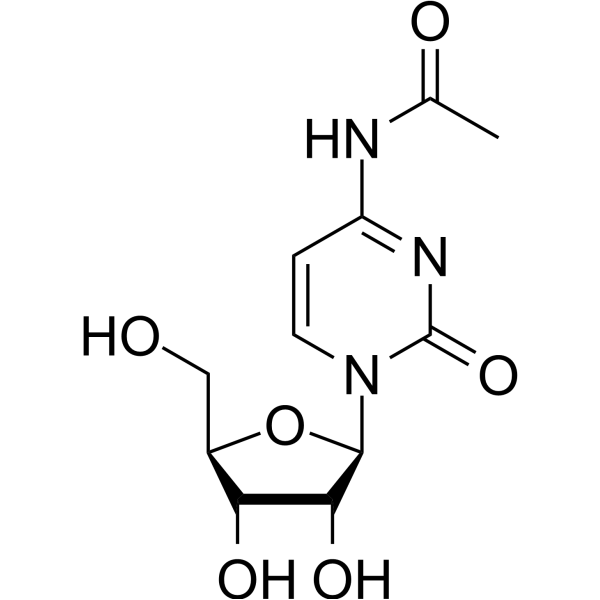
N4-Acetylcytidine- 13C5 is the 13C-labeled N4-Acetylcytidine (HY-W019670). N4-acetylcytidine (N4A) is an endogenous nucleoside metabolite from the degradation of tRNA. N4-Acetylcytidine is formed by N-acetyltransferase 10 and other enzymes. N4-acetylcytidine might sustain NLRP3 inflammasome activation via induction of HMGB1 expression and releasee. N4-Acetylcytidine modifies mRNA, tRNA and rRNA, affecting their stability, translation efficiency (such as enterovirus 71 RNA). N4-Acetylcytidine is used in the study of cancer, neuroinflammatory diseases, viral infections and obesity .
|
-
-
- HY-W008091S
-
|
|
|
5-Methylcytosine-d4 is the deuterium labeled 5-Methylcytosine (HY-W008091). 5-Methylcytosine is a well-characterized DNA modification in prokaryotes and eukaryotes. 5-Methylcytosine forms symmetrical methylation on CpG dinucleotides in DNA, stabilizes tRNA/rRNA structure in RNA, and affects mRNA translation. 5-Methylcytosine can be oxidized to generate 5hmC, 5fC, and 5caC. 5-Methylcytosine can be used in epigenetics, developmental biology, and the study of diseases such as colorectal cancer and hepatocellular carcinoma .
|
-
-
- HY-113225S2
-
|
|
|
Guanosine triphosphate- 13C (GTP- 13C) dilithium is 13C-labeled Guanosine triphosphate (HY-113225). Guanosine triphosphate (GTP) is a critical nucleotide and regulator of cellular metabolism. Guanosine triphosphate promotes ribosomal DNA localization, pre-rRNA transcription and ribosome biogenesis by binding to RNA polymerase I and GPN proteins (GPN1/3). Guanosine triphosphate links MYC-dependent ribosome biogenesis to nucleotide sufficiency, acts as a metabolic gatekeeper supporting protein synthesis, DNA/RNA synthesis and cellular signal transduction, while also participating in the physiological activities of pancreatic β-cells and serving as an oxidative substrate for reactive oxygen species. In small cell lung cancer with high MYC expression, Guanosine triphosphate accumulates through the IMPDH-driven synthetic pathway, thereby affecting apoptosis and mitotic processes. Guanosine triphosphate is used in the research of small cell lung cancer, hepatoblastoma and cellular metabolism .
|
-
-
- HY-113225S3
-
|
|
|
Guanosine triphosphate- 15N5 (GTP- 15N5) dilithium is 15N labeled Guanosine triphosphate (HY-113225). Guanosine triphosphate dilithium (GTP) is a critical nucleotide and regulator of cellular metabolism. Guanosine triphosphate dilithium promotes ribosomal DNA localization, pre-rRNA transcription and ribosome biogenesis by binding to RNA polymerase I and GPN proteins (GPN1/3). Guanosine triphosphate dilithium links MYC-dependent ribosome biogenesis to nucleotide sufficiency, acts as a metabolic gatekeeper supporting protein synthesis, DNA/RNA synthesis and cellular signal transduction, while also participating in the physiological activities of pancreatic β-cells and serving as an oxidative substrate for reactive oxygen species. In small cell lung cancer with high MYC expression, Guanosine triphosphate dilithium accumulates through the IMPDH-driven synthetic pathway, thereby affecting apoptosis and mitotic processes. Guanosine triphosphate dilithium is used in the research of small cell lung cancer, hepatoblastoma and cellular metabolism .
|
-
-
- HY-113225S5
-
|
|
|
Guanosine triphosphate- 13C10 (GTP- 13C10) dilithium is 13C-labeled Guanosine triphosphate (HY-113225). Guanosine triphosphate dilithium (GTP) is a critical nucleotide and regulator of cellular metabolism. Guanosine triphosphate dilithium promotes ribosomal DNA localization, pre-rRNA transcription and ribosome biogenesis by binding to RNA polymerase I and GPN proteins (GPN1/3). Guanosine triphosphate dilithium links MYC-dependent ribosome biogenesis to nucleotide sufficiency, acts as a metabolic gatekeeper supporting protein synthesis, DNA/RNA synthesis and cellular signal transduction, while also participating in the physiological activities of pancreatic β-cells and serving as an oxidative substrate for reactive oxygen species. In small cell lung cancer with high MYC expression, Guanosine triphosphate dilithium accumulates through the IMPDH-driven synthetic pathway, thereby affecting apoptosis and mitotic processes. Guanosine triphosphate dilithium is used in the research of small cell lung cancer, hepatoblastoma and cellular metabolism .
|
-
-
- HY-B1455S1
-
|
|
|
Clindamycin- 13C,d3 is the 13C- and deuterium labeled Clindamycin. Clindamycin is an orally active and broad-spectrum bacteriostatic lincosamide antibiotic. Clindamycin can inhibit bacterial protein synthesis, possessing the ability to suppress the expression of virulence factors in Staphylococcus aureus at sub-inhibitory concentrations (sub-MICs). Clindamycin resistance results from enzymatic methylation of the antibiotic binding site in the 50S ribosomal subunit (23S rRNA). Clindamycin decreases the production of Panton-Valentine leucocidin (PVL), toxic-shock-staphylococcal toxin (TSST-1) or alpha-haemolysin (Hla). Clindamycin also can be used for researching malaria .
|
-
-
- HY-W768571
-
|
|
|
Pseudouridine- 13C, 15N2 is the 13C- and 15N-labeled Pseudouridine (HY-113061). Pseudouridine is an isomer of uridine and the most abundant modified nucleoside in non-coding RNA. It fine-tunes and stabilizes regional structures in rRNA and tRNA, maintaining their functions in mRNA decoding, ribosome assembly, processing, and translation. Pseudouridine-modified tRNA fragments can inhibit aberrant protein synthesis and hold promise for research on myelodysplastic syndrome (MDS)-related leukemia. .
|
-
-
- HY-B1455S
-
|
|
|
Clindamycin-d3 (hydrochloride) is the deuterium labeled Clindamycin. Clindamycin is an orally active and broad-spectrum bacteriostatic lincosamide antibiotic. Clindamycin can inhibit bacterial protein synthesis, possessing the ability to suppress the expression of virulence factors in Staphylococcus aureus at sub-inhibitory concentrations (sub-MICs). Clindamycin resistance results from enzymatic methylation of the antibiotic binding site in the 50S ribosomal subunit (23S rRNA). Clindamycin decreases the production of Panton-Valentine leucocidin (PVL), toxic-shock-staphylococcal toxin (TSST-1) or alpha-haemolysin (Hla). Clindamycin also can be used for researching malaria .
|
-
-
- HY-113225S1
-
|
|
|
Guanosine triphosphate- 13C10, 15N5 tetraammonium is the 13C and 15N labeled Guanosine triphosphate tetraammonium. Guanosine triphosphate tetraammonium (GTP) is a critical nucleotide and regulator of cellular metabolism. Guanosine triphosphate tetraammonium promotes ribosomal DNA localization, pre-rRNA transcription and ribosome biogenesis by binding to RNA polymerase I and GPN proteins (GPN1/3). Guanosine triphosphate tetraammonium links MYC-dependent ribosome biogenesis to nucleotide sufficiency, acts as a metabolic gatekeeper supporting protein synthesis, DNA/RNA synthesis and cellular signal transduction, while also participating in the physiological activities of pancreatic β-cells and serving as an oxidative substrate for reactive oxygen species. In small cell lung cancer with high MYC expression, Guanosine triphosphate tetraammonium accumulates through the IMPDH-driven synthetic pathway, thereby affecting apoptosis and mitotic processes. Guanosine triphosphate tetraammonium is used in the research of small cell lung cancer, hepatoblastoma and cellular metabolism .
|
-
-
- HY-113225S4
-
|
|
|
Guanosine triphosphate- 15N5,d14 (GTP- 15N5,d14) dilithium is deuterium and 15N labeled Guanosine triphosphate (HY-113225). Guanosine triphosphate dilithium (GTP) is a critical nucleotide and regulator of cellular metabolism. Guanosine triphosphate dilithium promotes ribosomal DNA localization, pre-rRNA transcription and ribosome biogenesis by binding to RNA polymerase I and GPN proteins (GPN1/3). Guanosine triphosphate dilithium links MYC-dependent ribosome biogenesis to nucleotide sufficiency, acts as a metabolic gatekeeper supporting protein synthesis, DNA/RNA synthesis and cellular signal transduction, while also participating in the physiological activities of pancreatic β-cells and serving as an oxidative substrate for reactive oxygen species. In small cell lung cancer with high MYC expression, Guanosine triphosphate dilithium accumulates through the IMPDH-driven synthetic pathway, thereby affecting apoptosis and mitotic processes. Guanosine triphosphate dilithium is used in the research of small cell lung cancer, hepatoblastoma and cellular metabolism .
|
-
-
- HY-111647S1
-
|
|
|
N2-Methylguanosine-d3 is deuterium labeled N2-Methylguanosine (HY-111647). N2-Methylguanosine is a commonly modified nucleoside in rRNA and tRNA, with specific distributions in both E. coli rRNA and eukaryotic tRNA. N2-Methylguanosine can be found in urine. N2-Methylguanosine affects the structure and stability of RNA .
|
-
-
- HY-14855S
-
|
|
|
Tedizolid- 13C,d3 is the 13C- and deuterium labeled Tedizolid. Tedizolid (TR 700; Torezolid; DA-7157) is a novel oxazolidinone, acting through inhibition of bacterial protein synthesis by binding to 23S ribosomal RNA (rRNA) of the 50S subunit of the ribosome.
|
-
-
- HY-113061S
-
|
|
|
Pseudouridine- 18O is the 18O labeled Pseudouridine (HY-113061). Pseudouridine is an isomer of the nucleoside uridine, and the most abundant modified nucleoside in non-coding RNAs. Pseudouridine in rRNA and tRNA can fine-tune and stabilize the regional structure and help maintain their functions in mRNA decoding, ribosome assembly, processing and translation.
|
-
| Cat. No. |
Compare |
Product Name |
Application |
Reactivity |
Image |
Compare Products
|
| Products |
|
| Cat. No. |
|
| Host |
|
| Reactivity |
|
| Application |
|
Dilution Ratio |
|
| Molecular Weight |
|
| Conjugation |
|
| Clonality |
|
| Immunogen |
|
| Appearance |
|
| Isotype |
|
| Gene ID |
|
| SwissProt ID |
|
| Purity |
|
| Formulation |
|
| Free Sample |
Yes
No
|
| Size |
* This product has been "discontinued".
Optimized version of product available:
|
| Cat. No. |
Product Name |
|
Classification |
-
- HY-W011793
-
4-Thiouridine
Maximum Cited Publications
6 Publications Verification
|
|
Nucleoside Analogs
Uridine
|
|
4-Thiouridine is a ribonucleoside analog, it is widely used in RNA analysis and (m)RNA labeling. 4-Thiouridine inhibits rRNA synthesis and causes a nucleolar stress response .
|
-
- HY-113061
-
|
|
|
Nucleoside Analogs
Uridine
|
|
Pseudouridine is an isomer of uridine and the most abundant modified nucleoside in non-coding RNA. It fine-tunes and stabilizes regional structures in rRNA and tRNA, maintaining their functions in mRNA decoding, ribosome assembly, processing, and translation.
Pseudouridine-modified tRNA fragments can inhibit aberrant protein synthesis and hold promise for research on myelodysplastic syndrome (MDS)-related leukemia. .
|
-
- HY-111647
-
|
|
|
Nucleoside Analogs
Guanosine
|
|
N2-Methylguanosine is a commonly modified nucleoside in rRNA and tRNA, with specific distributions in both E. coli rRNA and eukaryotic tRNA. N2-Methylguanosine can be found in urine. N2-Methylguanosine affects the structure and stability of RNA .
|
-
- HY-W009444
-
|
|
|
Nucleoside Analogs
Uridine
|
|
5-Methyluridine (m 5U) is an RNA modified nucleotide generated by RNA methyltransferases (such as TrmA and RumA), which mainly targets specific uracil sites in RNA molecules such as the T arm of tRNA and rRNA. 5-Methyluridine relies on enzyme recognition of RNA secondary/tertiary structures (such as the T loop of tRNA or the specific stem-loop structure of rRNA) and participates in physiological processes such as translation accuracy and ribosome function by stabilizing RNA folding or regulating base pairing .
|
-
- HY-113225
-
|
GTP
|
|
Nucleotide Analogs
|
|
Guanosine triphosphate (GTP) is a critical nucleotide and regulator of cellular metabolism. Guanosine triphosphate promotes ribosomal DNA localization, pre-rRNA transcription and ribosome biogenesis by binding to RNA polymerase I and GPN proteins (GPN1/3). Guanosine triphosphate links MYC-dependent ribosome biogenesis to nucleotide sufficiency, acts as a metabolic gatekeeper supporting protein synthesis, DNA/RNA synthesis and cellular signal transduction, while also participating in the physiological activities of pancreatic β-cells and serving as an oxidative substrate for reactive oxygen species. In small cell lung cancer with high MYC expression, Guanosine triphosphate accumulates through the IMPDH-driven synthetic pathway, thereby affecting apoptosis and mitotic processes. Guanosine triphosphate is used in the research of small cell lung cancer, hepatoblastoma and cellular metabolism .
|
-
- HY-Z15868
-
|
|
|
Nucleoside Analogs
Cytidine
|
|
5-Hydroxycytidine is the RNA modified nucleoside that can be found in the 23S rRNA of bacteria E. coli. 5-Hydroxycytidine modifies at the C2501 site, exhibits a higher modification level in stationary cells. 5-Hydroxycytidine exhibits a higher modification level in radiation resistant Radius than in E. coli .
|
Your information is safe with us. * Required Fields.
Inquiry Information
- Product Name:
- Cat. No.:
- Quantity:
- MCE Japan Authorized Agent:

