
Search Result
Results for "
radioactive
" in MedChemExpress (MCE) Product Catalog:
6
Biochemical Assay Reagents
2
Isotope-Labeled Compounds
| Cat. No. |
Product Name |
Target |
Research Areas |
Chemical Structure |
-
- HY-43869
-
|
PSMA-617 Ligand-Linker Conjugate
|
ADC Linker
|
Cancer
|
|
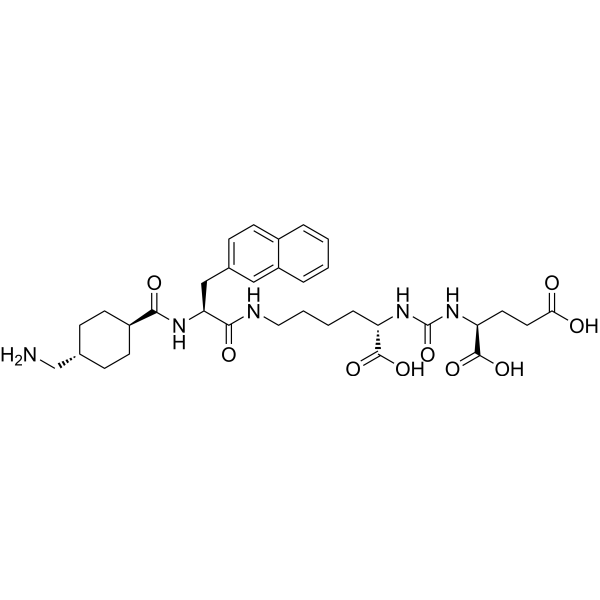
Vipivotide tetraxetan Ligand-Linker Conjugate (PSMA-617 Ligand-Linker Conjugate) is a complex composed of pharmacophore group Glutamate-urea-Lysine peptide coupling linker, which can be used to synthesize Vipivotide tetraxetan (PSMA-617). Glutamate-urea-Lysine selectively binds to prostate-specific membrane antigen (PSMA) .
|
-
-
- HY-100138
-
|
|
Radionuclide-Drug Conjugates (RDCs)
ADC Linker
|
Cancer
|
|
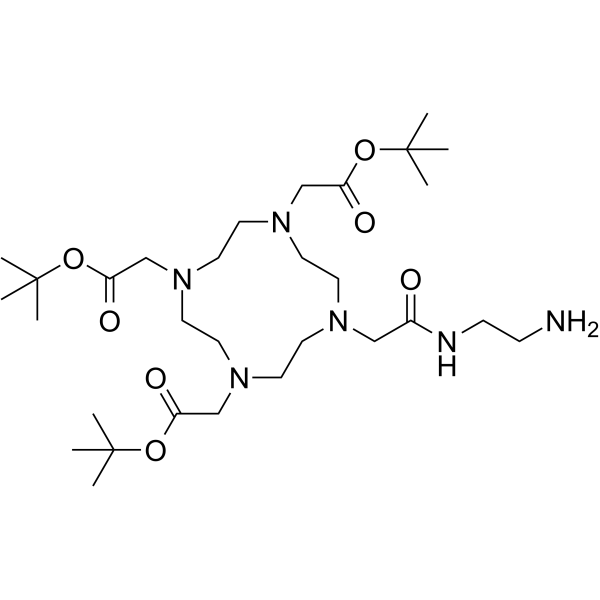
2-Aminoethyl-mono-amide-DOTA-tris(tBu ester) is a metal chelator precursor containing a DOTA macrocyclic structure. DOTA can form highly stable complexes with metal ions (such as 68Ga, 177Lu) through four nitrogen atoms and four carboxylic acid groups to mediate targeted delivery of radionuclides. The tert-butyl ester group (tBu ester) of 2-Aminoethyl-mono-amide-DOTA-tris(tBu ester) also protects the carboxylic acid group during synthesis, and forms a free carboxyl group after deprotection reaction for coupling with targeting molecules (such as antibodies, peptides). 2-Aminoethyl-mono-amide-DOTA-tris(tBu ester) may be combined with tumor pre-targeting systems through bioorthogonal reactions (such as reverse electron demand Diels-Alder reaction) to study radioactive imaging or therapy of tumor tissues, and is mainly used in tumor pre-targeting research in the field of nuclear medicine .
|
-
-
- HY-134797
-
|
|
Radionuclide-Drug Conjugates (RDCs)
|
Cancer
|
|
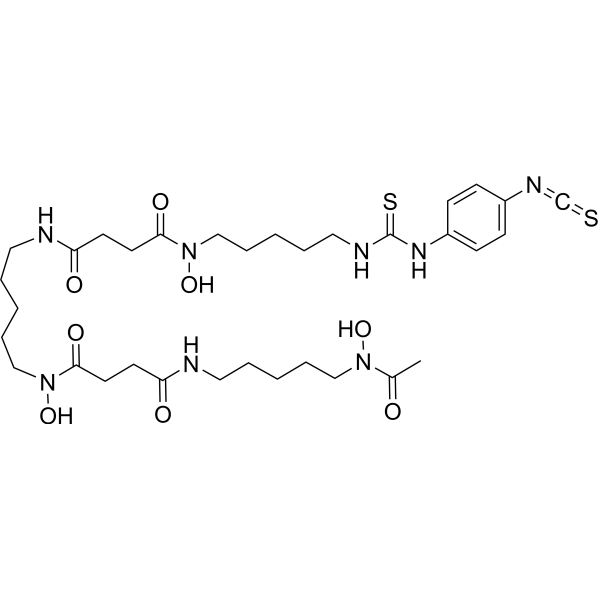
P-SCN-Bn-deferoxamine is a bifunctional chelating agent that can link radioactive metal nuclides (such as Zr-89) and biological targeting molecules (such as antibodies). P-SCN-Bn-deferoxamine can be used for the research of immune PET imaging .
|
-
-
- HY-W782083
-
|
|
Biochemical Assay Reagents
Radionuclide-Drug Conjugates (RDCs)
Bombesin Receptor
EGFR
|
Cancer
|
|
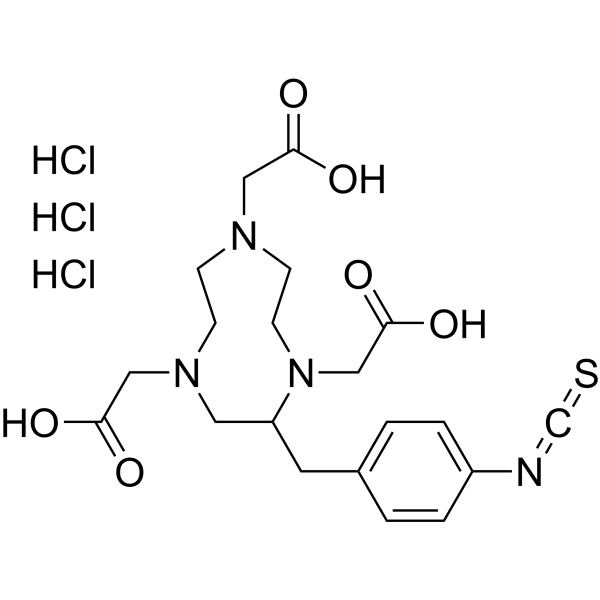
p-SCN-Bn-NOTA trihydrochloride is a macrocyclic chelator. p-SCN-Bn-NOTA trihydrochloride can be covalently coupled to molecules such as peptides through the thiocyanate group to form hexacoordinate copper (such as 64Cu) complexes. p-SCN-Bn-NOTA trihydrochloride specifically binds to GRPR or EGFR highly expressed on the surface of tumor cells, mediating tumor enrichment of radioactive probes. p-SCN-Bn-NOTA trihydrochloride can be used to study malignant tumors expressing GRPR or EGFR, such as prostate cancer and colorectal cancer .
|
-
-
- HY-W1124925
-
|
|
Radionuclide-Drug Conjugates (RDCs)
Glycoprotein VI
|
Cancer
|
|
DOTA-GPC3 targeting peptide 2 (Sequence 30) is a RDC peptide targeting GPC3, with Kd of 0.3 nM. DOTA-GPC3 targeting peptide 2 is composed of DOTA and GPC3 targeting peptide 2. DOTA-GPC3 targeting peptide 2 can be labeled with radioactive elements .
|
-
-
- HY-158067
-
|
DFO-DBCO
|
Biochemical Assay Reagents
Radionuclide-Drug Conjugates (RDCs)
|
Cancer
|
|
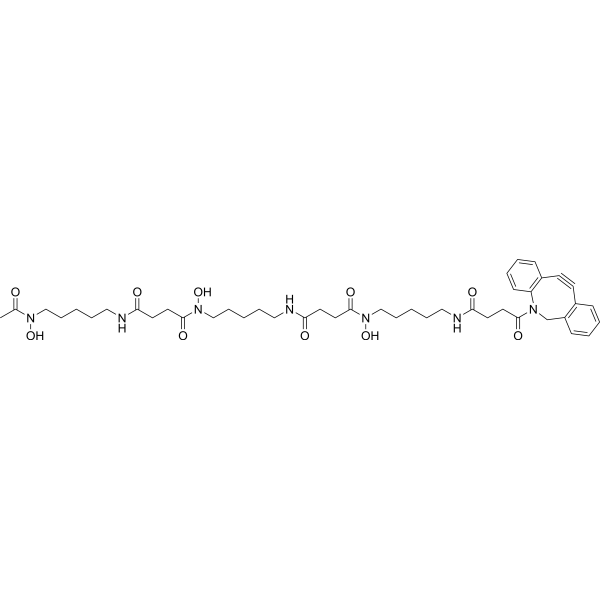
Deferoxamine-DBCO is a bifunctional chelating agent. Deferoxamine-DBCO efficiently chelates with radioactive metals (such as 89Zr) through the DFO structure to achieve radiolabeling. Deferoxamine-DBCO undergoes a metal-free Huisgen cycloaddition reaction with azide-containing biomolecules (such as siRNA, monoclonal antibodies) under bioorthogonal conditions through the DBCO structure to achieve targeted coupling. Deferoxamine-DBCO has efficient metal chelating ability and specific bioorthogonal reaction activity. Deferoxamine-DBCO can be used for targeted radioactive imaging studies of tumors .
|
-
-
- HY-W008951
-
|
EDTMP
|
Radionuclide-Drug Conjugates (RDCs)
|
Neurological Disease
Cancer
|
|
Ethylenediaminetetramethylenephosphonic acid (EDTMP) is a bone-targeted chelating agent. Ethylenediaminetetramethylenephosphonic acid sodium‘s phosphonic acid groups possess a unique ability to bind with high affinity to hydroxyapatite in bone, and can form radioactive compounds with 153Sm and 177Lu. Ethylenediaminetetramethylenephosphonic acid is used to study palliative therapy for pain associated with multiple bone metastatic cancers .
|
-
-
- HY-P10729A
-
|
|
Radionuclide-Drug Conjugates (RDCs)
|
Cancer
|
|
DOTA-Bombesin (1-14) TFA is composed of chelator DOTA and Bombesin (HY-P0195). DOTA-Bombesin (1-14) TFA is used for research of cancer through combination with radioactive elements. DOTA-Bombesin (1-14)TFA can be used for the synthesis/research of Radionuclide-Drug Conjugates (RDCs) .
|
-
-
- HY-N10348
-
|
|
Others
Drug Derivative
|
Endocrinology
|
|
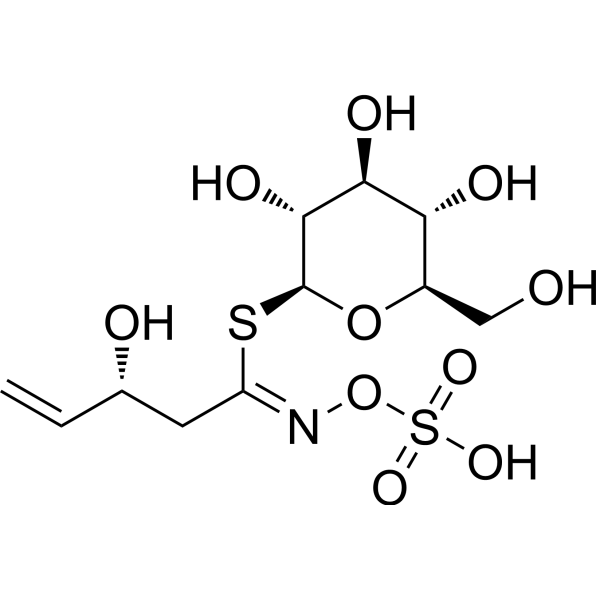
Progoitrin is a sulfur-containing glucosinolate, as well as a naturally occurring orally active thioglycoside. Progoitrin acts as a hepatotoxin and antithyroid agent. Progoitrin is quantitatively converted to goitrin in vivo, including via a gastrointestinal hydrolysis pathway that does not require exogenous myrosinase, thereby blocking the organification of iodine in the thyroid gland and inhibiting the uptake and accumulation of radioactive iodine. Progoitrin can be used in studies related to Graves' disease .
|
-
-
- HY-P5290
-
|
|
Radionuclide-Drug Conjugates (RDCs)
PSMA
|
Cancer
|
|
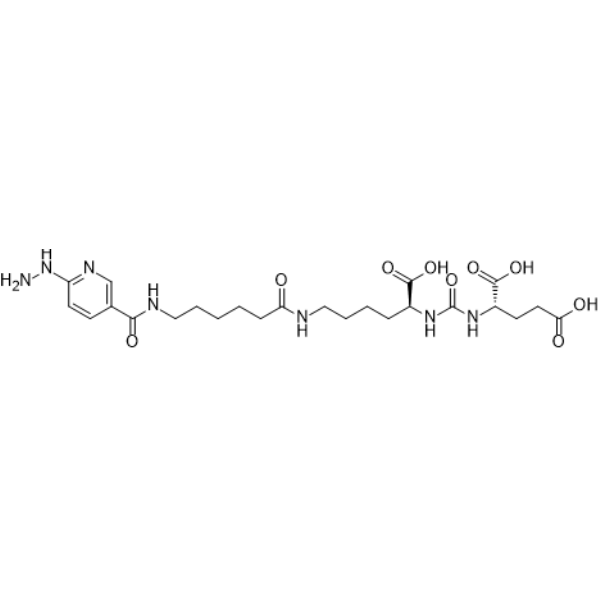
HYNIC-PSMA is a ligand for molecular imaging of tumors. Hynic-psma consists of two components: HYNIC (6-hydrazinonicotinamide) and PSMA (Prostate-Specific Membrane Antigen). HYNIC is a compound used to attach radioactive isotopes to targeted molecules, such as 188Re-HYNIC-PSMA. PSMA is a membrane antigen that is specifically expressed on the surface of prostate cancer cells. HYNIC-PSMA can be used in prostate cancer research . HYNIC-PSMA can be used for the synthesis/research of Radionuclide-Drug Conjugates (RDCs).
|
-
-
- HY-P10273A
-
|
|
Radionuclide-Drug Conjugates (RDCs)
Biochemical Assay Reagents
|
Cancer
|
|
DOTA-Octreotide TFA is composed of chelator DOTA and Octreotide (HY-P0036). DOTA-Octreotide TFA is used for research of cancer through combination with radioactive elements. DOTA-Octreotide TFA can be used for the synthesis/research of Radionuclide-Drug Conjugates (RDCs) .
|
-
-
- HY-163080S
-
|
77Se
|
Isotope-Labeled Compounds
|
Others
|
|
Selenium-77 ( 77Se) is a stable (non-radioactive) isotope of Selenium. Selenium-77 is both naturally occurring and produced by fission.
|
-
-
- HY-P10913
-
|
|
Bacterial
|
Infection
|
|
HYNIC-UBI29-41 is composed of a bifunctional chelator HYNIC and an antimicrobial peptide UBI 29-41 (HY-P10364) (HY-P10364). HYNIC-UBI29-41 retains the antibacterial properties of UBI 29-41, and exhibits good affinity to Gram-positive and Gram-negative bacteria. HYNIC-UBI29-41 can be used as an imaging agent for bacterial infection detection in mouse models, when labeled with the radioactive element technetium (99mTc) .
|
-
-
- HY-12761
-
|
|
Cannabinoid Receptor
|
Cardiovascular Disease
Others
Neurological Disease
Metabolic Disease
Inflammation/Immunology
Cancer
|
|
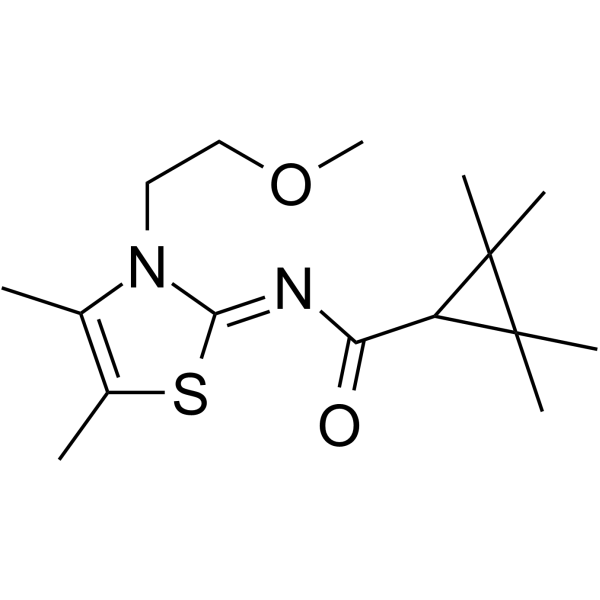
A-836339 is a selective CB2 receptor agonist, with Ki values of 0.4 nM and 0.8 nM in humans and rats, respectively. A-836339 exhibits multiple effects such as analgesia, gastric protection, anti-inflammation, and antioxidant activity. A-836339 produces antinociceptive and analgesic activities by activating CB2 receptors in the dorsal root ganglia and spinal cord. A-836339 can also exert gastric protective effects through anti-inflammatory mechanisms (reducing TNF-α and IL-1β) and antioxidant mechanisms (enhancing the activities of CAT and SOD, and reducing H2O2). Radioactively labeled A-836339 can serve as a CB2-specific radioligand for autoradiography and PET imaging. A-836339 can be used in research on inflammatory pain, neuropathic pain, gastric ulcers, cerebral ischemia, etc .
|
-
-
- HY-103178
-
|
|
Adenosine Receptor
|
Inflammation/Immunology
|
|
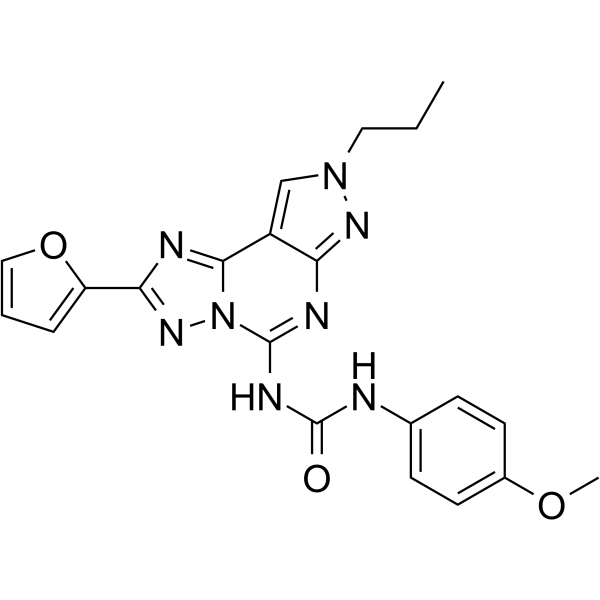
MRE3008F20 is a highly efficient, highly selective and radioactive adenosine A3 receptor (AA3R) antagonist (Ki=1.8 nM). MRE3008F20 effectively antagonises Cl-IB-MECA-induced cAMP production in resting lymphocytes with an IC50 value of 5 nM. MRE3008F20 can be used in the study of AA3R .
|
-
-
- HY-164577
-
|
|
Radionuclide-Drug Conjugates (RDCs)
|
Cancer
|
|
BCN-DOTA-GA is a cyclooctyne-linked DOTA chelator that can be labeled with radioactive zirconium-89 and used as a radionuclide-labeled drug conjugate (RDC) to target specific biomolecules, cells or tissues.
|
-
-
- HY-164576
-
|
NODA-Bz-SCN
|
Radionuclide-Drug Conjugates (RDCs)
|
Cancer
|
|
NCS-MP-NODA (NODA-Bz-SCN) is a bifunctional chelator that can be used to bind to the labeled peptide DK222 with high specificity for PD-L1. The corresponding fluorinated radioactive is synthesized by the aluminum fluoride method, and NCS-MP-NODA targets DK222 to obtain the radioactive analog [18/19F]DK222. [18F]DK222 can quantify PD-L1 in vivo via PET tracking in xenograft models of multiple cancer types.
|
-
-
- HY-158119A
-
|
Felivotide mopaxetan
|
PSMA
|
Cancer
|
|
PSMA-trillium is a PSMA targeting compound, consisting of a PSMA targeting molecule (PSMA binder), a Macropa chelating molecule, and a group that regulates pharmacokinetics (PK modifier). PSMA-trillium is a non-radioactive form of Actinium-225-PSMA-Trillium (BAY 3563254) with improved PSMA targeting and pharmacokinetic properties. PSMA-trillium can bind Ac through the Macropa chelating molecule, or the radioactive isotope 225Actinium. Actinium-225-PSMA-Trillium is a potent inhibitor of metastatic castration-resistant prostate cancer (mCRPC) .
|
-
-
- HY-176958
-
|
|
FAP
|
Others
|
|
OncoFAP-EN-DOTAGA is a FAP (fibroblast activation protein) targeting conjugate compound. OncoFAP-EN-DOTAGA can chelate radioactive isotopes (such as ) Ga-68 or fluorescent agent and can be used as a probe with targeting binding functions .
|
-
-
- HY-164725
-
|
|
Radionuclide-Drug Conjugates (RDCs)
FAP
|
Cancer
|
|
FAPI-mFS is an irreversible fibroblast activation protein (FAP) inhibitor, that enhances the uptake and retention time in cancer cells through its covalent binding property for FAP. FAPI-mFS can be used for cancer imaging the therapy, when labeled with radioactive 68Ga or 177Lu . FAPI-mFS can be used for the synthesis/research of Radionuclide-Drug Conjugates (RDCs).
|
-
-
- HY-W009048
-
|
DCH18C6; Perhydrodibenzo-18-crown-6
|
Biochemical Assay Reagents
|
Others
|
|
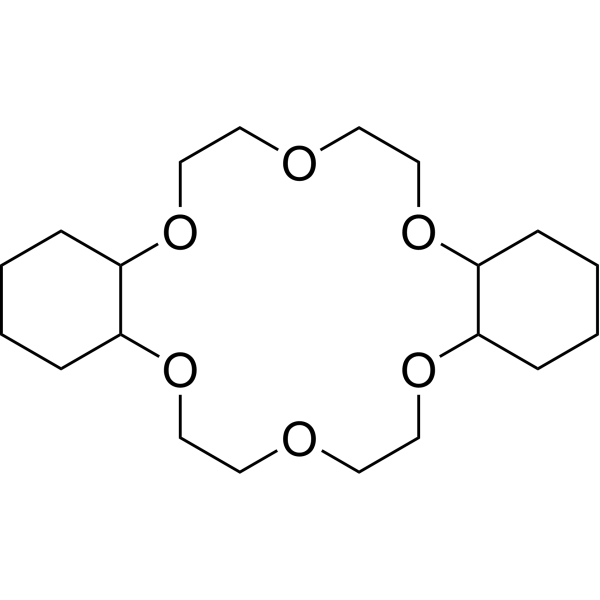
Dicyclohexano-18-crown-6-ether (DCH18C6) is an excellent strontium chelating agent. Dicyclohexano-18-crown-6-ether exhibits favorable extraction capacity and selectivity toward Sr (II). After chemical modification, Dicyclohexano-18-crown-6-ether is covalently bonded to an organosilicon matrix via co-condensation. DCH18C6-functionalized organosilicon materials are expected to be applied to the extraction and separation of strontium from radioactive waste liquid .
|
-
-
- HY-P5292A
-
|
|
Radionuclide-Drug Conjugates (RDCs)
PSMA
|
Cancer
|
|
HYNIC-iPSMA TFA is a ligand for molecular imaging of tumors. Hynic-ipsma consists of two components: HYNIC (6-hydrazinonicotinamide) and iPSMA (Inhibitor of Prostate-Specific Membrane Antigen). HYNIC is a compound used to attach radioactive isotopes to targeted molecules. iPSMA is a specific inhibitor used to inhibit prostate-specific membrane antigen (PSMA). 68GA-labeled iPSMA has been used to detect prostate cancer by PET imaging. The further 99mTc-EDDA/HYNIC-iPSMA TFA has excellent specificity and sensitivity . HYNIC-iPSMA TFA can be used for the synthesis/research of Radionuclide-Drug Conjugates (RDCs).
|
-
-
- HY-19888
-
|
|
P2X Receptor
Interleukin Related
|
Neurological Disease
Inflammation/Immunology
|
|
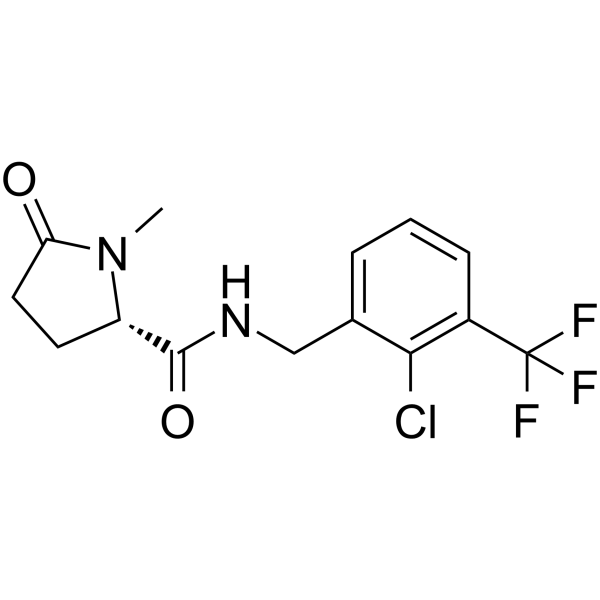
GSK-1482160 is an orally active and blood-brain barrier penetrant P2X7 receptor (P2X7R) negative allosteric modulator with pIC50s of 8.5 (human) and 6.5 (rat). GSK-1482160 reduces the efficacy of ATP at the P2X7 receptor without affecting its affinity, thereby inhibiting the release of IL-1β. GSK-1482160 is an effective radioligand and can be labeled with radioactive isotopes like 11C or 18F to image P2X7R. GSK-1482160 can be used for the studies of chronic joint pain and chronic constriction injury (CCI) .
|
-
-
- HY-170779
-
|
|
FAP
|
Cancer
|
|
DOTA-NI-FAPI-04 is a FAP inhibitor (IC50 = 7.44 nM). By integrating FAP targeting with hypoxia-sensitive groups (nitroimidazole), DOTA-NI-FAPI-04 significantly enhances tumor uptake and retention capabilities. DOTA-NI-FAPI-04 chelates metallic isotopes (such as 68Ga and 177Lu) through DOTA to produce radioactive probes ([68Ga]Ga/DOTA-NI-FAPI-04 and [177Lu]Lu/DOTA-NI-FAPI-04), which can be used for research in tumor diagnostics and therapeutic agents. DOTA-NI-FAPI-04 holds dual targeting potential in the fields of cancer imaging, tumor microenvironment analysis, and radionuclide therapy, particularly suitable for scenarios where the tumor stroma and hypoxic regions synergistically interact .
|
-
-
- HY-158118
-
|
|
DNA-PK
|
Cancer
|
|
Lys(CO-C3-p-I-Ph)-OMe is a pharmacokinetic modifier (PK modifier) that can improve the PK properties of PSMA ligand molecules (such as Ac-PSMA-trillium). Lys(CO-C3-p-I-Ph)-OMe can increase the residence time of Ac-PSMA-trillium in plasma by increasing its binding capacity to albumin. Lys(CO-C3-p-I-Ph)-OMe also reduces salivary gland absorption of Ac-PSMA-trillium, potentially extending its half-life. Ac-PSMA-trillium is a suitable PSMA-targeting compound that has different biological applications after modification with different radioactive isotopes. If labeled with 111In, it can be used as DOTA chelating agent and imaging agent. Or labeled with 225Ac as a Macropa chelator for targeted radionuclide therapy (TRT) in the study of metastatic castration-resistant prostate cancer (mCRPC) .
|
-
-
- HY-124285
-
|
|
GABA Receptor
|
Others
|
|
ATPCA hydrochloride is a selective radioactive substrate for BGT1 over GAT1/GAT3 .
|
-
-
- HY-136952
-
|
|
Biochemical Assay Reagents
|
Others
|
|
p-SCN-Bn-HOPO is a bifunctional chelating agent. p-SCN-Bn-HOPO is used to bind to the radioactive isotope zirconium-89 (^89Zr) for use in ImmunoPET .
|
-
-
- HY-172205
-
|
|
Cytochrome P450
|
Cancer
|
|
CHL2310 is the inhibitor for CYP46A1 with an IC50 of 0.11 nM, and a Kd of 0.37 nM. CHL2310 can cross blood-brain barrier. CHL2310 can be used as a PET imaging agent, when labeled with radioactive 18F .
|
-
-
- HY-W076740
-
|
8-Bromo-9H-purin-6-amine
|
DNA/RNA Synthesis
Biochemical Assay Reagents
|
Others
|
|
8-Bromoadenine (8-Bromo-9H-purin-6-amine) is a DNA radiosensitizer that inhibits DNA single-strand break repair in cells. 8-Bromoadenine is a brominated derivative of adenine, and radioactive adenine can be prepared by replacing bromine with deuterium .
|
-
-
- HY-W130177
-
|
|
Biochemical Assay Reagents
|
Cancer
|
|
Iodocholine iodide is a non-toxic, metabolizable "green" catalyst that can catalyze the free radical polymerization of functional polymers. Iodocholine iodide is also the non-radioactive iodide of Carbon-11 choline. C-11 Choline can be used in PET imaging and non-informative bone scintigraphy, CT or MRI to monitor various types of cancer .
|
-
-
- HY-158125
-
|
|
PSMA
|
Cancer
|
|
PSMA binder-2 is a ligand for PSMA and can be used to synthesize Ac-PSMA-trillium. Ac-PSMA-trillium is a suitable PSMA-targeting compound with improved PSMA binding properties and pharmacokinetic properties. PSMA ligands have different biological applications after being modified with different radioactive isotopes. If labeled with 111In, it can be used as DOTA chelating agent and imaging agent. Or labeled with 225Ac as a Macropa chelator for targeted radionuclide therapy (TRT) in the study of metastatic castration-resistant prostate cancer (mCRPC) .
|
-
-
- HY-P5292
-
|
|
Radionuclide-Drug Conjugates (RDCs)
PSMA
|
Cancer
|
|
HYNIC-iPSMA is a ligand for molecular imaging of tumors. Hynic-ipsma consists of two components: HYNIC (6-hydrazinonicotinamide) and iPSMA (Inhibitor of Prostate-Specific Membrane Antigen). HYNIC is a compound used to attach radioactive isotopes to targeted molecules. iPSMA is a specific inhibitor used to inhibit prostate-specific membrane antigen (PSMA). 68GA-labeled iPSMA has been used to detect prostate cancer by PET imaging. The further 99mTc-EDDA/HYNIC-iPSMA has excellent specificity and sensitivity . HYNIC-iPSMA can be used for the synthesis/research of Radionuclide-Drug Conjugates (RDCs).
|
-
-
- HY-P10273
-
-
-
- HY-P10239A
-
|
|
Radionuclide-Drug Conjugates (RDCs)
|
Cancer
|
|
Tyr3-Octreotate acetate is a somatostatin analog. Tyr3-Octreotate acetate exhibits high uptake into tumor, that is capable to be labeled with radioactive metal and thus exhibits antitumor efficacy. Tyr3-Octreotate acetate can be used for the synthesis/research of Radionuclide-Drug Conjugates (RDCs) .
|
-
-
- HY-154850
-
|
|
STING
|
Cancer
|
|
F-CRI1 is a potent STING agonist with a Kd value of 40.62 nM. F-CRI1 is a radioactive probe with 18F-labeled modification. F-CRI1 can be used to study STING visualization in the tumor microenvironment .
|
-
-
- HY-172366
-
|
|
PSMA
|
Cancer
|
|
BQ0413 exhibits good affinity to PSMA with a KD of 89 pM. BQ0413 exhibits good uptake and internalization property with an internalization rate of 44% in PC3-pip cell. BQ0413 can be used as tumor imaging agent when labeled with 99mTc .
|
-
-
- HY-116822
-
|
|
Neurokinin Receptor
|
Neurological Disease
|
|
SSR 146977 is a potent and selective antagonist of the tachykinin NK3 receptor. SSR 146977 inhibits the binding of radioactive neurokinin B to NK3 receptors in Chinese hamster ovary cells, with a Ki of 0.26 nM .
|
-
-
- HY-P10232
-
|
HYNIC-Tyr3-octreotide
|
Radionuclide-Drug Conjugates (RDCs)
|
Cancer
|
|
Hynic-toc (HYNIC-Tyr3-octreotide), a octreotide derivative, can be conjugated with radioactive element for tumor imaging . Hynic-toc can be used for the synthesis/research of Radionuclide-Drug Conjugates (RDCs).
|
-
-
- HY-P5053
-
|
|
Radionuclide-Drug Conjugates (RDCs)
Integrin
|
Cancer
|
|
Galacto-RGD is an RGD analogue that can be coupled with the radioactive isotope 18F and used as an integrin α β selective tracer . Galacto-RGD can be used for the synthesis/research of Radionuclide-Drug Conjugates (RDCs).
|
-
-
- HY-P10729
-
|
|
Radionuclide-Drug Conjugates (RDCs)
|
Cancer
|
|
DOTA-Bombesin (1-14) is composed of chelator DOTA and Bombesin (HY-P0195). DOTA-Bombesin (1-14) is used for research of cancer through combination with radioactive elements. DOTA-Bombesin (1-14) can be used for the synthesis/research of Radionuclide-Drug Conjugates (RDCs) .
|
-
-
- HY-117953
-
|
|
Prostaglandin Receptor
|
Endocrinology
|
|
RU 59063 is an N-substituted arylthiohydantoin compound with antiandrogenic activity and high relative binding affinity for the rat androgen receptor. RU 59063 is a nonsteroidal androgen receptor that functions as a radioactive AR radioprobe (Ki: 0.71 nM, rAR) when its trifluoromethyl group is replaced by a similar hydrophobic iodine atom .
|
-
-
- HY-179227
-
|
|
HDAC
|
Neurological Disease
|
|
HDAC6 ligand-7 (Compound 16a) is a positron emission tomography (PET) tracer for the deacetylase 6 (HDAC6) enzyme with a Kd value of 1.66 nM. HDAC6 ligand-7 exhibits excellent HDAC6 inhibitory activity, with IC50 values of 2.7 and 3.7 nM for hHDAC6 and mHDAC6, respectively, and has high selectivity for HDAC1/4/7/8. HDAC6 ligand-7 after being radioactively labeled with fluorine-18, [¹⁸F]HDAC6 ligand-7 shows varying degrees of radioactive uptake in PET, which can reflect the specific binding to HDAC6. HDAC6 ligand-7 can be used for the study of HDAC6 imaging .
|
-
-
- HY-P10913A
-
|
|
Bacterial
|
Infection
|
|
HYNIC-UBI29-41 TFA is composed of a bifunctional chelator HYNIC and an antimicrobial peptide UBI 29-41 (HY-P10364). HYNIC-UBI29-41 TFA retains the antibacterial properties of UBI 29-41, and exhibits good affinity to Gram-positive and Gram-negative bacteria. HYNIC-UBI29-41 TFA can be used as an imaging agent for bacterial infection detection in mouse models, when labeled with the radioactive element technetium (99mTc) .
|
-
-
- HY-159771
-
|
|
FAP
|
Cancer
|
|
FAP6-19 is a fibroblast activation protein (FAP) targeting radioligand with a Kd of 18.2 nM. FAP6-19 selectively delivers therapeutic radioactive nuclides (such as 177Lu) to the tumor site by targeting the overexpressed FAP protein in the tumor microenvironment, achieving precise killing of cancer cells while minimizing radiation damage to healthy tissues. FAP6-19 exhibits extremely high total cellular uptake and good intracellular retention ability in HT1080 cells. After being labeled with 111In, FAP6-19 produced extremely high tumor/kidney and tumor/liver dose ratios in the mouse model with 4T1 tumors. FAP6-19 can be used in the research of solid tumors expressing FAP.
|
-
-
- HY-126565
-
|
|
Biochemical Assay Reagents
|
Others
|
|
Licam-C is a promising radiological decontaminant agent. Acting as a chelating agent, LICAM-C forms stable complexes with radioactive elements such as Plutonium (Pu) and Americium (Am). Licam-C is employed in research addressing the remediation of radioactive nucleotide contamination .
|
-
-
- HY-19311
-
-
-
- HY-149926
-
|
|
Ser/Thr Protease
|
Others
|
|
Cathepsin Inhibitor 3 (Compound 53k) is a non-radioactive intermediate in compound [ 18F] 2k radioactive synthesis, which has selectivity for cathepsin S. Cathepsin Inhibitor 3 can undergo radioactive fluorination and can be used for fluorine-18 labeling research . Cathepsin Inhibitor 3 is a click chemistry reagent, it contains an Alkyne group and can undergo copper-catalyzed azide-alkyne cycloaddition (CuAAc) with molecules containing Azide groups.
|
-
-
- HY-156982
-
-
-
- HY-200621
-
|
|
Biochemical Assay Reagents
|
Cancer
|
|
Methoxyisobutylisonitrile is a radioactive compound that can form a complex with technetium-99m and be used as a tracer to diagnose lung lesions and malignant thyroid nodules, etc .
|
-
-
- HY-18037
-
|
|
Phosphodiesterase (PDE)
|
Others
|
|
AMG-7980 exhibits high affinity to phosphodiesterase 10A (PDE10A), with a KD of 0.94 nM. AMG-7980 can be used as a tracer of PDE10A, when labeled with radioactive isotope .
|
-
- HY-158317
-
|
|
CXCR
Biochemical Assay Reagents
|
Others
|
|
SFB-AMD3465 is an AMD3465 (HY-15971A) derivative. SFB-AMD3465 is utilized as positron emission tomography (PET) tracer for CXCR4, when labeled with radioactive Fluorine .
|
-
- HY-136405
-
|
|
Fluorescent Dye
|
Others
|
|
Melanin probe-2 (compound 5) is a non-radioactive bromopicolinamide precursor. Melanin probe-2 can be used for 18F-Labeled Picolinamide PET probe synthesis (HY-136404) .
|
-
- HY-134391
-
|
|
Endogenous Metabolite
Biochemical Assay Reagents
|
Others
|
|
6-Phe-ADP is an ATP analog used as a precursor to prepare the corresponding radiolabeled triphosphate for chemical genetics approaches to study substrate specificity and catalytic efficiency of protein kinases .
|
-
- HY-171575
-
|
|
Nucleoside Antimetabolite/Analog
|
Others
|
|
3'-Amino-2',3'-dideoxy-ATP is a modified nucleotide. 3'-Amino-2',3'-dideoxy-ATP can serve as a potent chain terminator for various DNA sequencing methods, including radioactive and fluorescent sequencing, and is compatible with multiple sequencing enzymes .
|
-
- HY-W008951A
-
|
EDTMP sodium
|
Radionuclide-Drug Conjugates (RDCs)
|
Neurological Disease
Cancer
|
|
Ethylenediaminetetramethylenephosphonic acid (EDTMP) sodium is a bone-targeted chelating agent. Ethylenediaminetetramethylenephosphonic acid sodium‘s phosphonic acid groups possess a unique ability to bind with high affinity to hydroxyapatite in bone, and can form radioactive compounds with 153Sm and 177Lu. Ethylenediaminetetramethylenephosphonic acid sodium is used to study palliative therapy for pain associated with multiple bone metastatic cancers .
|
-
- HY-14608S12
-
|
L-Glutamic acid-14C
|
iGluR
Ferroptosis
Apoptosis
|
Neurological Disease
|
|
L-Glutamic acid-14C is L-Glutamic acid (HY-14608) labeled with the radioactive isotope carbon-14. L-Glutamic acid is an excitatory amino acid neurotransmitter and an agonist for all subtypes of glutamate receptors (metabotropic, NMDA, and AMPA). L-Glutamic acid acts as an agonist in the release of DA from dopaminergic nerve terminals and can be used in the study of neurological diseases .
|
-
- HY-149005
-
|
|
Histone Methyltransferase
|
Cancer
|
|
PRMT5-IN-19 (Compound 41) is an selective orally active non-nucleoside PRMT5 inhibitor with IC50 values of 23.9 nM (radioactive biochemical assay) and 47 nM (AlphaLISA assay). PRMT5-IN-19 can occupy the SAM-binding pocket in PRMT5 and block methyltransferase activity, which displays good selectivity over other PRMTs and PKMTs. PRMT5-IN-19 inhibits cell proliferation by inducing cell apoptosis, and can be used for cancer-related research .
|
-
- HY-114253
-
|
|
EGFR
|
Cancer
|
|
ODS-2004436 is a small molecule radiotracer that uses positron emission tomography (PET) imaging to measure the activity of the epidermal growth factor receptor (EGFR) in tumors. ODS-2004436 labeled with the radioactive isotope fluorine-18 shows significantly higher uptake in the xenograft models of lung cancer with EGFR mutations compared to the wild-type models, and could be used to distinguish the mutation status. ODS-2004436 can be used to identify EGFR-positive tumors and predict their response to certain reagent treatments, especially for non-small cell lung cancer (NSCLC) .
|
-
- HY-123382
-
|
|
Drug Isomer
|
Neurological Disease
Inflammation/Immunology
|
|
GSK-1482160 isomer is the isomer of GSK-1482160 (HY-19888). GSK-1482160 is an orally active and blood-brain barrier penetrant P2X7 receptor (P2X7R) negative allosteric modulator with pIC50s of 8.5 (human) and 6.5 (rat). GSK-1482160 reduces the efficacy of ATP at the P2X7 receptor without affecting its affinity, thereby inhibiting the release of IL-1β. GSK-1482160 is an effective radioligand and can be labeled with radioactive isotopes like 11C or 18F to image P2X7R. GSK-1482160 can be used for the studies of chronic joint pain and chronic constriction injury (CCI).
|
-
- HY-107078
-
|
|
Drug Derivative
|
Cancer
|
|
DTPA-adenosylcobalamin is an Adenosylcobalamin (HY-112790) and Pentetic acid (HY-B1335) conjugate. DTPA-adenosylcobalamin can used as a radioactive probe for diagnosing the absorption of vitamin B12 in tumor .
|
-
- HY-176895
-
|
|
Others
|
Cardiovascular Disease
|
|
L-Dopa precursor-1 (Compound 5a) is the precursor of 18F-L-Dopa. L-Dopa precursor-1 serves as a core basis for radioactive labeling precursors, allowing the introduction of non-metallic radioactive elements through radiolabeling reactions. L-Dopa precursor-1 can be used for the study of RDN surgery for refractory hypertension, chronic kidney disease .
|
-
- HY-180534
-
|
|
Drug Intermediate
|
Metabolic Disease
|
|
AldoView precursor-1 (Compound 7) is the key labeling precursor for the synthetic radioactive PET tracer [ 18F] AldoView. [ 18F] AldoView is a selective aldosterone synthase PET tracer used for imaging in primary hyperaldosteronism .
|
-
- HY-P11774
-
|
|
Integrin
|
Cancer
|
|
HYNIC-3P-RGD2 is a dimeric cyclic RGD peptide with high binding affinity for integrin αvβ3 (IC50 = 33 nM). HYNIC-3P-RGD2 acts as a precursor molecule for radiotracers and is used to detect tumor angiogenesis .
|
-
- HY-W704091
-
|
|
Isotope-Labeled Compounds
|
Others
|
|
α-Amino-β-methylaminopropionic acid-d3 hydrochloride is the deuterium labeled α-Amino-β-methylaminopropionic acid. Radioactive isotopes labeled compounds can be used in metabolic analysis, allowing the movement of individual atoms to be precisely tracked and quantified .
|
-
- HY-186190
-
|
|
Drug Intermediate
FAP
|
Cancer
|
|
I-FAPI-04 prodrug-1 is a prodrug of I-FAPI-04, which is an inhibitor targeting fibroblast activation protein (FAP). I-FAPI-04 prodrug-1 can be used as a radioactive tracer in cancer .
|
-
- HY-178221
-
|
|
Drug Intermediate
|
Cancer
|
|
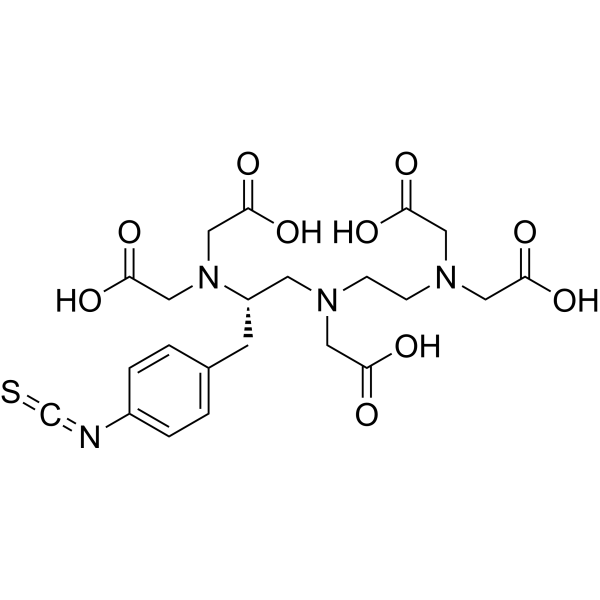
(S)-P-SCN-BN-NOTA is a bifunctional chelating agent that can covalently link the radioactive nuclide ⁶⁴Cu with the ZPDGFRβ affibody, thereby constructing a molecular probe [⁶⁴Cu]Cu-NOTA-ZPDGFRβ for positron emission tomography .
|
-
- HY-153709
-
|
IPN-01087
|
Neurokinin Receptor
|
Cancer
|
|
Zalsenertant tetraxetan (IPN-01087) is a DOTA-conjugated antagonist of the neurohypophyseal hormone receptor subtype 1 (NTSR1). Zalsenertant tetraxetan is labeled with the radioactive isotope Lu-177 (177Lu), which can be used for molecular imaging to identify potential responders. Zalsenertant tetraxetan can be used in the radiotherapy research of solid tumors .
|
-
- HY-180347
-
|
|
Microtubule/Tubulin
|
Neurological Disease
|
|
HD-800 is a tubulin inhibitor with an IC50 of 4.3 nM and an EC50 for depolymerization of 24 nM. HD-800 can be used to generate a radioactive tracer [11C]HD-800, and [11C]HD-800 can penetrate the blood-brain barrier and be used for positron emission tomography (PET) in various neurological diseases .
|
-
- HY-P3440A
-
|
|
Drug Derivative
PD-1/PD-L1
|
Cancer
|
|
NOTA-WL12 is a conjugate of WL12 (HY-P3440) (peptide targeting PD-L1) and NOTA (HY-134418) (chelate). NOTA-WL12 shows high binding affinity to the PD-L1 (KD = 3.012 nM). NOTA-WL12 can be labeled with radioactive isotopes for tumor imaging .
|
-
- HY-178248
-
|
|
PSMA
|
Cancer
|
|
PSMA ligand 2 is a prostate specific membrane antigen (PSMA) ligand with a glutamate-urea-lysine (GUL) moiety. PSMA ligand 2 can be efficiently labeled with radioactive nuclides such as 68Ga and 177Lu and specifically binds to PSMA-positive tumor cells. PSMA ligand 2 can be used for imaging of PSMA-expressing tumors or cells via PET or SPECT imaging. PSMA ligand 2 can be used for the research of prostate cancer .
|
-
- HY-D3174
-
|
|
Fluorescent Dye
|
Metabolic Disease
Inflammation/Immunology
|
|
PiF is a fluorescent probe with high specificity for pancreatic β-cells (Ex/Em = 535 nm/565 nm), and its fluorescence signal increases significantly with elevated insulin concentrations in in vitro experiments. PiF enables visualization of rat and human islets transplanted via the portal vein in mouse livers with low liver background signals. The fluorine atom of PiF can be replaced by radioactive 18F to prepare a PET tracer. PiF can be used for research on type 1 diabetes .
|
-
- HY-182345
-
|
|
CD38
|
Cancer
|
|
NOTA-MK0159 is a NOTA (HY-134418) and MK0159 (HY-150508) conjugate. NOTA-MK0159 inhibits human and mouse CD38 with IC50 values of 72.58 and 7.55 nM. NOTA-MK0159 coupled with radioactive elements acts as a imaging agent with specific uptake in CD38-positive multiple myeloma cells, enabling noninvasive whole-body assessment of CD38 expression in multiple myeloma xenografts. NOTA-MK0159 can be used for the research of multiple myeloma .
|
-
- HY-164575C
-
|
|
Drug Isomer
|
Cancer
|
|
(S)-NH2-NODAGA hydrochloride is the S isomer of NH2-NODAGA hydrochloride (HY-164575B). NH2-NODAGA hydrochloride is a NODAGA-type metal chelator that can bind to radioactive nuclides to prepare nuclide conjugates (RDC). NH2-NODAGA hydrochloride can react with diethyl fumarate in 0.5M phosphoric acid buffer to obtain NODAGA.SA. NODAGA.SA can target L-lysine urea-L-glutamic acid (KuE), and KuE is a key structure of prostate-specific membrane antigen (PSMA). NODAGA.SA.KuE can bind [68]Ga and can be used for PET examination in NMRInu/nu nude mice carrying LNCaP tumors.
|
-
- HY-100138R
-
|
|
Radionuclide-Drug Conjugates (RDCs)
ADC Linker
Reference Standards
|
Cancer
|
|
2-Aminoethyl-mono-amide-DOTA-tris(tBu ester) (Standard) is the analytical standard of 2-Aminoethyl-mono-amide-DOTA-tris(tBu ester) (HY-100138). This product is intended for research and analytical applications. 2-Aminoethyl-mono-amide-DOTA-tris(tBu ester) is a metal chelator precursor containing a DOTA macrocyclic structure. DOTA can form highly stable complexes with metal ions (such as 68Ga, 177Lu) through four nitrogen atoms and four carboxylic acid groups to mediate targeted delivery of radionuclides. The tert-butyl ester group (tBu ester) of 2-Aminoethyl-mono-amide-DOTA-tris(tBu ester) also protects the carboxylic acid group during synthesis, and forms a free carboxyl group after deprotection reaction for coupling with targeting molecules (such as antibodies, peptides). 2-Aminoethyl-mono-amide-DOTA-tris(tBu ester) may be combined with tumor pre-targeting systems through bioorthogonal reactions (such as reverse electron demand Diels-Alder reaction) to study radioactive imaging or therapy of tumor tissues, and is mainly used in tumor pre-targeting research in the field of nuclear medicine .
|
-
-
-
HY-L178
-
|
|
2,808 compounds
|
|
Radiation sickness is a general term for various types and degrees of damage (or disease) occurring in the human body after exposure to ionizing radiation. Although small amounts of ionizing radiation can also cause the body to produce free radicals and ROS, causing oxidative stress, resulting in DNA damage and chromosomal aberration. Radioprotector are compounds with radiation protection that can be used to prevent/protect non-tumor cells from the harmful effects of radiation. Radioprotective compounds can prevent the damage of radioactive substances to the human body and reduce the clinical symptoms of various radioactive diseases. In addition, radioprotectors can protect normal cells from damage during radiation therapy. The ideal anti-radiation drug should not affect the sensitivity of tumor cells to radiation therapy while protecting normal cells.
MCE designs a unique collection of 2,808 radioprotectors. Radioprotector Library is an effective tool for acute Radiation Syndrome, drug combination research with radiation drugs.
|
| Cat. No. |
Product Name |
Type |
-
- HY-D3174
-
|
|
Fluorescent Dye
|
|
PiF is a fluorescent probe with high specificity for pancreatic β-cells (Ex/Em = 535 nm/565 nm), and its fluorescence signal increases significantly with elevated insulin concentrations in in vitro experiments. PiF enables visualization of rat and human islets transplanted via the portal vein in mouse livers with low liver background signals. The fluorine atom of PiF can be replaced by radioactive 18F to prepare a PET tracer. PiF can be used for research on type 1 diabetes .
|
| Cat. No. |
Product Name |
Type |
-
- HY-W782083
-
|
|
Biochemical Assay Reagents
|
|
p-SCN-Bn-NOTA trihydrochloride is a macrocyclic chelator. p-SCN-Bn-NOTA trihydrochloride can be covalently coupled to molecules such as peptides through the thiocyanate group to form hexacoordinate copper (such as 64Cu) complexes. p-SCN-Bn-NOTA trihydrochloride specifically binds to GRPR or EGFR highly expressed on the surface of tumor cells, mediating tumor enrichment of radioactive probes. p-SCN-Bn-NOTA trihydrochloride can be used to study malignant tumors expressing GRPR or EGFR, such as prostate cancer and colorectal cancer .
|
-
- HY-158067
-
|
DFO-DBCO
|
Biochemical Assay Reagents
|
|
Deferoxamine-DBCO is a bifunctional chelating agent. Deferoxamine-DBCO efficiently chelates with radioactive metals (such as 89Zr) through the DFO structure to achieve radiolabeling. Deferoxamine-DBCO undergoes a metal-free Huisgen cycloaddition reaction with azide-containing biomolecules (such as siRNA, monoclonal antibodies) under bioorthogonal conditions through the DBCO structure to achieve targeted coupling. Deferoxamine-DBCO has efficient metal chelating ability and specific bioorthogonal reaction activity. Deferoxamine-DBCO can be used for targeted radioactive imaging studies of tumors .
|
-
- HY-W008951
-
|
EDTMP
|
Biochemical Assay Reagents
|
|
Ethylenediaminetetramethylenephosphonic acid (EDTMP) is a bone-targeted chelating agent. Ethylenediaminetetramethylenephosphonic acid sodium‘s phosphonic acid groups possess a unique ability to bind with high affinity to hydroxyapatite in bone, and can form radioactive compounds with 153Sm and 177Lu. Ethylenediaminetetramethylenephosphonic acid is used to study palliative therapy for pain associated with multiple bone metastatic cancers .
|
-
- HY-W009048
-
|
DCH18C6; Perhydrodibenzo-18-crown-6
|
Biochemical Assay Reagents
|
|
Dicyclohexano-18-crown-6-ether (DCH18C6) is an excellent strontium chelating agent. Dicyclohexano-18-crown-6-ether exhibits favorable extraction capacity and selectivity toward Sr (II). After chemical modification, Dicyclohexano-18-crown-6-ether is covalently bonded to an organosilicon matrix via co-condensation. DCH18C6-functionalized organosilicon materials are expected to be applied to the extraction and separation of strontium from radioactive waste liquid .
|
-
- HY-W076740
-
|
8-Bromo-9H-purin-6-amine
|
Biochemical Assay Reagents
|
|
8-Bromoadenine (8-Bromo-9H-purin-6-amine) is a DNA radiosensitizer that inhibits DNA single-strand break repair in cells. 8-Bromoadenine is a brominated derivative of adenine, and radioactive adenine can be prepared by replacing bromine with deuterium .
|
-
- HY-W130177
-
|
|
Biochemical Assay Reagents
|
|
Iodocholine iodide is a non-toxic, metabolizable "green" catalyst that can catalyze the free radical polymerization of functional polymers. Iodocholine iodide is also the non-radioactive iodide of Carbon-11 choline. C-11 Choline can be used in PET imaging and non-informative bone scintigraphy, CT or MRI to monitor various types of cancer .
|
| Cat. No. |
Product Name |
Target |
Research Area |
-
- HY-W1124925
-
|
|
Radionuclide-Drug Conjugates (RDCs)
Glycoprotein VI
|
Cancer
|
|
DOTA-GPC3 targeting peptide 2 (Sequence 30) is a RDC peptide targeting GPC3, with Kd of 0.3 nM. DOTA-GPC3 targeting peptide 2 is composed of DOTA and GPC3 targeting peptide 2. DOTA-GPC3 targeting peptide 2 can be labeled with radioactive elements .
|
-
- HY-P10729A
-
|
|
Radionuclide-Drug Conjugates (RDCs)
|
Cancer
|
|
DOTA-Bombesin (1-14) TFA is composed of chelator DOTA and Bombesin (HY-P0195). DOTA-Bombesin (1-14) TFA is used for research of cancer through combination with radioactive elements. DOTA-Bombesin (1-14)TFA can be used for the synthesis/research of Radionuclide-Drug Conjugates (RDCs) .
|
-
- HY-P5290
-
|
|
Radionuclide-Drug Conjugates (RDCs)
PSMA
|
Cancer
|
|
HYNIC-PSMA is a ligand for molecular imaging of tumors. Hynic-psma consists of two components: HYNIC (6-hydrazinonicotinamide) and PSMA (Prostate-Specific Membrane Antigen). HYNIC is a compound used to attach radioactive isotopes to targeted molecules, such as 188Re-HYNIC-PSMA. PSMA is a membrane antigen that is specifically expressed on the surface of prostate cancer cells. HYNIC-PSMA can be used in prostate cancer research . HYNIC-PSMA can be used for the synthesis/research of Radionuclide-Drug Conjugates (RDCs).
|
-
- HY-P10273A
-
|
|
Radionuclide-Drug Conjugates (RDCs)
Biochemical Assay Reagents
|
Cancer
|
|
DOTA-Octreotide TFA is composed of chelator DOTA and Octreotide (HY-P0036). DOTA-Octreotide TFA is used for research of cancer through combination with radioactive elements. DOTA-Octreotide TFA can be used for the synthesis/research of Radionuclide-Drug Conjugates (RDCs) .
|
-
- HY-P10913
-
|
|
Bacterial
|
Infection
|
|
HYNIC-UBI29-41 is composed of a bifunctional chelator HYNIC and an antimicrobial peptide UBI 29-41 (HY-P10364) (HY-P10364). HYNIC-UBI29-41 retains the antibacterial properties of UBI 29-41, and exhibits good affinity to Gram-positive and Gram-negative bacteria. HYNIC-UBI29-41 can be used as an imaging agent for bacterial infection detection in mouse models, when labeled with the radioactive element technetium (99mTc) .
|
-
- HY-164725
-
|
|
Radionuclide-Drug Conjugates (RDCs)
FAP
|
Cancer
|
|
FAPI-mFS is an irreversible fibroblast activation protein (FAP) inhibitor, that enhances the uptake and retention time in cancer cells through its covalent binding property for FAP. FAPI-mFS can be used for cancer imaging the therapy, when labeled with radioactive 68Ga or 177Lu . FAPI-mFS can be used for the synthesis/research of Radionuclide-Drug Conjugates (RDCs).
|
-
- HY-P5292A
-
|
|
Radionuclide-Drug Conjugates (RDCs)
PSMA
|
Cancer
|
|
HYNIC-iPSMA TFA is a ligand for molecular imaging of tumors. Hynic-ipsma consists of two components: HYNIC (6-hydrazinonicotinamide) and iPSMA (Inhibitor of Prostate-Specific Membrane Antigen). HYNIC is a compound used to attach radioactive isotopes to targeted molecules. iPSMA is a specific inhibitor used to inhibit prostate-specific membrane antigen (PSMA). 68GA-labeled iPSMA has been used to detect prostate cancer by PET imaging. The further 99mTc-EDDA/HYNIC-iPSMA TFA has excellent specificity and sensitivity . HYNIC-iPSMA TFA can be used for the synthesis/research of Radionuclide-Drug Conjugates (RDCs).
|
-
- HY-P5292
-
|
|
Radionuclide-Drug Conjugates (RDCs)
PSMA
|
Cancer
|
|
HYNIC-iPSMA is a ligand for molecular imaging of tumors. Hynic-ipsma consists of two components: HYNIC (6-hydrazinonicotinamide) and iPSMA (Inhibitor of Prostate-Specific Membrane Antigen). HYNIC is a compound used to attach radioactive isotopes to targeted molecules. iPSMA is a specific inhibitor used to inhibit prostate-specific membrane antigen (PSMA). 68GA-labeled iPSMA has been used to detect prostate cancer by PET imaging. The further 99mTc-EDDA/HYNIC-iPSMA has excellent specificity and sensitivity . HYNIC-iPSMA can be used for the synthesis/research of Radionuclide-Drug Conjugates (RDCs).
|
-
- HY-P10273
-
-
- HY-P10239A
-
|
|
Radionuclide-Drug Conjugates (RDCs)
|
Cancer
|
|
Tyr3-Octreotate acetate is a somatostatin analog. Tyr3-Octreotate acetate exhibits high uptake into tumor, that is capable to be labeled with radioactive metal and thus exhibits antitumor efficacy. Tyr3-Octreotate acetate can be used for the synthesis/research of Radionuclide-Drug Conjugates (RDCs) .
|
-
- HY-P10232
-
|
HYNIC-Tyr3-octreotide
|
Radionuclide-Drug Conjugates (RDCs)
|
Cancer
|
|
Hynic-toc (HYNIC-Tyr3-octreotide), a octreotide derivative, can be conjugated with radioactive element for tumor imaging . Hynic-toc can be used for the synthesis/research of Radionuclide-Drug Conjugates (RDCs).
|
-
- HY-P5053
-
|
|
Radionuclide-Drug Conjugates (RDCs)
Integrin
|
Cancer
|
|
Galacto-RGD is an RGD analogue that can be coupled with the radioactive isotope 18F and used as an integrin α β selective tracer . Galacto-RGD can be used for the synthesis/research of Radionuclide-Drug Conjugates (RDCs).
|
-
- HY-P10913A
-
|
|
Bacterial
|
Infection
|
|
HYNIC-UBI29-41 TFA is composed of a bifunctional chelator HYNIC and an antimicrobial peptide UBI 29-41 (HY-P10364). HYNIC-UBI29-41 TFA retains the antibacterial properties of UBI 29-41, and exhibits good affinity to Gram-positive and Gram-negative bacteria. HYNIC-UBI29-41 TFA can be used as an imaging agent for bacterial infection detection in mouse models, when labeled with the radioactive element technetium (99mTc) .
|
-
- HY-159771
-
|
|
FAP
|
Cancer
|
|
FAP6-19 is a fibroblast activation protein (FAP) targeting radioligand with a Kd of 18.2 nM. FAP6-19 selectively delivers therapeutic radioactive nuclides (such as 177Lu) to the tumor site by targeting the overexpressed FAP protein in the tumor microenvironment, achieving precise killing of cancer cells while minimizing radiation damage to healthy tissues. FAP6-19 exhibits extremely high total cellular uptake and good intracellular retention ability in HT1080 cells. After being labeled with 111In, FAP6-19 produced extremely high tumor/kidney and tumor/liver dose ratios in the mouse model with 4T1 tumors. FAP6-19 can be used in the research of solid tumors expressing FAP.
|
-
- HY-P11774
-
|
|
Integrin
|
Cancer
|
|
HYNIC-3P-RGD2 is a dimeric cyclic RGD peptide with high binding affinity for integrin αvβ3 (IC50 = 33 nM). HYNIC-3P-RGD2 acts as a precursor molecule for radiotracers and is used to detect tumor angiogenesis .
|
-
- HY-P3440A
-
|
|
Drug Derivative
PD-1/PD-L1
|
Cancer
|
|
NOTA-WL12 is a conjugate of WL12 (HY-P3440) (peptide targeting PD-L1) and NOTA (HY-134418) (chelate). NOTA-WL12 shows high binding affinity to the PD-L1 (KD = 3.012 nM). NOTA-WL12 can be labeled with radioactive isotopes for tumor imaging .
|
| Cat. No. |
Product Name |
Category |
Target |
Chemical Structure |
| Cat. No. |
Product Name |
Chemical Structure |
-
- HY-163080S
-
|
|
|
Selenium-77 ( 77Se) is a stable (non-radioactive) isotope of Selenium. Selenium-77 is both naturally occurring and produced by fission.
|
-
-
- HY-W704091
-
|
|
|
α-Amino-β-methylaminopropionic acid-d3 hydrochloride is the deuterium labeled α-Amino-β-methylaminopropionic acid. Radioactive isotopes labeled compounds can be used in metabolic analysis, allowing the movement of individual atoms to be precisely tracked and quantified .
|
-
| Cat. No. |
Product Name |
|
Classification |
-
- HY-158067
-
|
DFO-DBCO
|
|
DBCO
|
|
Deferoxamine-DBCO is a bifunctional chelating agent. Deferoxamine-DBCO efficiently chelates with radioactive metals (such as 89Zr) through the DFO structure to achieve radiolabeling. Deferoxamine-DBCO undergoes a metal-free Huisgen cycloaddition reaction with azide-containing biomolecules (such as siRNA, monoclonal antibodies) under bioorthogonal conditions through the DBCO structure to achieve targeted coupling. Deferoxamine-DBCO has efficient metal chelating ability and specific bioorthogonal reaction activity. Deferoxamine-DBCO can be used for targeted radioactive imaging studies of tumors .
|
-
- HY-149926
-
|
|
|
Alkynes
|
|
Cathepsin Inhibitor 3 (Compound 53k) is a non-radioactive intermediate in compound [ 18F] 2k radioactive synthesis, which has selectivity for cathepsin S. Cathepsin Inhibitor 3 can undergo radioactive fluorination and can be used for fluorine-18 labeling research . Cathepsin Inhibitor 3 is a click chemistry reagent, it contains an Alkyne group and can undergo copper-catalyzed azide-alkyne cycloaddition (CuAAc) with molecules containing Azide groups.
|
| Cat. No. |
Product Name |
|
Classification |
-
- HY-171575
-
|
|
|
Nucleotide Analogs
Adenine Nucleotide
|
|
3'-Amino-2',3'-dideoxy-ATP is a modified nucleotide. 3'-Amino-2',3'-dideoxy-ATP can serve as a potent chain terminator for various DNA sequencing methods, including radioactive and fluorescent sequencing, and is compatible with multiple sequencing enzymes .
|
Your information is safe with us. * Required Fields.
Inquiry Information
- Product Name:
- Cat. No.:
- Quantity:
- MCE Japan Authorized Agent:

