1. Search Result
Search Result
Results for "

rat cerebral cortex

" in MedChemExpress (MCE) Product Catalog:

39

Inhibitors & Agonists

1

Biochemical Assay Reagents

1

Peptides

1

Natural
Products

3

Isotope-Labeled Compounds

Cat. No. Product Name Target Research Areas Chemical Structure
  • HY-18731
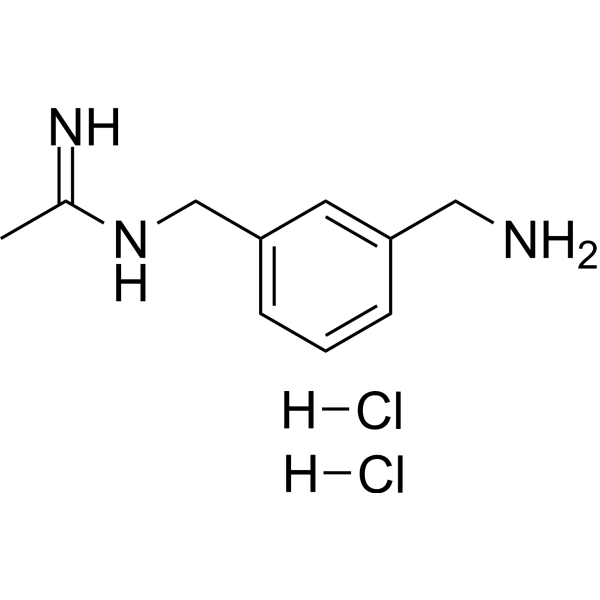
    1400W Dihydrochloride
    Maximum Cited Publications
    28 Publications Verification

    NO Synthase Apoptosis Cardiovascular Disease Inflammation/Immunology Cancer
    1400W dihydrochloride is the dihydrochloride form of 1400W (HY-18730). 1400W is a slow, tight binding, and highly selective inducible nitric-oxide synthase (iNOS) inhibitor, with a Kd value ≤ 7 nM. 1400W inhibits iNOS induction in microglial cells, and reduces generation of NO, thereby mitigating oxidative stress and neuronal cell apoptosis in the rat cerebral cortex, and improving the spatial memory dysfunction caused by acute hypobaric hypoxia-reoxygenation .
    1400W Dihydrochloride
  • HY-B1277
    Trihexyphenidyl hydrochloride
    3 Publications Verification

    mAChR Cholinesterase (ChE) Neurological Disease
    Trihexyphenidyl hydrochloride is a selective and orally active M1 muscarinic receptor antagonist with an IC50 of 3.7 nM for rat cerebral cortex M1 muscarinic receptors. Trihexyphenidyl hydrochloride modulates cholinergic activity, countering acetylcholine supersensitivity in neural pathways. Trihexyphenidyl hydrochloride improves movement disorder, inhibits McN-A-343 (HY-107648)-induced pressor responses, vagally-induced bradycardia and vasodilatation. Trihexyphenidyl hydrochloride can be used for the research of Parkinson's disease. .
    Trihexyphenidyl hydrochloride
  • HY-18730
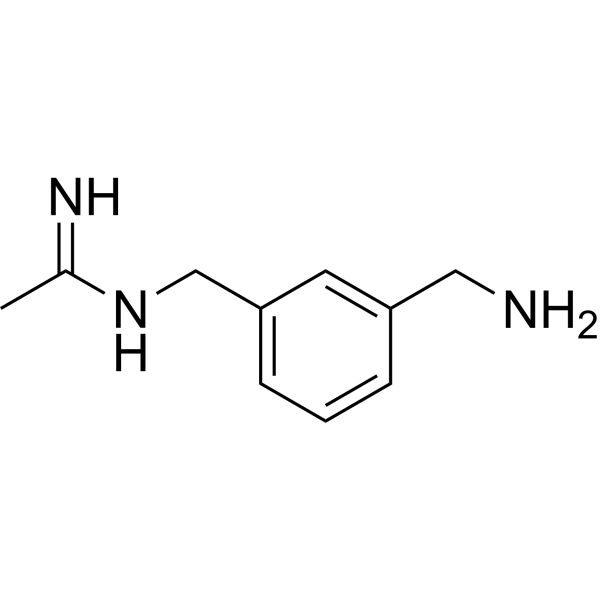
    1400W
    Maximum Cited Publications
    28 Publications Verification

    W1400

    NO Synthase Apoptosis Cardiovascular Disease Inflammation/Immunology Cancer
    1400W is a slow, tight binding, and highly selective inducible nitric-oxide synthase (iNOS) inhibitor, with a Kd value ≤ 7 nM. 1400W inhibits iNOS induction in microglial cells, and reduces generation of NO, thereby mitigating oxidative stress and neuronal cell apoptosis in the rat cerebral cortex, and improving the spatial memory dysfunction caused by acute hypobaric hypoxia-reoxygenation .
    1400W
  • HY-17550

    DM-235

    iGluR Neurological Disease
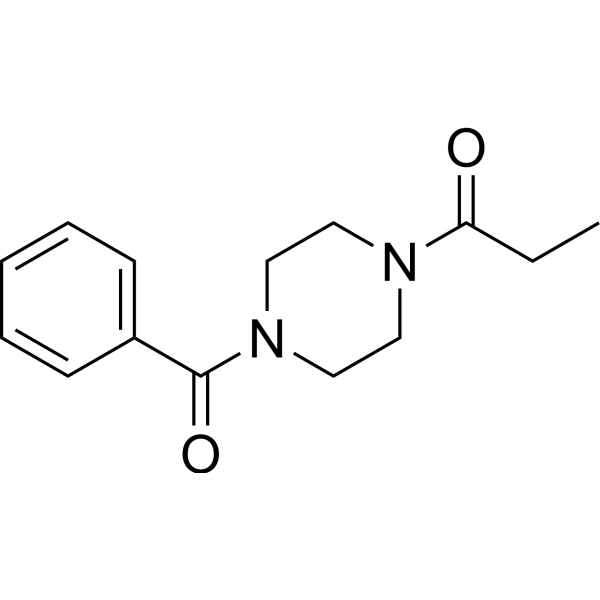
    Sunifiram (DM-235) is an ampakine-like compound and an agonist of AMPA receptor with oral activity. Sunifiram can increase the release of acetylcholine in the rat cerebral cortex and exhibits potent cognitive enhancement effects with better nootropic activity compared to piracetam (HY-B0585). Sunifiram is promising for research in neurodegenerative diseases such as mild cognitive impairment (MCI) and Alzheimer's disease (AD) .
    Sunifiram
  • HY-121186

    Adrenergic Receptor Calcium Channel Cardiovascular Disease Neurological Disease Metabolic Disease
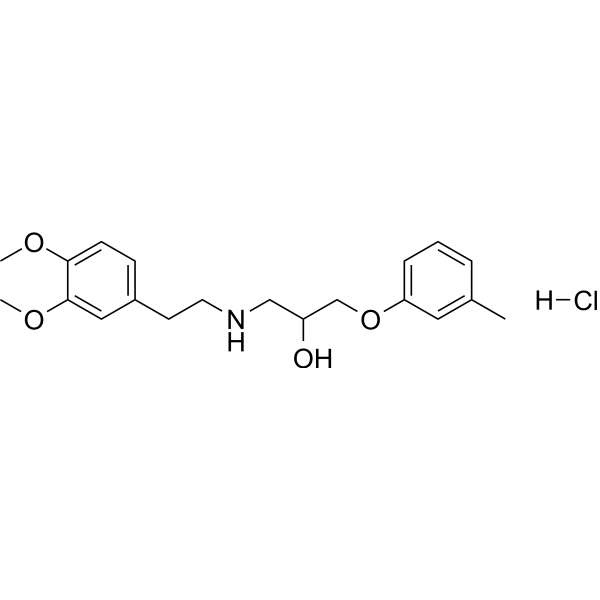
    Bevantolol hydrochloride is a selective β1 and α1-adrenergic receptor antagonist with pKi values of 7.83, 6.9 in rat cerebral cortex, respectively. Bevantolol hydrochloride is a potent Ca 2+ antagonist .
    Bevantolol hydrochloride
  • HY-101333

    (RS)-CPPG

    mGluR Neurological Disease
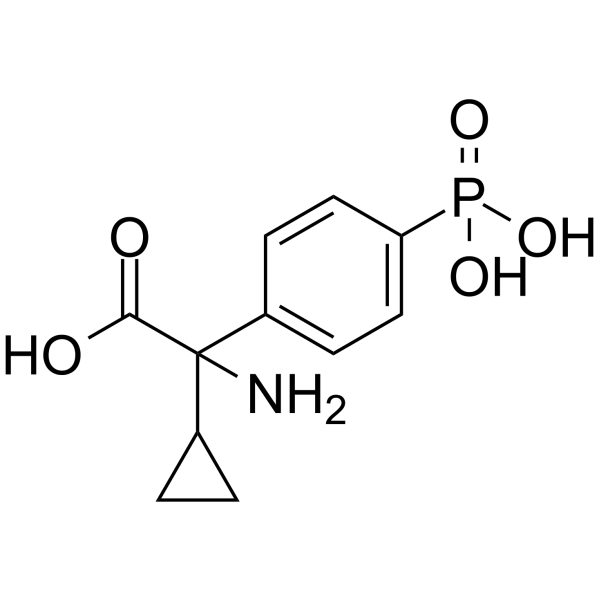
    CPPG ((RS)-CPPG) is a potent group II/III mGlu receptors antagonist. CPPG exhibits some selectivity (approximately 20 fold) for group III (IC50=2.2 nM) over group II (IC50=46.2 nM) mGlu receptors in the rat cerebral cortex. CPPG has weak effects at group I mGlu receptors .
    CPPG
  • HY-137683A

    GDPβS trisodium

    Adenylate Cyclase Cardiovascular Disease
    Guanosine 5'-O-(2-thiodiphosphate) trisodium (GDPβS trisodium) is a non-hydrolyzable derivative of GDP. Guanosine 5'-O-(2-thiodiphosphate) trisodium acts as an inhibitor of adenylyl cyclase (AC) with a Ki value of 600 nM. In the absence of glutamic-pyruvic transaminase (GPT) in cerebral cortex membranes of rodent models, Guanosine 5'-O-(2-thiodiphosphate) trisodium partially activates AC with an EC50 of 400 nM. Guanosine 5'-O-(2-thiodiphosphate) trisodium prevents norepinephrine-induced nitric oxide release in ventricular myocytes .
    Guanosine 5'-O-2-thiodiphosphate trisodium
  • HY-103151

    5-HT Receptor Neurological Disease Metabolic Disease
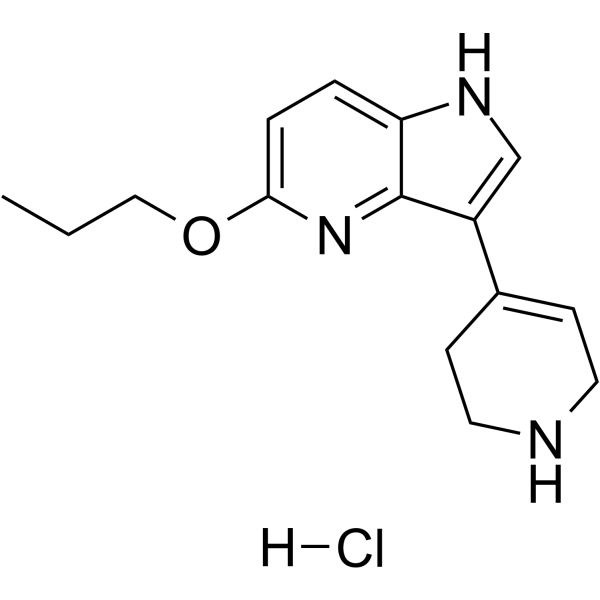
    CP94253 hydrochloride is an orally active, brain-penetrant and selective 5-HT1B receptor agonist with an Ki of 2 nM. CP94253 hydrochloride induces antidepressant-like effects, waking enhancement, sleep inhibition, increased sleep latency, hyperlocomotion, and suppressed aggressive behavior. CP94253 hydrochloride can be used for the research of depression and heightened aggressive behavior .
    CP94253 hydrochloride
  • HY-15157

    1α, 24, 25-Trihydroxy VD3

    VD/VDR Drug Metabolite Infection
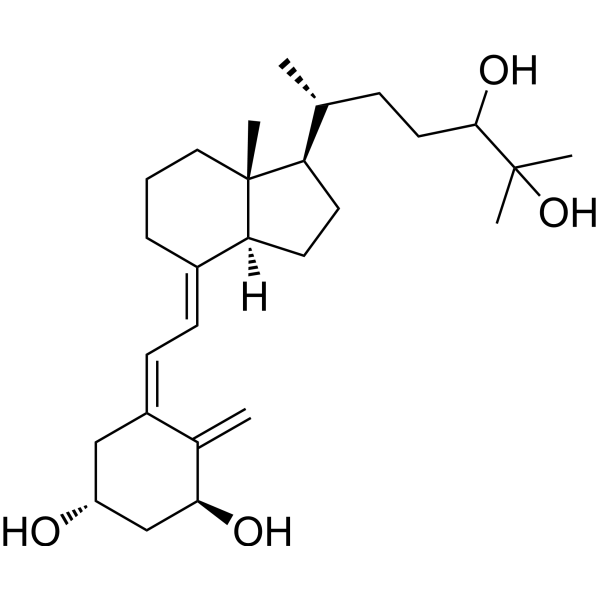
    Calcitetrol (1α, 24, 25-Trihydroxy VD3), a Vitamin D3 (HY-15398) metabolite, is the hormonally active form of vitamin D. Calcitetrol participates in regulation of Treg cells. Calcitetrol can be used for the research of Toxoplasma gondii infection .
    Calcitetrol
  • HY-W203728

    Amino Acid Derivatives Neurological Disease
    L-β-Imidazolelactic acid is a histidine derivative and an oxidizing agent that can trigger antioxidant effects in the brain cortex of rats .
    L-β-Imidazolelactic acid
  • HY-B1277A

    mAChR Cholinesterase (ChE) Cardiovascular Disease Neurological Disease
    Trihexyphenidyl is a selective and orally active M1 muscarinic receptor antagonist with an IC50 of 3.7 nM for rat cerebral cortex M1 muscarinic receptors. Trihexyphenidyl modulates cholinergic activity, countering acetylcholine supersensitivity in neural pathways. Trihexyphenidyl improves movement disorder, inhibits McN-A-343 (HY-107648)-induced pressor responses, vagally-induced bradycardia and vasodilatation. Trihexyphenidyl can be used for the research of Parkinson's disease. .
    Trihexyphenidyl
  • HY-102043

    Phosphodiesterase (PDE) Neurological Disease
    PDM-631 is a selective and orally active PDE2A inhibitor with blood-brain barrier penetration. PDM-631 exhibits potent inhibitory activity against human and rat recombinant PDE2A with IC50 values of 1.5 nM and 4.2 nM, respectively. PDM-631 increases cGMP levels in the rat cerebral cortex. PDM-631 can be used for the study of schizophrenia and neurodegenerative disorders .
    PDM-631
  • HY-107563

    Histamine Receptor Inflammation/Immunology
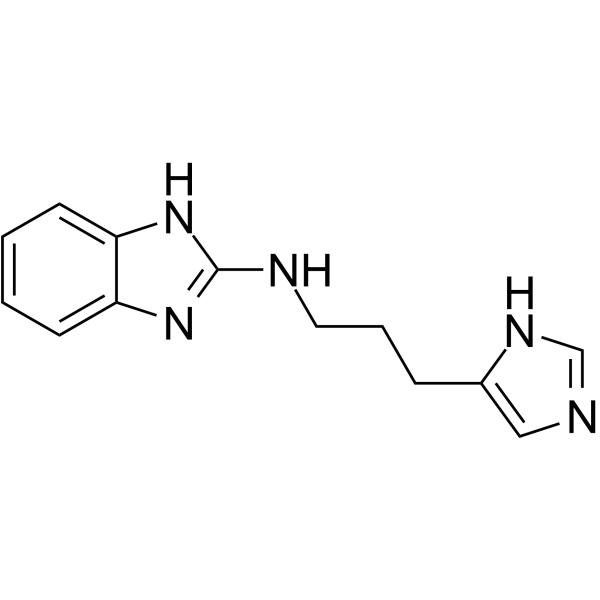
    ROS 234 is a potent H3 antagonist, with a pKB of 9.46 for Guinea-pig ileum H3-receptor, a pKi of 8.90 for Rat cerebral cortex H3-receptor, and a ED50 of 19.12 mg/kg (ip) in ex vivo of Rat cerebral cortex. ROS 234 diaplays poor central access .
    ROS 234
  • HY-107563A

    Histamine Receptor Inflammation/Immunology
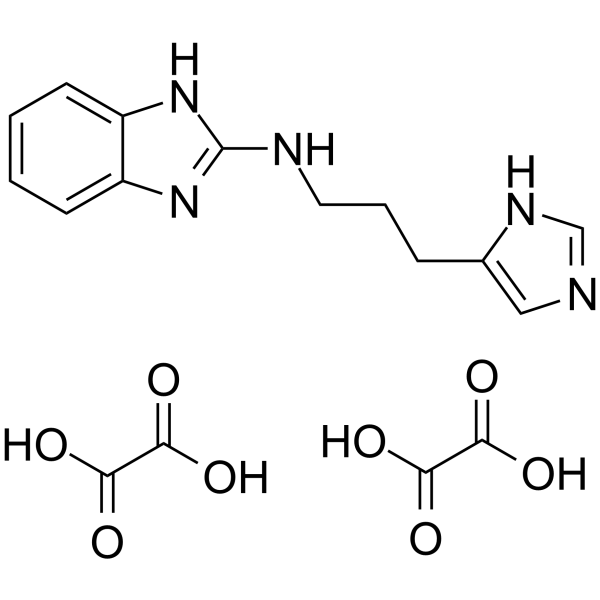
    ROS 234 dioxalate is a potent H3 antagonist, with a pKB of 9.46 for Guinea-pig ileum H3-receptor, a pKi of 8.90 for Rat cerebral cortex H3-receptor, and a ED50 of 19.12 mg/kg (ip) in ex vivo of Rat cerebral cortex. ROS 234 dioxalate diaplays poor central access .
    ROS 234 dioxalate
  • HY-119495

    Thyroid Hormone Receptor Neurological Disease
    JTP 2942 is a thyrotropin-releasing hormone analogue. JTP 2942 can promote the release of Acetylcholine in the hippocampus and frontal cortex of rats. JTP 2942 possesses neuroprotective and cognitive-improving activities. JTP 2942 dose-dependently improves motor and neurological deficits in rat models of chronic focal cerebral ischemia. JTP 2942 can be used for the research of cerebral ischemia, motor neuron diseases, and other related conditions .
    JTP 2942
  • HY-105115

    ZK 112119

    GABA Receptor Neurological Disease
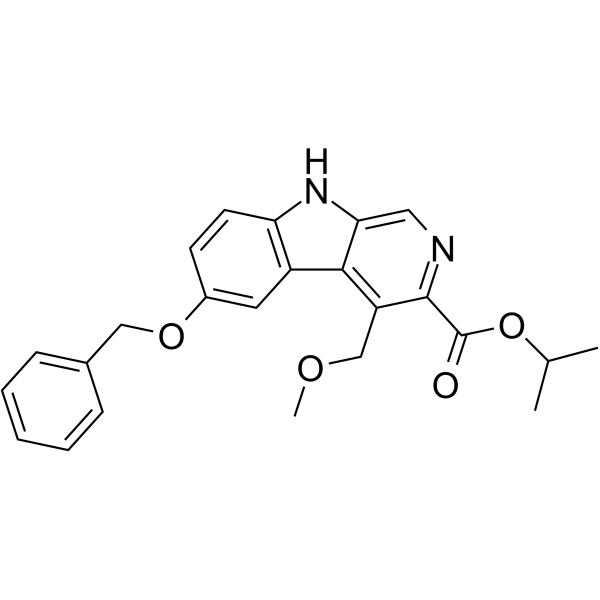
    Abecarnil (ZK 112119) is a ligand or a partial agonist for benzodiazepine (BZ) receptor. Abecarnil possesses anxiolytic and anticonvulsant properties. Abecarnil can act as a positive allosteric modulator of GABAA receptor. Abecarnil inhibits the binding of the BZ [3H]lormetazepam to rat cerebral cortex membranes, with an IC50 of 0.82 nM. Abecarnil can be used for epilepsy research .
    Abecarnil
  • HY-P1588

    Neurokinin Receptor Neurological Disease Endocrinology
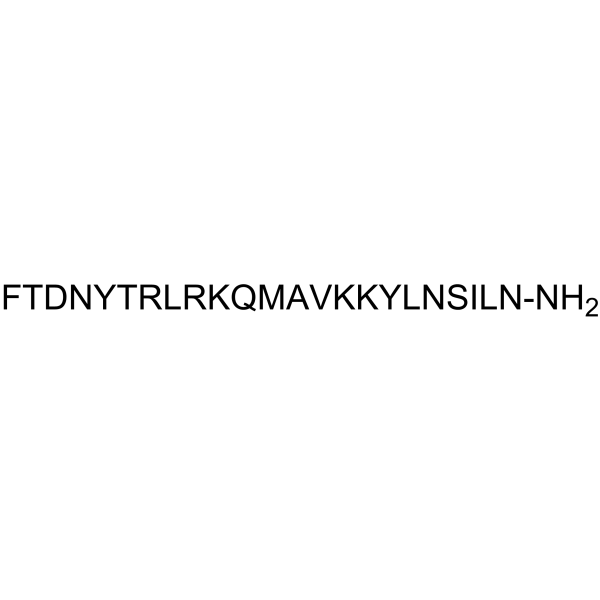
    Scyliorhinin II is a selective neurokinin-3 receptor agonist, with a Ki of 2.5 nM for neurokinin-3 receptor in rat cerebral cortex.
    Scyliorhinin II
  • HY-N12616

    Drug Intermediate Others
    2-Deoxy-D-ribose 1-phosphate is an intermediate in the metabolism of phosphoinositide, which is found in the rat cerebral cortex .
    2-Deoxy-D-ribose 1-phosphate
  • HY-100481

    RPR101048

    Cholecystokinin Receptor Neurological Disease
    RP 72540 is a selective CCK-B receptor antagonist, with IC50 values of 2.4, 1.2, and 3.8 nM for CCK-B receptors in the guinea pig cerebral cortex, rat cerebral cortex, and mouse brain, respectively. RP 72540 effectively inhibits CCK-8-induced neuronal firing and dose-dependently inhibits gastric acid secretion, making it potentially valuable in studies of acid secretion. RP 72540 is an important tool for investigating the physiological functions of CCK B receptors .
    RP 72540
  • HY-121186R

    Reference Standards Adrenergic Receptor Calcium Channel Neurological Disease Metabolic Disease
    Bevantolol (hydrochloride) (Standard) is the analytical standard of Bevantolol (hydrochloride). This product is intended for research and analytical applications. Bevantolol hydrochloride is a selective β1 and α1-adrenergic receptor antagonist with pKi values of 7.83, 6.9 in rat cerebral cortex, respectively. Bevantolol hydrochloride is a potent Ca 2+ antagonist .
    Bevantolol hydrochloride (Standard)
  • HY-117839

    Cholecystokinin Receptor Neurological Disease
    PD-135666 is a dipeptide inhibitor of cholecystokinin B (CCK B) receptors, binding to CCK B receptors in mouse cerebral cortex with IC50 of 0.1 nM. Its enantiomer, PD-140548, preferentially binds to CCK A receptors with IC50 of 2.8 nM in rat pancreas. PD-135666 exhibits anxiolytic effects in animal models .
    PD-135666
  • HY-116062

    Monoamine Transporter Dopamine Transporter Adrenergic Receptor Others
    JNJ-7925476 (hydrochloride) is a triple monoamine uptake inhibitor with the ability to regulate neurotransmitter levels and antidepressant activity. JNJ-7925476 (hydrochloride) can be rapidly absorbed into the plasma in rats, with a higher concentration in the brain than in plasma. It can induce an increase in the levels of extracellular serotonin, dopamine, and norepinephrine in the rat cerebral cortex, and exhibits antidepressant activity in the mouse tail suspension test.
    JNJ-7925476 hydrochloride
  • HY-111066

    Dopamine Receptor Others
    JNJ-37822681 is a fast dissociating D2 antagonist with activity in inhibiting schizophrenia. JNJ-37822681 has high specificity for D2 receptors and is effective in animal models, inducing increased levels of extracellular serotonin, dopamine, and norepinephrine in the rat cerebral cortex, and exhibiting antidepressant activity in the mouse tail suspension test, while having a good brain distribution and lower prolactin release.
    JNJ-37822681
  • HY-19651A

    TAK-147

    Cholinesterase (ChE) Neurological Disease
    Zanapezil (TAK-147) is a potent, reversible and selective acetylcholine esterase (AChE) inhibitor. Zanapezil shows a potent and reversible inhibition of AChE activity in homogenates of the rat cerebral cortex (IC50=51.2 nM). Zanapezil shows a moderate inhibition of muscarinic M1 and M2 receptor binding with Ki values of 234 and 340 nM, respectively. Zanapezil can be used for the research of early stages of Alzheimer's disease (AD) .
    Zanapezil
  • HY-19651B

    TAK-147 fumarate

    Cholinesterase (ChE) Neurological Disease
    Zanapezil (TAK-147) fumarate is a potent, reversible and selective acetylcholine esterase (AChE) inhibitor. Zanapezil fumarate shows a potent and reversible inhibition of AChE activity in homogenates of the rat cerebral cortex (IC50=51.2 nM). Zanapezil fumarate shows a moderate inhibition of muscarinic M1 and M2 receptor binding with Ki values of 234 and 340 nM, respectively. Zanapezil fumarate can be used for the research of early stages of Alzheimer's disease (AD) .
    Zanapezil fumarate
  • HY-19651

    TAK-147 free base

    Cholinesterase (ChE) Neurological Disease
    Zanapezil (TAK-147) free base is a potent, reversible and selective acetylcholine esterase (AChE) inhibitor. Zanapezil free base shows a potent and reversible inhibition of AChE activity in homogenates of the rat cerebral cortex (IC50=51.2 nM). Zanapezil free base shows a moderate inhibition of muscarinic M1 and M2 receptor binding with Ki values of 234 and 340 nM, respectively. Zanapezil free base can be used for the research of early stages of Alzheimer's disease (AD) .
    Zanapezil free base
  • HY-17550R

    DM-235 (Standard)

    Reference Standards iGluR Neurological Disease
    Sunifiram (Standard) is the analytical standard of Sunifiram. This product is intended for research and analytical applications. Sunifiram (DM-235) is an ampakine-like compound and an agonist of AMPA receptor with oral activity. Sunifiram can increase the release of acetylcholine in the rat cerebral cortex and exhibits potent cognitive enhancement effects with better nootropic activity compared to piracetam (HY-B0585). Sunifiram is promising for research in neurodegenerative diseases such as mild cognitive impairment (MCI) and Alzheimer's disease (AD) .
    Sunifiram (Standard)
  • HY-B1277AS

    Isotope-Labeled Compounds mAChR Cholinesterase (ChE) Neurological Disease
    Trihexyphenidyl-d5 is deuterium labeled Trihexyphenidyl (HY-B1277A). Trihexyphenidyl is a selective and orally active M1 muscarinic receptor antagonist with an IC50 of 3.7 nM for rat cerebral cortex M1 muscarinic receptors. Trihexyphenidyl modulates cholinergic activity, countering acetylcholine supersensitivity in neural pathways. Trihexyphenidyl improves movement disorder, inhibits McN-A-343 (HY-107648)-induced pressor responses, vagally-induced bradycardia and vasodilatation. Trihexyphenidyl can be used for the research of Parkinson's disease. .
    Trihexyphenidyl-d5
  • HY-18731R

    NO Synthase Apoptosis Cardiovascular Disease Inflammation/Immunology Cancer
    1400W (Dihydrochloride) (Standard) is the analytical standard of 1400W (Dihydrochloride). This product is intended for research and analytical applications. 1400W dihydrochloride is the dihydrochloride form of 1400W (HY-18730). 1400W is a slow, tight binding, and highly selective inducible nitric-oxide synthase (iNOS) inhibitor, with a Kd value ≤ 7 nM. 1400W inhibits iNOS induction in microglial cells, and reduces generation of NO, thereby mitigating oxidative stress and neuronal cell apoptosis in the rat cerebral cortex, and improving the spatial memory dysfunction caused by acute hypobaric hypoxia-reoxygenation .
    1400W Dihydrochloride (Standard)
  • HY-B1277S

    Isotope-Labeled Compounds mAChR Cholinesterase (ChE) Neurological Disease
    Trihexyphenidyl-d5 hydrochloride is deuterium labeled Trihexyphenidyl hydrochloride (HY-B1277). Trihexyphenidyl hydrochloride is a selective and orally active M1 muscarinic receptor antagonist with an IC50 of 3.7 nM for rat cerebral cortex M1 muscarinic receptors. Trihexyphenidyl hydrochloride modulates cholinergic activity, countering acetylcholine supersensitivity in neural pathways. Trihexyphenidyl hydrochloride improves movement disorder, inhibits McN-A-343 (HY-107648)-induced pressor responses, vagally-induced bradycardia and vasodilatation. Trihexyphenidyl hydrochloride can be used for the research of Parkinson's disease. .
    Trihexyphenidyl-d5 hydrochloride
  • HY-B1277R

    Reference Standards mAChR Cholinesterase (ChE) Neurological Disease
    Trihexyphenidyl hydrochloride (Standard) is the analytical standard of Trihexyphenidyl hydrochloride (HY-B1277). This product is intended for research and analytical applications. Trihexyphenidyl is a selective and orally active M1 muscarinic receptor antagonist with an IC50 of 3.7 nM for rat cerebral cortex M1 muscarinic receptors. Trihexyphenidyl modulates cholinergic activity, countering acetylcholine supersensitivity in neural pathways. Trihexyphenidyl improves movement disorder, inhibits McN-A-343 (HY-107648)-induced pressor responses, vagally-induced bradycardia and vasodilatation. Trihexyphenidyl can be used for the research of Parkinson's disease. .
    Trihexyphenidyl hydrochloride (Standard)
  • HY-116062A

    Histone Methyltransferase Neurological Disease
    JNJ-7925476 is a triple reuptake inhibitor that selectively and potently inhibits the activity of the serotonin transporter (SERT), norepinephrine transporter (NET), and dopamine transporter (DAT). JNJ-7925476 is rapidly absorbed into the blood and its concentration in the brain is 7-fold higher than that in plasma. The occupancy ED(50) values of JNJ-7925476 for SERT, NET, and DAT in the rat brain are 0.18, 0.09, and 2.4 mg/kg, respectively. JNJ-7925476 rapidly induces a significant increase in the levels of extracellular serotonin, dopamine, and norepinephrine in the rat cerebral cortex in a dose-dependent manner. JNJ-7925476 exhibits potent antidepressant-like activity in the mouse tail suspension test. These results suggest that JNJ-7925476 has in vivo efficacy in biochemical and behavioral models of depression .
    JNJ-7925476
  • HY-136693

    Adrenergic Receptor Neurological Disease
    L-654284 is an α2-adrenergic receptor antagonist with significant selectivity. L-654284 competes with the binding of 3H-clonidine and 3H-rauwolscine in vitro and shows Ki values of 0.8 nM and 1.1 nM, respectively. L-654284 can block the protrusion effect of clonidine in isolated vas deferens in rats, with a pA2 value of 9.1. L-654284 exhibits remarkable selectivity for α2 and α1 adrenergic receptors, and exhibits a Ki of 110 nM in inhibiting 3H-prazosin binding. L-654284 can significantly increase the turnover rate of norepinephrine in rat cerebral cortex in vivo, showing α2-adrenergic receptor blocking activity in the central nervous system .
    L-654284
  • HY-103151A

    5-HT Receptor Neurological Disease Metabolic Disease
    CP94253 is an orally active, brain-penetrant and selective 5-HT1B receptor agonist with an Ki of 2 nM. CP94253 induces antidepressant-like effects, waking enhancement, sleep inhibition, increased sleep latency, hyperlocomotion, and suppressed aggressive behavior. CP94253 can be used for the research of depression and heightened aggressive behavior .
    CP94253
  • HY-121186S

    Isotope-Labeled Compounds Adrenergic Receptor Calcium Channel Neurological Disease Metabolic Disease
    Bevantolol-d7 hydrochloride is the deuterium labeled Bevantolol hydrochloride (HY-121186). Bevantolol hydrochloride is a selective β1 and α1-adrenergic receptor antagonist with pKi values of 7.83, 6.9 in rat cerebral cortex, respectively. Bevantolol hydrochloride is a potent Ca 2+ antagonist .
    Bevantolol-d7 hydrochloride
  • HY-126862

    mAChR Others
    AQ-RA 721 is a muscarinic receptor antagonist with differential affinity for the m4 and M2 sites, which can be used to characterize muscarinic receptor subtypes. Other muscarinic receptor antagonists have differential affinity for the M1 (rat cerebral cortex), M2 (rat heart), M3 (rat submandibular gland), m4 (receptor expressed in Chinese hamster ovary cells transfected with CHO), and guinea pig uterine smooth muscle at the muscarinic binding site .
    AQ-RA 721
  • HY-113203A

    Endogenous Metabolite Neurological Disease
    Putreanine dihydrochloride is an alkaline diamino monocarboxylic acid amino acid that exists exclusively in the central nervous system of mammals and birds. Putreanine dihydrochloride reaches its highest concentration in the caudal region of the brain. Putreanine dihydrochloride appears in the brain tissue of rats 2 weeks after birth, and its concentration gradually increases to adult levels over several months .
    Putreanine dihydrochloride
  • HY-183944

    NO Synthase Reactive Oxygen Species (ROS) Cardiovascular Disease Neurological Disease
    BN80933 is a selective neuronal nitric oxide synthase (nNOS) inhibitor with a rat Ki of 0.92 μM. BN80933 inhibits lipid peroxidation, and blocks hypoxia-induced lactate dehydrogenase elevation and delayed 8-epiprostaglandin F2α elevation. BN80933 can be used for the research of stroke, and traumatic brain injury .
    BN80933
  • HY-182701

    5-HT Receptor Cardiovascular Disease Neurological Disease Inflammation/Immunology
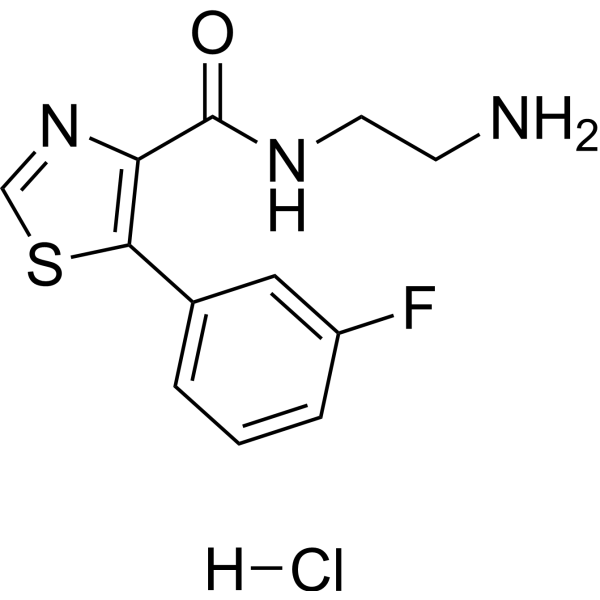
    5-HT3 antagonist-7 (Compound 7e) is a competitive and selective 5-HT3 receptor antagonist. 5-HT3 antagonist-7 inhibits 5-HT-induced contractions in guinea pig ileum and guinea pig thoracic aorta. 5-HT3 antagonist-7 prevents 2-methyl-5-HT-induced vomiting episodes in ferrets .
    5-HT3 antagonist-7

Inquiry Online

Your information is safe with us. * Required Fields.

Salutation


Country or Region *

Applicant Name *


Organization Name *

Department *


Email Address *


Product Name *

Cat. No.


Requested quantity *

Phone Number *


Remarks

Inquiry Online

Inquiry Information

Product Name:
Cat. No.:
Quantity:
MCE Japan Authorized Agent:

