
Search Result
Results for "
receptor activating properties.
" in MedChemExpress (MCE) Product Catalog:
3
Biochemical Assay Reagents
8
Isotope-Labeled Compounds
| Cat. No. |
Product Name |
Target |
Research Areas |
Chemical Structure |
-
- HY-16561
-
-
-
- HY-B0075
-
-
-
- HY-B0649
-
-
-
- HY-B1240
-
|
Dehydrobenzperidol
|
Dopamine Receptor
GABA Receptor
nAChR
|
Neurological Disease
|
|
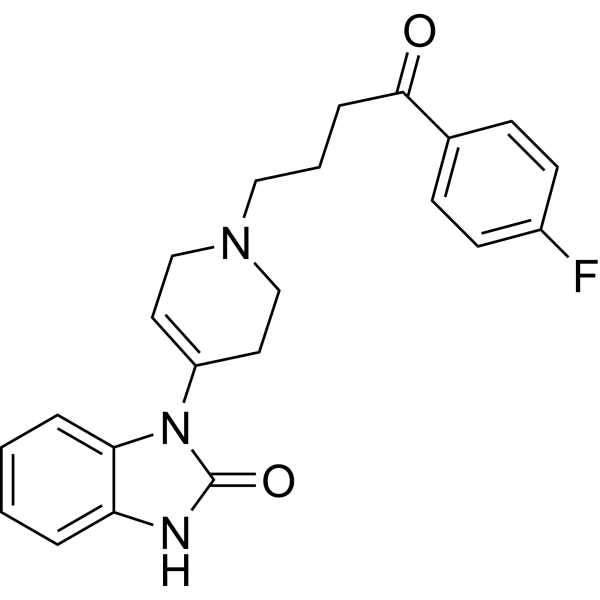
Droperidol (Dehydrobenzperidol) is a butyrophenone pamine-2 receptor antagonist that inhibits the activation of GABA(A) and neuronal nicotinic receptors (nAChR), with IC50 values of 12.6 nM and 5.8 μM. Droperidol has anesthetic and sedative properties .
|
-
-
- HY-134816
-
|
|
Toll-like Receptor (TLR)
|
Metabolic Disease
Inflammation/Immunology
Cancer
|
|
D-Glucan is an orally effective Dectin-1 receptor immune activator with antioxidant properties (reducing TNF-α). D-Glucan activates macrophages and neutrophils to scavenge free radicals, inhibit oxidative stress and inflammatory responses, and improve insulin sensitivity. D-Glucan promotes glycolysis by enhancing the activity of the antioxidant enzyme glutathione, inhibiting gluconeogenesis and activating GK. D-Glucan can be used in the research of liver damage protection (antagonizing Acetaminophen (HY-66005) toxicity), radiation protection (synergistic with vitamin E) and diabetes (improving glucose metabolism) .
|
-
-
- HY-17001A
-
|
D 9998
|
Potassium Channel
iGluR
GABA Receptor
|
Neurological Disease
Inflammation/Immunology
|
|
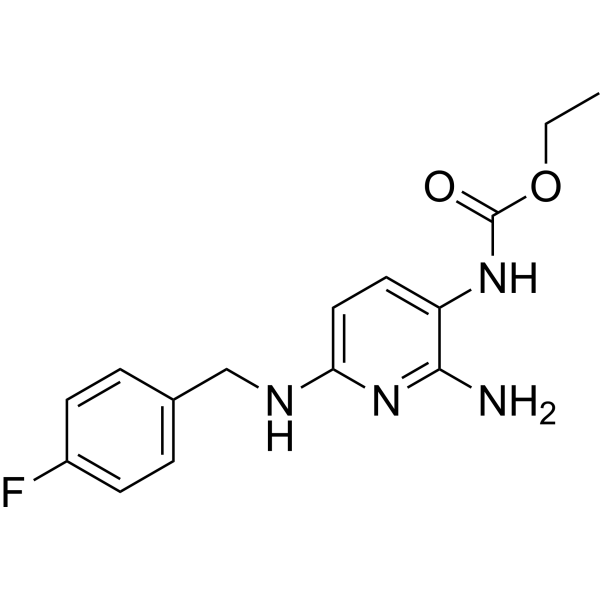
Flupirtine (D 9998) is an orally active, blood-brain barrier-crossing non-opioid analgesic and neuroprotective agent. Flupirtine is a neuronal potassium channel opener (Kv7 activator), a NMDA receptor antagonist and a GABA receptor activator. Flupirtine stabilizes blood-brain-barrier integrity, reduces oxidative stress and brain leukocyte infiltration, enhances angioneurogenesis, suppresses calcium influx, stabilizes neuronal resting membrane potential, and counteracts focal cerebral ischemia. Flupirtine exhibits analgesic, muscle relaxant properties, protects neurons from excitotoxic, ischemic, or cytokine-mediated death. Flupirtine functions as a non-opioid analgesic without antipyretic or antiphlogistic properties, shows no relevant affinity to opiate receptor. Flupirtine can be used for the research of focal cerebral ischemia, pain, Alzheimer’s disease, or multiple sclerosis .
|
-
-
- HY-B0075S
-
-
-
- HY-17001
-
|
D 9998 Maleate
|
Potassium Channel
iGluR
GABA Receptor
|
Neurological Disease
Inflammation/Immunology
|
|
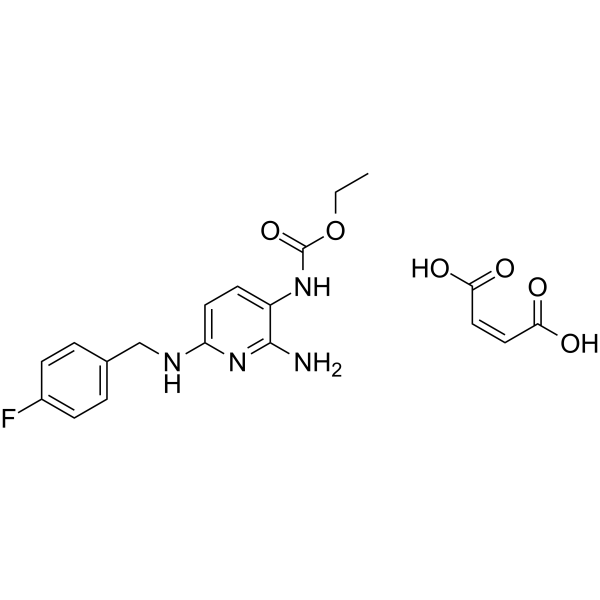
Flupirtine (D 9998) Maleate is an orally active, blood-brain barrier-crossing non-opioid analgesic and neuroprotective agent. Flupirtine Maleate is a neuronal potassium channel opener (Kv7 activator), a NMDA receptor antagonist and a GABA receptor activator. Flupirtine Maleate stabilizes blood-brain-barrier integrity, reduces oxidative stress and brain leukocyte infiltration, enhances angioneurogenesis, suppresses calcium influx, stabilizes neuronal resting membrane potential, and counteracts focal cerebral ischemia. Flupirtine Maleate exhibits analgesic, muscle relaxant properties, protects neurons from excitotoxic, ischemic, or cytokine-mediated death. Flupirtine Maleate functions as a non-opioid analgesic without antipyretic or antiphlogistic properties, shows no relevant affinity to opiate receptor. Flupirtine Maleate can be used for the research of focal cerebral ischemia, pain, Alzheimer’s disease, or multiple sclerosis .
|
-
-
- HY-16561R
-
|
trans-Resveratrol (Standard); SRT501 (Standard)
|
Reference Standards
IKK
Autophagy
Mitophagy
Sirtuin
Apoptosis
Bacterial
Fungal
Antibiotic
Keap1-Nrf2
|
Infection
Inflammation/Immunology
Cancer
|
|
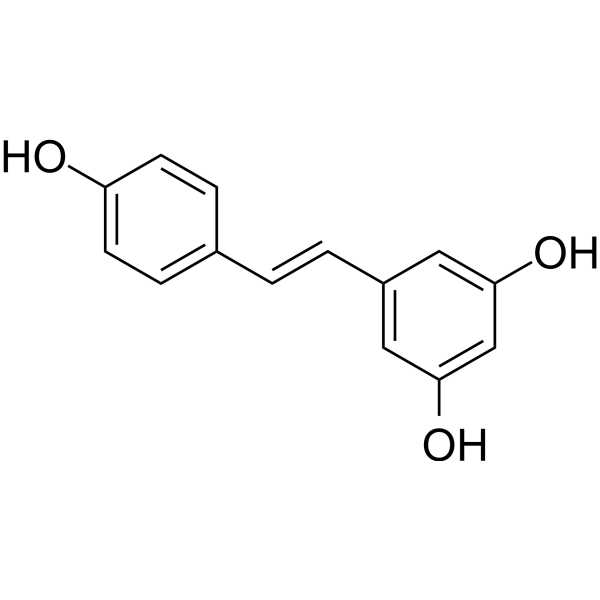
Resveratrol (Standard) is the analytical standard of Resveratrol. This product is intended for research and analytical applications. Resveratrol (trans-Resveratrol; SRT501), a natural polyphenolic phytoalexin that possesses anti-oxidant, anti-inflammatory, cardioprotective, and anti-cancer properties. Resveratrol (SRT 501) has a wide spectrum of targets including mTOR, JAK, β-amyloid, Adenylyl cyclase, IKKβ, DNA polymerase. Resveratrol also is a specific SIRT1 activator . Resveratrol is a potent pregnane X receptor (PXR) inhibitor . Resveratrol is an Nrf2 activator, ameliorates aging-related progressive renal injury in mice model . Resveratrol increases production of NO in endothelial cells .
|
-
-
- HY-106224B
-
|
Hypocretin-1 (human, rat, mouse) acetate
|
Orexin Receptor (OX Receptor)
|
Neurological Disease
|
|
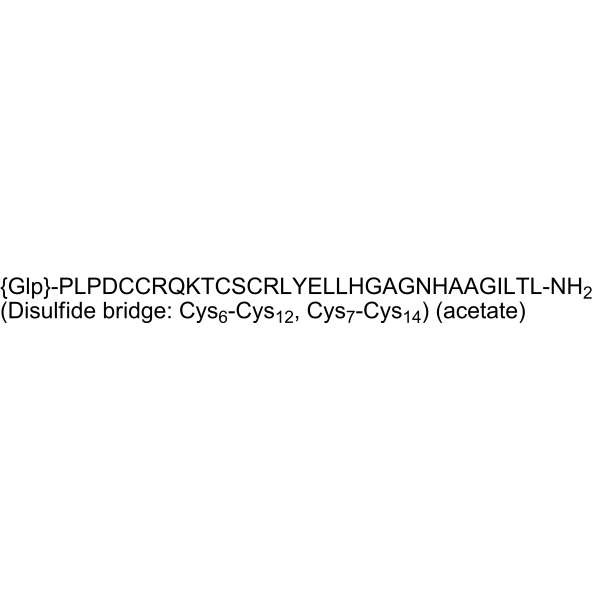
Orexin A (Hypocretin-1) (human, rat, mouse) acetate is a hypothalamic neuropeptide with analgesic properties (crosses the blood-brain barrier). Orexin A (human, rat, mouse) acetate binds and activates two types of G protein-coupled receptors, the orexin-1 receptor (OX1R) and the orexin-2 receptor (OX2R). Orexin A (human, rat, mouse) acetate can be used in studies of appetite regulation, neurodegenerative diseases and modulation of injurious messaging .
|
-
-
- HY-N0447
-
|
|
TRP Channel
Bacterial
Apoptosis
Autophagy
STAT
PERK
EGFR
PI3K
Akt
mTOR
Caspase
MMP
|
Infection
Cardiovascular Disease
Inflammation/Immunology
Cancer
|
|
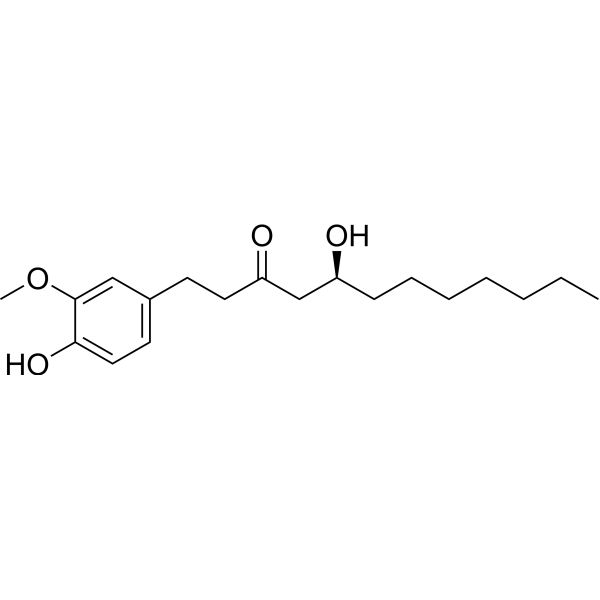
8-Gingerol can be found in the rhizome of ginger (Z. officinale) and has oral bioactivity. It activates TRPV1, with an EC50 value of 5.0 µM. 8-Gingerol inhibits COX-2 and also suppresses the growth of H. pylori in vitro. Additionally, 8-Gingerol exhibits anticancer, antioxidant, and anti-inflammatory properties by inhibiting the epidermal growth factor receptor (EGFR) and modulating its downstream STAT3/ERK pathway to suppress the proliferation, migration, and invasion of colorectal cancer cells. 8-Gingerol also exerts immunosuppressive effects by inhibiting oxidative stress, inducing cell cycle arrest, promoting apoptosis, and regulating autophagy. Furthermore, 8-Gingerol has cardioprotective effects. 8-Gingerol is promising for research in the fields of cancer, infection, immunosuppression, and cardiovascular diseases.
|
-
-
- HY-N2078
-
|
Neodiosgenin
|
LXR
Reactive Oxygen Species (ROS)
Apoptosis
Fatty Acid Synthase (FASN)
|
Metabolic Disease
|
|
Yamogenin (Neodiosgenin) is a diastereomer of diosgenin. Yamogenin antagonizes the activation of the liver X receptor (LXR) in luciferase ligand assay. Yamogenin inhibits triacylglyceride (TG) accumulation through the suppression of gene expression of fatty acid synthesis in HepG2 hepatocytes. Yamogenin is a steroidal saponin that can be obtained from plant species with in vitro cytotoxicity, antioxidant, and antimicrobial properties. Yamogenin induces cell death via the extrinsic and intrinsic way of apoptosis. Yamogenin inhibits protein denaturation with an IC50 of 1421.92 μg/mL. Yamogenin can be studied in research on gastric cancer .
|
-
-
- HY-B0075S1
-
-
-
- HY-115644
-
|
|
Melanocortin Receptor
|
Inflammation/Immunology
|
|
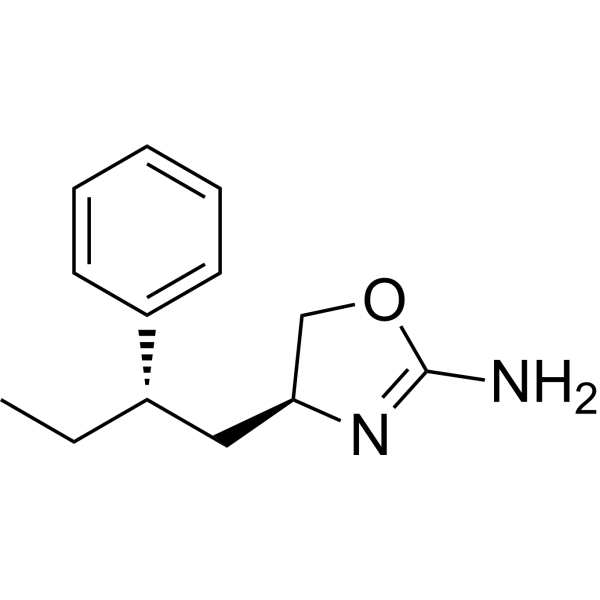
BMS-470539 dihydrochloride is a highly potent and selective melanocortin-1 receptor (MC-1R) agonist with an IC50 of 120 nM, an EC50 of 28 nM. BMS-470539 dihydrochloride does not activate MC-3R and is a very weak partial agonist at MC-4R and MC-5R. BMS-470539 dihydrochloride has potently anti-inflammatory properties .
|
-
-
- HY-16561S
-
|
trans-Resveratrol-d4; SRT501-d4
|
Isotope-Labeled Compounds
DNA/RNA Synthesis
IKK
Autophagy
Mitophagy
Sirtuin
Apoptosis
Bacterial
Fungal
Antibiotic
Keap1-Nrf2
|
Infection
Inflammation/Immunology
Cancer
|
|
Resveratrol-d4 is the deuterium labeled Resveratrol. Resveratrol (trans-Resveratrol; SRT501), a natural polyphenolic phytoalexin that possesses anti-oxidant, anti-inflammatory, cardioprotective, and anti-cancer properties. Resveratrol (SRT 501) has a wide spectrum of targets including mTOR, JAK, β-amyloid, Adenylyl cyclase, IKKβ, DNA polymerase. Resveratrol also is a specific SIRT1 activator . Resveratrol is a potent pregnane X receptor (PXR) inhibitor . Resveratrol is an Nrf2 activator, ameliorates aging-related progressive renal injury in mice model . Resveratrol increases production of NO in endothelial cells .
|
-
-
- HY-B0075R
-
|
N-Acetyl-5-methoxytryptamine (standard); Melatonin
|
Reference Standards
Melatonin Receptor
Autophagy
Mitophagy
Endogenous Metabolite
Apoptosis
|
Neurological Disease
Inflammation/Immunology
Cancer
|
|
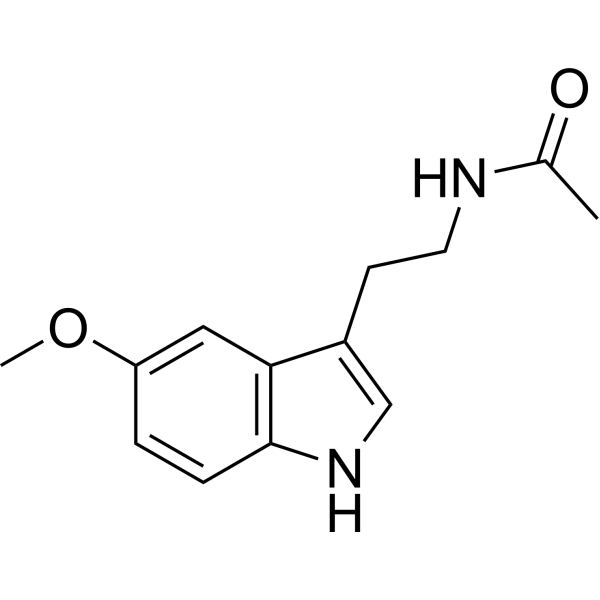
Melatonin (Standard) is the analytical standard of Melatonin. This product is intended for research and analytical applications. Melatonin is a hormone made by the pineal gland that can activates melatonin receptor. Melatonin plays a role in sleep and possesses important antioxidative and anti-inflammatory properties . Melatonin is a novel selective ATF-6 inhibitor and induces human hepatoma cell apoptosis through COX-2 downregulation . Melatonin attenuates palmitic acid-induced (HY-N0830) mouse granulosa cells apoptosis via endoplasmic reticulum stress .
|
-
-
- HY-N2374
-
|
|
Apoptosis
NF-κB
MMP
Adrenergic Receptor
|
Inflammation/Immunology
Cancer
|
|
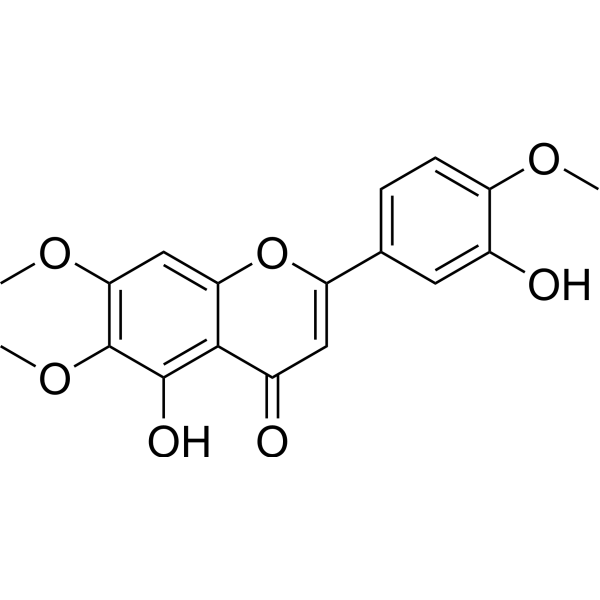
Eupatorin is an orally active flavonoid with antiproliferative and vasodilatory properties. Eupatorin downregulates the expression levels of NF-κB, MMP9, IL-1β and TNF-α. Eupatorin induces apoptosis, G2/M phase cell cycle arrest, and reactive oxygen species (ROS) production. Eupatorin modulates the activities of muscarinic receptors and β-adrenergic receptors; inhibits sarcoplasmic reticulum calcium release and calcium channels; and activates the NO/sGC/cGMP pathway, indomethacin-sensitive pathway, and potassium channel pathway. Eupatorin exerts cytotoxic effects on cancer cell lines, and is metabolized by CYP1A1 and CYP1 family enzymes to form metabolites with antiproliferative activity. Eupatorin can be used in research related to breast cancer, hypertension, and leukemia .
|
-
-
- HY-130345
-
|
|
Platelet-activating Factor Receptor (PAFR)
|
Cardiovascular Disease
|
|
C18-PAF, octadecane PAF, is the ligand of platelet-activating factor and PAF G protein-coupled receptor (PAFR). C18-PAF has renovasodilator properties and antihypertensive lipid properties. C18-PAF increases renal blood flow and causes dose-dependent systemic hypotension .
|
-
-
- HY-101955
-
|
(2S,6S)-HNK hydrochloride
|
mTOR
nAChR
|
Neurological Disease
|
|
(2S,6S)-Hydroxynorketamine hydrochloride is a neurorelaxant with potential antidepressant and analgesic effects. (2S,6S)-Hydroxynorketamine hydrochloride can activate the mTOR pathway, increase the phosphorylation level of downstream targets, and antagonize α7-nicotinic acetylcholine receptor (nAChR) to exert neuroactive properties .
|
-
-
- HY-P1345A
-
|
|
Complement System
|
Neurological Disease
Endocrinology
|
|
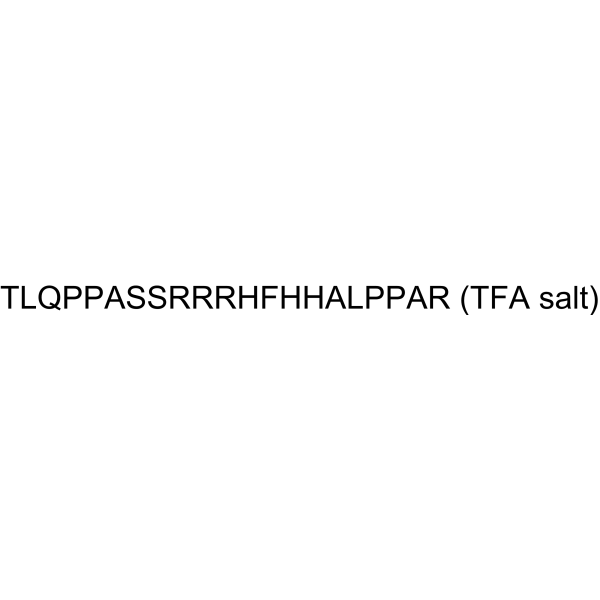
TLQP-21 TFA, a VGF-derived peptide endowed of endocrine and extraendocrine properties, is a potent G-protein-coupled receptor complement-3a receptor1 (C3aR1) agonist (EC50: mouse TLQP-21=10.3 μM; human TLQP-21=68.8μM). TLQP-21 TFA activates C3aR1 to induce an increase of intracellular Ca 2+. TLQP-21 TFA is used for the research in regulation of nociception and other relevant physiologic functions .
|
-
-
- HY-12700
-
|
|
Trace Amine-associated Receptor (TAAR)
|
Neurological Disease
|
|
RO5256390 is an orally effective trace amine associated receptor 1 (TAAR1) agonist. RO5256390 exhibits pro-cognitive and antidepressant-like properties in rodent and primate models, showing similar brain activation patterns to Olanzapine (HY-14541). RO5256390 blocks compulsive overeating behavior in rats. RO5256390 can inhibit ATP (HY-B2176)-induced TNF secretion in mouse bone marrow-derived macrophages .
|
-
-
- HY-N7781
-
-
-
- HY-10936
-
|
|
iGluR
|
Neurological Disease
|
|
S 18986 is a selective, orally active, brain penetrant positive allosteric modulator of AMPA-type receptors. S 18986 shows cognitive enhancing properties in rodents. S 18986 activates the release of noradrenaline and acetylcholine in rat hippocampus and enhances rat memory in object-recognition tests .
|
-
-
- HY-120026
-
|
KB015
|
Thyroid Hormone Receptor
Calcium Channel
Potassium Channel
Sodium Channel
|
Cardiovascular Disease
|
|
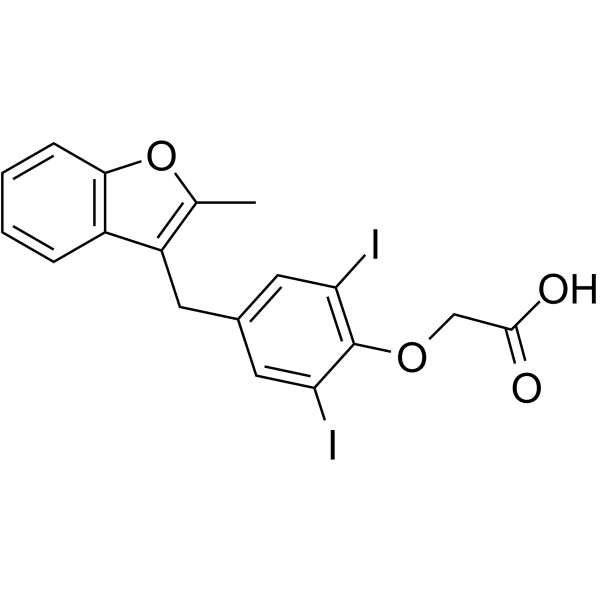
KB130015 (KB015) is an orally active and potent ThRα and ThRβ (thyroid hormone receptor) inhibitor, with IC50 values of 4.5 and 5.1 μM, respectively. KB130015 markedly slows the kinetics of inactivation of Na + channels. KB130015 activates hERG1 channels (EC50 = 12.2 μM) and large-conductance Ca 2+-activated K + (BKCa) channels formed by hSlo1 (α) subunits in HEK 293 cells. KB130015 has antiarrhythmic properties. KB130015 can be used for the study of cardiovascular disease .
|
-
-
- HY-125938
-
|
Cycloartenol ferulate; Cycloartenol ferulic acid ester
|
Drug Derivative
Apoptosis
Reactive Oxygen Species (ROS)
JAK
STAT
|
Inflammation/Immunology
Cancer
|
|
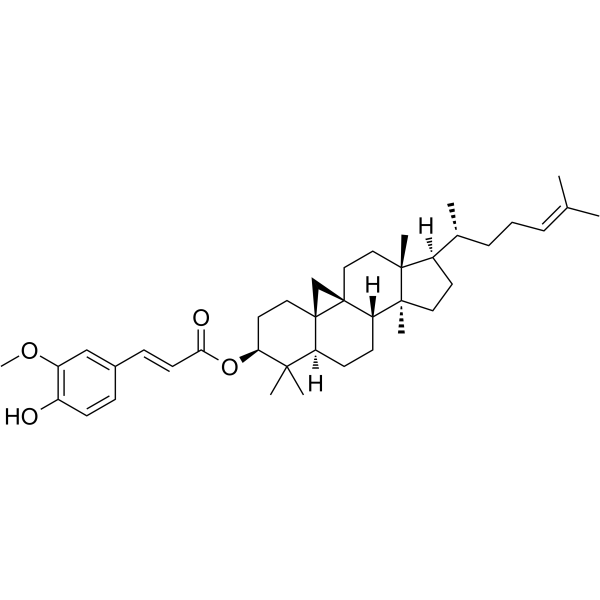
Cycloartenyl ferulate (Cycloartenol ferulate; Cycloartenol ferulic acid ester) is a derivative of γ-oryzanol (HY-B2194) with multiple biological activities including antioxidant, anti-inflammatory, and anti-tumor properties. Cycloartenyl ferulate selectively binds to IFNγR1 (binding affinity Kd = 0.5 μM) to activate the canonical JAK1/2-STAT1 signaling pathway. Cycloartenyl ferulate inhibits paraquat (PQ)-triggered apoptosis and ROS in HK2 cells. Cycloartenyl ferulate enhances the activation and cytolytic activity of natural killer (NK) cells by upregulating the expression of NK cell activation receptors (NKG2D, NKp30, NKp44) and the release of cytotoxic molecules and cytokine IFNγ. Cycloartenyl ferulate exerts anti-cancer effects in tumor mice models. Cycloartenyl ferulate can be used for the study of cancer and allergic inflammation intervention .
|
-
-
- HY-B0075S2
-
-
-
- HY-B0649S
-
|
|
GABA Receptor
Endogenous Metabolite
|
Neurological Disease
|
|
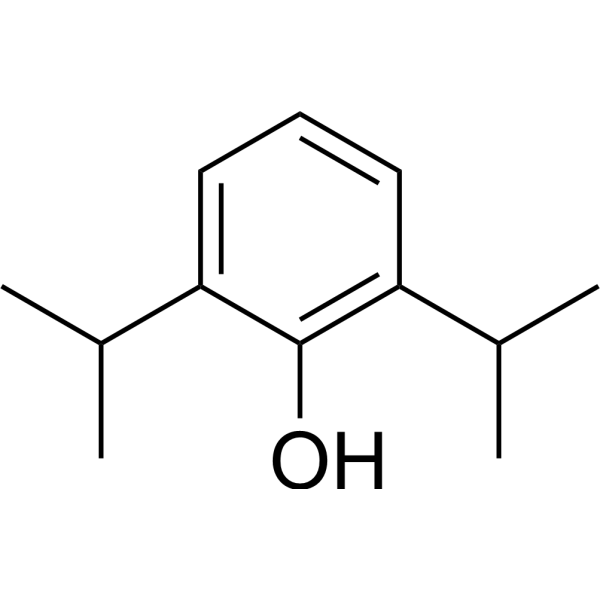
Propofol-d17 is the deuterium labeled Propofol. Propofol potently and directly activates GABAA receptor and inhibits glutamate receptor mediated excitatory synaptic transmission. Propofol has antinociceptive properties .
|
-
-
- HY-N0050
-
|
(+)-Allomatrine
|
Others
|
Neurological Disease
|
|
Allomatrine ((+)-Allomatrine) is an alkaloid from the bark of Sophora japonica. Allomatrine has antinociceptive properties mediated mainly through the activation ofκ-opioid receptors .
|
-
-
- HY-141581
-
-
-
- HY-N16039
-
|
|
β-glucuronidase
|
Inflammation/Immunology
|
|
TAN-1030A is an indolocarbazole alkaloid with macrophage-activating properties. TAN-1030A induces spreading of a murine macrophage cell line, Mm 1, and augmentes the phagocytic activity, Fc gamma receptor expression and β-glucuronidase activity of murine macrophage cell lines, Mm 1 and J774A.1. TAN-1030A can activate macrophage functions in mice .
|
-
-
- HY-111323
-
|
|
ROR
|
Neurological Disease
|
|
ASN06917370 is a former orphan receptor GPR17 ligand for the study of neurodegenerative diseases. ASN06917370 has an EC50 of 268 pM in [35S]GTPyS experiments .
|
-
-
- HY-143316
-
|
|
Guanylate Cyclase
|
Neurological Disease
|
|
NPR-C activator 1 (Compound 1) is a potent activator of natriuretic peptide receptor C (NPR-C). C-type natriuretic peptide (CNP) is involved in the regulation of vascular homeostasis. NPR-C activator 1 is identified as a potent agonist (EC50 ∼ 1 μM) with promising in vivo pharmacokinetic properties .
|
-
-
- HY-P1345
-
|
|
Complement System
|
Neurological Disease
Endocrinology
|
|
TLQP-21, a VGF-derived peptide endowed of endocrine and extraendocrine properties, is a potent G-protein-coupled receptor complement-3a receptor 1 (C3aR1) agonist (EC50: mouse TLQP-21=10.3 μM; human TLQP-21=68.8 μM). TLQP-21 activates C3aR1 to induce an increase of intracellular Ca 2+. TLQP-21 is used for the research in regulation of nociception and other relevant physiologic functions .
|
-
-
- HY-16561G
-
|
trans-Resveratrol; SRT501
|
DNA/RNA Synthesis
IKK
Autophagy
Mitophagy
Sirtuin
Apoptosis
Bacterial
Fungal
Keap1-Nrf2
|
Infection
Inflammation/Immunology
Cancer
|
|
Resveratrol (GMP) is Resveratrol (HY-16561) produced by using GMP guidelines. GMP small molecules work appropriately as an auxiliary reagent for cell therapy manufacture. Resveratrol (trans-Resveratrol; SRT501), a natural polyphenolic phytoalexin that possesses anti-oxidant, anti-inflammatory, cardioprotective, and anti-cancer properties. Resveratrol (SRT 501) has a wide spectrum of targets including mTOR, JAK, β-amyloid, Adenylyl cyclase, IKKβ, DNA polymerase. Resveratrol also is a specific SIRT1 activator . Resveratrol is a potent pregnane X receptor (PXR) inhibitor . Resveratrol is an Nrf2 activator, ameliorates aging-related progressive renal injury in mice model . Resveratrol increases production of NO in endothelial cells .
|
-
-
- HY-152472
-
|
|
Trk Receptor
|
Neurological Disease
|
|
ENT-C225 is an effective activator of TrkB neurotrophin receptor. ENT-C225 has high effect on activating TrkB receptor (TrkBR), and has good physicochemical properties and neuroprotective properties .
|
-
-
- HY-B0649R
-
|
2,6-Diisopropylphenol (Standard)
|
Reference Standards
GABA Receptor
Endogenous Metabolite
|
Neurological Disease
Cancer
|
|
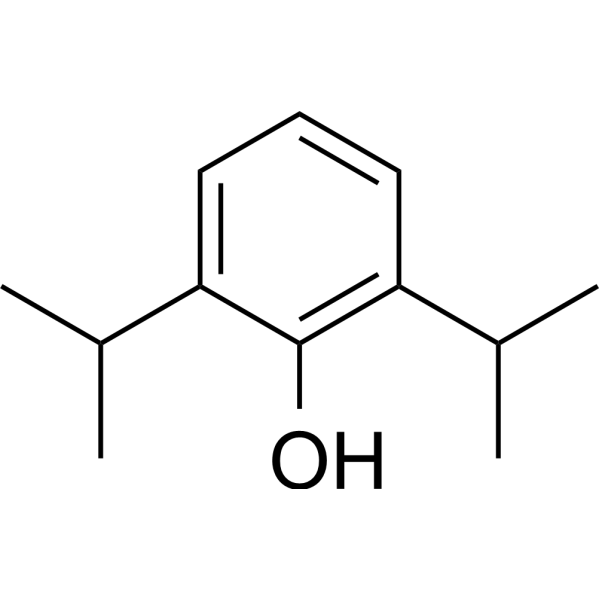
Propofol (Standard) is the analytical standard of Propofol. This product is intended for research and analytical applications. Propofol potently and directly activates GABAA receptor and inhibits glutamate receptor mediated excitatory synaptic transmission. Propofol has antinociceptive properties and is used for sedation and hypnotic .
|
-
-
- HY-110230
-
|
D 9998-d4 hydrochloride
|
Isotope-Labeled Compounds
Potassium Channel
iGluR
GABA Receptor
|
Neurological Disease
Inflammation/Immunology
|
|
Flupirtine-d4 (D 9998-d4) hydrochloride is the deuterium labeled Flupirtine hydrochloride (HY-W709349). Flupirtine hydrochloride is an orally active, blood-brain barrier-crossing non-opioid analgesic and neuroprotective agent. Flupirtine hydrochloride is a neuronal potassium channel opener (Kv7 activator), a NMDA receptor antagonist and a GABA receptor activator. Flupirtine hydrochloride stabilizes blood-brain-barrier integrity, reduces oxidative stress and brain leukocyte infiltration, enhances angioneurogenesis, suppresses calcium influx, stabilizes neuronal resting membrane potential, and counteracts focal cerebral ischemia. Flupirtine hydrochloride exhibits analgesic, muscle relaxant properties, protects neurons from excitotoxic, ischemic, or cytokine-mediated death. Flupirtine hydrochloride functions as a non-opioid analgesic without antipyretic or antiphlogistic properties, shows no relevant affinity to opiate receptor. Flupirtine hydrochloride can be used for the research of focal cerebral ischemia, pain, Alzheimer’s disease, or multiple sclerosis .
|
-
-
- HY-W587468
-
|
3,4-DHRA
|
Biochemical Assay Reagents
|
|
|
All-trans-3,4-Didehydro retinoic acid (3,4-DHRA) is a compound with gene-regulating activity that binds to retinoic acid receptors (RARs) and triggers receptor activation. All-trans-3,4-Didehydro retinoic acid plays an important role in skin development and differentiation and has potential anti-tumor and anti-inflammatory properties. All-trans-3,4-Didehydro retinoic acid is also being studied for the inhibition of a variety of diseases, including skin diseases and certain types of cancer.
|
-
-
- HY-W040176
-
|
N-Palmitoyl-tyrosine phosphoric acid ammonium
|
LPL Receptor
|
Cardiovascular Disease
Neurological Disease
Inflammation/Immunology
|
|
N-PTyrosine PA (N-Palmitoyl-tyrosine phosphoric acid) ammonium is a lysophosphatidic acid (LPA) receptor modulator, which exhibits weak inhibitory activity against LPA1 and partial agonist properties towards LPA5. N-PTyrosine PA ammonium inhibits the activation of LPA receptors and downstream responses by competing with agonists for binding sites. N-PTyrosine PA ammonium can induce morphological changes and aggregation, and also inhibit LPA-induced morphological changes through receptor desensitization caused by pre-incubation. N-PTyrosine PA ammonium can be used in the research of related diseases such as atherosclerosis and acute ischemic syndromes (e.g., unstable angina, myocardial infarction, stroke) .
|
-
-
- HY-101317A
-
|
SB-205607
|
Opioid Receptor
|
Metabolic Disease
|
|
TAN-67 (SB-205607) is a non-peptidic delta-opioid receptor agonist that exhibits significant antinociceptive activity in both diabetic and non-diabetic mice. TAN-67 demonstrates a marked and dose-dependent reduction in acetic acid-induced abdominal constrictions, with a notably stronger effect in diabetic mice compared to their non-diabetic counterparts. TAN-67's antinociceptive properties are primarily mediated through the activation of delta 1-opioid receptors, as indicated by the pronounced antagonism observed upon administration of a selective delta 1-opioid receptor antagonist.
|
-
-
- HY-169703
-
SPA0355
1 Publications Verification
|
RANKL/RANK
p38 MAPK
Akt
NF-κB
|
Inflammation/Immunology
|
|
SPA0355 is a thiourea derivative that has antioxidant and anti-inflammatory properties. SPA0355 inhibits the RANKL (receptor activator of nuclear factor κB ligand) induced osteoclast formation in primary bone marrow-derived macrophages. SPA0355 also suppresses the activation of the MAPKs, Akt, and NF-κB pathways. Additionally, SPA0355 promotes osteoblast differentiation, increases alkaline phosphatase activity, and enhances mineral nodule formation. SPA0355 can protect ovariectomized mice from bone loss by stimulating osteoblast differentiation and inhibiting osteoclast resorption, making it useful for studying postmenopausal osteoporosis .
|
-
-
- HY-16561S1
-
|
trans-Resveratrol-13C6; SRT501-13C6
|
Isotope-Labeled Compounds
DNA/RNA Synthesis
IKK
Autophagy
Mitophagy
Sirtuin
Apoptosis
Bacterial
Fungal
Antibiotic
Keap1-Nrf2
|
Infection
Inflammation/Immunology
Cancer
|
|
Resveratrol- 13C6 is the 13C-labeled Resveratrol. Resveratrol (trans-Resveratrol; SRT501), a natural polyphenolic phytoalexin that possesses anti-oxidant, anti-inflammatory, cardioprotective, and anti-cancer properties. Resveratrol (SRT 501) has a wide spectrum of targets including mTOR, JAK, β-amyloid, Adenylyl cyclase, IKKβ, DNA polymerase. Resveratrol also is a specific SIRT1 activator . Resveratrol is a potent pregnane X receptor (PXR) inhibitor . Resveratrol is an Nrf2 activator, ameliorates aging-related progressive renal injury in mice model . Resveratrol increases production of NO in endothelial cells .
|
-
-
- HY-143314
-
|
|
Protease Activated Receptor (PAR)
|
Cardiovascular Disease
|
|
Protease-Activated Receptor-1 antagonist 2 is an orally active protease-activated receptor-1 (PAR-1) antagonist, with an IC50 value of 7 nM. Protease-Activated Receptor-1 antagonist 2 has favorable pharmacokinetic properties which is useful in the research of cardiovascular disease (CVD), such as atherosclerosis and restenosis .
|
-
-
- HY-118097
-
|
|
PPAR
|
Others
|
|
GW0072 is a partial agonist of PPARγ and does not directly bind to the AF-2 helix of PPARγ, resulting in specific partial receptor transcriptional activation properties .
|
-
-
- HY-W707528
-
|
2,6-Diisopropylphenol-d14
|
Isotope-Labeled Compounds
GABA Receptor
Endogenous Metabolite
|
Neurological Disease
|
|
Propofol-d14 (2,6-Diisopropylphenol-d14) is the deuterium labeled Propofol (HY-B0649). Propofol potently and directly activates GABAA receptor and inhibits glutamate receptor mediated excitatory synaptic transmission. Propofol has antinociceptive properties and is used for sedation and hypnotic .
|
-
-
- HY-118375
-
|
ISC-4
|
Apoptosis
|
Cancer
|
|
Phenylbutyl isoselenocyanate (ISC-4) is a selective apoptosis inducer that increases reactive oxygen species levels to inhibit androgen receptor (AR) and activate p53 pathway. Phenylbutyl isoselenocyanate induces apoptosis in LNCaP prostate cancer cells and has anti-prostate cancer properties.
|
-
-
- HY-W709349
-
|
D 9998 hydrochloride
|
Potassium Channel
iGluR
GABA Receptor
|
Neurological Disease
Inflammation/Immunology
|
|
Flupirtine (D 9998) hydrochloride is an orally active, blood-brain barrier-crossing non-opioid analgesic and neuroprotective agent. Flupirtine hydrochloride is a neuronal potassium channel opener (Kv7 activator), a NMDA receptor antagonist and a GABA receptor activator. Flupirtine hydrochloride stabilizes blood-brain-barrier integrity, reduces oxidative stress and brain leukocyte infiltration, enhances angioneurogenesis, suppresses calcium influx, stabilizes neuronal resting membrane potential, and counteracts focal cerebral ischemia. Flupirtine hydrochloride exhibits analgesic, muscle relaxant properties, protects neurons from excitotoxic, ischemic, or cytokine-mediated death. Flupirtine hydrochloride functions as a non-opioid analgesic without antipyretic or antiphlogistic properties, shows no relevant affinity to opiate receptor. Flupirtine hydrochloride can be used for the research of focal cerebral ischemia, pain, Alzheimer’s disease, or multiple sclerosis .
|
-
-
- HY-107717
-
|
|
iGluR
|
Neurological Disease
|
|
MNI-caged-NMDA is a light-sensitive amino acid with rapid release properties suitable for use in the study of fast synaptic receptor mechanisms. MNI-caged-NMDA shows metered release of NMDA receptors, inducing rapid and sustained receptor activation in cerebellar interneurons. MNI-caged-NMDA is able to achieve rapid transient responses and generate large inward currents by local laser photolysis. The use of MNI-caged-NMDA can effectively study neurotransmitter signaling and its inhibitory effects on GABA-A receptors .
|
-
-
- HY-17001R
-
|
D 9998 Maleate (Standard)
|
Reference Standards
Potassium Channel
iGluR
GABA Receptor
|
Neurological Disease
Inflammation/Immunology
|
|
Flupirtine Maleate (Standard) is the analytical standard of Flupirtine Maleate (HY-17001). This product is intended for research and analytical applications. Flupirtine Maleate is an orally active, blood-brain barrier-crossing non-opioid analgesic and neuroprotective agent. Flupirtine Maleate is a neuronal potassium channel opener (Kv7 activator), a NMDA receptor antagonist and a GABA receptor activator. Flupirtine Maleate stabilizes blood-brain-barrier integrity, reduces oxidative stress and brain leukocyte infiltration, enhances angioneurogenesis, suppresses calcium influx, stabilizes neuronal resting membrane potential, and counteracts focal cerebral ischemia. Flupirtine Maleate exhibits analgesic, muscle relaxant properties, protects neurons from excitotoxic, ischemic, or cytokine-mediated death. Flupirtine Maleate functions as a non-opioid analgesic without antipyretic or antiphlogistic properties, shows no relevant affinity to opiate receptor. Flupirtine Maleate can be used for the research of focal cerebral ischemia, pain, Alzheimer’s disease, or multiple sclerosis .
|
-
-
- HY-P10869
-
dCNP
1 Publications Verification
|
Natriuretic Peptide Receptor (NPR)
|
Inflammation/Immunology
Cancer
|
|
dCNP binds to NPR-B/C receptor, activates cGMP signaling pathway, and regulates vascular function. dCNP exhibits anti-hypoxia property through downregulation of hypoxia-related genes expressions like HIF1α and HIF2α. dCNP inhibits the induction of tumor stroma and exhibits anti-fibrosis activity. dCNP upregulates CTLs, NK cells, and conventional type 1 dendritic cells in tumors, and activates immune responses .
|
-
- HY-17001AR
-
|
D 9998 (Standard)
|
Reference Standards
Potassium Channel
iGluR
GABA Receptor
|
Neurological Disease
Inflammation/Immunology
|
|
Flupirtine (Standard) (D 9998 (Standard)) is the analytical standard of Flupirtine (HY-17001A). This product is intended for research and analytical applications. Flupirtine is an orally active, blood-brain barrier-crossing non-opioid analgesic and neuroprotective agent. Flupirtine is a neuronal potassium channel opener (Kv7 activator), a NMDA receptor antagonist and a GABA receptor activator. Flupirtine stabilizes blood-brain-barrier integrity, reduces oxidative stress and brain leukocyte infiltration, enhances angioneurogenesis, suppresses calcium influx, stabilizes neuronal resting membrane potential, and counteracts focal cerebral ischemia. Flupirtine exhibits analgesic, muscle relaxant properties, protects neurons from excitotoxic, ischemic, or cytokine-mediated death. Flupirtine functions as a non-opioid analgesic without antipyretic or antiphlogistic properties, shows no relevant affinity to opiate receptor. Flupirtine can be used for the research of focal cerebral ischemia, pain, Alzheimer’s disease, or multiple sclerosis .
|
-
- HY-111011
-
|
JNJ 38488502 acetate; FE 200665 acetate
|
Opioid Receptor
|
Neurological Disease
|
|
CR 665 (JNJ 38488502) acetate is a kappa-opioid agonist that may effectively treat visceral pain by activating receptors on afferent nerves within the gut. CR 665 acetate exhibits peripheral selectivity, differentiating its pharmacokinetic profile from that of non-selective opioids like oxycodone. CR 665 acetate has demonstrated a beneficial effect on visceral pain tolerance thresholds without the delayed analgesic response characteristic of opioids that penetrate the brain. CR 665 acetate is proposed for use in managing postoperative pain due to its pain-relieving properties.
|
-
- HY-113027R
-
|
|
Reference Standards
Endogenous Metabolite
|
Others
|
|
Melatonin (Standard) is the analytical standard of Melatonin. This product is intended for research and analytical applications. Melatonin is a hormone made by the pineal gland that can activates melatonin receptor. Melatonin plays a role in sleep and possesses important antioxidative and anti-inflammatory properties . Melatonin is a novel selective ATF-6 inhibitor and induces human hepatoma cell apoptosis through COX-2 downregulation . Melatonin attenuates palmitic acid-induced (HY-N0830) mouse granulosa cells apoptosis via endoplasmic reticulum stress .
|
-
- HY-N2078R
-
|
Neodiosgenin (Standard)
|
Reference Standards
LXR
Apoptosis
Fatty Acid Synthase (FASN)
Reactive Oxygen Species (ROS)
|
Metabolic Disease
|
|
Yamogenin (Standard) is the analytical standard of Yamogenin. This product is intended for research and analytical applications. Yamogenin (Neodiosgenin) is a diastereomer of diosgenin. Yamogenin antagonizes the activation of the liver X receptor (LXR) in luciferase ligand assay. Yamogenin inhibits triacylglyceride (TG) accumulation through the suppression of gene expression of fatty acid synthesis in HepG2 hepatocytes. Yamogenin is a steroidal saponin that can be obtained from plant species with in vitro cytotoxicity, antioxidant, and antimicrobial properties. Yamogenin induces cell death via the extrinsic and intrinsic way of apoptosis. Yamogenin inhibits protein denaturation with an IC50 of 1421.92 μg/mL. Yamogenin can be studied in research on gastric cancer .
|
-
- HY-N7781R
-
-
- HY-131997
-
|
|
GABA Receptor
|
Neurological Disease
Inflammation/Immunology
|
|
2'MeO6MF is a brain-penetrant positive allosteric modulator at α2β1γ2L and all α1-containing GABAA receptors. 2'MeO6MF also can directly activate α2β2/3 and α2β2/3γ2L GABAA receptors. 2'MeO6MF has anxiolytic and psychomotor stabilizing properties. 2'MeO6MF offers neuroprotection and improved functional recovery and dampens the stroke-induced inflammatory response .
|
-
- HY-137055
-
|
|
Others
|
Others
|
|
PF-3774076 is a highly central nervous system (CNS) penetrant, potent, and selective human α1A-adrenoceptor partial agonist. It exhibits good potency and selectivity in multiple binding and functional assays. PF-3774076 increases peak urethral pressure in anesthetized female dogs in a dose-dependent manner via a central mechanism. PF-3774076 affects both the proximal and distal portions of the urethra in vivo. These properties suggest that PF-3774076 may have significant benefit in the treatment of stress urinary incontinence (SUI) as a CNS-penetrant α1A receptor partial agonist. However, despite its partial agonism and selectivity for α1A receptors, PF-3774076 failed to provide adequate safety differences in in vivo models of cardiovascular function. This may be due to the simultaneous activation of both peripheral and central α1A receptors. These data suggest that while central α1A partial agonists may have significant benefit in the treatment of SUI, this class of agents may have difficulty achieving the desired urethral selectivity without affecting cardiovascular function.
|
-
- HY-122211
-
|
|
Endogenous Metabolite
|
Cardiovascular Disease
|
|
MRS2802 is a P2Y14 receptor agonist with an EC50 value of 63 nM. MRS2802 can effectively activate the P2Y14 receptor and may play a role in regulating platelet function. The selectivity and activity of MRS2802 are conducive to in-depth research on the biological functions and pharmacological properties of P2Y receptors. The development of MRS2802 provides a potential inhibitory strategy for the search for new antiplatelet compounds .
|
-
- HY-W709349S
-
|
D 9998-d6 hydrochloride
|
Isotope-Labeled Compounds
Potassium Channel
iGluR
GABA Receptor
|
Neurological Disease
|
|
Flupirtine-d6 (D 9998-d6) hydrochloride is the deuterium labeled Flupirtine hydrochloride (HY-W709349). Flupirtine hydrochloride is an orally active, blood-brain barrier-crossing non-opioid analgesic and neuroprotective agent. Flupirtine hydrochloride is a neuronal potassium channel opener (Kv7 activator), a NMDA receptor antagonist and a GABA receptor activator. Flupirtine hydrochloride stabilizes blood-brain-barrier integrity, reduces oxidative stress and brain leukocyte infiltration, enhances angioneurogenesis, suppresses calcium influx, stabilizes neuronal resting membrane potential, and counteracts focal cerebral ischemia. Flupirtine hydrochloride exhibits analgesic, muscle relaxant properties, protects neurons from excitotoxic, ischemic, or cytokine-mediated death. Flupirtine hydrochloride functions as a non-opioid analgesic without antipyretic or antiphlogistic properties, shows no relevant affinity to opiate receptor. Flupirtine hydrochloride can be used for the research of focal cerebral ischemia, pain, Alzheimer’s disease, or multiple sclerosis .
|
-
- HY-W399025
-
|
|
Opioid Receptor
Arrestin
|
Neurological Disease
|
|
ID110460001 is a full agonist of μ-opioid receptor and an agonist of δ-opioid receptor. ID110460001 exhibits high intrinsic efficacy for G protein pathway activation of μ-opioid receptor, and this property is not affected by the reduction in receptor quantity. ID110460001 acts only as a very weak partial agonist in the β-arrestin-2 pathway of both receptors, and binds to μ-opioid receptor via a specific mode. The efficacy of ID110460001 in the G protein pathway of δ-opioid receptor is sensitive to changes in receptor quantity. ID110460001 can be used in pain-related research .
|
-
- HY-N13338
-
-
- HY-P1650
-
|
B 9870
|
Bradykinin Receptor
ERK
|
Cancer
|
|
Breceptin (B 9870) is an antagonist of the bradykinin B1/B2 receptor (B1/B2R). Breceptin exhibits an irreversible antagonist effect on B2R, inhibiting the vasodilation induced by Bradykinin (HY-P0206) in the rabbit carotid vein contraction experiment. B-9870 shows partial agonist properties in HEK 293 cells with high expression of B2R, and can activate ERK1/2 phosphorylation, calcium ion mobilization, arachidonic acid release, and receptor internalization. Breceptin can be used in research to inhibit breast cancer and non-small cell lung cancer .
|
-
- HY-P992449
-
|
PRLR ADC antibody
|
ADC Antibody
|
Cancer
|
|
REGN2878 (PRLR ADC antibody) is a monoclonal antibody targeting the prolactin receptor (PRLR) and can block prolactin‑mediated activation of PRLR. REGN2878 exhibits an equilibrium dissociation constant (KD) of 1.05 nM and an IC50 of 0.344 nM for human PRLR. REGN2878 can be rapidly internalized and degraded in lysosomes by PRLR‑positive tumor cells, showing antigen‑specific binding and targeted enrichment properties. REGN2878 derivatives can be used as an immunoPET agent for antigen‑specific imaging of PRLR‑related tumors, and can also serve as a component of ADCs to exert anti‑tumor activity in breast cancer xenograft models. REGN2878 can be used in the research of breast cancer and prostate cancer. Isotype Comparison HY-P99001 .
|
-
- HY-181430
-
|
|
TGF-beta/Smad
|
Metabolic Disease
Inflammation/Immunology
|
|
PXS 25 is a cation-independent mannose 6-phosphate receptor (CI-M6PR) inhibitor that inhibits CI-M6PR-mediated activation of latent TGF-β1. PXS 25 inhibits conversion of high glucose-induced latent TGF-β1 to active TGF-β1 in proximal tubule cells under normoxic conditions. PXS 25 suppresses high glucose-induced fibronectin, collagen IV production, and phosphorylated Smad 2 in proximal tubule cells under normoxic conditions. PXS 25 has antifibrotic properties in skin fibroblasts. PXS 25 can be used for the research of diabetic nephropathy .
|
-
| Cat. No. |
Product Name |
Type |
-
- HY-16561G
-
|
trans-Resveratrol; SRT501
|
Fluorescent Dyes
|
|
Resveratrol (GMP) is Resveratrol (HY-16561) produced by using GMP guidelines. GMP small molecules work appropriately as an auxiliary reagent for cell therapy manufacture. Resveratrol (trans-Resveratrol; SRT501), a natural polyphenolic phytoalexin that possesses anti-oxidant, anti-inflammatory, cardioprotective, and anti-cancer properties. Resveratrol (SRT 501) has a wide spectrum of targets including mTOR, JAK, β-amyloid, Adenylyl cyclase, IKKβ, DNA polymerase. Resveratrol also is a specific SIRT1 activator . Resveratrol is a potent pregnane X receptor (PXR) inhibitor . Resveratrol is an Nrf2 activator, ameliorates aging-related progressive renal injury in mice model . Resveratrol increases production of NO in endothelial cells .
|
| Cat. No. |
Product Name |
Type |
-
- HY-134816
-
|
|
Biochemical Assay Reagents
|
|
D-Glucan is an orally effective Dectin-1 receptor immune activator with antioxidant properties (reducing TNF-α). D-Glucan activates macrophages and neutrophils to scavenge free radicals, inhibit oxidative stress and inflammatory responses, and improve insulin sensitivity. D-Glucan promotes glycolysis by enhancing the activity of the antioxidant enzyme glutathione, inhibiting gluconeogenesis and activating GK. D-Glucan can be used in the research of liver damage protection (antagonizing Acetaminophen (HY-66005) toxicity), radiation protection (synergistic with vitamin E) and diabetes (improving glucose metabolism) .
|
-
- HY-16561G
-
|
trans-Resveratrol; SRT501
|
Biochemical Assay Reagents
|
|
Resveratrol (GMP) is Resveratrol (HY-16561) produced by using GMP guidelines. GMP small molecules work appropriately as an auxiliary reagent for cell therapy manufacture. Resveratrol (trans-Resveratrol; SRT501), a natural polyphenolic phytoalexin that possesses anti-oxidant, anti-inflammatory, cardioprotective, and anti-cancer properties. Resveratrol (SRT 501) has a wide spectrum of targets including mTOR, JAK, β-amyloid, Adenylyl cyclase, IKKβ, DNA polymerase. Resveratrol also is a specific SIRT1 activator . Resveratrol is a potent pregnane X receptor (PXR) inhibitor . Resveratrol is an Nrf2 activator, ameliorates aging-related progressive renal injury in mice model . Resveratrol increases production of NO in endothelial cells .
|
-
- HY-W587468
-
|
3,4-DHRA
|
Biochemical Assay Reagents
|
|
All-trans-3,4-Didehydro retinoic acid (3,4-DHRA) is a compound with gene-regulating activity that binds to retinoic acid receptors (RARs) and triggers receptor activation. All-trans-3,4-Didehydro retinoic acid plays an important role in skin development and differentiation and has potential anti-tumor and anti-inflammatory properties. All-trans-3,4-Didehydro retinoic acid is also being studied for the inhibition of a variety of diseases, including skin diseases and certain types of cancer.
|
| Cat. No. |
Product Name |
Target |
Research Area |
-
- HY-106224B
-
|
Hypocretin-1 (human, rat, mouse) acetate
|
Orexin Receptor (OX Receptor)
|
Neurological Disease
|
|
Orexin A (Hypocretin-1) (human, rat, mouse) acetate is a hypothalamic neuropeptide with analgesic properties (crosses the blood-brain barrier). Orexin A (human, rat, mouse) acetate binds and activates two types of G protein-coupled receptors, the orexin-1 receptor (OX1R) and the orexin-2 receptor (OX2R). Orexin A (human, rat, mouse) acetate can be used in studies of appetite regulation, neurodegenerative diseases and modulation of injurious messaging .
|
-
- HY-P1345A
-
|
|
Complement System
|
Neurological Disease
Endocrinology
|
|
TLQP-21 TFA, a VGF-derived peptide endowed of endocrine and extraendocrine properties, is a potent G-protein-coupled receptor complement-3a receptor1 (C3aR1) agonist (EC50: mouse TLQP-21=10.3 μM; human TLQP-21=68.8μM). TLQP-21 TFA activates C3aR1 to induce an increase of intracellular Ca 2+. TLQP-21 TFA is used for the research in regulation of nociception and other relevant physiologic functions .
|
-
- HY-P1345
-
|
|
Complement System
|
Neurological Disease
Endocrinology
|
|
TLQP-21, a VGF-derived peptide endowed of endocrine and extraendocrine properties, is a potent G-protein-coupled receptor complement-3a receptor 1 (C3aR1) agonist (EC50: mouse TLQP-21=10.3 μM; human TLQP-21=68.8 μM). TLQP-21 activates C3aR1 to induce an increase of intracellular Ca 2+. TLQP-21 is used for the research in regulation of nociception and other relevant physiologic functions .
|
-
- HY-P10869
-
dCNP
1 Publications Verification
|
Natriuretic Peptide Receptor (NPR)
|
Inflammation/Immunology
Cancer
|
|
dCNP binds to NPR-B/C receptor, activates cGMP signaling pathway, and regulates vascular function. dCNP exhibits anti-hypoxia property through downregulation of hypoxia-related genes expressions like HIF1α and HIF2α. dCNP inhibits the induction of tumor stroma and exhibits anti-fibrosis activity. dCNP upregulates CTLs, NK cells, and conventional type 1 dendritic cells in tumors, and activates immune responses .
|
| Cat. No. |
Product Name |
Target |
Research Area |
Image |
-
- HY-P992449
-
|
PRLR ADC antibody
|
ADC Antibody
|
Cancer
|
|
REGN2878 (PRLR ADC antibody) is a monoclonal antibody targeting the prolactin receptor (PRLR) and can block prolactin‑mediated activation of PRLR. REGN2878 exhibits an equilibrium dissociation constant (KD) of 1.05 nM and an IC50 of 0.344 nM for human PRLR. REGN2878 can be rapidly internalized and degraded in lysosomes by PRLR‑positive tumor cells, showing antigen‑specific binding and targeted enrichment properties. REGN2878 derivatives can be used as an immunoPET agent for antigen‑specific imaging of PRLR‑related tumors, and can also serve as a component of ADCs to exert anti‑tumor activity in breast cancer xenograft models. REGN2878 can be used in the research of breast cancer and prostate cancer. Isotype Comparison HY-P99001 .
|
-
(5)
| Cat. No. |
Product Name |
Category |
Target |
Chemical Structure |
-
- HY-16561
-
-
-
- HY-B0075
-
-
-
- HY-B0649
-
-
-
- HY-16561R
-
|
trans-Resveratrol (Standard); SRT501 (Standard)
|
Infection
Functional Molecules
Classification of Application Fields
Sunscreen
Anti-aging
Research of Health Products
Cosmetic Research
Plants
Inflammation/Immunology
Disease Research Fields
Source Classification
Cancer
|
Reference Standards
IKK
Autophagy
Mitophagy
Sirtuin
Apoptosis
Bacterial
Fungal
Antibiotic
Keap1-Nrf2
|
|
Resveratrol (Standard) is the analytical standard of Resveratrol. This product is intended for research and analytical applications. Resveratrol (trans-Resveratrol; SRT501), a natural polyphenolic phytoalexin that possesses anti-oxidant, anti-inflammatory, cardioprotective, and anti-cancer properties. Resveratrol (SRT 501) has a wide spectrum of targets including mTOR, JAK, β-amyloid, Adenylyl cyclase, IKKβ, DNA polymerase. Resveratrol also is a specific SIRT1 activator . Resveratrol is a potent pregnane X receptor (PXR) inhibitor . Resveratrol is an Nrf2 activator, ameliorates aging-related progressive renal injury in mice model . Resveratrol increases production of NO in endothelial cells .
|
-
-
- HY-N0447
-
|
|
Zingiber officinale Roscoe
Monophenols
Classification of Application Fields
Phenols
Plants
Inflammation/Immunology
Disease Research Fields
Source Classification
Zingiberaceae
Cancer
|
TRP Channel
Bacterial
Apoptosis
Autophagy
STAT
PERK
EGFR
PI3K
Akt
mTOR
Caspase
MMP
|
|
8-Gingerol can be found in the rhizome of ginger (Z. officinale) and has oral bioactivity. It activates TRPV1, with an EC50 value of 5.0 µM. 8-Gingerol inhibits COX-2 and also suppresses the growth of H. pylori in vitro. Additionally, 8-Gingerol exhibits anticancer, antioxidant, and anti-inflammatory properties by inhibiting the epidermal growth factor receptor (EGFR) and modulating its downstream STAT3/ERK pathway to suppress the proliferation, migration, and invasion of colorectal cancer cells. 8-Gingerol also exerts immunosuppressive effects by inhibiting oxidative stress, inducing cell cycle arrest, promoting apoptosis, and regulating autophagy. Furthermore, 8-Gingerol has cardioprotective effects. 8-Gingerol is promising for research in the fields of cancer, infection, immunosuppression, and cardiovascular diseases.
|
-
-
- HY-N2078
-
-
-
- HY-B0075R
-
-
-
- HY-N2374
-
-
-
- HY-N7781
-
-
-
- HY-125938
-
|
Cycloartenol ferulate; Cycloartenol ferulic acid ester
|
Triterpenes
Monophenols
other families
Classification of Application Fields
Terpenoids
Phenols
Plants
Inflammation/Immunology
Disease Research Fields
Source Classification
|
Drug Derivative
Apoptosis
Reactive Oxygen Species (ROS)
JAK
STAT
|
|
Cycloartenyl ferulate (Cycloartenol ferulate; Cycloartenol ferulic acid ester) is a derivative of γ-oryzanol (HY-B2194) with multiple biological activities including antioxidant, anti-inflammatory, and anti-tumor properties. Cycloartenyl ferulate selectively binds to IFNγR1 (binding affinity Kd = 0.5 μM) to activate the canonical JAK1/2-STAT1 signaling pathway. Cycloartenyl ferulate inhibits paraquat (PQ)-triggered apoptosis and ROS in HK2 cells. Cycloartenyl ferulate enhances the activation and cytolytic activity of natural killer (NK) cells by upregulating the expression of NK cell activation receptors (NKG2D, NKp30, NKp44) and the release of cytotoxic molecules and cytokine IFNγ. Cycloartenyl ferulate exerts anti-cancer effects in tumor mice models. Cycloartenyl ferulate can be used for the study of cancer and allergic inflammation intervention .
|
-
-
- HY-N0050
-
-
-
- HY-141581
-
-
-
- HY-N16039
-
|
|
Alkaloids
Microorganisms
Indole Alkaloids
Source Classification
|
β-glucuronidase
|
|
TAN-1030A is an indolocarbazole alkaloid with macrophage-activating properties. TAN-1030A induces spreading of a murine macrophage cell line, Mm 1, and augmentes the phagocytic activity, Fc gamma receptor expression and β-glucuronidase activity of murine macrophage cell lines, Mm 1 and J774A.1. TAN-1030A can activate macrophage functions in mice .
|
-
-
- HY-B0649R
-
-
-
- HY-113027R
-
-
-
- HY-N2078R
-
|
Neodiosgenin (Standard)
|
Structural Classification
other families
Plants
Steroids
Source Classification
|
Reference Standards
LXR
Apoptosis
Fatty Acid Synthase (FASN)
Reactive Oxygen Species (ROS)
|
|
Yamogenin (Standard) is the analytical standard of Yamogenin. This product is intended for research and analytical applications. Yamogenin (Neodiosgenin) is a diastereomer of diosgenin. Yamogenin antagonizes the activation of the liver X receptor (LXR) in luciferase ligand assay. Yamogenin inhibits triacylglyceride (TG) accumulation through the suppression of gene expression of fatty acid synthesis in HepG2 hepatocytes. Yamogenin is a steroidal saponin that can be obtained from plant species with in vitro cytotoxicity, antioxidant, and antimicrobial properties. Yamogenin induces cell death via the extrinsic and intrinsic way of apoptosis. Yamogenin inhibits protein denaturation with an IC50 of 1421.92 μg/mL. Yamogenin can be studied in research on gastric cancer .
|
-
-
- HY-N7781R
-
-
-
- HY-N13338
-
-
| Cat. No. |
Product Name |
Chemical Structure |
-
- HY-B0075S
-
|
|
|
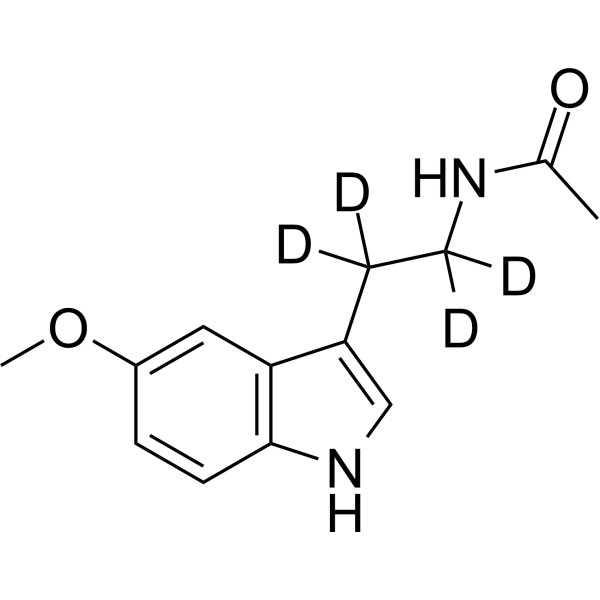
Melatonin-d4 is deuterium labeled Melatonin. Melatonin is a hormone made by the pineal gland that can activates melatonin receptor. Antioxidative and anti-inflammatory properties . Melatonin is a selective ATF-6 inhibitor and induces human hepatoma cell apoptosis through COX-2 downregulation .
|
-
-
- HY-B0075S1
-
|
|
|
Melatonin-d3 is the deuterium labeled Melatonin. Melatonin is a hormone made by the pineal gland that can activates melatonin receptor. Melatonin plays a role in sleep and possesses important antioxidative and anti-inflammatory properties . Melatonin is a novel selective ATF-6 inhibitor and induces human hepatoma cell apoptosis through COX-2 downregulation . Melatonin attenuates palmitic acid-induced (HY-N0830) mouse granulosa cells apoptosis via endoplasmic reticulum stress .
|
-
-
- HY-16561S
-
|
|
|
Resveratrol-d4 is the deuterium labeled Resveratrol. Resveratrol (trans-Resveratrol; SRT501), a natural polyphenolic phytoalexin that possesses anti-oxidant, anti-inflammatory, cardioprotective, and anti-cancer properties. Resveratrol (SRT 501) has a wide spectrum of targets including mTOR, JAK, β-amyloid, Adenylyl cyclase, IKKβ, DNA polymerase. Resveratrol also is a specific SIRT1 activator . Resveratrol is a potent pregnane X receptor (PXR) inhibitor . Resveratrol is an Nrf2 activator, ameliorates aging-related progressive renal injury in mice model . Resveratrol increases production of NO in endothelial cells .
|
-
-
- HY-B0075S2
-
|
|
|
Melatonin-d7 is the deuterium labeled Melatonin (HY-B0075). Melatonin is a hormone made by the pineal gland that can activates melatonin receptor. Melatonin plays a role in sleep and possesses important antioxidative and anti-inflammatory properties . Melatonin is a novel selective ATF-6 inhibitor and induces human hepatoma cell apoptosis through COX-2 downregulation . Melatonin attenuates palmitic acid-induced (HY-N0830) mouse granulosa cells apoptosis via endoplasmic reticulum stress .
|
-
-
- HY-B0649S
-
|
|
|
Propofol-d17 is the deuterium labeled Propofol. Propofol potently and directly activates GABAA receptor and inhibits glutamate receptor mediated excitatory synaptic transmission. Propofol has antinociceptive properties .
|
-
-
- HY-16561S1
-
|
|
|
Resveratrol- 13C6 is the 13C-labeled Resveratrol. Resveratrol (trans-Resveratrol; SRT501), a natural polyphenolic phytoalexin that possesses anti-oxidant, anti-inflammatory, cardioprotective, and anti-cancer properties. Resveratrol (SRT 501) has a wide spectrum of targets including mTOR, JAK, β-amyloid, Adenylyl cyclase, IKKβ, DNA polymerase. Resveratrol also is a specific SIRT1 activator . Resveratrol is a potent pregnane X receptor (PXR) inhibitor . Resveratrol is an Nrf2 activator, ameliorates aging-related progressive renal injury in mice model . Resveratrol increases production of NO in endothelial cells .
|
-
-
- HY-W707528
-
|
|
|
Propofol-d14 (2,6-Diisopropylphenol-d14) is the deuterium labeled Propofol (HY-B0649). Propofol potently and directly activates GABAA receptor and inhibits glutamate receptor mediated excitatory synaptic transmission. Propofol has antinociceptive properties and is used for sedation and hypnotic .
|
-
-
- HY-W709349S
-
|
|
|
Flupirtine-d6 (D 9998-d6) hydrochloride is the deuterium labeled Flupirtine hydrochloride (HY-W709349). Flupirtine hydrochloride is an orally active, blood-brain barrier-crossing non-opioid analgesic and neuroprotective agent. Flupirtine hydrochloride is a neuronal potassium channel opener (Kv7 activator), a NMDA receptor antagonist and a GABA receptor activator. Flupirtine hydrochloride stabilizes blood-brain-barrier integrity, reduces oxidative stress and brain leukocyte infiltration, enhances angioneurogenesis, suppresses calcium influx, stabilizes neuronal resting membrane potential, and counteracts focal cerebral ischemia. Flupirtine hydrochloride exhibits analgesic, muscle relaxant properties, protects neurons from excitotoxic, ischemic, or cytokine-mediated death. Flupirtine hydrochloride functions as a non-opioid analgesic without antipyretic or antiphlogistic properties, shows no relevant affinity to opiate receptor. Flupirtine hydrochloride can be used for the research of focal cerebral ischemia, pain, Alzheimer’s disease, or multiple sclerosis .
|
-
| Cat. No. |
Product Name |
|
Classification |
-
- HY-130345
-
|
|
|
Phospholipids
|
|
C18-PAF, octadecane PAF, is the ligand of platelet-activating factor and PAF G protein-coupled receptor (PAFR). C18-PAF has renovasodilator properties and antihypertensive lipid properties. C18-PAF increases renal blood flow and causes dose-dependent systemic hypotension .
|
| Cat. No. |
Product Name |
Target |
Research Areas |
Chemical Structure |
-
- HY-16561G
-
|
trans-Resveratrol; SRT501
|
DNA/RNA Synthesis
IKK
Autophagy
Mitophagy
Sirtuin
Apoptosis
Bacterial
Fungal
Keap1-Nrf2
|
Infection
Inflammation/Immunology
Cancer
|
|
Resveratrol (GMP) is Resveratrol (HY-16561) produced by using GMP guidelines. GMP small molecules work appropriately as an auxiliary reagent for cell therapy manufacture. Resveratrol (trans-Resveratrol; SRT501), a natural polyphenolic phytoalexin that possesses anti-oxidant, anti-inflammatory, cardioprotective, and anti-cancer properties. Resveratrol (SRT 501) has a wide spectrum of targets including mTOR, JAK, β-amyloid, Adenylyl cyclase, IKKβ, DNA polymerase. Resveratrol also is a specific SIRT1 activator . Resveratrol is a potent pregnane X receptor (PXR) inhibitor . Resveratrol is an Nrf2 activator, ameliorates aging-related progressive renal injury in mice model . Resveratrol increases production of NO in endothelial cells .
|
-
Your information is safe with us. * Required Fields.
Inquiry Information
- Product Name:
- Cat. No.:
- Quantity:
- MCE Japan Authorized Agent:

