Search Result
Results for "
relatively selective
" in MedChemExpress (MCE) Product Catalog:
3
Isotope-Labeled Compounds
| Cat. No. |
Product Name |
Target |
Research Areas |
Chemical Structure |
-
- HY-N2333
-
|
(+)-Resiniferatoxin
|
TRP Channel
|
Cardiovascular Disease
Cancer
|
|
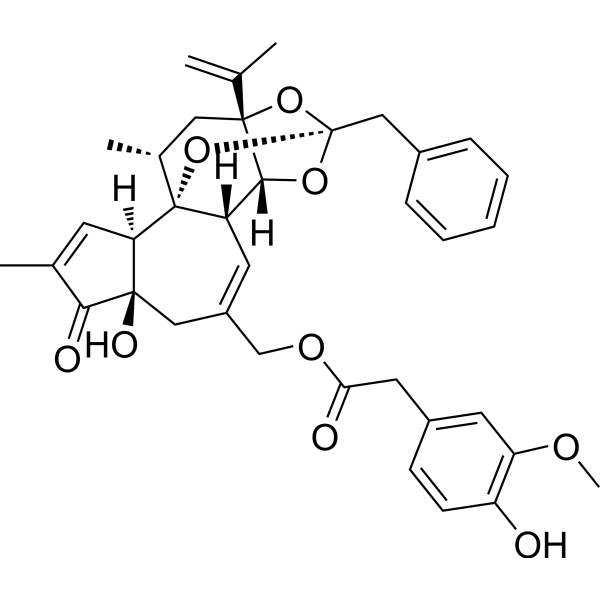
Resiniferatoxin ((+)-Resiniferatoxin), is a selective agonist of transient receptor potential vanilloid 1 (TRPV1) receptor agonist. Resiniferatoxin can be isolated from the Euphorbia resinifera plant. Resiniferatoxin eliminates TRPV1+ primary sensory afferents and blunt cardiac sympathetic afferent reflex for a relatively long period .
|
-
-
- HY-16950A
-
|
Afimoxifene; 4-OHT
|
Estrogen Receptor/ERR
Adhesion G Protein-coupled Receptors (AGPCRs)
Drug Metabolite
|
Metabolic Disease
Cancer
|
|
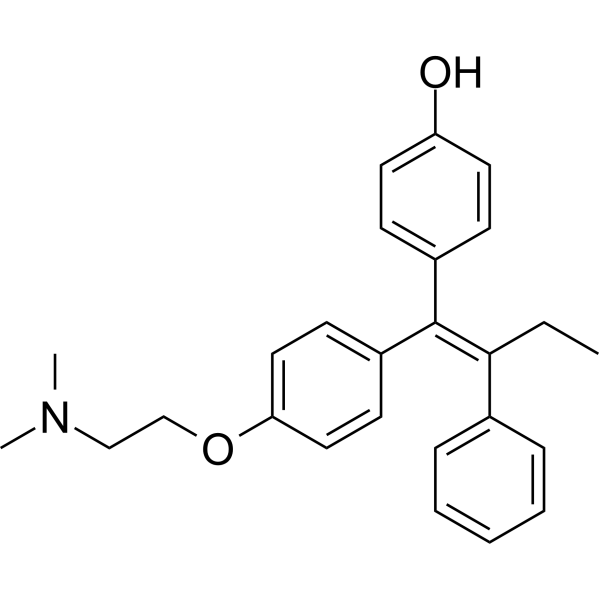
(E/Z)-4-Hydroxytamoxifen (Afimoxifene) is a racemic compound of (Z)-4-Hydroxytamoxifen and (E)-4-Hydroxytamoxifen isomers. (E/Z)-4-Hydroxytamoxifen is a selective estrogen receptor modulator with mixed estrogenic and antiestrogenic activity, which is also an active metabolite of Tamoxifen (HY-13757A). (E/Z)-4-Hydroxytamoxifen is an agonist of the G protein-coupled estrogen receptor (GPER) with relatively low affinity (100-1000 nM). (E/Z)-4-Hydroxytamoxifen is promising for research of cyclical mastalgia, such as breast pain, tenderness, and nodularity .
|
-
-
- HY-10514
-
BX795
Maximum Cited Publications
38 Publications Verification
|
PDK-1
IKK
Autophagy
|
Cancer
|
|
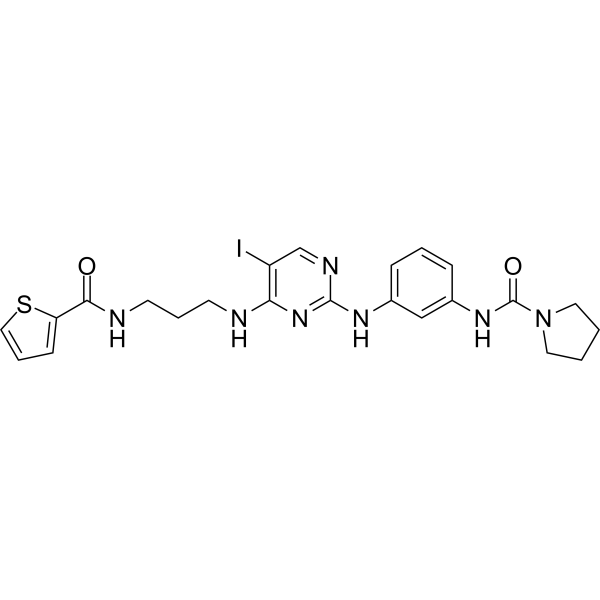
BX795 is a potent and selective inhibitor of PDK1, with an IC50 of 6 nM. BX795 is also a potent and relatively specific inhibitor of TBK1 and IKKε, with an IC50 of 6 and 41 nM, respectively. BX795 blocks phosphorylation of S6K1, Akt, PKCδ, and GSK3β, and has lower selectivity over PKA, PKC, c-Kit, GSK3β etc. BX795 modulates autophagy .
|
-
-
- HY-15746
-
|
|
Adrenergic Receptor
|
Cardiovascular Disease
Endocrinology
Cancer
|
|
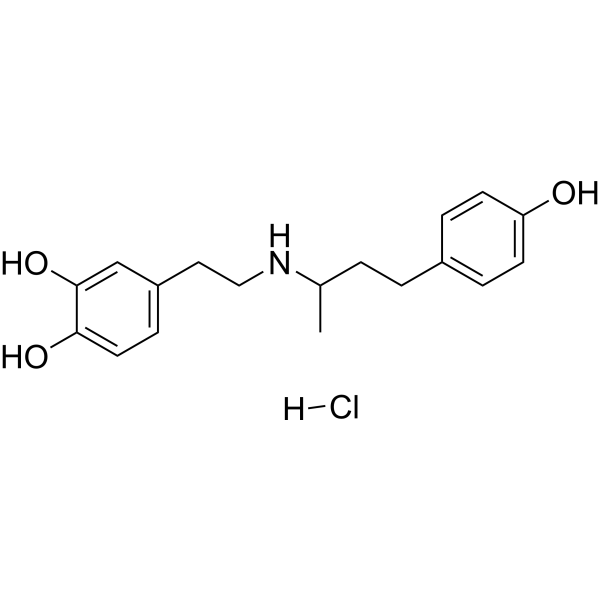
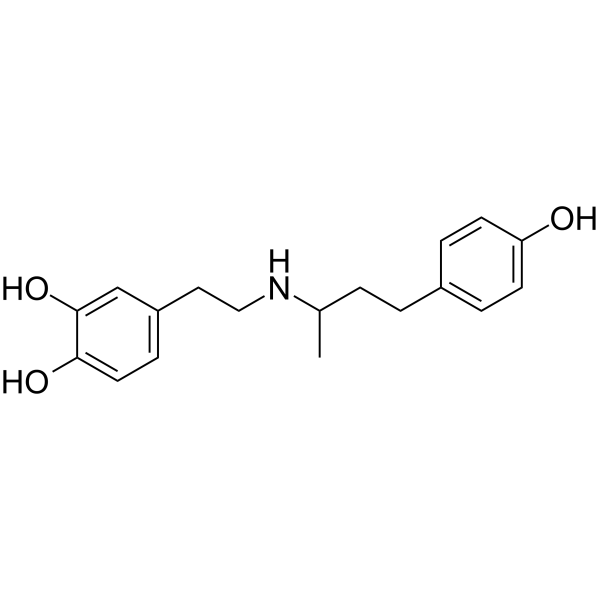
Dobutamine hydrochloride is a synthetic catecholamine that acts on α1-AR, β1-AR, β2-AR (α-1, β-1 andβ-2 adrenoceptors). Dobutamine hydrochloride is a selective β1-AR agonist, relatively weak activity at α1-AR and β2-AR. Dobutamine hydrochloride can increase cardiac output and correct hypoperfusion .
|
-
-
- HY-16940
-
|
24S-OHC; 24S-HC; Cerebrosterol
|
LXR
iGluR
Endogenous Metabolite
|
Metabolic Disease
|
|
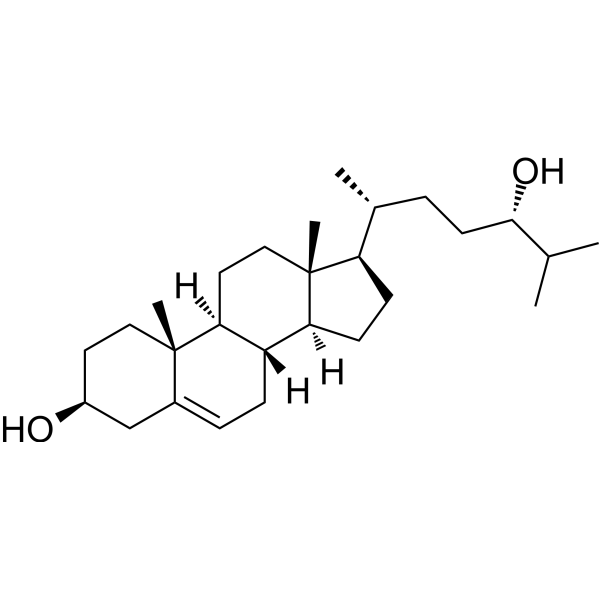
24(S)-Hydroxycholesterol (24S-OHC), the major brain cholesterol metabolite, plays an important role to maintain homeostasis of cholesterol in the brain. 24(S)-Hydroxycholesterol (24S-OHC) is one of the most efficient endogenous LXR agonist known and is present in the brain and in the circulation at relatively high levels. 24(S)-Hydroxycholesterol (24S-OHC) is a very potent, direct, and selective positive allosteric modulator of NMDARs with a mechanism that does not overlapthat of other allosteric modulators .
|
-
-
- HY-101836
-
-
-
- HY-10791
-
-
-
- HY-112780
-
|
|
MDM-2/p53
Apoptosis
|
Cancer
|
|
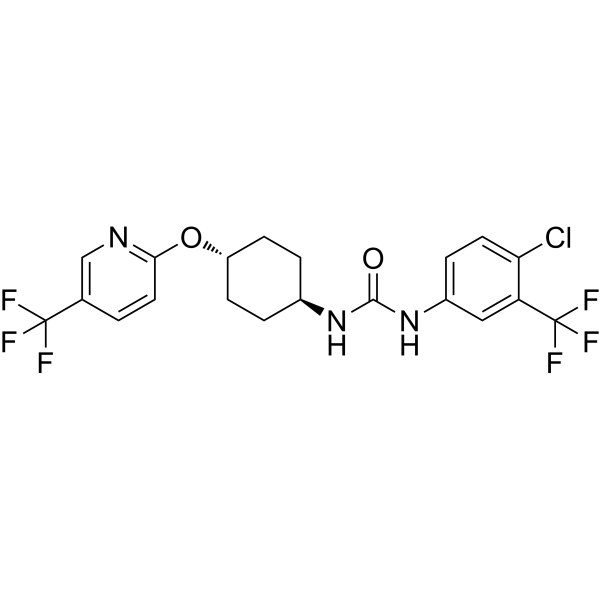
UC2288 is a potent and orally active p21 attenuator (relatively selective activity for p21), which is synthesized based Sorafenib (HY-10201). UC2288 potently inhibits cancer cell growth by inducing apoptosis. UC2288 has no inhibition of VEGFR2 and Raf kinases even at 10 μM .
|
-
-
- HY-16712
-
|
|
TGF-β Receptor
|
Cancer
|
|
LDN-214117 is an orally active ALK2 inhibitor with well-tolerated and good brain penetration. LDN-214117 has a high selectivity and low cytotoxicity for ALK2 with an IC50 value of 24 nM. LDN-214117 also is a specific bone morphogenetic proteins (BMPs) signaling inhibitor and has relatively selective inhibition for BMP6 with an IC50 value of 100 nM. LDN-214117 can be used for the research of fibrodysplasia ossificans progressiva (FOP), diffuse intrinsic pontine glioma (DIPG) .
|
-
-
- HY-15746A
-
|
|
Adrenergic Receptor
|
Cardiovascular Disease
Endocrinology
Cancer
|
|
Dobutamine is a synthetic catecholamine that acts on α1-AR, β1-AR, β2-AR (α-1, β-1 andβ-2 adrenoceptors). Dobutamine is a selective β1-AR agonist, relatively weak activity at α1-AR and β2-AR. Dobutamine can increase cardiac output and correct hypoperfusion .
|
-
-
- HY-163638
-
|
|
Epigenetic Reader Domain
Molecular Glues
E1/E2/E3 Enzyme
|
Cancer
|
|
BRD4 degrader-1 (Compound mL 1-50) is a relatively selective, monovalent and covalent BRD4 Molecular glue degrader. BRD4 degrader-1 induces degradation of both long and short isoforms of BRD4 by targeting DCAF16 (an E3 ligase). BRD4 degrader-1 can be used in breast cancer research .
|
-
-
- HY-109968
-
|
CEP-26401
|
Histamine Receptor
|
Neurological Disease
Metabolic Disease
|
|
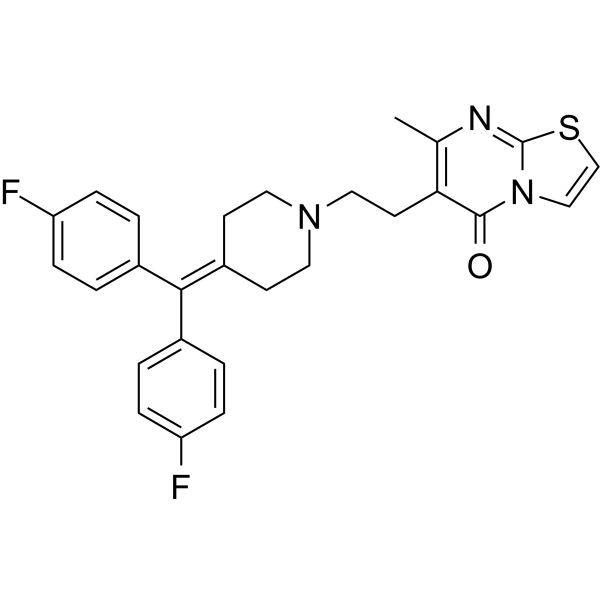
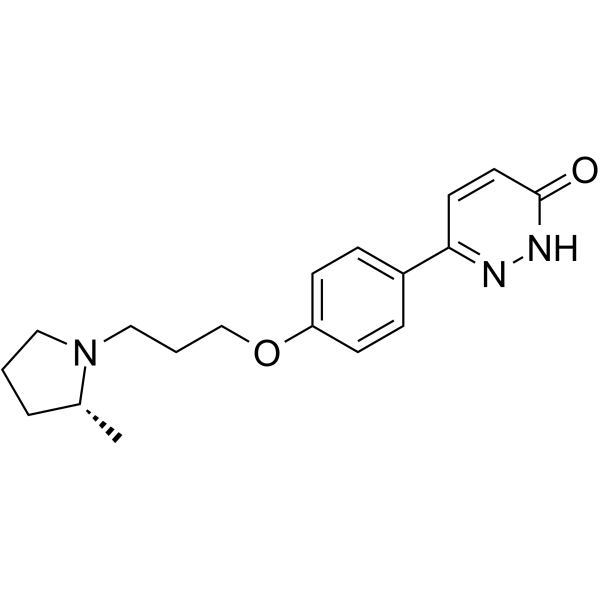
Irdabisant (CEP-26401) is a selective, orally active and blood-brain barrier (BBB) penetrant histamine H3 receptor (H3R) inverse agonist/inverse agonist with Ki values of 7.2 nM and 2.0 nM for rat H3R and human H3R, respectively. Irdabisant has relatively low inhibitory activity against hERG current with an IC50 of 13.8 μM. Irdabisant has cognition-enhancing and wake-promoting activities in the rat social recognition model. Irdabisant can be used to research schizophrenia or cognitive impairment .
|
-
-
- HY-149262
-
|
|
CDK
DYRK
Autophagy
|
Cancer
|
|
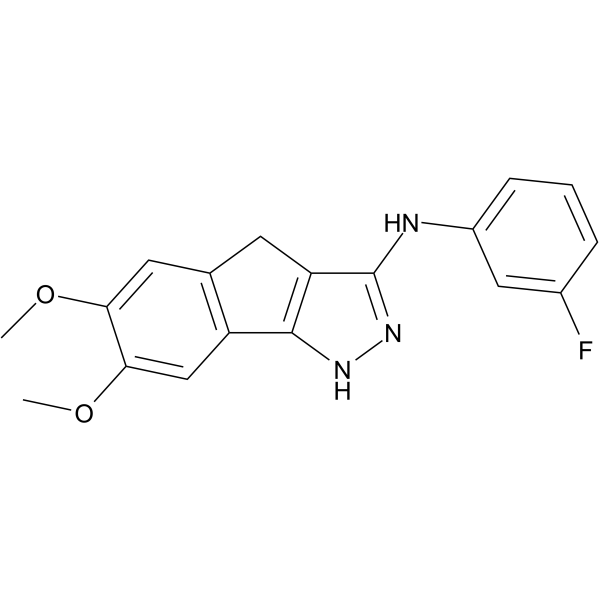
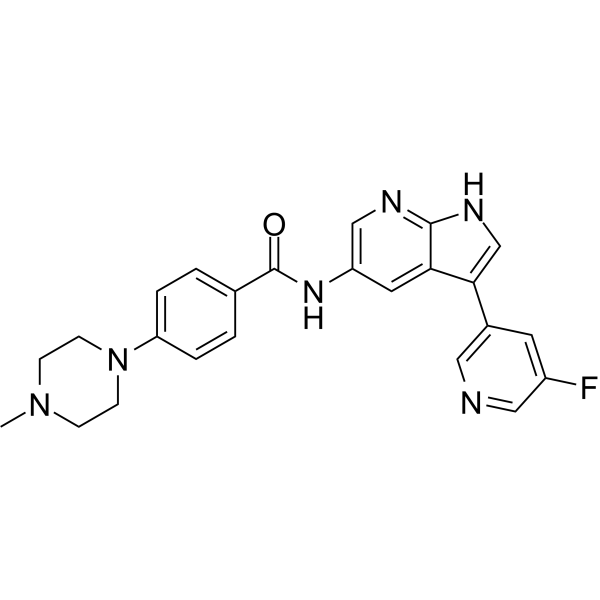
CLK1-IN-3 (compound 10ad) is a potent and selective Clk1 inhibitor, with an IC50 of 5 nM and over 300-fold selectivity for Dyrk1A. CLK1-IN-3 also shows a relatively potent inhibition against Clk2 and Clk4, with IC50 values of 42 and 108 nM, respectively. CLK1-IN-3 potently induces autophagy in vitro. CLK1-IN-3 can be used for acute liver injury (ALI) research .
|
-
-
- HY-W011266
-
|
|
PDGFR
|
Cancer
|
|
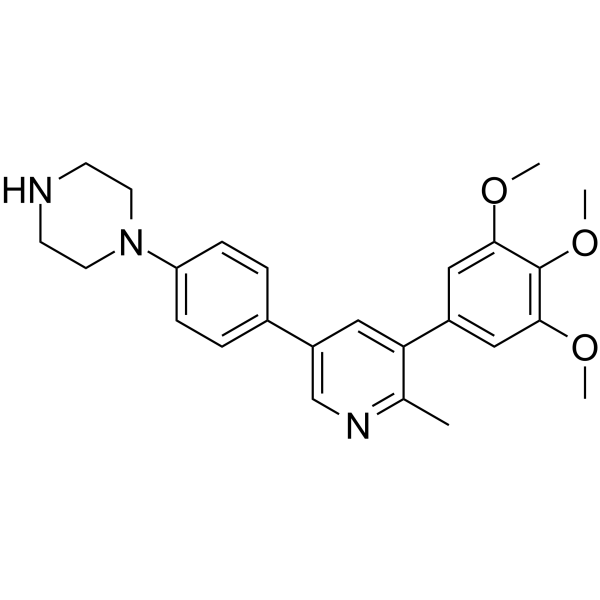
JNJ-10198409 is a relatively selective, orally active, and ATP competitive PDGF-RTK (platelet-derived growth factor receptor tyrosine kinase) inhibitor (IC50=2 nM). It is a dual-mechanism, antiangiogenic, and tumor cell antiproliferative agent. JNJ-10198409 has good activity against PDGFR-β kinase (IC50=4.2 nM) and PDGFR-α kinase (IC50=45 nM) .
|
-
-
- HY-100024
-
|
|
Mps1
|
Cancer
|
|
NTRC 0066-0 is a selective threonine tyrosine kinase (TTK) inhibitor (IC50=0.9 nM). NTRC 0066-0 can be used for the research of cancer .
|
-
-
- HY-14200
-
|
TVP1022; S-PAI
|
Monoamine Oxidase
|
Neurological Disease
|
|
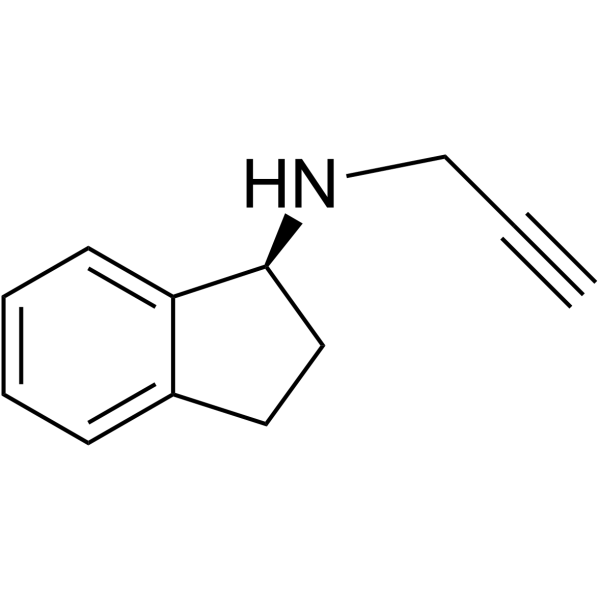
(S)-Rasagiline (TVP1022) is the relatively inactive S-enantiomer form of Rasagiline. Rasagiline is a highly potent selective irreversible MAO inhibitor with IC50s of 4.43 nM and 412 nM for rat brain MAO B and A activity, respectively . (S)-Rasagiline is a click chemistry reagent, it contains an Alkyne group and can undergo copper-catalyzed azide-alkyne cycloaddition (CuAAc) with molecules containing Azide groups.
|
-
-
- HY-116871
-
|
|
CDK
|
Cancer
|
|
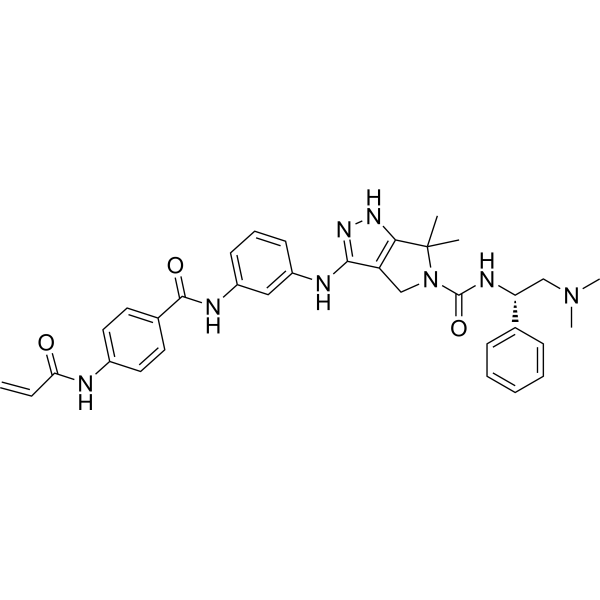
YKL-1-116 is a selective and covalent inhibitor of Cdk7. YKL-1-116 does not target Cdk9, Cdk12, or Cdk13. YKL-1-116 is more potent than THZ1 (HY-80013) toward both Cdk7 WT and Cdk7 as, although Cdk7 as is relatively resistant to this compound as well .
|
-
-
- HY-101311
-
|
AIDA
|
mGluR
|
Inflammation/Immunology
Cancer
|
|
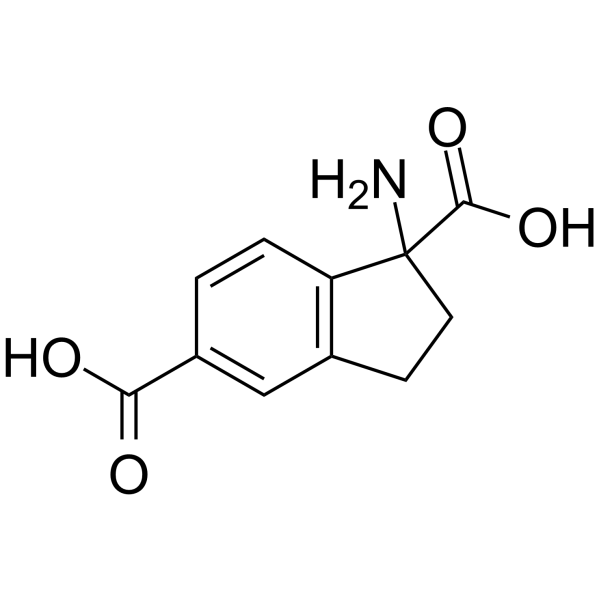
UPF-523 (AIDA), a rigid (carboxyphenyl) glycine derivative, is a relatively potent and selective antagonist of group I metabotropic glutamate receptors (mGlu1a) with an IC50 of 214 μM. But UPF-523 has no effect on group II (mGlu2), group III (mGlu4) receptors or ionotropic glutamate receptors. UPF-523 has the potential for the research of the acute arthritis .
|
-
-
- HY-174445
-
|
|
PROTACs
Histone Methyltransferase
Apoptosis
|
Cancer
|
|
C199 is a PROTAC degrader targeting PRMT4 (DC50 = 106 nM). C199 shows high selectivity for PRMT4 over other protein arginile methyltransferases. C199 exhibits strong cell degradation ability. C199 induces apoptosis in MM cell lines. C199 efficiently clears PRMT4 protein via the VHL-proteasome pathway. C199 has a relatively long half-life and shows strong anti-multiple myeloma (MM) tumor activity (Pink: Target protein ligand (HY-111109); Blue: E3 ligase ligand (HY-112078), E3 ligase ligand + linker (HY-174474); black: Linker) .
|
-
-
- HY-125313
-
|
|
Orphan GPCR
|
Cardiovascular Disease
Inflammation/Immunology
|
|
PSB-1737 is a human-selective GPR17 agonist with an EC50 for human GPR17 of 270 nM, and its activity on murine GPR17 is relatively weak (EC50 > 10 μM). PSB-1737 shows no significant inhibition at the glycine binding site of NMDA receptors, and has no significant agonistic or antagonistic activity on P2Y receptor subtypes. PSB-1737 can be used in demyelinating diseases (such as multiple sclerosis) or inflammatory-related anemia .
|
-
-
- HY-125856A
-
|
BMS-986177 TFA; JNJ-70033093 TFA
|
Factor Xa
|
Cardiovascular Disease
|
|
Milvexian TFA (BMS-986177 TFA) is a factor XIa inhibitor with biological activity to prevent venous thromboembolism. Milvexian TFA was effective in reducing the occurrence of venous thromboembolism in patients undergoing knee replacement surgery. Milvexian TFA has good selectivity and shows significant inhibitory effects on plasma kallikrein and trypsin. Milvexian TFA has a bioavailability of 32%, which means it has a high absorption rate in the body. Milvexian TFA showed a relatively low risk of bleeding in clinical trials .
|
-
-
- HY-176735
-
|
|
IRAK
FLT3
Apoptosis
|
Cancer
|
FLT3/IRAK4-IN-1 is a selective FLT3/IRAK4 inhibitor with the remarkable activity towards FLT3-WT (IC50 = 1.95 nM), FLT3-D835Y (IC50 = 3.22 nM) and IRAK4 (IC50 = 53.72 nM). LT3/IRAK4-IN-1 has relatively low toxicity to normal bone marrow cells, can effectively promote cell apoptosis, and has the potential to overcome drug resistance. FLT3/IRAK4-IN-1 can be used for research on acute myeloid leukemia (AML) .
|
-
-
- HY-16950AR
-
|
Afimoxifene (Standard); 4-OHT (Standard)
|
Reference Standards
Estrogen Receptor/ERR
Endogenous Metabolite
|
Cancer
|
|
(E/Z)-4-Hydroxytamoxifen (Standard) is the analytical standard of (E/Z)-4-Hydroxytamoxifen. This product is intended for research and analytical applications. (E/Z)-4-Hydroxytamoxifen (Afimoxifene) is a racemic compound of (Z)-4-Hydroxytamoxifen and (E)-4-Hydroxytamoxifen isomers. (E/Z)-4-Hydroxytamoxifen is a selective estrogen receptor modulator with mixed estrogenic and antiestrogenic activity, which is also an active metabolite of Tamoxifen (HY-13757A). (E/Z)-4-Hydroxytamoxifen is an agonist of the G protein-coupled estrogen receptor (GPER) with relatively low affinity (100-1000 nM). (E/Z)-4-Hydroxytamoxifen is promising for research of cyclical mastalgia, such as breast pain, tenderness, and nodularity .
|
-
-
- HY-14200A
-
|
TVP1022 mesylate; S-PAI mesylate
|
Monoamine Oxidase
|
Neurological Disease
|
|
(S)-Rasagiline (TVP1022) mesylate is the relatively inactive S-enantiomer form of Rasagiline mesylate. Rasagiline mesylate is a highly potent selective irreversible MAO inhibitor with IC50s of 4.43 nM and 412 nM for rat brain MAO B and A activity, respectively .
|
-
-
- HY-143585
-
|
|
CDK
|
Cancer
|
|
CDK9-IN-14 is a potent and selective CDK9 inhibitor with IC50 of 6.92 nM. CDK9-IN-14 has a relatively strong inhibitory effect on MV4;11 cells and in vivo tumor models, and has a good selectivity and a low toxicity and few side effects .
|
-
-
- HY-150582
-
|
|
c-Met/HGFR
c-Kit
FLT3
Apoptosis
|
Cancer
|
|
c-Met-IN-14 (compound 26af) is a selective inhibitor of c-Met kinase from N-sulfonylamidine-based derivatives, with an IC50 value of 2.89 nM. c-Met-IN-14 shows anticancer activity by blocking phosphorylation of c-Met, and arrests cell cycle at G2/M phase. c-Met-IN-14 induces apoptosis of A549 cells in a dose-dependent manner .
|
-
-
- HY-W184837
-
|
KR-1008
|
Calcium Channel
|
Cardiovascular Disease
|
|
m-Nisoldipine (KR-1008) is a dihydropyridine calcium antagonist that can significantly increase cardiac output and heart index, significantly reduce the negative inotropic effect on the myocardium, and has a relatively high selectivity for the thoracic aorta. m-Nisoldipine can be used in the research of cardiovascular diseases .
|
-
-
- HY-147537
-
|
|
Parasite
|
Infection
|
|
Antileishmanial agent-9 (compound 16c) has potent and selective activity against Leishmania donovani (L. donovani) with an IC50 value of 4.01 μM. Antileishmanial agent-9 has relatively low cytotoxicity in L-6 cells (IC50 = 40.1 μM) .
|
-
-
- HY-147536
-
|
|
Parasite
|
Infection
|
|
Antileishmanial agent-8 (compound 18) has potent and selective activity against Leishmania donovani (L. donovani) with an IC50 value of 5.64 μM. Antileishmanial agent-8 has relatively low cytotoxicity in L-6 cells (IC50=73.9 μM) .
|
-
-
- HY-146104
-
|
|
Bacterial
|
Infection
|
|
Antimycobacterial agent-1 (compound 33) has selectively antimycobacterial activity against Mycobacterium tuberculosis (M. tuberculosis) H37Ra with a MIC value of 1 μg/ml. Antimycobacterial agent-1 has relatively low cytotoxicity in normal cells (Vero cells IC50 = 143.2 μg/ml) .
|
-
-
- HY-107081
-
|
|
Dopamine Receptor
UGT
|
Neurological Disease
|
|
Berupipam hemifumarate is a selective antagonist of the dopamine D1 receptor (dopamine D1 receptor). Berupipam hemifumarate is a substrate of UDP-glucuronosyltransferase (UGT) and has a high affinity for UGT enzymes but a relatively low conversion rate. The glucuronidation rate of Berupipam hemifumarate varies among different species and genders. Berupipam hemifumarate can be used for the study of psychotic disorders .
|
-
-
- HY-10791R
-
-
-
- HY-106109
-
|
|
DNA Alkylator/Crosslinker
DNA/RNA Synthesis
|
Cancer
|
|
FK 973 is a dihydrobenzoxazine anticancer agent. FK 973 selectively inhibits DNA synthesis and can form DNA cross-links through cytoplasmic activation. FK 973 exhibits significant antitumor activity in various animal tumor models and human tumor xenografts, with relatively weak myelosuppressive effects. FK 973 is sensitive to neural tumor cells. FK 973 can be used for DNA-targeted antitumor research .
|
-
-
- HY-146226
-
|
|
Enterovirus
|
Infection
|
|
Viral 2C protein inhibitor 1 (compound 6aw) is a potent and broad-spectrum enterovirus antiviral agent, inhibiting viral 2C protein. Viral 2C protein inhibitor 1 inhibits multiple strains of EV-D68, EV-A71 and CVB3 with EC50s of 0.1~3.6 µM, and exhibits high selectivity index and relatively low cytotoxicity .
|
-
-
- HY-12383S
-
|
|
Isotope-Labeled Compounds
COX
|
Neurological Disease
Inflammation/Immunology
|
|
Pelubiprofen- 13C,d3 is the 13C- and deuterium labeled Pelubiprofen. Pelubiprofen, an orally active and non-steroidal anti-inflammatory drug, is a member of the 2-arylpropionic acid family and has relatively selective effects on COX-2 activity. Pelubiprofen inhibits COX activity and the transforming growth factor-β activated kinase 1-IκB kinase β-NF-κB pathway, and has significant anti-inflammatory and analgesic effects .
|
-
-
- HY-146352
-
|
|
HIV
|
Infection
Inflammation/Immunology
|
|
HIV-1 inhibitor-28 (compound 14j2) is a highly potent and selective HIV-1 inhibitor with an EC50 of 58 nM for WT HIV-1 strain and an IC50 of 3.37 μM for HIV-1 WT reverse transcription (RT). HIV-1 inhibitor-28 exhibits relatively low cytotoxicity in MT-4 cells (CC50 = 38.6 μM). HIV-1 inhibitor-28 can be used for researching AIDS .
|
-
-
- HY-109968A
-
|
CEP-26401 hydrochloride
|
Histamine Receptor
|
Neurological Disease
|
|
Irdabisant (CEP-26401) hydrochloride is a selective, orally active and blood-brain barrier (BBB) penetrant histamine H3 receptor (H3R) inverse agonist/inverse agonist with Ki values of 7.2 nM and 2.0 nM for rat H3R and human H3R, respectively. Irdabisant hydrochloride has relatively low inhibitory activity against hERG current with an IC50 of 13.8 μM. Irdabisant hydrochloride has cognition-enhancing and wake-promoting activities in the rat social recognition model. Irdabisant hydrochloride can be used to research schizophrenia or cognitive impairment .
|
-
-
- HY-168953
-
|
|
P-glycoprotein
Apoptosis
Bcl-2 Family
Reactive Oxygen Species (ROS)
Caspase
|
Cancer
|
|
Lysosomal P-gp targeted agent 1 (Compound 14) is an anti-tumor agent targeting lysosomal P-glycoprotein (Pgp). Lysosomal P-gp targeted agent 1 is selectively transported into lysosomes by overexpressed Pgp, release nitric oxide (NO) to generate reactive oxygen species (ROS), resulting in lysosomal membrane permeabilization (LMP) and inducing apoptosis. Lysosomal P-gp targeted agent 1 can overcome P-glycoprotein-mediated drug resistance and lead to cell cycle arrest, but relatively low toxicity to normal cells. Lysosomal P-gp targeted agent 1 has antitumor activity, significantly inhibits tumor volume .
|
-
-
- HY-15746B
-
|
|
Adrenergic Receptor
|
Cardiovascular Disease
Endocrinology
Cancer
|
|
Dobutamine tartrate is a synthetic catecholamine that acts on α1-AR, β1-AR, β2-AR (α-1, β-1 andβ-2 adrenoceptors). Dobutamine tartrate is a selective β1-AR agonist, relatively weak activity at α1-AR and β2-AR. Dobutamine tartrate can increase cardiac output and correct hypoperfusion .
|
-
-
- HY-15746S
-
|
|
Isotope-Labeled Compounds
Adrenergic Receptor
|
Cardiovascular Disease
Endocrinology
|
|
(rac)-Dobutamine-d4 (hydrochloride) is a labelled racemic Dobutamine hydrochloride. Dobutamine hydrochloride is a synthetic catecholamine that acts on α1-AR, β1-AR, β2-AR (α-1, β-1 andβ-2 adrenoceptors). Dobutamine hydrochloride is a selective β1-AR agonist, relatively weak activity at α1-AR and β2-AR. Dobutamine hydrochloride can increase cardiac output and correct hypoperfusion .
|
-
-
- HY-15746S1
-
|
|
Isotope-Labeled Compounds
Adrenergic Receptor
|
Cardiovascular Disease
Endocrinology
|
|
(rac)-Dobutamine-d6 (hydrochloride) is a labelled racemic Dobutamine hydrochloride. Dobutamine hydrochloride is a synthetic catecholamine that acts on α1-AR, β1-AR, β2-AR (α-1, β-1 andβ-2 adrenoceptors). Dobutamine hydrochloride is a selective β1-AR agonist, relatively weak activity at α1-AR and β2-AR. Dobutamine hydrochloride can increase cardiac output and correct hypoperfusion .
|
-
-
- HY-P11220
-
|
|
Bacterial
Interleukin Related
|
Infection
|
|
Hs02 is a cationic amphiphilic antibacterial peptide derived from human proteins, and it is the membrane-active module of the core chimeric peptide Chim2. Hs02 exhibits broad-spectrum and potent antibacterial activity against various human pathogenic bacteria with the MIC for Staphylococcus aureus and Escherichia coli of as low as 2 μM, and the MBC is 2-4 μM. Hs02 primarily kills bacteria by disrupting the integrity of the bacterial cell membrane, and it has a relatively low selectivity for eukaryotic cell membranes. Hs02 induces the release of IL-12 but does not induce the release of IL-6, indicating its potential for pro-inflammatory or immune activation. Hs02 can be used in antibacterial and immunomodulatory research .
|
-
-
- HY-15746R
-
|
|
Reference Standards
Adrenergic Receptor
|
Cardiovascular Disease
Endocrinology
Cancer
|
|
Dobutamine (hydrochloride) (Standard) is the analytical standard of Dobutamine (hydrochloride). This product is intended for research and analytical applications. Dobutamine hydrochloride is a synthetic catecholamine that acts on α1-AR, β1-AR, β2-AR (α-1, β-1 andβ-2 adrenoceptors). Dobutamine hydrochloride is a selective β1-AR agonist, relatively weak activity at α1-AR and β2-AR. Dobutamine hydrochloride can increase cardiac output and correct hypoperfusion .
|
-
-
- HY-101836R
-
|
|
Reference Standards
E1/E2/E3 Enzyme
|
Cancer
|
|
DKM 2-93 (Standard) is the analytical standard of DKM 2-93 (HY-101836). This product is intended for research and analytical applications. DKM 2-93 is a relatively selective inhibitor of UBA5 with an IC50 of 430 μM.
|
-
-
- HY-167688
-
|
|
Endogenous Metabolite
|
Cardiovascular Disease
|
|
GSK-1562590 is a uropeptide-II receptor antagonist with high affinity and selectivity. GSK-1562590 exhibits significant antagonistic activity in multiple bioassays and, in contrast, displays relatively sustained receptor binding times. GSK-1562590 can inhibit human urinary peptide-II-induced aortic contraction in rats in experiments, and its effect can last for at least 24 hours .
|
-
-
- HY-180793
-
|
|
PROTACs
Deubiquitinase
|
Cancer
|
|
PROTAC USP7 Degrader-2 (Compound D16) is an efficient and selective USP7 PROTAC degrader with a DC50 of 1.91 μM (in TE-12 cells). PROTAC USP7 Degrader-2 inhibits the migration of upper gastrointestinal tract (UGI) cancer cells and shows relatively weak anti-proliferative activity. PROTAC USP7 Degrader-2 can be used in the research of metastatic upper gastrointestinal cancer.
|
-
-
- HY-167952
-
|
|
PI3K
|
Cancer
|
|
mTOR inhibitor-25 is an enzyme inhibitor that is more selective than PI3K and has good anticancer activity. mTOR inhibitor-25 shows strong inhibitory effects on mTOR and may be used to study leukemia, skin cancer, breast cancer, lung cancer and colon cancer. mTOR inhibitor-25 showed excellent activity in cell proliferation experiments, but its inhibitory ability on PI3K was relatively weak .
|
-
-
- HY-179683
-
|
|
P-glycoprotein
|
Cancer
|
|
MRP1-IN-2 (Compound 21) is a selective MRP1 inhibitor with a relatively weak inhibitory effect on P-gp. MRP1-IN-2 exhibits a strong accumulation effect of calcein, with its EC50 value being 177 nM. MRP1-IN-2 enhances the activity of Doxorubicin (HY-15142A) on drug-resistant cells. MRP1-IN-2 can be used for the study of multidrug-resistant cancers .
|
-
-
- HY-10514R
-
|
|
Reference Standards
PDK-1
IKK
Autophagy
|
Cancer
|
|
BX795 (Standard) is the analytical standard of BX795 (HY-10514). This product is intended for research and analytical applications. BX795 is a potent and selective inhibitor of PDK1, with an IC50 of 6 nM. BX795 is also a potent and relatively specific inhibitor of TBK1 and IKKε, with an IC50 of 6 and 41 nM, respectively. BX795 blocks phosphorylation of S6K1, Akt, PKCδ, and GSK3β, and has lower selectivity over PKA, PKC, c-Kit, GSK3β etc. BX795 modulates autophagy .
|
-
-
- HY-402805
-
|
|
DYRK
CDK
Tau Protein
|
Cancer
|
|
DYRK2-IN-2 (Compound C17) is a selective inhibitor of DYRK2, with its IC50 value being 40.3 nM. The inhibitory activity of DYRK2-IN-2 on DYRK1A (IC50 = 1842 nM), DYRK1B (IC50 = 1335 nM), DYRK4 (IC50 = 1931 nM), DYRK3 (IC50 = 112 nM), and CLKs (IC50 = 540-6496 NM) is relatively low. DYRK2-IN-2 inhibits the phosphorylation of Tau protein at Thr212 and shows moderate cytotoxicity in HT22 cells. DYRK2-IN-2 can be used in cancer research .
|
-
- HY-164111
-
|
|
JAK
|
Neurological Disease
|
|
JNK-IN-17 (Compound 9J) is a selective and potent JNK inhibitor with IC50 values of 0.039, 0.079 μM for JNK1 and JNK3. JNK-IN-17 can inhibit c-Jun phosphorylation with an IC50 of 0.082 μM in Streptozotocin (HY-13753)-infuced INS-1 pancreatic islet β cells. JNK-IN-17 shows inhibition rate ≤ 33% on the four main P450 subtypes (2C9, 2D6, 3A4, 1A2) in human liver microsomes, indicating a relatively low risk of drug interactions. JNK-IN-17 can be used for researches of neurological and metabolic disease, such as Parkinson's disease .
|
-
- HY-180185
-
|
|
5-HT Receptor
|
Neurological Disease
Metabolic Disease
|
|
5-HT2A&5-HT2C agonist-2 (Compound 3ci) is a highly selective dual 5-HT2A/5-HT2C agonist that can cross the blood-brain barrier and has an EC50 < 1 μM. 5-HT2A&5-HT2C agonist-2 has high selectivity for 5-HT2B related to the risk of heart valve disease. 5-HT2A&5-HT2C agonist-2 can induce head convulsive responses, but has a relatively low hallucinogenic potential. 5-HT2A&5-HT2C agonist-2 can be used in the research of diseases such as depression and obesity .
|
-
-
-
HY-L170
-
|
|
250 compounds
|
|
An emerging drug design method is based on the secondary binding site effect, where small molecule drugs are designed to bind to secondary binding sites on target biomolecules rather than primary orthomorphic sites. Successful potential drugs (known as allosteric modulators) will be able to bind to allosteric sites and remotely alter (or modify) the conformation of the main orthosteric binding sites of biological targets. Allosteric modulators (AMs) are ligands of proteins that act through binding sites different from natural (orthosteric) ligand sites. AMs are relatively small, more lipophilic, and more rigid compounds. The binding efficacy of AMs with their targets is often slightly lower. AMs are divided into positive AMs (PAMs) and negative AMs (NAMs). AMs are ideal drug targets because they can fine-tune receptor activity while preserving the spatial and temporal signal transduction characteristics of endogenous ligands, resulting in fewer targeted side effects, improved subtype selectivity, and better promotion of biased signal transduction than normal ligands.
MCE designs a unique collection of 250 small allosteric modulators. It is a good tool to be used for research on metabolize, cancer and other diseases.
|
| Cat. No. |
Product Name |
Target |
Research Area |
-
- HY-P11220
-
|
|
Bacterial
Interleukin Related
|
Infection
|
|
Hs02 is a cationic amphiphilic antibacterial peptide derived from human proteins, and it is the membrane-active module of the core chimeric peptide Chim2. Hs02 exhibits broad-spectrum and potent antibacterial activity against various human pathogenic bacteria with the MIC for Staphylococcus aureus and Escherichia coli of as low as 2 μM, and the MBC is 2-4 μM. Hs02 primarily kills bacteria by disrupting the integrity of the bacterial cell membrane, and it has a relatively low selectivity for eukaryotic cell membranes. Hs02 induces the release of IL-12 but does not induce the release of IL-6, indicating its potential for pro-inflammatory or immune activation. Hs02 can be used in antibacterial and immunomodulatory research .
|
| Cat. No. |
Product Name |
Category |
Target |
Chemical Structure |
| Cat. No. |
Product Name |
Chemical Structure |
-
- HY-12383S
-
|
|
|
Pelubiprofen- 13C,d3 is the 13C- and deuterium labeled Pelubiprofen. Pelubiprofen, an orally active and non-steroidal anti-inflammatory drug, is a member of the 2-arylpropionic acid family and has relatively selective effects on COX-2 activity. Pelubiprofen inhibits COX activity and the transforming growth factor-β activated kinase 1-IκB kinase β-NF-κB pathway, and has significant anti-inflammatory and analgesic effects .
|
-
-
- HY-15746S
-
|
|
|
(rac)-Dobutamine-d4 (hydrochloride) is a labelled racemic Dobutamine hydrochloride. Dobutamine hydrochloride is a synthetic catecholamine that acts on α1-AR, β1-AR, β2-AR (α-1, β-1 andβ-2 adrenoceptors). Dobutamine hydrochloride is a selective β1-AR agonist, relatively weak activity at α1-AR and β2-AR. Dobutamine hydrochloride can increase cardiac output and correct hypoperfusion .
|
-
-
- HY-15746S1
-
|
|
|
(rac)-Dobutamine-d6 (hydrochloride) is a labelled racemic Dobutamine hydrochloride. Dobutamine hydrochloride is a synthetic catecholamine that acts on α1-AR, β1-AR, β2-AR (α-1, β-1 andβ-2 adrenoceptors). Dobutamine hydrochloride is a selective β1-AR agonist, relatively weak activity at α1-AR and β2-AR. Dobutamine hydrochloride can increase cardiac output and correct hypoperfusion .
|
-
| Cat. No. |
Product Name |
|
Classification |
-
- HY-14200
-
|
TVP1022; S-PAI
|
|
Alkynes
|
|
(S)-Rasagiline (TVP1022) is the relatively inactive S-enantiomer form of Rasagiline. Rasagiline is a highly potent selective irreversible MAO inhibitor with IC50s of 4.43 nM and 412 nM for rat brain MAO B and A activity, respectively . (S)-Rasagiline is a click chemistry reagent, it contains an Alkyne group and can undergo copper-catalyzed azide-alkyne cycloaddition (CuAAc) with molecules containing Azide groups.
|
Your information is safe with us. * Required Fields.
Inquiry Information
- Product Name:
- Cat. No.:
- Quantity:
- MCE Japan Authorized Agent:

