

1. Search Result
Search Result
Results for "

sepsis model

" in MedChemExpress (MCE) Product Catalog:

56

Inhibitors & Agonists

3

Biochemical Assay Reagents

11

Peptides

5

Natural
Products

2

Oligonucleotides

Cat. No. Product Name Target Research Areas Chemical Structure
  • HY-100574A
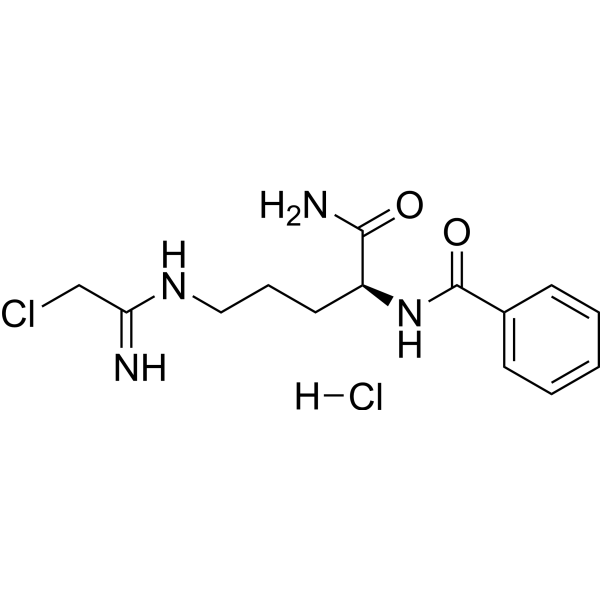
    Cl-amidine hydrochloride
    Maximum Cited Publications
    22 Publications Verification

    Protein Arginine Deiminase Apoptosis MicroRNA Inflammation/Immunology Cancer
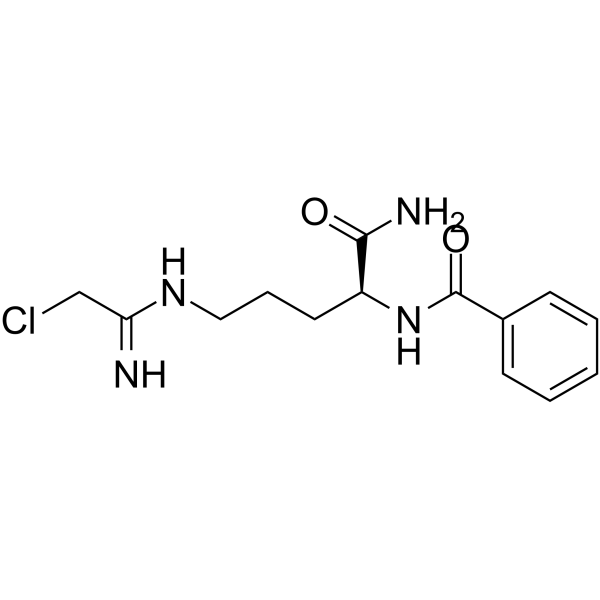
    Cl-amidine hydrochloride is an orally active peptidylarginine deminase (PAD) inhibitor, with IC50 values of 0.8 μM, 6.2 μM and 5.9 μM for PAD1, PAD3, and PAD4, respectively. Cl-amidine hydrochloride induces apoptosis in cancer cells. Cl-amidine hydrochloride induces microRNA (miR)-16 (miRNA-16, microRNA-16) expression and causes cell cycle arrest. Cl-Amidine hydrochloride prevents histone 3 citrullination and neutrophil extracellular trap formation, and improves survival in a murine sepsis model .
    Cl-amidine hydrochloride
  • HY-N6871
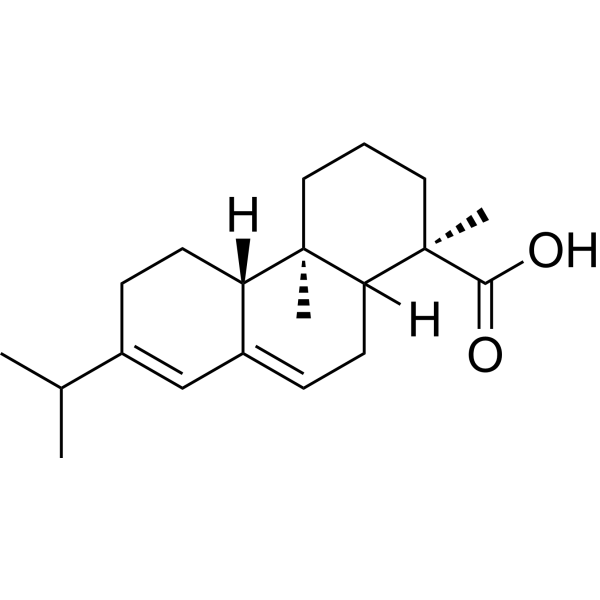
    Abietic acid
    3 Publications Verification

    Bacterial IKK Ferroptosis Infection Metabolic Disease Inflammation/Immunology Cancer
    Abietic acid, an orally active diterpene isolated from Colophony, displays significant anti-proliferative, anti-inflammatory, anti-obesity effect, bacteriostatic, cell cycle arresting and pro-apoptotic activities. Abietic acid inhibits lipoxygenase activity for allergy. Abietic acid enhances cell migration and tube formation in HUVECs. Abietic acid induces significant angiogenic potential, which is associated with upregulation of extracellular signal-regulated kinase (ERK) and p38 expression. Abietic acid attenuates sepsis-induced lung injury by inhibiting nuclear factor kappa-light-chain-enhancer of activated B cells (NF-κB) pathway to inhibit M1 macrophage polarization. Abietic acid exhibits a positive effect against liver injury by attenuating inflammation and ferroptosis. Abietic acid shows accelerated wound closure in a mouse model of cutaneous wounds. Abietic acid significantly reduces the proliferation and growth of NSCLC cells by IKKβ inhibition.Additionally, Abietic acid ameliorates psoriasis-like inflammation and modulates gut microbiota in mice. Abietic acid is promising for research in non-small-cell lung cancer (NSCLC), liver injury-related deseases and psoriasis .
    Abietic acid
  • HY-161834
    RG100204
    1 Publications Verification

    Pyroptosis Aquaporin NOD-like Receptor (NLR) p38 MAPK Infection Metabolic Disease Inflammation/Immunology
    RG100204 is a selective, orally available inhibitor of the aquaporin AQP9. RG100204 directly inhibits AQP9 channel function, preventing the transmembrane transport of water, glycerol, and H 2O 2. RG100204 reduces the activation of the NLRP3 inflammasome and p38 MAPK signaling pathways, thereby alleviating inflammation and pyroptosis. RG100204 reduces multi-organ dysfunction in a mouse sepsis model and shows glucose-regulating effects in diabetic db/db mice .
    RG100204
  • HY-N2909

    NF-κB RIP kinase Mixed Lineage Kinase Cardiovascular Disease Neurological Disease Inflammation/Immunology
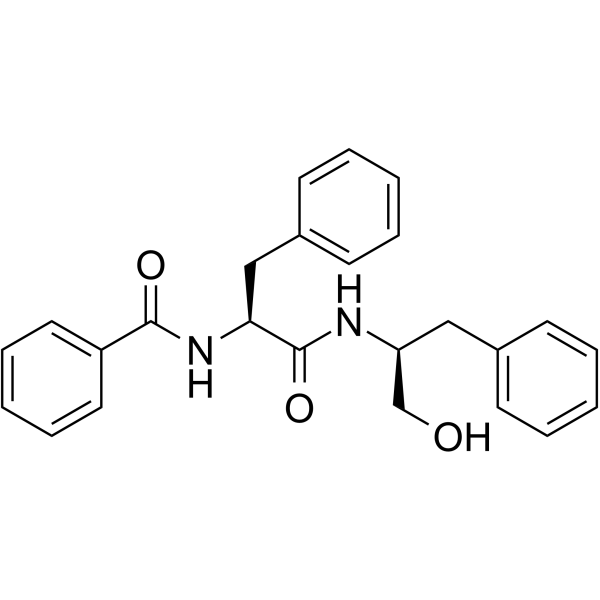
    Aurantiamide is a non-covalent, orally active, blood-brain-permeable GRPR selective antagonist with anti-inflammatory and neuroprotective effects. Aurantiamide reduces inflammation and oxidative stress in renal tissue by inhibiting GRPR-mediated renal necrosis pathways (such as RIPK3/MLKL signaling) and NF-κB inflammatory pathways, exerting anti-acute kidney injury and endothelial function activities. Aurantiamide also inhibits the M1 polarization of microglia and inhibits NLRP3 activation, thereby improving AD mouse models. Aurantiamide has in vivo inhibitory efficacy in acute kidney injury models such as ischemia/reperfusion, sepsis, and hypertension models .
    Aurantiamide
  • HY-D1056A3

    LPS, from Escherichia coli (O26:B6)

    Toll-like Receptor (TLR) Inflammation/Immunology
    Lipopolysaccharides, from E. coli (Escherichia coli) O26:B6 are lipopolysaccharide endotoxins and TLR-4 activators derived from E. coli, classified as S-type LPS, which can activate pathogen-associated molecular patterns (PAMP) of the immune system and induce cellular secretion of migrasomes. Lipopolysaccharides, from E. coli O26:B6 exhibit a typical three-part structure: O-antigen, core oligosaccharide, and lipid A, and can be recognized by the core-specific monoclonal antibody MAb J8-4C10. Lipopolysaccharides, from E. coli O26:B6 can promote an increase in pro-inflammatory cytokines in plasma, thereby triggering hypothalamic-pituitary-adrenal (HPA) activation and leading to adrenal oxidative damage. The pathogenic effects of Lipopolysaccharides, from E. coli O26:B6 can be used to construct various models, such as cellular inflammation models, sepsis, acute lung injury models, adrenal dysfunction models, and bladder infection models, etc .
    It is recommended to prepare a solution with concentration ≥2 mg/mL. Vortex thoroughly for more than 10 minutes. Due to the adsorption characteristics of LPS, silanized container or low adsorption centrifuge tubes should be used for aliquoting and storage, and mix thoroughly before use.
    Lipopolysaccharides, from E. coli O26:B6
  • HY-NP004

    CVF

    Complement System Inflammation/Immunology
    Cobra Venom Factor (CVF) is a selective activator targeting complement components C3, C5, and factor B in the complement system. After binding to factor B, Cobra Venom Factor is cleaved by factor D, forming a stable C3/C5 convertase resistant to regulatory proteins H and I. This continuously hydrolyzes C3 and C5, depleting serum complement while inducing neutrophil migration, vascular leakage, and increased TNF-α levels. Cobra Venom Factor can be used to deplete complement and mimic complement activation-related pathological states, and is applied in animal models of complement-mediated diseases such as acute respiratory distress syndrome (ARDS), sepsis, and shock. Cobra Venom Factor can be isolated from the venom of cobras (e.g., Naja atra, Naja melanoleuca, Naja kaouthia, etc.) .
    Cobra Venom Factor
  • HY-D1056B3

    LPS, from bacterial (Klebsiella pneumoniae)

    Toll-like Receptor (TLR) Inflammation/Immunology
    Lipopolysaccharides, from Klebsiella pneumoniae (LPS, from bacterial (Klebsiella pneumoniae)) are lipopolysaccharide endotoxins and TLR4 activators derived from Klebsiella pneumoniae, and are classified as S-type LPS. Lipopolysaccharides, from Klebsiella pneumoniae exhibit a typical three-part structure: O-antigen, core oligosaccharide, and lipid A. Lipopolysaccharides, from Klebsiella pneumoniae may participate in bacterial immune evasion by inhibiting complement-mediated killing and suppressing the host's secretion of antimicrobial peptides, thereby allowing the bacteria to escape immune defenses. Lipopolysaccharides, from Klebsiella pneumoniae possess high viscosity and resistance to serum-mediated killing, which may lead to sepsis. Lipopolysaccharides, from Klebsiella pneumoniae can be used to construct Acute Lung Injury Model .
    It is recommended to prepare a solution with concentration ≥2 mg/mL. Vortex thoroughly for more than 10 minutes. Due to the adsorption characteristics of LPS, silanized container or low adsorption centrifuge tubes should be used for aliquoting and storage, and mix thoroughly before use.
    Lipopolysaccharides, from Klebsiella pneumoniae
  • HY-P10368

    Dynamin Reactive Oxygen Species (ROS) Infection Cardiovascular Disease Neurological Disease Inflammation/Immunology
    P110 heptapeptide is a peptide inhibitor of the Drp1-Fis1 interaction. P110 heptapeptide has anti-inflammatory, immunomodulatory, mitochondrial protective, and neuroprotective activities. Without blocking the physiological functions of Drp1, P110 heptapeptide reduces pathological functions in many models of neurodegeneration, ischemia, and sepsis. P110 heptapeptide can be used for research on neurological and inflammatory diseases .
    P110 heptapeptide
  • HY-P2280

    P110

    Dynamin Neurological Disease Inflammation/Immunology
    TAT-P110, a peptide inhibitor of Drp1-Fis1 interaction, reduces pathology in numerous models of neurodegeneration, ischemia, and sepsis without blocking the physiological functions of Drp1 .
    TAT-P110
  • HY-100607A

    ONO1101 hydrochloride

    Adrenergic Receptor Calcium Channel Potassium Channel Reactive Oxygen Species (ROS) Cardiovascular Disease Inflammation/Immunology Endocrinology
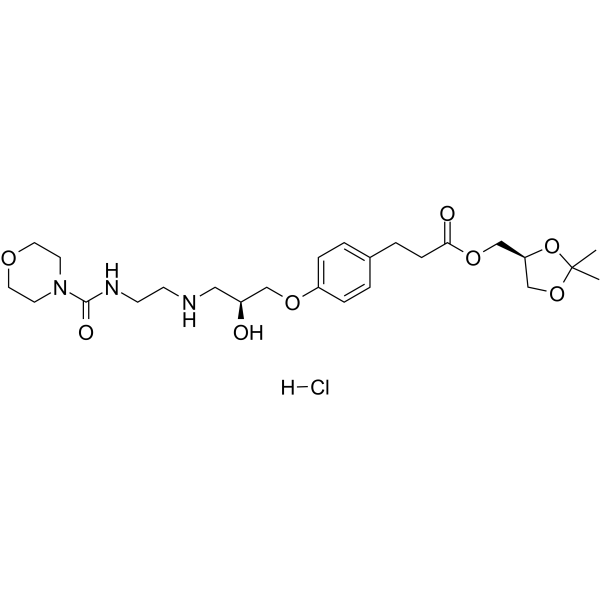
    Landiolol (ONO1101) hydrochloride is a highly selective, ultra-short-acting competitive inhibitor of β1 adrenergic receptors. Landiolol hydrochloride specifically blocks cardiac β1 receptors, reducing heart rate and myocardial oxygen consumption. Landiolol hydrochloride inhibits TNF-α-induced excessive mitochondrial oxygen consumption and reactive oxygen species production in a sepsis model, alleviating renal injury. Landiolol hydrochloride has little effect on cardiac ion channels (such as L-type calcium current and inward rectifier potassium current) and has a weak negative inotropic effect. Landiolol hydrochloride can be used for perioperative tachycardia control and protection studies of sepsis-related acute kidney injury .
    Landiolol hydrochloride
  • HY-P3496
    Pep19-2.5
    1 Publications Verification

    Pyroptosis Inflammation/Immunology
    Pep19-2.5 is an synthetic and antitoxin peptide, blocks the intracellular endotoxin signaling cascade. Pep19-2.5 inhibits signaling of lipopeptides (LP) and lipopolysaccharides (LPS) mediated by transmembrane and cytosolic pattern recognition receptors (PRRs). The signaling cascades lead to inflammation and cell pyroptosis .
    Pep19-2.5
  • HY-100574

    Protein Arginine Deiminase Apoptosis MicroRNA Inflammation/Immunology Cancer
    Cl-amidine is an orally active peptidylarginine deminase (PAD) inhibitor, with IC50 values of 0.8 μM, 6.2 μM and 5.9 μM for PAD1, PAD3, and PAD4, respectively. Cl-amidine induces apoptosis in cancer cells. Cl-amidine induces microRNA (miR)-16 (miRNA-16, microRNA-16) expression and causes cell cycle arrest. Cl-Amidine prevents histone 3 citrullination and neutrophil extracellular trap formation, and improves survival in a murine sepsis model .
    Cl-amidine
  • HY-106279

    GnRH Receptor Inflammation/Immunology
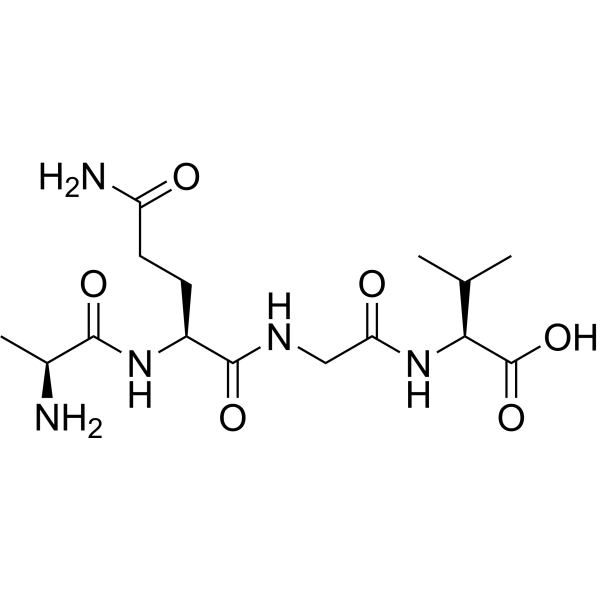
    EA-230 is a synthetic oligopeptide originally derived from beta-human chorionic gonadotropin (beta-hCG) lysates. EA-230 has anti-inflammatory effects and can be used for the research of sepsis .
    EA-230
  • HY-121309
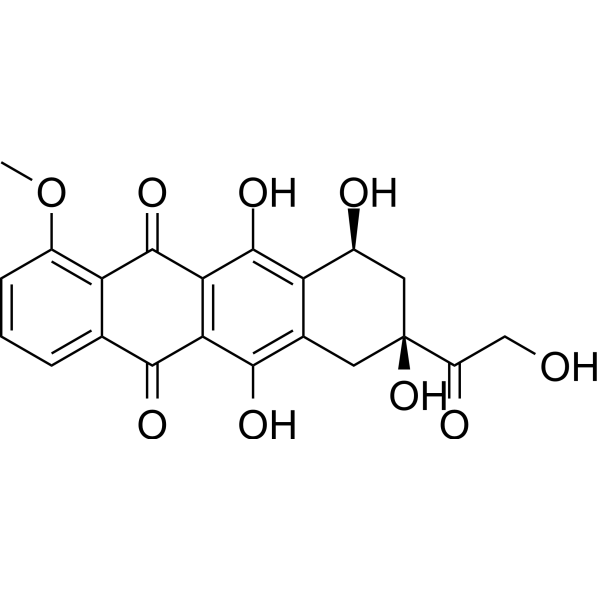
    Doxorubicinone
    2 Publications Verification

    Adriamycin aglycone; Adriamycinone

    NF-κB TNF Receptor Interleukin Related Drug Derivative Inflammation/Immunology Cancer
    Doxorubicinone (Adriamycin aglycone) is the aglycone of the antibiotic Doxorubicin (HY-15142A), i.e., its sugar-free parent nucleus structure. Doxorubicinone does not induce DNA damage or bind to RelA, but still downregulates the expression of pro-inflammatory cytokines (such as TNF, IL-12, etc.) regulated by the NF-κB pathway. Doxorubicinone can be used in sepsis-related research .
    Doxorubicinone
  • HY-P1181A
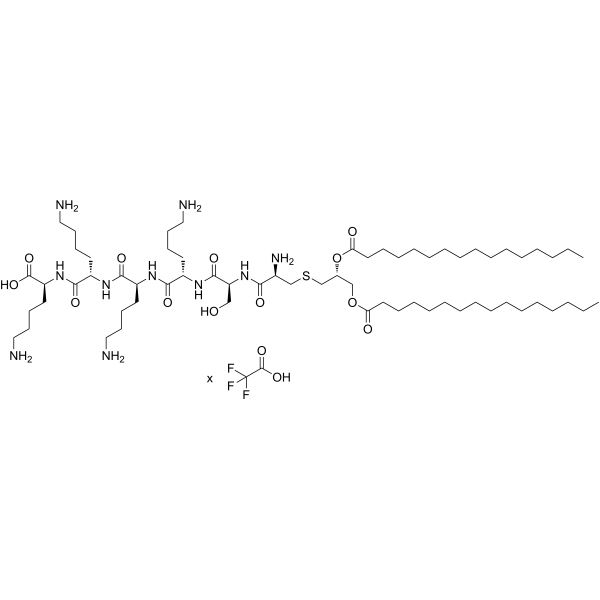
    Pam2CSK4 TFA
    1 Publications Verification

    Toll-like Receptor (TLR) NO Synthase IKK Akt PKC NF-κB p38 MAPK Interleukin Related Cardiovascular Disease Infection Inflammation/Immunology Cancer
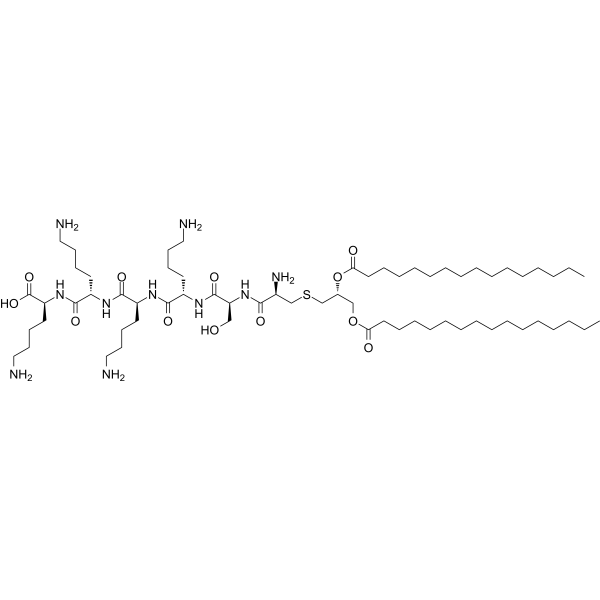
    Pam2CSK4 TFA is a TLR2 agonist. Pam2CSK4 TFA induces the expression of iNOS and NO in macrophage cell lines via TBK1 and MyD88 molecules. Pam2CSK4 TFA activates the NF-κB and Bruton's tyrosine kinase signaling pathways in platelets, and promotes platelet-endothelial cell interactions. TLR2 activation triggered by Pam2CSK4 TFA expands myeloid-derived suppressor cells (MDSCs) and suppresses anti-tumor immune responses in the tumor microenvironment. Pam2CSK4 TFA acts as a Th2-polarizing adjuvant in mouse vaccine models against Leishmania major and Brugia malayi. Pam2CSK4 TFA can be used in the research of various diseases, including thromboinflammatory diseases, sepsis, atherosclerosis, heart failure, influenza, lymphoma, melanoma, cutaneous leishmaniasis and lymphatic filariasis .
    Pam2CSK4 TFA
  • HY-W722277A

    Interleukin Related NADH Dehydrogenase TNF Receptor JAK STAT IRAK Inflammation/Immunology
    LCC-12 (formate) is a copper (II) chelator and a derivative of the biguanide metformin (HY-B0627). LCC-12 (formate) reduces its hydrogen peroxide-dependent oxidation of NADH to NAD+. LCC-12 (formate) reduces IL-1β, IL-2, IL-6, IL-8, and TNF-α levels, as well as JAK2, STAT2, and IL-1 receptor-associated kinase 4 (IRAK4) levels in primary human cytokine-activated monocyte-derived macrophages (MDMs). LCC-12 (formate) reduces the number of CD80+ and CD86+ cytokine-activated MDMs. LCC-12 LCC-12 (formate) improves survival in a mouse model of sepsis induced by LPS or cecal ligation and puncture .
    LCC-12 formate
  • HY-P1181

    Toll-like Receptor (TLR) NO Synthase IKK Akt PKC NF-κB p38 MAPK Interleukin Related Cardiovascular Disease Infection Inflammation/Immunology Cancer
    Pam2CSK4 is a TLR2 agonist. Pam2CSK4 induces the expression of iNOS and NO in macrophage cell lines via TBK1 and MyD88 molecules. Pam2CSK4 activates the NF-κB and Bruton's tyrosine kinase signaling pathways in platelets, and promotes platelet-endothelial cell interactions. TLR2 activation triggered by Pam2CSK4 expands myeloid-derived suppressor cells (MDSCs) and suppresses anti-tumor immune responses in the tumor microenvironment. Pam2CSK4 acts as a Th2-polarizing adjuvant in mouse vaccine models against Leishmania major and Brugia malayi. Pam2CSK4 can be used in the research of various diseases, including thromboinflammatory diseases, sepsis, atherosclerosis, heart failure, influenza, lymphoma, melanoma, cutaneous leishmaniasis and lymphatic filariasis .
    Pam2CSK4
  • HY-P4846
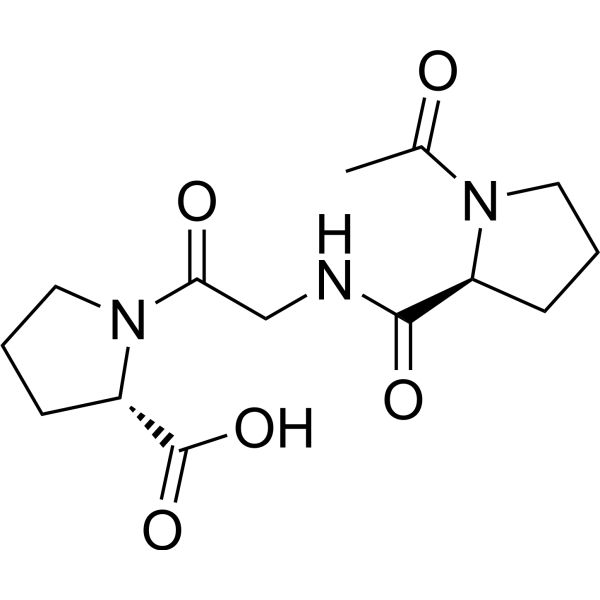
    Ac-Pro-Gly-Pro-OH
    2 Publications Verification

    CXCR Apoptosis IFNAR TNF Receptor Interleukin Related Infection Inflammation/Immunology
    Ac-Pro-Gly-Pro-OH is an endogenous degradation product of extracellular collagen and acts as a CXCR2 agonist . Ac-Pro-Gly-Pro-OH exerts bactericidal activity by generating hydrogen peroxide, inhibits pulmonary inflammation, and reduces immune cell apoptosis (apoptosis). Ac-Pro-Gly-Pro-OH promotes the production of IFN-γ and inhibits the production of TNF-α and IL-6 in leukocytes. Ac-Pro-Gly-Pro-OH increases the survival rate of mice in sepsis models, enhances the bactericidal activity of neutrophils, acts as a neutrophil chemoattractant, induces neutrophil polarization, and regulates inflammatory and repair processes. Ac-Pro-Gly-Pro-OH induces chronic inflammation and tissue remodeling through sustained action. Ac-Pro-Gly-Pro-OH is released via alkaline hydrolysis of corneal proteins in alkali-injured eyes, thereby driving the early infiltration of neutrophils into the cornea. Ac-Pro-Gly-Pro-OH is applicable to research related to sepsis, chronic obstructive pulmonary disease, cystic fibrosis, bronchiolitis obliterans syndrome, severe asthma, idiopathic pulmonary fibrosis, and corneal ulcer .
    Ac-Pro-Gly-Pro-OH
  • HY-N6893
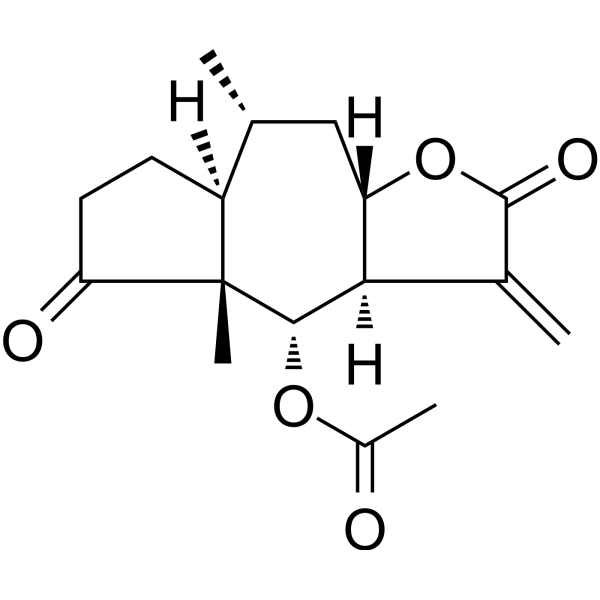
    Ergolide
    3 Publications Verification

    NF-κB NOD-like Receptor (NLR) Apoptosis Autophagy Neurological Disease Cancer
    Ergolide is an orally active dual inhibitor targeting NF-κB/p65 and NLRP3. Ergolide blocks the NF-κB signaling pathway and the nuclear translocation of p65, and irreversibly binds to the NACHT domain of NLRP3 to inhibit inflammasome assembly. Ergolide significantly reduces the production of inflammatory mediators (e.g., NO, PGE2) and cytokines, induces cancer cell apoptosis, autophagy and ROS generation. Ergolide also enhances the anti-tumor effect of vincristine. Ergolide alleviates acute lung injury via an NLRP3-dependent mechanism, and effectively improves the survival rate and behavioral function of septic mice and inflammatory zebrafish models. Ergolide is used in the research of metastatic uveal melanoma, neurodegenerative diseases (such as Alzheimer's disease, Parkinson's disease), sepsis and acute lymphoblastic leukemia .
    Ergolide
  • HY-N0469R

    Reference Standards Endogenous Metabolite Virus Protease HSV Infection Metabolic Disease Inflammation/Immunology
    L-Lysine (Standard) is the analytical standard of L-Lysine. This product is intended for research and analytical applications. L-lysine is an essential amino acid for humans with orally activity. L-lysine can inhibit the occurrence of HSV infections and is used in herpes research. L-lysine increases calcium absorption, reduces diabetes-related diseases, improves gut health, and alleviates pancreatic inflammation. L-lysine can be used in research on metabolism, infection, and inflammation . IC50 & Target:L-lysine (150 mg/kg) promotes, but not initiates, bladder cancer. The administration of L-lysine to rats submitted to colovesical cystoplasty accelerates the development of transitional metaplasia of the intestinal epithelium .
    L-lysine (10 mg/kg) treatment attenuates pancreatic tissue injury induced by L-arginine by inhibiting the release of the inflammatory cytokine IL-6 and enhance antioxidant activity . In Vivo:L-lysine (10?mg/kg, p.o., pre-treated or post-treated, administration duration 15 days) treatment attenuates pancreatic tissue injury induced by L-arginine by inhibiting the release of the inflammatory cytokine IL-6 and enhance antioxidant activity in acute pancreatitis mice model . L-lysine (5 or 10?mg/kg, p.o., 45 days) ameliorates sepsis-induced acute lung injury in a lipopolysaccharide (HY-D1056)-induced mouse model .
    L-Lysine (Standard)
  • HY-164102

    TNF Receptor NF-κB Inflammation/Immunology
    TNF-α-IN-18 (Compound 61) is an inhibitor for TNF-α (IC50 of 1.8 μM), that inhibits TNF signaling pathway through block of NF-kB migration from cytoplasm to nucleus. TNF-α-IN-18 exhibits slight cytotoxicity to mouse fibroblast LM cell, with a CC50 >50 μM. TNF-α-IN-18 ameliorates the TNF- or Lipopolysaccharide (HY-D1056)-induced sepsis in mouse models. TNF-α-IN-18 protects mice from rheumatoid arthritis .
    TNF-α-IN-18
  • HY-W016704

    Gentisic acid sodium

    Drug Derivative Cardiovascular Disease
    2,5-Dihydroxybenzoic acid (sodium) (Gentisic acid (sodium)) is a phenolic compound. 2,5-Dihydroxybenzoic acid (sodium) restores mean arterial pressure and reduces blood lactate concentration in animal models of sepsis and septic shock. 2,5-Dihydroxybenzoic acid (sodium) can be used in the study of septic shock related diseases .
    2,5-Dihydroxybenzoic acid sodium
  • HY-170446

    MyD88 Inflammation/Immunology
    MyD88-IN-2 (compound A5S) is a Myeloid differentiation primary response 88 (MyD88) inhibitor with the Kd of 15 μM. MyD88-IN-2 shows protective effects on LPS (HY-D1056)-induced and sepsis-induced ALI mouse models .
    MyD88-IN-2
  • HY-145996

    Biochemical Assay Reagents Cardiovascular Disease Infection
    STC314 is a histone-neutralizing agent. STC314 inhibits histone-mediated cytotoxicity, blocks histone-induced erythrocyte aggregation, reduces fragility, restores deformability and inhibits histone-induced aggregation and degranulation in human erythrocytes. STC314 reduces histone-mediated tissue damage, thrombocytopenia, anemia, and cell death, and improves survival in preclinical models. STC314 can be used for the research of sepsis, ischemia-reperfusion injury, and deep-vein thrombosis .
    STC314
  • HY-100574B
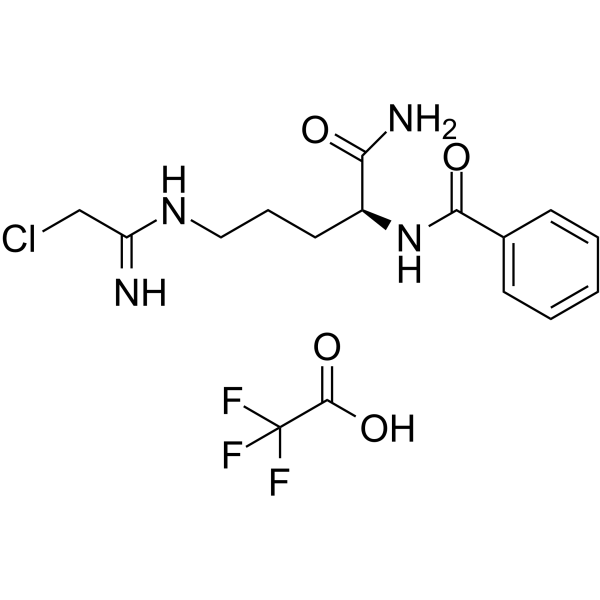
    Cl-amidine TFA
    Maximum Cited Publications
    22 Publications Verification

    Protein Arginine Deiminase Apoptosis MicroRNA Inflammation/Immunology Cancer
    Cl-amidine TFA is an orally active peptidylarginine deminase (PAD) inhibitor, with IC50 values of 0.8 μM, 6.2 μM and 5.9 μM for PAD1, PAD3, and PAD4, respectively. Cl-amidine TFA induces apoptosis in cancer cells. Cl-amidine TFA induces microRNA (miR)-16 (miRNA-16, microRNA-16) expression and causes cell cycle arrest. Cl-Amidine TFA prevents histone 3 citrullination and neutrophil extracellular trap formation, and improves survival in a murine sepsis model .
    Cl-amidine TFA
  • HY-168207

    Toll-like Receptor (TLR) NF-κB Inflammation/Immunology
    TH023 is an inhibitor for the TLR4 signaling pathway, that targets especially the formation of TLR4 homodimer. TH023 inhibits secreted embryonic alkaline phosphatase in cell HEK-Blue hTLR4 with an IC50 of 0.354 μM, and inhibits the NO expression in RAW264.7 with an IC50 of 1.61μM. TH023 also inhibits the activation of NF-κB, reduces the nuclear translocation of NF-κB p65. TH023 exhibits anti-inflammatory efficacy in LPS (HY-D1056)-induced mouse acute sepsis model, and ameliorates the mouse lung injury .
    TH023
  • HY-178690

    MyD88 IFNAR Infection Inflammation/Immunology
    MyD88-IN-4 is a MyD88 inhibitor. MyD88-IN-4 exerts antiviral effects by up-regulating IFN-β, and anti-inflammatory effects by inhibiting pro-inflammatory cytokine production. MyD88-IN-4 prevents MyD88 homodimer formation and its interaction with IRF3/IRF7. MyD88-IN-4 demonstrates efficacy against encephalitic alphavirus infections by reducing viral replication and improving survival in VEEV TC-83-infected mouse models. MyD88-IN-4 can be used for the study of alphavirus infections, bacterial toxin-related diseases, and sepsis .
    MyD88-IN-4
  • HY-178776

    Ser/Thr Protease IKK NF-κB TNF Receptor Interleukin Related Inflammation/Immunology
    DCLK1-IN-6 (Compound 12n) is a Doublecortin-like kinase 1 (DCLK1) inhibitor with an IC50 of 58 nM. DCLK1-IN-6 significantly inhibits DCLK1 enzyme activity and its mediated inflammatory pathway. DCLK1-IN-6 has remarkable anti-inflammatory activity and significantly alleviates symptoms in acute lung injury (ALI) and sepsis mouse models. DCLK1-IN-6 can be used for acute inflammation diseases research .
    DCLK1-IN-6
  • HY-172134

    NOD-like Receptor (NLR) Inflammation/Immunology
    NLRP3-IN-70 (Compound 5m) is an NLRP3 inflammasome inhibitor with low oral bioavailability. NLRP3-IN-70 can directly bind to the NACHT domain of the NLRP3 protein and block the interaction of NLRP3 and ASC, thus inhibiting ASC oligomerization and NLRP3 inflammasome assembly. NLRP3-IN-70 can be used in the research of sepsis and nonalcoholic steatohepatitis .
    NLRP3-IN-70
  • HY-149426

    Sirtuin Inflammation/Immunology
    SIRT5 inhibitor 7 (compound 58) is a substrate-competitive and selective SIRT5 inhibitor with anti-inflammatory activity. SIRT5 inhibitor 7 has renal protective effects and regulates protein succinylation and the release of pro-inflammatory cytokines. SIRT5 inhibitor 7 has in vivo activity in AKI mouse models of lipopolysaccharide (LPS) and cecal ligation/perforation (CLP)-induced sepsis-related acute kidney injury .
    SIRT5 inhibitor 7
  • HY-P11093

    Antibiotic Bacterial Fungal Apoptosis Reactive Oxygen Species (ROS) TNF Receptor NO Synthase Interleukin Related NF-κB Toll-like Receptor (TLR) Infection Inflammation/Immunology
    Papiliocin is a potent peptide antibiotic with both anti-inflammatory and antibacterial activities. Papiliocin is primarily active against Gram-negative bacteria. Papiliocin exhibits strong anti-inflammatory activity against cell, exerting its anti-inflammatory activity by inhibiting the production of NO and the secretion of TNF-α and MIP-2. Papiliocin participates in the innate defense response mechanism by inhibiting the Toll-like receptor pathway and NF-κB. Papiliocin induces apoptosis in fungal cells and increases the total level of intracellular ROS. Papiliocin acts as an effective antiseptic peptide in sepsis models. Papiliocin is useful in anti-inflammatory and antibacterial research .
    Papiliocin
  • HY-178949

    Antibiotic Bacterial DNA/RNA Synthesis Infection
    MRSA antibiotic 3 (Compound C8) is a small-molecule antibiotic active against Methicillin (HY-121544)-resistant Staphylococcus aureus (MRSA), showing a MIC of 0.5 μg/mL against the standard S. aureus strain (ATCC 29213). MRSA antibiotic 3 potently inhibits the ATPase activity of S. aureus DNA gyrase with an IC50 of 0.32 μM. MRSA antibiotic 3 exhibits strong inhibitory activity against five clinical MRSA isolates, with MIC values ranging from 0.5 to 1 μg/mL. MRSA antibiotic 3 demonstrates negligible cytotoxicity at effective antibacterial concentrations and causes no hemolysis in erythrocytes even at extremely high concentrations. MRSA antibiotic 3 shows significant protective effects in both Galleria mellonella infection and murine sepsis models .
    MRSA antibiotic 3
  • HY-172870

    Phosphodiesterase (PDE) TNF Receptor Inflammation/Immunology
    PDE4B-IN-4 (Compound 11E) is a PDE4B (IC50: 2.82 nM) and TNF-α (IC50: 7.20 nM) inhibitor. PDE4B-IN-4 inhibits neutrophilia in a mouse lipopolysaccharide (LPS)-induced sepsis model and exhibits anti-inflammatory activity .
    PDE4B-IN-4
  • HY-163478

    NF-κB Inflammation/Immunology
    TNIK-IN-9 (Compound 54) is a selective and potent NIK inhibitor, with an IC50 of 1.27 nM. TNIK-IN-9 can inhibit pro-inflammatory cytokines and nitric oxide production. TNIK-IN-9 exhibits significant anti-inflammatory effects, improved mortality, and hepatoprotective effects in sepsis models .
    TNIK-IN-9
  • HY-P5949

    Bacterial Infection
    AMPR-22 is an antimicrobial peptide. AMPR-22 can bind to the bacterial membrane and induces membrane permeabilization. AMPR-22 is effective against murine model of sepsis induced by MDR strains
    AMPR-22
  • HY-155250

    Bacterial Infection
    Antibacterial agent 154 (compound 7) is a derivative of Fluoroqinolones and is an orally effective antibacterial agent. Antibacterial agent 154 inhibits Gram-positive and Gram-negative bacteria. Antibacterial agent 154 demonstrated in vivo efficacy in a mouse model of staphylococcal sepsis .
    Antibacterial agent 154
  • HY-100607

    ONO1101

    Adrenergic Receptor Calcium Channel Potassium Channel Reactive Oxygen Species (ROS) Cardiovascular Disease Inflammation/Immunology Endocrinology
    Landiolol (ONO1101) is a highly selective, ultra-short-acting competitive inhibitor of β1 adrenergic receptors. Landiolol specifically blocks cardiac β1 receptors, reducing heart rate and myocardial oxygen consumption. Landiolol inhibits TNF-α-induced excessive mitochondrial oxygen consumption and reactive oxygen species production in a sepsis model, alleviating renal injury. Landiolol has little effect on cardiac ion channels (such as L-type calcium current and inward rectifier potassium current) and has a weak negative inotropic effect. Landiolol can be used for perioperative tachycardia control and protection studies of sepsis-related acute kidney injury .
    Landiolol
  • HY-146974

    Phosphodiesterase (PDE) Inflammation/Immunology
    PDE4-IN-9 (Compound 5j) is a potent inhibitor of PDE4. PDE4-IN-9 exhibits lower IC50 value (1.4 μM) against PDE4 than parent rolipram (2.0 μM) in in vitro enzyme assay. PDE4-IN-9 also displays good in vivo activity in animal models of asthma/COPD and sepsis induced by LPS .
    PDE4-IN-9
  • HY-100607AR

    ONO1101 hydrochloride (Standard)

    Reference Standards Adrenergic Receptor Calcium Channel Potassium Channel Reactive Oxygen Species (ROS) Cardiovascular Disease Inflammation/Immunology Endocrinology
    Landiolol (ONO1101) hydrochloride (Standard) is the analytical standard of Landiolol hydrochloride (HY-100607A). This product is intended for research and analytical applications. Landiolol (ONO1101) hydrochloride is a highly selective, ultra-short-acting competitive inhibitor of β1 adrenergic receptors. Landiolol hydrochloride specifically blocks cardiac β1 receptors, reducing heart rate and myocardial oxygen consumption. Landiolol hydrochloride inhibits TNF-α-induced excessive mitochondrial oxygen consumption and reactive oxygen species production in a sepsis model, alleviating renal injury. Landiolol hydrochloride has little effect on cardiac ion channels (such as L-type calcium current and inward rectifier potassium current) and has a weak negative inotropic effect. Landiolol hydrochloride can be used for perioperative tachycardia control and protection studies of sepsis-related acute kidney injury .
    Landiolol hydrochloride (Standard)
  • HY-161520

    Glucocorticoid Receptor NF-κB Inflammation/Immunology
    Glucocorticoid receptor/NF-κB modulator-1 (Compound 20) is a derivative of ocotillol. Glucocorticoid receptor/NF-κB modulator-1 suppresses the degradation of glucocorticoid receptor (GR) mRNA and GR protein, inhibits the activation of NF-κB signaling pathway. Glucocorticoid receptor/NF-κB modulator-1 downregulates levels of NO, interleukin-6 and tumor necrosis factor-alpha (TNF-α). Glucocorticoid receptor/NF-κB modulator-1 ameliorates sepsis in mouse model .
    Glucocorticoid receptor/NF-κB modulator-1
  • HY-161072

    NOD-like Receptor (NLR) Inflammation/Immunology
    CSC-6 is a NLRP3 inhibitor. CSC-6 can significantly inhibit IL-1β secreted by PMATHP-1 cells with an IC50 value of 2.3 μM. CSC-6 specifically binds NLRP3 and inhibits NLRP3 activation by blocking ASC oligomerization during NLRP3 assembly. CSC-6 effectively reduces the symptoms of NLRP3 overactivation-mediated sepsis and gout in mouse models .
    CSC-6
  • HY-170228

    c-Kit Inflammation/Immunology
    Kit-IN-9 (Compound D9) is an inhibitor of c-Kit. c-Kit-IN-9 inhibits the inflammatory responses in J774A.1, RAW264.7, MPMs cells and lung tissues by blocking the activation of the NF-κB pathway induced by LPS (HY-D1056). Meanwhile, c-Kit-IN-9 exhibits good anti-inflammatory activities in acute lung injury and sepsis mouse models. c-Kit-IN-9 can be used in the research of acute lung injury and related inflammatory diseases .
    c-Kit-IN-9
  • HY-161988

    Bacterial Infection Inflammation/Immunology
    Antimicrobial agent-34 (compound 4h) is an antibacterial agent (MIC = 1–4 μg/mL), with a clogP value of 9.14. Antimicrobial agent-34 has good plasma stability (HC50 of 131.1 μg/mL) and good membrane selectivity (HC50/MIC is 65.6), with rapid sterilization capability. Antimicrobial agent-34 destroys the integrity of bacterial cell membranes, induces an increase in intracellular reactive oxygen species, and leaks protein and DNA, ultimately leading to bacterial death. Antimicrobial agent-34 demonstrates significant in vivo antibacterial potency in a mouse sepsis model infected with Staphylococcus aureus ATCC43300 .
    Antimicrobial agent-34
  • HY-183296

    NOD-like Receptor (NLR) Interleukin Related Caspase Inflammation/Immunology
    NLRP3-IN-91 is a potent NLRP3 inflammasome inhibitor with a Kd of 558.4 nM. NLRP3-IN-91 directly targets the NLRP3 NACHT domain, blocks inflammasome assembly and activation, and exerts anti-inflammatory effects. NLRP3-IN-91 increases survival time in a murine model of LPS (HY-D1056)-induced sepsis. NLRP3-IN-91 can be used for the research of sepsis .
    NLRP3-IN-91
  • HY-P11580

    Toll-like Receptor (TLR) Bacterial Infection
    Pap12-6-10 is an MD-2 ligand that binds to the hydrophobic pocket of MD-2 to inhibit the dimerization of the TLR4/MD-2 complex and downstream inflammatory signal transduction. Pap12-6-10 also binds to LPS to permeabilize bacterial cell membranes and induce oxidative stress, leading to bacterial death. Pap12-6-10 regulates LPS-induced inflammatory responses through the TLR4 signaling pathway and exhibits antibacterial activity against multidrug-resistant Gram-negative bacteria. Pap12-6-10 shows low tendency to induce drug resistance and low preclinical cytotoxicity, and it prevents organ damage in a mouse model of sepsis. Pap12-6-10 can be used for research related to Gram-negative sepsis and carbapenem-resistant Acinetobacter baumannii infections .
    Pap12-6-10
  • HY-182417

    Bacterial Topoisomerase Infection
    PD 0305970 is an orally active bacterial gyrase and topoisomerase inhibitor. PD 0305970 shows exceptional activity against gram-positive and fastidious organisms and more modest activity against gram-negative species. PD 0305970 shows low spontaneous resistance frequencies. PD 0305970 shows antibacterial efficacy in murine streptococcal sepsis and pneumococcal pneumonia models. PD 0305970 can be used for the research of bacterial infection .
    PD 0305970
  • HY-181809

    Leukotriene Receptor Interleukin Related Apoptosis IRAK NF-κB p38 MAPK NOD-like Receptor (NLR) Caspase Inflammation/Immunology
    BLT1-IN-1 is an orally active and selective BLT1 inhibitor with an IC50 of 8.7 nM and a Kd of 121 nM. BLT1-IN-1 exerts protective effects against acute lung injury and sepsis in in vivo models. BLT1-IN-1 can be used in research related to acute lung injury and sepsis .
    BLT1-IN-1
  • HY-179701

    NF-κB TNF Receptor Interleukin Related CXCR Inflammation/Immunology
    NIK-IN-3 is a potent and orally active NF-κB-inducing kinase (NIK) inhibitor with an IC50 of 5.2 nM. NIK-IN-3 suppresses non-canonical NF-κB pathway activation and inhibits the secretion of pro-inflammatory cytokines, such as TNF-α, IL-6, IL-1β and chemokine CXCL12. NIK-IN-3 shows significant anti-inflammatory effects in LPS (HY-D1056)-induced sepsis mice model and DSS (HY-116282)-induced colitis model. NIK-IN-3 can be used for the research of inflammation, such as colitis .
    NIK-IN-3
  • HY-P11603

    Pyroptosis Inflammation/Immunology
    SK56 is a GSDMD-NT pore inhibitor. SK56 inhibits pyroptosis (Pyroptosis) and the release of pyroptosis-related cytokines in macrophages and human peripheral blood leukocytes. SK56 prevents extensive cell death in human alveolar organoids in an organoid-macrophage co-culture model. SK56 prevents death from infectious shock induced by LPS (HY-D1056) or cecal ligation and puncture in mice. SK56 can be used in studies related to sepsis .
    SK56
  • HY-181526

    IFNAR STING Inflammation/Immunology
    Sim-9 is a covalent allosteric inhibitor of interferon regulatory factor 3 (IRF3). Sim-9 binds covalently to the Cys222 residue of IRF3, induces its conformational change, blocks its interactions with TRIF, MAVS and STING, and inhibits IRF3 homodimerization and type I interferon response. Sim-9 exhibits significant anti-inflammatory, organ-protective and survival benefits in mouse models of sepsis and acute pancreatitis. Sim-9 can be used for research related to inflammatory diseases .
    Sim-9

Inquiry Online

Your information is safe with us. * Required Fields.

Salutation


Country or Region *

Applicant Name *


Organization Name *

Department *


Email Address *


Product Name *

Cat. No.


Requested quantity *

Phone Number *


Remarks

Inquiry Online

Inquiry Information

Product Name:
Cat. No.:
Quantity:
MCE Japan Authorized Agent:

