4 Results for "

skeletal muscle paralysis

" in MedChemExpress (MCE) Product Catalog:
Products (4)

4 Results for "skeletal muscle paralysis" in MCE Product Catalog:

1
1 Cited Publications
Cat. No.: HY-B0570
CAS No.: 541-22-0
Target:  

nAChR

Research Areas:  

Neurological Disease

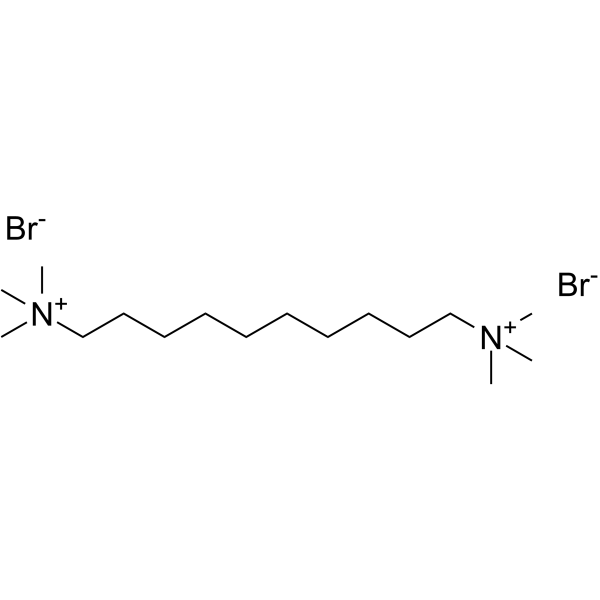
Decamethonium Bromide is an acetylcholine receptor inhibitor and muscle relaxant. Decamethonium Bromide first induces depolarization of skeletal muscles, and then binds to postsynaptic acetylcholine receptors to induce persistent paralysis .\n
loading...
    loading...
Cat. No.: HY-B0416
CAS No.: 65-29-2
Research Areas:  

Neurological Disease

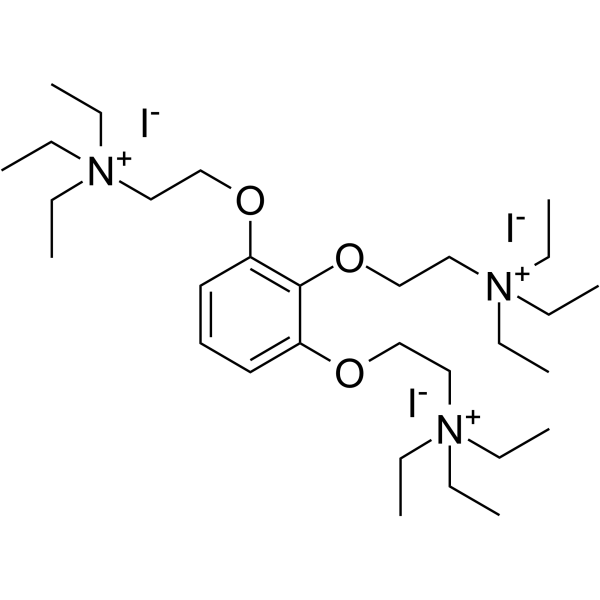
Gallamine Triethiodide is a blood-brain barrier-permeable skeletal muscle relaxant. Gallamine Triethiodide induces skeletal muscle paralysis by blocking acetylcholine. Gallamine Triethiodide directly stimulates intracardiac β receptors. Gallamine Triethiodide prolongs the duration of afterdischarge in the cat cerebral cortex. Gallamine Triethiodide can be used in studies related to convulsive disorders .
loading...
    loading...
Cat. No.: HY-B0416R
CAS No.: 65-29-2
Research Areas:  

Cardiovascular Disease

Gallamine Triethiodide (Standard) is the analytical standard of Gallamine Triethiodide. This product is intended for research and analytical applications. Gallamine Gallamine Triethiodide is a blood-brain barrier-permeable skeletal muscle relaxant. Gallamine Triethiodide induces skeletal muscle paralysis by blocking acetylcholine. Gallamine Triethiodide directly stimulates intracardiac β receptors. Gallamine Triethiodide prolongs the duration of afterdischarge in the cat cerebral cortex. Gallamine Triethiodide can be used in studies related to convulsive disorders .
loading...
    loading...
Cat. No.: HY-W127670
CAS No.: 1420-40-2
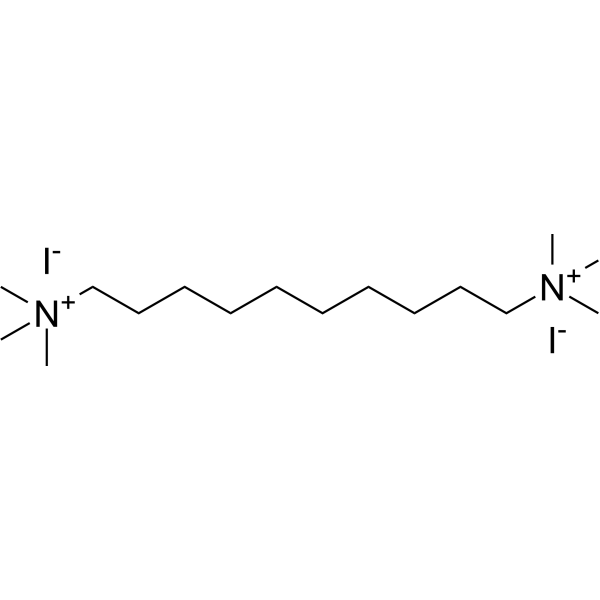
Decamethonium (iodide) is an organic compound containing ammonium and iodide ions. It is commonly used as a neuromuscular blocking agent in anesthesia to induce muscle relaxation during surgery. Decamethonium Iodide acts by binding to nicotinic acetylcholine receptors (nAChRs) in the neuromuscular junction, causing depolarization block and subsequent skeletal muscle paralysis. In addition, it can also serve as a reference standard for pharmacological studies of nAChRs.
loading...
    loading...

