
1. Search Result
Search Result
Results for "

surface hydrophobicity

" in MedChemExpress (MCE) Product Catalog:

36

Inhibitors & Agonists

1

Screening Libraries

3

Fluorescent Dye

10

Biochemical Assay Reagents

4

Peptides

8

Natural
Products

1

Isotope-Labeled Compounds

5

Oligonucleotides

Cat. No. Product Name Target Research Areas Chemical Structure
  • HY-N6693
    Valinomycin
    5+ Cited Publications

    NSC 122023

    Apoptosis Antibiotic Autophagy Fungal Infection Others Cancer
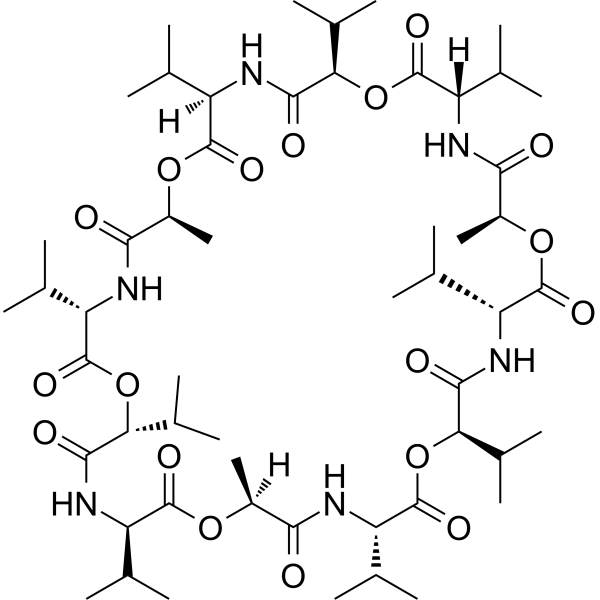
    Valinomycin is a potassium-specific ionophore, the valinomycin-K + complex can be incorporated into biological bilayer membranes with the hydrophobic surface of valinomycin, destroys the normal K + gradient across the membrane, and as a result kills the cells, incorporating into liposomes can significantly reduces the cytotoxicity and enhances the targeting effect. Valinomycin exhibits antibiotic, antifungal, antiviral, antitumor and insecticidal efficacy, thus can be used for relevant research .
    Valinomycin
  • HY-W127378
    DOTAP methylsulfate
    10+ Cited Publications

    1,2-Dioleoyl-3-trimethylammonium-propane methylsulfate

    Liposome Others
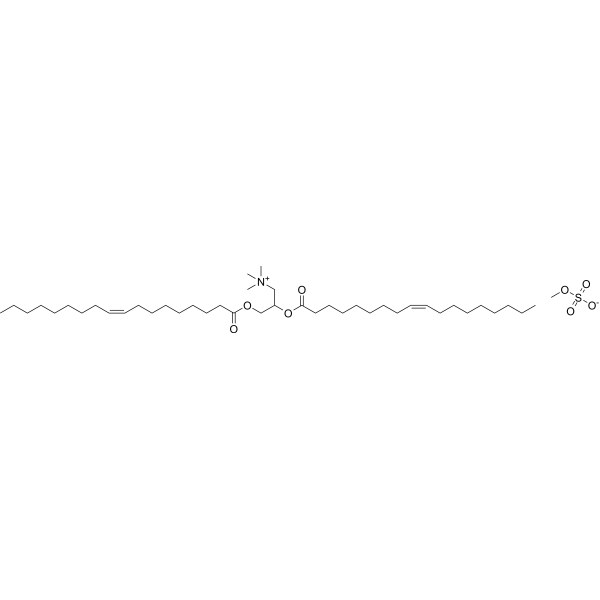
    DOTAP methylsulfat is a cationic lipid reagent, a cationic derivative of trimethylammonium, linked to two 18-carbon fatty acid tails, each with a single olefin group. DOTAP methylsulfat can self-assemble with negatively charged ions (such as DNA) to form complexes, which can be adsorbed to the cell membrane surface and enter the cell by electrostatic interaction and endocytosis, respectively. DOTAP methylsulfat promotes endosomal membrane fusion with its own hydrophobic domain, releases DNA into the cytoplasm, and exerts gene delivery function. DOTAP methylsulfat can be widely used in research fields such as gene therapy, cell transfection, and non-viral vector design .
    DOTAP methylsulfate
  • HY-113016
    Elaidic acid
    4 Publications Verification

    Apoptosis Wnt ERK Bacterial Interleukin Related Infection Metabolic Disease Cancer
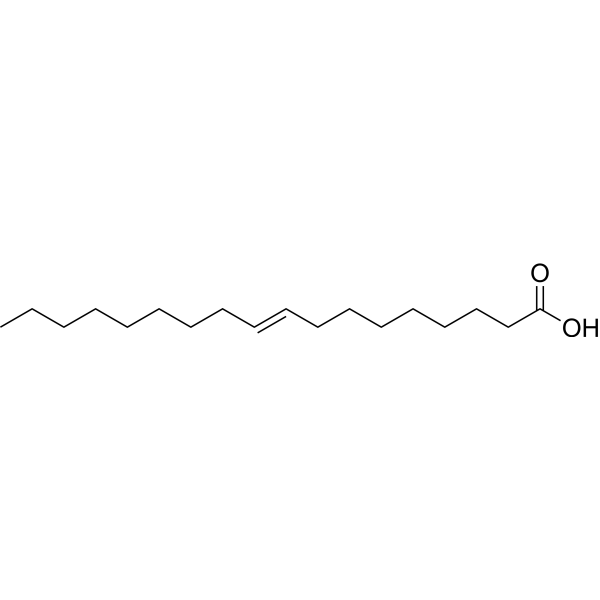
    Elaidic acid is an orally active trans fatty acid. Elaidic acid enhances the stemness of colorectal cancer cells by activating the Wnt/ERK1/2 pathway, thereby promoting cell proliferation, invasion and metastasis, and inhibiting apoptosis. Elaidic acid also inhibits the growth of Lactobacillus and alters the cell surface hydrophobicity of Lactobacillus. Elaidic acid reduces basal 2-deoxyglucose uptake in muscle cells and adipocytes. Elaidic acid can be used in research on colorectal cancer, insulin and other related areas .
    Elaidic acid
  • HY-D0986
    TMA-DPH
    10+ Cited Publications

    Fluorescent Dye Others
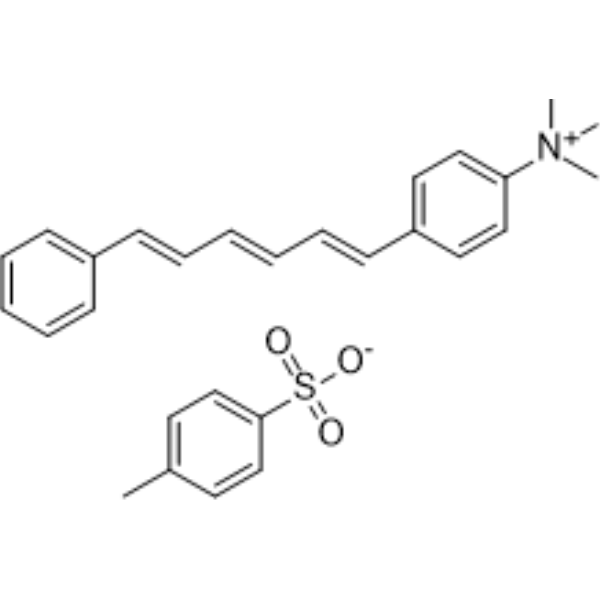
    TMA-DPH is a hydrophobic fluorescent membrane probe (Ex=355 nm; Em=430 nm). TMA-DPH is able to anchor on the cell surface and localize to different regions of the phospholipid bilayer. By analyzing the fluorescence polarization values of TMA-DPH in the plasma membrane and membrane substructures, the fluidity of the cell membrane can be determined .
    TMA-DPH
  • HY-W020780

    mPEG5000-Maleimide

    Biochemical Assay Reagents Cancer
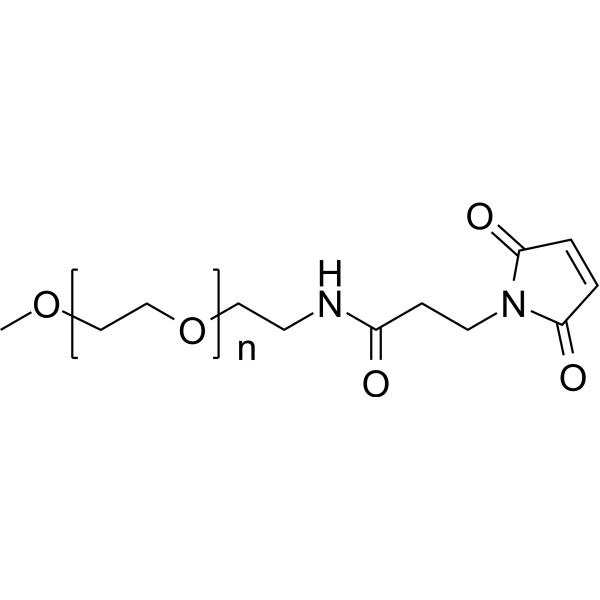
    mPEG5000-Mal (mPEG5000-Maleimide) is a PEG-derived selective covalent binding agent for sulfhydryl groups (RSGs), which can form irreversible thioether bonds with sulfhydryl groups under near-neutral conditions via the maleimide group. The mechanism of action of mPEG5000-Mal can be divided into two categories: firstly, as an enzyme modifier, it binds to target proteins through hydrophobic interactions, hydrogen bonds, and van der Waals forces, altering the protein's secondary structure; secondly, as a nanoparticle surface modifier, it covalently binds to sulfhydryl groups on the surface of red blood cells, changing the surface properties and morphology of the red blood cells, leading to their phagocytosis by macrophages of the reticuloendothelial system. mPEG5000-Mal can react with free cysteine in proteins, increasing the apparent molecular weight of the modified protein by 10-15 kDa for detection purposes. mPEG5000-Mal can enhance the thermal stability and catalytic activity of enzymes, and improve the macrophage targeting of nanoparticles, enabling targeted drug delivery. mPEG5000-Mal can be applied in enzyme engineering research in the food industry and in oncology, assisting radiotherapy by inhibiting tumor-associated macrophage infiltration and enhancing anti-tumor immune responses .
    mPEG5000-Mal
  • HY-W127512
    5β-Cholanic acid
    1 Publications Verification

    Drug Intermediate Others
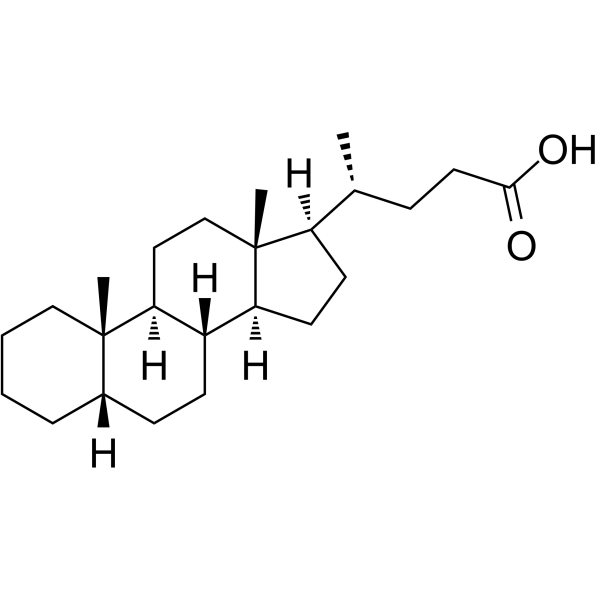
    5β-Cholanic acid is a hydrophobic modifier used to modify polymer carriers. 5β-Cholanic acid can improve the acid stability, cell penetration efficiency and drug sustained release ability of nanocarriers, and optimize the oral effectiveness of delivered molecules. 5β-Cholanic acid can covalently bind to Glycol chitosan (GC) to form a GC-CA conjugate, which optimizes the hydrophobic anchoring ability of nanoparticles and enables them to be stably adsorbed on the surface of PLGA nanoparticles. Such nanoparticles can resist dissociation in the gastric acid environment and maintain positive charge to enhance endocytic uptake by intestinal epithelial cells (such as Caco-2 cells). 5β-Cholanic acid can be used in the development of drug delivery systems .
    5β-Cholanic acid
  • HY-W133898

    Environmental Pollutants Biochemical Assay Reagents Others
    Tryptone is a peptide-rich bacterial culture medium component that can regulate bacterial cell surface proteins and biofilm-related genes. Tryptone promotes the expression and assembly of bacterial adhesion proteins (such as LapA and LapF) by providing peptide substances as structural factors, enhancing cell surface hydrophobicity and intercellular adhesion, thereby stabilizing the biofilm matrix and supporting the maturation and maintenance of bacterial biofilms. The peptide mixture contained in Tryptone can specifically regulate the transcription of bacterial adhesion-related genes (such as activating LapA and inhibiting LapF), affecting the synthesis and localization of biofilm structural proteins .
    Tryptone
  • HY-W440896

    Liposome Others
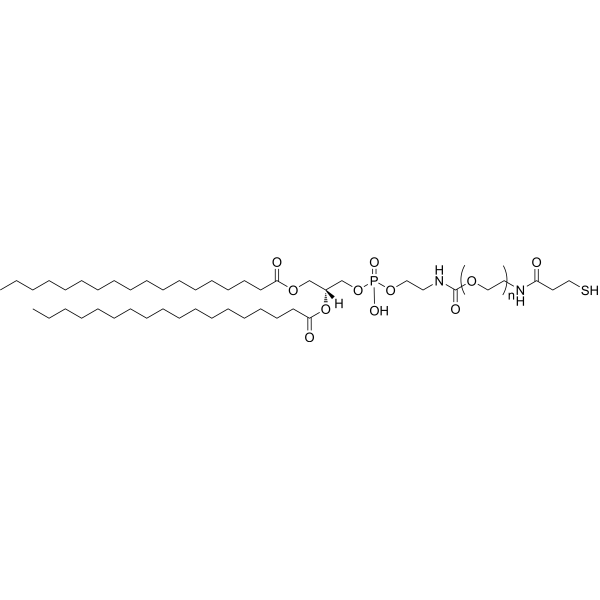
    DSPE-PEG2000-SH is an amphiphilic thiol-functionalized DSPE-PEG molecule. DSPE-PEG2000-SH inserts into extracellular vesicle (EV) bilayer membranes via hydrophobic interactions, displaying surface thiol groups to form EV-SH crosslinkers.DSPE-PEG2000-SH enables crosslinking of EV-SH with 8-arm PEG-norbornene via thiol-ene photochemistry to construct hydrogels, with hydrogel mechanical properties tunable via PEG segment molecular weight variation.DSPE-PEG2000-SH can be used to encapsulate agents for drug delivery system, such as mRNA vaccine .
    DSPE-PEG2000-SH
  • HY-W105426

    [3-(Methacryloyloxy)propyl]trimethoxysilane

    Biochemical Assay Reagents Others
    3-(Trimethoxysilyl)propyl methacrylate is a reactive monomer and silane coupling agent with C=C and O-C=O functional groups, acting as a surface modifier and anti-agglomeration agent. 3-(Trimethoxysilyl)propyl methacrylate can be used to prepare nanoparticles .
    3-(Trimethoxysilyl)propyl methacrylate
  • HY-DY1057

    Fluorescent Dye Others
    TMA-DPH (solution) is a hydrophobic fluorescent membrane probe (Ex=355 nm; Em=430 nm). TMA-DPH is able to anchor on the cell surface and localize to different regions of the phospholipid bilayer. By analyzing the fluorescence polarization values of TMA-DPH in the plasma membrane and membrane substructures, the fluidity of the cell membrane can be determined .
    Solvent and concentration: DMSO: 10 mM
    TMA-DPH (solution)
  • HY-122485

    Bacterial Infection
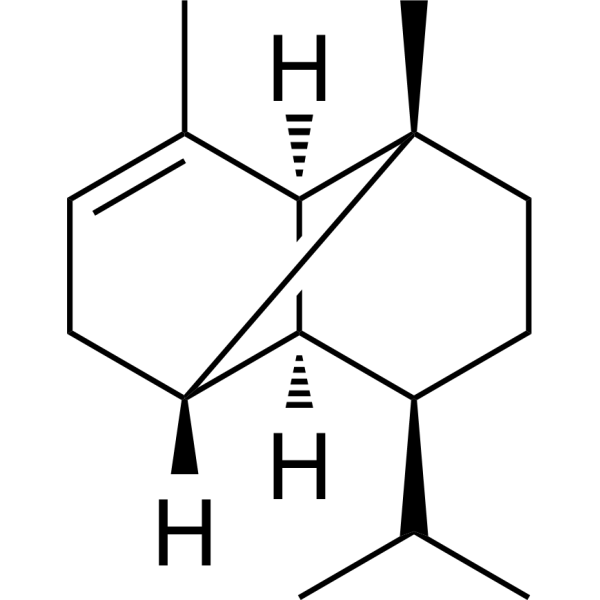
    α-Copaene is a potent attractant for male Mediterranean fruit flies Ceratitis capitata.α-Copaene can be found as a minor component in the essential oils of various plant species. α-Copaene can inhibit bacterial growth with a minimum inhibitory concentration of 0.5-1 μL/mL. α-Copaene suppresses biofilm formation by decreasing the hydrophobicity of the cell surface. α-Copaene can be used as an oviposition promoter of Bactrocera oleae .
    α-Copaene
  • HY-147255

    ZM-H1505R

    HBV Infection
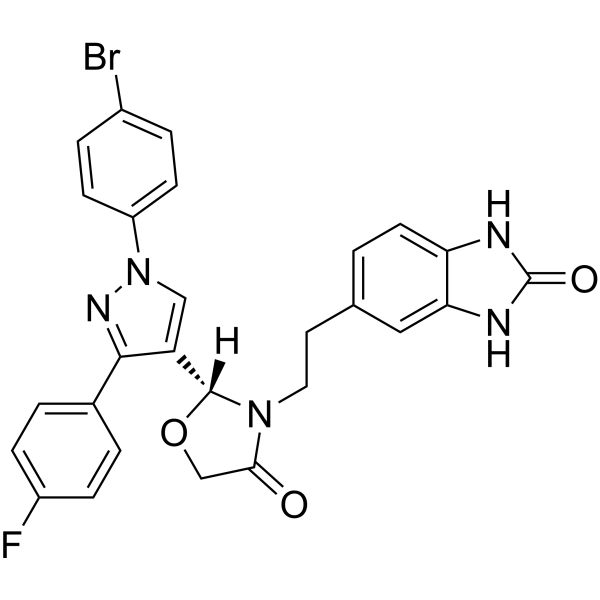
    Canocapavir (ZM-H1505R) is an orally active HBV core protein-targeting antiviral agent. Canocapavir binds to the hydrophobic pocket at the dimer-dimer interface of HBV core protein (HBc), stimulating intracellular accumulation of nonfunctional HBV capsids, disrupting viral replication. Canocapavir interferes with the interaction between HBc and HBV large surface protein, resulting in diminished
    production of empty virionsis. Canocapavir can be used for the research of hepatitis B virus (HBV) infection .
    Canocapavir
  • HY-W142092

    Bacterial Endogenous Metabolite Others
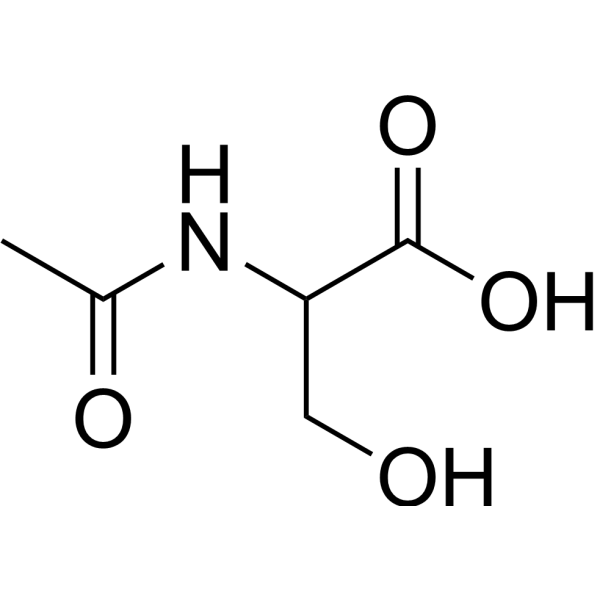
    N-Acetyl-DL-serine is a hydrophobic amino acid that is synthesized in the body and can be found as a free form or as a salt with malonate, phosphate, or acetate. N-Acetyl-DL-serine has antimicrobial activity against Bacillus cereus and Staphylococcus aureus. N-Acetyl-DL-serine has also been used for the immobilization of DNA fragments on solid surfaces and can be used for protein synthesis and optical detection of DNA strands .
    N-Acetyl-DL-serine
  • HY-W276164

    Sodium stearyl sulfate

    Biochemical Assay Reagents Others
    Sodium octadecyl sulfate (Sodium stearyl sulfate) is a long-chain alkyl sodium sulfate that functions as an emulsifier, crosslinking agent, and regulator. Sodium octadecyl sulfate has high safety, with a LD50 greater than 3.00 Gm./Kg for both intraperitoneal injection in mice and oral administration in rats. Sodium octadecyl sulfate enhances continuous contraction of the gastrocnemius muscle in frogs and boosts intestinal smooth muscle activity in albino rats. However, Sodium octadecyl sulfate exerts no significant effect on isolated tortoise myocardium and does not alter the conduction function of frog sciatic nerves. Sodium octadecyl sulfate can also be used to coat the surface of starch aggregates, promote crosslinking and increase aggregate size through hydrophobic and electrostatic interactions, and further form a coexistent B-V type crystalline structure with acid-hydrolyzed gelatinized starch, thereby effectively modifying the structure and surface properties of high-starch systems .
    Sodium octadecyl sulfate
  • HY-121950

    Biochemical Assay Reagents Others
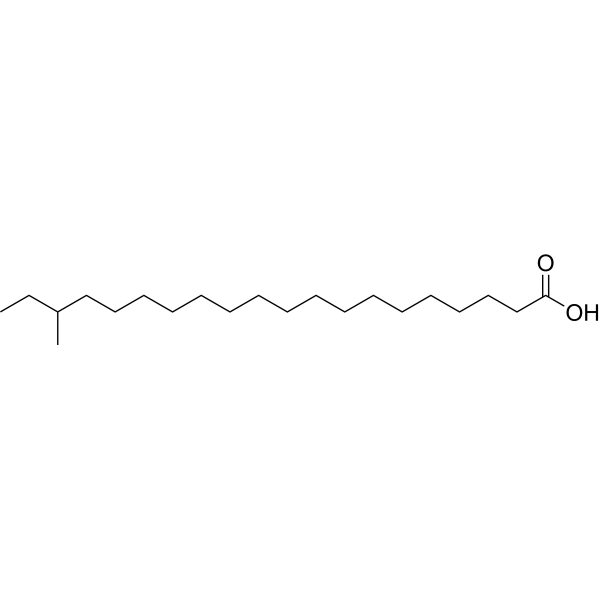
    18-Methyleicosanoic acid is a branched-chain fatty acid. 18-Methyleicosanoic acid has a hydrophobic surface and can act as a boundary lubricant .
    18-Methyleicosanoic acid
  • HY-107201A

    Betadex hydrate

    Biochemical Assay Reagents Others
    β-Cyclodextrin hydrate (Betadex hydrate) is a cyclic oligosaccharide composed of seven glucose units, featuring a hydrophobic central cavity and a hydrophilic outer surface. β-Cyclodextrin hydrate is utilized in an immunoassay method that leverages the complex formed by β-Cyclodextrin hydrate with small molecules to enhance the sensitivity of the immunodetection for these small molecules. β-Cyclodextrin hydrate is applicable for research in biosensing and immunoanalysis .
    β-Cyclodextrin hydrate
  • HY-108299

    Perfluorotripropylamine; FTPA; Tris(perfluoropropyl)amine

    Biochemical Assay Reagents Others
    Perfluamine (Perfluorotripropylamine), a hydrophobic carrier fluid, is used in the surface modification of droplet polymeric microfluidic devices. Perfluamine has a role as a blood substitute .
    Perfluamine
  • HY-N14525

    Acyltransferase Infection
    Glisoprenin A is a cholesterol acyltransferase (ACAT) inhibitor, and it can inhibit the formation of Appressorium on the hydrophobic surface of Magnaporthegrisea .
    Glisoprenin A
  • HY-N14813

    Acyltransferase Infection
    Glisoprenin D is a cholesterol acyltransferase (ACAT) inhibitor, and it can inhibit the formation of Appressorium on the hydrophobic surface of Magnaporthegrisea .
    Glisoprenin D
  • HY-N14574

    Acyltransferase Infection
    Glisoprenin C is a cholesterol acyltransferase (ACAT) inhibitor, and it can inhibit the formation of Appressorium on the hydrophobic surface of Magnaporthegrisea .
    Glisoprenin C
  • HY-N14816

    Acyltransferase Infection
    Glisoprenin E is a cholesterol acyltransferase (ACAT) inhibitor, and it can inhibit the formation of Appressorium on the hydrophobic surface of Magnaporthegrisea .
    Glisoprenin E
  • HY-N10267

    Fungal Infection
    Carviolin is a compound isolated from the mycelia of the ascomycete Neobulgaria pura. Carviolin inhibits the formation of appressoria in germinating conidia of Magnaporthe grisea on inductive (hydrophobic) surface. Carviolin exhibits moderate cytotoxic, but no antifungal, antibacterial, or phytotoxic activities .
    Carviolin
  • HY-157672

    Bacterial Others
    18:1-14:0 PC, an asymmetric phospholipid featuring an unsaturated acyl chain in the sn-1 position, can create a hydrophobic surface in mucus by functioning as a surfactant to impede bacterial penetrance, while also serving as a dietary source of choline.
    18:1-14:0 PC
  • HY-135531

    Antibiotic Bacterial Infection
    Cefuzonam is an antibiotic, which exhibits antibacterial activity against gram positive bacteria, such as Staphylococcus, Streptococcus and Neisseria gonorrhoeae, with MIC ranginf from 0.63 to 2 μg/mL. Cefuzonam is an inhibitor for mild steel corrosion by increasing hydrophobicity of the metal surface to the acid solution .
    Cefuzonam
  • HY-147207C

    Liposome Others
    Phospholipid-PEG5000-Biotin is a phospholipid PEG derivative, can be used for modify liposome and cells surface, and pancreatic islets for cell transplantation. Phospholipid is a class of lipid containing a hydrophilic “head” and two hydrophobic “tails”; PEG is a hydrophilic and water-soluble polymer with low toxicity; Biotin is an enzyme co-factor, can be used for labeling protein .
    Phospholipid-PEG5000-Biotin
  • HY-147207A

    Liposome Others
    Phospholipid-PEG2000-Biotin is a Biotin labeled phospholipid PEG derivative, can be used for modify liposome and cells surface, and pancreatic islets for cell transplantation. Phospholipid is a class of lipid containing a hydrophilic "head" and two hydrophobic "tails" ; PEG is a hydrophilic and water-soluble polymer with low toxicity; Biotin is an enzyme co-factor, can be used for labeling protein .
    Phospholipid-PEG2000-Biotin
  • HY-16035A

    DNA/RNA Synthesis Antibiotic Infection
    Alatrofloxacin mesylate is an antibiotic with antibacterial activity. Alatrofloxacin mesylate exhibits significant hydrophilicity in the aqueous phase, forming a very stable suspension. The degradation products of Alatrofloxacin mesylate become hydrophobic upon exposure, causing aggregation of its particles. The long-term stability of Alatrofloxacin mesylate is closely related to its polar interaction. The changes in surface tension characteristics of Alatrofloxacin mesylate particles under different lighting conditions affect their physical and chemical properties .
    Alatrofloxacin mesylate
  • HY-147255A

    (S)-ZM-H1505R

    HBV Infection
    (S)-Canocapavir is the isomer of Canocapavir (HY-147255A). Canocapavir (ZM-H1505R) is an orally active HBV core protein-targeting antiviral agent. Canocapavir binds to the hydrophobic pocket at the dimer-dimer interface of HBV core protein (HBc), stimulating intracellular accumulation of nonfunctional HBV capsids, disrupting viral replication. Canocapavir interferes with the interaction between HBc and HBV large surface protein, resulting in diminished
    production of empty virionsis. Canocapavir can be used for the research of hepatitis B virus (HBV) infection .
    (S)-Canocapavir
  • HY-108299R

    Perfluorotripropylamine (Standard); FTPA (Standard); Tris(perfluoropropyl)amine (Standard)

    Biochemical Assay Reagents Reference Standards Others
    Perfluamine (Standard) is the analytical standard of Perfluamine (HY-108299). This product is intended for research and analytical applications. Perfluamine (Perfluorotripropylamine), a hydrophobic carrier fluid, is used in the surface modification of droplet polymeric microfluidic devices. Perfluamine has a role as a blood substitute .
    Perfluamine (Standard)
  • HY-P11180

    Antibiotic Bacterial Infection
    Clavanin A is a peptide Antibiotic and membrane permeabilizer. Clavanin A permeabilizes cytoplasmic membranes and unilamellar lipid bilayers, and dissipates membrane potential. Clavanin A inserts into phospholipid monolayers via hydrophobic interactions under physiologically relevant surface pressures. Clavanin A exhibits antibacterial activity against Micrococcus flavus. Clavanin A can be used in studies related to Micrococcus flavus infection .
    Clavanin A
  • HY-P11180A

    Antibiotic Bacterial Infection
    Clavanin A acetate is a peptide Antibiotic and membrane permeabilizer. Clavanin A acetate permeabilizes cytoplasmic membranes and unilamellar lipid bilayers, and dissipates membrane potential. Clavanin A acetate inserts into phospholipid monolayers via hydrophobic interactions under physiologically relevant surface pressures. Clavanin A acetate exhibits antibacterial activity against Micrococcus flavus. Clavanin A acetate can be used in studies related to Micrococcus flavus infection .
    Clavanin A acetate
  • HY-182057

    HyT Anaplastic lymphoma kinase (ALK) Cancer
    ALK degrader 4 is a ALK HyT degrader with an IC50 of 0.74 nM. ALK degrader 4 inhibits ALK kinase activity, increases the solvent-accessible surface area of hydrophobic residues near the ALK binding pocket, promotes ALK to form a partially unfolded conformation, and induces proteasomal degradation of ALK. ALK degrader 4 inhibits cancer cell proliferation. ALK degrader 4 can be used in research related to non-small cell lung cancer (ALK ligand: Brigatinib (HY-12857); hydrophobic tag: Norbornene (HY-W013021)) .
    ALK degrader 4
  • HY-182087

    HyT Anaplastic lymphoma kinase (ALK) Cancer
    ALK degrader 3 is a ALK HyT degrader with an IC50 of 1.2 nM. ALK degrader 3 inhibits ALK kinase activity, increases the solvent-accessible surface area of hydrophobic residues near the ALK binding pocket, promotes ALK to form a partially unfolded conformation, and drives ALK degradation via the proteasomal pathway. ALK degrader 3 inhibits the proliferation of tumor cells. ALK degrader 3 can be used for the research of non-small cell lung cancer. (ALK ligand: Brigatinib (HY-12857); hydrophobic tag: Tetraasterane (HY-W1139353)) .
    ALK degrader 3
  • HY-W127512R

    Drug Intermediate Reference Standards Others
    5β-Cholanic acid is a hydrophobic modifier used to modify polymer carriers. 5β-Cholanic acid can improve the acid stability, cell penetration efficiency and drug sustained release ability of nanocarriers, and optimize the oral effectiveness of delivered molecules. 5β-Cholanic acid can covalently bind to Glycol chitosan (GC) to form a GC-CA conjugate, which optimizes the hydrophobic anchoring ability of nanoparticles and enables them to be stably adsorbed on the surface of PLGA nanoparticles. Such nanoparticles can resist dissociation in the gastric acid environment and maintain positive charge to enhance endocytic uptake by intestinal epithelial cells (such as Caco-2 cells). 5β-Cholanic acid can be used in the development of drug delivery systems .
    5β-Cholanic acid (Standard)
  • HY-175991S

    Sodium stearyl sulfate sulfate-d37

    Isotope-Labeled Compounds Biochemical Assay Reagents Others
    Sodium octadecyl sulfate-d37 (Sodium stearyl sulfate-d37) is the deuterium labeled Sodium octadecyl sulfate (HY-W276164). Sodium octadecyl sulfate (Sodium stearyl sulfate) is a long-chain alkyl sodium sulfate that functions as an emulsifier, crosslinking agent, and regulator. Sodium octadecyl sulfate has high safety, with a LD50 greater than 3.00 Gm./Kg for both intraperitoneal injection in mice and oral administration in rats. Sodium octadecyl sulfate enhances continuous contraction of the gastrocnemius muscle in frogs and boosts intestinal smooth muscle activity in albino rats. However, Sodium octadecyl sulfate exerts no significant effect on isolated tortoise myocardium and does not alter the conduction function of frog sciatic nerves. Sodium octadecyl sulfate can also be used to coat the surface of starch aggregates, promote crosslinking and increase aggregate size through hydrophobic and electrostatic interactions, and further form a coexistent B-V type crystalline structure with acid-hydrolyzed gelatinized starch, thereby effectively modifying the structure and surface properties of high-starch systems .
    Sodium octadecyl sulfate-d37
  • HY-D3419

    Fluorescent Dye Neurological Disease
    Neuro-DiO 4-chlorobenzenesulfonate is a hydrophobic C18 alkyl chain carbocyanine dye with green fluorescence, commonly used as a vascular marker, cell internalizer and deposition agent. Neuro-DiO 4-chlorobenzenesulfonate inserts its alkyl chain into the endothelial plasma membrane via liposome-mediated perfusion to achieve vascular labeling. Neuro-DiO chlorobenzenesulfonate can also stain the cell membrane and cytoplasm of cancer cells to assist in confocal microscopy observations. Neuro-DiO chlorobenzenesulfonate can be released from nanosponges and accumulate on the surface of mouse retina, then internalize into retinal ganglion cells, which is applicable to researches related to glaucoma and other diseases. It should be noted that during liposome-mediated vascular staining in mice, Neuro-DiO 4-chlorobenzenesulfonate may cause leakage of airway lavage fluid .
    Neuro-DiO 4-chlorobenzenesulfonate

Inquiry Online

Your information is safe with us. * Required Fields.

Salutation


Country or Region *

Applicant Name *


Organization Name *

Department *


Email Address *


Product Name *

Cat. No.


Requested quantity *

Phone Number *


Remarks

Inquiry Online

Inquiry Information

Product Name:
Cat. No.:
Quantity:
MCE Japan Authorized Agent:

