

Search Result
Results for "
template
" in MedChemExpress (MCE) Product Catalog:
6
Biochemical Assay Reagents
| Cat. No. |
Product Name |
Target |
Research Areas |
Chemical Structure |
-
- HY-111815A
-
|
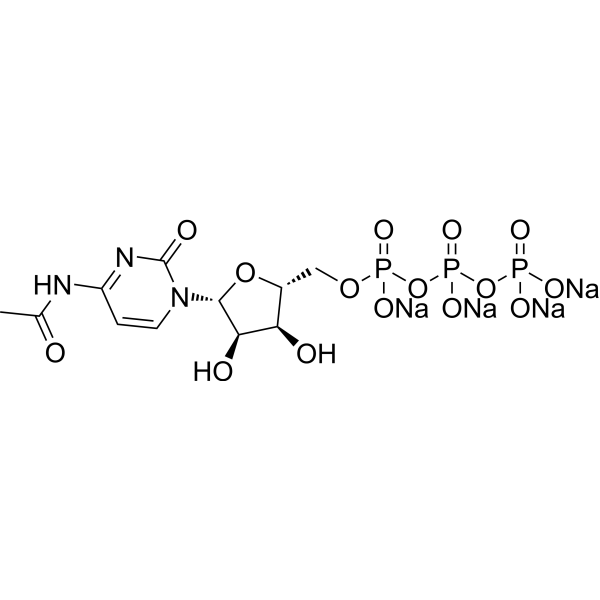
ac4CTP sodium
|
Endogenous Metabolite
|
Others
|
|
N4-Acetylcytidine triphosphate sodium is efficiently used as a substrate in T7 Polymerase-catalyzed in vitro
transcription and it can be incorporated into multiple templates .
|
-
-
- HY-109517
-
|
DNA from calf thymus, Thymonucleic acid
|
DNA/RNA Synthesis
|
Inflammation/Immunology
Cancer
|
|
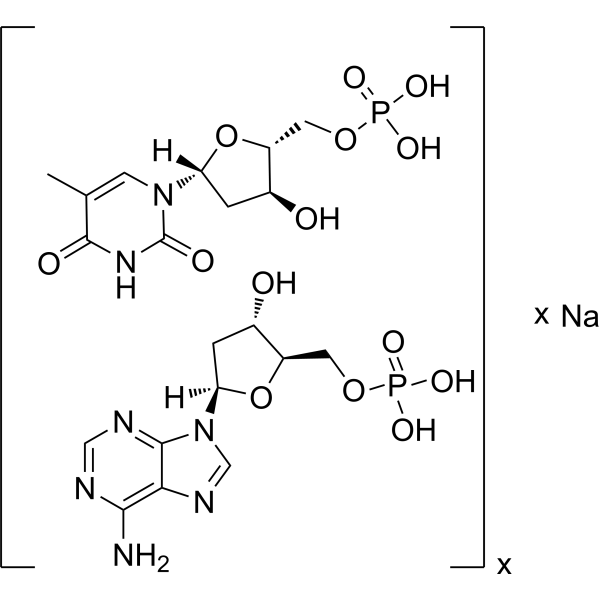
Calf thymus DNA (DNA from calf thymus) is high quality double-stranded template DNA isolated from the thymus of male and female calves. Calf thymus DNA can be used for the research of the interaction between DNA and agents .
|
-
-
- HY-158712
-
|
|
|
Others
|
|
3'-ONH2-dATP (sodium) solution (100 mM) is a 3'-O-blocked reversible terminator deoxynucleotide triphosphate.3'-ONH2-dATP (sodium) solution (100 mM) stops DNA polymerization after single-nucleotide addition to an initiator strand, and its 3'-ONH2 blocking group can be removed to restore a free 3'-OH for subsequent extension.3'-ONH2-dATP (sodium) solution (100 mM) incorporates into an oligonucleotide chain by engineered terminal deoxynucleotidyl transferase from Zonotrichia albicollis to enable template-free, stepwise de novo enzymatic DNA synthesis .
|
-
-
- HY-14776
-
Quarfloxin
Maximum Cited Publications
10 Publications Verification
CX-3543
|
DNA/RNA Synthesis
|
Cancer
|
|
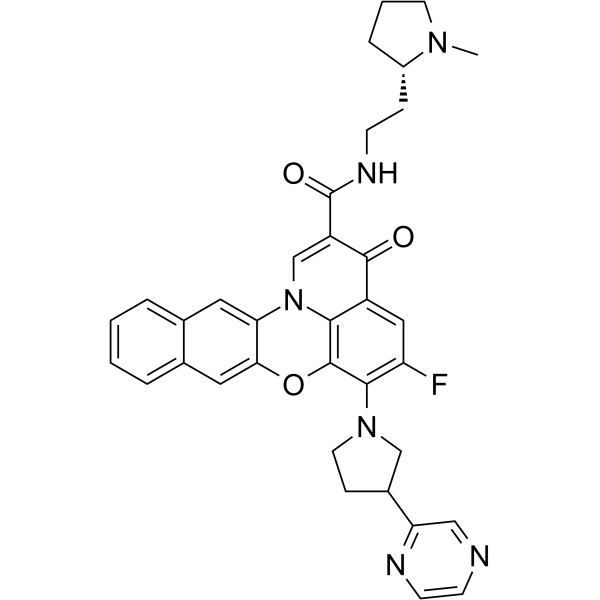
Quarfloxin (CX-3543), a fluoroquinolone derivative with antineoplastic activity, targets and inhibits RNA pol I activity, with IC50 values in the nanomolar range in neuroblastoma cells. Quarfloxin disrupts the interaction between the nucleolin protein and a G-quadruplex DNA structure in the ribosomal DNA (rDNA) template .
|
-
-
- HY-E70529
-
|
|
DNA/RNA Synthesis
Bacterial
|
Infection
|
|
Ribonucleoside vanadyl complexes are a class of potent RNase and Taq polymerase inhibitors. Ribonucleoside vanadyl complexes protect RNA during RNA isolation by inhibiting ribonucleases, and also reduce the viability of bacteria and eukaryotic cells by interfering with ribosomal subunit assembly. Ribonucleoside vanadyl complexes block PCR and reverse transcription reactions templated by viral nucleic acids and enhance the effects of antibiotics against Staphylococcus aureus, but do not directly inhibit protein synthesis. Ribonucleoside vanadyl complexes can be effectively removed by phenol-chloroform extraction, thus enabling subsequent PCR analysis. Ribonucleoside vanadyl complexes can be applied in research related to chronic hepatitis C (HCV) and Staphylococcus aureus infection .
|
-
-
- HY-E70094
-
|
|
DNA/RNA Synthesis
|
Others
|
|
T4 UvsX Recombinase helps initiate DNA replication on a double-stranded DNA template by catalyzing synapsis between the template and a homologous DNA single strand that serves as primer. T4 UvsX Recombinase greatly amplifies the snap-back (hairpin-primed) DNA synthesis that is catalyzed by the T4 DNA polymerase holoenzyme on linear, single-stranded DNA templates .
|
-
-
- HY-W011548
-
|
|
Nucleoside Antimetabolite/Analog
|
Others
|
|
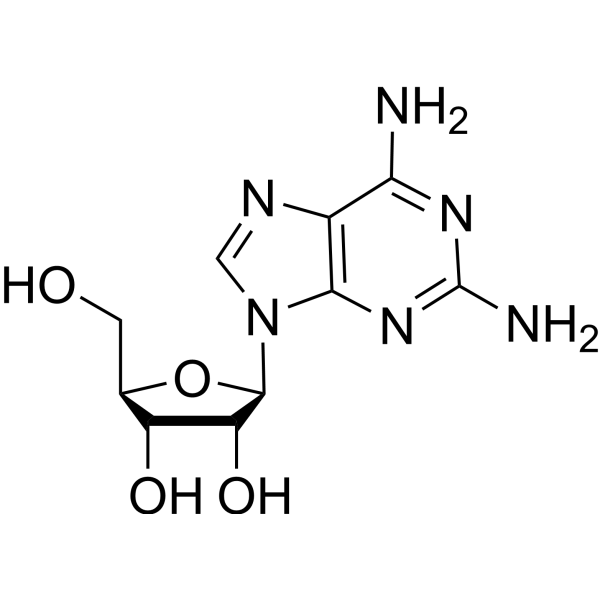
2-Aminoadenosine is a modified adenine base and adenosine analog that stabilizes RNA duplexes and enhances template-directed nucleotide condensation reactions. 2-Aminoadenosine forms three hydrogen bonds with uracil to increase the melting temperature of hybrid strands, thereby stabilizing uracil-containing RNA duplexes .
|
-
-
- HY-12854
-
|
GRN163L
|
Telomerase
Apoptosis
|
Cardiovascular Disease
Cancer
|
|
Imetelstat (GRN163L) is a 13-mer oligonucleotide and competitive Telomerase inhibitor. Imetelstat binds with high affinity to the template region of the RNA component of human telomerase. Imetelstat induces Apoptosis. Imetelstat is capable of selectively eliminating myelofibrosis hematopoietic stem cells. Imetelstat leads to the loss of a cancer cell's ability to maintain telomere length, resulting in the inhibition of cell proliferation .
|
-
-
- HY-178129
-
|
|
Syk
|
Inflammation/Immunology
|
|
MRL-SYKi is a chemical probe for gain-of-function variants of spleen tyrosine kinase (SYK). MRL-SYKi reduces the catalytic activity of SYK S550Y, SYK S550F and SYK P342T, and downregulates the phosphorylation level of SYK S550Y. MRL-SYKi serves as a template for developing NanoBRET tracers targeting SYK, enabling NanoBRET cellular target engagement assays for gain-of-function variants of SYK. MRL-SYKi is applicable to research related to inflammatory and immune diseases .
|
-
-
- HY-W012282
-
|
|
HCV
|
Infection
|
|
3′-Deoxyuridine is a 3'-deoxynucleoside analog and a 2',3'-dideoxynucleoside. 3′-Deoxyuridine does not inhibit the replication of HCV-like RNA templates or luciferase levels in human cells at the tested concentrations. 3′-Deoxyuridine serves as a substrate for microbial dideoxyribosylation reactions to generate various 2',3'-dideoxynucleosides, but cannot be converted into 2',3'-dideoxycytidine by resting E. coli AJ 2595 cells. 3′-Deoxyuridine can be formed by the deamination of 3'-deoxycytidine by E. coli BM-11 cytidine deaminase, and can also undergo phosphorolytic cleavage to produce uracil and the corresponding pentose phosphate. 3′-Deoxyuridine has been used in research related to HCV and other relevant fields .
|
-
-
- HY-P5255
-
|
|
Bacterial
|
Infection
Inflammation/Immunology
|
|
Oligopeptide-10 is a bioactive peptide with antimicrobial activity. Oligopeptide-10 exhibits broad-spectrum bactericidal effects against Gram-positive bacteria including Propionibacterium acnes and Staphylococcus aureus. Oligopeptide-10 targets lipoteichoic acid (LTA) on the surface of bacterial cell membranes, induces bacterial osmotic imbalance by disrupting the integrity of bacterial membranes, and reduces the release of pro-inflammatory cytokines induced by bacteria. Oligopeptide-10 possesses skin-protective activity. Oligopeptide-10 can be applied in research related to acne vulgaris, dandruff, seborrheic dermatitis, and tinea pedis .
|
-
-
- HY-131920A
-
|
|
DNA/RNA Synthesis
|
Others
|
|
Polyuridylic acid potassium is a polynucleotide. In protein synthesis systems based on active mammalian ribosomes, Polyuridylic acid potassium acts as a specific messenger to induce the biosynthesis of polyphenylalanine, with no effect on the incorporation of non-phenylalanine amino acids. Polyuridylic acid potassium serves as a template to promote the non-enzymatic synthesis of oligoadenylates .
|
-
-
- HY-W719041
-
|
|
HIV
Reverse Transcriptase
|
Infection
|
|
1,6-Di-O-galloyl-β-D-glucose is a compound found in the fruit of Phyllanthus emblica. 1,6-Di-O-galloyl-β-D-glucose has HIV-1 reverse transcriptase (RT) inhibitory activity with an IC50 value of 270 μM. The inhibitory mechanism of 1,6-Di-O-galloyl-β-D-glucose is competitive inhibition of the template primer and non-competitive inhibition of the substrate (dTTP). 1,6-Di-O-galloyl-β-D-glucose can be used in anti-HIV research .
|
-
-
- HY-153385
-
|
|
Molecular Glues
Epigenetic Reader Domain
|
Cancer
|
|
TMX1 is a covalent, selective BRD4 molecular glue degrader. TMX1 binds to the JQ1-binding site of BRD4BD2, forms covalent bonds with Cys58 of DCAF16 and Cys87 of GAK in a BRD4BD2-dependent template-assisted manner, stabilizes the BRD4-TMX1-DCAF16 ternary complex, and promotes the ubiquitination of BRD4 via the CRL4DCAF16 ubiquitin ligase complex. TMX1 induces selective degradation of BRD4, mild degradation of BRD2 and BRD3, as well as DCAF16-dependent cytotoxicity .
|
-
-
- HY-D1090
-
|
|
DNA Stain
Fluorescent Dye
|
Others
|
|
JOE is a xanthene fluorophore (i.e., 4′,5′-dichloro-2′,7′-dimethoxy-5 (6)-carboxyfluorescein; 2',7'-dimethoxy-4',5'-dichloro-6-carboxyfluorescein) with an absorption wavelength of approximately 525 nm and an emission wavelength of approximately 550 nm. The fluorescence quantum yield of JOE correlates with the rigidity of the linker arm and the distance to dG nucleoside. JOE is commonly used as a fluorescent label for oligonucleotides and molecular beacon probes, and also serves as the acceptor fluorophore in fluorescence energy transfer primers for DNA sequencing .
|
-
-
- HY-119309
-
|
|
Environmental Pollutants
Biochemical Assay Reagents
|
Others
|
|
Sucrose octaacetate is an acetylated derivative of sucrose with an intensely bitter tasting and can be used as bitter tasting surrogate. Sucrose octaacetate can be used as food additive and also used as an adhesive and plasticizer. Sucrose octaacetate also used in many pesticides, insecticides, and other toxic products as a deterrent to accidental poisoning. Sucrose octaacetate can also be used as an in situ seed and a soft template to synthesize polyaniline (PANI) nanofibers .
|
-
-
- HY-W014081
-
|
Ethyl 2-oxo-2H-chromene-3-carboxylate
|
Drug Derivative
|
Others
|
|
Ethyl 3-coumarincarboxylate is a coumarin derivative. Ethyl 3-coumarincarboxylate can be used as a pseudo-template to give a molecularly imprinted polymer (MIP) that has a fairly specific recognition capability for aflatoxins .
|
-
-
- HY-153118
-
|
ctDNA sodium, Type I, fibers; DNA sodium, from calf thymus, Type I, fibers; Thymonucleic acid sodium, Type I, fibers
|
Biochemical Assay Reagents
|
Others
Cancer
|
|
Deoxyribonucleic acid sodium, from calf thymus, Type I, fibers is the sodium salts form of Calf thymus DNA (HY-109517). Calf thymus DNA is a double-stranded template DNA isolated from calf thymus. It can be used to study the interaction between DNA and DNA binding agents, as well as the structure and function of DNA, for DNA quantification and used as a substrate for DNA polymerase analysis, etc .
|
-
-
- HY-E70090
-
|
|
DNA/RNA Synthesis
|
Infection
|
|
T7 RNA polymerase is a polymerase expressed by Escherichia coli from the RNA polymerase gene of T7 bacteriophage. T7 RNA polymerase is highly specific and involved in in vitro transcription (IVT) of mRNA. In the presence of Mg 2+, T7 RNA polymerase only uses the single-stranded or double-stranded DNA containing the T7 promoter sequence as a template, and uses NTP as a substrate to synthesize RNA complementary to the single-stranded DNA downstream of the promoter .
|
-
-
- HY-117813
-
|
|
Nucleoside Antimetabolite/Analog
DNA/RNA Synthesis
Dengue Virus
Flavivirus
CHIKV
SARS-CoV
|
Infection
|
|
2-Thiouridine is an orally active modified nucleobase. 2-Thiouridine stabilizes U:A base pairs and destabilizes U:G wobble base pairs. 2-Thiouridine significantly improves the efficiency and accuracy of nonenzymatic replication of mixed-sequence A/U-containing RNA templates. 2-Thiouridine exhibits antiviral activity against multiple positive-sense single-stranded RNA viruses (DENV2, ZIKV, YFV, JEV, WNV, CHIKV, human coronaviruses ( [HCoV]-229E, HCoV-OC43, SARS-CoV), and MERS-CoV) .
|
-
-
- HY-136648B
-
|
dATP trisodium,100 mM Solution,PCR Grade
|
Biochemical Assay Reagents
|
Others
|
2'-Deoxyadenosine-5'-triphosphate trisodium,100 mM Solution,PCR Grade (dATP trisodium,100 mM Solution,PCR Grade) is one of the raw materials used by DNA polymerase to synthesize long DNA strands during DNA replication. 2'-Deoxyadenosine-5'-triphosphate trisodium,100 mM Solution,PCR Grade is used in reverse transcription polymerase chain reaction (RT-PCR) for DNA amplification. This product is supplied in the form of an aqueous solution .
|
-
-
- HY-105846
-
|
|
DNA/RNA Synthesis
Bacterial
Antibiotic
|
Cancer
|
|
Nogalamycin is an anthracyclinone antibiotic. Nogalamycin is a potent antibiotic against Gram-positive bacteria, also has cytotoxicity against certain tumor cells. Nogalamycin is produced by Streptomyces nogalater var. Nogalater. Nogalamycin selectively inhibits RNA synthesis after binding to DNA template. Nogalamycin can be used for researching anticancer .
|
-
-
- HY-138646
-
|
Poly(dA:dT) sodium
|
Cyclic GMP-AMP Synthase
STING
|
Inflammation/Immunology
|
|
Poly(deoxyadenylic-thymidylic) acid (Poly(dA:dT)) sodium is a double-stranded DNA stimulant. Poly(deoxyadenylic-thymidylic) acid sodium is recognized by the intracellular DNA sensor DDX41 and activates the innate immune pathway via the adaptor protein STING, inducing the production of cytokines such as type I interferons. Poly(deoxyadenylic-thymidylic) acid sodium also serves as an in vitro transcription template for free RNA polymerase .
|
-
-
- HY-139098
-
|
m7Gp3G
|
DNA/RNA Synthesis
|
Others
|
|
7-Methyl-diguanosine triphosphate (m7Gp3G) is an mRNA cap structure analog that inhibits in vitro protein synthesis by binding to the translation initiation complex. 7-Methyl-diguanosine triphosphate binds to eIF4E, promotes cap-dependent translation initiation, stabilizes mRNA, and acts as a translation enhancer. 7-Methyl-diguanosine triphosphate can be used to prepare synthetic capped RNA transcripts for studies related to mRNA translation, splicing, turnover, and intracellular transport .
|
-
-
- HY-15349
-
|
LY300046
|
HIV
|
Infection
|
|
Trovirdine inhibits HIV-1 RT with an IC50 of 7 nM when employing heteropolymeric primer/template (oligo-DNA/ribosomal RNA)and dGTP as substrate.
|
-
-
- HY-P2612A
-
|
|
TNF Receptor
|
Others
Cancer
|
|
WP9QY, TNF-a Antagonist, TNF-a Antagonist is a biological active peptide. (This cyclic peptide is designed to mimic the most critical tumor necrosis factor (TNF) recognition loop on TNF receptor I. It prevents interactions of TNF with its receptor. This TNF antagonist is a useful template for the development of small molecular inhibitors to prevent both inflammatory bone destruction and systemic bone loss in rheumatoid arthritis.)
|
-
-
- HY-100513
-
|
|
DNA/RNA Synthesis
Apoptosis
Antibiotic
|
Cancer
|
|
(±)-Dehydroaltenusin, an antibiotic, is a selective eukaryotic DNA polymerase α (pol α) inhibitor with an IC50 of 0.68 μM. (±)-Dehydroaltenusin can be isolated from fungus Alternaria tenuis. (±)-Dehydroaltenusin competitively inhibits the DNA template primer (Ki: 0.23 μM) and non-competitively suppresses the 2'-deoxyribonucleoside 5'-triphosphate substrate (Ki: 0.18 μM). (±)-Dehydroaltenusin induces the cancer cell S-phase cycle arrest and apoptosis. (±)-Dehydroaltenusin can be used for cancers like human adenocarcinoma research .
|
-
-
- HY-P5640
-
|
|
Bacterial
Parasite
|
Infection
|
|
Tritrpticin is a porcine-derived antimicrobial peptide with properties such as membrane disruption and hemolysis. Tritrpticin disrupts the cell membranes of bacteria, fungi and Jurkat T cell leukemia cells and induces their death. Tritrpticin also enhances the efficacy of Metronidazole (HY-B0318) against *Trichomonas vaginalis*, reduces plasma endotoxin and inflammatory cytokine levels, restricts bacterial growth in blood and visceral tissues, decreases the mortality rate of septic shock in rats and enhances the therapeutic effect of ertapenem. Tritrpticin exhibits selective cytotoxicity against Jurkat T cell leukemia cells, while showing low toxicity to normal peripheral blood mononuclear cells and red blood cells, and can serve as a template for antimicrobial peptide design. Tritrpticin can be applied to research related to bacterial infections, fungal infections, trichomoniasis, septic shock and leukemia .
|
-
-
- HY-111815
-
|
ac4CTP
|
Endogenous Metabolite
|
Metabolic Disease
|
|
N4-Acetylcytidine triphosphate is efficiently used as a substrate in T7 Polymerase-catalyzed in vitro transcription and can be incorporated into multiple templates .
|
-
-
- HY-148781
-
|
|
HBV
|
Infection
|
|
HBV-IN-30 (ex44), a flavone derivative, is a potent covalently closed circular DNA (cccDNA) inhibitor. cccDNA serves as the template for viral RNA transcription and subsequent viral DNA generation. HBV-IN-30 has the potential for the research of HBV infection .
|
-
-
- HY-N15154
-
|
|
Cathepsin
HSP
|
Cancer
|
|
Tasiamide B is a Cathepsin D inhibitor, which is a linear peptide found in the marine cyanobacteria Symploca sp.. Tasiamide B is proved as a good template for the development of aspartic proteases inhibitors. Tasiamide B is effective against skin cancer by strongly interacting with the target protein HSP90 .
|
-
-
- HY-P11263
-
|
|
iGluR
|
Neurological Disease
|
|
AVLX-144 is a highly potent inhibitor of postsynaptic density protein 95 (PSD-95). AVLX-144 can be used as a template to develop imaging probes for postsynaptic density (PSD) molecules, and can be labeled with fluorine-18 (¹⁸F) or tritium (³H) to visualize PSD-95 in vivo. AVLX-144 can be utilized for the study of Parkinson's disease .
|
-
-
- HY-151792
-
|
|
E3 Ligase Ligand-Linker Conjugates
|
Metabolic Disease
Inflammation/Immunology
Cancer
|
|
Pomalidomid-C6-PEG3-butyl-N3 is a click chemistry reagent containing an azide group. Pomalidomid-C6-PEG3-butyl-N3 also is a crosslinker-E3 ligase ligand conjugate, which be used in click reactive protein degrader building block for PROTAC research.
Pomalidomid-C6-PEG3-butyl-N3 also can be used in the template for synthesis of targeted protein degrader . It contains an azide group and can undergo copper-catalyzed azide-alkyne cycloaddition (CuAAc) with molecules containing alkyne groups. It can also undergo ring strain-promoted alkyne-azide cycloaddition (SPAAC) with molecules containing DBCO or BCN groups.
|
-
-
- HY-W001974
-
|
|
DNA/RNA Synthesis
Bacterial
|
Others
|
|
7-Nitroindole is a cleavable base analog and Antibacterial agent. 7-Nitroindole inhibits the growth of Lactobacillus arabinosus. 7-Nitroindole is used in studies of light-controlled DNA cleavage and Lactobacillus arabinosus infection .
|
-
-
- HY-P2937
-
|
|
DNA/RNA Synthesis
|
Cancer
|
|
DNA polymerase is a polymerase agent targeting DNA templates. DNA polymerase catalyzes the polymerization of deoxyribonucleotides (dNTPs) to extend DNA strands with high fidelity and processivity. DNA polymerase is promising for research of cancers .
|
-
-
- HY-111815B
-
|
ac4CTP sodium (solution)
|
Endogenous Metabolite
|
Others
|
|
N4-Acetylcytidine triphosphate sodium (solution) is an efficient substrate for T7 RNA polymerase-catalyzed transcription in vitro and can be incorporated into multiple templates .
|
-
-
- HY-151686
-
|
|
Biochemical Assay Reagents
|
Others
|
|
Bz-(Me)Tz-NHS is a methyltetrazine carboxylic acid NHS ester that enables conjugation of the tetrazine moiety to the 5' end of oligonucleotides via amide coupling reaction, and it is used in oligonucleotide template-mediated fluorescent bioorthogonal cycloaddition reactions. Bz-(Me) Tz-NHS is applicable to click chemistry-related studies .
|
-
-
- HY-168864
-
|
|
Ligands for Target Protein for PROTAC
HDAC
|
Cancer
|
|
POI ligand 1 is a template for the non-selective HDAC inhibitor Vorinostat (HY-10221). POI ligand 1 can serve as a ligand for target protein (Ligands for Target Protein for PROTAC) for the development of PROTAC HDAC degraders with antitumor activity. POI ligand 1 can be used for the synthesis of FF2049 (HY-168863) .
|
-
-
- HY-P4886
-
|
|
Amyloid-β
|
Neurological Disease
|
|
Amyloid β-Protein (3-42) is the precursor of Pyr peptide. Pyroglutamate-modified Aβ (pEAβ) (3-42) is the core of the amyloid template block in Alzheimer's disease. pEAβ(3-42) accelerated the aggregation of Aβ(1-42), while Aβ(1-42) significantly slowed the primary and secondary nucleation of pEAβ(3-42) .
|
-
-
- HY-151791
-
|
|
ADC Linker
|
Others
|
|
(S,R,S)-AHPC-C6-PEG3-butyl-N3 is a click chemistry reagent containing an azide group. (S,R,S)-AHPC-C6-PEG3-butyl-N3 serves as crosslinker-E3 ligase ligand conjugate, Click reactive protein degrader building block for PROTAC research, Template for synthesis of targeted protein degrader, VH032 conjugate . (S,R,S)-AHPC-C6-PEG3-butyl-N3 is a click chemistry reagent, it contains an Azide group and can undergo copper-catalyzed azide-alkyne cycloaddition reaction (CuAAc) with molecules containing Alkyne groups. It can also undergo strain-promoted alkyne-azide cycloaddition (SPAAC) reactions with molecules containing DBCO or BCN groups.
|
-
-
- HY-106872
-
|
9-Cl-TIBO
|
Reverse Transcriptase
HIV
DNA/RNA Synthesis
|
Infection
|
|
R82913 (9-Cl-TIBO) is a potent and high selective inhibitor of HIV-1 reverse transcriptase with antiviral activity on both an RNA template (negative strand synthesis) and a DNA template (positive strand synthesis). R82913 inhibits the replication of different strains of HIV-I in CEM cells with a median IC50 value of of 0.15 μM .
|
-
-
- HY-119309R
-
|
|
Biochemical Assay Reagents
Reference Standards
|
Others
|
|
Sucrose octaacetate (Standard) is the analytical standard of Sucrose octaacetate. This product is intended for research and analytical applications. Sucrose octaacetate is an acetylated derivative of sucrose with an intensely bitter tasting and can be used as bitter tasting surrogate. Sucrose octaacetate can be used as food additive and also used as an adhesive and plasticizer. Sucrose octaacetate also used in many pesticides, insecticides, and other toxic products as a deterrent to accidental poisoning. Sucrose octaacetate can also be used as an in situ seed and a soft template to synthesize polyaniline (PANI) nanofibers .
|
-
-
- HY-W110138
-
|
|
DNA/RNA Synthesis
Cytochrome P450
ROCK
|
Cancer
|
|
Chloroxoquinoline is an anticancer agent. Chloroxoquinoline damages the DNA templates of cancer cells, inducing DNA breaks and cell death, and inhibits cell invasion via down-regulating Rho/Rho kinase signaling pathway. Chloroxoquinoline enhances the radiation sensitivity of Lewis lung cancer cells and xenograft tumors in tumor-bearing mouse models but decreases efficacy after long term exposure in rat models by auto-induction effects on CYP1A and CYP3A. Chloroxoquinoline has a broad-spectrum anticancer activity, such as non-small-cell lung carcinoma (NSCLC), breast cancer and gastric cancer .
|
-
-
- HY-E70382
-
|
|
Phosphatase
Biochemical Assay Reagents
|
Others
|
|
Shrimp Alkaline Phosphatase (SAP), a nucleotide phosphatase, can catalyze the removal of 5′ phosphates from nucleic acid templates. Shrimp Alkaline Phosphatase is readily inactivated in the absence of chelators and is widely used phosphatases in molecular cloning .
|
-
-
- HY-148780
-
|
|
HBV
|
Infection
|
|
HBV-IN-29 (ex8), a flavone derivative, is a potent covalently closed circular DNA (cccDNA) inhibitor. cccDNA serves as the template for viral RNA transcription and subsequent viral DNA generation. HBV-IN-29 has the potential for the research of HBV infection .
|
-
-
- HY-149337
-
|
|
Dopamine Receptor
|
Neurological Disease
|
|
D3R ligand 1 (compound 23b) is a potent and selective ligand of dopamine receptor D3R (Ki=66 nM), containing a THPB template. D3R ligand 1 is also an antagonist for both G-protein- and β-arrestin-based signaling .
|
-
-
- HY-19143
-
|
|
HIV
|
Infection
|
|
L-697639 is an inhibitor for HIV-1 reverse transcriptase (HIV-1 RT) with IC50 of 20-400 nM (in a template-primer-dependent manner). L-697639 exhibits antiviral activity, that inhibits 95% HIV-1 infection at concentrations of 12-200 nM in human T lymphocyte cultures .
|
-
-
- HY-N7232
-
|
|
Reverse Transcriptase
|
Infection
|
|
Limochromin is a pigment produced by Streptomyces limosus that strongly inhibits the reverse transcriptase of avian myeloid leukemia virus (AMV). The inhibitory activity of limochromin is not affected by changes in the concentration of template-primer, substrate or carrier protein, but its inhibitory effect is significantly reduced when the concentration of AMV reverse transcriptase increases. Limochromin can be used to develop antiviral treatments .
|
-
-
- HY-144047
-
|
|
HBV
DNA/RNA Synthesis
|
Infection
|
|
HBV-IN-16 is a potent inhibitor of covalently closed circular DNA (cccDNA). cccDNA serves as the template for viral RNA transcription and subsequent viral DNA generation. HBV-IN-16 is a quinoline derivative. HBV-IN-16 has the potential for the research of HBV infection (extracted from patent WO2019121357A1, compound 1) .
|
-
-
- HY-144046
-
|
|
HBV
DNA/RNA Synthesis
|
Infection
|
|
HBV-IN-15 is a potent inhibitor of covalently closed circular DNA (cccDNA). cccDNA serves as the template for viral RNA transcription and subsequent viral DNA generation. HBV-IN-15 is a flavone derivative. HBV-IN-16 has the potential for the research of HBV infection (extracted from patent WO2020052774A1, compound 2) .
|
-
- HY-122532
-
|
|
Histone Methyltransferase
|
Cancer
|
|
Fagaronine chloride is an alkaloid with inhibitory activity against reverse transcriptase and topoisomerase I. Fagaronine chloride can effectively inhibit the reverse transcriptase of RSii tumor virus at a concentration of 6-60 μg/mL. Fagaronine chloride rapidly blocks the synthesis of DNA polymerase by interacting with the template primer. Fagaronine chloride has shown anti-tumor potential, especially in the study of retroviral infection .
|
-
- HY-144045
-
|
|
HBV
DNA/RNA Synthesis
|
Infection
|
|
HBV-IN-14 is a potent inhibitor of covalently closed circular DNA (cccDNA). cccDNA serves as the template for viral RNA transcription and subsequent viral DNA generation. HBV-IN-14 is a pyridinopyrimidinones compound. HBV-IN-14 has the potential for the research of HBV infection (extracted from patent WO2021190502A1, compound 5) .
|
-
- HY-155368
-
|
|
Cholinesterase (ChE)
|
Neurological Disease
|
|
BChE-IN-20 (compound 7c) is a highly potent BChE-selective inhibitor and exhibits IC50s of 105 and 2.3 nM for eqBChE and hBChE, respectively. BChE-IN-20 inhibits P glycoprotein with IC50 of 0.27 μM. BChE-IN-20 is a promising template to improve design and development of BChE-selective ligands of pharmaceutical interest, including inhibitors and fluorogenic probes.
|
-
- HY-120750
-
|
|
Endogenous Metabolite
|
Cancer
|
|
A 62176 hydrochloride is a compound that targets DNA topoisomerase II and has the activity of inhibiting purine synthesis in cancer cells. A 62176 hydrochloride interferes with c-MYC mRNA expression by interacting with G-quadruplex. The main mechanism of action of A 62176 hydrochloride is by displacing nucleosomes from the quadruplex of non-template strand rDNA, resulting in rapid redistribution of nucleosomes. The application potential of A 62176 hydrochloride is that it causes DNA damage and relies on BRCA1/2-mediated homologous recombination and DNA-PK-mediated non-homologous end-joining pathways to repair the damage .
|
-
- HY-E70400
-
|
|
DNA/RNA Synthesis
|
Others
|
|
Thermostable T7 RNA Polymerase is a thermostable version of T7 RNA Polymerase (HY-E70090). Compared with T7 RNA Polymerase, it has high temperature resistance and stable activity. T7 RNA polymerase is a polymerase expressed by Escherichia coli from the RNA polymerase gene of T7 bacteriophage. T7 RNA polymerase is highly specific and involved in in vitro transcription (IVT) of mRNA. In the presence of Mg 2+, T7 RNA polymerase only uses the single-stranded or double-stranded DNA containing the T7 promoter sequence as a template, and uses NTP as a substrate to synthesize RNA complementary to the single-stranded DNA downstream of the promoter .
|
-
- HY-15334
-
|
|
VEGFR
|
Cancer
|
|
CEP-5214, derived from a new indenopyrrolocarbazole template, is a potent inhibitor of vascular endothelial growth factor R2 (VEGF-R2) tyrosine kinase. Structurally, it features optimal substitutions at positions 9 (ethoxymethyl) and 12 (hydroxypropyl) on the indeno[2,1-a]pyrrolo[3,4-c]carbazole-5-one scaffold, leading to high potency against VEGF-R2 (IC50 8 nM). Compound 21 (CEP-5214) exhibits low-nanomolar inhibition of human VEGF-R tyrosine kinases (IC50 4 nM for VEGF-R2/KDR), with good selectivity over other kinases. The compound demonstrated significant cellular and in vivo antitumor activity across various models and advanced into phase I clinical trials as a water-soluble prodrug (CEP-7055) to enhance oral bioavailability .
|
-
- HY-W583012
-
|
DWA-2114R
|
DNA/RNA Synthesis
|
Cancer
|
|
Miboplatin (DWA-2114R), a platinum compound, is a DNA synthesis inhibitor. Miboplatin reduces its template activity for prokaryotic and eukaryotic DNA polymerases .
|
-
- HY-185272
-
|
|
DNA/RNA Synthesis
|
Others
|
|
3'-O-(2-Nitrobenzyl)-dCTP is a reversible terminator. 3'-O-(2-Nitrobenzyl)-dCTP can be recognized and incorporated by polymerases, thereby temporarily terminating primer extension during DNA synthesis. After incorporation into the extending DNA strand, 3'-O-(2-Nitrobenzyl)-dCTP temporarily halts the DNA polymerase extension reaction, and its 3'-O-(2-nitrobenzyl) blocking group can be removed by laser irradiation to regenerate a free 3'-OH for subsequent primer extension cycles. 3'-O-(2-Nitrobenzyl)-dCTP is applicable for resolving homopolymeric regions in DNA templates .
|
-
- HY-D2951
-
|
|
Fluorescent Dye
|
Others
|
|
BG-Kaede chromophore (Compound 4c) is a SNAP-tag-specific fluorescent probe, which is designed and synthesized using the chromophore of the red fluorescent protein Kaede as a template. BG-Kaede chromophore can be used as a tool for visualizing proteins in living cells .
|
-
- HY-181811
-
|
|
Cholinesterase (ChE)
GSK-3
|
Neurological Disease
|
|
PJ17 is a potent dual-target inhibitor of AChE and GSK-3β, with IC50 values of 8.84 μM and 4.19 μM, respectively. PJ17 shows no significant neurotoxic effect in primary cerebellar granule neuron cultures. PJ17 serves as a template for the design of multitarget drugs. PJ17 can be used for the research of Alzheimer's disease .
|
-
- HY-E70904
-
|
|
Endogenous Metabolite
|
Metabolic Disease
|
|
Terminal Transferase, Calf (EC 2.7.7.31) is a template independent polymerase that catalyzes the addition of deoxynucleotides to the 3' hydroxyl terminus of DNA molecules. Protruding, recessed or blunt-ended double or single-stranded DNA molecules serve as a substrate for Terminal Transferase. Terminal Transferase does not have 5' or 3' exonuclease activity. The addition of Co 2+ in the reacton makes tailing more efficient.
|
-
- HY-185274
-
|
|
DNA/RNA Synthesis
|
Others
|
|
3'-O-(2-Nitrobenzyl)-dTTP acts as a reversible terminator for DNA chain elongation. 3'-O-(2-Nitrobenzyl)-dTTP interacts with 9°N polymerase (exo-) A485L/Y409V, gets recognized and incorporated into the elongating DNA chain, thereby temporarily terminating the polymerase reaction. 3'-O-(2-Nitrobenzyl)-dTTP carries a 3'-O-(2-nitrobenzyl) blocking group, which can be removed by laser irradiation to regenerate the free 3'-OH − group and restore polymerase activity. 3'-O-(2-Nitrobenzyl)-dTTP is applicable in DNA sequencing studies .
|
-
- HY-N13470
-
|
|
Drug Isomer
|
Inflammation/Immunology
|
|
meso-Astaxanthin is a natural stereoisomer of astaxanthin with antioxidant activity and is found in a variety of aquatic animals. meso-Astaxanthin binds to human serum albumin in a monomeric form at a stoichiometric ratio; at low ligand-to-protein ratios, human serum albumin acts as a chiral template for supramolecular assembly at higher ratios. meso-Astaxanthin directly scavenges superoxide anions. meso-Astaxanthin can be used in the research of myocardial ischemia-reperfusion injury .
|
-
- HY-167848
-
|
XL-118
|
Others
|
Cardiovascular Disease
|
|
DMP-728 free base (XL-118) is a highly potent and selective GPIIb/IIIa antagonist with antiplatelet and antithrombotic activities. DMP-728 free base can inhibit ADP-induced human platelet aggregation in vitro, with an IC50 of 46 nmol/L, and can significantly reduce the interaction between fibrinogen and human platelets or Binding of purified human GPIIb/IIIa receptors. DMP-728 free base exhibits dose-dependent antiplatelet effects in anesthetized mongrel dogs, effectively inhibiting ADP-induced platelet aggregation and prolonging template bleeding time .
|
-
- HY-185273
-
|
|
DNA/RNA Synthesis
|
Others
|
|
3'-O-(2-Nitrobenzyl)-dGTP is a reversible terminator. 3'-O-(2-Nitrobenzyl)-dGTP can be recognized and incorporated by DNA polymerases, thereby temporarily terminating DNA primer extension; after the 2-nitrobenzyl blocking group is removed via laser irradiation, a free 3'-OH can be regenerated to allow subsequent polymerase-mediated extension. 3'-O-(2-Nitrobenzyl)-dGTP can be used in DNA sequencing studies .
|
-
| Cat. No. |
Product Name |
Type |
-
- HY-D1090
-
|
|
Fluorescent Dye
|
|
JOE is a xanthene fluorophore (i.e., 4′,5′-dichloro-2′,7′-dimethoxy-5 (6)-carboxyfluorescein; 2',7'-dimethoxy-4',5'-dichloro-6-carboxyfluorescein) with an absorption wavelength of approximately 525 nm and an emission wavelength of approximately 550 nm. The fluorescence quantum yield of JOE correlates with the rigidity of the linker arm and the distance to dG nucleoside. JOE is commonly used as a fluorescent label for oligonucleotides and molecular beacon probes, and also serves as the acceptor fluorophore in fluorescence energy transfer primers for DNA sequencing .
|
-
- HY-D2951
-
|
|
Fluorescent Dye
|
|
BG-Kaede chromophore (Compound 4c) is a SNAP-tag-specific fluorescent probe, which is designed and synthesized using the chromophore of the red fluorescent protein Kaede as a template. BG-Kaede chromophore can be used as a tool for visualizing proteins in living cells .
|
| Cat. No. |
Product Name |
Type |
-
- HY-158712
-
|
|
Biochemical Assay Reagents
|
|
3'-ONH2-dATP (sodium) solution (100 mM) is a 3'-O-blocked reversible terminator deoxynucleotide triphosphate.3'-ONH2-dATP (sodium) solution (100 mM) stops DNA polymerization after single-nucleotide addition to an initiator strand, and its 3'-ONH2 blocking group can be removed to restore a free 3'-OH for subsequent extension.3'-ONH2-dATP (sodium) solution (100 mM) incorporates into an oligonucleotide chain by engineered terminal deoxynucleotidyl transferase from Zonotrichia albicollis to enable template-free, stepwise de novo enzymatic DNA synthesis .
|
-
- HY-131920A
-
|
|
Biochemical Assay Reagents
|
|
Polyuridylic acid potassium is a polynucleotide. In protein synthesis systems based on active mammalian ribosomes, Polyuridylic acid potassium acts as a specific messenger to induce the biosynthesis of polyphenylalanine, with no effect on the incorporation of non-phenylalanine amino acids. Polyuridylic acid potassium serves as a template to promote the non-enzymatic synthesis of oligoadenylates .
|
-
- HY-117813
-
|
|
Biochemical Assay Reagents
|
|
2-Thiouridine is an orally active modified nucleobase. 2-Thiouridine stabilizes U:A base pairs and destabilizes U:G wobble base pairs. 2-Thiouridine significantly improves the efficiency and accuracy of nonenzymatic replication of mixed-sequence A/U-containing RNA templates. 2-Thiouridine exhibits antiviral activity against multiple positive-sense single-stranded RNA viruses (DENV2, ZIKV, YFV, JEV, WNV, CHIKV, human coronaviruses ( [HCoV]-229E, HCoV-OC43, SARS-CoV), and MERS-CoV) .
|
-
- HY-136648B
-
|
dATP trisodium,100 mM Solution,PCR Grade
|
Biochemical Assay Reagents
|
2'-Deoxyadenosine-5'-triphosphate trisodium,100 mM Solution,PCR Grade (dATP trisodium,100 mM Solution,PCR Grade) is one of the raw materials used by DNA polymerase to synthesize long DNA strands during DNA replication. 2'-Deoxyadenosine-5'-triphosphate trisodium,100 mM Solution,PCR Grade is used in reverse transcription polymerase chain reaction (RT-PCR) for DNA amplification. This product is supplied in the form of an aqueous solution .
|
-
- HY-139098
-
|
m7Gp3G
|
Biochemical Assay Reagents
|
|
7-Methyl-diguanosine triphosphate (m7Gp3G) is an mRNA cap structure analog that inhibits in vitro protein synthesis by binding to the translation initiation complex. 7-Methyl-diguanosine triphosphate binds to eIF4E, promotes cap-dependent translation initiation, stabilizes mRNA, and acts as a translation enhancer. 7-Methyl-diguanosine triphosphate can be used to prepare synthetic capped RNA transcripts for studies related to mRNA translation, splicing, turnover, and intracellular transport .
|
-
- HY-W001974
-
|
|
Biochemical Assay Reagents
|
|
7-Nitroindole is a cleavable base analog and Antibacterial agent. 7-Nitroindole inhibits the growth of Lactobacillus arabinosus. 7-Nitroindole is used in studies of light-controlled DNA cleavage and Lactobacillus arabinosus infection .
|
| Cat. No. |
Product Name |
Target |
Research Area |
-
- HY-P5255
-
|
|
Bacterial
|
Infection
Inflammation/Immunology
|
|
Oligopeptide-10 is a bioactive peptide with antimicrobial activity. Oligopeptide-10 exhibits broad-spectrum bactericidal effects against Gram-positive bacteria including Propionibacterium acnes and Staphylococcus aureus. Oligopeptide-10 targets lipoteichoic acid (LTA) on the surface of bacterial cell membranes, induces bacterial osmotic imbalance by disrupting the integrity of bacterial membranes, and reduces the release of pro-inflammatory cytokines induced by bacteria. Oligopeptide-10 possesses skin-protective activity. Oligopeptide-10 can be applied in research related to acne vulgaris, dandruff, seborrheic dermatitis, and tinea pedis .
|
-
- HY-P2612A
-
|
|
TNF Receptor
|
Others
Cancer
|
|
WP9QY, TNF-a Antagonist, TNF-a Antagonist is a biological active peptide. (This cyclic peptide is designed to mimic the most critical tumor necrosis factor (TNF) recognition loop on TNF receptor I. It prevents interactions of TNF with its receptor. This TNF antagonist is a useful template for the development of small molecular inhibitors to prevent both inflammatory bone destruction and systemic bone loss in rheumatoid arthritis.)
|
-
- HY-P5640
-
|
|
Bacterial
Parasite
|
Infection
|
|
Tritrpticin is a porcine-derived antimicrobial peptide with properties such as membrane disruption and hemolysis. Tritrpticin disrupts the cell membranes of bacteria, fungi and Jurkat T cell leukemia cells and induces their death. Tritrpticin also enhances the efficacy of Metronidazole (HY-B0318) against *Trichomonas vaginalis*, reduces plasma endotoxin and inflammatory cytokine levels, restricts bacterial growth in blood and visceral tissues, decreases the mortality rate of septic shock in rats and enhances the therapeutic effect of ertapenem. Tritrpticin exhibits selective cytotoxicity against Jurkat T cell leukemia cells, while showing low toxicity to normal peripheral blood mononuclear cells and red blood cells, and can serve as a template for antimicrobial peptide design. Tritrpticin can be applied to research related to bacterial infections, fungal infections, trichomoniasis, septic shock and leukemia .
|
-
- HY-P11263
-
|
|
iGluR
|
Neurological Disease
|
|
AVLX-144 is a highly potent inhibitor of postsynaptic density protein 95 (PSD-95). AVLX-144 can be used as a template to develop imaging probes for postsynaptic density (PSD) molecules, and can be labeled with fluorine-18 (¹⁸F) or tritium (³H) to visualize PSD-95 in vivo. AVLX-144 can be utilized for the study of Parkinson's disease .
|
-
- HY-P4886
-
|
|
Amyloid-β
|
Neurological Disease
|
|
Amyloid β-Protein (3-42) is the precursor of Pyr peptide. Pyroglutamate-modified Aβ (pEAβ) (3-42) is the core of the amyloid template block in Alzheimer's disease. pEAβ(3-42) accelerated the aggregation of Aβ(1-42), while Aβ(1-42) significantly slowed the primary and secondary nucleation of pEAβ(3-42) .
|
-
- HY-KE8006
-
|
|
|
Terminal Deoxynucleotidyl Transferase (TdT) is a template-independent DNA polymerase that catalyzes the binding of deoxynucleotides to the 3'
hydroxyl end of oligonucleotides, single-stranded DNA, or double-stranded DNA.
|
-
- HY-KE8008
-
|
|
|
T4 DNA polymerase has 5′→3′ DNA polymerase activity and can catalyze the synthesis of DNA along the 5′→3′ direction with the presence of
templates and primers.
|
-
- HY-KE7054
-
|
|
|
Xba I, ADCF is animal derived component free, and has good redundancy of enzyme activity, which can easily cope with excessive substrate or difficult template enzyme cutting.
|
-
- HY-KE7053
-
|
|
|
EcoR I, ADCF is animal derived component free, and has good redundancy of enzyme activity, which can easily cope with excessive substrate or difficult template enzyme cutting. Isoschizomers: Fun II.
|
-
- HY-KE7052
-
|
|
|
BsmB I, ADCF is animal derived component free, and has good redundancy of enzyme activity, which can easily cope with excessive substrate or difficult template enzyme cutting. Isoschizomers: Esp3 I, BstGZ53 I, Esp16 I, Esp23 I.
|
-
- HY-K0005
-
|
|
|
MCE Mouse Tissue Lysis Buffer formulated with a highly efficient lysis buffer system, enabling rapid disruption of various mouse tissue samples (e.g., tail, ear, toe, muscle) and efficient release of genomic DNA. The lysate can be directly used as a template in PCR reactions without the need for additional extraction or purification steps, ensuring a simple and streamlined workflow.
|
-
- HY-K0533A
-
1 Publications Verification
|
|
MCE 2× High-Fidelity PCR Master Mix (with Dye) is a new type of ready-to-use high-fidelity PCR amplification master mix.During the reaction, only template and primers need to be added to quickly and efficiently complete the PCR process, reducing the risk of contamination during operation. The 1 mL is defined as the base specification. All larger sizes correspond to incremental volumes of this base.
|
-
- HY-K0511
-
|
|
|
MCE RT Master Mix for qPCR (gDNA digester plus) is a convenient, ready-to-use formulation for reverse transcription and can eliminate genomic DNA (gDNA) contaminations in RNA samples. The cDNA product can be directly applied as a template in a standard PCR and real time quantitative PCR (qPCR). The 100 rxns is defined as the base specification. All larger sizes correspond to incremental volumes of this base.
|
-
- HY-K0552A
-
|
|
|
MCE Mycoplasma Detection Plus Kit (PCR) employs polymerase chain reaction (PCR) technology for rapid and sensitive detection of mycoplasma contamination in cultured cells and related biological samples. The kit contains a PCR premix and mycoplasma-specific primers designed against conserved regions of the 16S rRNA gene. Cell culture supernatant or cell lysates can be used directly as templates for specific amplification of mycoplasma DNA, enabling rapid identification of mycoplasma contamination.
|
| Cat. No. |
Product Name |
Category |
Target |
Chemical Structure |
-
- HY-109517
-
-
-
- HY-W719041
-
-
-
- HY-117813
-
|
|
Source Classification
|
Nucleoside Antimetabolite/Analog
DNA/RNA Synthesis
Dengue Virus
Flavivirus
CHIKV
SARS-CoV
|
|
2-Thiouridine is an orally active modified nucleobase. 2-Thiouridine stabilizes U:A base pairs and destabilizes U:G wobble base pairs. 2-Thiouridine significantly improves the efficiency and accuracy of nonenzymatic replication of mixed-sequence A/U-containing RNA templates. 2-Thiouridine exhibits antiviral activity against multiple positive-sense single-stranded RNA viruses (DENV2, ZIKV, YFV, JEV, WNV, CHIKV, human coronaviruses ( [HCoV]-229E, HCoV-OC43, SARS-CoV), and MERS-CoV) .
|
-
-
- HY-100513
-
|
|
Structural Classification
Microorganisms
Antibiotics
Source Classification
|
DNA/RNA Synthesis
Apoptosis
Antibiotic
|
|
(±)-Dehydroaltenusin, an antibiotic, is a selective eukaryotic DNA polymerase α (pol α) inhibitor with an IC50 of 0.68 μM. (±)-Dehydroaltenusin can be isolated from fungus Alternaria tenuis. (±)-Dehydroaltenusin competitively inhibits the DNA template primer (Ki: 0.23 μM) and non-competitively suppresses the 2'-deoxyribonucleoside 5'-triphosphate substrate (Ki: 0.18 μM). (±)-Dehydroaltenusin induces the cancer cell S-phase cycle arrest and apoptosis. (±)-Dehydroaltenusin can be used for cancers like human adenocarcinoma research .
|
-
-
- HY-N15154
-
-
-
- HY-N7232
-
|
|
Structural Classification
Natural Products
Microorganisms
Source Classification
|
Reverse Transcriptase
|
|
Limochromin is a pigment produced by Streptomyces limosus that strongly inhibits the reverse transcriptase of avian myeloid leukemia virus (AMV). The inhibitory activity of limochromin is not affected by changes in the concentration of template-primer, substrate or carrier protein, but its inhibitory effect is significantly reduced when the concentration of AMV reverse transcriptase increases. Limochromin can be used to develop antiviral treatments .
|
-
-
- HY-N13470
-
|
|
Other Terpenoids
Structural Classification
Natural Products
Animals
Terpenoids
Source Classification
|
Drug Isomer
|
|
meso-Astaxanthin is a natural stereoisomer of astaxanthin with antioxidant activity and is found in a variety of aquatic animals. meso-Astaxanthin binds to human serum albumin in a monomeric form at a stoichiometric ratio; at low ligand-to-protein ratios, human serum albumin acts as a chiral template for supramolecular assembly at higher ratios. meso-Astaxanthin directly scavenges superoxide anions. meso-Astaxanthin can be used in the research of myocardial ischemia-reperfusion injury .
|
-
| Cat. No. |
Product Name |
|
Classification |
-
- HY-151792
-
|
|
|
PROTAC Synthesis
Azide
|
|
Pomalidomid-C6-PEG3-butyl-N3 is a click chemistry reagent containing an azide group. Pomalidomid-C6-PEG3-butyl-N3 also is a crosslinker-E3 ligase ligand conjugate, which be used in click reactive protein degrader building block for PROTAC research.
Pomalidomid-C6-PEG3-butyl-N3 also can be used in the template for synthesis of targeted protein degrader . It contains an azide group and can undergo copper-catalyzed azide-alkyne cycloaddition (CuAAc) with molecules containing alkyne groups. It can also undergo ring strain-promoted alkyne-azide cycloaddition (SPAAC) with molecules containing DBCO or BCN groups.
|
-
- HY-151686
-
|
|
|
Tetrazine
|
|
Bz-(Me)Tz-NHS is a methyltetrazine carboxylic acid NHS ester that enables conjugation of the tetrazine moiety to the 5' end of oligonucleotides via amide coupling reaction, and it is used in oligonucleotide template-mediated fluorescent bioorthogonal cycloaddition reactions. Bz-(Me) Tz-NHS is applicable to click chemistry-related studies .
|
-
- HY-151791
-
|
|
|
Azide
|
|
(S,R,S)-AHPC-C6-PEG3-butyl-N3 is a click chemistry reagent containing an azide group. (S,R,S)-AHPC-C6-PEG3-butyl-N3 serves as crosslinker-E3 ligase ligand conjugate, Click reactive protein degrader building block for PROTAC research, Template for synthesis of targeted protein degrader, VH032 conjugate . (S,R,S)-AHPC-C6-PEG3-butyl-N3 is a click chemistry reagent, it contains an Azide group and can undergo copper-catalyzed azide-alkyne cycloaddition reaction (CuAAc) with molecules containing Alkyne groups. It can also undergo strain-promoted alkyne-azide cycloaddition (SPAAC) reactions with molecules containing DBCO or BCN groups.
|
| Cat. No. |
Product Name |
|
Classification |
-
- HY-111815A
-
|
ac4CTP sodium
|
|
Nucleotide Analogs
Cytidine Nucleotide
|
|
N4-Acetylcytidine triphosphate sodium is efficiently used as a substrate in T7 Polymerase-catalyzed in vitro
transcription and it can be incorporated into multiple templates .
|
-
- HY-W011548
-
|
|
|
Nucleoside Analogs
Adenosine
|
|
2-Aminoadenosine is a modified adenine base and adenosine analog that stabilizes RNA duplexes and enhances template-directed nucleotide condensation reactions. 2-Aminoadenosine forms three hydrogen bonds with uracil to increase the melting temperature of hybrid strands, thereby stabilizing uracil-containing RNA duplexes .
|
-
- HY-12854
-
|
GRN163L
|
|
Antisense Oligonucleotides
|
|
Imetelstat (GRN163L) is a 13-mer oligonucleotide and competitive Telomerase inhibitor. Imetelstat binds with high affinity to the template region of the RNA component of human telomerase. Imetelstat induces Apoptosis. Imetelstat is capable of selectively eliminating myelofibrosis hematopoietic stem cells. Imetelstat leads to the loss of a cancer cell's ability to maintain telomere length, resulting in the inhibition of cell proliferation .
|
-
- HY-139098
-
|
m7Gp3G
|
|
Cap Analogs
|
|
7-Methyl-diguanosine triphosphate (m7Gp3G) is an mRNA cap structure analog that inhibits in vitro protein synthesis by binding to the translation initiation complex. 7-Methyl-diguanosine triphosphate binds to eIF4E, promotes cap-dependent translation initiation, stabilizes mRNA, and acts as a translation enhancer. 7-Methyl-diguanosine triphosphate can be used to prepare synthetic capped RNA transcripts for studies related to mRNA translation, splicing, turnover, and intracellular transport .
|
-
- HY-111815
-
|
ac4CTP
|
|
Nucleotide Analogs
Cytidine Nucleotide
|
|
N4-Acetylcytidine triphosphate is efficiently used as a substrate in T7 Polymerase-catalyzed in vitro transcription and can be incorporated into multiple templates .
|
-
- HY-111815B
-
|
ac4CTP sodium (solution)
|
|
Nucleotide Analogs
Cytidine Nucleotide
|
|
N4-Acetylcytidine triphosphate sodium (solution) is an efficient substrate for T7 RNA polymerase-catalyzed transcription in vitro and can be incorporated into multiple templates .
|
-
- HY-185272
-
|
|
|
Nucleotide Analogs
Cytidine Nucleotide
|
|
3'-O-(2-Nitrobenzyl)-dCTP is a reversible terminator. 3'-O-(2-Nitrobenzyl)-dCTP can be recognized and incorporated by polymerases, thereby temporarily terminating primer extension during DNA synthesis. After incorporation into the extending DNA strand, 3'-O-(2-Nitrobenzyl)-dCTP temporarily halts the DNA polymerase extension reaction, and its 3'-O-(2-nitrobenzyl) blocking group can be removed by laser irradiation to regenerate a free 3'-OH for subsequent primer extension cycles. 3'-O-(2-Nitrobenzyl)-dCTP is applicable for resolving homopolymeric regions in DNA templates .
|
-
- HY-185274
-
|
|
|
Nucleotide Analogs
Thymine Nucleotide
|
|
3'-O-(2-Nitrobenzyl)-dTTP acts as a reversible terminator for DNA chain elongation. 3'-O-(2-Nitrobenzyl)-dTTP interacts with 9°N polymerase (exo-) A485L/Y409V, gets recognized and incorporated into the elongating DNA chain, thereby temporarily terminating the polymerase reaction. 3'-O-(2-Nitrobenzyl)-dTTP carries a 3'-O-(2-nitrobenzyl) blocking group, which can be removed by laser irradiation to regenerate the free 3'-OH − group and restore polymerase activity. 3'-O-(2-Nitrobenzyl)-dTTP is applicable in DNA sequencing studies .
|
-
- HY-185273
-
|
|
|
Nucleotide Analogs
Guanine Nucleotide
|
|
3'-O-(2-Nitrobenzyl)-dGTP is a reversible terminator. 3'-O-(2-Nitrobenzyl)-dGTP can be recognized and incorporated by DNA polymerases, thereby temporarily terminating DNA primer extension; after the 2-nitrobenzyl blocking group is removed via laser irradiation, a free 3'-OH can be regenerated to allow subsequent polymerase-mediated extension. 3'-O-(2-Nitrobenzyl)-dGTP can be used in DNA sequencing studies .
|
Your information is safe with us. * Required Fields.
Inquiry Information
- Product Name:
- Cat. No.:
- Quantity:
- MCE Japan Authorized Agent:

