Search Result
Results for "
tri-peptide
" in MedChemExpress (MCE) Product Catalog:
3
Biochemical Assay Reagents
1
Isotope-Labeled Compounds
| Cat. No. |
Product Name |
Target |
Research Areas |
Chemical Structure |
-
- HY-P0063
-
|
GHK-Cu
|
Biochemical Assay Reagents
|
Inflammation/Immunology
|
|
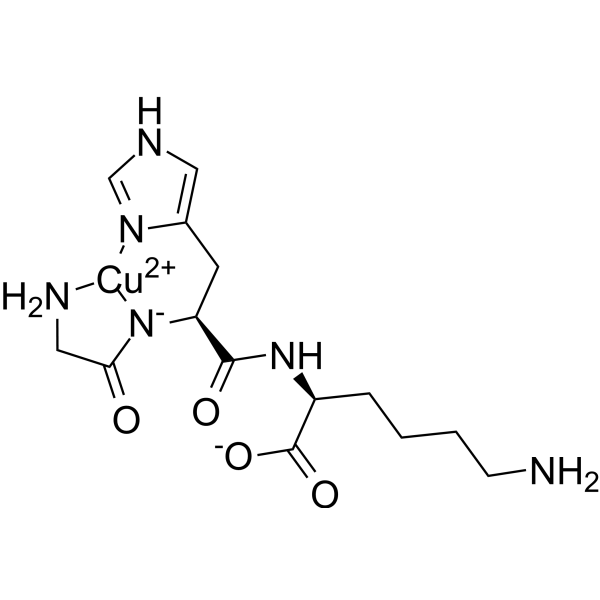
Copper tripeptide (GHK-Cu) is a tripeptide. During wound healing, Copper tripeptide may be freed from existing extracellular proteins via proteolysis and serves as a chemoattractant for inflammatory and endothelial cells. Copper tripeptide has been shown to increase messenger RNA production for collagen, elastin, proteoglycans, and glycosaminoglycans in fibroblasts. Copper tripeptide is a natural modulator of multiple cllular pathways in skin regeneration .
|
-
-
- HY-P0278
-
RGD
Maximum Cited Publications
8 Publications Verification
|
Integrin
|
Cancer
|
|
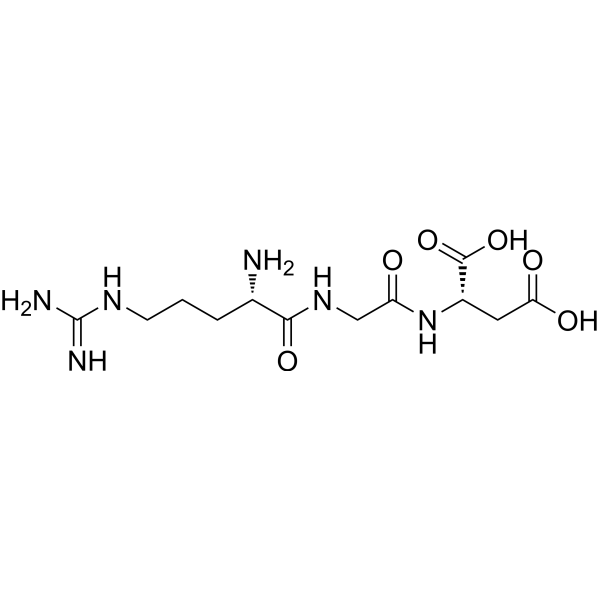
RGD is a tripeptide that effectively triggers cell adhesion, addresses certain cell lines and elicits specific cell responses; binds to integrins.
|
-
-
- HY-16757
-
|
NNZ-2566
|
iGluR
|
Neurological Disease
|
|
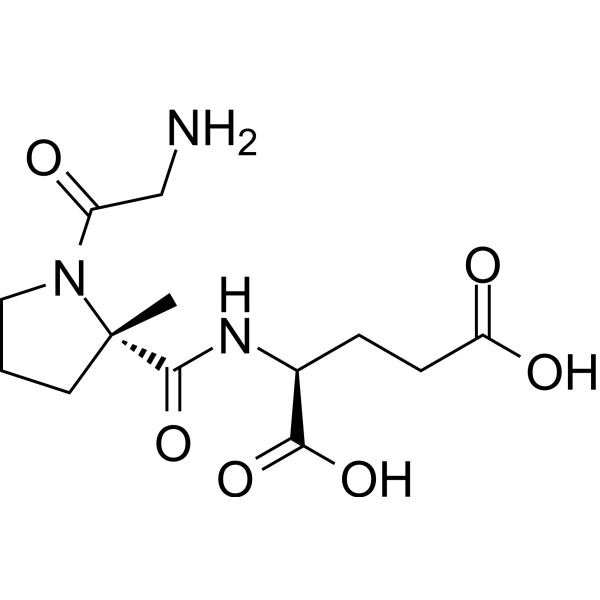
Trofinetide (NNZ-2566), a synthetic analogue of the endogenous N-terminus tripeptide, Glycine-Proline-Glutamate (GPE), has been shown to be neuroprotective in animal models of brain injury.
|
-
-
- HY-13634A
-
Ezatiostat
Maximum Cited Publications
8 Publications Verification
TER199free base; TLK199
|
Glutathione S-transferase
Apoptosis
|
Cancer
|
|
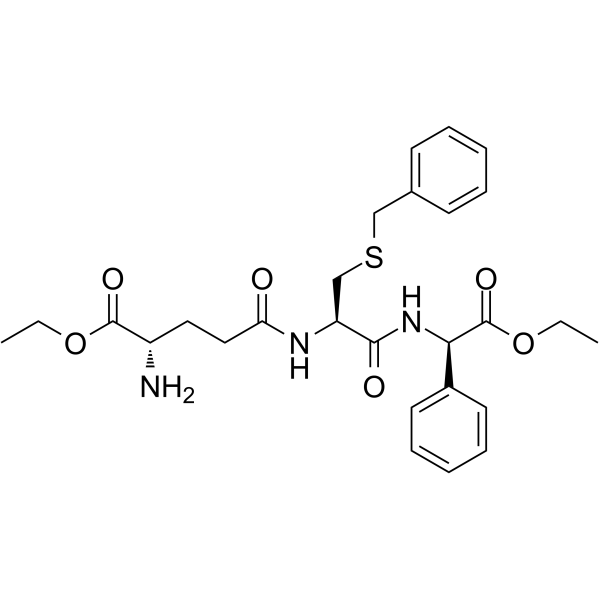
Ezatiostat (TER199 free base; TLK199) is a tripeptide analog of glutathione and is a selective and orally active glutathione S-transferase P1-1 (GSTP1) inhibitor. Ezatiostat leads to JNK activation by inhibiting GSTP1. Ezatiostat stimulates both lymphocyte production and bone marrow progenitor proliferation. Ezatiostat has the potential for myelodysplastic syndrome (MDS) treatment .
|
-
-
- HY-15584
-
|
HTI-286; SPA-110
|
Microtubule/Tubulin
ADC Payload
Apoptosis
|
Cancer
|
|
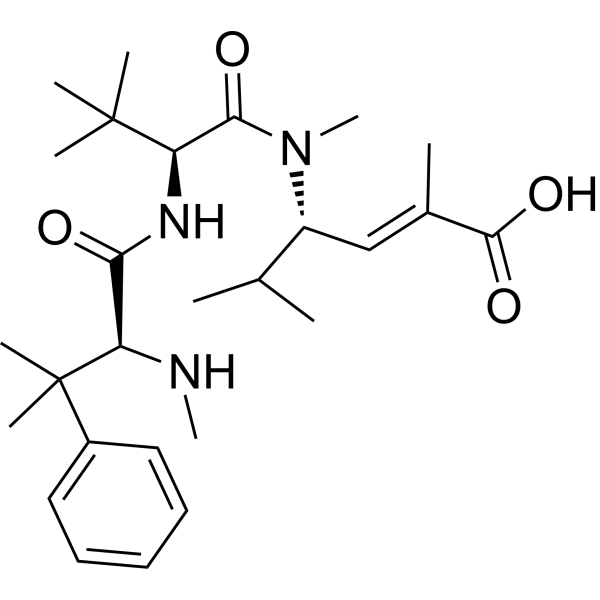
Taltobulin (HTI-286), a synthetic analogue of the tripeptide hemiasterlin, is a potent antimicrotubule agent that circumvents P-glycoprotein-mediated resistance in vitro and in vivo. Taltobulin inhibits the polymerization of purified tubulin, disrupts microtubule organization in cells, and induces mitotic arrest, as well as apoptosis .
|
-
-
- HY-108137
-
|
|
Cathepsin
HSV
SARS-CoV
|
Infection
Inflammation/Immunology
|
|
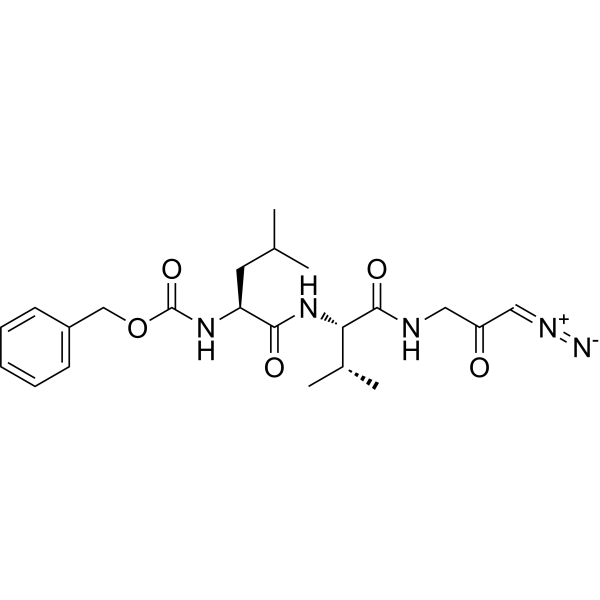
Z-LVG-CHN2 is a cell-permeable and irreversible inhibitor of cysteine proteinase. Z-LVG-CHN2 is a tripeptide derivative and mimics part of the human cysteine proteinase-binding center. Z-LVG-CHN2 displays an inhibition on HSV whereas no significant effect on poliovirus replication. Z-LVG-CHN2 effectively blocks SARS-COV-2 replication (EC50=190 nM) via inhibition of SARS-COV-2 3CL pro protease .
|
-
-
- HY-125616
-
|
Biotinyl-GHK; Bio-GHK
|
Amyloid-β
Reactive Oxygen Species (ROS)
|
Neurological Disease
|
|
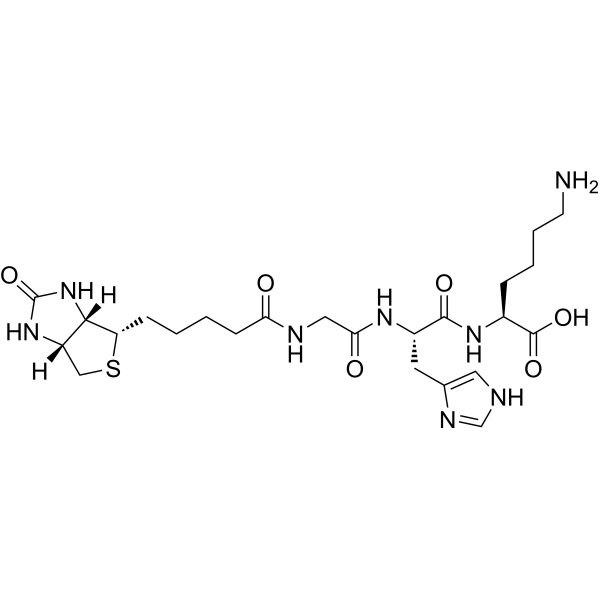
Biotinoyl tripeptide-1 (Biotinyl-GHK) is a biotinylating reagent linked to a GHK (glycyl-L-histidyl-L-lysine) tripeptide. Biotin tripeptide-1 is a bioactive peptide with hair care (improves the appearance and feel of hair) and hair growth effects. Biotinoyl tripeptide-1 has a certain affinity for streptavidin. Biotinoyl tripeptide-1 inhibits the production of ROS and has antioxidant effects. Biotinoyl tripeptide-1 reduces the production of carbonylated amyloid-β (Aβ) and inhibits Aβ aggregation. Biotinoyl tripeptide-1 can be used in the study of neurodegenerative diseases .
|
-
-
- HY-W009004
-
|
Lys-Lys-Lys; H-Lys-Lys-Lys-OH
|
Biochemical Assay Reagents
|
Others
|
|
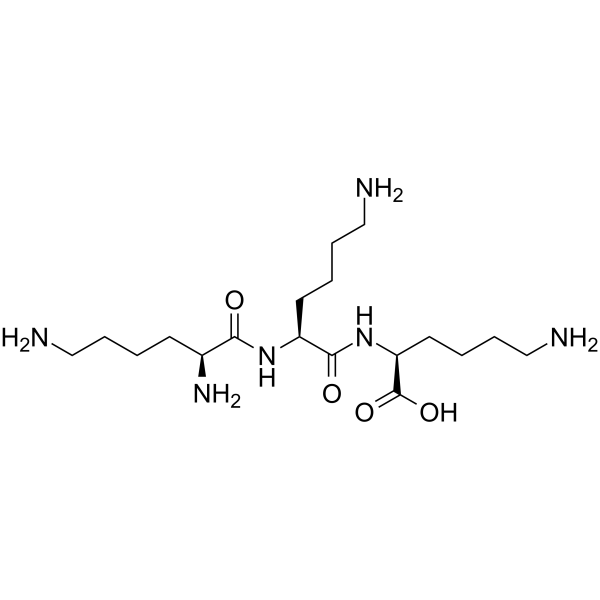
Trilysine is a tripeptide and also a substrate for specific peptidases. Trilysine serves as a hydrolytic substrate for the tripeptide-specific aminopeptidase TP and the oligopeptidase OP .
|
-
-
- HY-W090940
-
|
|
ADC Linker
|
Cancer
|
|
H-Gly-Gly-Phe-OH is a tripeptide linker that may be used in the creation of antibody drug conjugates (ADCs). The N-terminal of the glycine tripeptide is free to perform a variety of reactions such as couplings with carboxylic acids or NHS esters.
|
-
-
- HY-W015236
-
|
triglycine
|
Biochemical Assay Reagents
|
Others
|
|
H-Gly-Gly-Gly-OH, also known as Triglycine, is a tripeptide composed of glycine, glycine and glycine, which are linked by peptide bonds. Often used as a model compound in the study of protein structure and function. Glycylglycylglycine also acts as a neurotransmitter in the central nervous system and has been shown to have antioxidant properties. Furthermore, it may have potential research roles in various diseases such as cancer, diabetes and neurodegenerative diseases.
|
-
-
- HY-139441
-
-
-
- HY-P4648
-
|
Trp-Trp-Trp
|
Bacterial
|
Infection
|
|
H-Trp-Trp-Trp-OH (Trp-Trp-Trp) is a tripeptide consisting of tryptophan. H-Trp-Trp-Trp-OH has antibacterial activity. H-Trp-Trp-Trp-OH is a human bitter taste receptor hTAS2R14 agonist .
|
-
-
- HY-P3752
-
|
H-Gly-Ala-Tyr-OH
|
Biochemical Assay Reagents
Bacterial
|
Others
|
|
Gly-Ala-Tyr (H-Gly-Ala-Tyr-OH) is a tripeptide substrate composed of L-glycine, alanine, and L-tyrosine joined in sequence by peptide linkages. Gly-Ala-Tyr can be hydrolyzed at both extracellular and intracellular levels by Streptococcus thermophilus, Lactobacillus delbrueckii ssp. bulgaricus, Lactobacillus acidophilus, and Bifidobacterium spp. Ala-Gly-Tyr is functionally related to L-alanine, glycine and L-tyrosine. .
|
-
-
- HY-P2543
-
|
|
Neuropeptide Y Receptor
|
Cardiovascular Disease
Neurological Disease
|
|
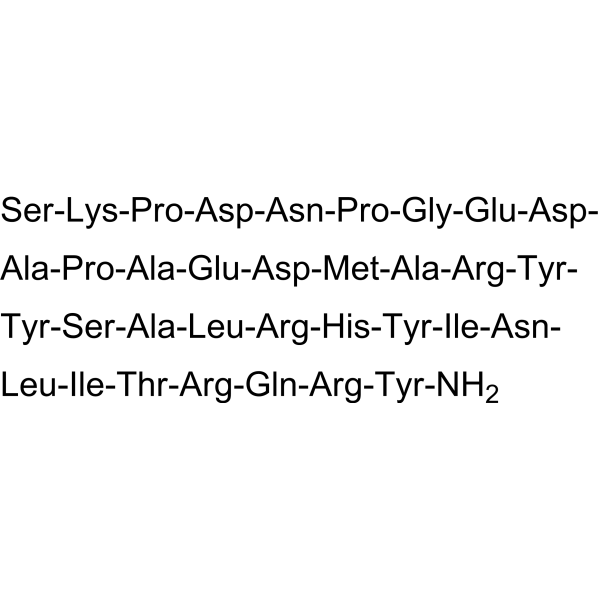
Neuropeptide Y (3-36) (human, rat) is a neuropeptide Y fragment derived from humans or rats. Neuropeptide Y is an extremely abundant neurotransmitter in central and peripheral neurons, and it participates in the regulation of psychomotor activity, circadian rhythm, feeding behavior and cardiovascular function. Neuropeptide Y (3-36) (human, rat) can serve as a substrate to be sequentially degraded from its N-terminus by AfuS28, and it requires binding to AfuS28 and SedB to be decomposed into amino acids, dipeptides and tripeptides [1] [2].
|
-
-
- HY-132828
-
|
LT3001; DHDMIQK(KAP)
|
P-selectin
|
Cardiovascular Disease
Metabolic Disease
Inflammation/Immunology
|
|
Odatroltide (LT3001; DHDMIQK(KAP)) is a P-selectin inhibitor. Odatroltide is a peptide molecule comprising a tripeptide Pro-Ala-Lys (PAK) and an (S)-6,7-dihydroxy-1,1-dimethyl-1,2,3,4-tetrahydro-isoquinoline-3-carboxylic acid domain. Odatroltide can restore cerebral blood flow, scavenge free radicals, and inhibit leukocyte migration. Odatroltide possesses thrombolytic and anti-thrombotic activities .
|
-
-
- HY-129724A
-
|
ACTH-(11-13) acetate; Lys-Pro-Val acetate; H-Lys-Pro-Val-OH acetate
|
Melanocortin Receptor
NF-κB
Bacterial
Interleukin Related
Apoptosis
|
Infection
Neurological Disease
Metabolic Disease
Inflammation/Immunology
|
|
α-MSH (11-13) (ACTH-(11-13)) acetate is a C-terminal tripeptide of α-MSH that can cross the blood-brain barrier. α-MSH (11-13) acetate exhibits antipyretic, anti-inflammatory, and antibacterial activities. α-MSH (11-13) acetate also exerts neuroprotective effects after traumatic brain injury by inhibiting excessive activation of microglia and reducing neuronal apoptosis. α-MSH (11-13) acetate can be used in research related to traumatic brain injury, fever, and bacterial infections .
|
-
-
- HY-P5275
-
|
CG-Lipoxyn
|
NF-κB
Histone Demethylase
|
Metabolic Disease
|
|
Tripeptide-41 (CG-Lipoxyn) is a signal peptide. Tripeptide-41 activates the NF-kB signaling pathway, inhibits the expression of C/EBP and increases cAMP. Tripeptide-41 is an important intracellular signaling factor that causes lipolysis by promoting the hydrolysis of lipids into triglycerides. Tripeptide-41 can be used in cosmetics that targets fat accumulation .
|
-
-
- HY-P0104
-
|
|
Collagen
|
Metabolic Disease
|
|
Palmitoyl tripeptide-38 is a lipopeptide that increases the production of dermal and epidermal collagen, fibronectin, and hyaluronic acid. Palmitoyl tripeptide-38 is used in research related to skin aging (fine lines, wrinkles, reduced skin elasticity, decreased skin water content, uneven skin tone) .
|
-
-
- HY-P5243
-
|
AHK-Cu
|
Others
Bcl-2 Family
|
Others
|
|
Copper tripeptide-3 (AHK-Cu) is a bioactive peptide with promotion of hair growth effect. Copper tripeptide-3 increases dermal cell proliferation and viability while increasing the deposition of collagen to renew the extracellular matrix. Copper tripeptide-3 stimulates the elongation of human hair follicles and proliferation of dermal papilla cells .
|
-
-
- HY-P5250
-
|
|
MMP
|
Others
|
|
Palmitoyl tripeptide-5 is a bioactive peptide with anti-aging effect and has been reported used as a cosmetic ingredient .
|
-
-
- HY-P0278A
-
|
|
Integrin
|
Cancer
|
|
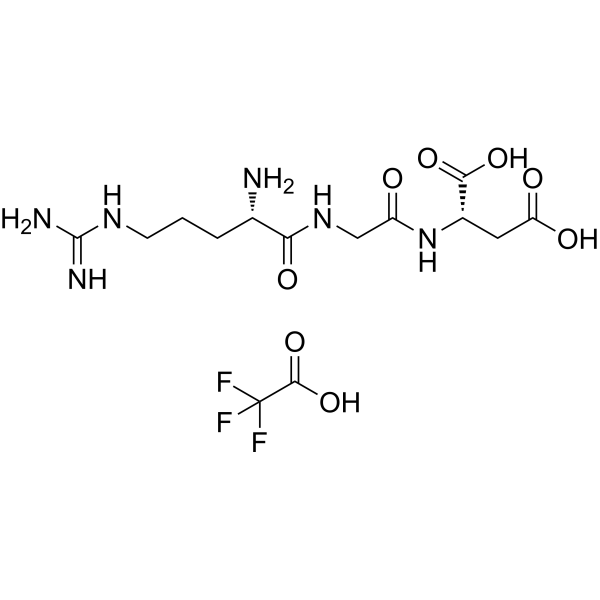
RGD Trifluoroacetate is a tripeptide that effectively triggers cell adhesion, addresses certain cell lines and elicits specific cell responses; RGD Trifluoroacetate binds to integrins.
|
-
-
- HY-W016012
-
|
H-Glu-Glu-OH; Glutamyl-glutamic acid
|
Amino Acid Derivatives
|
Others
|
|
Glu-Glu is a glutamic acid derivative containing amino and carboxyl groups. Glu-Glu is an analogs of acidic tripeptide and can contribute to calcium absorption .
|
-
-
- HY-122487
-
|
BHV-4157
|
mGluR
|
Neurological Disease
Cancer
|
|
Troriluzole, a third-generation, tripeptide proagent of Riluzole (HY-B0211), is an orally active glutamate modulator. Troriluzole reduces synaptic glutamate level and increases the synaptic glutamate absorption. Troriluzole has the potential for Alzheimer disease and generalized anxiety disorder (GAD) .
|
-
-
- HY-123587
-
|
|
Proteasome
Apoptosis
|
Cancer
|
|
PR-924 is a selective tripeptide epoxyketone immunoproteasome subunit LMP-7 inhibitor with an IC50 of 22 nM. PR-924 covalently modifies proteasomal N-terminal threonine active sites. PR-924 inhibits growth and triggers apoptosis in multiple myeloma (MM) cells. PR-924 has antitumor activities .
|
-
-
- HY-117483
-
|
|
iGluR
|
Neurological Disease
|
|
Gly-Pro-Glu is a neuroactive peptide with a potent action on acetylcholine release. Gly-Pro-Glu is the N-terminal tripeptide of insulin-like growth factor-I. Gly-Pro-Glu inhibits glutamate binds to N-methyl-D-aspartate (NMDA) receptor with an IC50 value of 14.7 μM. Gly-Pro-Glu can be used for the research of neuroprotection .
|
-
-
- HY-W111226
-
|
|
Amyloid-β
Amino Acid Derivatives
|
Cardiovascular Disease
Neurological Disease
|
|
Fmoc-His (3-Me)-OH is a histidine derivative with a methylated imidazole group. Fmoc-His (3-Me)-OH can be used for the synthesis of the chemically modified tripeptide His (3-methyl)-Arg-Trp (H (3-Me)-RW). Fmoc-His (3-Me)-OH serves as a resin in Fmoc solid-phase synthesis for the generation of the His-(3-Me)-Gly-Lys peptide. Fmoc-His (3-Me)-OH is a building block for the synthesis of NAHIS02-(p-Met). Fmoc-His (3-Me)-OH can be applied in research related to Alzheimer's disease .
|
-
-
- HY-P3519
-
|
|
Drug Intermediate
|
Infection
|
|
ACV Tripeptide, a tripeptide, is the first dedicated intermediate in the biosynthetic pathway leading to the penicillin and cephalosporin classes of β-lactam natural products in bacteria and fungi. ACV Tripeptide is is synthesized nonribosomally by the ACV synthetase (ACVS) enzyme, which is encoded by the 11 kb The pchAB gene encodes this enzyme. ACV Tripeptide can be used for the biosynthesis of β-lactam antibiotics .
|
-
-
- HY-125039
-
|
|
Glutathione Peroxidase
|
Cardiovascular Disease
Neurological Disease
|
|
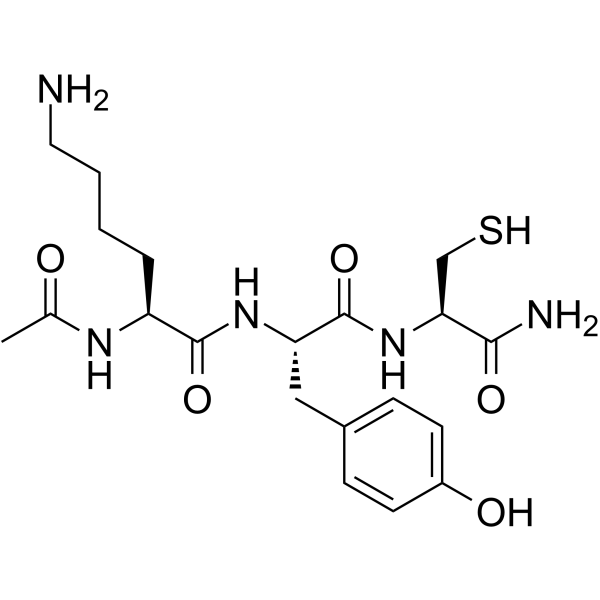
N-Acetyl lysyltyrosylcysteine amide is a potent, reversible, specific, and non-toxic tripeptide inhibitor of myeloperoxidase (MPO). N-Acetyl lysyltyrosylcysteine amide effectively inhibits MPO generation of toxic oxidants in vivo. N-Acetyl lysyltyrosylcysteine amide reduces neuronal damage and preserves brain tissue and neurological function in the stroked brain. N-Acetyl lysyltyrosylcysteine amide inhibits MPO-dependent hypochlorous acid (HOCl) generation, protein nitration, and LDL oxidation .
|
-
-
- HY-148666
-
|
|
Biochemical Assay Reagents
|
Others
|
|
H-Gly-Oet can be coupled with Z-Pro-Leu-OEt for the synthesis of tripeptide Z-Pro-Leu-Gly-OEt by thermolysin and α-chymotrypsin catalysis .
|
-
-
- HY-P4294
-
|
Gly-Pro-Gly
|
Amino Acid Derivatives
|
Others
|
|
H-Gly-Pro-Gly-OH is a tripeptide containing glycine and proline. H-Gly-Pro-Gly-OH can be used for the synthesis of other polypeptides, such as (Pro Gly Gly)n .
|
-
-
- HY-111173
-
|
|
Dipeptidyl Peptidase
|
Others
|
|
Diprotin B is a dipeptidyl aminopeptidase IV (DPP IV) inhibitor. The apparent competitive inhibition of DPP-IV by the diprotins is a kinetic artifact, derived from the substrate-like nature of tripeptides containing a penultimate proline residue .
|
-
-
- HY-139907B
-
|
|
Aminopeptidase
|
Inflammation/Immunology
Cancer
|
|
DG013A (formate) is a phosphinic acid tripeptide mimetic inhibitor. DG013A (formate) displays significantly weak affinity for both ERAP1 (IC50=33 nM) and ERAP2 (IC50=11 nM). DG013A (formate) can be used for the research of autoimmune disease and cancer .
|
-
-
- HY-106263B
-
|
|
PTEN
PDK-1
MDM-2/p53
Apoptosis
Akt
|
Cancer
|
|
Tyroserleutide hydrochloride is a tripeptide isolated from the degradation products of porcine spleen with antitumor activity. Tyroserleutide hydrochloride can upregulate the expression of the tumor suppressor gene PTEN and inhibit the activity of AKT and PDK1. Tyroserleutide hydrochloride inhibits tumor cell proliferation and MDM2 phosphorylation by inhibiting the PI3K/AKT pathway, and also upregulates P21, P27, P53, and induces mitochondrial damage and cell apoptosis .
|
-
-
- HY-129724
-
-
-
- HY-W010989
-
|
|
Biochemical Assay Reagents
Bacterial
|
Infection
Neurological Disease
Inflammation/Immunology
Cancer
|
|
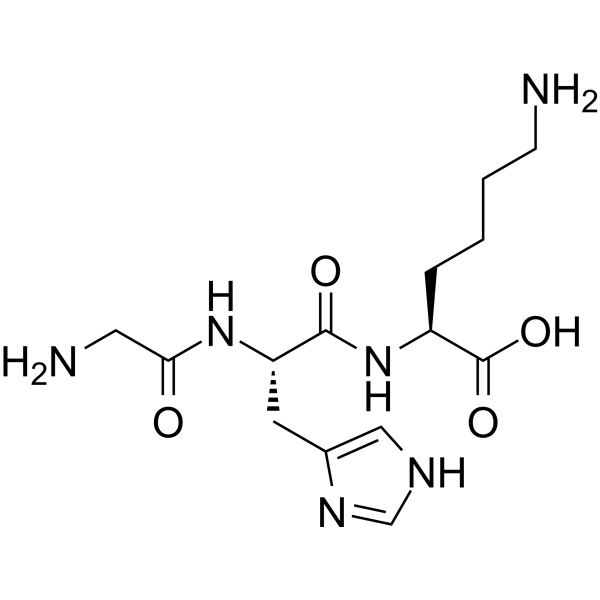
Gly-His-Lys acetate is a natural, circulating regulatory and antimicrobial tripeptide derived from extracellular matrix proteins. Gly-His-Lys acetate binds Cu 2+ to support copper enzyme activation, antioxidant processes, cellular bioenergetics, and the synthesis of elastin, collagen and catecholamines. Gly-His-Lys acetate regulates cell growth, differentiation and tissue repair, and exerts regenerative, anxiolytic, anti-inflammatory, analgesic and immunosuppressive activities. Gly-His-Lys acetate induces liver degenerative changes. Gly-His-Lys acetate can be used for the research of infections, anxiety, pain-related behaviors and immune-associated liver diseases .
|
-
-
- HY-W097122
-
-
-
- HY-114424A
-
-
-
- HY-136479
-
|
|
Sirtuin
|
Cancer
|
|
F0911-7667 is a SIRT1 activator that induces autophagic cell death in U87MG and T98G cells by activating the AMPK-mTOR-ULK complex. CWR tripeptide was also identified as a SIRT1 activator that reduced p53 acetylation in IMR32 neuroblastoma cells and protected cells from cell death induced by Aβ fragments .
|
-
-
- HY-P11358
-
|
|
Angiotensin-converting Enzyme (ACE)
Acetyl-CoA Carboxylase
Mitochondrial Metabolism
|
Inflammation/Immunology
|
|
IRW is an orally active tripeptide produced from egg white with angiotensin converting enzyme (ACE) inhibitory properties. IRW can prevent high-fat diet (HFD)-induced Non-alcoholic fatty liver disease (NAFLD) by modulating hepatic lipid metabolism and increasing mitochondrial content. IRW decreases hepatic triglyceride content and lipid droplet size. IRW increases the hepatic mitochondrial complexes and citrate synthase activity, phosphorylation of 5’-AMP-activated protein kinase and microsomal triglyceride transfer protein abundance. IRW increases phosphorylated acetyl CoA carboxylase and mitochondrial complexes, IRW can be used for the research of inflammation .
|
-
-
- HY-P5252
-
|
|
Tyrosinase
|
Metabolic Disease
|
|
Diaminopropionoyl tripeptide-33isa bioactive peptide with protects skin cells from UVA-induced DNA damages and has been reported used as a cosmetic ingredient .
|
-
-
- HY-W010777
-
|
|
Amino Acid Derivatives
|
Others
|
|
(S)-2-((S)-2-((S)-2-Amino-3-(4-hydroxyphenyl)propanamido)-3-(4-hydroxyphenyl)propanamido)-3-(4-hydroxyphenyl)propanoic acid is a tyrosine derivative .
|
-
-
- HY-P3888
-
-
-
- HY-W480799
-
|
Gly-Gly-Tyr
|
Biochemical Assay Reagents
|
Others
|
|
H-Gly-Gly-Tyr-OH is a tripeptide that plays an important role in various biochemical applications. H-Gly-Gly-Tyr-OH can be used in the fields of pharmaceuticals and biochemistry .
|
-
-
- HY-114707
-
|
|
GnRH Receptor
|
Endocrinology
|
|
Threonyl-seryl-lysine, a bovine pineal antireproductive tripeptide, has antigonadotropic activity. Threonyl-seryl-lysine binds to luteinizing hormone-releasing hormone (LHRH) at a site comprised of LHRH 2-5 .
|
-
-
- HY-15584A
-
|
HTI-286 trifluoroacetate; SPA-110 trifluoroacetate
|
Microtubule/Tubulin
ADC Payload
Apoptosis
|
Cancer
|
|
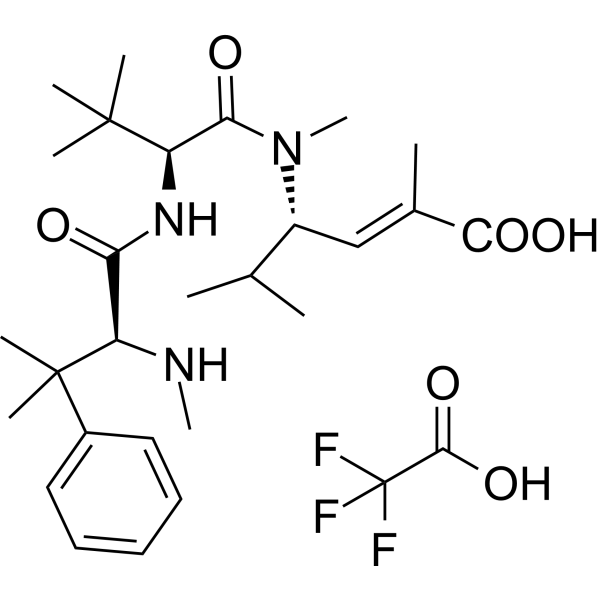
Taltobulin trifluoroacetate (HTI-286 trifluoroacetate), a synthetic analogue of the tripeptide hemiasterlin, is a potent antimicrotubule agent that circumvents P-glycoprotein-mediated resistance in vitro and in vivo. Taltobulin trifluoroacetate inhibits the polymerization of purified tubulin, disrupts microtubule organization in cells, and induces mitotic arrest, as well as apoptosis .
|
-
-
- HY-139907
-
|
|
Aminopeptidase
|
Inflammation/Immunology
Cancer
|
|
DG013A is a phosphinic acid tripeptide mimetic inhibitor. DG013A displays significantly weak affinity for both ERAP1 (IC50=33 nM) and ERAP2 (IC50=11 nM). DG013A can be used for the research of autoimmune disease and cancer .
|
-
-
- HY-P0063A
-
|
GHK-Cu acetate
|
Biochemical Assay Reagents
|
Inflammation/Immunology
|
|
Copper tripeptide (GHK-Cu) acetate is a tripeptide. During wound healing, Copper tripeptide acetate may be freed from existing extracellular proteins via proteolysis and serves as a chemoattractant for inflammatory and endothelial cells. Copper tripeptide acetate has been shown to increase messenger RNA production for collagen, elastin, proteoglycans, and glycosaminoglycans in fibroblasts. Copper tripeptide acetate is a natural modulator of multiple cllular pathways in skin regeneration .
|
-
-
- HY-P4287
-
|
|
Amino Acid Derivatives
|
Others
|
|
H-Gly-Lys-Gly-OH is a tripeptide containing glycine and lysine. H-Gly-Lys-Gly-OH can be used for the synthesis of casein and soybean protein .
|
-
-
- HY-114424
-
-
-
- HY-W794670
-
|
|
Aminopeptidase
|
Others
|
|
H-Ala-Pro-Ala-OH, tripeptide, is a substrate for Escherichia coli PepP (Xaa-Pro aminopeptidase). H-Ala-Pro-Ala-OH acts as a nitrogen source for wild-type Escherichia coli .
|
-
- HY-122494
-
|
SF-1293
|
Bacterial
|
Infection
|
|
Bilanafos is a natural organic phosphine tripeptide antibiotic metabolized by Streptomyces hydroscopius or Streptomyces viridochromeogenes. Bialaphos has antimicrobial activity aganist Gram-negative and positive bacteria as well as some fungal plant diseases .
|
-
- HY-W089233
-
|
N-Boc-D-glutaMic acid 1-tert-butyl ester
|
Amino Acid Derivatives
|
Others
|
|
Boc-D-Glu-OtBu (N-Boc-D-glutaMic acid 1-tert-butyl ester) is an amino acid derivative with a Boc protecting group, which can be used to synthesize Adamant-1-yl tripeptide with immunostimulatory activity .
|
-
- HY-13634
-
|
TER199; TLK199 hydrochloride
|
Glutathione S-transferase
Apoptosis
|
Cancer
|
|
Ezatiostat hydrochloride (TER199; TLK199 hydrochloride) is a tripeptide analog of glutathione and is a selective and orally active glutathione S-transferase P1-1 (GSTP1) inhibitor. Ezatiostat hydrochloride leads to JNK activation by inhibiting GSTP1. Ezatiostat hydrochloride stimulates both lymphocyte production and bone marrow progenitor proliferation. Ezatiostat hydrochloride has the potential for myelodysplastic syndrome (MDS) treatment .
|
-
- HY-108137A
-
|
|
Cathepsin
HSV
SARS-CoV
|
Infection
|
|
Z-L(D-Val)G-CHN2 is the isoform of Z-LVG-CHN2 (HY-108137). Z-LVG-CHN2 is a cell-permeable and irreversible inhibitor of cysteine proteinase. Z-LVG-CHN2 is a tripeptide derivative and mimics part of the human cysteine proteinase-binding center. Z-LVG-CHN2 displays an inhibition on HSV whereas no significant effect on poliovirus replication. Z-LVG-CHN2 effectively blocks SARS-COV-2 replication (EC50=190 nM) via inhibition of SARS-COV-2 3CL pro protease .
|
-
- HY-P4209A
-
|
|
Virus Protease
|
Others
|
|
Boc-GRR-AMC (TFA) is a tri-peptide Substrate. Boc-GRR-AMC can be used for a fluorogenic West Nile virus (WNV) substrate, profiling the substrate specificity for the NS2B-NS3 proteases or determining the pH optimum of LdMC activity .
|
-
- HY-103323
-
|
|
FAP
|
Others
|
|
Fas C-Terminal Tripeptide is a C-terminal tripeptide of Fas. Fas C-Terminal Tripeptide shows the inhibitory effect on Fas/FAP-1 binding .
|
-
- HY-P3519A
-
|
|
Drug Intermediate
|
Infection
|
|
ACV Tripeptide TFA, a tripeptide, is the first dedicated intermediate in the biosynthetic pathway leading to the penicillin and cephalosporin classes of β-lactam natural products in bacteria and fungi. ACV Tripeptide TFA is is synthesized nonribosomally by the ACV synthetase (ACVS) enzyme, which is encoded by the 11 kb The pchAB gene encodes this enzyme. ACV Tripeptide TFA can be used for the biosynthesis of β-lactam antibiotics .
|
-
- HY-W009004B
-
|
Lys-Lys-Lys TFA; H-Lys-Lys-Lys-OH TFA
|
Biochemical Assay Reagents
|
Others
|
|
Trilysine TFA is a tripeptide and also a substrate for specific peptidases. Trilysine TFA serves as a hydrolytic substrate for the tripeptide-specific aminopeptidase TP and the oligopeptidase OP .
|
-
- HY-W010873
-
-
- HY-P4362
-
|
|
Elastase
|
Others
|
|
Suc-Ala-Pro-Ala-AMC is a tripeptide substrate of elastase .
|
-
- HY-P4671
-
|
|
Drug Derivative
|
Others
|
|
Nle-Arg-Phe-NH2 (acetate) is a tripeptide compound, usually in the form of acetate .
|
-
- HY-105436
-
-
- HY-P2676
-
|
Tyr-Gly-Gly
|
Amino Acid Derivatives
|
Others
|
|
Enkephalin(1-3) (Tyr-Gly-Gly) is a tripeptide containing one L-tyrosine and two glycine residues .
|
-
- HY-P4353
-
|
|
Bacterial
|
Others
|
|
D-{Ala-Ala-Ala} is a tripeptide. D-{Ala-Ala-Ala} binds to ristocetin to detect bacteria at low concentrations .
|
-
- HY-W012159
-
|
H-MET-SER-OH
|
Angiotensin-converting Enzyme (ACE)
|
Cardiovascular Disease
|
|
Methionylserine (H-MET-SER-OH) is a methionine- and serine-containing dipeptide. Methionylserine binds to and translocation via intestinal di/tri-peptide transporter 1 (hPEPT1) with a Km value of 0.2 mM. Methionylserine inhibits ACE enzyme activity. Methionylserine can be used in the research of hypension .
|
-
- HY-W105531
-
|
|
ADC Linker
|
Cancer
|
|
Fmoc-Ala-Ala-Pro-OH is a F-moc protected tripeptide linker which may be employed in the creation of antibody drug conjugates (ADCs).
|
-
- HY-W009215
-
|
L-Met-L-Ala-L-Ser
|
Amino Acid Derivatives
|
Others
|
|
H-Met-Ala-Ser-OH (L-Met-L-Ala-L-Ser) is a tripeptide. H-Met-Ala-Ser-OH can act as a formyl receptor .
|
-
- HY-171045
-
-
- HY-122414
-
|
|
Antibiotic
Bacterial
Fungal
|
Infection
|
|
Phosalacine is a phosphorouscontaining tripeptide herbicidal antibiotic that can be isolated from soil isolate Kitasatosporia phosalacinea KA-338. Phosalacine also shows antibacterial and antifungal activity .
|
-
- HY-P10208
-
|
|
Toll-like Receptor (TLR)
|
Infection
|
|
PKH is a TLR4 antagonist. PKH is a novel tripeptide and can be isolated from Akkermansia muciniphila. RKH reduces sepsis-induced inflammatory cell activation and proinflammatory factor overproduction .
|
-
- HY-143686
-
|
|
Biochemical Assay Reagents
|
Cancer
|
|
ImmTher is a liposome-encapsulated lipophilic disaccharide tripeptide derivative of muramyl dipeptide. ImmTher can up-regulate specific monocyte cytokine genes and activate monocyte-mediated tumoricidal activity .
|
-
- HY-N13994
-
|
|
Fungal
|
Infection
|
|
Clavamycin A has strong anti-candida activity, and its action can be antagonized by dipeptide or tripeptide, but amino acid can not cancel its action. No antibacterial activity and no inhibition of β-lactamase .
|
-
- HY-N13997
-
|
|
Fungal
|
Infection
|
|
Clavamycin C has strong anti-candida activity, and its action can be antagonized by dipeptide or tripeptide, but amino acid can not cancel its action. No antibacterial activity and no inhibition of β-lactamase .
|
-
- HY-N13999
-
|
|
Fungal
|
Infection
|
|
Clavamycin D has strong anti-candida activity, and its action can be antagonized by dipeptide or tripeptide, but amino acid can not cancel its action. No antibacterial activity and no inhibition of β-lactamase .
|
-
- HY-156560
-
|
|
Cathepsin
|
Infection
|
|
Z-LVG is an irreversible cysteine proteinase inhibitor. Z-LVG is a tripeptide derivative from cystatin C which can inhibit viral replication. Z-LVG can be used for virus diseases research .
|
-
- HY-P3424
-
-
- HY-15584B
-
|
HTI-286 hydrochloride; SPA-110 hydrochloride
|
Microtubule/Tubulin
ADC Payload
Apoptosis
|
Cancer
|
|
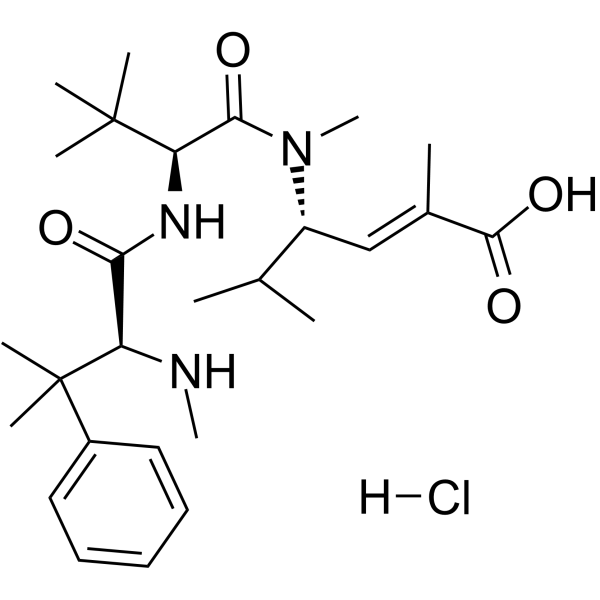
Taltobulin hydrochloride (HTI-286 hydrochloride), a synthetic analogue of the tripeptide hemiasterlin, is a potent antimicrotubule agent that circumvents P-glycoprotein-mediated resistance in vitro and in vivo. Taltobulin hydrochloride inhibits the polymerization of purified tubulin, disrupts microtubule organization in cells, and induces mitotic arrest, as well as apoptosis .
|
-
- HY-136821
-
|
|
Bacterial
Antibiotic
|
Infection
|
|
Polymyxin D2 is an antibiotic discovered from Bacillus polymyxa, exhibiting antibacterial activity. Its core structure consists of a cyclic heptapeptide moiety and a tripeptide side chain with a fatty acyl residue. Polymyxin D2 can be used in anti-infective research .
|
-
- HY-P4296
-
|
|
Amino Acid Derivatives
|
Others
|
|
H-Gly-Sar-Sar-OH is an orally active tripeptide. H-Gly-Sar-Sar-OH is transported through PepT1 within Caco-2 cells. H-Gly Sar Sar OH has potential applications in material transportation .
|
-
- HY-136736
-
|
|
Beta-secretase
|
Neurological Disease
|
|
β-Secretase Inhibitor II is a β-Secretase inhibitor. β-Secretase Inhibitor II is a simple tripeptide aldehyde (IC50=700 nM for inhibition of total Aβ and IC50=2.5 μM for Aβ1–42). β-Secretase Inhibitor II can be used for the research of Alzheimer's disease .
|
-
- HY-123587A
-
|
|
Apoptosis
|
Cancer
|
|
(R)-PR-924 is the isomer of PR-924 (HY-123587), and can be used as an experimental control. PR-924 is a selective tripeptide epoxyketone immunoproteasome subunit LMP-7 inhibitor with an IC50 of 22 nM. PR-924 covalently modifies proteasomal N-terminal threonine active sites. PR-924 inhibits growth and triggers apoptosis in multiple myeloma (MM) cells. PR-924 has antitumor activities .
|
-
- HY-129407
-
|
Ala-ala-phe-chloromethylketone tfa; N-Ala-Ala-Phe-CMK; tripeptidyl Peptidase inhibitor II
|
Proteasome
|
Infection
|
|
AAF-CMK TFA (Ala-ala-phe-chloromethylketone tfa; N-Ala-Ala-Phe-CMK) is a subtilisin-type serine peptidase that removes tripeptides from the free NH2 termini of oligopeptides. AAF-CMK TFA is an irreversible inhibitor of TPPII and is typically used at concentrations of 10-100 μM. It does not significantly interfere with the chymotrypsin-like activity of the proteasome. AAF-CMK also inhibits bleomycin hydrolase and puromycin-sensitive aminopeptidase when used at a concentration of 50 μM.
|
-
- HY-W015236R
-
|
triglycine (Standard)
|
Biochemical Assay Reagents
Reference Standards
|
Others
|
|
H-Gly-Gly-Gly-OH (Standard) is the analytical standard of H-Gly-Gly-Gly-OH. This product is intended for research and analytical applications. H-Gly-Gly-Gly-OH, also known as Triglycine, is a tripeptide composed of glycine, glycine and glycine, which are linked by peptide bonds. Often used as a model compound in the study of protein structure and function. Glycylglycylglycine also acts as a neurotransmitter in the central nervous system and has been shown to have antioxidant properties. Furthermore, it may have potential research roles in various diseases such as cancer, diabetes and neurodegenerative diseases.
|
-
- HY-118700AR
-
|
Guanidinobiotin hydrobromide (Standard)
|
Reference Standards
NO Synthase
|
Neurological Disease
|
|
H-Gly-Gly-Gly-OH (Standard) is the analytical standard of H-Gly-Gly-Gly-OH. This product is intended for research and analytical applications. H-Gly-Gly-Gly-OH, also known as Triglycine, is a tripeptide composed of glycine, glycine and glycine, which are linked by peptide bonds. Often used as a model compound in the study of protein structure and function. Glycylglycylglycine also acts as a neurotransmitter in the central nervous system and has been shown to have antioxidant properties. Furthermore, it may have potential research roles in various diseases such as cancer, diabetes and neurodegenerative diseases.
|
-
- HY-P4292
-
|
|
HIV
Amino Acid Derivatives
|
Infection
|
|
H-Gly-Pro-Gly-NH2 is a tripeptide that inhibits HIV-1 replication. H-Gly-Pro-Gly-NH2 inhibits the activity of HIV-1 IIIB and HIV-2 ROD with EC50 values of 35 µM and 30 µM, respectively. H-Gly Pro Gly NH2 inhibits HIV-1 replication in vitro by interfering with capsid formation. H-Gly Pro Gly NH2 has antiviral activity and can be used for virus research .
|
-
- HY-180685
-
|
|
Herbicide
Antibiotic
Bacterial
|
Infection
|
|
N-Acetyldemethylphosphinothricin tripeptide, a peptide antibiotic, is a compound with herbicidal activity. N-Acetyldemethylphosphinothricin tripeptide consists of the unusual amino acid phosphinothricin (PT) and two alanine residues. N-Acetyldemethylphosphinothricin tripeptide penetrates bacterial cells as a prodrug via peptide uptake systems with subsequent release of PT .
|
-
- HY-180736
-
-
- HY-176999
-
-
- HY-162397
-
|
|
Others
|
Others
|
|
Neopetromin is a tripeptide with a rare heteroaromatic C-N cross-link between side chains of tryptophan and tyrosine. Neopetromin causes vacuole fragmentation in an actin-independent manner .
|
-
- HY-176999S
-
-
- HY-117641
-
|
|
Ser/Thr Protease
|
Cardiovascular Disease
|
|
CP 81282 is a tripeptide aspartic protease inhibitor, with an IC50 of 1 nM against human renin and an IC50 of 11 nM against endopeptidase. CP 81282 is applicable to the research of hypertension .
|
-
- HY-N13996
-
|
|
Fungal
|
Infection
|
|
Clavamycin B has strong anti-candida activity, and its action can be antagonized by dipeptide or tripeptide, but amino acid can not cancel its action. No antibacterial activity and no inhibition of β-lactamase .
|
-
- HY-P11504
-
|
|
Biochemical Assay Reagents
|
Others
|
|
Fmoc-Lys-Gly-Dopa-OH is a tripeptide. Fmoc-Lys-Gly-Dopa-OH forms coacervates in aqueous solution via phase separation. Fmoc-Lys-Gly-Dopa-OH coacervates, with the assistance of Fe 3+, provide a viable material to engineer the surface of mammalian cells .
|
-
- HY-165339
-
|
|
TGF-β Receptor
MMP
|
Others
|
|
Lysyl-phenylalanyl-lysine (Compound KFK) is a tripeptide and belongs to the peptide segments related to thrombospondin-1 (TSP-1) (HY-P0299). Lysyl-phenylalanyl-lysine can activate LAP-TGF-β1 and release active TGF-β1, thereby inhibiting abnormal expression of MMP. Lysyl-phenylalanyl-lysine can be used for research on skin aging-related diseases and poor wound healing .
|
-
- HY-108137R
-
|
|
Reference Standards
Cathepsin
HSV
SARS-CoV
|
Infection
Inflammation/Immunology
|
|
Z-LVG-CHN2 (Standard) is the analytical standard of Z-LVG-CHN2 (HY-108137). This product is intended for research and analytical applications. Z-LVG-CHN2 is a cell-permeable and irreversible inhibitor of cysteine proteinase. Z-LVG-CHN2 is a tripeptide derivative and mimics part of the human cysteine proteinase-binding center. Z-LVG-CHN2 displays an inhibition on HSV whereas no significant effect on poliovirus replication. Z-LVG-CHN2 effectively blocks SARS-COV-2 replication (EC50=190 nM) via inhibition of SARS-COV-2 3CL pro protease .
|
-
| Cat. No. |
Product Name |
Type |
-
- HY-W015236
-
|
triglycine
|
Biochemical Assay Reagents
|
|
H-Gly-Gly-Gly-OH, also known as Triglycine, is a tripeptide composed of glycine, glycine and glycine, which are linked by peptide bonds. Often used as a model compound in the study of protein structure and function. Glycylglycylglycine also acts as a neurotransmitter in the central nervous system and has been shown to have antioxidant properties. Furthermore, it may have potential research roles in various diseases such as cancer, diabetes and neurodegenerative diseases.
|
-
- HY-143686
-
|
|
Biochemical Assay Reagents
|
|
ImmTher is a liposome-encapsulated lipophilic disaccharide tripeptide derivative of muramyl dipeptide. ImmTher can up-regulate specific monocyte cytokine genes and activate monocyte-mediated tumoricidal activity .
|
-
- HY-W015236R
-
|
triglycine (Standard)
|
Biochemical Assay Reagents
|
|
H-Gly-Gly-Gly-OH (Standard) is the analytical standard of H-Gly-Gly-Gly-OH. This product is intended for research and analytical applications. H-Gly-Gly-Gly-OH, also known as Triglycine, is a tripeptide composed of glycine, glycine and glycine, which are linked by peptide bonds. Often used as a model compound in the study of protein structure and function. Glycylglycylglycine also acts as a neurotransmitter in the central nervous system and has been shown to have antioxidant properties. Furthermore, it may have potential research roles in various diseases such as cancer, diabetes and neurodegenerative diseases.
|
| Cat. No. |
Product Name |
Target |
Research Area |
-
- HY-P0063
-
|
GHK-Cu
|
Biochemical Assay Reagents
|
Inflammation/Immunology
|
|
Copper tripeptide (GHK-Cu) is a tripeptide. During wound healing, Copper tripeptide may be freed from existing extracellular proteins via proteolysis and serves as a chemoattractant for inflammatory and endothelial cells. Copper tripeptide has been shown to increase messenger RNA production for collagen, elastin, proteoglycans, and glycosaminoglycans in fibroblasts. Copper tripeptide is a natural modulator of multiple cllular pathways in skin regeneration .
|
-
- HY-P0278
-
RGD
Maximum Cited Publications
8 Publications Verification
|
Integrin
|
Cancer
|
|
RGD is a tripeptide that effectively triggers cell adhesion, addresses certain cell lines and elicits specific cell responses; binds to integrins.
|
-
- HY-A0299
-
|
tripeptide 29
|
Peptides
|
Inflammation/Immunology
|
|
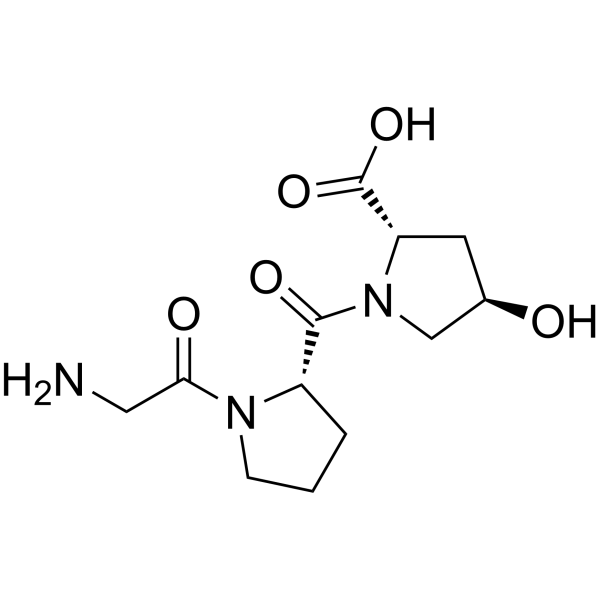
H-Gly-Pro-Hyp-OH is a collagen-derived peptide and also a dipeptidyl peptidase-4 inhibitor.\nH-Gly-Pro-Hyp-OH inhibits the activity of dipeptidyl peptidase-4 in vitro. H-Gly-Pro-Hyp-OH binds to the DNA-binding site of the JUN/FOS complex, blocks the formation of the DNA-JUN/FOS complex, and inhibits transcriptional activity. H-Gly-Pro-Hyp-OH is applicable to research related to skin photoaging, UVB-induced skin aging/photoaging, and thrombosis .
|
-
- HY-P0046
-
|
GHK; tripeptide-1
|
Peptides
|
Neurological Disease
Inflammation/Immunology
|
|
Glycyl-L-histidyl-L-lysine is a tripeptide consisting of glycine, L-histidine and L-lysine residues joined in sequence. Glycyl-L-histidyl-L-lysine is a hepatotropic immunosuppressor and shows anxiolytic effect. Glycyl-L-histidyl-L-lysine and its copper complexes show good skin tolerance .
|
-
- HY-16757
-
|
NNZ-2566
|
iGluR
|
Neurological Disease
|
|
Trofinetide (NNZ-2566), a synthetic analogue of the endogenous N-terminus tripeptide, Glycine-Proline-Glutamate (GPE), has been shown to be neuroprotective in animal models of brain injury.
|
-
- HY-13634A
-
Ezatiostat
Maximum Cited Publications
8 Publications Verification
TER199free base; TLK199
|
Glutathione S-transferase
Apoptosis
|
Cancer
|
|
Ezatiostat (TER199 free base; TLK199) is a tripeptide analog of glutathione and is a selective and orally active glutathione S-transferase P1-1 (GSTP1) inhibitor. Ezatiostat leads to JNK activation by inhibiting GSTP1. Ezatiostat stimulates both lymphocyte production and bone marrow progenitor proliferation. Ezatiostat has the potential for myelodysplastic syndrome (MDS) treatment .
|
-
- HY-P0047
-
|
|
Peptides
|
Others
|
|
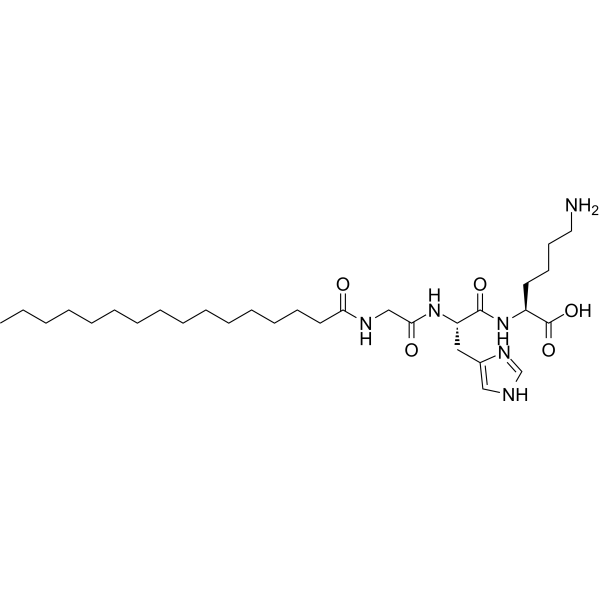
Palmitoyl tripeptide-1 is a fatty acid modified polypeptide. Palmitoyl Tripeptide-1 has good wrinkle-removing effect .
|
-
- HY-125616
-
|
Biotinyl-GHK; Bio-GHK
|
Amyloid-β
Reactive Oxygen Species (ROS)
|
Neurological Disease
|
|
Biotinoyl tripeptide-1 (Biotinyl-GHK) is a biotinylating reagent linked to a GHK (glycyl-L-histidyl-L-lysine) tripeptide. Biotin tripeptide-1 is a bioactive peptide with hair care (improves the appearance and feel of hair) and hair growth effects. Biotinoyl tripeptide-1 has a certain affinity for streptavidin. Biotinoyl tripeptide-1 inhibits the production of ROS and has antioxidant effects. Biotinoyl tripeptide-1 reduces the production of carbonylated amyloid-β (Aβ) and inhibits Aβ aggregation. Biotinoyl tripeptide-1 can be used in the study of neurodegenerative diseases .
|
-
- HY-W009004
-
|
Lys-Lys-Lys; H-Lys-Lys-Lys-OH
|
Biochemical Assay Reagents
|
Others
|
|
Trilysine is a tripeptide and also a substrate for specific peptidases. Trilysine serves as a hydrolytic substrate for the tripeptide-specific aminopeptidase TP and the oligopeptidase OP .
|
-
- HY-P5238
-
|
|
Peptides
|
Others
|
|
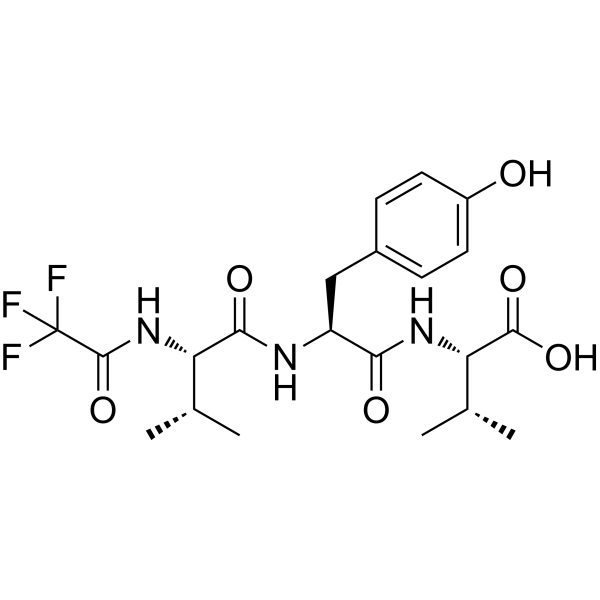
Trifluoroacetyl tripeptide-2 is a tripeptide with strong cosmetic activity. Trifluoroacetyl tripeptide-2 can regulate progerin synthesis, promote extracellular matrix synthesis, and improve skin elasticity. Trifluoroacetyl tripeptide-2 has anti-wrinkle and firming effects and can be used as an anti-aging ingredient in cosmetic research .
|
-
- HY-P4648
-
|
Trp-Trp-Trp
|
Bacterial
|
Infection
|
|
H-Trp-Trp-Trp-OH (Trp-Trp-Trp) is a tripeptide consisting of tryptophan. H-Trp-Trp-Trp-OH has antibacterial activity. H-Trp-Trp-Trp-OH is a human bitter taste receptor hTAS2R14 agonist .
|
-
- HY-P3752
-
|
H-Gly-Ala-Tyr-OH
|
Biochemical Assay Reagents
Bacterial
|
Others
|
|
Gly-Ala-Tyr (H-Gly-Ala-Tyr-OH) is a tripeptide substrate composed of L-glycine, alanine, and L-tyrosine joined in sequence by peptide linkages. Gly-Ala-Tyr can be hydrolyzed at both extracellular and intracellular levels by Streptococcus thermophilus, Lactobacillus delbrueckii ssp. bulgaricus, Lactobacillus acidophilus, and Bifidobacterium spp. Ala-Gly-Tyr is functionally related to L-alanine, glycine and L-tyrosine. .
|
-
- HY-P2543
-
|
|
Neuropeptide Y Receptor
|
Cardiovascular Disease
Neurological Disease
|
|
Neuropeptide Y (3-36) (human, rat) is a neuropeptide Y fragment derived from humans or rats. Neuropeptide Y is an extremely abundant neurotransmitter in central and peripheral neurons, and it participates in the regulation of psychomotor activity, circadian rhythm, feeding behavior and cardiovascular function. Neuropeptide Y (3-36) (human, rat) can serve as a substrate to be sequentially degraded from its N-terminus by AfuS28, and it requires binding to AfuS28 and SedB to be decomposed into amino acids, dipeptides and tripeptides [1] [2].
|
-
- HY-132828
-
|
LT3001; DHDMIQK(KAP)
|
P-selectin
|
Cardiovascular Disease
Metabolic Disease
Inflammation/Immunology
|
|
Odatroltide (LT3001; DHDMIQK(KAP)) is a P-selectin inhibitor. Odatroltide is a peptide molecule comprising a tripeptide Pro-Ala-Lys (PAK) and an (S)-6,7-dihydroxy-1,1-dimethyl-1,2,3,4-tetrahydro-isoquinoline-3-carboxylic acid domain. Odatroltide can restore cerebral blood flow, scavenge free radicals, and inhibit leukocyte migration. Odatroltide possesses thrombolytic and anti-thrombotic activities .
|
-
- HY-129724A
-
|
ACTH-(11-13) acetate; Lys-Pro-Val acetate; H-Lys-Pro-Val-OH acetate
|
Melanocortin Receptor
NF-κB
Bacterial
Interleukin Related
Apoptosis
|
Infection
Neurological Disease
Metabolic Disease
Inflammation/Immunology
|
|
α-MSH (11-13) (ACTH-(11-13)) acetate is a C-terminal tripeptide of α-MSH that can cross the blood-brain barrier. α-MSH (11-13) acetate exhibits antipyretic, anti-inflammatory, and antibacterial activities. α-MSH (11-13) acetate also exerts neuroprotective effects after traumatic brain injury by inhibiting excessive activation of microglia and reducing neuronal apoptosis. α-MSH (11-13) acetate can be used in research related to traumatic brain injury, fever, and bacterial infections .
|
-
- HY-P5244
-
|
|
Peptides
|
Metabolic Disease
|
|
Tripeptide-32 is a bioactive peptide that targets the PER1 gene. Tripeptide-32 can regulate circadian rhythms and stimulate the synthesis of cellular repair proteins, with anti-aging activity .
|
-
- HY-P5275
-
|
CG-Lipoxyn
|
NF-κB
Histone Demethylase
|
Metabolic Disease
|
|
Tripeptide-41 (CG-Lipoxyn) is a signal peptide. Tripeptide-41 activates the NF-kB signaling pathway, inhibits the expression of C/EBP and increases cAMP. Tripeptide-41 is an important intracellular signaling factor that causes lipolysis by promoting the hydrolysis of lipids into triglycerides. Tripeptide-41 can be used in cosmetics that targets fat accumulation .
|
-
- HY-P0104
-
|
|
Collagen
|
Metabolic Disease
|
|
Palmitoyl tripeptide-38 is a lipopeptide that increases the production of dermal and epidermal collagen, fibronectin, and hyaluronic acid. Palmitoyl tripeptide-38 is used in research related to skin aging (fine lines, wrinkles, reduced skin elasticity, decreased skin water content, uneven skin tone) .
|
-
- HY-P5243
-
|
AHK-Cu
|
Peptides
Bcl-2 Family
|
Others
|
|
Copper tripeptide-3 (AHK-Cu) is a bioactive peptide with promotion of hair growth effect. Copper tripeptide-3 increases dermal cell proliferation and viability while increasing the deposition of collagen to renew the extracellular matrix. Copper tripeptide-3 stimulates the elongation of human hair follicles and proliferation of dermal papilla cells .
|
-
- HY-P5250
-
|
|
MMP
|
Others
|
|
Palmitoyl tripeptide-5 is a bioactive peptide with anti-aging effect and has been reported used as a cosmetic ingredient .
|
-
- HY-P5242
-
|
T10-C
|
Peptides
|
Others
|
|
Tripeptide-10 citrulline (T10-C) is a bioactive peptide with anti-aging effect and has been reported used as a cosmetic ingredient .
|
-
- HY-P0278A
-
|
|
Integrin
|
Cancer
|
|
RGD Trifluoroacetate is a tripeptide that effectively triggers cell adhesion, addresses certain cell lines and elicits specific cell responses; RGD Trifluoroacetate binds to integrins.
|
-
- HY-W016012
-
|
H-Glu-Glu-OH; Glutamyl-glutamic acid
|
Amino Acid Derivatives
|
Others
|
|
Glu-Glu is a glutamic acid derivative containing amino and carboxyl groups. Glu-Glu is an analogs of acidic tripeptide and can contribute to calcium absorption .
|
-
- HY-117483
-
|
|
iGluR
|
Neurological Disease
|
|
Gly-Pro-Glu is a neuroactive peptide with a potent action on acetylcholine release. Gly-Pro-Glu is the N-terminal tripeptide of insulin-like growth factor-I. Gly-Pro-Glu inhibits glutamate binds to N-methyl-D-aspartate (NMDA) receptor with an IC50 value of 14.7 μM. Gly-Pro-Glu can be used for the research of neuroprotection .
|
-
- HY-P0047A
-
|
|
Peptides
|
Others
|
|
Palmitoyl tripeptide-1 hydrochloride is a fatty acid modified polypeptide. Palmitoyl Tripeptide-1 has good wrinkle-removing effect .
|
-
- HY-W111226
-
|
|
Amyloid-β
Amino Acid Derivatives
|
Cardiovascular Disease
Neurological Disease
|
|
Fmoc-His (3-Me)-OH is a histidine derivative with a methylated imidazole group. Fmoc-His (3-Me)-OH can be used for the synthesis of the chemically modified tripeptide His (3-methyl)-Arg-Trp (H (3-Me)-RW). Fmoc-His (3-Me)-OH serves as a resin in Fmoc solid-phase synthesis for the generation of the His-(3-Me)-Gly-Lys peptide. Fmoc-His (3-Me)-OH is a building block for the synthesis of NAHIS02-(p-Met). Fmoc-His (3-Me)-OH can be applied in research related to Alzheimer's disease .
|
-
- HY-P3519
-
|
|
Drug Intermediate
|
Infection
|
|
ACV Tripeptide, a tripeptide, is the first dedicated intermediate in the biosynthetic pathway leading to the penicillin and cephalosporin classes of β-lactam natural products in bacteria and fungi. ACV Tripeptide is is synthesized nonribosomally by the ACV synthetase (ACVS) enzyme, which is encoded by the 11 kb The pchAB gene encodes this enzyme. ACV Tripeptide can be used for the biosynthesis of β-lactam antibiotics .
|
-
- HY-66018
-
|
|
Peptides
|
Others
|
|
Palmitoyl tripeptide-5 biTFA is a bioactive peptide with anti-aging effect and has been reported used as a cosmetic ingredient .
|
-
- HY-P4242
-
|
H-Ala-Gly-Ala-OH
|
Peptides
|
Others
|
|
Ala-Gly-Ala is a prototype of a general tripeptide Xxx-Gly-Zzz. Except glycine and proline, there can be 18 possible amino acids for Xxx and another 18 amino acids for Zzz. Ala-Gly-Ala can be used as a model for up to 324 possible motifs of this kind of tripeptide .
|
-
- HY-P4294
-
|
Gly-Pro-Gly
|
Amino Acid Derivatives
|
Others
|
|
H-Gly-Pro-Gly-OH is a tripeptide containing glycine and proline. H-Gly-Pro-Gly-OH can be used for the synthesis of other polypeptides, such as (Pro Gly Gly)n .
|
-
- HY-111173
-
|
|
Dipeptidyl Peptidase
|
Others
|
|
Diprotin B is a dipeptidyl aminopeptidase IV (DPP IV) inhibitor. The apparent competitive inhibition of DPP-IV by the diprotins is a kinetic artifact, derived from the substrate-like nature of tripeptides containing a penultimate proline residue .
|
-
- HY-106263B
-
|
|
PTEN
PDK-1
MDM-2/p53
Apoptosis
Akt
|
Cancer
|
|
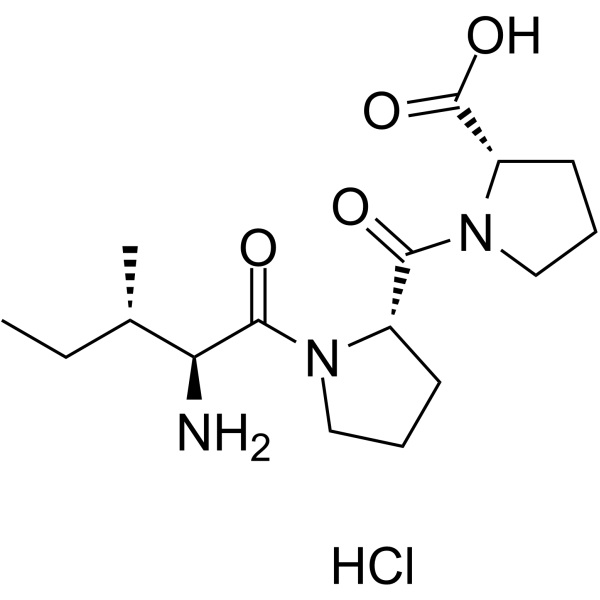
Tyroserleutide hydrochloride is a tripeptide isolated from the degradation products of porcine spleen with antitumor activity. Tyroserleutide hydrochloride can upregulate the expression of the tumor suppressor gene PTEN and inhibit the activity of AKT and PDK1. Tyroserleutide hydrochloride inhibits tumor cell proliferation and MDM2 phosphorylation by inhibiting the PI3K/AKT pathway, and also upregulates P21, P27, P53, and induces mitochondrial damage and cell apoptosis .
|
-
- HY-129724
-
-
- HY-P4209
-
|
|
Peptides
|
Others
|
|
Boc-GRR-AMC is a tri-peptide Substrate. Boc-GRR-AMC can be used for a fluorogenic West Nile virus (WNV) substrate, profiling the substrate specificity for the NS2B-NS3 proteases or determining the pH optimum of LdMC activity .
|
-
- HY-P5226
-
|
|
Peptides
|
Inflammation/Immunology
|
|
Palmitoyl tripeptide-8 s a bioactive peptide with anti-allergen effect and has been reported used as a cosmetic ingredient .
|
-
- HY-P4231
-
|
Gly-Ala-Hyp
|
Peptides
|
Others
|
|
H-Gly-Ala-Hyp-OH is a collagen tripeptide fragment .
|
-
- HY-P4381
-
-
- HY-114424A
-
-
- HY-P4286
-
|
|
Peptides
|
Cancer
|
|
H-Gly-Leu-Phe-OH (GLF), an immunostimulatory tripeptide derived from α-lactalbumin, inhibits anticancer agent Etoposide-induced alopecia, epidermal thickening, and thinning of the adipocyte layer .
|
-
- HY-P4383
-
|
|
Peptides
|
Others
|
|
H-Leu-Leu-Ala-OH is a tripeptide composed of two L-leucine units joined to L-alanine by a peptide linkage. H-Leu-Leu-Ala-OH shows antioxidant activities .
|
-
- HY-P11358
-
|
|
Angiotensin-converting Enzyme (ACE)
Acetyl-CoA Carboxylase
Mitochondrial Metabolism
|
Inflammation/Immunology
|
|
IRW is an orally active tripeptide produced from egg white with angiotensin converting enzyme (ACE) inhibitory properties. IRW can prevent high-fat diet (HFD)-induced Non-alcoholic fatty liver disease (NAFLD) by modulating hepatic lipid metabolism and increasing mitochondrial content. IRW decreases hepatic triglyceride content and lipid droplet size. IRW increases the hepatic mitochondrial complexes and citrate synthase activity, phosphorylation of 5’-AMP-activated protein kinase and microsomal triglyceride transfer protein abundance. IRW increases phosphorylated acetyl CoA carboxylase and mitochondrial complexes, IRW can be used for the research of inflammation .
|
-
- HY-P5252
-
|
|
Tyrosinase
|
Metabolic Disease
|
|
Diaminopropionoyl tripeptide-33isa bioactive peptide with protects skin cells from UVA-induced DNA damages and has been reported used as a cosmetic ingredient .
|
-
- HY-W010777
-
|
|
Amino Acid Derivatives
|
Others
|
|
(S)-2-((S)-2-((S)-2-Amino-3-(4-hydroxyphenyl)propanamido)-3-(4-hydroxyphenyl)propanamido)-3-(4-hydroxyphenyl)propanoic acid is a tyrosine derivative .
|
-
- HY-148337
-
|
|
Peptides
|
Others
|
|
Thr-Val-Leu is a central nervous system tripeptide and reduces Thr-Val-Leu content in schizophrenic brain tissue .
|
-
- HY-P4834
-
-
- HY-P3888
-
-
- HY-W480799
-
|
Gly-Gly-Tyr
|
Biochemical Assay Reagents
|
Others
|
|
H-Gly-Gly-Tyr-OH is a tripeptide that plays an important role in various biochemical applications. H-Gly-Gly-Tyr-OH can be used in the fields of pharmaceuticals and biochemistry .
|
-
- HY-114707
-
|
|
GnRH Receptor
|
Endocrinology
|
|
Threonyl-seryl-lysine, a bovine pineal antireproductive tripeptide, has antigonadotropic activity. Threonyl-seryl-lysine binds to luteinizing hormone-releasing hormone (LHRH) at a site comprised of LHRH 2-5 .
|
-
- HY-P3534
-
|
|
Peptides
|
Cancer
|
|
EILDV (human, bovine, rat) is an analogue of the active pentapeptide. EILDV (human, bovine, rat) has active tripeptide amino acid sequence LDV that is conserved in human, bovine, rat. EILDV (human, bovine, rat) can be used for the research of cell adhesion .
|
-
- HY-P5037
-
|
|
Peptides
|
Others
|
|
Fmoc-Gly-Pro-Hyp-OH is a tripeptide that can be used in peptide synthesis .
|
- HY-P5962
-
|
|
Peptides
|
Others
|
|
Fmoc-Gly-Pro-Hyp(OtBu)-OH (TFA) is a tripeptide that can be used in peptide synthesis .
|
- HY-P4287
-
|
|
Amino Acid Derivatives
|
Others
|
|
H-Gly-Lys-Gly-OH is a tripeptide containing glycine and lysine. H-Gly-Lys-Gly-OH can be used for the synthesis of casein and soybean protein .
|
- HY-P4450
-
|
γ-Glu-Cys-β-Ala; H-γ-Glu-Cys-β-Ala-OH
|
Peptides
|
Others
|
|
Homoglutathione is a ubiquitous and indispensable tripeptide in eukaryotes with multi-facetted functions, many of which relate to cellular redox regulation. Homoglutathione has taste modifying effect .
|
- HY-P4283
-
|
|
Peptides
|
Others
|
|
Glycylhistidylglycine is composed of two glycines and one histidine, which can detect and remove the concentration of Cu2+ ions in wastewater by forming a tripeptide complex with copper and nickel ions.
|
- HY-114424
-
- HY-W794670
-
|
|
Aminopeptidase
|
Others
|
|
H-Ala-Pro-Ala-OH, tripeptide, is a substrate for Escherichia coli PepP (Xaa-Pro aminopeptidase). H-Ala-Pro-Ala-OH acts as a nitrogen source for wild-type Escherichia coli .
|
- HY-122494
-
|
SF-1293
|
Bacterial
|
Infection
|
|
Bilanafos is a natural organic phosphine tripeptide antibiotic metabolized by Streptomyces hydroscopius or Streptomyces viridochromeogenes. Bialaphos has antimicrobial activity aganist Gram-negative and positive bacteria as well as some fungal plant diseases .
|
- HY-W089233
-
|
N-Boc-D-glutaMic acid 1-tert-butyl ester
|
Amino Acid Derivatives
|
Others
|
|
Boc-D-Glu-OtBu (N-Boc-D-glutaMic acid 1-tert-butyl ester) is an amino acid derivative with a Boc protecting group, which can be used to synthesize Adamant-1-yl tripeptide with immunostimulatory activity .
|
- HY-13634
-
|
TER199; TLK199 hydrochloride
|
Glutathione S-transferase
Apoptosis
|
Cancer
|
|
Ezatiostat hydrochloride (TER199; TLK199 hydrochloride) is a tripeptide analog of glutathione and is a selective and orally active glutathione S-transferase P1-1 (GSTP1) inhibitor. Ezatiostat hydrochloride leads to JNK activation by inhibiting GSTP1. Ezatiostat hydrochloride stimulates both lymphocyte production and bone marrow progenitor proliferation. Ezatiostat hydrochloride has the potential for myelodysplastic syndrome (MDS) treatment .
|
- HY-P10266
-
|
|
Peptides
|
Others
|
|
Myristoyl tripeptide-1 is the reaction product of Myristic acid (HY-N2041) and Tripeptide-1. Myristoyl tripeptide-1 is utilized in cosmetics as the conditioning agent of skin .
|
- HY-P4260
-
- HY-P4209A
-
|
|
Virus Protease
|
Others
|
|
Boc-GRR-AMC (TFA) is a tri-peptide Substrate. Boc-GRR-AMC can be used for a fluorogenic West Nile virus (WNV) substrate, profiling the substrate specificity for the NS2B-NS3 proteases or determining the pH optimum of LdMC activity .
|
- HY-P5262
-
|
|
Peptides
|
Metabolic Disease
|
|
Tripeptide-10 is a bioactive peptide withanti-wrinkleeffect and has been reported used as a cosmetic ingredient .
|
- HY-P5264
-
- HY-P3519A
-
|
|
Drug Intermediate
|
Infection
|
|
ACV Tripeptide TFA, a tripeptide, is the first dedicated intermediate in the biosynthetic pathway leading to the penicillin and cephalosporin classes of β-lactam natural products in bacteria and fungi. ACV Tripeptide TFA is is synthesized nonribosomally by the ACV synthetase (ACVS) enzyme, which is encoded by the 11 kb The pchAB gene encodes this enzyme. ACV Tripeptide TFA can be used for the biosynthesis of β-lactam antibiotics .
|
- HY-P5240
-
|
|
Peptides
|
Others
|
|
Acetyl tripeptide-30 citrulline is a bioactive peptide with anti-wrinkle effect and has been reported used as a cosmetic ingredient .
|
- HY-W009004B
-
|
Lys-Lys-Lys TFA; H-Lys-Lys-Lys-OH TFA
|
Biochemical Assay Reagents
|
Others
|
|
Trilysine TFA is a tripeptide and also a substrate for specific peptidases. Trilysine TFA serves as a hydrolytic substrate for the tripeptide-specific aminopeptidase TP and the oligopeptidase OP .
|
- HY-P4299
-
- HY-W010873
-
- HY-P4365
-
- HY-P4362
-
|
|
Elastase
|
Others
|
|
Suc-Ala-Pro-Ala-AMC is a tripeptide substrate of elastase .
|
- HY-P4671
-
|
|
Drug Derivative
|
Others
|
|
Nle-Arg-Phe-NH2 (acetate) is a tripeptide compound, usually in the form of acetate .
|
- HY-P0296
-
|
|
Peptides
|
Others
|
|
Gly-Phe-Arg is a superpotent synthetic tripeptide mimics of the mud-crab pumping pheromone.
|
- HY-P5040
-
- HY-P5037A
-
|
|
Peptides
|
Others
|
|
Fmoc-Gly-Pro-Hyp-OH TFA is a tripeptide that can be used in peptide synthesis .
|
- HY-105436
-
- HY-P4479
-
|
|
Peptides
|
Others
|
|
H-Phe-Phe-Phe-OH is an aromatic tripeptide that has the potential to be used as DNA molecular probe .
|
- HY-P2676
-
|
Tyr-Gly-Gly
|
Amino Acid Derivatives
|
Others
|
|
Enkephalin(1-3) (Tyr-Gly-Gly) is a tripeptide containing one L-tyrosine and two glycine residues .
|
- HY-P4309
-
|
|
Peptides
|
Others
|
|
H-Gly-Tyr-Gly-OH, a tyrosine tripeptide, can be found in structural and transport proteins such as collagen and ion channels .
|
- HY-P4353
-
|
|
Bacterial
|
Others
|
|
D-{Ala-Ala-Ala} is a tripeptide. D-{Ala-Ala-Ala} binds to ristocetin to detect bacteria at low concentrations .
|
- HY-W012159
-
|
H-MET-SER-OH
|
Angiotensin-converting Enzyme (ACE)
|
Cardiovascular Disease
|
|
Methionylserine (H-MET-SER-OH) is a methionine- and serine-containing dipeptide. Methionylserine binds to and translocation via intestinal di/tri-peptide transporter 1 (hPEPT1) with a Km value of 0.2 mM. Methionylserine inhibits ACE enzyme activity. Methionylserine can be used in the research of hypension .
|
- HY-P6303
-
|
|
Peptides
|
Others
|
|
Gly-Glu-Gly is a tripeptide, which can be used to study the protein structure, and the behavior of individual amino acid residues during folding .
|
- HY-106263A
-
|
|
Peptides
|
Cancer
|
|
Tyroserleutide TFA, isolated from the degradation products of porcine spleen , is a small molecular tripeptide which inhibits tumor growth both in vitro and in vivo .
|
- HY-106263
-
|
|
Peptides
|
Cancer
|
|
Tyroserleutide (YSL), isolated from the degradation products of porcine spleen , is a small molecular tripeptide which inhibits tumor growth both in vitro and in vivo .
|
- HY-W009215
-
|
L-Met-L-Ala-L-Ser
|
Amino Acid Derivatives
|
Others
|
|
H-Met-Ala-Ser-OH (L-Met-L-Ala-L-Ser) is a tripeptide. H-Met-Ala-Ser-OH can act as a formyl receptor .
|
- HY-P4461
-
|
|
Peptides
|
Others
|
|
Ala-Ala-Pro-pNA is a tripeptide, including chromophoric amino acids Pro-pNA. Ala-Ala-Pro-pNA is targeted by tripeptidyl aminopeptidase (SM-TAP) .
|
- HY-P10208
-
|
|
Toll-like Receptor (TLR)
|
Infection
|
|
PKH is a TLR4 antagonist. PKH is a novel tripeptide and can be isolated from Akkermansia muciniphila. RKH reduces sepsis-induced inflammatory cell activation and proinflammatory factor overproduction .
|
- HY-P2788
-
|
|
Peptides
|
Others
|
|
Hyp-Phe-Phe is a tripeptide that forms helical-like sheets via aromatic interactions of the Phe rings to comprise a cross helical architecture. Hyp-Phe-Phe possesses a high shear piezoelectricity and acts as piezoelectric material .
|
- HY-P3424
-
- HY-P4296
-
|
|
Amino Acid Derivatives
|
Others
|
|
H-Gly-Sar-Sar-OH is an orally active tripeptide. H-Gly-Sar-Sar-OH is transported through PepT1 within Caco-2 cells. H-Gly Sar Sar OH has potential applications in material transportation .
|
- HY-P2787
-
|
|
Peptides
|
Others
|
|
Pro-Phe-Phe is the most aggregation-prone tripeptide of natural amino acids. Pro-Phe-Phe forms unique helical-like sheets that mate via aromatic dry interfaces. Pro-Phe-Phe can be used for the design of modular super-helical self-assembling nanostructures .
|
- HY-P4249
-
|
|
Peptides
|
Endocrinology
|
|
Gly-Gly-Arg is a tripeptide, and a “pumping pheromone” released from the hatching eggs. Gly-Gly-Arg induces pleopod pumping activity, with the threshold concentration of 10 nM. Gly-Gly-Arg shows maximum percentage response of 58.3%. Gly-Gly-Arg act as pheromones and controlls larval release in subtidal crustaceans .
|
- HY-P4292
-
|
|
HIV
Amino Acid Derivatives
|
Infection
|
|
H-Gly-Pro-Gly-NH2 is a tripeptide that inhibits HIV-1 replication. H-Gly-Pro-Gly-NH2 inhibits the activity of HIV-1 IIIB and HIV-2 ROD with EC50 values of 35 µM and 30 µM, respectively. H-Gly Pro Gly NH2 inhibits HIV-1 replication in vitro by interfering with capsid formation. H-Gly Pro Gly NH2 has antiviral activity and can be used for virus research .
|
- HY-P11504
-
|
|
Biochemical Assay Reagents
|
Others
|
|
Fmoc-Lys-Gly-Dopa-OH is a tripeptide. Fmoc-Lys-Gly-Dopa-OH forms coacervates in aqueous solution via phase separation. Fmoc-Lys-Gly-Dopa-OH coacervates, with the assistance of Fe 3+, provide a viable material to engineer the surface of mammalian cells .
|
| Cat. No. |
Product Name |
Category |
Target |
Chemical Structure |
| Cat. No. |
Product Name |
Chemical Structure |
-
- HY-176999S
-
|
|
|
EOTMBA-d3 is the deuterium labeled EOTMBA (HY-176999). EOTMBA is a peptide labeling reagent and can be used for quantitative analysis of dipeptides and tripeptides .
|
-
Your information is safe with us. * Required Fields.
Inquiry Information
- Product Name:
- Cat. No.:
- Quantity:
- MCE Japan Authorized Agent:

