



Others
-
Others Related Products (76257)
Related Products (76257)


-
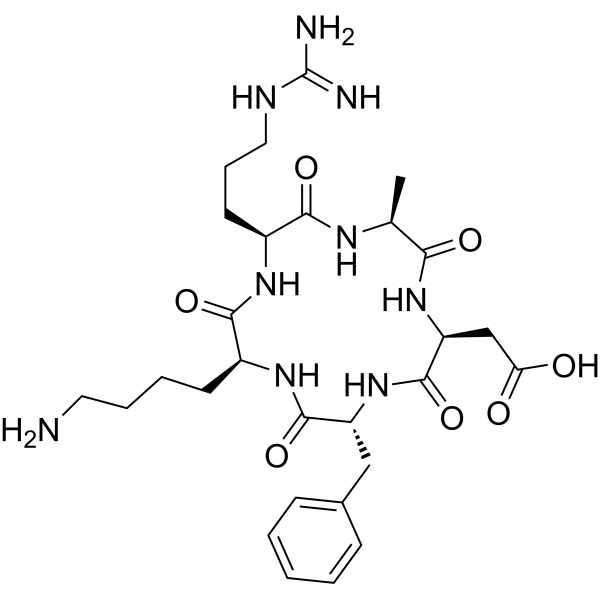
Cyclo(RADfK)
 0 Images
Cyclo(RADfK) can be used as a control for Cyclo(-RGDfK) (HY-P0023).
-
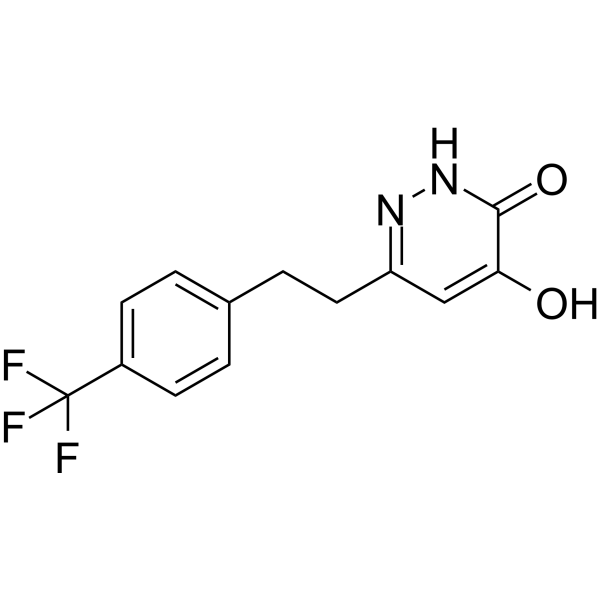
Luvadaxistat
 0 ImagesSynonyms: TAK-831
Luvadaxistat (TAK-831) is an orally active, highly selective, potent D-amino acid oxidase (DAAO) inhibitor. Luvadaxistat inhibits oxidative deamination of D-serine via the human recombinant DAAO enzyme with an IC50 of 14 nM. Luvadaxistat significantly increases D-serine levels in the rodent brain, plasma, and cerebrospinal fluid. Luvadaxistat has the potential for schizophrenia research.
-
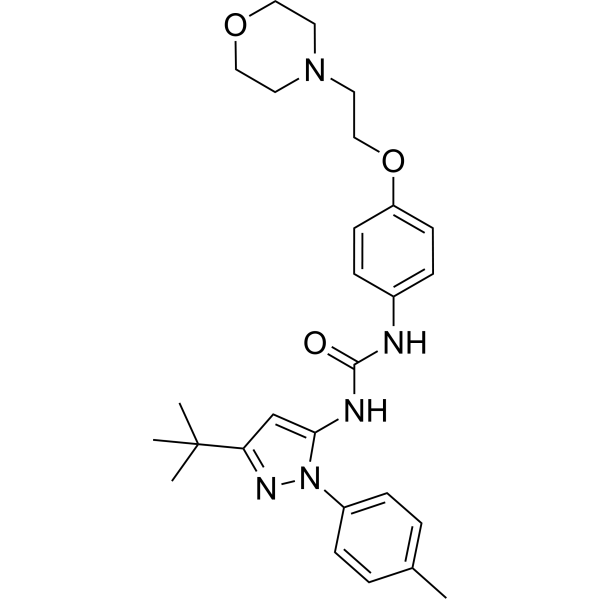
p38-α MAPK-IN-1
 0 Images
p38-α MAPK-IN-1 is an inhibitor of MAPK14 (p38-α), with IC50 of 2300 nM in EFC displacement assay, and 5500 nM in HTRF assay.
-
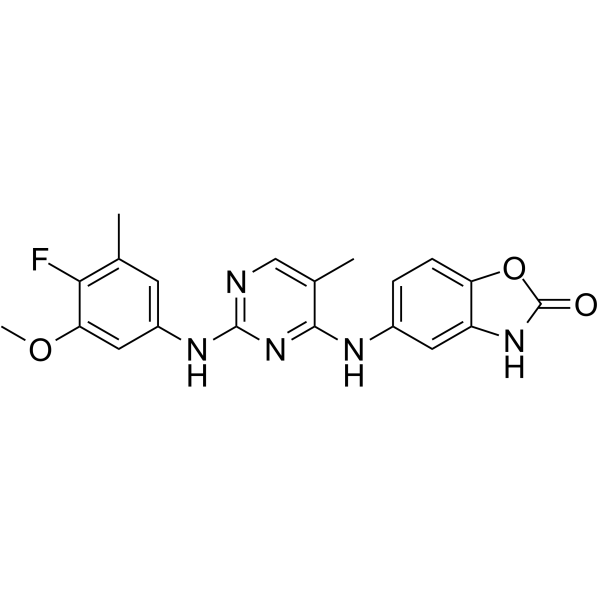
SPEN-IN-1
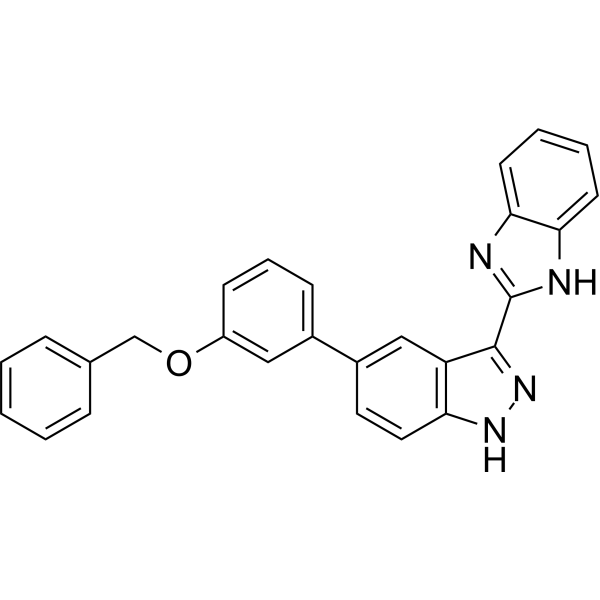 0 ImagesCat. No.: HY-152038CAS No.: 2863686-82-0
SPEN-IN-1 (compound X1) is an inhibitor of SPEN which is a protein factor with a Kd value of 47 nM. SPEN-IN-1 has high selectivity for RepA, a 431-nucleotide domain in Xist (a non-coding RNA prototype) that comprises 8.5 units of a GC-rich motif responsible for gene silencing.
-
LDS-751
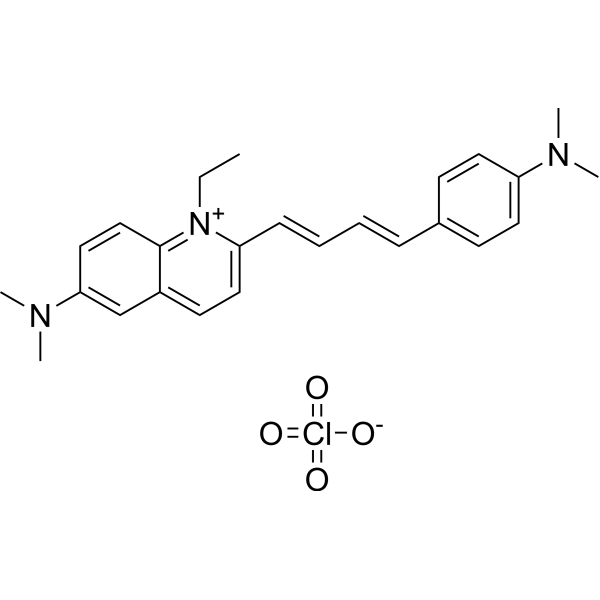 0 Images
Lds-751 is a nucleic acid stain that mainly detects DNA. Lds-751 is a nucleic acid stain that mainly detects DNA. Lds-751 has a high affinity for DNA and fluorescence is enhanced after binding, but the maximum emission wavelength is 670nm. Lds-751 and Thiazole orange can be used for the differentiation of red blood cells, platelets, reticulocytes, and nucleated cells and can be stimulated at 488nm. Studies have shown that LDS-751 binds almost exclusively to mitochondria when incubated with nucleated living cells. After nucleated Acridine Orange (HY-101879) staining and LDS-751 treatment of cells, confocal microscopy revealed almost no co-location of the cells. Staining with Rhodamine 123 (HY-D0816), a dye known to bind polarized mitochondria, was almost identical to the pattern observed with LDS-751.
-
Diethyl (cyanomethyl)phosphonate
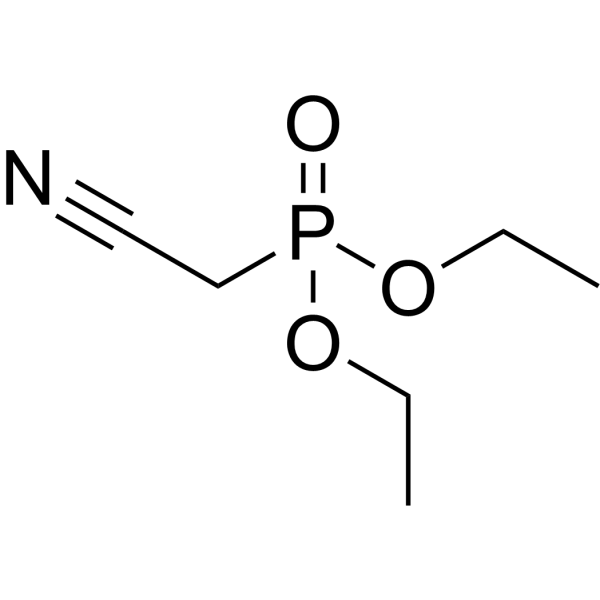 0 Images
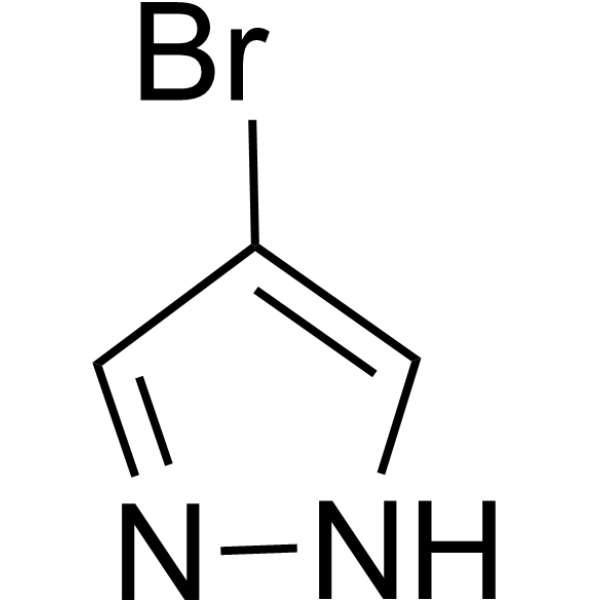
Diethyl (cyanomethyl)phosphonate is a neutral bipolar neurotoxicant mimic that contains the diethylphosphonate moiety present in many chemical warfare agents and pesticides. Diethyl (cyanomethyl)phosphonate also serves as an important intermediate for the synthesis of other active compounds.
-
Menadione (Standard)
 0 Images
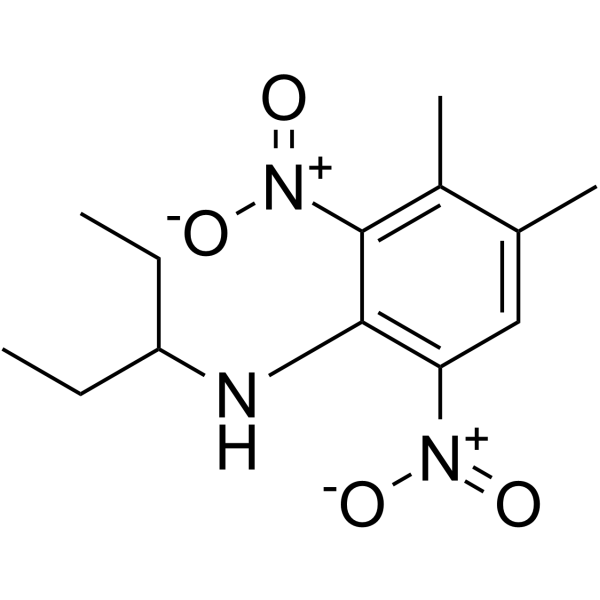
Menadione (Standard) is the analytical standard of Menadione. This product is intended for research and analytical applications. Menadione is a naphthoquinone that is converted into active vitamin K2 in the body. Menadione is a potential anticancer agent and radiosensitizer.
-
Alpha-Cypermethrin
 0 ImagesSynonyms: FMC 45497; Fendona; WL 85871
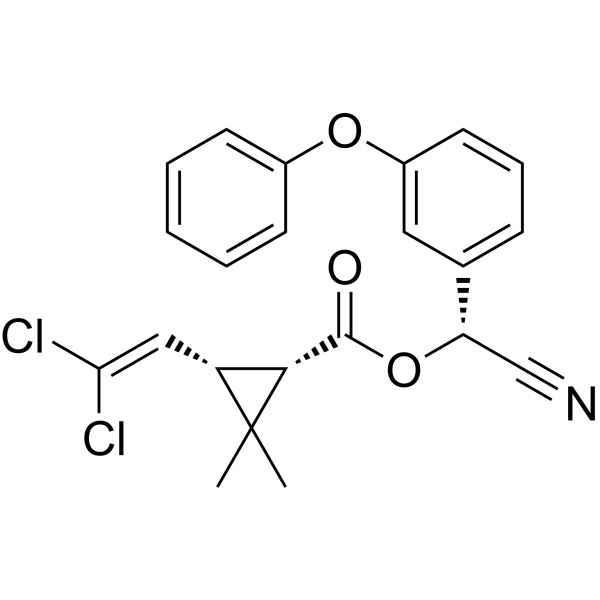
Alpha-Cypermethrin (FMC 45497; Fendona; WL 85871) is an effective insecticide against house flies.
-
Nicosulfuron
 0 ImagesCat. No.: HY-B1876CAS No.: 111991-09-4
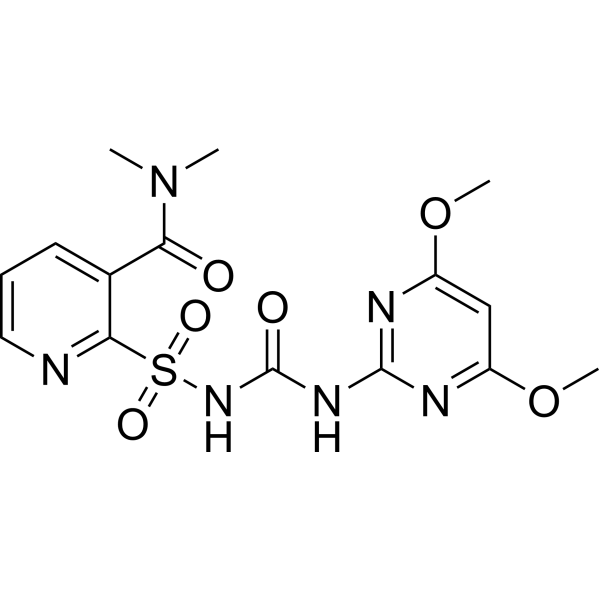
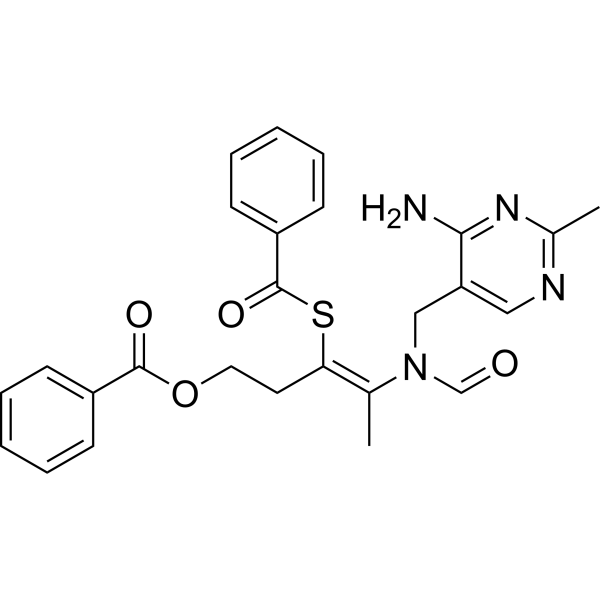
Nicosulfuron is efficient, harmless, antifungal and selective herbicide belonging to the sulfonylurea family. Nicosulfuron is also a photosynthetic system inhibitor and inhibits acetolactate synthase (ALS) enzyme activity. Nicosulfuron degradation by Plectosphaerella cucumerina AR1 is glucose concentration dependent in planktonic lifestyle. Nicosulfuron enhances the glycolysis pathway and tricarboxylic acid cycle to improve the adaptability of sweet maize. Nicosulfuron reduces the synthesis of branched-chain amino acids (BCAAs), which is proming for maize cultivation.
-
7-Amino-4-methylcoumarin-3-acetic acid
 0 Images
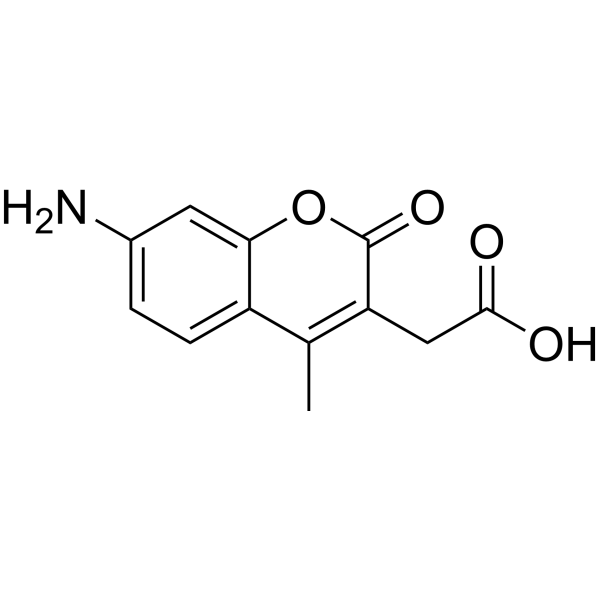
7-Amino-4-methylcoumarin-3-acetic acid (AMCA) serves as the parent structure of coumarin-based blue fluorescent dyes, and its activated form AMCA-NHS can directly conjugate with proteins (Ex/Em ≈ 350/440-460).
-
Ethidium homodimer
 0 ImagesSynonyms: EthD-1
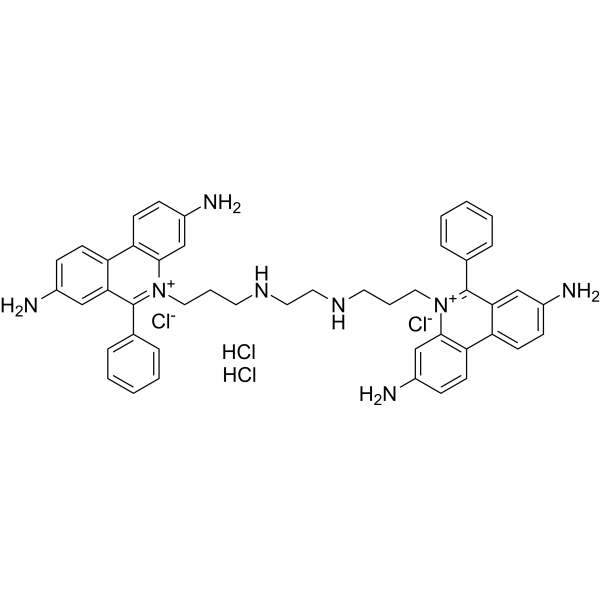
Ethidium homodimer (EthD-1) is a high-affinity fluorescent nucleic acid dye commonly used to stain mammals, bacteria, yeast, and fungi. Ethidium homodimer binds to DNA or RNA, enhancing fluorescence more than 30 times. The Ethidium homodimer has a strong positive charge, so it cannot cross cell membranes and stain living cells; But the Ethidium homodimer can cross the disordered region of the dead cell membrane to reach the nucleus and embed the DNA double strand to produce red fluorescence. Therefore, Ethidium homodimer is a relatively sensitive nucleic acid stain that can accurately detect nucleic acids in solution or in decomposing cells. Ethidium homodimer binds DNA, Ex/Em=528/617 nm.
-
Auramine O
 0 Images
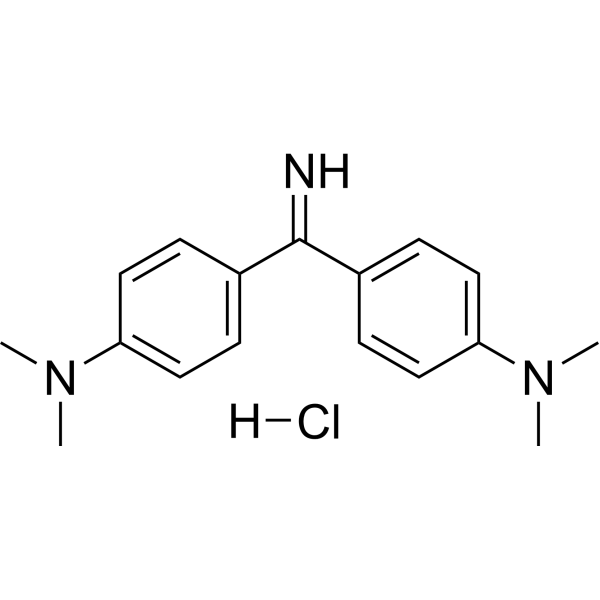
Auramine O is a yellow fluorescent dye. Auramine O is used to detect amyloid fibrils. Auramine O promotes lung malignancy. Auramine O is also used to determine algal cell viability and stain acid-fast bacteria.
-
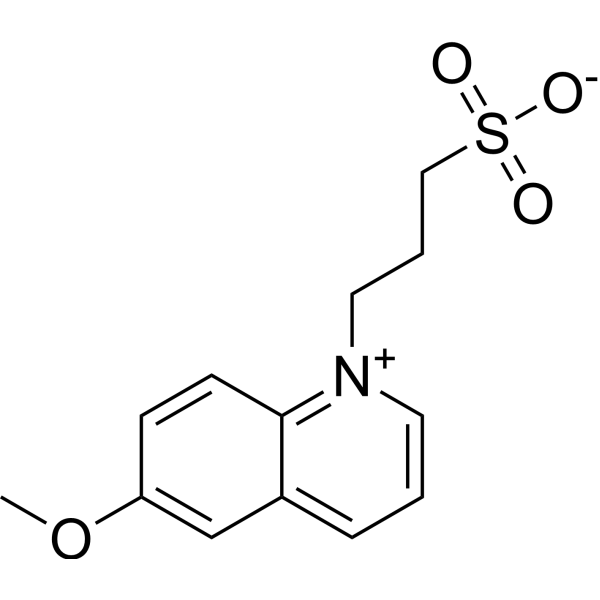
SPQ
 0 Images
SPQ is a fluorescent dye. SPQ can be used to measure chloride ion concentration transients and transport rates in vesicles, cells, and even intact epithelium.
-
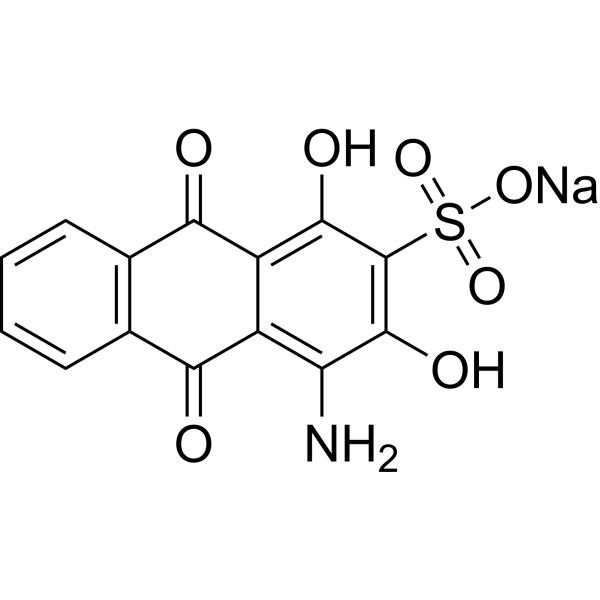
Nuclear Fast Red
 0 Images
Nuclear Fast Red, an anthraquinone dye, is commonly used in conjunction with an excess of aluminum ions as a red nuclear counterstain. Nuclear fast red has been used as a histochemical and colorimetric reagent for calcium. Nuclear fast red as highly sensitive "off/on" fluorescent probe for detecting guanine.
-
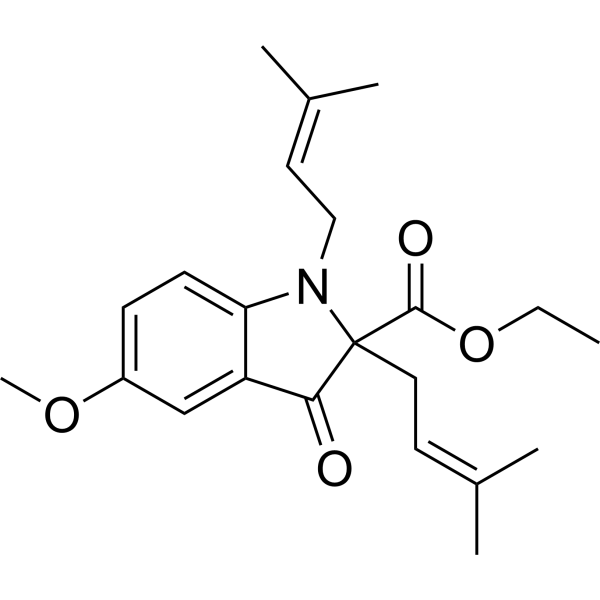
LipidGreen 2
 0 Images
LipidGreen 2 is a second generation small molecule probe for lipid imaging. LipidGreen 2 has a better fluorescence signal compared with the previous LipidGreen, and selectively stains neutral lipids in cells and fat deposits in live zebrafish.



