



6409-77-4
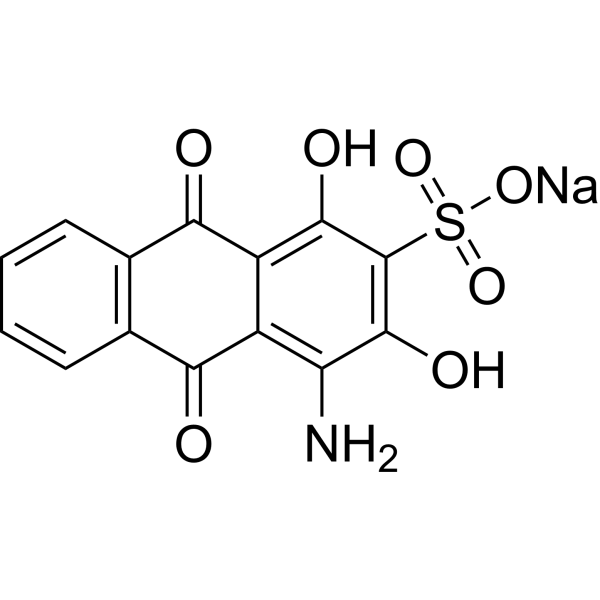
Chemical Structure
Nuclear Fast Red
Synonym(s): Kernechtrot
- CAS No.: 6409-77-4
- Formula:C14H8NNaO7S
- Molecular Weight:357.27
IUPAC Name: sodium 4-amino-1,3-dihydroxy-9,10-dioxo-9,10-dihydroanthracene-2-sulfonate
InChIKey: IFSXZLJQEKGQAF-UHFFFAOYSA-M
SMILES: O=S(C(C(O)=C1C2=O)=C(O)C(N)=C1C(C3=C2C=CC=C3)=O)(O[Na])=O
Biological Activity: Nuclear Fast Red, an anthraquinone dye, is commonly used in conjunction with an excess of aluminum ions as a red nuclear counterstain. Nuclear fast red has been used as a histochemical and colorimetric reagent for calcium[1]. Nuclear fast red as highly sensitive "off/on" fluorescent probe for detecting guanine[2].
| Cat. No. | Product Name | Purity | Description | Pricing | |||||||||||||||||||
|---|---|---|---|---|---|---|---|---|---|---|---|---|---|---|---|---|---|---|---|---|---|---|---|
|
|
Nuclear Fast Red | 97.62% | Nuclear Fast Red, an anthraquinone dye, is commonly used in conjunction with an excess of aluminum ions as a red nuclear counterstain. Nuclear fast red has been used as a histochemical and colorimetric reagent for calcium. Nuclear fast red as highly sensitive "off/on" fluorescent probe for detecting guanine. | ||||||||||||||||||||
|
loading...
/
|
|||||||||||||||||||||||
-
Similarity Score 0.76
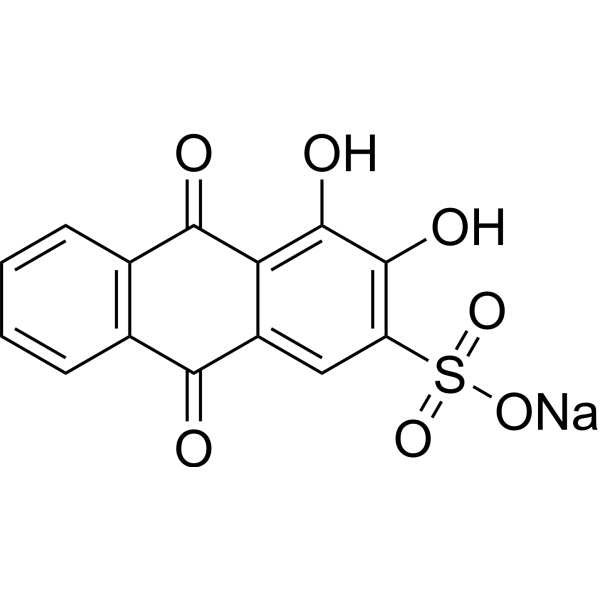 HY-120601Alizarin Red S sodium
-
Similarity Score 0.69
 HY-120601AAlizarin Red S
-
Similarity Score 0.64
 HY-W011350Anthraquinone-2-sulfonate sodium
-
Similarity Score 0.63
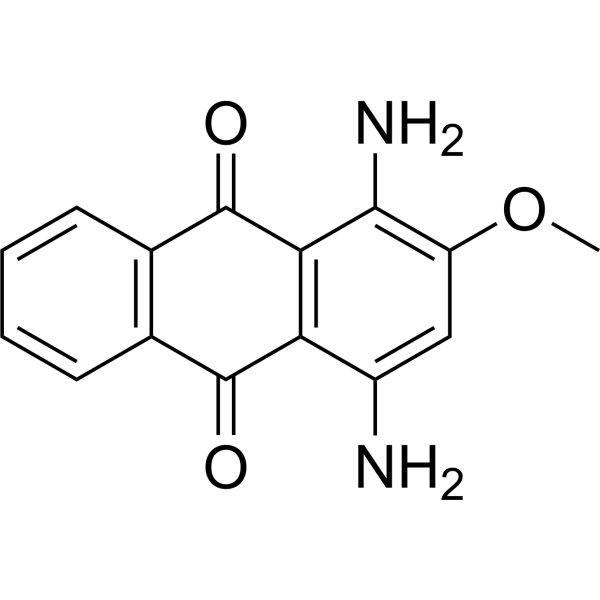 HY-D0341Disperse Red 11
-
Similarity Score 0.63
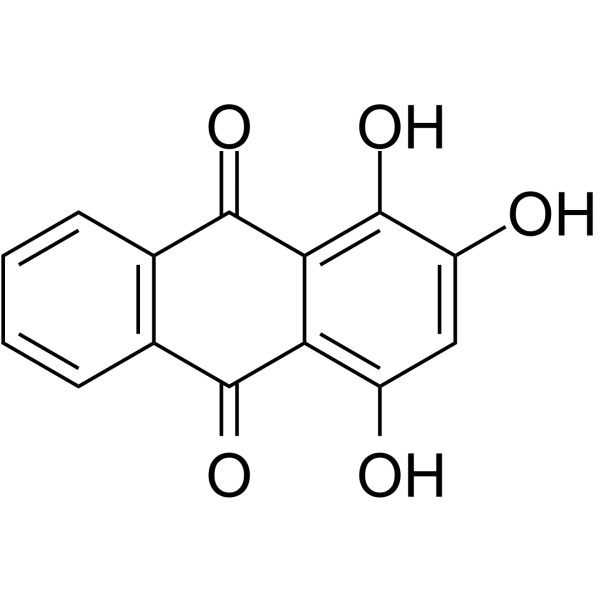 HY-N0571Purpurin
-
Similarity Score 0.63
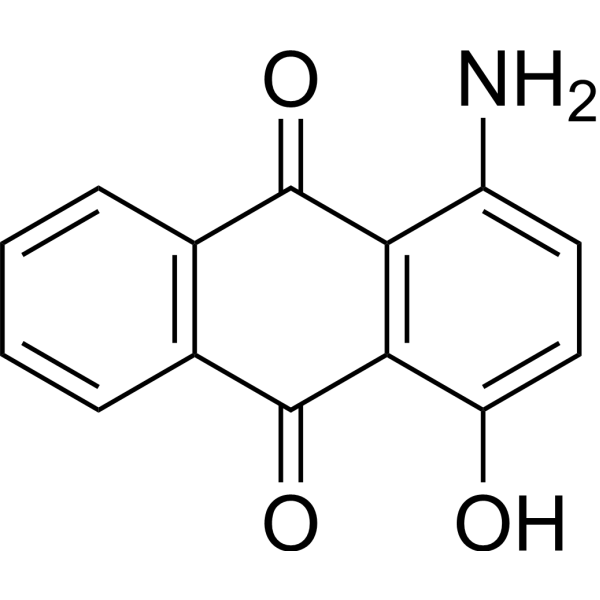 HY-D02691-Amino-4-hydroxyanthraquinone
-
Similarity Score 0.62
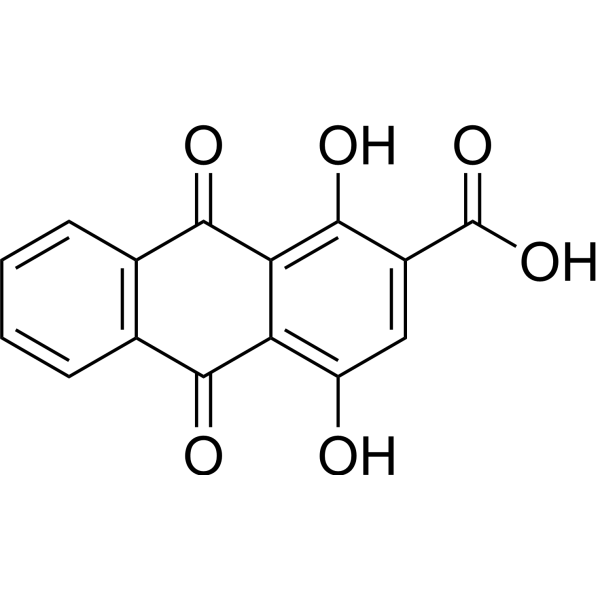 HY-1566902-Quinizarincarboxylic acid
-
Similarity Score 0.62
 HY-N17589Purpurin-1-methylether
-
Similarity Score 0.61
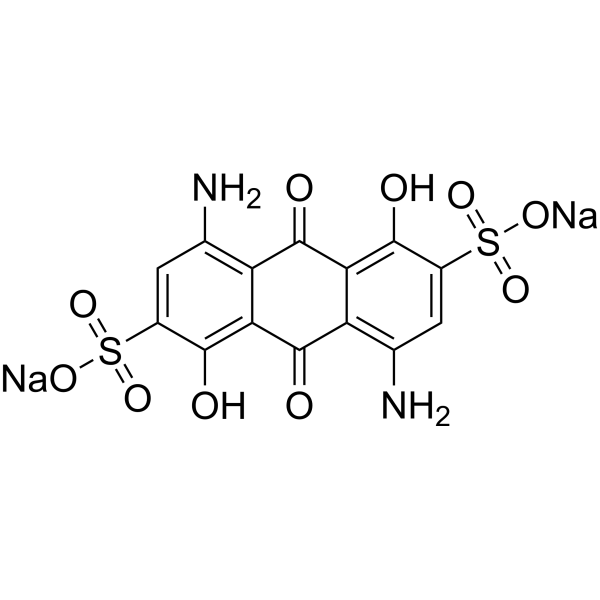 HY-D0248Acid Blue 45
-

Explore the MedChemAI to find more analogs


References
- [1]. Yi Cui, et al. Nuclear fast red as highly sensitive "off/on" fluorescent probe for detecting guanine. Talanta. 2014 Dec;130:536-41. [Content Brief]
- [2]. M Frank , et al. Certification procedures for nuclear fast red (Kernechtrot), CI 60760. Biotech Histochem. 2007 Feb;82(1):35-9. [Content Brief]



