



Apoptosis
Apoptosis
Apoptosis is a distinctive form of cell death exhibiting specific morphological and biochemical characteristics, including cell membrane blebbing, chromatin condensation, genomic DNA fragmentation, and exposure of specific phagocytosis signaling molecules on the cell surface. Cells undergoing apoptosis differ from those dying through necrosis. Necrotic cells are usually recognized by the immune system as a danger signal and, thus, resulting in inflammation; in contrast, apoptotic death is quiet and orderly.
There are two major pathways of apoptotic cell death induction: The intrinsic pathway, also called the Bcl-2-regulated or mitochondrial pathway, is activated by various developmental cues or cytotoxic insults, such as viral infection, DNA damage and growth-factor deprivation, and is strictly controlled by the BCL-2 family of proteins. The extrinsic or death-receptor pathway is triggered by ligation of death receptors (members of the tumor necrosis factor (TNF) receptor family, such as Fas or TNF receptor-1 (TNFR1)) that contain an intracellular death domain, which can recruit and activate caspase-8 through the adaptor protein Fas-associated death domain (FADD; also known as MORT1) at the cell surface. This recruitment causes subsequent activation of downstream (effector) caspases, such as caspase-3, -6 or -7, without any involvement of the BCL-2 family.
Studies suggest that alterations in cell survival contribute to the pathogenesis of a number of human diseases, including cancer, viral infections, autoimmune diseases, neurodegenerative disorders, and AIDS (acquired immunodeficiency syndrome). Treatments designed to specifically alter the apoptotic threshold may have the potential to change the natural progression of some of these diseases.
All Product Categories
-
Apoptosis Inhibitors
(866)
View all products
-
Apoptosis Agonists
(7)
View all products
-
Apoptosis Antagonists
(9)
View all products
-
Apoptosis Activators
(355)
View all products
-
Apoptosis Modulators
(57)
View all products
-
Apoptosis Inducers
(7661)
View all products
-
Apoptosis Degrader
(1)
View all products
-
Apoptosis Controls
(33)
View all products
-
Apoptosis Related Products (9530)
Related Products (9530)

-
Antibodies (120)
-
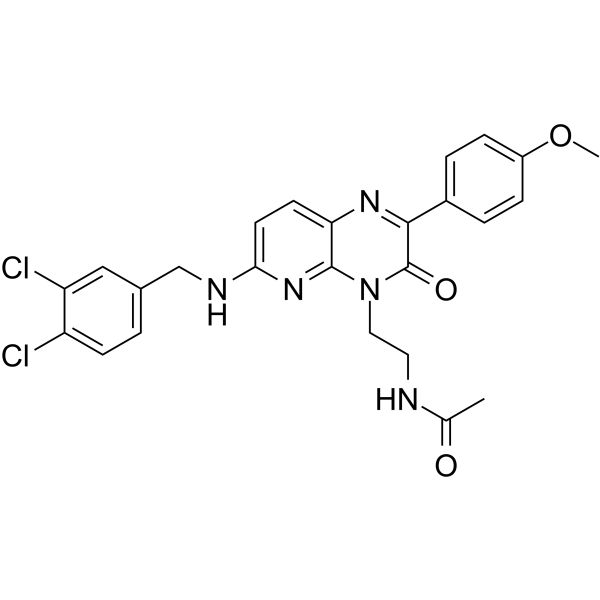
SKLB-Y13
 0 ImagesCat. No.: HY-176848Purity: 98.44%SKLB-Y13 is a selective YTHDF1 inhibitor with an IC50 of 0.76 μM and a KD of 5.097 μM. SKLB-Y13 binds to the Tyr397 and Trp470 residues in the m6A-binding pocket of YTHDF1, disrupting the interaction between YTHDF1 and m6A-modified mRNA. SKLB-Y13 inhibits cancer cell proliferation and promotes apoptosis. SKLB-Y13 is applicable to breast cancer-related research.
-
3-Methylxanthine
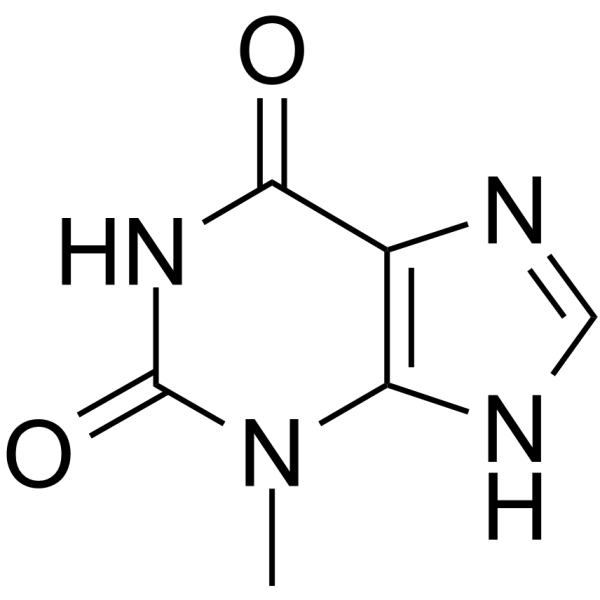 0 Images3-Methylxanthine is a blood-brain barrier-permeable cyclic GMP phosphodiesterase inhibitor, with an IC50 of 920 μM against guinea pig cyclic GMP phosphodiesterase. 3-Methylxanthine relaxes the spontaneous tension of isolated guinea pig tracheal smooth muscle preparations. Through a DRD1-dependent pathway, 3-Methylxanthine upregulates the expression of γH2AX and activated caspase-3, downregulates the expression of Bcl-2, and enhances Cisplatin-induced apoptosis (apoptosis) in ovarian cancer cells both in vitro and in vivo. 3-Methylxanthine induces clonic convulsions in the central nervous system. 3-Methylxanthine is the major metabolite of Theophylline (HY-B0809). 3-Methylxanthine can be used in studies related to ovarian cancer and neurotoxic convulsions.
-
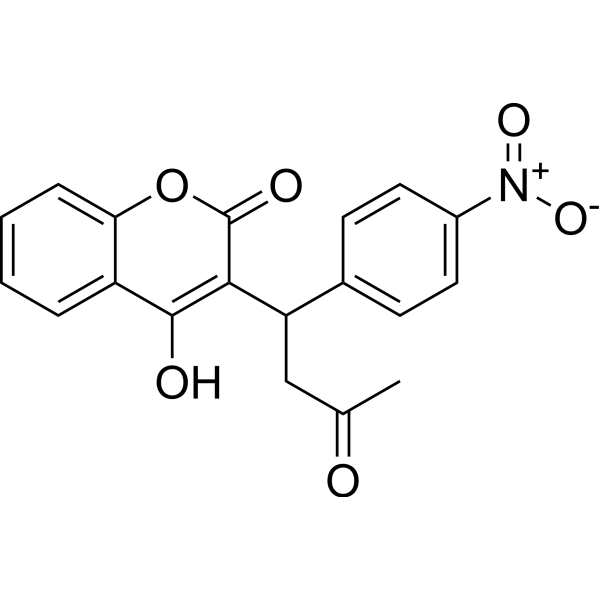
Nε-(Carboxyethyl)lysine
 0 ImagesNε-(Carboxyethyl) lysine is an advanced glycation end product (AGE). Nε-(Carboxyethyl) lysine induces cross-linking between proteins, thereby affecting protein structure and function and causing protein denaturation. Nε-(Carboxyethyl) lysine binds to the RAGE receptor, affects cell signal transduction, and regulates processes such as inflammatory responses, cell proliferation, and apoptosis. Nε-(Carboxyethyl) lysine affects glutamate transporters, reduces glutamate uptake and S100β protein secretion, influences neurotransmission in the nervous system, and exhibits diabetes-related neurotoxicity.
-
PZ671
 0 ImagesCat. No.: HY-174876Purity: 98.70%PZ671 is a potent Bcl-xL PROTAC degrader with an IC50 of 1.3 nM (MOLT-4 cells) and a DC50 of 0.9 nM (Bcl-xL). PZ671 induces apoptosis in MOLT-4 cells. PZ671 effectively inhibits tumor growth and rapidly reverses transient platelet counts reduction in MOLT-4 xenograft mice. PZ671 can be used for the research of cancer, such as small cell lung cancer (SCLC).
-
Nimustine hydrochloride
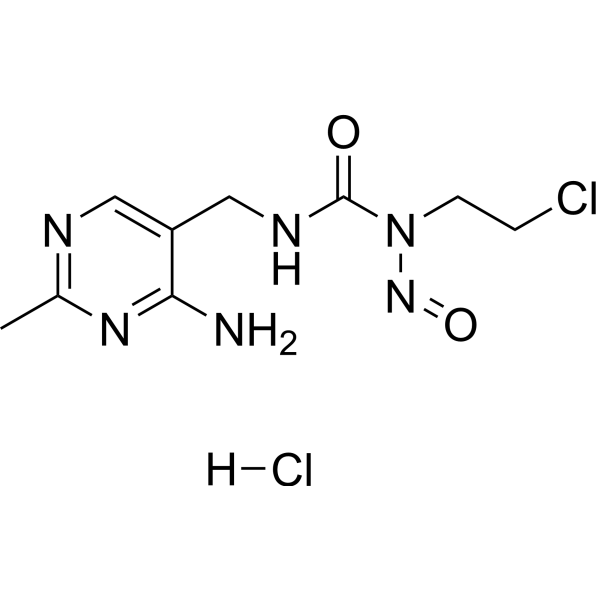 0 ImagesSynonyms: ACNUNimustine hydrochloride (ACNU) is the hydrochloride salt form of Nimustine (HY-13703). Nimustine hydrochloride is an alkylating agent, which induces DNA double-strand breaks (DSBs) and inter-strand crosslinks (ICLs), thereby activating the DNA damage response (DDR) signaling pathway. Nimustine hydrochloride activates p38 MAPK/JNK signaling pathway, and exhibits antitumor activity.
-
API-1
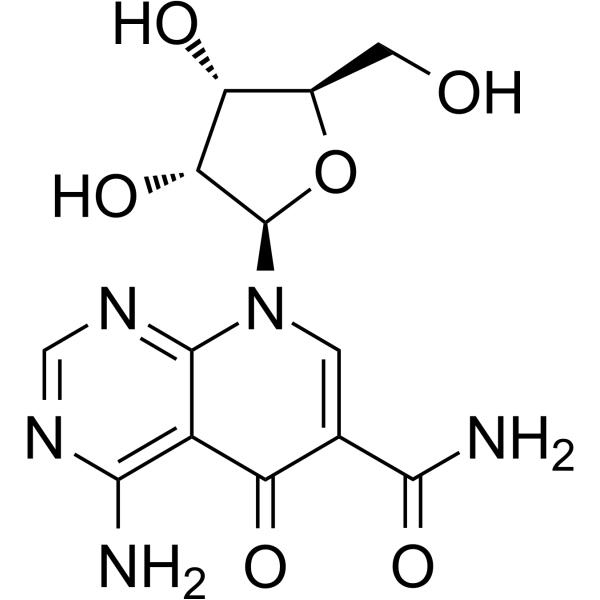 0 ImagesAPI-1 is a potent selective Akt/PKB inhibitor that reduces the level of phosphorylated Akt (IC50 = 0.8 μM). API-1 binds to the PH domain and inhibits Akt membrane translocation. API-1 induces c-FLIP degradation. API-1 reduces cell proliferation and induces apoptosis. API-1 decreases tumor growth in mouse xenograft model.
-
Tauroursodeoxycholate-d4 sodium
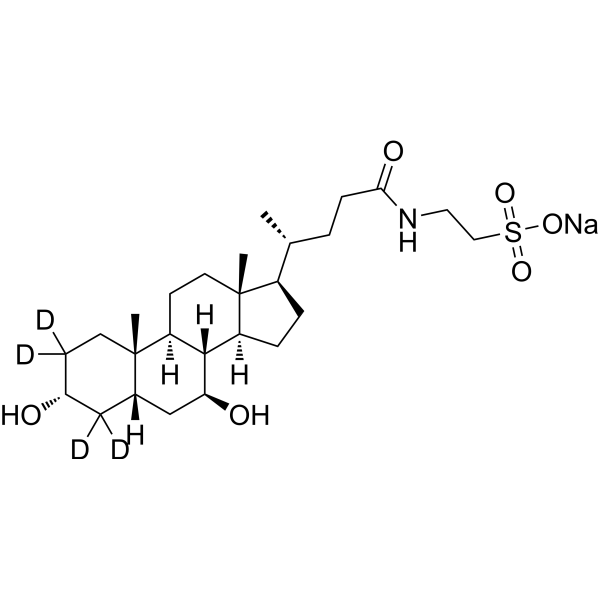 0 ImagesSynonyms: Tauroursodeoxycholic acid-d4 sodium; TUDCA-d4 sodium; UR 906-d4 sodiumTauroursodeoxycholate-d4 (sodium) is the deuterium labeled Tauroursodeoxycholate sodium. Tauroursodeoxycholate (Tauroursodeoxycholic acid; TUDCA) sodium is an endoplasmic reticulum (ER) stress inhibitor. Tauroursodeoxycholate significantly reduces expression of apoptosis molecules, such as caspase-3 and caspase-12. Tauroursodeoxycholate also inhibits ERK.
-
B-355252
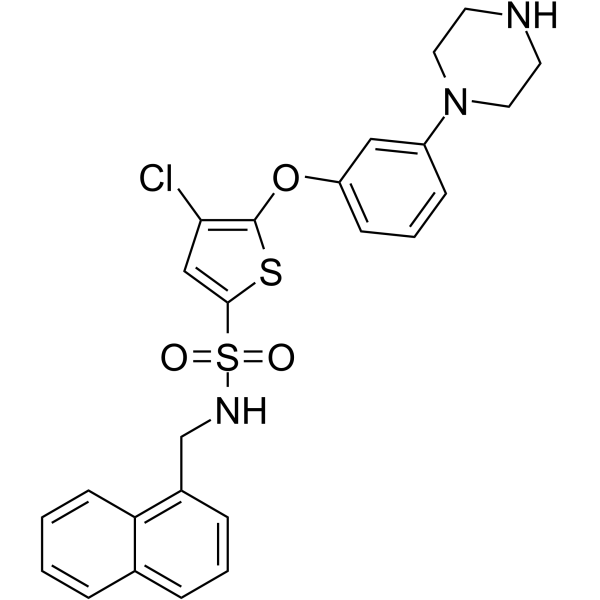 0 ImagesB355252, a phenoxy thiophene sulfonamide small molecule, is a potent NGF receptor agonist. B355252 potentiates NGF-induced neurite outgrowth. B355252 protects ischemic neurons from neuronal loss by attenuating DNA damage, reducing ROS production and the LDH level, and preventing neuronal apoptosis. B355252 has anti-apoptotic effects in glutamate-induced excitotoxicity, as well as in a murine hippocampal cell line (HT22) model of Parkinson disease (PD).
-
GPLGIAGQ
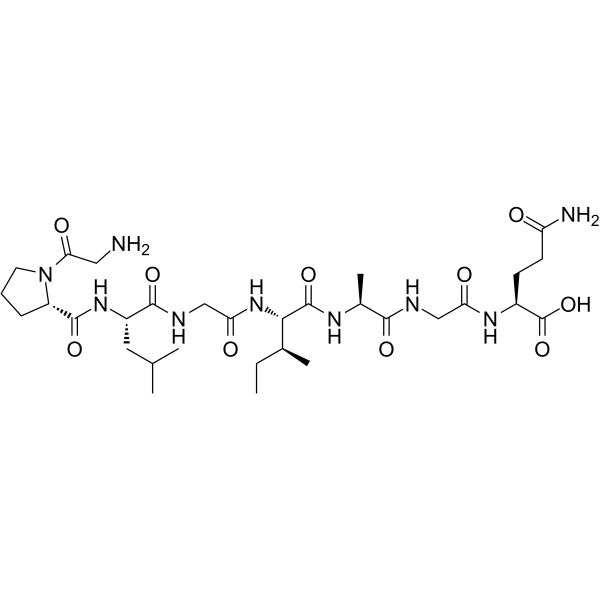 0 ImagesGPLGIAGQ, a MMP2-cleavable polypeptide, is used as a stimulus-sensitive linker in both liposomal and micellar nanocarriers for MMP2-triggered tumor targeting. GPLGIAGQ can be used to synthesis unique MMP2-targeted photosensitizer in photodynamic therapy (PDT).
-
Fimasartan
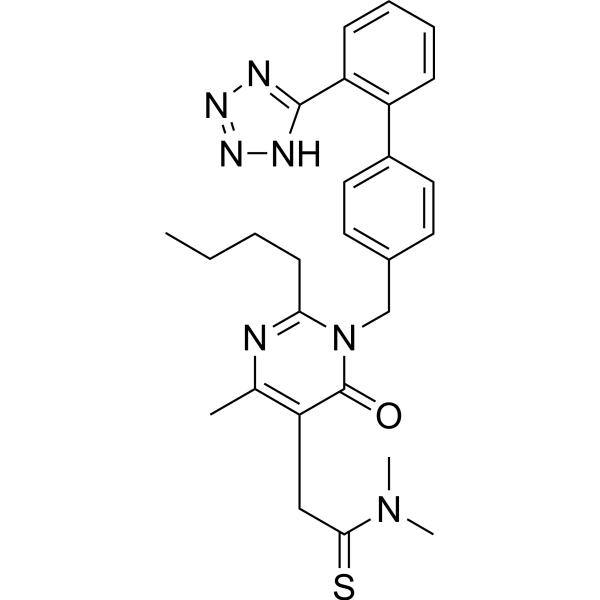 0 ImagesSynonyms: BR-A-657Fimasartan (BRA-657) is an orally effective angiotensin receptor AT1 non-peptide antagonist. Fimasartan has antihypertensive effects. Fimasartan improves neuroinflammation and brain injury mediated by NLRP3 inflammatome after intracerebral hemorrhage, and has neuroprotective effect. Fimasartan inhibits the expression of inducible nitric oxide synthase through the inactivation of NF-κB and activator protein-1.
-
TBHQ (Standard)
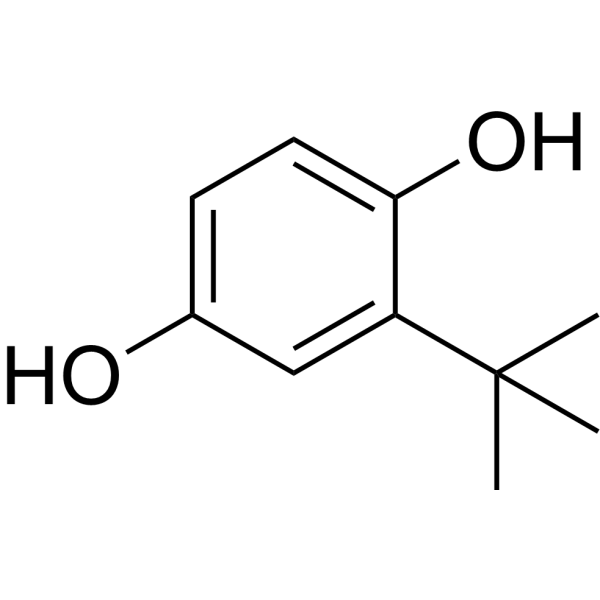 0 ImagesSynonyms: tert-Butylhydroquinone (Standard)TBHQ (Standard) is the analytical standard of TBHQ. This product is intended for research and analytical applications. TBHQ (tert-Butylhydroquinone) is a widely used Nrf2 activator, protects against Doxorubicin (DOX)-induced cardiotoxicity through activation of Nrf2. TBHQ (tert-Butylhydroquinone) is also an ERK activator; rescues Dehydrocorydaline (DHC)-induced cell proliferation inhibitionin melanoma.
-
Everolimus (Standard)
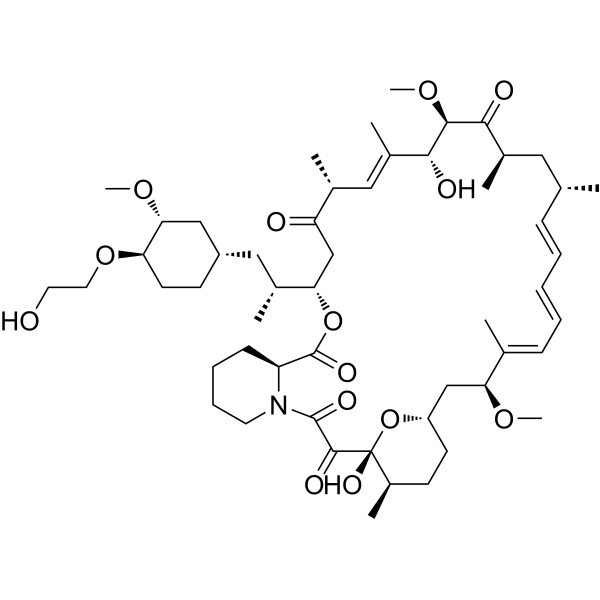 0 ImagesSynonyms: RAD001 (Standard); SDZ-RAD (Standard)Everolimus (Standard) is the analytical standard of Everolimus. This product is intended for research and analytical applications. Everolimus (RAD001) is a Rapamycin (HY-10219) derivative and a potent, selective and orally active mTOR1 inhibitor. Everolimus binds to FKBP-12 to generate an immunosuppressive complex. Everolimus inhibits tumor cells proliferation and induces cell apoptosis and autophagy. Everolimus has potent immunosuppressive and anticancer activities.
-
AZT triphosphate tetraammonium
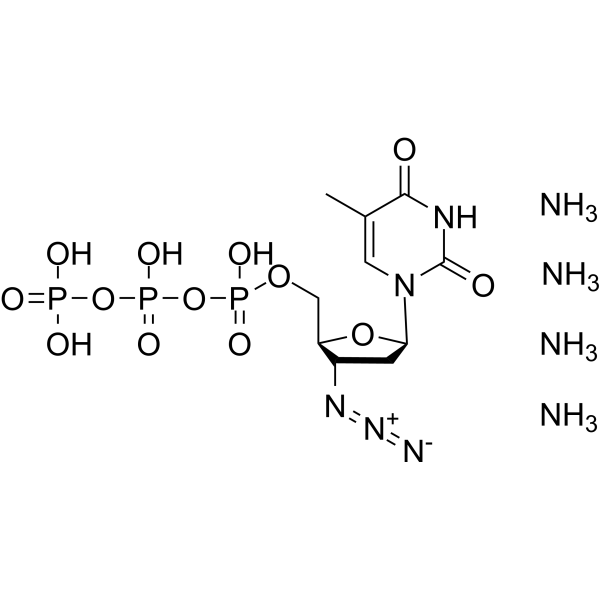 0 ImagesSynonyms: 3'-Azido-3'-deoxythymidine-5'-triphosphate tetraammoniumAZT triphosphate (3'-Azido-3'-deoxythymidine-5'-triphosphate) tetraammonium is an active triphosphate metabolite of Zidovudine (AZT). AZT triphosphate tetraammonium exhibits antiretroviral activity and inhibits replication of HIV. AZT triphosphate tetraammonium also inhibits the DNA polymerase of HBV. AZT triphosphate tetraammonium activates the mitochondria-mediated apoptosis pathway.
-
Taurochenodeoxycholic acid (Standard)
 0 ImagesTaurochenodeoxycholic acid (Standard) is the analytical standard of Taurochenodeoxycholic acid. This product is intended for research and analytical applications. Taurochenodeoxycholic acid (12-Deoxycholyltaurine) is one of the main bioactive substances of animals' bile acid. Taurochenodeoxycholic acid induces apoptosis and shows obvious anti-inflammatory and immune regulation properties[1][2].
-
Meloside A
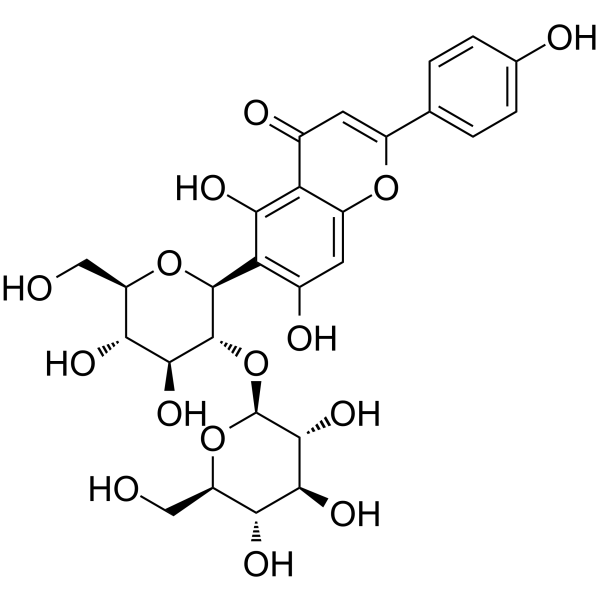 0 ImagesSynonyms: Isovitexin 2''-O-glucoside; Isovitexin 2''-O-β-D-glucosideMeloside A (Isovitexin 2''-O-glucoside) is a flavonoid with antioxidant activity. Meloside A can inhibit cell apoptosis and ROS production. Meloside A can inhibit androgen receptor (AR) nuclear translocation and AR protein expression. Meloside A can reduce IL-6, TGF-β1 and DKK-1 levels. Meloside A can be used for the researches of inflammation and endocrinology, such as hair loss.
-
Berubicin
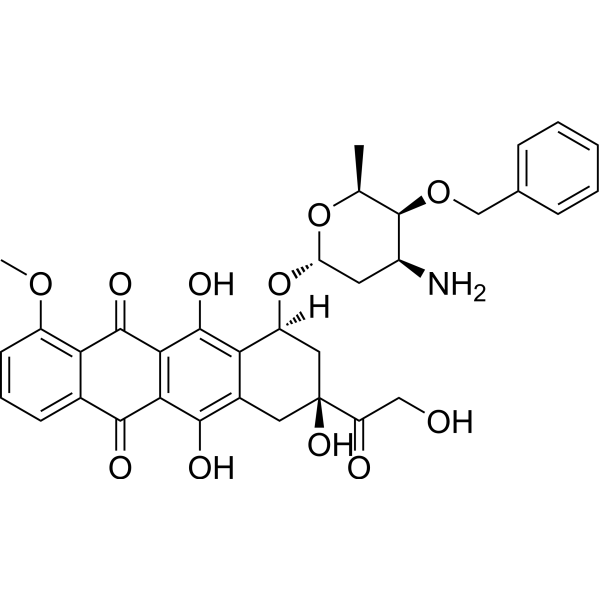 0 ImagesCat. No.: HY-14942CAS No.: 677017-23-1Synonyms: RTA 744 free base; WP 744 free base; WP 769Berubicin (RTA 744 free base) is a Doxorubicin (HY-15142A) analog that can cross the blood-brain barrier. Berubicin inhibits P-gp and MRP1-mediated efflux and suppresses glioblastoma multiforme (GBM). Berubicin exerts toxic effects on leukemia cells by activating nuclear factor κB (NF-κB) and induces apoptosis in neuroblastoma cells. Berubicin can be used in the study of tumors related to the nervous system.
-
Aristolone
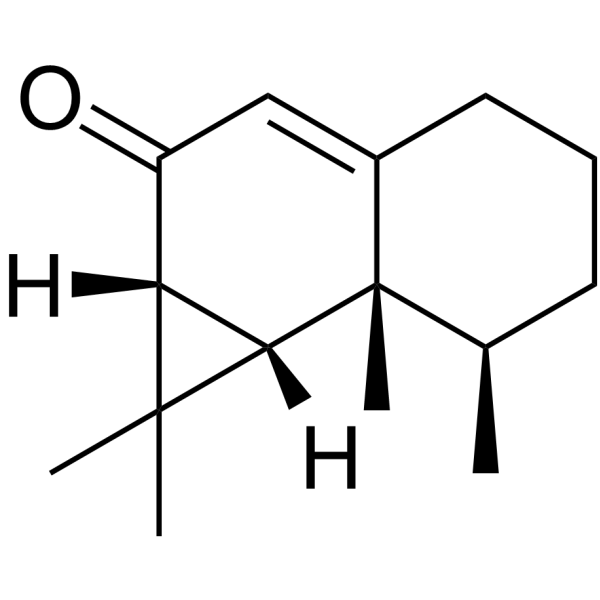 0 ImagesAristolone is a sesquiterpene that can be isolated from Aristolochia debilis, Rosmarinus officinalis and Ficus Auriculata. Aristolone in Ara Fruit can be used as a prediction of apoptosis in HeLa cells. Aristolone inhibits the C1 complement component. Aristolone produces cytotoxicity effects on cells. Aristolone has anticancer properties and can be studied in research for cervical cancer.
-
Licoflavone A
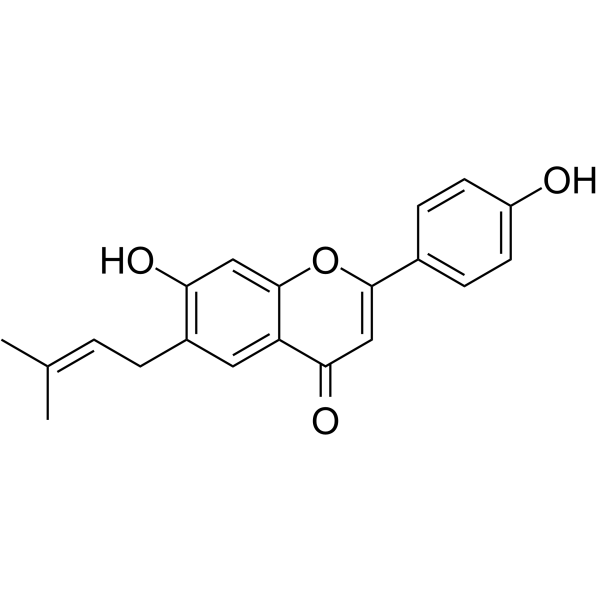 0 ImagesLicoflavone A is an orally active PTP1B/VEGFR-2 inhibitor, with an IC50 of 54.5 μM against PTP1B, an IC50 of 14.36 μM and a Kd of 142.38 nM against human VEGFR-2. Licoflavone A blocks the PI3K/AKT and MEK/ERK signaling pathways. Licoflavone A induces G1 phase cell cycle arrest, apoptosis via the intrinsic mitochondrial pathway (apoptosis), and inhibits migration, invasion and epithelial-mesenchymal transition (EMT) of gastric cancer cells. Licoflavone A inhibits the proliferation of gastric cancer cells in vitro and in xenograft models. Licoflavone A reduces the expression levels of HIF-1α, GLUT1, LDHA, PKM2 and HK2 in hypoxic gastric cancer cells, decreases glucose uptake and suppresses glycolysis. Licoflavone A can be used in research related to gastric cancer, type 2 diabetes and obesity.




