



Apoptosis
Apoptosis
Apoptosis is a distinctive form of cell death exhibiting specific morphological and biochemical characteristics, including cell membrane blebbing, chromatin condensation, genomic DNA fragmentation, and exposure of specific phagocytosis signaling molecules on the cell surface. Cells undergoing apoptosis differ from those dying through necrosis. Necrotic cells are usually recognized by the immune system as a danger signal and, thus, resulting in inflammation; in contrast, apoptotic death is quiet and orderly.
There are two major pathways of apoptotic cell death induction: The intrinsic pathway, also called the Bcl-2-regulated or mitochondrial pathway, is activated by various developmental cues or cytotoxic insults, such as viral infection, DNA damage and growth-factor deprivation, and is strictly controlled by the BCL-2 family of proteins. The extrinsic or death-receptor pathway is triggered by ligation of death receptors (members of the tumor necrosis factor (TNF) receptor family, such as Fas or TNF receptor-1 (TNFR1)) that contain an intracellular death domain, which can recruit and activate caspase-8 through the adaptor protein Fas-associated death domain (FADD; also known as MORT1) at the cell surface. This recruitment causes subsequent activation of downstream (effector) caspases, such as caspase-3, -6 or -7, without any involvement of the BCL-2 family.
Studies suggest that alterations in cell survival contribute to the pathogenesis of a number of human diseases, including cancer, viral infections, autoimmune diseases, neurodegenerative disorders, and AIDS (acquired immunodeficiency syndrome). Treatments designed to specifically alter the apoptotic threshold may have the potential to change the natural progression of some of these diseases.
All Product Categories
-
Apoptosis Inhibitors
(866)
View all products
-
Apoptosis Agonists
(7)
View all products
-
Apoptosis Antagonists
(9)
View all products
-
Apoptosis Activators
(355)
View all products
-
Apoptosis Modulators
(57)
View all products
-
Apoptosis Inducers
(7661)
View all products
-
Apoptosis Degrader
(1)
View all products
-
Apoptosis Controls
(33)
View all products
-
Apoptosis Related Products (9530)
Related Products (9530)

-
Antibodies (120)
-
NSD-IN-3
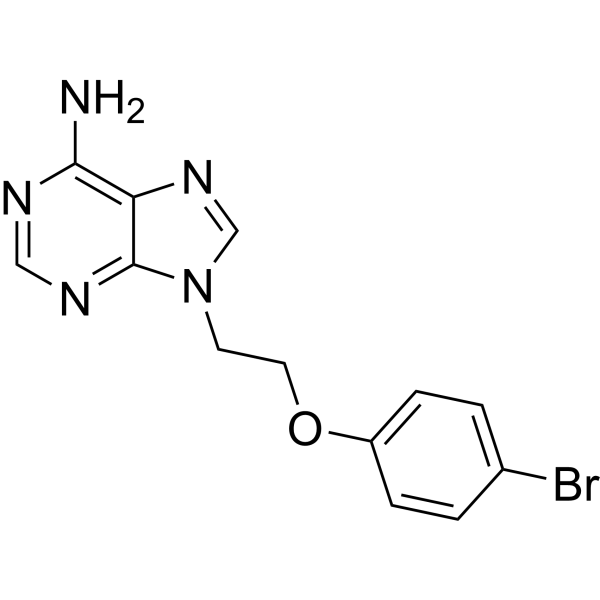 0 ImagesNSD-IN-3 (compound 3) is a potent nuclear receptor binding SET domain (NSD) inhibitor. NSD-IN-3 inhibits NSD2-SET and NSD3-SET with IC50 values of 0.81 μM and 0.84 μM, respectively. NSD-IN-3 inhibits histone H3K36 dimethylation and decreases the expression of NSDs-targeted genes in non-small cell lung cancer cells. NSD-IN-3 induces s-phase cell cycle arrest and apoptosis.
-
alpha-Bisabolol
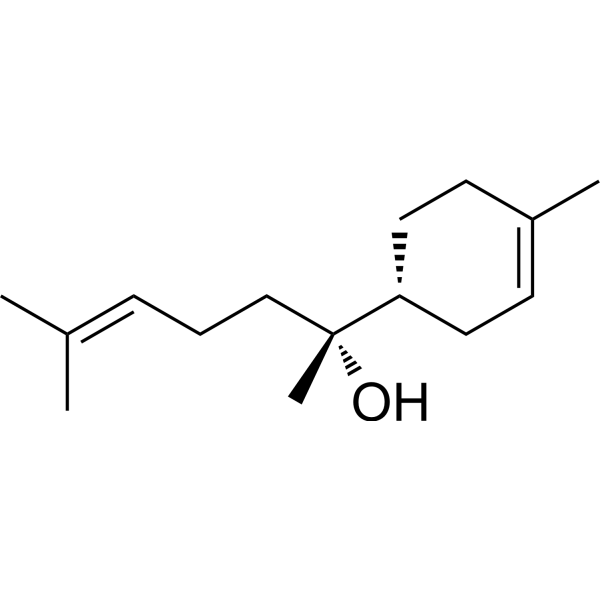 0 Imagesalpha-Bisabolol, an orally active sesquiterpene alcohol, induces cell cycle arrest, mitochondrial apoptosis and inhibition of PI3K/Akt signalling pathways. alpha-Bisabolol exerts a protective action against Cisplatin (HY-17394)-induced nephrotoxicity by mitigating inflammation and oxidative stress through the inhibition of NFκB activation. alpha-Bisabolol exhibits anti-inflammatory, analgesic, antibiotic and anticancer activities.
-
Phosphocreatine disodium hydrate
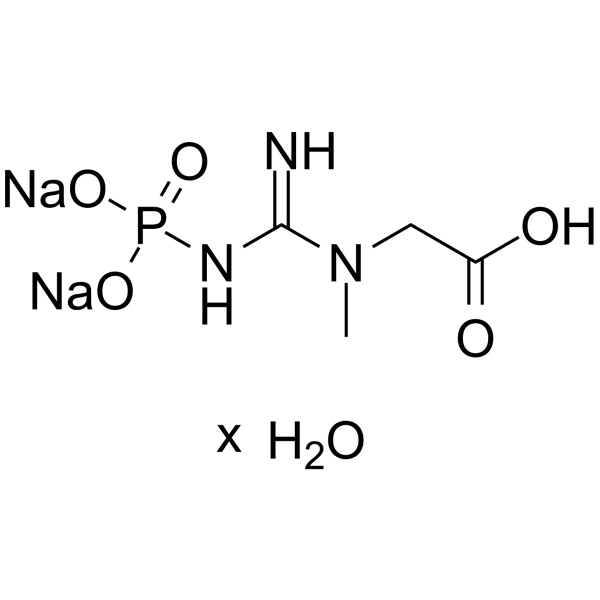 0 ImagesPhosphocreatine (disodium hydrate) is an organic compound found in vertebrate skeletal muscles. Phosphocreatine (disodium hydrate) enhances antioxidant activity, and activates the TAK1 pathway to protect the heart. Phosphocreatine (disodium hydrate) normalizing mitochondrial function and reducing oxidative stress via Akt mediated Nrf2/HO-1 pathway. Phosphocreatine (disodium hydrate) Phosphocreatine (disodium hydrate) provides renal protection by suppressing Apoptosis and ROS (Reactive Oxygen Species) generation through ERK mediated mediated Nrf-2/HO-1 pathway..
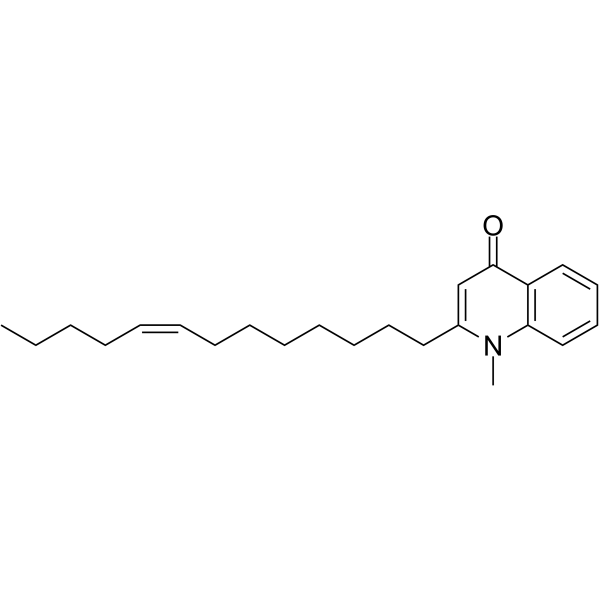
-
Ferric citrate,suitable for cell culture
 0 ImagesCat. No.: HY-N1428CACAS No.: 3522-50-7Ferric citrate, suitable for cell culture is a natural preservative and food tartness enhancer. Ferric citrate, suitable for cell culture induces apoptosis and cell cycle arrest at G2/M phase and S phase in HaCaT cells. Ferric citrate, suitable for cell culture causes oxidative damage of the liver by means of the decrease of antioxidative enzyme activities. Ferric citrate, suitable for cell culture is also an acidulant, emulsifier, sequestrant and buffering agent widely used across many industries.
-
Licoflavone B
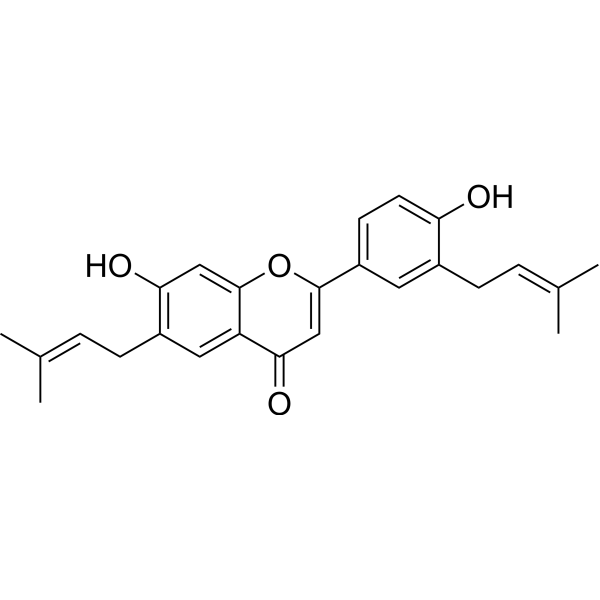 0 ImagesLicoflavone B is an orally active flavonoid, with IC50 values of 23.78 μM and 31.5 μM against SmATPase and SmADPase of Schistosoma mansoni, respectively. Licoflavone B selectively targets viral RdRp, inhibits viral replication, and reduces the expression levels of viral NP and PB2. Licoflavone B inhibits c-Myc expression and suppresses cancer cell proliferation. Licoflavone B disrupts the tegument of worms, reduces egg production, and induces the death of adult Schistosoma mansoni. Licoflavone B blocks the activation of the MAPK pathway, maintains colonic barrier integrity, inhibits colonic cell apoptosis, and reshapes the gut microbiota. Licoflavone B can be used in research related to influenza, multiple myeloma, schistosomiasis, and ulcerative colitis.
-
Norfluoxetine
 0 ImagesNorfluoxetine is the active metabolite of the antidepressant Fluoxetine (HY-B0102); it is also a TREK-2 K2P potassium channel inhibitor. Norfluoxetine exhibits neuroimmunological activity, induces apoptosis in primary microglial cells, and inhibits the release of pro-inflammatory factors. Norfluoxetine inhibits high-threshold voltage-gated Ca2+ currents in neurons with an EC50 of 20.4 μM. Norfluoxetine can be used in research related to depression, ischemic stroke, and epilepsy.
-
Mangiferin (Standard)
 0 ImagesMangiferin (Standard) is the analytical standard of Mangiferin. This product is intended for research and analytical applications. Mangiferin is a Nrf2 activator. Mangiferin suppresses nuclear translocation of the NF-κB subunits p65 and p50. Mangiferin exhibits antioxidant, antidiabetic, antihyperuricemic, antiviral, anticancer and antiinflammatory activities.
-
APG-2449
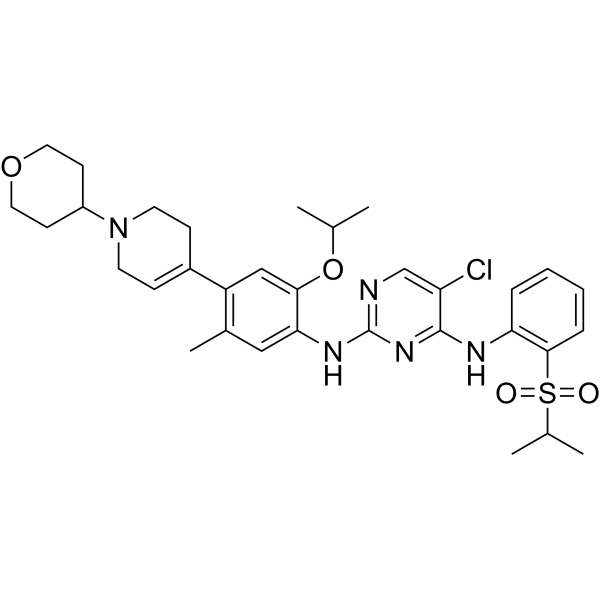 0 ImagesAPG-2449 is an orally active inhibitor for BCL-2 and multikinase (ALK/FAK/ROS1) with potent antitumor activities. APG-2449 reduces cell viability and enhances apoptosis in acute myeloid leukemia cells in vitro. APG-2449 decreases activation of FAK and its downstream effectors. APG-2449 can be studied in research for mesothelioma tumor, non-small cell lung cancer, ovarian cancer, hematologic and solid malignancies.
-
HG-7-85-01
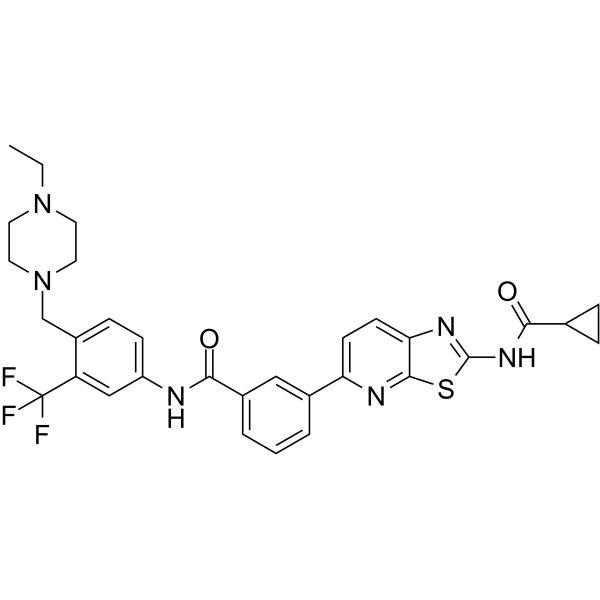 0 ImagesHG-7-85-01 is a type II ATP competitive inhibitor of wild-type and gatekeeper mutations forms of Bcr-Abl, PDGFRα, Kit, and Src kinases. HG-7-85-01 inhibits T315I mutant Bcr-Abl kinase, KDR and RET with IC50s of 3 nM, 20 nM and 30 nM, and is only weak or no inhibition of other kinases (IC50>2 μM). HG-7-85-01 inhibits the cell proliferation, which is mediated by the induction of apoptosis, and inhibition of cell-cycle progression.
-
CMLD010509
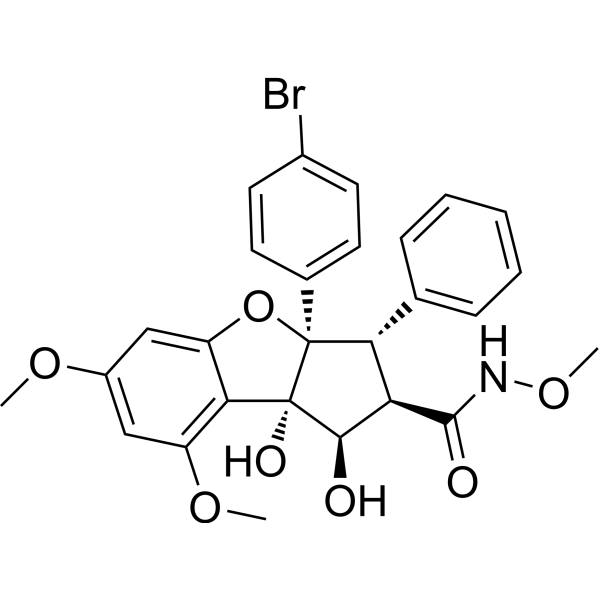 0 ImagesSynonyms: SDS-1-021CMLD010509 (SDS-1-021) is a highly specific inhibitor of the oncogenic translation program supporting multiple myeloma (MM)-including key oncoproteins such as MYC, MDM2, CCND1, MAF, and MCL-1. CMLD010509 (SDS-1-021) shows an IC50 below 10 nM for most MM cell lines and induces apoptosis. CMLD010509 (SDS-1-021) is a potent and selective translation inhibitor through an eIF4E phosphorylation-independent mechanism.
-
Noscapine hydrochloride
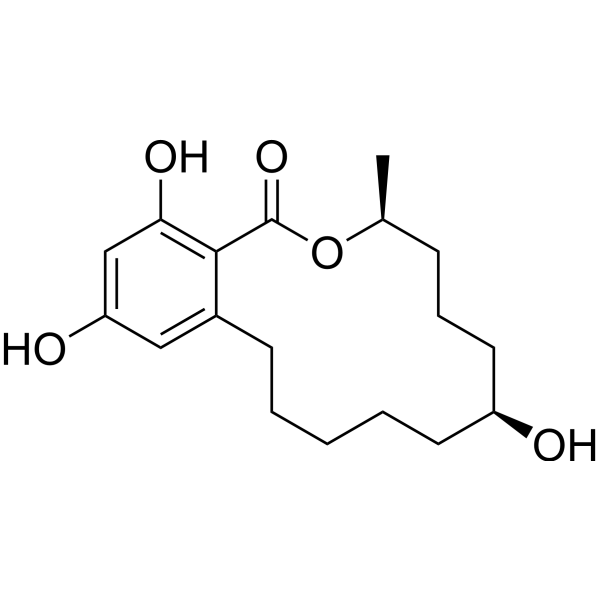
 0 ImagesNoscapine ((S,R)-Noscapine) hydrochloride is an orally active phthalideisoquinoline alkaloid with potent antitussive. Noscapine hydrochloride exerts its antitussive effects by activating sigma opioid receptors and is a non-competitive Bradykinin inhibitor. Noscapine hydrochloride disrupts microtubule dynamics, induces mitotic arrest and apoptosis. Noscapine hydrochloride possesses anticancer, neuroprotective, anti-inflammatory activities, and can crosse the blood-brain barrier.
-
Tauroursodeoxycholate (Standard)
 0 ImagesCat. No.: HY-19696RCAS No.: 14605-22-2Synonyms: Tauroursodeoxycholic acid (Standard); TUDCA (Standard); UR 906 (Standard)Tauroursodeoxycholate (Standard) is the analytical standard of Tauroursodeoxycholate. This product is intended for research and analytical applications. Tauroursodeoxycholate (Tauroursodeoxycholic acid) is an endoplasmic reticulum (ER) stress inhibitor. Tauroursodeoxycholate significantly reduces expression of apoptosis molecules, such as caspase-3 and caspase-12. Tauroursodeoxycholate also inhibits ERK.
-
Suberoyl bis-hydroxamic acid
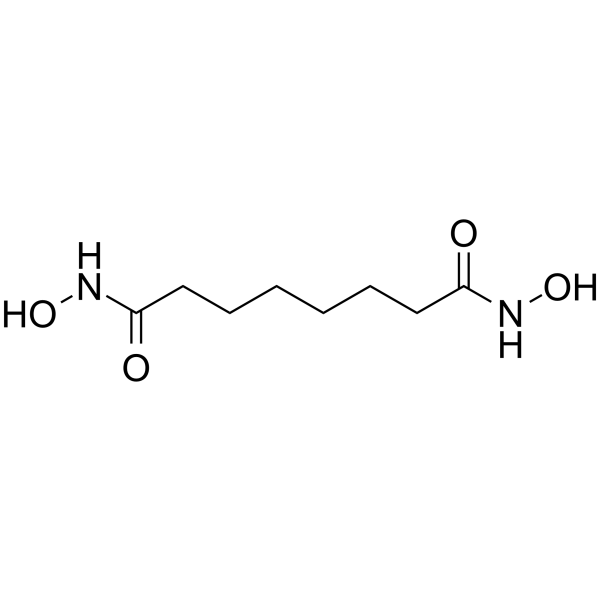 0 ImagesCat. No.: HY-W009776CAS No.: 38937-66-5Synonyms: Suberohydroxamic acid; SBHASuberoyl bis-hydroxamic acid (Suberohydroxamic acid; SBHA) is a competitive and cell-permeable HDAC1 and HDAC3 inhibitor with ID50 values of 0.25 μM and 0.30 μM, respectively.Suberoyl bis-hydroxamic acid renders MM cells susceptible to apoptosis and facilitates the mitochondrial apoptotic pathways.Suberoyl bis-hydroxamic acid can be used for the study of medullary thyroid carcinoma (MTC).
-
Oleic acid-d17
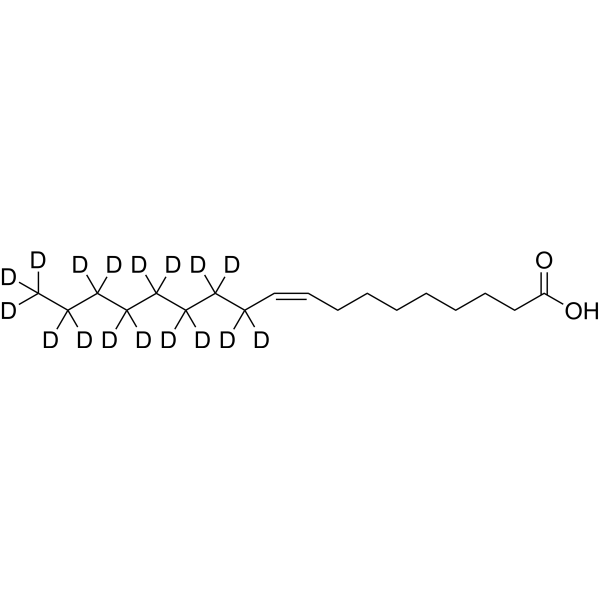 0 ImagesSynonyms: 9-cis-Octadecenoic acid-d17; 9Z-Octadecenoic acid-d17Oleic acid-d17 is the deuterium labeled Oleic acid (HY-N1446). Oleic acid (9-cis-Octadecenoic acid) is an abundant monounsaturated fatty acid. Oleic acid is a Na+/K+ ATPase activator.
-
8-O-Acetylharpagide
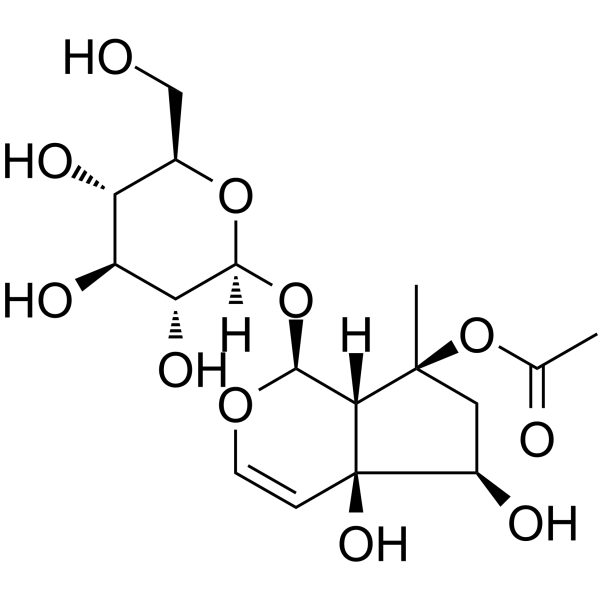 0 Images8-O-Acetylharpagide is an orally active iridoid glycoside compound. 8-O-Acetylharpagide exhibits anti-aging activity at low doses and anticancer activity at high doses. 8-O-Acetylharpagide induces late-stage apoptosis and necrosis-like death in cancer cells, and downregulates anti-apoptotic proteins such as Akt, p-Akt and Bcl-2. 8-O-Acetylharpagide is mainly metabolized in rats via demethylation, hydrolysis and glucuronidation, and its active metabolites downregulate the AKT/NF-κB/MMP9 signaling axis. 8-O-Acetylharpagide exerts vasoconstrictive effects by activating vascular α-adrenoceptor.
-
Quercetin-3'-O-glucoside
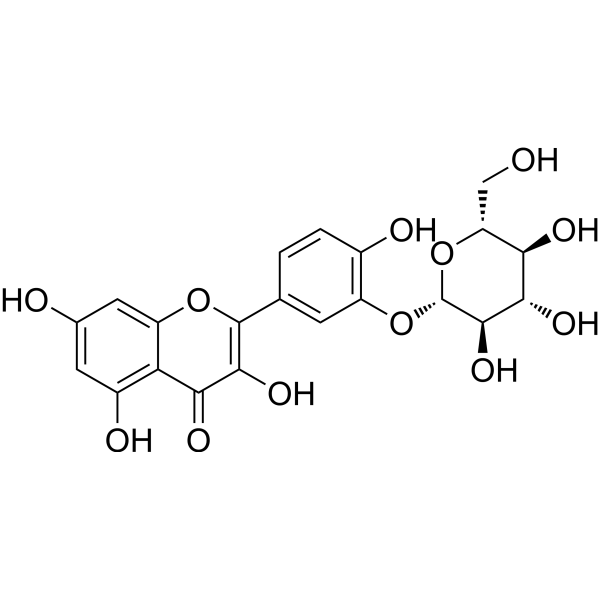 0 ImagesQuercetin-3'-O-glucoside is an orally active flavonoid glycoside. Quercetin-3'-O-glucoside reduces liver glucose-6-phosphatase activity, alters serum insulin and glucose levels, and regulates the activities of antioxidant enzymes in the liver and kidney. Quercetin-3'-O-glucoside inhibits DNA topoisomerase II, induces S-phase cell cycle arrest and caspase-3-mediated apoptosis in hepatocellular carcinoma cells. Quercetin-3'-O-glucoside selectively inhibits EGFR-mediated signaling pathways targeting AKT, ERK1/2, FAK and MEK1/2. Quercetin-3'-O-glucoside inhibits growth factor-induced migration and invasion in pancreatic cancer cells. Quercetin-3'-O-glucoside exerts free radical scavenging effects. Quercetin-3'-O-glucoside is applicable to research related to pancreatic cancer, diabetes, hepatocellular carcinoma and malignant tumors.
-
Inosine-5'-diphosphate disodium
 0 ImagesSynonyms: IDP disodium; Inosine-5'-diphosphoric acid disodiumInosine-5'-diphosphate disodium (IDP disodium) is a decoy substrate of NM23-H2. Inosine-5'-diphosphate disodium has a superior bond capacity on GDP-binding pocket of NM23-H2 (KD: 5.0 μM). Inosine-5'-diphosphate disodium abrogates c-MYC transcription, induces apoptosis and G2/M cell cycle arrest by disrupting NM23-H2-Pu27-GQ interactions without affecting NM23-H2-mediated kinase properties. Inosine-5'-diphosphate disodium has antihypoxic, antihyperthermic and antiarrhythmic activity and protects animals against the noxious effects of γ-irradiation. Inosine-5'-diphosphate disodium can be used for cancers like Burkitt's lymphoma and cardiovascular diseases research.




