



Bacterial
Anything that destroys bacteria or suppresses their growth or their ability to reproduce. Heat, chemicals such as chlorine, and antibiotic drugs all have antibacterial properties. Many antibacterial products for cleaning and handwashing are sold today. Such products do not reduce the risk for symptoms of viral infectious diseases in otherwise healthy persons. This does not preclude the potential contribution of antibacterial products to reducing symptoms of bacterial diseases in the home.
All Product Categories
-
Bacterial Inhibitors
(7433)
View all products
-
Bacterial Agonists
(3)
View all products
-
Bacterial Antagonists
(9)
View all products
-
Bacterial Activators
(23)
View all products
-
Bacterial Modulators
(20)
View all products
-
Bacterial Chemicals
(2)
View all products
-
Bacterial Inducers
(7)
View all products
-
Bacterial Controls
(14)
View all products
-
Bacterial Substrates
(2)
View all products
-
Bacterial Ligand
(1)
View all products
-
Bacterial Related Products (8732)
Related Products (8732)

-
Antibodies (14)
-
Related Compound Screening Libraries (1)
-
Tilmicosin (Standard)
 0 ImagesSynonyms: LY-177370 (Standard); EL-870 (Standard)Tilmicosin (Standard) is the analytical standard of Tilmicosin. This product is intended for research and analytical applications. Tilmicosin (LY-177370) is an orally active calcium channel antagonist and macrolide antibiotic with antimicrobial activity. Tilmicosin mainly acts on the 50S subunit of bacterial ribosomes, inhibiting protein synthesis. Tilmicosin is effective in the treatment of respiratory diseases in livestock such as cattle, sheep and pigs. In addition, Tilmicosin has immunomodulatory and anti-inflammatory effects.
-
Herniarin-d3
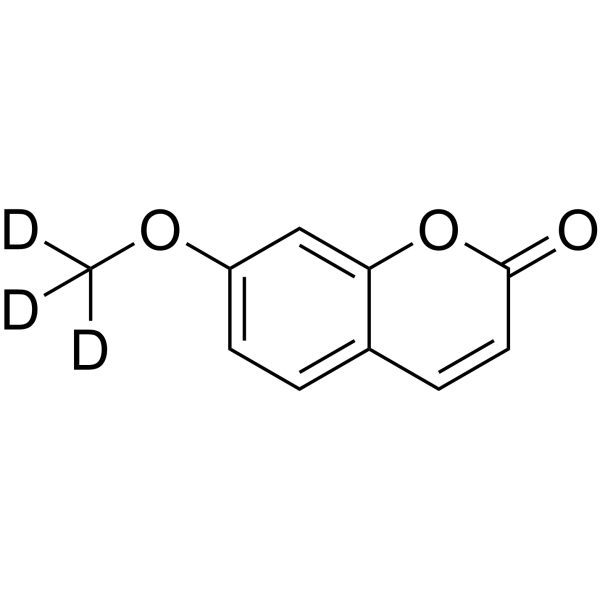 0 ImagesSynonyms: 7-Methoxycoumarin-d3; Methyl umbelliferyl ether-d3Herniarin-d3 is the deuterium labeled Herniarin (HY-N1366). Herniarin is a natural coumarin occurs in some flowering plants with anticancer effects. Herniarin results in a significant decrease in cell viability by inducing apoptosis in MCF-7 cells. Herniarin also has anti-dermatophytic activity. Herniarin can be used for the study of bladder cancer and breast cancer.
-
Narirutin (Standard)
 0 ImagesNarirutin (Standard) is the analytical standard of Narirutin. This product is intended for research and analytical applications. Narirutin, one of the active constituents isolated from citrus fruits, has antioxidant and anti-inflammatory activities. Narirutin is a shikimate kinase inhibitor with anti-tubercular potency.
-
Cefozopran
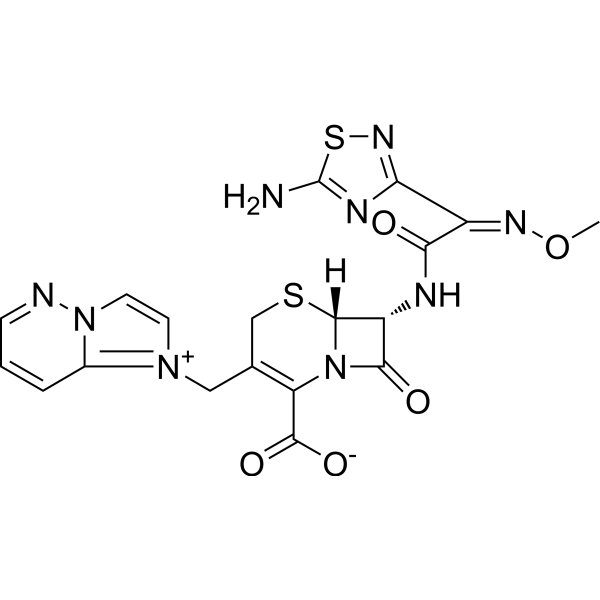 0 ImagesCat. No.: HY-B0771CAS No.: 113359-04-9Synonyms: SCE-2787Cefozopran (SCE-2787) is a potent antibiotic with broad-spectrum antibacterial activity. Cefozopran binds PBPs, induces cell wall destruction, cell elongation, filamentation, irregular septa formation, and bactericidal, bacteriolytic activity. Cefozopran reduces bacterial counts and eradicates bacteria in mouse respiratory, urinary, and thigh muscle infections. Cefozopran can be used for the research of bacterial infections.
-
2-Pentadecanone
 0 ImagesSynonyms: Pentadecan-2-one2-Pentadecanone (Pentadecan-2-one) is a fragrance ingredient and can be used as a food additive.
-
(rac)-TBAJ-5307
 0 ImagesCat. No.: HY-161135ACAS No.: 2131783-85-0
-
Esomeprazole (Standard)
 0 ImagesSynonyms: (S)-Omeprazole (Standard); (-)-Omeprazole (Standard)Esomeprazole (Standard) is the analytical standard of Esomeprazole. This product is intended for research and analytical applications. Esomeprazole ((S)-Omeprazole) is a potent and orally active proton pump inhibitor and reduces acid secretion through inhibition of the H+, K+-ATPase in gastric parietal cells. Esomeprazole has the potential for symptomatic gastroesophageal reflux disease research.
-
Carbenicillin
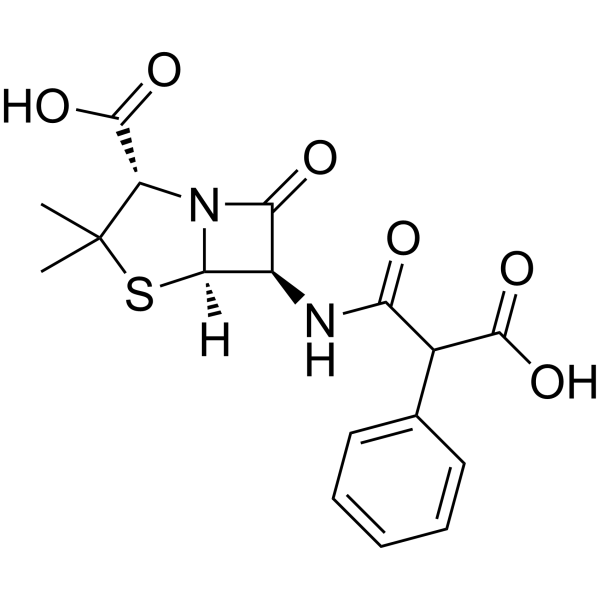 0 ImagesCarbenicillin is a broad-spectrum semi-synthetic penicillin antibiotic for gram-negative bacteria. Carbenicillin can interfere the cell wall synthesis while displaying low toxicity to plant tissue.
-
Sodium propionate-d3
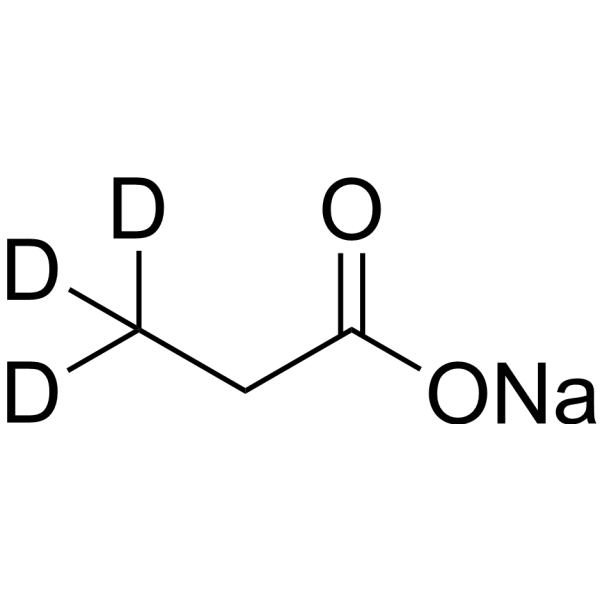 0 ImagesSodium propionate-d3 is the deuterium labeled Propionate sodium (HY-B1773A). Sodium propionate is an orally active short-chain fatty acid. Sodium propionate can be produced by intestinal bacteria from the metabolism of dietary fiber. Sodium propionate increases PPAR-γ, inhibits NF-κB activation, and reduces COX-2 expression and NO production. Sodium propionate also induces Apoptosis and Autophagy. Sodium propionate reduces HSV-1-induced keratitis. Sodium propionate has anticancer effects against glioblastoma. Sodium propionate exhibits neuroprotective, antioxidant, and anti-inflammatory activities. Sodium propionate can be used in the research of spinal cord injury and Alzheimer's disease.
-
Silver(I) sulfide
 0 ImagesCat. No.: HY-W093378CAS No.: 21548-73-2Silver (I) sulfide is a biochemical reagent. Silver (I) sulfide nanoparticles exert Antibacterial effects against a variety of resistant bacteria, including Gram-positive and Gram-negative bacteria. Silver (I) sulfide can be used in the research of bacterial infections, such as infections caused by Staphylococcus aureus, Streptococcus agalactiae, Escherichia coli and Pseudomonas species.
-
Cholesterol (synthetic)
 0 ImagesCholesterol (synthetic) is the major sterol in mammals. It is making up 20-25% of structural component of the plasma membrane. Plasma membranes are highly permeable to water but relatively impermeable to ions and protons. Cholesterol (synthetic) plays an important role in determining the fluidity and permeability characteristics of the membrane as well as the function of both the transporters and signaling proteins. Cholesterol (synthetic) is also an endogenous estrogen-related receptor α (ERRα) agonist.
-
(E/Z)-MC4
 0 ImagesCat. No.: HY-129487CAS No.: 219140-31-5(E/Z)-MC4 is an enantiomer of the antibacterial agent MC4, which has antibacterial activity against a group of Staphylococcus aureus strains including MRSA, and has no significant toxicity to mammalian cells.
-
1-Naphthalenemethanol (Standard)
 0 ImagesSynonyms: 1-Hydroxymethylnaphthalene (Standard)1-Naphthalenemethanol (Standard) is the analytical standard of 1-Naphthalenemethanol (HY-W017241). This product is intended for research and analytical applications. 1-Naphthalenemethanol is a hydroxyl-substituted naphthalene derivative. 1-Naphthalenemethanol can be extracted from the root of Annona senegalensis. 1-Naphthalenemethanol is a photolysis product of 1-napthaleneacetic acid. 1-Naphthalenemethanol, together with PAPS, provides some protection against the irreversible inactivation of AST IV caused by N-OH-2AF. 1-Naphthalenemethanol can be used in antibacterial research.
-
Sulfadiazine (Standard)
 0 ImagesSulfadiazine (Standard) is the analytical standard of Sulfadiazine (HY-B0273). This product is intended for research and analytical applications. Sulfadiazine is an orally active sulfonamide antibiotic. Sulfadiazine competitively inhibits p-aminobenzoic acid in the folic-acid-metabolism cycle, inhibiting multiplication of most Gram-positive and many Gram-negative bacteria. Sulfadiazine persists in soil long-term, and exerts selective pressure for sulfonamide-resistant microbial populations. Sulfadiazine targets Toxoplasma gondii DHPS enzyme. Sulfadiazine can be used for the research of congenital toxoplasmosis and bacterial infection.

-
Atractylodinol
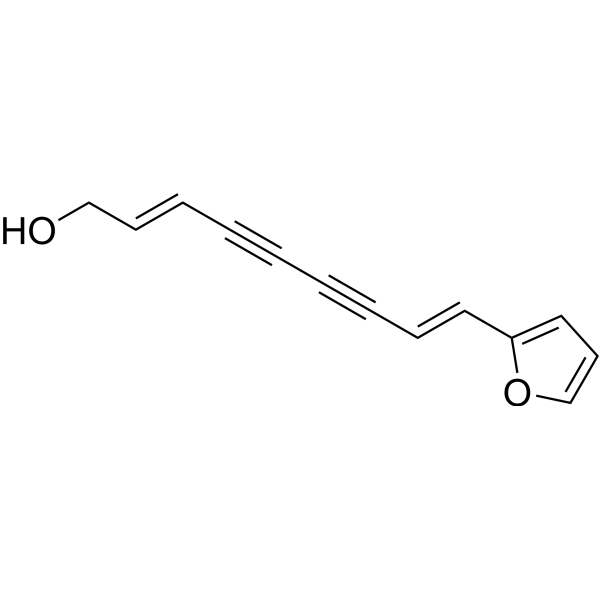 0 ImagesAtractylodinol, an antimicrobial, is a PRRSV (porcine reproductive and respiratory syndrome virus) inhibitor. Atractylodinol inhibits TGF-β receptor I recycling by binding to vimentin (KD of 454 nM) and inducing the formation of filamentous aggregates.
-
Tazobactam (Standard)
 0 ImagesSynonyms: CL-298741 (Standard); YTR-830H (Standard)Tazobactam (Standard) is the analytical standard of Tazobactam. This product is intended for research and analytical applications. Tazobactam (CL-298741) is a potent β-lactamases inhibitor and penicillin antibiotic. Tazobactam has antibacterial activity. Tazobactam can be used for pneumonia research.
-
Pretomanid-d4
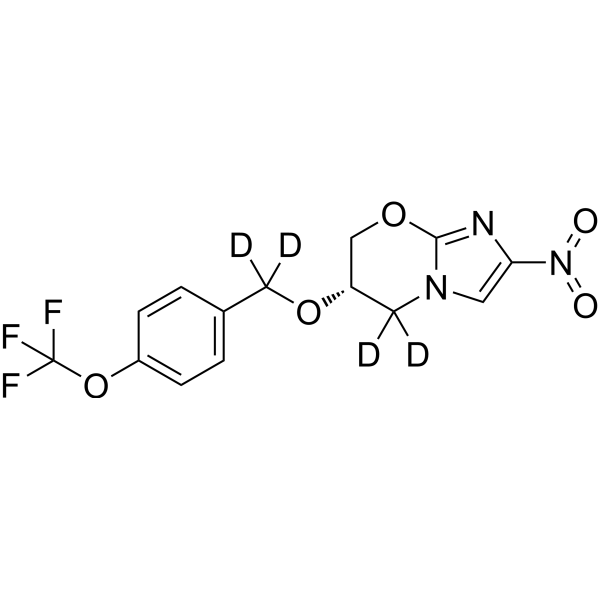 0 ImagesPretomanid-d4 is the deuterium labeled Pretomanid. Pretomanid (PA-824) is an antibiotic used for the research of multi-drug-resistant tuberculosis affecting the lungs. Pretomanid exhibits a sub-micromolar MIC against M. tuberculosis (MTB). The MIC values of PA-824 against a panel of MTB pan-sensitive and Rifampin mono-resistant clinical isolates range from 0.015 to 0.25 μg/mL.
-
17-Hydroxyneomatrine
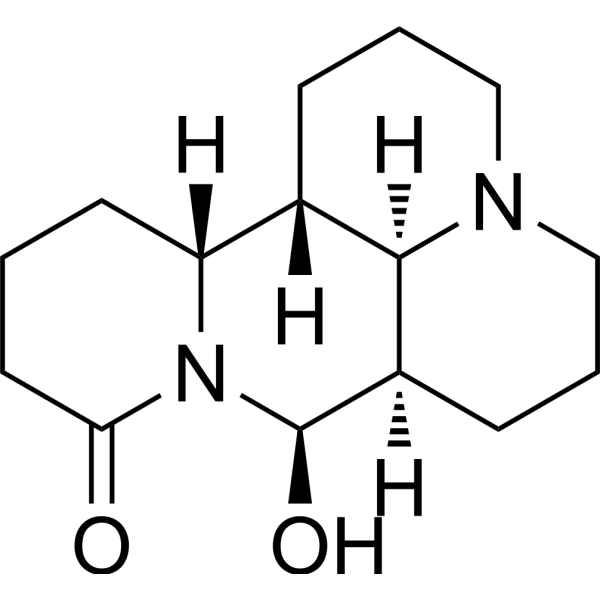 0 Images17-Hydroxyneomatrine, extracted from Sophora flavescens, can well inhibit the growth of human cervical carcinoma Hela cells, has the wide-range antibacterial, anti-allergy, anti-tumor, anti-arrhythmia, swelling-subsiding diuresis, immunizing, and biological regulation functions.
-
Methylchloroisothiazolinone
 0 ImagesCat. No.: HY-W041608CAS No.: 26172-55-4Methylchloroisothiazolinone is a widely used fungicide and also an aquatic pollutant with pro-inflammatory activity and neurotoxicity. Methylchloroisothiazolinone induces the production of pro-inflammatory cytokines (such as IL-1β, TNF-α, IL-6) by activating the NF-κB signaling pathway and upregulating TLR4 expression, thereby triggering allergic contact dermatitis. Methylchloroisothiazolinone reduces cholinesterase activity and exacerbates oxidative stress by impairing catalase activity and disrupting redox balance. Methylchloroisothiazolinone poses significant harm to Mediterranean mussels, reducing the viability of hemocytes and digestive gland cells, inhibiting immune phagocytic function, and disrupting osmoregulatory capacity. Methylchloroisothiazolinone is used in studies on allergic contact dermatitis and related immunotoxicity mechanisms.




