



G protein-coupled Bile Acid Receptor 1
G-protein coupled receptor 19; GPCR19; TGR5; GPBAR1
G protein-coupled bile acid receptor 1 (GPCR19, TGR5, GPBAR1) is a plasma membrane-bound, G protein-coupled receptor that has bile acids as its ligand. GPCR19 is a regulator of energy homeostasis, bile acid homeostasis as well as glucose metabolism. GPCR19 transduces extracellular signals through heterotrimeric G proteins.
GPCR19 can be activated by bile acids and then it induces cAMP production. As a membrane receptor, GPCR19 can be internalized into the cytoplasm in response to its ligands. GPCR19 plays important roles in cell signaling pathways such as nuclear factor κB (NF-κB), AKT, and extracellular signal-regulated kinases (ERK). Its agonists may be potential drugs for the treatment of metabolic, inflammation, and digestive disorders. In addition, GPCR19 stimulates glucagon-like peptide 1 (GLP-1) secretion. It also has become an attractive therapeutic target for the prevention and/or the treatment of obesity and its highly associated Type II diabetes and metabolic syndrome.
All Product Categories
-
G protein-coupled Bile Acid Receptor 1 Inhibitors
(3)
View all products
-
G protein-coupled Bile Acid Receptor 1 Agonists
(55)
View all products
-
G protein-coupled Bile Acid Receptor 1 Antagonists
(4)
View all products
-
G protein-coupled Bile Acid Receptor 1 Activators
(30)
View all products
-
G protein-coupled Bile Acid Receptor 1 Modulators
(2)
View all products
-
G protein-coupled Bile Acid Receptor 1 Ligands
(2)
View all products
-
G protein-coupled Bile Acid Receptor 1 Related Products (99)
Related Products (99)

-
Triamterene (Standard)
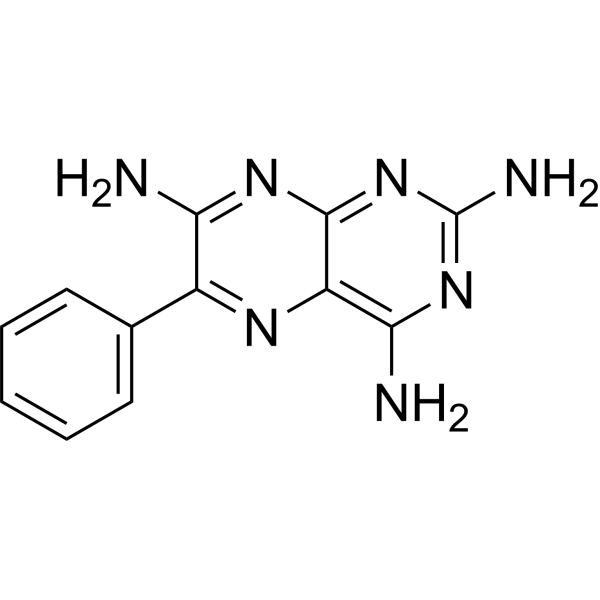 0 ImagesTriamterene (Standard) is the analytical standard of Triamterene. This product is intended for research and analytical applications. Triamterene blocks epithelial Na+ channel (ENaC) in a voltage-dependent manner, which used as a mild diuretic. Triamterene as an inhibitor of the TGR5 receptor.
-
TGR5 Receptor Agonist 4
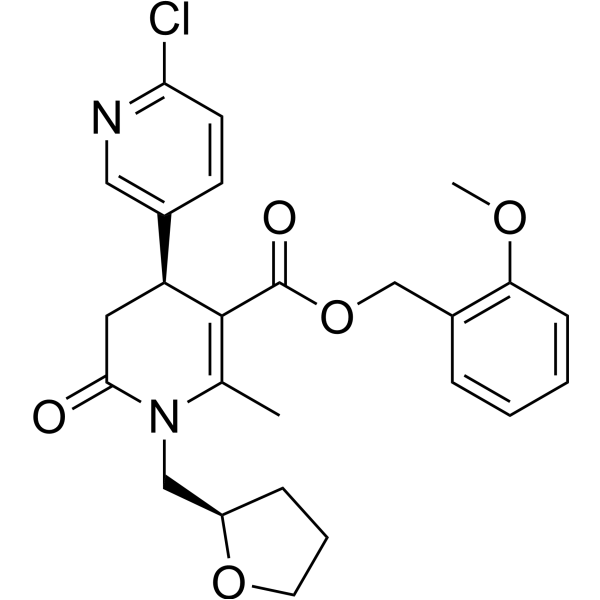 0 ImagesTGR5 Receptor Agonist 4 is an agonist of Bile Acid Receptor (TGR5), with EC50 for hTGR5 and mTGR5 of 2 nM and 3 nM, respectively. TGR5 Receptor Agonist 4 plays important roles in hypoglycemic and weight loss.
-
Deoxycholic acid-d5
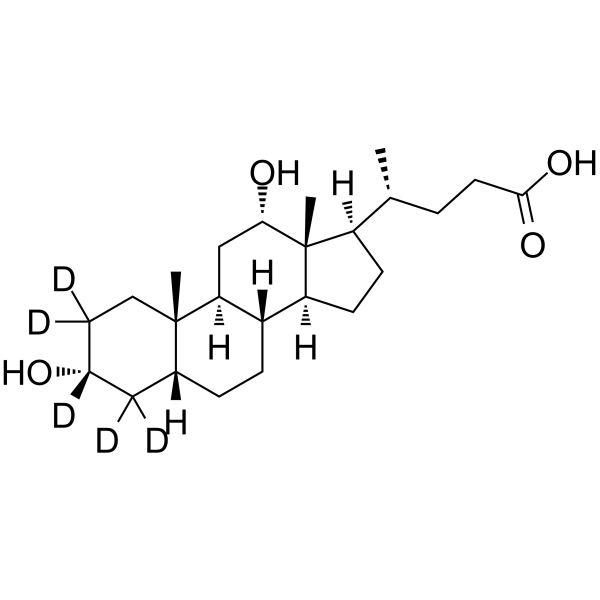 0 ImagesDeoxycholic acid-d5 is the deuterium labeled Deoxycholic acid. Deoxycholic acid is specifically responsible for activating the G protein-coupled bile acid receptor TGR5 that stimulates brown adipose tissue (BAT) thermogenic activity.
-
(4′R)-TGR5 Receptor Agonist 4
 0 Images(4′R)-TGR5 Receptor Agonist 4 is the R enantiomer of TGR5 Receptor Agonist 4 (HY-156830). TGR5 Receptor Agonist 4 is an agonist of Bile Acid Receptor (TGR5), with EC50 for hTGR5 and mTGR5 of 2 nM and 3 nM, respectively. TGR5 Receptor Agonist 4 plays important roles in hypoglycemic and weight loss.
-
Taurodeoxycholic acid (Standard)
 0 ImagesTaurodeoxycholic acid (Standard) is the analytical standard of Taurodeoxycholic acid. This product is intended for research and analytical applications. Taurodeoxycholate sodium salt is a bile salt-related anionic detergent. Taurodeoxycholic acid is formed in the liver by conjugation of deoxycholate with Taurine (HY-B0351). Taurodeoxycholic acid is used for isolation of membrane proteins including inner mitochondrial membrane proteins. Taurodeoxycholic acid (TDCA) exhibits anti-inflammatory and neuroprotective effects[1][2][3][9][10].
-
INT-777 (R-enantiomer)
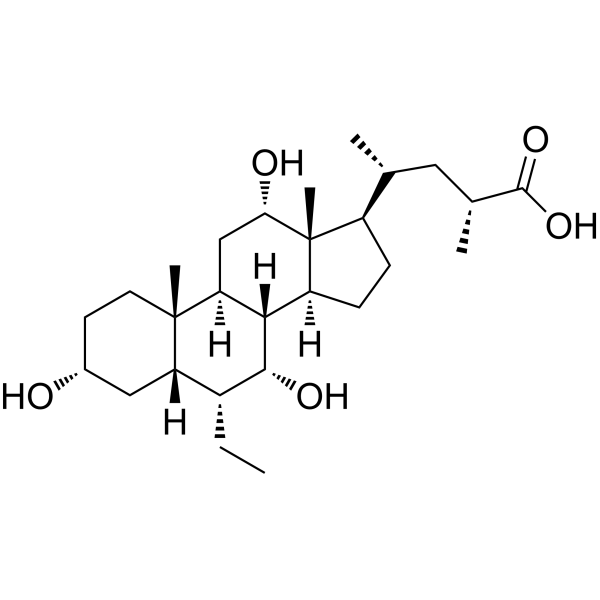 0 ImagesCat. No.: HY-15677ACAS No.: 1198786-98-9Synonyms: S-EMCA R enantiomerINT-777 (R-enantiomer) is the R-enantiomer of INT-777, with EC50 of 4.79 μM for TGR5, and less potent than INT-777.
-
WB403
 0 ImagesWB403 is an orally active TGR5 activator with an EC50 of 5.5 μM against human TGR5. WB403 activates TGR5 to stimulate downstream signaling pathways, promote GLP-1 secretion, improve glucose tolerance in mice with type 2 diabetes, and reduce levels of fasting blood glucose, postprandial blood glucose and HbA1c. WB403 increases pancreatic β-cell mass and restores the distribution of α-cells and β-cells in islets. WB403 is applicable to the research of type 2 diabetes.
-
Taurodeoxycholate-d6 sodium
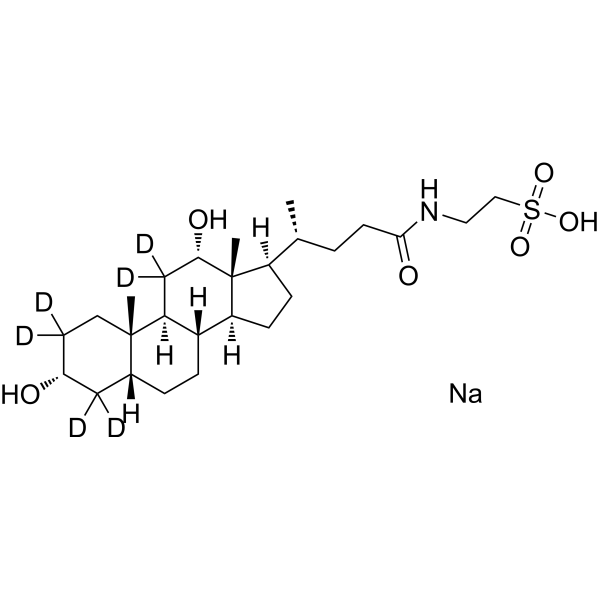 0 ImagesTaurodeoxycholate-d6 sodium salt is a bile salt-related anionic detergent. Taurodeoxycholate-d6 sodium salt is formed in the liver by conjugation of deoxycholate with Taurine (HY-B0351). Taurodeoxycholate-d6 sodium salt is used for isolation of membrane proteins including inner mitochondrial membrane proteins. Taurodeoxycholate-d6 (TDCA) exhibits anti-inflammatory and neuroprotective effects.
-
PEN (rat)
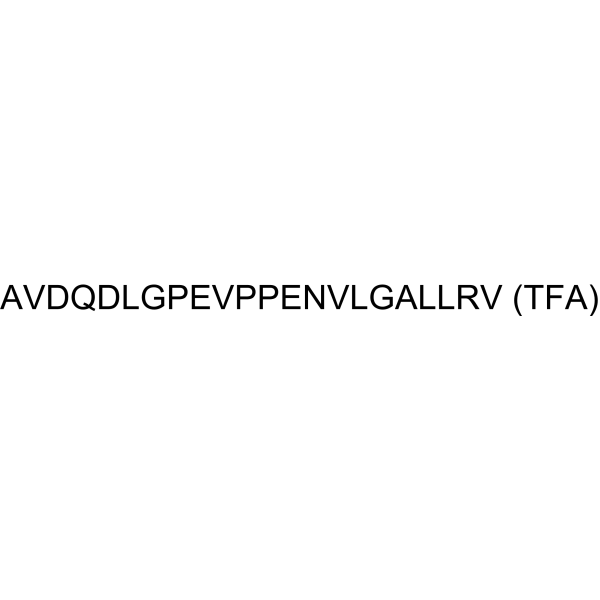
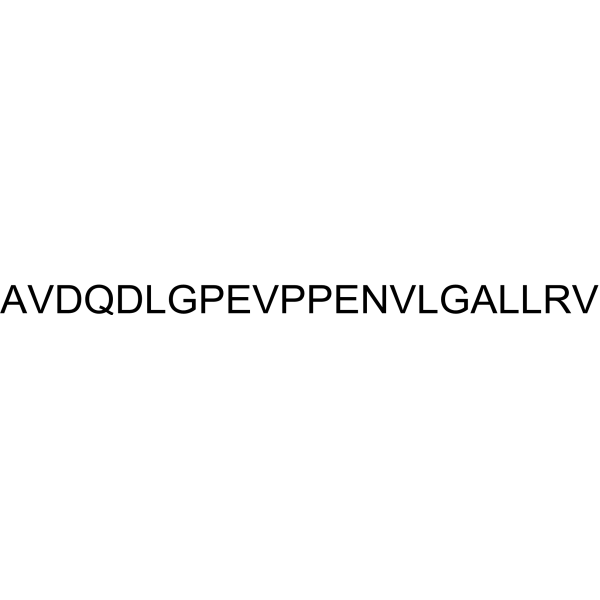 0 ImagesPEN (rat), one of the most abundant hypothalamic neuropeptide and derived from the proprotein ProSAAS, is an endogenous ligand of GPR83.
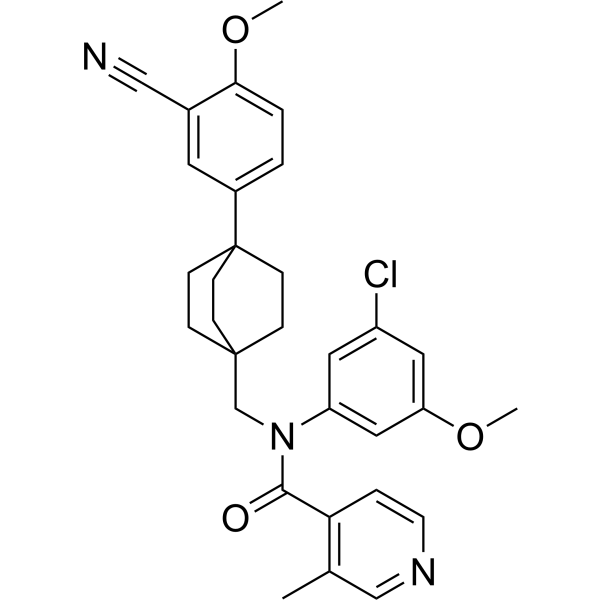
-
CAY10789
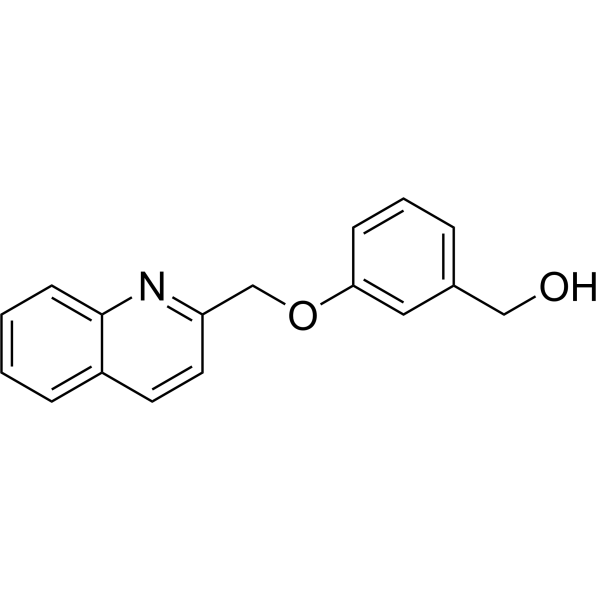 0 ImagesCAY10789 is a potent CysLT1R (cysteinyl leukotriene receptor 1) antagonist (IC50=2.80 μM) and GPBAR1 (G-protein-coupled bile acid receptor 1) agonist (EC50=3 μM). CAY10789 significantly reduces the adhesion of U937 cells to HAEC, reduces the expression of TNF-α. CAY10789 shows very promising metabolic stability and excellent pharmacokinetics. CAY10789 can be used for the research of colitis, metabolic syndromes, and other GPBAR1/CysLT1R-related diseases.
-
Deoxycholic acid-d6
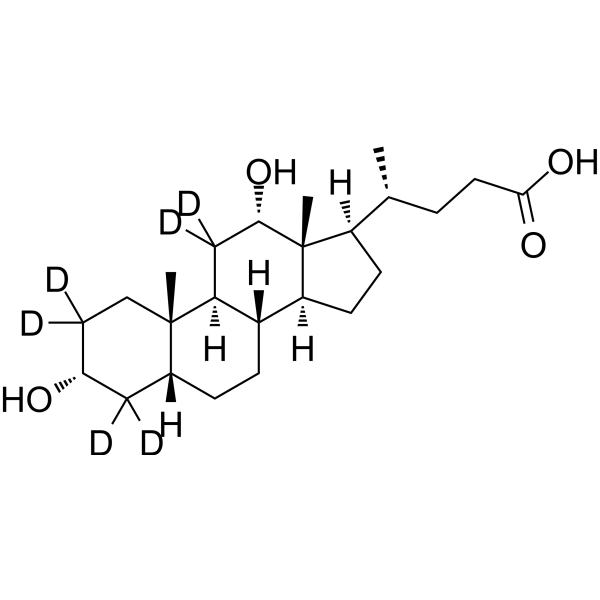 0 ImagesSynonyms: Cholanoic acid-d6; Desoxycholic acid-d6Deoxycholic acid-d6 is the deuterium labeled Deoxycholic acid. Deoxycholic acid is specifically responsible for activating the G protein-coupled bile acid receptor TGR5 that stimulates brown adipose tissue (BAT) thermogenic activity.
-
Glycocholic acid-d5
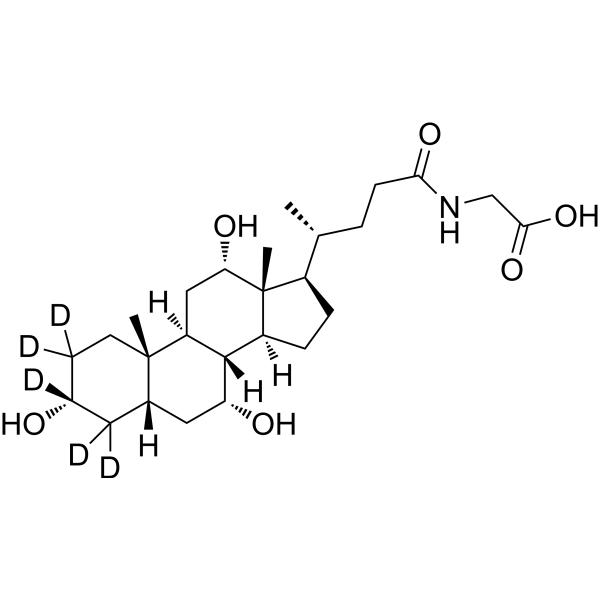 0 ImagesGlycocholic acid-d5 is the deuterium labeled Glycocholic acid (HY-N1423). Glycocholic acid is a bile acid derivative. Glycocholic acid downregulates MDR1, Bcl-2, MRP1, MRP2 and FXR, upregulates Bax, p53, caspase-9, caspase-3, TGR5 and S1PR2. Glycocholic acid inhibits multidrug resistance and efflux pumps, induces mitochondrial apoptosis, and enhances chemosensitivity. Glycocholic acid modulates related bile acid receptor signaling. Glycocholic acid suppresses growth and conjugation of Enterobacteriaceae and increases their antibiotic susceptibility. Glycocholic acid can be used for the research of colon adenocarcinoma and cholangiocarcinoma (CCA).
-
Hyodeoxycholic acid sodium
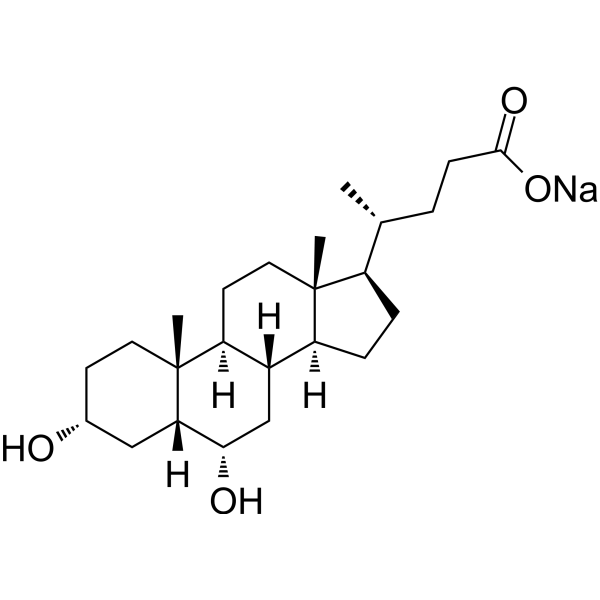 0 ImagesCat. No.: HY-N0169ACAS No.: 10421-49-5Synonyms: HDCA sodiumHyodeoxycholic acid sodium is a secondary bile acid formed in the small intestine by the gut flora, and acts as a TGR5 (GPCR19) agonist, with an EC50 of 31.6 µM in CHO cells.
-
Taurodeoxycholate sodium salt (Standard)
 0 ImagesTaurodeoxycholate sodium salt (Standard) is a bile salt (Standard)-related anionic detergent. Taurodeoxycholate sodium salt (Standard) is formed in the liver by conjugation of deoxycholate with Taurine (HY-B0351). Taurodeoxycholate sodium salt (Standard) is used for isolation of membrane proteins including inner mitochondrial membrane proteins. Taurodeoxycholate (TDCA) exhibits anti-inflammatory and neuroprotective effects.
-
GPBAR1-IN-3
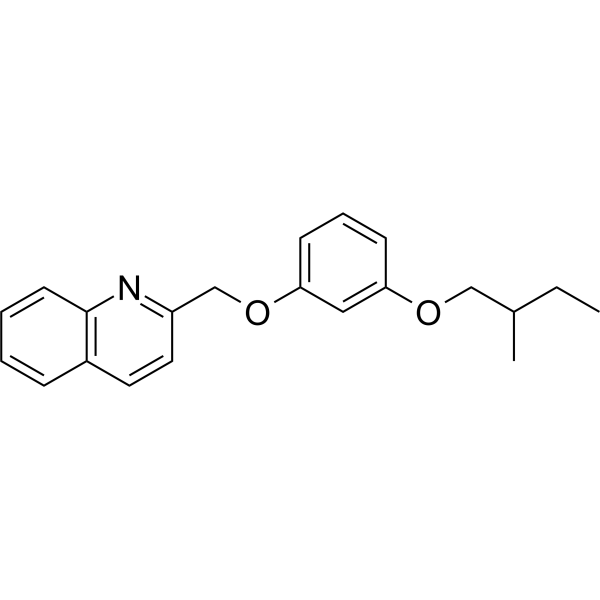 0 ImagesCat. No.: HY-145234CAS No.: 2760546-05-0GPBAR1-IN-3 (Compound 14) is a selective GPBAR1 agonist (EC50=0.17 μM) and a CysLT1R antagonist.
-
GPBAR-A
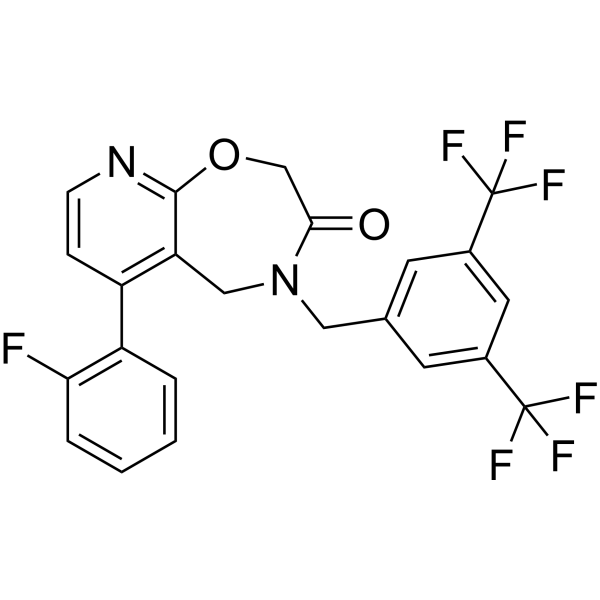 0 ImagesCat. No.: HY-107612CAS No.: 877052-79-4GPBAR-A is a specific agonist of the bile acid receptor GPBAR1. GPBAR-A can be used for the research of diabetes mellitus.
-
5-HT7R antagonist 1 free base
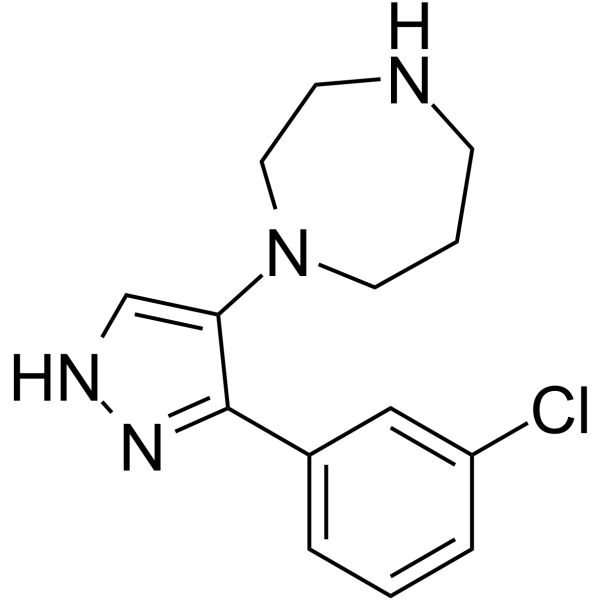 0 ImagesCat. No.: HY-139677ACAS No.: 2337008-64-55-HT7R antagonist 1 (free base) is a G protein-biased antagonist against 5-HT7R (Ki = 6.5 nM).



