



STING
Stimulator of Interferon Genes; TMEM173; MITA; ERIS; MPYS
Stimulator of interferon genes (STING) is an integral ER-membrane protein that can be activated by 2'3'-cGAMP synthesized by cyclic guanosine monophosphate-adenosine monophosphate synthase (cGAS) upon binding of double-stranded DNA. It activates interferon (IFN) and inflammatory cytokine responses to defend against infection by microorganisms.
STING is a key cytosolic receptor for small nucleotides and plays a key role in anticancer and antiviral immunity. STING signaling pathway is also a critical link between innate and adaptive immunity, and induces anti-tumor immune responses. STING agonists, such as endogenous cyclic dinucleotide (CDN) cyclic GMP-AMP (cGAMP), have been used in diverse research for immunogenic tumor clearance, antiviral treatments and vaccine adjuvants.
All Product Categories
-
STING Inhibitors
(51)
View all products
-
STING Agonists
(105)
View all products
-
STING Antagonists
(7)
View all products
-
STING Activators
(50)
View all products
-
STING Modulators
(5)
View all products
-
STING Degraders
(12)
View all products
-
STING Controls
(3)
View all products
-
STING Ligands
(3)
View all products
-
STING Related Products (254)
Related Products (254)

-
Antibodies (13)
-
diABZI-V/C-Mal
 0 ImagesdiABZI-V/C-Mal is a STING agonist (with a STING EC50 of 314 nM in TH1 dual reporter cells) and a Cathepsin B substrate. diABZI-V/C-Mal activates STING, thereby triggering the IRF3 signaling pathway. diABZI-V/C-Mal is cleaved by Cathepsin B to regenerate diABZI-NH2.
-
c-di-AMP
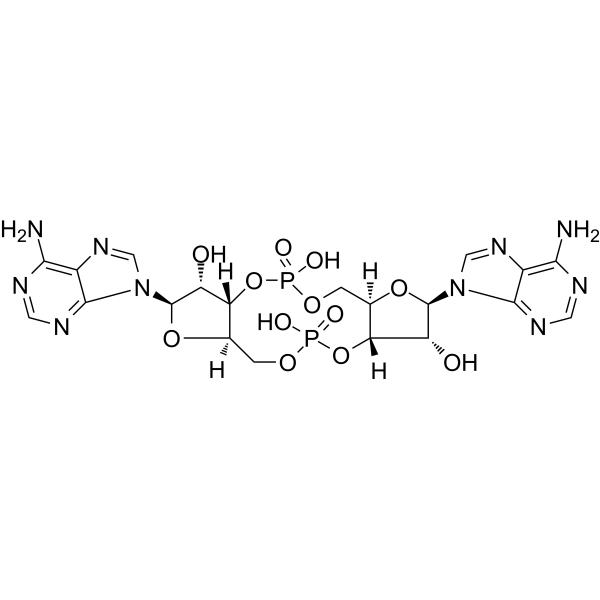 0 ImagesCat. No.: HY-12326CAS No.: 54447-84-6Synonyms: Cyclic diadenylate; Cyclic-di-AMPc-di-AMP (Cyclic diadenylate) is a STING agonist, which binds to the transmembrane protein STING thereby activating the TBK3-IRF3 signaling pathway, subsequently triggering the production of type I IFN and TNF. c-di-AMP (Cyclic diadenylate) is also a bacterial second messenger, which regulates cell growth, survival, and virulence, primarily within Gram-positive bacteria, and also regulates host immune response. c-di-AMP (Cyclic diadenylate) acts as a potent mucosal adjuvant stimulating both humoral and cellular responses.
-
STING agonist-3 trihydrochloride
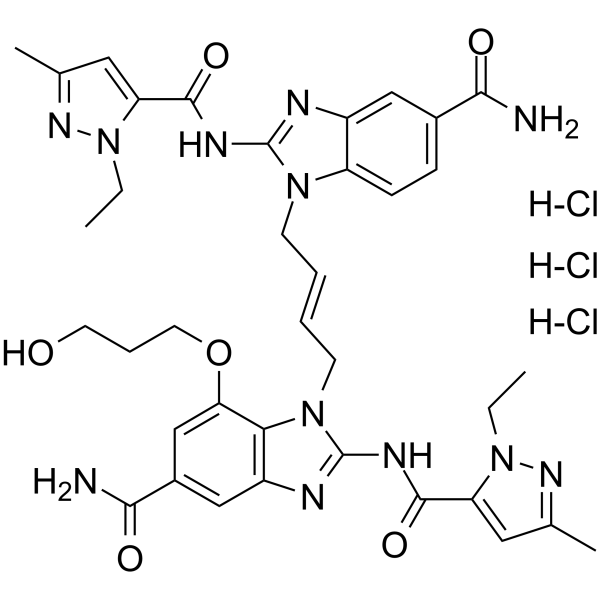 0 ImagesCat. No.: HY-103665APurity: 98.45%STING agonist-3 trihydrochloride, extracted from patent WO2017175147A1 (example 10), is a selective and non-nucleotide small-molecule STING agonist with a pEC50 and pEC50 of 7.5 and 9.5, respectively. STING agonist-3 trihydrochloride has durable anti-tumor effect and tremendous potential to improve treatment of cancer.
-
Enpp-1-IN-20
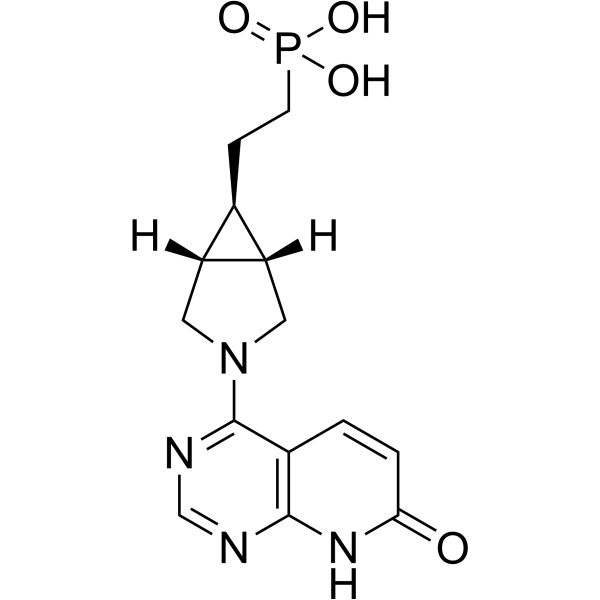 0 ImagesEnpp-1-IN-20 (Compound 31) is an ectonucleotide pyrophosphatase/phosphodiesterase 1 (ENPP1) inhibitor, with an IC50 of 0.09 nM. Enpp-1-IN-20 has strongest inhibitory activity in the cell-based assay, with an IC50 of 8.8 nM. Enpp-1-IN-20 has significant potency in both ENPP1 inhibition and STING pathway stimulation in vitro. Enpp-1-IN-20 can be used for the research of cancer.

-
Vizenpistat
 0 ImagesSynonyms: SR-8541AVizenpistat (SR-8541A) is an orally active ENPP1 inhibitor. Vizenpistat increases cGAMP levels, blocks 2′3′-cGAMP hydrolysis, inhibits adenosine production, regulates innate immune signaling mediated by the STING pathway, and modulates anti-tumor immune responses. Vizenpistat is applicable to research related to breast cancer and metastatic microsatellite-stable colorectal cancer.
-
STING agonist-26
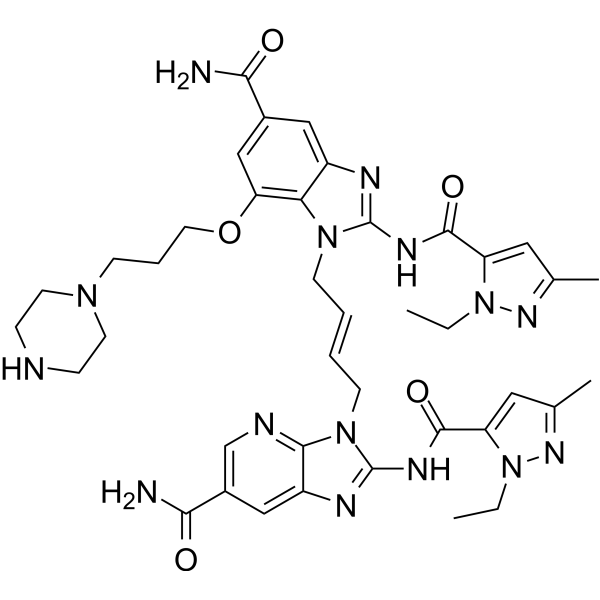 0 ImagesSTING agonist-26 (CF508) is a non-nucleotide small-molecule STING agonist. STING agonist-23 activates STING, increases phosphorylation of STING, TBK1 and IRF3. STING agonist-23 promotes the levels of IFN-β, IL-6, CXCL-10, TNF-α, ISG-15, and CCL-5 in tumor cells. STING agonist-23 exhibits activity against SARS-CoV series strains.
-
H-151 Alkyne
 0 ImagesCat. No.: HY-176566CAS No.: 2244892-03-1H-151 Alkyne (Compound H-151-AL) is a selective STING (Stimulator of interferon genes) inhibitor. H-151 Alkyne is promising for research of autoimmune diseases such as systemic lupus erythematosus, scleroderma, and autoinflammatory diseases.
-
CCCP (Standard)
 0 ImagesSynonyms: Carbonyl cyanide 3-chlorophenylhydrazone (Standard); Carbonyl Cyanide m-Chlorophenylhydrazone (Standard)CCCP (Standard) is the analytical standard of CCCP. This product is intended for research and analytical applications. CCCP is an oxidative phosphorylation (OXPHOS) uncoupler. CCCP induces activation of PINK1 leading to Parkin Ser65 phosphorylation.
-
C-di-IMP disodium
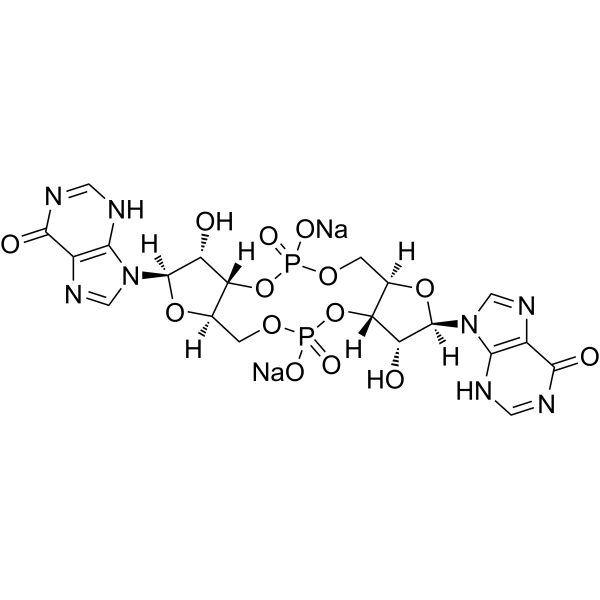 0 ImagesCat. No.: HY-137724APurity: 99.9%Synonyms: Cyclic-di-IMP disodiumC-di-IMP disodium is a STING agonist. C-di-IMP disodium can be used in tumor research.
-
G3-YSD
 0 ImagesG3-YSD is a cGAS agonist. G3-YSD directly interacts with cGAS to enhance its enzymatic activity, promote the conversion of ATP and GTP into cGAMP, and trigger STING-dependent IFN-α/β secretion. G3-YSD acts as a viral mimic to replace actual viral DNA. G3-YSD is applicable to research related to long COVID and type 1 human immunodeficiency virus infection.
-
diABZI-4
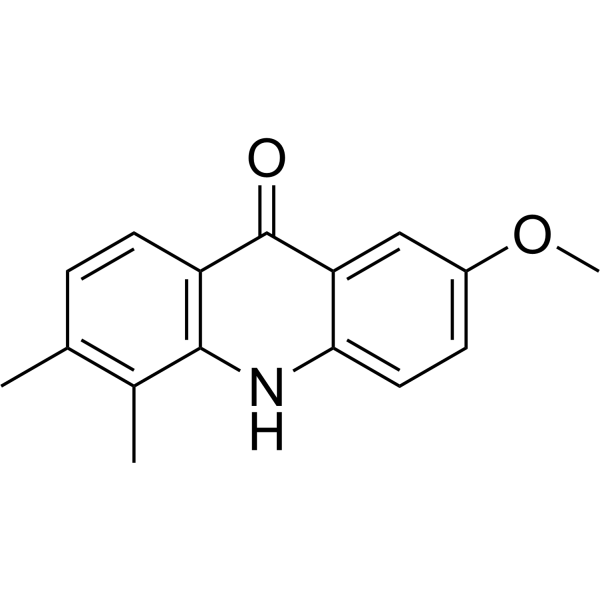
 0 ImagesdiABZI-4 is a STING activator and broad-spectrum antiviral agent with immunostimulatory activity. diABZI-4 triggers the TBK1-IRF3 and NF-κB signaling cascades by inducing STING oligomerization, thereby promoting the production of type I/III interferons and various proinflammatory cytokines. diABZI-4 exhibits broad-spectrum antiviral activity and effectively inhibits the replication of influenza A virus, SARS-CoV-2, herpes simplex virus, and other viruses. diABZI-4 also activates lymphocytes and macrophages to provide significant pre- and post-exposure protection in viral disease models. diABZI-4 can be used to study COVID-19, respiratory viral infections, and related immunopathological mechanisms.
-
Fendiline hydrochloride (Standard)
 0 ImagesFendiline (hydrochloride) (Standard) is the analytical standard of Fendiline (hydrochloride). This product is intended for research and analytical applications. Fendiline hydrochloride, a diphenylalkylamine type of antianginal agent, is an L-type calcium channel blocker (IC50 of 17 µM). Fendiline hydrochloride is also a selective K-Ras inhibitor, and has no effect on H-Ras and N-Ras. Fendiline hydrochloride inhibits K-Ras plasma membrane localization (IC50 of 9.64 μM), inhibits K-Ras signal output and blocks the proliferation of pancreatic, colon, lung, and endometrial cancer cell lines expressing oncogenic mutant K-Ras. Fendiline hydrochloride is a STING agonist and is able to inhibit the growth of multiple refractory cold tumors (MC38, CT26 and B16F10).
-
Cyclic-di-GMP
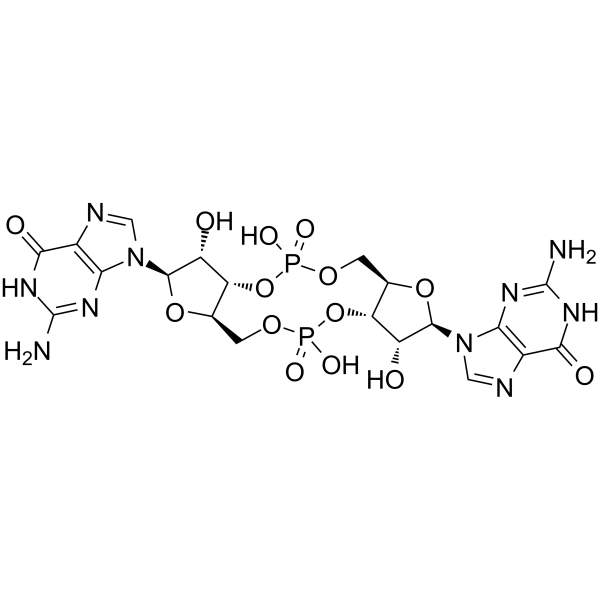 0 ImagesCat. No.: HY-107780CAS No.: 61093-23-0Synonyms: c-di-GMP; cyclic diguanylate; 5GP-5GPCyclic-di-GMP is a STING agonist and a bacterial second messenger that coordinates different aspects of bacterial growth and behavior, including motility, virulence, biofilm formation, and cell cycle progression. Cyclic-di-GMP has anti-cancer cell proliferation activity and also induces elevated CD4 receptor expression and cell cycle arrest. Cyclic-di-GMP can be used in cancer research.
-
MK-2118
 0 ImagesCat. No.: HY-163668CAS No.: 2218504-06-2MK-2118 is a GMP-synthesized STING agonist with the potential to inhibit advanced/metastatic solid tumors or lymphomas..
-
STF-1623
 0 ImagesSTF-1623 is a highly potent, selective, cell-impermeable non-covalent ENPP1 inhibitor, with IC50 values of 0.6 nM and 800 nM against human ENPP1 and ENPP3, respectively. STF-1623 inhibits the hydrolysis of extracellular cGAMP by ENPP1, elevates intratumoral cGAMP levels, and indirectly enhances local cGAS-STING signaling and anti-tumor immunity in tumors. STF-1623 exhibits target-dependent retention in ENPP1-highly expressing tumors, while it undergoes rapid clearance in systemic circulation, and can penetrate into the CSF and brain parenchyma. STF-1623 can be used in studies related to breast cancer, pancreatic cancer, colorectal cancer, glioblastoma, and tumor immunology.
-
STING agonist-45
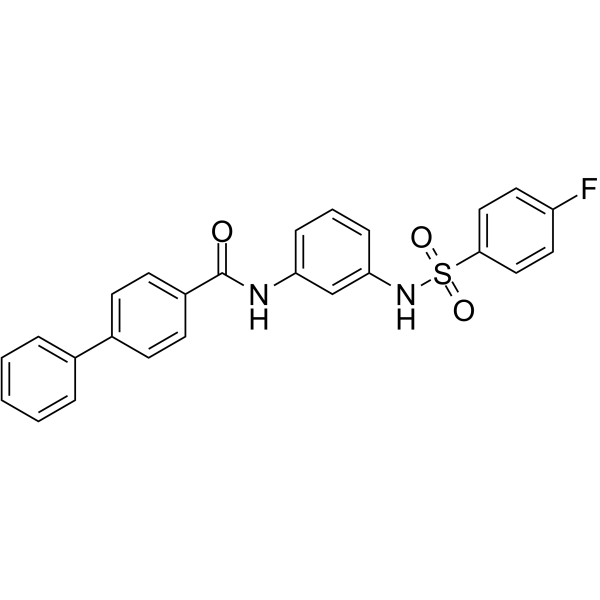
 0 ImagesSTING agonist-45 is a selective STING agonist (EC50 = 0.28 μM). STING agonist-45 activates the innate immune response through the cGAS-STING pathway, upregulating key markers such as p-TBK1 and IRF3. STING agonist-45 exhibits robust STING activation in human peripheral blood mononuclear cells (PBMCs), inducing the production of type I interferons (such as IFN-β) and downstream cytokines (such as TNF-α and IL-6). STING agonist-45 enhances anti-tumor immunity, inhibits tumor growth, and increases CD8+ T cell infiltration in mouse models. STING agonist-45 is promising for the study of STING-related diseases.
-
PROTAC STING degrader-4
 0 ImagesCat. No.: HY-176180Purity: 98.96%PROTAC STING degrader-4 is a nitro-free covalent STING PROTAC degrader with a DC50 of 3.23 μM. PROTAC STING degrader-4 effectively inhibits STING as well as its downstream signaling, such as p-TBK1 and p-NF-κB (p-P65), and immune-inflammatory cytokines. PROTAC STING degrader-4 mitigates kidney and blood inflammation in Cisplatin (HY-17394)-induced acute kidney injury (AKI) mice model.




