



Topo II
Topoisomerase II (Topo II) is a nuclear enzyme that modulates DNA topology by inducing transient double-strand breaks and facilitating chromosomal segregation during mitosis[1][2]. Mechanistically, Topo IIα primarily associates with proliferating cells, regulating cell division, whereas Topo IIβ participates in differentiation and transcriptional regulation[2][3]. In disease contexts, aberrant Topo II activity or inhibition can induce DNA double-strand breaks, contributing to infant leukemia through MLL gene rearrangements during fetal development[4][5]. Clinical evidence indicates that inhibitors of Topo II, such as anthracyclines, selectively target Topo IIα to exert cytotoxic effects in hematological malignancies, but off-target inhibition of Topo IIβ mediates cardiotoxicity[6][7]. Compared with Topo IIα, Topo IIβ displays distinct expression patterns and immunophenotype associations in acute myeloid leukemia, reflecting unique biological roles[3]. Isoform-specific inhibitors, such as topobexin, exploit structural differences in the ATPase domains of Topo IIα and Topo IIβ, enabling selective inhibition of Topo IIβ and protection against anthracycline-induced cardiac damage[7]. Mechanistic studies further reveal that cellular resistance to Topo II inhibitors involves post-translational modifications, including phosphorylation, and signaling pathways that modulate DNA damage responses[2]. Collectively, these findings highlight Topo II isoforms as critical molecular targets with distinct functional roles, disease relevance, and therapeutic implications for selective drug design[2][7].
References:
- [1]. Pelkonen O, et al. Inhibitor binding to topoisomerase II leading to infant leukaemia. OECD Series on Adverse Outcome Pathways. 2022;(21).
- [2]. Ganapathi RN, et al. Mechanisms regulating resistance to inhibitors of topoisomerase II. Front Pharmacol. 2013 Aug 1;4:89. [Content Brief]
- [3]. Michelson AP, et al. Association of immunophenotype with expression of topoisomerase II α and β in adult acute myeloid leukemia. Sci Rep. 2020 Mar 26;10(1):5486. [Content Brief]
- [4]. Pelkonen O, et al. Chemical exposure and infant leukaemia: development of an adverse outcome pathway (AOP) for aetiology and risk assessment research. Arch Toxicol. 2017 Aug;91(8):2763-2780. [Content Brief]
- [5]. Bisacchi GS, et al. A \"Double-Edged\" Scaffold: Antitumor Power within the Antibacterial Quinolone. Curr Med Chem. 2016;23(6):520-77. [Content Brief]
- [6]. Kubeš J, et al. Topobexin targets the Topoisomerase II ATPase domain for beta isoform-selective inhibition and anthracycline cardioprotection. Nat Commun. 2025 May 28;16(1):4928. [Content Brief]
- [7]. Nakopoulou L, et al. Predictive value of topoisomerase II alpha immunostaining in urothelial bladder carcinoma. J Clin Pathol. 2001 Apr;54(4):309-13. [Content Brief]
-
Topo II Related Products (159)
Related Products (159)

-
Recombinant Proteins (1)
-
Doxorubicin hydrochloride
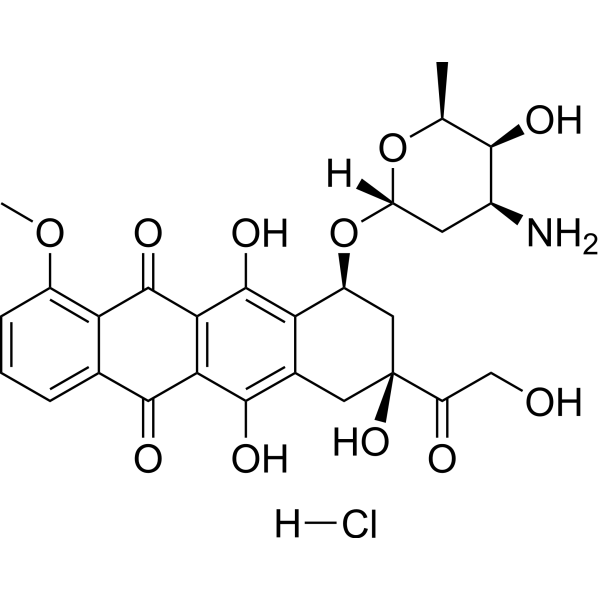 0 ImagesSynonyms: Hydroxydaunorubicin hydrochloride; ADRDoxorubicin hydrochloride (Hydroxydaunorubicin hydrochloride; ADR), a cytotoxic anthracycline antibiotic, is an anti-cancer chemotherapy agent. Doxorubicin hydrochloride is a potent human DNA topoisomerase I and topoisomerase II inhibitor with IC50s of 0.8 μM and 2.67 μM, respectively. Doxorubicin hydrochloride reduces basal phosphorylation of AMPK and its downstream target acetyl-CoA carboxylase. Doxorubicin hydrochloride induces apoptosis and autophagy.
-
Etoposide
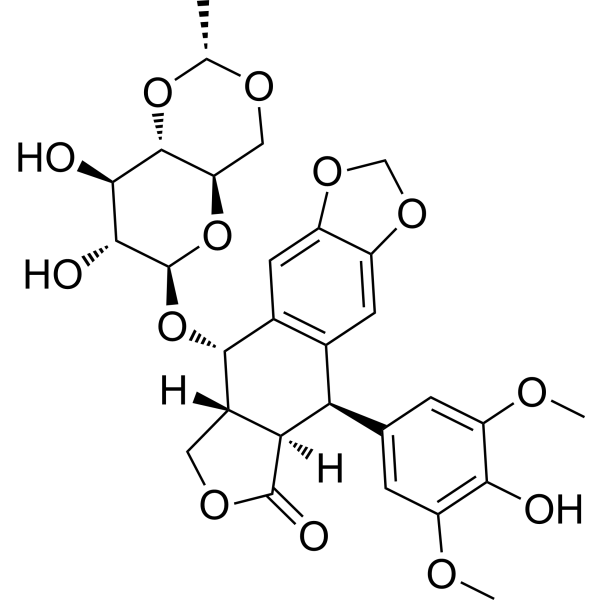 0 ImagesSynonyms: VP-16; VP-16-213Etoposide (VP-16; VP-16-213) is an anti-cancer chemotherapy agent. Etoposide inhibits topoisomerase II, thus stopping DNA replication. Etoposide induces cell cycle arrest, apoptosis and autophagy.
-
Mitoxantrone
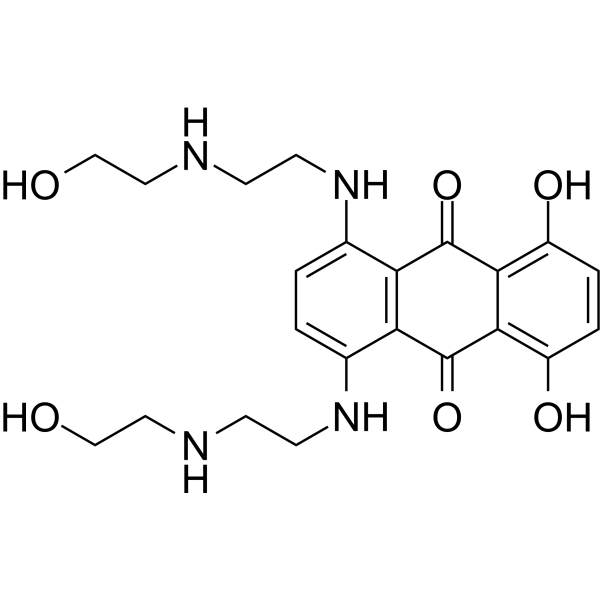 0 ImagesSynonyms: Mitozantrone; NSC 301739Mitoxantrone is a potent topoisomerase II inhibitor. Mitoxantrone also inhibits protein kinase C (PKC) activity with an IC50 of 8.5 μM. Mitoxantrone induces apoptosis of B-CLL (B-chronic lymphocytic leukaemia) cells. Mitoxantrone shows antitumor activity. Mitoxantrone also has anti-orthopoxvirus activity with EC50s of 0.25 μM and and 0.8 μM for cowpox and monkeypox, respectively.
-
Daunorubicin hydrochloride
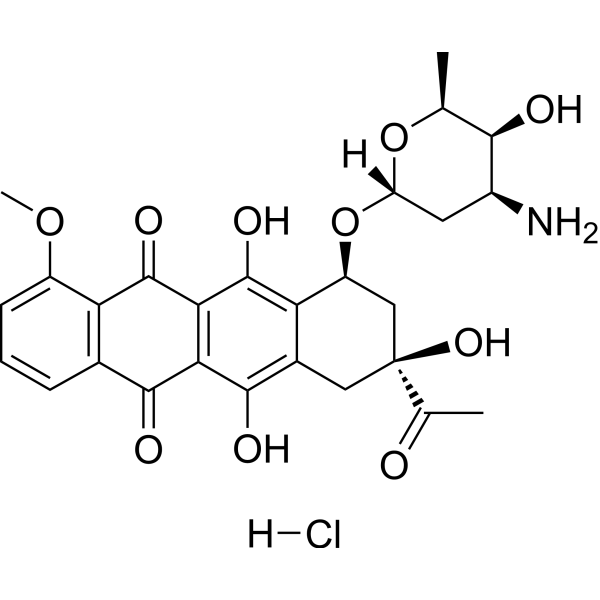 0 ImagesSynonyms: Daunomycin hydrochloride; RP 13057 hydrochloride; Rubidomycin hydrochlorideDaunorubicin (Daunomycin) hydrochloride is a topoisomerase II inhibitor with potent anti-tumor activity. Daunorubicin hydrochloride inhibits DNA and RNA synthesis. Daunorubicin hydrochloride is a cytotoxin that inhibits cancer cell viability and induces apoptosis and necrosis. Daunorubicin hydrochloride is also an anthracycline antibiotic. Daunorubicin hydrochloride can be used in the research of infection and variety of cancers, including leukemia, non-Hodgkin lymphomas, Ewing's sarcoma, Wilms' tumor.
-
Idarubicin hydrochloride
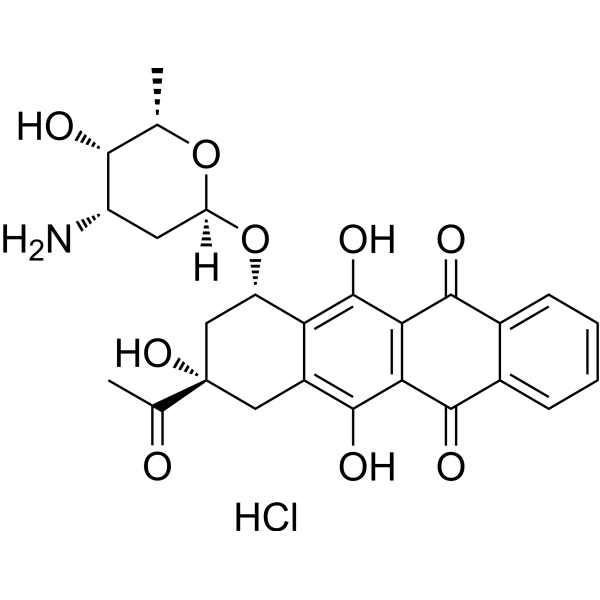 0 ImagesSynonyms: 4-Demethoxydaunorubicin hydrochlorideIdarubicin hydrochloride is an anthracycline antileukemic agent. It inhibits the topoisomerase II interfering with the replication of DNA and RNA transcription. Idarubicin hydrochloride inhibits the growth of bacteria and yeasts.
-
Proscillaridin A
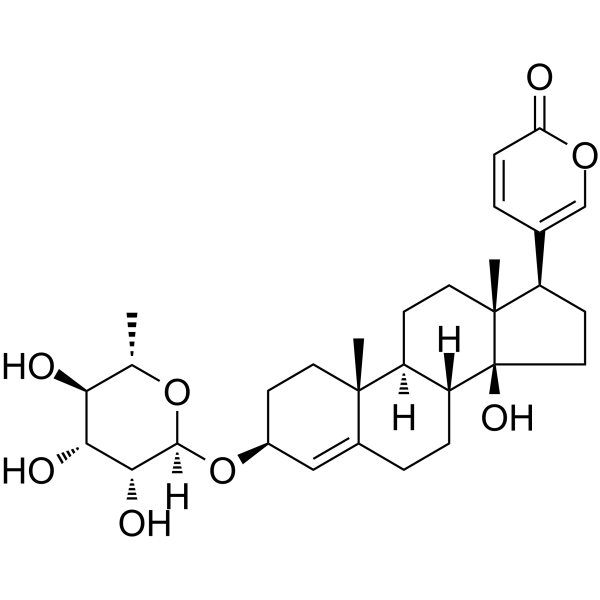 0 ImagesProscillaridin A is a potent poison of topoisomerase I/II activity with IC50 values of 30 nM and 100 nM, respectively.
-
Voreloxin
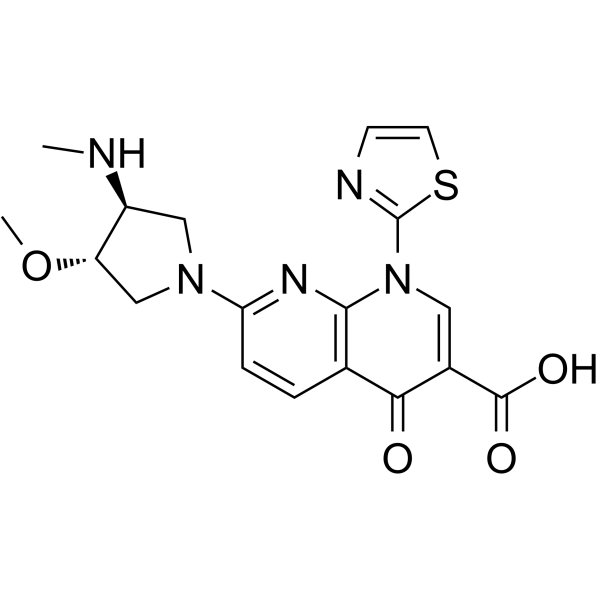 0 ImagesSynonyms: SNS-595; Vosaroxin; AG 7352Voreloxin (SNS-595; Vosaroxin; AG 7352) is a first-in-class topoisomerase II inhibitor that intercalates DNA and induces site-selective DNA DSB, G2 arrest, and apoptosis.
-
9-Hydroxyellipticine hydrochloride
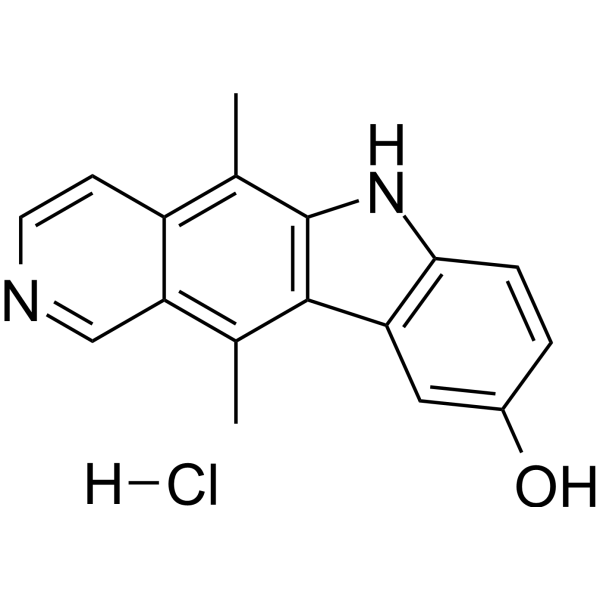 0 Images9-Hydroxyellipticine hydrochloride is a inhibitor of Topo II and RyR. 9-Hydroxyellipticine hydrochloride exhibits antitumor, antioxidant and catecholamine-releasing activities. 9-Hydroxyellipticine hydrochloride exhibits IC50 values of 1.6 μM and 1.2μM in Hela S-3 and 293T cells, respectively.
-
Etoposide phosphate
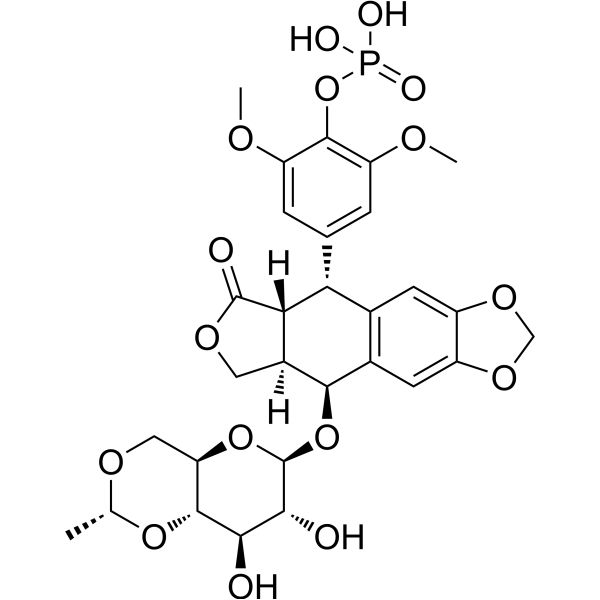 0 ImagesSynonyms: BMY-40481Etoposide phosphate (BMY-40481) is a potent anti-cancer chemotherapy agent and a selective topoisomerase II inhibitor to prevent re-ligation of DNA strands. Etoposide phosphate is the phosphate ester proagent of etoposide and is considered as active equivalent to Etoposide. Etoposide phosphate induces cell cycle arrest, apoptosis, and autophagy.
-
Mitoxantrone dihydrochloride
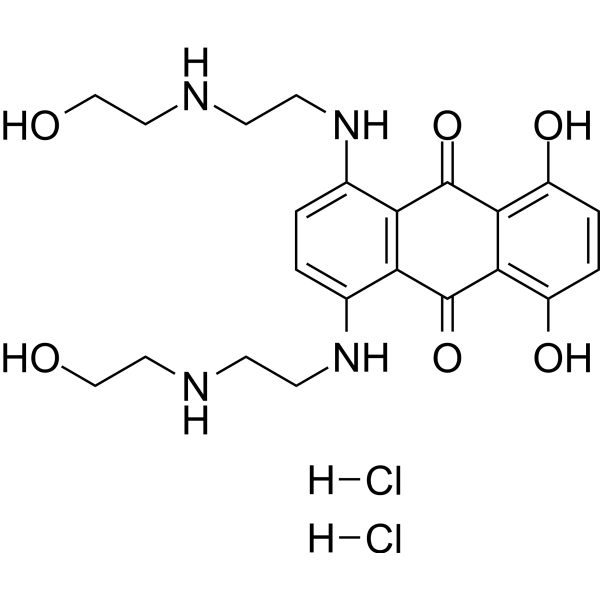 0 ImagesSynonyms: Mitozantrone dihydrochloride; NSC 301739 dihydrochlorideMitoxantrone dihydrochloride is a potent topoisomerase II inhibitor. Mitoxantrone dihydrochloride also inhibits protein kinase C (PKC) activity with an IC50 of 8.5 μM. Mitoxantrone dihydrochloride induces apoptosis of B-CLL (B-chronic lymphocytic leukaemia) cells. Mitoxantrone dihydrochloride shows antitumor activity. Mitoxantrone dihydrochloride also has anti-orthopoxvirus activity with EC50s of 0.25 μM and and 0.8 μM for cowpox and monkeypox, respectively.
-
Teniposide
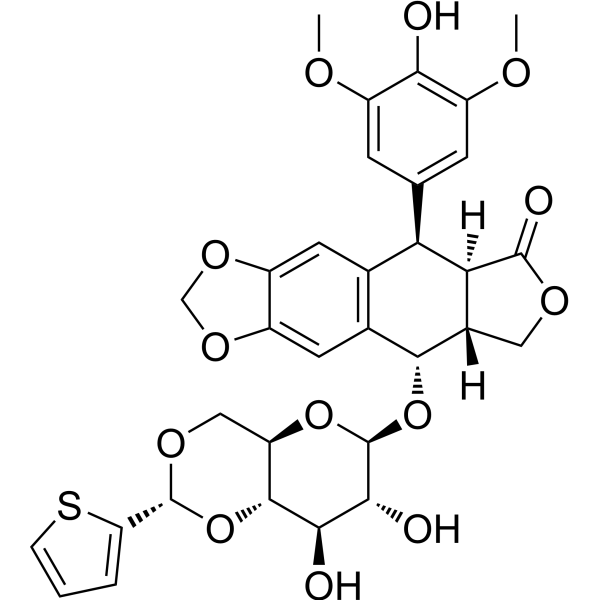 0 ImagesSynonyms: VM26Teniposide is a podophyllotoxin derivative, acts as a topoisomerase II inhibitor, and used as a chemotherapeutic agent.
-
Daunorubicin
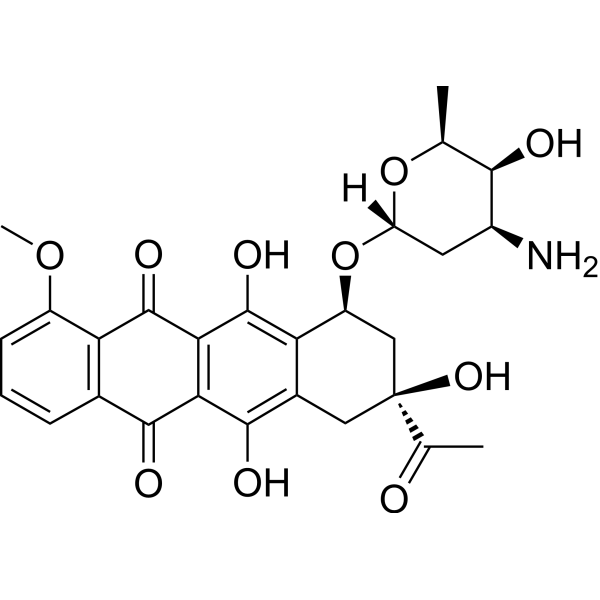 0 ImagesSynonyms: Daunomycin; RP 13057; RubidomycinDaunorubicin (Daunomycin) is a topoisomerase II inhibitor with potent anti-tumor activity. Daunorubicin inhibits DNA and RNA synthesis. Daunorubicin is a cytotoxin that inhibits cancer cell viability and induces apoptosis and necrosis. Daunorubicin is also an anthracycline antibiotic. Daunorubicin can be used in the research of infection and variety of cancers, including leukemia, non-Hodgkin lymphomas, Ewing's sarcoma, Wilms' tumor.
-
Aurintricarboxylic acid
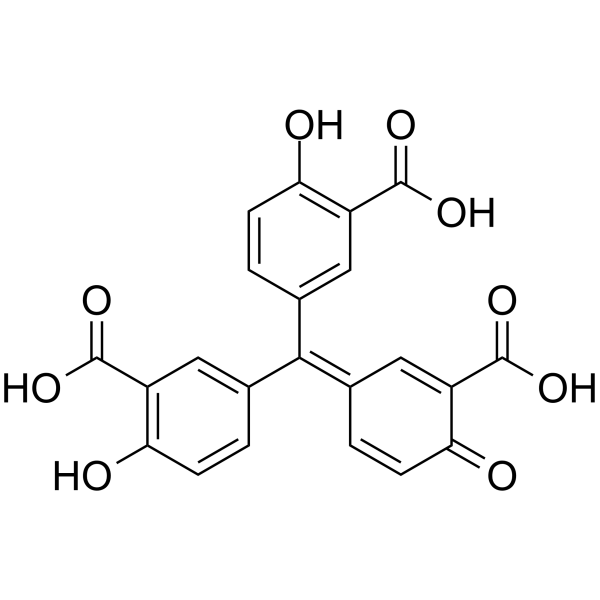 0 ImagesAurintricarboxylic acid is a nanomolar-potency, allosteric antagonist with selectivity towards αβ-methylene-ATP-sensitive P2X1Rs and P2X3Rs, with IC50s of 8.6 nM and 72.9 nM for rP2X1R and rP2X3R, respectively. Aurintricarboxylic acid is a potent anti-influenza agent by directly inhibiting the neuraminidase. Aurintricarboxylic acid is an inhibitor of topoisomerase II and apoptosis. Aurintricarboxylic acid is a selective inhibitor of the TWEAK-Fn14 signaling pathway. Aurintricarboxylic acid also acts as a cystathionine-lyase (CSE) inhibitor with an IC50 of 0.6 μM. Aurintricarboxylic acid is a modifier of miRNAs that regulate miRNA function, with an IC50 of 0.47 µM.
-
Aclacinomycin A
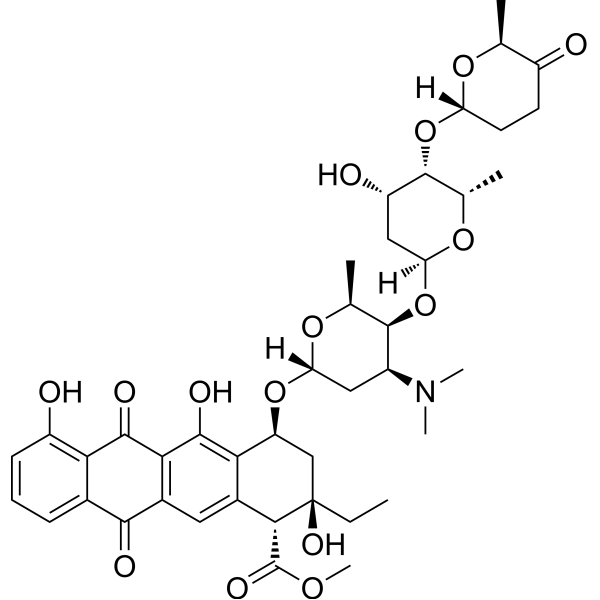 0 ImagesCat. No.: HY-N2306CAS No.: 57576-44-0Synonyms: AclarubicinAclacinomycin A (Aclarubicin) is an orally active and potent anthracycline antitumor antibiotic. Aclacinomycin A is an inhibitor of topoisomerase I and II. Aclacinomycin A inhibits synthesis of nucleic acid, especially RNA. Aclacinomycin A might inhibit the 26S protease complex as well as the ubiquitin-ATP-dependent proteolysis.
-
ICRF-193
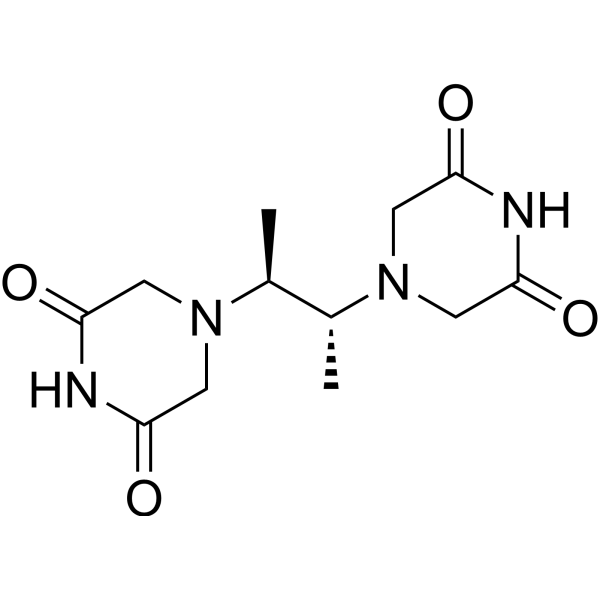 0 ImagesICRF-193 is a DNA Topoisomerase II inhibitor. (S,S)- and (R,R)-isomers ICRF-193 make up an racemic mixture, ICRF-196 (HY-118590A). ICRF-193 can inhibit DNA syntheses and induces apoptosis. ICRF-193 exhibits anti-cancer and anti-inflammation effects. ICRF-193 shows cardioprotective effect against anthracycline toxicity to cardiomyocytes. ICRF-193 can be used for the researches of cancer, infection, inflammation and cardiovascular disease, such as acute promyelocytic leukemia.
-
Ellipticine
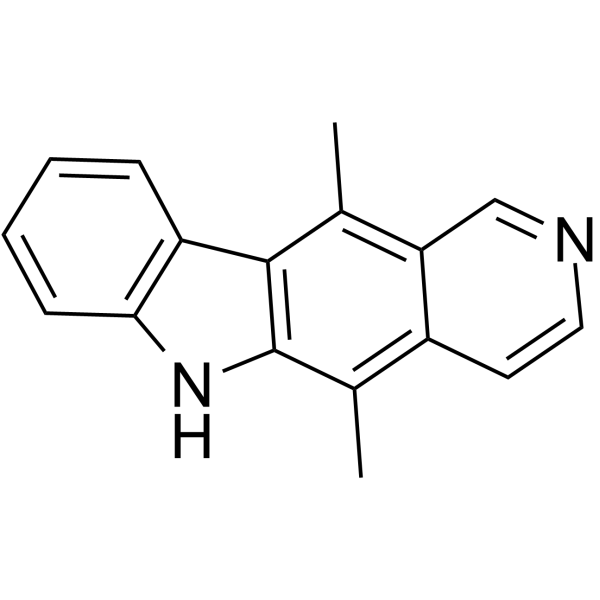 0 ImagesEllipticine (NSC 71795) is a potent antineoplastic agent; inhibits DNA topoisomerase II activities.
-
Pirarubicin
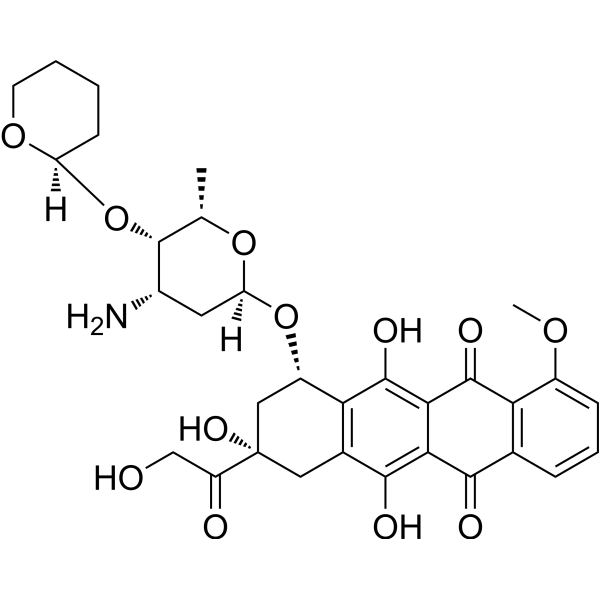 0 ImagesSynonyms: THPPirarubicin is an anthracycline antibiotics, acts as a topoisomerase II inhibitor, and is a widely used for treatment of various cancers, in particular, solid tumors.
-
Pixantrone
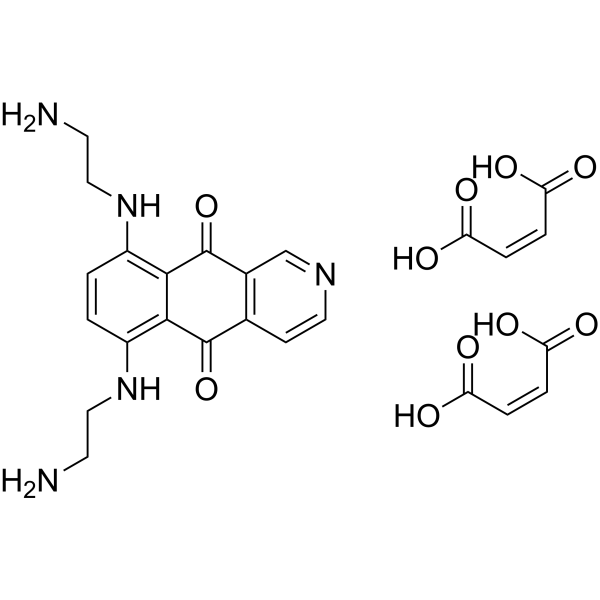 0 ImagesSynonyms: BBR 2778Pixantrone (BBR 2778) dimaleate is a topoisomerase II inhibitor and DNA intercalator, with anti-tumor activity.
-
Idarubicin
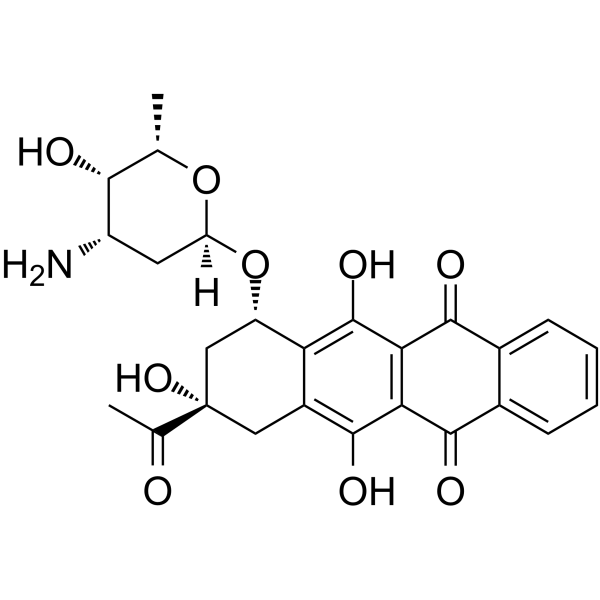 0 ImagesSynonyms: 4-DemethoxydaunorubicinIdarubicin is an orally active and potent anthracycline antileukemic agent. Idarubicin inhibits the topoisomerase II interfering with the replication of DNA and RNA transcription. Idarubicin shows induction of DNA damage. Idarubicin inhibits DNA synthesis and of c-myc expression. Idarubicin inhibits the growth of bacteria and yeasts.
-
Pirarubicin Hydrochloride
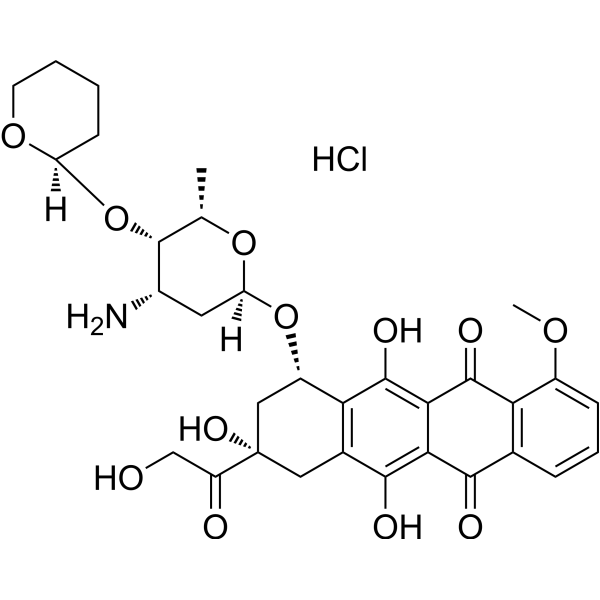 0 ImagesSynonyms: THP HydrochloridePirarubicin Hydrochloride is an anthracycline antibiotics, acts as a topoisomerase II inhibitor, and is a widely used for treatment of various cancers, in particular, solid tumors.




