Ras
Ras proteins are small GTPases that function as molecular switches, cycling between inactive GDP-bound and active GTP-bound states to regulate intracellular signaling networks controlling cell proliferation, differentiation, migration, survival, and apoptosis[1][2]. Mechanistically, activated Ras transduces signals from cell-surface receptors to major downstream pathways, including the RAF-MEK-ERK cascade, thereby coordinating growth-related transcriptional programs and cellular responses[1][2]. The human RAS family comprises the highly homologous isoforms KRAS, NRAS, and HRAS, which share common effectors yet display distinct signaling outputs, partly due to sequence divergence within regions involved in allosteric communication and membrane interactions[3][4]. Compared with related isoforms, KRAS exhibits unique membrane-targeting characteristics associated with its hypervariable region and is the predominant RAS isoform mutated in human malignancies, whereas NRAS and HRAS show different mutation frequencies and biological distributions across cancer types[4][5][6]. RAS genes are among the most frequently mutated oncogenes in human cancer, and gain-of-function mutations commonly affecting codons 12, 13, and 61 promote persistent Ras activation that drives tumorigenesis in diverse experimental and clinical settings[5][7]. For experimental applications, isoform-selective signaling mechanisms and Ras conformational regulation provide important frameworks for the development and evaluation of Ras-targeted inhibitors and mechanistic cancer models[3][8].
Verweise:
- [1]. Wan X, et al. The Prognostic Value of HRAS mRNA Expression in Cutaneous Melanoma. Biomed Res Int. 2017;2017:5356737. [Content Brief]
- [2]. Wikipedia.
- [3]. Parker JA, et al. The K-Ras, N-Ras, and H-Ras Isoforms: Unique Conformational Preferences and Implications for Targeting Oncogenic Mutants. Cold Spring Harb Perspect Med. 2018 Aug 1;8(8):a031427. [Content Brief]
- [4]. Nussinov R, et al. Oncogenic Ras Isoforms Signaling Specificity at the Membrane. Cancer Res. 2018;78(3):593-602.
- [5]. Muñoz-Maldonado C, et al. A Comparative Analysis of Individual RAS Mutations in Cancer Biology. Front Oncol. 2019;9:1088.
- [6]. Nussinov R, et al. Ras isoform-specific expression, chromatin accessibility, and signaling. Biophys Rev. 2021;13:489-505.
- [7]. Hobbs GA, et al. RAS isoforms and mutations in cancer at a glance. J Cell Sci. 2016 Apr 1;129(7):1287-92. [Content Brief]
- [8]. Silverman I, et al. Structural modifications and kinetic effects of KRAS interactions with HRAS and NRAS: an in silico comparative analysis of KRAS mutants. Front Mol Biosci. 2024;11:1436976.
All Product Categories
-
Ras Verwandte Produkte (417)
Verwandte Produkte (417)

-
Antibodies (19)
-
BI-2865
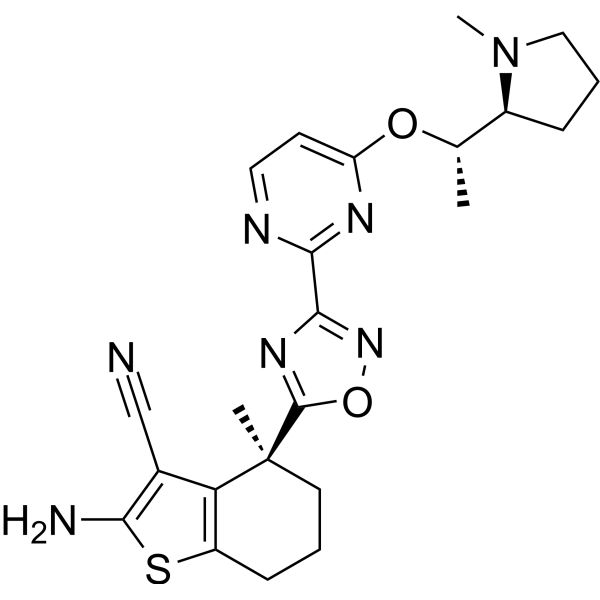 0 ImagesBI-2865 is a none-covalent pan-KRAS Inhibitor. BI-2865 binds to WT, G12C, G12D, G12V and G13D mutant KRAS with KDs of 6.9, 4.5, 32, 26, 4.3 nM respectively. BI-2865 inhibits the proliferation of G12C, G12D or G12V mutant KRAS expressing BaF3 cells (mean IC50: roughly 140 nM).
-
NSC 23766 trihydrochloride
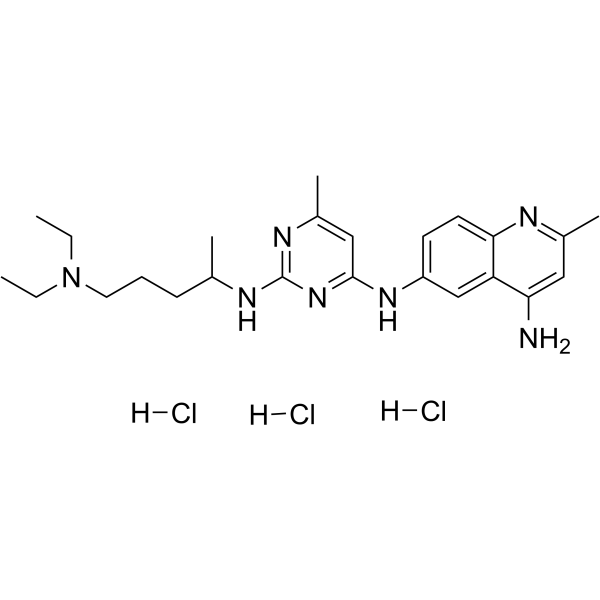 0 ImagesNSC 23766 trihydrochloride is an inhibitor of Rac1 activation.
-
ML141
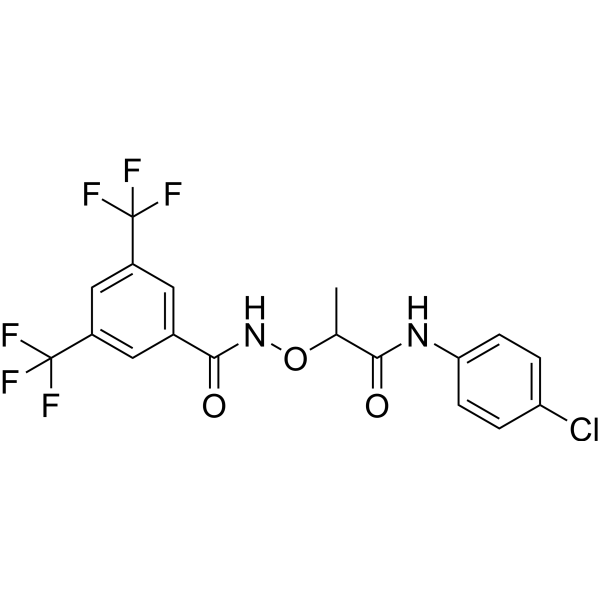
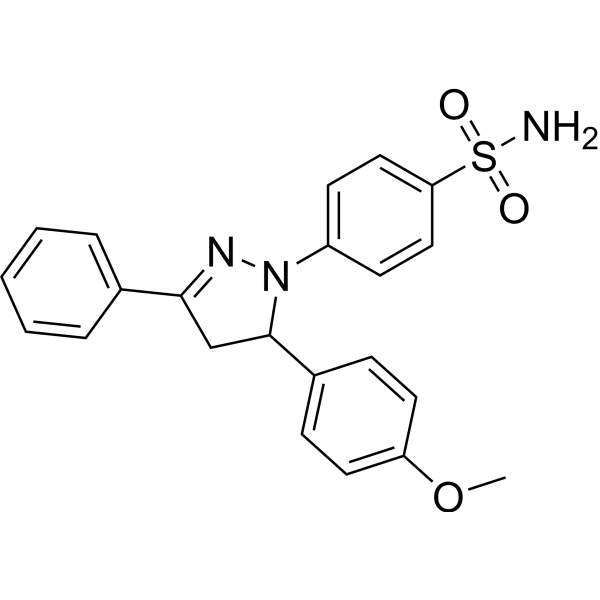 0 ImagesSynonyms: CID-2950007ML141 (CID-2950007) is a potent, allosteric, selective and reversible non-competitive inhibitor of Cdc42 GTPase. ML141 inhibits Cdc42 wild type and Cdc42 Q61L mutant with EC50s of 2.1 and 2.6 μM, respectively. ML141 shows low micromolar potency and selectivity against other members of the Rho family of GTPases (Rac1, Rab2, Rab7). ML141 do not show cytotoxicity in multiple cell lines.
-
CID-1067700
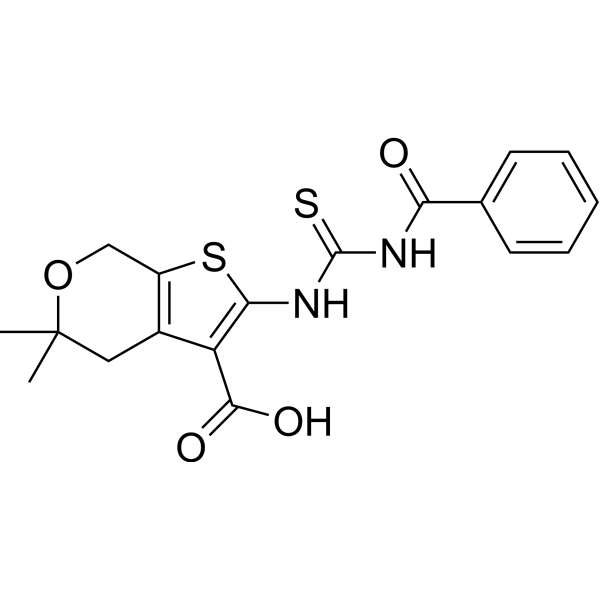 0 ImagesSynonyms: ML282CID-1067700 (ML282) is a pan GTPase inhibitor, and competitively inhibits Ras-related in brain 7 (Rab7) with a Ki of 13 nM.
-
Rhosin hydrochloride
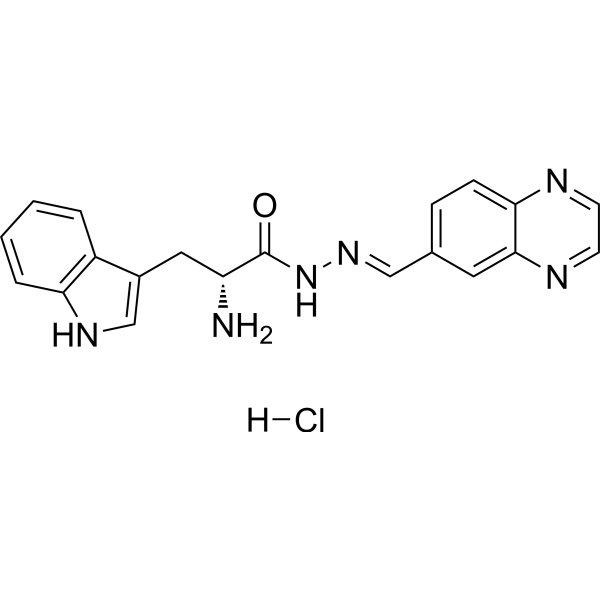 0 ImagesRhosin hydrochloride is a potent, specific RhoA subfamily Rho GTPases inhibitor. Rhosin hydrochloride specifically binds to RhoA to inhibit RhoA-GEF interaction with a Kd of ~ 0.4 uM, and does not interact with Cdc42 or Rac1, nor the GEF, LARG. Rhosin hydrochloride induces cell apoptosis. Rhosin hydrochloride promotes stress resiliency through enhancing D1-MSN plasticity and reducing hyperexcitability.
-
Broussoflavonol F
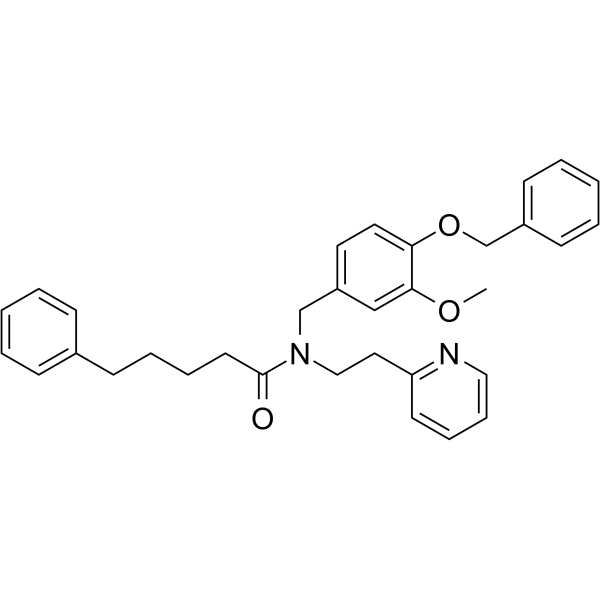
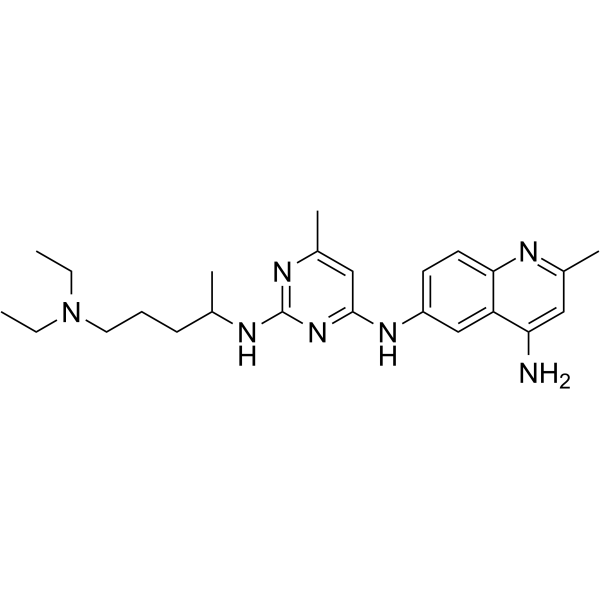
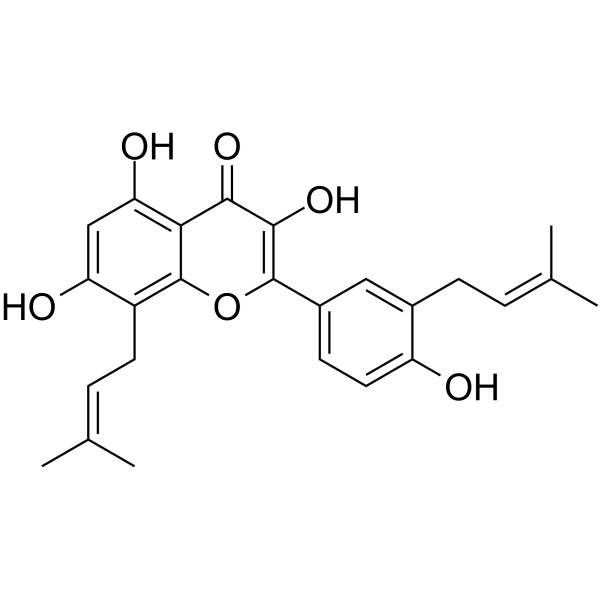 0 ImagesArt. -Nr.: HY-N9330CAS. Nr.: 162558-94-3Broussoflavonol F is a potent dual inhibitor of the HER2-RAS-MEK-ERK signaling pathway and mushroom tyrosinase with an IC50 value of 82.3 μM. Broussoflavonol F downregulates the expression of RAS, HER2, phosphorylated BRAF, phosphorylated MEK and phosphorylated Erk proteins. Broussoflavonol F induces cell cycle arrest and apoptosis, and exhibits cytotoxicity in colon cancer cells. Broussoflavonol F inhibits endothelial proliferation, migration and tube formation, suppresses subintestinal vascular development, and reduces the mRNA levels of angiogenesis-associated genes.Broussoflavonol F can be used for colon cancer research.
-
Lonafarnib
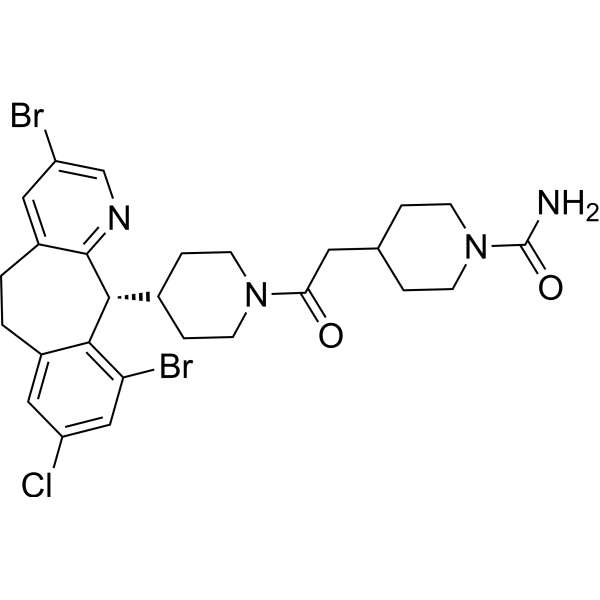 0 ImagesSynonyms: Sch66336Lonafarnib (Sch66336) is a potent and orally active, and CNS-penetrant farnesyl transferase (FTase) inhibitor. Lonafarnib inhibits the activities of H-ras, K-ras and N-ras with IC50 values of 1.9 nM, 5.2 nM and 2.8 nM, respectively. Lonafarnib also has anti-hepatitis delta virus (HDV) activities.
-
EHT 1864
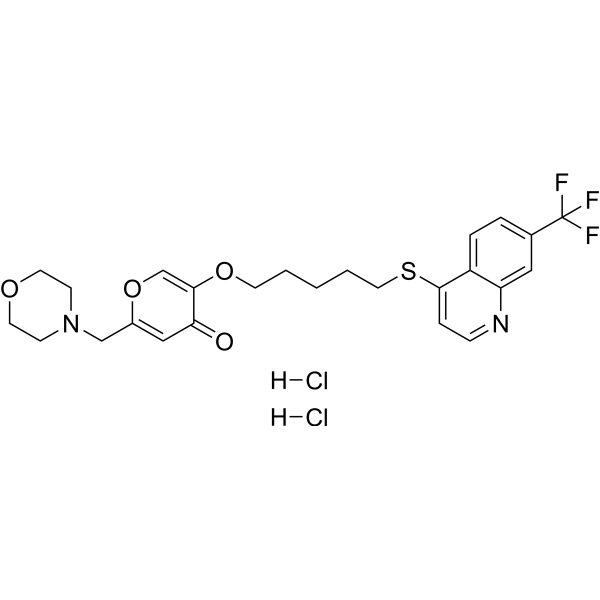 0 ImagesEHT 1864 is an inhibitor of Rac family small GTPases. EHT 1864 directly binds and impairs the ability of this small GTPase to engage critical downstream effectors required for growth transformation. The Kd values are 40, 50, 60, and 230 nM for Rac1, Rac1b, Rac2 and Rac3, respectively. EHT 1864 also potently inhibits other Rac-dependent transformation processes, Tiam1- and Ras-mediated growth transformation. EHT 1864 prevents Aβ 40 and Aβ 42 production in vivo. EHT 1864 dependently suppresses the release of migrasomes from podocytes induced by LPS, PAN, or HG.
-
Nexinhib20
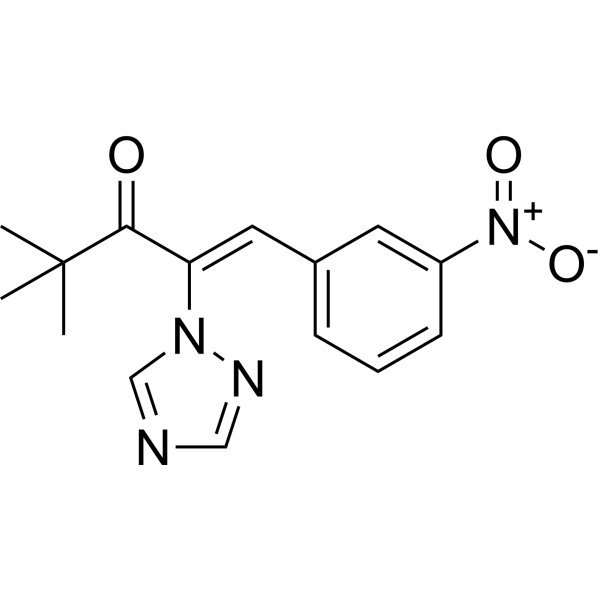 0 ImagesNexinhib20 is an inhibitor that targets the interactions of Rab27a-JFC1 (IC50: 2.6 μM) and Rac-1-GTP. Nexinhib20 can inhibit neutrophil exocytosis, adhesion, and β2 integrin activation, and has anti-inflammatory activity. Nexinhib20 can be used in the research of diseases such as systemic inflammation and myocardial ischemia-reperfusion injury.
-
ML-098
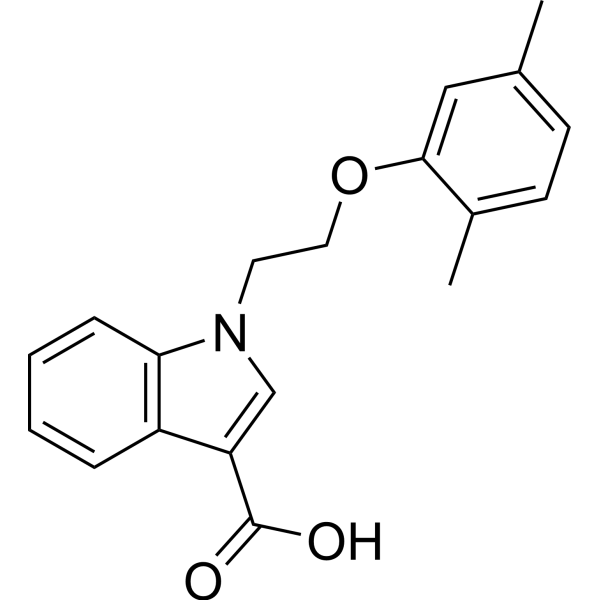 0 ImagesSynonyms: CID-7345532ML-098 (CID-7345532) is an activator of the GTP-binding protein Rab7 with an EC50 of 77.6 nM.
-
Rhosin
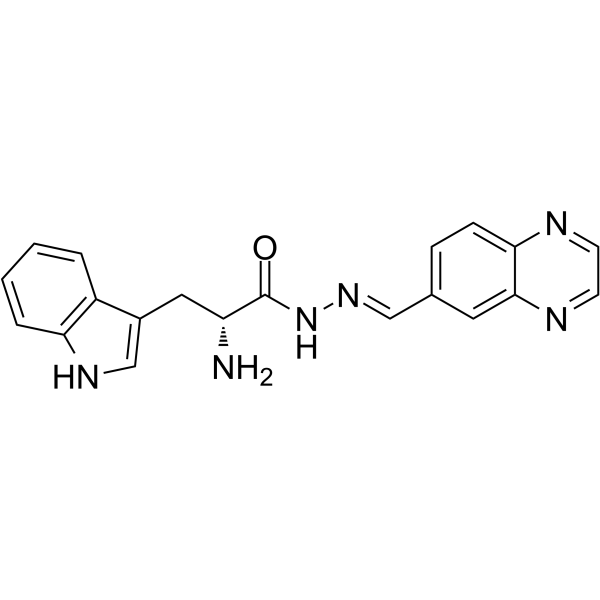 0 ImagesRhosin is a potent, specific RhoA subfamily Rho GTPases inhibitor, which specifically binds to RhoA to inhibit RhoA-GEF interaction with a Kd of ~ 0.4 uM, and does not interact with Cdc42 or Rac1, nor the GEF, LARG. Rhosin induces cell apoptosis. Rhosin promotes stress resiliency through enhancing D1-MSN plasticity and reducing hyperexcitability.
-
Geranylgeranyl pyrophosphate triammonium
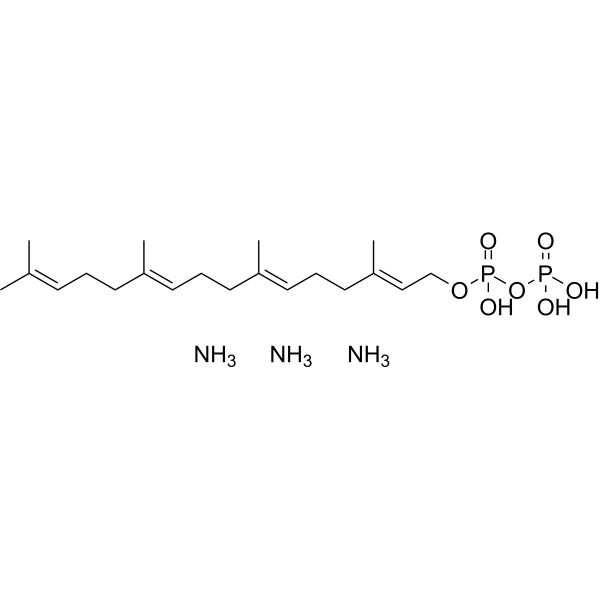 0 ImagesArt. -Nr.: HY-126370ACAS. Nr.: 313263-08-0Geranylgeranyl pyrophosphate triammonium is a type of isoprenoid metabolic intermediate, mainly synthesized through the mevalonate pathway. Geranylgeranyl pyrophosphate triammonium is a key precursor in various biological synthesis processes, especially as a necessary substrate for post-translational modification of proteins - geranylgeranyl phosphorylation. Geranylgeranyl pyrophosphate triammonium regulates various cellular processes and disease progression through protein geranylgeranyl phosphorylation, such as activating the YAP signaling pathway, promoting cell proliferation and inhibiting apoptosis; promoting IL-2 production and STAT5 phosphorylation; and influencing metabolic homeostasis and cancer, etc.