



Ras Activator
- 1
- 2
-
ML-098
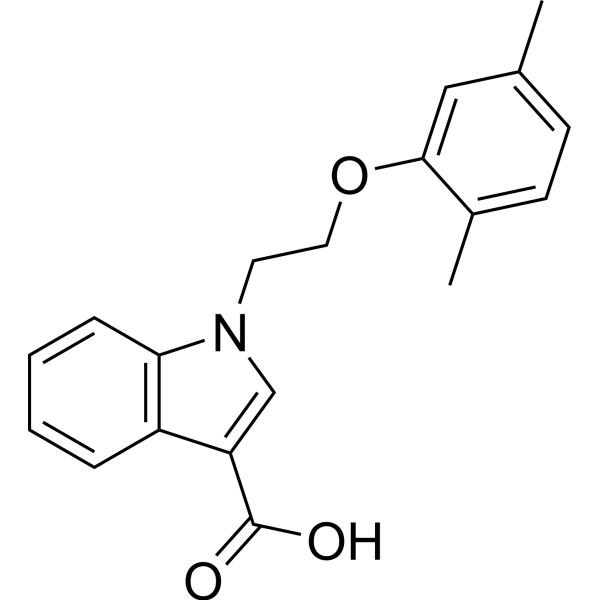 0 ImagesSynonyms: CID-7345532
ML-098 (CID-7345532) is an activator of the GTP-binding protein Rab7 with an EC50 of 77.6 nM.
-
Geranylgeranyl pyrophosphate triammonium
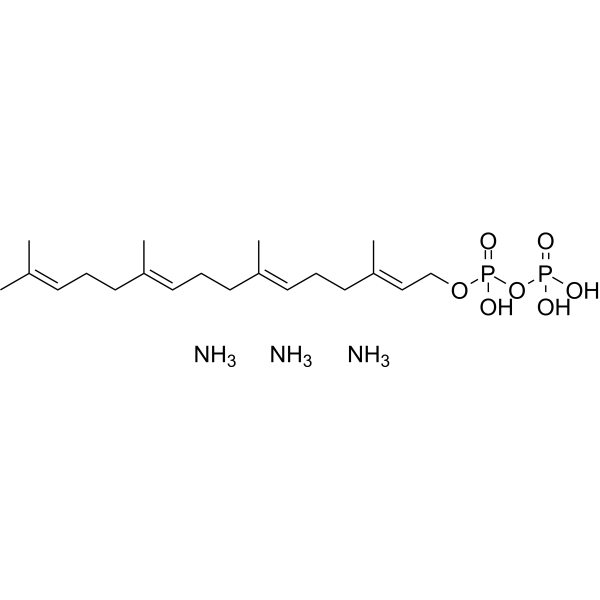 0 ImagesCat. No.: HY-126370ACAS No.: 313263-08-0
Geranylgeranyl pyrophosphate triammonium is a type of isoprenoid metabolic intermediate, mainly synthesized through the mevalonate pathway. Geranylgeranyl pyrophosphate triammonium is a key precursor in various biological synthesis processes, especially as a necessary substrate for post-translational modification of proteins - geranylgeranyl phosphorylation. Geranylgeranyl pyrophosphate triammonium regulates various cellular processes and disease progression through protein geranylgeranyl phosphorylation, such as activating the YAP signaling pathway, promoting cell proliferation and inhibiting apoptosis; promoting IL-2 production and STAT5 phosphorylation; and influencing metabolic homeostasis and cancer, etc.
-
8-pCPT-2′-O-Me-cAMP sodium
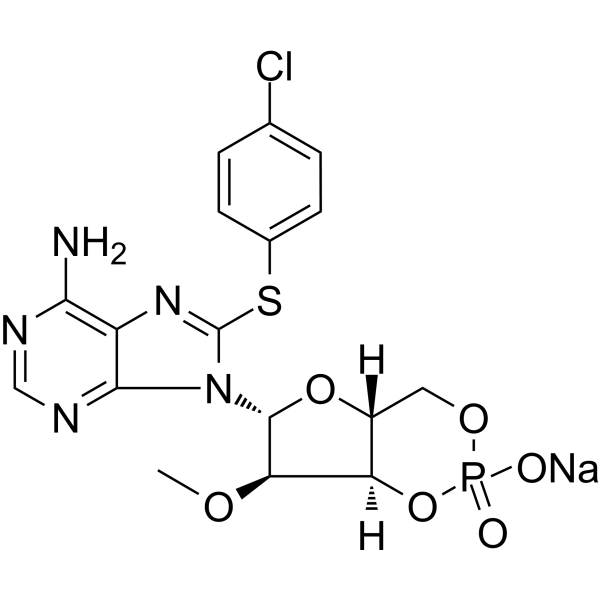 0 ImagesSynonyms: 8-CPT-2'-O-Me-cAMP sodium
8-pCPT-2′-O-Me-cAMP (8-CPT-2'-O-Me-cAMP) sodium, an analog of cAMP, is an activator of exchange proteins activated by cAMP (Epac). 8-pCPT-2′-O-Me-cAMP sodium activates Epac1 (EC50 = 2.2 μM), but not PKA (EC50 >10 μM). 8-pCPT-2′-O-Me-cAMP sodium stimulates Epac-mediated Ca2+ release in pancreatic β-cells in vitro. 8-pCPT-2′-O-Me-cAMP sodium is a Rap1 activator. 8-pCPT-2′-O-Me-cAMP sodium enhances the retinal pigment epithelium barrier against the pathological choroidal endothelial cell invasion that occurs in macular degeneration.
-
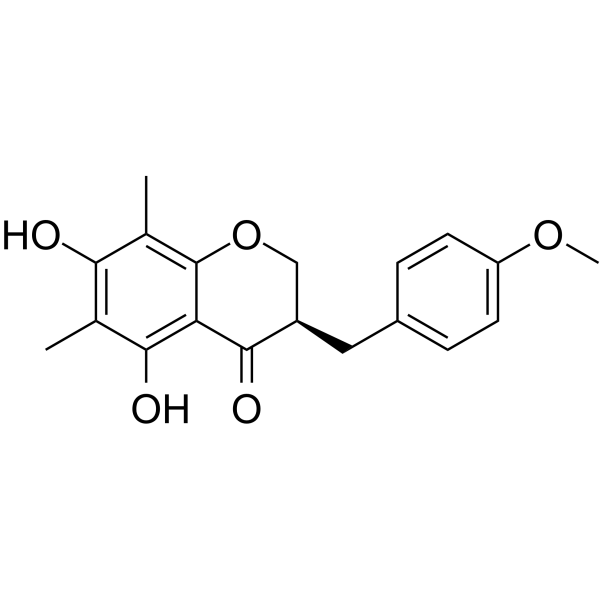
Methylophiopogonanone B
 0 Images
Methylophiopogonanone B is a homoisoflavonoid compound. Methylophiopogonanone B can be isolated from O. japonicus root. Methylophiopogonanone B promotes Rho activation and Tubulin depolymerization. Methylophiopogonanone B significantly increases GTP-Rho, but not GTP-Rac or GTP-CDC42. Methylophiopogonanone B induces cell morphological change via melanocyte dendrite retraction and stress fiber formation. Methylophiopogonanone B exhibits strong antioxidant activity. Methylophiopogonanone B can be used in the research of cervical cancer.
-
N-Acetylneuraminic acid (Standard)
 0 ImagesSynonyms: NANA (Standard); Lactaminic acid (Standard)
N-Acetylneuraminic acid (Standard) is the analytical standard of N-Acetylneuraminic acid. This product is intended for research and analytical applications. N-Acetylneuraminic acid (NANA; Lactaminic acid), a nonphenolic structure, is the predominant form of sialic from Collocalia esculenta. N-Acetylneuraminic acid plays a biological role in myocardial injury, melanoma and viral or bacterial infection. N-Acetylneuraminic acid inhibits melanogenesis by reducing tyrosinase activity and triggers myocardial injury in vitro and in vivo by activation of the Rho/Rho-associated signaling pathway through binding to RhoA and Cdc42. N-Acetylneuraminic acid may prevent high fat diet (HFD)-induced inflammation and oxidative stress, thereby prevents hyperlipidemia-associated inflammation and oxidative stress. N-Acetylneuraminic acid is promising for research in the field of melanoma, coronary artery, obesity-related diseases and hyperlipidemia.
-
Mevalonolactone
 0 Images
Mevalonolactone is an intermediate metabolite in the eukaryotic mevalonate pathway, serving as the stable δ-lactone form of mevalonate with oral activity. Mevalonolactone exhibits binding affinity for ZNF384 (Ka = 12.6 μM) and inhibitory activity against aconitase (aconitase). Mevalonolactone promotes the nuclear localization of ZNF384 and enhances its binding to the GGPPS promoter. Mevalonolactone induces insulin resistance, disrupts glucose and lipid metabolism, enhances the isoprenylation of K-Ras, and inhibits the activation of the insulin signaling pathway. Mevalonolactone inhibits polypeptide synthesis of HMG-CoA reductase in isolated rat hepatocytes, promotes its degradation, and reduces its enzymatic activity. Mevalonolactone impairs mitochondrial function in rat brains. Mevalonolactone promotes the development of metabolically unhealthy obesity. Mevalonolactone can be used in research related to metabolically abnormal obesity, mevalonic aciduria, HMGCR-related limb-girdle myopathy, and statin-induced myopathy.
-
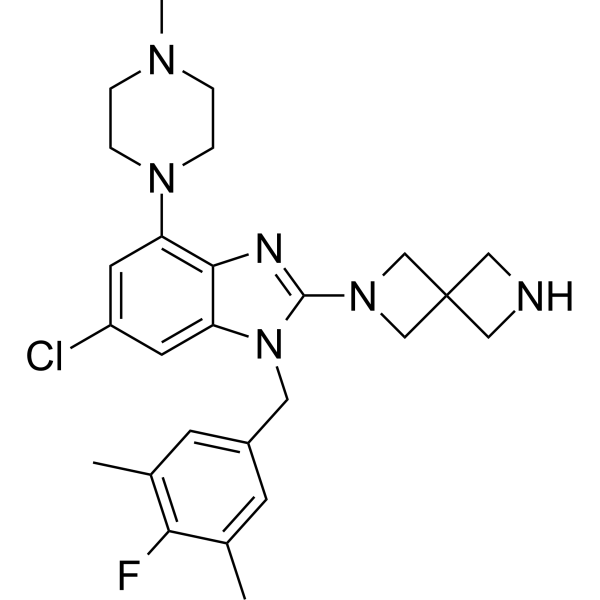
VUBI1
 0 ImagesSynonyms: SOS1 activator 1
VUBI1 (SOS1 activator 1) is a benzimidazole derivative and SOS1 activator with a Kd of 44 nM. VUBI1 can significantly activate RAS-GTP and regulate the phosphorylation of ERK. VUBI1 also can serve as a target ligand for synthesizing PROTACs, such as PROTAC SOS1 degrader-1 (HY-145737), to induce SOS1 degradation. VUBI1 can be used in the study of cancer.
-
Y-27632 hydrochloride hydrate
 0 Images
Y-27632 hydrochloride hydrate is a ROCK inhibitor with Ki values of 220 nM and 300 nM for ROCK1 and ROCK2, respectively. Y-27632 hydrochloride hydrate exerts anti-inflammatory and immunomodulatory effects in systemic lupus erythematosus models by inhibiting the ROCK/NF-κB pathway. Y-27632 hydrochloride hydrate enhances autophagy by inhibiting the AKT/mTOR pathway, thereby inducing apoptosis apoptosis in oral squamous cell carcinoma. Y-27632 hydrochloride hydrate induces the formation of tunneling nanotubes in ARPE-19 cells and significantly enhances mitochondrial transfer through these channels. Y-27632 hydrochloride hydrate promotes neurite outgrowth in PC12 cells by activating the Rac1/NOX1/ROS/AKT/PAK1 signaling cascade.
-
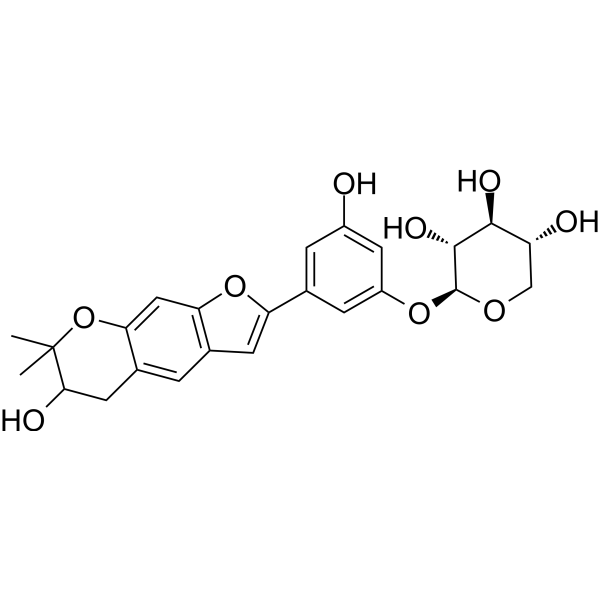
Mulberroside C
 0 Images
Mulberroside C is one of the main bioactive components in white mulberry (Morus alba L.). Mulberroside C exhibits antiplatelet, antiviral and neutrophil-regulating activities, and binds to EV-A71 VP1 with a Kd value of 1.289 nM. Mulberroside C reduces the phosphorylation level of ERK, promotes the phosphorylation of IP3RI at the Ser1756 site, and decreases calcium influx and calcium mobilization. Mulberroside C inhibits the expression of P-selectin (P-selectin). Mulberroside C upregulates the cyclic nucleotide signaling pathway in human platelets. Mulberroside C binds to IL-23R, upregulates the expression of G-CSF, GM-CSF and RASGRP1, and activates the RAS/ERK signaling pathway. Mulberroside C promotes neutrophil maturation, accelerates the recovery of leukopenia, and enhances the antibacterial activity of neutrophils. Mulberroside C inhibits the replication of hepatitis C virus in replicon cells. Mulberroside C prevents the uncoating and genome release of EV-A71, and inhibits the synthesis of viral proteins and RNA. Mulberroside C can be used in studies related to thrombosis-mediated cardiovascular diseases, chemotherapy- and radiotherapy-induced leukopenia, hepatitis C virus infection, and hand, foot and mouth disease.
-
8-Br-2'-O-Me-cAMP
 0 ImagesCat. No.: HY-134264CAS No.: 612513-13-0
8-Br-2'-O-Me-cAMP is an analogue of the signal molecule cyclic AMP (cAMP). 8-Br-2'-O-Me-cAMP is an agonist of exchange factors activated by cAMP (Epac), while it doesn't activate PKA as cAMP do. 8-Br-2'-O-Me-cAMP can be used in cardiovascular disease research.
-
RAS activator compound 1
 0 Images
RAS activator compound 1 (Compound 7c) is a RAS activator targeting the guanine nucleotide exchange factor (GEF) son of sevenless homologue 1 (SOS1). RAS activator compound 1 can activate the nucleotide exchange process and increase levels of active RAS-GTP in HeLa cells. RAS activator compound 1 can be used for research of RAS-driven tumor.
-
8-pCPT-2′-O-Me-cAMP
 0 ImagesCat. No.: HY-116312CAS No.: 510774-50-2Synonyms: 8-CPT-2'-O-Me-cAMP
8-pCPT-2′-O-Me-cAMP (8-CPT-2'-O-Me-cAMP), an analog of cAMP, is an activator of exchange proteins activated by cAMP (Epac). 8-pCPT-2′-O-Me-cAMP activates Epac1 (EC50 = 2.2 μM), but not PKA (EC50 >10 μM). 8-pCPT-2′-O-Me-cAMP stimulates Epac-mediated Ca2+ release in pancreatic β-cells in vitro. 8-pCPT-2′-O-Me-cAMP is a Rap1 activator. 8-pCPT-2′-O-Me-cAMP enhances the retinal pigment epithelium barrier against the pathological choroidal endothelial cell invasion that occurs in macular degeneration.
-
α,δ-NAG
 0 ImagesCat. No.: HY-178978CAS No.: 3051899-13-6
α,δ-NAG is an orally active glutaminase-resistant less-hydrolyzable L-Glutamine derivative. α,δ-NAG is a G protein-coupled receptor (GPCR) allosteric modulator. α,δ-NAG suppresses neutrophilic airway inflammation by activating the GPCR/ERK/MKP-1 pathway. α,δ-NAG can be used for the researches of inflammation and immunology, such as asthma.
-
8-pMeOPT-2'-O-Me-cAMP
 0 ImagesCat. No.: HY-134340CAS No.: 612513-16-3Synonyms: 8-(4-Methoxyphenylthio)-2'-O-Me-cAMP
8-pMeOPT-2'-O-Me-cAMP is an analogue of the signal molecule cAMP and a potent stimulator of exchange factors activated by cAMP (Epac), while it doesn't activate PKA as cAMP does.
-
LZTR1-KRAS modulator 1
 0 ImagesCat. No.: HY-W556631CAS No.: 61563-45-9
LZTR1-KRAS modulator 1 is a KRAS-LZTR1 interaction modulator that can enhance the recruitment of the LZTR1-KRAS complex.
-
8-CPT-cAMP-AM
 0 ImagesCat. No.: HY-134299CAS No.: 663941-66-0Synonyms: 8-(4-Chlorophenylthio)-cAMP-AM
8-CPT-cAMP-AM (8-(4-Chlorophenylthio)-cAMP-AM) is an Epac/PKA activator. 8-CPT-cAMP-AM potentiates glucose-dependent first- and second-phase insulin secretion, induces β-cell depolarization, modulates intracellular calcium via influx and ryanodine-sensitive store mobilization, and facilitates calcium-induced calcium release resistant to PKA inhibition. 8-CPT-cAMP-AM can be used for the research of cardiac hypertrophy, diabetic cardiomyopathy, and melanoma.
-
VUBI1 (Standard)
 0 ImagesCat. No.: HY-111671RCAS No.: 2245237-53-8Synonyms: SOS1 activator 1 (Standard)
VUBI1 (Standard) is the analytical standard of VUBI1 (HY-111671). This product is intended for research and analytical applications. VUBI1 (SOS1 activator 1) is a benzimidazole derivative and SOS1 activator with a Kd of 44 nM. VUBI1 can significantly activate RAS-GTP and regulate the phosphorylation of ERK. VUBI1 also can serve as a target ligand for synthesizing PROTACs, such as PROTAC SOS1 degrader-1 (HY-145737), to induce SOS1 degradation. VUBI1 can be used in the study of cancer.
-
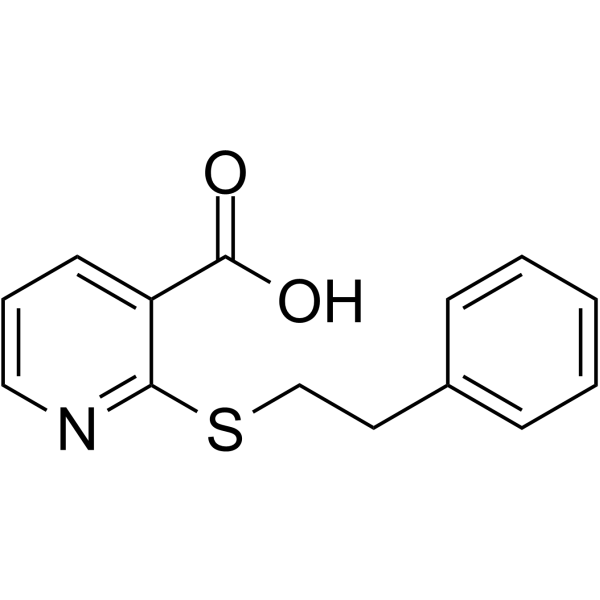
RasGRP3 ligand 1
 0 ImagesCat. No.: HY-123977CAS No.: 2229068-13-5
-
Cefotetan (Standard)
 0 Images
Cefotetan (Standard) is the analytical standard of Cefotetan. This product is intended for research and analytical applications. Cefotetan is a semisynthetic cephamycin antibiotic that exerts its bactericidal effects by inhibition of cell-wall synthesis.
- 1
- 2



