



Biotin Dyes
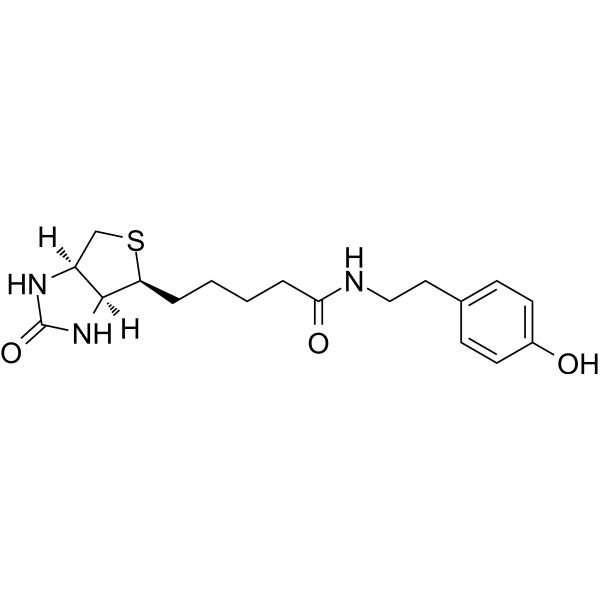
- Formula: C18H25N3O3S
- Molecular Weight: 363.47
Biotinyl tyramide is a biotin derivative used for tyramide signal amplification (TSA), as a reagent to amplify both immunohistochemical signals and in situ hybridization protocols. Biotinyl tyramide can be used for the research of tyramide signal amplification.
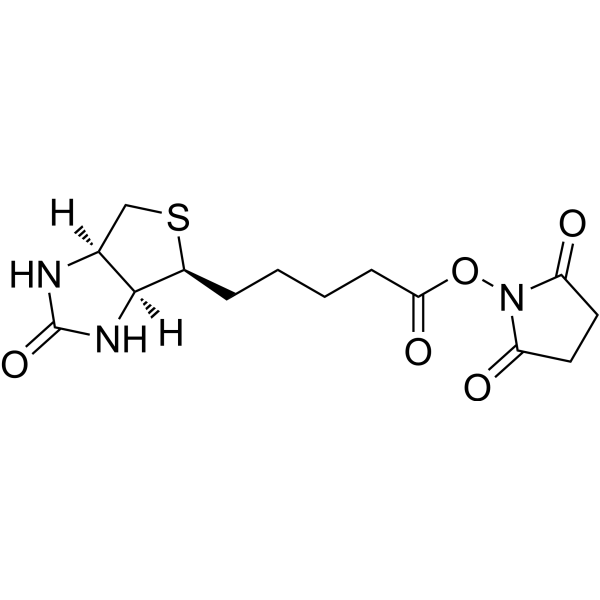
- Formula: C14H19N3O5S
- Molecular Weight: 341.38
Biotin NHS is an amino reactive biotin reagent used in the preparation of biotinylated surfaces or polypeptides.
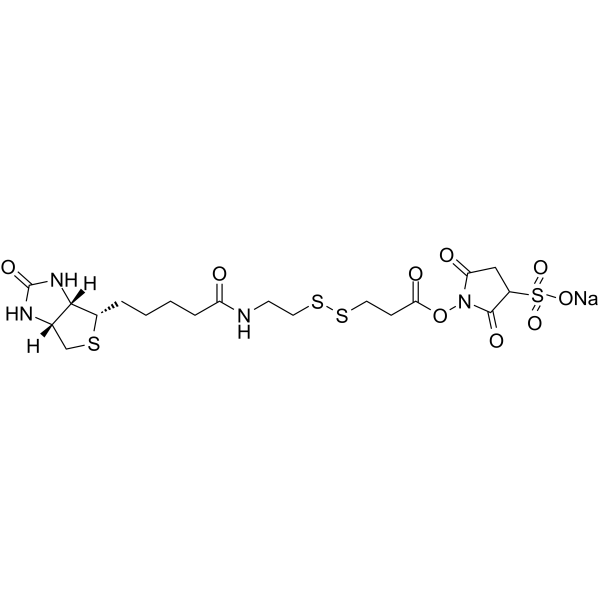
- Formula: C19H27N4NaO9S4
- Molecular Weight: 606.69
Sulfo-NHS-SS-biotin sodium is a long-chain cleavable and cell-impermeant amine-reactive biotinylation reagent. Sulfo-NHS-SS-biotin sodium can be used for the labeling and purifying of cell-surface protein.
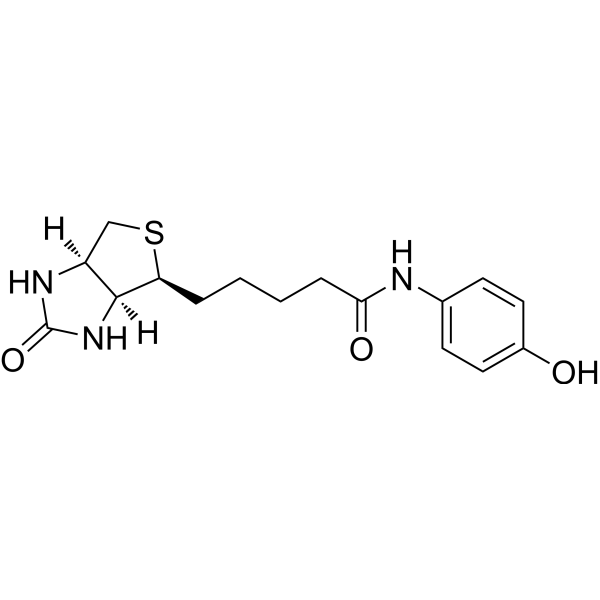
- Formula: C16H21N3O3S
- Molecular Weight: 335.42
Biotin-4-aminophenol is a biotin-phenol analog. Biotin-4-aminophenol generates free radicals and conjugates to tyrosine residues in proteins more efficiently and selectively than the previously reported BP1.
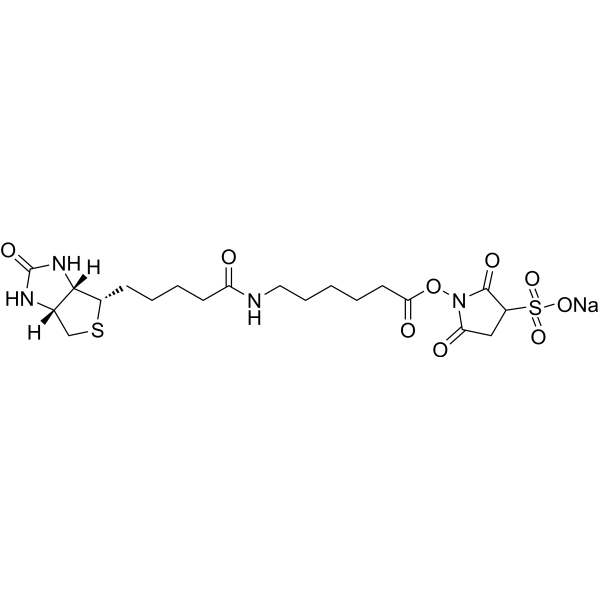
- Formula: C20H29N4NaO9S2
- Molecular Weight: 556.59
Sulfo-NHS-LC-Biotin sodium is an amine-reactive ester derivative of biotin and cannot pass the intact blood-retinal barrier. It can be used to assess vascular permeability of the brain and retinal vasculature.

- Formula: C34H46N4O7S
- Molecular Weight: 654.82
Biotin-PEG3-benzophenone is biotin-labeled Benzophenone (HY-Y0546). Benzophenone is an endogenous metabolite and a photosensitizer that has been implicated in photosensitive damage to DNA. Benzophenone causes nucleobase oxidation, formation of cyclobutane-pyrimidine dimers, single-strand breaks, DNA-protein cross-links or abasic sites, different pathologies that may occur in nucleosides, oligonucleotides or DNA .

- Formula: C37H46N3O6PS2
- Molecular Weight: 723.88
SNOTRAP (SNO trapping by triaryl phosphine) is a chemical probe used for detecting S-nitrosylated (SNO) proteins. SNOTRAP selectively converts S-nitrosylated cysteines in proteins into stable disulfide-iminophosphorane intermediates, which are then enriched with streptavidin and detected by nanoLC-MS/MS. SNOTRAP enables global enrichment and label-free quantification of SNO proteins and their modification sites in complex biological samples such as mouse brain tissues. SNOTRAP can be applied to studies related to nitrosative stress-associated diseases, including neurodegenerative diseases, cancer, and multiple sclerosis.

- Formula: C34H64N4O6S
- Molecular Weight: 656.96
C6 Biotin phytoceramide (t18:0/6:0) is an affinity probe that allows C6 phytoceramide to be detected or immobilized through interaction with the biotin ligand.
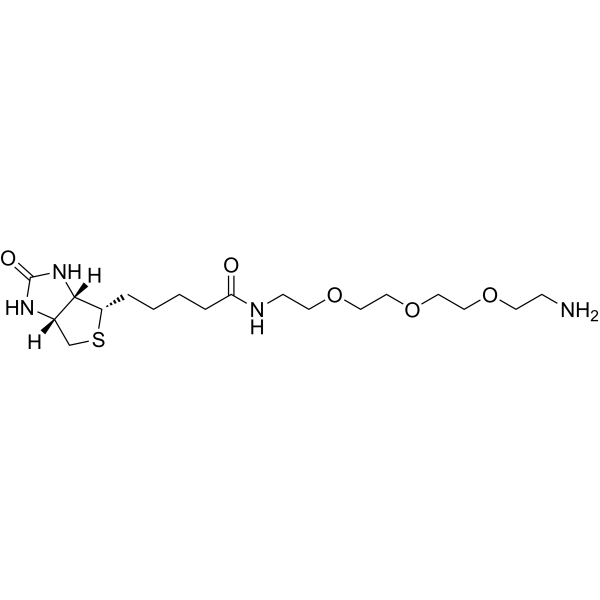
- Formula: C18H34N4O5S
- Molecular Weight: 418.55
Amine-PEG3-Biotin is a signal amplification label containing a biotin group and a terminal primary amine group.
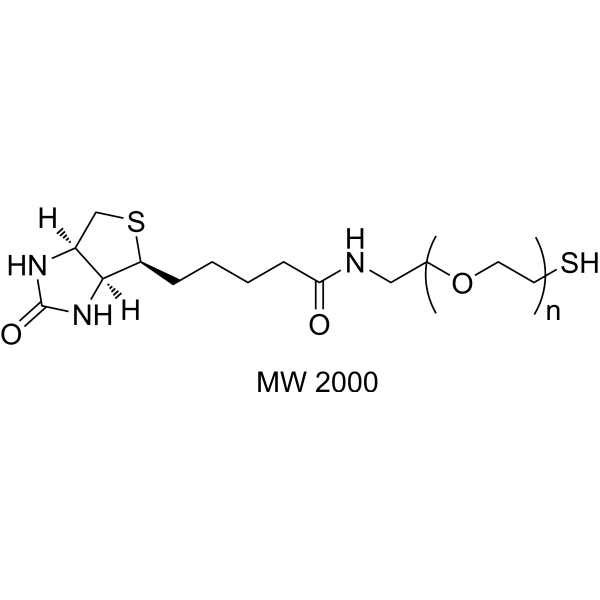
- Formula: C14H25N3O3S2
- Molecular Weight: 2000 (Average)
Biotin-PEG2000-Thiol is an active compound. Biotin-PEG2000-Thiol is pegylated by binding to streptavidin or antibiotin with high affinity and specificity. Biotin-PEG2000-Thiol can modify biomolecules, proteins, peptides and other small molecule materials. Biotin-PEG2000-Thiol is widely used in the research of agent release and nano new materials.

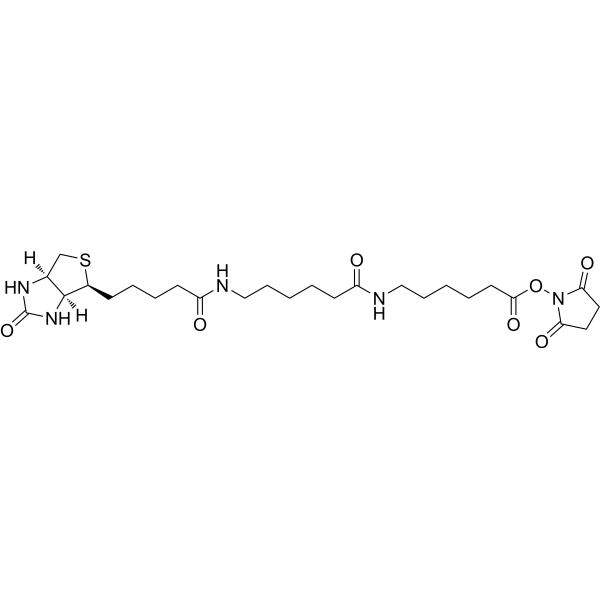
- Formula: C26H41N5O7S
- Molecular Weight: 567.70
Biotin-LC-LC-NHS is a biotinylation reagent that contains an NHS moiety, which can react efficiently with primary amino (-NH2). Biotin-LC-LC-NHS enables simple and efficient biotinylation of antibodies, proteins, and any other primary amine-containing biomolecules in solution. Biotin-LC-LC-NHS can be used to biotinylate small molecules such as Paclitaxel (HY-B0015) for use in binding site characterization.
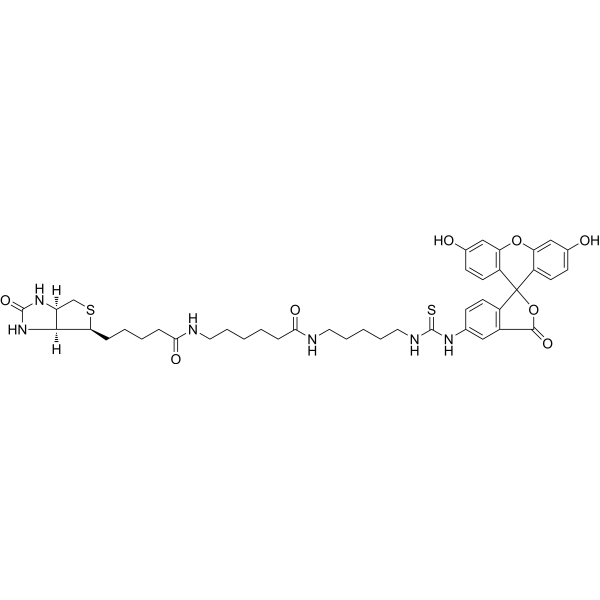
- Formula: C42H50N6O8S2
- Molecular Weight: 831.01
Fluorescein Biotin is a fluorescent modulator with avidin and streptavidin binding activity. Fluorescein Biotin binds to the biotin-binding sites of avidin and streptavidin, and this binding induces significant fluorescence quenching.
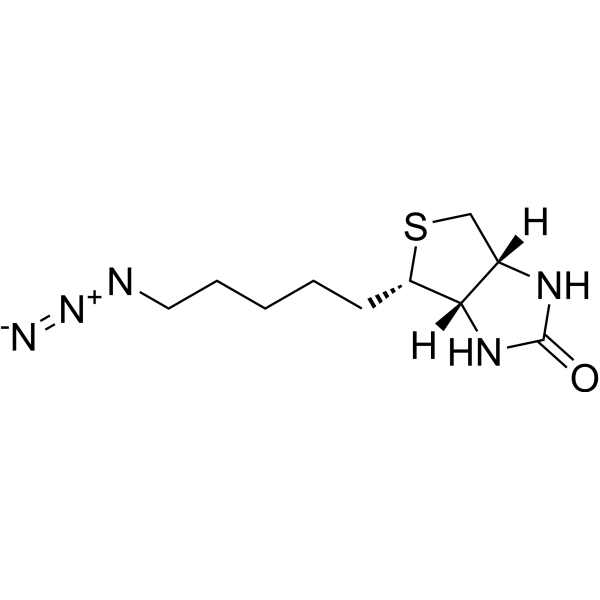
- Formula: C10H17N5OS
- Molecular Weight: 255.34
Biotin-C5-Azide (DecarboxyBiotin-N3) is a biotin reagent and can be used to prepare biotinylated conjugates. Biotin-C5-Azide is a click chemistry reagent, it contains an Azide group and can undergo copper-catalyzed azide-alkyne cycloaddition reaction (CuAAc) with molecules containing Alkyne groups. It can also undergo strain-promoted alkyne-azide cycloaddition (SPAAC) reactions with molecules containing DBCO or BCN groups.
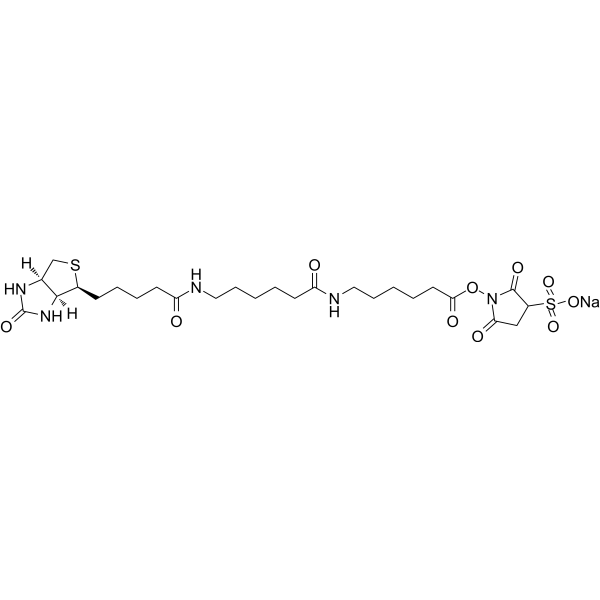
- Formula: C26H40N5NaO10S2
- Molecular Weight: 669.74
Sulfo-NHS-LC-LC-Biotin (Biotin-XX-SSE), a biotin reagent, is used to label the proteins exposed to the external leaflet of intact exosomes and contains a larger spacer arm between the biotin and amine reactive linker. The size of this linker helps to overcome steric hindrance and increases labeling efficiency at the crowded exosome surface.
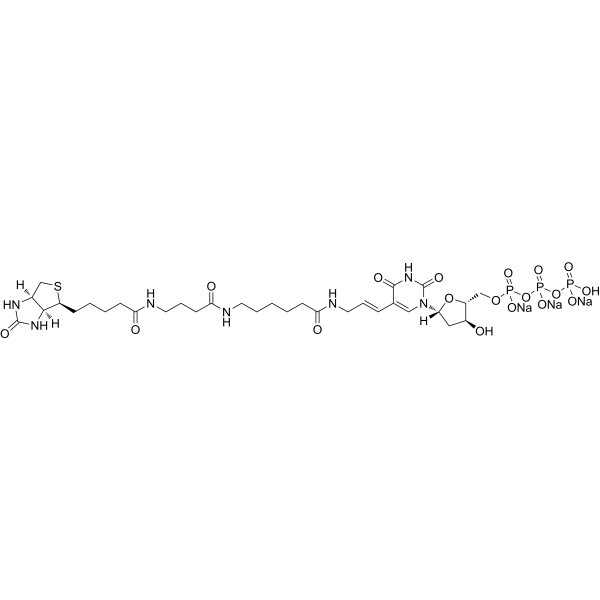
- Formula: C32H49N7Na3O18P3S
- Molecular Weight: 1013.72
Biotin-16- dUTP (Biotin-16-deoxyuridine-5'-triphosphate) trisodium can be used to replace its natural counterpart dTTP by enzymatically incorporating it into DNA/cDNA. Biotin-16- dUTP trisodium can be used to produce biotinylated DNA probes in a variety of assay applications.
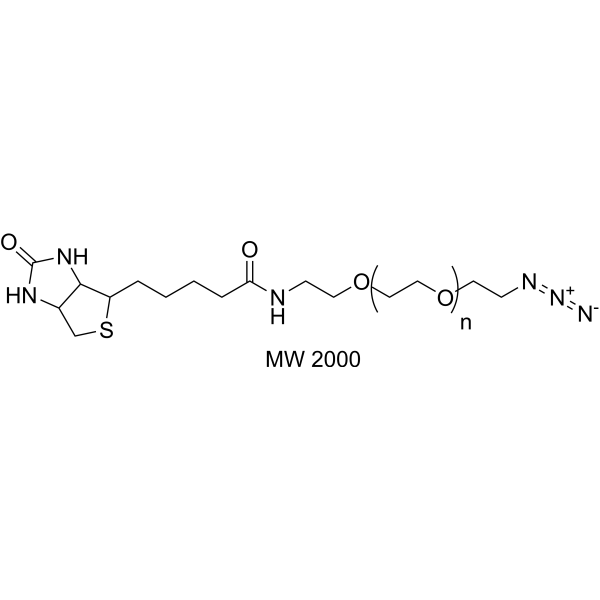
- Molecular Weight: 2000 (Average)
Biotin-PEG2000-azide is a biotin labeled PEG derivative. Biotin is an enzyme co-factor, can be used for labeling protein; PEG is a hydrophilic and water-soluble polymer with low toxicity; azide, is a moderately good leaving group, can react with alkyne by Cu-catalyzation, which improve the efficiency of biotin binding targets. It contains an azide group and can undergo copper-catalyzed azide-alkyne cycloaddition (CuAAc) with molecules containing alkyne groups. It can also undergo ring strain-promoted alkyne-azide cycloaddition (SPAAC) with molecules containing DBCO or BCN groups.
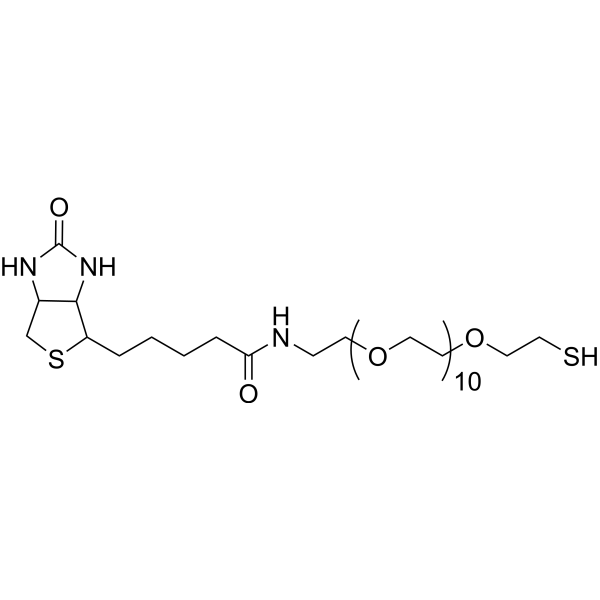
- Formula: C34H65N3O13S2
- Molecular Weight: 788.02
BIOTIN-PEG11-SH enables biotin labeling of protein.

Maackia amurensis Lectin (MAA/MAL II)-Biotinylated is a plant lectin modified by biotin. Maackia amurensis Lectin (MAA/MAL II)-Biotinylated has the activity to recognize specific sugar structures, specifically the alpha-2, 3-linked sialic acid (HY-I0400). Maackia amurensis Lectin (MAA/MAL II)-Biotinylated has a very high affinity with avidin or streptavidin and this interaction can be used to fix it to solid surfaces or bind it to other molecules. Maackia amurensis Lectin (MAA/MAL II)-Biotinylated can be used to isolate and purify proteins or other molecules with specific sugar chain structures in affinity chromatography as well as for disease marker discovery and cancer research.



