



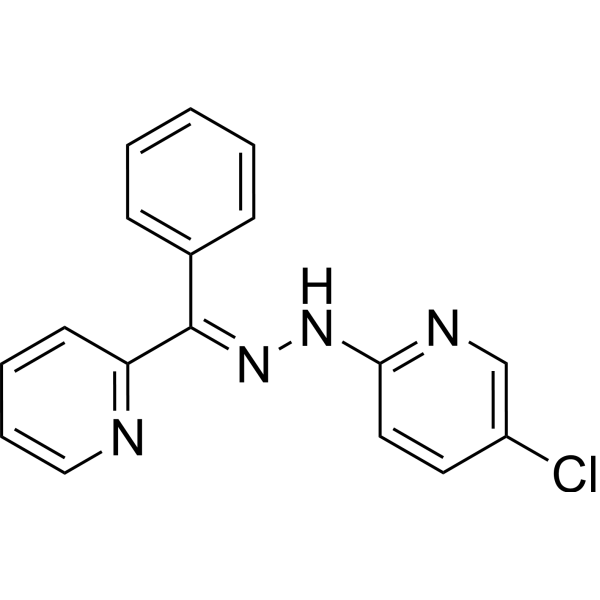
JIB-04
Based on 21 publication(s) in Google Scholar
JIB-04 is a pan-selective Jumonji histone demethylase inihibitor with IC50s of 230, 340, 855, 445, 435, 1100, and 290 nM for JARID1A, JMJD2E, JMJD3, JMJD2A, JMJD2B, JMJD2C, and JMJD2D, respectively.
For research use only. We do not sell to patients.
- Purity : 98.84%
- CAS No.: 199596-05-9
- Formula: C17H13ClN4
- Molecular Weight:308.76
-
Storage:Powder -20°C, 3 years , 4°C, 2 years ; In solvent -80°C, 2 years , -20°C, 1 year

To place orders, for customer services and technical support, please contact: MedChemExpress USA
Tel: 609-228-6898 E-mail: [email protected] [email protected]


-
 Biological Activity
-
Chemical Information
-
Solvent & Solubility
- Purity & Documentation
- References
-
 Help & FAQs


-
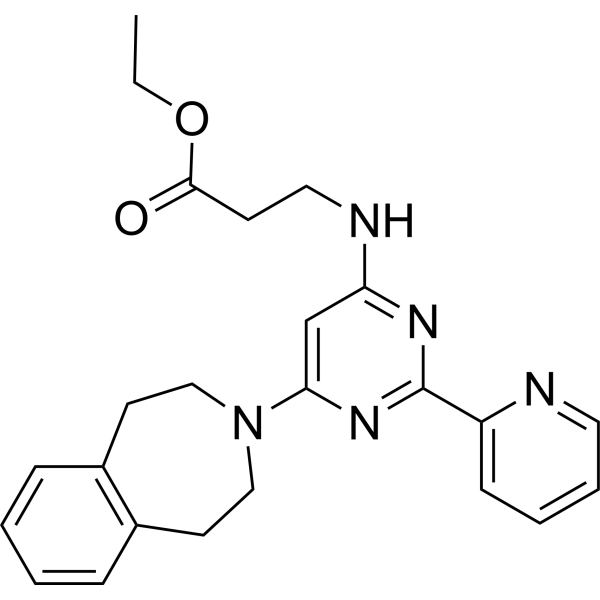
HY-15648B
GSK-J4JMJD3/UTX Inhibitor -
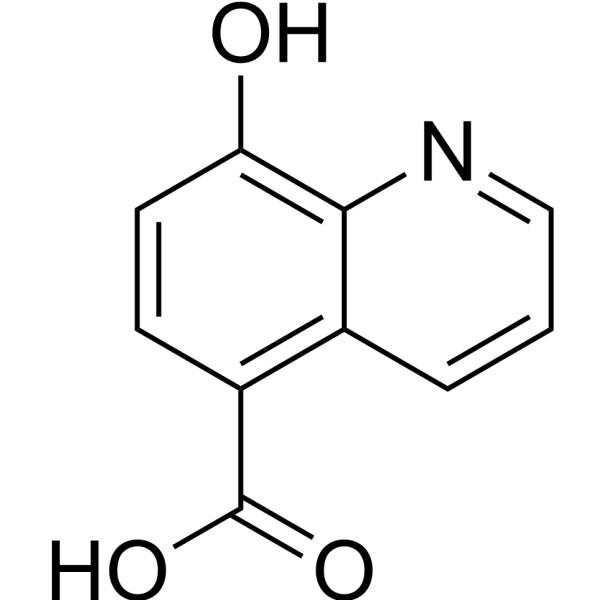
HY-12304
IOX12OG Oxygenases Inhibitor -
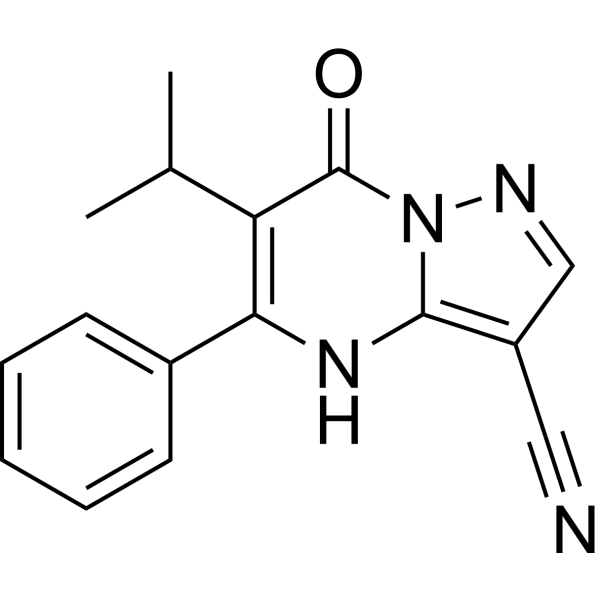
HY-100421
CPI-455KDM5 Inhibitor -
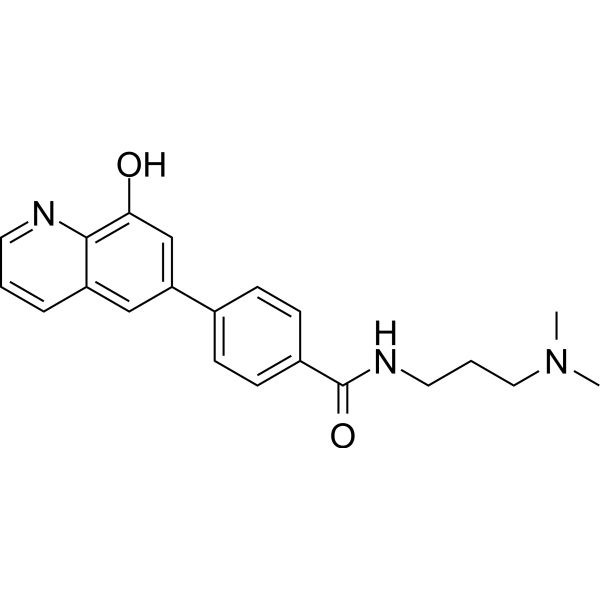
HY-12725
ML324JMJD2 Inhibitor -
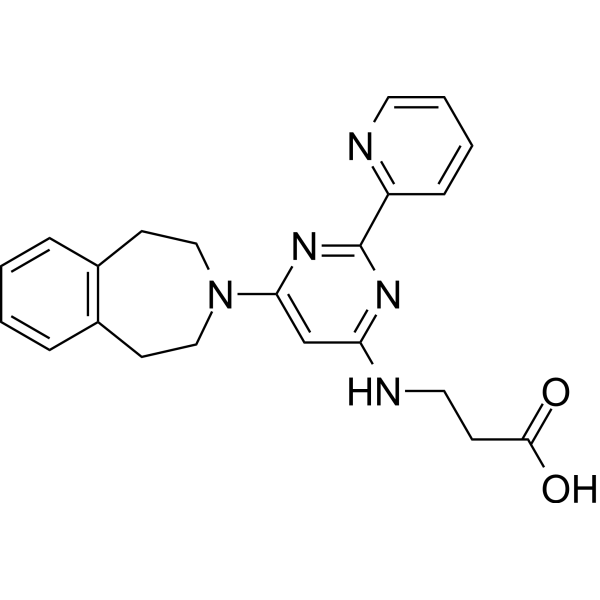
HY-15648
GSK-J1JMJD3/KDM6B Inhibitor -
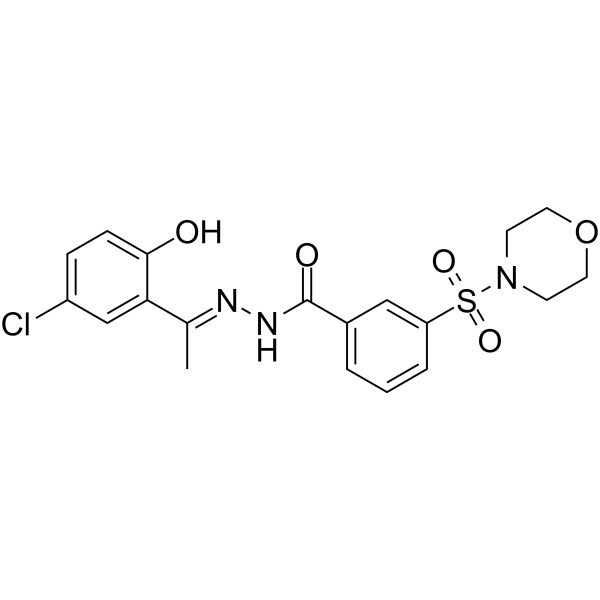
HY-12635
SP2509LSD1 Antagonist -
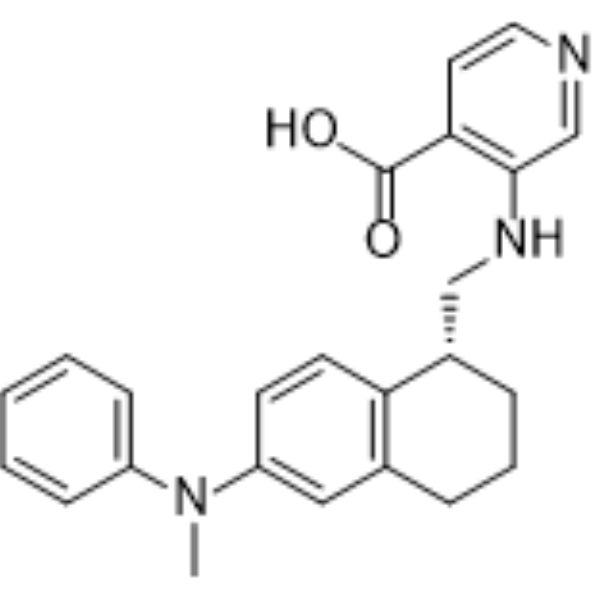
HY-104048
QC6352KDM4 Inhibitor -
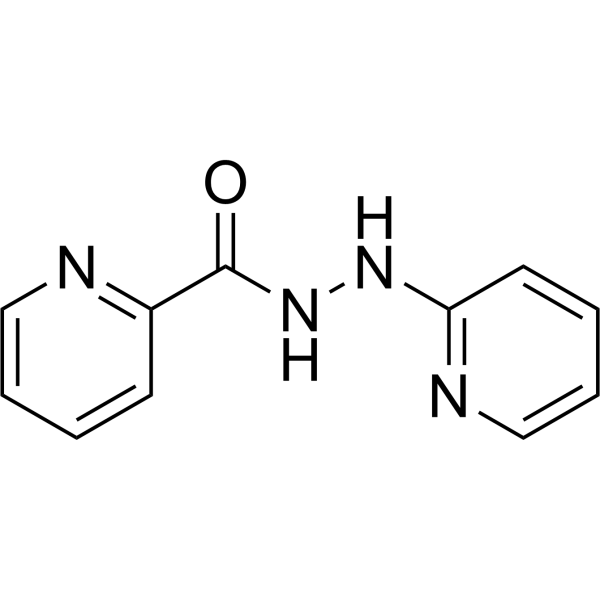
HY-139348
PFI-90KDM3B Inhibitor -
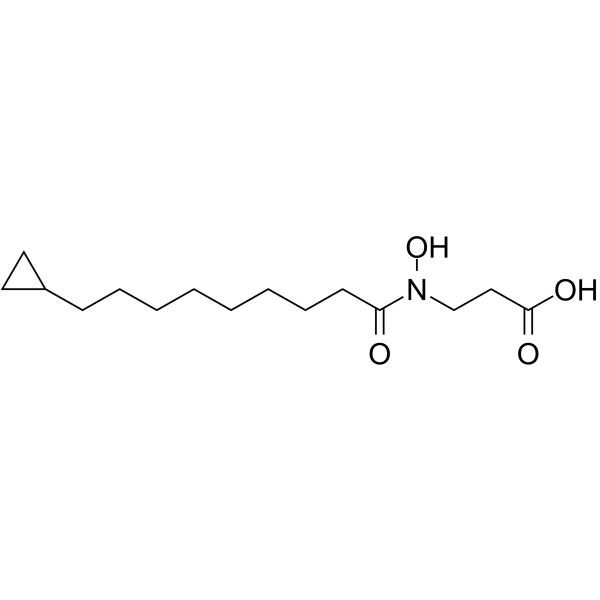
HY-107573
KDM2/7-IN-1KDM2/7 Inhibitor -
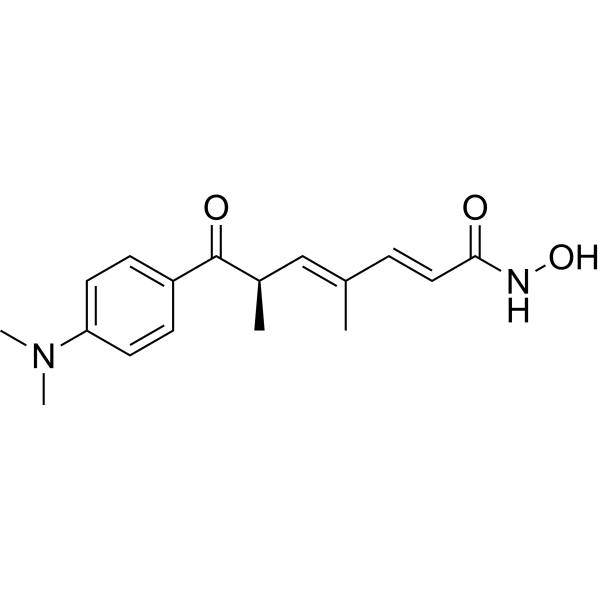
HY-15144
Trichostatin AHDAC Class I/II Inhibitor -
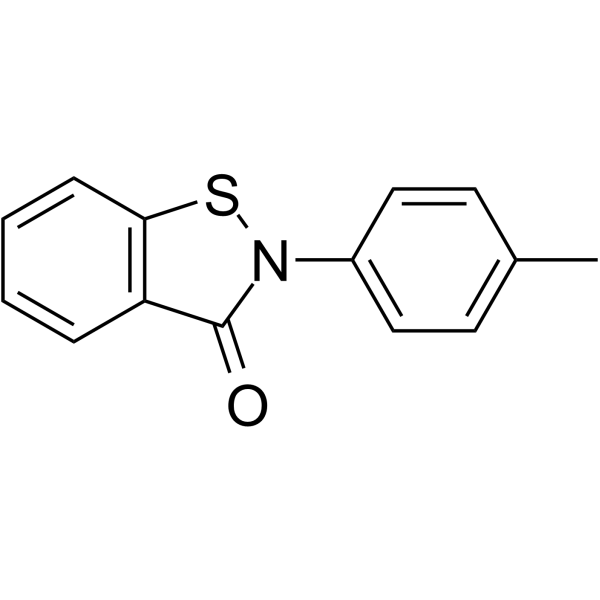
HY-101451
PBITJARID1B Inhibitor -
HY-15593
PinometostatDOT1L Inhibitor
Publications Citing Use of MedChemExpress (MCE) JIB-04
More- Cancer Cell. 2019 Apr 15;35(4):677-691.e10. [Abstract]
- ACS Nano. 2023 Feb 14;17(3):3181-3193. [Abstract]
- Theranostics. 2025 Jan 1;15(4):1320-1337. [Abstract]
- Cell Death Discov. 2025 Jul 15;11(1):326. [Abstract]
- Acta Pharmacol Sin. 2022 Feb;43(2):457-469. [Abstract]
- Proc Natl Acad Sci U S A. 2019 Feb 19;116(8):2961-2966. [Abstract]
- Int J Biol Macromol. 2024 Dec;282(Pt 5):136767. [Abstract]
- Commun Biol. 2022 Sep 2;5(1):904. [Abstract]
- Int Immunopharmacol. 2024 Nov 4;143(Pt 3):113525. [Abstract]
- BMC Biol. 2025 Apr 7;23(1):94. [Abstract]
- Clin Exp Med. 2025 Nov 25;26(1):33. [Abstract]
- iScience. 2024 May 16;27(6):110011. [Abstract]
- Mol Divers. 2024 Dec;28(6):4403-4424. [Abstract]
- ACS Med Chem Lett. 2015 Jun 22;6(8):948-52. [Abstract]
- Cytokine. 2022 Mar:151:155789. [Abstract]
- Exp Cell Res. 2026 Jul 1;460(1):115042. [Abstract]
- Exp Cell Res. 2021 Sep 15;406(2):112762. [Abstract]
- J Am Soc Mass Spectrom. 2025 Aug 6;36(8):1609-1620. [Abstract]
- Technol Cancer Res Treat. 2023 Jan-Dec:22:15330338231175768. [Abstract]
- J Recept Signal Transduct Res. 2020 Aug;40(4):339-347. [Abstract]
- bioRxiv. 2025 Jul 21.
 Customer Validation & Images

-
RT-PCR
-
RT-PCR
-
RT-PCR
-
RT-PCR


Biological Activity
Description
IC50 & Target
|
KDM4 |
KDM6 |
KDM5 |
Cellular Effect
|
Cell Line

|
Type | Value | Description | References |
|---|---|---|---|---|
| A549 | EC50 |
<0.01 μM
Compound: 47
|
Antiproliferative activity against human A549 cells assessed as reduction in cell viability
Antiproliferative activity against human A549 cells assessed as reduction in cell viability
|
[PMID: 34555614] |
| MCF7 | GI50 |
0.022 μM
Compound: 48; JIB-04
|
Cytotoxicity against human MCF7 cells assessed as cell growth inhibition
Cytotoxicity against human MCF7 cells assessed as cell growth inhibition
|
[PMID: 32883639] |
| MCF7 | GI50 |
22 nM
Compound: 9
|
Antiproliferative activity against human MCF7 cells assessed as growth inhibition
Antiproliferative activity against human MCF7 cells assessed as growth inhibition
|
[PMID: 30343192] |
| MDA-MB-231 | GI50 |
0.3 μM
Compound: 48; JIB-04
|
Cytotoxicity against human MDA-MB-231 cells assessed as cell growth inhibition
Cytotoxicity against human MDA-MB-231 cells assessed as cell growth inhibition
|
[PMID: 32883639] |
| MDA-MB-231 | GI50 |
300 nM
Compound: 9
|
Antiproliferative activity against human MDA-MB-231 cells assessed as growth inhibition
Antiproliferative activity against human MDA-MB-231 cells assessed as growth inhibition
|
[PMID: 30343192] |
| U2OS | CC50 |
~ 10 μM
Compound: 14; JIB-04
|
Cytotoxicity against human U2OS cells expressing tetracyclin/Dox-inducible N-terminal 3xFLAG/C-terminal GFP tagged human TET1 catalytic domain (1481 to 2136 residues) assessed as effect on nuclear count by DAPI staining based analysis
Cytotoxicity against human U2OS cells expressing tetracyclin/Dox-inducible N-terminal 3xFLAG/C-terminal GFP tagged human TET1 catalytic domain (1481 to 2136 residues) assessed as effect on nuclear count by DAPI staining based analysis
|
[PMID: 38294854] |
In Vitro
JIB-04 is consistently selective for cancer vs. normal cells, demonstrated by the higher sensitivity of lung and prostate cancer lines (with IC50 as low as 10 nM) compared to HBECs and PrSCs/PrECs. JIB-04 inhibits cellular Jumonji demethylase activity, and Jumonji levels affect JIB-04 action in cells[1]. JIB-04 significantly inhibits the proliferation of GB cell lines and stem-enriched cultures. JIB-04 exerts its maximal inhibitory activity against KDM5A, and modulates the expression of genes involved in the control of cancer cell growth and leads to hypermethylation of H3K4. Furthermore, JIB-04 (2500 nM) activates the autophagy and apoptotic pathways and inactivates PI3K. JIB-04 also cooperates with TMZ in killing GB cells[2].
MedChemExpress (MCE) has not independently confirmed the accuracy of these methods. They are for reference only. .
In Vivo
MedChemExpress (MCE) has not independently confirmed the accuracy of these methods. They are for reference only.


Chemical Information
-
CAS No. 199596-05-9
-
Appearance Solid
-
Molecular Weight 308.76
-
Formula C17H13ClN4
-
Color Off-white to yellow
-
SMILES
ClC1=CN=C(N/N=C(C2=CC=CC=C2)/C3=NC=CC=C3)C=C1
-
Shipping
Room temperature in continental US; may vary elsewhere.
-
Storage
Powder -20°C 3 years 4°C 2 years In solvent -80°C 2 years -20°C 1 year


Publications (21)
-
Journal Impact Factor
-
Most Recent
-
Cancer Cell
2019 Apr 15;35(4):677-691.e10. PMID: 30991027 -
ACS Nano
Binary Colloidal Crystals Promote Cardiac Differentiation of Human Pluripotent Stem Cells via Nuclear Accumulation of SETDB1. [Abstract]2023 Feb 14;17(3):3181-3193. PMID: 36655945 -
Theranostics
JARID1D-dependent androgen receptor and JunD signaling activation of osteoclast differentiation inhibits prostate cancer bone metastasis through demethylating H3K4. [Abstract]2025 Jan 1;15(4):1320-1337. PMID: 39816691 -
Cell Death Discov
Epigenetic targeting of MECOM/KRAS axis by JIB-04 impairs tumorigenesis and cisplatin resistance in MECOM-amplified ovarian cancer. [Abstract]2025 Jul 15;11(1):326. PMID: 40664642 -
Acta Pharmacol Sin
2022 Feb;43(2):457-469. PMID: 33850273 -
Proc Natl Acad Sci U S A
2019 Feb 19;116(8):2961-2966. PMID: 30718431 -
Int J Biol Macromol
SETD2 deficiency in peripheral sensory neurons induces allodynia by promoting NMDA receptor expression through NFAT5 in rodent models. [Abstract]2024 Dec;282(Pt 5):136767. PMID: 39476923 -
Commun Biol
Pigment epithelium-derived factor promotes peritoneal dissemination of ovarian cancer through induction of immunosuppressive macrophages. [Abstract]2022 Sep 2;5(1):904. PMID: 36056141 -
Int Immunopharmacol
Histone methylation regulates neutrophil extracellular traps to attenuate corneal neovascularization. [Abstract]2024 Nov 4;143(Pt 3):113525. PMID: 39500081 -
BMC Biol
Dynamic substrate topographies drive actin- and vimentin-mediated nuclear mechanoprotection events in human fibroblasts. [Abstract]2025 Apr 7;23(1):94. PMID: 40189524 -
Clin Exp Med
Corin: a dual inhibitor for KDM1A/HDAC1, suppresses hepatocellular carcinoma by triggering cuproptosis. [Abstract]2025 Nov 25;26(1):33. PMID: 41286164 -
iScience
Transcriptional synergy in human aortic endothelial cells is vulnerable to combination p300/CBP and BET bromodomain inhibition. [Abstract]2024 May 16;27(6):110011. PMID: 38868181 -
Mol Divers
Exploring host epigenetic enzymes as targeted therapies for visceral leishmaniasis: in silico design and in vitro efficacy of KDM6B and ASH1L inhibitors. [Abstract]2024 Dec;28(6):4403-4424. PMID: 38522046 -
ACS Med Chem Lett
High-Throughput Screening of Patient-Derived Cultures Reveals Potential for Precision Medicine in Glioblastoma. [Abstract]2015 Jun 22;6(8):948-52. PMID: 26288699 -
Cytokine
2022 Mar:151:155789. PMID: 34998158 -
Exp Cell Res
The combinations of histone lysine demethylase inhibitors with panobinostat exert enhanced effects against head and neck cancer cells. [Abstract]2026 Jul 1;460(1):115042. PMID: 42019757 -
Exp Cell Res
Dexmedetomidine preconditioning ameliorates lung injury induced by pulmonary ischemia/reperfusion by upregulating promoter histone H3K4me3 modification of KGF-2. [Abstract]2021 Sep 15;406(2):112762. PMID: 34352276 -
J Am Soc Mass Spectrom
2025 Aug 6;36(8):1609-1620. PMID: 40598877 -
Technol Cancer Res Treat
2023 Jan-Dec:22:15330338231175768. PMID: 37254514 -
J Recept Signal Transduct Res
Inhibition of histone demethylase JMJD1C attenuates cardiac hypertrophy and fibrosis induced by angiotensin II. [Abstract]2020 Aug;40(4):339-347. PMID: 32122211
JIB-04 purchased from MedChemExpress. Usage Cited in: J Recept Signal Transduct Res. 2020 Aug;40(4):339-347. [Abstract]
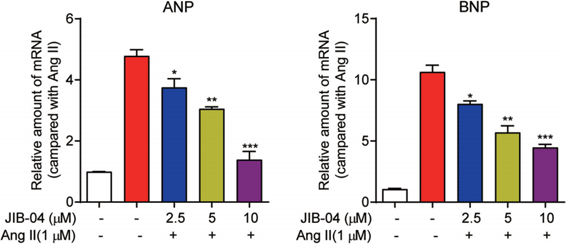
JIB-04 blocks Ang II-induced cardiomyocyte hypertrophic markers expression. H9c2 cells are pretreated with JIB-04 (0, 2.5, 5, and 10 lM) and then incubated with Ang II (1 lM) for 24 h. The hypertrophic markers ANP and BNP are detected by RT-qPCR.
JIB-04 purchased from MedChemExpress. Usage Cited in: J Recept Signal Transduct Res. 2020 Aug;40(4):339-347. [Abstract]
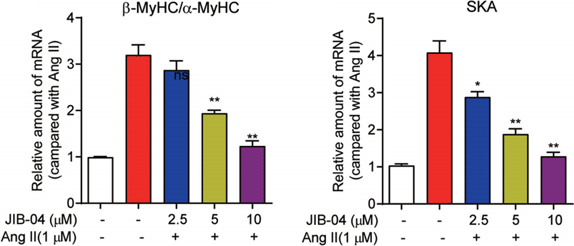
JIB-04 blocks Ang II-induced cardiomyocyte hypertrophic markers expression. H9c2 cells are pretreated with JIB-04 (0, 2.5, 5, and 10 lM) and then incubated with Ang II (1 lM) for 24 h. The hypertrophic markers a/b-MyHC and SKA are detected by RT-qPCR.
JIB-04 purchased from MedChemExpress. Usage Cited in: J Recept Signal Transduct Res. 2020 Aug;40(4):339-347. [Abstract]
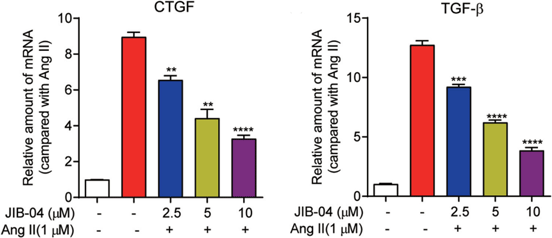
JIB-04 blocks Ang II-induced cardiomyocyte fibrotic markers expression. H9c2 cells were pretreated with JIB-04 (0, 2.5, 5, and 10 lM) and then incubated with Ang II (1 lM) for 24 h. The fibrotic markers CTGF and TGF-β are detected by RT-qPCR.
JIB-04 purchased from MedChemExpress. Usage Cited in: J Recept Signal Transduct Res. 2020 Aug;40(4):339-347. [Abstract]
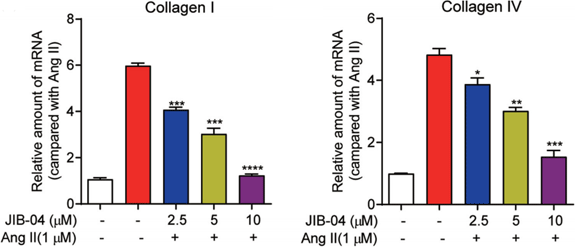
JIB-04 blocks Ang II-induced cardiomyocyte fibrotic markers expression. H9c2 cells were pretreated with JIB-04 (0, 2.5, 5, and 10 lM) and then incubated with Ang II (1 lM) for 24 h. The fibrotic markers Collagen I and Collagen IV are detected by RT-qPCR.
-


Solvent & Solubility
In Vitro:
DMSO : 50 mg/mL (161.94 mM; Need ultrasonic; Hygroscopic DMSO has a significant impact on the solubility of product, please use newly opened DMSO)
Ethanol : 2 mg/mL (6.48 mM; Need ultrasonic)
Please refer to the solubility information to select the appropriate solvent. Once prepared, please aliquot and store the solution to prevent product inactivation from repeated freeze-thaw cycles.
Storage method and period of stock solution: -80°C, 2 years; -20°C, 1 year. When stored at -80°C, please use it within 2 years. When stored at -20°C, please use it within 1 year.
Please refer to the solubility information to select the appropriate solvent. Once prepared, please aliquot and store the solution to prevent product inactivation from repeated freeze-thaw cycles.
Storage method and period of stock solution: -80°C, 2 years; -20°C, 1 year. When stored at -80°C, please use it within 2 years. When stored at -20°C, please use it within 1 year.
Concentration (start) × Volume (start) = Concentration (final) × Volume (final)
In Vivo:
Select the appropriate dissolution method based on your experimental animal and administration route.
- For the following dissolution methods, please ensure to first prepare a clear stock solution using an In Vitro approach and then sequentially add co-solvents:
- To ensure reliable experimental results, the clarified stock solution can be appropriately stored based on storage conditions. As for the working solution for In Vivo experiments, it is recommended to prepare freshly and use it on the same day.
- The percentages shown for the solvents indicate their volumetric ratio in the final prepared solution. If precipitation or phase separation occurs during preparation, heat and/or sonication can be used to aid dissolution.
Add each solvent one by one: 10% DMSO 40% PEG300 5% Tween-80 45% Saline
Solubility: ≥ 2.08 mg/mL (6.74 mM); Clear solution
This protocol yields a clear solution of ≥ 2.08 mg/mL (saturation unknown).
Taking 1 mL working solution as an example, add 100 μL DMSO stock solution (20.8 mg/mL) to 400 μL PEG300, and mix evenly; then add 50 μL Tween-80 and mix evenly; then add 450 μL Saline to adjust the volume to 1 mL.
Preparation of Saline: Dissolve 0.9 g sodium chloride in ddH₂O and dilute to 100 mL to obtain a clear Saline solution.
For the following dissolution methods, please prepare the working solution directly:
It is recommended to prepare fresh solutions and use them promptly within a short period of time.
The percentages shown for the solvents indicate their volumetric ratio in the final prepared solution. If precipitation or phase separation occurs during preparation, heat and/or sonication can be used to aid dissolution.
Add each solvent one by one: 0.5% CMC-Na/saline water
Solubility: 10 mg/mL (32.39 mM); Suspended solution; Need ultrasonic
In Vivo Dissolution Calculator
Please enter the basic information of animal experiments:
-
-
-
-
Recommended: Prepare an additional quantity of animals to account for potential losses during experiments.
Please enter your animal formula composition:
-
%DMSO +
Recommended: Keep the proportion of DMSO in working solution below 2% if your animal is weak.
-
%+
-
+%Tween-80 + +
-
%Saline +
The co-solvents required include: DMSO, . All of co-solvents are available by MedChemExpress (MCE). , Tween 80. All of co-solvents are available by MedChemExpress (MCE).
Working solution concentration: 0.22 mg/mL
Method for preparing stock solution: mg drug dissolved in μL DMSO. Stock solution concentration: mg/mL.
1. Take μL DMSO stock solution;
2. Add μL .
μL , mix evenly;
3. Then add μL Tween 80, mix evenly;
4. Then add μL
Please ensure that the stock solution in the first step is dissolved to a clear state, and add co-solvents in sequence. You can use ultrasonic heating (ultrasonic cleaner, recommended frequency 20-40 kHz), vortexing, etc. to assist dissolution.


Purity & Documentation
-
Data Sheet (280 KB)
-
SDS (393 KB)
- English - EN (393 KB)
- Français - FR (393 KB)
- Deutsch - DE (393 KB)
- Norwegian - NO (393 KB)
- Español - ES (393 KB)
- Swedish - SV (393 KB)
- Italian - IT (393 KB)
- Korean - KR (393 KB)
- Portuguese - PT (393 KB)
-
Handling Instructions (2659 KB)
References
[1]. Wang L, et al. A small molecule modulates Jumonji histone demethylase activity and selectively inhibits cancer growth. Nat Commun, 2013. 4: p. 2035. [Content Brief]
[2]. Banelli B, et al. Small molecules targeting histone demethylase genes (KDMs) inhibit growth of temozolomide-resistant glioblastoma cells. Oncotarget. 2017 Apr 4. [Content Brief]


Complete Stock Solution Preparation Table
Please refer to the solubility information to select the appropriate solvent. Once prepared, please aliquot and store the solution to prevent product inactivation from repeated freeze-thaw cycles.
Storage method and period of stock solution: -80°C, 2 years; -20°C, 1 year. When stored at -80°C, please use it within 2 years. When stored at -20°C, please use it within 1 year.
| Optional Solvent | Concentration Solvent Mass | 1 mg | 5 mg | 10 mg | 25 mg |
|---|---|---|---|---|---|
| Ethanol / DMSO | 1 mM | 3.2387 mL | 16.1935 mL | 32.3871 mL | 80.9677 mL |
| 5 mM | 0.6477 mL | 3.2387 mL | 6.4774 mL | 16.1935 mL | |
| DMSO | 10 mM | 0.3239 mL | 1.6194 mL | 3.2387 mL | 8.0968 mL |
| 15 mM | 0.2159 mL | 1.0796 mL | 2.1591 mL | 5.3978 mL | |
| 20 mM | 0.1619 mL | 0.8097 mL | 1.6194 mL | 4.0484 mL | |
| 25 mM | 0.1295 mL | 0.6477 mL | 1.2955 mL | 3.2387 mL | |
| 30 mM | 0.1080 mL | 0.5398 mL | 1.0796 mL | 2.6989 mL | |
| 40 mM | 0.0810 mL | 0.4048 mL | 0.8097 mL | 2.0242 mL | |
| 50 mM | 0.0648 mL | 0.3239 mL | 0.6477 mL | 1.6194 mL | |
| 60 mM | 0.0540 mL | 0.2699 mL | 0.5398 mL | 1.3495 mL | |
| 80 mM | 0.0405 mL | 0.2024 mL | 0.4048 mL | 1.0121 mL | |
| 100 mM | 0.0324 mL | 0.1619 mL | 0.3239 mL | 0.8097 mL |


JIB-04 Related Classifications
HY-13953 Related Classifications
 Powered by Bioz