



Vps34
VPS34 (PIK3C3) is the sole class III phosphatidylinositol 3-kinase in mammals and functions as a central regulator of phosphatidylinositol 3-phosphate (PI3P) production, membrane trafficking, and autophagy[1][2][3]. Mechanistically, VPS34 phosphorylates phosphatidylinositol to generate PI3P, which recruits FYVE- and PX-domain-containing effector proteins that control vesicle docking, membrane fusion, endosomal sorting, and autophagosome dynamics[2][4]. VPS34 operates within distinct Beclin 1-containing complexes that coordinate different biological processes, with the ATG14-associated complex primarily regulating autophagosome initiation and maturation, whereas the UVRAG-associated complex contributes predominantly to endocytic trafficking and vesicular transport[5][6][7]. Through these pathways, VPS34 integrates nutrient sensing, cellular stress responses, endocytosis, and autophagy to maintain intracellular homeostasis[3][8]. In experimental models, genetic deletion of Vps34 disrupts autophagic flux and impairs normal heart and liver function, highlighting its physiological importance in tissue maintenance[2]. Compared with class I and class II phosphoinositide 3-kinases, VPS34 is uniquely classified as the only class III PI3K in mammals and exhibits distinct substrate specificity for phosphatidylinositol-dependent PI3P generation[1][8]. For experimental applications, selective VPS34 inhibitors such as SAR405 and VPS34-IN1 have been developed to suppress VPS34 kinase activity, providing valuable tools for investigating autophagy, endosomal trafficking, and VPS34-dependent disease mechanisms[9].
References:
- [1]. Jaber N, et al. Class III PI3K Vps34 plays an essential role in autophagy and in heart and liver function. Proc Natl Acad Sci U S A. 2012 Feb 7;109(6):2003-8. [Content Brief]
- [2]. Kolobova E, et al. β-Amyloids and Immune Responses Associated with Alzheimer's Disease. Cells. 2024 Sep 28;13(19):1624. [Content Brief]
- [3]. Shen Y, et al. Class III Phosphatidylinositol-3 Kinase/Vacuolar Protein Sorting 34 in Cardiovascular Health and Disease. J Cardiovasc Transl Res. 2025 Apr;18(2):392-407. [Content Brief]
- [4]. Maejima Y, et al. Regulation of autophagy by Beclin 1 in the heart. J Mol Cell Cardiol. 2016 Jun;95:19-25. [Content Brief]
- [5]. Kihara A, et al. Two distinct Vps34 phosphatidylinositol 3-kinase complexes function in autophagy and carboxypeptidase Y sorting in Saccharomyces cerevisiae. J Cell Biol. 2001 Feb 5;152(3):519-30. [Content Brief]
- [6]. Zhang H, et al. Eaten alive: novel insights into autophagy from multicellular model systems. Trends Cell Biol. 2015 Jul;25(7):376-87. [Content Brief]
- [7]. Youhanna S, et al. Organotypic human ex vivo models for coronavirus disease 2019 research and drug development. Curr Opin Pharmacol. 2021 Aug;59:11-18. [Content Brief]
- [8]. Ronan B, et al. A highly potent and selective Vps34 inhibitor alters vesicle trafficking and autophagy. Nat Chem Biol. 2014 Dec;10(12):1013-9. [Content Brief]
All Product Categories
-
Vps34 Related Products (23)

- 1
- 2
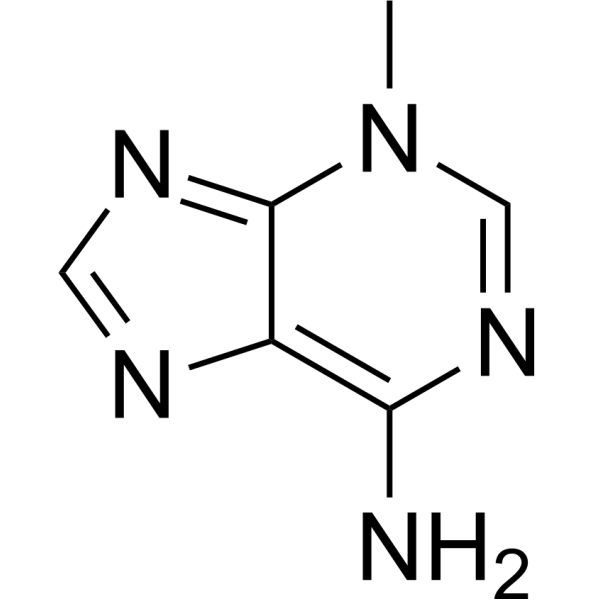
- 3-Methyladenine
-
loading...loading...
-
-
Idelalisib
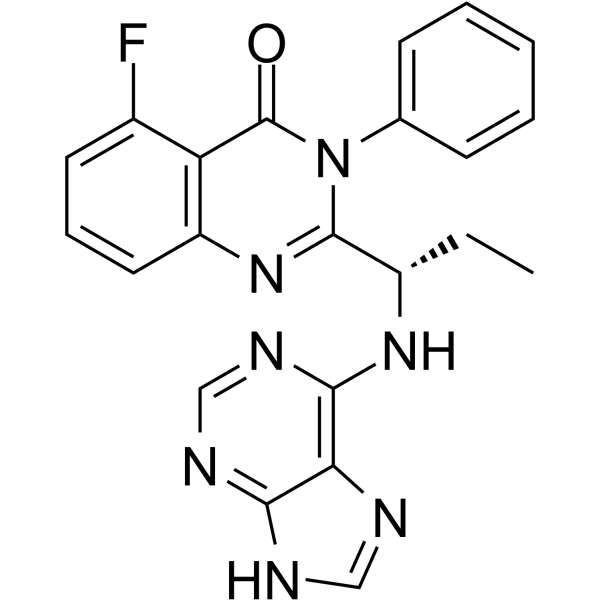 0 ImagesSynonyms: CAL-101; GS-1101
 -
loading...loading...
-
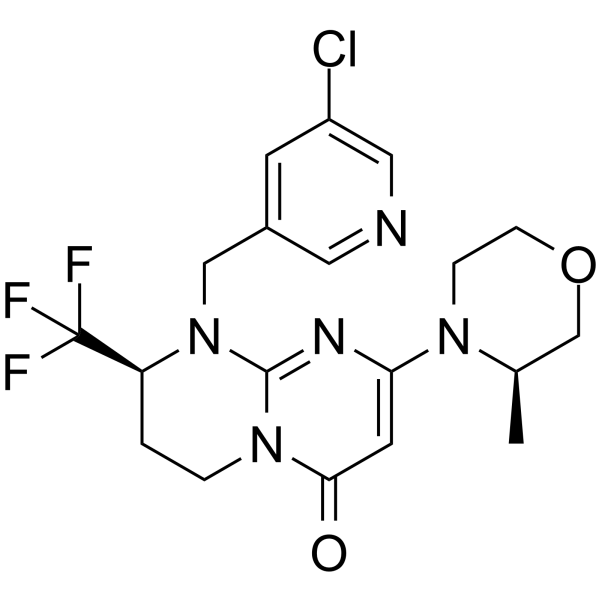
- SAR405
-
loading...loading...
-
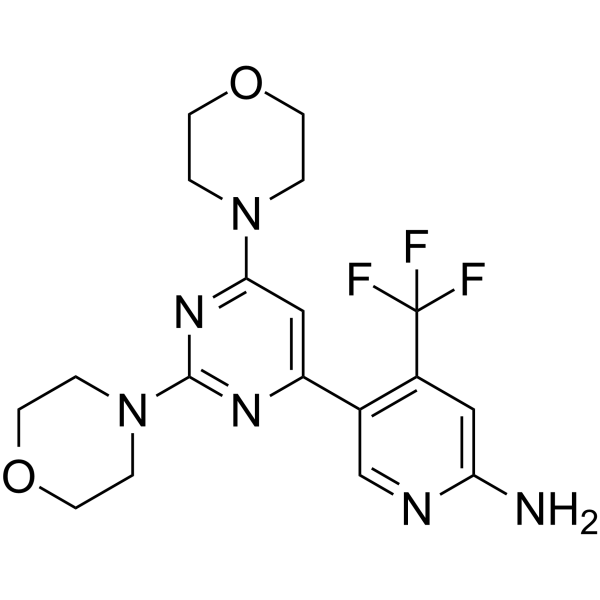
- Buparlisib
-
loading...loading...
-
-
Vps34-IN-1
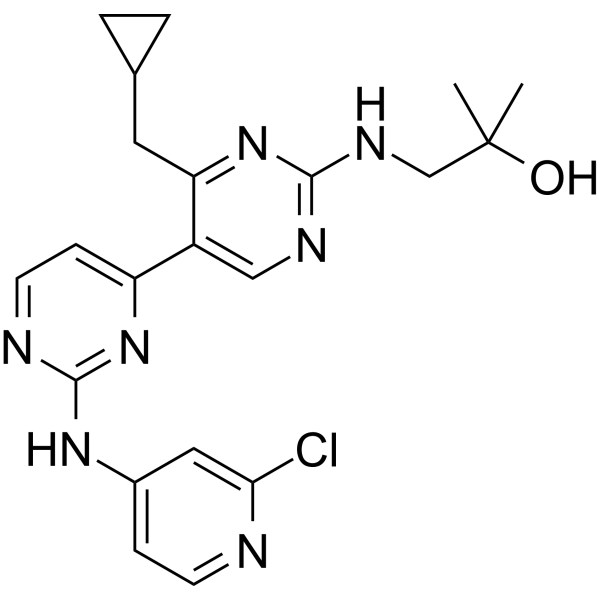 0 ImagesVps34-IN-1 is a potent and selective inhibitor of class III Vps34 PI3K. Vps34-IN-1 inhibits phosphorylation of PtdIns by recombinant insect cell expressed Vps34-Vps15 complex with an IC50 of ~25 nM. Vps34-IN-1 can suppress SGK3 activation by reducing PtdIns(3)P levels via lowering phosphorylation of T-loop and hydrophobic motifs. Vps34-IN-1 modulates autophagy.
 -
loading...loading...
-
- PI-103
-
loading...loading...
-
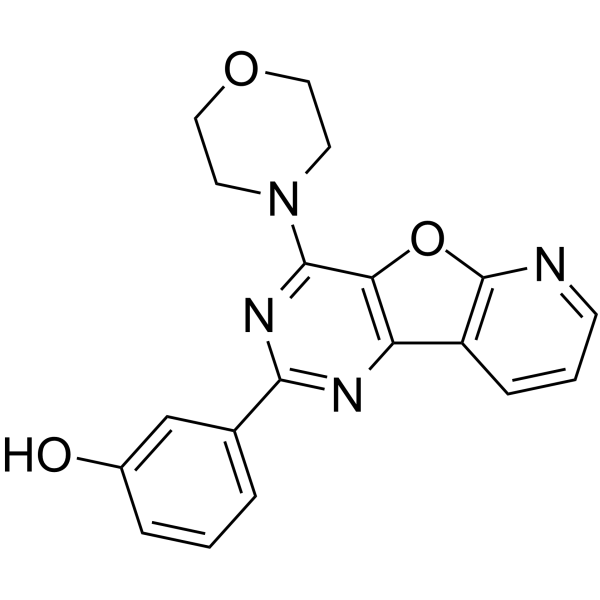
- PIK-90
-
loading...loading...
-
-
Autophinib
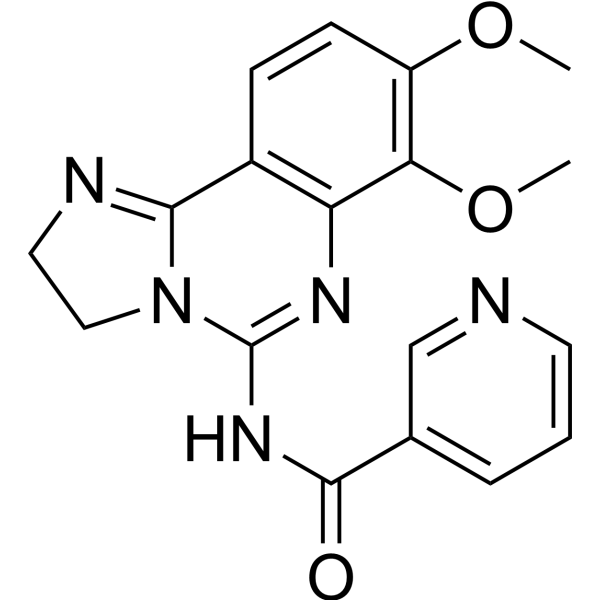
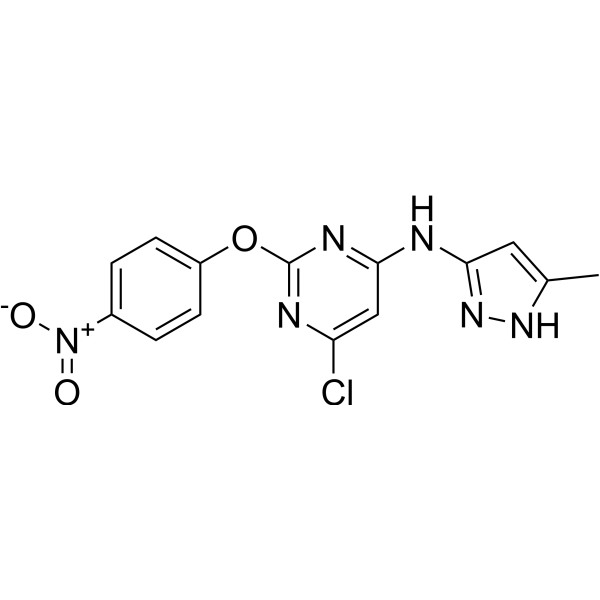 0 ImagesAutophinib is a potent, selective autophagy inhibitor with IC50s of 90 nM and 40 nM for starvation- and Rapamycin-induced autophagy, respectively. Autophinib is also an ATP competitive Vacuolar Protein Sorting 34 (VPS34) inhibitor with an IC50 of 19 nM. Autophinib inhibits autophagy induced by starvation or Rapamycin by targeting VPS34.
 -
loading...loading...
-
- PIK-93
-
loading...loading...
-
-
Bimiralisib
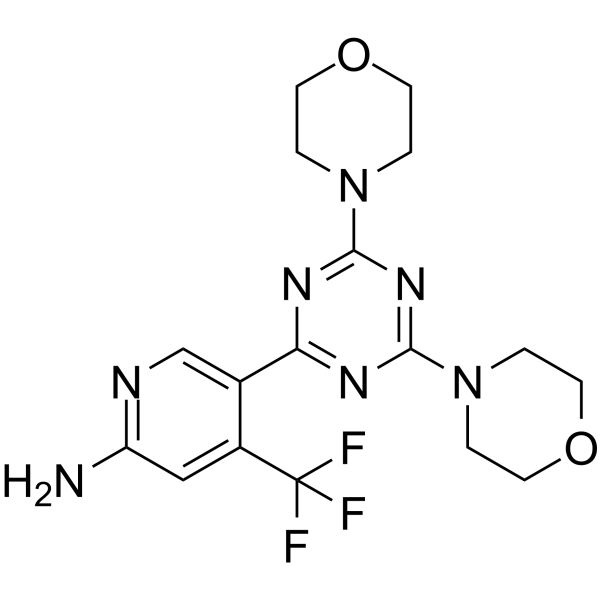 0 ImagesSynonyms: PQR309
 -
loading...loading...
-
-
Vps34-PIK-III
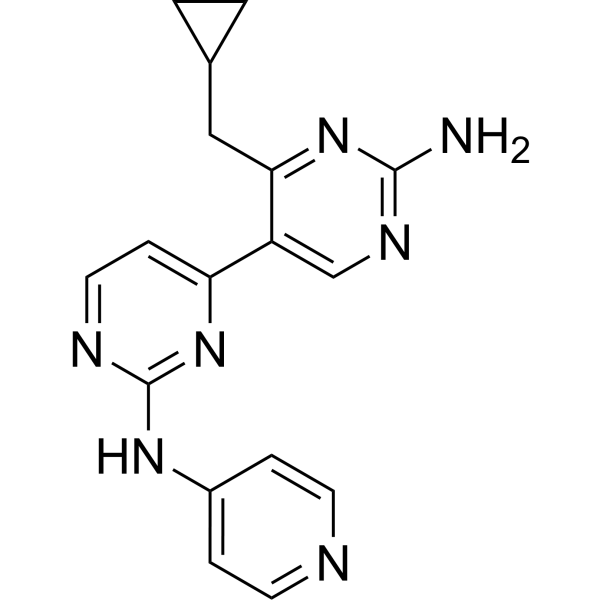 0 ImagesVps34-PIK-III is an orally active and selective VPS34 inhibitor (IC50=18 nM). Vps34-PIK-III effectively inhibits autophagy and can be used as a molecular tool. vps34-PIK-III is also a PI3K inhibitor that inhibits the expression of genes in liver cancer stem cells (CSCs).
 -
loading...loading...
-
- VS-5584
-
loading...loading...
-
- Pilaralisib
-
loading...loading...
-
-
AZD 6482
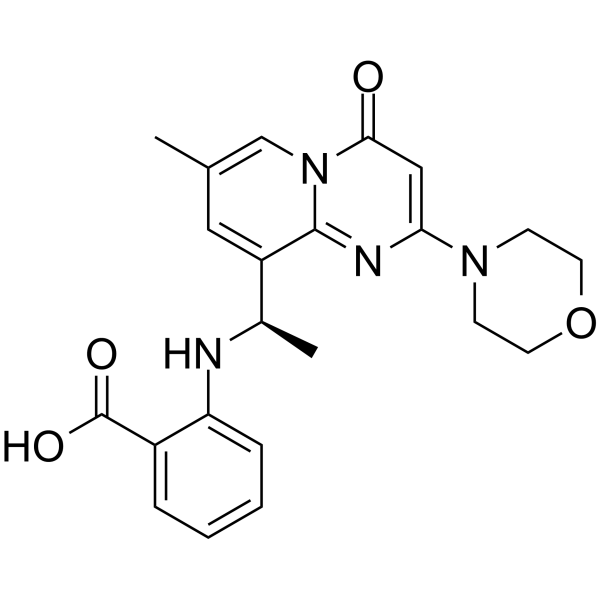 0 ImagesSynonyms: KIN-193AZD 6482 (KIN-193) is a potent and selective p110β inhibitor with an IC50 of 0.69 nM.
 -
loading...loading...
-
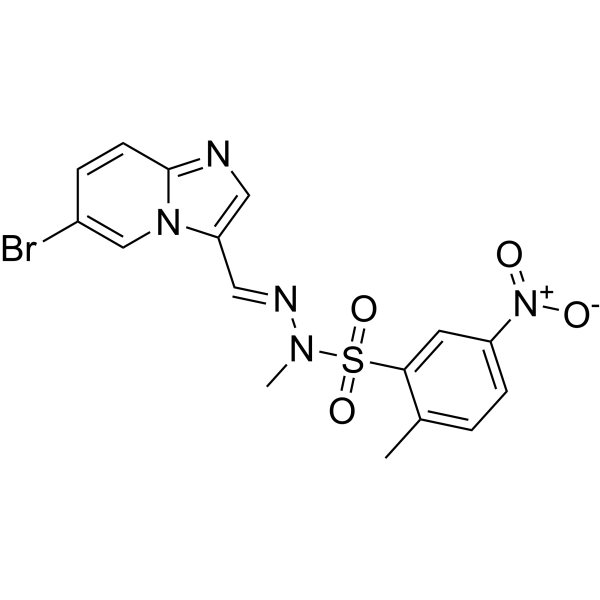
- PIK-75 hydrochloride
-
loading...loading...
-
-
SB02024
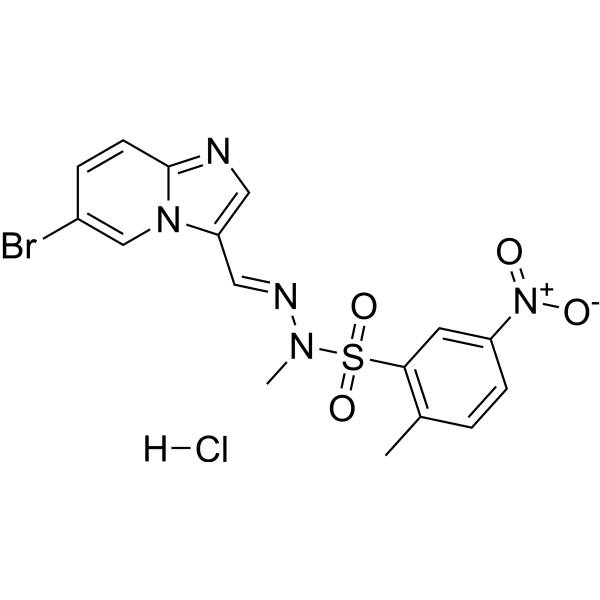
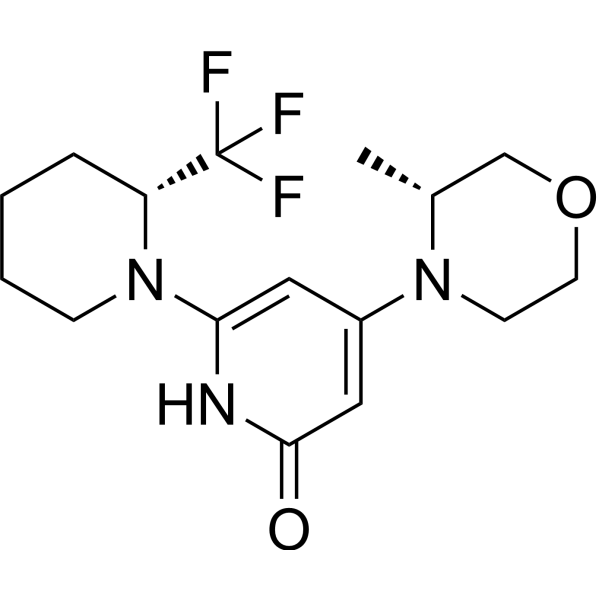 0 ImagesSB02024 is a potent and orally active VPS34 inhibitor. SB02024 inhibits Vps34 kinase activity. SB02024 induces CCL5 and CXCL10 via STAT1/IRF7. SB02024 shows anticancer activity.
 -
loading...loading...
-
- Buparlisib Hydrochloride
-
loading...loading...
-
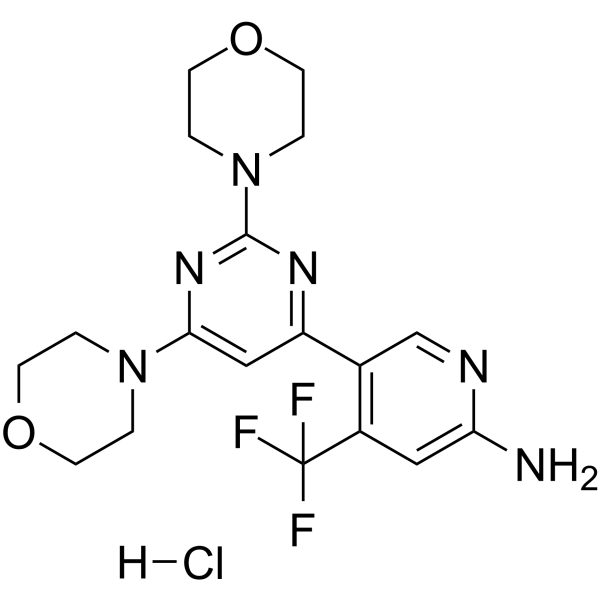
- SAR-260301
-
loading...loading...
-
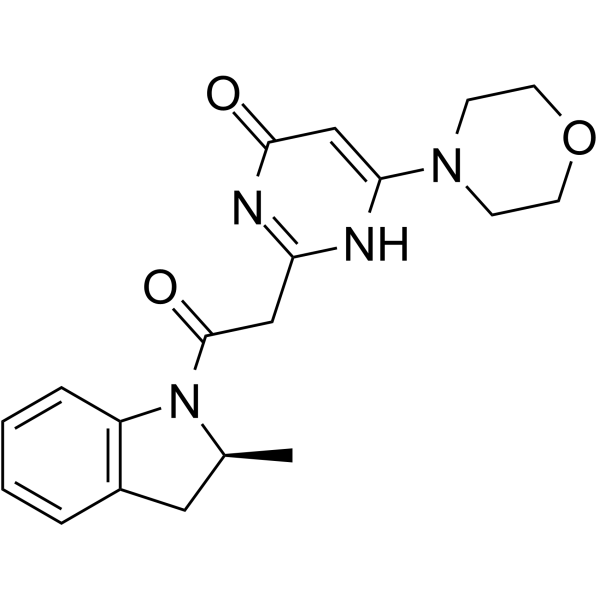
- Vps34-IN-2
-
loading...loading...
-
- 1
- 2



