



Acute Lung Injury
-
Acute Lung Injury (34)

- 1
- 2
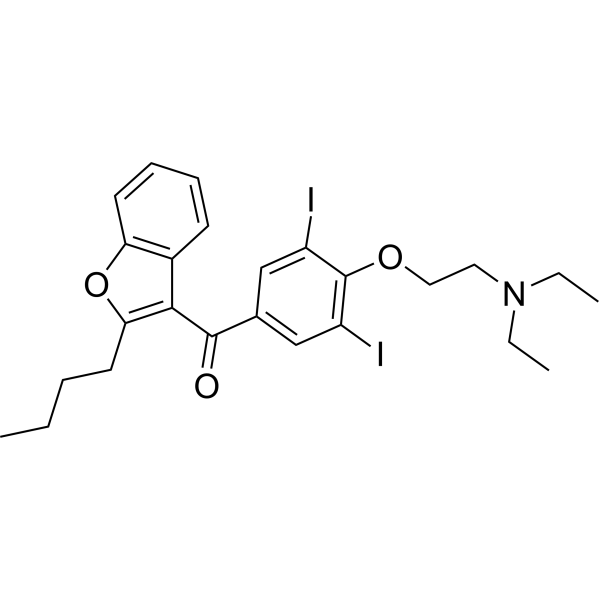
- Formula: C25H29I2NO3
- Molecular Weight: 645.31
Amiodarone, a benzofuran-based Class III antiarrhythmic agent, inhibits WT outward ionic current (IhERG) tails with an IC50 of ∼45 nM. Amiodarone induces cell proliferation and myofibroblast differentiation via ERK1/2 and p38 MAPK signaling in fibroblasts. Amiodarone can be used in the research of both supraventricular and ventricular arrhythmias.
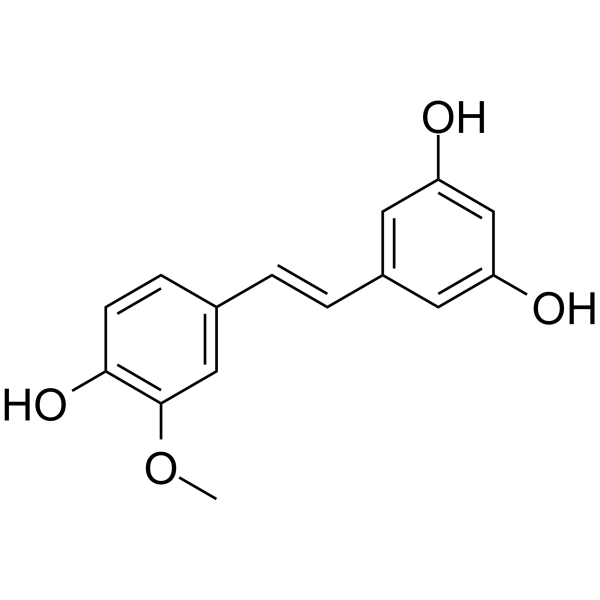
- Formula: C15H14O4
- Molecular Weight: 258.27
Isorhapontigenin is an orally active dietary polyphenol. Isorhapontigenin acts as a potent antioxidant that reduces the production of reactive oxygen species (ROS). Isorhapontigenin promotes the binding of JUN to the AP-1 site on the SESN2 promoter, induces SESN2 transcription, triggers MAPK8-dependent JUN activation, and upregulates the expression of PPAR-α, PGC-1α and CPT-1A to facilitate fatty acid oxidation. Isorhapontigenin induces autophagy, apoptosis and preadipocyte differentiation; it inhibits tumor growth, cell invasion, NF-κB transcriptional activity, the PI3K/Akt signaling pathway, STAT1 phosphorylation and MMP-2 expression. Isorhapontigenin alleviates oxidative stress, inflammatory cytokine release and triglyceride accumulation; it increases intracellular ATP levels and promotes Nrf2 nuclear translocation. Isorhapontigenin improves insulin sensitivity in adipose tissue and glucose tolerance, and reduces postprandial blood glucose, insulin and free fatty acid levels. Isorhapontigenin is applicable to research on bladder cancer, liver injury, chronic obstructive pulmonary disease, acute lung injury and type 2 diabetes.
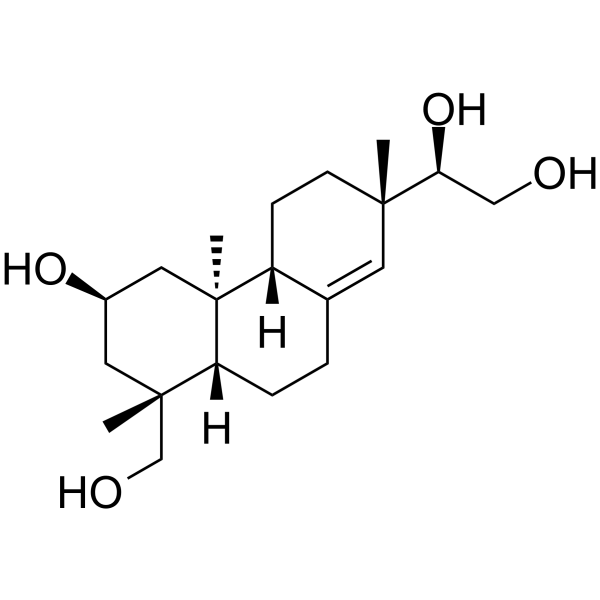
- Formula: C20H34O4
- Molecular Weight: 338.48
Kirenol is a diterpenoid compound, an orally active apoptosis inducer and signaling pathway regulator, with a Kd value of 5.47 μM against the target CK2. Kirenol promotes the cleavage of Bid into tBid, regulates the protein levels/phosphorylation of Bax, Bcl-2, p53 and p21, and induces caspase-independent apoptosis, S-phase cell cycle arrest, ROS accumulation and cytotoxicity in cancer cells. Kirenol activates the CK2/AKT and AMPK-mTOR-ULK1 pathways, inhibits the signaling of NF-κB, TGF-β/Smads and NLRP3 inflammasome, and regulates the GSK3β, BMP and Wnt/β-catenin pathways. Kirenol induces autophagy, mitophagy and osteoblast differentiation, promotes mitochondrial fusion, and exerts antioxidant, anti-inflammatory, antifibrotic, renoprotective, cardioprotective, neuroprotective and analgesic effects. Kirenol is applicable to research related to chronic myeloid leukemia, ischemic stroke, diabetic nephropathy, heart failure, acute lung injury and osteoporosis.
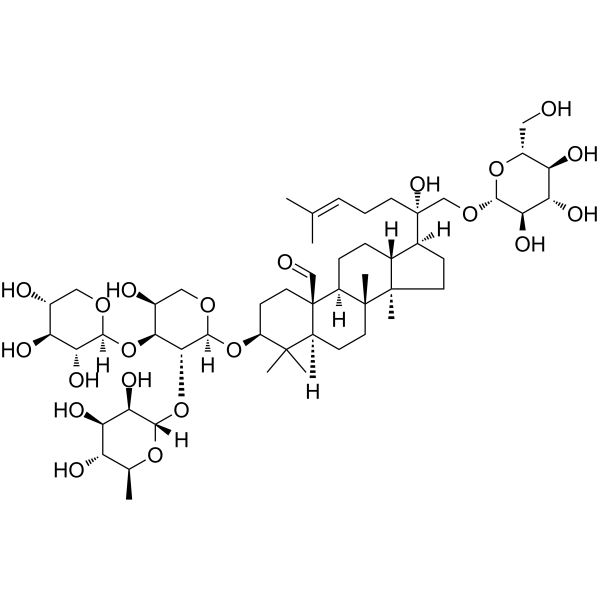
- Formula: C52H86O21
- Molecular Weight: 1047.23
Gypenoside XLIX is a multifunctional bioactive compound that can be isolated from Gynostemma pentaphyllum, with a Ka value of 1.58 μM for its binding to SIRT1. Gypenoside XLIX acts as a PPAR-α agonist. It inhibits the activation of TLR4-mediated NF-κB signaling pathway by activating the Sirt1/Nrf2 signaling pathway, reduces ROS accumulation, and alleviates hepatic inflammatory injury in mice with sepsis-induced liver disease. Gypenoside XLIX targets SIRT1 to block YAP-NLRP3 activation and improve sepsis-induced cardiomyopathy. Gypenoside XLIX inhibits apoptosis (Apoptosis), pyroptosis (Pyroptosis), autophagy (Autophagy), lipid peroxidation, pro-inflammatory cytokines and anti-inflammatory cytokines. Gypenoside XLIX alleviates sepsis-induced splenic injury by inhibiting inflammation and oxidative stress, and mitigates sepsis-associated encephalopathy by targeting PPAR-α. Gypenoside XLIX prevents acute kidney injury by inhibiting IGFBP7/IGF1R-mediated programmed cell death and inflammation. Gypenoside XLIX inhibits the expression and activity of vascular cell adhesion molecule-1 in cytokine-induced human endothelial cells. Gypenoside XLIX is applicable to research related to acute liver injury, lung injury, cardiomyopathy, acute splenic injury, sepsis-associated encephalopathy, acute kidney injury, atherosclerosis and chronic inflammation.
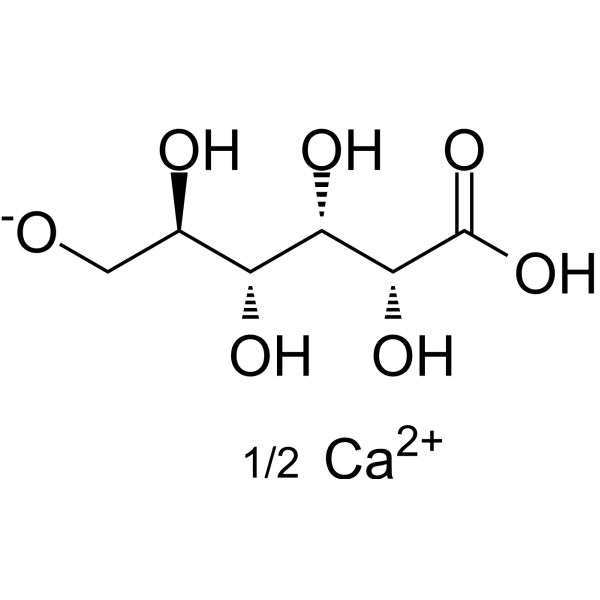
- Formula: C6H12O7.1/2Ca
- Molecular Weight: 216.20
Calcium gluconate is an orally effective calcium salt supplement. Calcium gluconate reduces elevated serum potassium, decreased serum calcium, and postoperative myalgia associated with succinylcholine administration. Calcium gluconate restores calcium homeostasis, skeletal integrity, bone mineralization and bone density, and maintains levels of parathyroid hormone, bone resorption markers and osteoclasts. Calcium gluconate reverses LPS (HY-D1056)-induced ERK phosphorylation, inflammatory cytokine release and acute lung injury, alleviates airway inflammatory damage and suppresses immune responses. Calcium gluconate can be used in research related to postoperative myalgia, osteoporosis/osteomalacia and acute lung injury.

- Formula: C17H28ClNO3
- Molecular Weight: 329.86
ACT001 (Dimethylaminomicheliolide; DMAMCL) hydrochloride is an orally active, blood-brain barrier-permeable anti-inflammatory and anti-tumor agent. ACT001 hydrochloride exerts microglia-mediated neuroanti-inflammatory effects by inhibiting the AKT/NF-κB/NLRP3 axis and suppressing apoptosis (apoptosis). ACT001 hydrochloride inhibits tumor proliferation by upregulating NKTR and inhibiting AKT. ACT001 hydrochloride alleviates metabolic-associated fatty liver disease by regulating gut microbiota and inhibiting ileal FXR. ACT001 hydrochloride inhibits pyroptosis (pyroptosis) and pro-inflammatory cytokine release by activating PPAR-γ and inhibiting NF-κB/NLRP3.

- Formula: C30H25N5O4S
- Molecular Weight: 551.62
Anti-inflammatory agent 117 is an orally active anti-inflammatory agent and c-Kit kinase inhibitor with an IC50 of 15.2 μM. Anti-inflammatory agent 117 blocks the NF-κB signaling pathway and inhibits the release of IL-6. Anti-inflammatory agent 117 exhibits anti-inflammatory effects in mouse models of acute lung injury, sepsis and ulcerative colitis. Anti-inflammatory agent 117 can be used in research related to acute lung injury, sepsis and ulcerative colitis.

- Formula: C29H25F3N6O2
- Molecular Weight: 546.54
PI3Kδ-IN-28 is an orally active and selective PI3Kδ inhibitor with an IC50 of 6.1 nM. PI3Kδ-IN-28 inhibits pro-inflammatory M1 macrophage polarization, promotes anti-inflammatory M2 phenotype, and alleviates pulmonary edema and inflammatory infiltration. PI3Kδ-IN-28 is applicable to research related to acute lung injury.
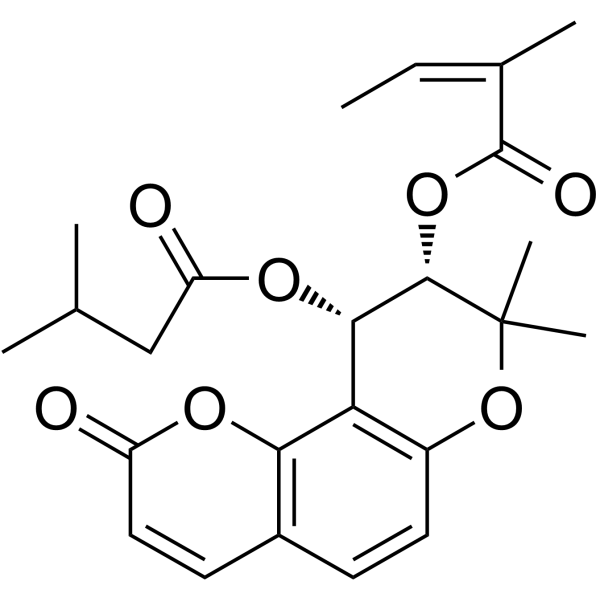
- Formula: C24H28O7
- Molecular Weight: 428.47
Praeruptorin E is an orally active pyranocoumarin compound. Praeruptorin E can be isolated from the dried roots of Peucedanum praeruptorum Dunn. Praeruptorin E reduces the expression of NF-κB. Praeruptorin E upregulates the expression of PXR and CYP3A4. Praeruptorin E inhibits Th2 cytokines, TNF-α, IL6, MPO, and blocks the Ca2+ slow channel. Praeruptorin E promotes pulmonary tissue repair and relaxes porcine coronary artery strips. Praeruptorin E protects mice from lipopolysaccharide- and hydrochloric acid-induced acute lung injury. Praeruptorin E can be used in studies related to asthma and acute lung injury.
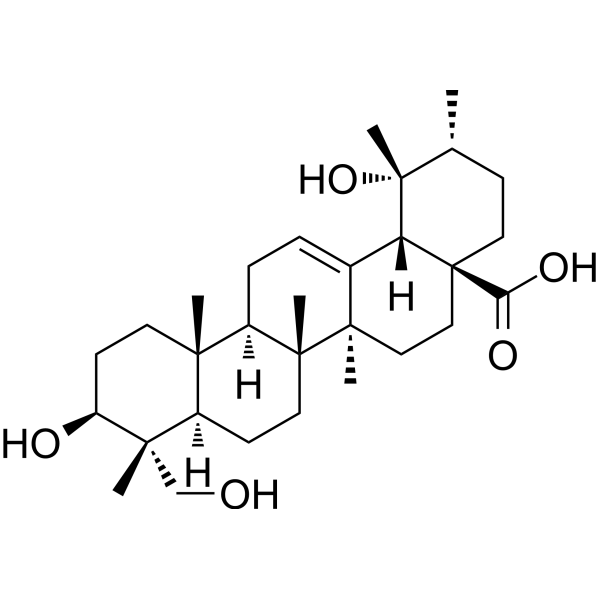
- Formula: C30H48O5
- Molecular Weight: 488.70
Rotundic acid is an orally effective triterpenoid with a Kd value of 51.3 µM for PTP1B. Rotundic acid downregulates the AKT/mTOR pro-survival pathway and modulates the MAPK pathway. Rotundic acid induces cell cycle S-phase arrest, DNA damage and apoptosis; it inhibits migration, invasion, angiogenesis and proliferation of cancer cells. Rotundic acid improves leptin sensitivity, regulates gut microbiota and reduces cellular senescence. Rotundic acid can be used in research related to hepatocellular carcinoma, obesity, aging, acute lung injury and type 2 diabetes.
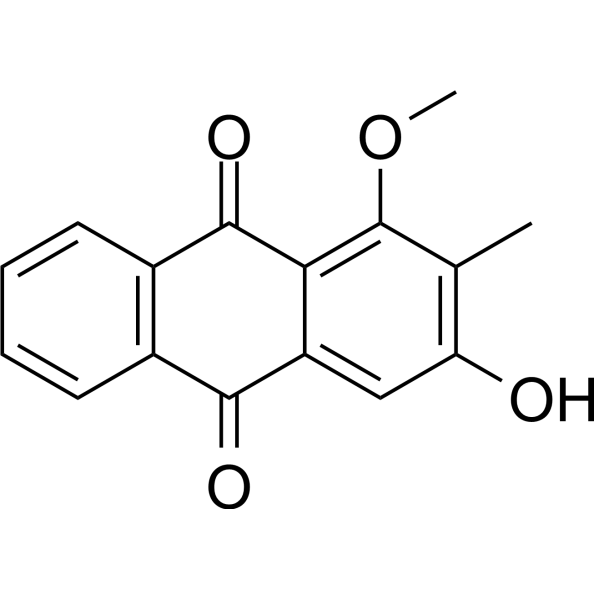
- Formula: C16H12O4
- Molecular Weight: 268.26
Rubiadin-1-methyl ether is an orally potent NF-κB p65 inhibitor and autophagy inhibitor. Rubiadin-1-methyl ether inhibits RANKL-induced phosphorylation and nuclear translocation of p65, suppresses BECN1 transcription, blocks LC3 conversion and autophagosome formation, thereby reducing the levels of BECN1 mRNA and Beclin1 protein. Rubiadin-1-methyl ether inhibits osteoclastogenesis, cell proliferation, macrophage M2 polarization and the TGF-β1 signaling pathway, and effectively alleviates pulmonary inflammation. Rubiadin-1-methyl ether is widely used in research on osteoporosis, pulmonary fibrosis, idiopathic pulmonary fibrosis, acute lung injury and other related diseases.
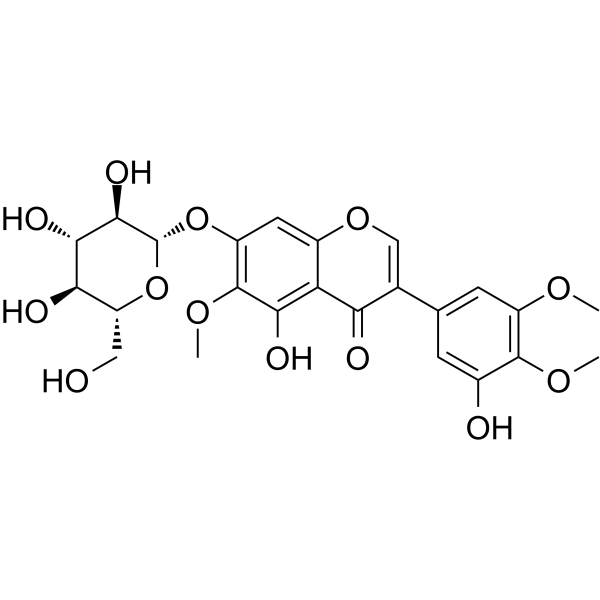
- Formula: C24H26O13
- Molecular Weight: 522.46
Iridin is an orally active natural isoflavone. Iridin inhibits the PI3K/AKT and PKM2 signaling pathways, and downregulates the JAK/STAT and NF-κB pathways. Iridin induces Fas-mediated extrinsic apoptosis, G2/M cell cycle arrest, and inhibits cell proliferation. Iridin reduces inflammation, inhibits ROS production, suppresses glycolysis, and also exhibits antioxidant and antidiabetic activities. Iridin can be used in research related to gastric cancer and acute lung injury.
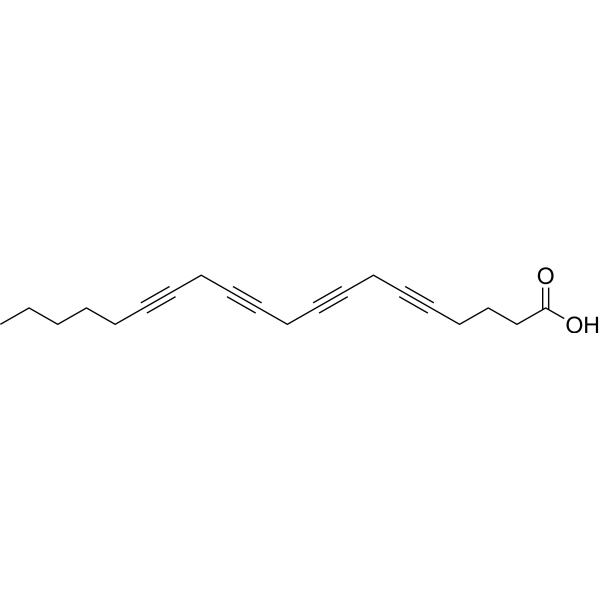
- Formula: C20H24O2
- Molecular Weight: 296.40
Eicosatetraynoic acid (ETYA) is a non-metabolizable analog of Arachidonic acid (HY-109590) and also an inhibitor of the lipoxygenase (LOX)/cyclooxygenase (COX) pathway (ID50 = 8 μM and 4 μM). Eicosatetraynoic acid acts as a suicide substrate to inhibit the production of inflammatory mediators such as leukotrienes and prostaglandins. Eicosatetraynoic acid acts directly on cell membranes and membrane proteins to exert a wide range of effects, including blocking potassium channels, increasing cell membrane fluidity, elevating intracellular calcium levels, inhibiting DNA synthesis in tumor cells, inducing differentiation of certain cells, and specifically inhibiting the assembly and replication of orthopoxviruses. Eicosatetraynoic acid alleviates acute lung injury induced by chemicals such as phosgene.
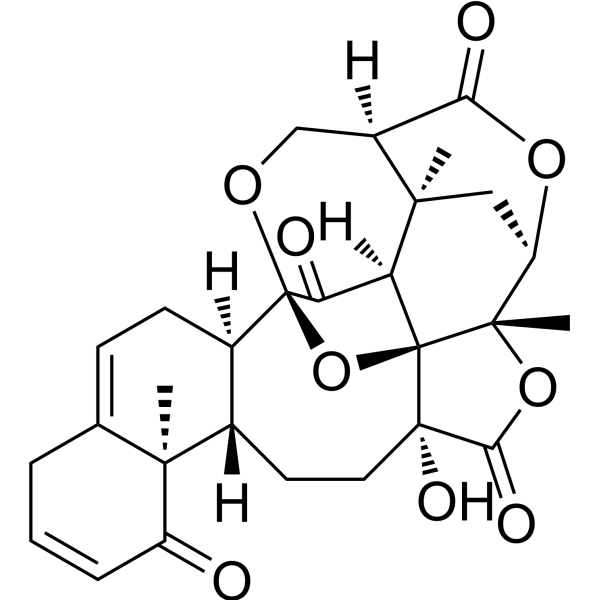
- Formula: C28H30O9
- Molecular Weight: 510.53
Physalin B is an orally active anti-inflammatory and anticancer agent. Physalin B can be isolated from Physalis alkekengi L. var. Franchetii. Physalin B inhibits the activation of the NF-κB, NLRP3 inflammasome, STAT3, PI3K/Akt and Hedgehog signaling pathways, regulates the phosphorylation levels of GSK-3β, p38 MAPK, ERK1/2 and JNK, and promotes the nuclear translocation of NRF2. Physalin B reduces the levels of pro-inflammatory cytokines and factors, induces mitochondrial reactive oxygen species (mito-ROS) production, Apoptosis, G2/M cell cycle arrest and incomplete Autophagy, alters cytoskeleton structure and alleviates oxidative stress. Physalin B reduces cancer cell viability, ameliorates liver and lung tissue damage and alleviates liver fibrosis. Physalin B can be used in research related to ulcerative colitis, breast cancer, acute lung injury, colon cancer, non-alcoholic steatohepatitis, liver fibrosis, lung cancer, pancreatic cancer, lymphoma, ovarian cancer, sarcoma and leukemia.

- Molecular Weight: 131.32 kDa
GSK1995057 is a human monoclonal antibody (mAb) targeting TNFRSF1A. GSK1995057 selectively binds to TNFR1, blocks the binding of TNF-α and LT-α, and does not interfere with TNFR2 signaling. GSK1995057 inhibits the activation of NF-κB, JNK and MAPK pathways, alleviates apoptosis (apoptosis) and inflammatory responses (inhibiting IL-1β, IL-6, IL-10, TNF-α), and prevents viability loss of human nucleus pulposus cells. GSK1995057 inhibits the expression of cytokines and neutrophil adhesion molecules in human pulmonary microvascular endothelial cell monolayers, and reduces inflammatory responses and lung injury symptoms in non-human primates. GSK1995057 forms complexes with HAVH autoantibodies, thereby activating TNFR1 and triggering the release of cytokines and IL-8 in human cells. GSK1995057 can be used in research related to intervertebral disc degeneration and acute lung injury.

- Formula: C70H85BF2N16O7
- Molecular Weight: 1311.33
APO-15 is a phosphatidylserine-binding fluorescent probe and apoptosis imaging reagent. APO-15 exhibits high chemical stability under proteolytic and oxidative conditions, enables quantification and imaging of drug-induced apoptosis in preclinical mouse models, and is applicable to fixed tissue samples and multiple in vivo administration routes (Ex = 488 nm; Em = 525 nm). APO-15 can be used in studies related to acute lung injury and breast cancer.

- Formula: C21H33N3O5
- Molecular Weight: 407.50
LYRM03 is a derivative of Ubenimex (HY-B0134) and a Aminopeptidase N inhibitor. LYRM03 is isolated from Streptomyces HCCB10043. LYRM03 inhibits TLR4, MyD88, NLRP3, ASC, NF-κB and p38 MAPK, stabilizes IκB, and suppresses LPS-induced expression of iNOS and COX-2. LYRM03 reduces the levels of inflammatory cytokines and oxidative stress markers, and alleviates pulmonary edema. LYRM03 exhibits anticancer activity against breast cancer. LYRM03 has anti-inflammatory activity. LYRM03 can be used in the research of acute lung injury and breast cancer.

- Formula: C19H17ClF3N3O5S2
- Molecular Weight: 523.93
IDO1/TDO-IN-12 is an IDO1/TDO2 inhibitor with IC50 values of 0.825 and 4.04 μM, respectively. IDO1/TDO-IN-12 interacts with the ferrous heme cofactor in IDO1 as a non-competitive tryptophan inhibitor. IDO1/TDO-IN-12 inhibits nitric oxide production in LPS (HY-D1056)-stimulated immune cells. IDO1/TDO-IN-12 relieves pulmonary edema and lung injury in LPS-induced mouse models. IDO1/TDO-IN-12 can be used for the research of acute lung injury (ALI).

- Formula: C19H20FN3O3S
- Molecular Weight: 389.44
ZM734 is an orally active and selective NLRP3 inflammasome inhibitor. ZM734 inhibits the secretion of IL-1β. ZM734 alleviates pulmonary inflammation in a mouse model of acute lung injury. ZM734 can be used for the research of inflammatory diseases such as acute lung injury.

- Formula: C22H22ClF3N4O5
- Molecular Weight: 514.88
sEH-IN-23 is a soluble epoxide hydrolase inhibitor with a IC50 of 0.8 nM against human sEH and 0.7 nM against murine sEH. sEH-IN-23 inhibits inflammatory factor production mediated by NF-κB activation, reactive oxygen species (ROS) generation, and the release of pro-inflammatory cytokines IL-1β, IL-6 and TNF-α. sEH-IN-23 exhibits anti-inflammatory activity in acute lung injury models. sEH-IN-23 can be used for the research of acute lung injury.
- 1
- 2



